NASA’s Fermi Satellite Finds Hints of Starquakes in Magnetar ‘Storm’

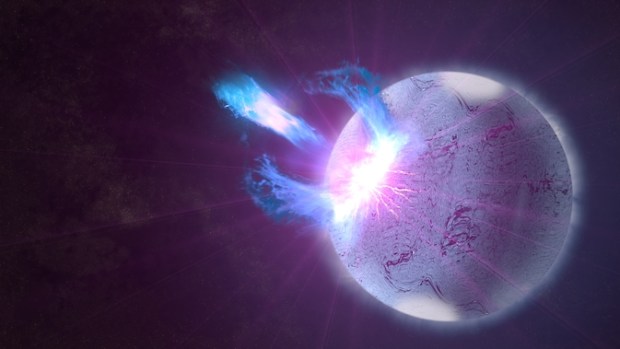
NASA’s Fermi Gamma-ray Space Telescope detected a rapid-fire “storm” of high-energy blasts from a highly magnetized neutron star, also called a magnetar, on Jan. 22, 2009. Now astronomers analyzing this data have discovered underlying signals related to seismic waves rippling throughout the magnetar.

NASA's Fermi Gamma-ray Space Telescope detected a rapid-fire "storm" of high-energy blasts from a highly magnetized neutron star, also called a magnetar, on Jan. 22, 2009. Now astronomers analyzing this data have discovered underlying signals related to seismic waves rippling throughout the magnetar.
A rupture in the crust of a highly magnetized neutron star, shown here in an artist’s rendering, can trigger high-energy eruptions. Fermi observations of these blasts include information on how the star’s surface twists and vibrates, providing new insights into what lies beneath.
via Francis Reddy: NASA’s Goddard Space Flight Center

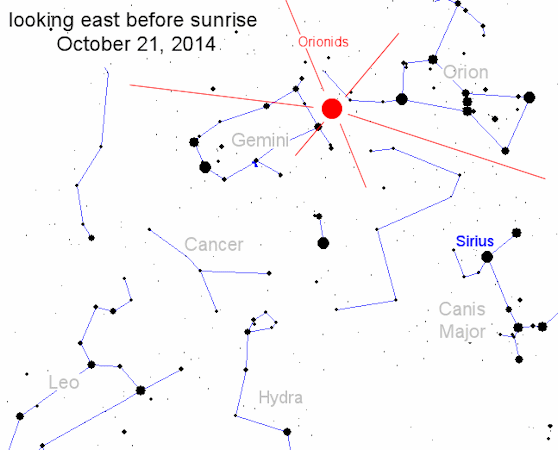
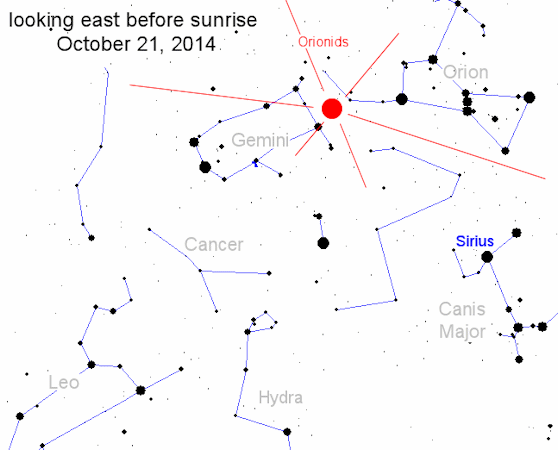
Watch live! NASA streams Orionid meteor shower


“The Orionid meteor shower is not the strongest, but it is one of the most beautiful showers of the year,” said Bill Cooke, the head of NASA’s Meteoroid Environment Office. “We expect to see about 20 meteors per hour when the shower peaks on Tuesday morning, October 21. With no Moon to spoil the show, observing conditions should be ideal.”

via nasa

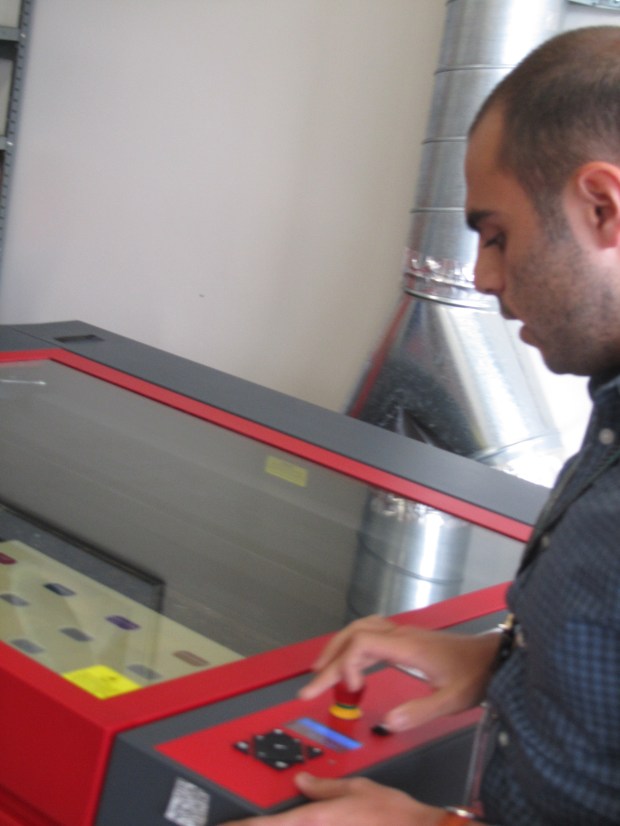
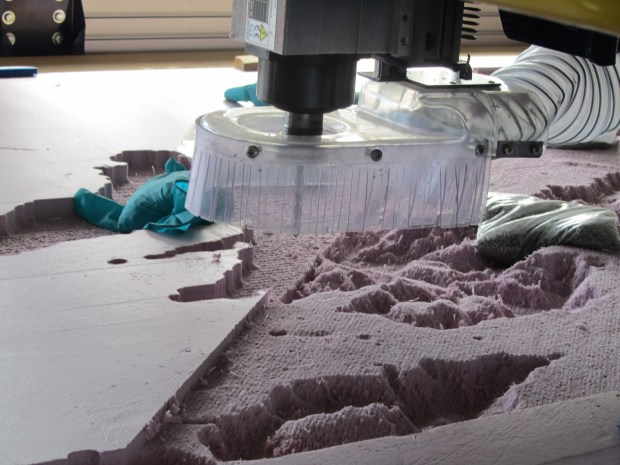
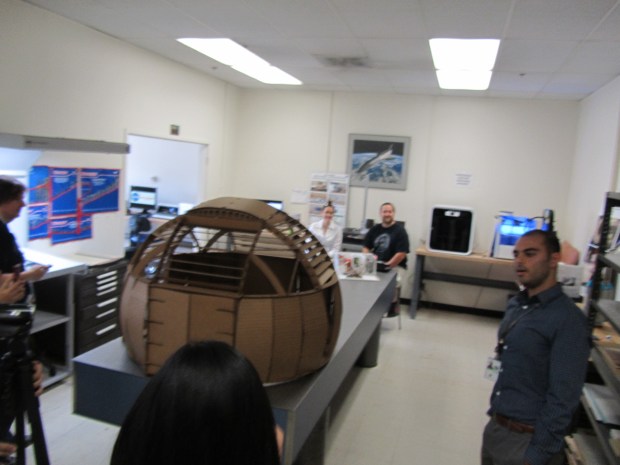
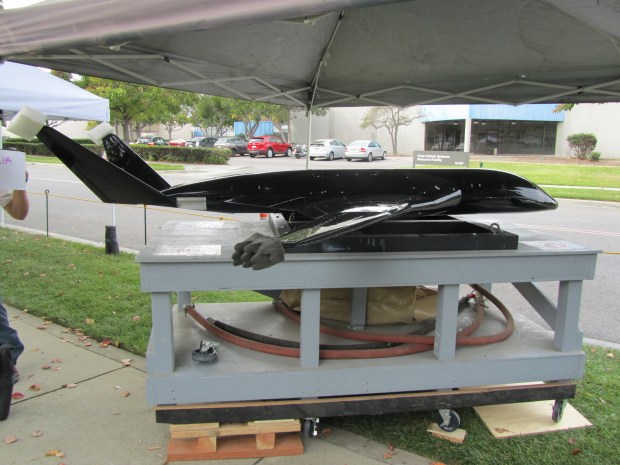
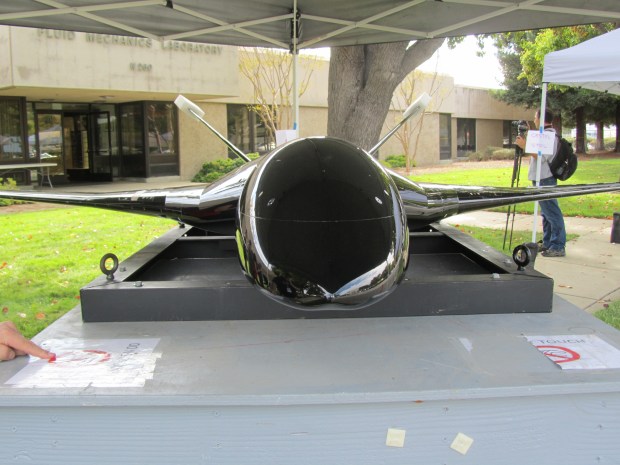
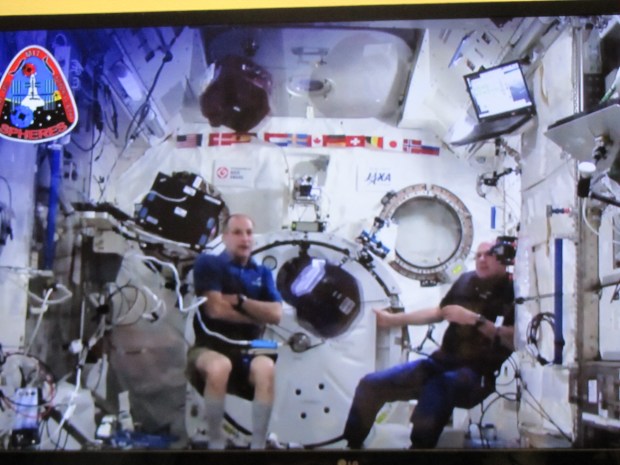
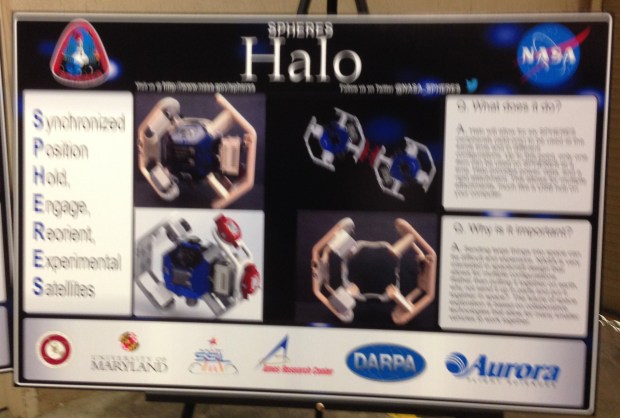
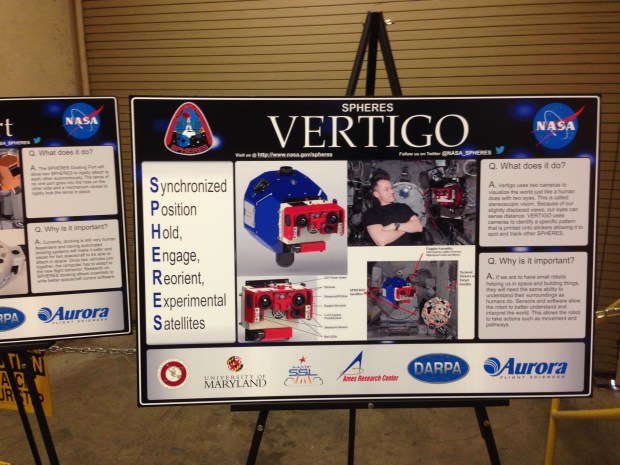
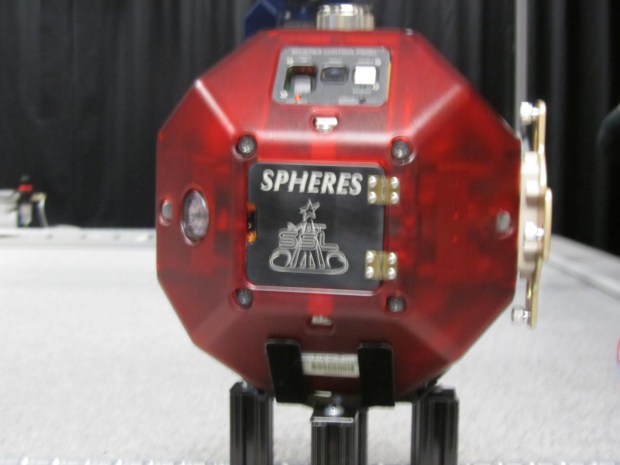
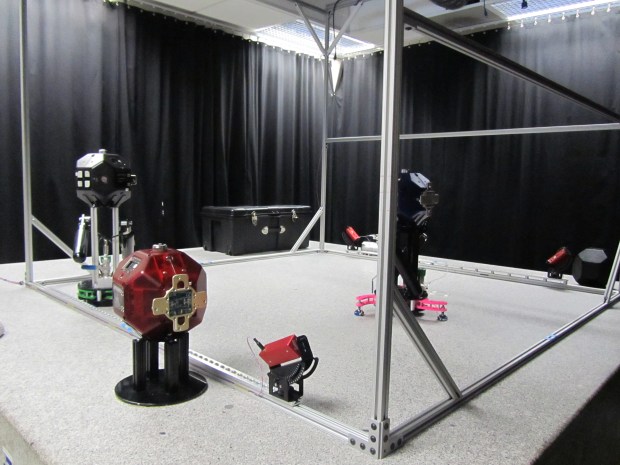
NASA AMES 75th Anniversay Open House (Video & Pics)

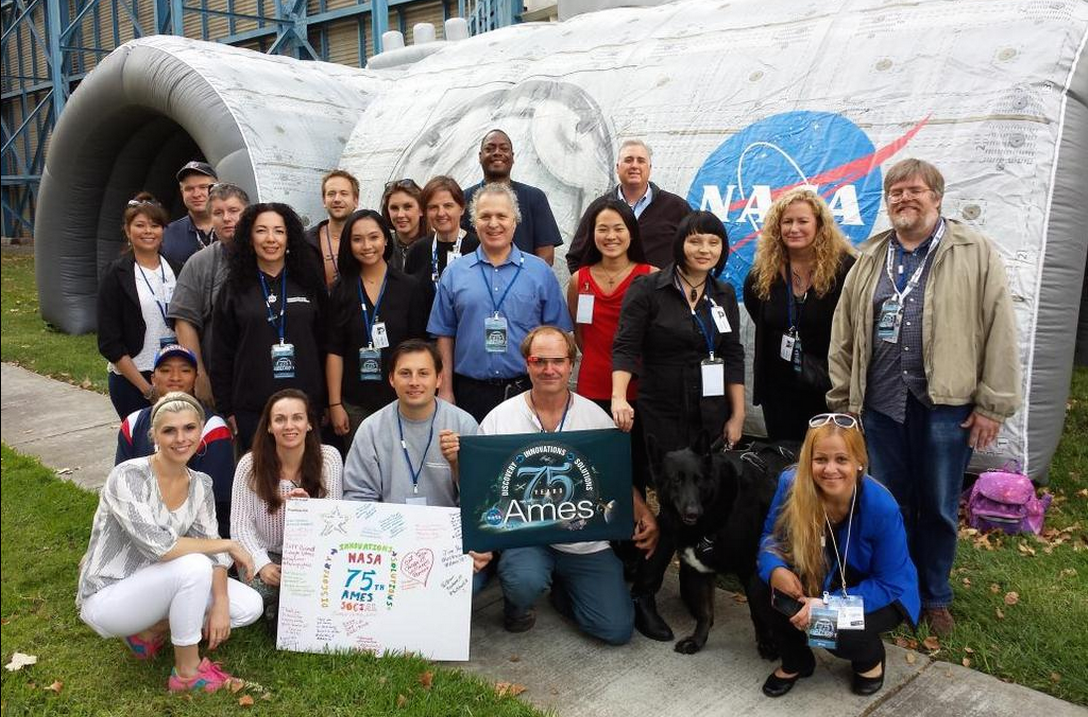
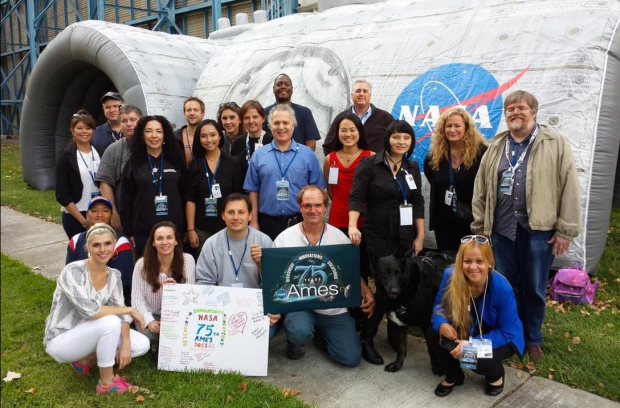
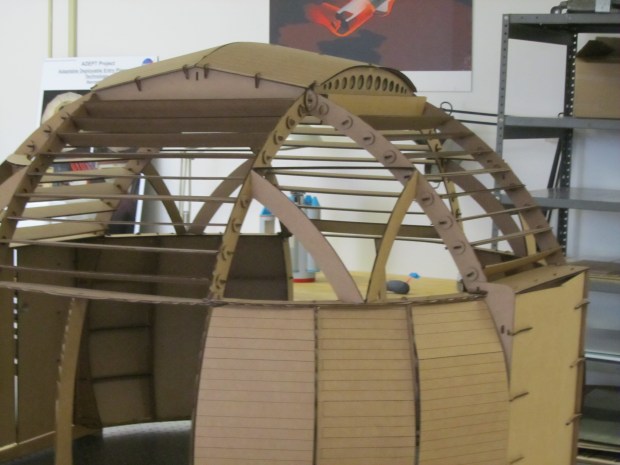
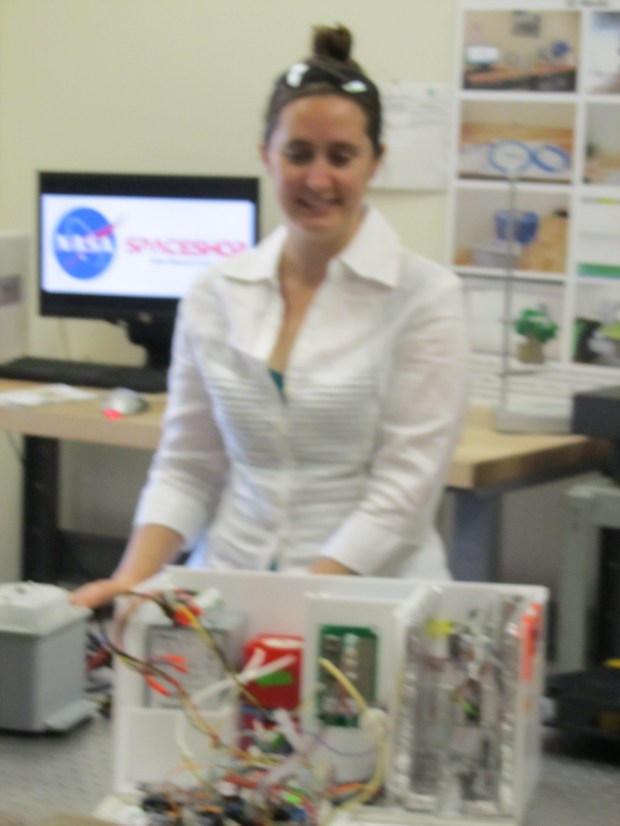
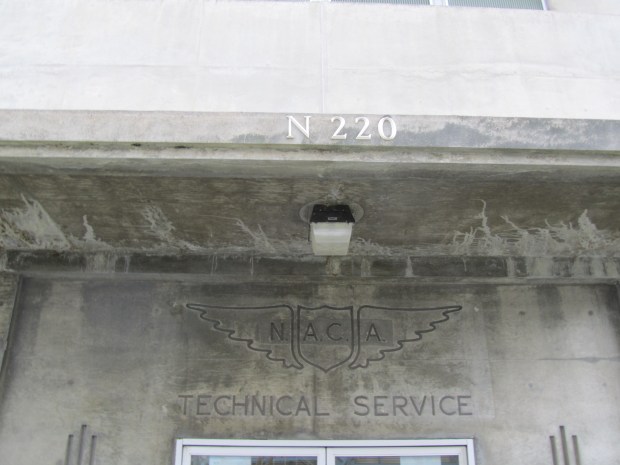
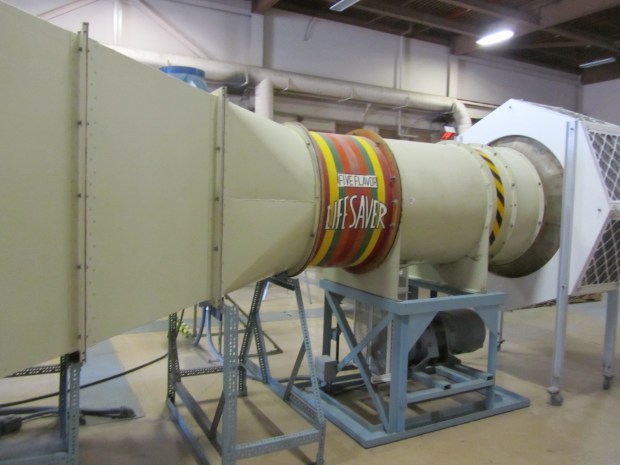
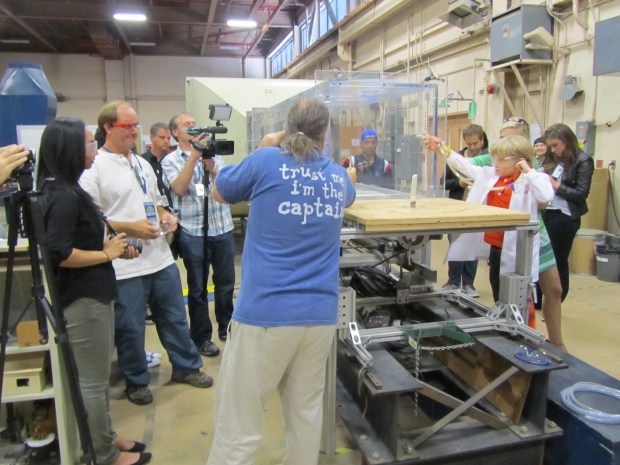
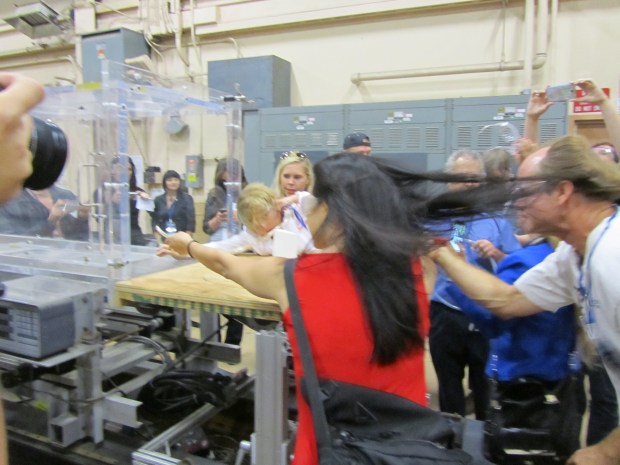
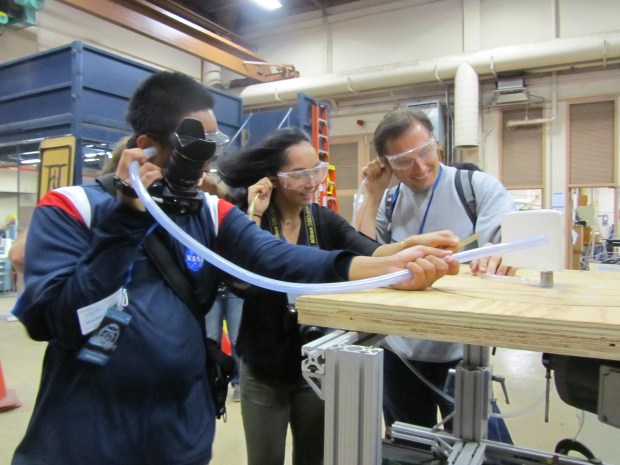
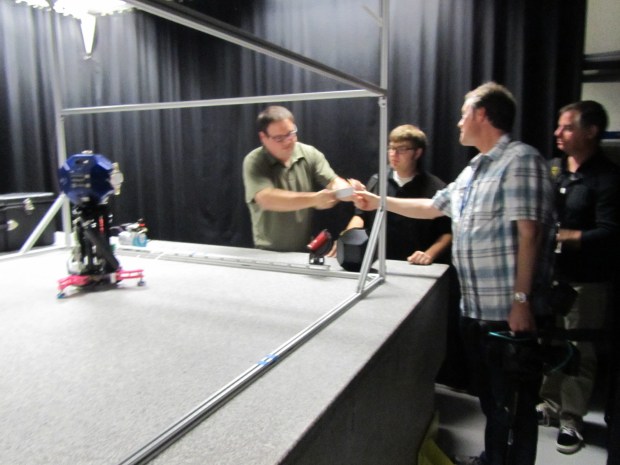
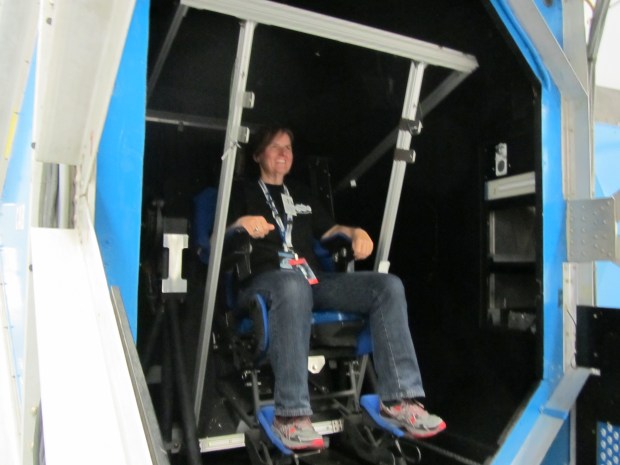
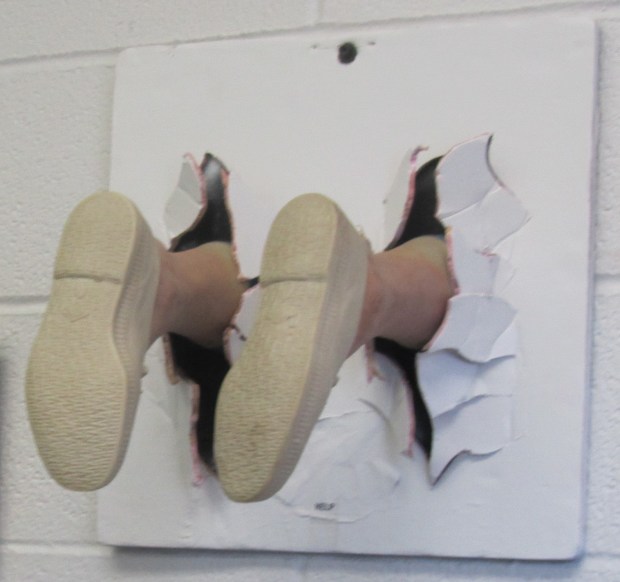
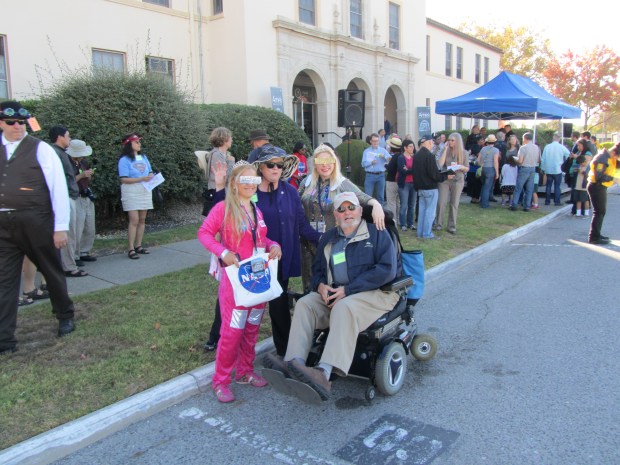
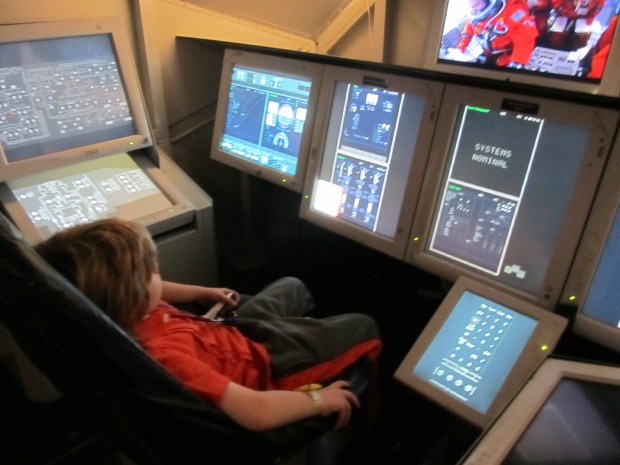
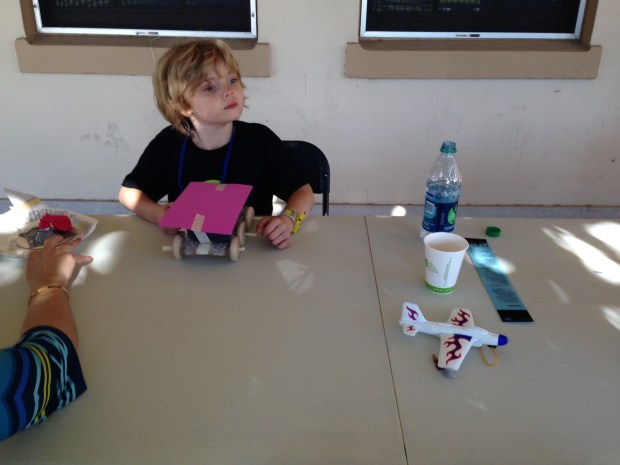
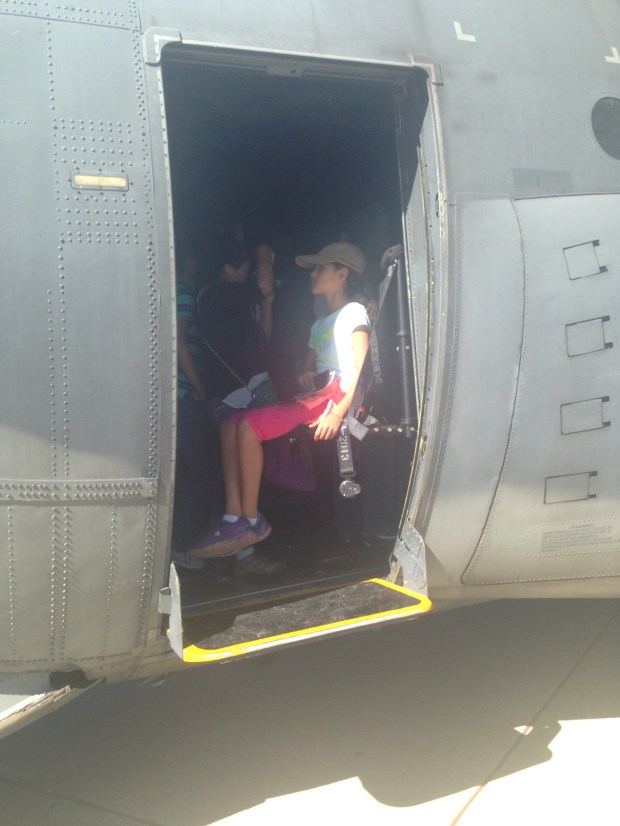
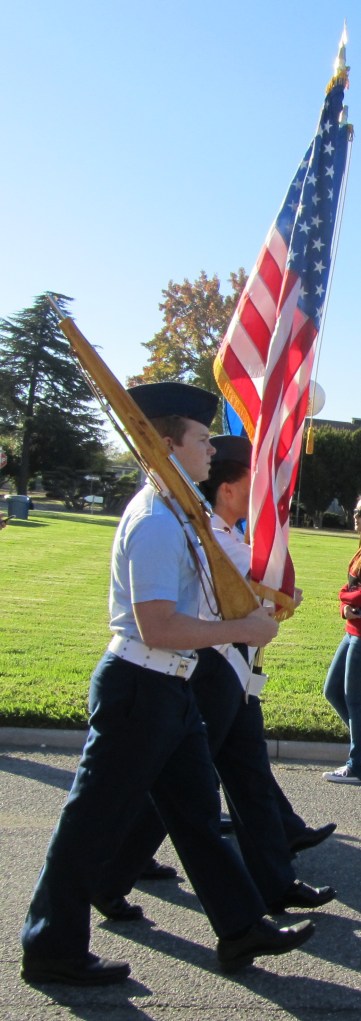
SASTPC would like to express sincere gratitude to the NASA Ames Research Center for their social media event invitation.  Everyone was incredibly friendly and knowledgeable.  Special thanks to Maria Alberty (ARC-JAC), Michele Johnson, and James Schwab for organizing an exciting, fun, science filled day!  A big thank you to Sylvia Murray (NASA Exchange Lodge Manager) and staff for making the stay easy and enjoyable.  SASTPC would also like to thank and recognize our new incredible social media family — A lovely, diverse, and talented group of social media user!

Follow them on twitter:
https://twitter.com/mariajalberty
https://twitter.com/JoeCLucas
https://twitter.com/jotulloch – https://www.flickr.com/photos/jotulloch/sets/72157648446804079/
https://twitter.com/BRBonowicz
https://twitter.com/StephEvz43
https://twitter.com/ChrisShut
https://twitter.com/dwalker_l
https://twitter.com/PaulBrownCA
https://twitter.com/madscienceskill
https://twitter.com/DawnGirocco
https://twitter.com/OmoNsasi
https://twitter.com/astrosociology
https://twitter.com/ChrisAstro
https://twitter.com/dothewww
https://twitter.com/Pillownaut

Thank You!

Screen Shot 2014-10-18 at 9.07.19 PMIMG_2170IMG_2158IMG_1597 IMG_1605 IMG_1611        IMG_1616 IMG_1621IMG_1617  IMG_1622 IMG_1625 IMG_1630  IMG_1642  IMG_1658 IMG_1660 IMG_1664 IMG_1645IMG_2246IMG_1671 IMG_1673

IMG_2244 IMG_1632 IMG_1675IMG_1736IMG_1678IMG_2221IMG_2211 IMG_2213 IMG_2214   IMG_2220IMG_1685 IMG_1687 IMG_1692 IMG_1694 IMG_1701 IMG_1704 IMG_1706 IMG_1716 IMG_1717 IMG_2249IMG_1728     IMG_1709IMG_1766   IMG_1741IMG_2423IMG_2348IMG_2360IMG_175475th

NASA’s Ames Research Center 75th Anniversary Open House

75th

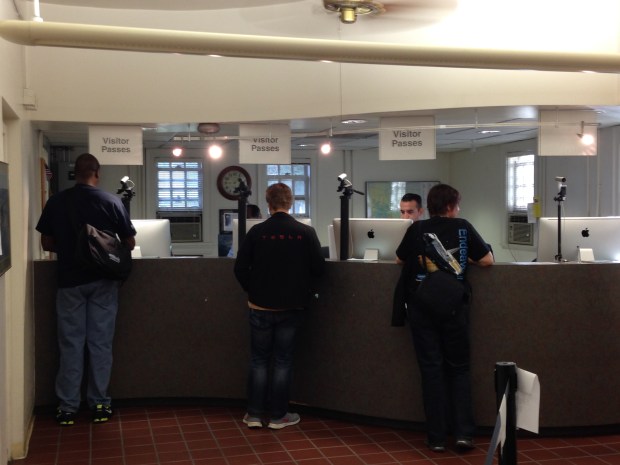
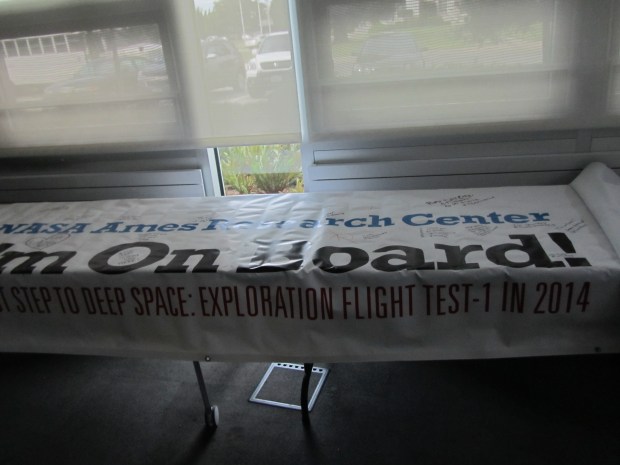
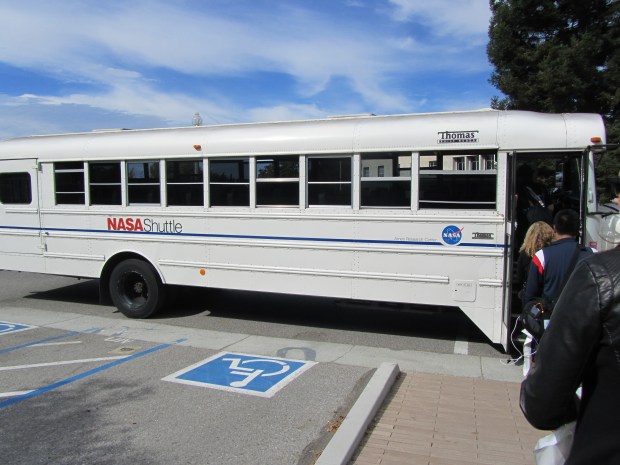
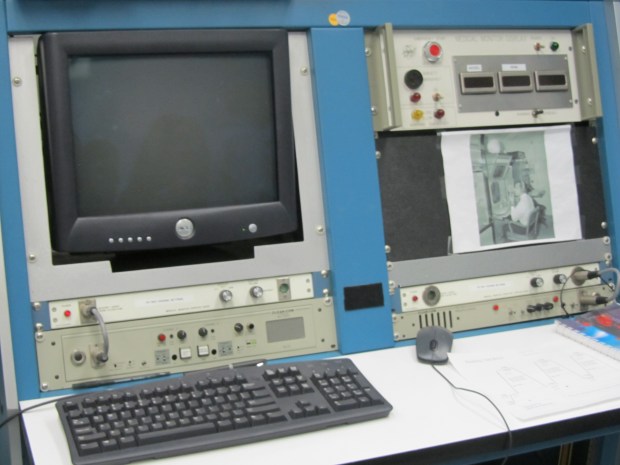
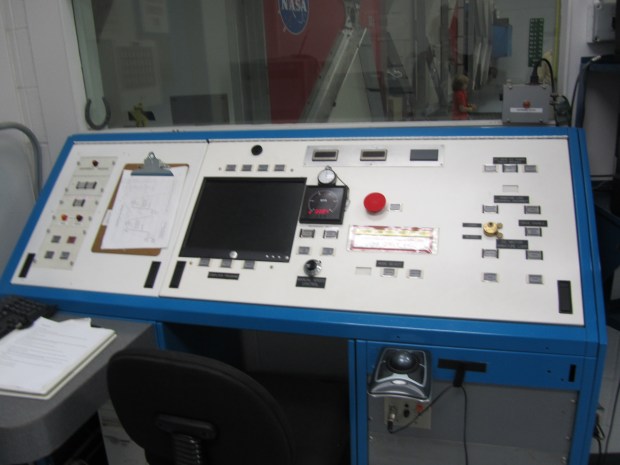
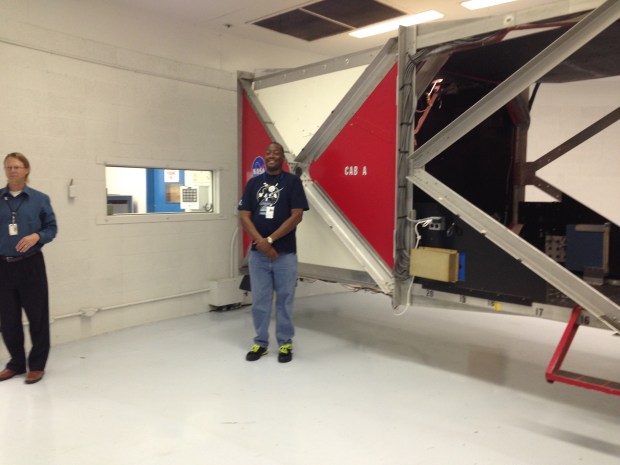
We are very pleased to announce that SASTPC received one of 25 social media invitations to participate in the NASA/AMES 75th Year Anniversary Open House on October 17th and 18th. SASTPC will be gaining early access to view the preparation of the Ames campus that will host more than 120,000 guests, and also be able to speak with NASA scientists and engineers. We are very grateful to NASA for this wonderful opportunity!

Thank you so much for your support! We couldn’t have done it without your interest in science. We hope to spark your curiosity now and in the near future!

http://www.mountainview.gov/news/displaynews.asp?NewsID=912&TargetID=1
Physics in the News

Saturday, October 11, 2014

Leaky galaxies lead researchers to better understand the universe

 This is Sanchayeeta Borthakur, assistant research scientist in the Department of Physics and Astronomy at the Johns Hopkins University. (Photo Credit: JHU)
Sanchayeeta Borthakur, an assistant research scientist in the Department of Physics and Astronomy in the university’s Krieger School of Arts and Sciences, reports in a paper published online Oct. 9 in the journal Science that an indicator used for studying star-forming galaxies that leak radiation is an effective measurement tool for other scientists to use. (Credit: JHU)
via sciencecodex

L.A. Museum Adds the Last Payload to Shuttle Endeavour

141010-shuttle_c92e33917bf64aaa38d9790b47f34c7f.nbcnews-ux-1240-800
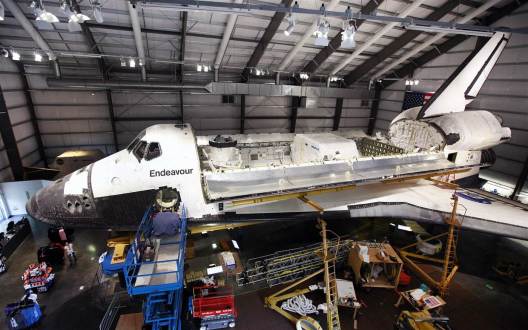
During an event titled “Go for Payload,” the California Science Center in Los Angeles hoisted a Spacehab module into the open hold of the retired space shuttle Endeavour. The logistics module’s addition, together with several other real and replica parts, marked a major milestone towards the center’s plans to display the NASA winged orbiter in a vertical, launch-ready configuration. (Pearlman, CollectSpace.com)
via nbcnews

Topological defects in the fabric of space and time

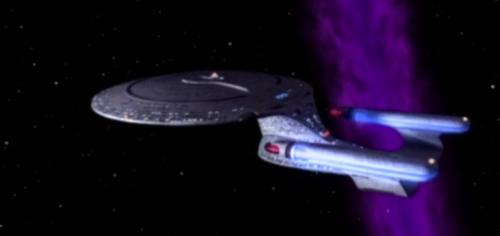
A cosmic string is a very long (possibly as long as the diameter of the visible universe), very thin (less than the width of a proton) high-density object formed during the early moments of the big bang. (Credit: Stae Trek,  Paramount Pictures)
A cosmic string is a very long (possibly as long as the diameter of the visible universe), very thin (less than the width of a proton) high-density object formed during the early moments of the big bang. (Credit: Stae Trek, Paramount Pictures)
via phys.org

The Moon and the Oh-My-God Particle

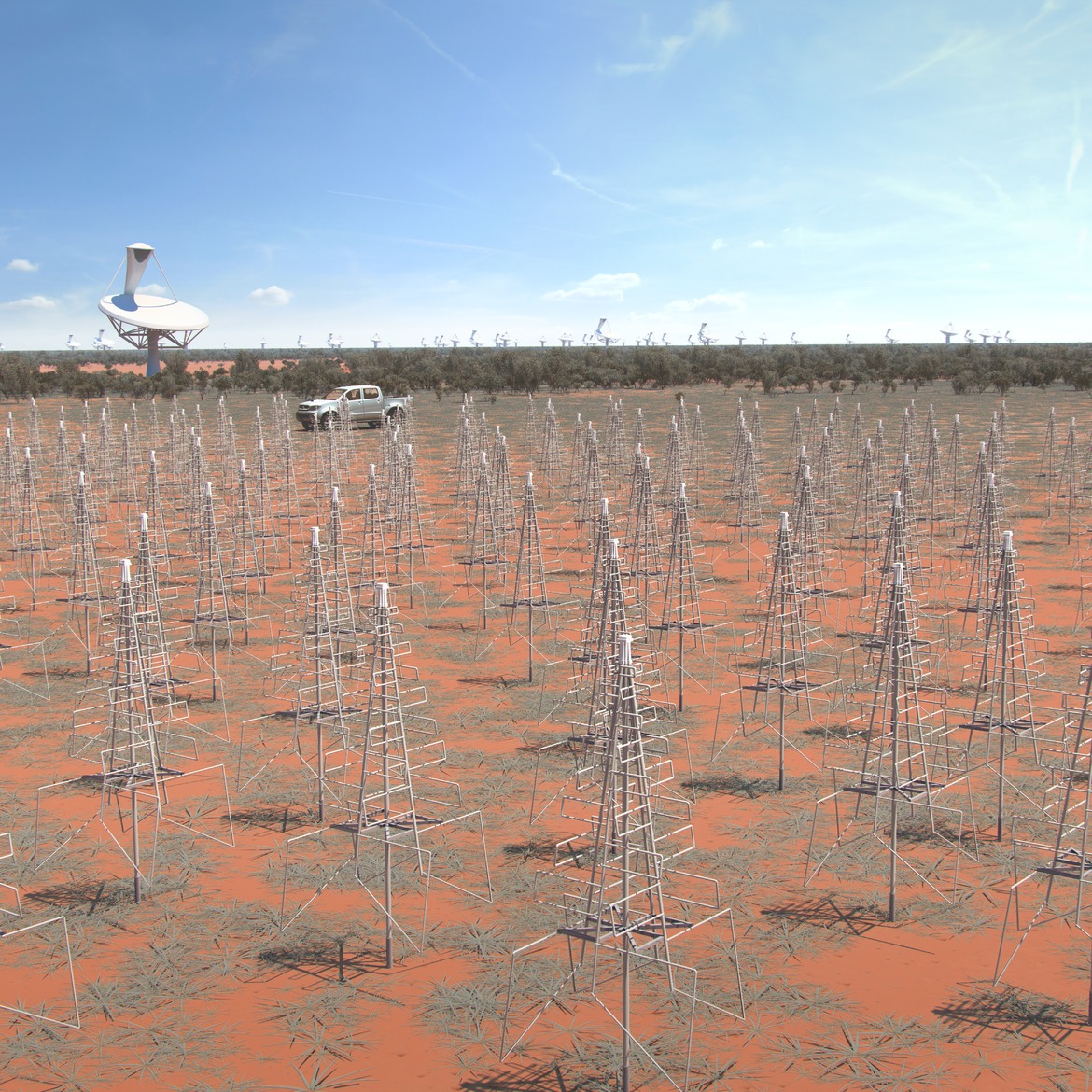
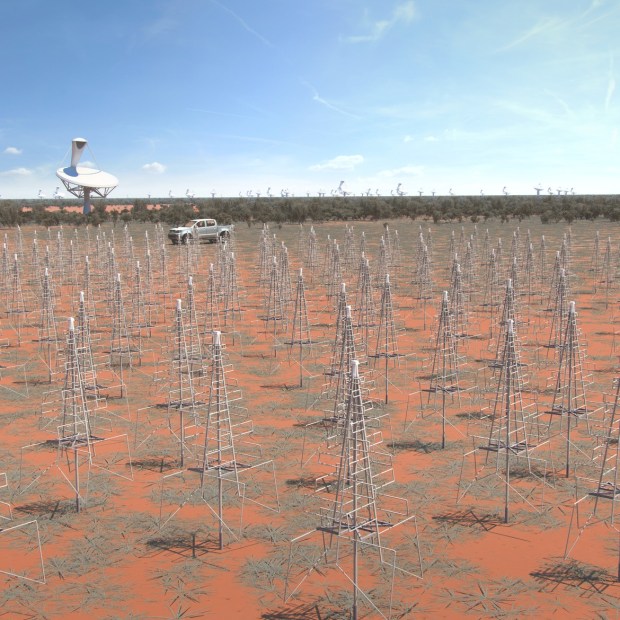
Close up artist rendition. Image of the Australian SKA LFAA (Low Frequency Aperture Array) instrument. These dipole antenna which will number in their hundreds of thousands will survey the radio sky in frequencies as low at 50Mhz (Credit: SKA Organisation)
via popularmechanics

On the front lines of the Higgs boson search

Prof. Butterworth, leading physicist on the ATLAS experiment at CERN and head of physics and astronomy at University College London, said the two colliding proton beams at CERN were the highest energy particle beams ever used in a laboratory. In order for the high momentum beams to be bent into a circle, its curvature had to be gentle enough for superconducting magnets to be able to control the beams. (Credit: hep.ucl.ac.uk/~jmb/publications)
Prof. Butterworth, leading physicist on the ATLAS experiment at CERN and head of physics and astronomy at University College London, said the two colliding proton beams at CERN were the highest energy particle beams ever used in a laboratory. (Credit: hep.ucl.ac.uk/~jmb/publications)
via phys.org

Peering backward to the big bang with the CTC and COSMOS

(NASA, Shellard,)
Recent analysis of CMB observations confirm predictions that a period of enormously fast exponential expansion, which cosmologists call inflation, occurred in the early universe. During inflation, very small changes, or quantum fluctuations, were imprinted into the fabric of space-time. (NASA, Shellard,)
via hpcwire

Answers to questions posed by cosmology to philosophy

 the philosophy of cosmology. He commented that the field is not well formulated yet, and proposed that one way to build a sound foundation for the field would be to identify the key questions worthy of its attention. Carroll nominated 10 such questions. Credit: Carroll)
Sean Caroll purposes 10 questions regarding the ‘not well formulated’ Philosophy of Cosmology. (Credit: Carroll)
via sciencenews

Getting sharp images from dull detectors

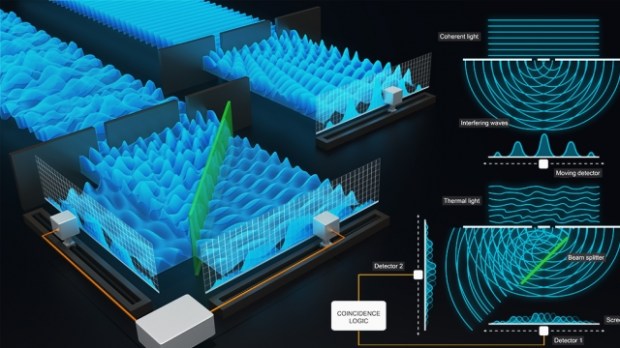
Coherent light passes through a pair of slits (top center).  The two resulting concentric trains of waves will interfere, resulting in a fixed pattern when measured by a detector (top right).  Non-coherent thermal light passes through slits and meets with a beam splitter (green plane), which reflects half the waves toward one detector and the other half toward a second detector (lower left).  Each of the detectors records a temporary interference pattern (lower right).  (Credit: JQI/Kelley )
Coherent light passes through a pair of slits (top center). The two resulting concentric trains of waves will interfere, resulting in a fixed pattern when measured by a detector (top right). Non-coherent thermal light passes through slits and meets with a beam splitter (green plane), which reflects half the waves toward one detector and the other half toward a second detector (lower left). Each of the detectors records a temporary interference pattern (lower right). (Credit: JQI/Kelley )
via umd

NASA: More spacewalks for ISS crew

via floridatoday

This Week’s Sky at a Glance, October 10 – 18

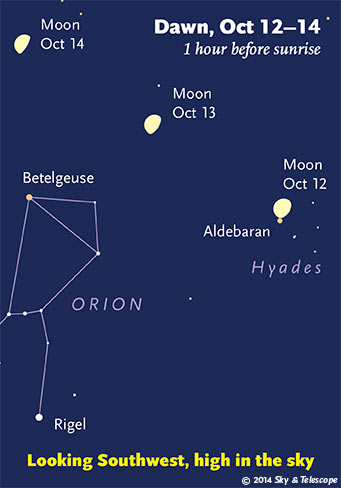
The waning Moon and Orion tip to the southwest as dawn brightens. (The Moon in these scenes is always shown three times its actual apparent size.. (Credit: Sky and Telescope)
via skyandtelescope