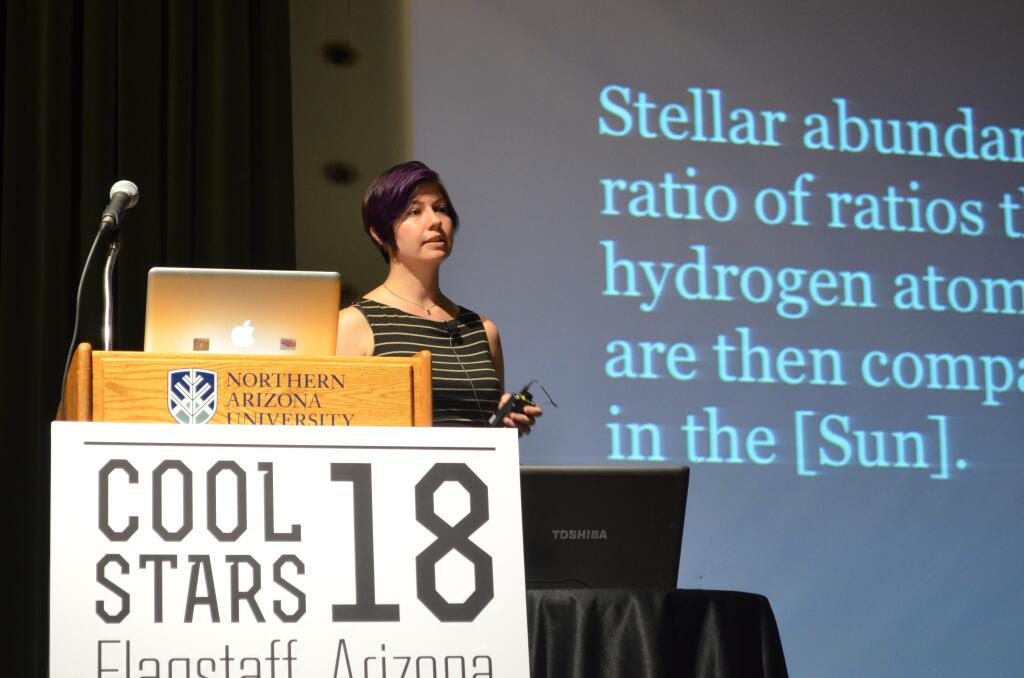
Natalie Hinkel gives a plenary talk at the Cool Stars 18 meeting in Flagstaff, Arizona, about her paper on the Hypatia Catalog. (Credit: Natalie Hinkel)
via asunews
The US Department of Energy has cancelled visits by Russian scientists to key US labs, including the Los Alamos National Laboratory. (Credit:NC-ND/Los Alamos National Laboratory)
via physicsworld
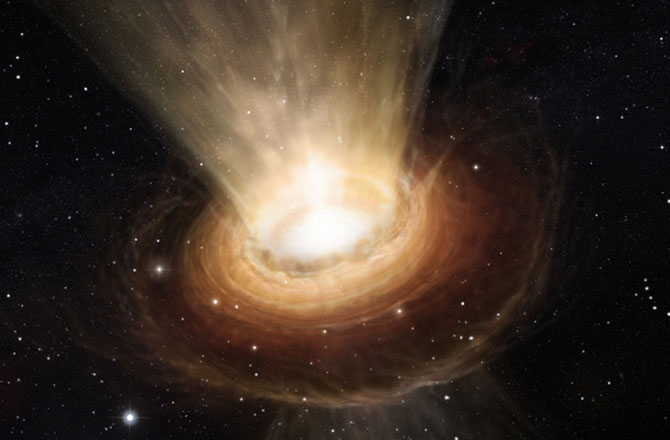
A star in a galaxy passes by a black hole closely enough to be destroyed once every 10,000 years. It is possible to detect the death of a star in a fairly distant galaxyas the destruction of a star generates a bright X-ray flare; it is only necessary to distinguish such a flare from other types of X-ray radiation. Because flares occur in a variety of astrophysical processes, the task of finding stars destroyed by black holes is quite complicated. (Credit: Sergei Sazonov)
via mipt
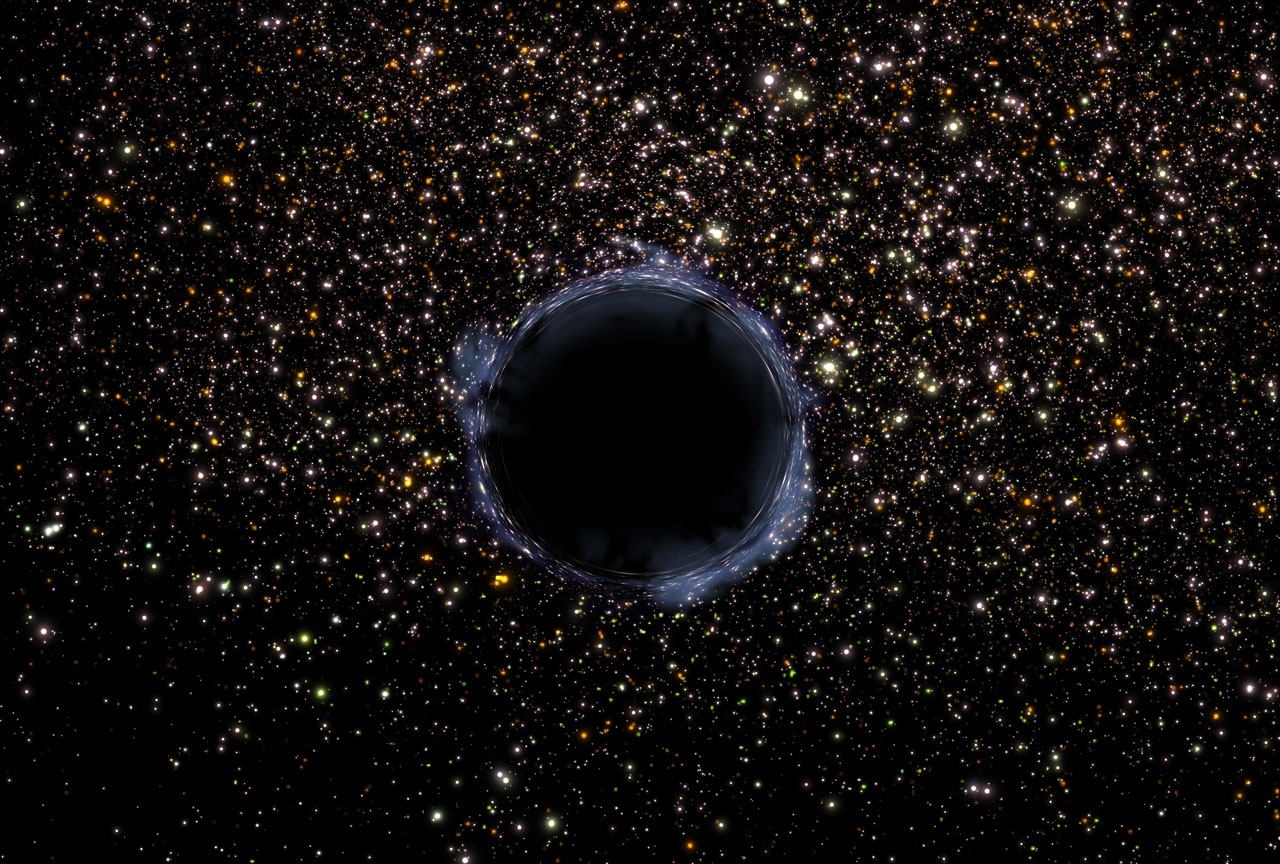
The recent finding of an intermediate-mass black hole provides evidence that could support some theories of how supermassive black holes form. (Credit: ESO/M. Kornmesser)
via discovery
Some of the best evidence for parallel worlds actually arrives courtesy of an enigmatic oddity within deep-space, careening toward the Milky Way at an incredible 200,000 miles per hour. Though it’s more than 2 million light years away, the Andromeda galaxy, appears to engage in anomalous behavior which suggests a strange gravitational phenomenon. Specifically, gravity that could be draining from another universe, as yet invisible to us, could be the impetus behind such anomalous phenomena. (Credit: Micah Hanks)
via mysteriousuniverse
Having a single point in contact with the ground lets a ballerina spin. In the same way, a quantum state is dynamic because it can turn about a point thanks to quantum uncertainty, say CQT and Oxford researchers. (Credit: Michael Garner, courtesy English National Ballet)
via quantumlah
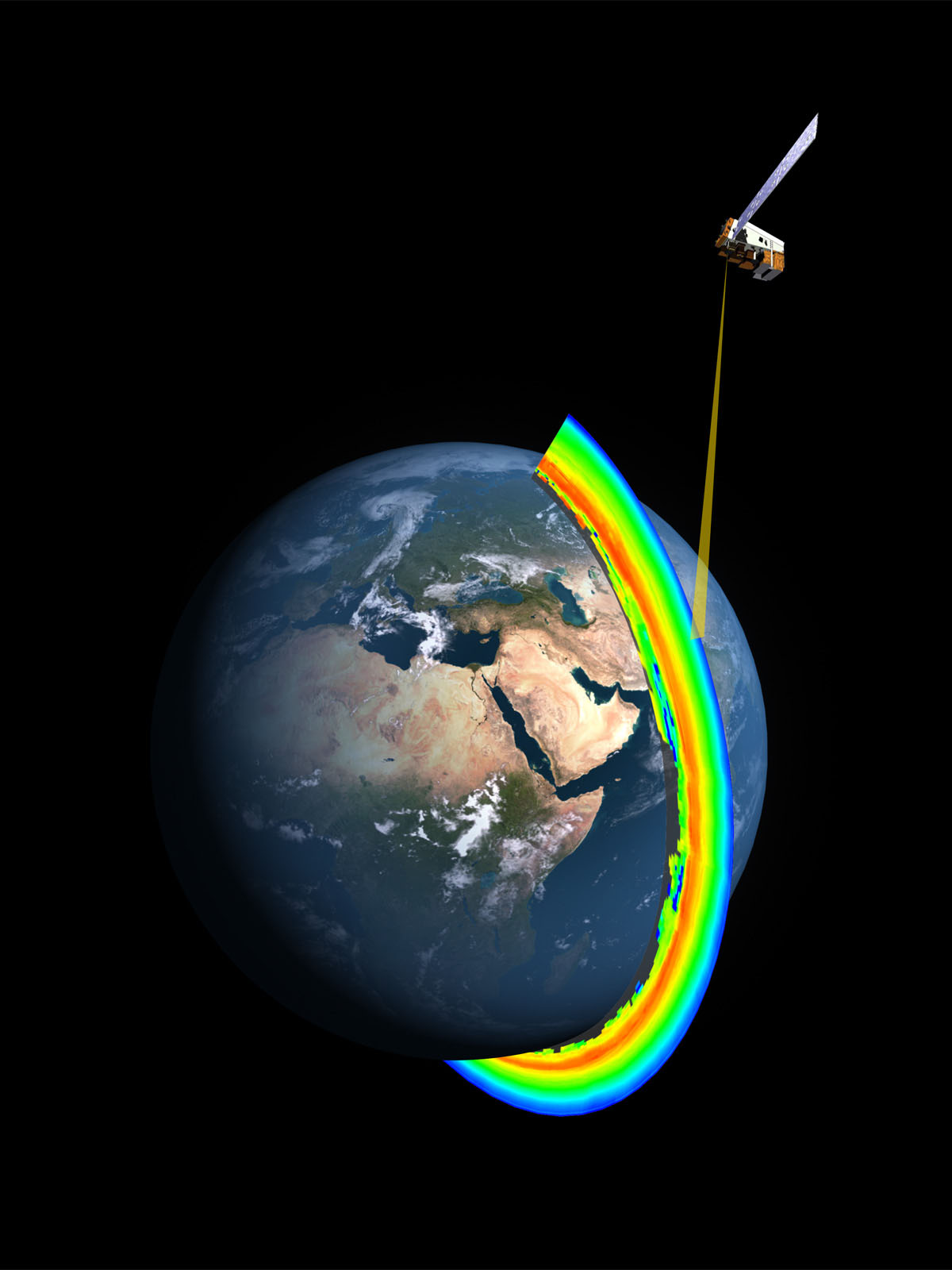
A cross-section of the Earth’s ozone layer as measured by the limb profiler, part of the Ozone Mapper Profiler Suite that’s aboard the Suomi NPP satellite. (Credit: NASA/NOAA)
via ZeeNews
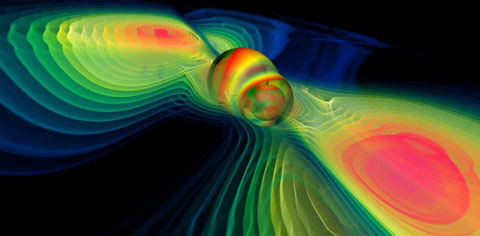
A simulation of two colliding black holes. Colors reflect the variation of gravitational waves. (Credit: Werner Benger/NASA Blueshift)
via physicscentral
Scientists have discovered mineral-rich structure on Mars that might be the evidence of niche environment on the planet’s subsurface that could support life. (NASA/JPL-Caltech/MSSS)
via aninews
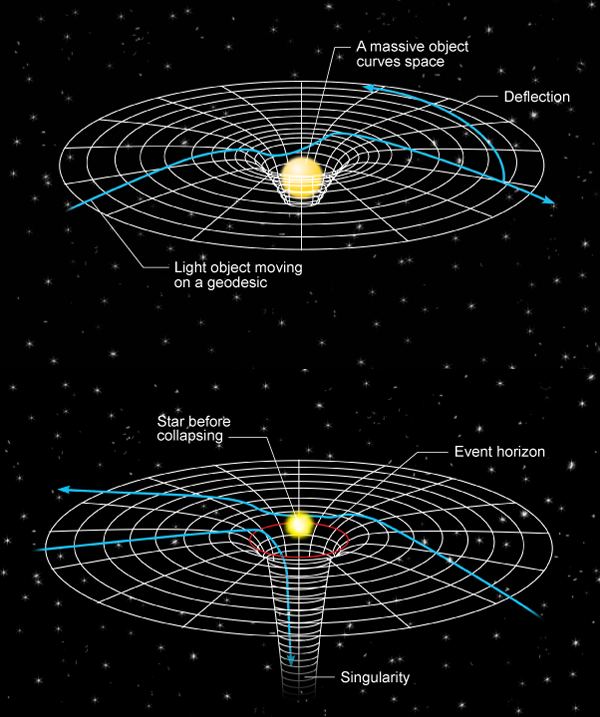
In Einstein’s general theory of relativity, gravity is nothing more than the curvature of spacetime. A massive object, such as the sun, causes a deformation of the spacetime grid, while another object such as a planet or a light beam follows the shortest path (a “geodesic”) on this grid. To an observer, this looks like a deflection of the trajectory caused by gravity. (Bottom) A collapsing star can form a black hole so dense and massive that it creates a region of infinite curvature (a “singularity”) so that—inside the event horizon—light cannot escape. Current research in gravitation is attempting to modify general relativity to account for such objects consistent with quantum theory. (Credit: Carin Cain)
via medium
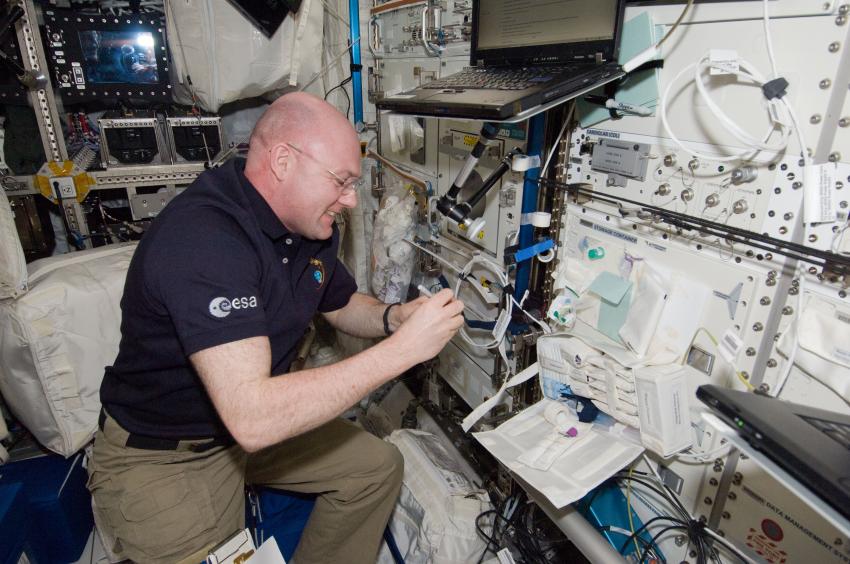
European Space Agency astronaut Andre Kuipers, Expedition 30 flight engineer, prepares vials in the Columbus laboratory of the International Space Station for venous blood sample draws during an immune system investigation. (Credit: NASA)
via phys.org
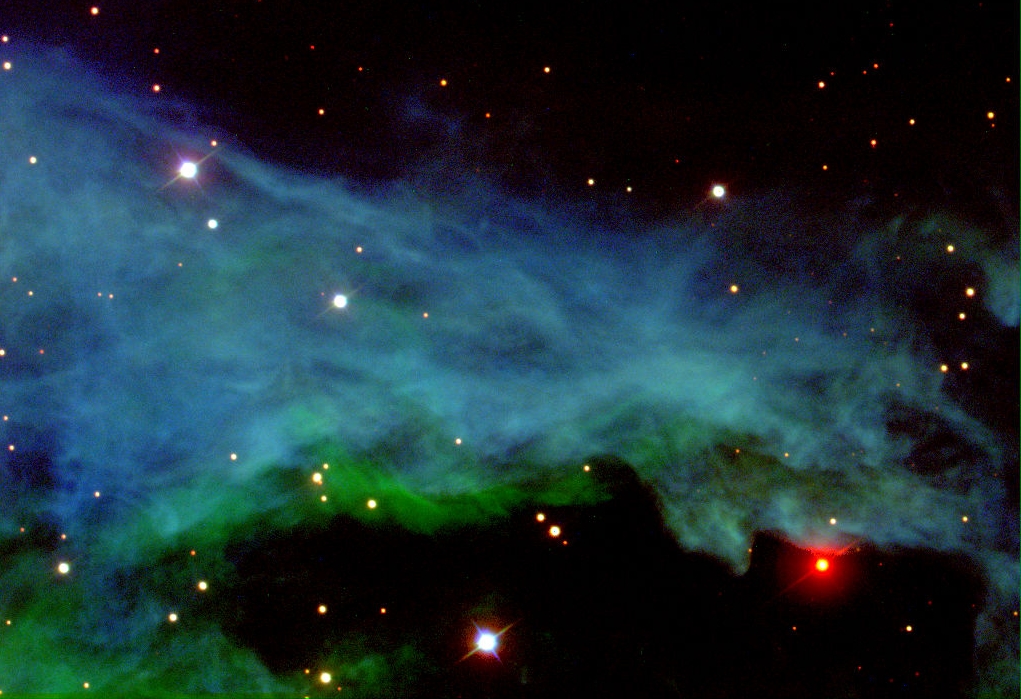
Shown above is part of one of the most imaged parts of the night sky, the Orion Nebula. Since the angular size of Orion’s Nebula is so large on the sky, only a portion is shown here. Located just below “Orion’s Belt” this star-forming region is dominated by four young, massive O stars (known as the Trapezium, not pictured here). The wispy blue, green gas seen above is composed mostly of hydrogen, the main element used in forming stars. The Orion Nebula is an astrophysical laboratory, providing an up-close view of the birth of stars. (Credit: Sloan Digital Sky Survey)
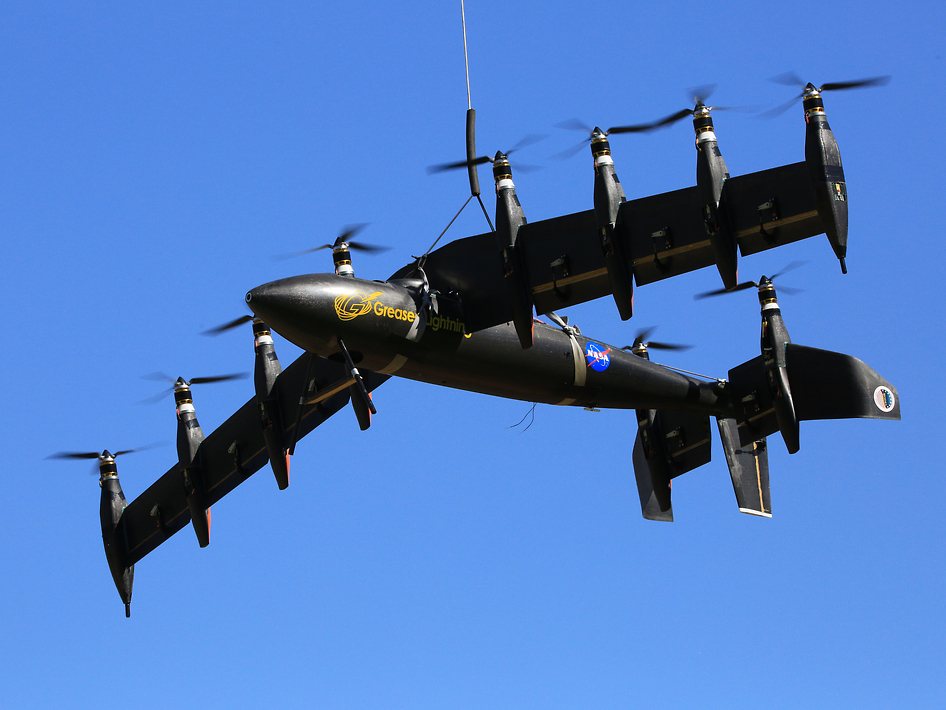
Greased Lighning (GL10) project 10 engine electric prototype remote control plane. Photo taken 8/14/14 (Credit: NASA Langley/David C. Bowman)
via thespacereview
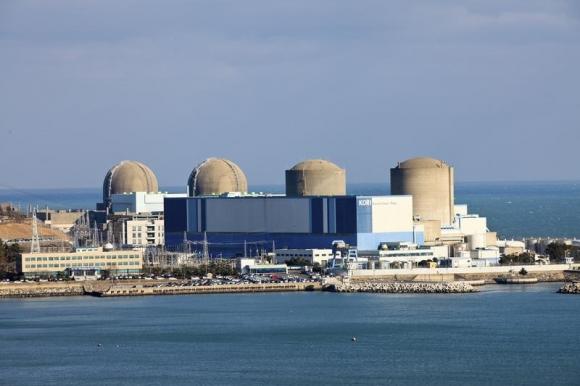
The Kori nuclear power plant in Busan, southeast of Seoul, is seen in this picture released by the plant to Reuters. South Korea needs to quickly find additional space where it can store its spent nuclear fuel because some of its temporary storage capacity will be full by 2016, (Credit: Reuters/Kori Nuclear Power Plant/Handout)
via reuters
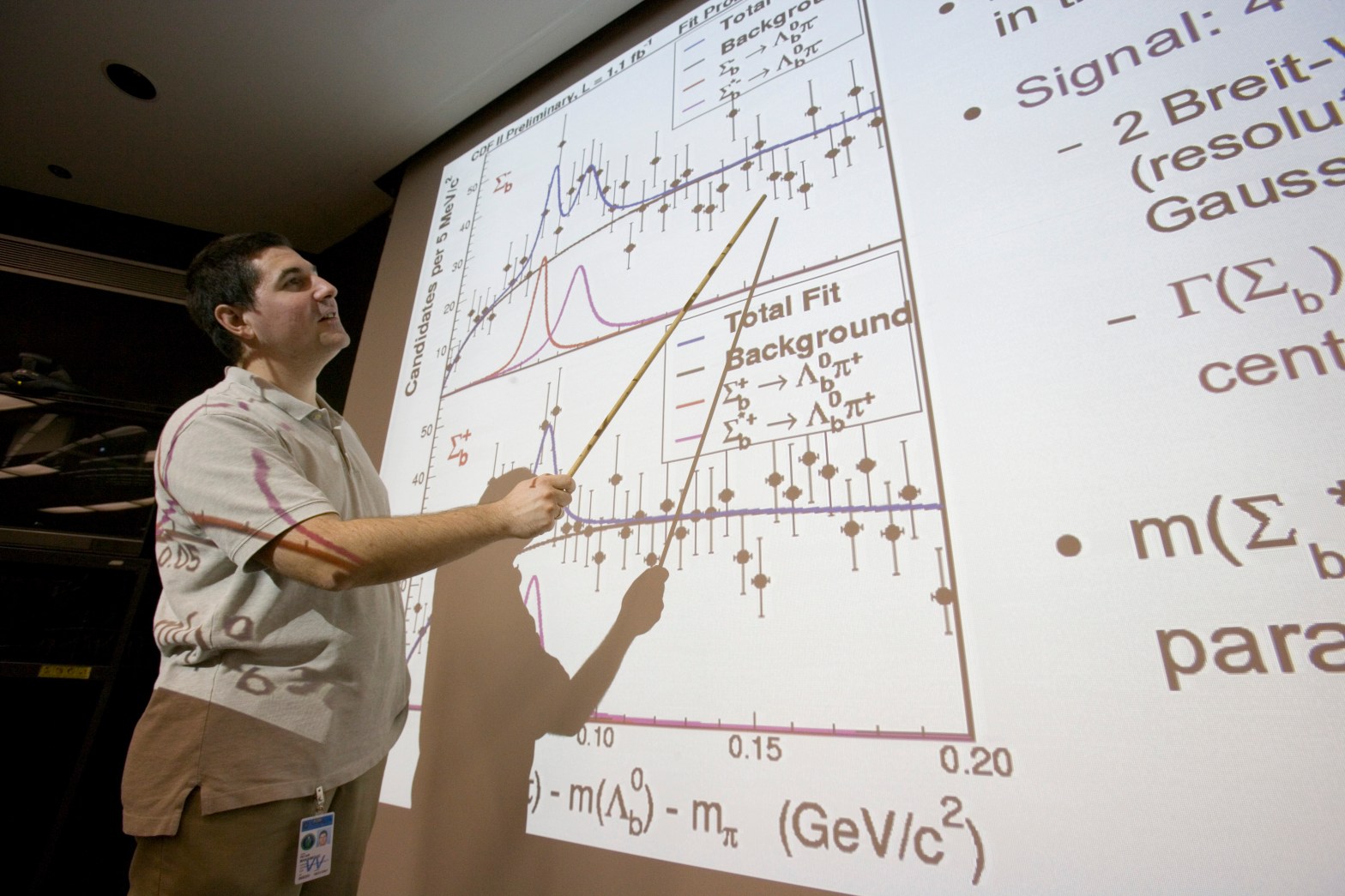
CDF physicist Petar Maksimovic, professor at Johns Hopkins University, presented the discovery to the particle physics community at Fermilab. He explained that the two types of Sigma-sub-b particles are produced in two different spin combinations, J=1/2 and J=3/2, representing a ground state and an excited state, as predicted by theory. (Credit: Fermilab)
via newswise
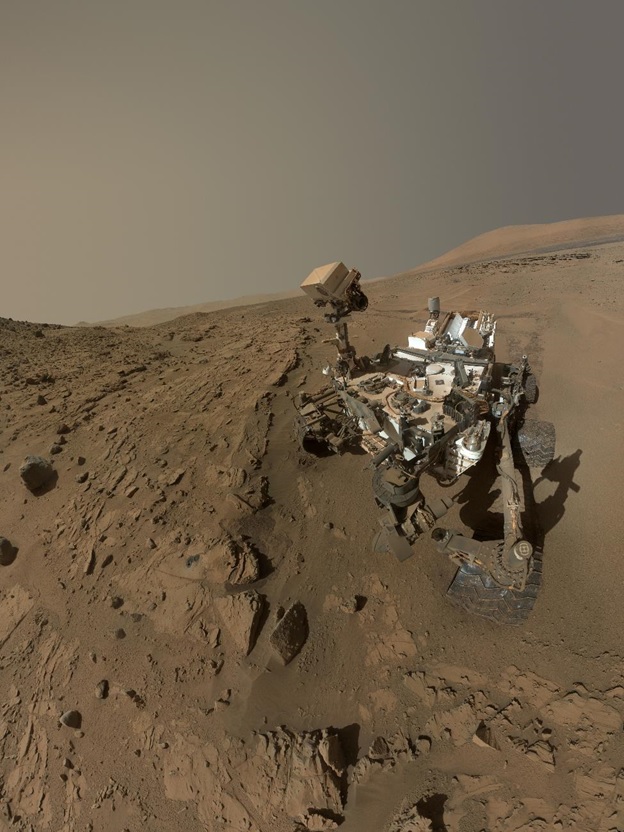
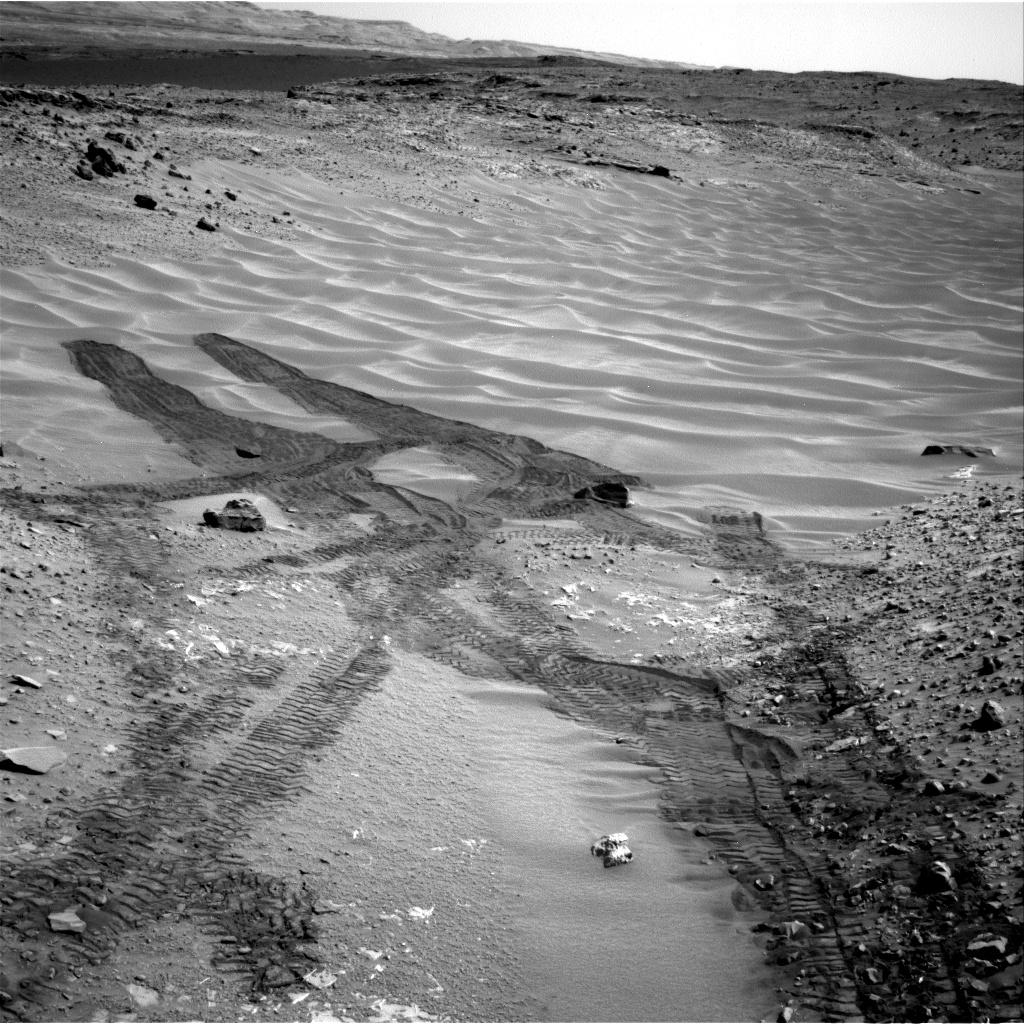
This image, taken by NASA’s Mars rover Curiosity in August 2014, looks across the northeastern end of sandy “Hidden Valley” to the lower slopes of Mount Sharp on the horizon. (Credit: NASA/JPL-Caltech)
via space.com
Scientists of the early 20th century argued that tidal forces had caused the sun to spit out the planets when a rogue star passed too close. It was a kind of drive-by shooting theory of planetary formation known as the “Planetesimal Hypothesis.” (Credit: NASA, M. Strauss)
via io9
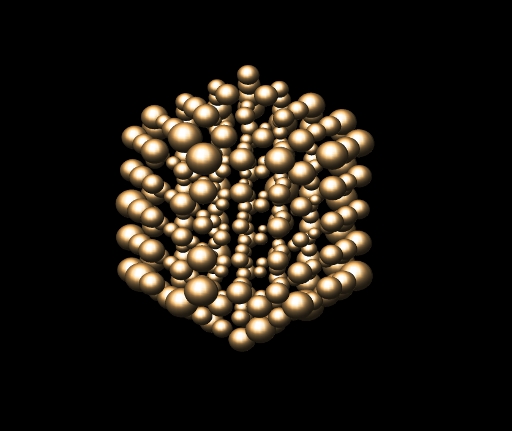
An illustration of the extent to which the atoms, in a small cluster of atoms, vibrate. The spheres represent the range of motion of the atoms, rather than the atoms themselves – the spheres have been exaggerated in size by 45 times in order to ease visualisation. The atoms on the surface have larger ranges of motion than those in the middle of the cluster. (Credit: University of York)
via york
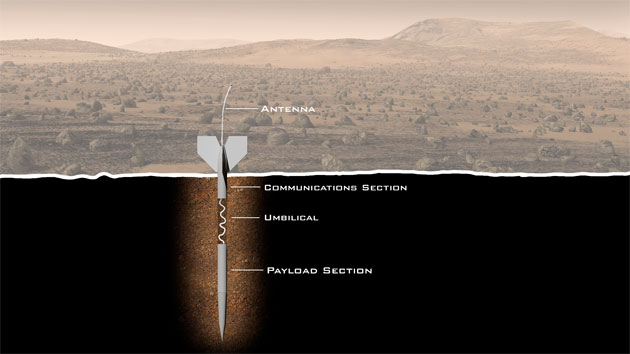
The ExoLance Concept: “Arrows” fall from a spacecraft, penetrate the ground, and expose the life-detecting equipment inside. (Credit: Explore Mars Inc.)
via popsci
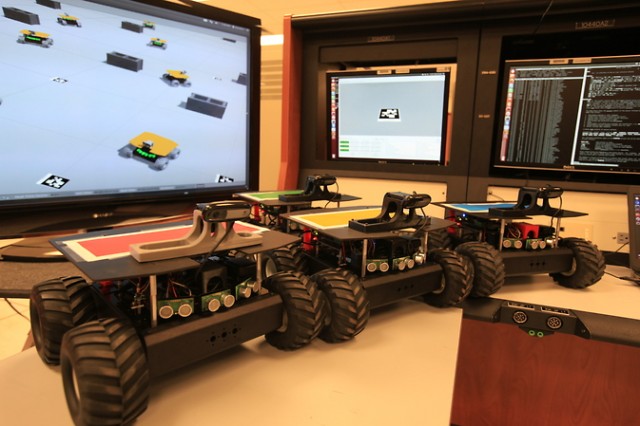
NASA engineers have built four robots nicknamed “Swarmies” to test whether a group of robots can autonomously and effectively scout an area for resources, and they’ve model the software design after how ants do the same thing. (Credit: NASA/D. Gerondidakis, G. Tickle)
via themarysue
The quantum system studied at TU Wien (Vienna): a black diamond (center) contains nitrogen atoms, which are coupled to a microwave resonator. (Credit: TU Wien)
via azoquantum
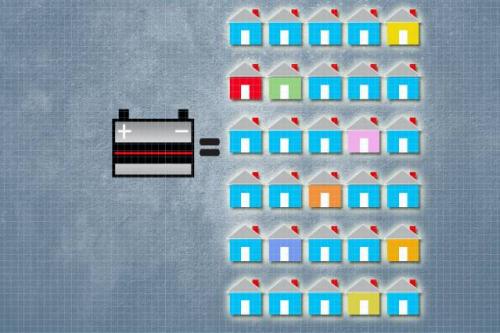
This could be a classic win-win solution: A system proposed by researchers at MIT recycles materials from discarded car batteries—a potential source of lead pollution—into new, long-lasting solar panels that provide emissions-free power. (Credit: Christine Daniloff/MIT)
via phys.org
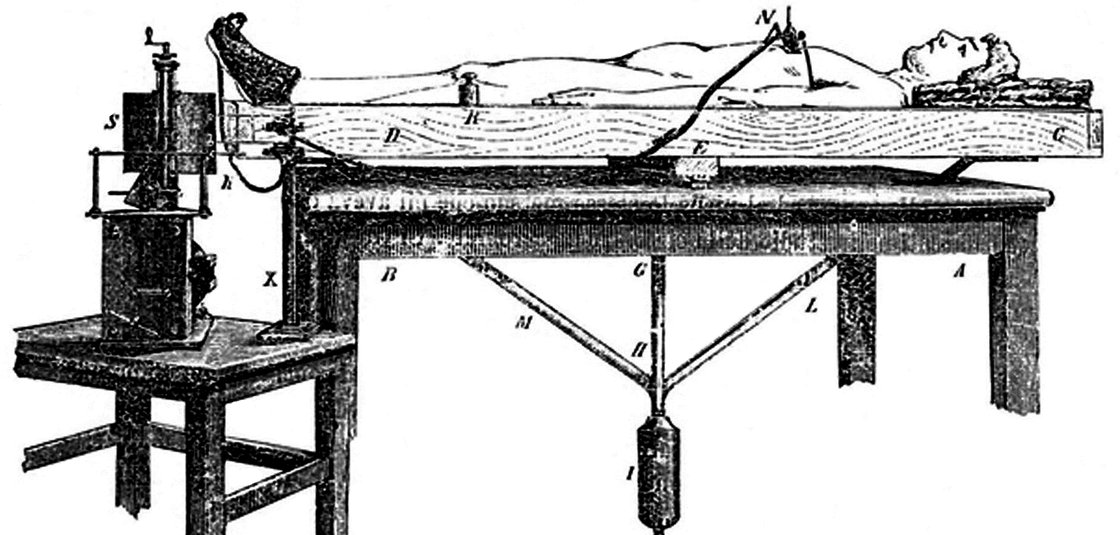
Angelo Mosso’s “human circulation balance” machine worked like a seesaw to measure blood flow changes to the brain. (Credit: Stefano Sandrone et al.)
via npr
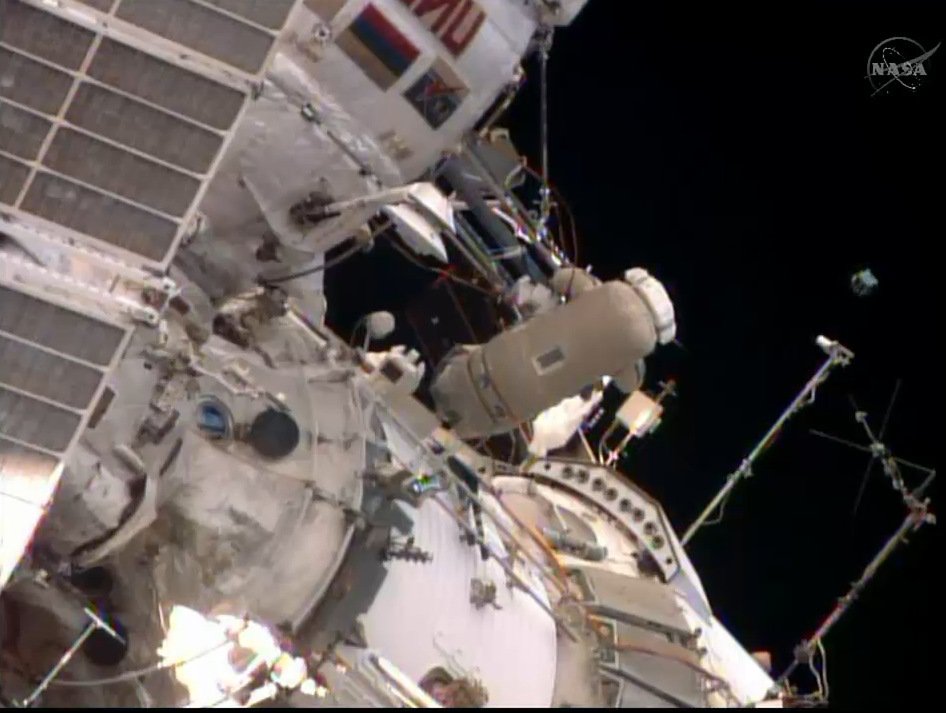
Cosmonaut Oleg Artemyev looks on after he released a small Peruvian satellite into space during a spacewalk outside the International Space Station on Aug. 18, 2014. (Credit: NASA TV)
via space
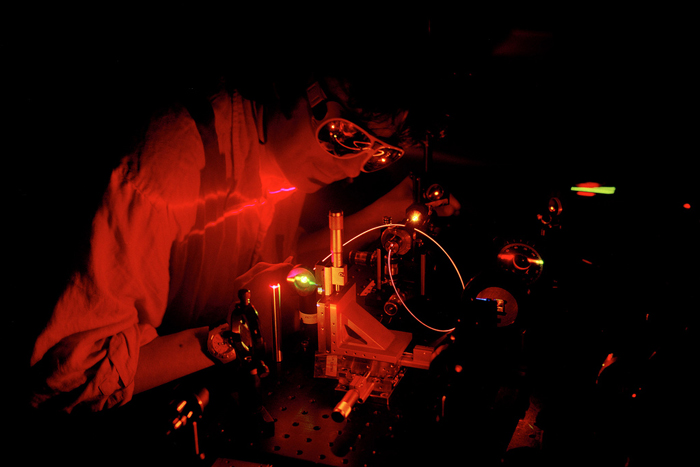
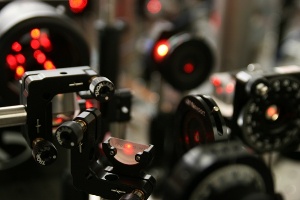
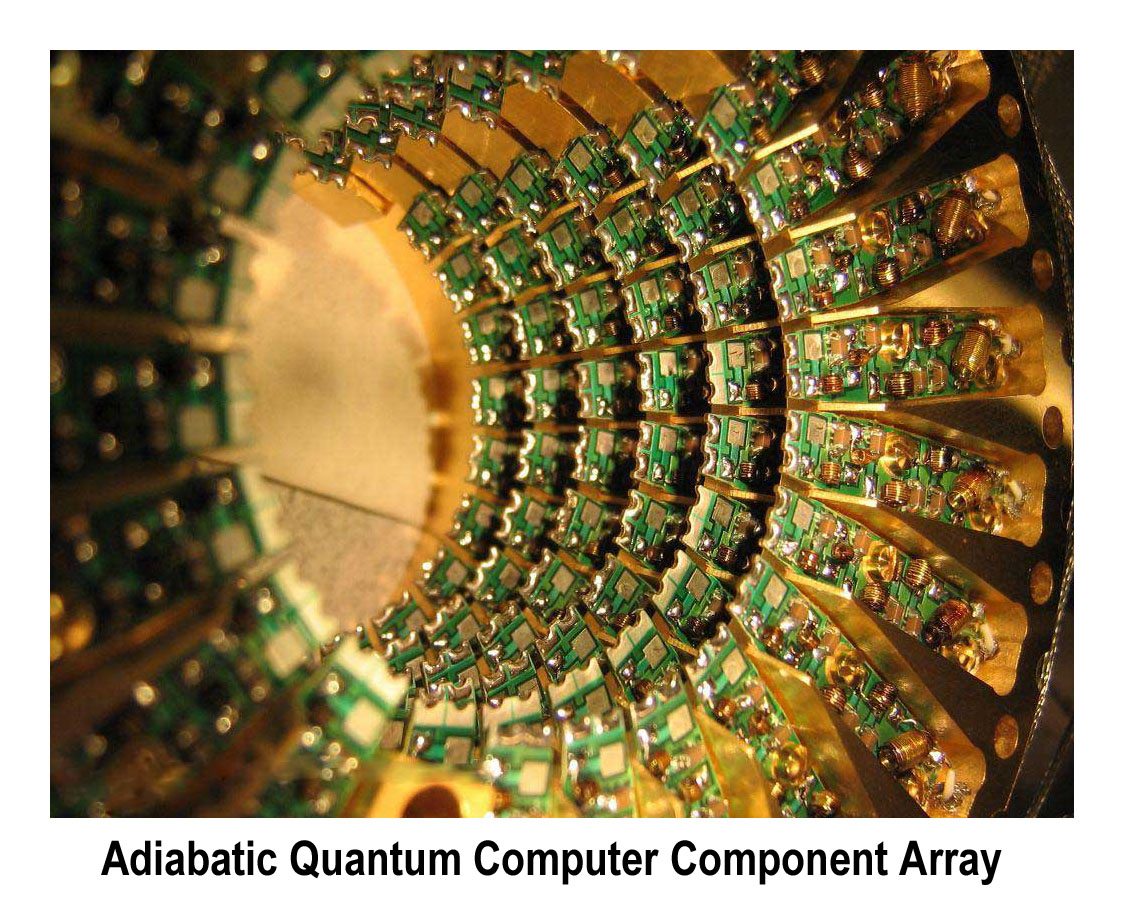
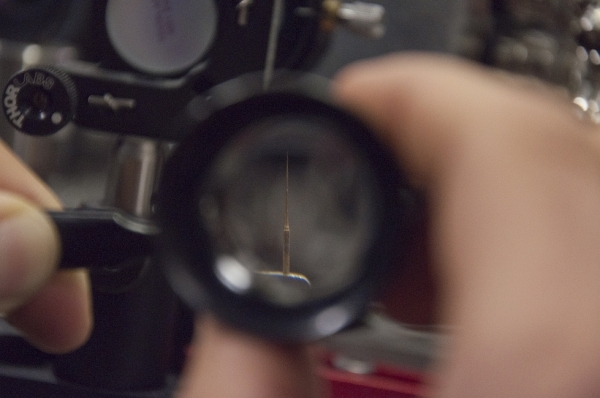
Part of the optical apparatus used to direct pulses of light to control the quantum state of a single electronic spin in diamond. (Credit: UPenn)
via azoquantum
A panoramic view of the Venus Jupiter Conjunction on August 17, 2014, taken from the Cairns Esplanade in Queensland Australia. (Credit: Joseph Brimacombe)
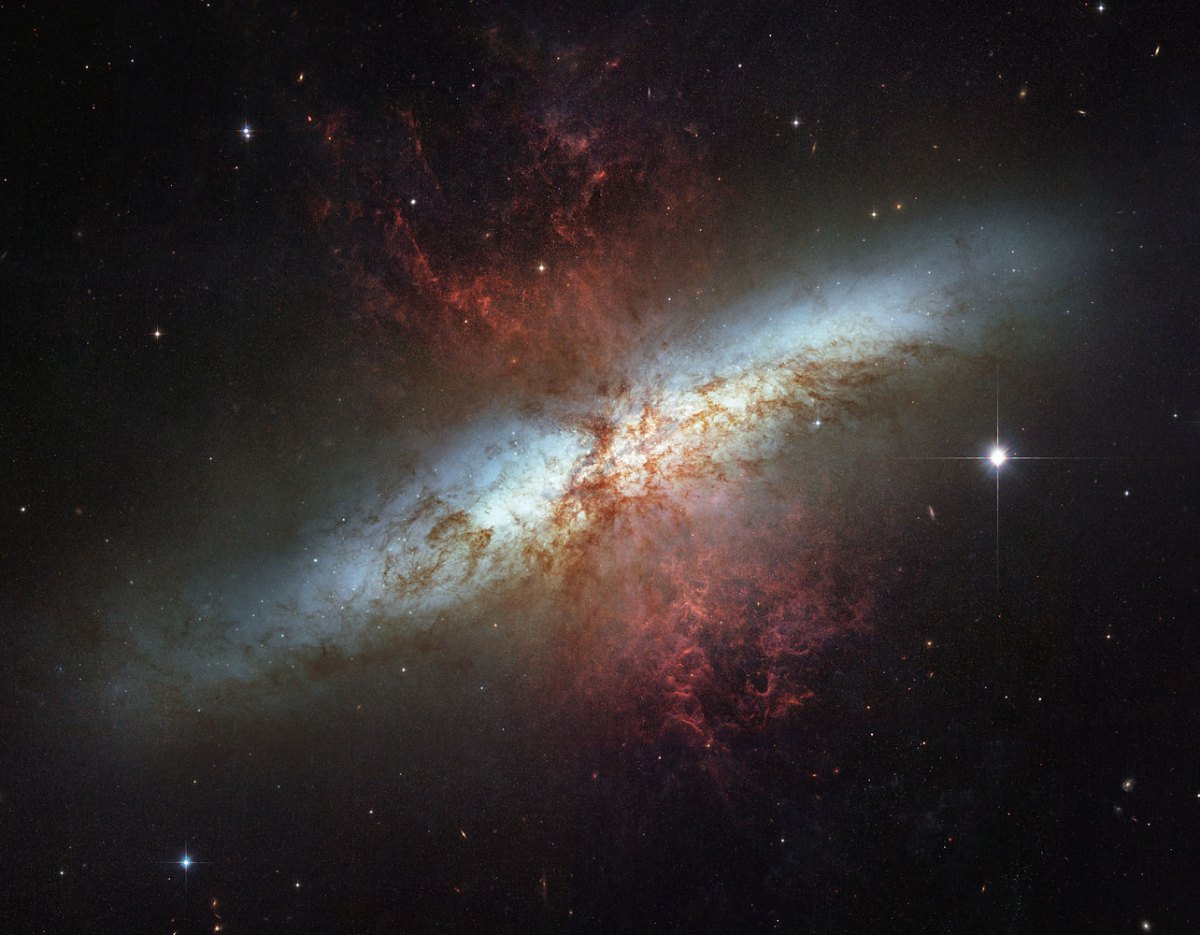
To celebrate the NASA-ESA Hubble Space Telescopes 16 years of success, NASA and the European Space Agency are releasing this mosaic image of the starburst galaxy, Messier 82 (M82), made in March 2006. It is the sharpest wide-angle view ever obtained of M82, a galaxy remarkable for its webs of shredded clouds and flame-like plumes of glowing hydrogen blasting out from its central regions. Located 12 million light-years away, it is also called the “Cigar Galaxy” because of the elongated elliptical shape produced by the tilt of its starry disk relative to our line of sight. (AP Photo/NASA-ESA)
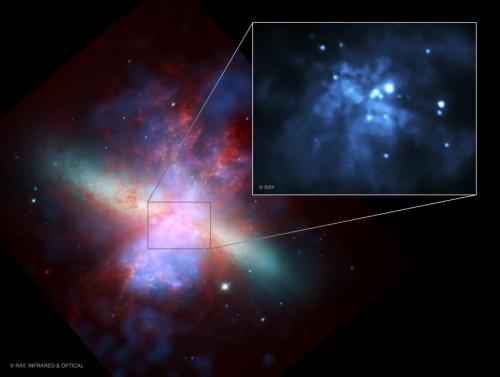
This image of the galaxy Messier 82 is a composite of data from the Chandra X-Ray Observatory, the Hubble Space Telescope and the Spitzer Space Telescope. The intermediate-mass black hole M82 X-1 is the brightest object in the inset, at approximately 2 o’clock near the galaxy’s center. (Credit: NASA/H. Feng et al.)
via phys
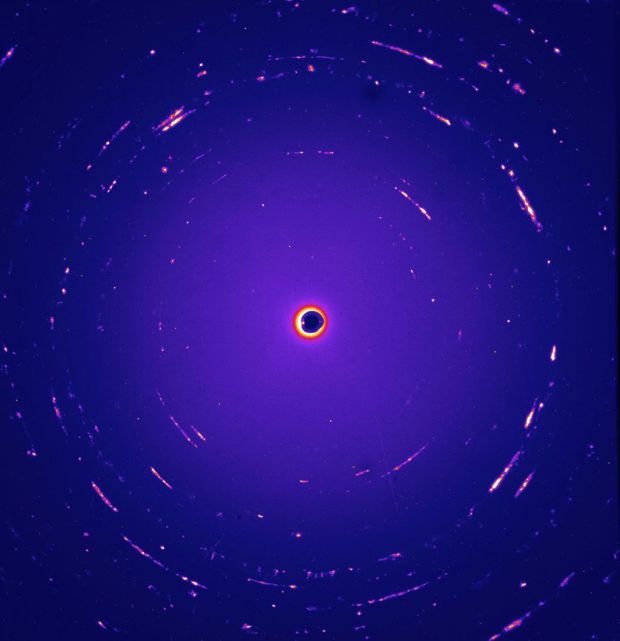
A team of researchers has identified seven dust particles that were returned to Earth in 2006 by NASA’s Stardust spacecraft, which might have originated in the interstellar medium. This false-color image shows a diffraction pattern created by one of these particles, named Orion. Image (Credit: Zack Gainsforth)
via americaspace
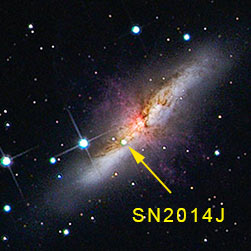
“While it may sound a bit odd, we actually learned a great deal about this supernova by detecting absolutely nothing,” said Raffaella Margutti of the Harvard-Smithsonian Center for Astrophysics (CfA) in Cambridge, Massachusetts, who led the study. “Now we can essentially rule out that the explosion was caused by a white dwarf continuously pulling material from a companion star.” (Credit: NASA)
via marketwatch
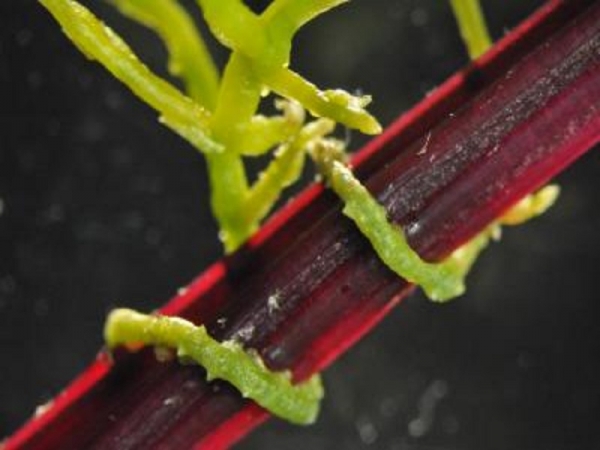
When parasitic plants such as dodder attack plants like the sugar beet shown here, there is a vast exchange of genetic information between the plants, a Virginia Tech researcher has discovered. (Credit: Virginia Tech College of Agriculture and Life Sceinces)
via techtimes
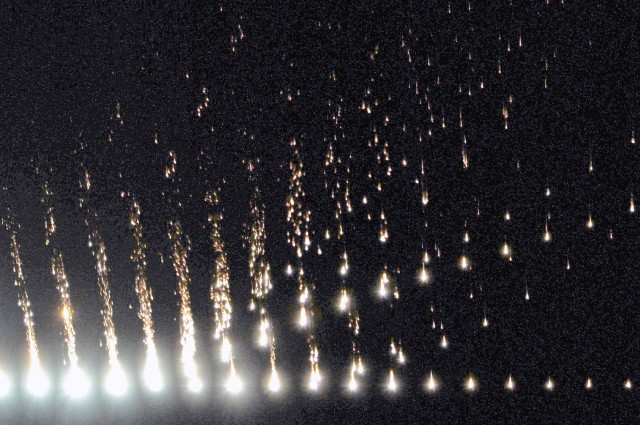
The fragmentation of the Novato meteorite on Oct. 17, 2012, as depicted in a horizontally mirrored image to show the progression of the event (from left to right). (Robert P. Moreno Jr., Jim Albers and Peter Jenniskens/NASA-SETI)
via kqed
Engineering PhD student Willem Olding aims to take out the tedium in creating mapping systems to free-up time for more important work. (Credit: Richard Jupe)
via themercury
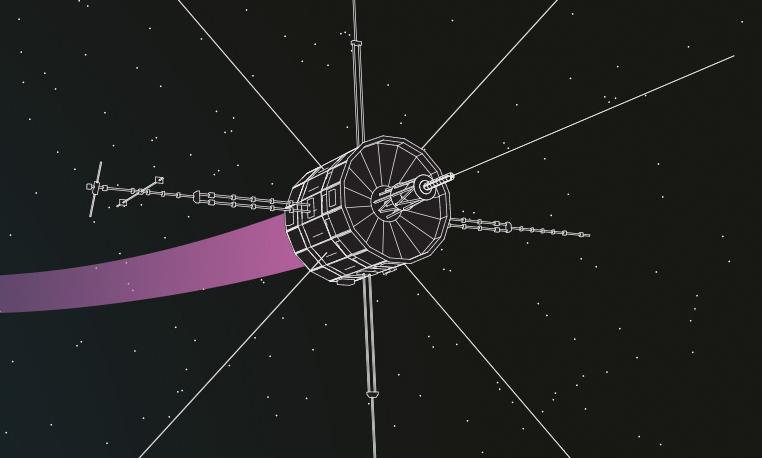
NASA’s International Sun-Earth Explorer 3 spacecraft, which launched in 1978, flew by the moon on Aug. 10, 2014 and is heading toward the sun. (Credit: SpacecraftforAll.com)
via tvtechnology
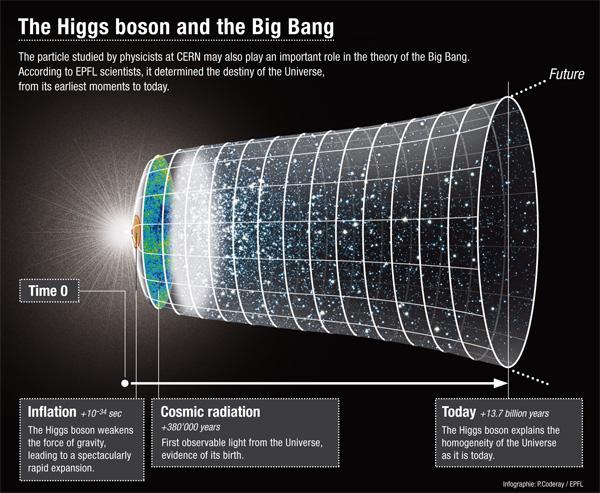
The influence of the Higgs boson and its field (inset) on cosmological inflation could manifest in the observation of gravitational waves by the BICEP2 telescope (background). (Credit: EPFL)
via phys.org
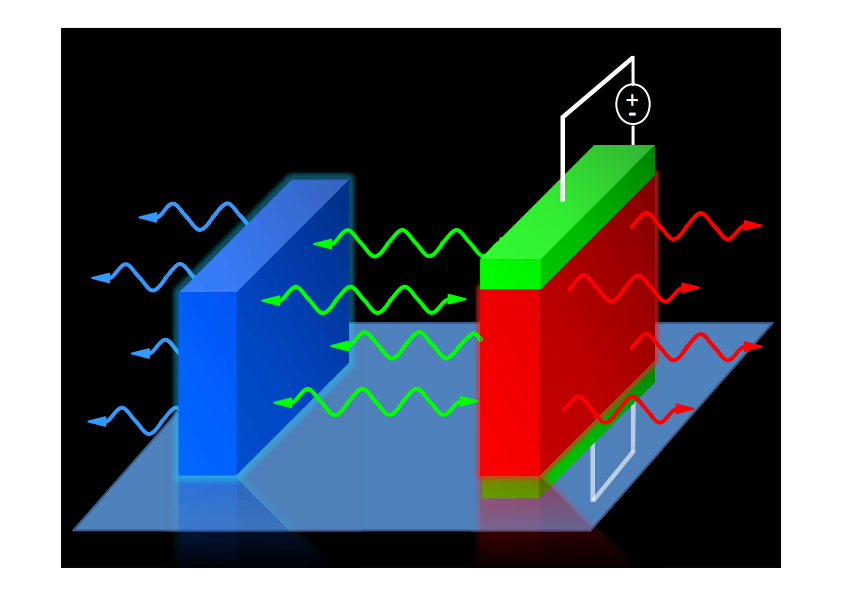
A bit of heat. Two parallel, thin plates that exchange heat via thermal radiation can form a thermal “bit” that changes rapidly between “one” and “zero.” One of them is made of a material like VO2 that switches between two states with different thermal properties, depending on its temperature. (Credit: P. Ben-Abdallah/Univ. of Paris-Sud)
via physics.aps
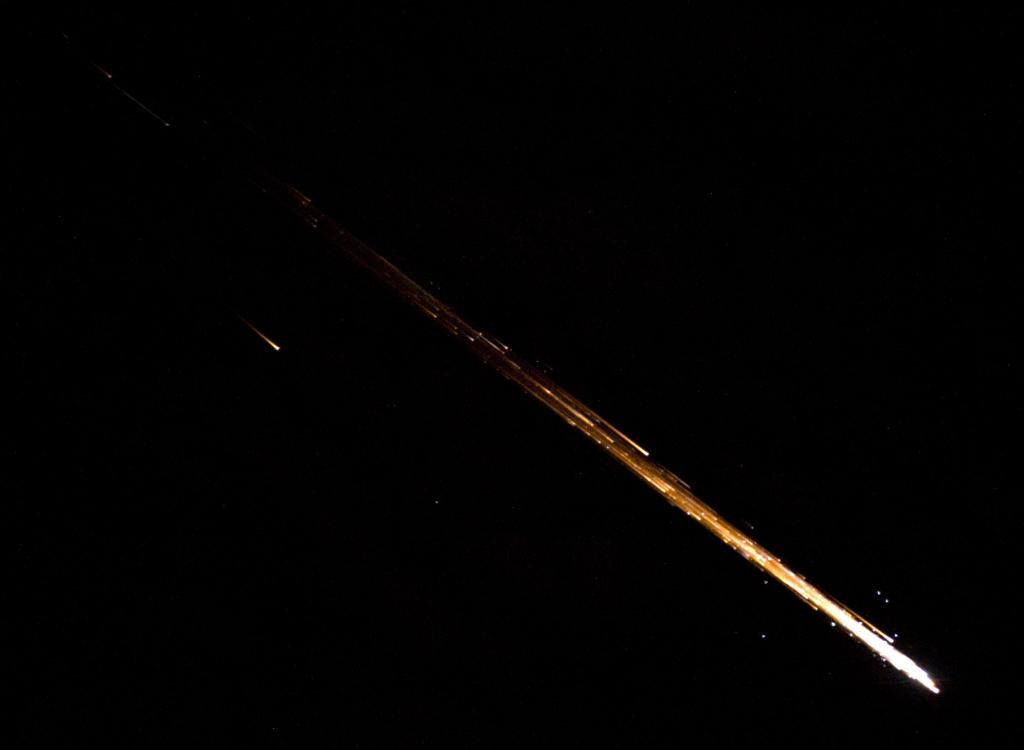
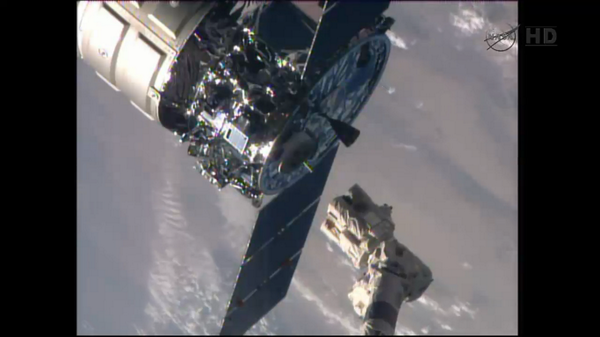
Cygnus Orb-2 spacecraft ‘Janice Voss’ bids farewell to the ISS at 6:40 a.m. EDT, Friday, Aug. 15, 2014. It’s set to reenter the atmosphere on Aug. 17. (Credit: NASA TV)
via universetoday