Topic012: The Quantum Periodicity Structure, Energy Level Decay, Bill Tifft, 10/12/15
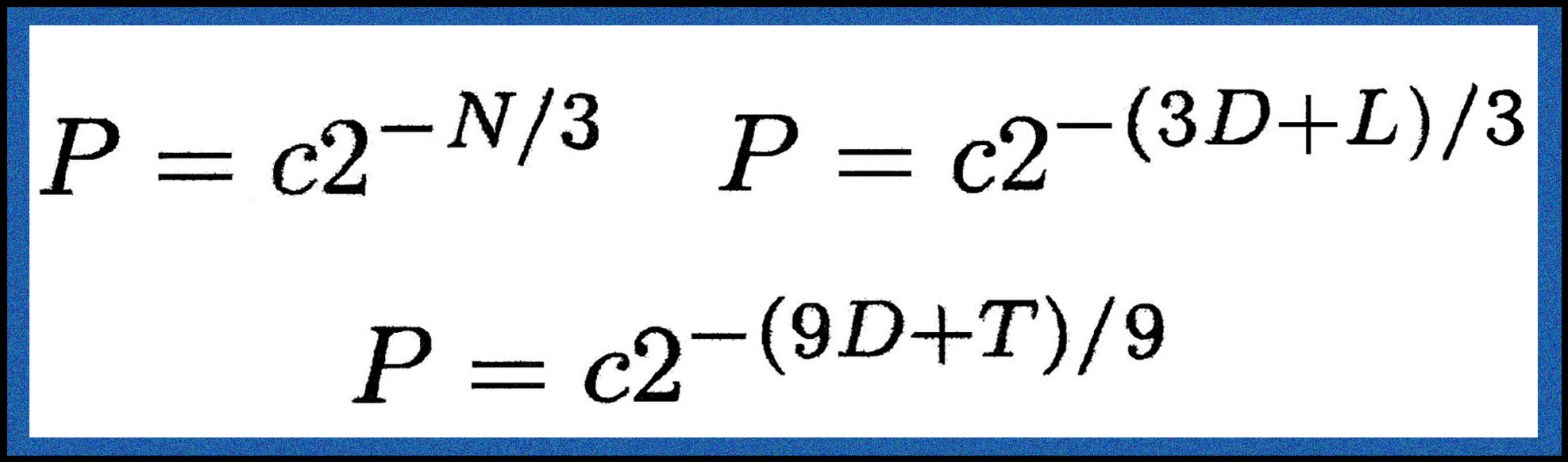
Periodicity Formula
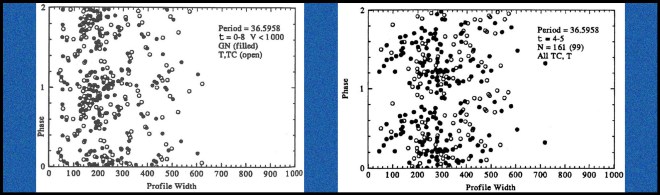
Book figures 3.5 (left frame) and 3.6
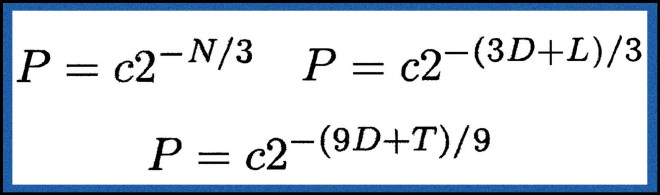
It was apparent from early differential and global studies that redshift periods appeared to be related in some form of harmonic pattern associated with an interval near 72.5 km/s. A key step in understanding that pattern came in early 1993 when Ari Lehto, a physicist in Finland, wrote to me with a reprint of his work. He had found that he could closely represent the mass of the electron and other particle properties along with the initial redshift periodicities we had found. The premise was simply begin with the Planck units, which mark the origin point of known physics, and allow them to decay by a well known process of period doubling, basically powers of two. The Planck unit c, the speed of light, times two to the negative twelfth…
Is Your Brain Really a Computer? Or is it a Quantum Orchestra?
Tucson, Arizona, October 12, 2015 – Since the early 1990’s Stuart Hameroff, MD., anesthesiologist, Emeritus Professor in the Departments of Anesthesiology and Psychology, and the Director of the Center for Consciousness Studies, together with the famed physicist Sir Roger Penrose have combined two intriguing ideas that have far reaching consequences in decoding and deciphering our understanding of the brain and consciousness. These ideas are centered on Quantum Mechanics and Neuroscience establishing a ‘quantum theory of consciousness called “Orch OR” (orchestrated objective reduction) that links microtubule quantum processes to fluctuations in the structure of the universe.’
Recent studies suggests that consciousness may indeed be a Quantum Mechanical phenomenon. Dr. Hameroff will be presenting his fascinating research, which appeared in the Huffington Post ‘Is Your Brain Really a Computer? Or is it a Quantum Orchestra?’ (07/09/2015), at the SASTPC Speaker Series free public talk.
WHAT: “Is Your Brain Really a Computer? Or is it a Quantum Orchestra?” Free Public Talk
WHO: Stuart Hameroff MD., anesthesiologist, Professor Emeritus in the Departments of Anesthesiology and Psychology, and Director of the Center for Consciousness Studies at Banner-University Medical Center, The University of Arizona, Tucson, Arizona
WHEN: Friday, November 20, 2015 at 4:00 PM
WHERE: 1500 E University Boulevard, ILC Bldg., Room #130
Let Us Know You’re Coming!
Light refreshments will be provided. Video will be uploaded to YouTube after the talk.
SASTPC is a 501(c)3 collaborating with the University of Arizona Philosophy Department in presenting the Speaker Series, a free public lecture that encourages a broader appeal of scientific ideas.
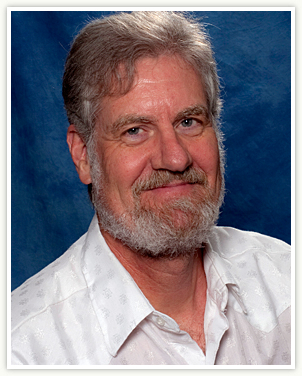
Jim Green, director of planetary science at NASA Headquarters. Dr. Green received his Ph.D. in Space Physics from the University of Iowa in 1979 and began working in the Magnetospheric Physics Branch at NASA’s Marshall Space Flight Center (MSFC) in 1980. In August 2006, Dr. Green became the Director of the Planetary Science Division at NASA Headquarters.
Michael Meyer, lead scientist for the Mars Exploration Program at NASA Headquarters. Meyer has been the Program Scientist for the Mars Microprobe mission and for two Shuttle/Mir experiments. He was also the Planetary Protection Officer for NASA, responsible for mission compliance to NASA’s policy concerning forward and back contamination during planetary exploration.
Lujendra Ojha of the Georgia Institute of Technology in Atlanta. “We still don’t have a smoking gun for existence of water in RSL [recurring slope lineae], although we’re not sure how this process would take place without water.” He originally discovered Warm Seasonal Flows while an undergraduate at the University of Arizona, Tucson, three years ago, in images from the High Resolution Imaging Science Experiment (HiRISE) camera on NASA’s Mars Reconnaissance Orbiter.
Mary Beth Wilhelm of NASA’s Ames Research Center in Moffett Field, California and the Georgia Institute of Technology. Mary Beth Wilhelm is an early-career planetary scientist and organic biogeochemist whose current research focus is on biomarker preservation in martian and terrestrial environments. She is currently a member of the Mars Science Laboratory Curiosity Science Team, a National Science Foundation Graduate Fellow, and a NASA Civil Servant.
Alfred McEwen, principal investigator for the High Resolution Imaging Science Experiment (HiRISE) at the University of Arizona in Tucson. Dr. McEwen is a planetary geologist and director of the Planetary Image Research Laboratory (PIRL). His major research interest is understanding active geologic processes such as volcanism, impact cratering, and slope processes.
“We estimated the minimum amount of water is 105 m3… What we are dealing with are layers of wet soil.”
“Our next plan is to drink the water!”
“We don’t know where the water comes from. It could be hiding but we don’t have any idea.”
“We have seen snow on Mars, and we know there is a water cycle.”
“Every where we go on Earth where there is liquid water, there has been life… We now have great opportunities to be in the right location on Mars to be able to look for life and make the positive identification.”
“Our quest on Mars has been to ‘follow the water,’ in our search for life in the universe, and now we have convincing science that validates what we’ve long suspected,” said John Grunsfeld, astronaut and associate administrator of NASA’s Science Mission Directorate in Washington. “This is a significant development, as it appears to confirm that water — albeit briny — is flowing today on the surface of Mars.”
“To find out whether life has originated on Mars independently of the origin of life on Earth will take a sophisticated robotic mission or a manned mission, either of them carrying the right instruments.”
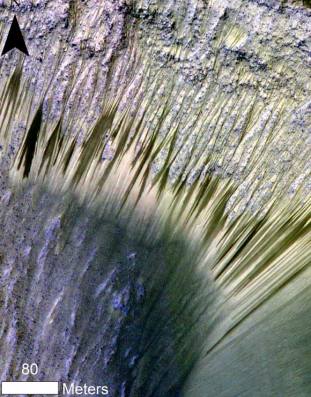
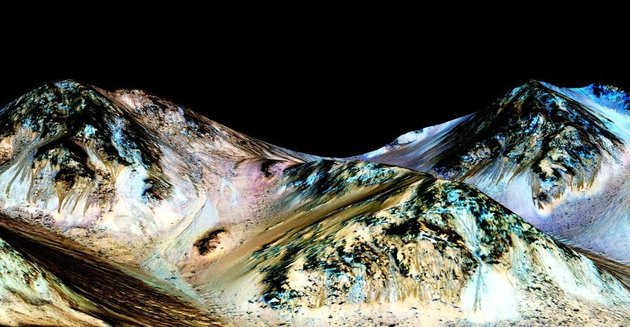
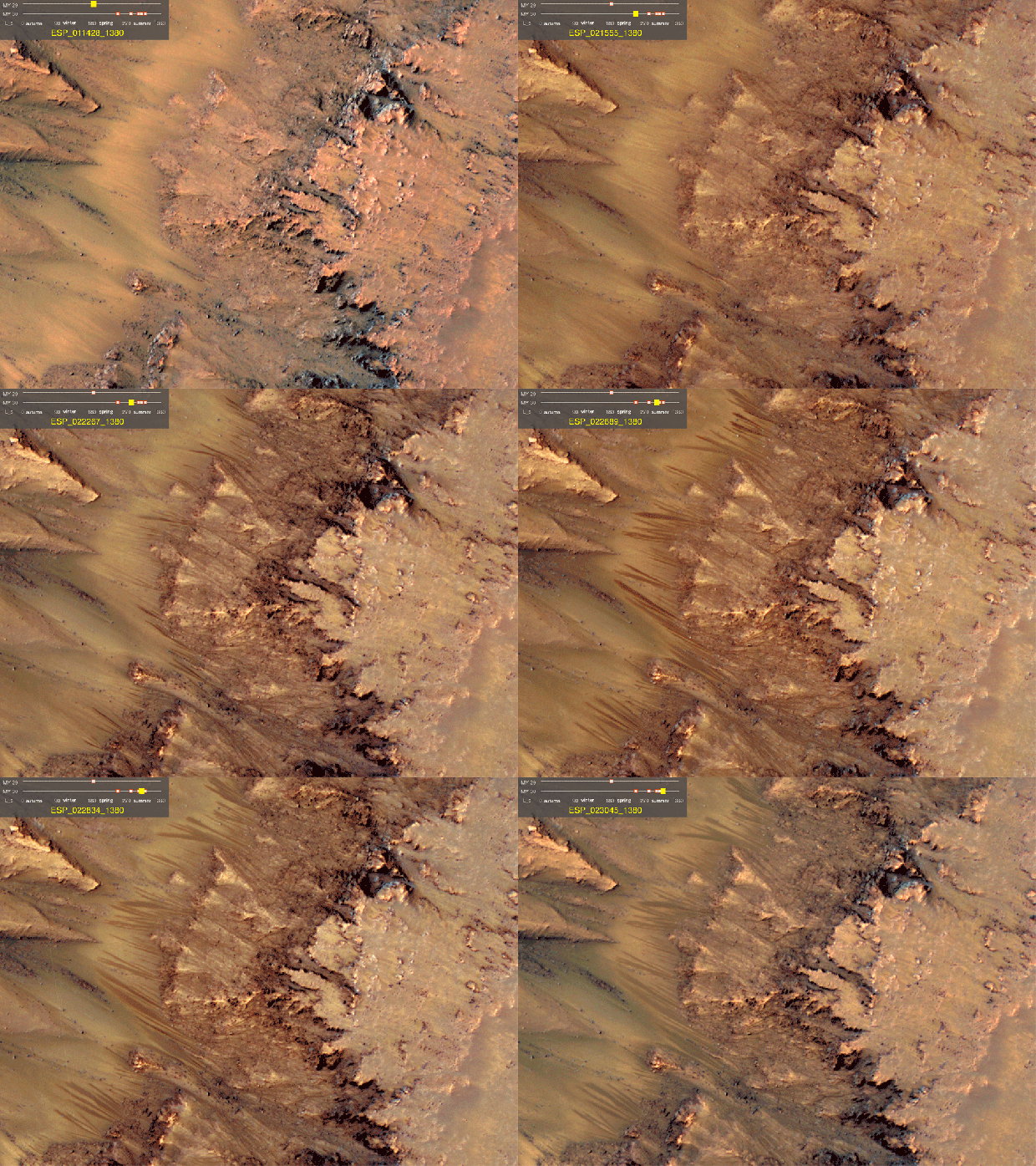
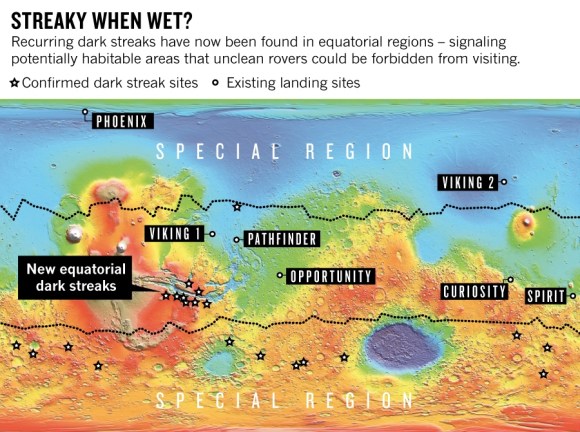
The dark streaks are known as recurring slope lineae and are believed to be evidence of flowing water. The blue color seen upslope of the dark streaks is thought not to be related to the streaks but to the presence of the mineral pyroxene. (Credit: NASA/JPL/University of Arizona)Recurring slope lineae observed in HiRISE images of Mars. The RSL form on Sun facing slopes during warm season and fade during cold season.
“Recurring Slope Lineae (RSL) are seasonal flows or seeps on warm Martian slopes. Observed gradual or incremental growth, fading, and yearly recurrence can be explained by seasonal seeps of water, which is probably salty. The origin of the water is not understood, but several observations indicate a key role for atmospheric processes. If sufficient deliquescent salts are present at these locations, the water could be entirely of atmospheric origin.”PDF. “We also find that changes in the hydration state of salts within the uppermost 15 cm of the subsurface, as measured by Curiosity, are consistent with an active exchange of water at the atmosphere-soil interface” Nature
High Resolution Imaging Science Experiment
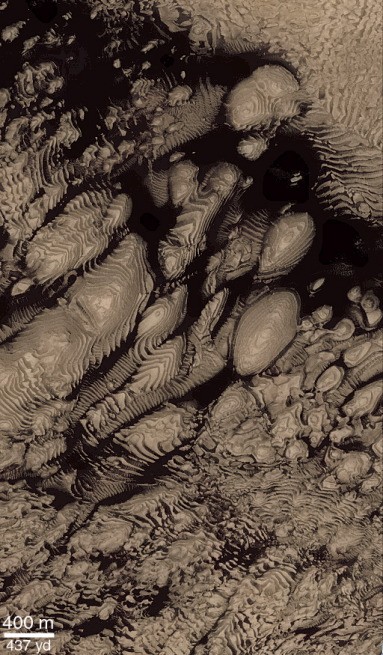
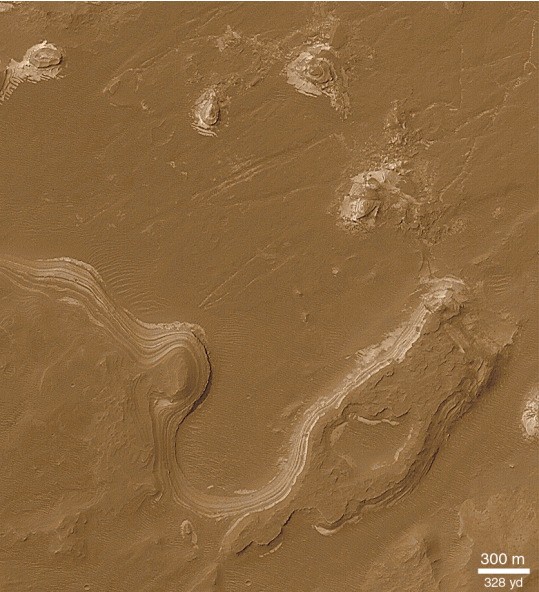
“Colorized” subframe of Mars Orbiter Camera image M14-01647 of layered deposits inside an impact crater in Western Arabia Terra. (Credit: Malin Space Science Systems/NASA)
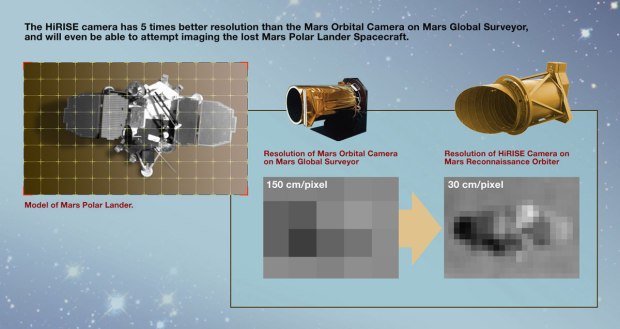
HiRISE is one of six science instruments for NASA’s Mars Reconnaissance Orbiter. HiRISE (High Resolution Imaging Science Experiment) has photographed hundreds of targeted swaths of Mars’ surface in unprecedented detail. The HiRISE camera has provided the highest-resolution images yet from martian orbit.
“Colorized” subframe of Mars Orbiter Camera image M14-01647 of layered deposits inside an impact crater. Hundreds of layers can be seen exposed by erosion. (Credit: Malin Space Science Systems/NASA)
The camera operates in visible wavelengths, the same as human eyes, but with a telescopic lens that produces images at resolutions never before seen in planetary exploration missions. These high-resolution images enable scientists to distinguish 1-meter-size (about 3-foot-size) objects on Mars and to study the morphology (surface structure) in a much more comprehensive manner than ever before.
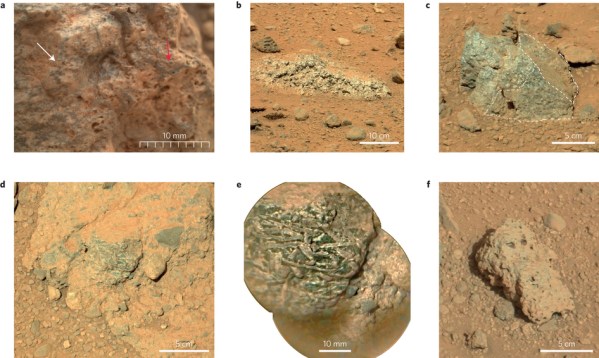
Diversity of rock textures. (Credit: Nature Geoscience (2015) doi:10.1038/ngeo2474)
HiRISE also makes observations at near-infrared wavelengths to obtain information on the mineral groups present. From an altitude that varies from 200 to 400 kilometers (about 125 to 250 miles) above Mars, HiRISE acquires surface images containing individual, basketball-size (30 to 60 centimeters, or 1 to 2 feet wide) pixel elements, allowing surface features 4 to 8 feet across to be resolved. These new, high-resolution images are providing unprecedented views of layered materials, gullies, channels, and other science targets, in addition to characterizing possible future landing sites.
“Colorized” subframe of Mars Orbiter Camera image M03-02733 of layered deposits. Because a large valley can be seen entering into the crater, the layers shown here could be from the deposition of sediments in the water from this valley. (Credit: Malin Space Science Systems/NASA)
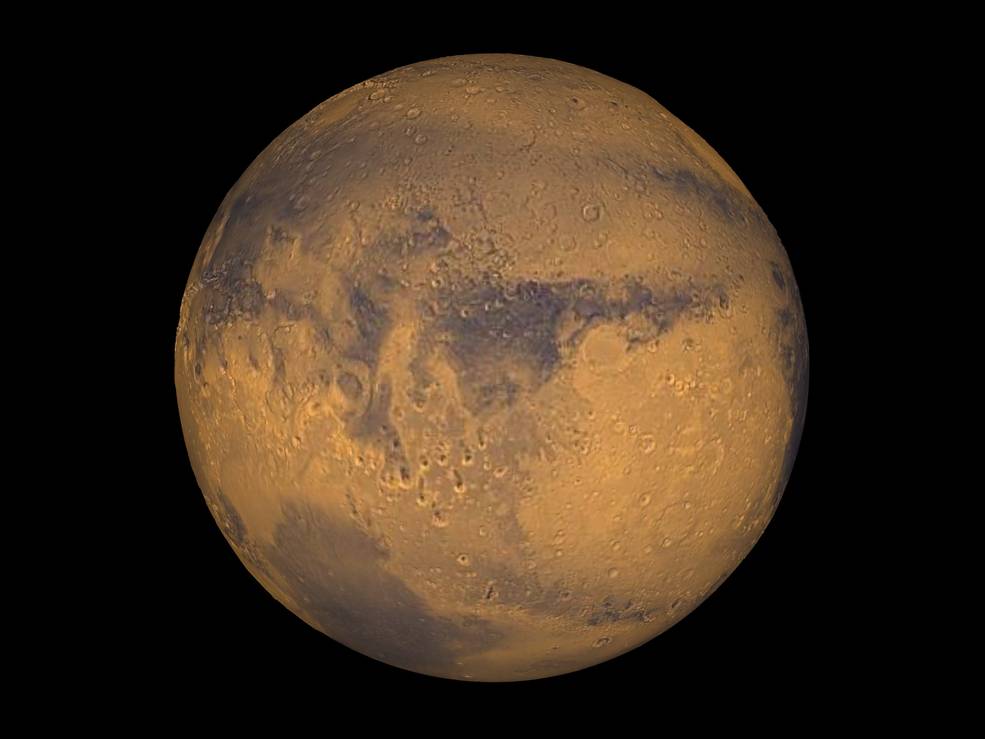
Mars is fundamentally a volcanic planet. Geologic mapping of Mars shows that about half the surface seems to be covered with volcanic materials that have been modified to some extent by other processes (such as meteorite impacts, blowing wind, and floods of water). Mars has the largest volcanoes in the entire Solar System. The great volumes of erupted lava have had a profound impact on the entire planet, extracting heat and selected chemicals from within, adding large amounts of acidic gas to the atmosphere, and providing heat to melt frozen water in the crust. Another high priority will be to image places where both lava and water have come gushing out of the ground. These are places where microbes that might live in the deep, warm, wet parts of the crust could have been brought to the surface. Finding scientifically interesting spots that are safe to land future rovers is one of the primary goals for the MRO mission.
Most Mars researchers believe that the polar layered deposits are the result of variations in the amounts of dust and water ice deposited over many climate cycles, but their composition is poorly constrained. In addition, the amount of time needed to form individual layers remains a major uncertainty. Studies of the thickness of polar layers are limited by image resolution. Are thinner layers present, but not visible in the available images? HiRISE is expected to answer this question and better determine the thickness of layers in the polar deposits. Analysis of HiRISE data should result in a better understanding of the timescales involved in the deposition of the layered deposits and provide important information regarding the climate history of Mars. (Credit: http://marsoweb.nas.nasa.gov/HiRISE/)
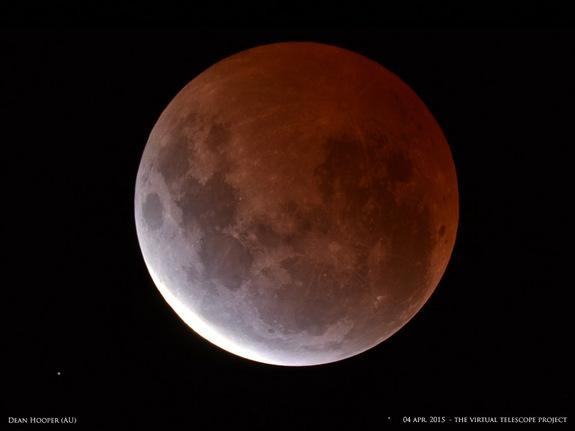
‘The eclipse itself technically begins at 5:40 p.m., but it won’t be visible on the West Coast until 6:40 p.m. The total eclipse starts at 7:11 p.m. and ends at 8:23 p.m. After that, you can watch the moon slowly emerge from Earth’s shadow just before 10 p.m. when the penumbra, the faintest bit of shadow, disappears from the lunar disk.’ LATimes
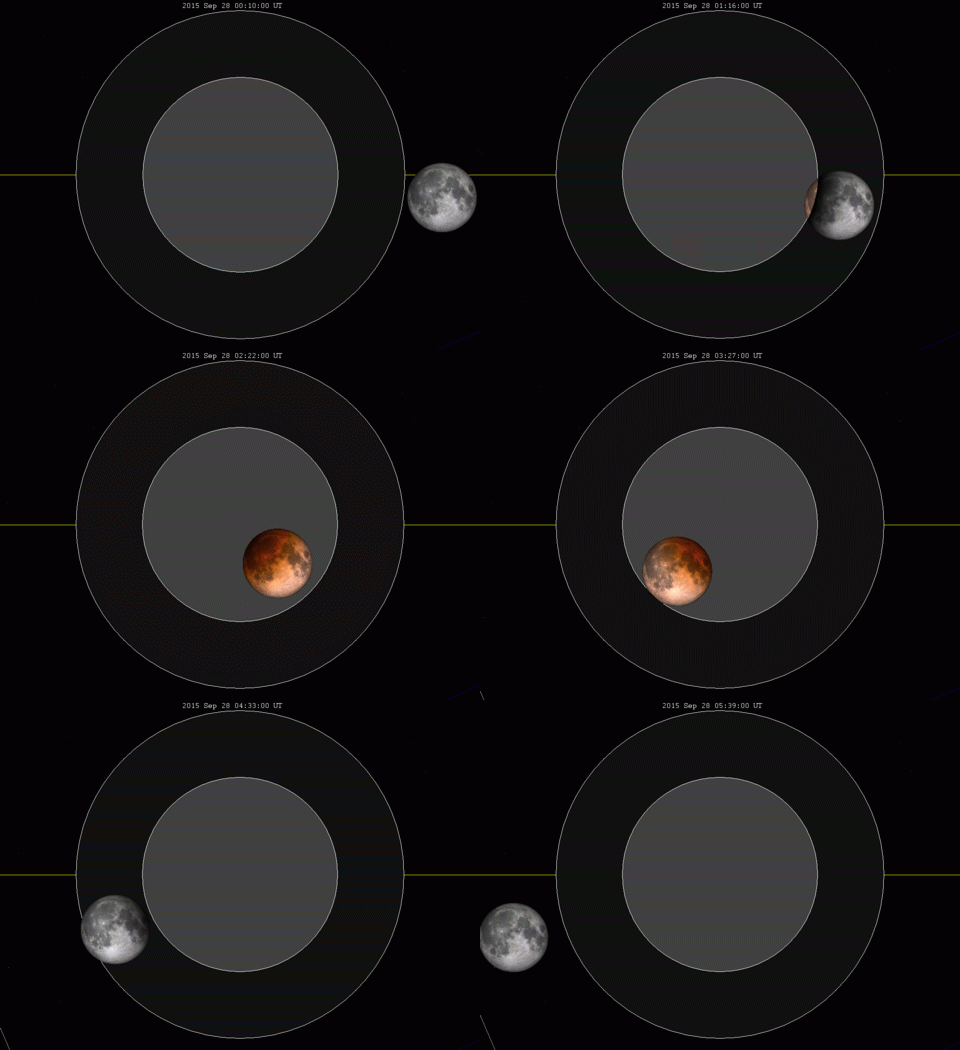
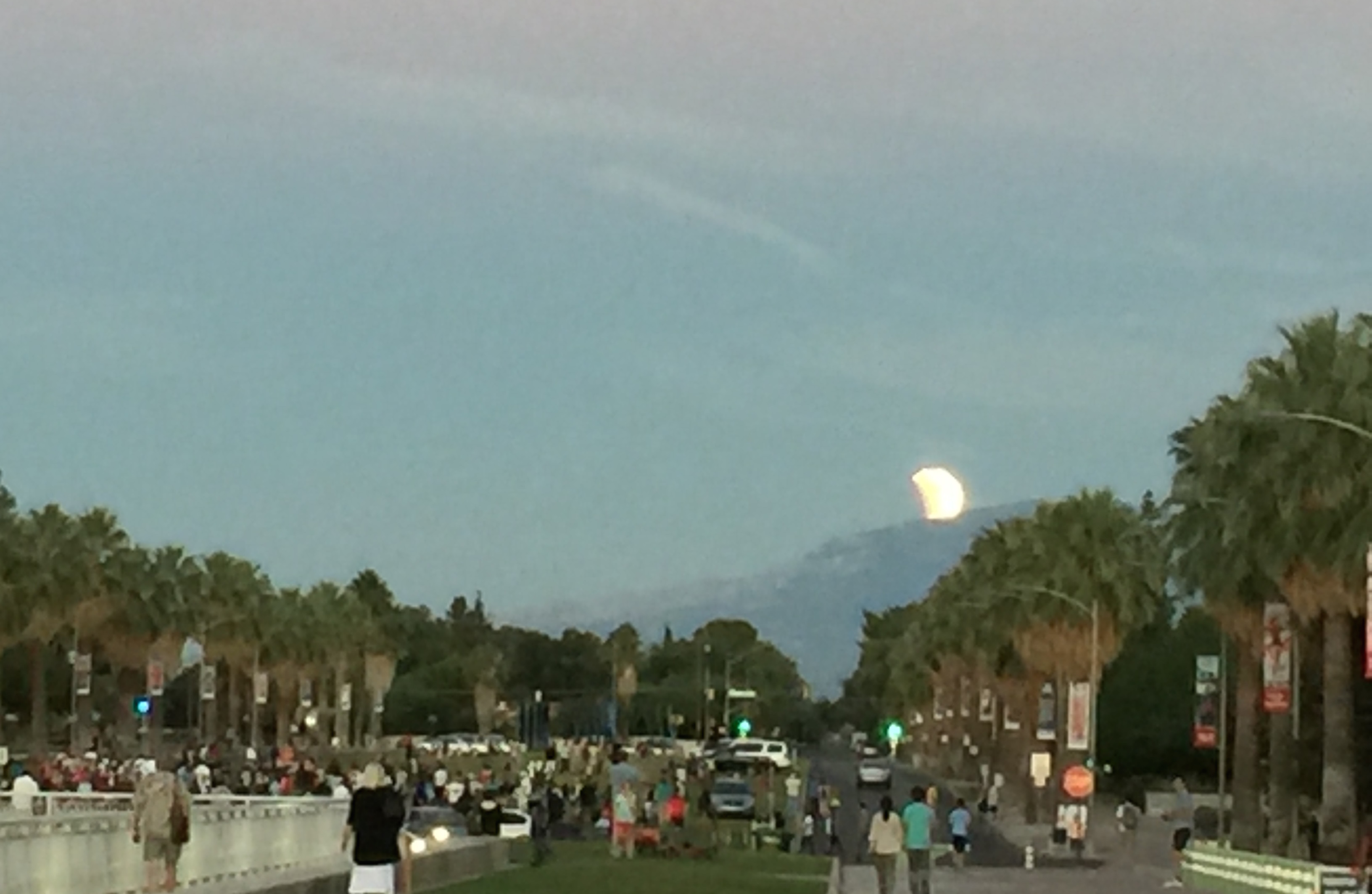
“The Moon will appear to be larger than normal because the Moon will be just 59 minutes past its closest approach to Earth in 2015 at mid-eclipse, sometimes called a supermoon. The simulation below shows the approximate appearance of the Moon passing through Earth’s shadow. The Moon’s brightness is exaggerated within the umbral shadow. The northern portion of the Moon was closest to the center of the shadow, making it darkest, and most red in appearance.” wiki
Super Moon on September, 27, 2015 from the University of Arizona, Tucson, AZ.
The Scientific Association for the Study of Time in Physics and Cosmology is very honored to present Stuart Hameroff, M.D., anesthesiologist and Professor in the Departments of Anesthesiology and Psychology, and Director of the Center for Consciousness Studies at Banner-University Medical Center, The University of Arizona, as the fall speaker for the SASTPC Speaker Series Free Public Lectures.


 Periodicity Formula
  Book figures 3.5 (left frame) and 3.6