Physics in the News

Sunday, June 29, 2014

Gravity is Driving Growth of the Universe
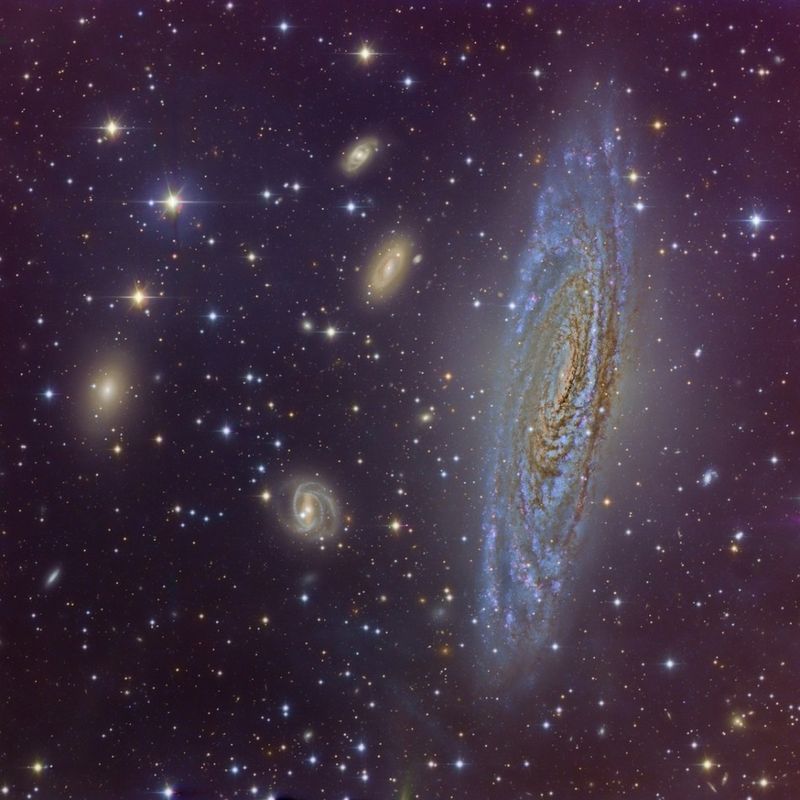
Astronomers Confirm from 600,000 Galaxies

via dailygalaxy


The Grandfather Paradox
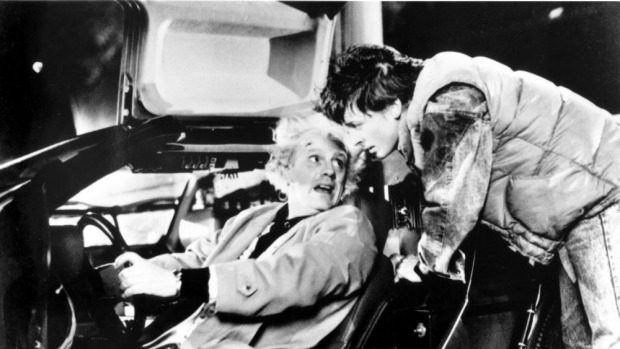
The "grandfather paradox": Time travel raises the spectrum of possibly changing life events. Photo: Universal Studios
The “grandfather paradox”: Time travel raises the spectrum of possibly changing life events. Photo: Universal Studios
via smh.com
 

NASA ‘flying saucer’ Success: A better way to land on Mars?

via theguardian


NASA’s Robot Astronaut Inspiring Tech Advances Here on Earth
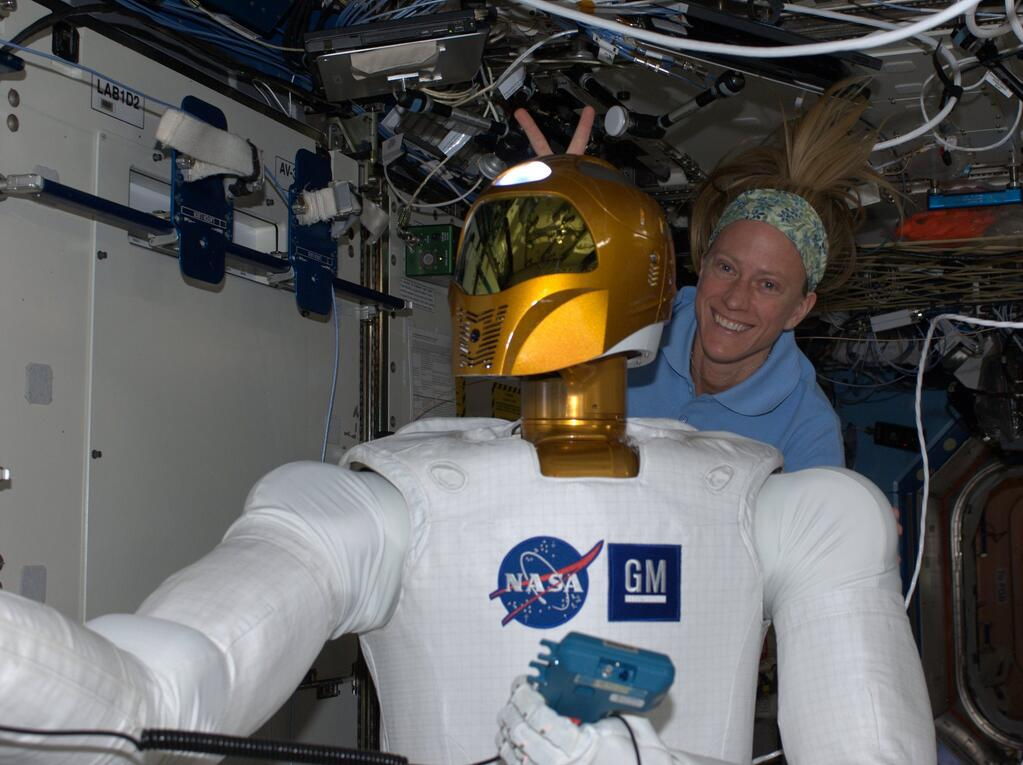
Aboard the International Space Station, astronaut Karen Nyberg indulges in a moment of levity with Robonaut 2. Image tweeted on June 28, 2013.

via .space.com


The Most Mathematically Perfect Day of the Year
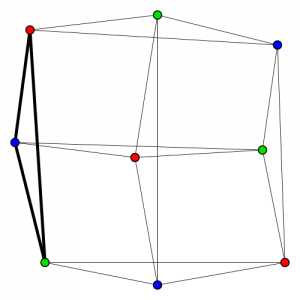
The Paley graph of order 9 is a perfect graph, making it an appropriate object of veneration and study on June 28, a perfect day. Image: David Eppstein. (Credit: Wikimedia)
via scientificamerican
 

Delving into Dark Matter
Theory says there may be disk of it at center of galaxy. (Credit: Shutterstock)
Theory says there may be disk of it at center of galaxy.
via theepochtimes

Physics in the News

Saturday, June 28, 2014

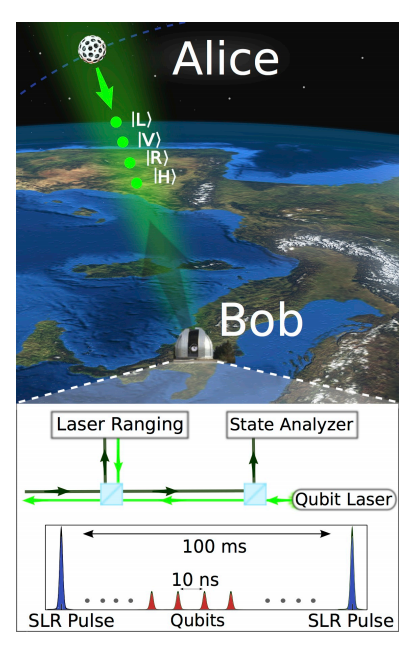
The Space-Based Quantum Cryptography Race

via technologyreview

Space football fever: NASA astronauts lose hair in World Cup bet (VIDEO)

via rt.com

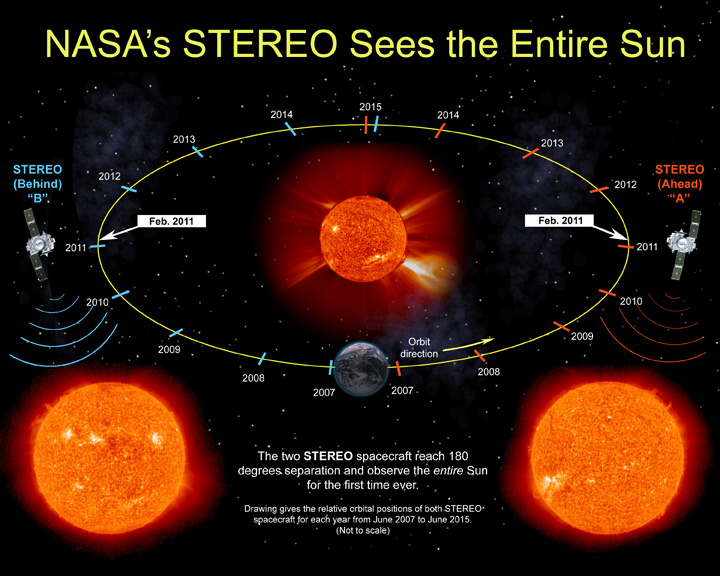
STEREO probes operations will be curtailed for more than a year

Illustration of the positions of the two STEREO spacecraft show that they attain 180 degrees of separation in Feb. 2011, thus allowing the world to see the entire Sun for the first time. (Credit: NASA/STEREO/SSC)
via thewatchers

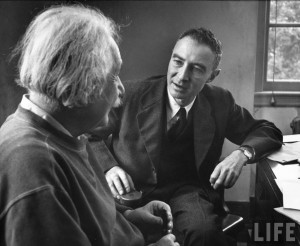
Oppenheimer’s Folly: On black holes, fundamental laws and pure and applied science

Einstein and Oppenheimer: Both men in their later years dismissed black holes as anomalies, unaware that they contained some of the deepest mysteries of physics (Image: Alfred Eisenstaedt, LIFE magazine)
via scientificamerican

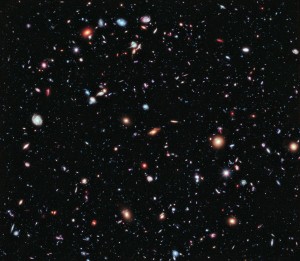
Physicists Think They Can Solve the Mysteries of Quantum Mechanics, Cosmology, and Black Holes in One Go

Hubble Space Telescope image. (Credit: NASA, ESA, G. Illingworth, D. Magee, and P. Oesch (University of California, Santa Cruz), R. Bouwens (Leiden University), and the HUDF09 Team)
via scientificamerican

The Smallest Black Hole in the Universe (Synopsis)

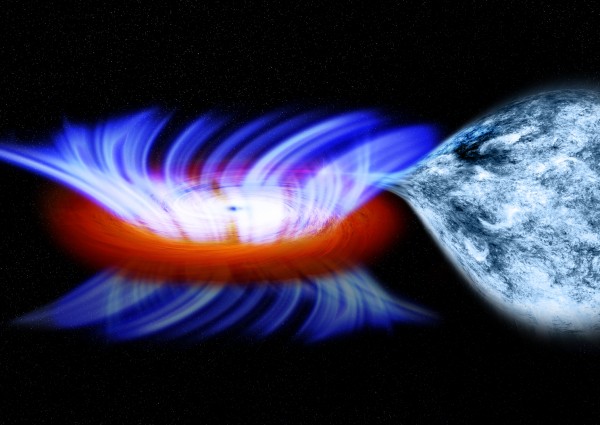
A binary system containing a stellar-mass black hole called IGR J17091. The strong gravity of the black hole, on the left, is pulling gas away from a companion star on the right. This gas forms a disk of hot gas around the black hole, and the wind is driven off this disk(Credit: NASA/CXC/M.Weiss)
via scienceblogs.com

Physicists’ findings improve advanced material

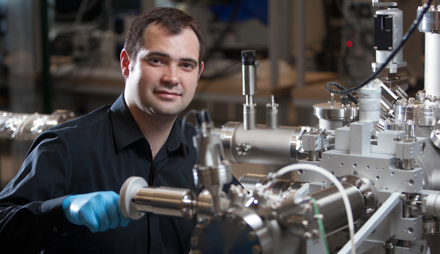
A new technique developed by a Binghamton University physicist and his colleagues will improve the quality of flexible, conductive, transparent glass.
A new technique developed by a Binghamton University physicist and his colleagues will improve the quality of flexible, conductive, transparent glass. (Credit: NASA)
via phys.org

Physics in the News

Monday, June 23, 2014

Mystery patch found floating on Titan’s seas

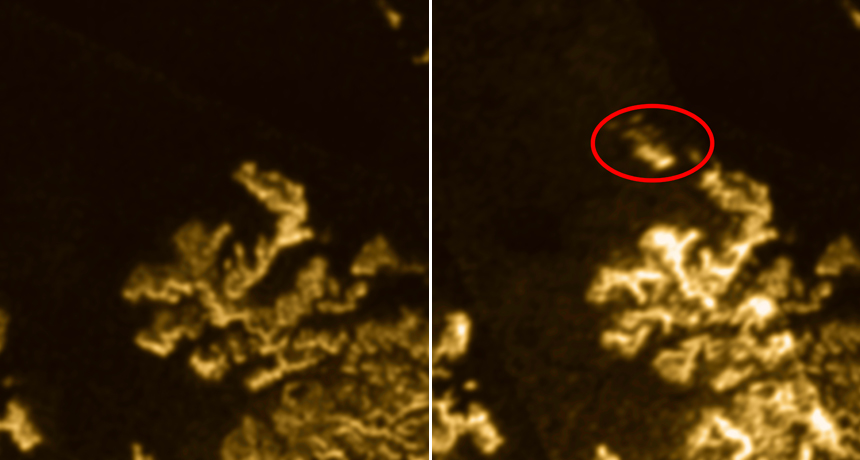
A bright patch (right, circled) on one of Titan’s northern methane seas, shown as dark areas, appeared in a Cassini spacecraft image taken on July 10, 2013. The patch disappeared by July 16, 2013 and was not visible in earlier images (left).
via sciencenews.org


The Supermassive Black Hole Smokescreen

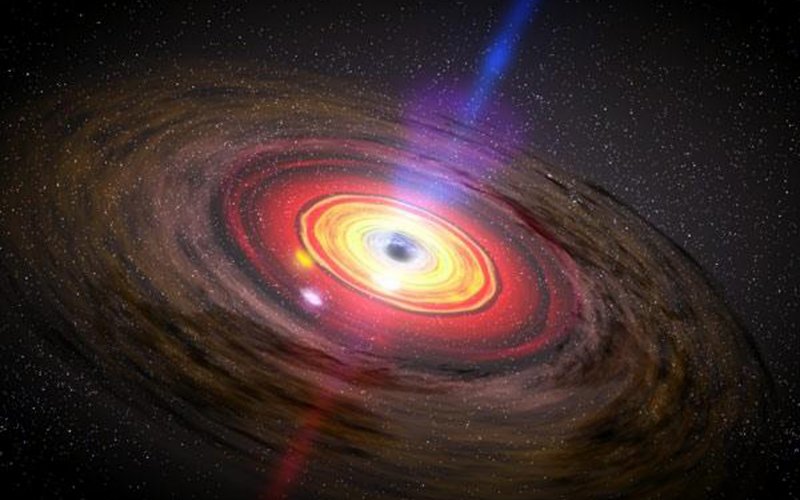
(Credit: NASA)
(Credit: NASA)
via thedailybeast


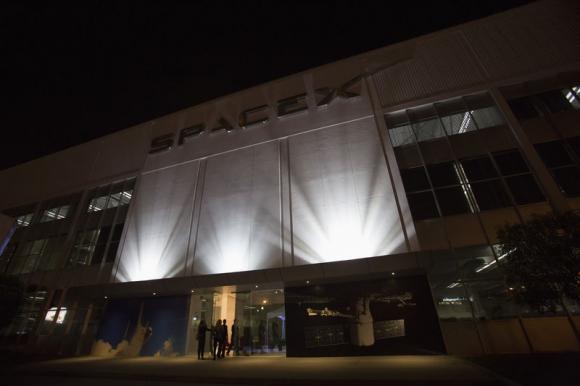
SpaceX satellite launch postponed for third time, until Tuesday

 An exterior of the SpaceX headquarters in Hawthorne, California May 29, 2014. (Credit: Reuters/Mario Anzuoni)
An exterior of the SpaceX headquarters in Hawthorne, California May 29, 2014. (Credit: Reuters/Mario Anzuoni)
via reuters


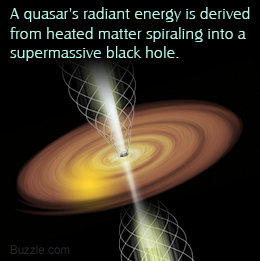
Interesting Facts About Quasars

604042-1620-49
via buzzle


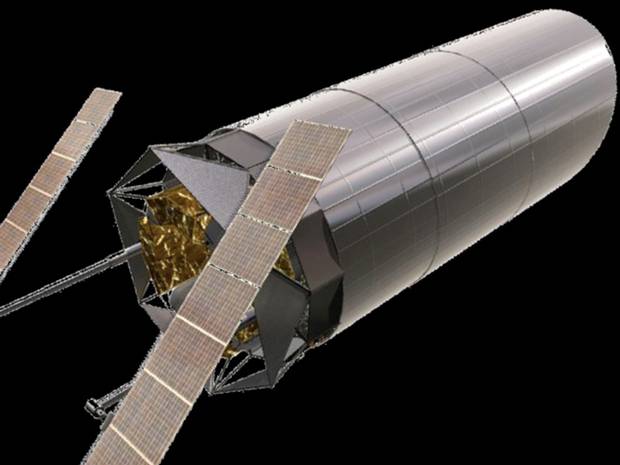
Sending astronauts one million miles into space to build world’s most-powerful telescope in hunt for alien life

The Atlast telescope will be the most powerful telescope ever made and up to four times larger than the Hubble Telescope
via independent

Physics in the News

Tuesday, June 17, 2014

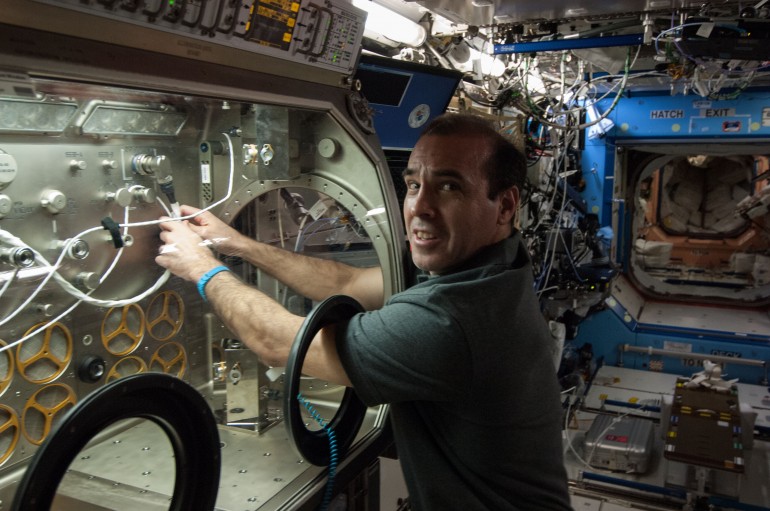
Decontamination system turns space station into life science laboratory

NASA astronaut Rick Mastracchio prepares to test the ultraviolet light decontamination hardware (Image: NASA)
NASA astronaut Rick Mastracchio prepares to test the ultraviolet light decontamination hardware (Credit: NASA)
via gizmag

Hubble telescope on the lookout for Kuiper belt as it pasts Pluto

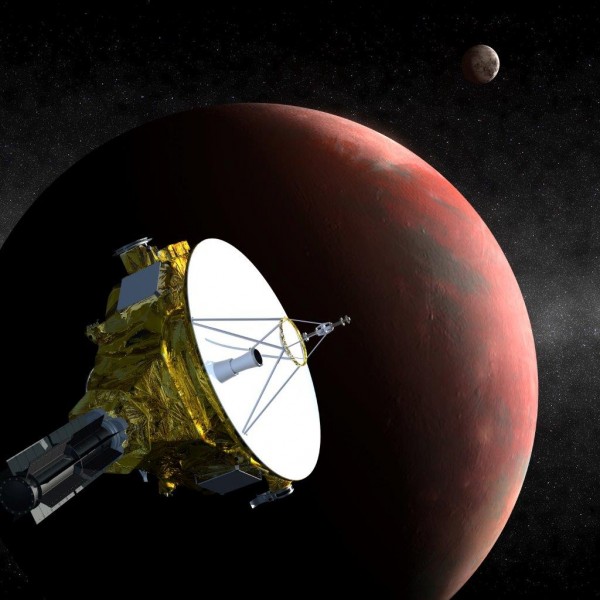
The New Horizons spacecraft approaches Pluto in this artist's conception. (JHUAPL/SWRI)
The New Horizons spacecraft approaches Pluto in this artist’s conception. (Credit: JHUAPL/SWRI)
via news.sciencemag

Former NASA Physicist Disputes Einstein’s Relativity Theory

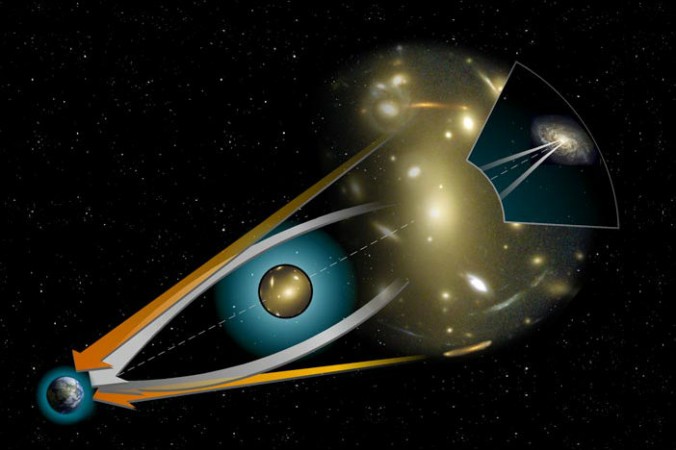
A diagram depicting gravitational lensing, a phenomenon by which light bends around some objects in space. (NASA, ESA; J. Richard, CRAL; and J.-P. Kneib, LAM)
A diagram depicting gravitational lensing, a phenomenon by which light bends around some objects in space. (Credit: NASA, ESA; J. Richard, CRAL; and J.-P. Kneib, LAM)
via theepochtimes

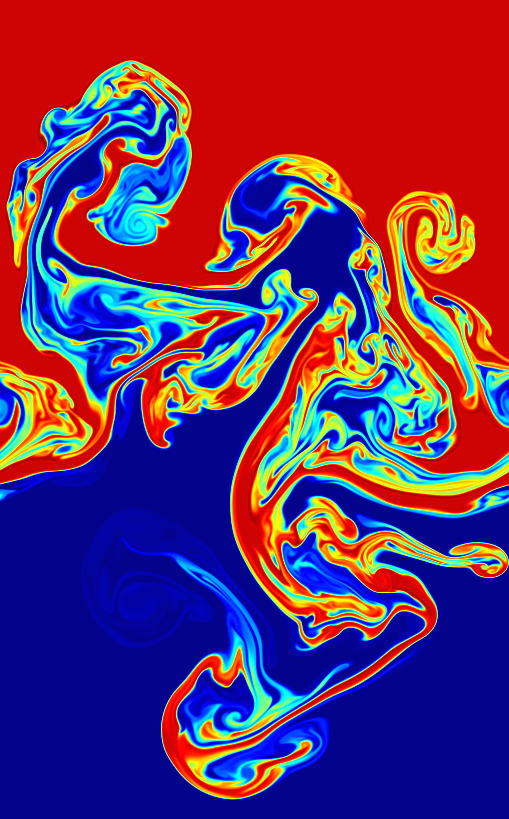
We owe our lives to instability

rt_yc12_7000
Rayleigh Taylor Instability: carbon mass fraction ρ=107 gm/cm3 12C→24Mg nuclear flame. Gravity 109 cm/s2 (Credit: Wiki Commons)
via santafenewmexican

Space giants join forces to battle SpaceX: This is how cheap space travel begins

The SpaceX Dragon capsule is making its third trip to the International Space Station, following a demonstration flight in May 2012 and the first resupply mission in October 2012
The SpaceX Dragon capsule is making its third trip to the International Space Station, following a demonstration flight in May 2012 and the first resupply mission in October 2012 (Credit: SpaceX)
via extremetech

Opportunity peers out from ‘Pillinger Point’ – Honoring British Beagle 2 Mars scientist

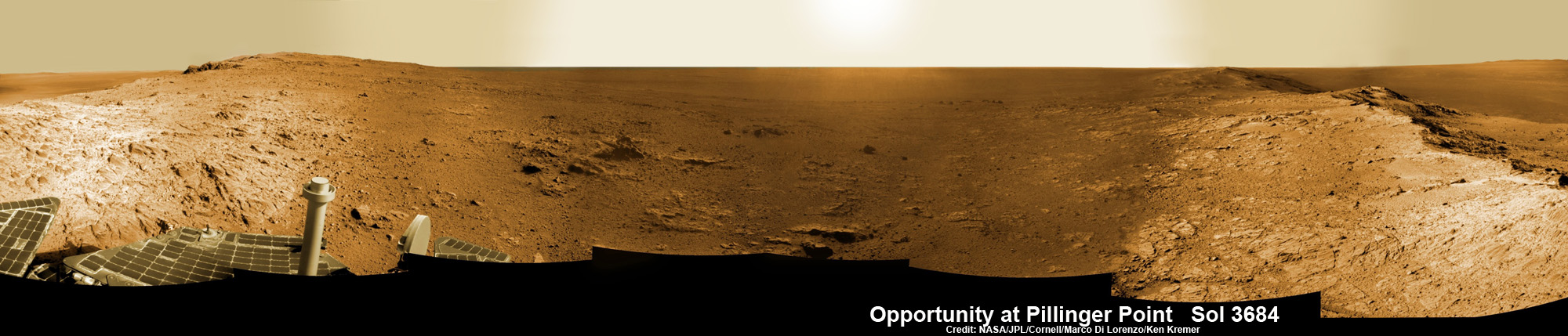
Opportunity Mars rover peers into vast Endeavour Crater from Pillinger Point mountain ridge named in honor of Colin Pillinger, the Principal Investigator for the British Beagle 2 lander built to search for life on Mars. Pillinger passed away from a brain hemorrhage on May 7, 2014. This navcam camera photo mosaic was assembled from images taken on June 5, 2014 (Sol 3684) and colorized. Credit: NASA/JPL/Cornell/Marco Di Lorenzo/Ken Kremer-kenkremer.com Read more: http://www.universetoday.com/112606/opportunity-peers-out-from-pillinger-point-honoring-british-beagle-2-mars-scientist-where-ancient-water-flowed/#ixzz34sFwIO7M
Opportunity Mars rover peers into vast Endeavour Crater from Pillinger Point mountain ridge named in honor of Colin Pillinger, the Principal Investigator for the British Beagle 2 lander built to search for life on Mars. Pillinger passed away from a brain hemorrhage on May 7, 2014. This navcam camera photo mosaic was assembled from images taken on June 5, 2014 (Credit: NASA/JPL/Cornell/Marco Di Lorenzo/Ken)
via universetoday

The Continuing Saga of Planet X: Could More Massive Planets Hide Beyond Pluto?

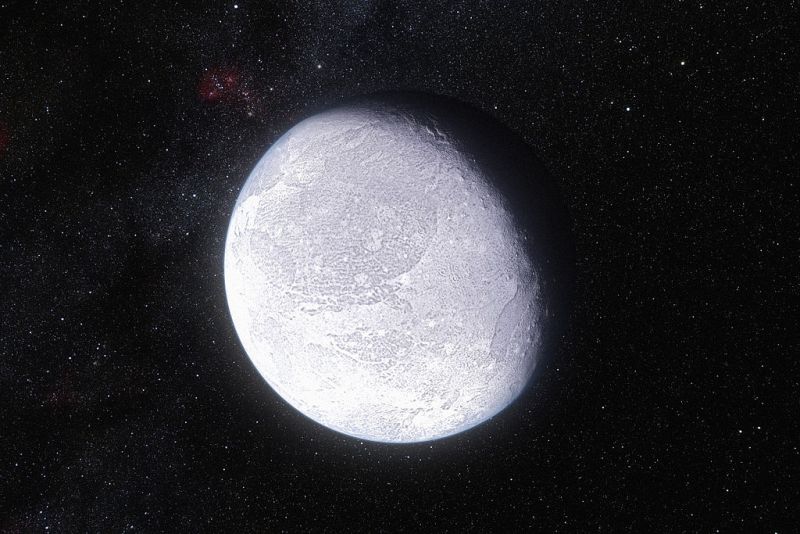
An artist’s impression of Eris, the most massive dwarf planet known to date, with an aphelion of 97 AU from the Sun. Could bigger Super-Earth-type planets be orbiting even farther out? Image Credit: ESO/L. Calçada and Nick Risinger
An artist’s impression of Eris, the most massive dwarf planet known to date, with an aphelion of 97 AU from the Sun. Could bigger Super-Earth-type planets be orbiting even farther out? (Credit: ESO/L. Calçada and Nick Risinger)
via americaspace

Trapping light: A long lifetime in a very small place

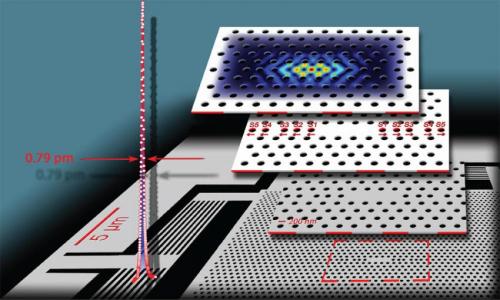
The top layer shows a simulation of the nanostructure confining the light in the tiny red regions. The second layer is the design generated by an approach that mimics evolutionary biology. The bottom two layers show electron micrographs of the realized nanostructure in silicon. The sharp peak on the left is the trace of the long trapping of light. Credit: Fabio Badolato
The top layer shows a simulation of the nanostructure confining the light in the tiny red regions. The second layer is the design generated by an approach that mimics evolutionary biology. The bottom two layers show electron micrographs of the realized nanostructure in silicon. The sharp peak on the left is the trace of the long trapping of light. (Credit: Fabio Badolato)
via phys.org

Physics in the News

Saturday, June 14, 2014

An Ocean On Pluto’s Moon? Hopeful Scientists Will Keep An Eye Out For Cracks

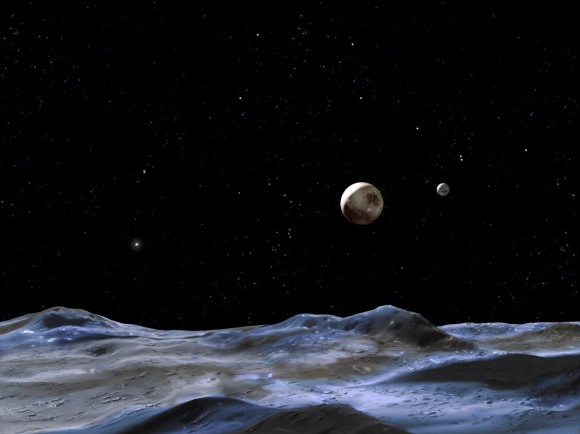
Artist impression of Pluto and Charon (NASA)
via universetoday

A Puzzling Cosmic Ring

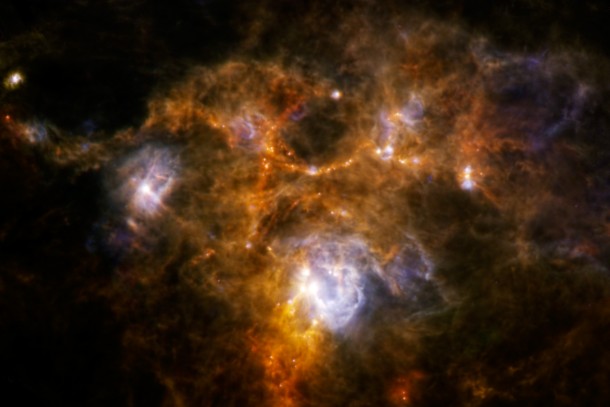
The Herschel Space Observatory has uncovered a weird ring of dusty material while obtaining one of the sharpest scans to date of a huge cloud of gas and dust, called NGC 7538. (Credit: ESA/NASA/JPL-Caltech/Whitman College)
via spacefellowship

‘Dark’ and Powerful Space Explosions May Be Cloaked by Cosmic Dust

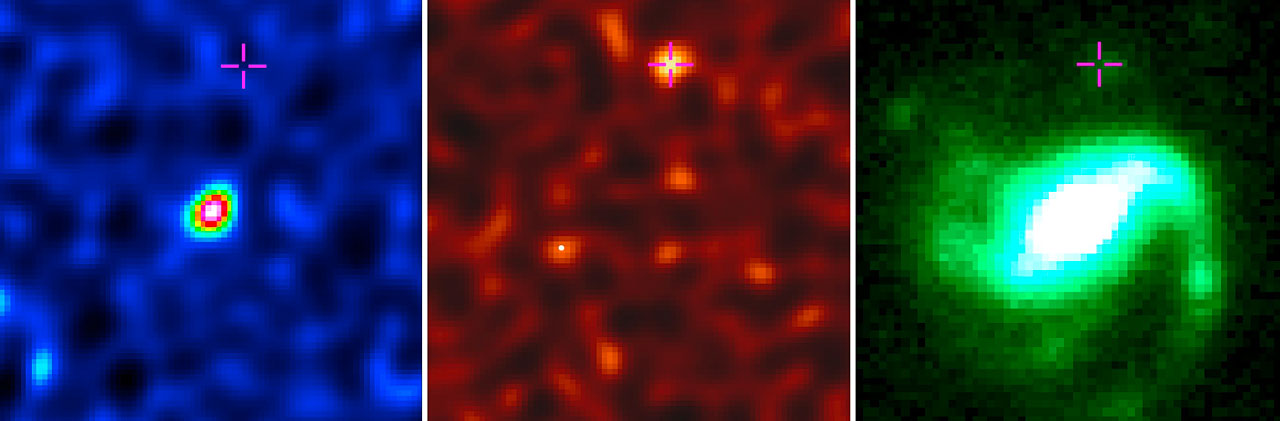
Observations of galaxy GRB 020819B of molecular gas (left) and dust (middle) done by the Atacama Large Millimeter/submillimeter Array (ALMA). At right is a visible-light image from the Frederick C. Gillett Gemini North Telescope. The cross indicates the site of a gamma-ray burst in the region. Credit: Bunyo Hatsukade(NAOJ), ALMA (ESO/NAOJ/NRAO)
Observations of galaxy GRB 020819B of molecular gas (left) and dust (middle) done by the Atacama Large Millimeter/submillimeter Array (ALMA). At right is a visible-light image from the Frederick C. Gillett Gemini North Telescope. The cross indicates the site of a gamma-ray burst in the region.  Credit: Bunyo Hatsukade(NAOJ), ALMA (ESO/NAOJ/NRAO)
via space.com

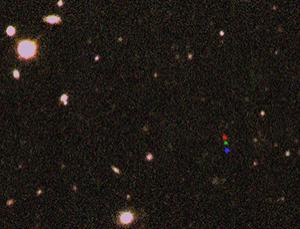
Two Giant Planets Hiding Beyond Pluto

Three images, showing dwarf planet 2012 VP113 in red, then green, then blue, were combined to reveal its path across the night sky (Image: Scott S. Sheppard, Carnegie Institution for Science)
via newscientist

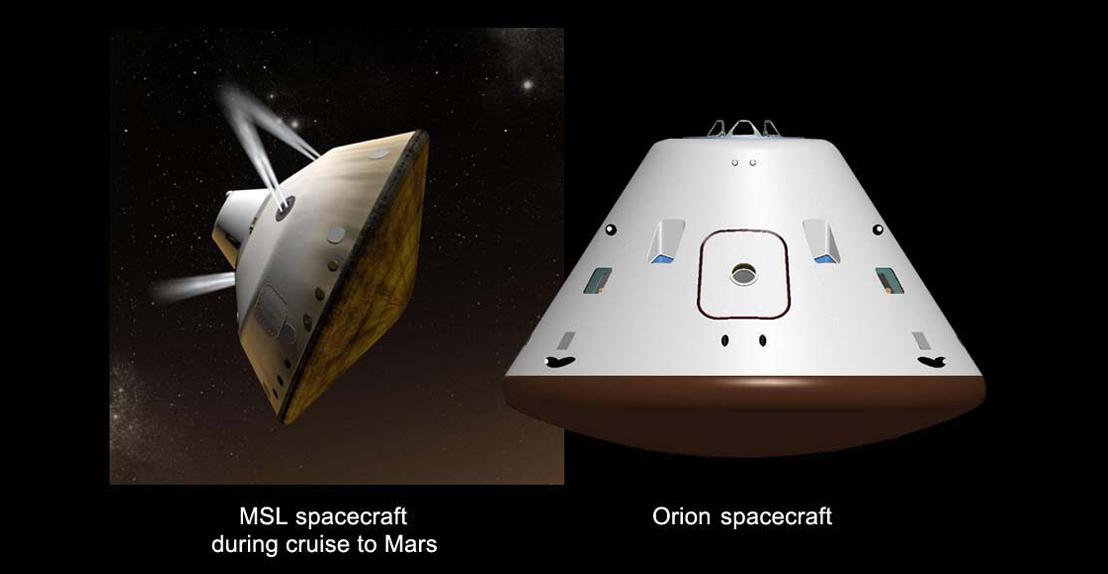
NASA’s Orion spacecraft nearly ready for its mission to Mars

Credit: NASA
Credit: NASA
via asianlite

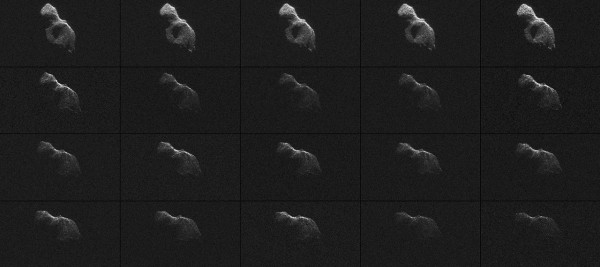
Images of “The Beast” asteroid blazing past earth

NASA scientists used Earth-based radar to produce these sharp views of the HQ124 asteroid on June 8, 2014. Courtesy of NASA/JPL-Caltech/Arecibo Observatory/USRA/NSF
via nationalgeographic