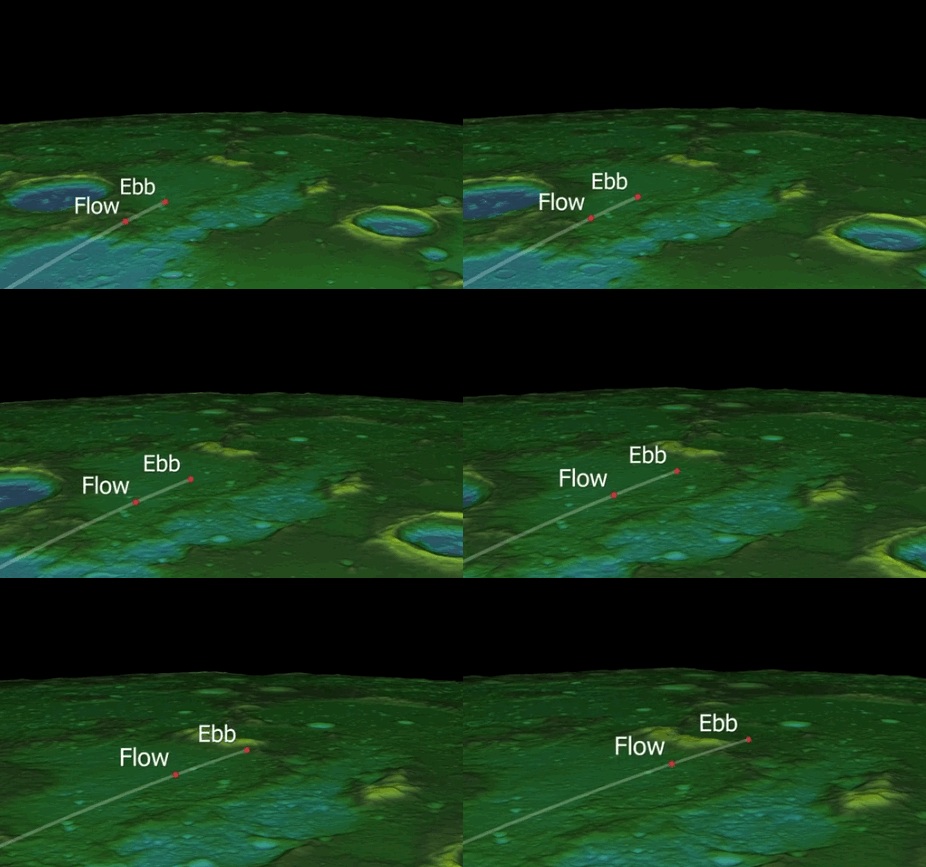
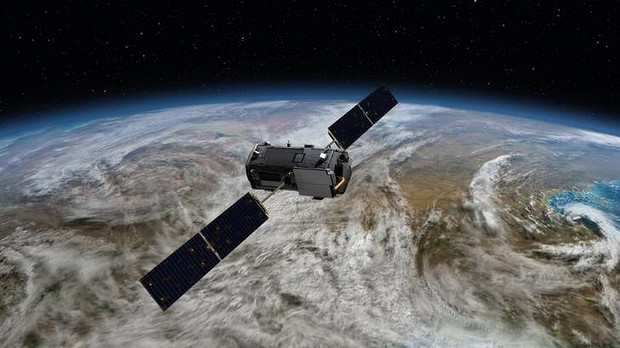
Twin spacecraft, named Ebb and Flow — about the size of washing machines — chased each other around the moon for three months. (Credit: NASA)via businessinsider
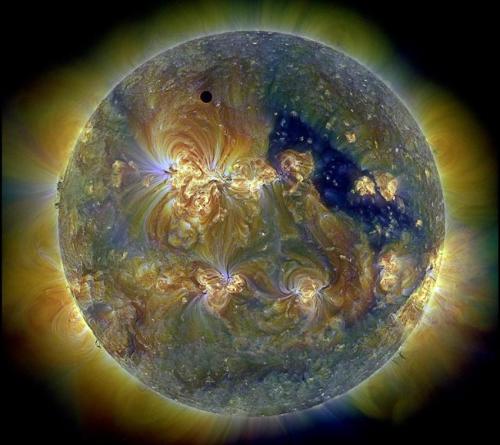
Venus can be seen as a black dot eclipsing the Sun in this image from 2012. Venus orbits too close to the Sun to the planet to be habitable for life as we know it. Venus experiences a runaway greenhouse and the average surface temperatures are thought to be around 864ºF. (Credit: NASA/SDO & the AIA, EVE, and HMI teams; Digital Composition: Peter L. Dove)
via phys.org
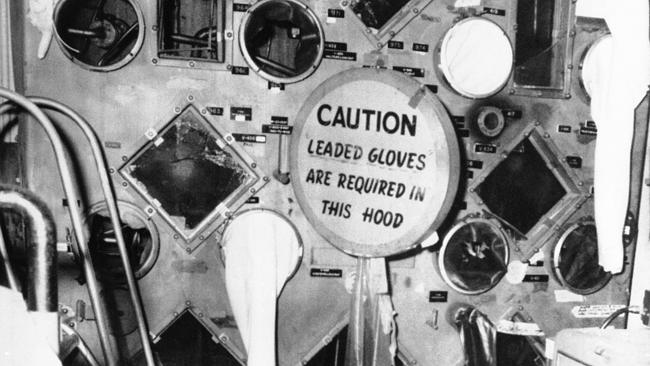
The room that exposed a laboratory technician to a massive dose of radiation, which led to him being known as the “Atomic Man”, is to be entered for the first time since the incident in 1976. (Credit: AP)
via news.com.au
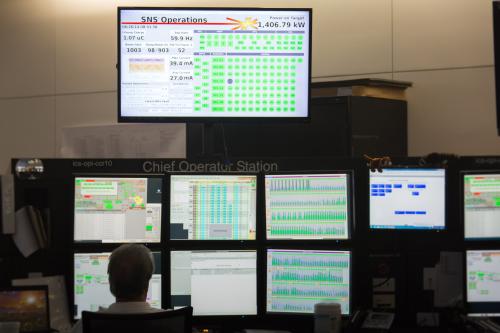
The accelerator-based pulse neutron source at ORNL’s Spallation Neutron Source operated steadily for users at the maximum design power of 1.4 megawatts June 26. (Credit: Genevieve Martin/ORNL)
via phys.org
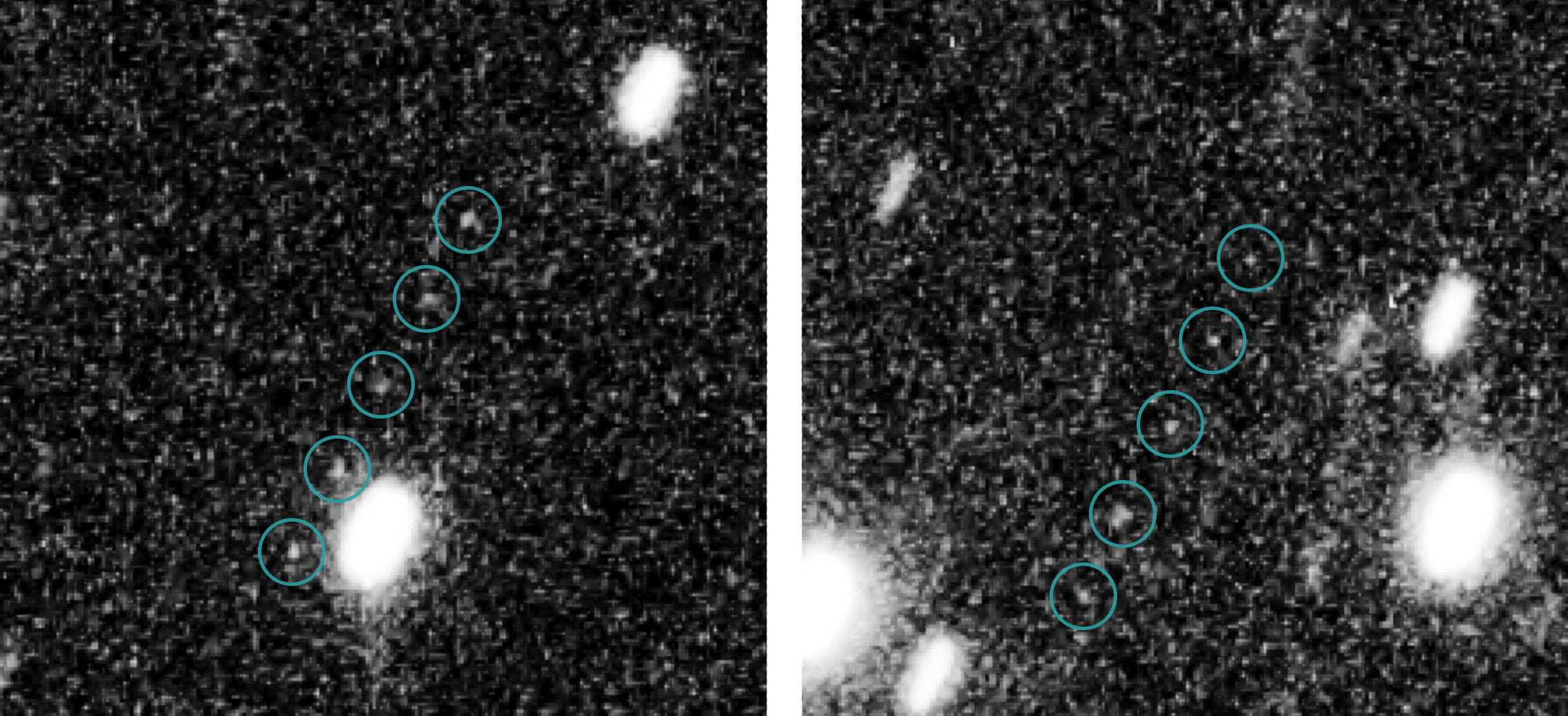
Two multiple-exposure images from NASA’s Hubble Space Telescope showing Kuiper Belt objects, or KBOs, against a background of stars in the constellation Sagittarius. The two KBOs are roughly 4 billion miles from Earth. (Credit: NASA, ESA, SwRI, JHU/APL, New Horizons KBO Search Team)
via motherboard.vice.com
“The dark matter seems to ‘know’ how the visible matter is distributed. They seem to conspire with each other such that the gravity of the visible matter at the characteristic radius of the dark halo is always the same,” said Dr. Benoit Famaey (Universities of Bonn and Strasbourg).
via dailygalaxy
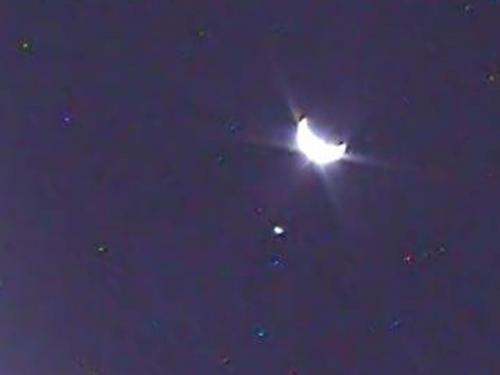
A zoomed-in image of Earth from the perspective of NASA’s Lunar Crater Observation and Sensing Satellite (LCROSS). The small dot below it is the moon. Credit: NASA Ames
via phys.org
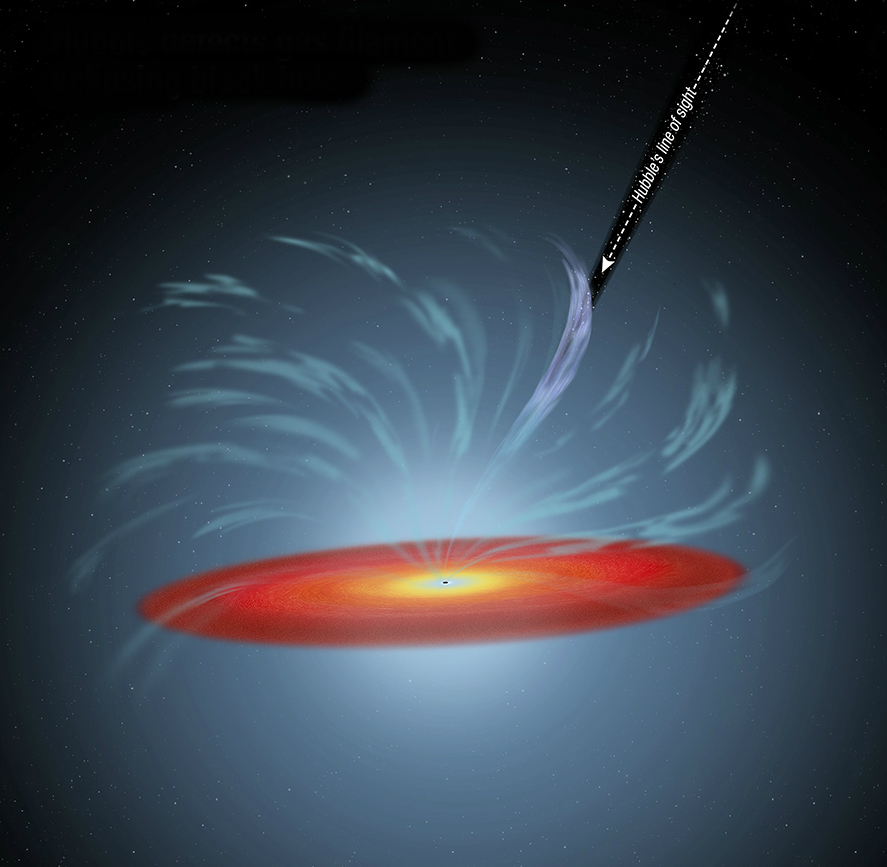
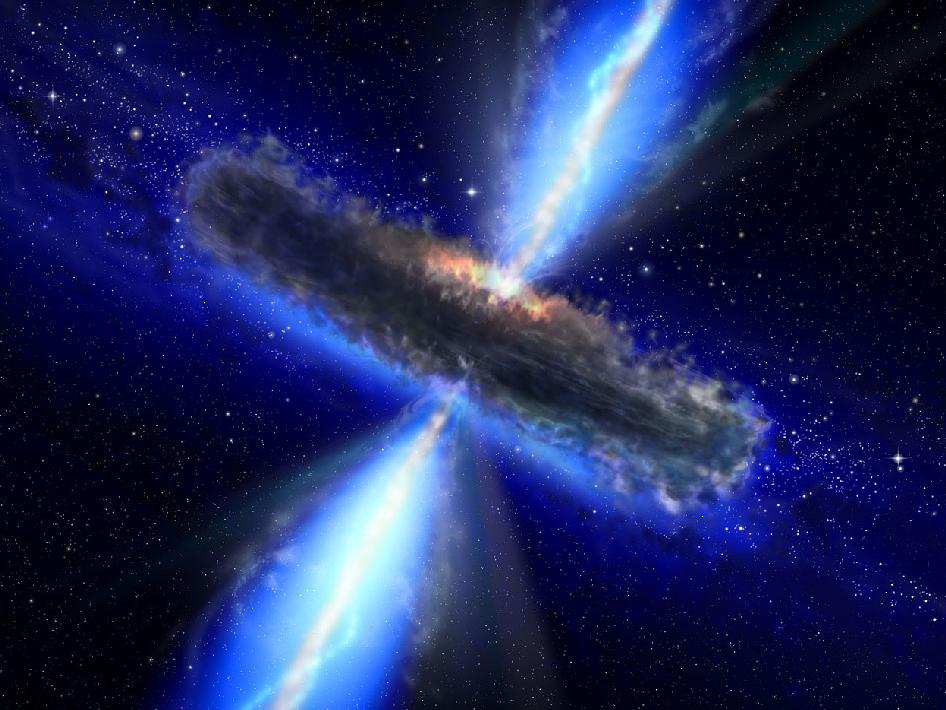
An artist’s concept illustration shows a quasar, or feeding black hole, similar to APM 08279+5255, where astronomers discovered huge amounts of water vapor. (NASA/ESA)
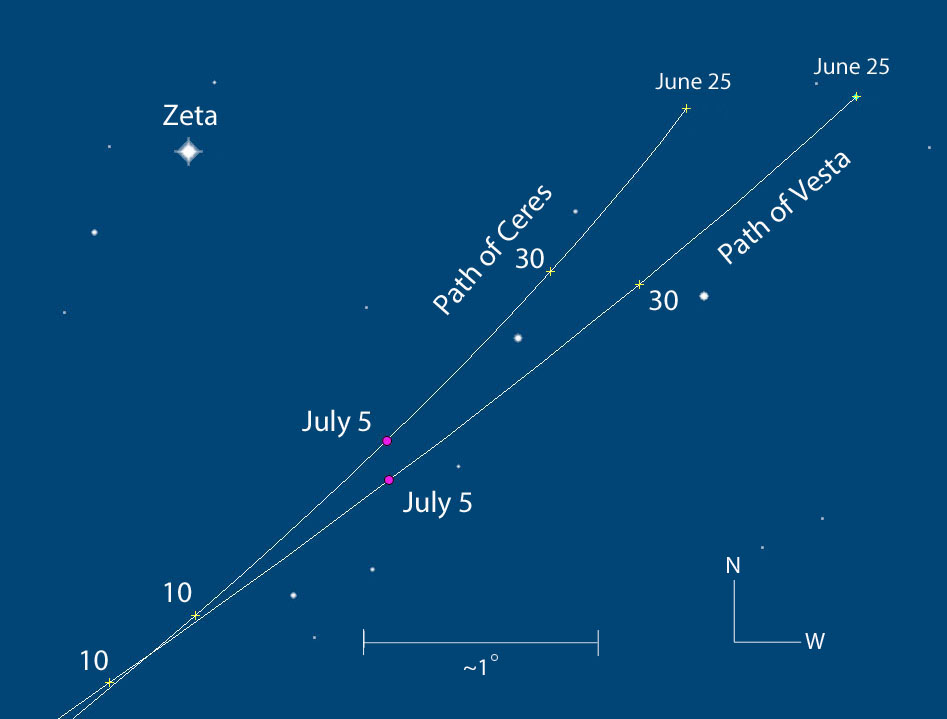
Map showing Ceres and Vesta as they approach each other closely this coming week. Both asteroids are near the easy-to-find star Zeta in Virgo not far from bright Mars. Although the asteroids appear very close together in the sky, they’re really about 51 million miles apart with Vesta in the foreground. (Credit: Chris Marriott’s SkyMap)
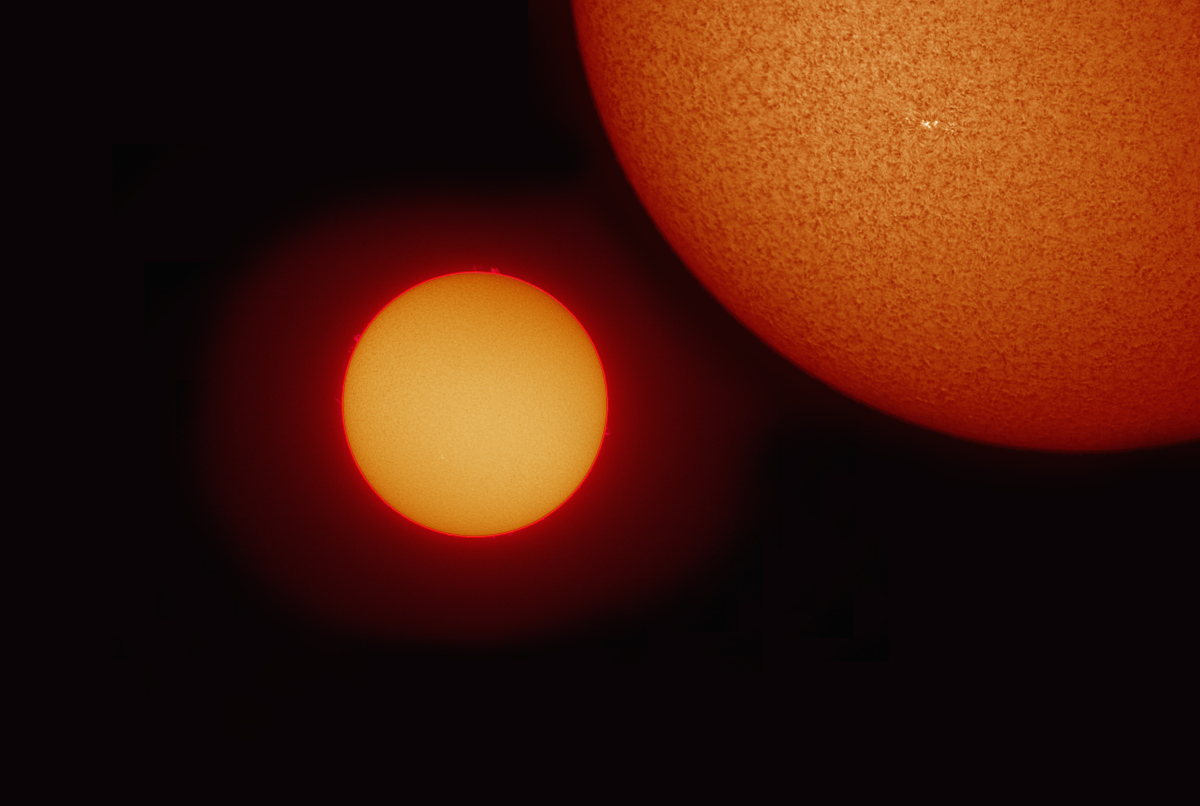
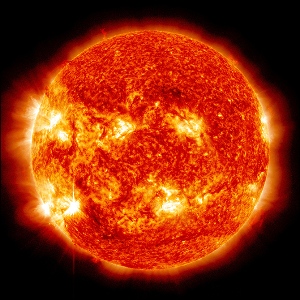
By filtering light from the sun, CQT researchers have made a strong detection of a quantum effect known as ‘photon bunching’ in its light. This is a hallmark of the sun radiating like a black body. (Credit: NASA/SDO)
via azoquantum
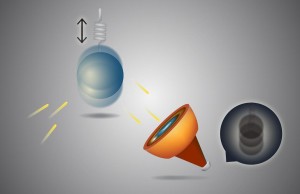
Mechanical oscillators translate an applied force into measurable mechanical motion. The Standard Quantum Limit is imposed by the Heisenberg uncertainty principle, in which the measurement itself perturbs the motion of the oscillator, a phenomenon known as “quantum back-action.” (Credit: Kevin Gutowski)
via newscenter
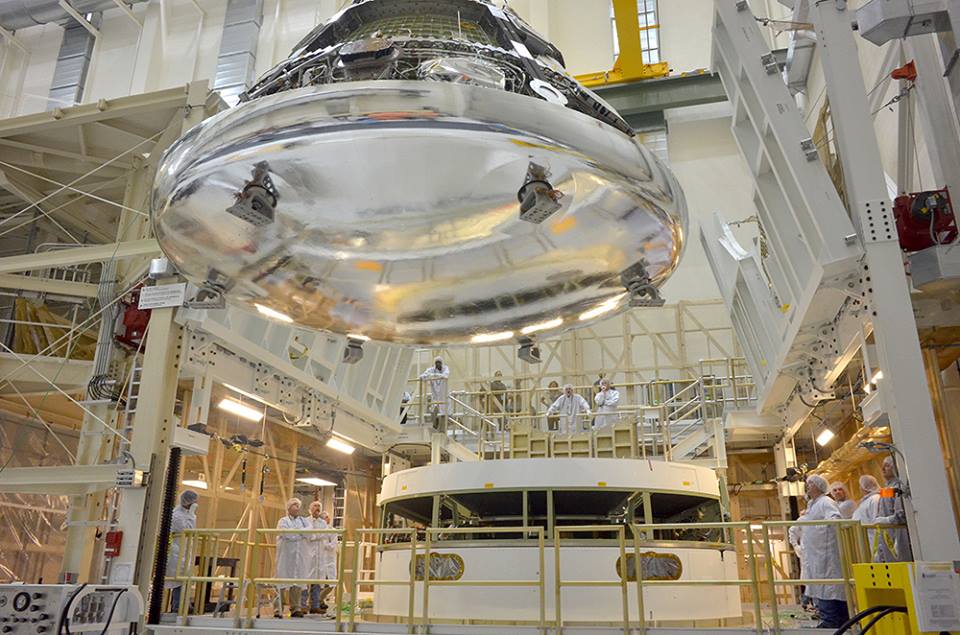
Orion, seen here with its heat shield installed, being maneuvered for stacking on the spacecraft’s service module at KSC earlier this month. (Credit: NASA)
via americaspace
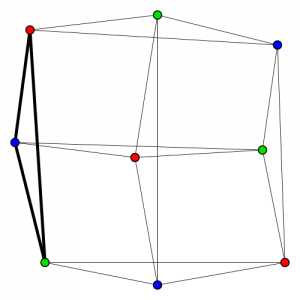
The Paley graph of order 9 is a perfect graph, making it an appropriate object of veneration and study on June 28, a perfect day. Image: David Eppstein. (Credit: Wikimedia)
via scientificamerican