Physics in the News

Wednesday, September, 17, 2014

Dwarf galaxy’s ‘giant dark heart’: Supermassive black hole spotted in a star cluster 500 times smaller than Milky Way

via utah.edu

Penn State team helps explain mystery of rare five-hour space explosion

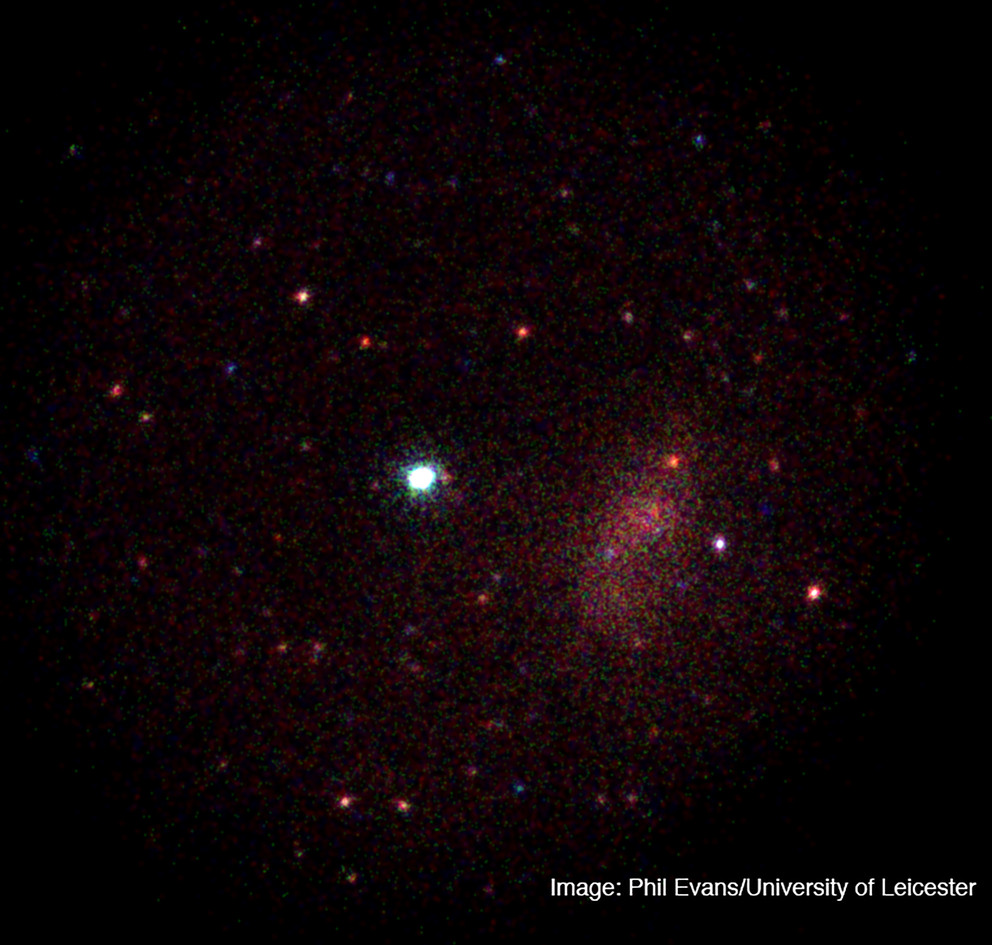
The X-ray image from the Swift X-ray Telescope of the gamma-ray burst GRB 130925. The white object in the center is the gamma-ray burst.  The large diffuse region to the right is a cluster of galaxies. The other objects are X-ray-emitting celestial objects, most likely supermassive black holes at the centers of distant galaxies. The full image is approximately the size of the full moon. (Credit: Phil Evans/ University of Leicester)
The X-ray image from the Swift X-ray Telescope of the gamma-ray burst GRB 130925. The white object in the center is the gamma-ray burst. The large diffuse region to the right is a cluster of galaxies. The other objects are X-ray-emitting celestial objects, most likely supermassive black holes at the centers of distant galaxies. The full image is approximately the size of the full moon. (Credit: Phil Evans/ University of Leicester)
via psu

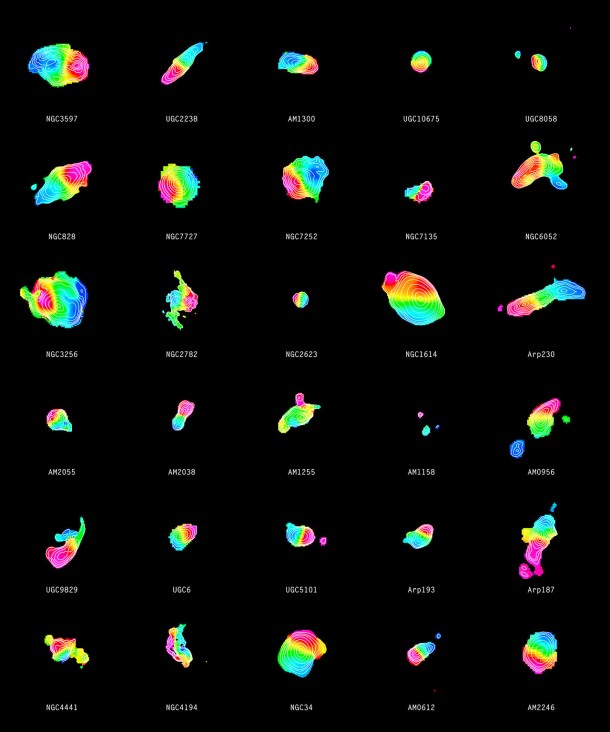
Violent origins of disc galaxies probed by ALMA

via spacefellowship

Ambulance-chasing Large Hadron Collider collisions

via theguardian

Neutrino experiment that reaches for the sun has Princeton roots

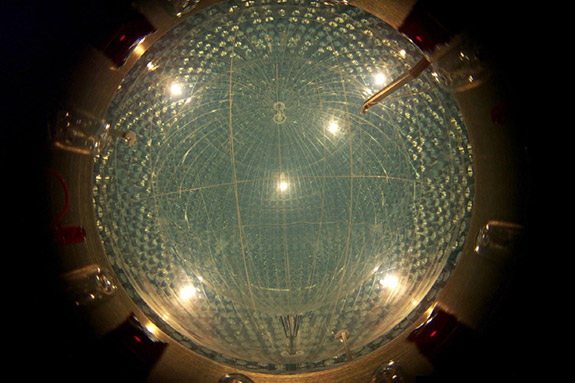
The Borexino collaboration, which announced the detection of an elusive solar neutrino in August, involved several scientific contributions from Princeton over its 25-year history. The detector consists of two massive transparent nylon balloons filled with a petroleum-based liquid called "scintillator," which emits a flash of light when it detects a neutrino. These flashes are picked up by an array of sensors embedded in a stainless steel sphere that surrounds the balloons. (Credit: Borexino collaboration)
The Borexino collaboration, which announced the detection of an elusive solar neutrino in August, involved several scientific contributions from Princeton over its 25-year history. The detector consists of two massive transparent nylon balloons filled with a petroleum-based liquid called “scintillator,” which emits a flash of light when it detects a neutrino. These flashes are picked up by an array of sensors embedded in a stainless steel sphere that surrounds the balloons. (Credit: Borexino collaboration)
via princeton

Synopsis: Relativity is right on time, again

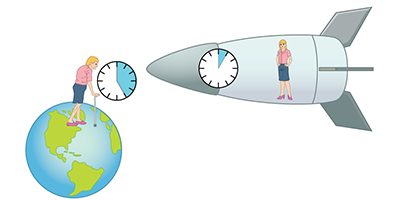
The experiment effectively measures the shift in the laser frequencies relative to what these transition frequencies are for ions at rest. The combination of two frequency shifts eliminates uncertain parameters and allows the team to validate the time dilation prediction to a few parts per billion, improving on previous limits. The result complements other Lorentz violation tests that use higher precision atomic clocks but much slower relative velocities.  (Credit: Botermann, et al., Schirber)
The experiment effectively measures the shift in the laser frequencies relative to what these transition frequencies are for ions at rest. The combination of two frequency shifts eliminates uncertain parameters and allows the team to validate the time dilation prediction to a few parts per billion, improving on previous limits. The result complements other Lorentz violation tests that use higher precision atomic clocks but much slower relative velocities. (Credit: Botermann, et al., Schirber)
via aps.org

Dark Matter as the “OS” of the Universe –“It’s a quantum fluid governing the formation of the structure of the cosmos”

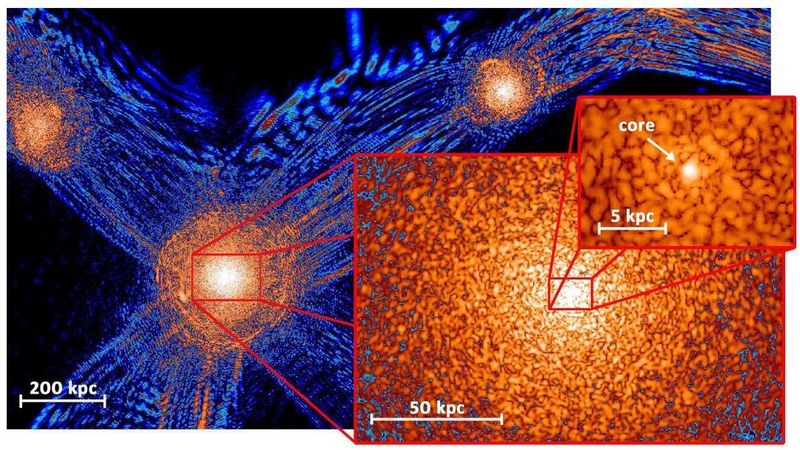
The image above is a comparison of the radial density profiles of the galaxies which the researchers have created by displaying the soliton in the centre of each galaxy with a halo surrounding it. The solitons are broader but have less mass in the smaller galaxies. (Credit: /kipac.stanford.edu/kipac/media)
via dailygalaxy

No, the ‘God Particle’ Is Not Going to Kill Us All

via boston

9,096 Stars in the Sky – Is That All?

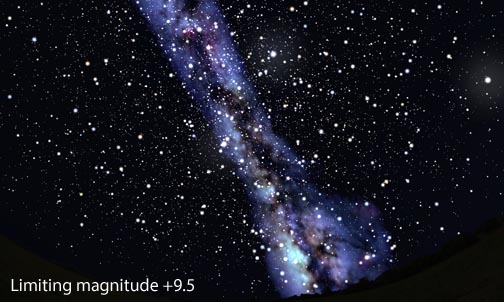
The sky facing south at nightfall in late September from a dark, light-pollution-free site with stars visible to magnitude 6.5, the naked eye limit. (Credit: Stellarium)
via skyandtelescope

Quantum entanglement and superconductivity: Live Webcast delves into “spooky action at a distance”

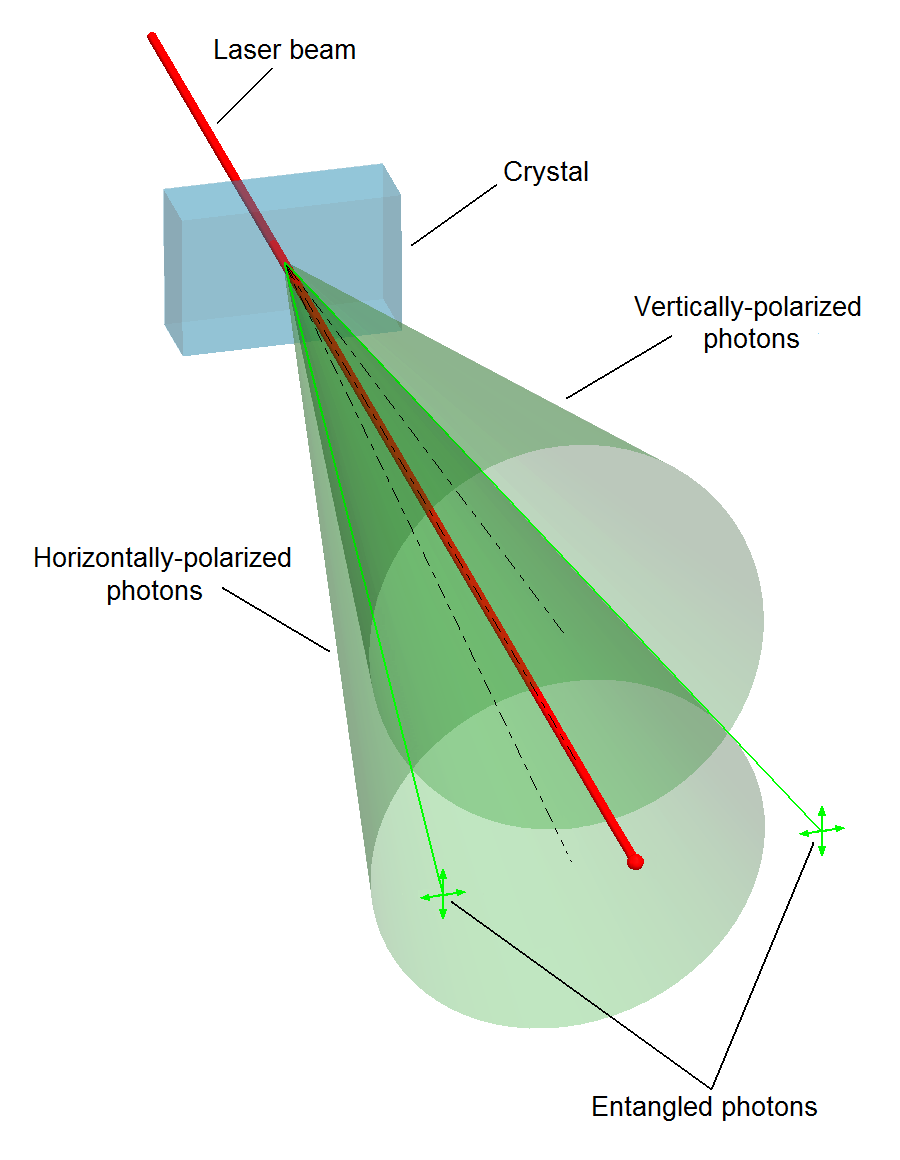
Artistic rendering of the generation of an entangled pair of photons by spontaneous parametric down-conversion as a laser beam passes through a nonlinear crystal. Inspired by an image in Dance of the Photons. (Credit: A. Zeilinger)
via newswise

Physics in the News

Tuesday, September 16, 2014

Cornell theorists continue the search for supersymmetry

The Tevatron, the particle accelerator used to find the oscillating Bs meson, has huge detectors surrounded by a cylindrical 'tracking chamber', shown here. (Credit: Fermilab)
The Tevatron, the particle accelerator used to find the oscillating Bs meson, has huge detectors surrounded by a cylindrical ‘tracking chamber’, shown here. (Credit: Fermilab)
via cornell

Planets with oddball orbits like Mercury could host life

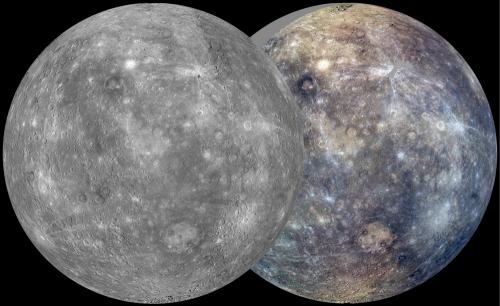
On Mercury a solar day is about 176 Earth days long. During its first Mercury solar day in orbit the MESSENGER spacecraft imaged nearly the entire surface of Mercury to generate a global monochrome map at 250 meters per pixel resolution and a 1 kilometer per pixel resolution color map. (Credit: NASA/JHU APL/CIW)
via phys.org

Neutrino trident production may offer powerful probe of new physics

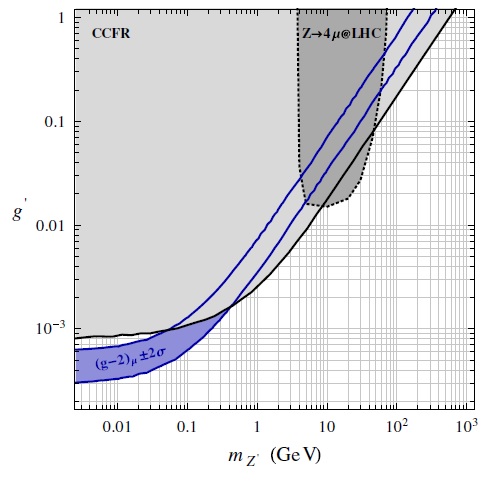
Parameter space for the Z’ gauge boson. The light gray area is excluded at 95% C.L. by the CCFR measurement of the neutrino trident cross section. The dark gray region with the dotted contour is excluded by measurements of the SM Z boson decay to four leptons at the LHC. The purple region is the area favored by the muon g-2 discrepancy that has not yet been ruled out, but future high-energy neutrino experiments are expected to be highly sensitive to this low-mass region. (Credit: Altmannshofer, et al. ©2014 American Physical Society)
via phys.org

Viewpoint: Observing the great spin and orbital swap

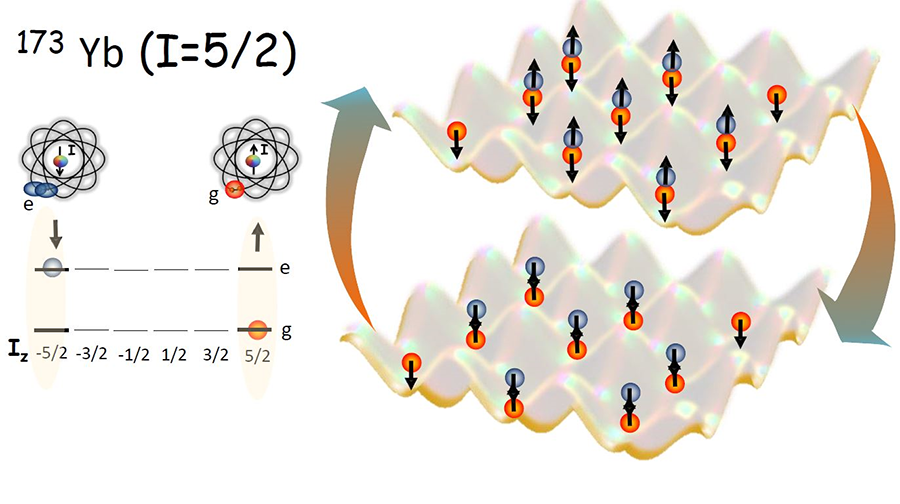
The researchers observed for the first time coherent oscillations between two spin states: |e↑,g↓〉⇔|e↓,g↑〉. From the oscillation frequency, they determine the spin-exchange interaction strength. (Credit: APS/Ana Maria Rey)
via physics.aps

NASA inspector general blasts asteroid detection program

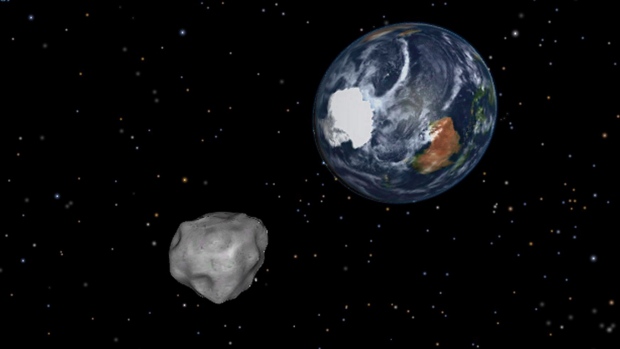
NASA has found about 95 per cent of the largest and potentially most destructive asteroids, those measuring about one kilometre or larger in diameter, but only 10 per cent of those 140 metres or larger in diameter. (NASA/JPL-Caltech/Canadian Press)
via cbslocal

Solar System Simulation Reveals Planetary Mystery

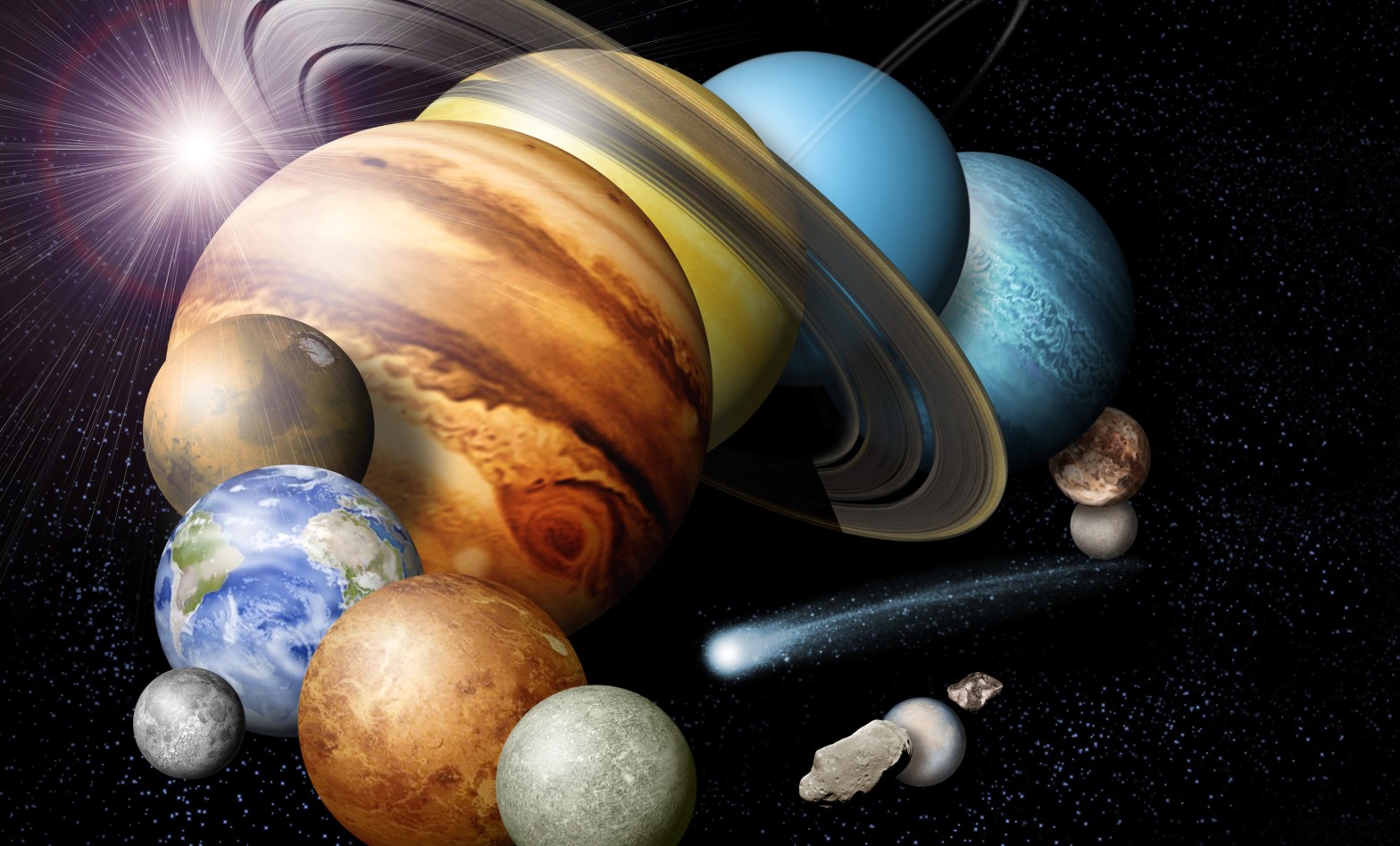
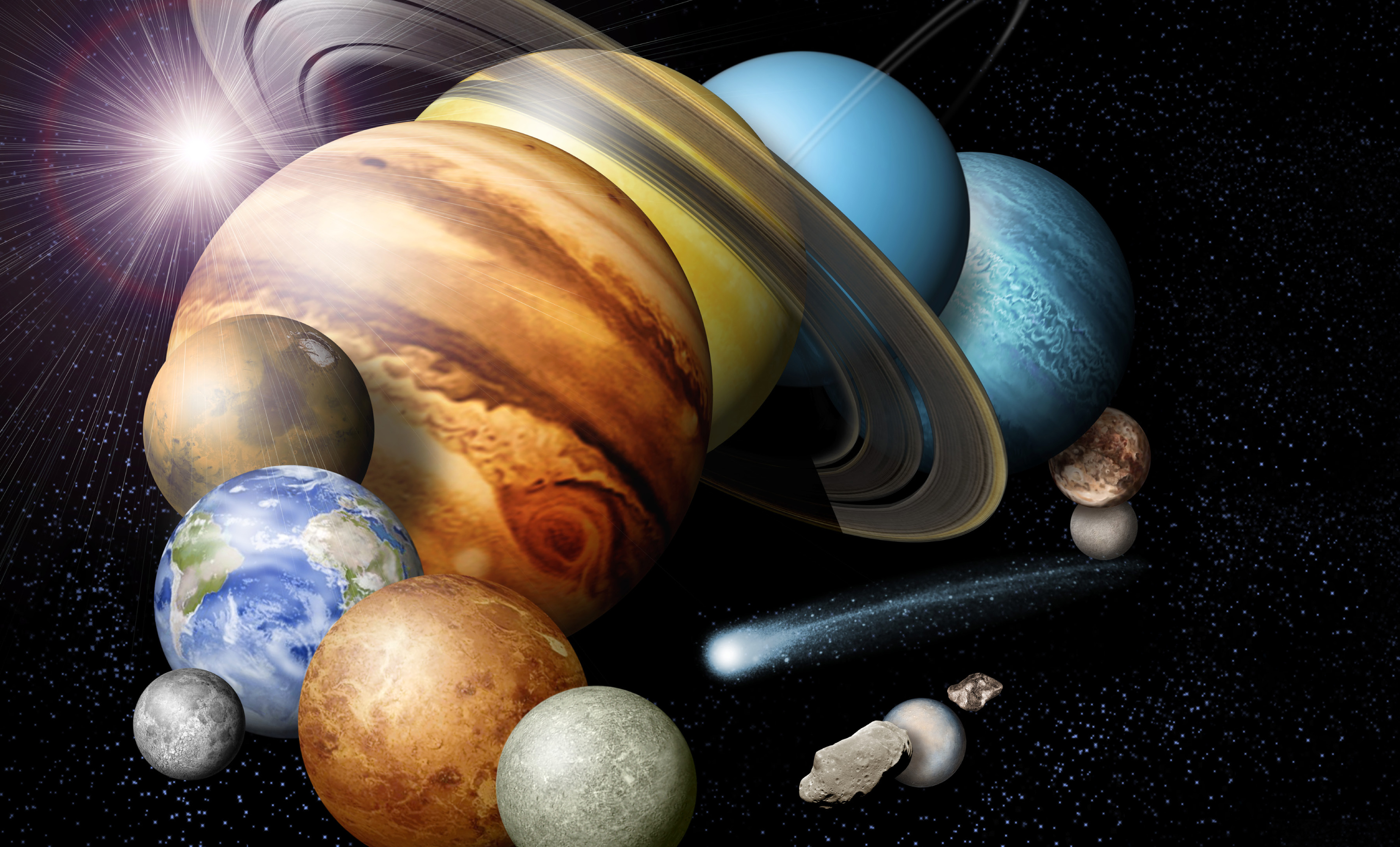
A montage of the planets and some of the moons in our solar system, not to scale. (Credit: NASA/JPL)
via spacedaily

Scientists explore landscape of absolute zero to probe quantum phase transitions

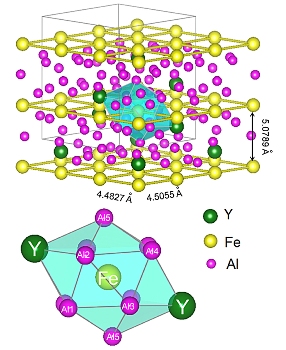
Rendering of the near–perfect crystal structure of the yttrium–iron–aluminum compound used in the study. The two–dimensional layers of the material allowed the scientists to isolate the magnetic ordering that emerged near absolute zero. (Credit:Brookhaven National Laboratory)
via azoquantum

 Ultrahard fullerite is almost twice as hard as diamond but new synthesis works at room temperature and lower pressure

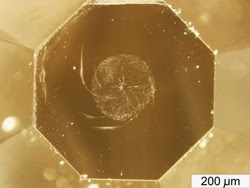
Diamond anvils malformed during synthesis of ultrahard fullerite. Note the dent in the center. (Credit: Moscow Institute of Physics and Technology)
via nextbigfuture

Calling all amateur astronomers

via skyandtelescope

Physics in the News

Monday, September 15, 2014

Why do particle physicists demand 99.9999% certainty before they believe a new discovery?

"I confess that in my early in my career as a physicist I was rather cynical about sophisticated statistical tools, being of the opinion that “if any of this makes a difference, just get more data”. That is, if you do enough experiments, the confidence level will be so high that the exact statistical treatment you use to evaluate it is irrelevant." (Credit: Michael Slezak)
“I confess that in my early in my career as a physicist I was rather cynical about sophisticated statistical tools, being of the opinion that “if any of this makes a difference, just get more data”. That is, if you do enough experiments, the confidence level will be so high that the exact statistical treatment you use to evaluate it is irrelevant.” (Credit: Jon Butterworth)
via theguardian

Curtain closing on Higgs boson photon soap opera

It was the daytime soap opera of particle physics. But the final episode of the first season ends in an anticlimax. The Higgs boson's decay into pairs of photons – the strongest yet most confusing clue to the particle's existence – is looking utterly normal after all. (Credit: D. Moir/Reurters, M. Slezak)
It was the daytime soap opera of particle physics. But the final episode of the first season ends in an anticlimax. The Higgs boson’s decay into pairs of photons – the strongest yet most confusing clue to the particle’s existence – is looking utterly normal after all. (Credit: D. Moir/Reurters, M. Slezak)
via newscientist

Three’s a charm: NIST detectors reveal entangled photon triplets

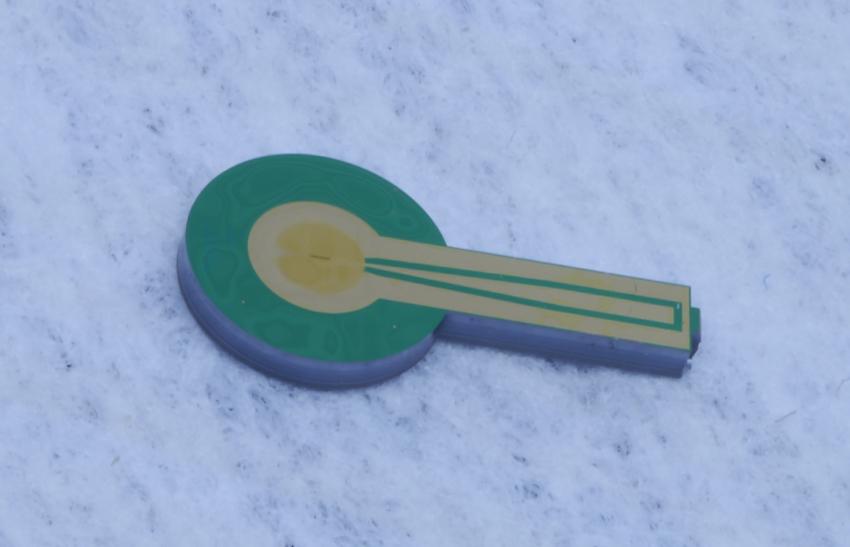
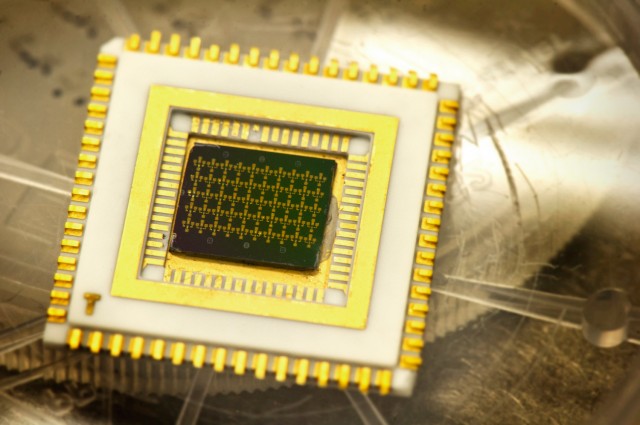
NIST chip containing a single-photon detector was made of superconducting nanowires. Four chips like this were used in the experiment that entangled three photons.  (Credit: Verma/NIST)
NIST chip containing a single-photon detector was made of superconducting nanowires. Four chips like this were used in the experiment that entangled three photons. (Credit: Verma/NIST)
via extremetech

How to turn the Moon into a giant cosmic ray detector

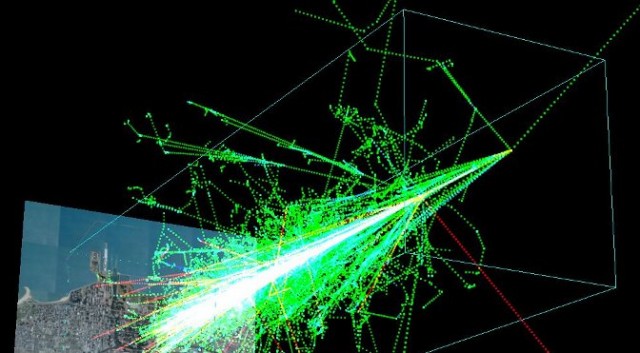
The new plan, proposed by researchers at the University of Southampton in England, is to eavesdrop on the faint nanosecond radio signals sent our way when cosmic rays hit edges of the Moon at a near-tangent. (Credit J. Hewitt, astrobiology.aob.rs)
via extremetech

Are ‘ghost waves’ behind quantum strangeness?

"The key question is whether a real quantum dynamics, of the general form suggested by de Broglie and the walking drops, might underlie quantum statistics," Bush said. "While undoubtedly complex, it would replace the philosophical vagaries of quantum mechanics with a concrete dynamical theory," said  John Bush of MIT. (Credit: D. Harris/MIT, M. Byrne)
“The key question is whether a real quantum dynamics, of the general form suggested by de Broglie and the walking drops, might underlie quantum statistics,” Bush said. “While undoubtedly complex, it would replace the philosophical vagaries of quantum mechanics with a concrete dynamical theory,” said John Bush of MIT. (Credit: D. Harris/MIT, M. Byrne)
via motherboard

Comet probe finds elements of life

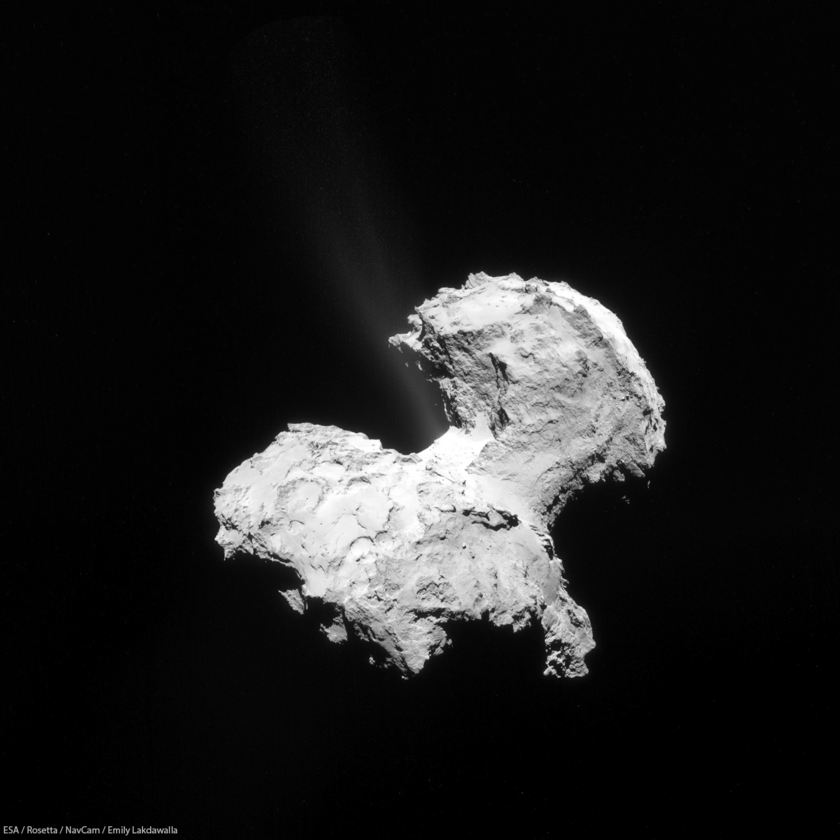
A composite photo of comet 67P/C-G showing gases escaping from the ‘neck’. The first jets of dust were detected spurting from the comet as Rosetta approached it in August but detailed photographs weren’t available until last week. (Credit: Emily Lakdawalla/ESA)
via forbes

Saturn is making and destroying mini-moons all the time

PIA18420
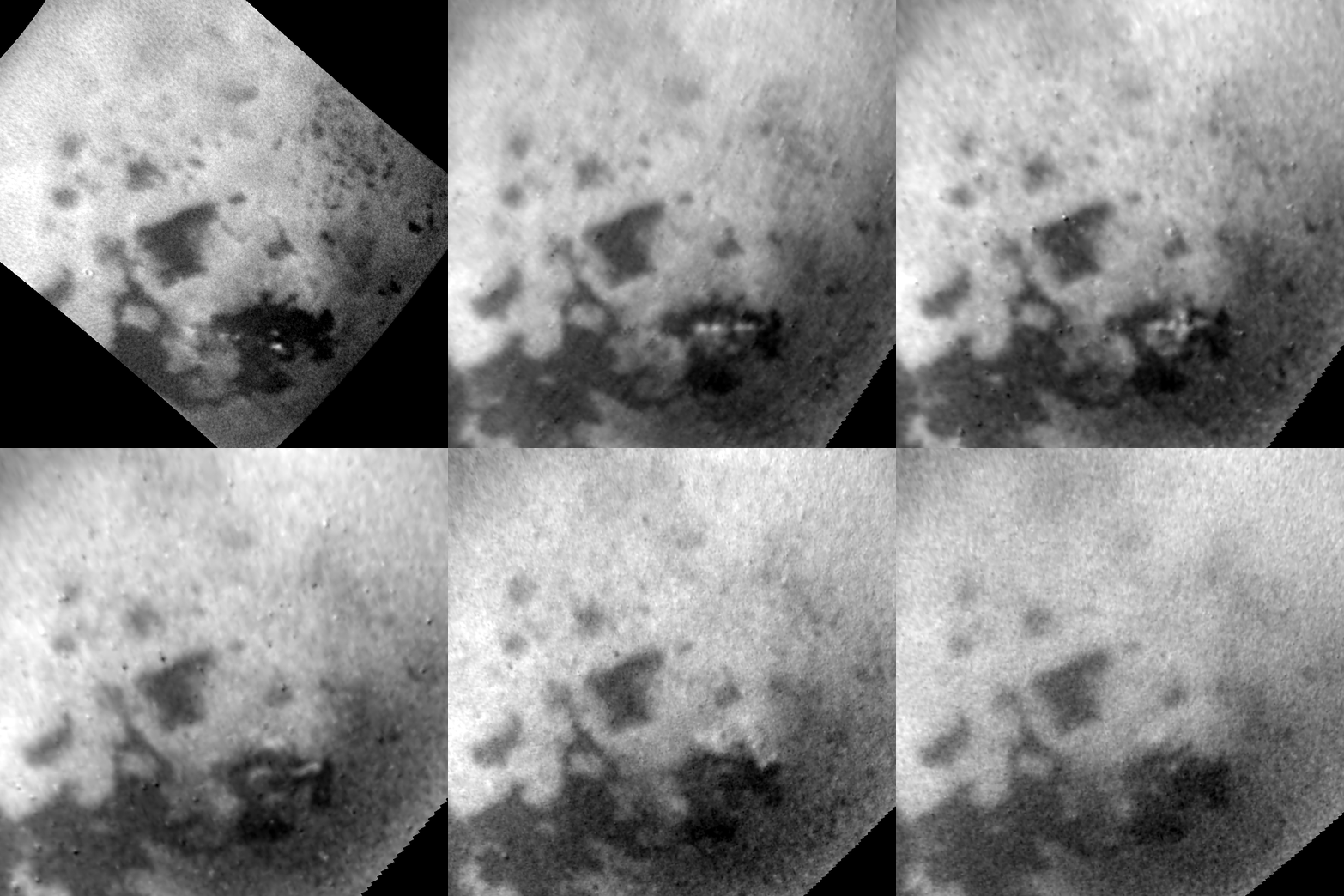
The spacecraft captured the views between July 20 and July 22, 2014, as it departed Titan following a flyby. Cassini tracked the system of clouds as it developed and dissipated over Ligeia Mare during this two-day period. Measurements of the cloud motions indicate wind speeds of around 7 to 10 miles per hour (3 to 4.5 meters per second). (Credit: NASA, Cassini)
via smithsonianmag

ULA aims for top-secret CLIO launch tomorrow

via americaspace

Where to grab space debris

via yumanewsnow

ESA’s Gaia observatory locates its first Supernova

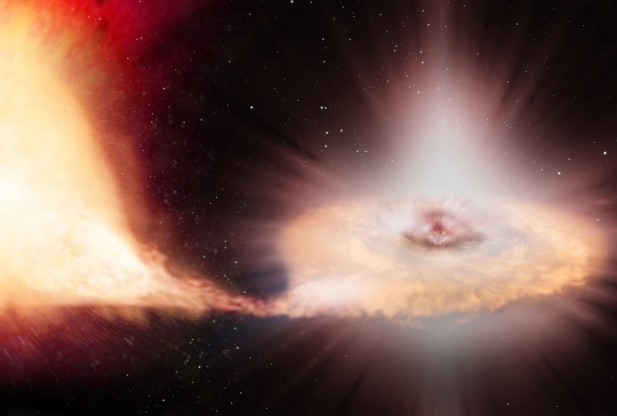
Less than two months after it first began repeatedly scanning the sky, the ESA’s Gaia space observatory has discovered its first supernova – a powerful stellar explosion that had occurred in a distant galaxy located some 500 million light-years from Earth, the agency announced on Friday.  The above is an artist’s impression of a Type Ia supernova – the explosion of a white dwarf locked in a binary system with a companion star. (Credit: ESA/ATG medialab/C. Carreau, Bednar)
Less than two months after it first began repeatedly scanning the sky, the ESA’s Gaia space observatory has discovered its first supernova – a powerful stellar explosion that had occurred in a distant galaxy located some 500 million light-years from Earth, the agency announced on Friday. The above is an artist’s impression of a Type Ia supernova – the explosion of a white dwarf locked in a binary system with a companion star. (Credit: ESA/ATG medialab/C. Carreau, Bednar)
via redorbit

Phosphorus a promising semiconductor

Grain boundaries are rows of defects that disrupt the electronic properties of two-dimensional materials like graphene, but new theory by scientists at Rice University shows no such effects in atomically flat phosphorus. That may make the material ideal for nano-electronic applications. (Credit: Evgeni Penev/Rice University)
Grain boundaries are rows of defects that disrupt the electronic properties of two-dimensional materials, like graphene, but a new theory by scientists at Rice University shows no such effects in atomically flat phosphorus. That may make the material ideal for nano-electronic applications. (Credit: Evgeni Penev/Rice University)
via energy-daily

Curiosity rover reaches long-term goal: a massive Martian mountain

via theverge

Universe may be an illusion or hologram?

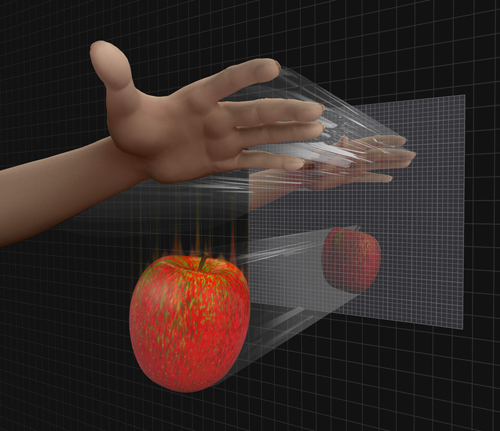
To find out if the universe is a hologram, scientists at the U.S. Department of Energy’s Fermi National Accelerator Laboratory have powered up their exotic holographic inferometer, or Holometer. The results of the Fermilab E-990 experiment could indeed indicate that the nature of the universe is holographic. (Credit: Baskin, M. Freiberger)
via guardianlv

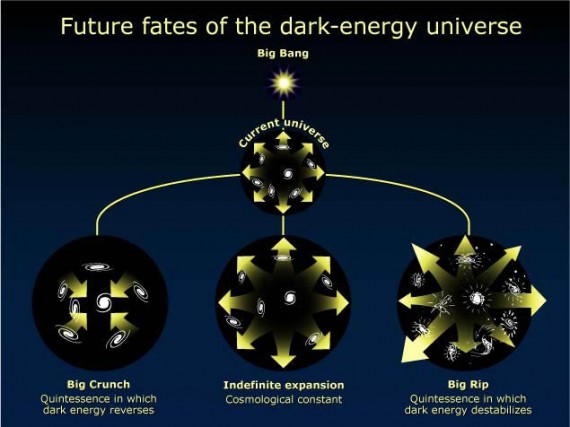
Can we survive the end of the Universe?

The ultimate fate of the universe depends on the nature of dark matter and dark energy, about which we know almost nothing. (Credit: NASA)
via mysteriousuniverse

Physics in the News

Saturday, September 13, 2014

Discovery! First water ice clouds found beyond our Solar System

via space

Companion star hidden for 21 years in a supernova’s glare

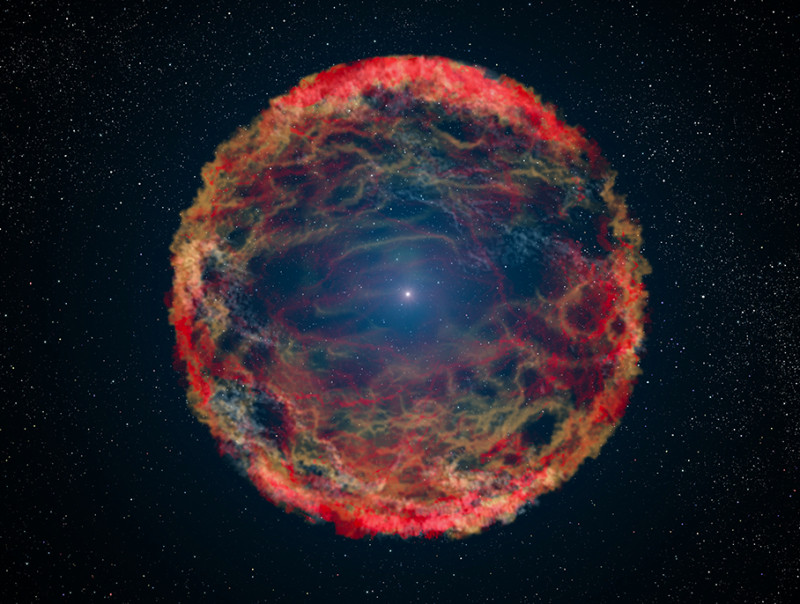
This is an artist's impression of supernova 1993J, an exploding star in the galaxy M81 whose light reached us 21 years ago. The supernova originated in a double-star system where one member was a massive star that exploded after siphoning most of its hydrogen envelope to its companion star. After two decades, astronomers have at last identified the blue helium-burning companion star, seen at the center of the expanding nebula of debris from the supernova. The Hubble Space Telescope identified the ultraviolet glow of the surviving companion embedded in the fading glow of the supernova.
This is an artist’s impression of supernova 1993J, an exploding star in the galaxy M81 whose light reached us 21 years ago. The supernova originated in a double-star system where one member was a massive star that exploded after siphoning most of its hydrogen envelope to its companion star. After two decades, astronomers have at last identified the blue helium-burning companion star, seen at the center of the expanding nebula of debris from the supernova. The Hubble Space Telescope identified the ultraviolet glow of the surviving companion embedded in the fading glow of the supernova. (Credit: NASA)
via sciencedaily

Black Holes: Monsters of the Universe

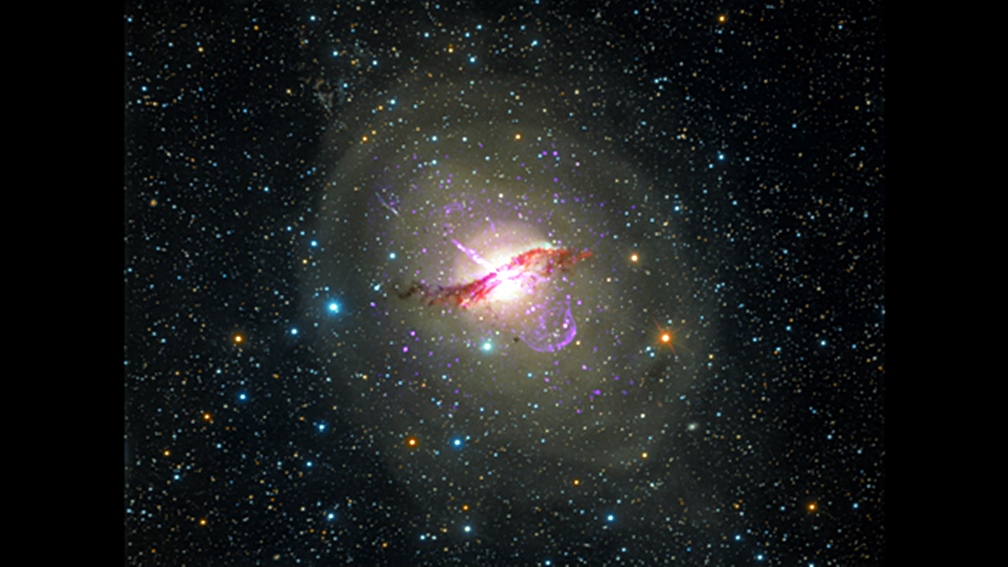
The nearby galaxy Centaurus A as viewed at X-ray, radio, and optical wavelengths, showing jets powered by a massive black hole at the center of the galaxy. (Credit: NASA)
via bigislandnow

Is there a smallest length?

via backreaction

Untethered soft robot that defies extreme conditions

via channeleye

Cryogenic on-chip quantum electron cooling leads towards computers that consume 10x less power

Researchers at UT Arlington have created the first electronic device that can cool electrons to -228 degrees Celsius (-375F), without any kind of external cooling. (Credit: S. Anthony)
via extremetech

Purdue profs peer into final frontier

via wlfi

The search for extraterrestrial life is like hunting for pizza in a Dorm

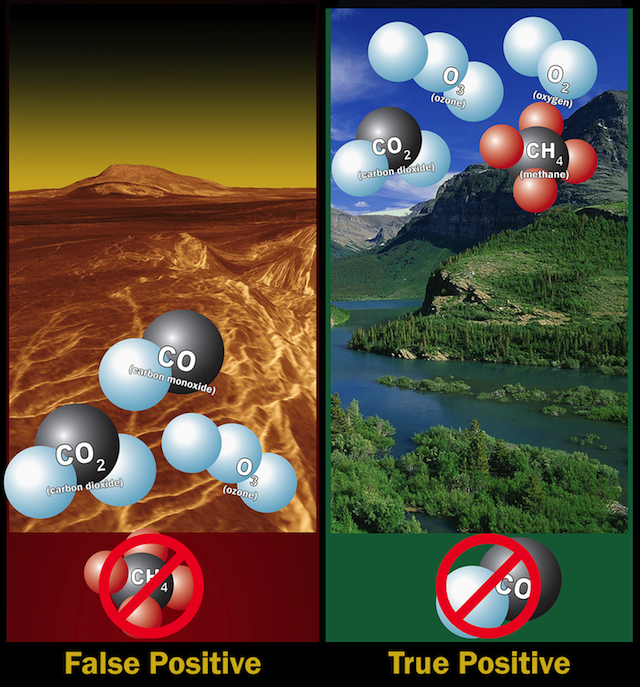
"Our research strengthens the argument that methane and oxygen together, or methane and ozone together, are still strong signatures of life,” he said.That's because oxygen and methane abhor each other. An atmosphere heavy in one of these gases has to have its supplies of the other continually replenished, and the most reliable way that happens on Earth is through the mechanisms of life. (Credit: NASA, B. Richmond)
“Our research strengthens the argument that methane and oxygen together, or methane and ozone together, are still strong signatures of life. That’s because oxygen and methane abhor each other. An atmosphere heavy in one of these gases has to have its supplies of the other continually replenished, and the most reliable way that happens on Earth is through the mechanisms of life,” said Shawn Domagal-Goldman of NASA’s Goddard Space Flight Center. (Credit: NASA, B. Richmond)
via motherboard

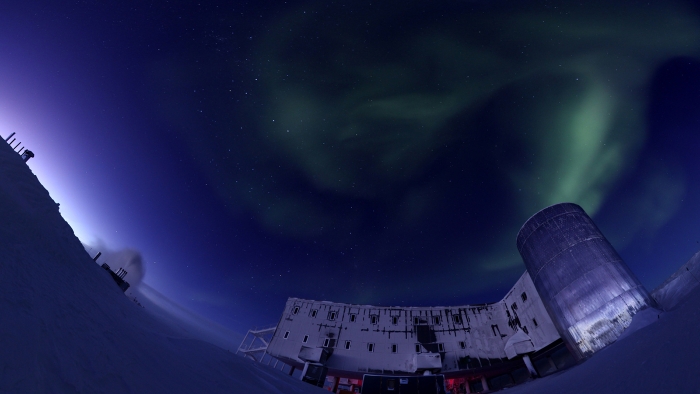
Astrophysics at the edge of the Earth

“When you get off the plane at the South Pole, there is a feeling like you’re out in the ocean,” says University of Chicago physicist John Carlstrom, the principal investigator for the South Pole Telescope team, who has logged 15 round trips to the South Pole over the past two decades. “It’s just a featureless horizon. The snow is so dry it feels like Styrofoam.” (Credit: J. Gallicchio, G. Roberts Jr.)
via symmetrymagazine

What makes a star starry? Is it me?

via npr

Physics in the News

Friday, September 12, 2014

The sound of an atom has been captured

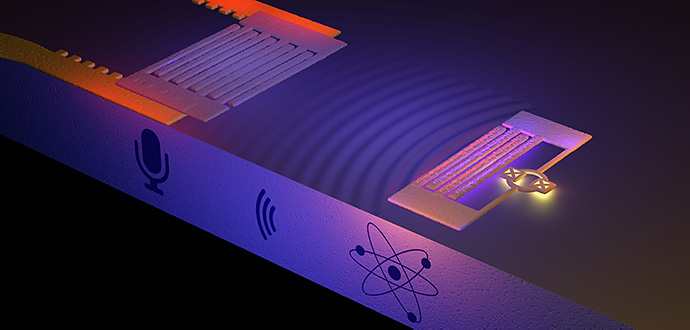
On the right, an artificial atom generates sound waves consisting of ripples on the surface of a solid. The sound, known as a surface acoustic wave (SAW) is picked up on the left by a "microphone" composed of interlaced metal fingers. According to theory, the sound consists of a stream of quantum particles, the weakest whisper physically possible. The illustration is not to scale. (Credit: Philip Krantz, Krantz NanoArt)
On the right, an artificial atom generates sound waves consisting of ripples on the surface of a solid. The sound, known as a surface acoustic wave (SAW) is picked up on the left by a “microphone” composed of interlaced metal fingers. According to theory, the sound consists of a stream of quantum particles, the weakest whisper physically possible. The illustration is not to scale. (Credit: Philip Krantz, Krantz NanoArt)
via chalmers

Fluid mechanics suggests alternative to quantum orthodoxy

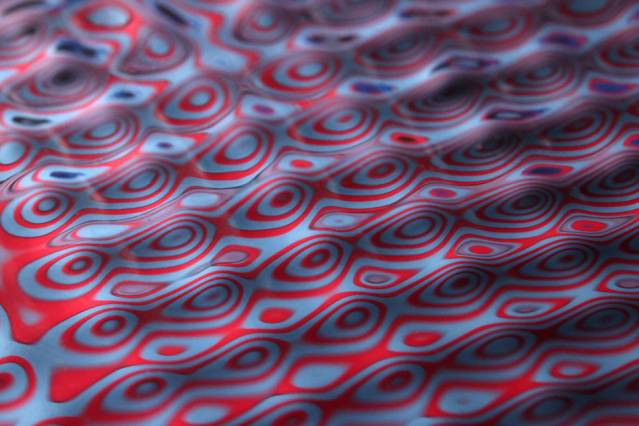
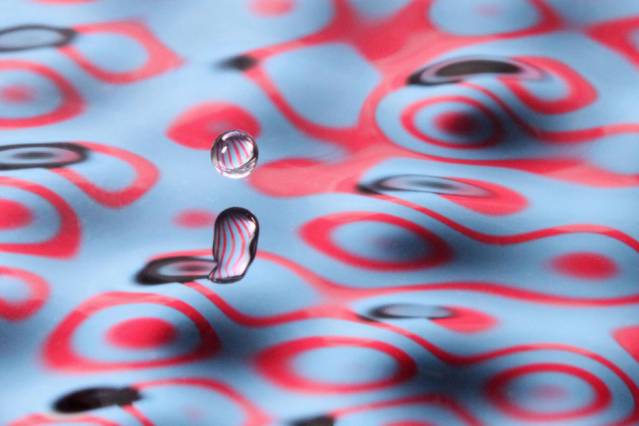
Close-ups of an experiment conducted by John Bush and his student Daniel Harris, in which a bouncing droplet of fluid was propelled across a fluid bath by waves it generated. (Credit: Dan Harris)
via phys

Thermodynamics beats single-electron Maxwell demon


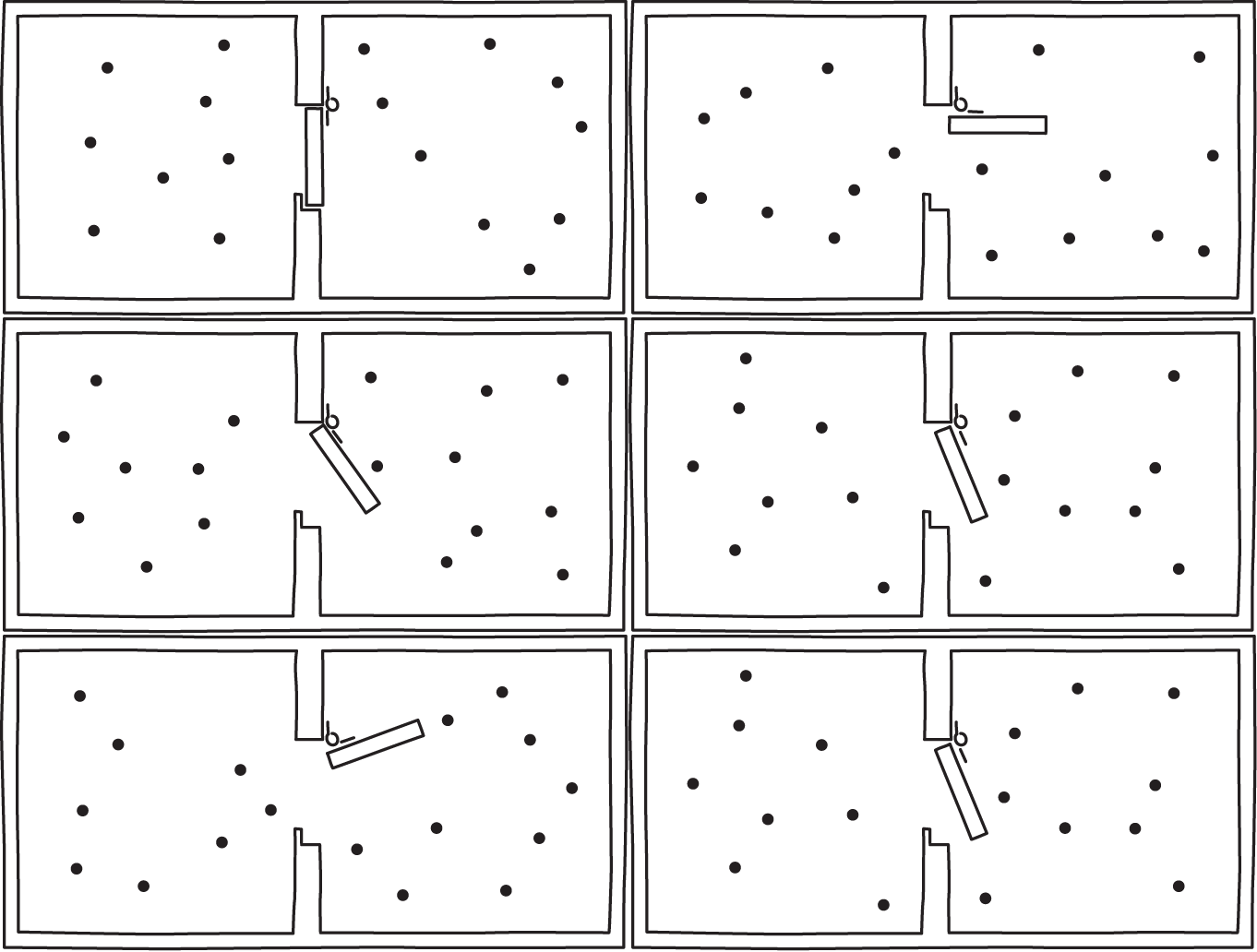
The Smoluchowsi trapdoor is a simple test for any proposed exorcism of Maxwell's demon. It is immediately obvious that an information based exorcism is of no use. The are no sensors in this simple device that collect information; and there are memory devices that would need erasure if the demon is to return to its original state. (Credit: Hemmo, M.; Shenker)
The Smoluchowsi trapdoor is a simple test for any proposed exorcism of Maxwell’s demon. It is immediately obvious that an information based exorcism is of no use. The are no sensors in this simple device that collect information; and there are memory devices that would need erasure if the demon is to return to its original state. (Credit: Hemmo, M.; Shenker)
via aip

Experimental search for quantum gravity – What is new?

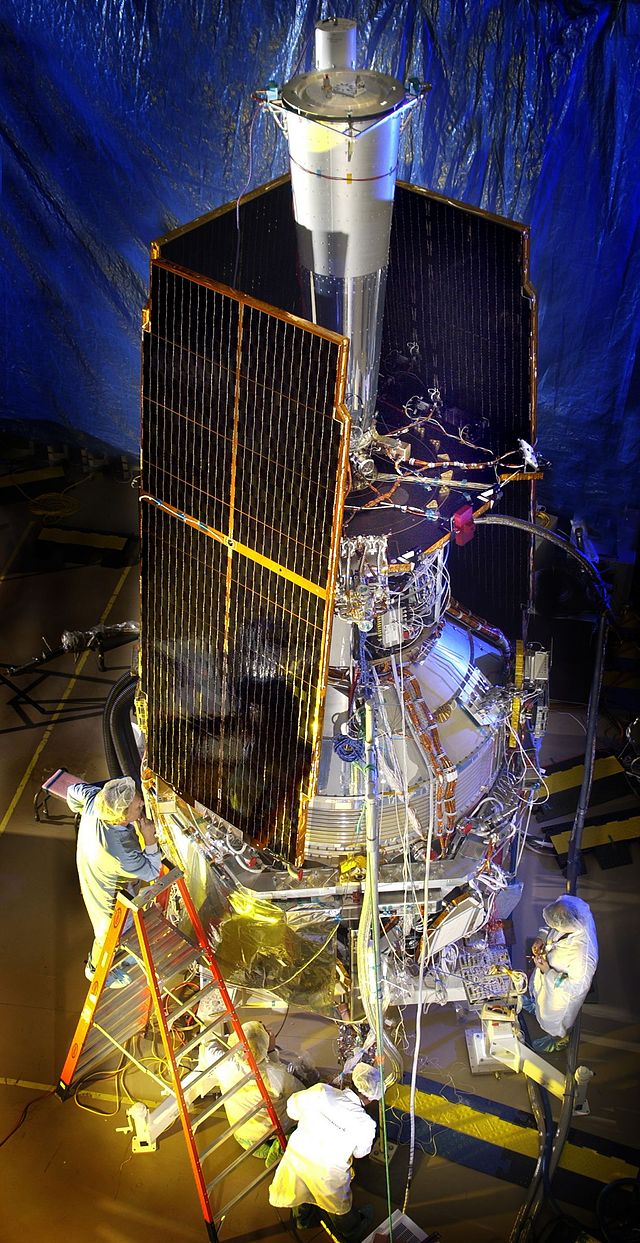
Gravity Probe B (GP-B) has measured spacetime curvature near Earth to test related models in application of Einstein's general theory of relativity.
Gravity Probe B (GP-B) has measured spacetime curvature near Earth to test related models in application of Einstein’s general theory of relativity. (Credit: S. Hossenfelder, Wiki Commons)
via backreaction

Ardbeg ‘space whisky’ back on Earth after flavor experiment

Whisky that was fired into space three years ago as part of an experiment into flavour has returned to Earth. (Credit: Unknown)
Whisky that was fired into space, three years ago as part of an experiment into flavor, has returned to Earth. (Credit: Unknown)
via bbc

Japanese team fabricates single-photon sources in solid matter

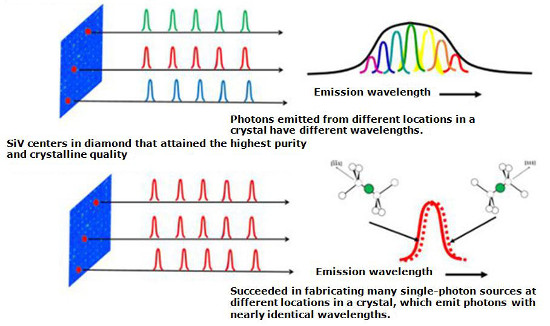
The research group resolved the challenging issue attributed to solid crystals, namely widely spread emission wavelengths, and succeeded in fabricating many single-photon sources that emit photons with nearly identical emission wavelengths. (Credit: National Institute for Materials Science (NIMS))
via innovations-report

Information loss, made worse by quantum gravity(PDF)

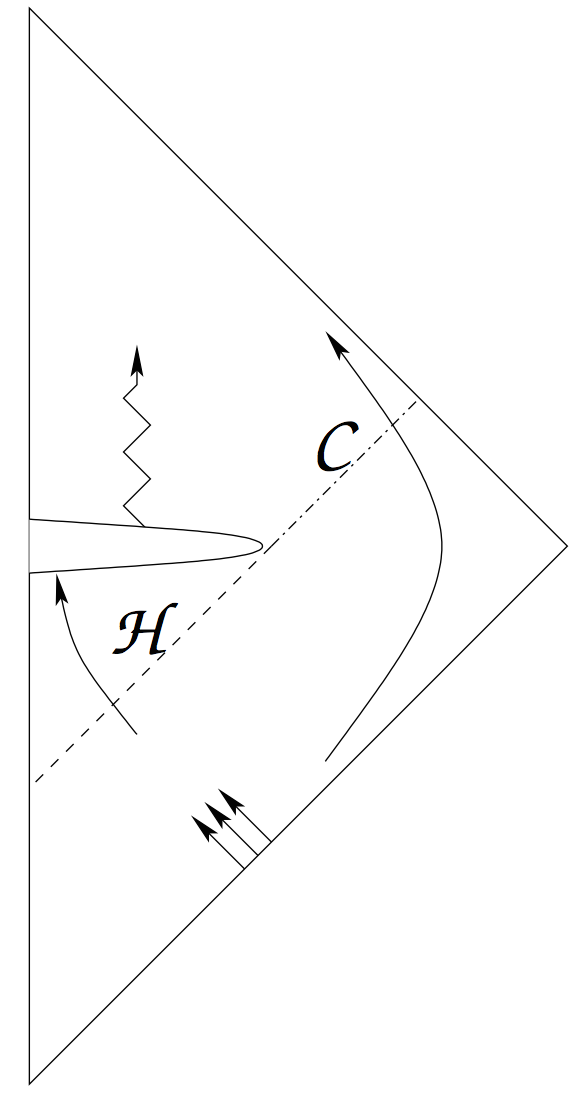
C H Figure 1: Acausality: Penrose diagram of a black hole with signature c hange at high curvature (hashed region). In contrast to traditional non-sing ular models, there is an event horizon (dashed line H , the boundary of the region that is determined by backward evolution from future infinity) and a Chauchy horizon (dash-dotte d line C , the boundary of the region obtained by forward evolution of the high-curvature re gion) (Credit:
C H Figure 1: Acausality: Penrose diagram of a black hole with signature c hange at high curvature (hashed region). In contrast to traditional non-sing ular models, there is an event horizon (dashed line H , the boundary of the region that is determined by backward evolution from future infinity) and a Chauchy horizon (dash-dotte d line C , the boundary of the region obtained by forward evolution of the high-curvature re gion) (Credit: Martin Bojowald)
via arXiv

Mystery of ‘hot Jupiter’ planets’ crazy orbits may be solved

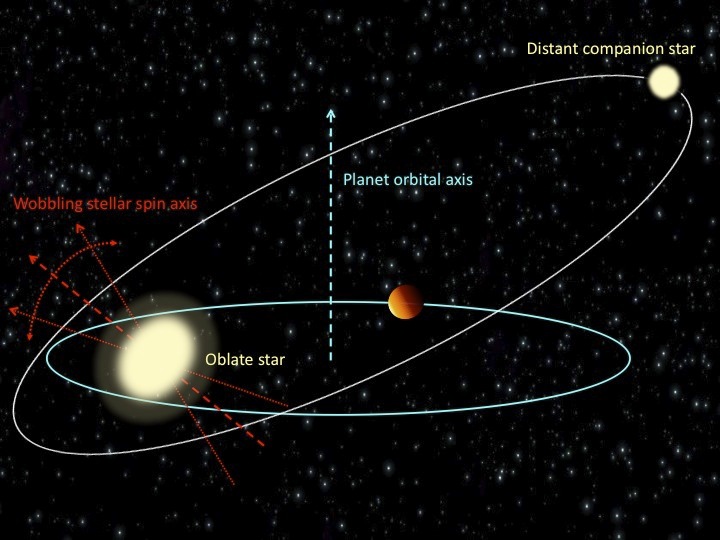
Giant alien planets known as "hot Jupiters" can induce wobbles in their parent stars that may lead to the wild, close orbits seen by astronomers. This diagram shows the relationship between wobbling stars and the orbital tilt of hot Jupiter planets. (Credit: Cornell University/N.Storch, K.Anderson, D.La)
Giant alien planets known as “hot Jupiters” can induce wobbles in their parent stars that may lead to the wild, close orbits seen by astronomers. This diagram shows the relationship between wobbling stars and the orbital tilt of hot Jupiter planets. (Credit: Cornell University/N.Storch, K.Anderson, D.Lai)
via space
Scientists put their heads together over the unbearable lightness of the Higgs mass
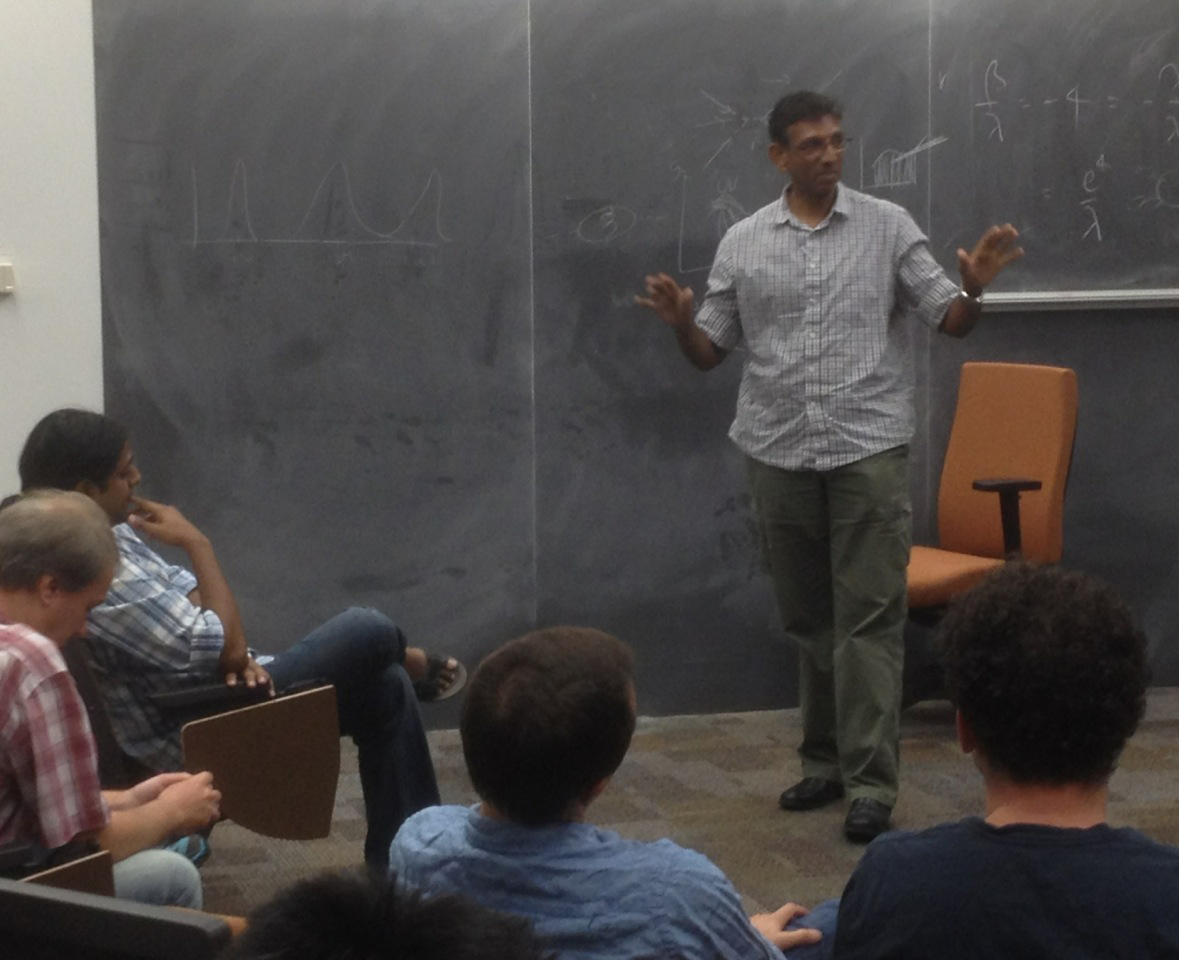
University of Maryland’s Raman Sundrum leads a discussion at the recent Nature Guiding Theory workshop. (Credit: Joe Lykken)
via fnal.gov

‘It was a child’s dream to see the stars’: 1st Russian female cosmonaut, Yelena Serova, in 17 yrs ready to lift-off

via discovery