Physics in the News

Tuesday, August 19, 2014

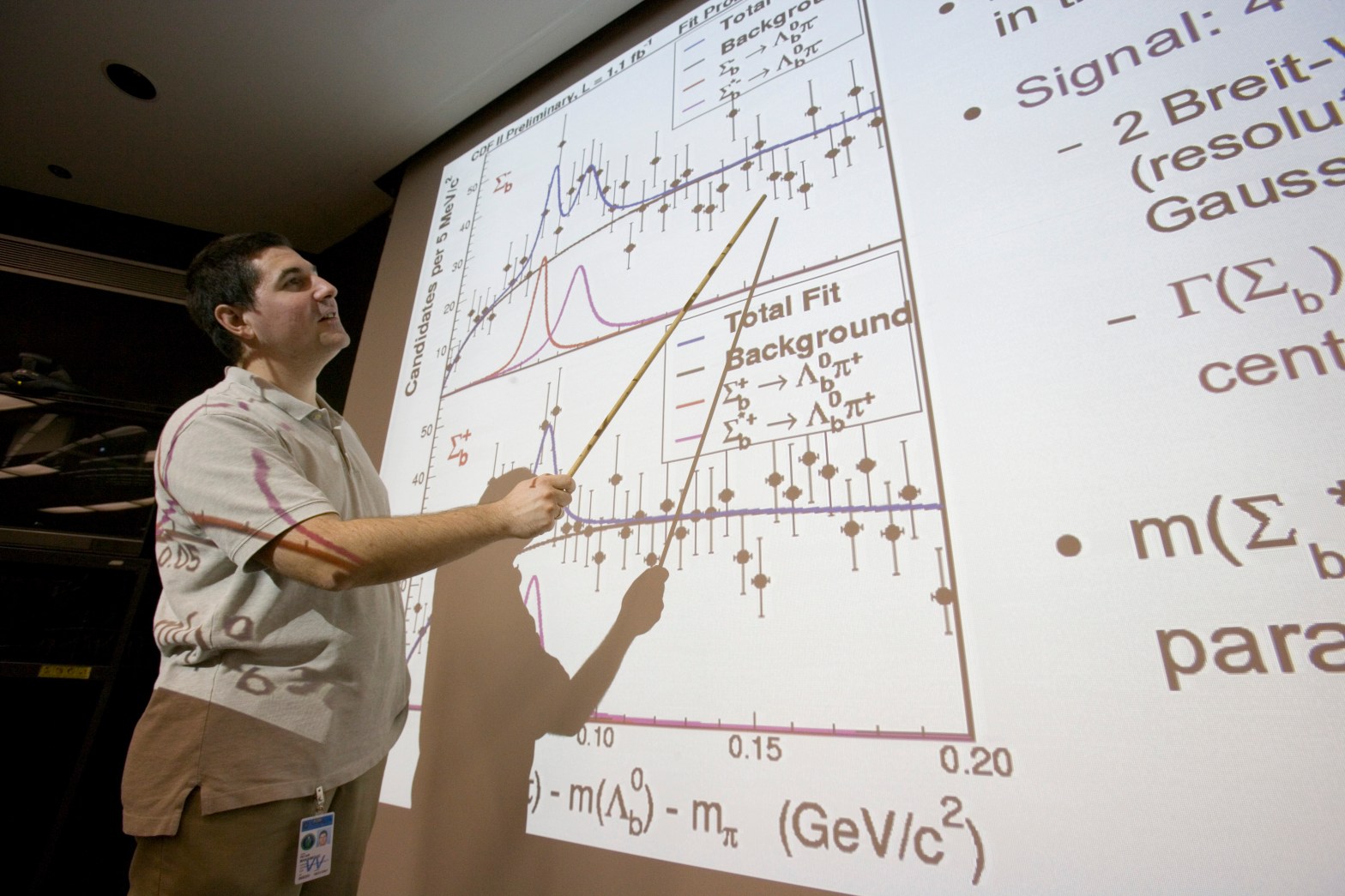
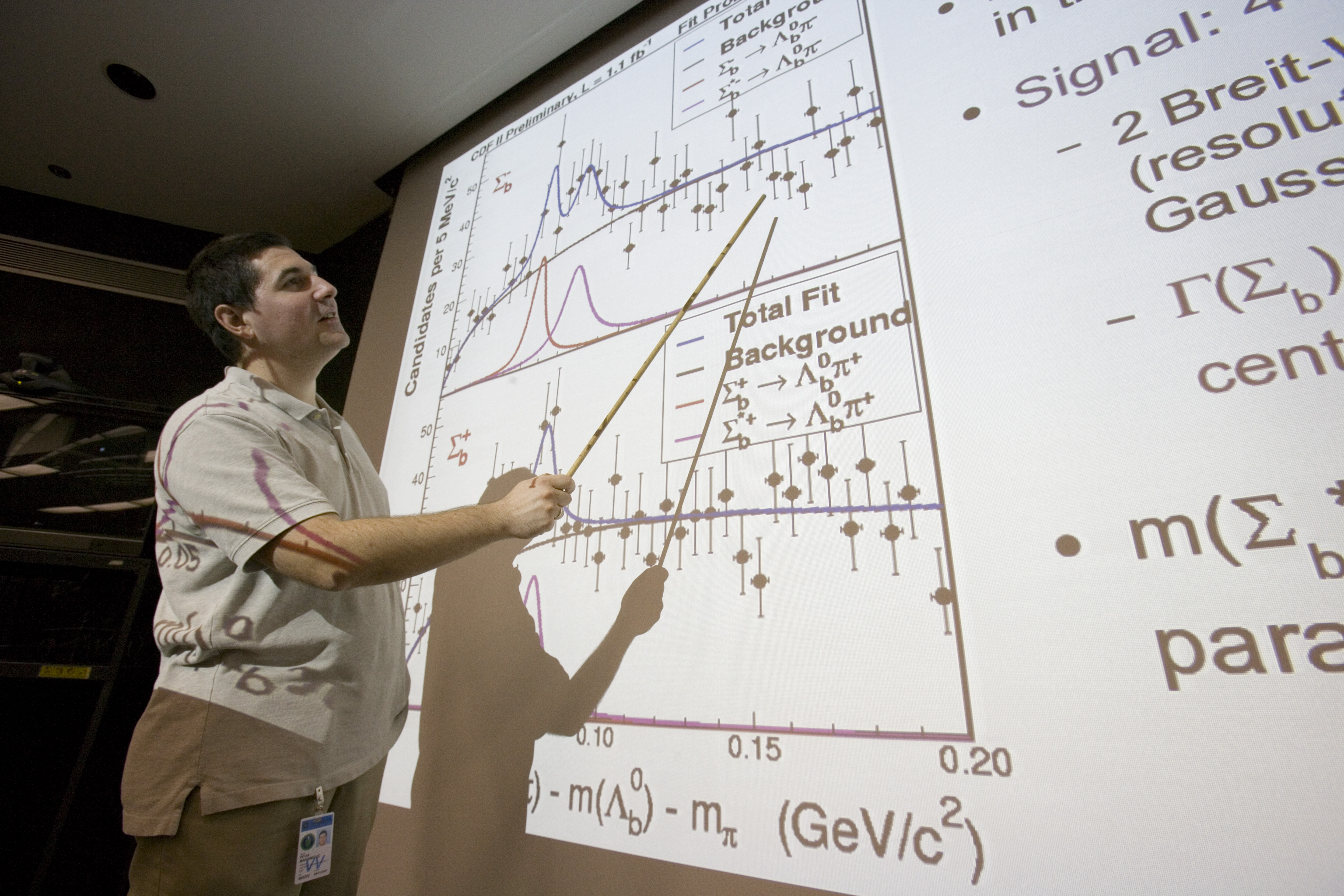
First indirect evidence of undetected strange Baryons

CDF physicist Petar Maksimovic, professor at Johns Hopkins University, presented the discovery to the particle physics community at Fermilab. He explained that the two types of Sigma-sub-b particles are produced in two different spin combinations, J=1/2 and J=3/2, representing a ground state and an excited state, as predicted by theory. (Credit: Fermilab)
via newswise

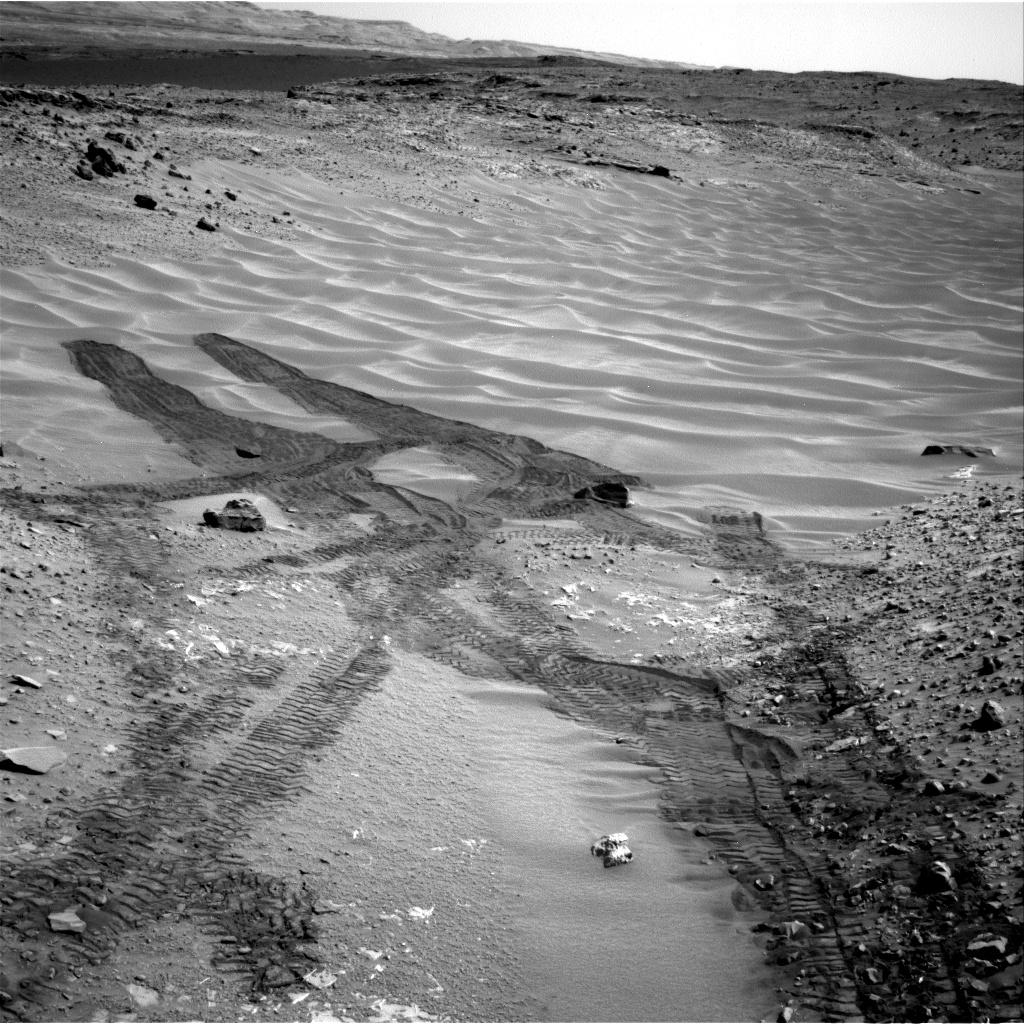
Curiosity Rover on Mars Stalled by ‘Hidden Valley’ Sand Trap

This image, taken by NASA's Mars rover Curiosity in August 2014, looks across the northeastern end of sandy "Hidden Valley" to the lower slopes of Mount Sharp on the horizon. (Credit: NASA/JPL-Caltech)
This image, taken by NASA’s Mars rover Curiosity in August 2014, looks across the northeastern end of sandy “Hidden Valley” to the lower slopes of Mount Sharp on the horizon.
(Credit: NASA/JPL-Caltech)
via space.com

Сalculations with nanoscale smart particles

Nanoparcticles producing logical calculations. (Credit: Maxim Nikitin)
via phys
Scientific error delayed the search for alien life

Scientists of the early 20th century argued that tidal forces had caused the sun to spit out the planets when a rogue star passed too close. It was a kind of drive-by shooting theory of planetary formation known as the "Planetesimal Hypothesis." (Credit: NASA, M. Strauss)
Scientists of the early 20th century argued that tidal forces had caused the sun to spit out the planets when a rogue star passed too close. It was a kind of drive-by shooting theory of planetary formation known as the “Planetesimal Hypothesis.” (Credit: NASA, M. Strauss)
via io9

SpaceX releases video of reusable rocket’s soft splashdown(VIDEO)

via valuewalk

Scientists unveil new technology to better understand small clusters of atoms

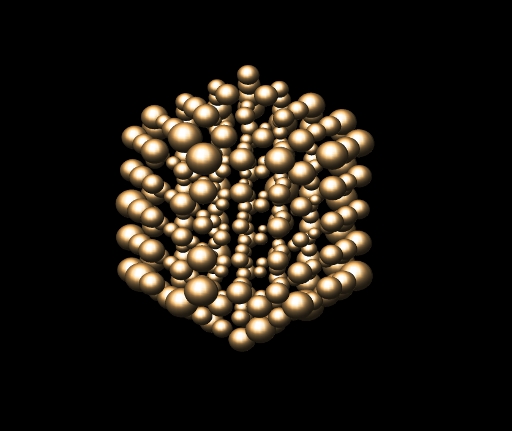
An illustration of the extent to which the atoms, in a small cluster of atoms, vibrate. The spheres represent the range of motion of the atoms, rather than the atoms themselves – the spheres have been exaggerated in size by 45 times in order to ease visualisation. The atoms on the surface have larger ranges of motion than those in the middle of the cluster. (Credit: University of York)
via york
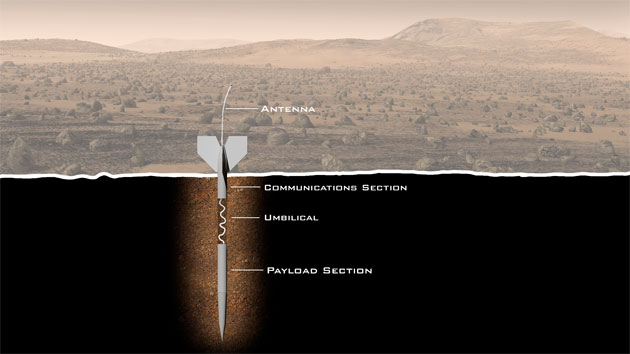
 The ExoLance Concept. "Arrows" fall from a spacecraft, penetrate the ground, and expose the life-detecting equipment inside. (Credit: Explore Mars Inc.)
The ExoLance Concept: “Arrows” fall from a spacecraft, penetrate the ground, and expose the life-detecting equipment inside. (Credit: Explore Mars Inc.)
via popsci

NASA will basically play SimAnt with new “Swarmies” robots

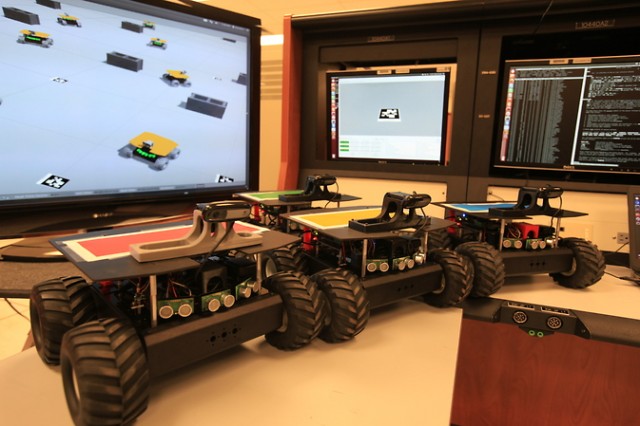
NASA engineers have built four robots nicknamed “Swarmies” to test whether a group of robots can autonomously and effectively scout an area for resources, and they’ve model the software design after how ants do the same thing. (Credit:  NASA/D. Gerondidakis, G. Tickle)
NASA engineers have built four robots nicknamed “Swarmies” to test whether a group of robots can autonomously and effectively scout an area for resources, and they’ve model the software design after how ants do the same thing. (Credit: NASA/D. Gerondidakis, G. Tickle)
via themarysue

New research improves quantum coherence time using cavity protection effect

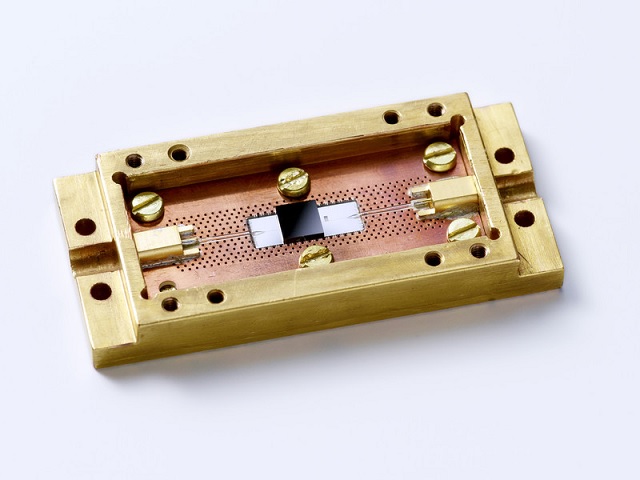
The quantum system studied at TU Wien (Vienna): a black diamond (center) contains nitrogen atoms, which are coupled to a microwave resonator. (Credit: TU Wien)
via azoquantum

Recycling old batteries into solar cells

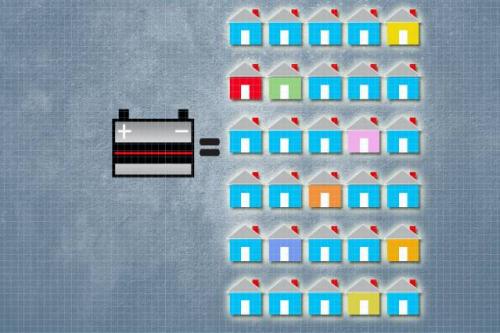
This could be a classic win-win solution: A system proposed by researchers at MIT recycles materials from discarded car batteries—a potential source of lead pollution—into new, long-lasting solar panels that provide emissions-free power. (Credit: Christine Daniloff/MIT)
via phys.org

The machine that tried to scan the brain – in 1882

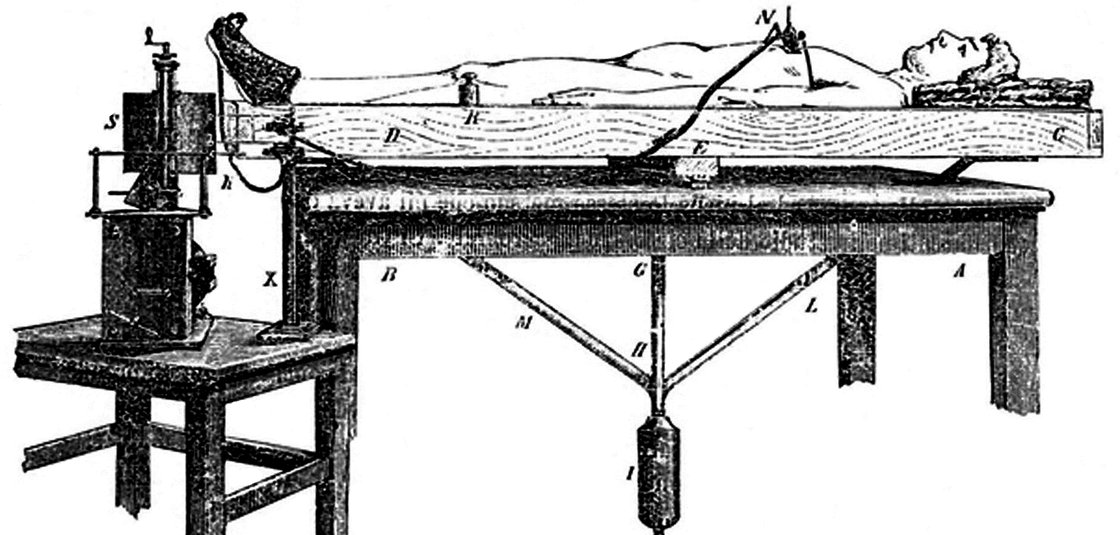
 Angelo Mosso's "human circulation balance" machine worked like a seesaw to measure blood flow changes to the brain. (Credit: Stefano Sandrone et al.)

Angelo Mosso’s “human circulation balance” machine worked like a seesaw to measure blood flow changes to the brain. (Credit: Stefano Sandrone et al.)
via npr

Space X Falcon 9 night time launch planned

via examiner

 Which came last—The supernova or the red giant?

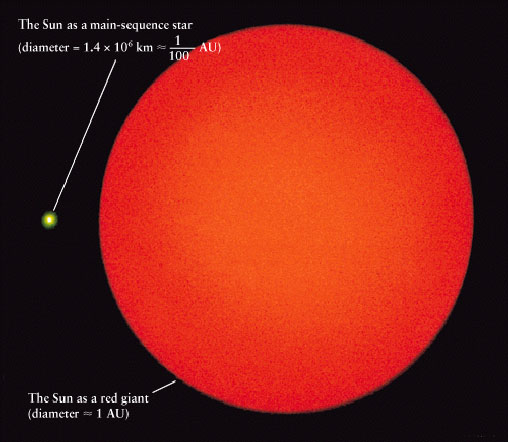
 A red giant star really is quite gigantic compared to our Sun. (Credit: NASA)
A red giant star really is quite gigantic compared to our Sun. (Credit: NASA)

via arstechnica

Physics in the News

Monday August 18, 2014

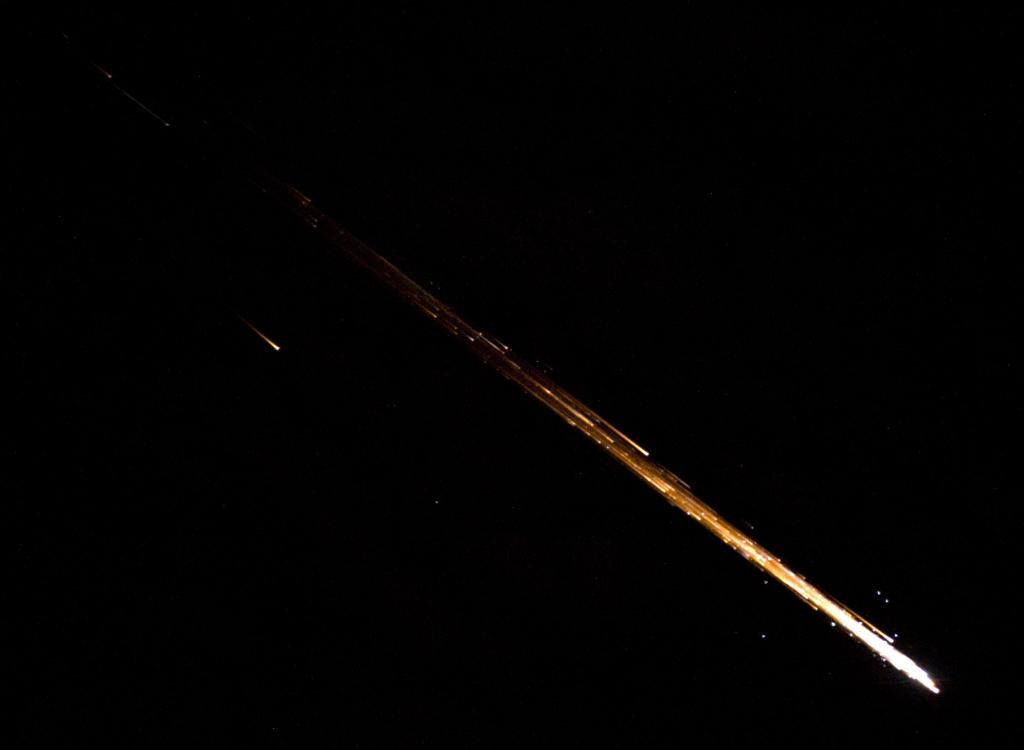
Rubbish explodes in space

Astronaut Alexander Gerst captured the moment from his home aboard the ISS. (Credit: Alexander Gerst)
via theregister

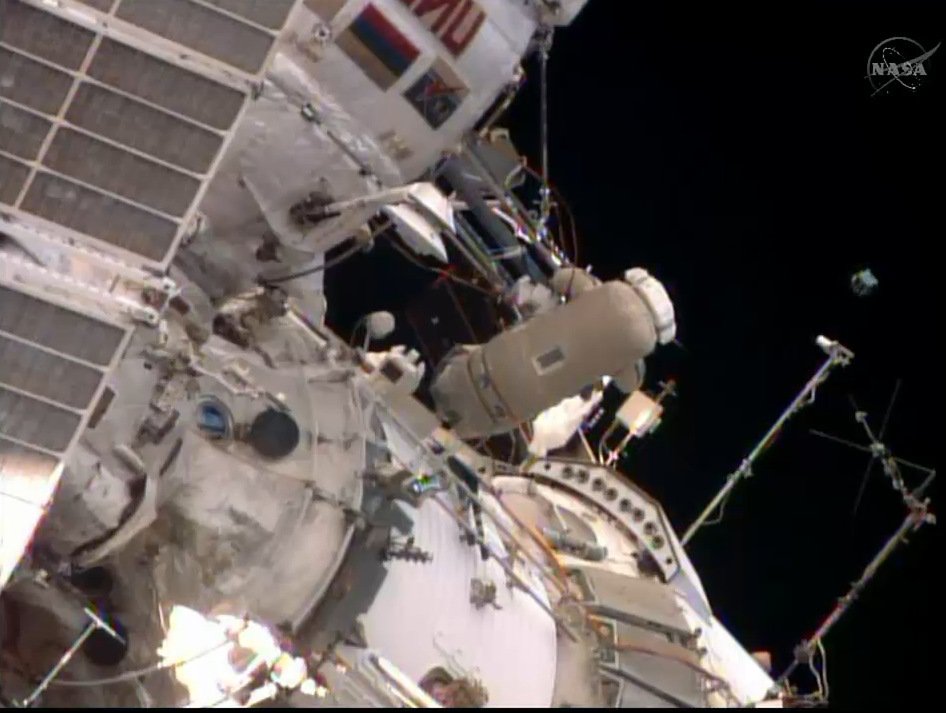
Spacewalking cosmonaut tosses tiny satellite into space for Peru

Cosmonaut Oleg Artemyev looks on after he released a small Peruvian satellite into space during a spacewalk outside the International Space Station on Aug. 18, 2014. (Credit: NASA TV)
Cosmonaut Oleg Artemyev looks on after he released a small Peruvian satellite into space during a spacewalk outside the International Space Station on Aug. 18, 2014.
(Credit: NASA TV)
via space

Novel technique to record quantum mechanical behavior of an electron within a nanoscale defect

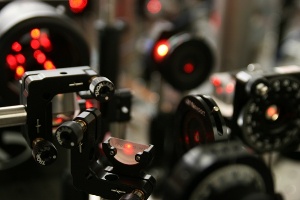
Part of the optical apparatus used to direct pulses of light to control the quantum state of a single electronic spin in diamond. (Credit:  UPenn)
Part of the optical apparatus used to direct pulses of light to control the quantum state of a single electronic spin in diamond. (Credit: UPenn)
via azoquantum

Image overload:  NASA requests help to sort it all out

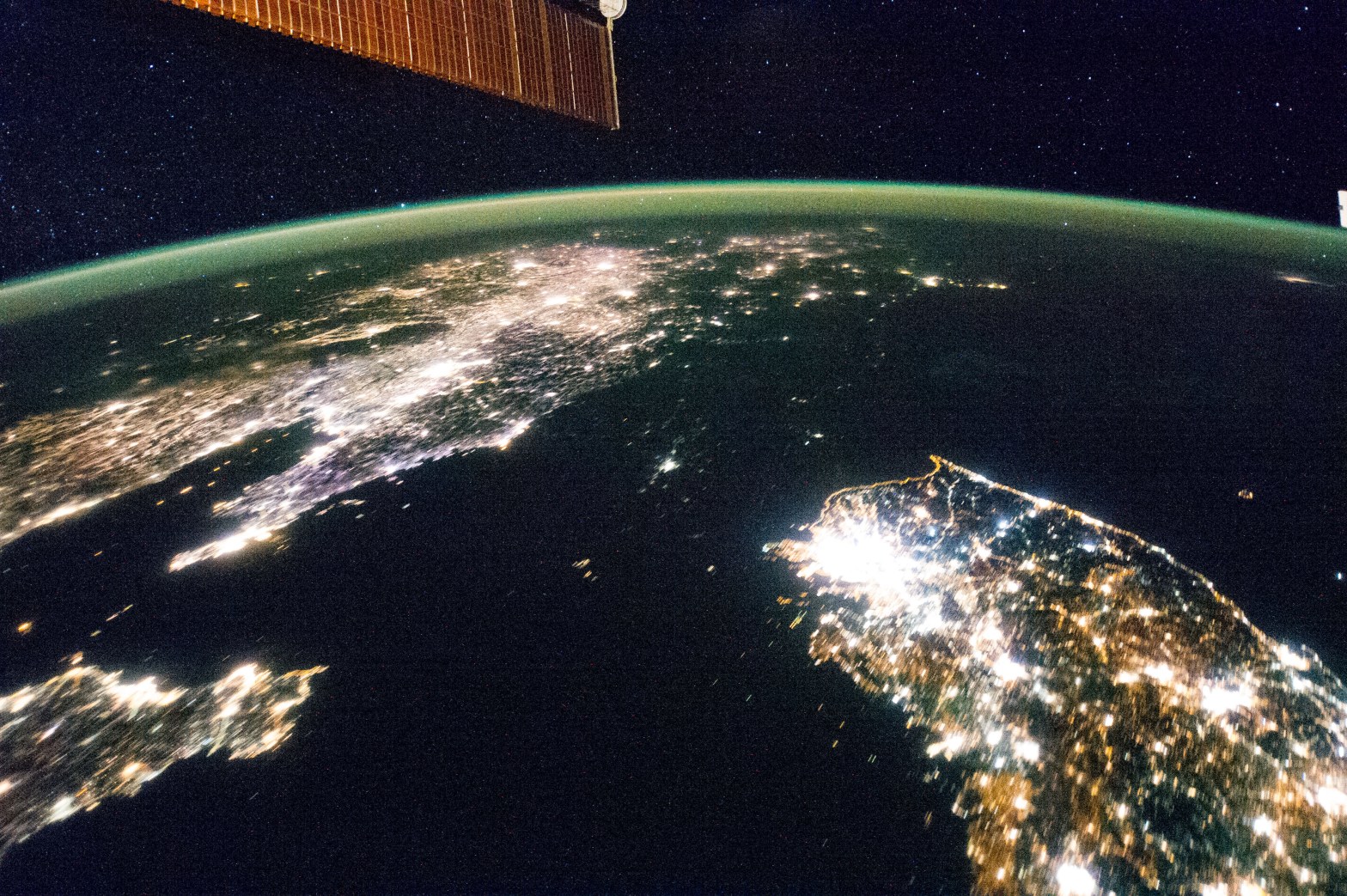
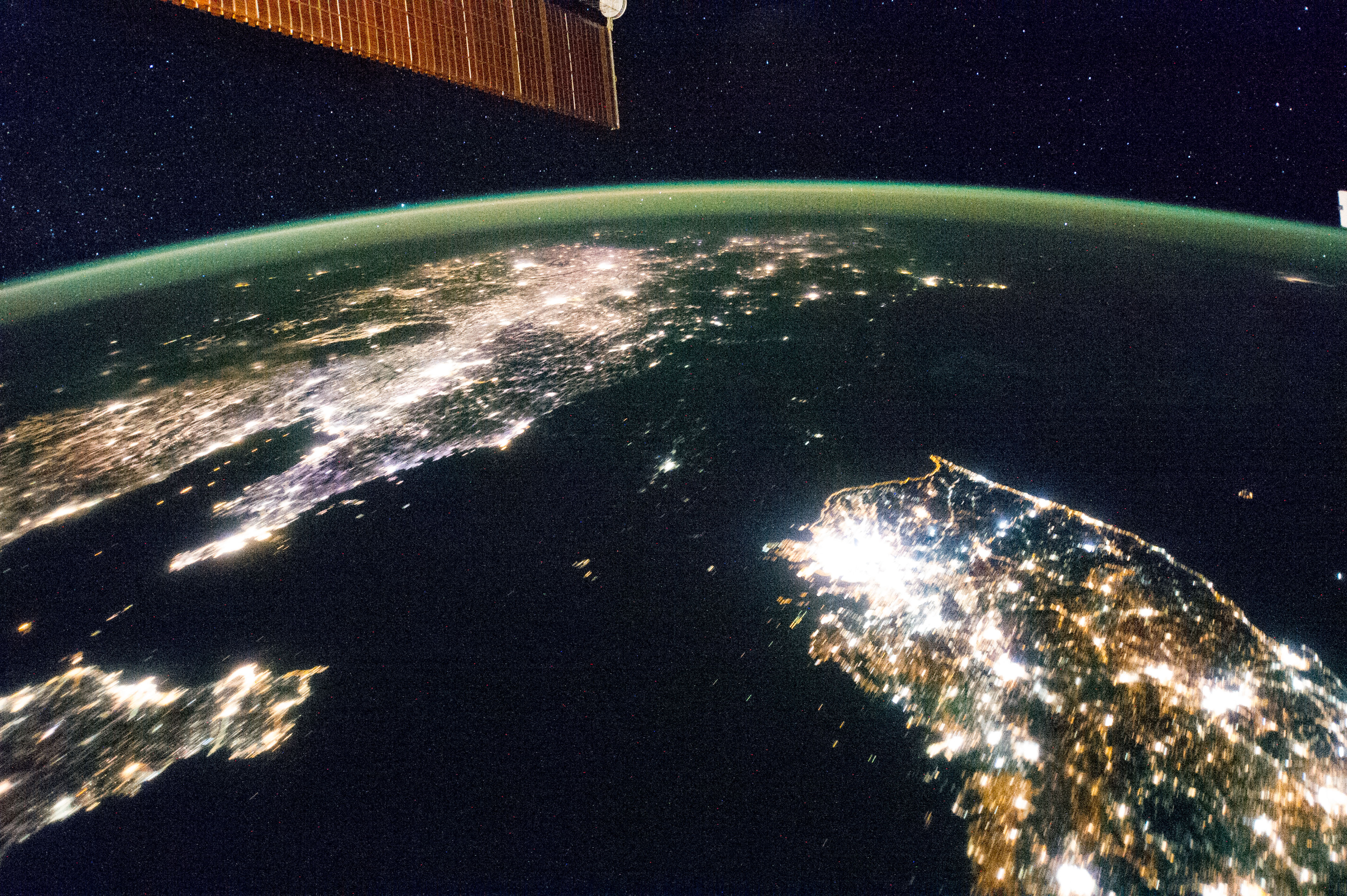
North Korea is barely lit when juxtaposed with neighboring South Korea and China. (Credit NASA)
via cnn

Set your alarm: Venus and Jupiter will light up the pre-dawn sky

A panoramic view of the Venus Jupiter Conjunction on August 17, 2014, taken from the Cairns Esplanade in Queensland Australia. (Credit: Joseph Brimacombe.)
A panoramic view of the Venus Jupiter Conjunction on August 17, 2014, taken from the Cairns Esplanade in Queensland Australia. (Credit: Joseph Brimacombe)
via bbc

Black Holes? I’ll take a medium, please

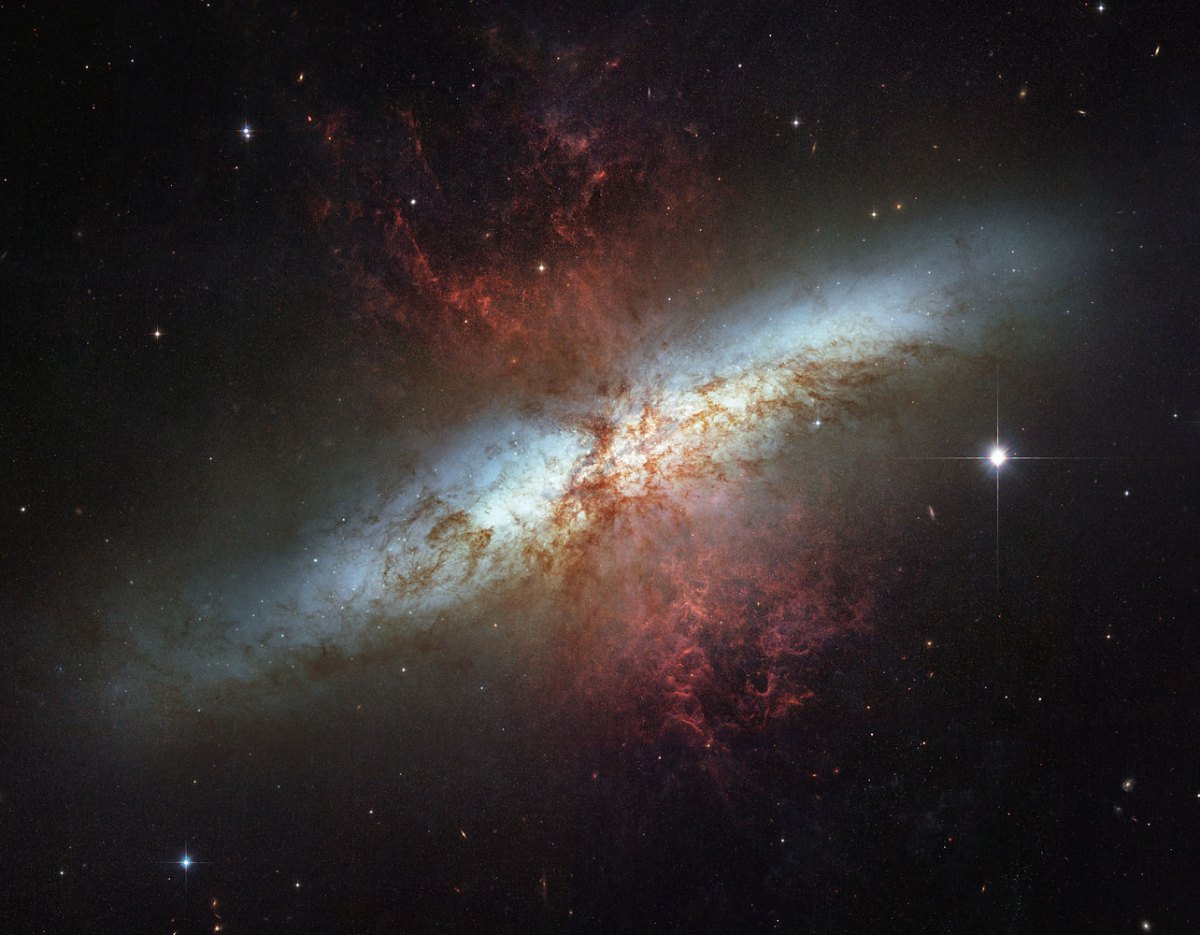
To celebrate the NASA-ESA Hubble Space Telescopes 16 years of success, NASA and the European Space Agency are releasing this mosaic image of the starburst galaxy, Messier 82 (M82),  made in March 2006. It is the sharpest wide-angle view ever obtained of M82, a galaxy remarkable for its webs of shredded clouds and flame-like plumes of glowing hydrogen blasting out from its central regions. Located 12 million light-years away, it is also called the "Cigar Galaxy" because of the elongated elliptical shape produced by the tilt of its starry disk relative to our line of sight. (AP Photo/NASA-ESA)
To celebrate the NASA-ESA Hubble Space Telescopes 16 years of success, NASA and the European Space Agency are releasing this mosaic image of the starburst galaxy, Messier 82 (M82), made in March 2006. It is the sharpest wide-angle view ever obtained of M82, a galaxy remarkable for its webs of shredded clouds and flame-like plumes of glowing hydrogen blasting out from its central regions. Located 12 million light-years away, it is also called the “Cigar Galaxy” because of the elongated elliptical shape produced by the tilt of its starry disk relative to our line of sight. (AP Photo/NASA-ESA)
via time

Quantum computing methodology a gigantic leap for next gen development

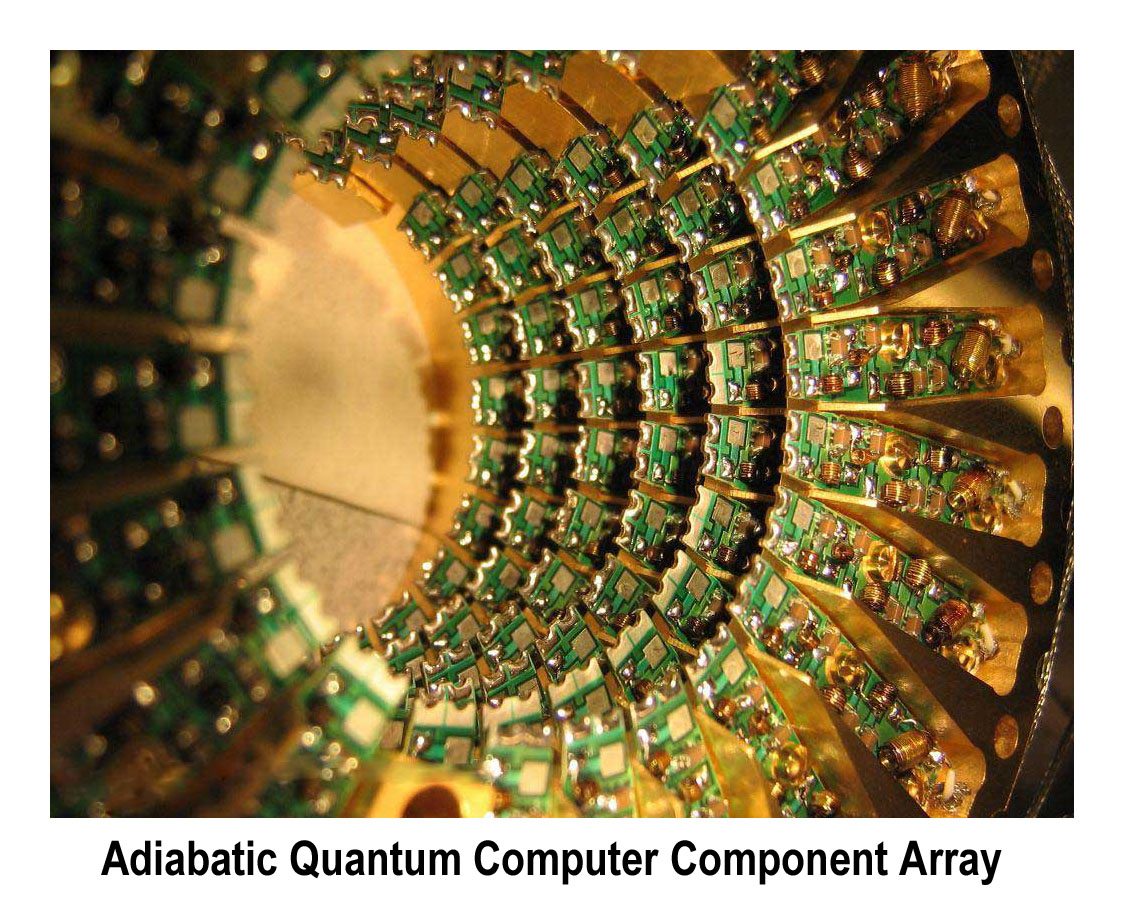
Quantum computing Adiabatic quantum computer component array: methodology is certainly going to be a gigantic leap for next gen development.

via nvonews

Fascinating rhythm: Light pulses illuminate a rare black hole

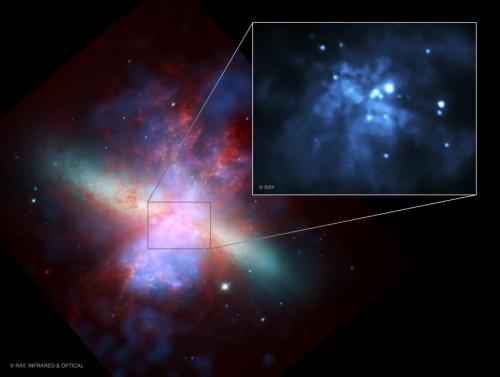
This image of the galaxy Messier 82 is a composite of data from the Chandra X-Ray Observatory, the Hubble Space Telescope and the Spitzer Space Telescope. The intermediate-mass black hole M82 X-1 is the brightest object in the inset, at approximately 2 o'clock near the galaxy's center. (Credit: NASA/H. Feng et al.)
This image of the galaxy Messier 82 is a composite of data from the Chandra X-Ray Observatory, the Hubble Space Telescope and the Spitzer Space Telescope. The intermediate-mass black hole M82 X-1 is the brightest object in the inset, at approximately 2 o’clock near the galaxy’s center. (Credit: NASA/H. Feng et al.)
via phys
Physics in the News

Thursday, August 14, 2014

Asteroid defies laws of physics, baffles researchers

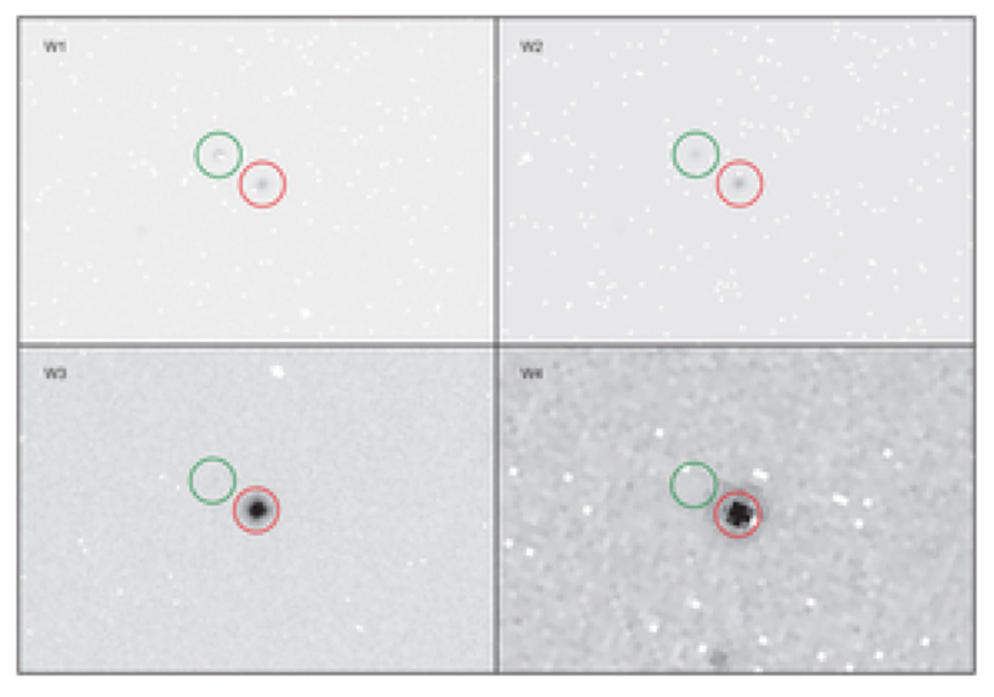
 WISE thermal-infrared images of (29075) 1950 DA. The image scale is 2.75 arcsec per pixel for the W1, W2 and W3 bands and 5.53 arcsec per pixel for the W4 band. White pixels are ‘bad’ pixels that do not contain data. The object seen to the upper left of (29075) 1950 DA (red circle) (Credit: Rozitis, MacLennan & Emery)
WISE thermal-infrared images of (29075) 1950 DA. The image scale is 2.75 arcsec per pixel for the W1, W2 and W3 bands and 5.53 arcsec per pixel for the W4 band. White pixels are ‘bad’ pixels that do not contain data. The object seen in the red circle is  (29075) 1950 DA. (Credit: Rozitis, MacLennan, Emery)
via techtimes

Hubble eyes galaxy as it gets a cosmic hair ruffling

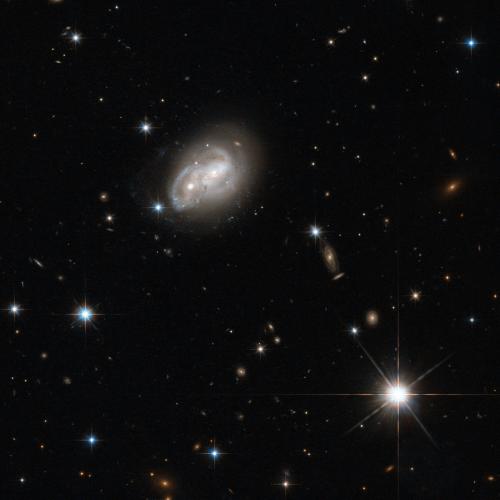
From objects as small as Newton's apple to those as large as a galaxy, no physical body is free from the stern bonds of gravity, as evidenced in this stunning picture captured by the Wide Field Camera 3 and Advanced Camera for Surveys onboard the NASA/ESA Hubble Space Telescope. (Credit: ESA/Hubble & NASA, Acknowledgement: Luca Limatola)
From objects as small as Newton’s apple to those as large as a galaxy, no physical body is free from the stern bonds of gravity, as evidenced in this stunning picture captured by the Wide Field Camera 3 and Advanced Camera for Surveys onboard the NASA/ESA Hubble Space Telescope. (Credit: ESA/Hubble & NASA, Acknowledgement: Luca Limatola)
via phys
Novel project to develop tiny flat molecule tapes

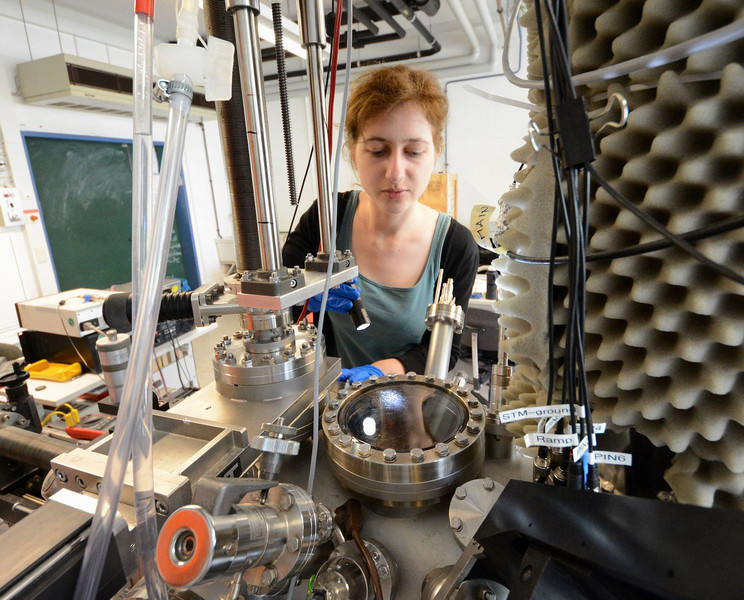
Alissa Wiengarten, PhD student at the TUM Department of Physics, heats a porphine powder in a vacuum chamber. (Credit: Thorsten Naeser/Munich-Centre for Advanced Photonics)
via azonano

Quantum-Memory imprint discovered in light emission

Semiconductor quantum-dot microring laser emits light whose emission intensity exhibits oscillations due to quantum memory between excitation and light Emission. Pressestelle der Philipps-Universität Marburg/Fachgebiet Theoretische Halbleiterphysik
Semiconductor quantum-dot microring laser emits light whose emission intensity exhibits oscillations due to quantum memory between excitation and light Emission. (Credit: Philipps-Universität Marburg/Fachgebiet Theoretische Halbleiterphysik)
via innovations-report

Investigating soil moisture dynamics using cosmic-ray technology

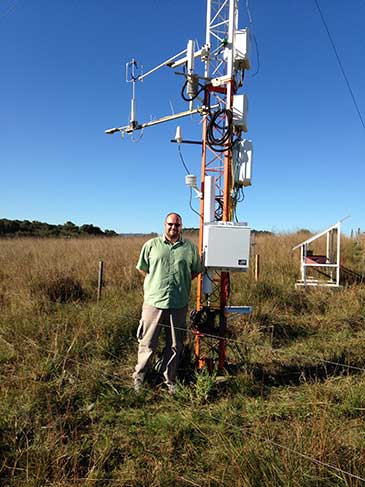
Dr Rosolem with the cosmic-ray soil moisture sensor installed at the the Federal University of Santa Maria SulFlux site in Brazil
Dr Rosolem with the cosmic-ray soil moisture sensor installed at the the Federal University of Santa Maria SulFlux site in Brazil. (Credit: Univ Bristol)
via bristol

Particle physicists measure the spin contribution of the proton’s antiquark

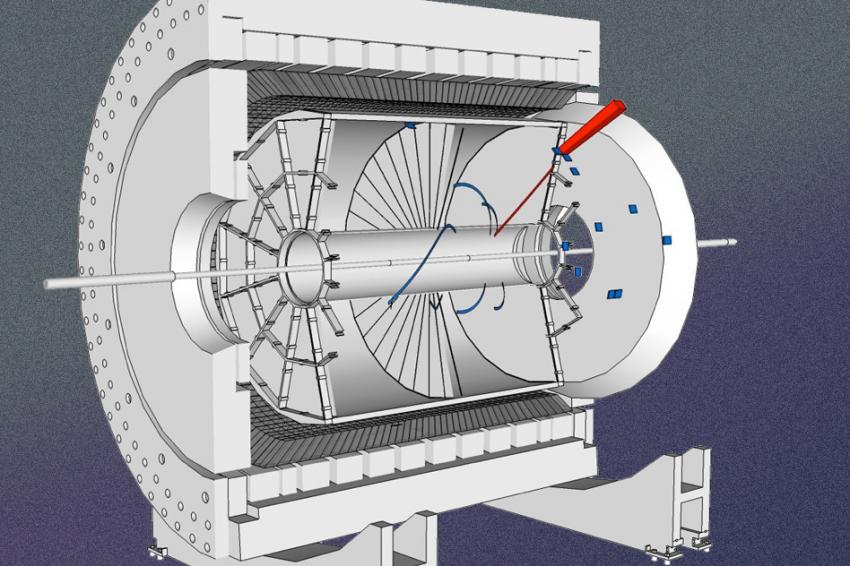
 The STAR detector, used in the researchers' experiment, measures the energy and angle of the electron from the W boson decay produced in the proton collision. (Credit: STAR Collaboration)
The STAR detector, used in the researchers’ experiment, measures the energy and angle of the electron from the W boson decay produced in the proton collision. (Credit: STAR Collaboration)
via phys
Nanosilver gives electron microscopy a boost

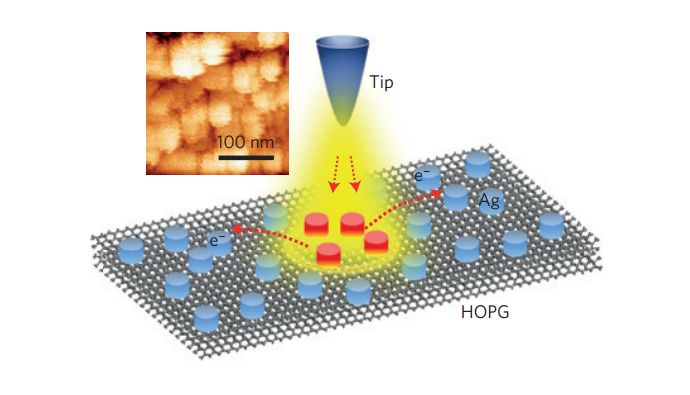
Experimental arrangement. A tip is approached to a distance of micrometres from a grounded highly ordered pyrolytic graphene (HOPG) surface carrying Ag nanostructures (illustrated in the inset). Electrons are field-emitted from the tip when a negative tip voltage Vt of hundreds of volts is applied, and the surface plasmon resonance (SPR) of the Ag nanostructures is excited by the field-emitted electrons under a strong electric field introduced by the tip–sample bias. The backscattered electrons are collected and analysed by the TEEA. (Credit: Nature Physics (2014) doi:10.1038/nphys3051)
via asianscientist

Supermassive black holes’ diets revealed: Crushed stars and X-rays

Because of that alacrity, and the fact that they had repeat observations at roughly a decade's detach, the Russian scientists were able to single out stars that dimmed by at least tenfold. They've been named 1RXS J114727.1 + 494302, 1RXS J130547.2 + 641252, and 1RXS J235424.5-102053. (Credit: Davies, NASA)
Because of that alacrity, and the fact that they had repeat observations at roughly a decade’s detach, the Russian scientists were able to single out stars that dimmed by at least tenfold. They’ve been named 1RXS J114727.1 + 494302, 1RXS J130547.2 + 641252, and 1RXS J235424.5-102053. (Credit: Davies, NASA)
via slashgear

Could Mystery Signal Detected Be Proof of Dark Matter?

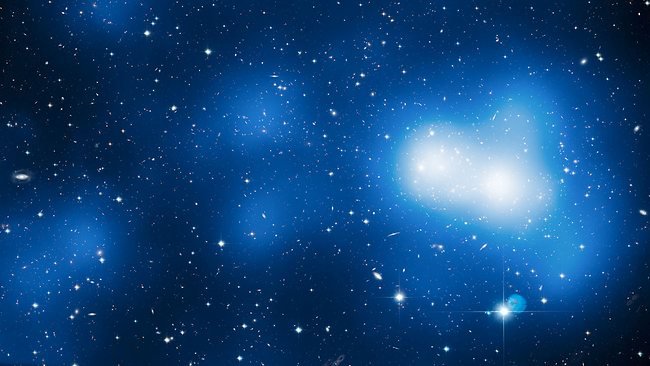
Could a mystery signal that has been detected be proof of dark matter? While searching through the fundamental structures of various galaxy clusters, astrophysicists located at Harvard University found a bizarre discharge line they are having trouble in identifying.  (Credit: Kimberly Ruble)
Could a mystery signal that has been detected be proof of dark matter? While searching through the fundamental structures of various galaxy clusters, astrophysicists located at Harvard University found a bizarre discharge line they are having trouble in identifying. (Credit: Kimberly Ruble)
via guardianlv

Physics in the News

Tuesday, August 12, 2014

The smallest possible scale in the universe

Every once in a while I think that there maybe is no fundamentally smallest unit of length; that all these arguments for its existence are wrong. I like to think that we can look infinitely close into structures and will never find a final theory, turtles upon turtles, or that structures are ultimately self-similar and repeat.(Credit: Sabine Hossenfelder)
Every once in a while I think that there maybe is no fundamentally smallest unit of length; that all these arguments for its existence are wrong. I like to think that we can look infinitely close into structures and will never find a final theory, turtles upon turtles, or that structures are ultimately self-similar and repeat.(Credit: Sabine Hossenfelder, Sanghyuk Moon)
via medium

Cosmologist Laura Mersini-Houghton claims black holes do not exist(VIDEO)

via thewatchers

Europe’s last cargo ship reaches space station

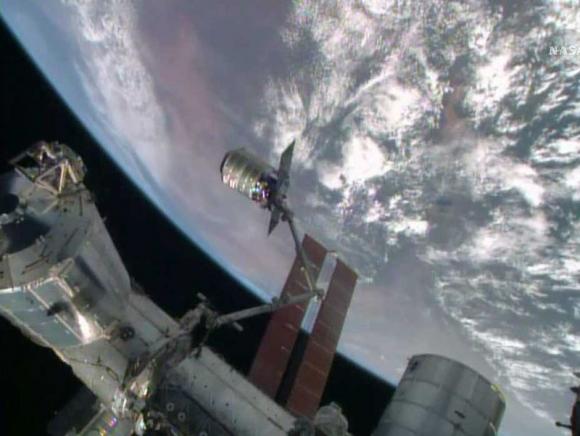
The International Space Station's robotic arm, Canadarm2, grapples the Orbital Sciences' Cygnus cargo craft, as seen in this still image taken from NASA TV July 16, 2014.  (Credit: Reuters/NASA TV/Handout via Reuters)
The International Space Station’s robotic arm, Canadarm2, grapples the Orbital Sciences’ Cygnus cargo craft, as seen in this still image taken from NASA TV July 16, 2014. (Credit: Reuters/NASA TV/Handout via Reuters)

via reuters

Follow the radio waves to exomoons, astrophysicists say

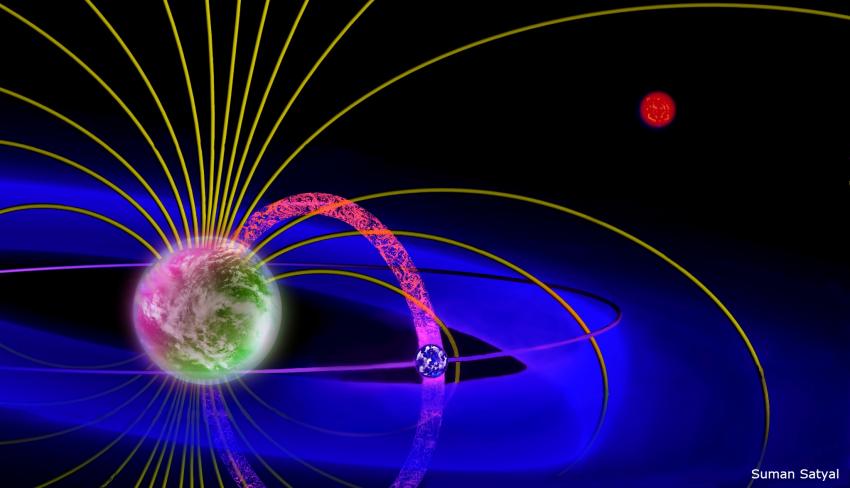
This is a schematic of a plasma torus around an exoplanet, which is created by the ions injected from an exomoon's ionosphere into the planet's magnetosphere. (Credit: UT Arlington)
This is a schematic of a plasma torus around an exoplanet, which is created by the ions injected from an exomoon’s ionosphere into the planet’s magnetosphere. (Credit: UT Arlington)

via phys
NASA is contest-sourcing solutions to its deepest problems

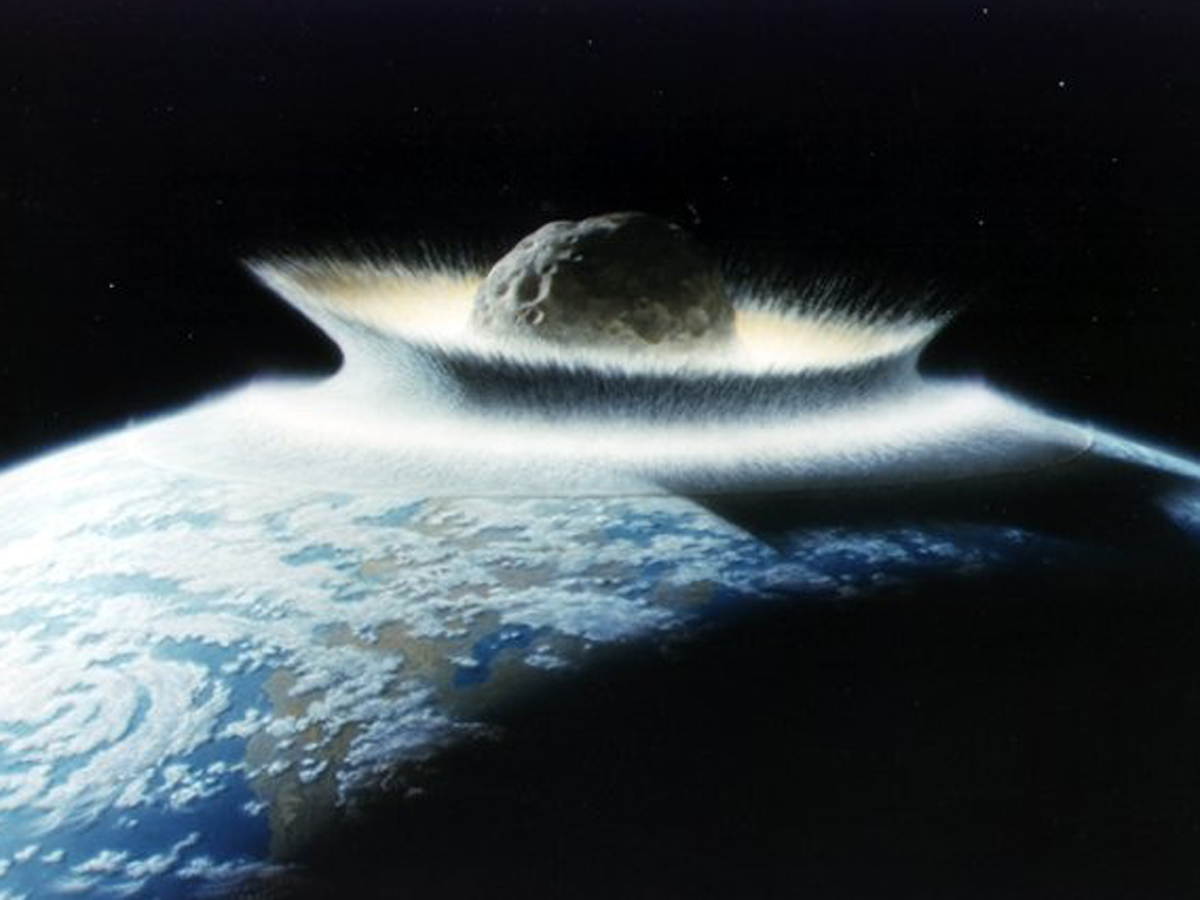
(Credit: NASA/Don Davis)
“As NASA continues to push the boundaries of human imagination and innovation, we have seen the value in utilizing a citizen-based professional crowd to complement our internal efforts and solve complex real-world challenges,” Jason Crusan, director of NASA’s Tournament Lab. (Credit: NASA/Don Davis)
via motherboard

Schrödinger’s cat explained on physicist’s 127th birthday(VIDEO)

via cbc

Beyond six nines: Ultra-enriched silicon paves the road to quantum computing

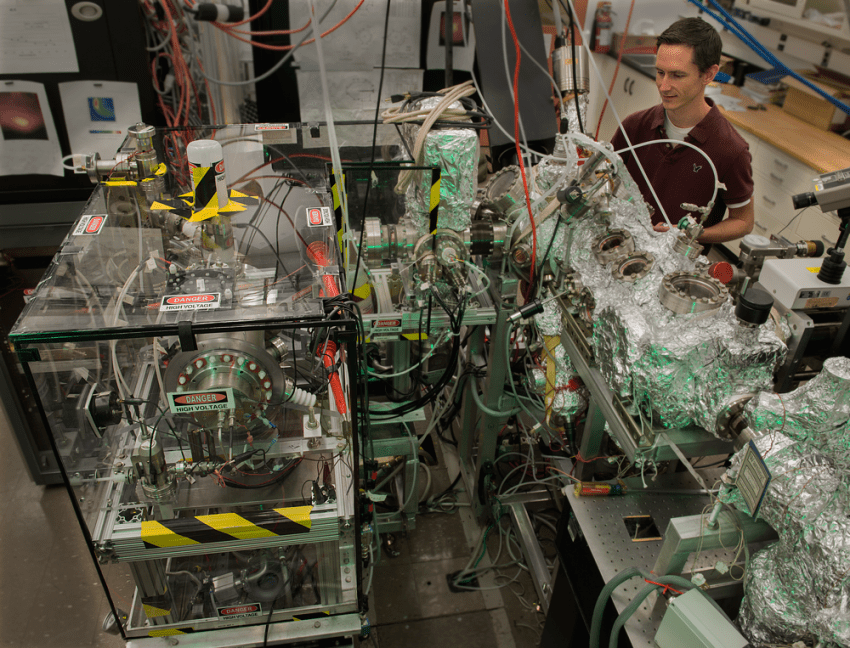
NIST researcher Kevin Dwyer with the silicon enrichment apparatus. The process begins at the left, where natural-abundance silicon in the form of silane gas (SiH4) is ionized. The ions pass through a magnetic field (top left), which causes their paths to curve to different degrees based on their mass. The silicon-28 ions, now separated from the other silicon isotopes, are decelerated through an ultra-high vacuum chamber (top center) and into the deposition chamber (top right) (Credit: Pomeroy, NIST, Dwyer)
via phys

NASA’s NuSTAR sees rare blurring of black hole light

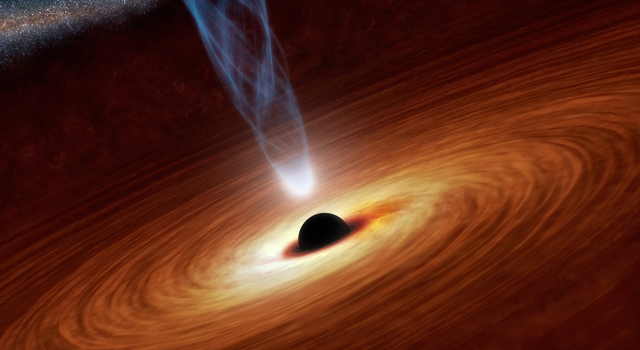
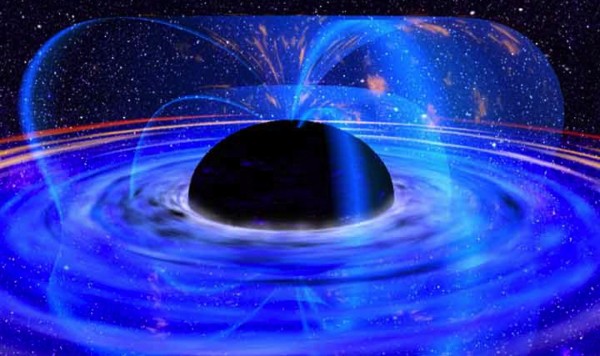
This artist’s concept illustrates a supermassive black hole with millions to billions times the mass of our sun. Supermassive black holes are enormously dense objects buried at the hearts of galaxies. (Credit: NASA/JPL-Caltech)
via pasadenanow

 From eons to seconds, proteins exploit the same forces

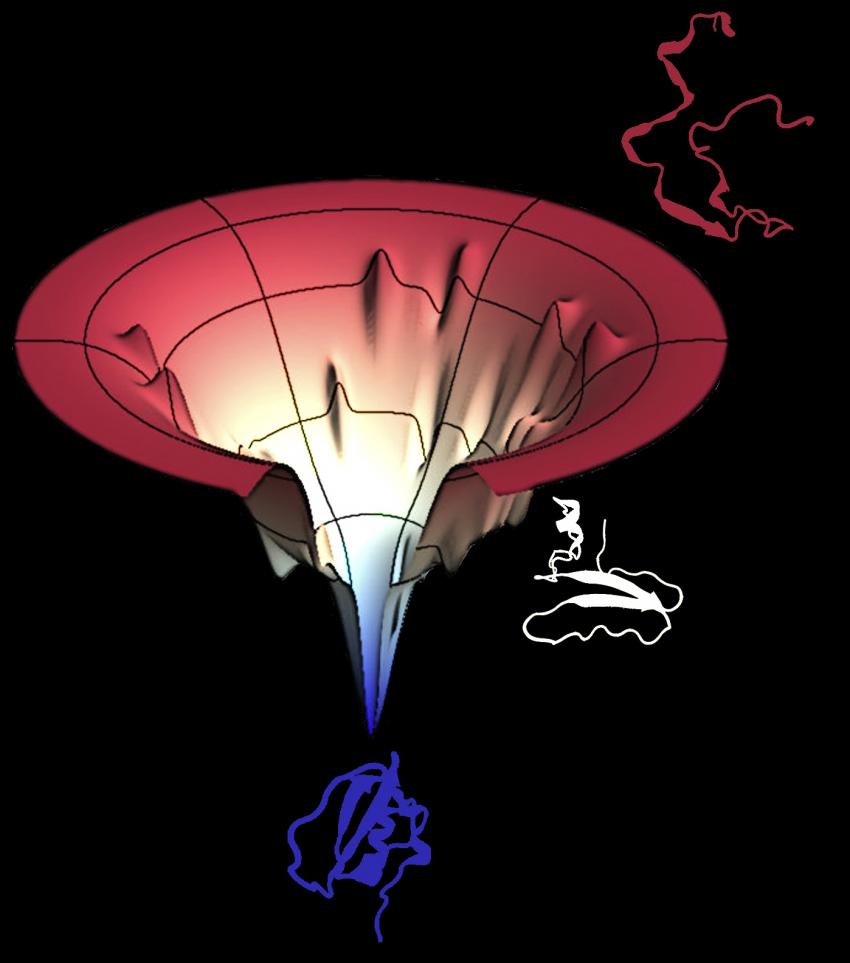
A protein folding funnel, the product of algorithms created by Rice’s Center for Theoretical Biological Physics, is a graphic representation of the energy landscape a protein navigates as it goes from its initial floppy state to a folded, functional unit. The funnel shows smooth slopes as well as outcroppings where parts of a protein may pause while others catch up, and also traps that could cause a protein to misfold. New Rice research shows how the interplay between evolution and physics developed the skills necessary to conserve useful proteins. (Credit: Center for Theoretical Biological Physics/Rice University)
via phys
Physics in the News

Saturday, August 9, 2014

High-energy particle collisions reveal the unexpected

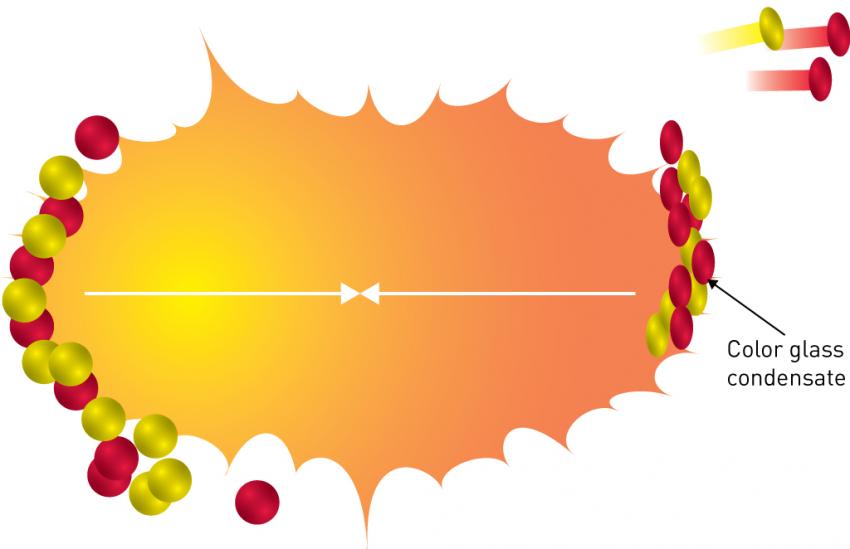
High-energy collisions between nuclei (white arrows) produce a cloud of elementary particles including quarks (red) and gluons (yellow). When gluons form an expansion front, they can produce a wall of matter called a color glass condensate, which eventually dissipates as the expansion continues. (Credit: © 2014 Larry McLerran, RIKEN–BNL Research Center)
via phys

Watch water run UP a wall: Material that allows liquid to defy gravity could spell the end of windscreen wipers(VIDEO)

via cnet

Lonely supernovae may have been kicked out of their galaxies

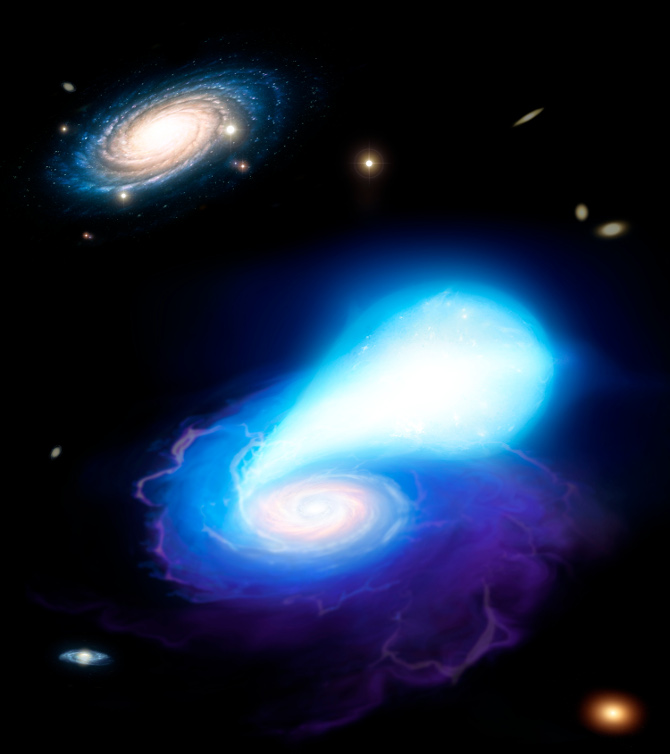
University of Warwick researchers explain mystery of the loneliest supernovas. Compact binary star systems that have been thrown far from their host galaxy when one star of that pair became a neutron star, go through a second trauma when the remaining white dwarf star is eventually pulled onto the neutron star. (Credit: Mark A. Garlick / space-art.co.uk / University of Warwick)
via forbes

Whovian physicists claim TARDIS time travel is possible

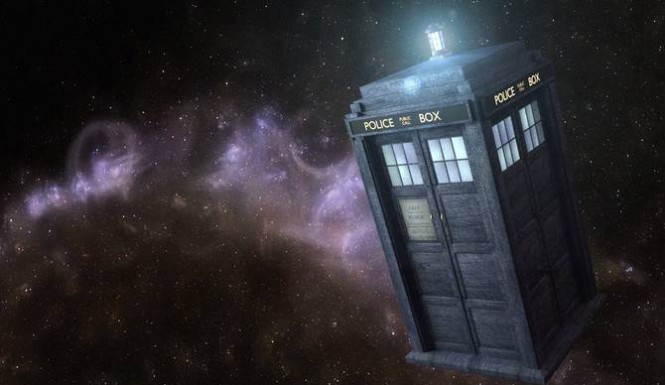
While time travel may be theoretically possible, there are unfortunately several drawbacks to the researchers’ TARDIS concept. In order to function, it requires the use of exotic matter, which has yet to be shown to exist in our universe. Time travel would also have to violate classical mechanics, and in order to move in anything other than a circular direction in both time and space, more than one TARDIS curve would need to be constructed, raising the possibility of exiting the time vortex into a universe of anti-matter. (Credit: Bitbillions)
While time travel may be theoretically possible, there are unfortunately several drawbacks to the researchers’ TARDIS concept. In order to function, it requires the use of exotic matter, which has yet to be shown to exist in our universe. Time travel would also have to violate classical mechanics, and in order to move in anything other than a circular direction in both time and space, more than one TARDIS curve would need to be constructed, raising the possibility of exiting the time vortex into a universe of anti-matter.
(Credit: Bitbillions)
via inquisitr

String theory coming unstrung even among science writers?

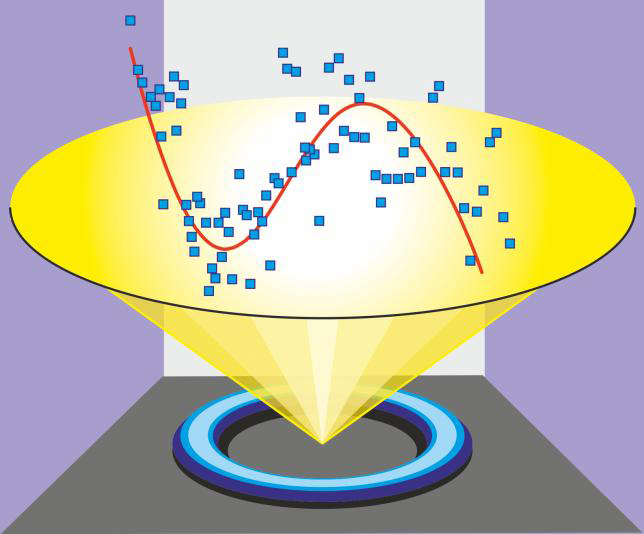
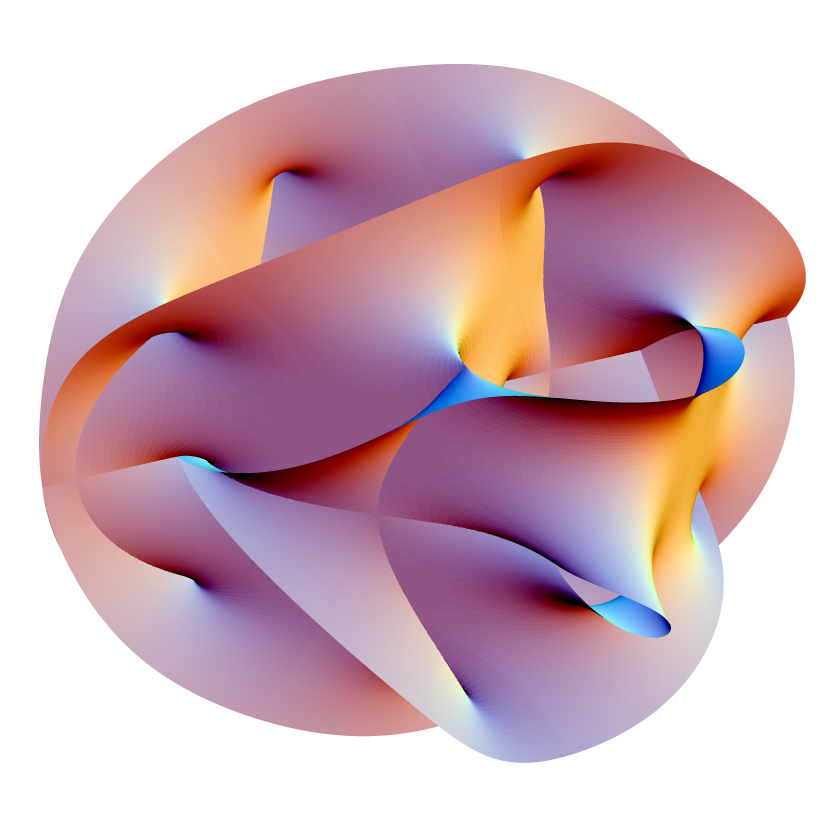
A construction for computer visualization of certain complex curves" (Credit: CC BY-SA 2.5)
A construction for computer visualization of certain complex curves. Science journalist, Tom Siegfried, has been one of the most vociferous proponents of string theory for many, many years, but even his faith seems like it might be failing as the decades roll on. (Credit: CC BY-SA 2.5)
via columbia

Watch Pluto and Charon engage in their orbital dance

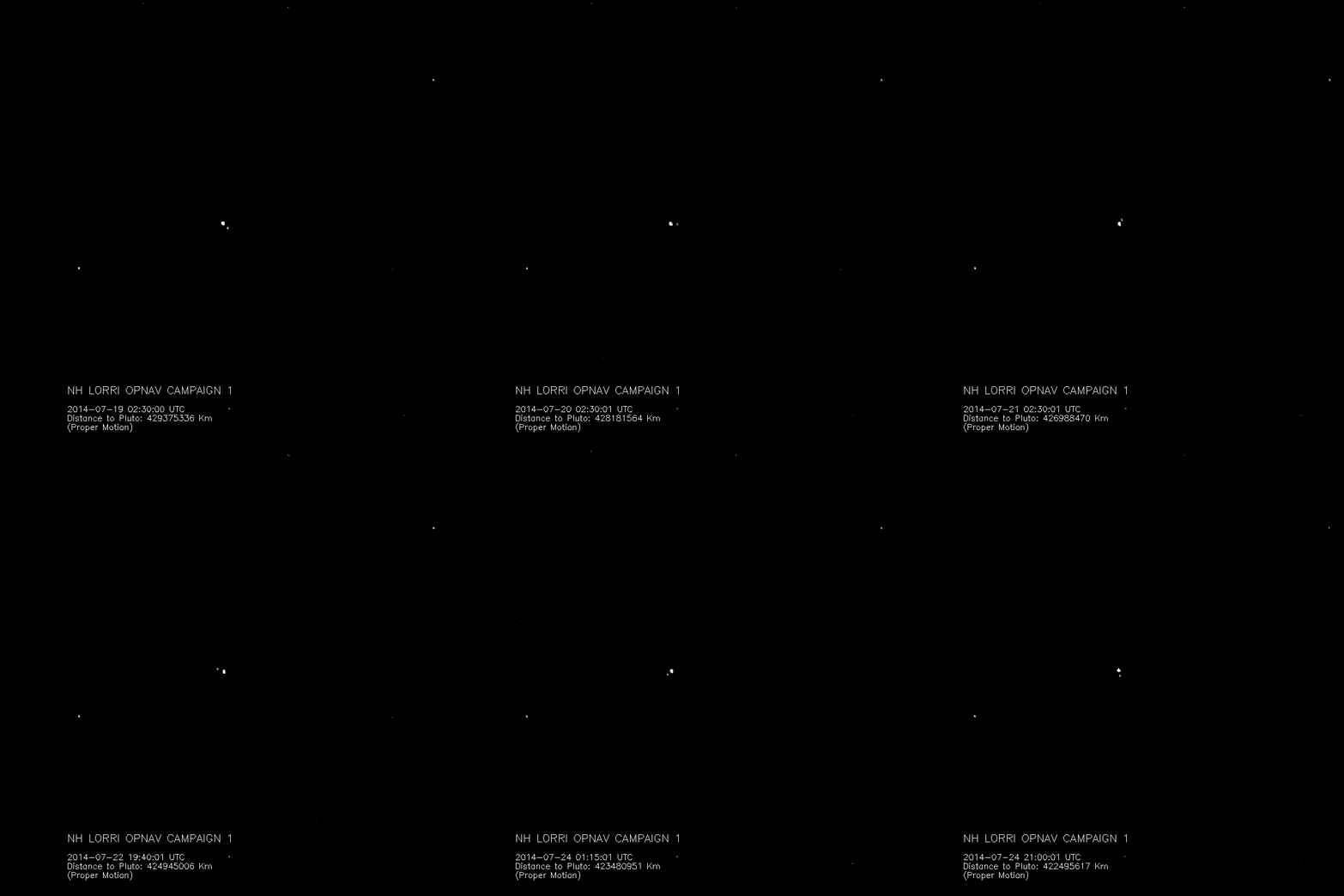
Animation of Pluto and Charon showing nearly a full rotation (Credit: NASA/Johns Hopkins University Applied Physics Laboratory/Southwest Research Institute)
via universetoday

Rosetta will teach us more about comets than we have learned in 50 years

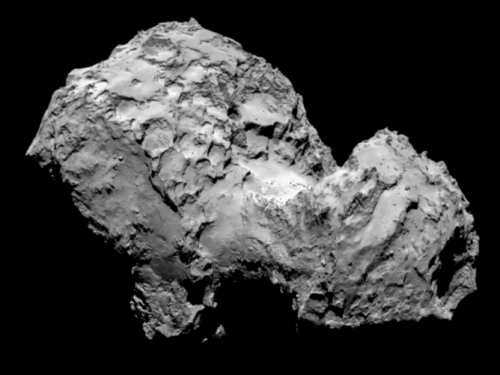
Do you see a duck?  On August 6, millions of miles away from Earth, the firing of a rocket thruster signalled the end of a decade-long journey by a European spacecraft to reach its ultimate target – the 'duck' comet. (Credit: ESA/Rosetta/MPS)
Do you see a duck? On August 6, millions of miles away from Earth, the firing of a rocket thruster signalled the end of a decade-long journey by a European spacecraft to reach its ultimate target – the ‘duck’ comet. (Credit: ESA/Rosetta/MPS)
via phys
Nature’s magnifying glass: Gravitational lensing
A typical magnifying glass works by bending light (i.e. refraction) to a focus point, in this case your eye. In a similar way, gravitational lensing also works by bending light, but in this case it is mass from another galaxy bending the light. This galaxy that extends far into space causes light rays passing near and through its gravitational field to bend and again refocus onto a particular location. The more massive and dense the matter, the more bending and refracting. (Credit: Flickr, Hubble Heritage)
via united-academics

Cassini prepares for its biggest remaining burn

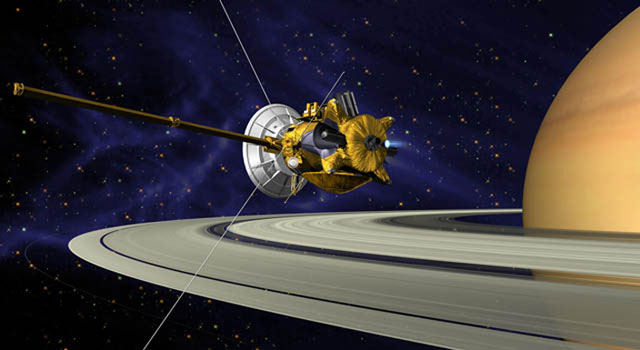
This is an artists concept of Cassini during the Saturn Orbit Insertion (SOI) maneuver, just after the main engine has begun firing. (Credit: NASA/JPL)
via phys