Physics in the News

Monday, July 21, 2014

Astronauts testing free-flying “housekeeper” robots
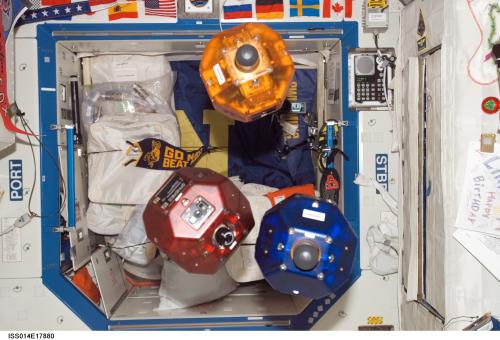
Three satellites fly in formation as part of the Synchronized Position Hold, Engage, Reorient, Experimental Satellites (SPHERES) investigation. This image was taken during Expedition 14 in the Destiny laboratory module. (Credit: NASA)
via phys.org

Rare photos reveal fascinating views of the Apollo 11 moon landing
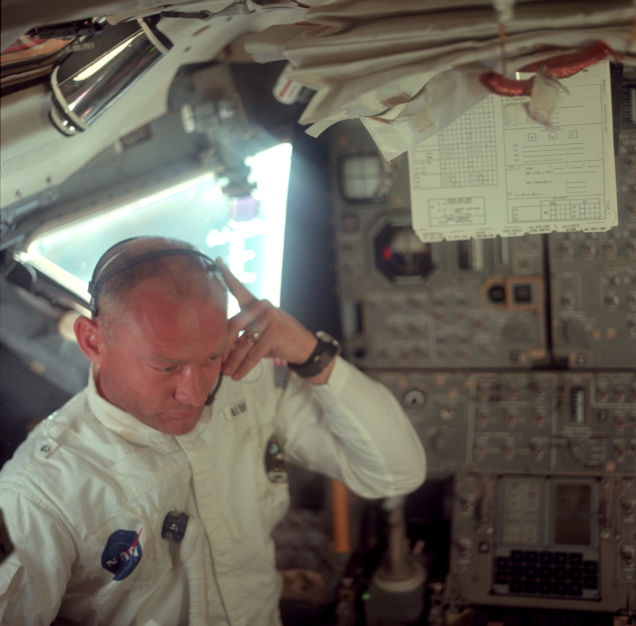
Buzz Aldrin listening to mission control transmission during translunar coast NASA/Project Apollo Archive
Buzz Aldrin listening to mission control transmission during translunar coast. (Credit: NASA/Project Apollo Archive)
via gizmodo

New noble gas cage for extracting radioactive elements from air and water
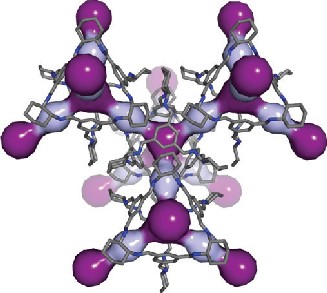
In this computer simulation, light and dark purple highlight the cavities within the 3D pore structure of CC3. (Credit: Nature Materials 2014)
via news.liv

Physicists succeed in revealing the scaling behaviour of exotic giant molecules
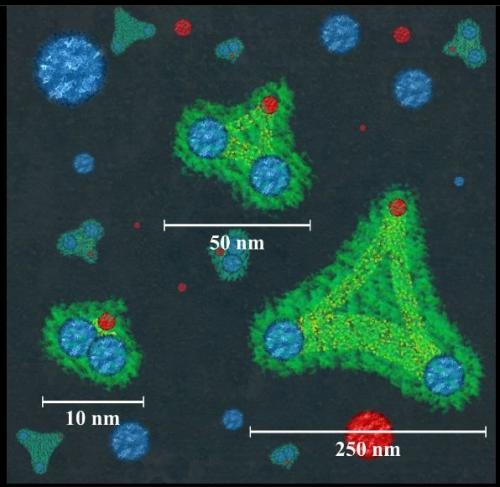
According to Efimov's prediction, bound states of three atoms can be universally described under certain conditions. The scientist found that infinitely many quantum mechanical bound states for the "ménage à trois" exist, even if two of the atoms cannot bind together. (Credit:  Heidelberg Uni.)
According to Efimov’s prediction, bound states of three atoms can be universally described under certain conditions. The scientist found that infinitely many quantum mechanical bound states for the “ménage à trois” exist, even if two of the atoms cannot bind together. (Credit: Heidelberg Uni.)
via phys.org

Vast rock arches sculpt themselves out of sand
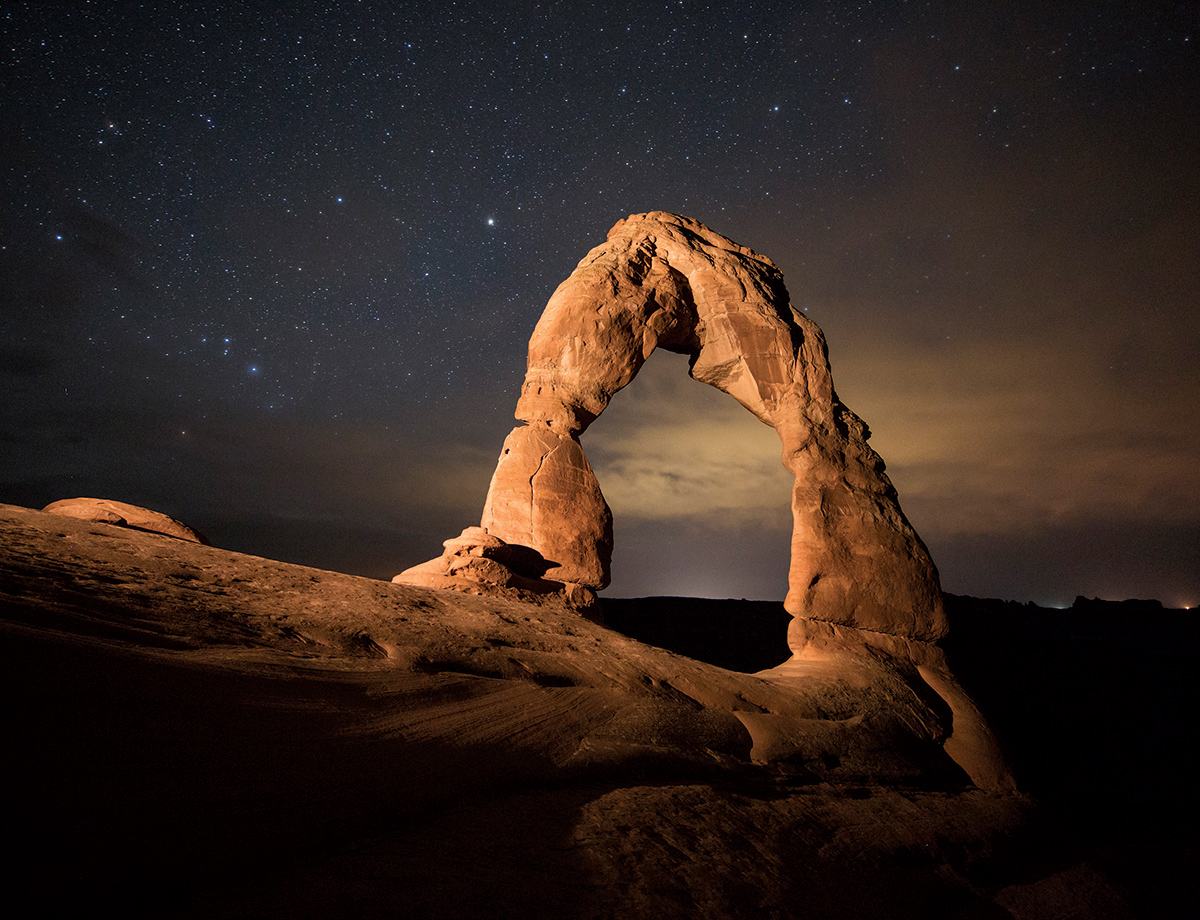
Delicate Arch and many other gigantic arches in the US are made of the stuff. It is a "locked sand", whose angular grains can catch on each other.(Credit: Brad Goldpaint/Aurora Open/Corbis)
Delicate Arch and many other gigantic arches in the US are made of the stuff. It is a “locked sand”, whose angular grains can catch on each other.(Credit: Brad Goldpaint/Aurora Open/Corbis)
via newscientist

Researchers watched electrons jumping between fragments of exploding molecules
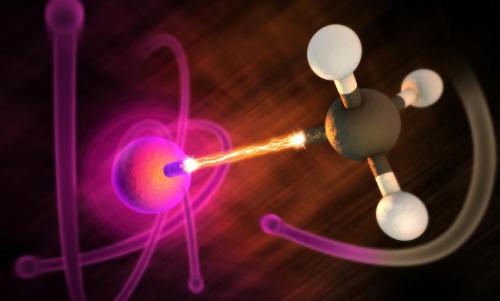
An artistic view of the electron transfer inside an iodomethane molecule. After the interaction with an ultrafast X-ray laser, the electrons from the methyl group, on the right, jump to the iodine atom, on the left. (Credit: SLAC National Accelerator Laboratory)
An artistic view of the electron transfer inside an iodomethane molecule. After the interaction with an ultra fast X-ray laser, the electrons from the methyl group, on the right, jump to the iodine atom, on the left. (Credit: SLAC National Accelerator Laboratory)
via azoquantum

Physics in the News

Wednesday, July 16, 2014

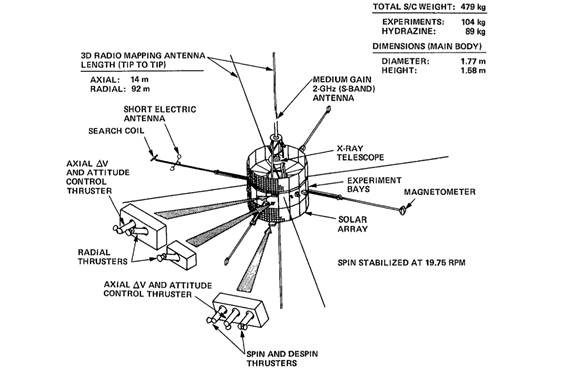
Breaking news on the ISEE-3 mission: It may not be lost – it’s those “O” rings again

High temperatures expanding the seal material could have either impeded the flow, or have precluded the latch valve from opening even with the microswitch indicated to telemetry that the valve was open.
High temperatures expanding the seal material could have either impeded the flow, or have precluded the latch valve from opening even with the microswitch indicated to telemetry that the valve was open. (Credit: Farquhar, R, Muhonen, D, Church, L, Curtis, M.S)
via wattsupwiththat

Deep-space radio waves ‘heard’ at opposite points on Earth(VIDEO)

via mcgill

New data shows Earth’s magnetic field is weakening fast(VIDEO)

via weather.com

Happy birthday, Matt Bunting!  Dmitri hexapod creator

via robotshop


Physicists detect process even rarer than the long-sought Higgs particle

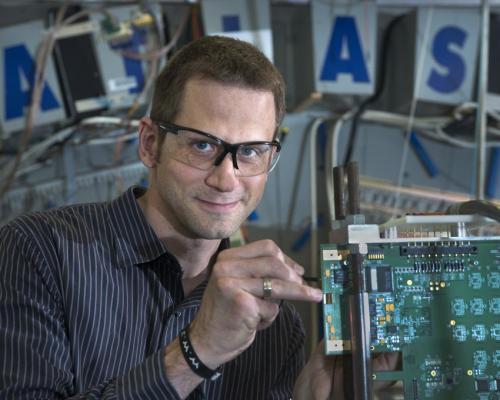
Brookhaven Lab/ATLAS physicist Marc-André Pleier adjusting detector components. (Credit: Brookhaven Lab/ATLAS)
Physicist Marc-André Pleier adjusting detector components. (Credit: Brookhaven Lab/ATLAS)
via bnl

Huge Meteorite on Mars Discovered by NASA’s Curiosity Rover

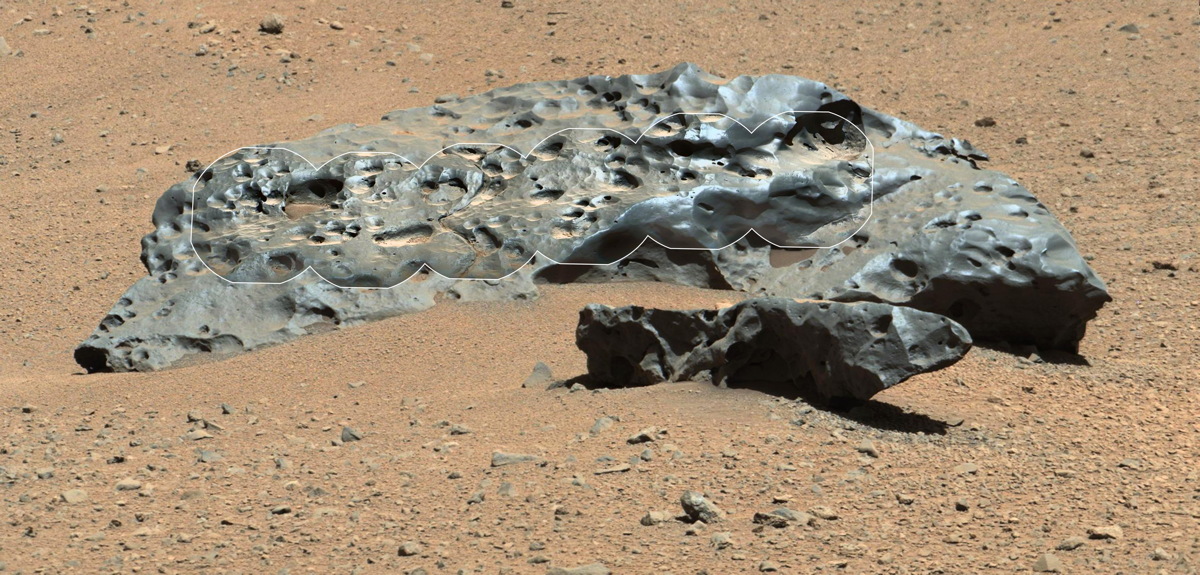
This photo by NASA's Curiosity Mars rover shows the huge iron meteorite "Lebanon" (7 feet wide) and its smaller companion "Lebanon B." The two meteorites were found by Curiosity on May 25, 2014. The circular insets are more detailed views by Curiosity's Chem-Cam instrument overlaid on an image by the rover's Remote Micro-Imager. (Credit: NASA/JPL-Caltech/LANL/CNES/IRAP/LPGNantes/CNRS/IAS/MSSS)
This photo by NASA’s Curiosity Mars rover shows the huge iron meteorite “Lebanon” (7 feet wide) and its smaller companion “Lebanon B.” The two meteorites were found by Curiosity on May 25, 2014. The circular insets are more detailed views by Curiosity’s Chem-Cam instrument overlaid on an image by the rover’s Remote Micro-Imager.
(Credit: NASA/JPL-Caltech/LANL/CNES/IRAP/LPGNantes/CNRS/IAS/MSSS)
via space.com

Single hotspot may be the source of many ultrahigh-energy cosmic rays

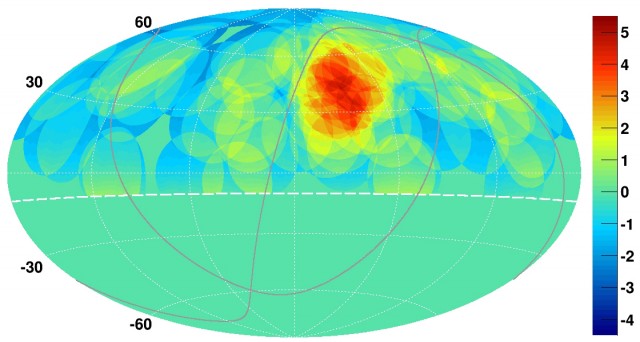
The hotspot map for ultrahigh-energy cosmic rays. (Credit: Telescope Array)
via arstechnica

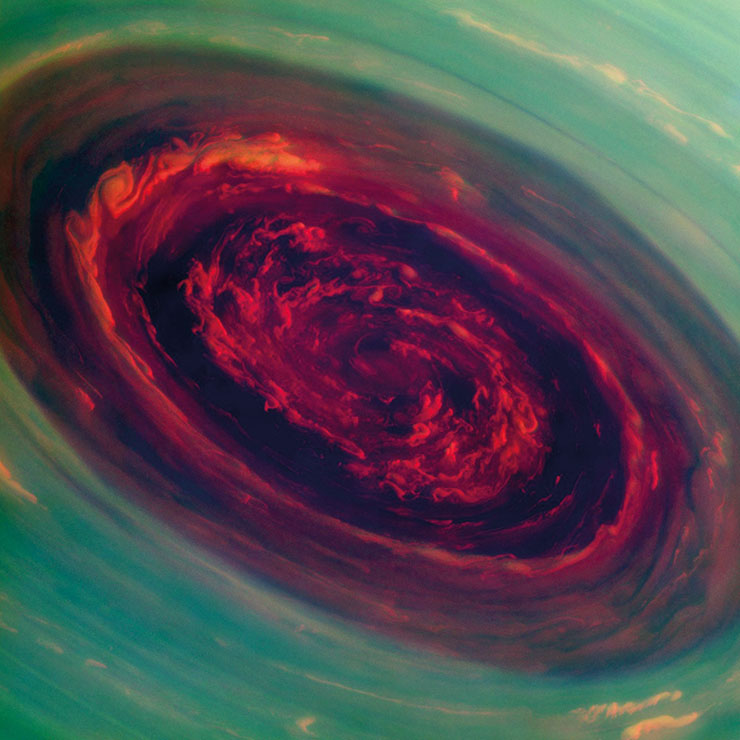
Cassini spacecraft’s new look at Saturn’s colossal hexagon storm

(Credit: NASA/JPL-Caltech/SSI)
The clear central eye of the storm is about 2000 km across – ten times the typical size on Earth – and clouds at the outer edge of the hurricane on Saturn are moving at more than 500 kph – rather faster than on Earth. (Credit: NASA/JPL-Caltech/SSI)
via dailygalaxy

Large number of dark matter peaks found using gravitational lensing

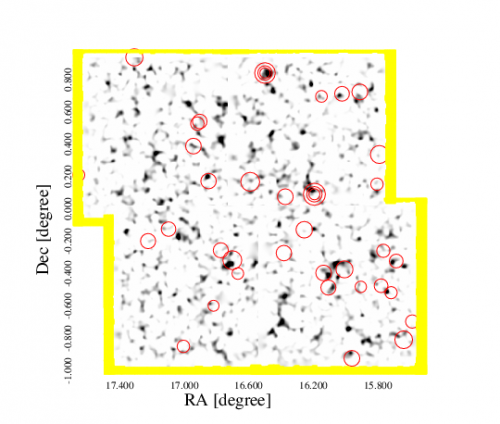
This map shows the distribution of dark matter (black) in the Universe, overlapping with optical measured clusters of galaxies (red circles). The mass peaks in the map contain significant cosmological information, will provide us with an improved understanding about the dark side of the Universe. The size of this map is about 4 square degrees corresponding to only 2.5% of the full CS82 survey footprint shown in the next figure. (Credit: CS82, SDSS)
via phys.org

Scientists Believe There May Be An Ancient Earth Older Than The Moon Inside Earth

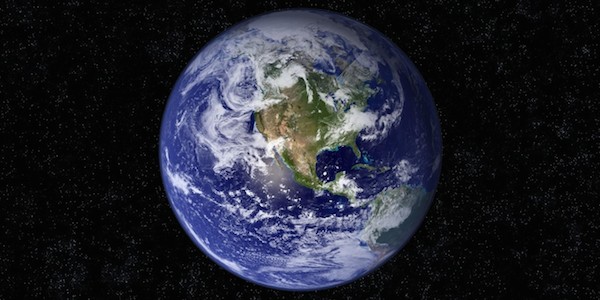
(Credit: NASA)
(Credit: NASA)
via elitedaily

Physics in the News

Thursday, July 10, 2014

Comet Pan-STARRS Makes Stunning ‘Galactic Flyby'(VIDEO)

via discovery

NASA 3D prints a model of light-year-long Eta Carinae nebula

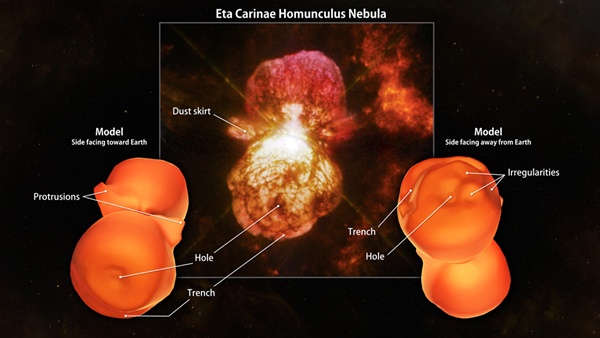
A new shape model of the Homunculus Nebula reveals protrusions, trenches, holes and irregularities in its molecular hydrogen emission. The protrusions appear near a dust skirt seen at the nebula's center in visible light (inset) but not found in this study, so they constitute different structures. (Credit: NASA Goddard, ESA, Hubble SM4 ERO Team)
A new shape model of the Homunculus Nebula reveals protrusions, trenches, holes and irregularities in its molecular hydrogen emission. The protrusions appear near a dust skirt seen at the nebula’s center in visible light (inset) but not found in this study, so they constitute different structures. (Credit: NASA Goddard, ESA, Hubble SM4 ERO Team)
via astronomy.com

Bid to ‘reboot’ aging NASA satellite is scuttled as fuel system fails

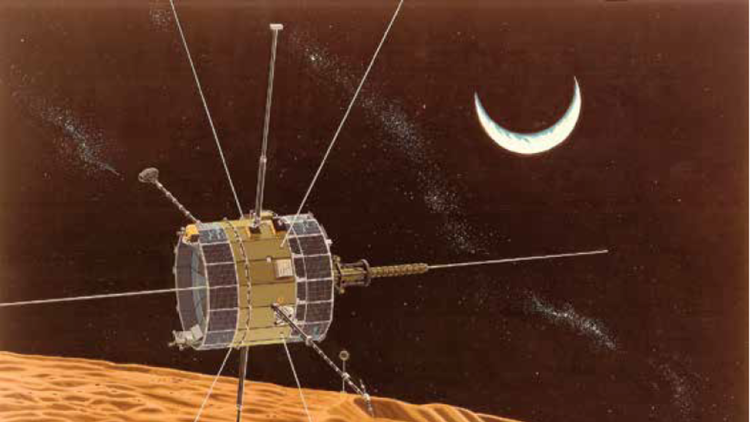
Engineers failed to resolve fuel system problems on NASA's retired ISEE-3 satellite Wednesday. An artist's rendition shows the spacecraft during a close lunar pass. (Credit: NASA)
Engineers failed to resolve fuel system problems on NASA’s retired ISEE-3 satellite Wednesday. An artist’s rendition shows the spacecraft during a close lunar pass. (Credit: NASA)

via latimes

MESSENGER and STEREO measurements open window into high-energy processes on the Sun

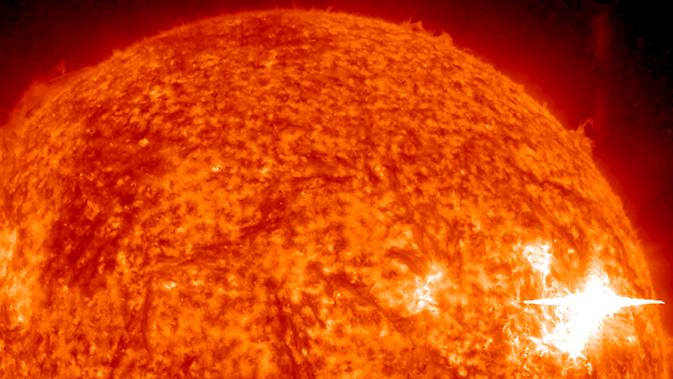
A solar flare erupted on the far side of the sun on June 4, 2011, and sent solar neutrons out into space. Solar neutrons don't make it to all the way to Earth, but NASA's MESSENGER, orbiting Mercury, found strong evidence for the neutrons, offering a new technique to study these giant explosions. (Credit: NASA/STEREO/Helioviewer)
A solar flare erupted on the far side of the sun on June 4, 2011, and sent solar neutrons out into space. Solar neutrons don’t make it to all the way to Earth, but NASA’s MESSENGER, orbiting Mercury, found strong evidence for the neutrons, offering a new technique to study these giant explosions. (Credit: NASA/STEREO/Helioviewer)
via nasa

Space Probe Might Lack Nitrogen to Push It Home

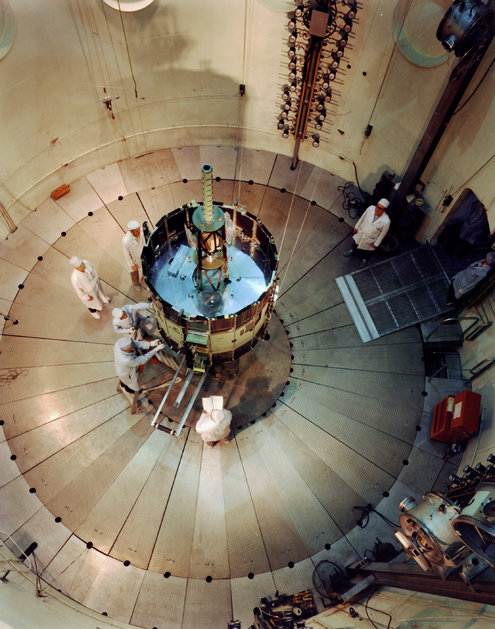
 The International Sun-Earth Explorer-3 at NASA’s Goddard Space Flight Center before its launch. (Credit NASA)
The International Sun-Earth Explorer-3 at NASA’s Goddard Space Flight Center before its launch. (Credit NASA)
via nytimes

Saturn Probe Ready for Its “Grand Finale”

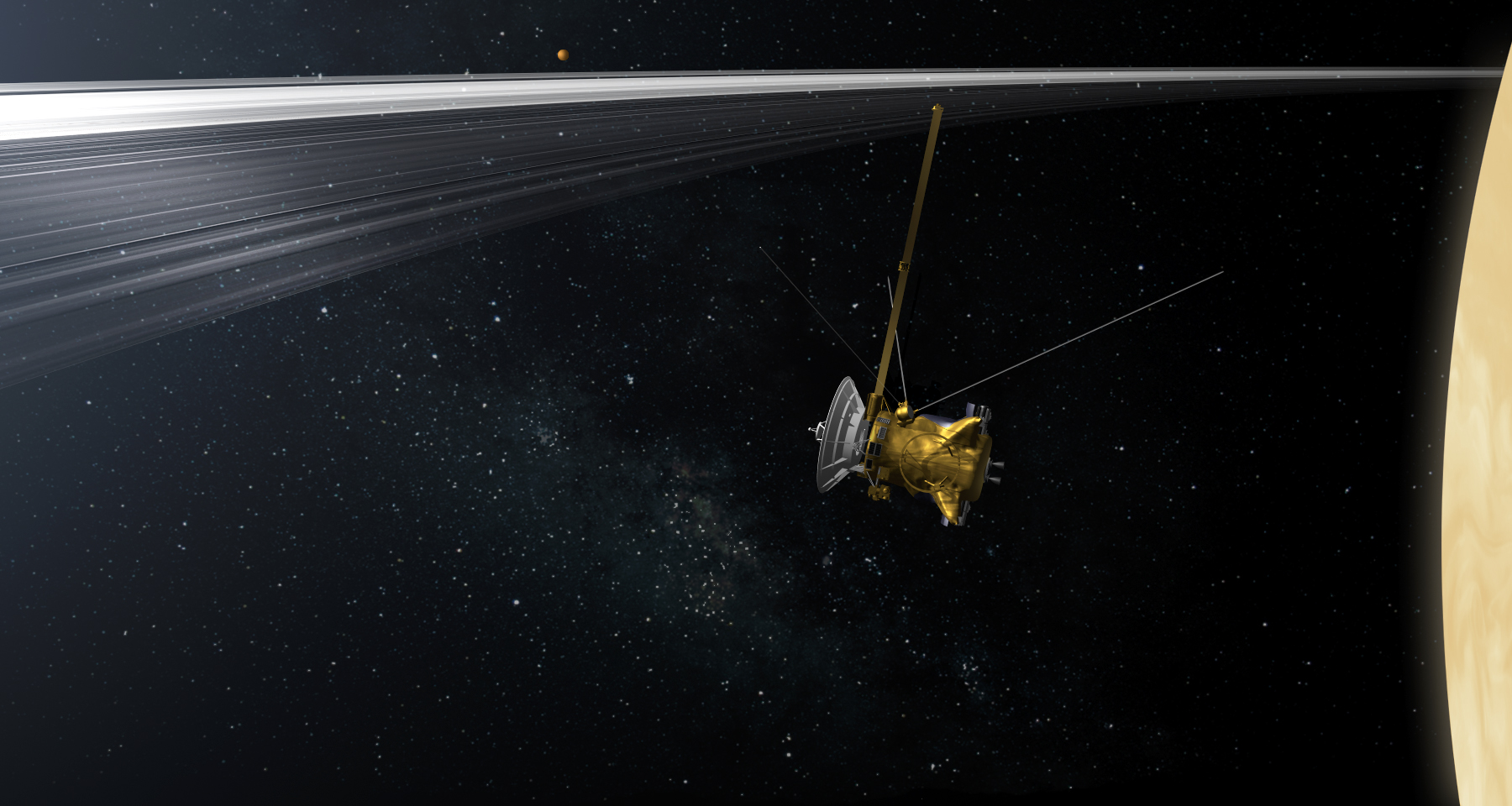
Cassini will end its historic mission with 22 breathtaking loops passing through the gap between Saturn and its innermost ring. (Credit: NASA)
via scientificamerican

Singing Solar Shockwave Confirms Voyager Is In Interstellar Space

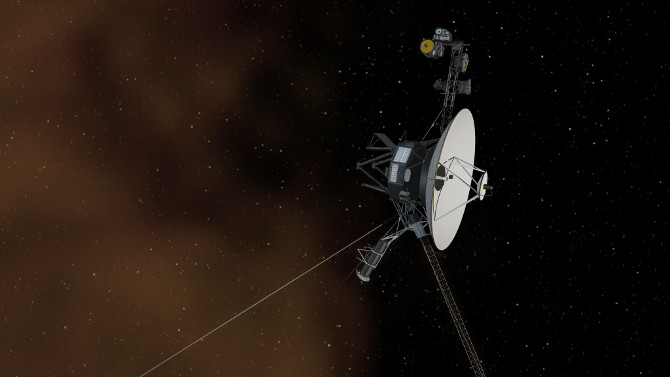
This artist’s concept shows the Voyager 1 spacecraft entering the space between stars. Interstellar space is dominated by plasma, ionized gas (illustrated here as brownish haze), that was thrown off by giant stars millions of years ago. (Credit: NASA/JPL-Caltech)
via forbes

Astronomers invite worldwide public to help name exoplanets and their stars

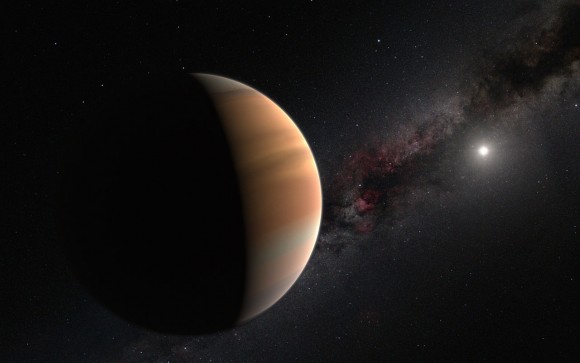
Artist’s impression of a distant exoplanet – planet beyond our solar system – orbiting its star. (Credit: IAU)
via earthsky

Universe’s missing photons baffle scientists

There's just not enough of them to account for interstellar light, say researchers. (Credit: NASA/ESA
There’s just not enough of them to account for interstellar light, say researchers. (Credit: NASA/ESA)
via cnet

Physics in the News

Tuesday, July 7, 2014

Europe targets black holes with next big space mission

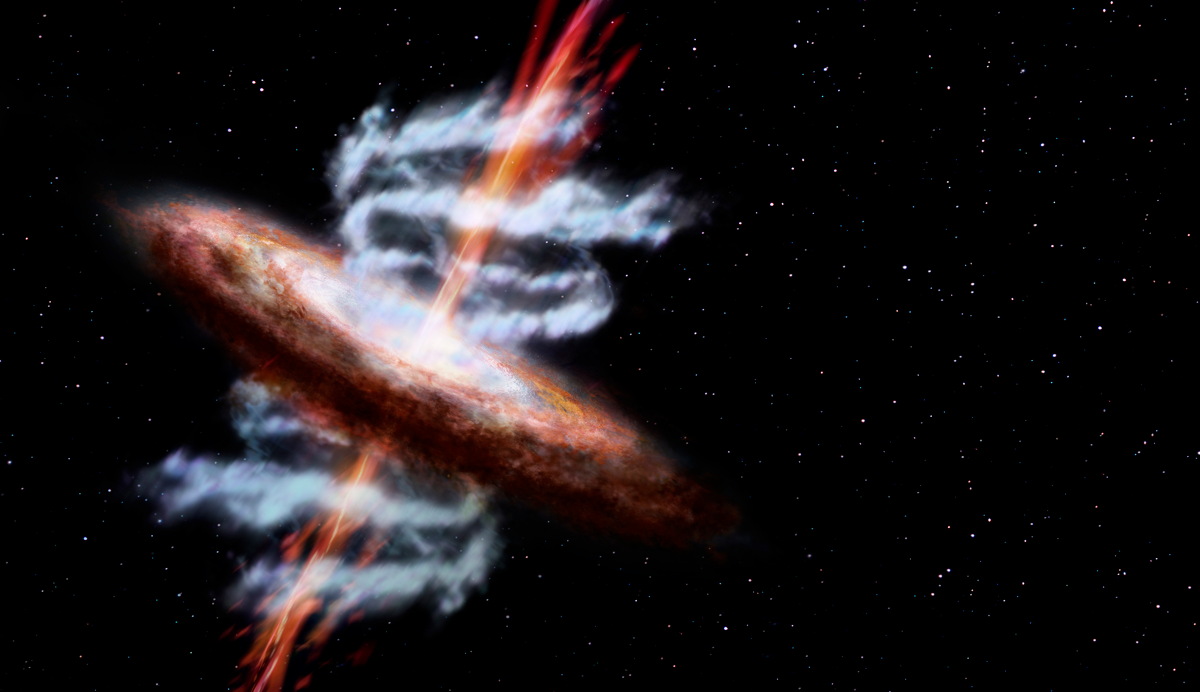
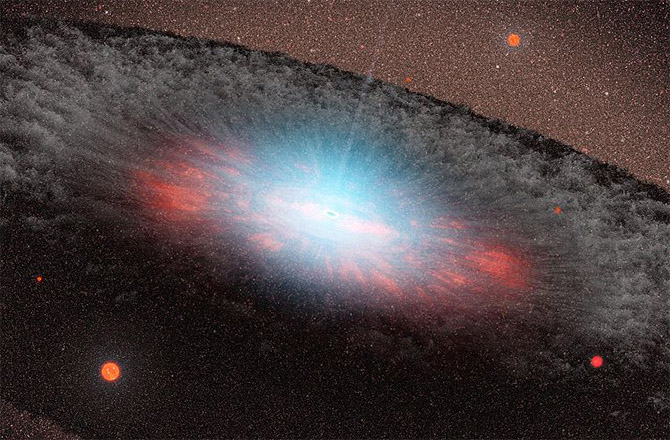
This artist’s impression shows a galaxy releasing material via two strong jets (shown here in red/orange), as well as through wide-angle outflows (shown in gray/blue). The black hole at the galaxy’s center drives both jets and outflows. (Credit: ESA/AOES Medialab)
via space.com

Era of astronomical discovery: MIT professor helps detect gravitational waves

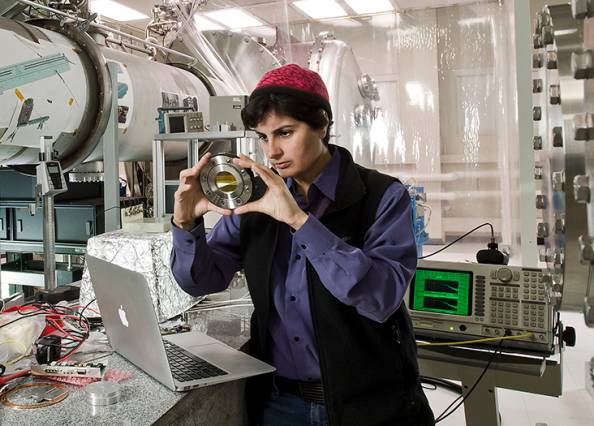
Nergis Mavalvala (pictured) aims to detect elusive gravitational waves. (Credit: Len Rubenstein)
via MIT

Reinterpreting dark matter

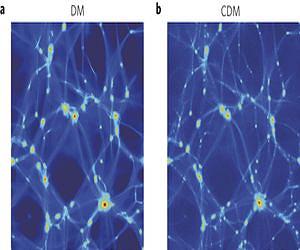
This figure shows that a comparison of the distribution of matter is very similar on a large scale between wave dark matter, the focus of this research, and the usual dark matter particle. (Credit: UPV/EHU)
via spacedaily

Droplets and pilot waves vs quantum mechanics

The story is that Bush et al. at MIT did some playful experiments with droplets and the conclusion is supposed to be that this strengthens the case for de Broglie’s pilot wave theory. (Credit: Motl)

via motls

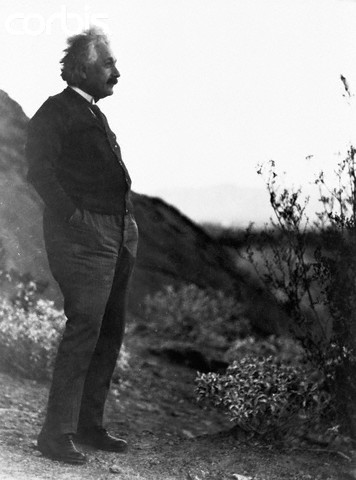
Don’t Blame Einstein!

Albert Einstein Standing Alone in Palm Springs Desert
via mysteriousuniverse

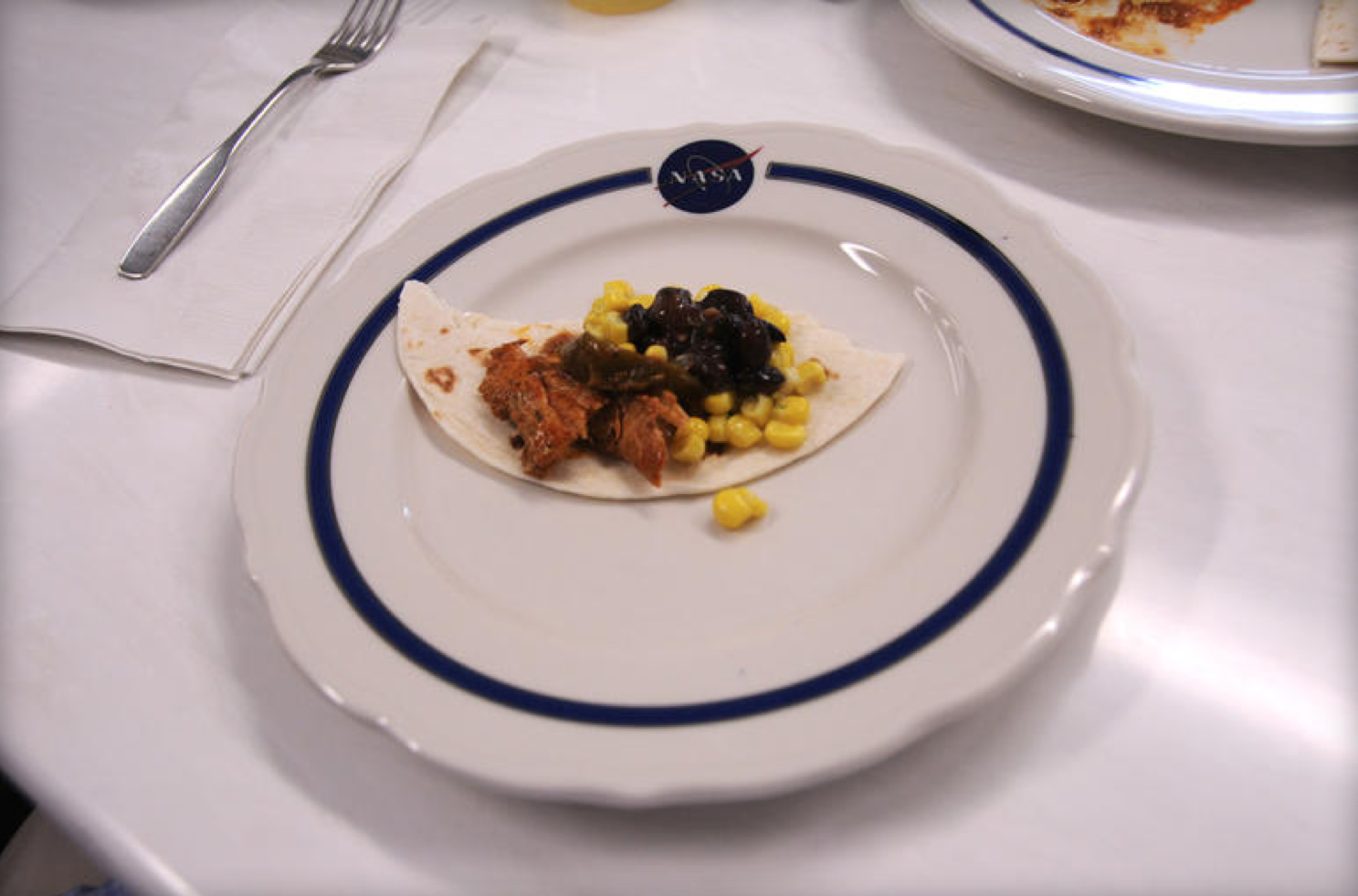
How NASA reinvented the tortilla, and other tales of food in space

A sample meal demonstrates what NASA astronauts might eat aboard the International Space Station. (Credit: Daniel Terdiman/CNET)


via cnet.com

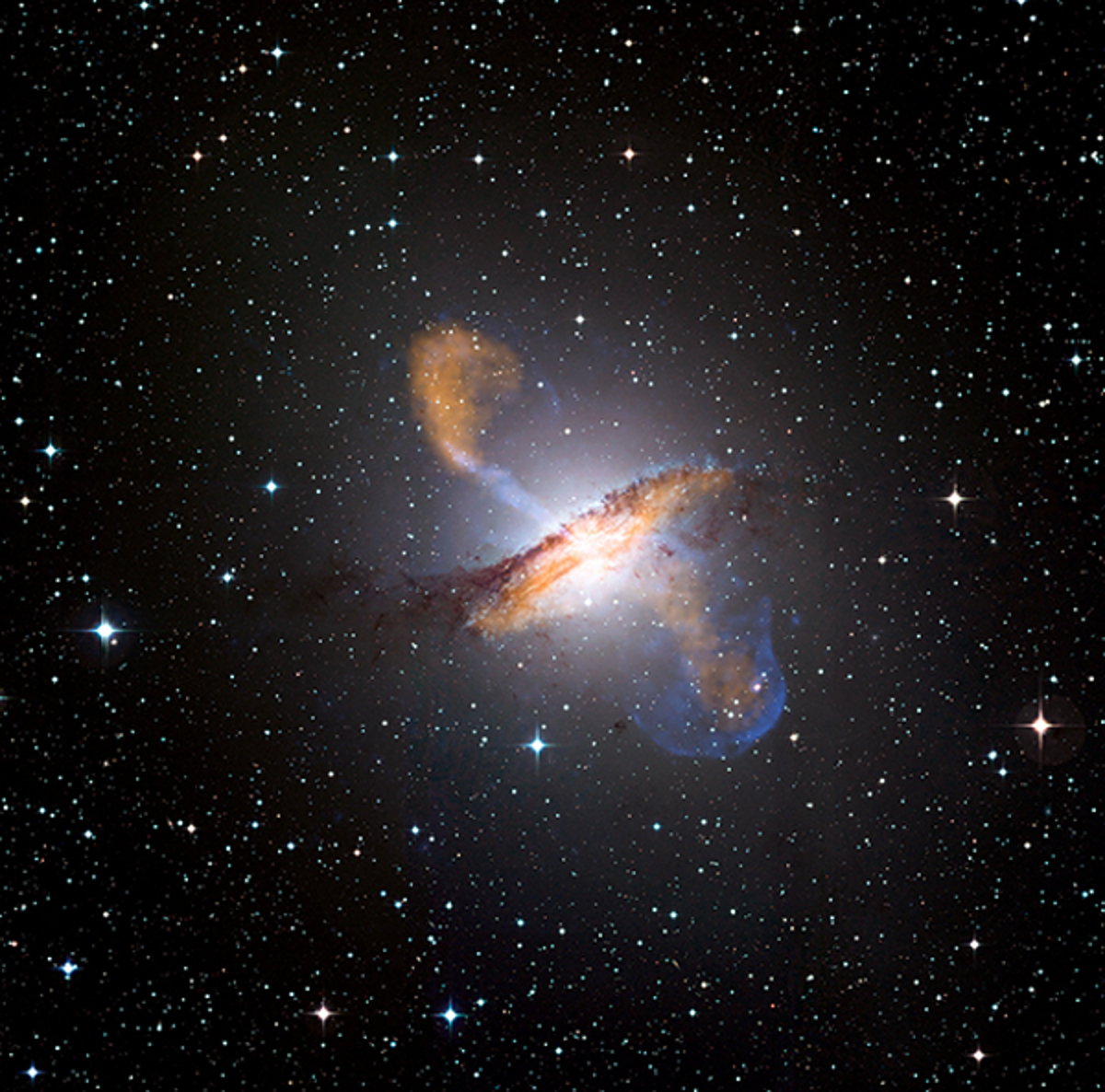
Supermassive Black Hole Jet Mystery Solved

One of the most enduring mysteries behind the dynamics of supermassive black holes, and their impacts on galactic evolution, has been uncovered by an international team of astrophysicists. (Credit: NASA)


via discovery

Physics in the News

Saturday, July 5, 2014

Searching for Earth-like planets: Newly spotted frozen world orbits in a binary star system

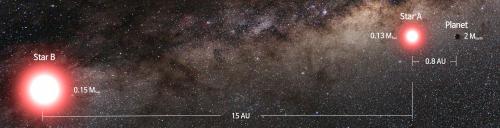
This artist's rendering shows a newly discovered planet (far right) orbiting one star (right) of a binary star system. The discovery, made by a collaboration of international research teams and led by researchers at The Ohio State University, expands astronomers' notions of where to look for planets in our galaxy. (Credit: Cheongho Han, Chungbuk National University, Republic of Korea.)
This artist’s rendering shows a newly discovered planet (far right) orbiting one star (right) of a binary star system. The discovery, made by a collaboration of international research teams and led by researchers at The Ohio State University, expands astronomers’ notions of where to look for planets in our galaxy. (Credit: Cheongho Han, Chungbuk National University, Republic of Korea.)
via phys.org

The Big Picture: NASA flies massive SOFIA telescope to the stratosphere

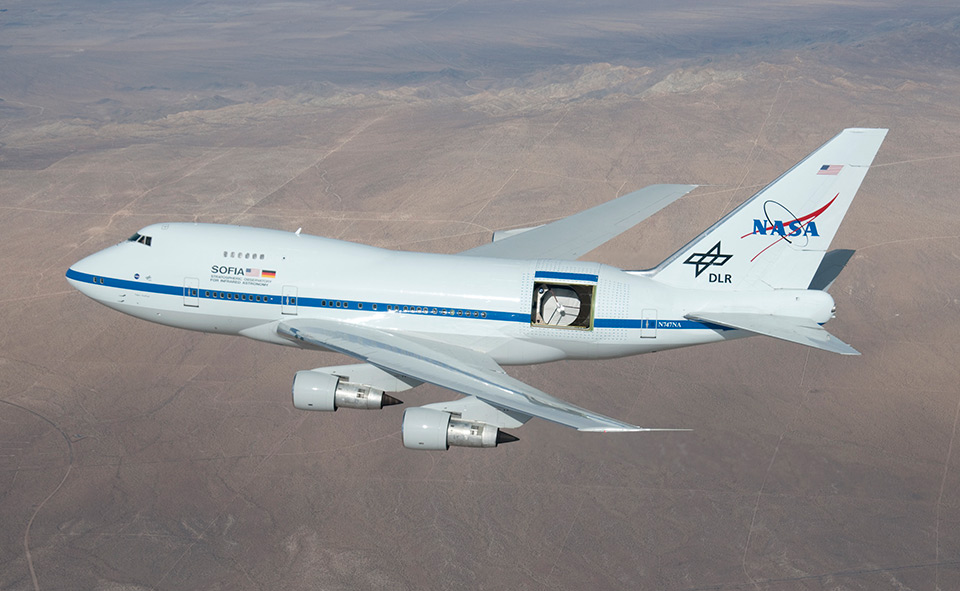
By sticking a 17-ton telescope into a Boeing 747, you can launch it up to 45,000 feet and get past 99 percent of our atmosphere's water vapor
By sticking a 17-ton telescope into a Boeing 747, you can launch it up to 45,000 feet and get past 99 percent of our atmosphere’s water vapor. (Credit: NASA)

via engadget

NASA’s Cassini Spacecraft To Go Out With A Bang

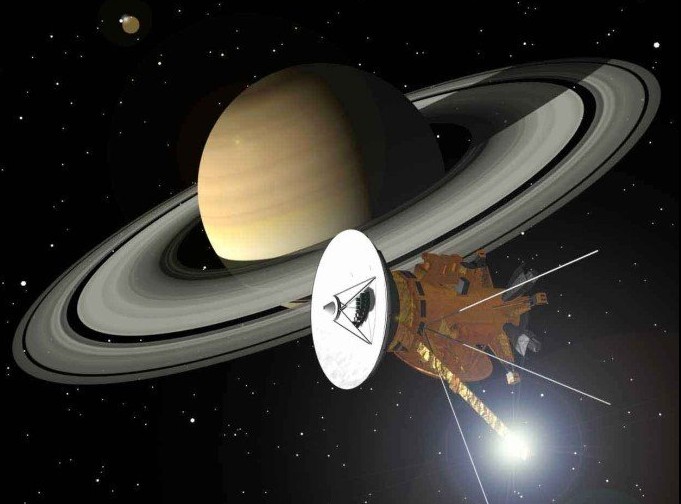
Cassini has uncovered a trove of exciting scientific information by discovering new moons of Saturn, exploring the jetting geysers of Enceladus, and studying the bizarre polar hexagon at Saturn’s north pole. (Credit: NASA)

via davidreneke


Saturday Space Sight: Inside the ISS Destiny Laboratory

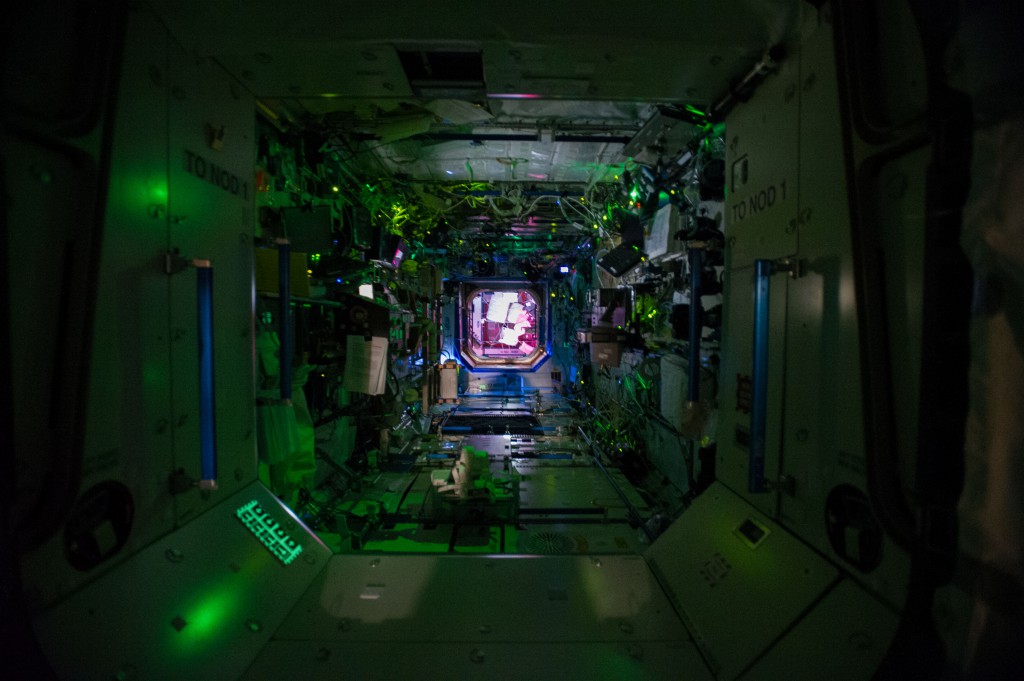
This view is looking into the Destiny Laboratory from Node 1 (Unity) with Node 2 (Harmony) in the background. Destiny is the primary research laboratory for U.S. payloads, supporting a wide range of experiments and studies. (Credit NASA)

via science.dodlive

New satellite data like an ultrasound for baby stars(VIDEO)

via phys.org

Fantastically Wrong: The Legendary Scientist Who Swore Our Planet Is Hollow

This ad should have a huge asterisk somewhere explaining that Koreshanity was a cult started by a guy who shocked himself and woke up thinking he was Jesus.
This ad should have a huge asterisk somewhere explaining that Koreshanity was a cult started by a guy who shocked himself and woke up thinking he was Jesus.(Credit: Wired)
via wired

NJ Night Sky: Moon cruises past Mars and Saturn; plus a new Super-Earth?

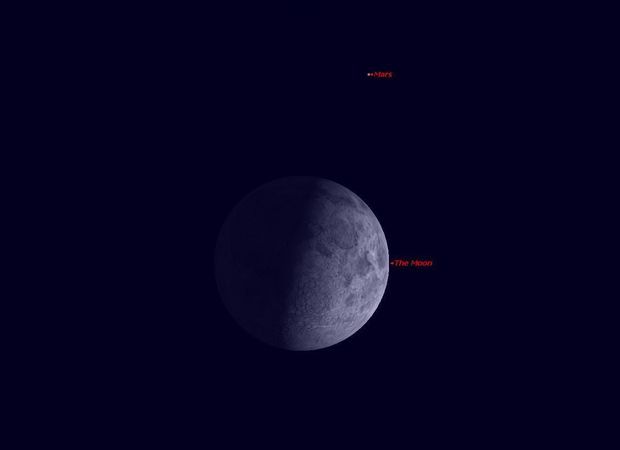
The Moon is near Mars tonight. (Credit:Starrynight.com)
via nj.com