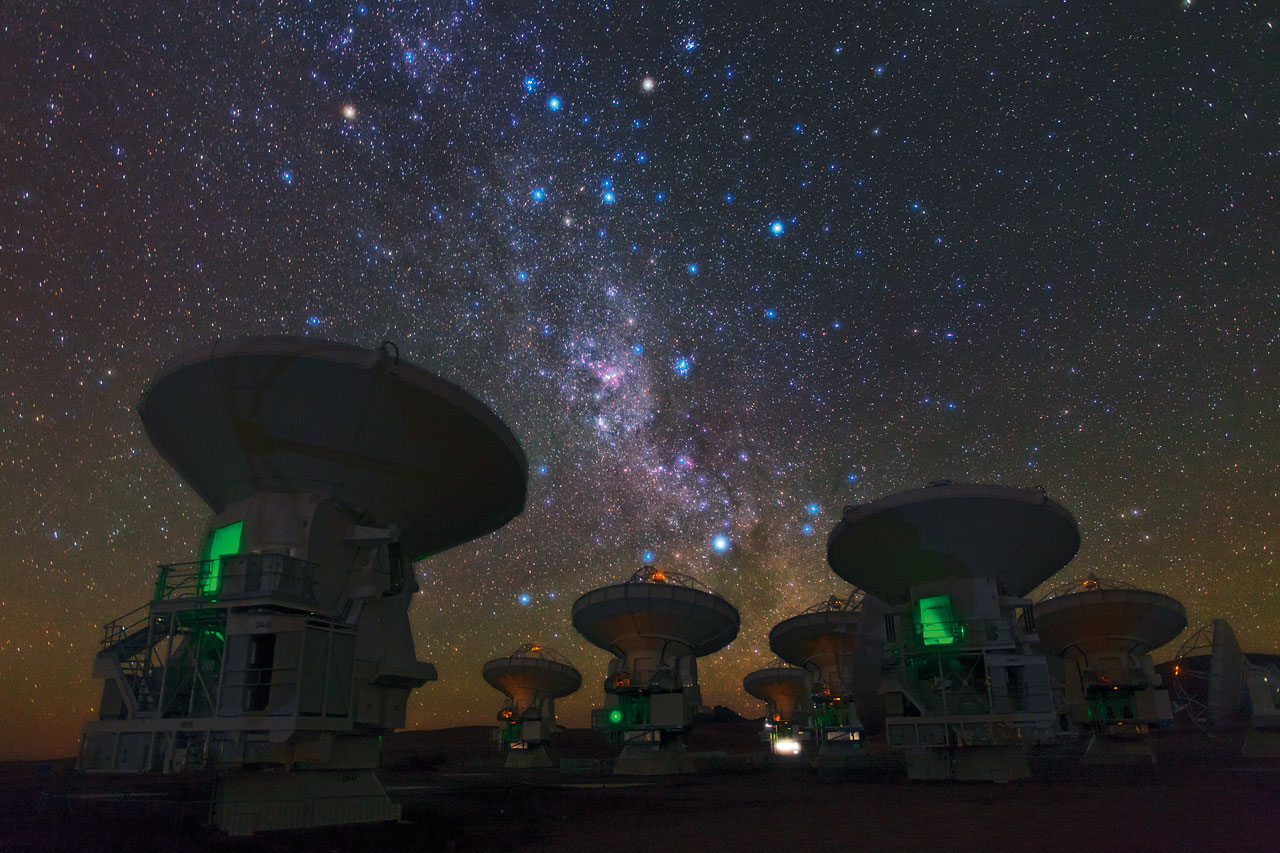
Dark matter and dark energy continue to be cosmological conundrum for physicists worldwide. Nobel prize winner Brian Schmidt offers his perspective in an interview. The image shown here is of the ALMA antennas and the constellations of Carina (The Keel) and Vela (The Sails). The dark, wispy dust clouds of the Milky Way streak from middle top left to middle bottom right. (Credit: ESO, B. Tafreshi)
via sciencenordic
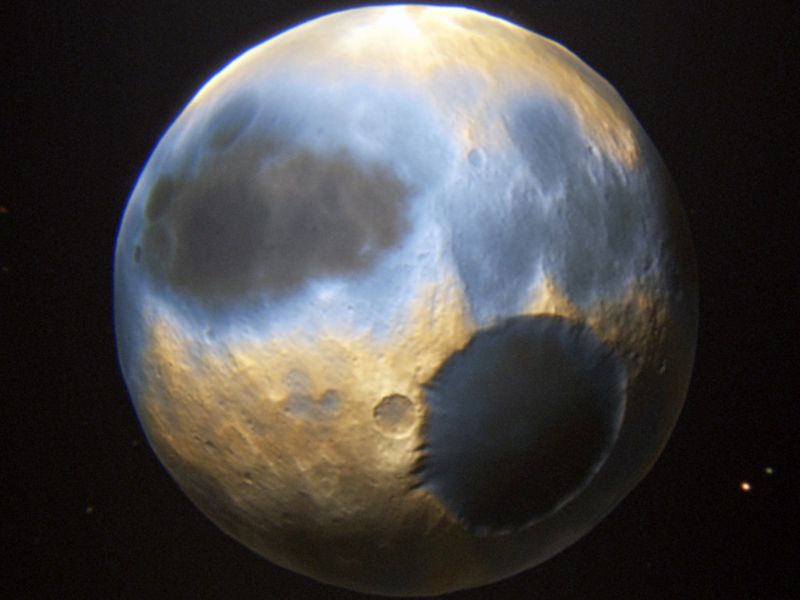
“Our model predicts different fracture patterns on the surface of Charon depending on the thickness of its surface ice, the structure of the moon’s interior and how easily it deforms, and how its orbit evolved,” said Alyssa Rhoden of NASA’s Goddard Space Flight Center. (Credit: NASA)
via dailygalaxy
Open network environments have become essential in the sciences, enabling accelerated discovery and communication of knowledge. Yet, the real revolution began when open community databases allowed researchers to build on existing contributions and compare their results to established knowledge. (Credit: King, Uhlir)
via acm
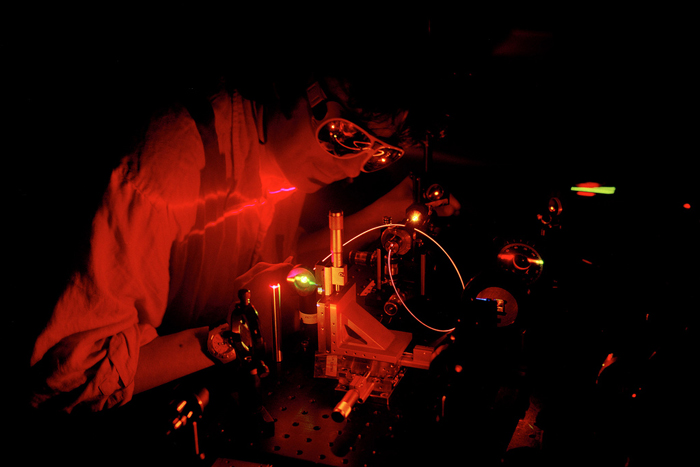
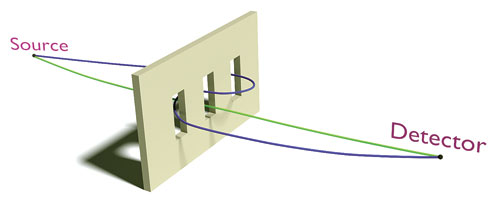
Indian physicists propose a tabletop experiment that will provide scientists their first opportunity to measure the probability that particles can move through slits in a twisted path, depicted by the purple ray. (Credit: Aninda Sinha and Urbasi Sinha)
via telegraphindia
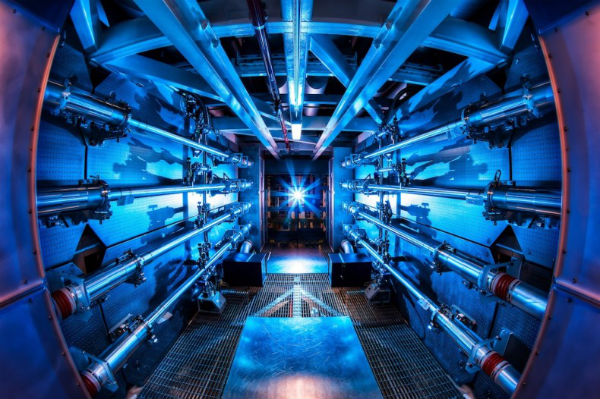
Physicists in the US have compressed a synthetic diamond to pressures of 50 million Earth atmospheres to recreate conditions in the cores of giant planets. (Credit: National Ignition Facility)
via sciencealert
. A novel class of electronic materials – the so-called transition-metal oxides – hold promise for exciting, new applications. Where layers of this novel class of electronic materials touch, often a unique, and unprecedented phenomenon occurs: for instance, the interface between two insulators can become superconducting, or a strong magnetic order can build up between two non-magnetic layers.
via phys.org
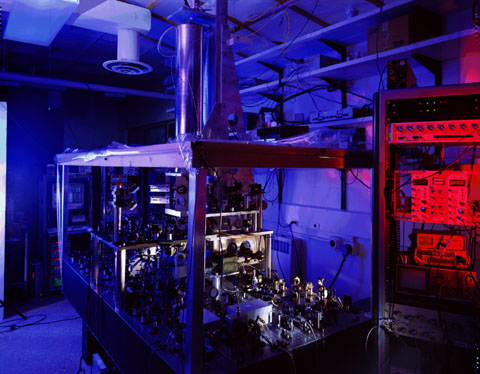
NIST-F1 contributes to the international group of atomic clocks that define Coordinated Universal Time (UTC), the official world time. Because NIST-F1 is among the most accurate clocks in the world, it makes UTC more accurate than ever before. (Credit: Time and Frequency Division of NIST’s PML)
via guardianlv
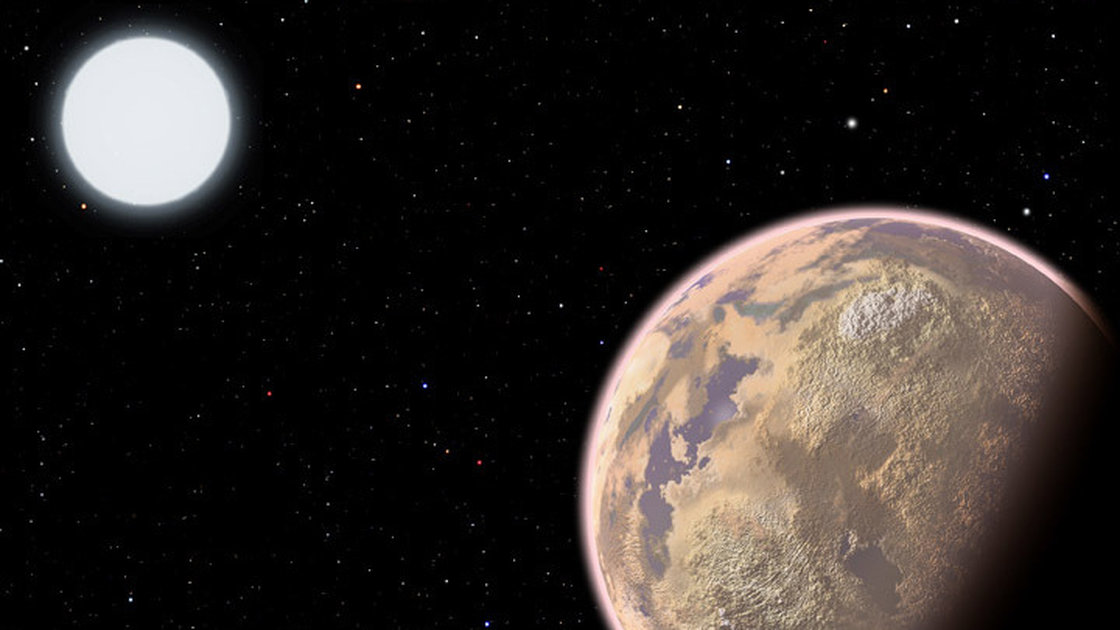
Artist’s conception of the atmosphere of an Earth-like planet displaying a brownish haze as the result of widespread pollution. (Credit: Christine Pulliam/Harvard-Smithsonian Center for Astrophysics)
via npr
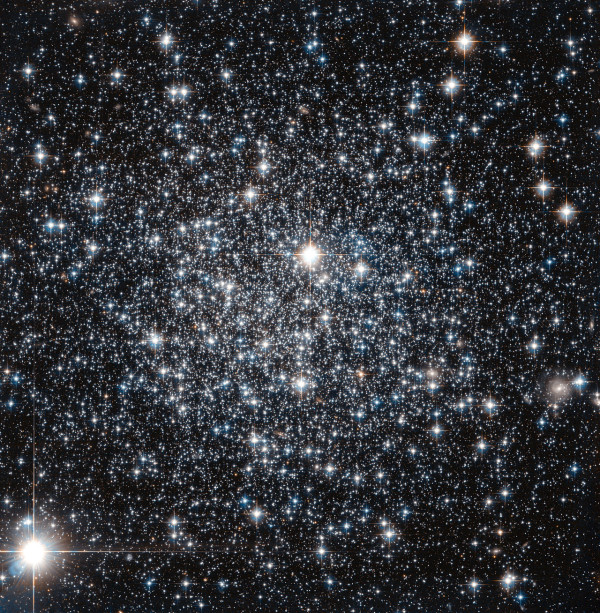
This new NASA/ESA Hubble Space Telescope image shows the globular cluster IC 4499. A cosmic archaeological dig has unfolded within a giant ball of stars some 55,000 light-years away. (Credit: NASA)
via nationalgeographic
Top: A typical set-up for squeezing injection in the first demonstrations of squeezing at GEO600 and LIGO, both using DC readout [36,37]. Bottom: Proposed design for future detectors. This design features an in-vacuum OPO. The remainder of the squeezed light source remains outside of vacuum. (Credit: E. Oelker, L. Barsotti, S. Dwyer, D. Sigg, and N. Mavalvala)
via opticsinfobase
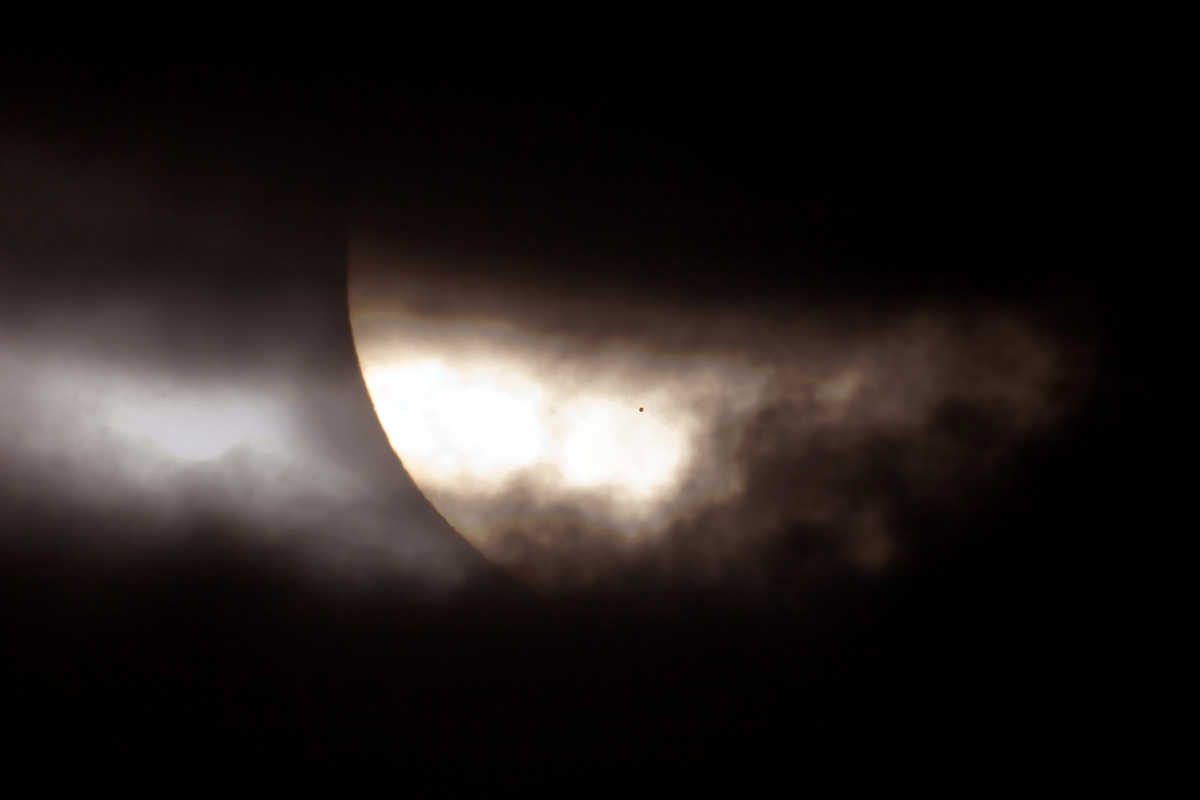
What’s that dot on the Sun? If you look closely, it is almost perfectly round. The dot is the result of an unusual type of solar eclipse that occurred in 2006. Usually it is the Earth’s Moon that eclipses the Sun. This time, the planet Mercury took a turn. (Credit: D. Cortner, NASA, K. Schmidt)
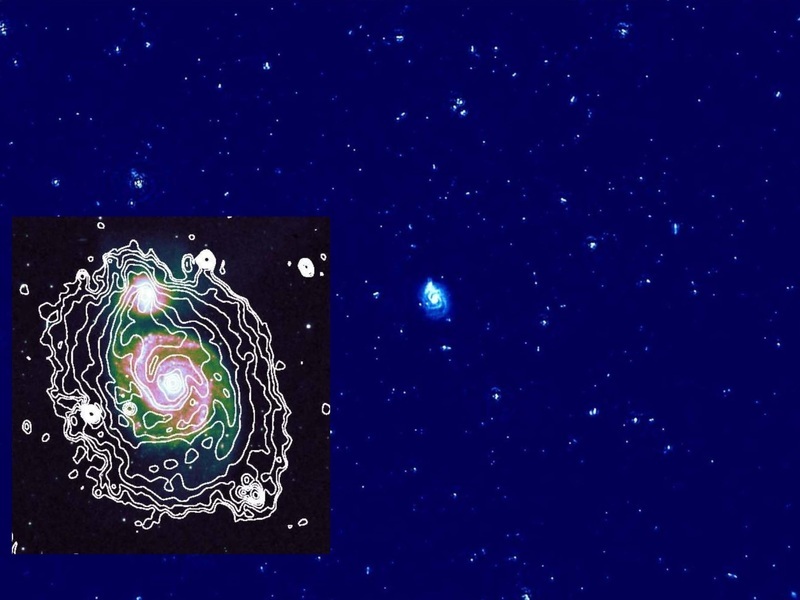
“Maybe we will see how galaxies are magnetically connected to intergalactic space. This is a key experiment in preparation for the planned Square Kilometre Array (SKA) that should tell us how cosmic magnetic fields are generated,” says Rainer Beck, lead astronomer with the Max Planck Institute.
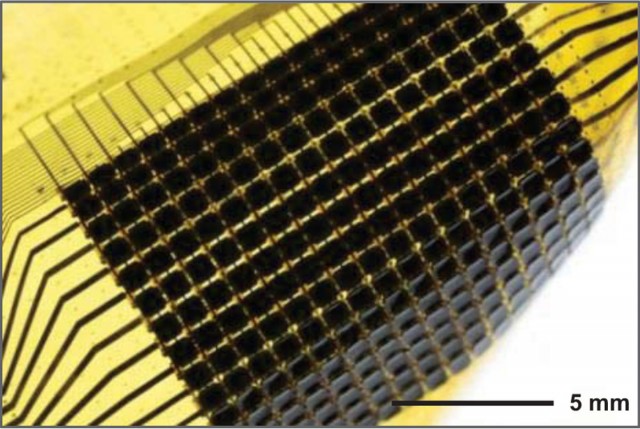
Researchers have developed a flexible structure that can sense ambient conditions and adjust its color to match them. At the moment, it only works in black and white. (Credit: PNAS, Timmer)
via arstechnica
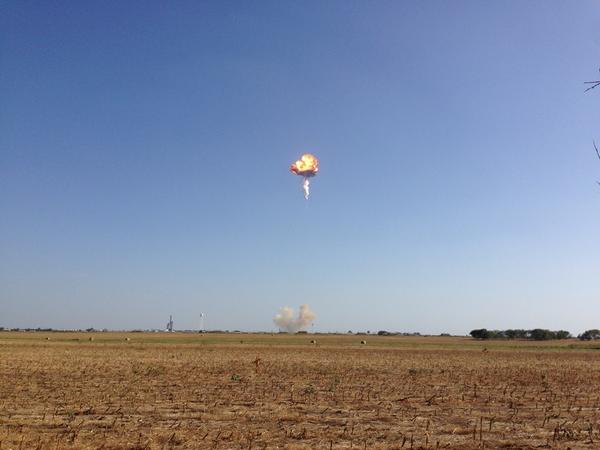
In a conversation with Mashable via Twitter, McGregor resident @EthansMommy17, who tweeted the above image of the explosion, claimed cows had been killed by debris from the explosion. She was unable to provide images or other confirmation of the affected livestock, however. (Credit: @EthansMommy17)
via mashable
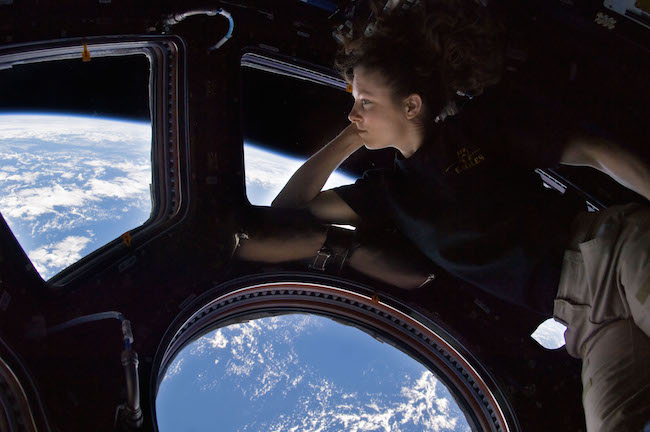
The space specialist said that the ISS surface was polluted very strongly due to operation of space engines and other factors. “We are conducting special works to polish somehow and put illuminators in order. This is particularly needed during long space flights,” Solovyev added. (Credit: Tracy Caldwell Dyson)
via forbes
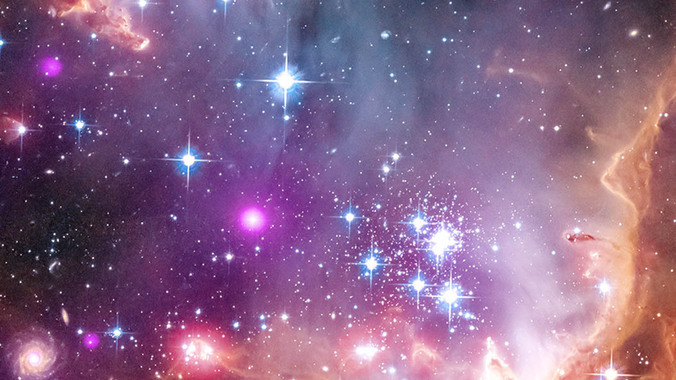
Although they are gigantic, ranging from one to a few hundred lightyears in size, the physical process that causes these nebulae to emit their own light (rather than merely reflect light from nearby stars) occurs at the atomic level. It is the same process that makes familiar florescent lights shine here on Earth. (Credit: NASA, Prozesky)
via mg
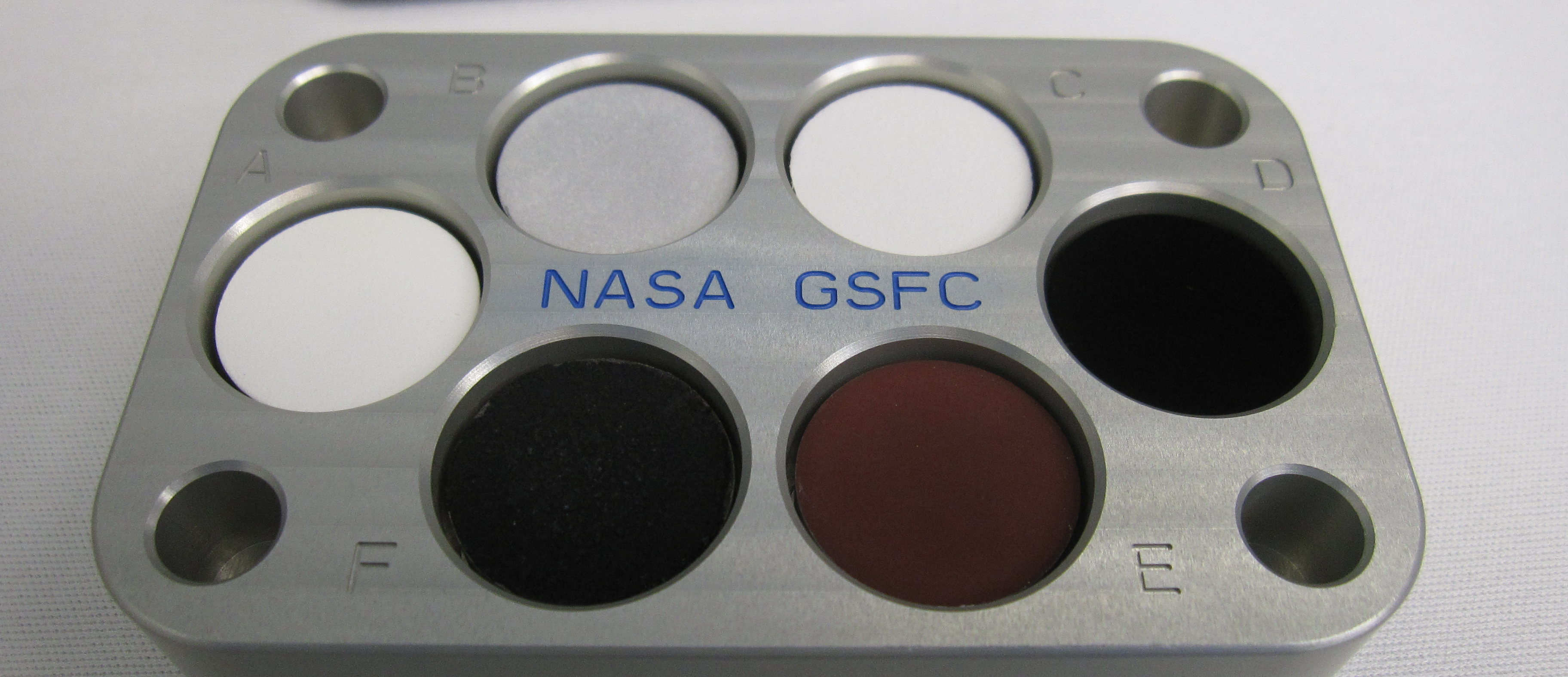
On July 29th, the the Automated Transfer Vehicle launched carrying samples of the stuff to the ISS, where it docked on August 12th. There, astronauts will conduct tests on the paint, which absorbs 99.5 percent of visible light (and 99.8 percent of longer wavelength light). (Credit: NASA, Campbell-Dollaghan)
via gizmodo
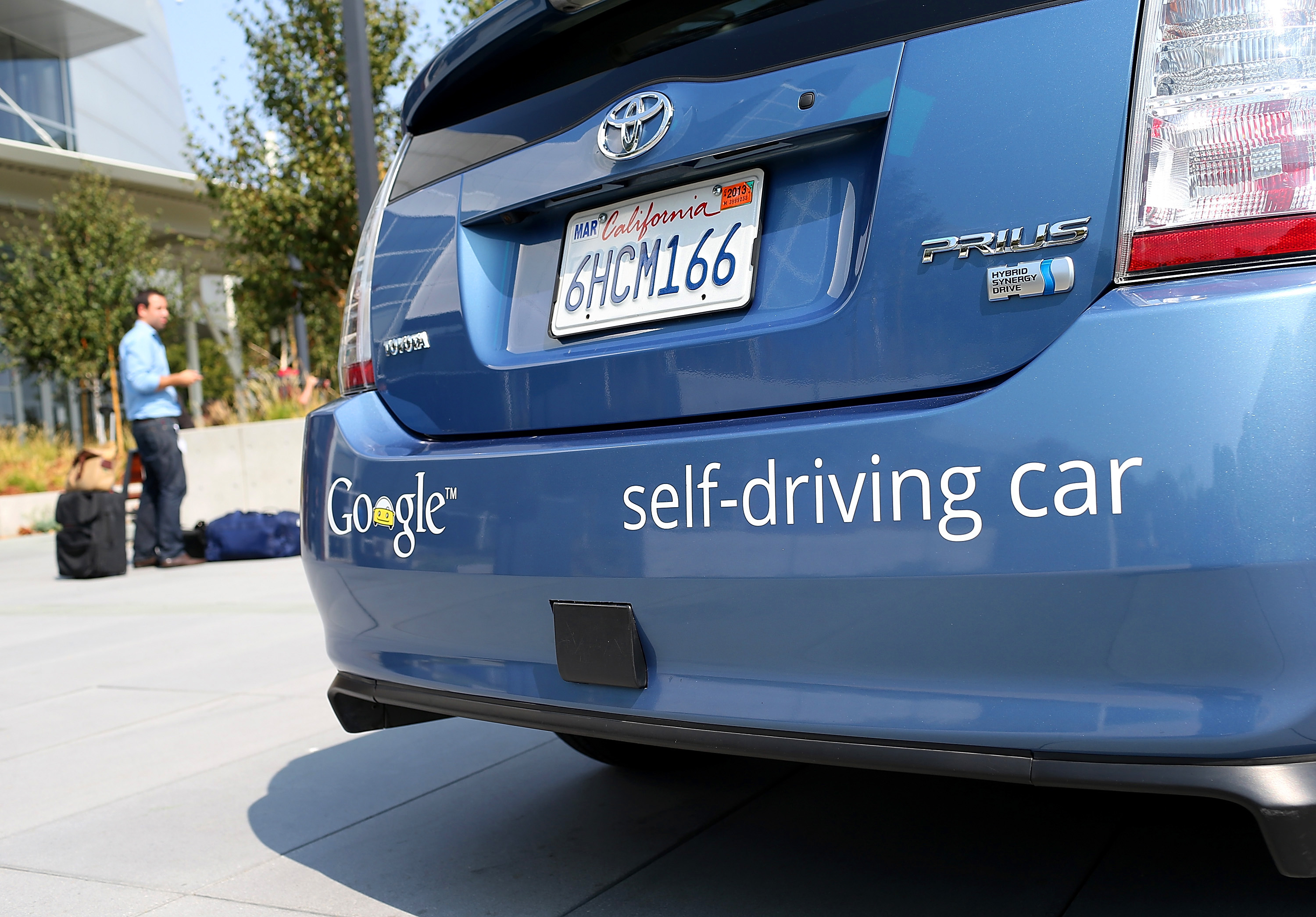
Google Inc. has conducted more than 300,000 miles of driverless car testing with vehicles. They navigate by collecting real-time sensor data and comparing it to pre-loaded maps that specify exact locations for roads and signs, while adapting to obstacles such as people and cars. (Credit: Justin Sullivan/Getty Images, Kearns)
via bloomberg
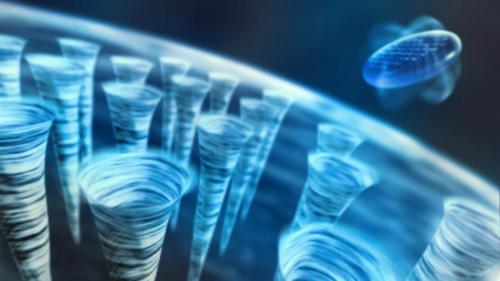
A patterned 3-D grid of tiny whirlpools, called quantum vortices, populate a nanoscale droplet of superfluid helium. Researchers found that in a micron-sized droplet, the density of vortices was 100,000 times greater than in any previous experiment on superfluids. An artistic rendering of a wheel-shaped droplet can be seen in the distance. (Credit: SLAC National Accelerator Laboratory)
via phys
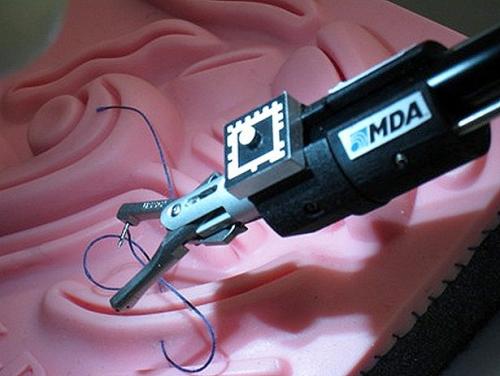
The suturing tool demonstrates image-guided anastomosis, which means the connecting of parts such as vessels. The target on the top of the tool is used to lead the tool’s tip. This is the same technology used to track the robotic systems on the space shuttle and the International Space Station. (Credit: MDA and CIGITI)
via phys
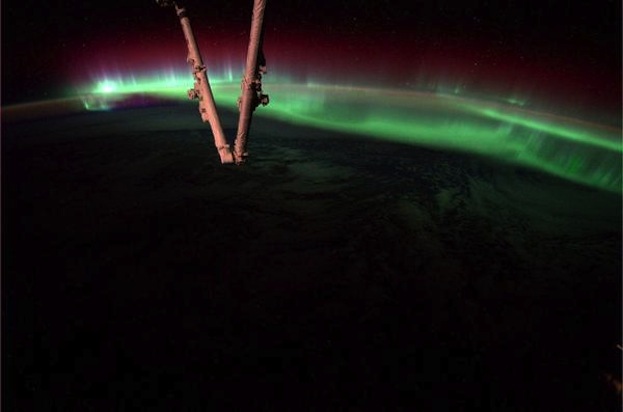
An aurora dances in the atmosphere on Aug. 20, 2014, as the International Space Station flew over North America. This image was captured by astronaut Reid Wiseman from his vantage point on the ISS. (Credit: NASA/Handout/QMI Agency)
via cbc
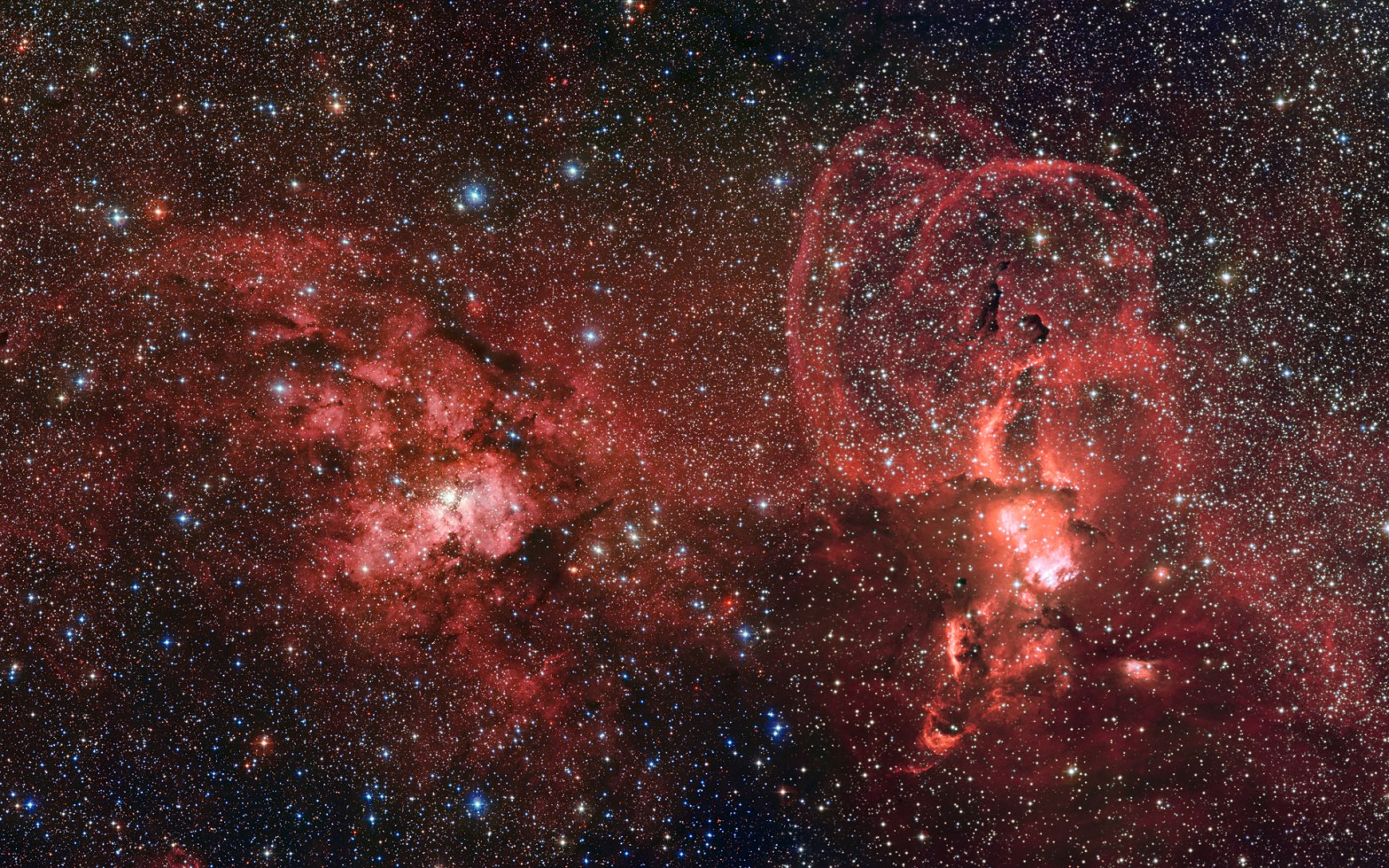
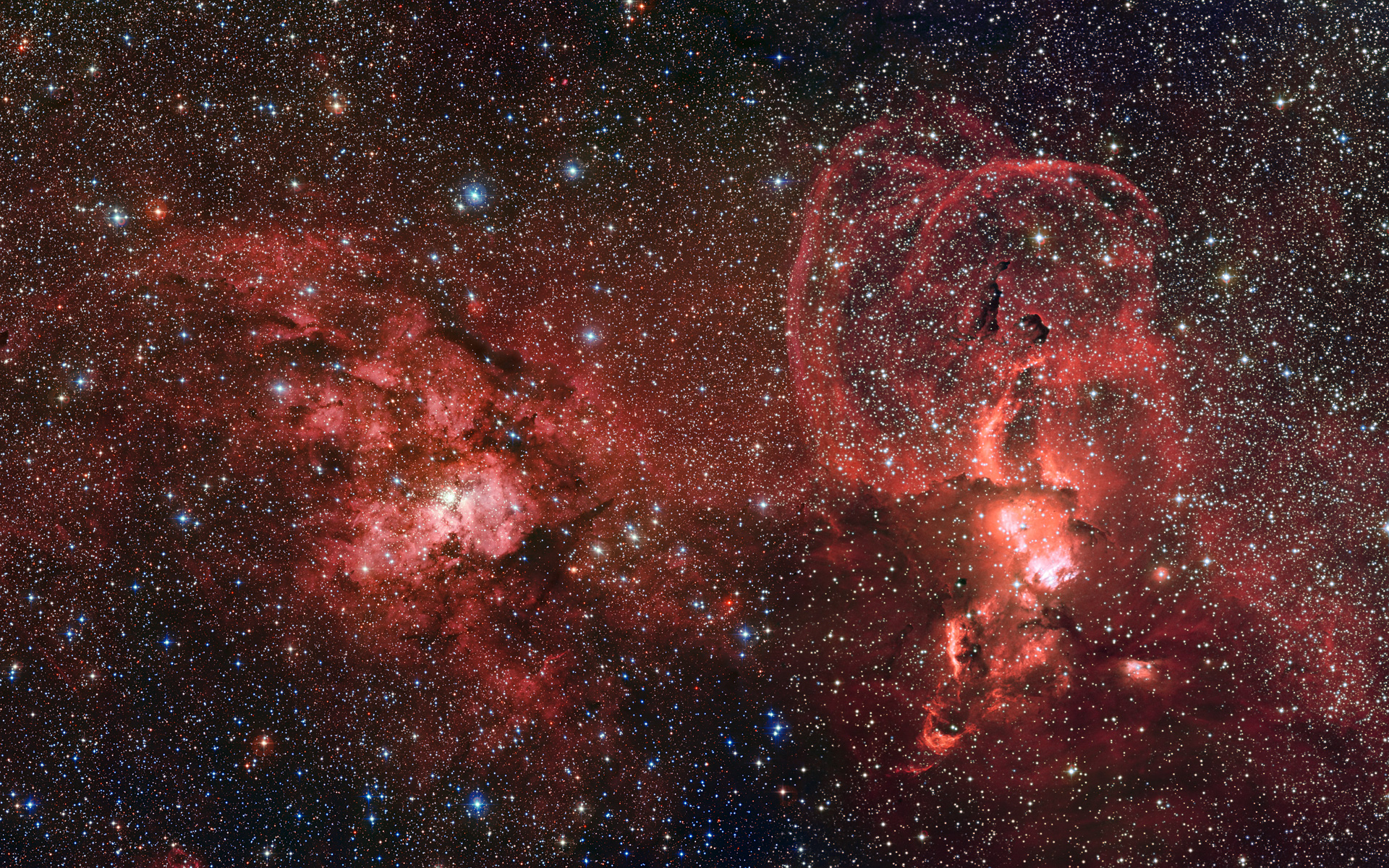
This mosaic of images from the Wide Field Imager on the MPG/ESO 2.2-metre telescope at ESO’s La Silla Observatory in Chile shows two dramatic star formation regions in the southern Milky Way. (Credit: ESO/G. Beccari)
via forbes
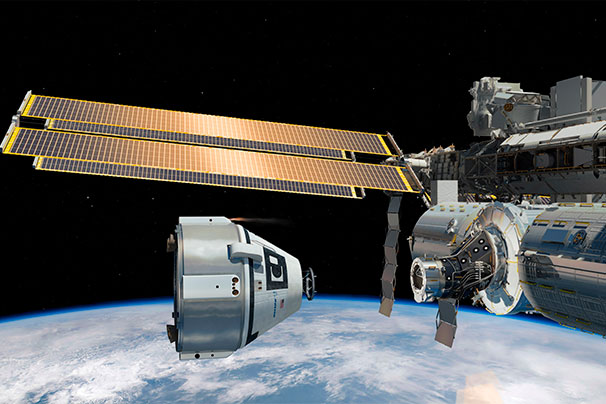
Boeing in among three companies bidding for the next NASA contract to take astronauts into space. The company is offering its CST-100 space capsule in the competition. (Credit: Boeing)
via washingtonpost
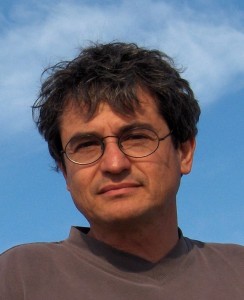
Carlo Rovelli: “Theoretical physics has not done great in the last decades. Why? Well, one of the reasons, I think, is that it got trapped in a wrong philosophy.” (Credit: Horgan)
via scientificamerican
The scientists reported a 40-times-larger effect than previously achieved in semiconductor materials, with the largest value measured comparable to a record high value of the spin-Hall effect observed in heavy metals such as Platinum. (Credit: UCL London Centre for Nanotechnology)
via spacemart
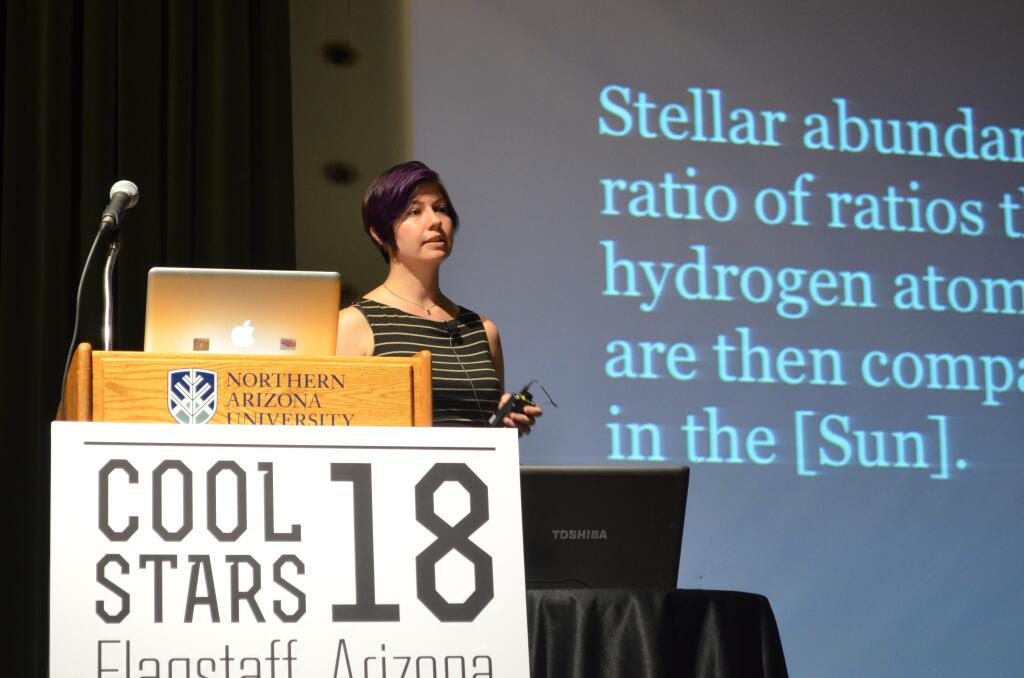
Natalie Hinkel gives a plenary talk at the Cool Stars 18 meeting in Flagstaff, Arizona, about her paper on the Hypatia Catalog. (Credit: Natalie Hinkel)
via asunews
The US Department of Energy has cancelled visits by Russian scientists to key US labs, including the Los Alamos National Laboratory. (Credit:NC-ND/Los Alamos National Laboratory)
via physicsworld
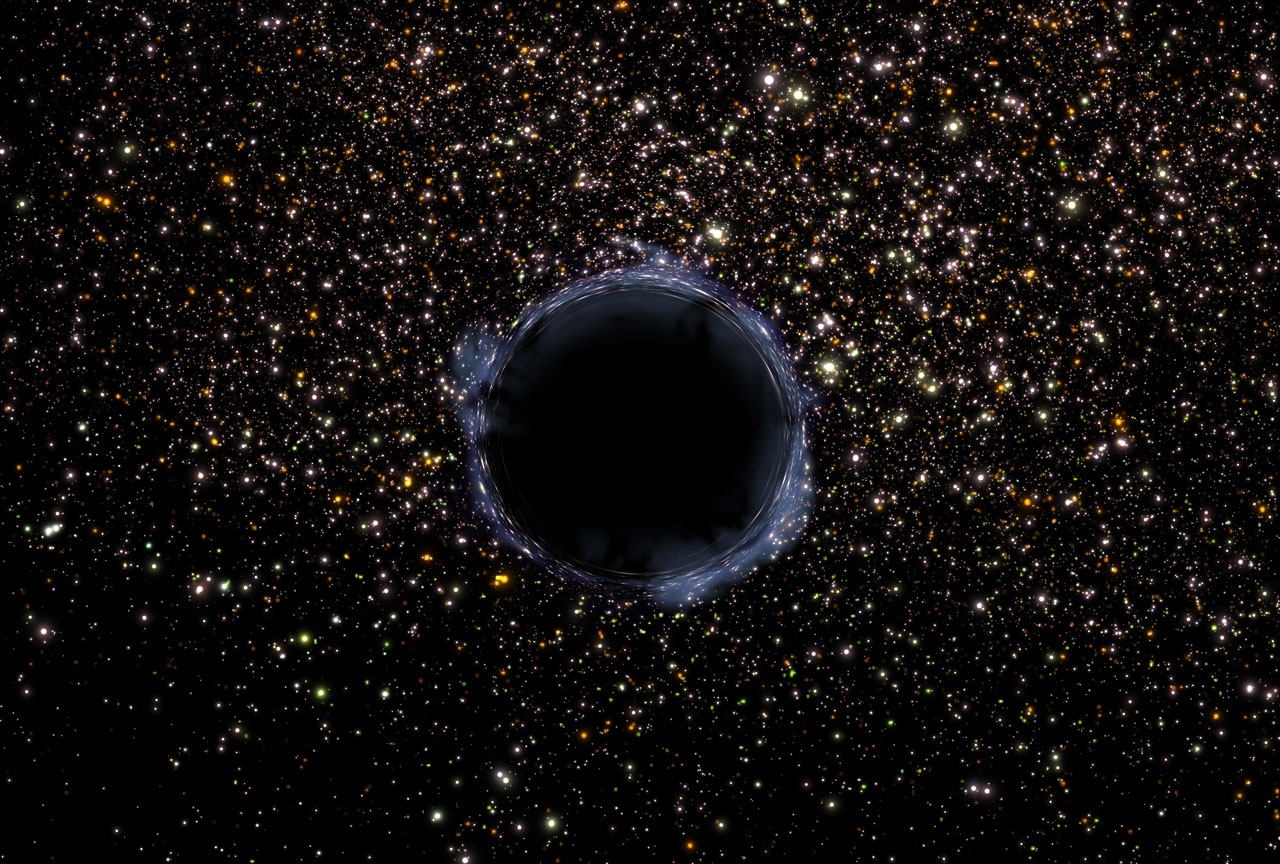
A star in a galaxy passes by a black hole closely enough to be destroyed once every 10,000 years. It is possible to detect the death of a star in a fairly distant galaxyas the destruction of a star generates a bright X-ray flare; it is only necessary to distinguish such a flare from other types of X-ray radiation. Because flares occur in a variety of astrophysical processes, the task of finding stars destroyed by black holes is quite complicated. (Credit: Sergei Sazonov)
via mipt
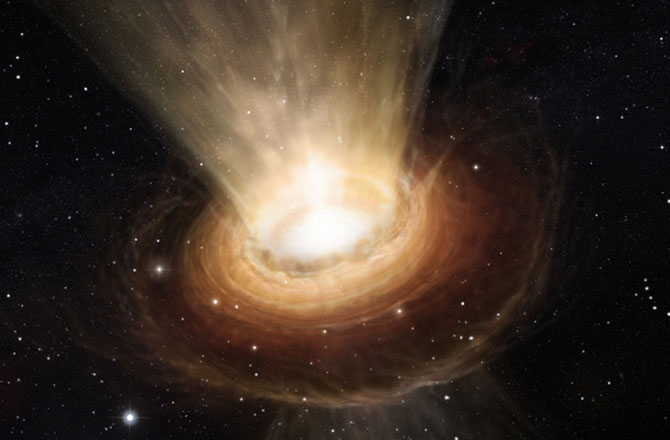
The recent finding of an intermediate-mass black hole provides evidence that could support some theories of how supermassive black holes form. (Credit: ESO/M. Kornmesser)
via discovery
Some of the best evidence for parallel worlds actually arrives courtesy of an enigmatic oddity within deep-space, careening toward the Milky Way at an incredible 200,000 miles per hour. Though it’s more than 2 million light years away, the Andromeda galaxy, appears to engage in anomalous behavior which suggests a strange gravitational phenomenon. Specifically, gravity that could be draining from another universe, as yet invisible to us, could be the impetus behind such anomalous phenomena. (Credit: Micah Hanks)
via mysteriousuniverse
Having a single point in contact with the ground lets a ballerina spin. In the same way, a quantum state is dynamic because it can turn about a point thanks to quantum uncertainty, say CQT and Oxford researchers. (Credit: Michael Garner, courtesy English National Ballet)
via quantumlah
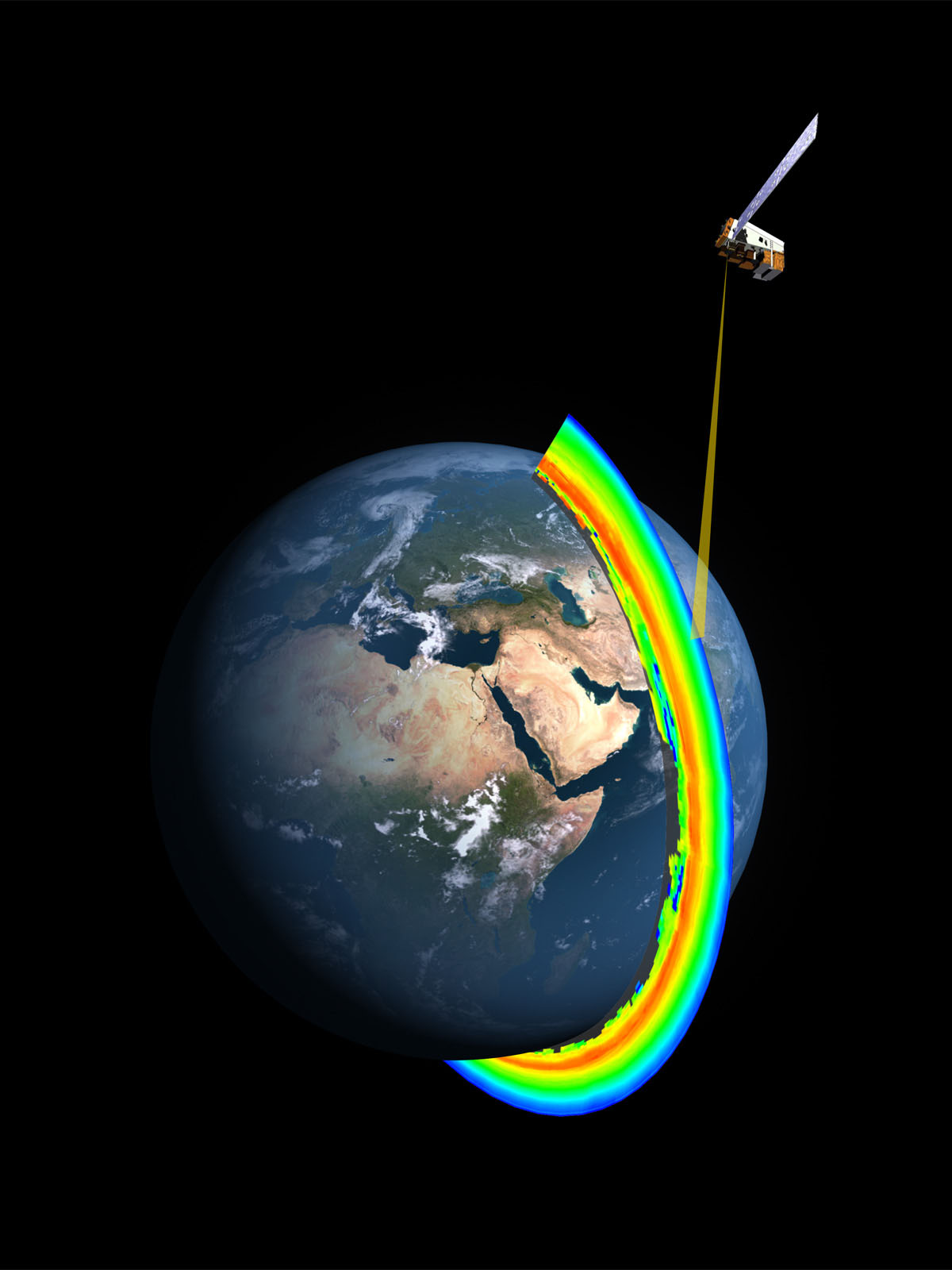
A cross-section of the Earth’s ozone layer as measured by the limb profiler, part of the Ozone Mapper Profiler Suite that’s aboard the Suomi NPP satellite. (Credit: NASA/NOAA)
via ZeeNews
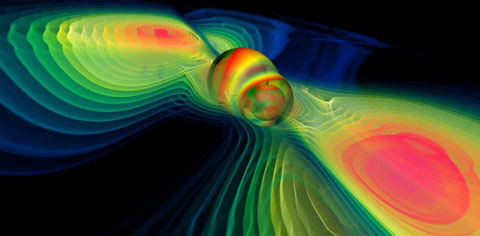
A simulation of two colliding black holes. Colors reflect the variation of gravitational waves. (Credit: Werner Benger/NASA Blueshift)
via physicscentral


![Top: A typical set-up for squeezing injection in the first demonstrations of squeezing at GEO600 and LIGO, both using DC readout [36,37]. Proposed design for future detectors. This design features an in-vacuum OPO. The remainder of the squeezed light source remains outside of vacuum. (Credit: E. Oelker, L. Barsotti, S. Dwyer, D. Sigg, and N. Mavalvala)](https://timeincosmology.org/wp-content/uploads/2014/08/screen-shot-2014-08-24-at-10-39-30-am.png)