Physics in the News

Wednesday, August 13, 2014

First robotic telescope captures clear images of exoplanet stars

via spectrum

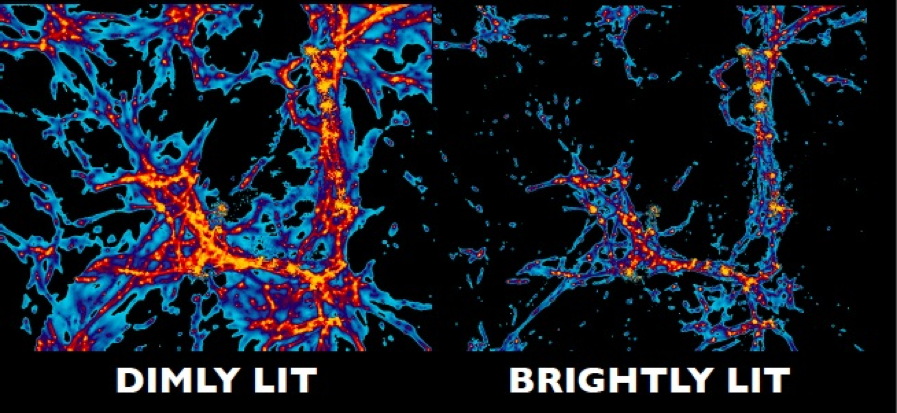
What?! The universe appears to be missing some light

New data from the Hubble Space Telescope and computer simulations have revealed that the universe has much less ultraviolet light than previously thought. (Credit: Ben Oppenheimer and Juna Kollmeie)
New data from the Hubble Space Telescope and computer simulations have revealed that the universe has much less ultraviolet light than previously thought.
(Credit: Ben Oppenheimer and Juna Kollmeie)
via space
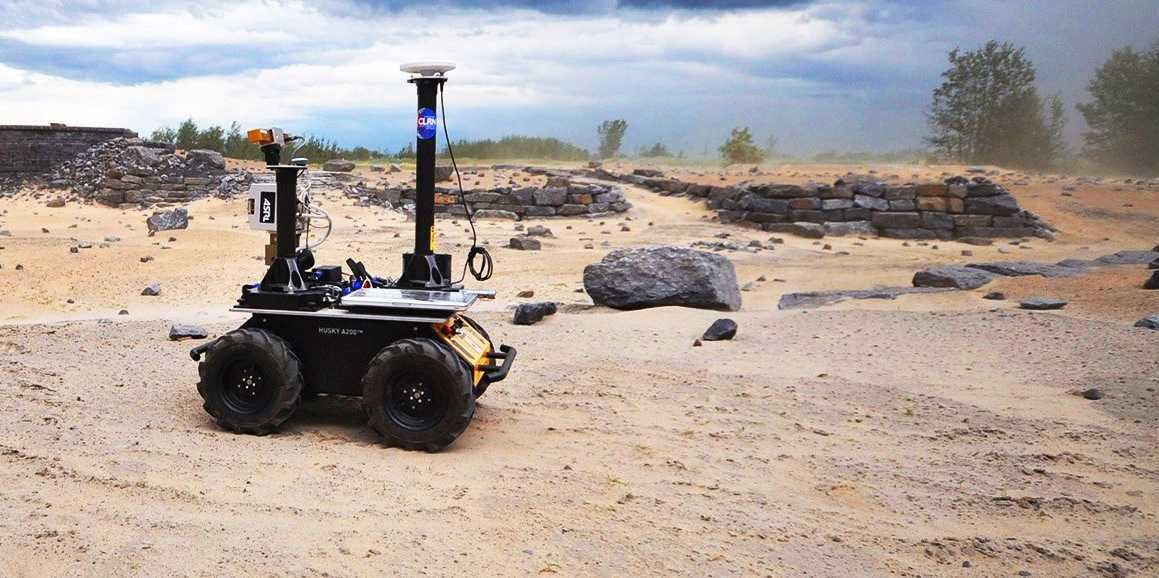
Here’s the world’s first robotics company to pledge not to make ‘killer robots’

Clearpath Robotics "Husky," an autonomous vehicle. (Credit: Clearpath Robotics)
“Husky,” an autonomous vehicle. (Credit: Clearpath Robotics)

via businessinsider

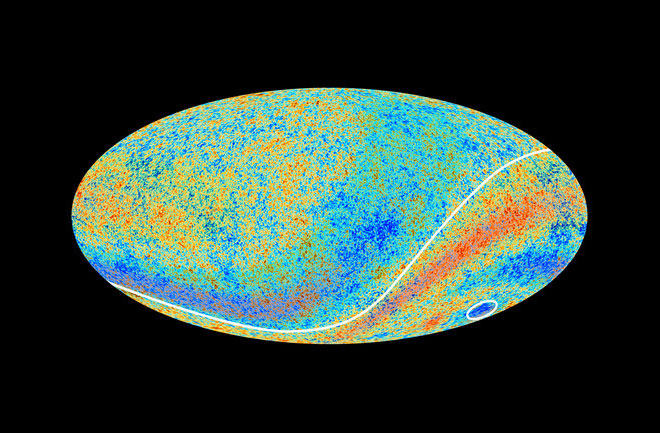
Planck’s mystery cosmic ‘cold spot’ may be an error

The European Space Agency's Planck space telescope mapped the cosmic microwave background. (Credit: ESA and the Planck Collaboration)
The European Space Agency’s Planck space telescope mapped the cosmic microwave background. (Credit: ESA and the Planck Collaboration)
via space

Proof confirmed of 400-year-old fruit-stacking problem

Now, a mathematician has announced the completion of an epic quest to formally prove the so-called Kepler conjecture. “An enormous burden has been lifted from my shoulders,” says Thomas Hales of the University of Pittsburgh, Pennsylvania, who led the work. “I suddenly feel ten years younger!” (Credit: Ray Tang/Rex)
via newscientist

Introducing this year’s underground astronauts

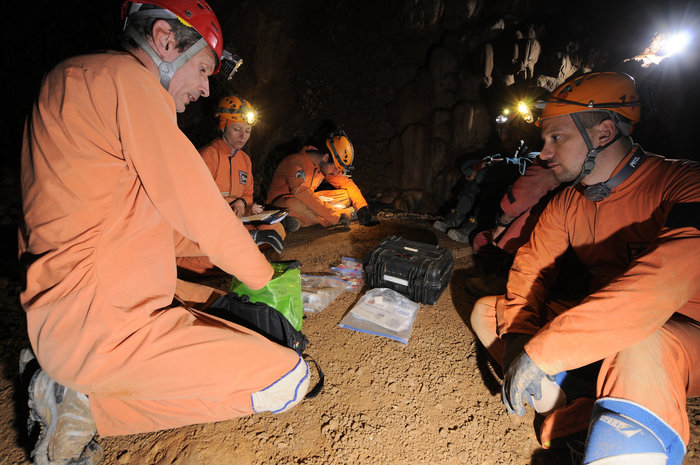
Astronauts will be working together, deep underground. (Credit: ESA—A. Romeo)
via phys

How to build a supermassive black hole in less than a billion years

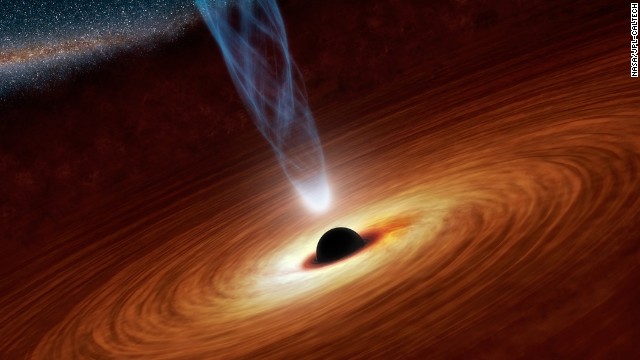
This artist's rendering shows one possible configuration for a corona, but that its true shape is unknown. (Credit: NASA/JPL-Caltech)

via arstechnica

Physics in the News

Tuesday, August 12, 2014

The smallest possible scale in the universe

Every once in a while I think that there maybe is no fundamentally smallest unit of length; that all these arguments for its existence are wrong. I like to think that we can look infinitely close into structures and will never find a final theory, turtles upon turtles, or that structures are ultimately self-similar and repeat.(Credit: Sabine Hossenfelder)
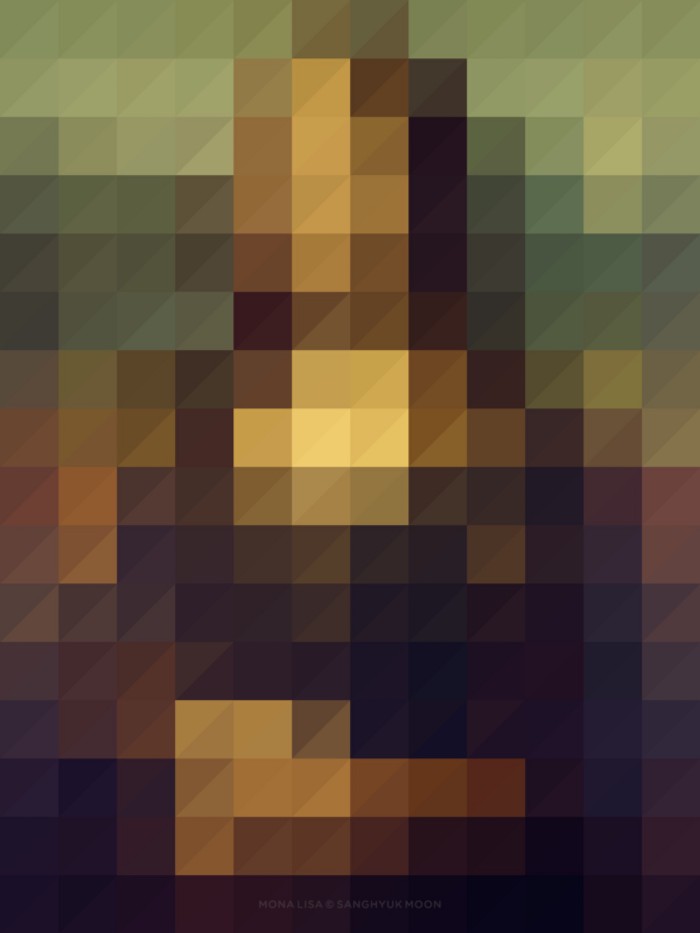
Every once in a while I think that there maybe is no fundamentally smallest unit of length; that all these arguments for its existence are wrong. I like to think that we can look infinitely close into structures and will never find a final theory, turtles upon turtles, or that structures are ultimately self-similar and repeat.(Credit: Sabine Hossenfelder, Sanghyuk Moon)
via medium

Cosmologist Laura Mersini-Houghton claims black holes do not exist(VIDEO)

via thewatchers

Europe’s last cargo ship reaches space station

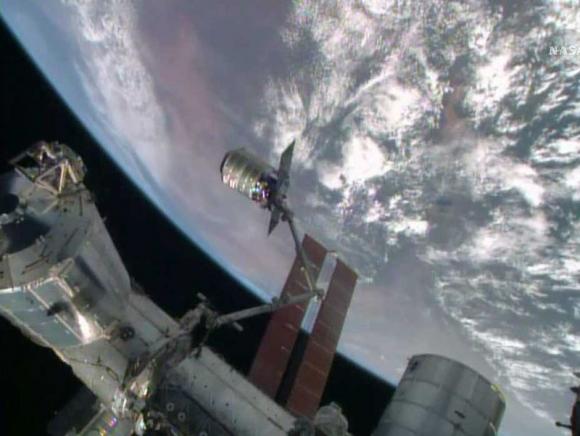
The International Space Station's robotic arm, Canadarm2, grapples the Orbital Sciences' Cygnus cargo craft, as seen in this still image taken from NASA TV July 16, 2014.  (Credit: Reuters/NASA TV/Handout via Reuters)
The International Space Station’s robotic arm, Canadarm2, grapples the Orbital Sciences’ Cygnus cargo craft, as seen in this still image taken from NASA TV July 16, 2014. (Credit: Reuters/NASA TV/Handout via Reuters)

via reuters

Follow the radio waves to exomoons, astrophysicists say

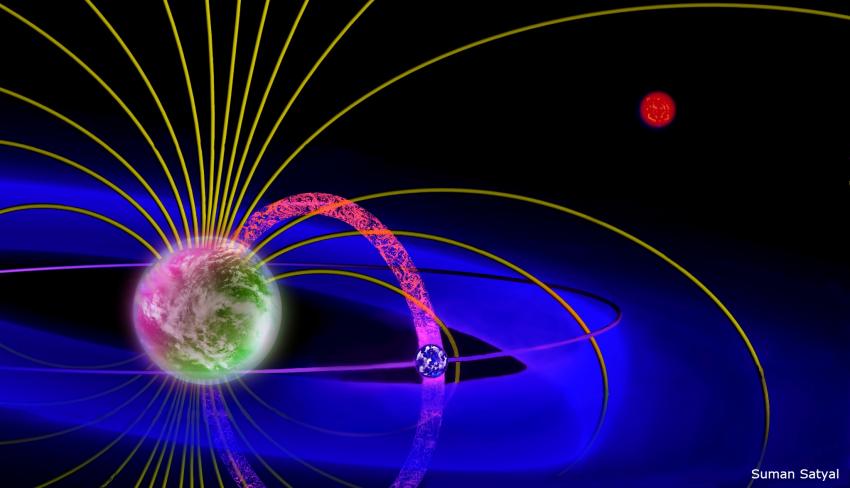
This is a schematic of a plasma torus around an exoplanet, which is created by the ions injected from an exomoon's ionosphere into the planet's magnetosphere. (Credit: UT Arlington)
This is a schematic of a plasma torus around an exoplanet, which is created by the ions injected from an exomoon’s ionosphere into the planet’s magnetosphere. (Credit: UT Arlington)

via phys

NASA is contest-sourcing solutions to its deepest problems

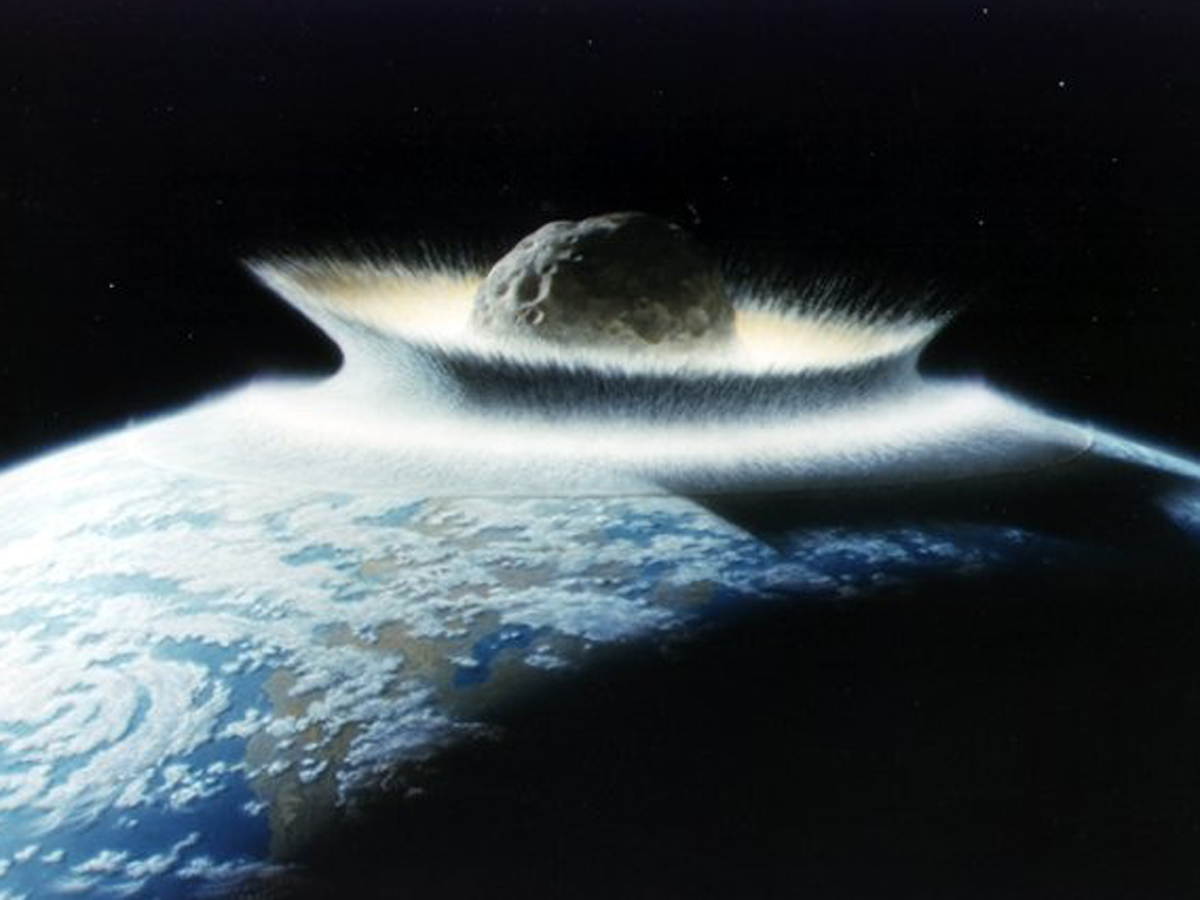
(Credit: NASA/Don Davis)
“As NASA continues to push the boundaries of human imagination and innovation, we have seen the value in utilizing a citizen-based professional crowd to complement our internal efforts and solve complex real-world challenges,” Jason Crusan, director of NASA’s Tournament Lab. (Credit: NASA/Don Davis)
via motherboard

Schrödinger’s cat explained on physicist’s 127th birthday(VIDEO)

via cbc

Beyond six nines: Ultra-enriched silicon paves the road to quantum computing

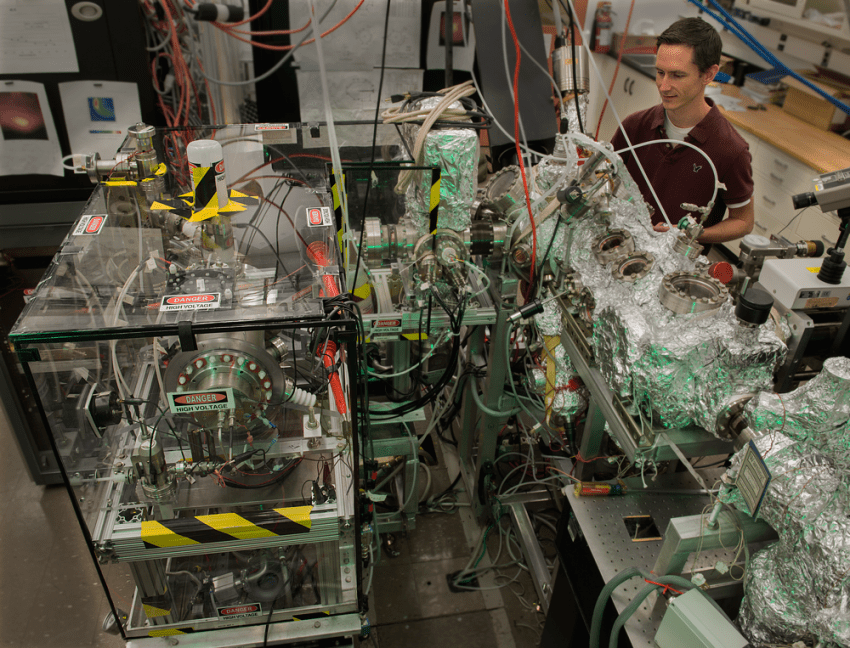
NIST researcher Kevin Dwyer with the silicon enrichment apparatus. The process begins at the left, where natural-abundance silicon in the form of silane gas (SiH4) is ionized. The ions pass through a magnetic field (top left), which causes their paths to curve to different degrees based on their mass. The silicon-28 ions, now separated from the other silicon isotopes, are decelerated through an ultra-high vacuum chamber (top center) and into the deposition chamber (top right) (Credit: Pomeroy, NIST, Dwyer)
via phys

NASA’s NuSTAR sees rare blurring of black hole light

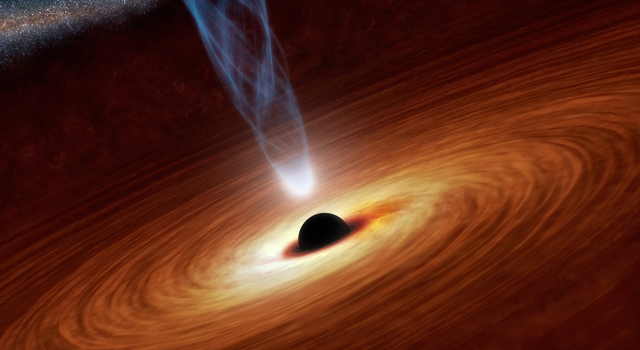
This artist’s concept illustrates a supermassive black hole with millions to billions times the mass of our sun. Supermassive black holes are enormously dense objects buried at the hearts of galaxies. (Credit: NASA/JPL-Caltech)
via pasadenanow

 From eons to seconds, proteins exploit the same forces

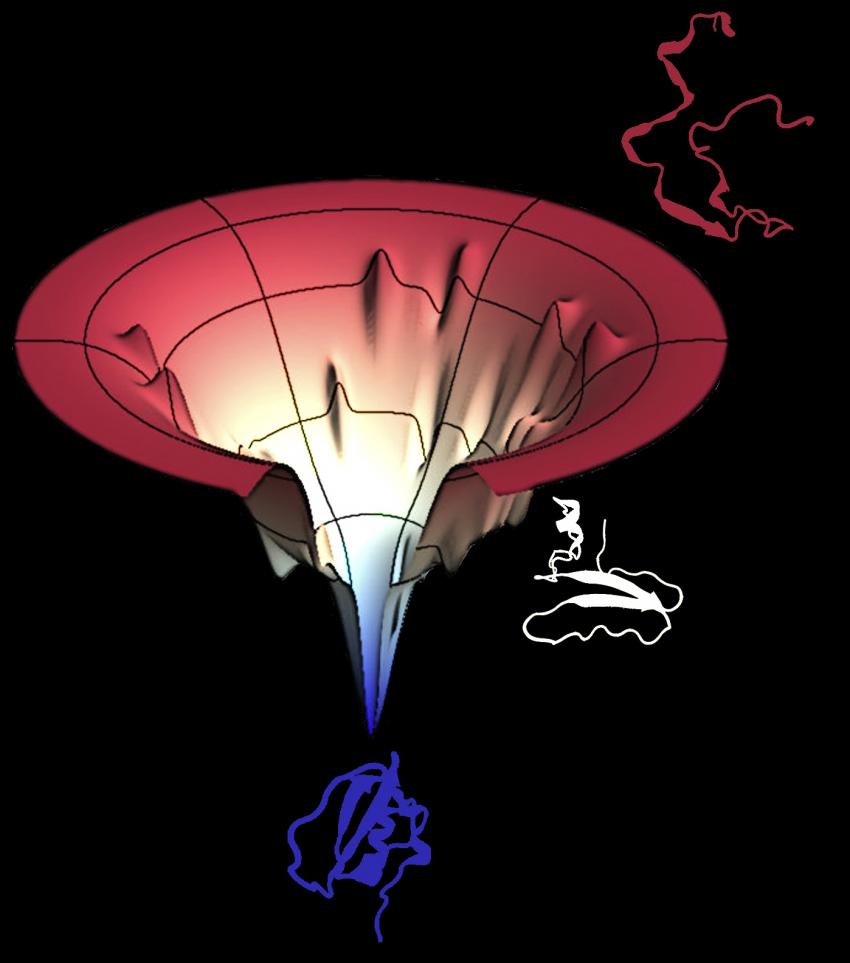
A protein folding funnel, the product of algorithms created by Rice’s Center for Theoretical Biological Physics, is a graphic representation of the energy landscape a protein navigates as it goes from its initial floppy state to a folded, functional unit. The funnel shows smooth slopes as well as outcroppings where parts of a protein may pause while others catch up, and also traps that could cause a protein to misfold. New Rice research shows how the interplay between evolution and physics developed the skills necessary to conserve useful proteins. (Credit: Center for Theoretical Biological Physics/Rice University)
via phys

Physics in the News

Wednesday, August 6, 2014

Shipyard workers test out robot suits in South Korea

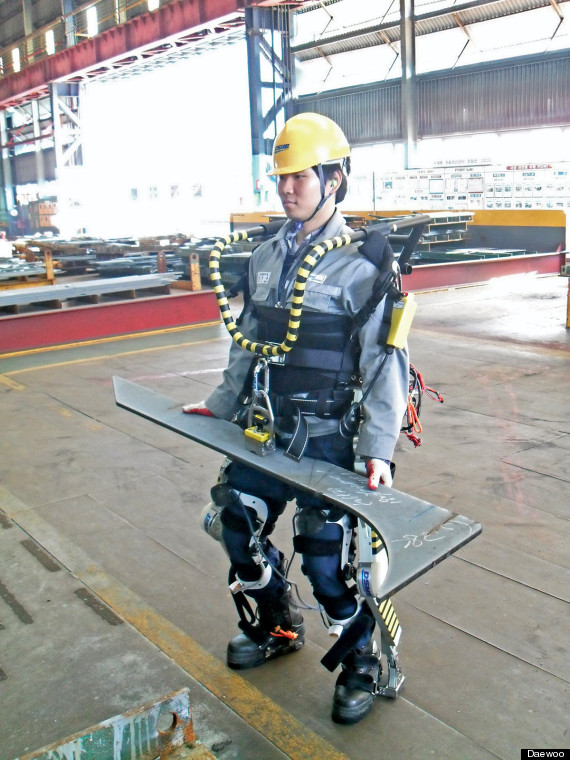
Chu says worker feedback from the trial has been mostly positive. Testers were pleased that the exoskeleton let them lift heavy objects repeatedly without strain, but everyone also wanted it to move faster and be able to cope with heavier loads. (Credit: Daewoo)
via cnet

An NMR Chip The Size of a Seed

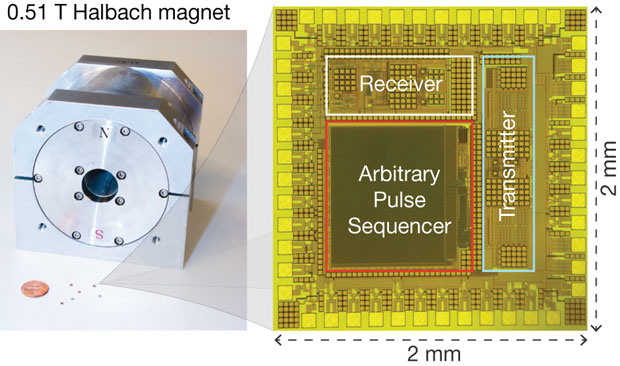
Harvard electrical engineering and applied physics professor Donhee Ham and his colleagues have drastically shrunk the size of the electronics even further, fitting the RF receiver, transmitter and other components on a tiny seed-sized chip. (Credit: Dongwan Ha/Harvard SEAS)
via ieee

The never-ending conundrums of classical physics

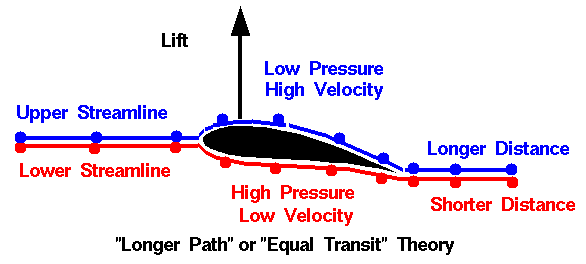
The incorrect “equal transit time” explanation for lift. (Credit: )

via  archtechnia

Is cosmic radiation the dawn of new physics or statistical slip-up?

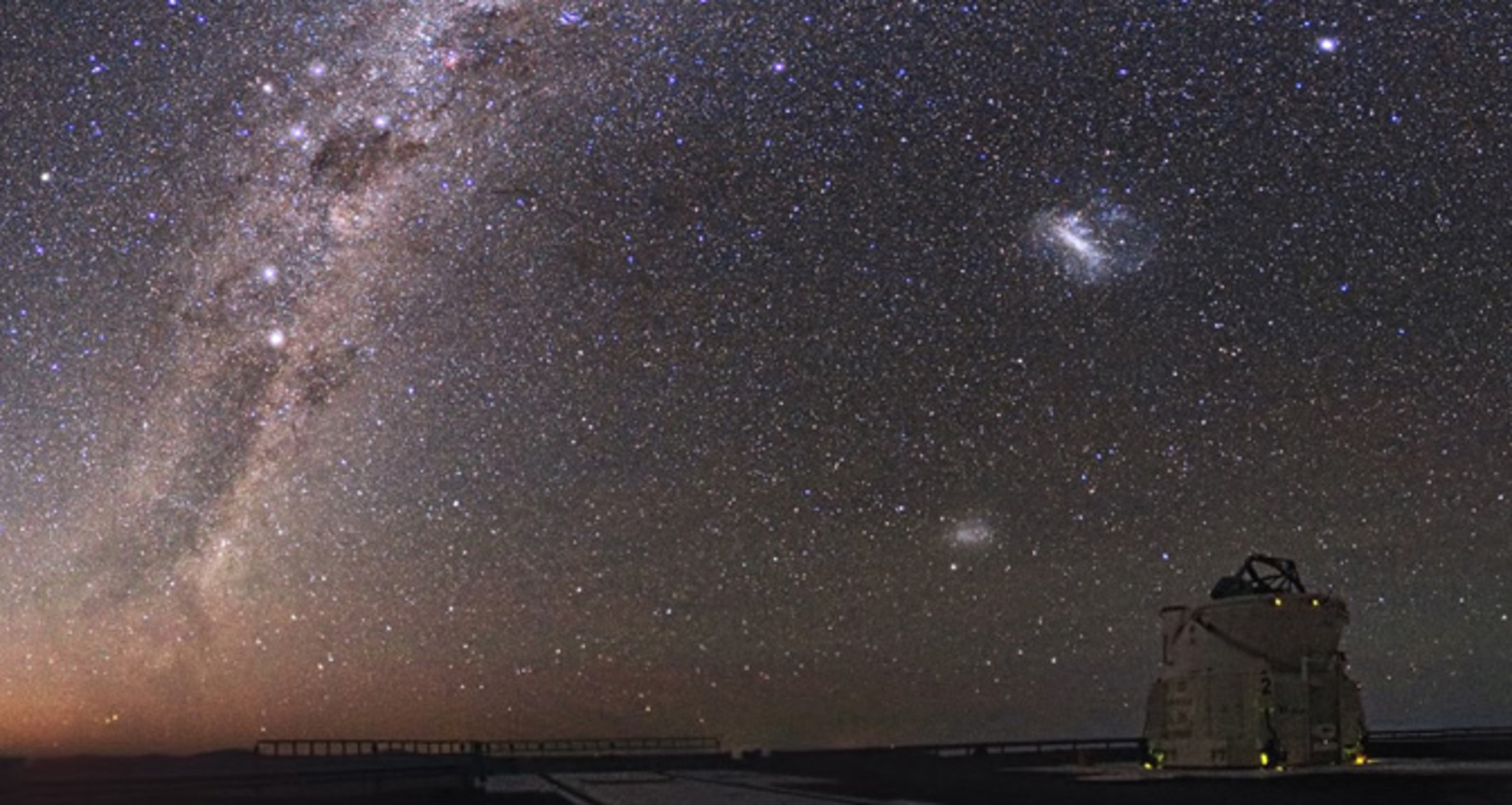
The Milky Way is bit of a barrier between us the extra-galactic universe. (Credit: NASA, CC BY)

via theconversation

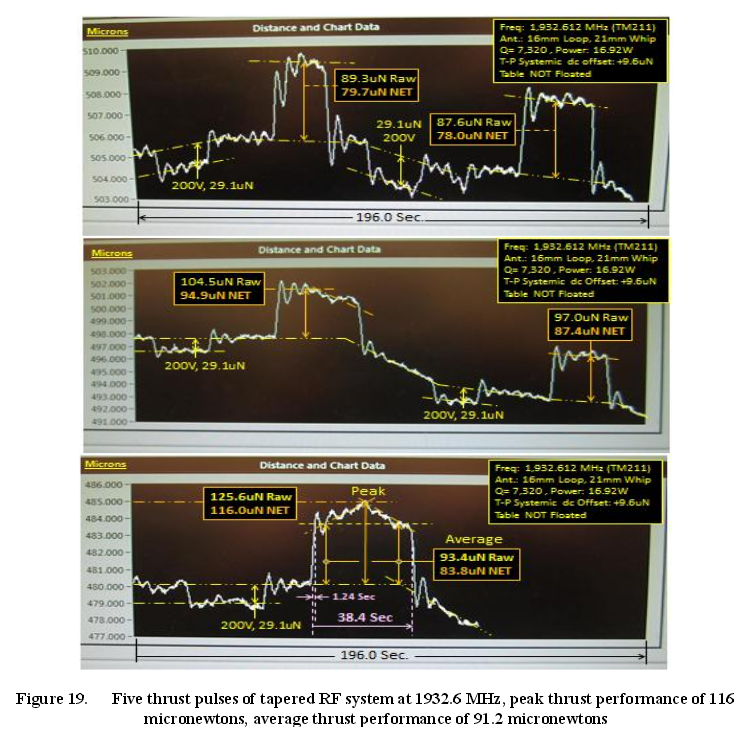
Full NASA Cannae Drive and EMdrive Test paper shows that there is anomolous thrust and the null test article criticism is wrong

nasatestemdrive4
via nextbigfuture

Inmarsat warns over delays from failed rocket launch

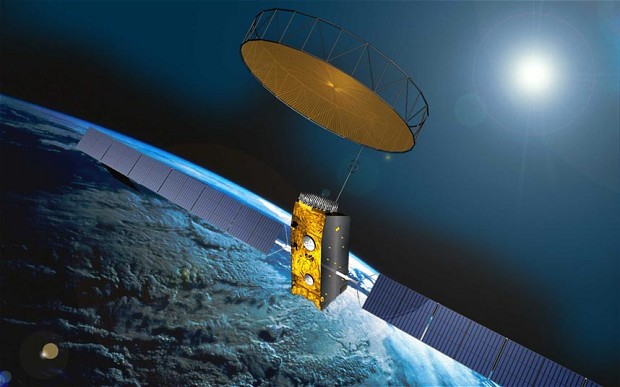
Inmarsat used its satellite network to name search areas for the missing Malaysia Airlines flight

via telegraph

Jupiter’s volcanic moon spews “curtains of fire”

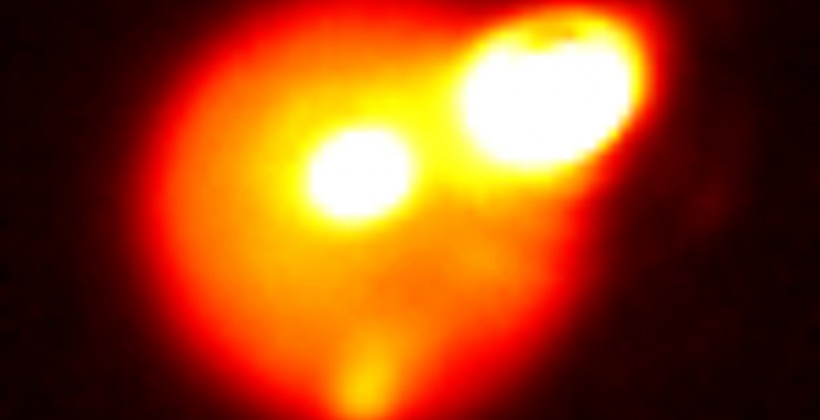
Footage from the Venus Express orbiter confirmed sightings of hot spots on the surface of the planet, in accordance with volcanoes still simmering. (Credit: NASA)
via slashgear

Physicists introduce another quantum animal: The Quantum Pigeon

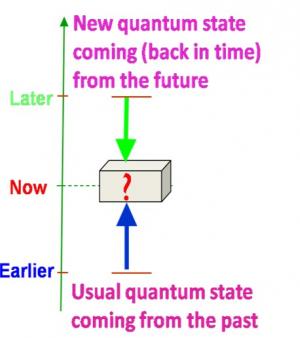
At the present moment another measurement is performed which is influenced both by what happened earlier and what happened later. (Credit: Jeff Tollaksen)
via phys

Radio telescope pinpoints Pluto for spacecraft buddy

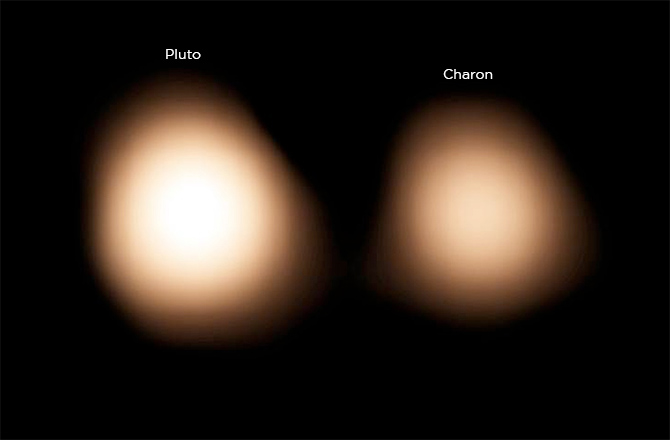
The cold surface of Pluto and its largest moon Charon as seen with ALMA on July 15, 2014. (Credit: /AUI/NSF)
via discovery

Social trails go off the beaten path: quantum lines of desire happen in physics also

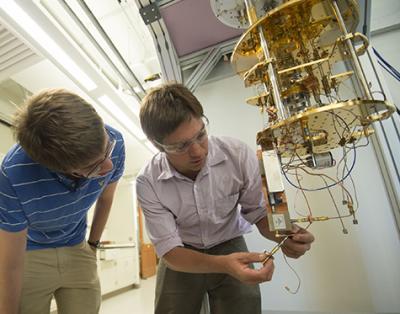
 Kater Murch (right), assistant professor of physics at Washington University in St. Louis, and junior Chris Munley work with the equipment that can map a quantum device's trajectory between two points in quantum state space, a feat until recently considered impossible. (Credit: Joe Angeles/WUSTL Photos)

Kater Murch (right), assistant professor of physics at Washington University in St. Louis, and junior Chris Munley work with the equipment that can map a quantum device’s trajectory between two points in quantum state space, a feat until recently considered impossible. (Credit: Joe Angeles/WUSTL Photos)

via sciencecodex

Planting imperfections at specific spots within diamond lattice could advance quantum computing

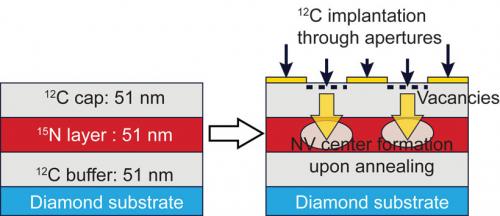
This is a schematic of the process to localize NV centers in 3-D. The researchers blasted carbon ions through holes to create vacancies and heated the diamond to make the vacancies mobile within the crystal. NV centers could form in the nitrogen-doped layer below where the holes were placed. (Credit: F.J. Heremans and D. Awschalom/U. Chicago and K. Ohno/UCSB)

via phys

Physics in the News

Thursday, July 3, 2014

Biggest void in universe may explain cosmic cold spot

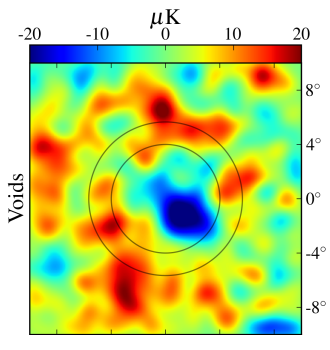
The mean imprint on the Cosmic Microwave Background of 50 supervoids. (Credit: BSA-3.0)
via newscientist

‘Atomic Man’ room opened for first time after radiation blast in 1976

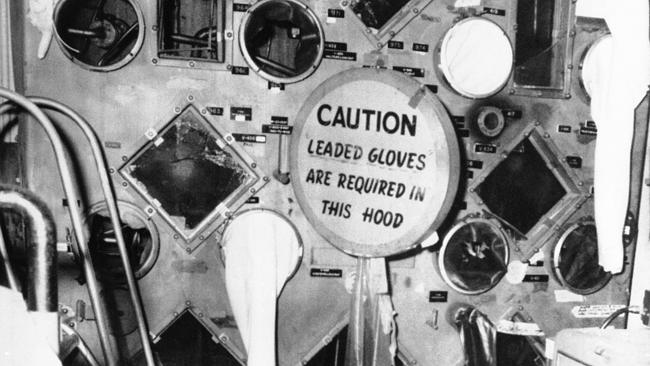
The room that exposed a laboratory technician to a massive dose of radiation, which led to him being known as the “Atomic Man”, is to be entered for the first time since the incident in 1976. (Credit: AP)
via news.com.au

A record-breaking month for ORNL’s Spallation Neutron Source

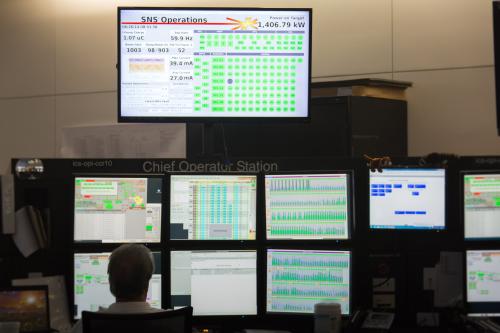
The accelerator-based pulse neutron source at ORNL’s Spallation Neutron Source operated steadily for users at the maximum design power of 1.4 megawatts June 26. (Credit: Genevieve Martin/ORNL)
via phys.org

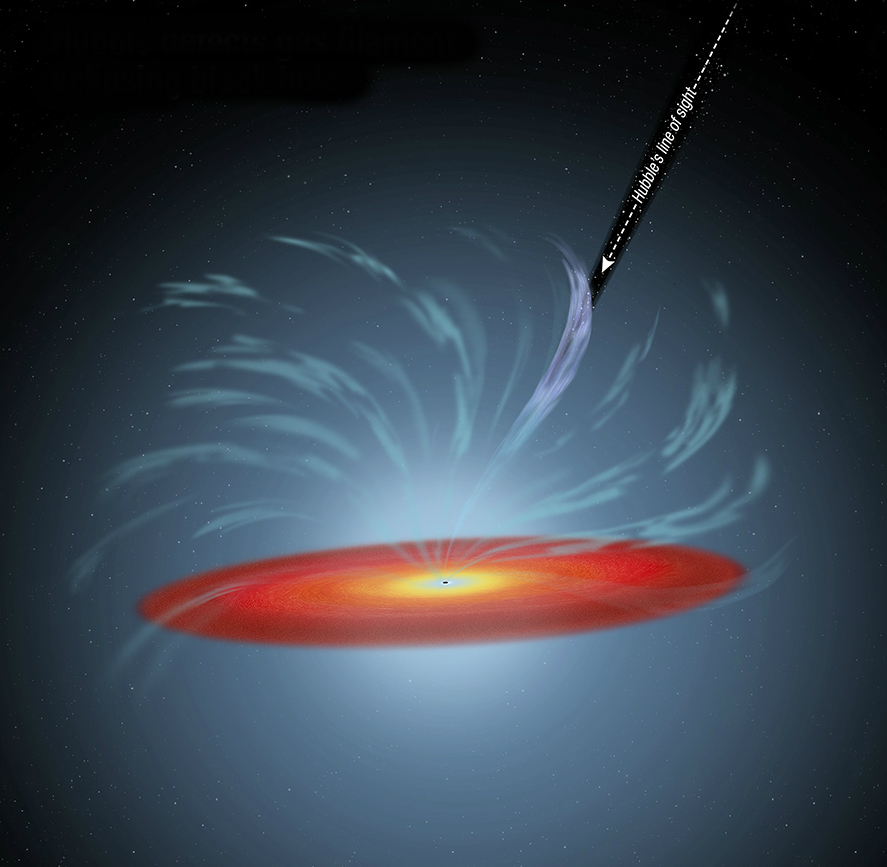
Gas streamer is spewing from the active galactic nucleus NGC 5548

gas streamer spewing from the active galactic nucleus of NGC 5548 – See more at: http://www.skyandtelescope.com/astronomy-news/gas-streamer-eclipses-agn/#sthash.6Ypl6HM8.dpuf
Map of the gas streamer spewing from the heart of NGC 5548. (Credit: NASA, ESA, and A. Feild (STScI))
via skyandtelescope

‘Revolutionary’ Physics: Do Sterile Neutrinos Lurk in the Universe?

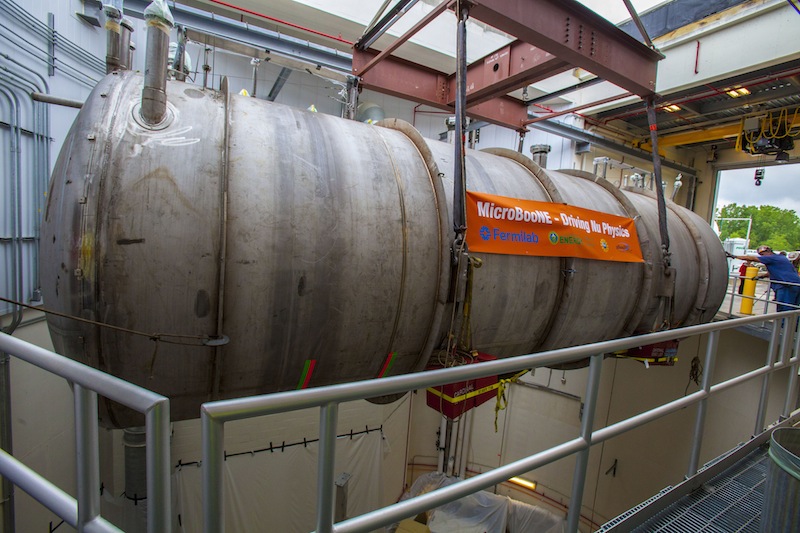
The detector for the MicroBooNe is gently lowered into place. (Credit: Fermilab)
The detector for the MicroBooNe is gently lowered into place.
(Credit: Fermilab)
via livescience
 

NASA’s carbon dioxide-hunting telescope reaches orbit

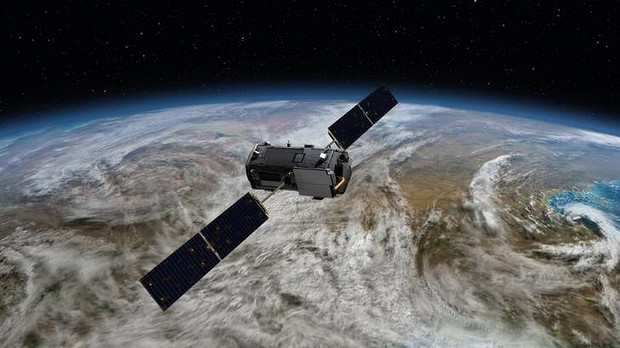
An artist's impression of how NASA's Orbiting Carbon Observatory will look in space. (Credit: NASA/JPL-Caltech)
An artist’s impression of how NASA’s Orbiting Carbon Observatory will look in space. (Credit: NASA/JPL-Caltech)

via smh.com

NASA’s Pluto Probe Is Already Planning Its Next Job

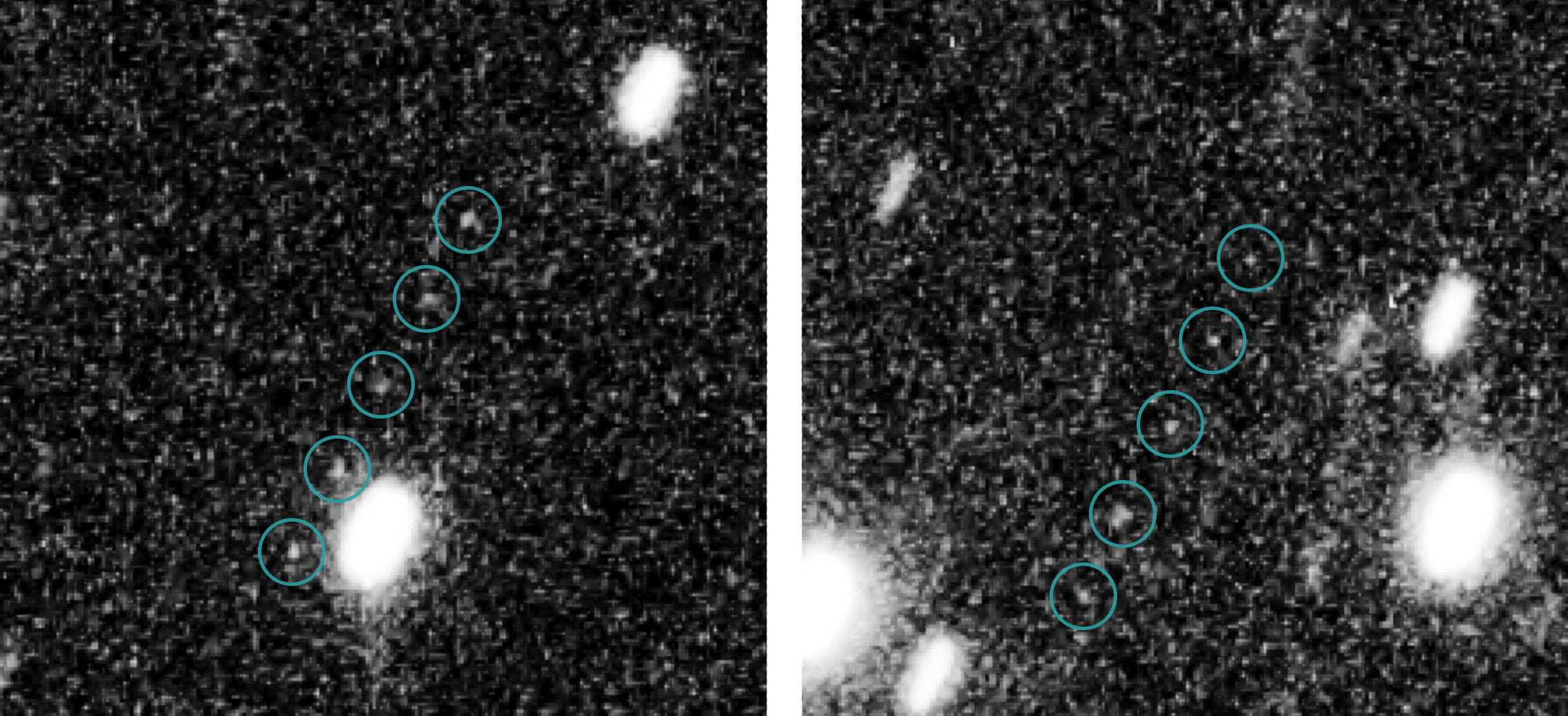
Two multiple-exposure images from NASA's Hubble Space Telescope showing Kuiper Belt objects, or KBOs, against a background of stars in the constellation Sagittarius. The two KBOs are roughly 4 billion miles from Earth. (Credit: NASA, ESA, SwRI, JHU/APL, New Horizons KBO Search Team)
Two multiple-exposure images from NASA’s Hubble Space Telescope showing Kuiper Belt objects, or KBOs, against a background of stars in the constellation Sagittarius. The two KBOs are roughly 4 billion miles from Earth. (Credit: NASA, ESA, SwRI, JHU/APL, New Horizons KBO Search Team)
via motherboard.vice.com

Physics in the News

Monday, June 30, 2014

NASA’s Curiosity Rover Brought Earth BUG to Mars

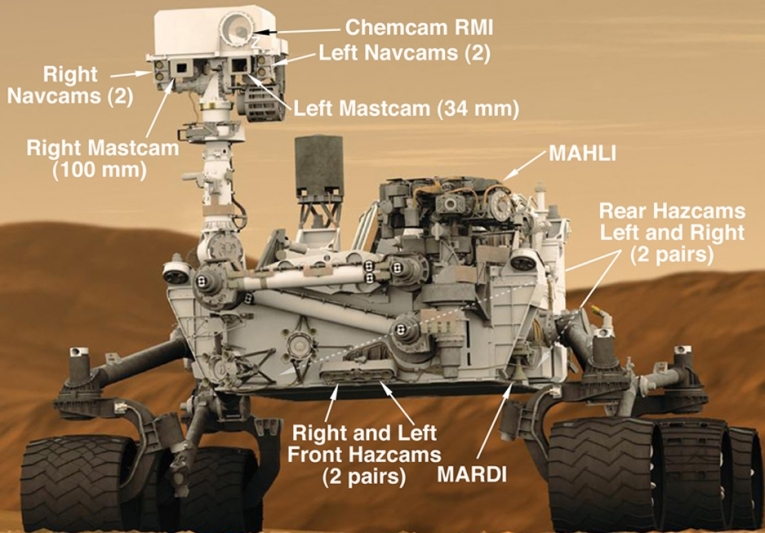
A software bug, that is, as Flaw turns up in popular compression imaging algorithm. (Credit:
A software bug turns up in popular compression imaging algorithm. (Credit: NASA)
via securitymouse


Did All of Earth’s Water Originally Come From Outer Space?

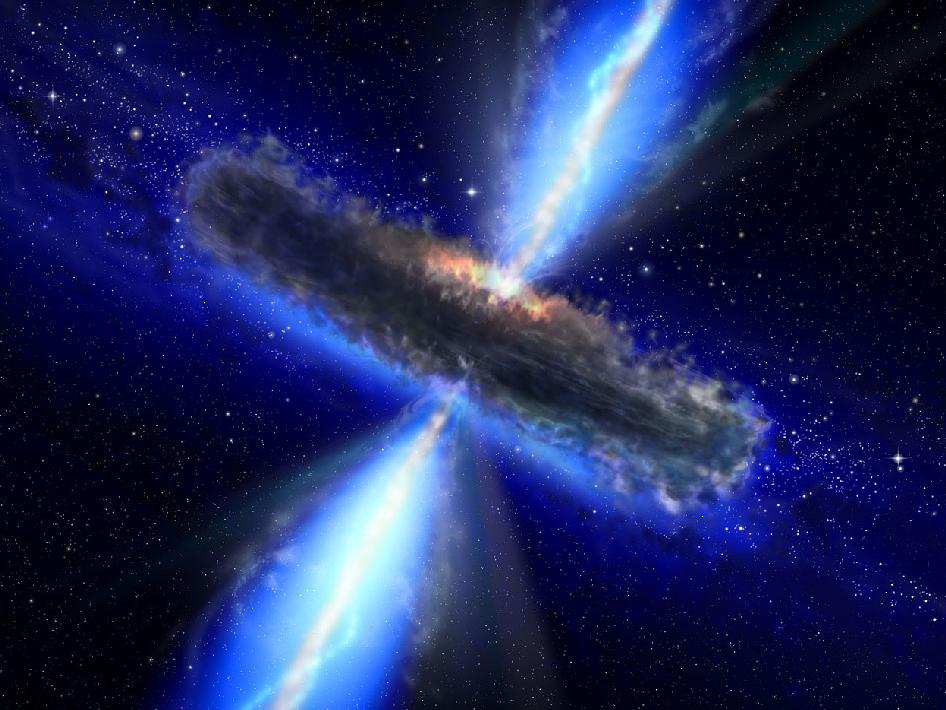
An artist’s concept illustration shows a quasar, or feeding black hole, similar to APM 08279+5255, where astronomers discovered huge amounts of water vapor. (NASA/ESA)
via theepochtimes


Two asteroids approach in the night

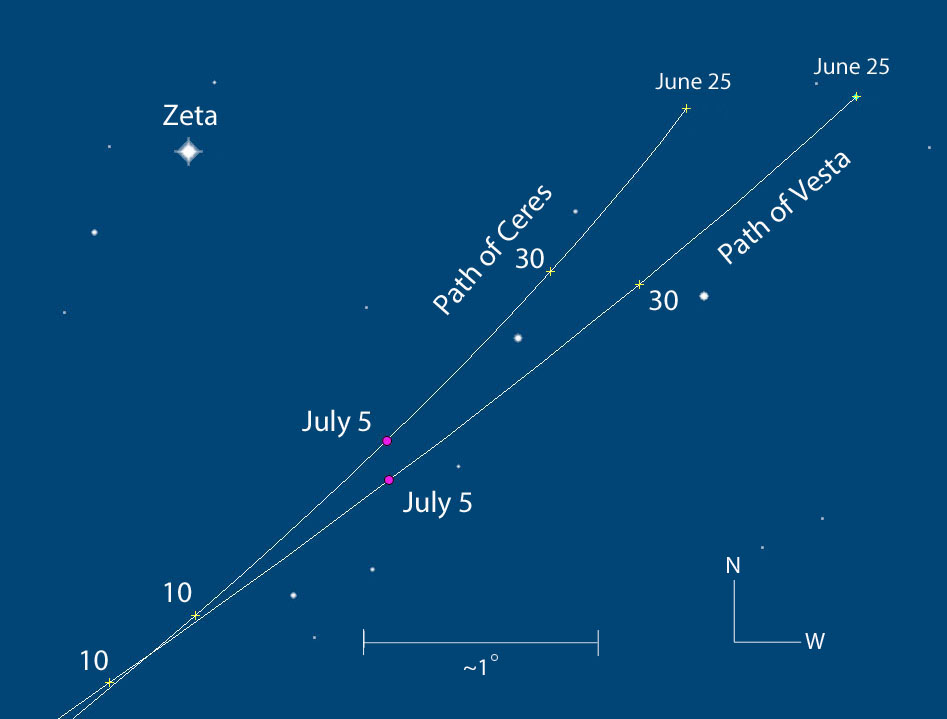
Map showing Ceres and Vesta as they approach each other closely this coming week. Both asteroids are near the easy-to-find star Zeta in Virgo not far from bright Mars. Although the asteroids appear very close together in the sky, they’re really about 51 million miles apart with Vesta in the foreground. (Credit: Chris Marriott’s SkyMap)
Two asteroids approach in the night / See Saturn’s elusive moon Iapetus – See more at: http://astrobob.areavoices.com/2014/06/28/two-asteroids-approach-in-the-night-see-saturns-elusive-moon-iapetus/#sthash.LxdFQzDm.dpuf
via astrobob


Novel Technique to Measure Quantum-Optical Effect in Light from the Sun

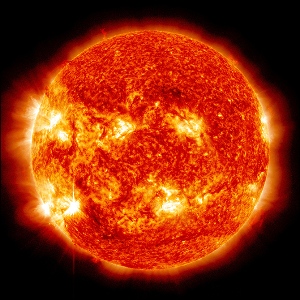
By filtering light from the sun, CQT researchers have made a strong detection of a quantum effect known as 'photon bunching' in its light. This is a hallmark of the sun radiating like a black body. (Credit: NASA/SDO)
By filtering light from the sun, CQT researchers have made a strong detection of a quantum effect known as ‘photon bunching’ in its light. This is a hallmark of the sun radiating like a black body. (Credit: NASA/SDO)
via azoquantum


Researchers detect tiniest of force ever measured

Mechanical oscillators translate an applied force into measureable mechanical motion. The Standard Quantum Limit is imposed by the Heisenberg uncertainty principle, in which the measurement itself perturbs the motion of the oscillator, a phenomenon known as “quantum back-action.” (Credit: Kevin Gutowski)
Mechanical oscillators translate an applied force into measurable mechanical motion. The Standard Quantum Limit is imposed by the Heisenberg uncertainty principle, in which the measurement itself perturbs the motion of the oscillator, a phenomenon known as “quantum back-action.” (Credit: Kevin Gutowski)
via newscenter


Orion EFT-1 Work Progressing Toward Dec. 4 Launch Attempt

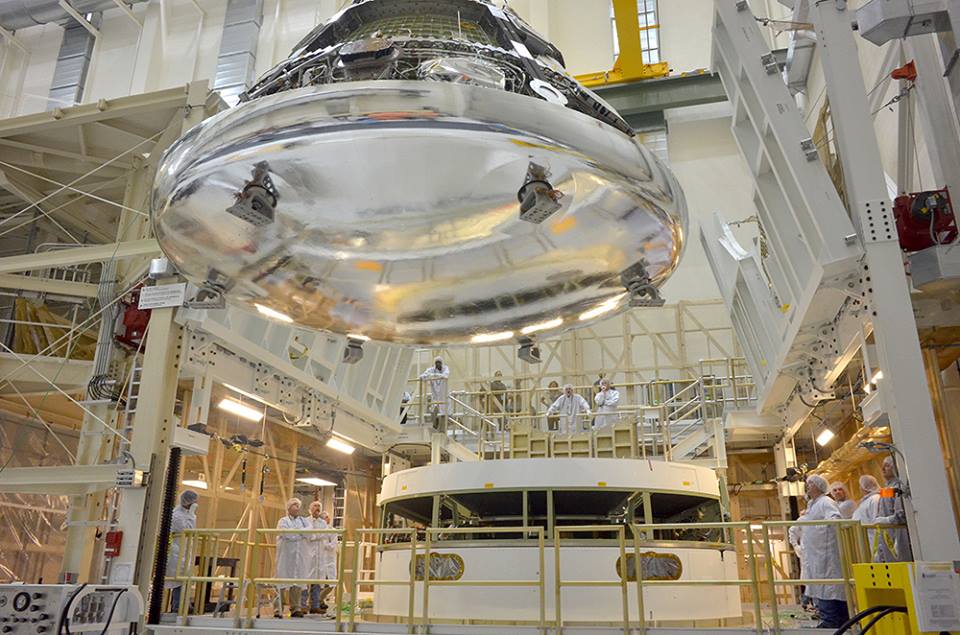
Orion, seen here with its heat shield installed, being maneuvered for stacking on the spacecraft’s service module at KSC earlier this month. (Credit: NASA)
via americaspace