Physics in the News

Tuesday, August 19, 2014

First indirect evidence of undetected strange Baryons
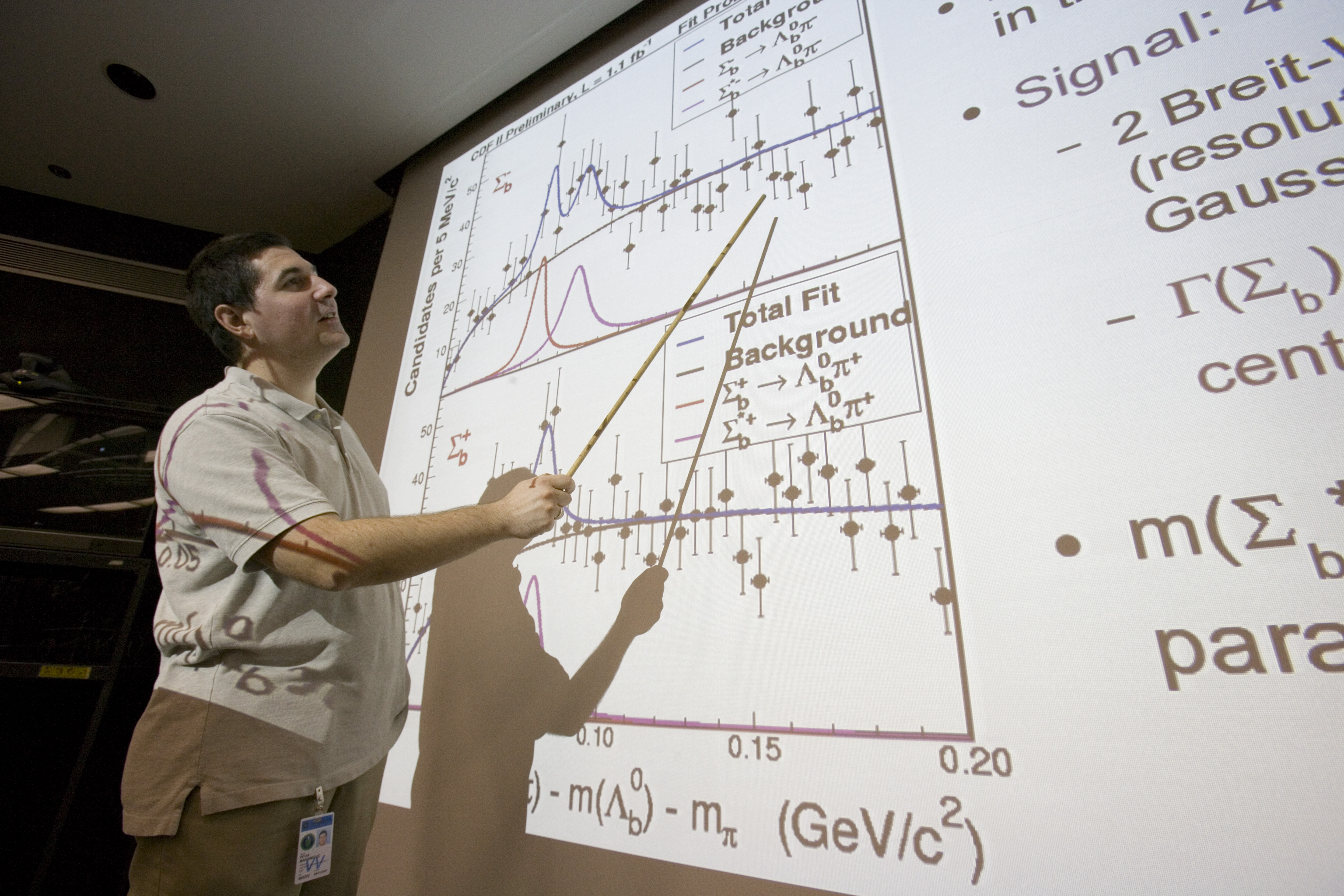
CDF physicist Petar Maksimovic, professor at Johns Hopkins University, presented the discovery to the particle physics community at Fermilab. He explained that the two types of Sigma-sub-b particles are produced in two different spin combinations, J=1/2 and J=3/2, representing a ground state and an excited state, as predicted by theory. (Credit: Fermilab)
via newswise

Curiosity Rover on Mars Stalled by ‘Hidden Valley’ Sand Trap
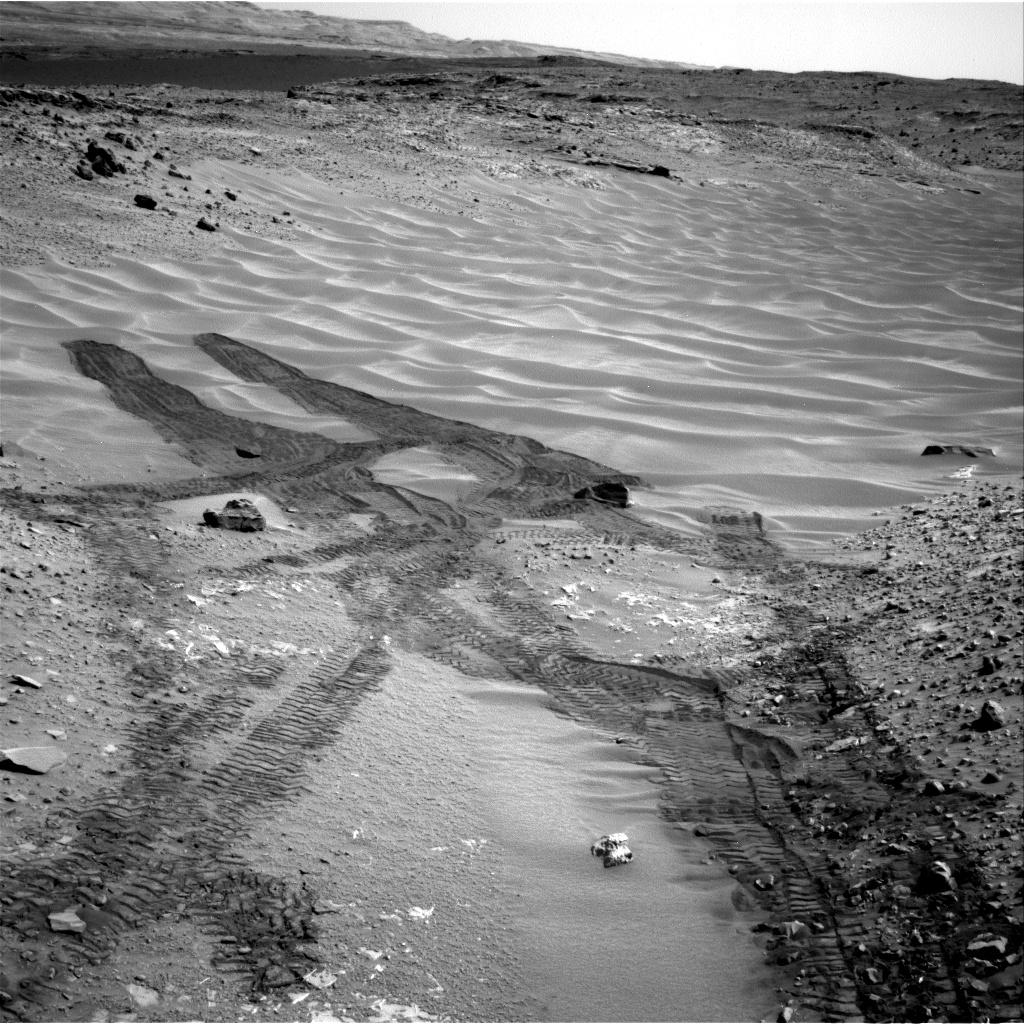
This image, taken by NASA's Mars rover Curiosity in August 2014, looks across the northeastern end of sandy "Hidden Valley" to the lower slopes of Mount Sharp on the horizon. (Credit: NASA/JPL-Caltech)
This image, taken by NASA’s Mars rover Curiosity in August 2014, looks across the northeastern end of sandy “Hidden Valley” to the lower slopes of Mount Sharp on the horizon.
(Credit: NASA/JPL-Caltech)
via space.com

Сalculations with nanoscale smart particles

Nanoparcticles producing logical calculations. (Credit: Maxim Nikitin)
via phys

Scientific error delayed the search for alien life
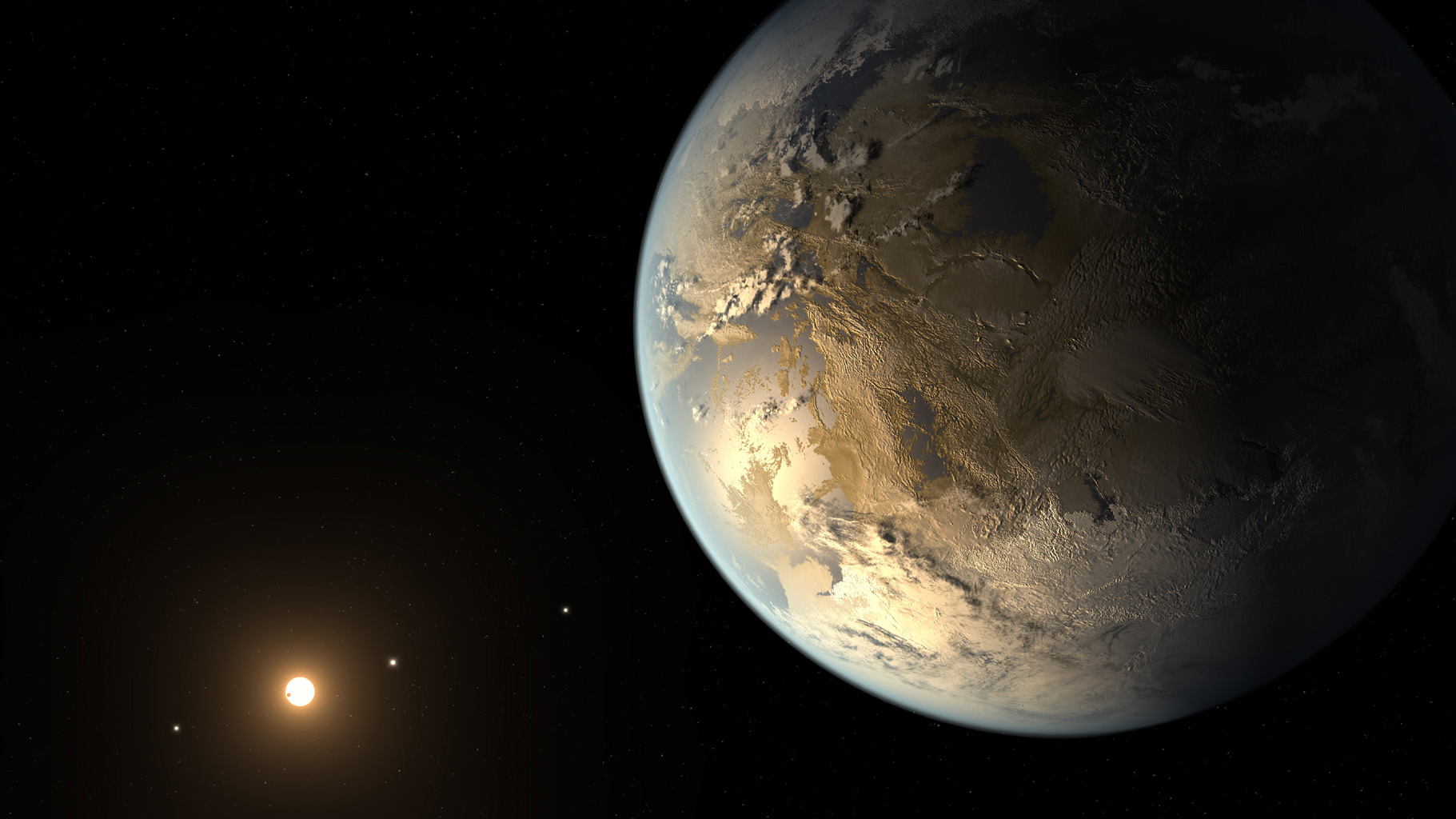
Scientists of the early 20th century argued that tidal forces had caused the sun to spit out the planets when a rogue star passed too close. It was a kind of drive-by shooting theory of planetary formation known as the "Planetesimal Hypothesis." (Credit: NASA, M. Strauss)
Scientists of the early 20th century argued that tidal forces had caused the sun to spit out the planets when a rogue star passed too close. It was a kind of drive-by shooting theory of planetary formation known as the “Planetesimal Hypothesis.” (Credit: NASA, M. Strauss)
via io9

SpaceX releases video of reusable rocket’s soft splashdown(VIDEO)

via valuewalk

Scientists unveil new technology to better understand small clusters of atoms
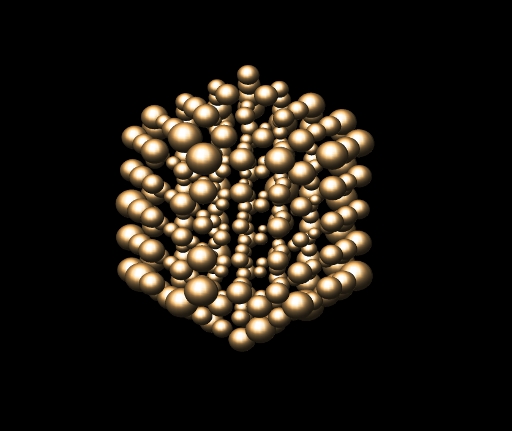
An illustration of the extent to which the atoms, in a small cluster of atoms, vibrate. The spheres represent the range of motion of the atoms, rather than the atoms themselves – the spheres have been exaggerated in size by 45 times in order to ease visualisation. The atoms on the surface have larger ranges of motion than those in the middle of the cluster. (Credit: University of York)
via york
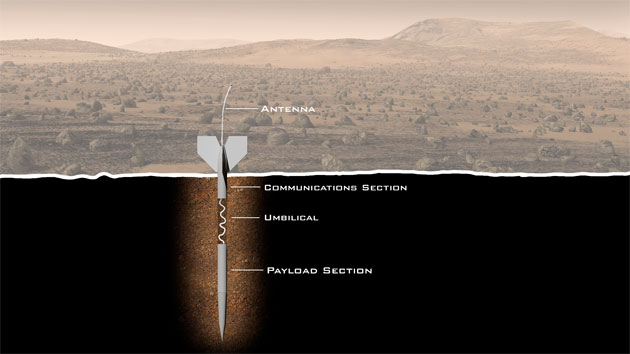
 The ExoLance Concept. "Arrows" fall from a spacecraft, penetrate the ground, and expose the life-detecting equipment inside. (Credit: Explore Mars Inc.)
The ExoLance Concept: “Arrows” fall from a spacecraft, penetrate the ground, and expose the life-detecting equipment inside. (Credit: Explore Mars Inc.)
via popsci

NASA will basically play SimAnt with new “Swarmies” robots
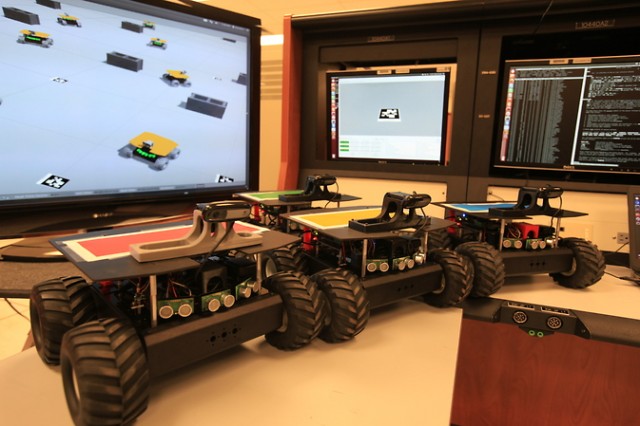
NASA engineers have built four robots nicknamed “Swarmies” to test whether a group of robots can autonomously and effectively scout an area for resources, and they’ve model the software design after how ants do the same thing. (Credit:  NASA/D. Gerondidakis, G. Tickle)
NASA engineers have built four robots nicknamed “Swarmies” to test whether a group of robots can autonomously and effectively scout an area for resources, and they’ve model the software design after how ants do the same thing. (Credit: NASA/D. Gerondidakis, G. Tickle)
via themarysue

New research improves quantum coherence time using cavity protection effect
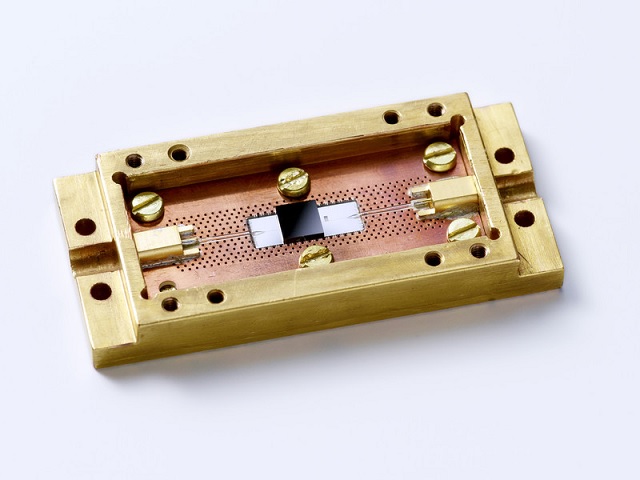
The quantum system studied at TU Wien (Vienna): a black diamond (center) contains nitrogen atoms, which are coupled to a microwave resonator. (Credit: TU Wien)
via azoquantum

Recycling old batteries into solar cells
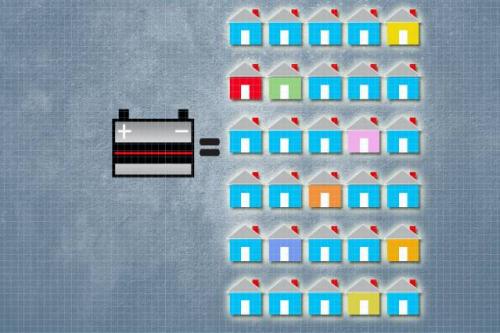
This could be a classic win-win solution: A system proposed by researchers at MIT recycles materials from discarded car batteries—a potential source of lead pollution—into new, long-lasting solar panels that provide emissions-free power. (Credit: Christine Daniloff/MIT)
via phys.org

The machine that tried to scan the brain – in 1882
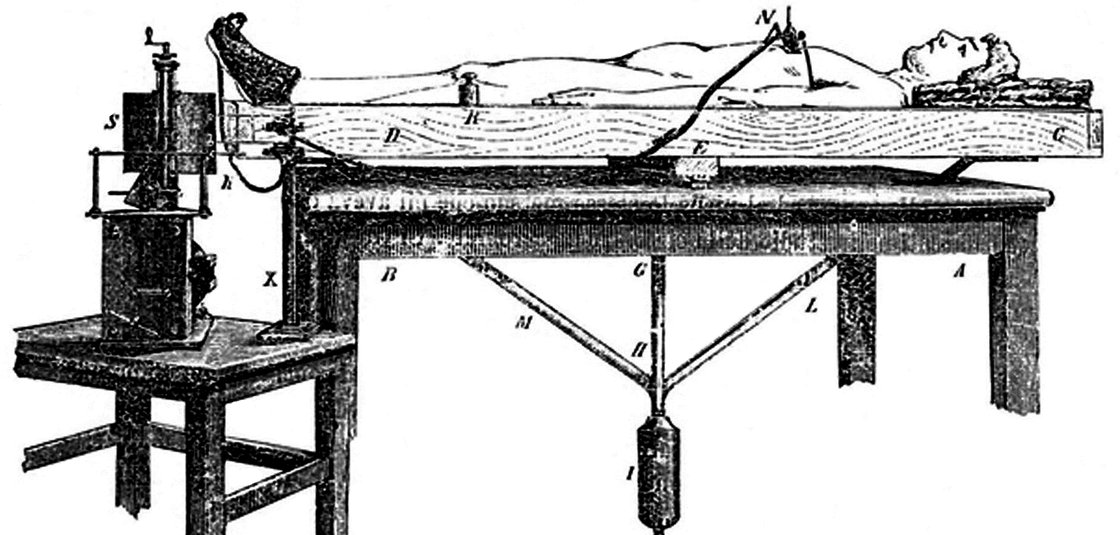
 Angelo Mosso's "human circulation balance" machine worked like a seesaw to measure blood flow changes to the brain. (Credit: Stefano Sandrone et al.)

Angelo Mosso’s “human circulation balance” machine worked like a seesaw to measure blood flow changes to the brain. (Credit: Stefano Sandrone et al.)
via npr

Space X Falcon 9 night time launch planned

via examiner

 Which came last—The supernova or the red giant?
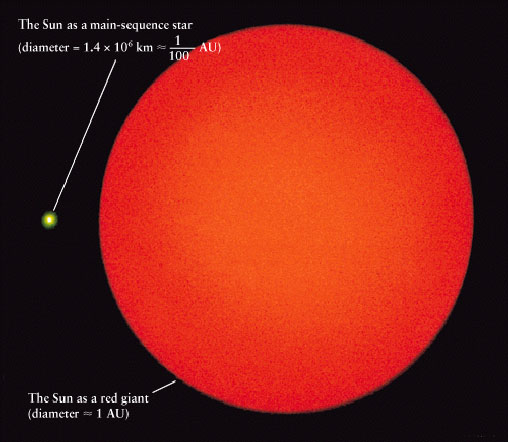
 A red giant star really is quite gigantic compared to our Sun. (Credit: NASA)
A red giant star really is quite gigantic compared to our Sun. (Credit: NASA)

via arstechnica

Physics in the News

Saturday, August 16, 2014

NASA develops origami style solar panels to be used in space(VIDEO)

via designboom

The improbable case of the high-energy novae: NASA’s Fermi space telescope detects new gamma ray sources

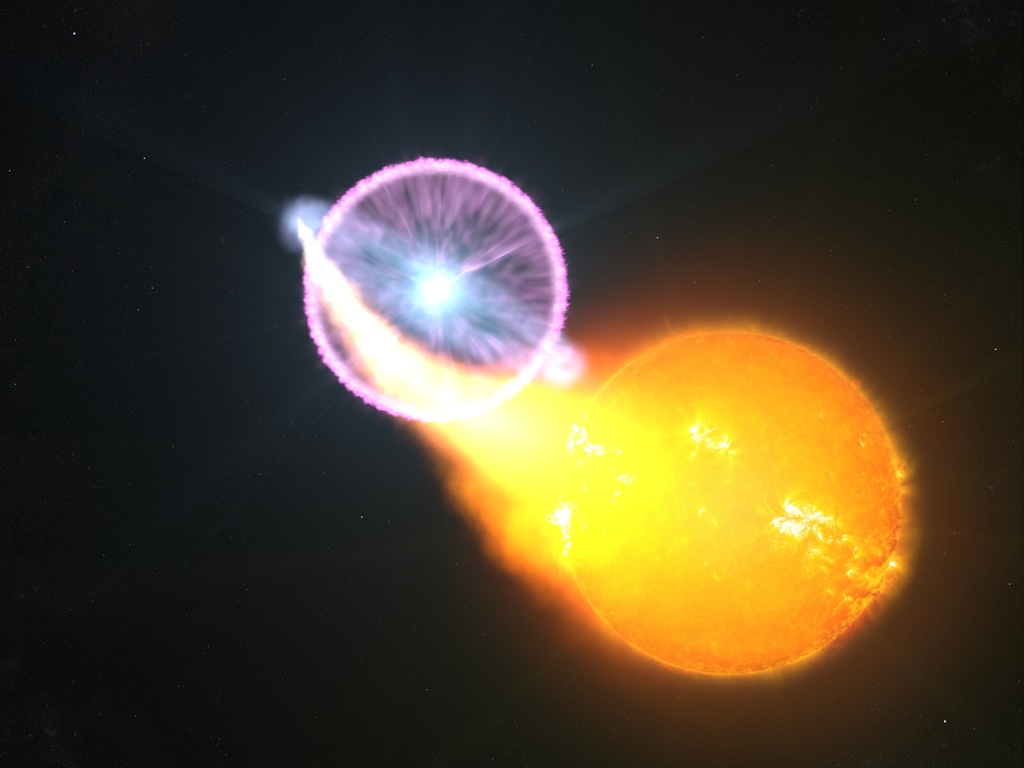
Novae typically originate in binary systems containing Sun-like stars, as shown in this artist’s rendering. NASA’s Fermi Space Telescope discovered that a nova in a system like this likely produces gamma rays (magenta) through collisions among multiple shock waves in the rapidly expanding shell of debris. (Credit: NASA’s Goddard Space Flight Center/S. Wiessinger)
via americaspace

Electrons in magnetic field reveal surprises

Beam out: elongated "Landau" states - Instead of rotating uniformly at a particular frequency, an international team of researchers has found that electrons in a magnetic field are capable of rotating at three different frequencies, depending on their quantum properties.
Beam out: elongated “Landau” states – Instead of rotating uniformly at a particular frequency, an international team of researchers has found that electrons in a magnetic field are capable of rotating at three different frequencies, depending on their quantum properties.
via physicsworld

How can we clean up that space junk(VIDEO)?

via universetoday

Weird blurred light near giant black hole(VIDEO)

via space

UT research uncovers forces that hold gravity defying near earth asteroid together

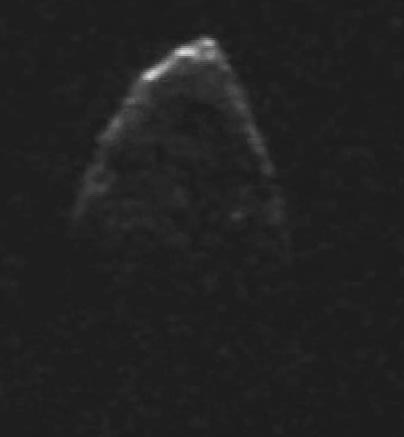
Asteroid 1950 DA. “Following the February 2013 asteroid impact in Chelyabinsk, Russia, there is renewed interest in figuring out how to deal with the potential hazard of an asteroid impact,” said Rozitis. “Understanding what holds these asteroids together can inform strategies to guard against future impacts.” (Credit: NASA)
via tntoday

‘Monster’ quasars got that way by gorging on gas

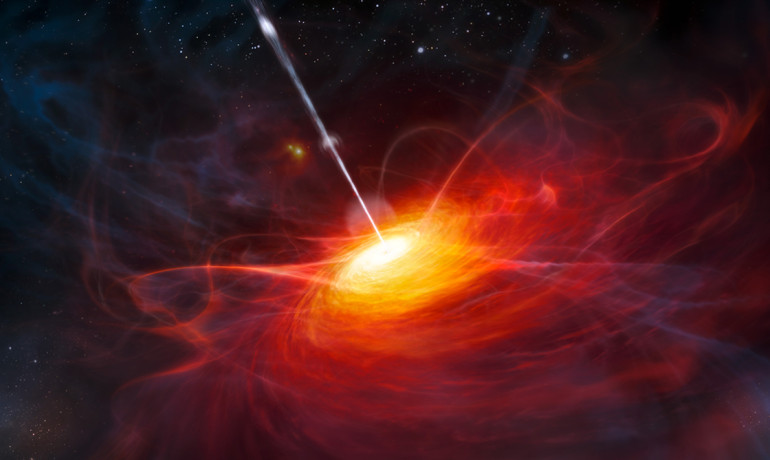
"The puzzle has been how these 'seed' black holes grew into the monsters that we now see within the time available, a few billion years at best," says Priyamvada Natarajan, who proposes that early quasars took in a "super boost," feasting from large reservoirs of gas that were part of early star clusters. (Credit: Lollito Larkham/Flickr)
“The puzzle has been how these ‘seed’ black holes grew into the monsters that we now see within the time available, a few billion years at best,” says Priyamvada Natarajan, who proposes that early quasars took in a “super boost,” feasting from large reservoirs of gas that were part of early star clusters. (Credit: Lollito Larkham/Flickr)
via futurity

LHC research, presented in tangible tidbits

via symmetrymagazine

NASA sleep promoting light bulb hopes to send you to snoozeland, ASAP!

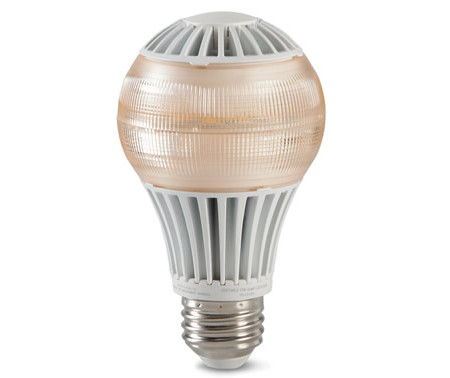
Lighting Science created special lightbulbs for the ISS. There are daylight bulbs with bluer light to encourage energy and activity during what would be daytime hours, and then there are lightbulbs that dial back on the blue to boost astronauts’ production of melatonin for a good night’s sleep. (Credit: Lightning Science)
via cnet

NASA funds robotic tumbling cubes for space exploration

via spectrum

Physics in the News

Wednesday, August 13, 2014

First robotic telescope captures clear images of exoplanet stars

via spectrum

What?! The universe appears to be missing some light

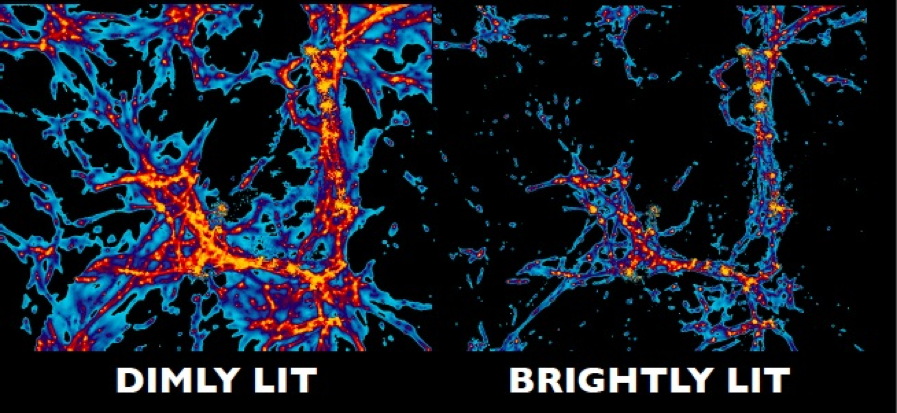
New data from the Hubble Space Telescope and computer simulations have revealed that the universe has much less ultraviolet light than previously thought. (Credit: Ben Oppenheimer and Juna Kollmeie)
New data from the Hubble Space Telescope and computer simulations have revealed that the universe has much less ultraviolet light than previously thought.
(Credit: Ben Oppenheimer and Juna Kollmeie)
via space

Here’s the world’s first robotics company to pledge not to make ‘killer robots’

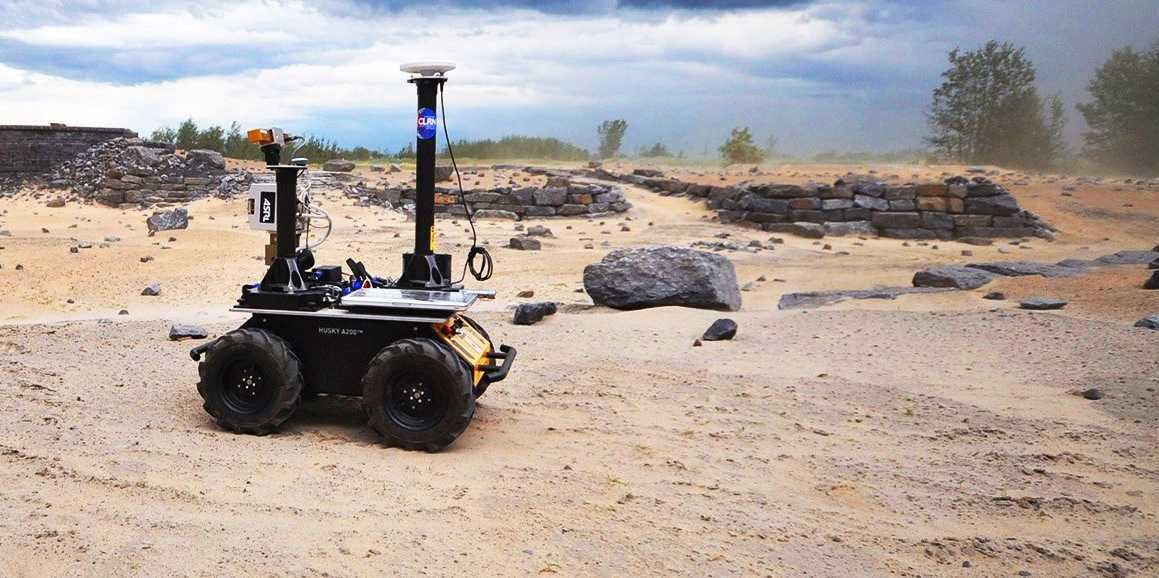
Clearpath Robotics "Husky," an autonomous vehicle. (Credit: Clearpath Robotics)
“Husky,” an autonomous vehicle. (Credit: Clearpath Robotics)

via businessinsider

Planck’s mystery cosmic ‘cold spot’ may be an error

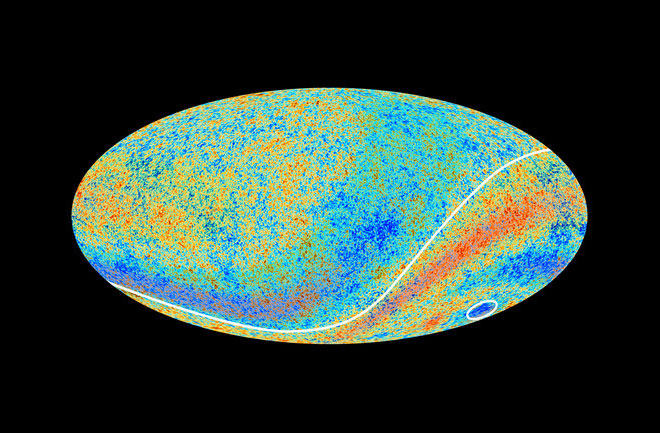
The European Space Agency's Planck space telescope mapped the cosmic microwave background. (Credit: ESA and the Planck Collaboration)
The European Space Agency’s Planck space telescope mapped the cosmic microwave background. (Credit: ESA and the Planck Collaboration)
via space

Proof confirmed of 400-year-old fruit-stacking problem

Now, a mathematician has announced the completion of an epic quest to formally prove the so-called Kepler conjecture. “An enormous burden has been lifted from my shoulders,” says Thomas Hales of the University of Pittsburgh, Pennsylvania, who led the work. “I suddenly feel ten years younger!” (Credit: Ray Tang/Rex)
via newscientist

Introducing this year’s underground astronauts

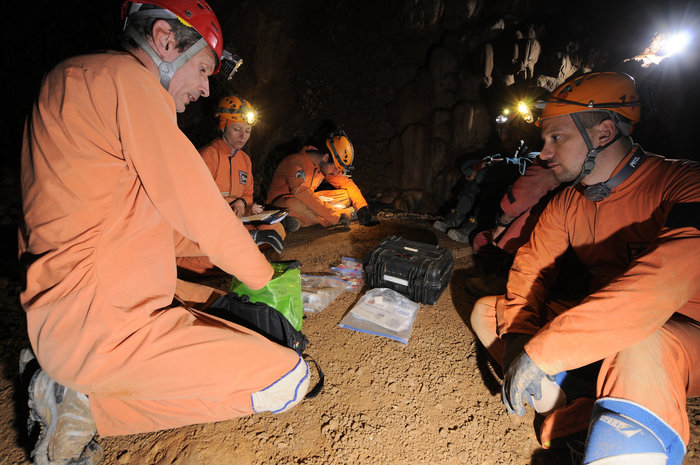
Astronauts will be working together, deep underground. (Credit: ESA—A. Romeo)
via phys

How to build a supermassive black hole in less than a billion years

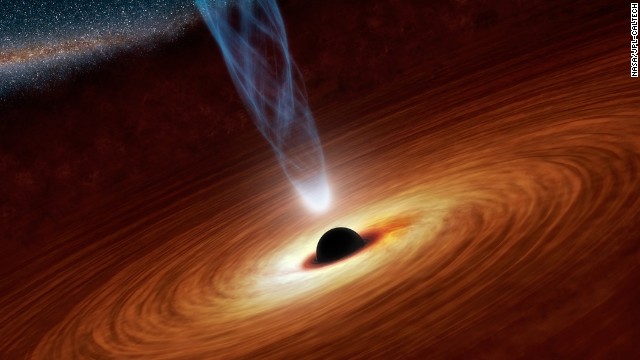
This artist's rendering shows one possible configuration for a corona, but that its true shape is unknown. (Credit: NASA/JPL-Caltech)

via arstechnica
Physics in the News

Sunday, August 3, 2014

Best evidence yet for coronal heating theory

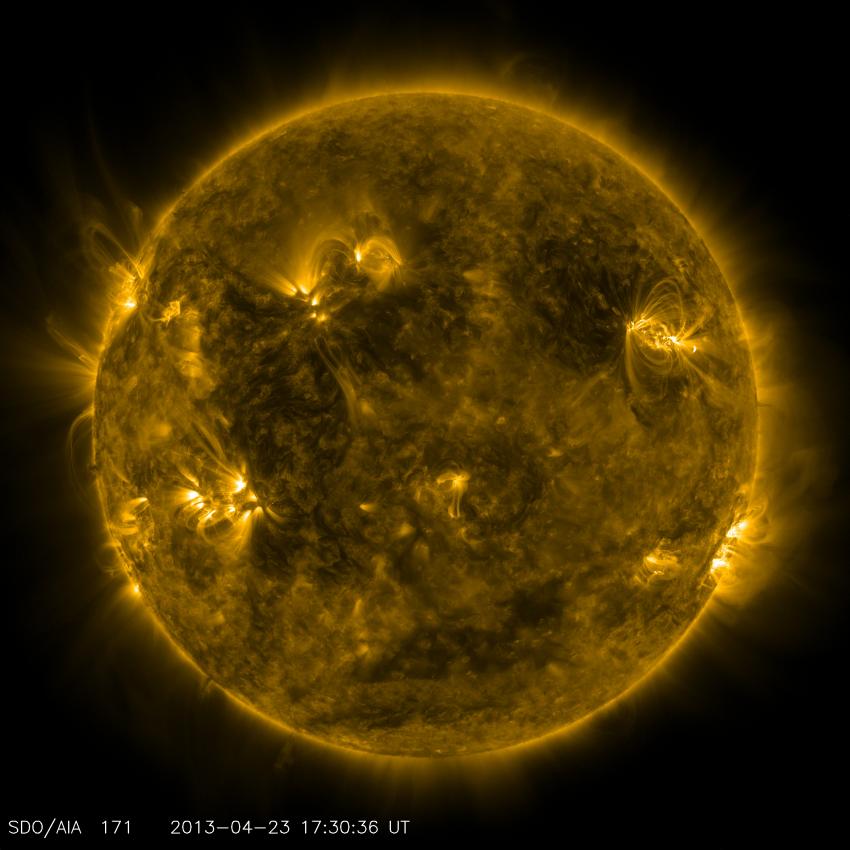
NASA's Solar Dynamics Observatory captured this image of what the sun looked like on April 23, 2013, at 1:30 p.m. EDT when the EUNIS mission launched. EUNIS focused on an active region of the sun, seen as bright loops in the upper right in this picture. (Credit: NASA/SDO)
NASA’s Solar Dynamics Observatory captured this image of what the sun looked like on April 23, 2013, at 1:30 p.m. EDT when the EUNIS mission launched. EUNIS focused on an active region of the sun, seen as bright loops in the upper right in this picture. (Credit: NASA/SDO)
via phys.org

Robot Olympics planned for 2020 powered by Japan’s ‘Robot Revolution’

via singularityhub

Moon closer to Mars, moving toward Saturn

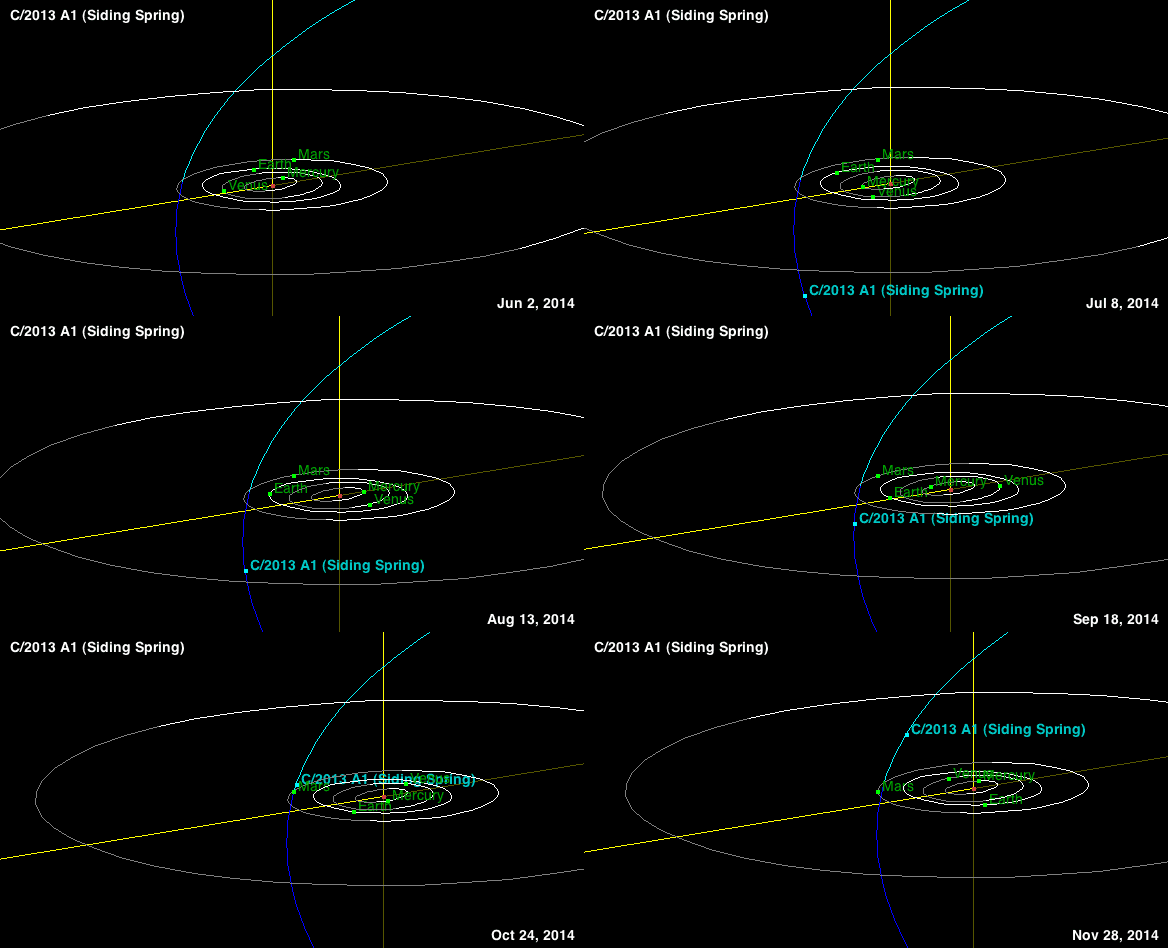
Animation of Comet C/2013 A1 Siding Spring / Mars encounter. (Credit: Near-Earth Object (NEO) office and NASA JPL)
via earthsky

Scientists separate a particle from its properties

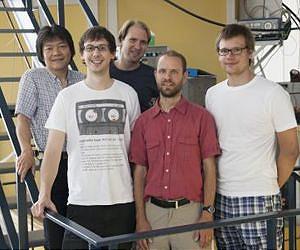
he study, carried out at the Institute Laue-Langevin (ILL) and published in Nature Communications, showed that in an interferometer a neutron's magnetic moment could be measured independently of the neutron itself, thereby marking the first experimental observation of a new quantum paradox known as the 'Cheshire Cat'. Pictured are Yuji Hasegawa, Tobias Denkmayr, Stephan Sponar, Hartmut Lemmel, and Hermann Geppert. (Credit: Vienna University of Technology.)
The study, carried out at the Institute Laue-Langevin (ILL) and published in Nature Communications, showed that in an interferometer a neutron’s magnetic moment could be measured independently of the neutron itself, thereby marking the first experimental observation of a new quantum paradox known as the ‘Cheshire Cat’. Pictured are Yuji Hasegawa, Tobias Denkmayr, Stephan Sponar, Hartmut Lemmel, and Hermann Geppert. (Credit: Vienna University of Technology.)
via spacedaily

Companion planet could keep alien Earths warm in old age

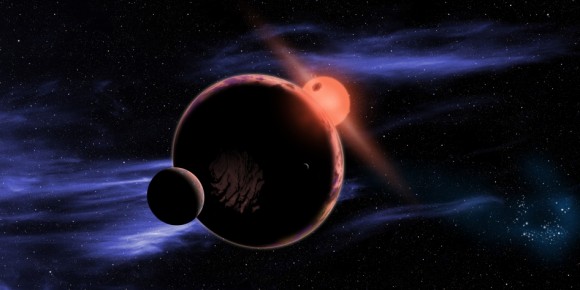
An artist’s concept of a rocky world orbiting a red dwarf star. (Credit: NASA/D. Aguilar/Harvard-Smithsonian center for Astrophysics)
via universetoday

Exclusive: NASA’s Hubble finds ‘magnifying lens’ galaxy

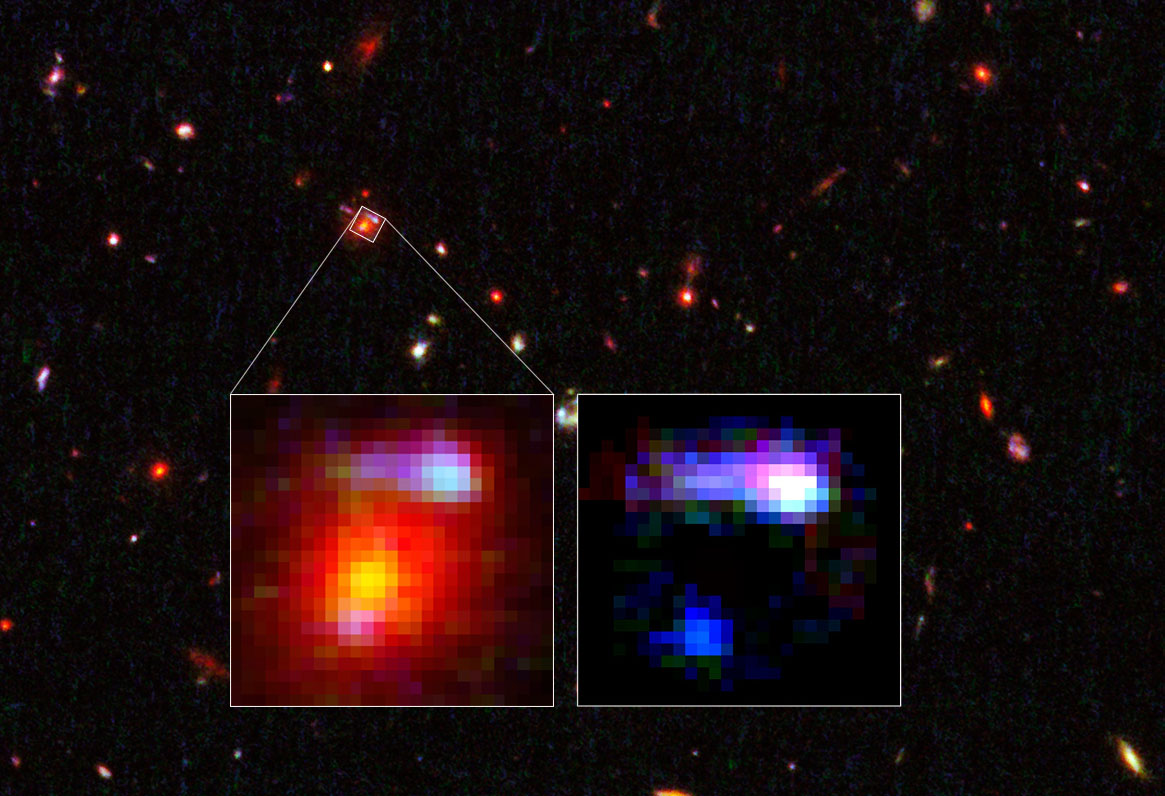
In this image from the Hubble Space Telescope, a giant elliptical galaxy 9.6 billion light-years away appears as a red patch. The bluish dot and tadpole-shaped smear are the distorted and magnified shapes of a more distant spiral galaxy 10.7 billion light-years away. (Credit: NASA, ESA, K.-V. Tran (Texas A&M University), and K. Wong)
In this image from the Hubble Space Telescope, a giant elliptical galaxy 9.6 billion light-years away appears as a red patch. The bluish dot and tadpole-shaped smear are the distorted and magnified shapes of a more distant spiral galaxy 10.7 billion light-years away.
(Credit: NASA, ESA, K.-V. Tran (Texas A&M University), and K. Wong)
via space

Scientists in Scotland have created a working tractor beam

(Credit: iStock/360/Getty)
The Dundee tractor beam is not entirely dissimilar from those in “Star Wars” and “Star Trek,” in that it draws an object toward it without making physical contact. The device works by taking advantage of an acoustic wave’s natural push effect, called radiation pressure. (Photons also exert radiation pressure, which is part of the reason comet tails always point away from the sun.) What the Dundee team was able to demonstrate was an example of negative radiation pressure, otherwise known as pull. (Credit: iStock/360/Getty)
via thenewyorker

Giant asteroids reshaped Earth 4 billion years ago

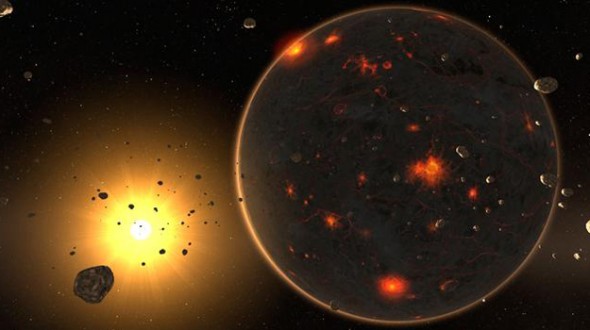
The team says that during this 500 million year period the planet likely experienced three to seven impacts by objects more than 300 miles wide. There were also as many as four impacts by titanic space rocks more than 600 miles across. If there had been any life on the Earth, a 600 mile wide monster asteroid probably would have wiped it out. Surprisingly, these impacts are compatible with the existence of liquid water on the surface as early as 4.3 billion years ago.
The team says that during this 500 million year period the planet likely experienced three to seven impacts by objects more than 300 miles wide. There were also as many as four impacts by titanic space rocks more than 600 miles across. If there had been any life on the Earth, a 600 mile wide monster asteroid probably would have wiped it out. Surprisingly, these impacts are compatible with the existence of liquid water on the surface as early as 4.3 billion years ago. (D. A. Aguilar, Harvard-Smithsonian Center for Astrophysics)
via geek

Will DARPA’s new space shuttle crush the SpaceX Grasshopper?

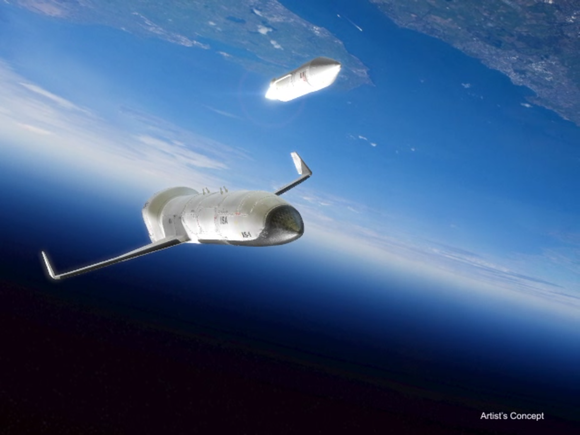
DARPA's hypothetical "space plane." (Credit: DARPA)
DARPA’s hypothetical “space plane.” (Credit: DARPA)
via fool

European spacecraft to attempt historic comet rendezvous this week

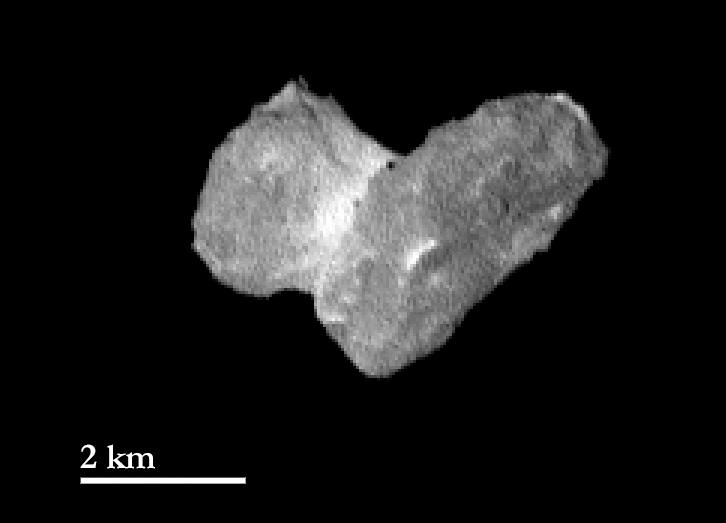
The European Space Agency's Rosetta spacecraft saw the nucleus of comet 67P/Churyumov-Gerasimernko from a distance of 1,210 miles (1,950 kilometers). Image taken July 29, 2014. (Credit: ESA/Rosetta/MPS for OSIRIS Team MPS/UPD/LAM/IAA/SSO/INTA/UPM/DASP/IDA)
The European Space Agency’s Rosetta spacecraft saw the nucleus of comet 67P/Churyumov-Gerasimernko from a distance of 1,210 miles (1,950 kilometers). Image taken July 29, 2014.
(Credit: ESA/Rosetta/MPS for OSIRIS Team MPS/UPD/LAM/IAA/SSO/INTA/UPM/DASP/IDA)
via space

Physics in the News

Tuesday, July 29, 2014

First glimpse of Higgs Bosons at work revealed

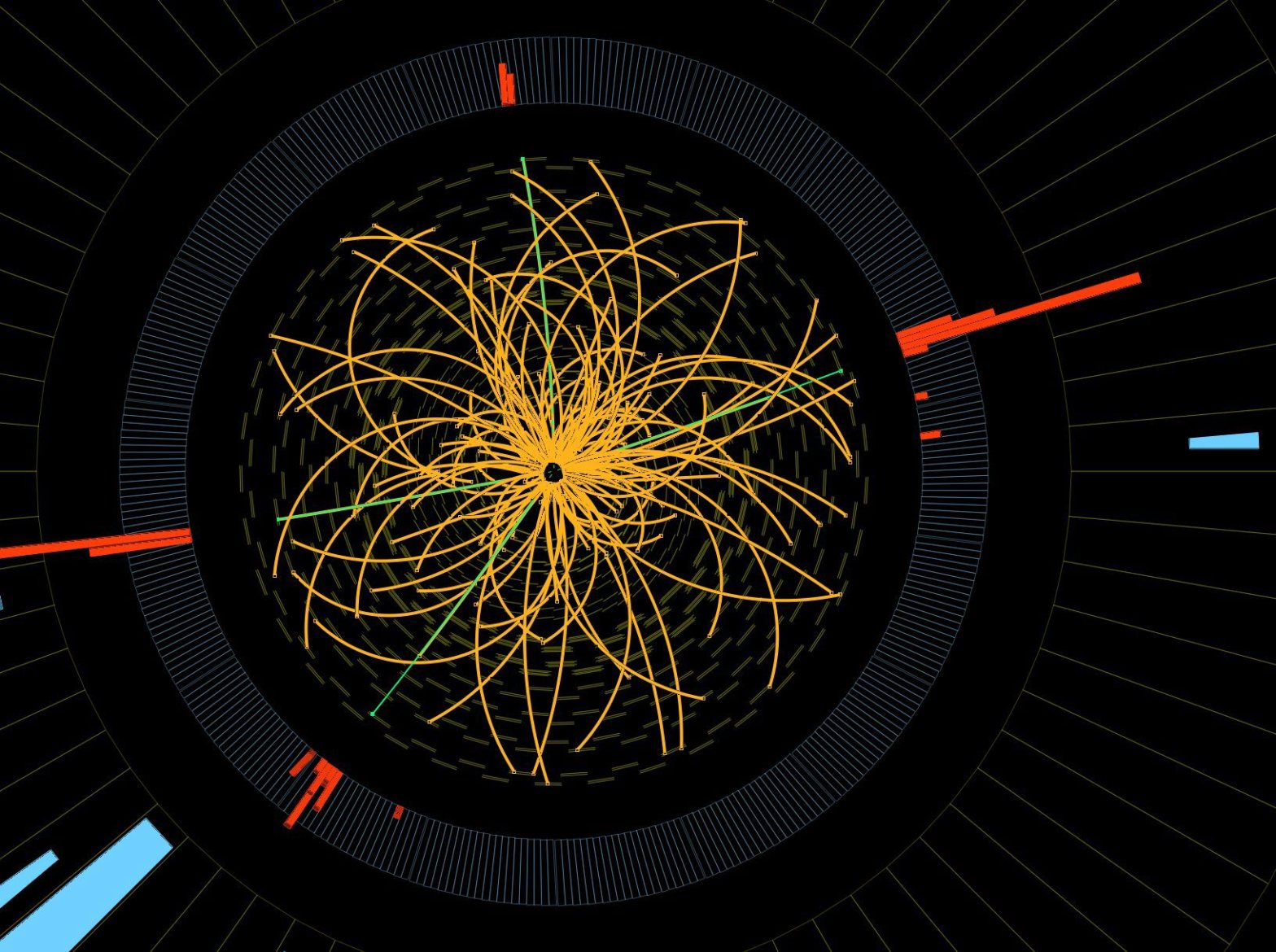
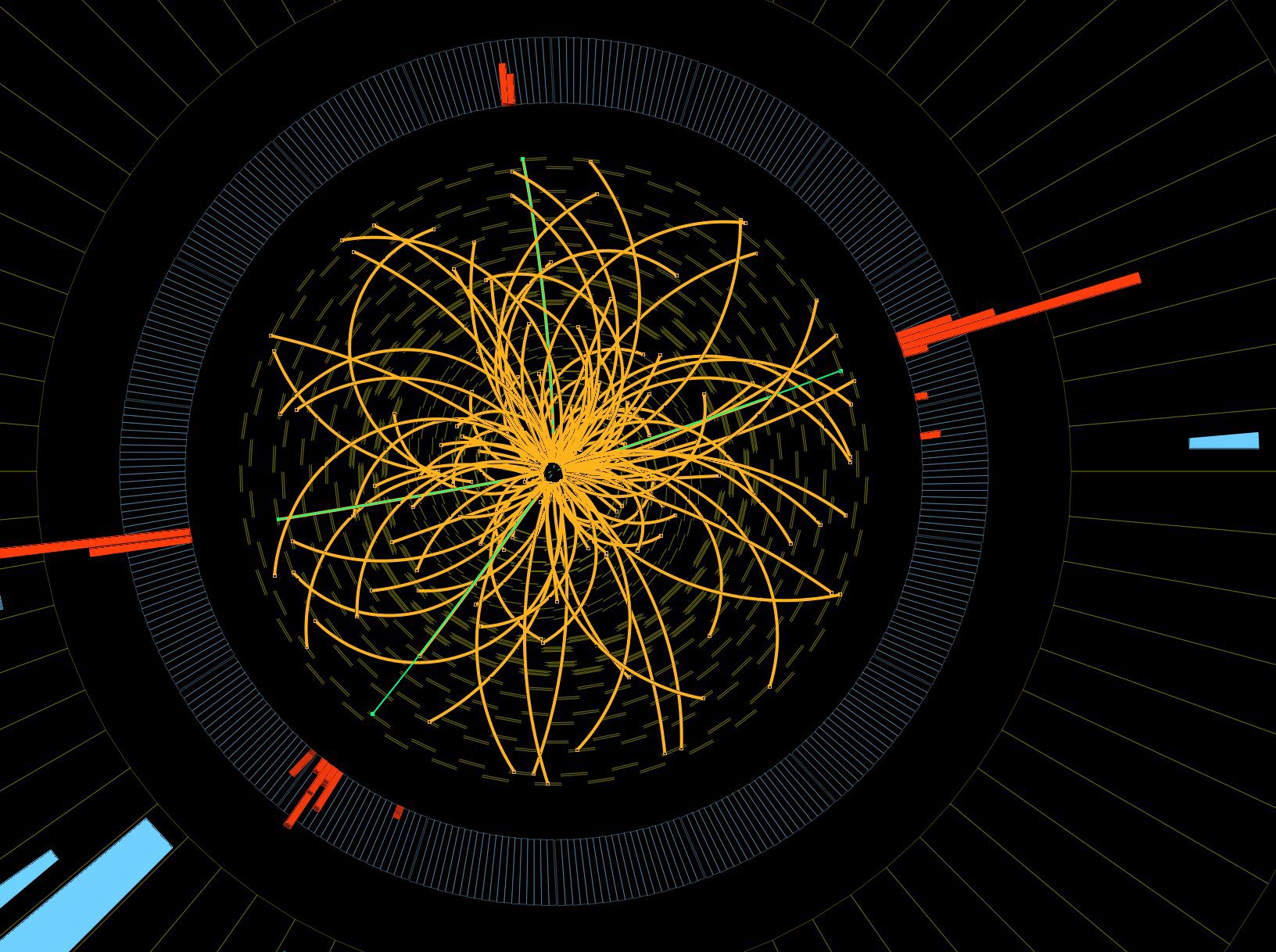
his 2011 image provide by CERN, shows a real CMS proton-proton collision in which 4 high energy electrons (green lines and red towers) are observed in a 2011 event. The event shows characteristics expected from the decay of a Higgs boson but is also consistent with background Standard Model physics processes.  To cheers and standing ovations, scientists at the world's biggest atom smasher claimed the discovery of a new subatomic particle Wednesday July 4, 2012, calling it "consistent" with the long-sought Higgs boson — popularly known as the "God particle" — that helps explain what gives all matter in the universe size and shape.  (Credit: AP Photo/CERN)
CMS proton-proton collision in which 4 high energy electrons (green lines and red towers) are observed in a 2011 event. The event shows characteristics expected from the decay of a Higgs boson but is also consistent with background Standard Model physics processes. (Credit: AP Photo/CERN)
via yahoo

Drone fly-by at Seattle’s Space Needle (VIDEO)

via adafruit

Opportunity Rover’s record-breaking Mars drive, mapped

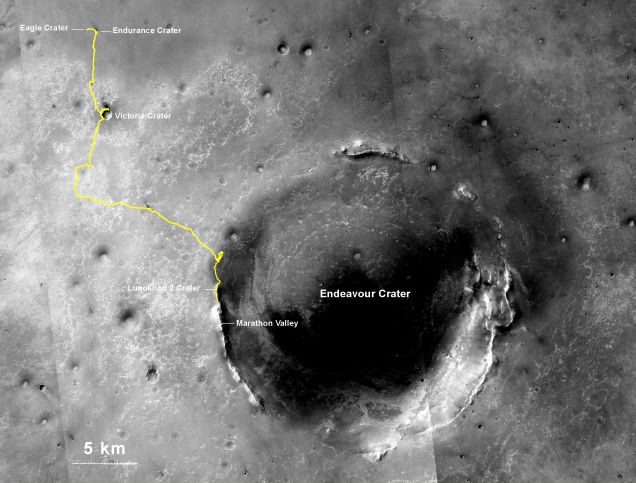
NASA reports that the Mars Rover has clocked up 25.01 miles of driving on the Red Planet—setting a record for the longest distance a vehicle has driven outside Earth. (Credit: NASA)
via gizmodo

New correction to speed of light could explain SN1987 neutrino burst

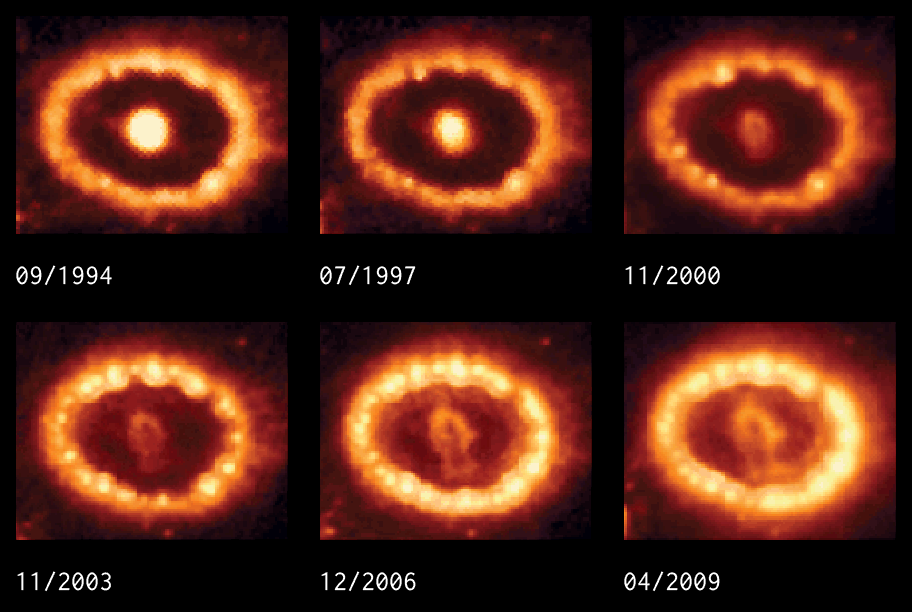
A time sequence of Hubble Space Telescope images, taken in the 15 years from 1994 to 2009, showing the collision of the expanding supernova remnant with a ring of dense material ejected by the progenitor star 20,000 years before the supernova
A time sequence of SN 1987A, taken in the 15 years from 1994 to 2009, showing the collision of the expanding supernova remnant with a ring of dense material ejected by the progenitor star 20,000 years before the supernova.
via physicsworld

A robot that grows

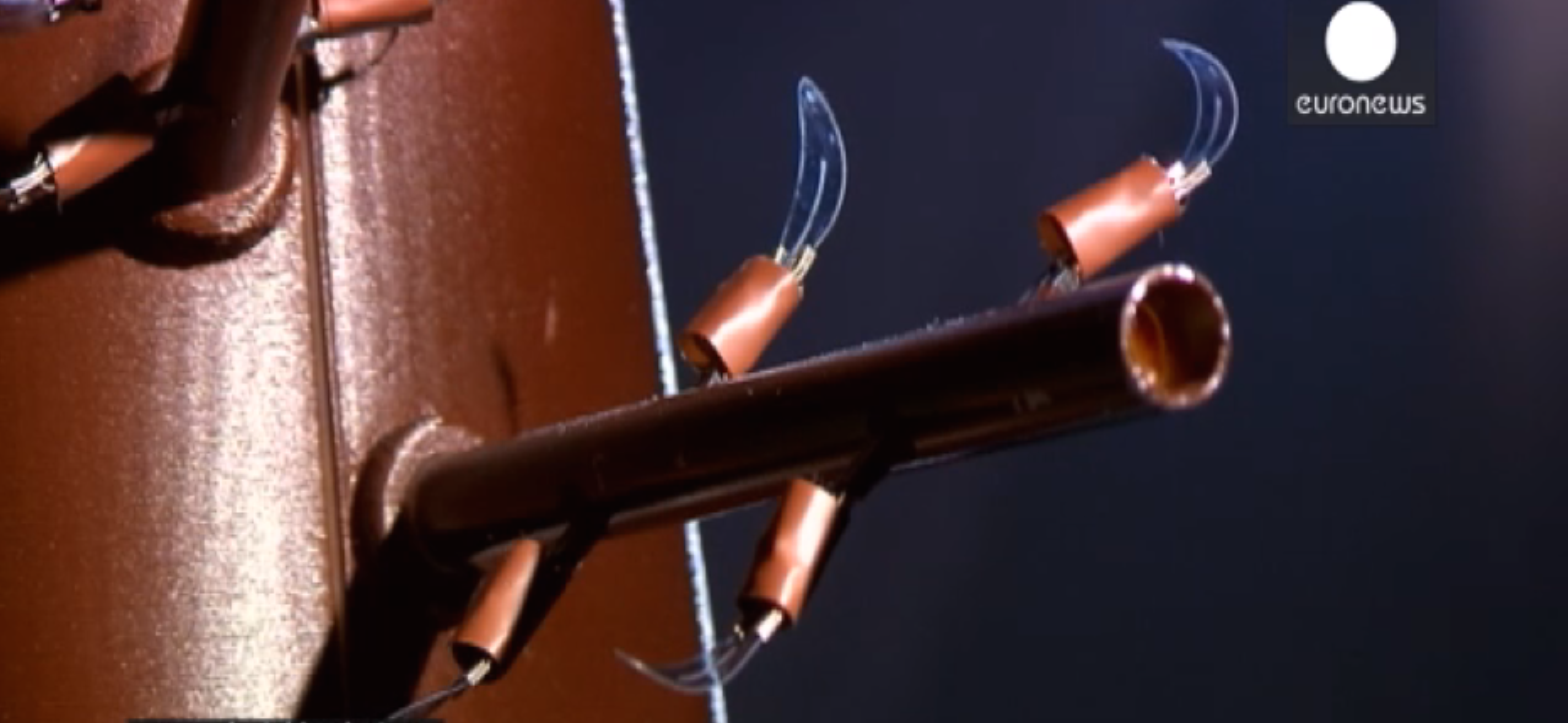
Scientists in Italy are working on creating robots that mimic the properties of plant roots, including the capacity for growth. (Credit: Euronews)
via euronews

The Moon could be littered with fossils from Earth

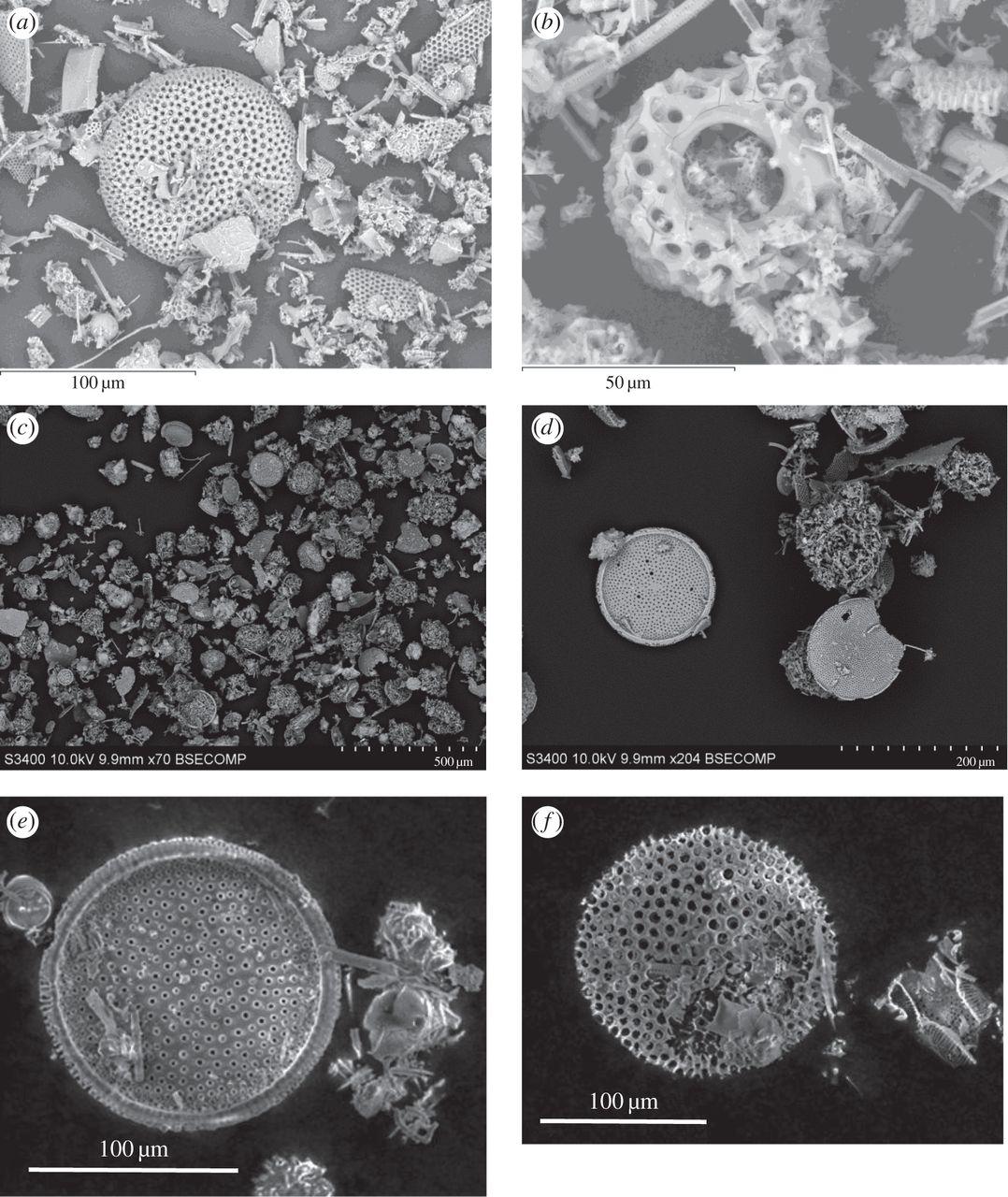
 Diatoms. Images a and b are raw diatoms; c and d are fossilized, and e and f are fossilized diatoms that were frozen but not shot. (Credit: Mark Burchell et al., Philosophical Transactions of the Royal Society)
Images a and b are raw diatoms; c and d are fossilized, and e and f are fossilized diatoms that were frozen but not shot.
(Credit: Mark Burchell et al., Philosophical Transactions of the Royal Society)
via popsci

 Best time to see 2014 meteor showers? Right about … now!

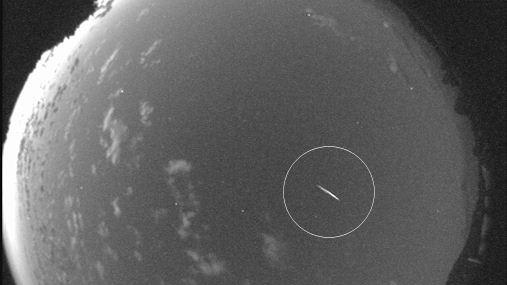
Look up, sky watchers! NASA cameras caught this streak over the New Mexico skies on Sunday, as the Perseid meteor shower heats up. (Credit: NASA)
via latimes

 Teleportation is closer than you think

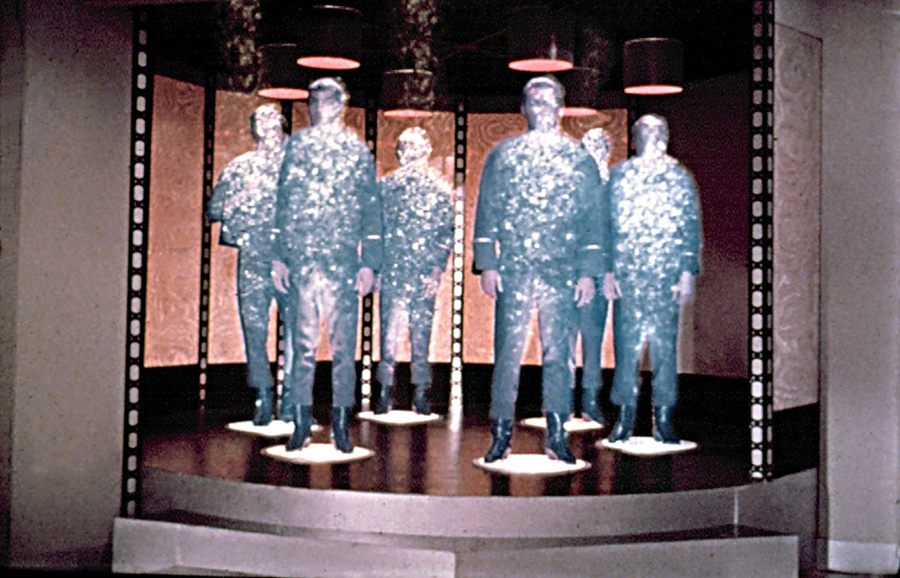
Recent advances in theoretical physics are making Star Trek style transporters a reality. (Credit: Paramount/Everett Collection)
via mysteriousuniverse