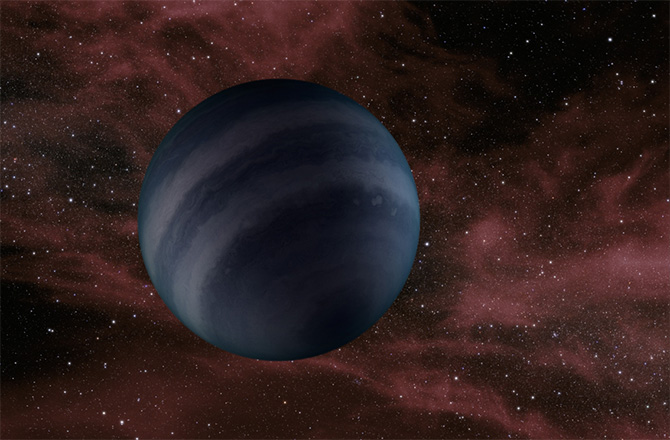
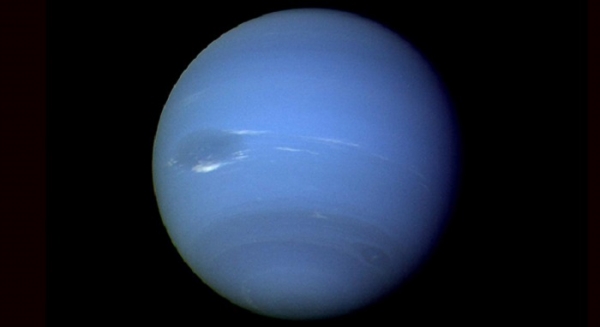
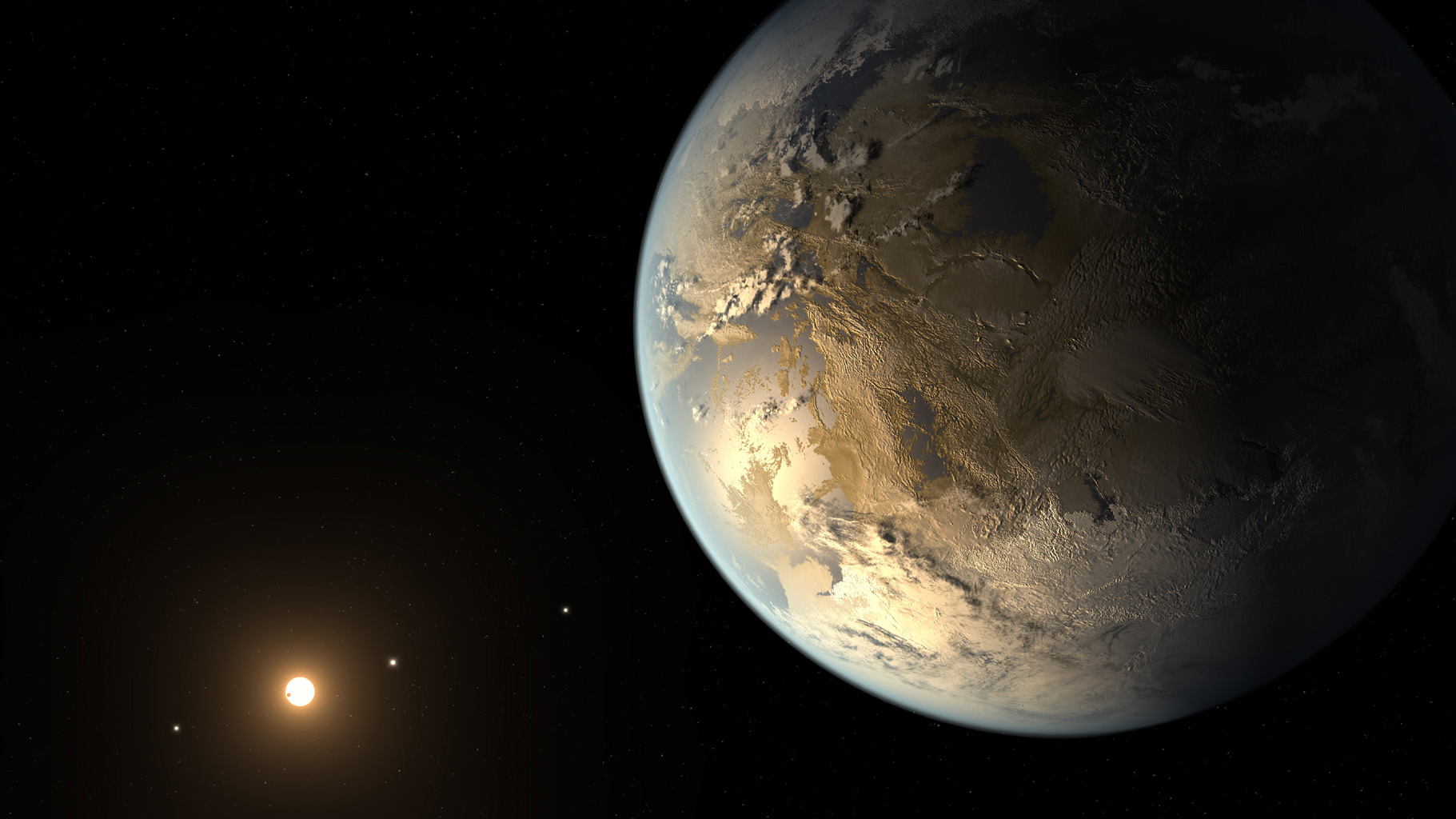
Finding clouds of water floating in the atmosphere of an alien world is a significant find. Now, astronomers have reported preliminary findings that water clouds have been detected in the atmosphere of a brown dwarf, a mere 7.3 light-years from Earth. (Credit: NASA, JPL-Caltech, O’neil)
via discovery
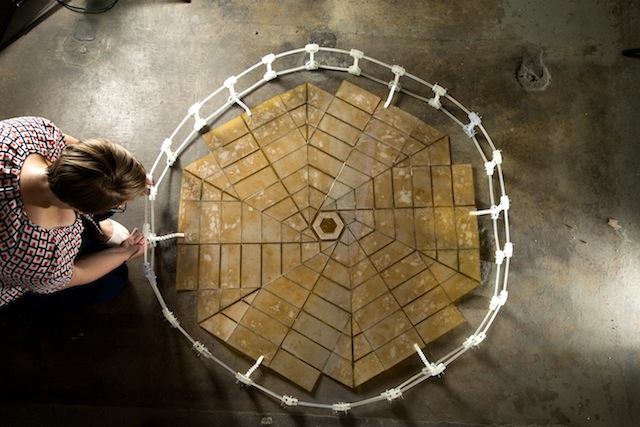
NASA mechanical engineer, Brian Trease, worked with Brigham Young University doctoral student Shannon Zirbel, and collaborated with origami expert Robert Lang, who has long been active in promoting it in science, and BYU professor Larry Howel, to combine different traditional folds for an 82-foot solar array that whirls down to 8.9 feet. (Credit: BYU, Meier)
via hyperallergic
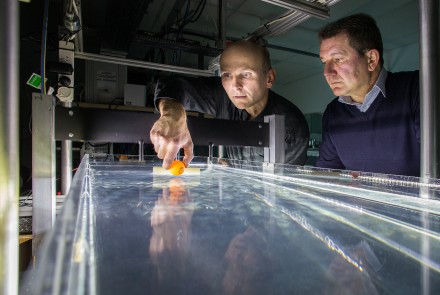
“If we find a noise we can’t get rid of, we might be detecting something fundamental about nature – a noise that is intrinsic to space-time,” said Physicist Aaron Choi, the holometer project’s lead scientist. (Credit: NASA, ESA)
via interactions
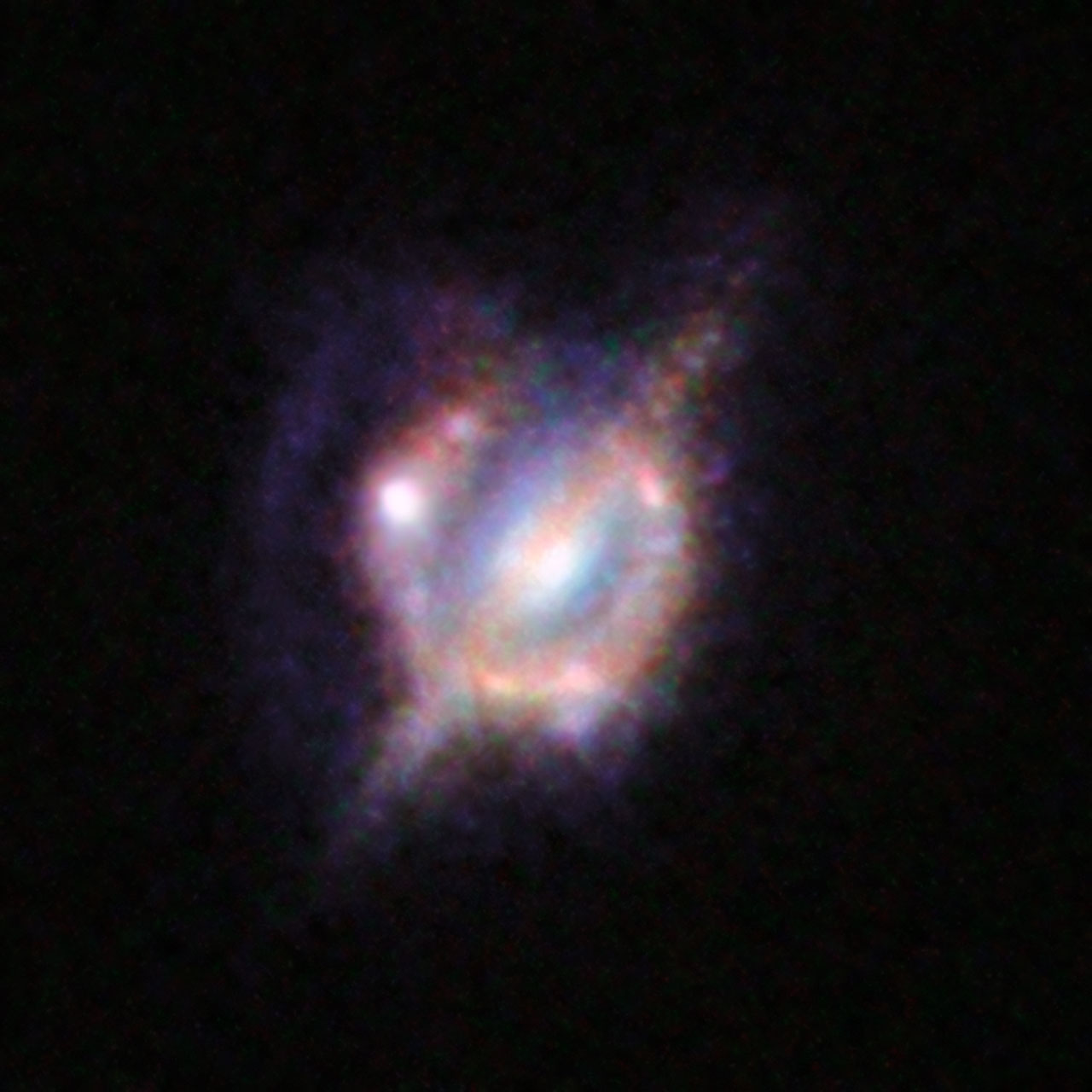
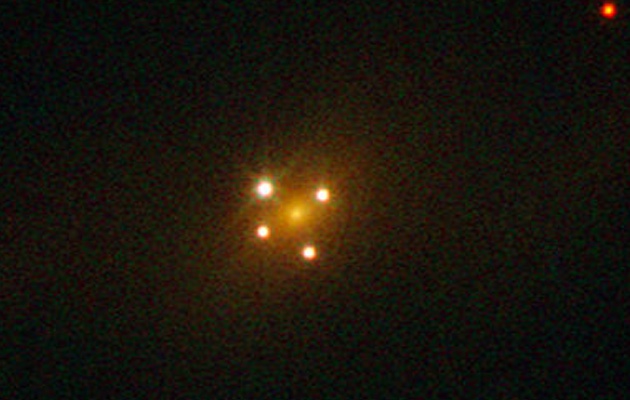
In this picture, which combines views from Hubble and the Keck-II telescope on Hawaii (using adaptive optics), you can see a foreground galaxy that is acting as the gravitational lens. The galaxy resembles how our home galaxy, the Milky Way, would appear if seen edge-on. But around this galaxy there is an almost complete ring — the smeared out image of a star-forming galaxy merger far beyond. (Credit: NASA, ESA)
via spacetelescope
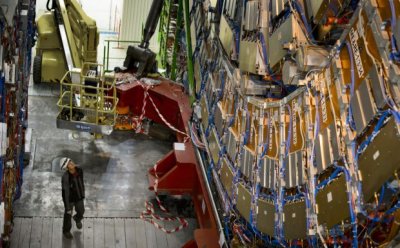
With a circumference of 52km, the “Higgs Factory” would be almost twice the size of Europe’s equivalent, and significantly more powerful. The Chinese said it is due to be completed by 2028. Image above is the Large Hadron Collider. (Credit: Getty)
via cityam
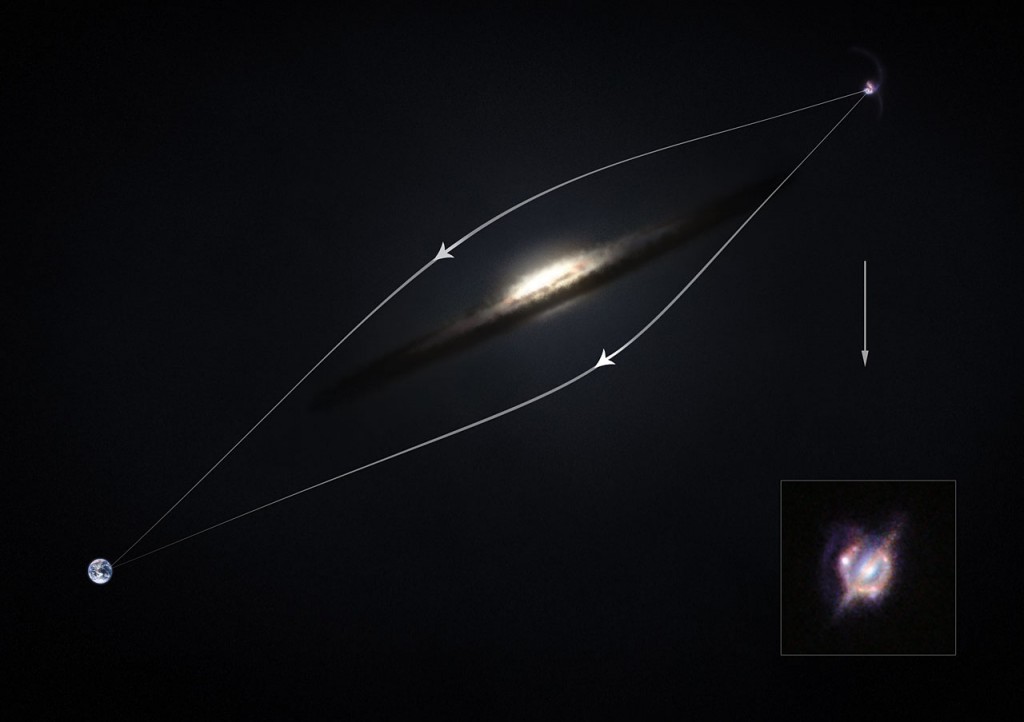
This diagram shows how the effect of gravitational lensing around a normal galaxy focuses the light coming from a very distant star-forming galaxy merger to created a distorted, but brighter view. (Credit: ESA/ESO/M. Kornmesser)
via washingtonpost
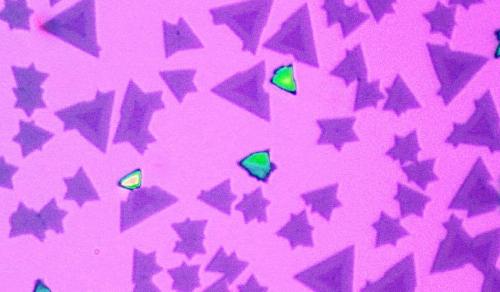
As seen under an optical microscope, the heterostructures have a triangular shape. The two different monolayer semiconductors can be recognized through their different colors. (Credit: U of Washington)
via phys.org
“It’s the most distant object for which the spin has been directly measured. The universe is about 13.7 billion years old, so this is going significantly back towards when the epoch of furious galaxy formation was happening,” says, Astrophysicist, Mark Reynolds.
via motherboard
This image sometimes circulates on Facebook, with the claim that Mars will appear as big and bright as a full moon on August 27, 2014. It’s a hoax. Don’t believe it. Mars never appears as large as a full moon in Earth’s sky. (Credit: Unknown)
via bnlive
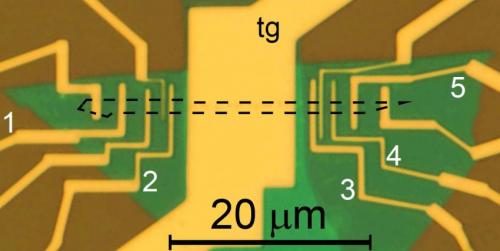
A optical microscope image of the spintronic device (top view). The top electrode (tg) and cobalt electrodes (1 to 5) are yellow. The boron nitride layers (in green) encapsulate the graphene flake, which is outlined by the dotted line. Credit: Fundamental Research on Matter (Credit: FOM)
via phys.org
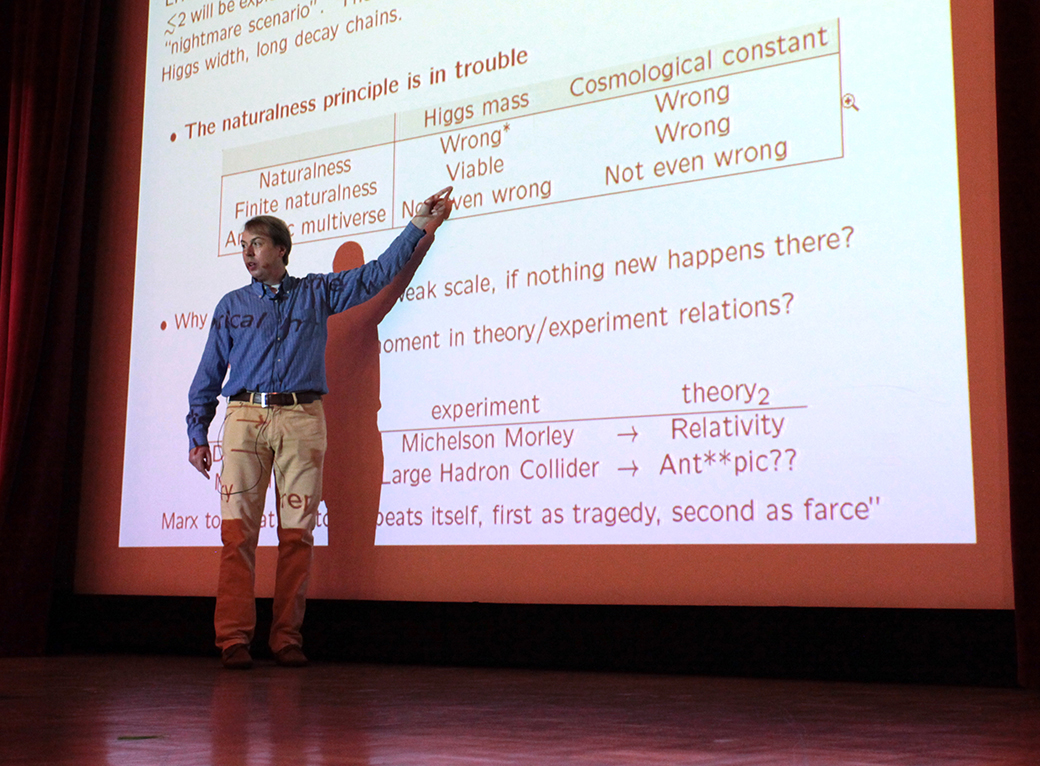
Alessandro Strumia of the University of Pisa, pictured speaking at a conference in 2013, has co-developed a scale-symmetric theory of particle physics called “agravity.” (Credit: Thomas Lin/Quanta Magazine)
via simonfoundation
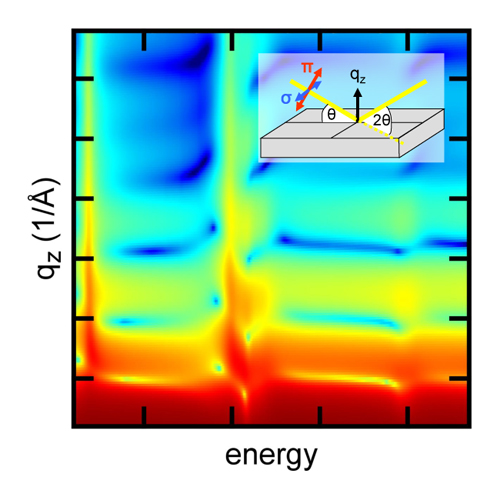
X-ray interference pattern measured while studying complex nano-layer structures. The sketch inserted illustrates the path of the x-ray beam relative to the surface of the sample. (Credit: Sebastian Macke)
via rdmag
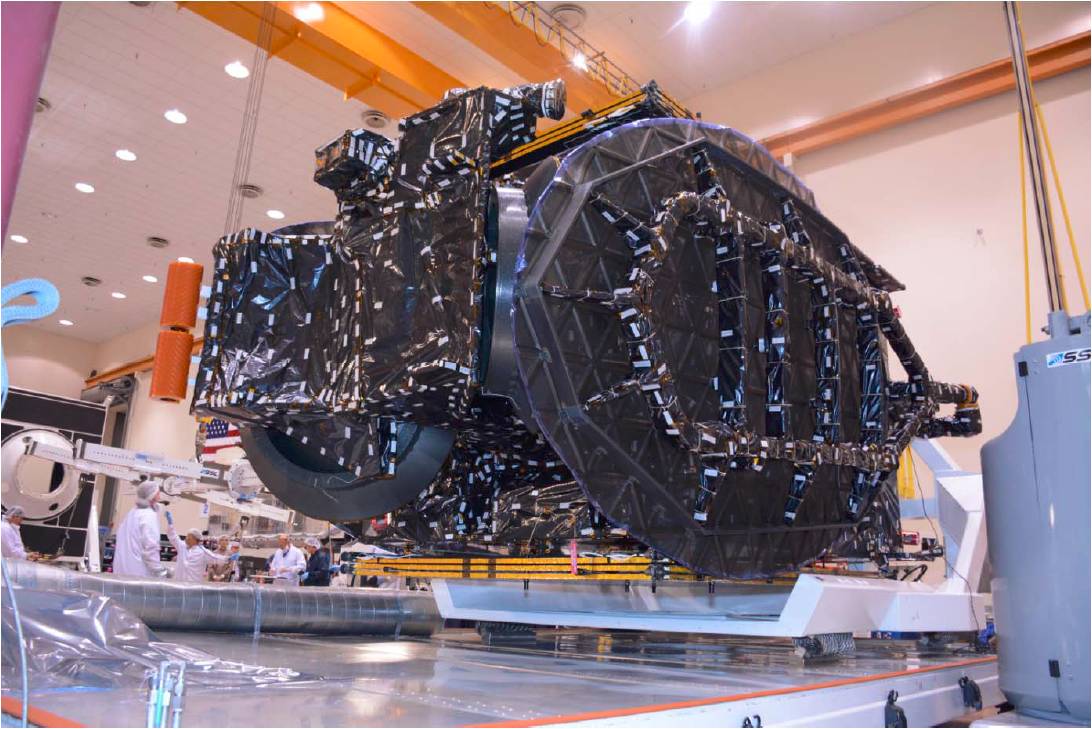
Three weeks after launching the AsiaSat-8 communications satellite, SpaceX is primed to deliver its sibling, AsiaSat-6, into geostationary transfer orbit at an altitude of 22,236 miles (35,786 km) on Wednesday, 27 August. (Credit: AsiaSat)
via americaspace
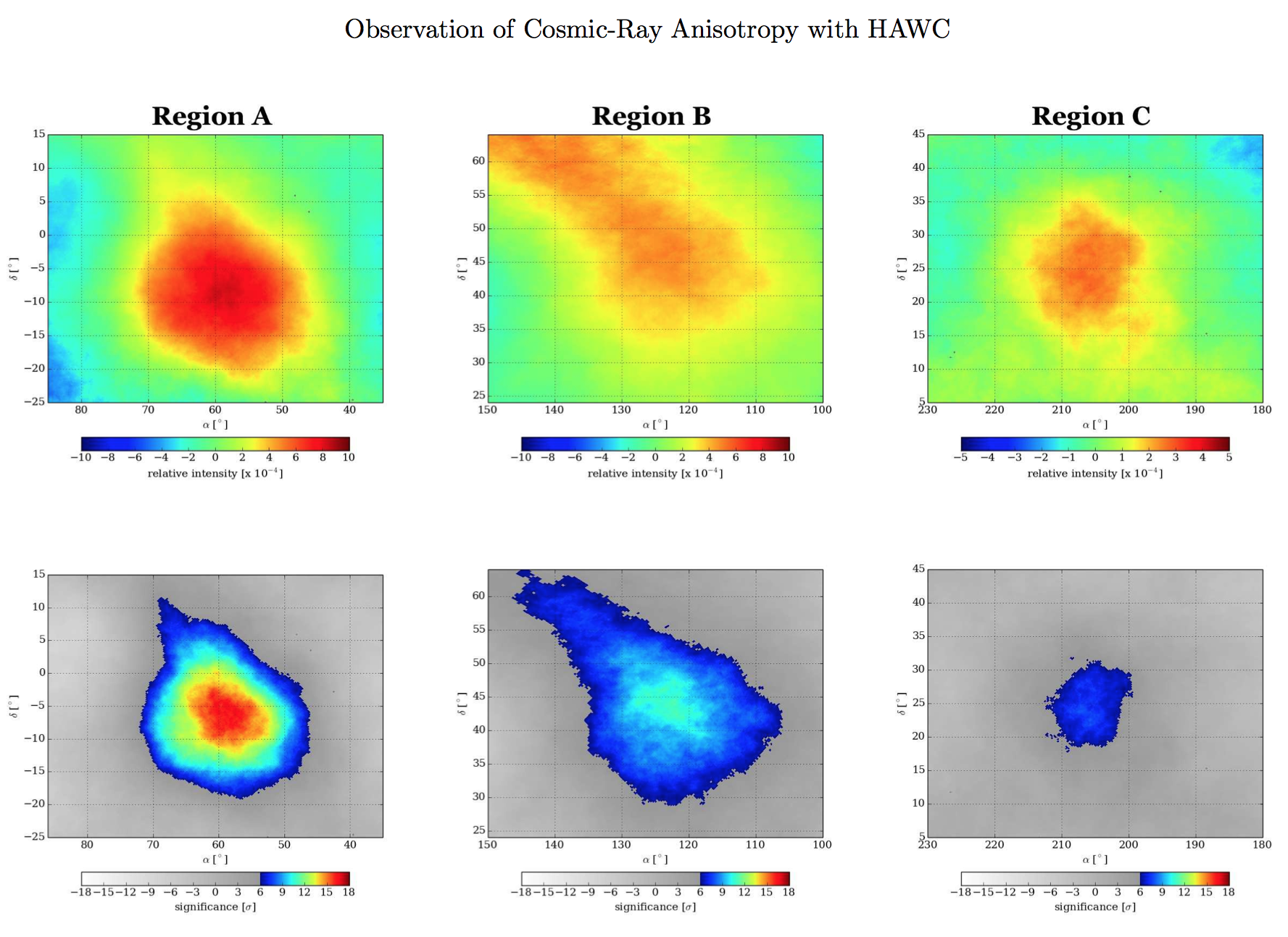
Relative intensity (top row) and pre-trial significance (bottom row) of the cosmic-ray flux in the vicinity of Region A (left), Region B (center), and Region C (right). (Credit: Abeysekara et al)
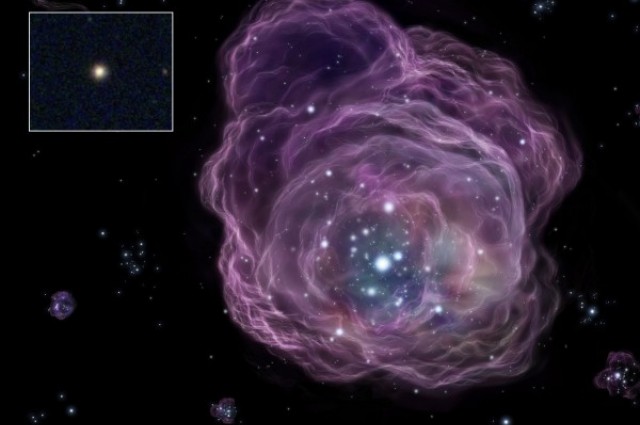
The very first stars in the Universe might have been hundreds of times more massive than the Sun. (Credit: National Astronomical Observatory of Japan)
via scientificamerican
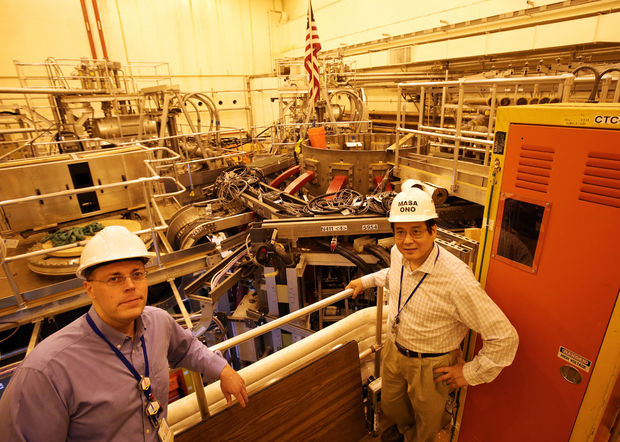
Jonathan Menard, a principal research physicist and program director for the National Spherical Torus Experiment (NSTX), and Masa Ono, a principal research physicist and project director of the NSTX, stand in front of the experiment during a tour of the facility. The device has been shut down since 2011 while it undergoes a $94 million upgrade that will make it the most powerful device of its kind in the world. (Credit NSTX)
via nj.com
The agency intends to deploy the spacecraft, codename Liquidator, to clear up the geostationary orbit over the equator, which is 36 thousand kilometers above sea level. (Credit: Roscosmos)
via spacemart
“When you start to make electronics smaller and denser, not only are you making much more heat in the same amount of volume, but it’s much harder for the heat to flow outward,” says Peter Nalbach, a theoretical physicist at the University of Hamburg, Germany. (Credit: Mehau Kulyk/Getty)
via popularmechanics
Researchers hope to create a massive online “brain” that can help all robots navigate and even understand the world around them. “The purpose,” says Saxena, who dreamed it all up, “is to build a very good knowledge graph—or a knowledge base—for robots to use. (Credit: Thinkstock, Hernandez )
via wired
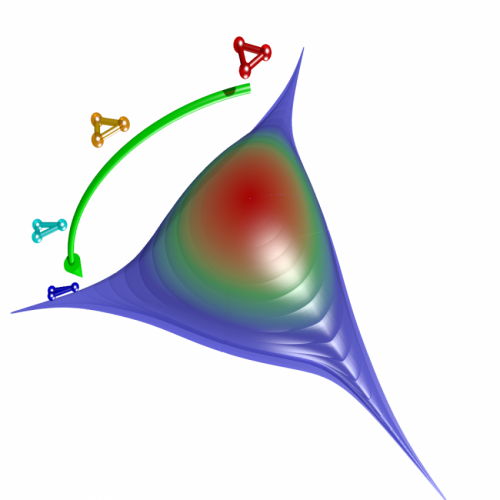
Probability density of an Efimov trimer state at different three-body geometries that are characterized by the polar angle — indicated by the trimer legends. The key feature in the probability density is that unlike ordinary molecular binding that mostly has a single geometry, the Efimov trimer covers have a broad range of geometries. The atoms in such states behave more like in a fluid drop. (Credit: Yujun Wang, Kansas State University)
Scientists have discovered mineral-rich structure on Mars that might be the evidence of niche environment on the planet’s subsurface that could support life. (NASA/JPL-Caltech/MSSS)
via aninews
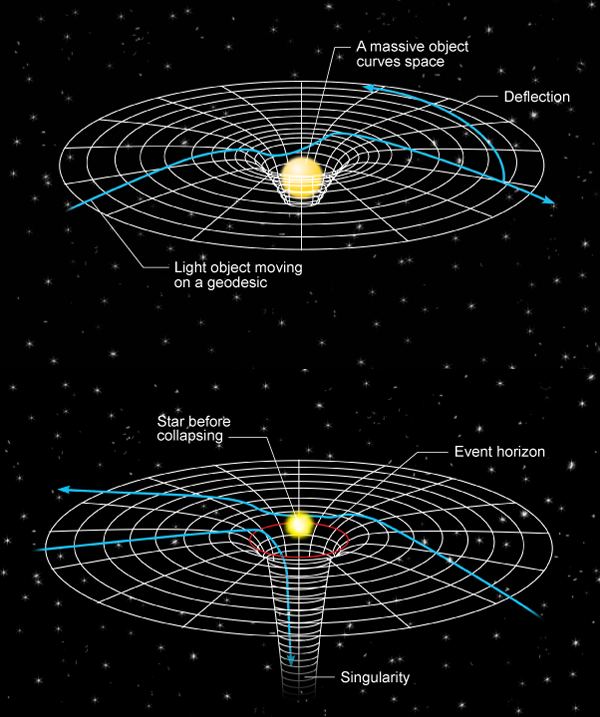
In Einstein’s general theory of relativity, gravity is nothing more than the curvature of spacetime. A massive object, such as the sun, causes a deformation of the spacetime grid, while another object such as a planet or a light beam follows the shortest path (a “geodesic”) on this grid. To an observer, this looks like a deflection of the trajectory caused by gravity. (Bottom) A collapsing star can form a black hole so dense and massive that it creates a region of infinite curvature (a “singularity”) so that—inside the event horizon—light cannot escape. Current research in gravitation is attempting to modify general relativity to account for such objects consistent with quantum theory. (Credit: Carin Cain)
via medium
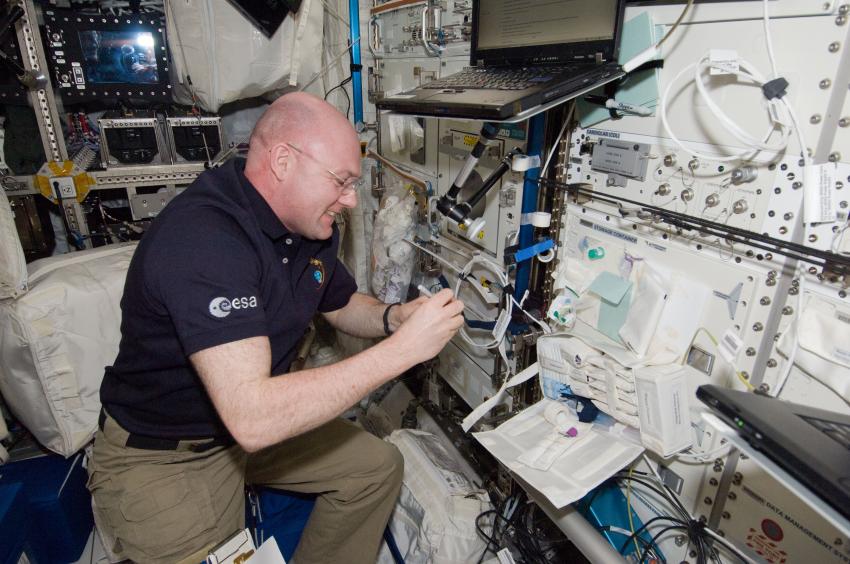
European Space Agency astronaut Andre Kuipers, Expedition 30 flight engineer, prepares vials in the Columbus laboratory of the International Space Station for venous blood sample draws during an immune system investigation. (Credit: NASA)
via phys.org
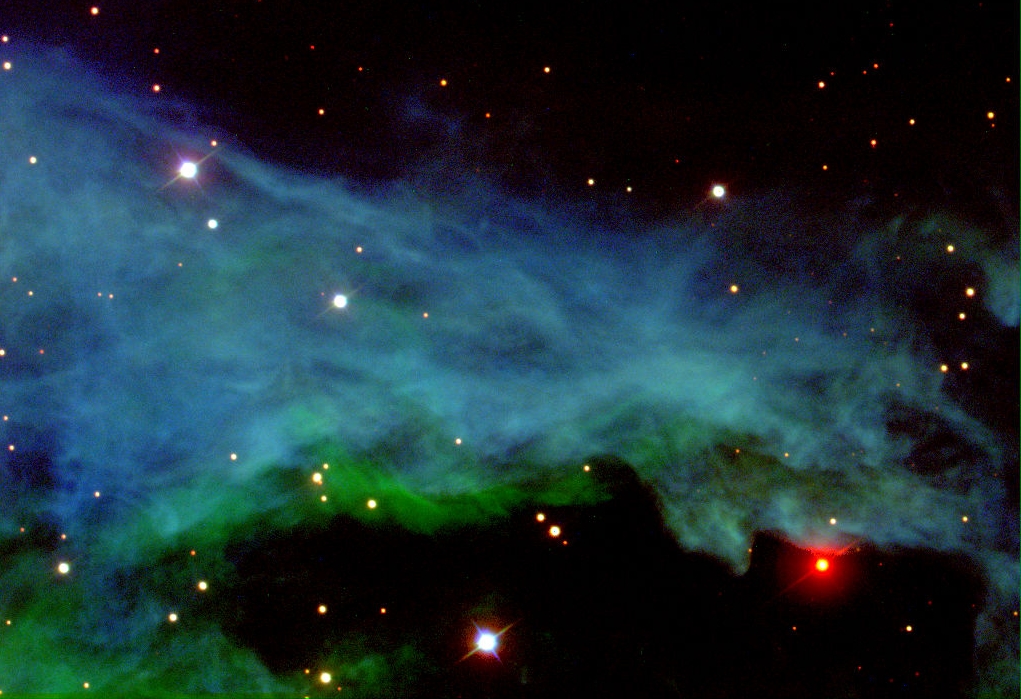
Shown above is part of one of the most imaged parts of the night sky, the Orion Nebula. Since the angular size of Orion’s Nebula is so large on the sky, only a portion is shown here. Located just below “Orion’s Belt” this star-forming region is dominated by four young, massive O stars (known as the Trapezium, not pictured here). The wispy blue, green gas seen above is composed mostly of hydrogen, the main element used in forming stars. The Orion Nebula is an astrophysical laboratory, providing an up-close view of the birth of stars. (Credit: Sloan Digital Sky Survey)
Greased Lighning (GL10) project 10 engine electric prototype remote control plane. Photo taken 8/14/14 (Credit: NASA Langley/David C. Bowman)
via thespacereview
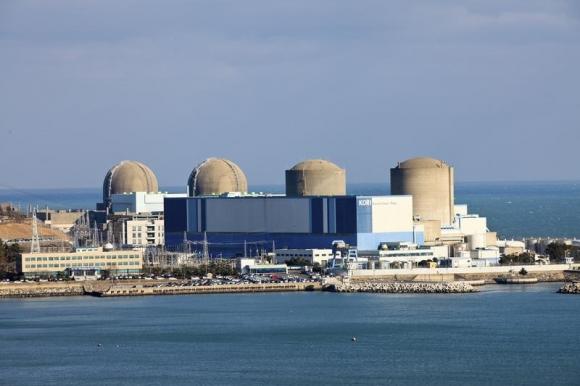
The Kori nuclear power plant in Busan, southeast of Seoul, is seen in this picture released by the plant to Reuters. South Korea needs to quickly find additional space where it can store its spent nuclear fuel because some of its temporary storage capacity will be full by 2016, (Credit: Reuters/Kori Nuclear Power Plant/Handout)
via reuters
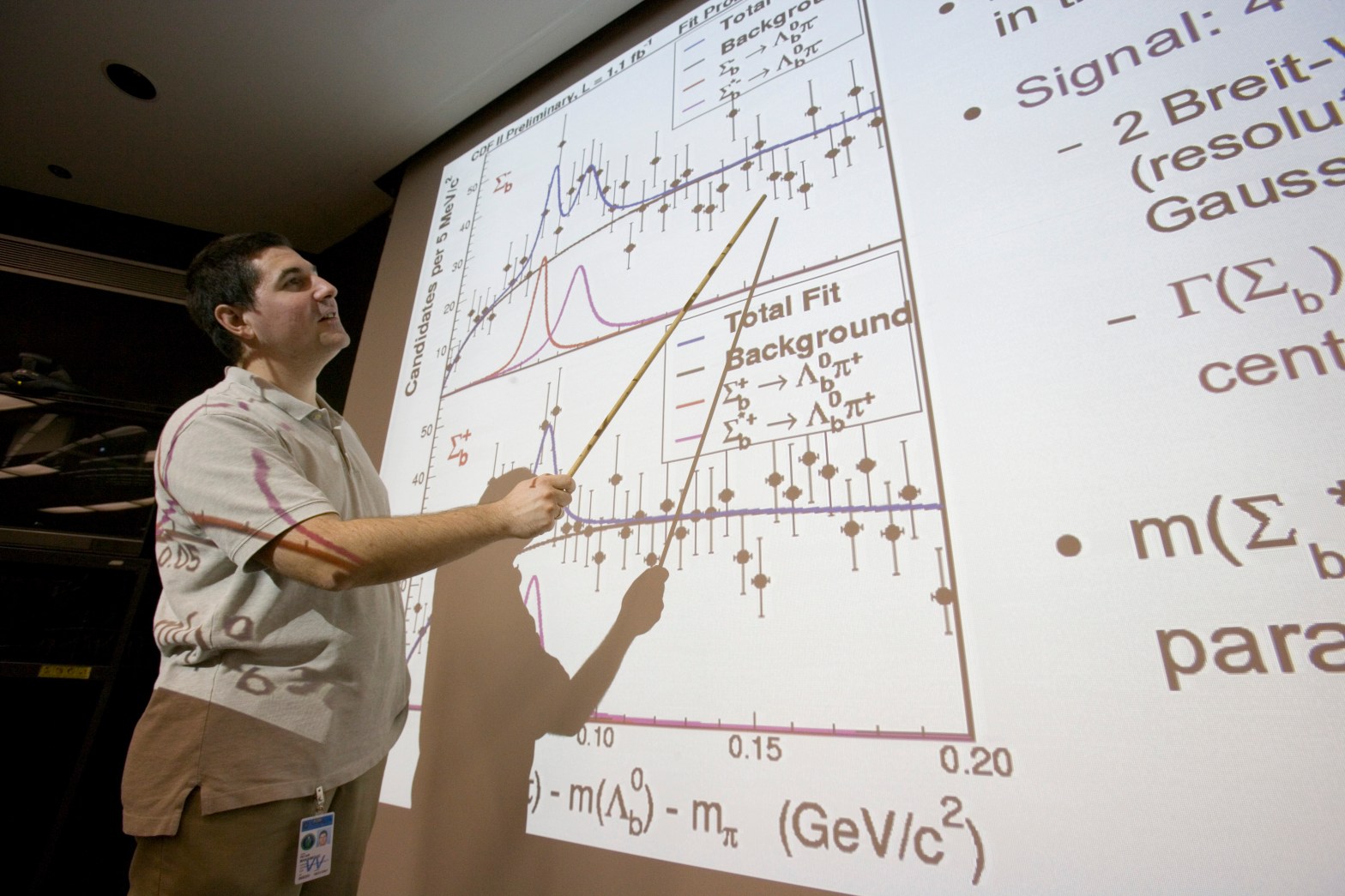
CDF physicist Petar Maksimovic, professor at Johns Hopkins University, presented the discovery to the particle physics community at Fermilab. He explained that the two types of Sigma-sub-b particles are produced in two different spin combinations, J=1/2 and J=3/2, representing a ground state and an excited state, as predicted by theory. (Credit: Fermilab)
via newswise
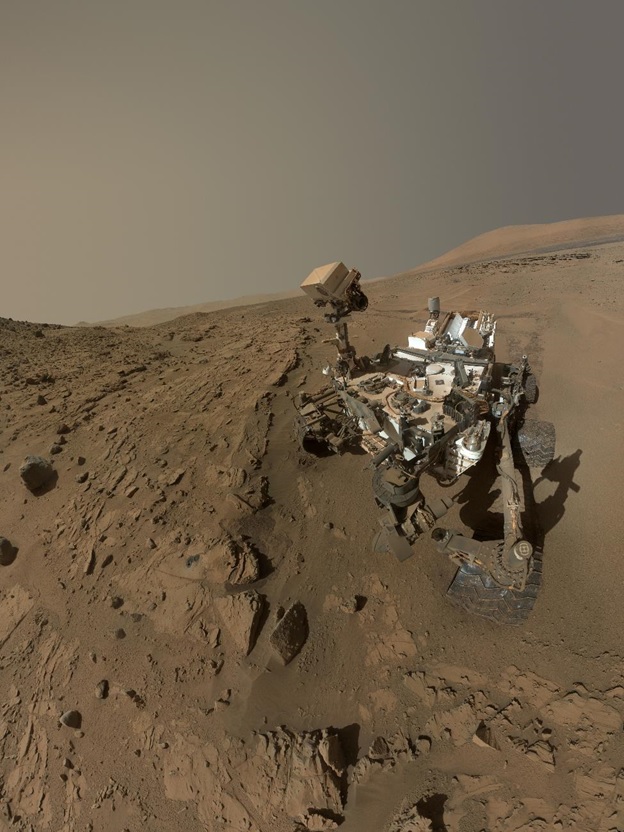
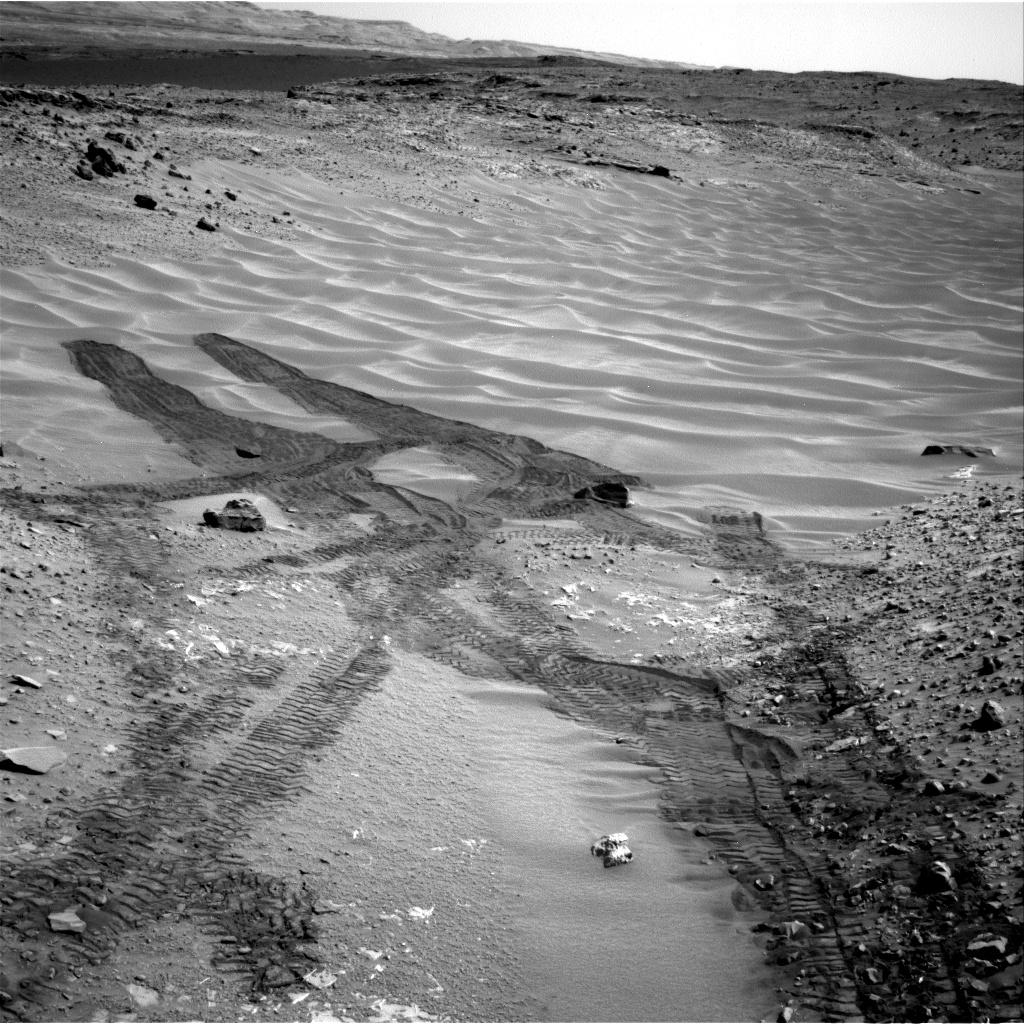
This image, taken by NASA’s Mars rover Curiosity in August 2014, looks across the northeastern end of sandy “Hidden Valley” to the lower slopes of Mount Sharp on the horizon. (Credit: NASA/JPL-Caltech)
via space.com
Scientists of the early 20th century argued that tidal forces had caused the sun to spit out the planets when a rogue star passed too close. It was a kind of drive-by shooting theory of planetary formation known as the “Planetesimal Hypothesis.” (Credit: NASA, M. Strauss)
via io9
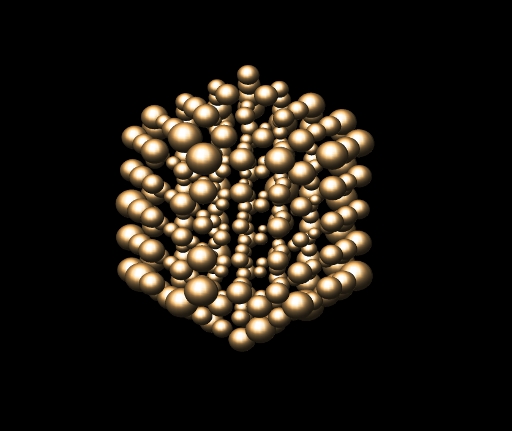
An illustration of the extent to which the atoms, in a small cluster of atoms, vibrate. The spheres represent the range of motion of the atoms, rather than the atoms themselves – the spheres have been exaggerated in size by 45 times in order to ease visualisation. The atoms on the surface have larger ranges of motion than those in the middle of the cluster. (Credit: University of York)
via york
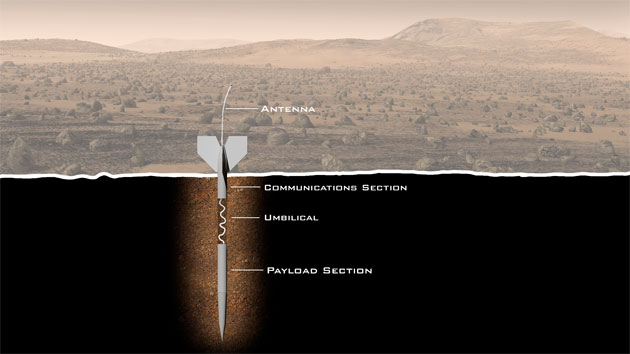
The ExoLance Concept: “Arrows” fall from a spacecraft, penetrate the ground, and expose the life-detecting equipment inside. (Credit: Explore Mars Inc.)
via popsci
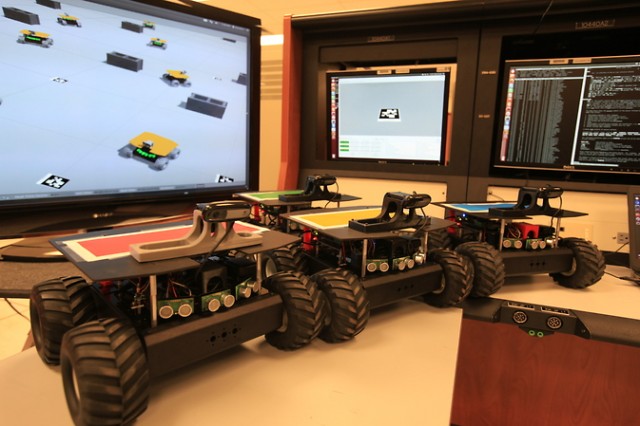
NASA engineers have built four robots nicknamed “Swarmies” to test whether a group of robots can autonomously and effectively scout an area for resources, and they’ve model the software design after how ants do the same thing. (Credit: NASA/D. Gerondidakis, G. Tickle)
via themarysue
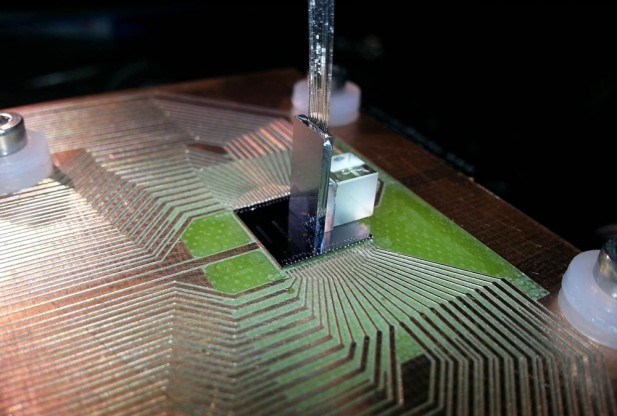
The quantum system studied at TU Wien (Vienna): a black diamond (center) contains nitrogen atoms, which are coupled to a microwave resonator. (Credit: TU Wien)
via azoquantum
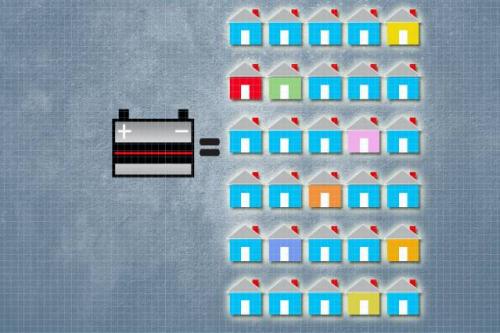
This could be a classic win-win solution: A system proposed by researchers at MIT recycles materials from discarded car batteries—a potential source of lead pollution—into new, long-lasting solar panels that provide emissions-free power. (Credit: Christine Daniloff/MIT)
via phys.org
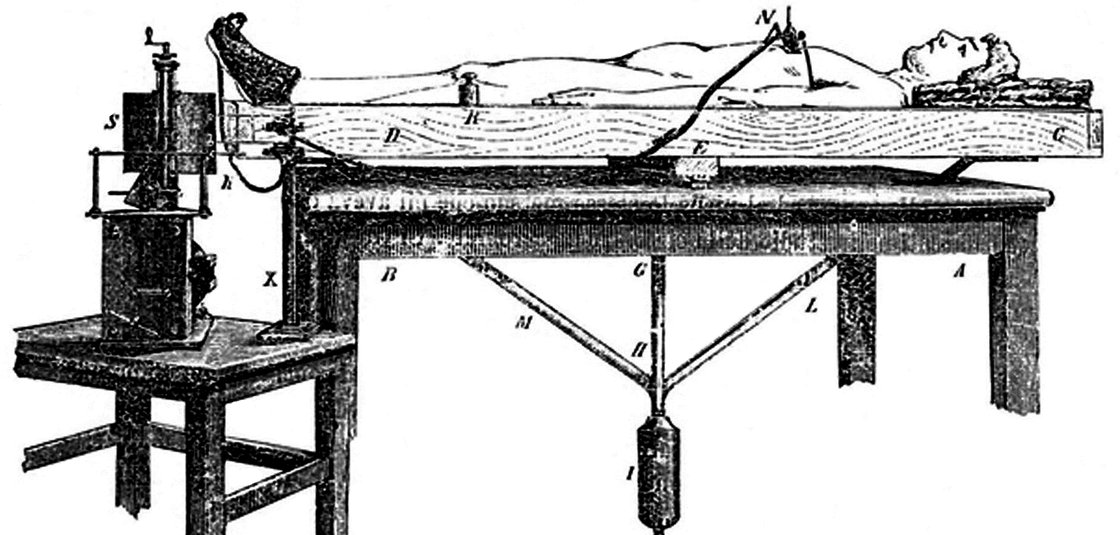
Angelo Mosso’s “human circulation balance” machine worked like a seesaw to measure blood flow changes to the brain. (Credit: Stefano Sandrone et al.)
via npr
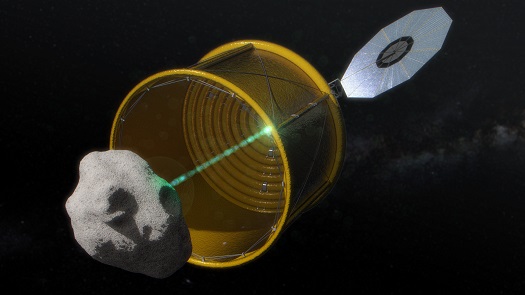
In this concept image, the robotic vehicle deploys an inflatable bag to envelop a free-flying small asteroid before redirecting it to a distant retrograde lunar orbit. (Credit: NASA)
via sciencenews
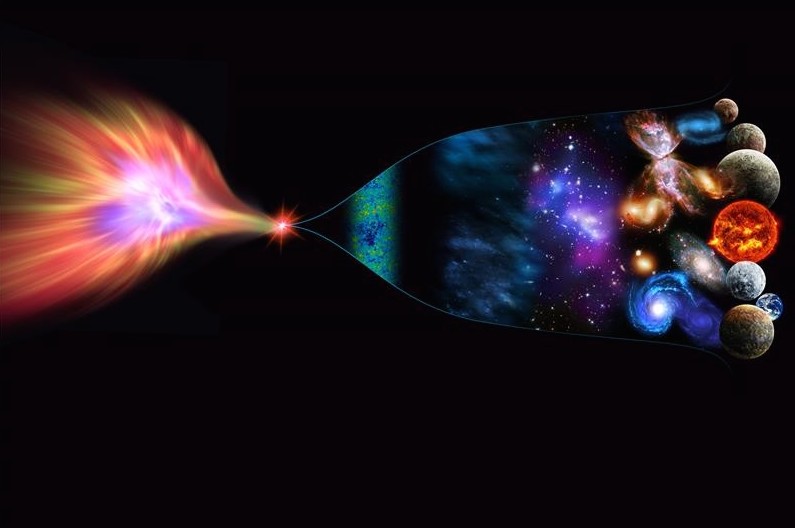
Researchers from Three Perimeter Institute have a new idea, and have claimed that what is perceived as the big bang, could be the three-dimensional ‘mirage’ of a collapsing star in a universe profoundly different than our own. (Credit: NASA, ANI)
via aninews
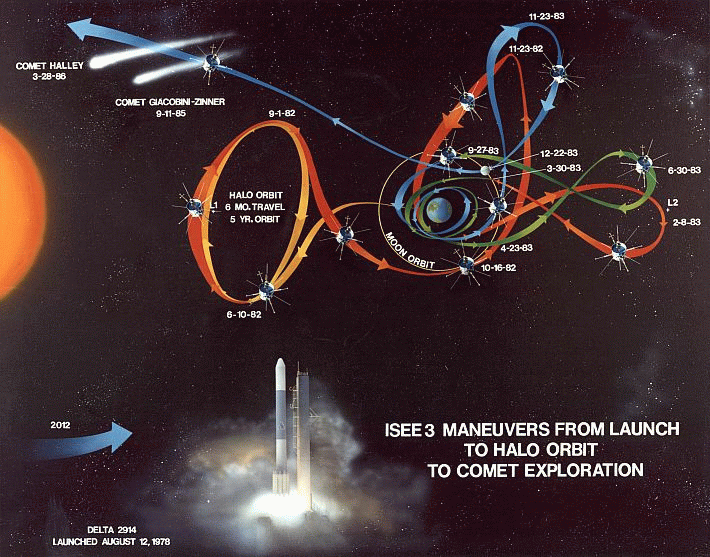
The International Sun-Earth Explorer 3 (ISEE-3) will have the closest view of the moon at 11:16 a.m. PDT. Members of the rebooted mission partnered with Google to create a website, where they will host a video hangout beginning at 10:30 a.m. PDT. (Credit: ISEE3, NASA)
via arstechnica
our known universe could be the three-dimensional “wrapping” around a four-dimensional black hole’s event horizon. In this scenario, our universe burst into being when a star in a four-dimensional universe collapsed into a black hole. (Credit: Perimeter Institute)
via dailygalaxy
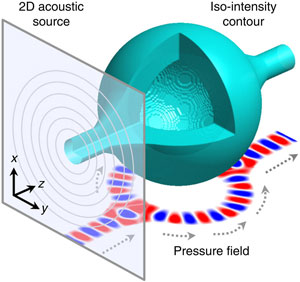
Scientists have developed a method to bend sound waves as they travel through open air, and can even create an acoustic “bottle” that can trap and hold tiny particles. (Credit: Xiang Zhang Group)
via spectrum
At the Vienna University of Technology (TU Wien), experiments with nitrogen atoms in diamonds are already being carried out. (Credit: TU Wien)
via redorbit