Physics in the News

Tuesday, August 12, 2014

The smallest possible scale in the universe

Every once in a while I think that there maybe is no fundamentally smallest unit of length; that all these arguments for its existence are wrong. I like to think that we can look infinitely close into structures and will never find a final theory, turtles upon turtles, or that structures are ultimately self-similar and repeat.(Credit: Sabine Hossenfelder)
Every once in a while I think that there maybe is no fundamentally smallest unit of length; that all these arguments for its existence are wrong. I like to think that we can look infinitely close into structures and will never find a final theory, turtles upon turtles, or that structures are ultimately self-similar and repeat.(Credit: Sabine Hossenfelder, Sanghyuk Moon)
via medium

Cosmologist Laura Mersini-Houghton claims black holes do not exist(VIDEO)

via thewatchers

Europe’s last cargo ship reaches space station
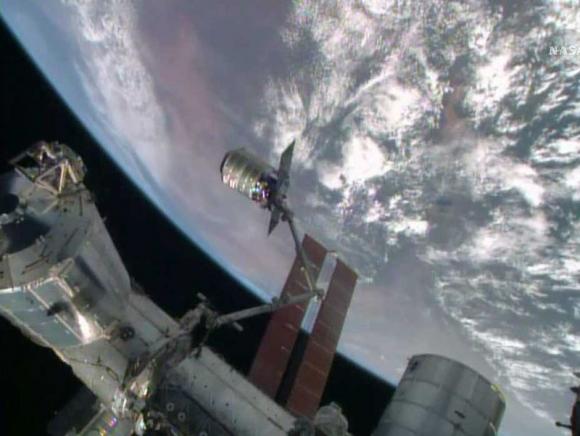
The International Space Station's robotic arm, Canadarm2, grapples the Orbital Sciences' Cygnus cargo craft, as seen in this still image taken from NASA TV July 16, 2014.  (Credit: Reuters/NASA TV/Handout via Reuters)
The International Space Station’s robotic arm, Canadarm2, grapples the Orbital Sciences’ Cygnus cargo craft, as seen in this still image taken from NASA TV July 16, 2014. (Credit: Reuters/NASA TV/Handout via Reuters)

via reuters

Follow the radio waves to exomoons, astrophysicists say
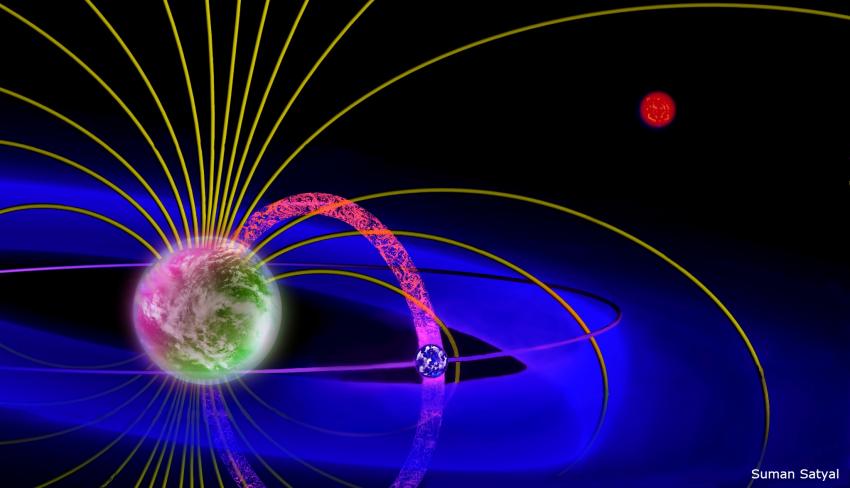
This is a schematic of a plasma torus around an exoplanet, which is created by the ions injected from an exomoon's ionosphere into the planet's magnetosphere. (Credit: UT Arlington)
This is a schematic of a plasma torus around an exoplanet, which is created by the ions injected from an exomoon’s ionosphere into the planet’s magnetosphere. (Credit: UT Arlington)

via phys

NASA is contest-sourcing solutions to its deepest problems
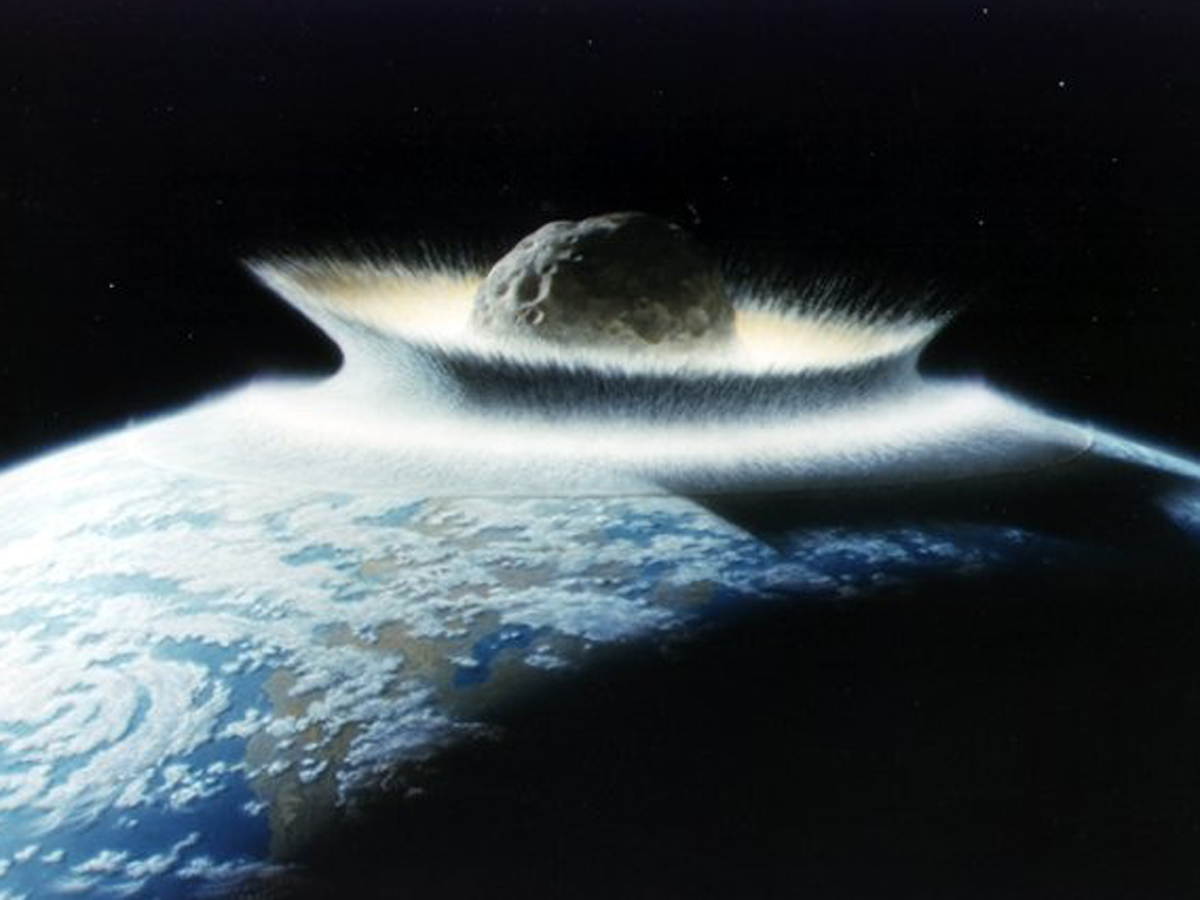
(Credit: NASA/Don Davis)
“As NASA continues to push the boundaries of human imagination and innovation, we have seen the value in utilizing a citizen-based professional crowd to complement our internal efforts and solve complex real-world challenges,” Jason Crusan, director of NASA’s Tournament Lab. (Credit: NASA/Don Davis)
via motherboard

Schrödinger’s cat explained on physicist’s 127th birthday(VIDEO)

via cbc

Beyond six nines: Ultra-enriched silicon paves the road to quantum computing
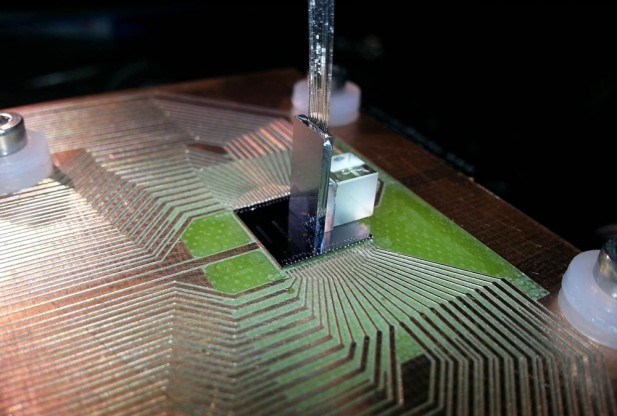
NIST researcher Kevin Dwyer with the silicon enrichment apparatus. The process begins at the left, where natural-abundance silicon in the form of silane gas (SiH4) is ionized. The ions pass through a magnetic field (top left), which causes their paths to curve to different degrees based on their mass. The silicon-28 ions, now separated from the other silicon isotopes, are decelerated through an ultra-high vacuum chamber (top center) and into the deposition chamber (top right) (Credit: Pomeroy, NIST, Dwyer)
via phys

NASA’s NuSTAR sees rare blurring of black hole light
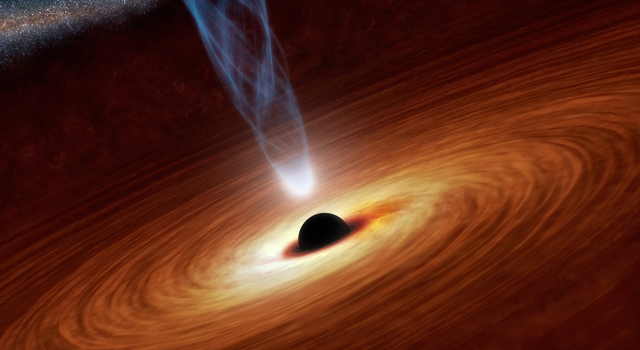
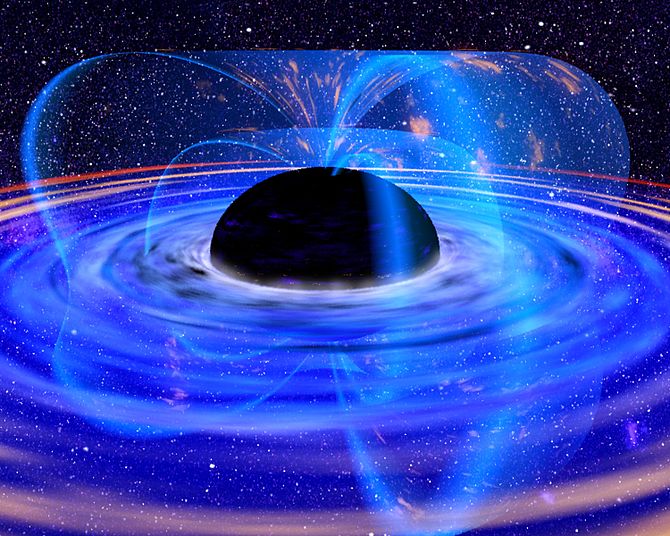
This artist’s concept illustrates a supermassive black hole with millions to billions times the mass of our sun. Supermassive black holes are enormously dense objects buried at the hearts of galaxies. (Credit: NASA/JPL-Caltech)
via pasadenanow

 From eons to seconds, proteins exploit the same forces
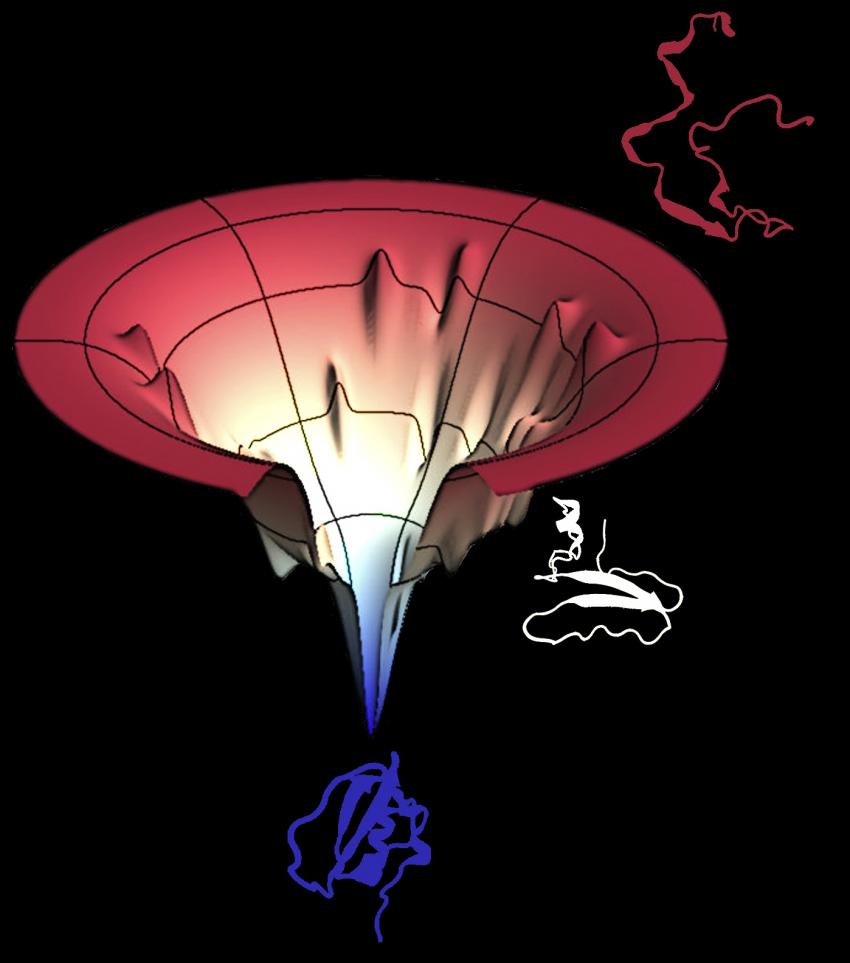
A protein folding funnel, the product of algorithms created by Rice’s Center for Theoretical Biological Physics, is a graphic representation of the energy landscape a protein navigates as it goes from its initial floppy state to a folded, functional unit. The funnel shows smooth slopes as well as outcroppings where parts of a protein may pause while others catch up, and also traps that could cause a protein to misfold. New Rice research shows how the interplay between evolution and physics developed the skills necessary to conserve useful proteins. (Credit: Center for Theoretical Biological Physics/Rice University)
via phys

Physics in the News

Monday, August 11, 2014

Physicists create water tractor beam

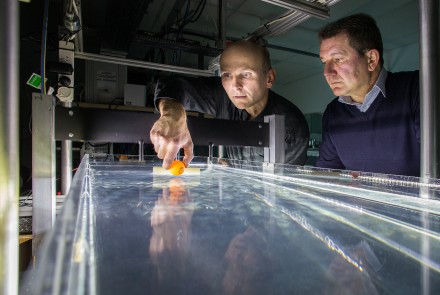
Dr Horst Punzmann (left) and Professor Michael Shats test their wave-generated tractor beam. (Credit: Stuart Hay)
via anu

Amazing HD footage of ‘Flying Saucer’

via sky

The craziest NASA mission ever proposed

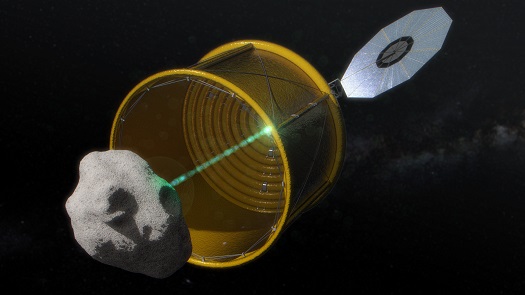
In this concept image, the robotic vehicle deploys an inflatable bag to envelop a free-flying small asteroid before redirecting it to a distant retrograde lunar orbit. (Credit: NASA)
via sciencenews

Scientists unravel mystery of universe’s existence

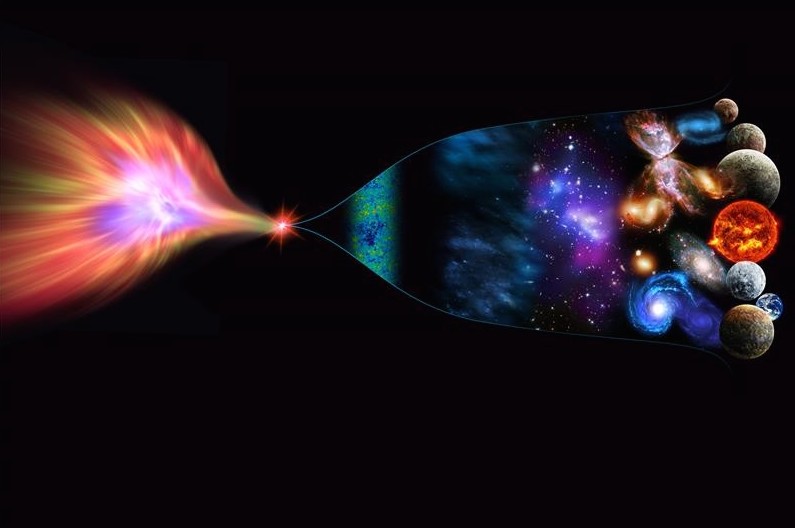
Researchers from Three Perimeter Institute have a new idea, and have claimed that what is perceived as the big bang, could be the three-dimensional 'mirage' of a collapsing star in a universe profoundly different than our own. (Credit: NASA, ANI)
Researchers from Three Perimeter Institute have a new idea, and have claimed that what is perceived as the big bang, could be the three-dimensional ‘mirage’ of a collapsing star in a universe profoundly different than our own. (Credit: NASA, ANI)
via aninews

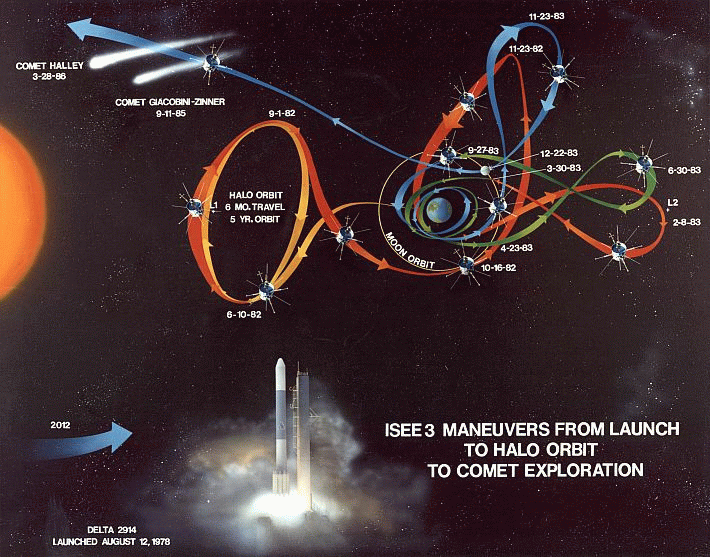
Crowd-funded ISEE-3 reboot mission to begin Sunday after lunar flyby

The International Sun-Earth Explorer 3 (ISEE-3) will have the closest view of the moon at 11:16 a.m. PDT. Members of the rebooted mission partnered with Google to create a website, where they will host a video hangout beginning at 10:30 a.m. PDT. (Credit: ISEE3, NASA)
via arstechnica

The black hole at the beginning of time –“We may have emerged from a black hole in a higher-dimensional universe”

our known universe could be the three-dimensional “wrapping” around a four-dimensional black hole’s event horizon. In this scenario, our universe burst into being when a star in a four-dimensional universe collapsed into a black hole. (Credit: Perimeter Institute)
via dailygalaxy

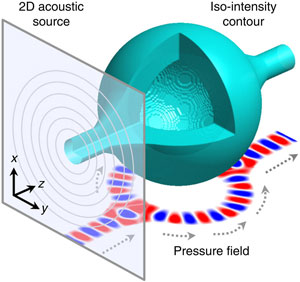
Bendable sound waves can skirt objects and trap particles

Scientists have developed a method to bend sound waves as they travel through open air, and can even create an acoustic “bottle” that can trap and hold tiny particles. (Credit: Xiang Zhang Group)
via spectrum

Researchers propose new architecture for quantum computing based on microscopic defects in diamonds

At the Vienna University of Technology (TU Wien), experiments with nitrogen atoms in diamonds are already being carried out. (Credit: TU Wien)
via redorbit

Physics in the News

Sunday, August 10, 2014

IBM cracks open a new era of computing with brain-like chip: 4096 cores, 1 million neurons, 5.4 billion transistors

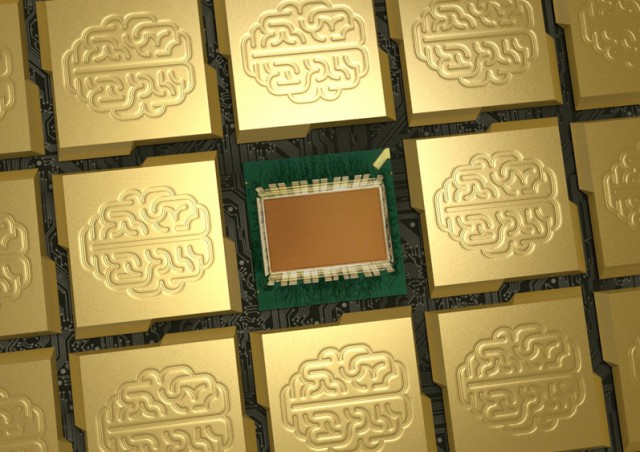
IBM's new TrueNorth chip. (Credit: IBM)
IBM’s new TrueNorth chip. (Credit: IBM)
via extremetech

NASA’s “Impossible” engine actually worked

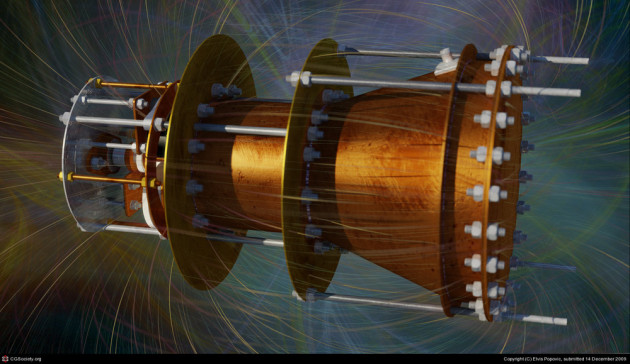
While the separate tests confirm such an engine might be possible, they could be wrong. Still, the mere thought of something that was once considering impossible is now possible should get a lot of people excited. (Credit: NASA)
via technobuffalo

Disney conquers physics, uses 3D printing to create impossible spinning tops

via techcrunch

What if the big bang was a 4D black hole instead?

We could be living in the 3D event horizon of a 4D black hole (Credit: Wikipedia)
via forbes

Watch NASA’s new saucer fly to near space in this awesome video

via boingboing

Spot perseid meteors before ‘Supermoon’ rises this weekend

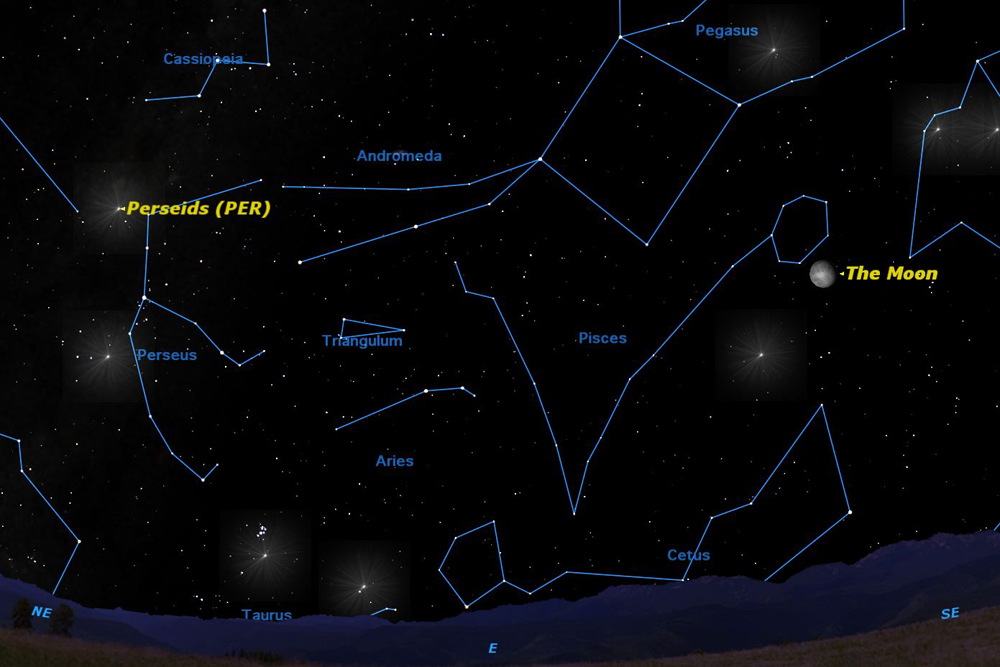
A particularly large bright Moon will interfere with viewing the Perseid meteor shower this year. (Credit: Starry Night)
A particularly large bright Moon will interfere with viewing the Perseid meteor shower this year.
(Credit: Starry Night)
via space

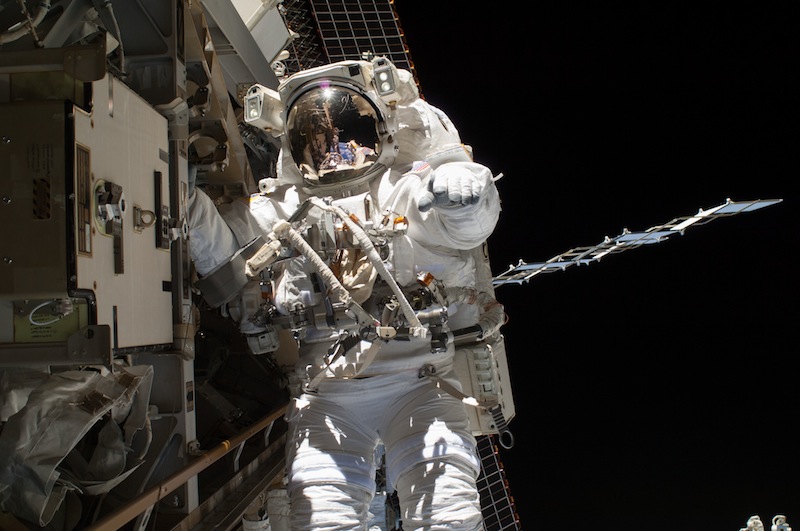
NASA postpones US spacewalks from space station over battery issue

NASA astronaut Steve Swanson on a spacewalk outside International Space Station on April 22, 2014. (Credit: NASA)
via space

Can we call Pluto and Charon a ‘binary planet’ yet?

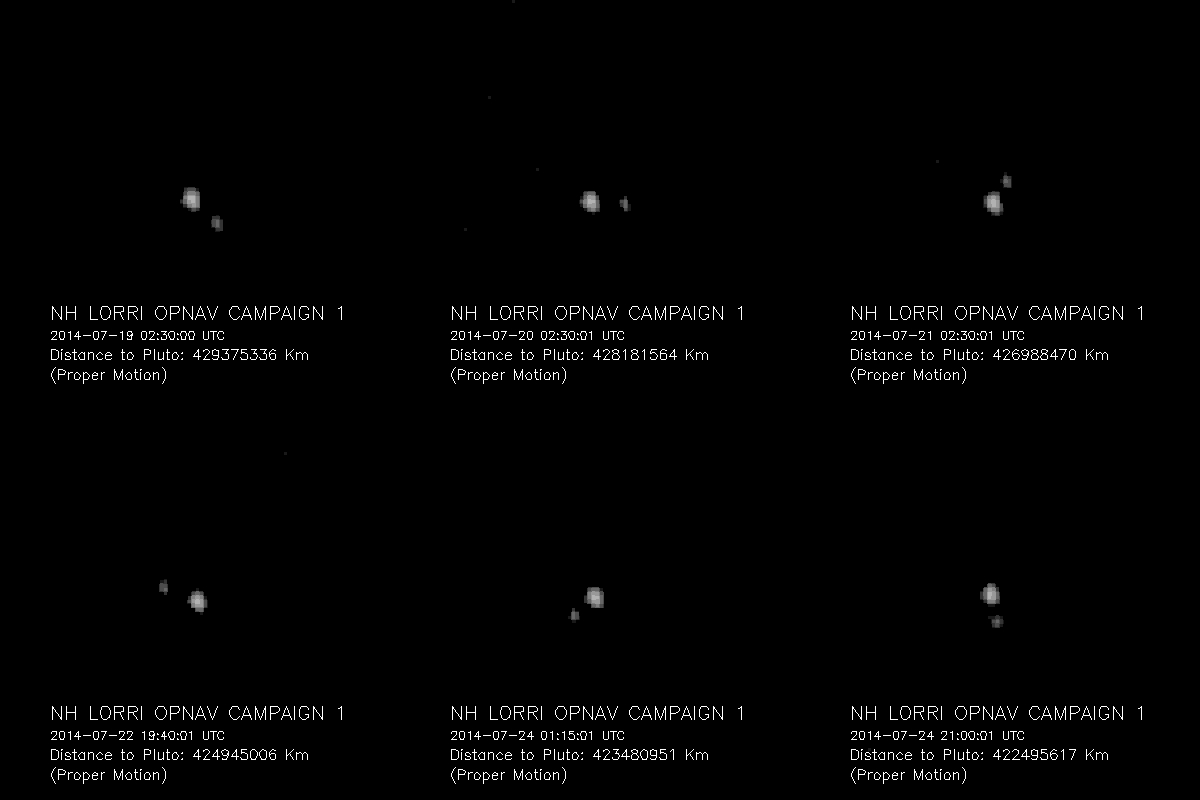
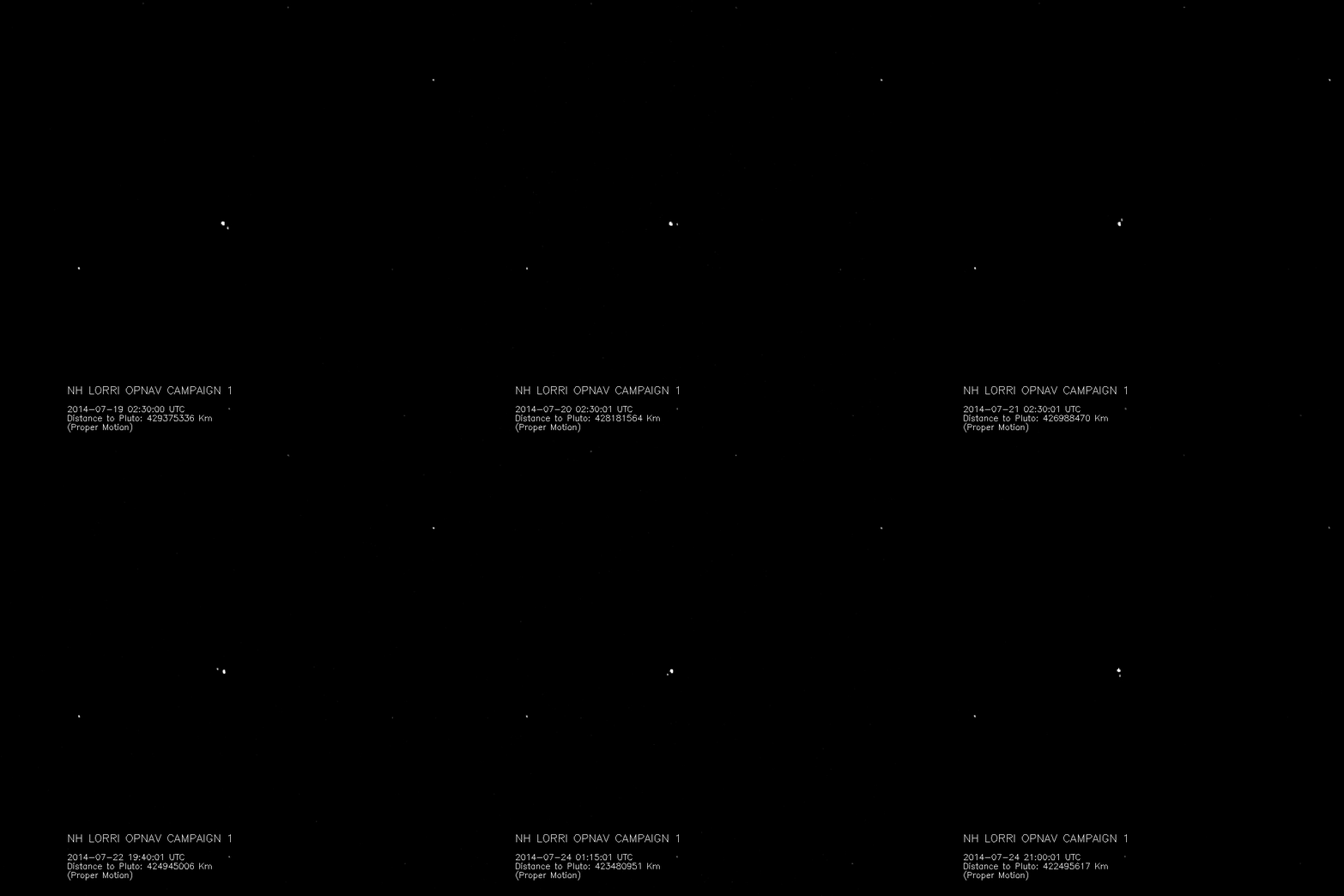
 This gif of Pluto and its largest moon, Charon, was taken by NASA's New Horizons spacecraft as it raced toward Pluto in July 2014. (Credit: NASA)
This gif of Pluto and its largest moon, Charon, was taken by NASA’s New Horizons spacecraft as it raced toward Pluto in July 2014. (Credit: NASA)
via discovery

Status Of The Higgs Challenge

via science2.0

Physics in the News

Saturday, August 9, 2014

High-energy particle collisions reveal the unexpected

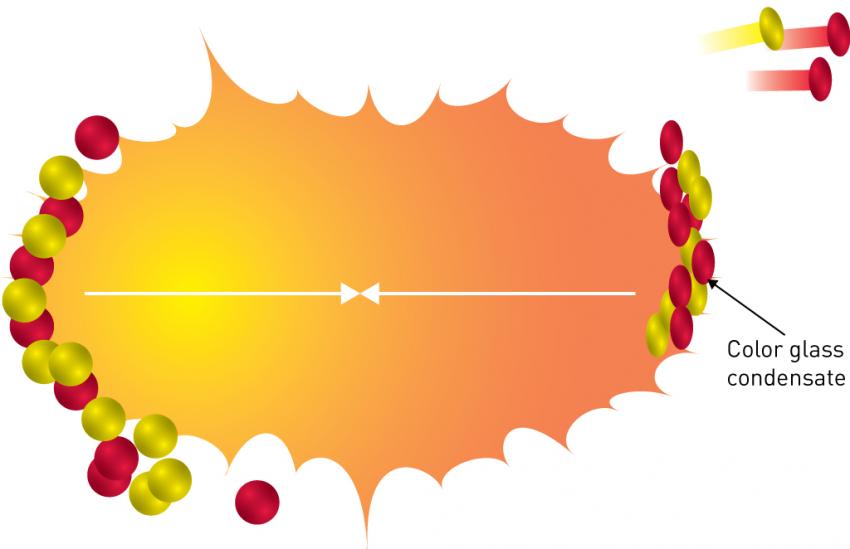
High-energy collisions between nuclei (white arrows) produce a cloud of elementary particles including quarks (red) and gluons (yellow). When gluons form an expansion front, they can produce a wall of matter called a color glass condensate, which eventually dissipates as the expansion continues. (Credit: © 2014 Larry McLerran, RIKEN–BNL Research Center)
via phys

Watch water run UP a wall: Material that allows liquid to defy gravity could spell the end of windscreen wipers(VIDEO)

via cnet

Lonely supernovae may have been kicked out of their galaxies

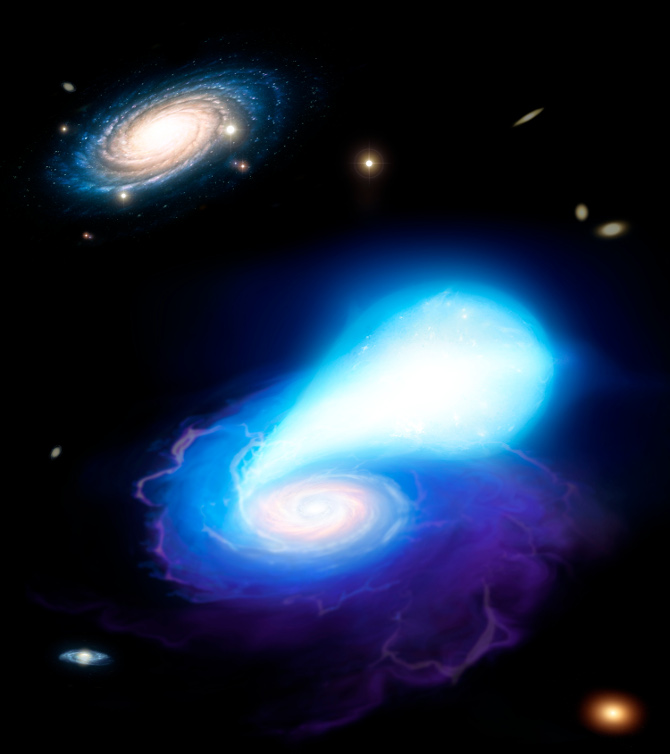
University of Warwick researchers explain mystery of the loneliest supernovas. Compact binary star systems that have been thrown far from their host galaxy when one star of that pair became a neutron star, go through a second trauma when the remaining white dwarf star is eventually pulled onto the neutron star. (Credit: Mark A. Garlick / space-art.co.uk / University of Warwick)
via forbes

Whovian physicists claim TARDIS time travel is possible

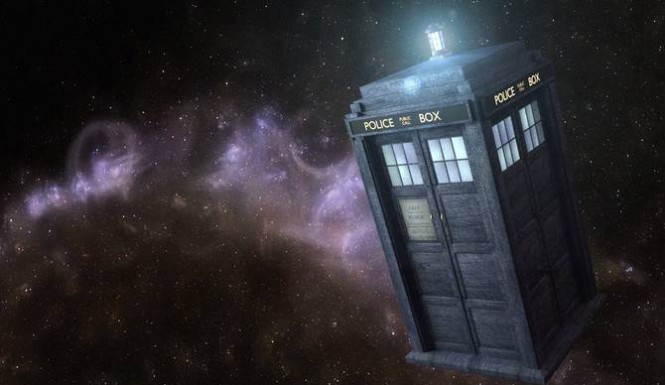
While time travel may be theoretically possible, there are unfortunately several drawbacks to the researchers’ TARDIS concept. In order to function, it requires the use of exotic matter, which has yet to be shown to exist in our universe. Time travel would also have to violate classical mechanics, and in order to move in anything other than a circular direction in both time and space, more than one TARDIS curve would need to be constructed, raising the possibility of exiting the time vortex into a universe of anti-matter. (Credit: Bitbillions)
While time travel may be theoretically possible, there are unfortunately several drawbacks to the researchers’ TARDIS concept. In order to function, it requires the use of exotic matter, which has yet to be shown to exist in our universe. Time travel would also have to violate classical mechanics, and in order to move in anything other than a circular direction in both time and space, more than one TARDIS curve would need to be constructed, raising the possibility of exiting the time vortex into a universe of anti-matter.
(Credit: Bitbillions)
via inquisitr

String theory coming unstrung even among science writers?

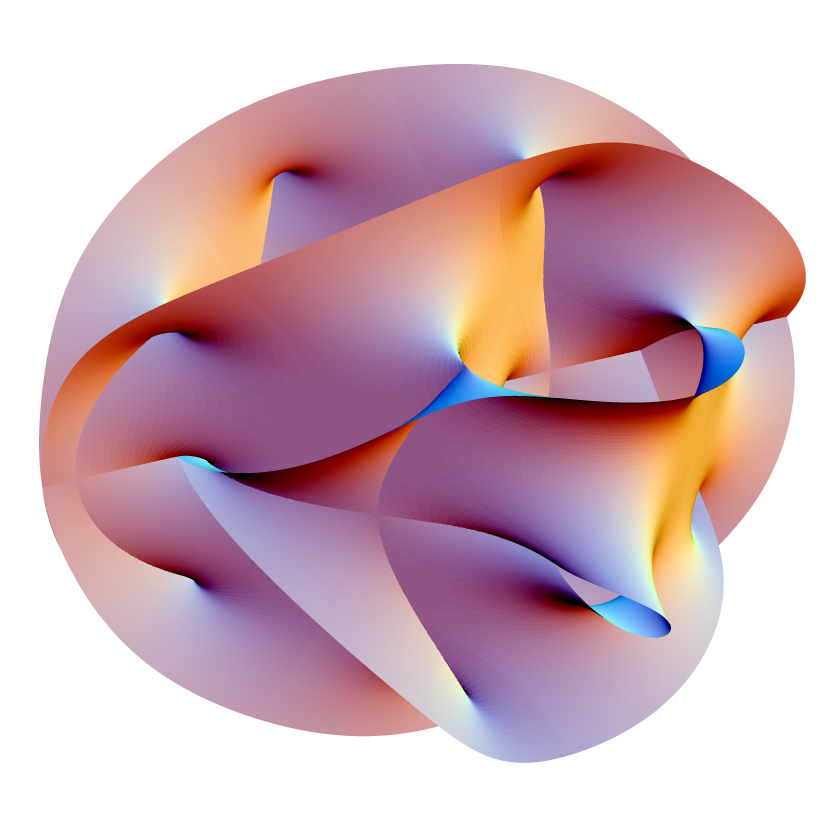
A construction for computer visualization of certain complex curves" (Credit: CC BY-SA 2.5)
A construction for computer visualization of certain complex curves. Science journalist, Tom Siegfried, has been one of the most vociferous proponents of string theory for many, many years, but even his faith seems like it might be failing as the decades roll on. (Credit: CC BY-SA 2.5)
via columbia

Watch Pluto and Charon engage in their orbital dance

Animation of Pluto and Charon showing nearly a full rotation (Credit: NASA/Johns Hopkins University Applied Physics Laboratory/Southwest Research Institute)
via universetoday

Rosetta will teach us more about comets than we have learned in 50 years

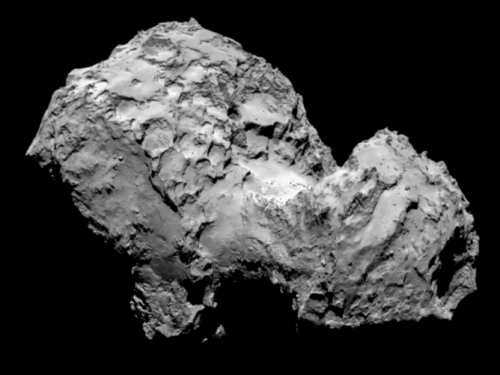
Do you see a duck?  On August 6, millions of miles away from Earth, the firing of a rocket thruster signalled the end of a decade-long journey by a European spacecraft to reach its ultimate target – the 'duck' comet. (Credit: ESA/Rosetta/MPS)
Do you see a duck? On August 6, millions of miles away from Earth, the firing of a rocket thruster signalled the end of a decade-long journey by a European spacecraft to reach its ultimate target – the ‘duck’ comet. (Credit: ESA/Rosetta/MPS)
via phys

Nature’s magnifying glass: Gravitational lensing

A typical magnifying glass works by bending light (i.e. refraction) to a focus point, in this case your eye. In a similar way, gravitational lensing also works by bending light, but in this case it is mass from another galaxy bending the light. This galaxy that extends far into space causes light rays passing near and through its gravitational field to bend and again refocus onto a particular location. The more massive and dense the matter, the more bending and refracting. (Credit: Flickr, Hubble Heritage)
via united-academics

Cassini prepares for its biggest remaining burn

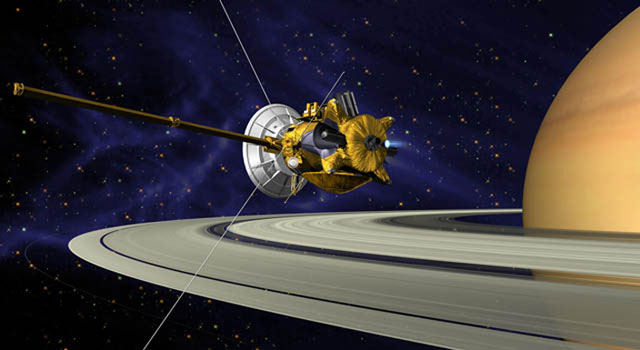
This is an artists concept of Cassini during the Saturn Orbit Insertion (SOI) maneuver, just after the main engine has begun firing. (Credit: NASA/JPL)
via phys

Physics in the News

Friday, August 8, 2014

The Black Hole at the birth of the Universe(VIDEO)

via perimeterinstitute

Everyone hates NASA’s asteroid capture program

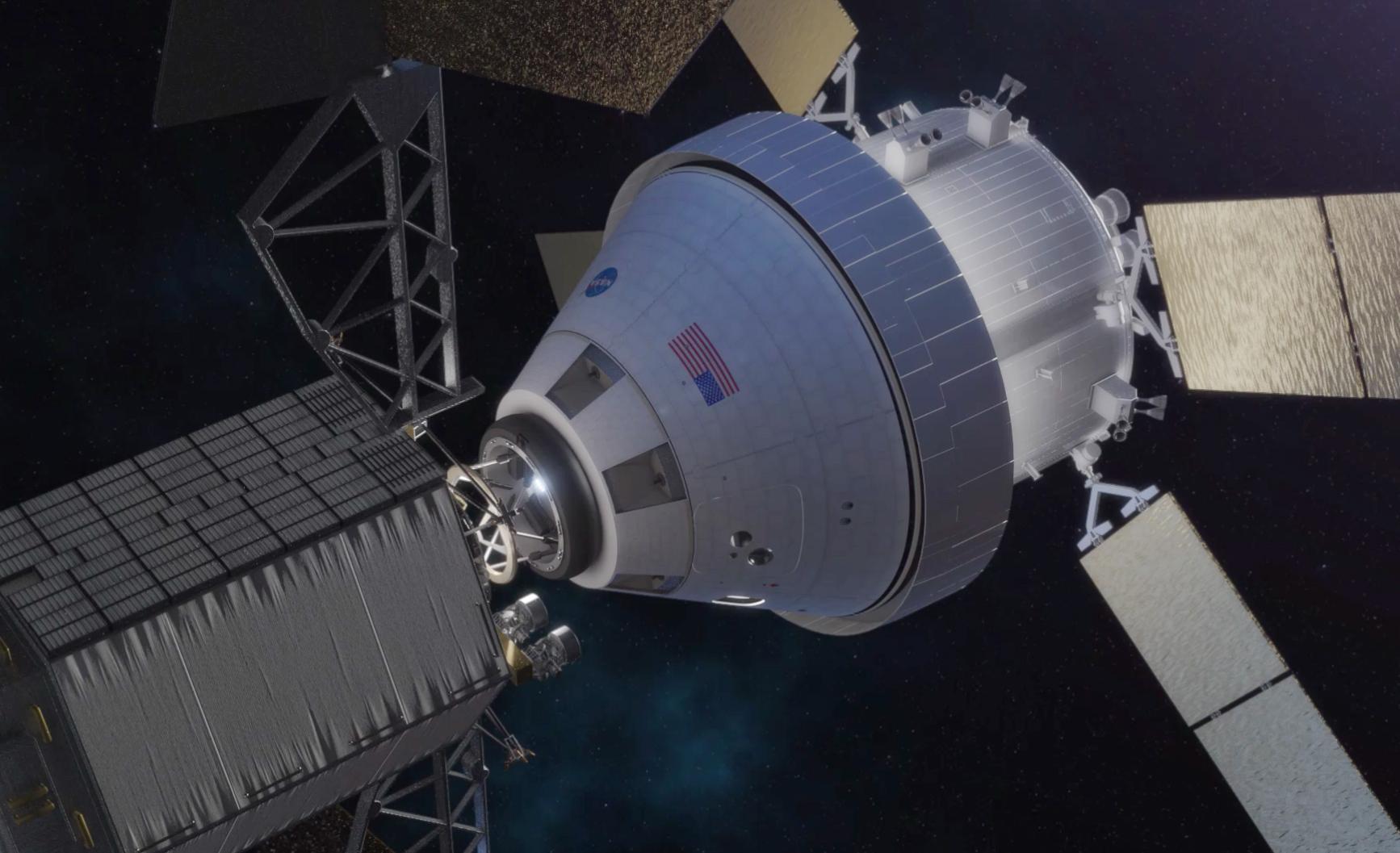
 A concept image of the Orion spacecraft docking with the robotic asteroid redirect vehicle. (Credit: NASA)
A concept image of the Orion spacecraft docking with the robotic asteroid redirect vehicle. (Credit: NASA)
via popsci

How do you feed a hungry quasar? With a ‘super boost,’ scientists say

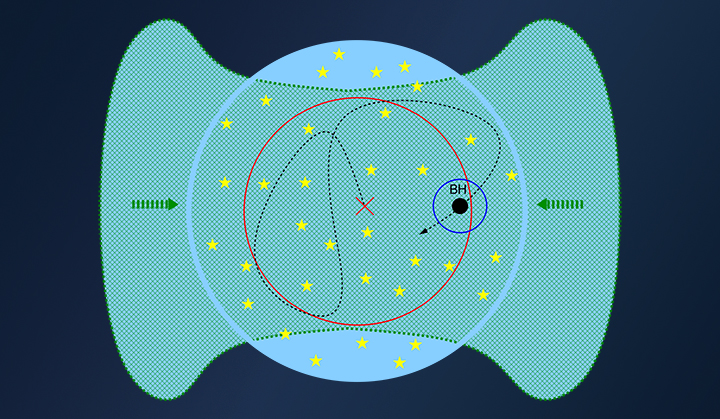
This graphic shows the center of a newly formed star cluster (stars are in yellow), within which the seed black hole gets its super boost of gas (shown in blue). (Credit: Natarajan, Alexander, Yale)
This graphic shows the center of a newly formed star cluster (stars are in yellow), within which the seed black hole gets its super boost of gas (shown in blue).
via yale

Diamonds are a quantum computer’s best friend

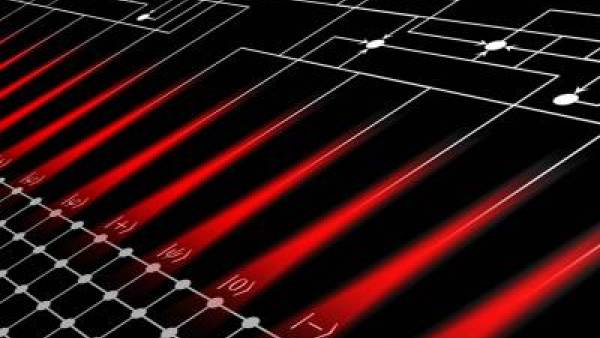
A team of researchers from TU Wien (Vienna) the National Institute for Informatics (Tokyo) and NTT Basic Research Labs in Japan has now proposed a new architecture for quantum computing, based on microscopic defects in diamond. (Credit: TU Wien (Vienna) and Japan. (National Institute of Informatics and NTT Basic Research Labs)
via sciencenewsline

Artificial retina: Physicists develop an interface to the optical nerve

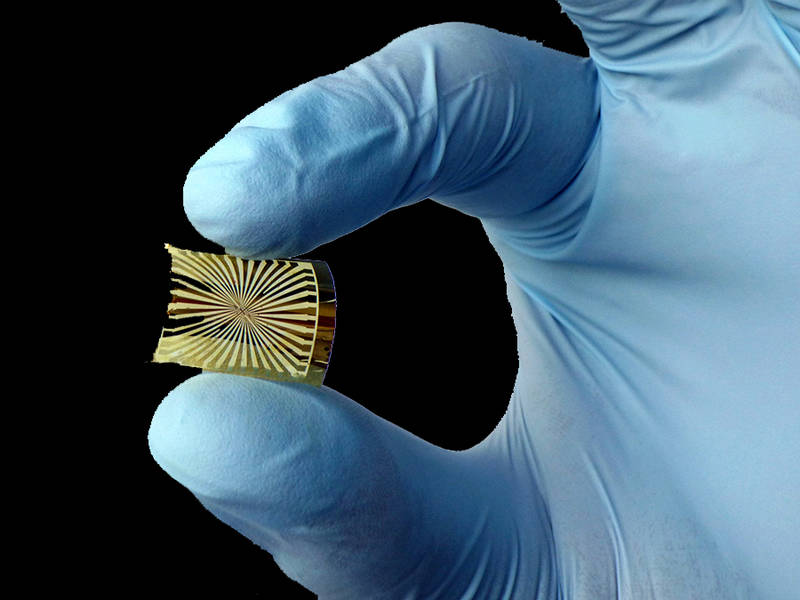
Graphene electronics can be prepared on flexible substrates. Only the gold metal leads are visible in the transparent graphene sensor. (Credit: Natalia Hutanu / TUM)
via rdmag

Rebuilding part of the Large Hadron Collider – with Legos(VIDEO)

via washington

Hunt for dark matter takes physicists deep below earth’s surface, where WIMPS can’t hide(VIDEO)

via phys

Colliding galaxies left a stream of gas 2.6 million light years long

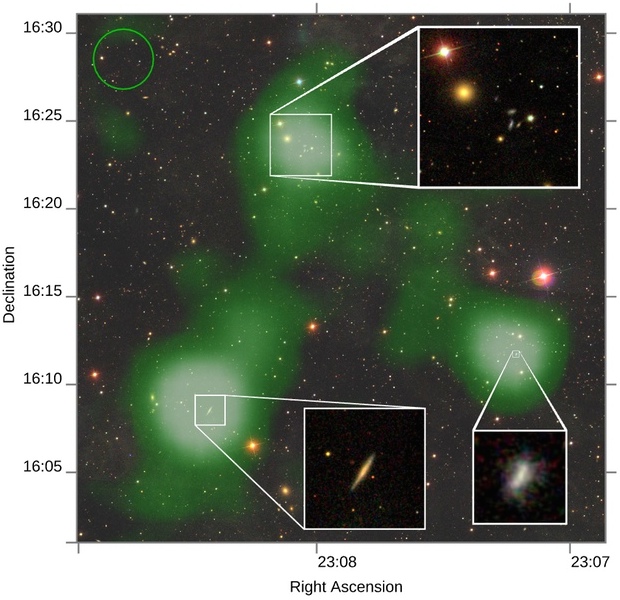
The bridge of gas (shown in green) stretches from the large galaxy at the bottom left to the group of galaxies at the top. A third nearby galaxy to the right also has a shorter stream of gas attached to it. (Credit: Rhys Taylor / Arecibo Galaxy Environment Survey / The Sloan Digital Sky Survey Collaboration.)
via motherboard

Japanese paper cuts make graphene extra stretchy

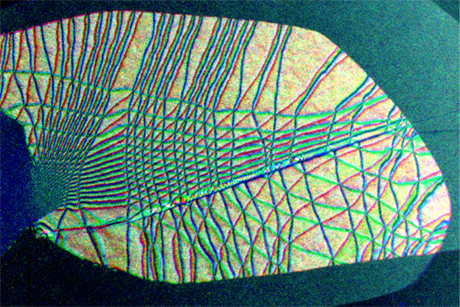
Three dark field-transmission electron microscopy images of bilayer graphene are overlaid with colors to show diffraction angles. The lines are soliton boundaries. (Credit: Muller lab)
via newscientist

Physicists use lasers to collect weak signals

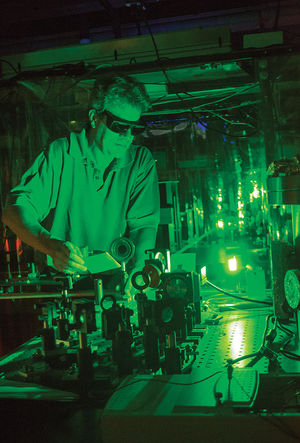
 Professor Howard Milchberg.  University physicists working in the Intense Laser Matter Interactions group have made two breakthroughs in recent months: One allows them to send high-powered lasers through atmosphere, and another uses this technology to collect weak signals from a distance. (Credit: Samantha Medney/For The Diamondback)

Professor Howard Milchberg. University physicists working in the Intense Laser Matter Interactions group have made two breakthroughs in recent months: One allows them to send high-powered lasers through atmosphere, and another uses this technology to collect weak signals from a distance. (Credit: Samantha Medney/For The Diamondback)
via diamondbackonline