Physics in the News

Monday, July 7, 2014

Fluids Flowing at the Nanoscale (VIDEO)

via theepochtimes

Solved: Signals Thought Originating from Habitable-Zone Planets (VIDEO)

via dailygalaxy

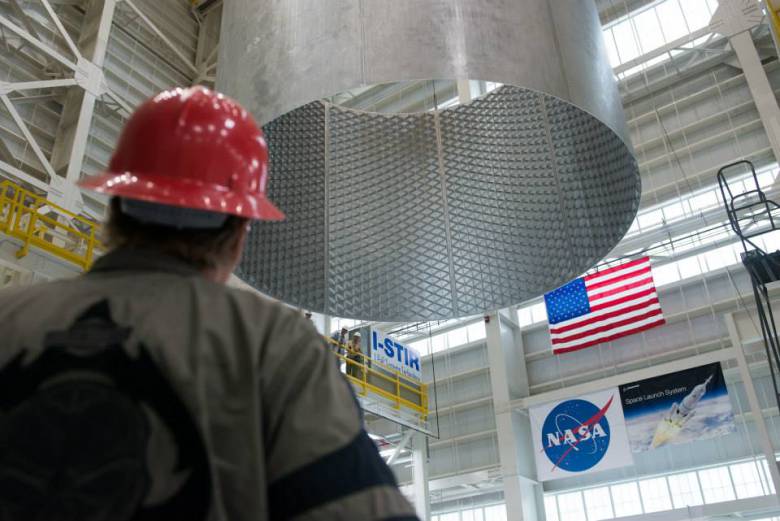
NASA OK’s spending on a new rocket built for deep space exploration

NASA plans to spend $6.8 billion of its funding for the SLS project. (Credit: NASA)
via venturebeat

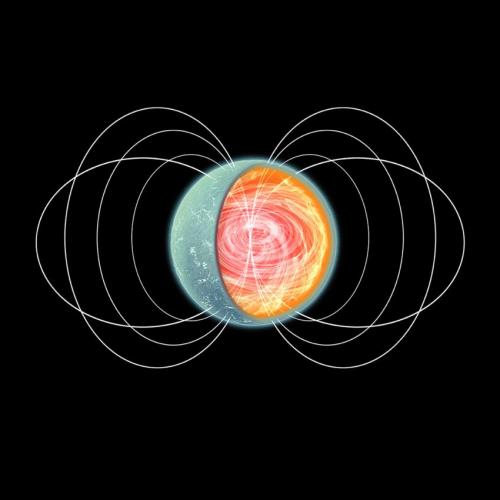
Satellite X-ray observations reveal neutron star with donut-shaped magnetic field and axial wobble

An artist's impression of a magnetar with an intense torroidal magnetic field in its core. (Credit: NASA/CXC/M.Weiss)
An artist’s impression of a magnetar with an intense torroidal magnetic field in its core. (Credit: NASA/CXC/M.Weiss)
via phys.org

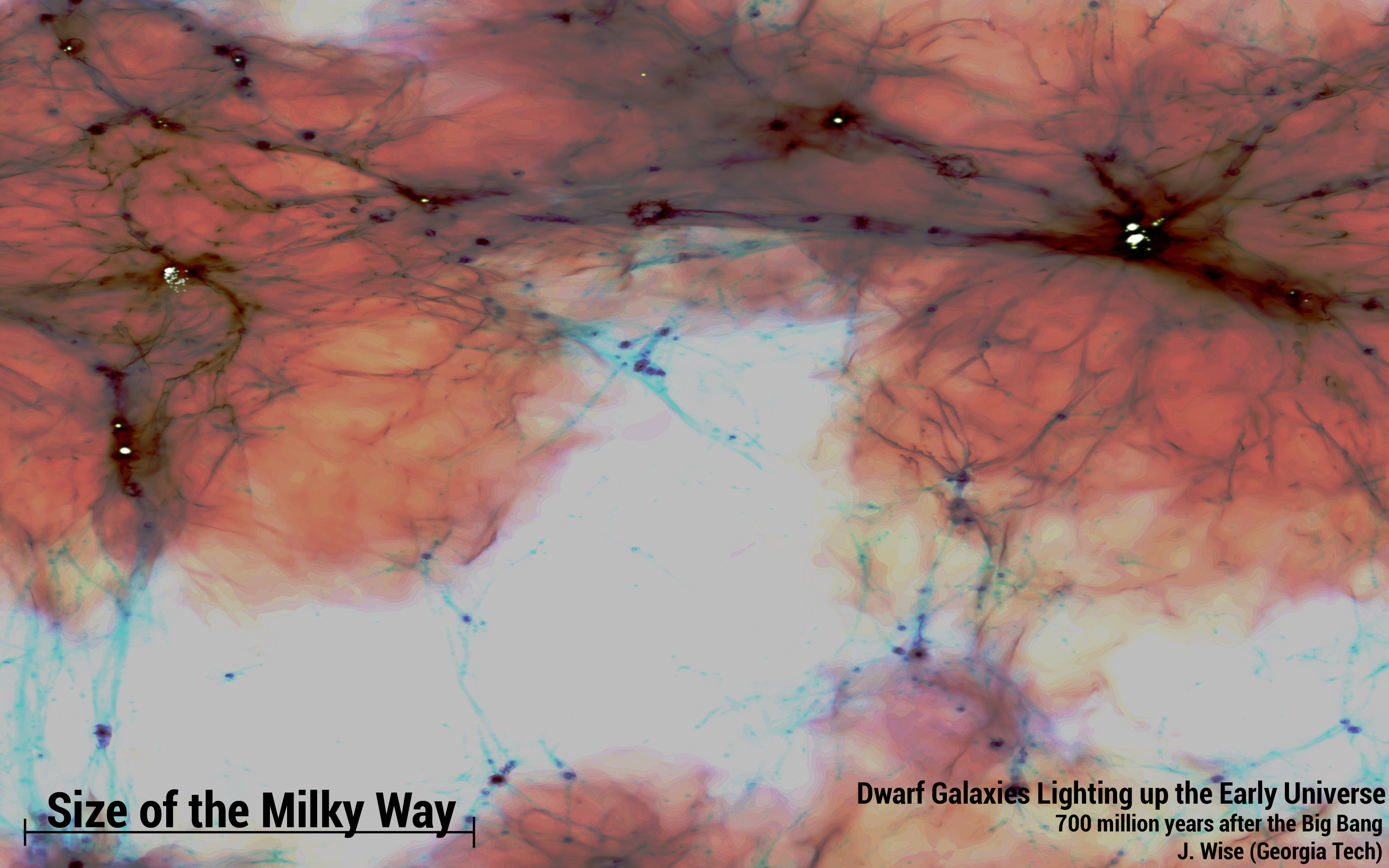
Small, but plentiful: How the faintest galaxies illuminated the early universe

A view of the entire simulation volume showing the large scale structure of the gas, which is distributed in filaments and clumps. The red regions are heated by UV light coming from the galaxies, highlighted in white. These galaxies are over 1000 times less massive than the Milky Way and contributed nearly one-third of the UV light during re-ionisation. The field of view of this image is 400,000 light years across, when the universe was only 700 million years old. (Credit: John Wise)
via phys.org

Two years ago the discovery of the Higgs boson was announced. What’s new?

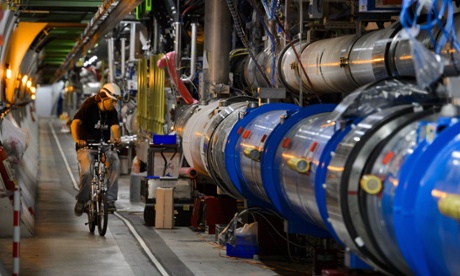
A worker rides on his bicycle in the CERN's Large Hadron Collider (LHC) tunnel during maintenance works. (Credit:  AFP  / FABRICE COFFRINIFABRICE COFFRINI/AFP/Getty Images)
A worker rides on his bicycle in the CERN’s Large Hadron Collider (LHC) tunnel during maintenance works. (Credit: AFP / FABRICE COFFRINIFABRICE COFFRINI/AFP/Getty Images)
via theguardian

Physics in the News

Sunday, July 6, 2014

Not quite beam me up, but Star Trek technology’s moved beyond science fiction

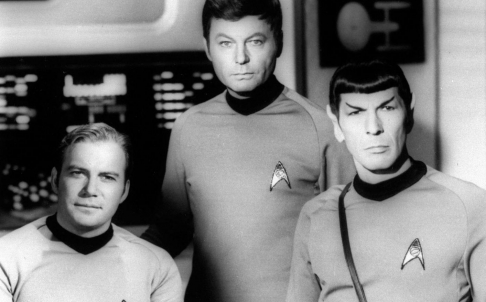
Teleportation aside, they'd feel right at home on earth. (Credit: AP)
Teleportation aside, they’d feel right at home on earth. (Credit: AP)
via scmp

A Bold Critic of the Big Bang’s ‘Smoking Gun’

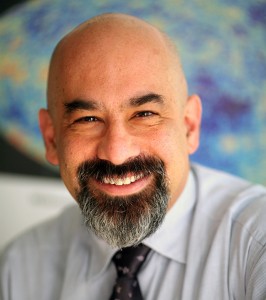
David Spergel, a theoretical astrophysicist at Princeton University who was a theorist on NASA’s Wilkinson Microwave Anisotropy Probe mission. (Credit: Princeton)
via simonsfoundation

Bruno Zumino Dies at 91; Sought to Tie Together Laws of Universe

 Bruno Zumino in 1985. (Credit: Lawrence Berkeley National Laboratory)
Bruno Zumino in 1985. (Credit: Lawrence Berkeley National Laboratory)
via nytimes

Physicist Louis Del Monte believes that by 2045 machines will threaten human survival

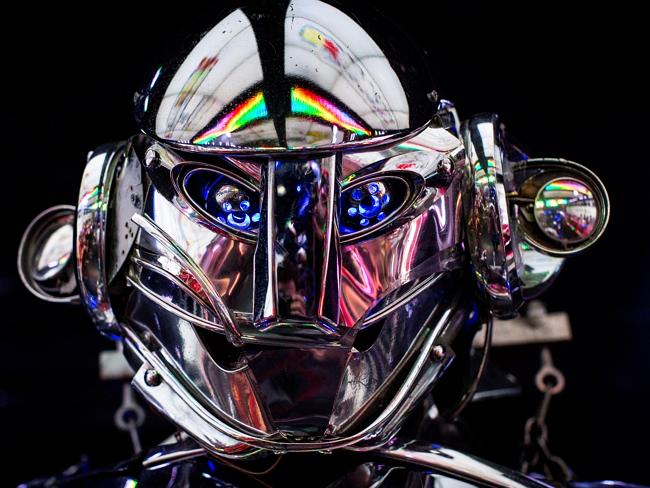
 Part human, part machine, the future of artificial intelligence. (Credit: Getty Images)
Part human, part machine, the future of artificial intelligence. (Credit: Getty Images)
via news.com
Meet the brazen scientist who’s taking over NASA’s high-powered climate lab

Gavin Schmidt (Credit: Christy Field)
via grist.org

Physician-Scientists: The Newest Endangered Species

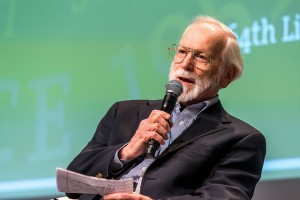
Dr. J. Michael Bishop- (Credit: Christian Flemming/Lindau Nobel Laureate Meetings)

via scientificamerican

Physics in the News

Saturday, July 5, 2014

Searching for Earth-like planets: Newly spotted frozen world orbits in a binary star system

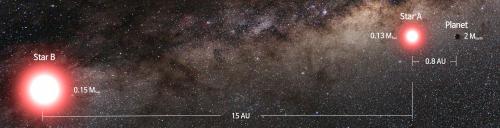
This artist's rendering shows a newly discovered planet (far right) orbiting one star (right) of a binary star system. The discovery, made by a collaboration of international research teams and led by researchers at The Ohio State University, expands astronomers' notions of where to look for planets in our galaxy. (Credit: Cheongho Han, Chungbuk National University, Republic of Korea.)
This artist’s rendering shows a newly discovered planet (far right) orbiting one star (right) of a binary star system. The discovery, made by a collaboration of international research teams and led by researchers at The Ohio State University, expands astronomers’ notions of where to look for planets in our galaxy. (Credit: Cheongho Han, Chungbuk National University, Republic of Korea.)
via phys.org

The Big Picture: NASA flies massive SOFIA telescope to the stratosphere

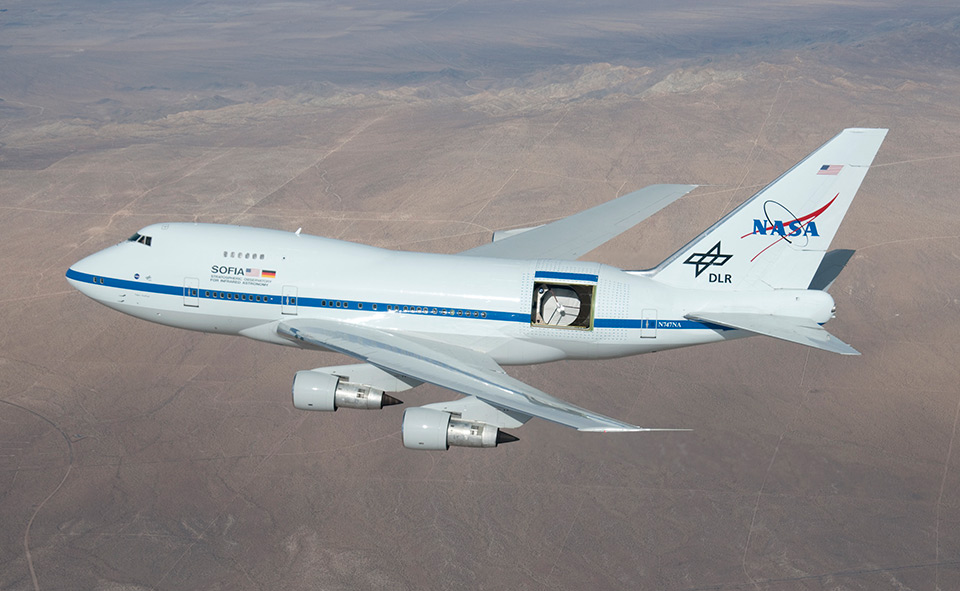
By sticking a 17-ton telescope into a Boeing 747, you can launch it up to 45,000 feet and get past 99 percent of our atmosphere's water vapor
By sticking a 17-ton telescope into a Boeing 747, you can launch it up to 45,000 feet and get past 99 percent of our atmosphere’s water vapor. (Credit: NASA)

via engadget

NASA’s Cassini Spacecraft To Go Out With A Bang

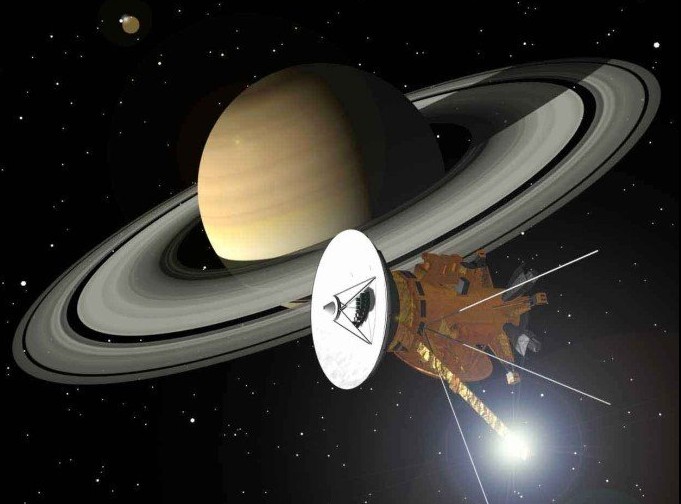
Cassini has uncovered a trove of exciting scientific information by discovering new moons of Saturn, exploring the jetting geysers of Enceladus, and studying the bizarre polar hexagon at Saturn’s north pole. (Credit: NASA)

via davidreneke


Saturday Space Sight: Inside the ISS Destiny Laboratory

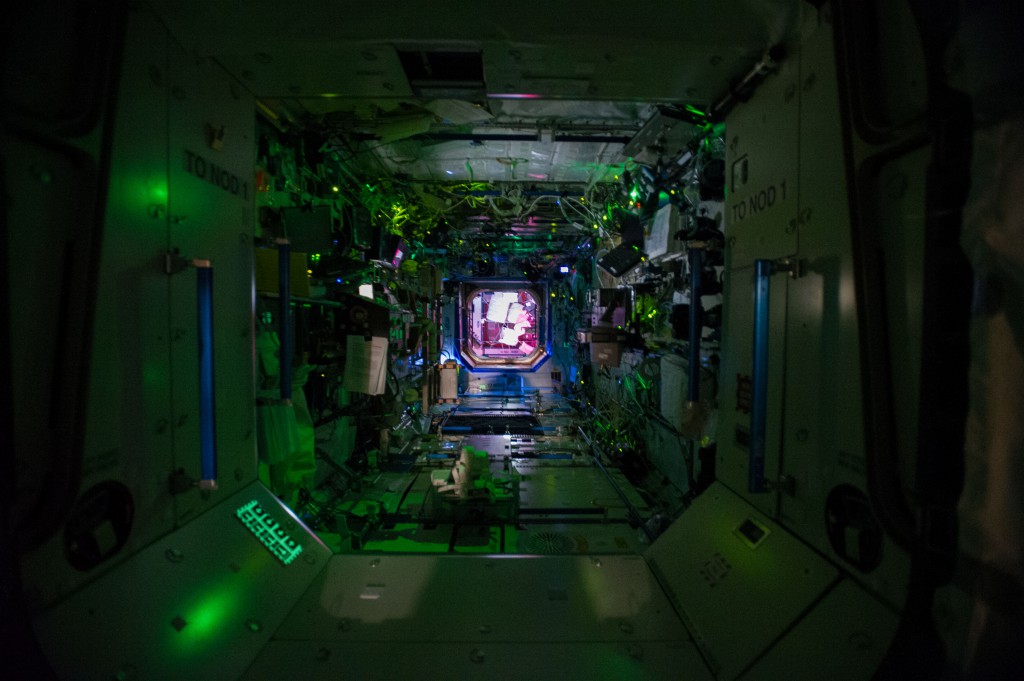
This view is looking into the Destiny Laboratory from Node 1 (Unity) with Node 2 (Harmony) in the background. Destiny is the primary research laboratory for U.S. payloads, supporting a wide range of experiments and studies. (Credit NASA)

via science.dodlive

New satellite data like an ultrasound for baby stars(VIDEO)

via phys.org

Fantastically Wrong: The Legendary Scientist Who Swore Our Planet Is Hollow

This ad should have a huge asterisk somewhere explaining that Koreshanity was a cult started by a guy who shocked himself and woke up thinking he was Jesus.
This ad should have a huge asterisk somewhere explaining that Koreshanity was a cult started by a guy who shocked himself and woke up thinking he was Jesus.(Credit: Wired)
via wired

NJ Night Sky: Moon cruises past Mars and Saturn; plus a new Super-Earth?

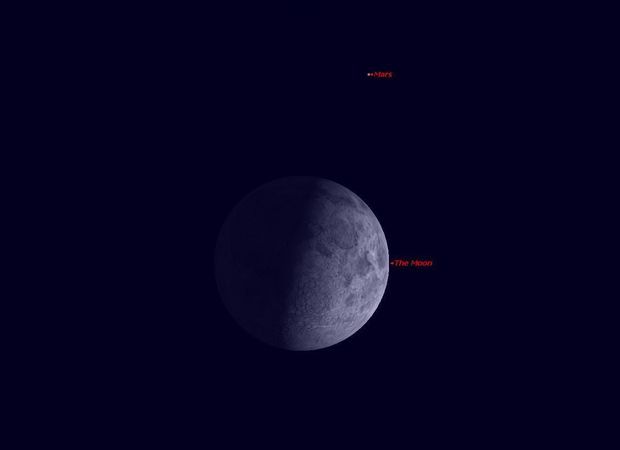
The Moon is near Mars tonight. (Credit:Starrynight.com)
via nj.com
Physics in the News

Friday, July 4, 2014

Earth like planet doesn’t exist!

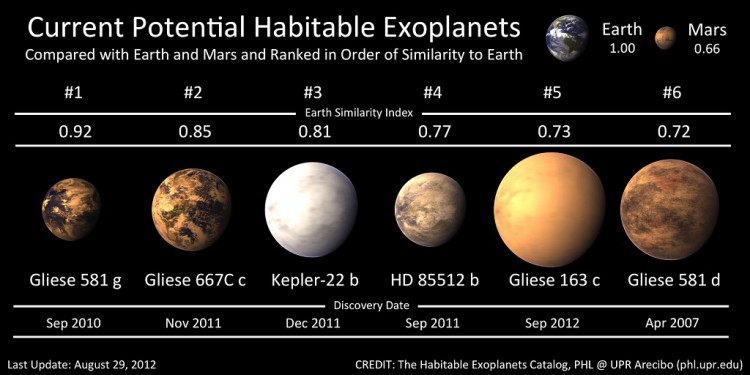
Potential Habitable Exoplanets (Credit: The habitable exoplanet catalog)
via sciencealert

Rosetta enters 67P’s neighborhood as the comet starts taking shape

Animation of Comet 67P/Churyumov-Gerasimenko rotating as seen by Rosetta on June 27-28, 2014 (Credit: NASA)
via universetoday

These New Gravity Maps Give Us An Entirely New Understanding Of The Moon

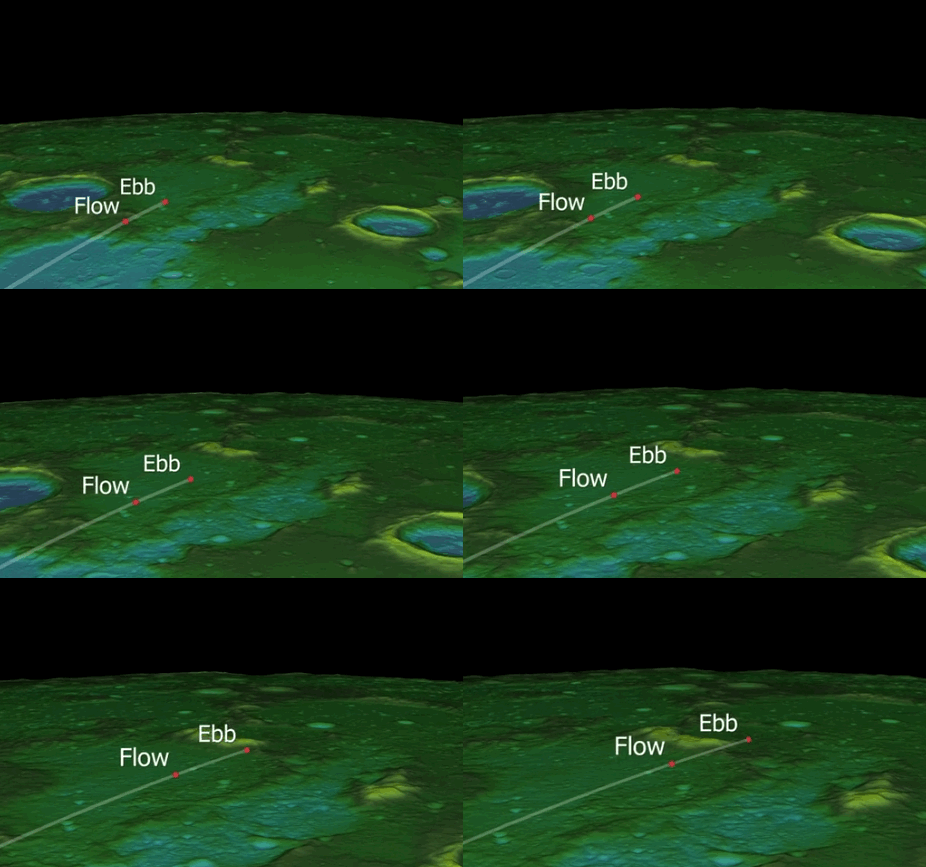
Twin spacecraft, named Ebb and Flow — about the size of washing machines — chased each other around the moon for three months. (Credit: NASA)
via businessinsider

Aldrich’s job is to sniff everything that goes into space

via news.com
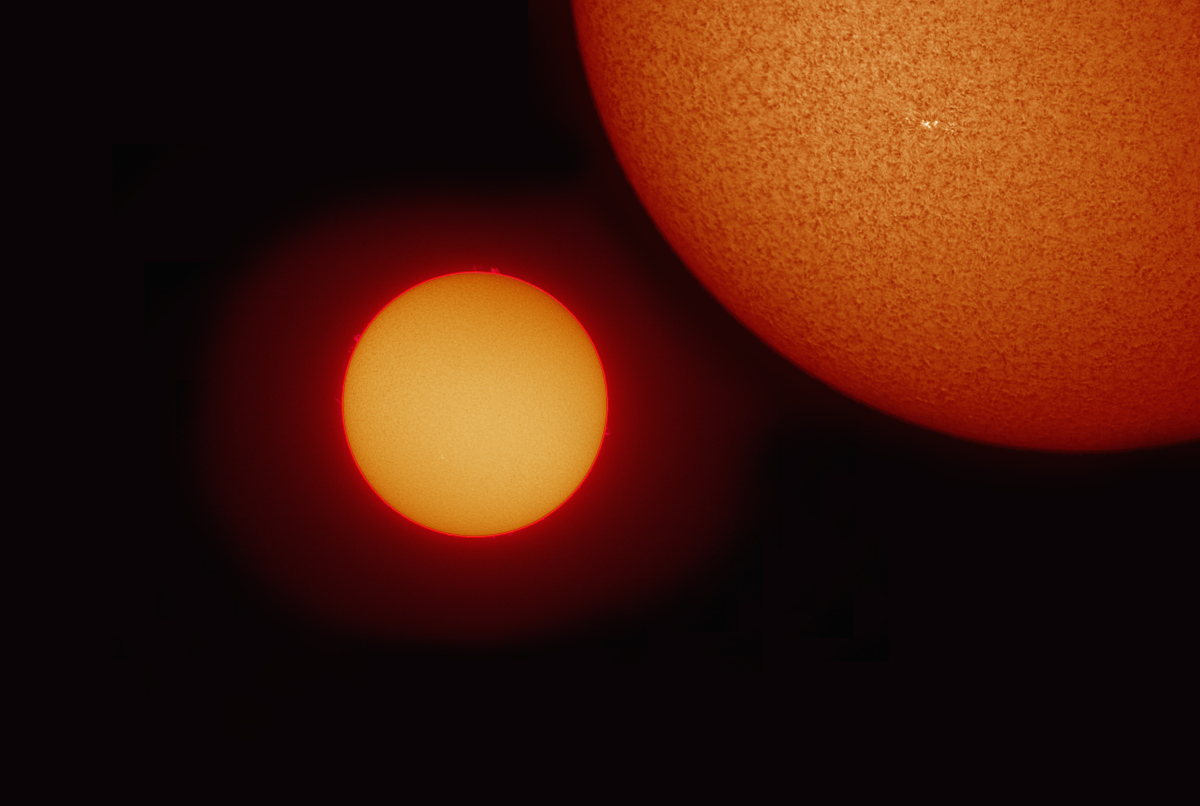
Under the bright lights of an aging sun

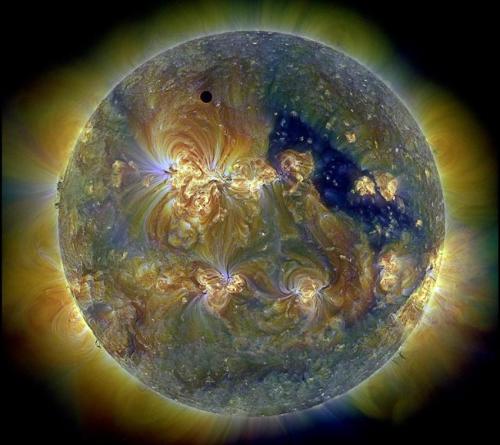
Venus can be seen as a black dot eclipsing the Sun in this image from 2012. Venus orbits too close to the Sun to the planet to be habitable for life as we know it. Venus experiences a runaway greenhouse and the average surface temperatures are thought to be around 864ºF. (Credit: NASA/SDO & the AIA, EVE, and HMI teams; Digital Composition: Peter L. Dove)
via phys.org

Saturn’s Moon Titan Has Surprisingly Salty Oceans Lurking Under Its Surface

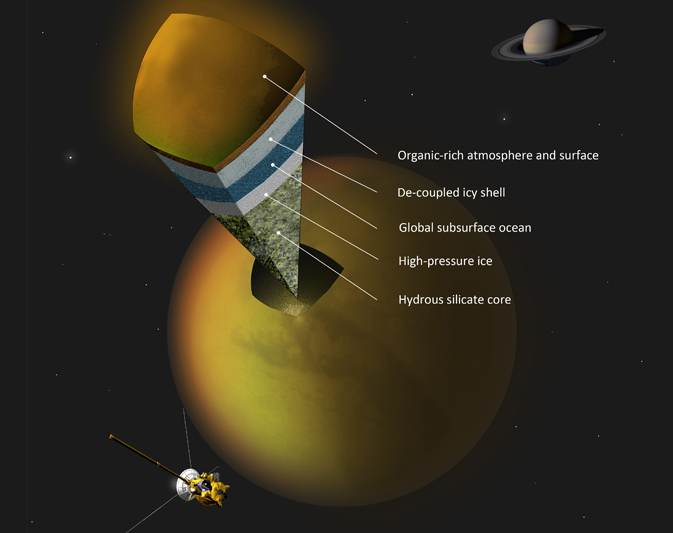
Artist's concept showing potential internal structure of Titan. (Credit: A. Tavani/NASA)
Artist’s concept showing potential internal structure of Titan. (Credit: A. Tavani/NASA)
via motherboard.vice

Rude Planet Ignores Parent

 Simulation of a binary star system. (Impolite offspring not pictured.)  (Credit: Malcolm Park; Getty Images)
Simulation of a binary star system. (Impolite offspring not pictured.) (Credit: Malcolm Park; Getty Images)
via time


Physics in the News

Thursday, July 3, 2014

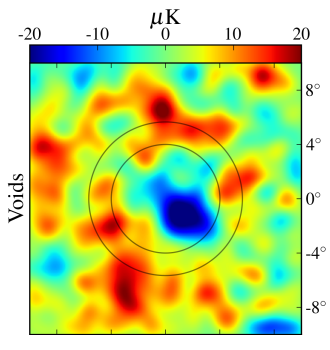
Biggest void in universe may explain cosmic cold spot

The mean imprint on the Cosmic Microwave Background of 50 supervoids. (Credit: BSA-3.0)
via newscientist

‘Atomic Man’ room opened for first time after radiation blast in 1976

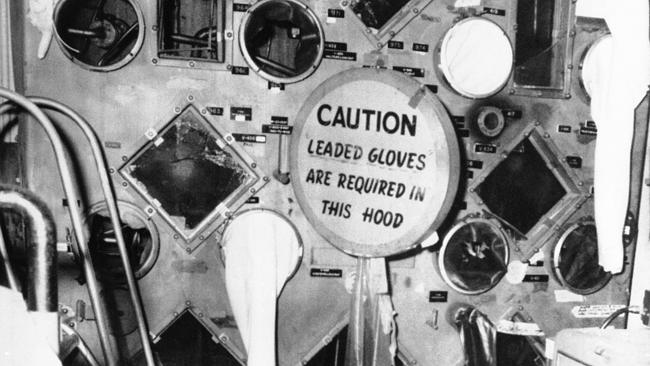
The room that exposed a laboratory technician to a massive dose of radiation, which led to him being known as the “Atomic Man”, is to be entered for the first time since the incident in 1976. (Credit: AP)
via news.com.au

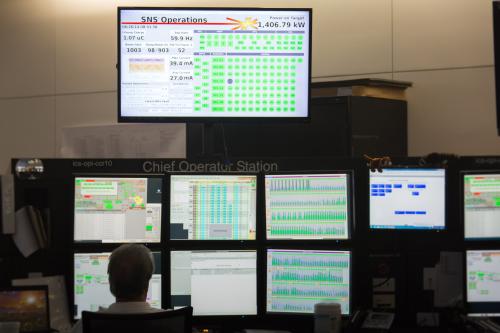
A record-breaking month for ORNL’s Spallation Neutron Source

The accelerator-based pulse neutron source at ORNL’s Spallation Neutron Source operated steadily for users at the maximum design power of 1.4 megawatts June 26. (Credit: Genevieve Martin/ORNL)
via phys.org

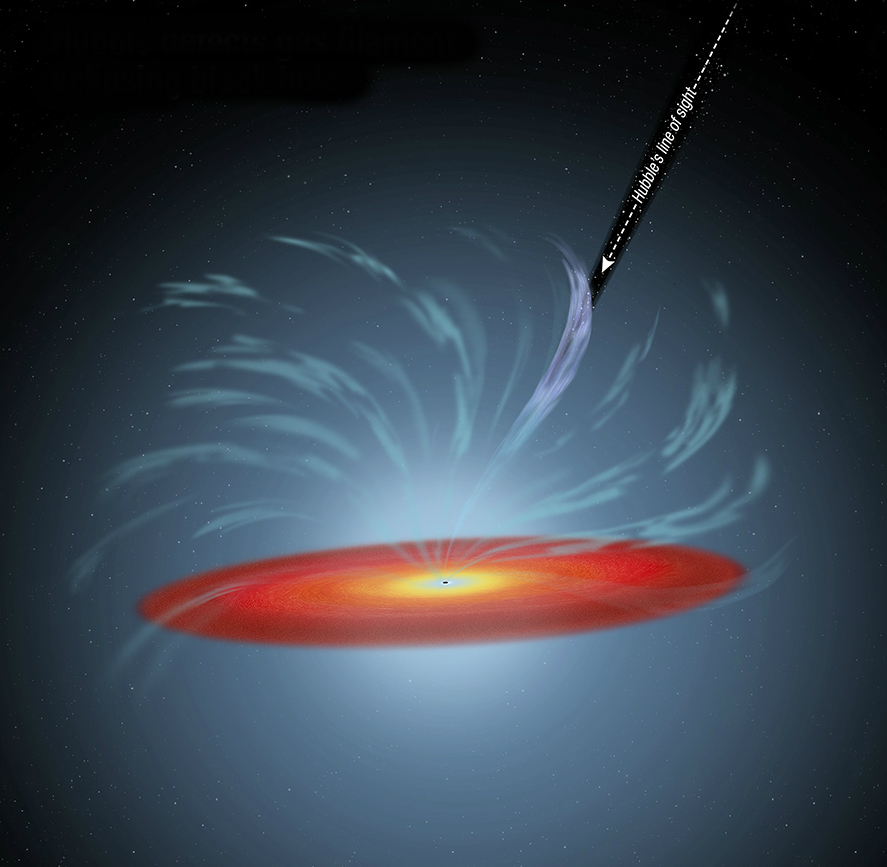
Gas streamer is spewing from the active galactic nucleus NGC 5548

gas streamer spewing from the active galactic nucleus of NGC 5548 – See more at: http://www.skyandtelescope.com/astronomy-news/gas-streamer-eclipses-agn/#sthash.6Ypl6HM8.dpuf
Map of the gas streamer spewing from the heart of NGC 5548. (Credit: NASA, ESA, and A. Feild (STScI))
via skyandtelescope

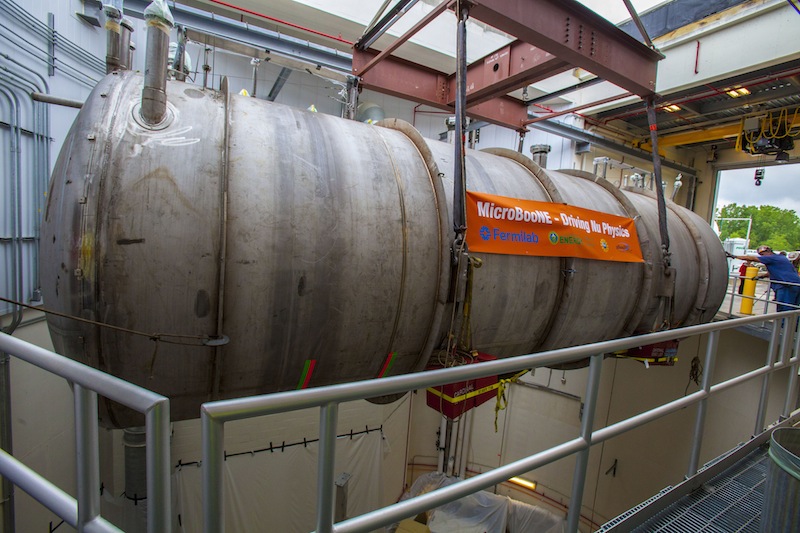
‘Revolutionary’ Physics: Do Sterile Neutrinos Lurk in the Universe?

The detector for the MicroBooNe is gently lowered into place. (Credit: Fermilab)
The detector for the MicroBooNe is gently lowered into place.
(Credit: Fermilab)
via livescience
 

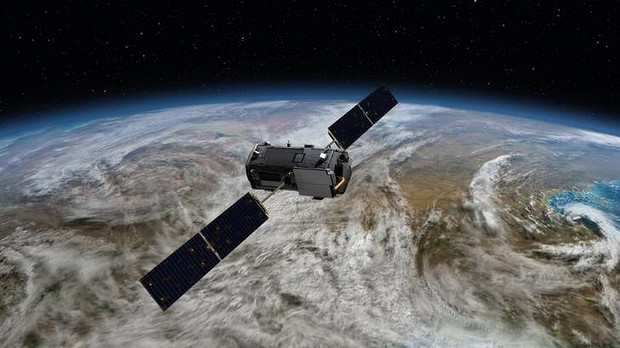
NASA’s carbon dioxide-hunting telescope reaches orbit

An artist's impression of how NASA's Orbiting Carbon Observatory will look in space. (Credit: NASA/JPL-Caltech)
An artist’s impression of how NASA’s Orbiting Carbon Observatory will look in space. (Credit: NASA/JPL-Caltech)

via smh.com

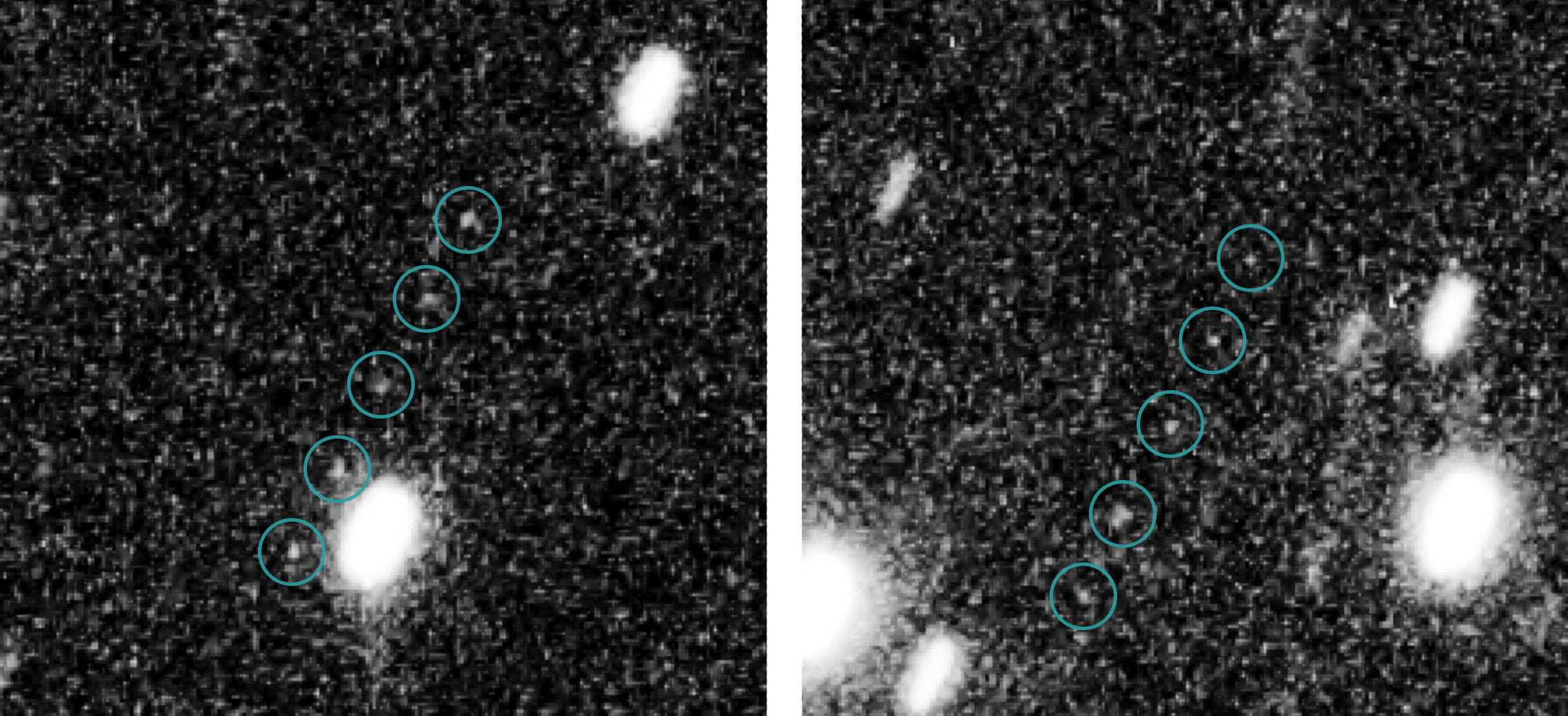
NASA’s Pluto Probe Is Already Planning Its Next Job

Two multiple-exposure images from NASA's Hubble Space Telescope showing Kuiper Belt objects, or KBOs, against a background of stars in the constellation Sagittarius. The two KBOs are roughly 4 billion miles from Earth. (Credit: NASA, ESA, SwRI, JHU/APL, New Horizons KBO Search Team)
Two multiple-exposure images from NASA’s Hubble Space Telescope showing Kuiper Belt objects, or KBOs, against a background of stars in the constellation Sagittarius. The two KBOs are roughly 4 billion miles from Earth. (Credit: NASA, ESA, SwRI, JHU/APL, New Horizons KBO Search Team)
via motherboard.vice.com