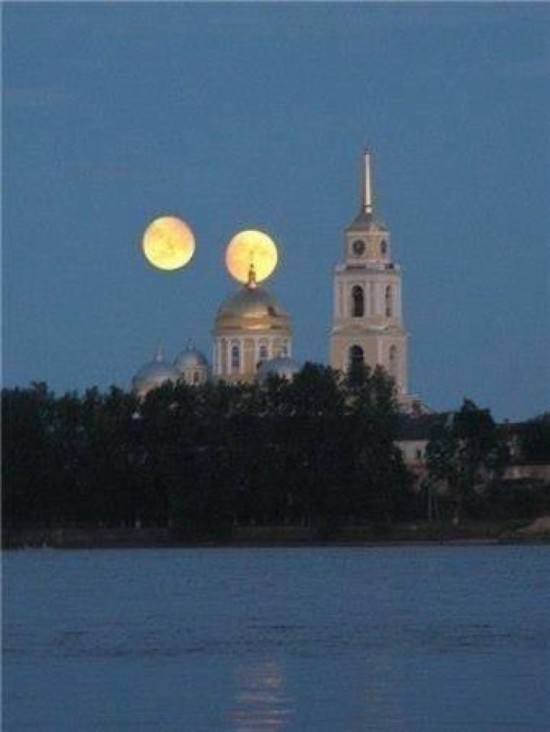
This image sometimes circulates on Facebook, with the claim that Mars will appear as big and bright as a full moon on August 27, 2014. It’s a hoax. Don’t believe it. Mars never appears as large as a full moon in Earth’s sky. (Credit: Unknown)
via bnlive
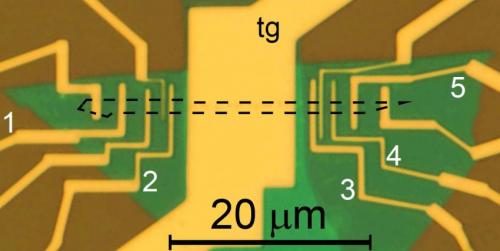
A optical microscope image of the spintronic device (top view). The top electrode (tg) and cobalt electrodes (1 to 5) are yellow. The boron nitride layers (in green) encapsulate the graphene flake, which is outlined by the dotted line. Credit: Fundamental Research on Matter (Credit: FOM)
via phys.org
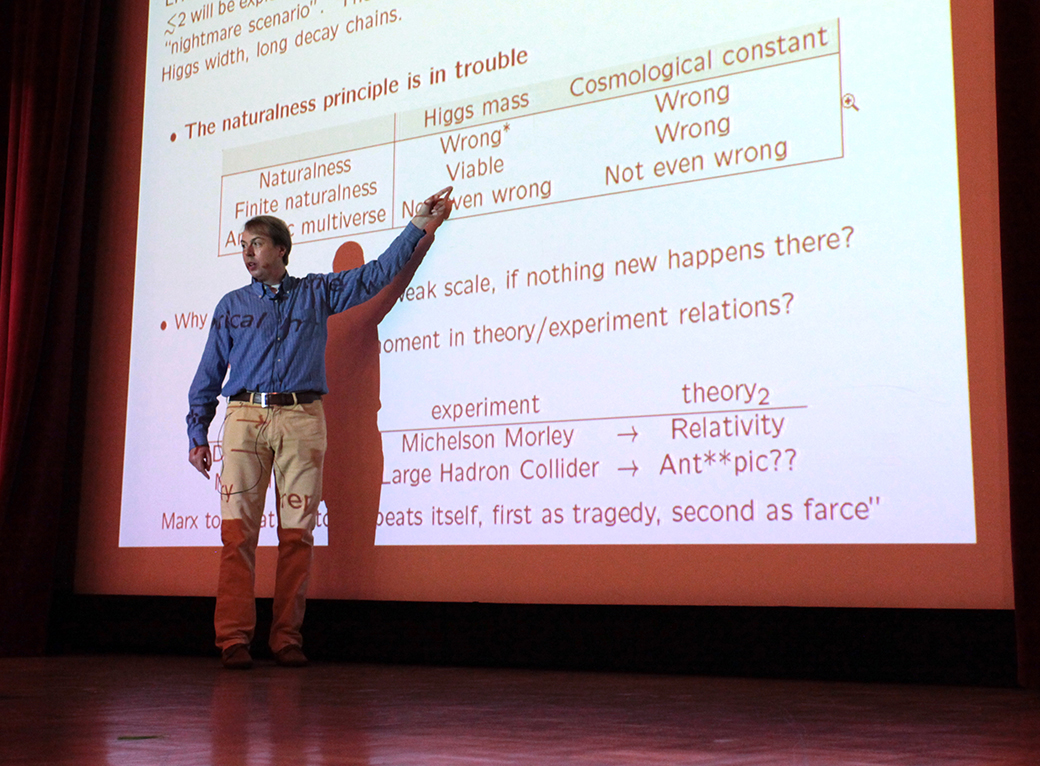
Alessandro Strumia of the University of Pisa, pictured speaking at a conference in 2013, has co-developed a scale-symmetric theory of particle physics called “agravity.” (Credit: Thomas Lin/Quanta Magazine)
via simonfoundation
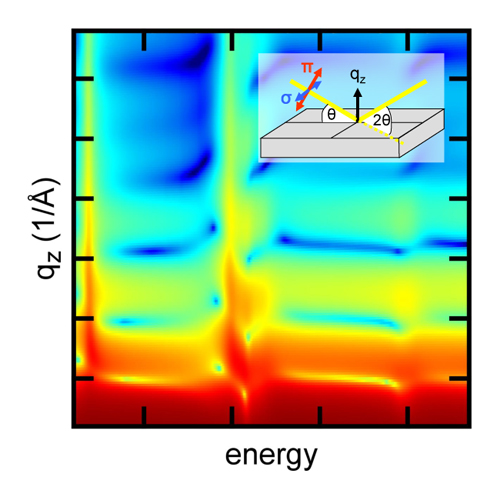
X-ray interference pattern measured while studying complex nano-layer structures. The sketch inserted illustrates the path of the x-ray beam relative to the surface of the sample. (Credit: Sebastian Macke)
via rdmag
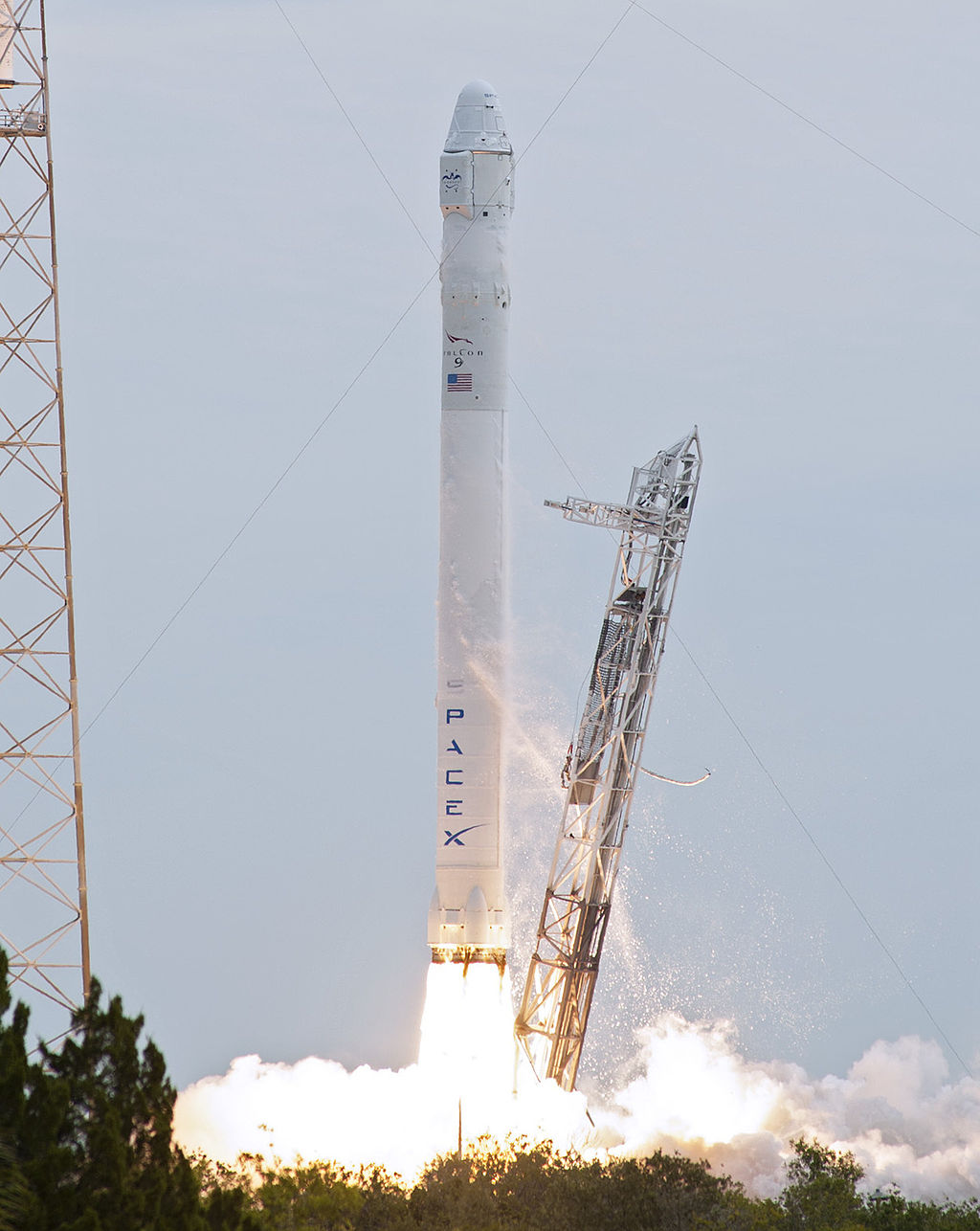
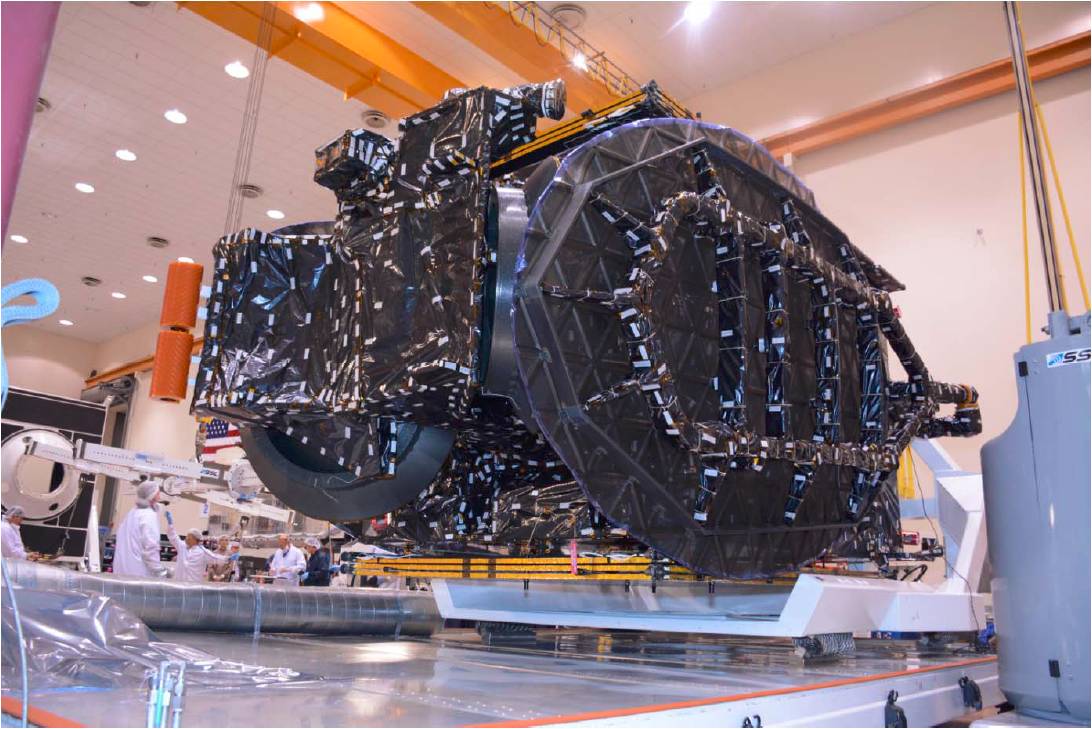
Three weeks after launching the AsiaSat-8 communications satellite, SpaceX is primed to deliver its sibling, AsiaSat-6, into geostationary transfer orbit at an altitude of 22,236 miles (35,786 km) on Wednesday, 27 August. (Credit: AsiaSat)
via americaspace
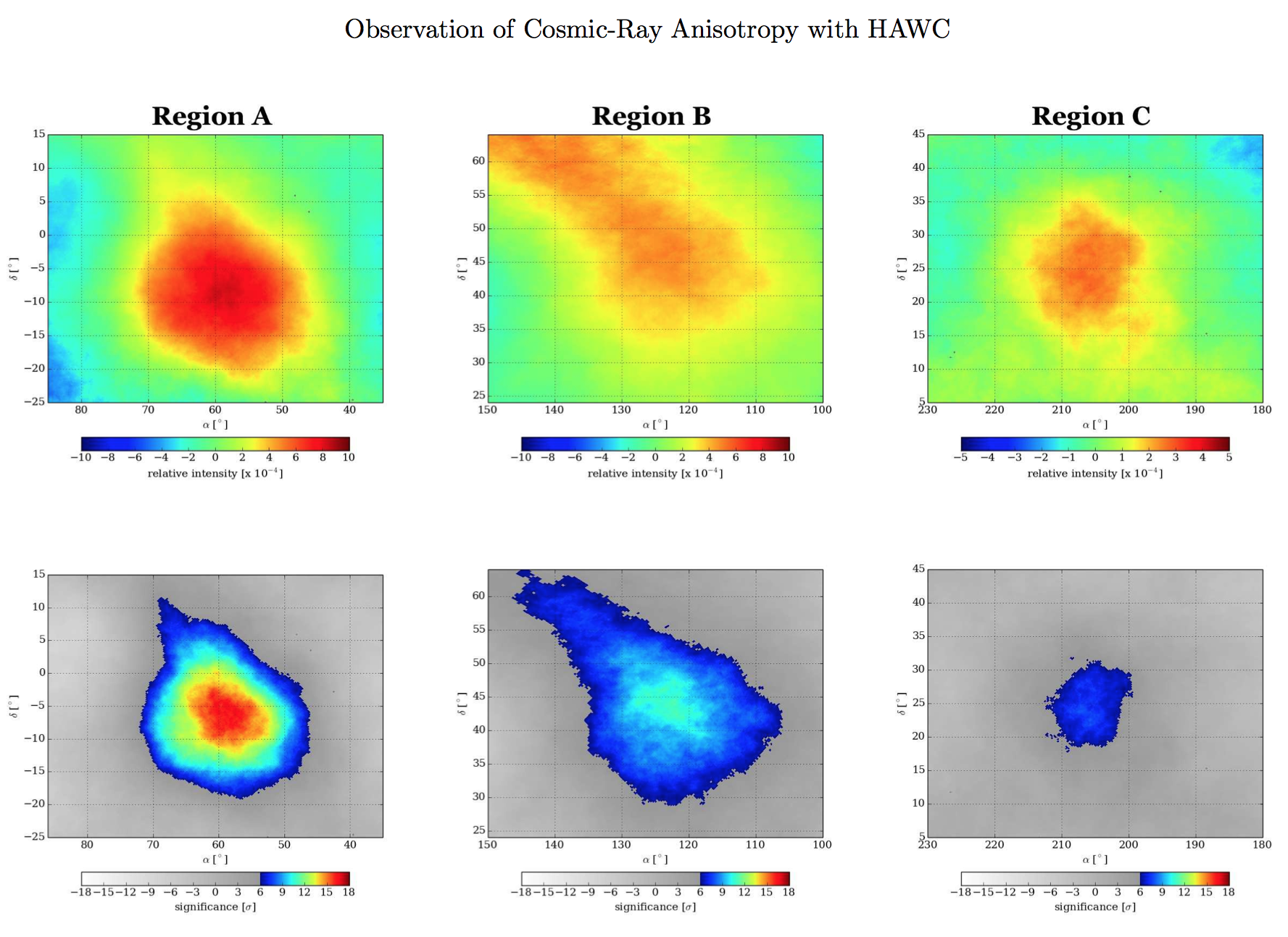
Relative intensity (top row) and pre-trial significance (bottom row) of the cosmic-ray flux in the vicinity of Region A (left), Region B (center), and Region C (right). (Credit: Abeysekara et al)
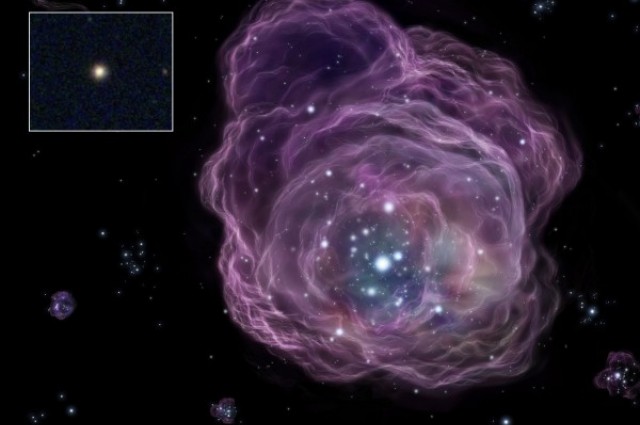
The very first stars in the Universe might have been hundreds of times more massive than the Sun. (Credit: National Astronomical Observatory of Japan)
via scientificamerican
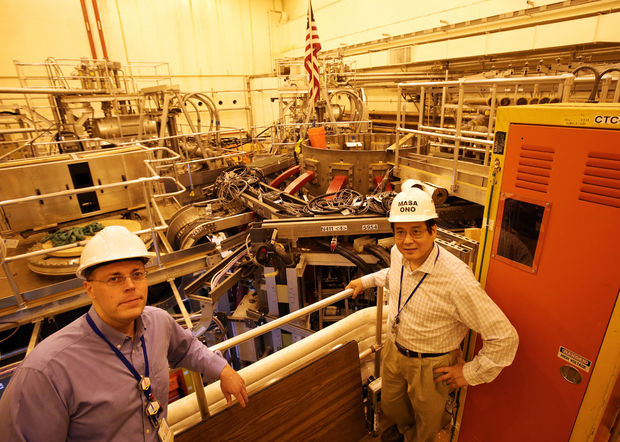
Jonathan Menard, a principal research physicist and program director for the National Spherical Torus Experiment (NSTX), and Masa Ono, a principal research physicist and project director of the NSTX, stand in front of the experiment during a tour of the facility. The device has been shut down since 2011 while it undergoes a $94 million upgrade that will make it the most powerful device of its kind in the world. (Credit NSTX)
via nj.com
The agency intends to deploy the spacecraft, codename Liquidator, to clear up the geostationary orbit over the equator, which is 36 thousand kilometers above sea level. (Credit: Roscosmos)
via spacemart
“When you start to make electronics smaller and denser, not only are you making much more heat in the same amount of volume, but it’s much harder for the heat to flow outward,” says Peter Nalbach, a theoretical physicist at the University of Hamburg, Germany. (Credit: Mehau Kulyk/Getty)
via popularmechanics
Researchers hope to create a massive online “brain” that can help all robots navigate and even understand the world around them. “The purpose,” says Saxena, who dreamed it all up, “is to build a very good knowledge graph—or a knowledge base—for robots to use. (Credit: Thinkstock, Hernandez )
via wired
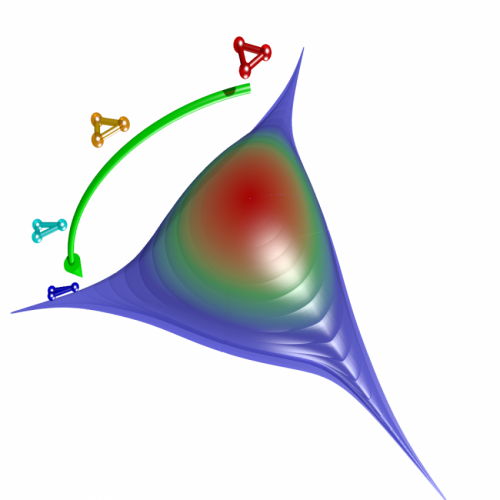
Probability density of an Efimov trimer state at different three-body geometries that are characterized by the polar angle — indicated by the trimer legends. The key feature in the probability density is that unlike ordinary molecular binding that mostly has a single geometry, the Efimov trimer covers have a broad range of geometries. The atoms in such states behave more like in a fluid drop. (Credit: Yujun Wang, Kansas State University)
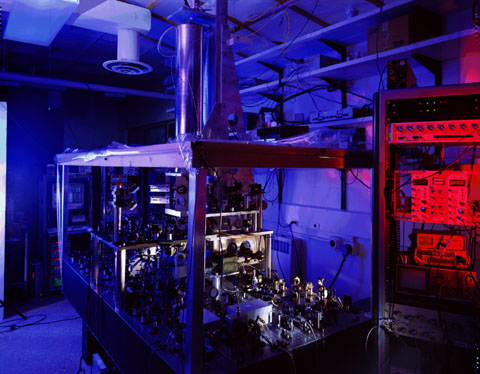
NIST-F1 contributes to the international group of atomic clocks that define Coordinated Universal Time (UTC), the official world time. Because NIST-F1 is among the most accurate clocks in the world, it makes UTC more accurate than ever before. (Credit: Time and Frequency Division of NIST’s PML)
via guardianlv
Artist’s conception of the atmosphere of an Earth-like planet displaying a brownish haze as the result of widespread pollution. (Credit: Christine Pulliam/Harvard-Smithsonian Center for Astrophysics)
via npr
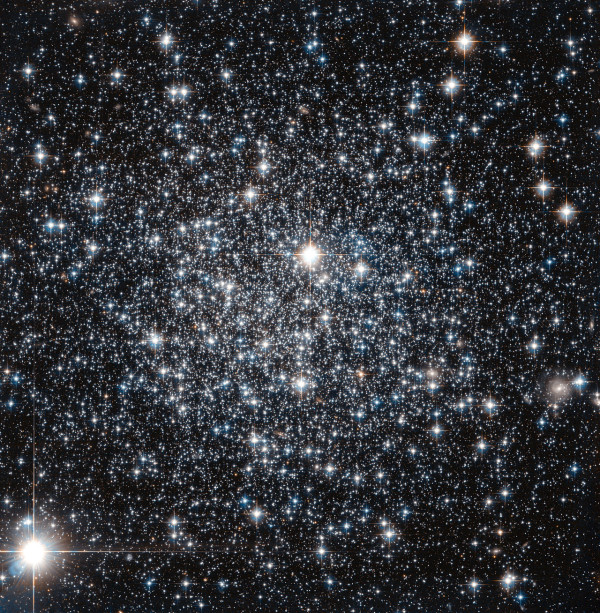
This new NASA/ESA Hubble Space Telescope image shows the globular cluster IC 4499. A cosmic archaeological dig has unfolded within a giant ball of stars some 55,000 light-years away. (Credit: NASA)
via nationalgeographic
Top: A typical set-up for squeezing injection in the first demonstrations of squeezing at GEO600 and LIGO, both using DC readout [36,37]. Bottom: Proposed design for future detectors. This design features an in-vacuum OPO. The remainder of the squeezed light source remains outside of vacuum. (Credit: E. Oelker, L. Barsotti, S. Dwyer, D. Sigg, and N. Mavalvala)
via opticsinfobase
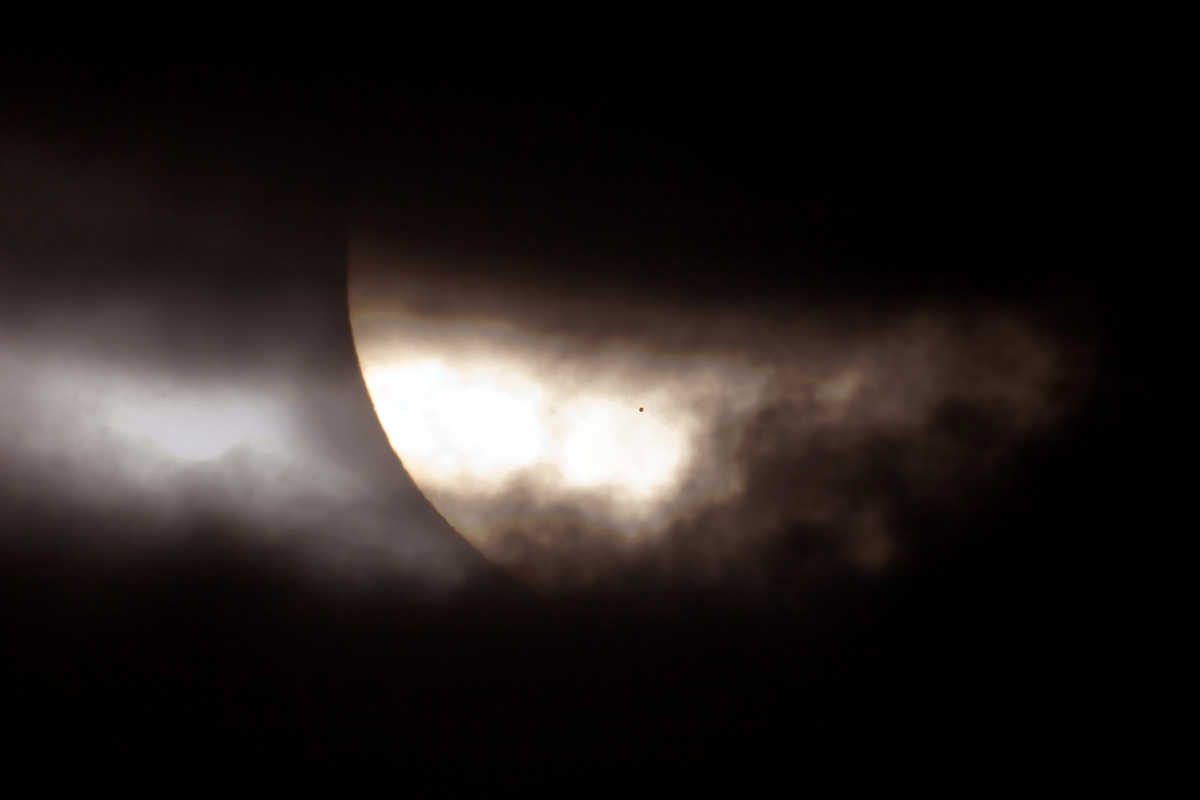
What’s that dot on the Sun? If you look closely, it is almost perfectly round. The dot is the result of an unusual type of solar eclipse that occurred in 2006. Usually it is the Earth’s Moon that eclipses the Sun. This time, the planet Mercury took a turn. (Credit: D. Cortner, NASA, K. Schmidt)
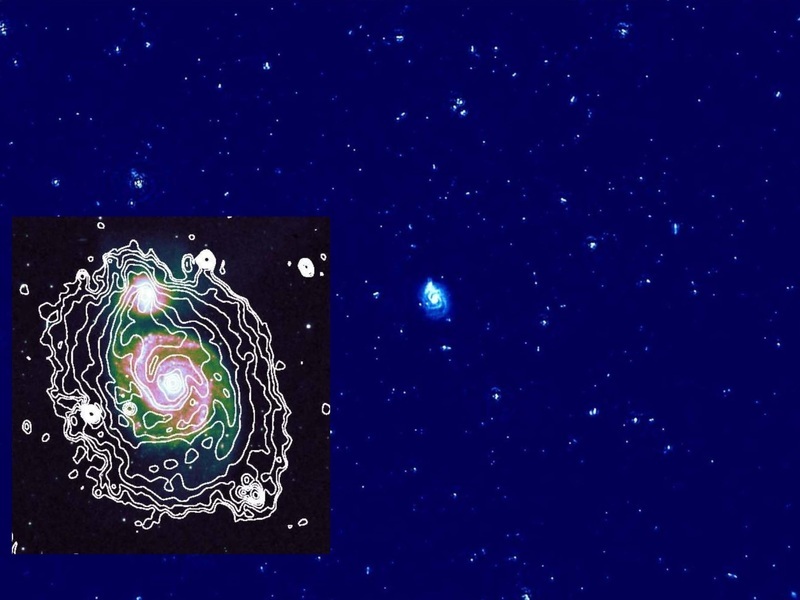
“Maybe we will see how galaxies are magnetically connected to intergalactic space. This is a key experiment in preparation for the planned Square Kilometre Array (SKA) that should tell us how cosmic magnetic fields are generated,” says Rainer Beck, lead astronomer with the Max Planck Institute.
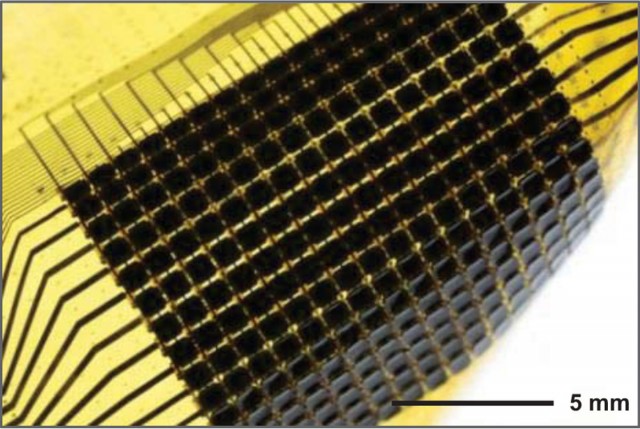
Researchers have developed a flexible structure that can sense ambient conditions and adjust its color to match them. At the moment, it only works in black and white. (Credit: PNAS, Timmer)
via arstechnica
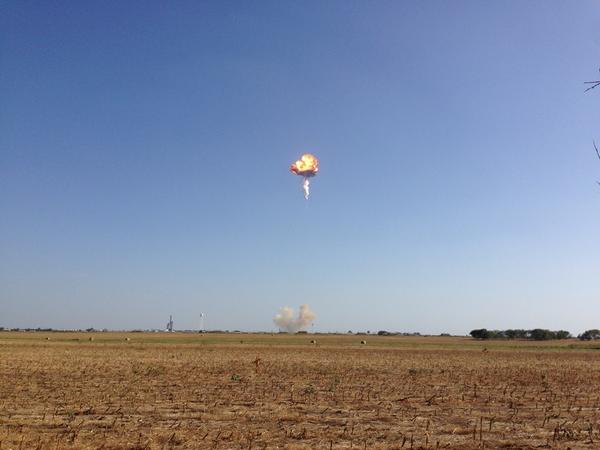
In a conversation with Mashable via Twitter, McGregor resident @EthansMommy17, who tweeted the above image of the explosion, claimed cows had been killed by debris from the explosion. She was unable to provide images or other confirmation of the affected livestock, however. (Credit: @EthansMommy17)
via mashable
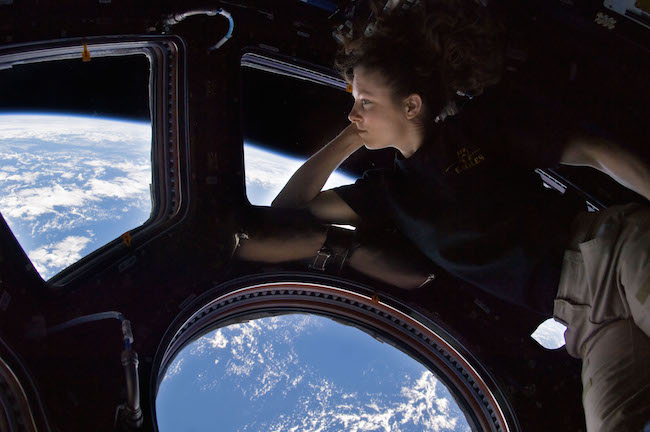
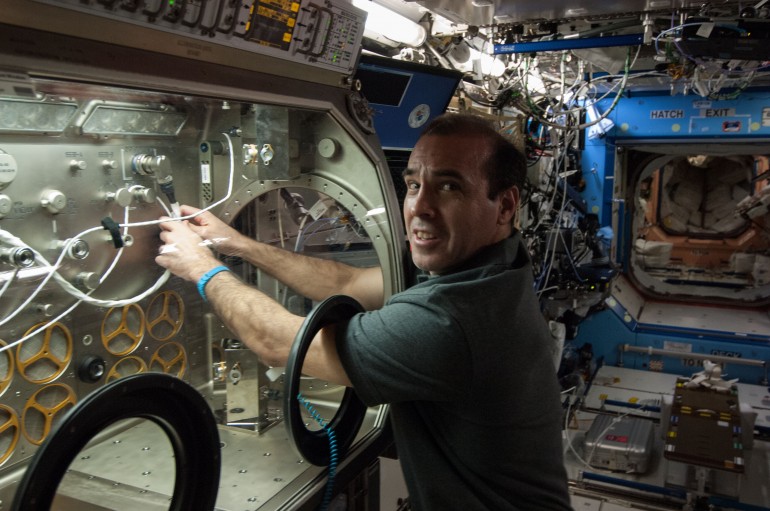
The space specialist said that the ISS surface was polluted very strongly due to operation of space engines and other factors. “We are conducting special works to polish somehow and put illuminators in order. This is particularly needed during long space flights,” Solovyev added. (Credit: Tracy Caldwell Dyson)
via forbes
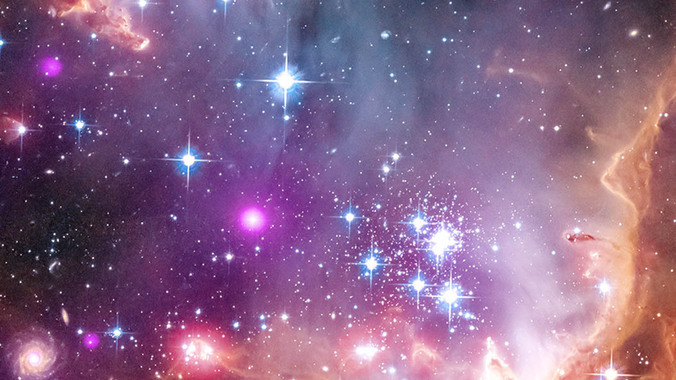
Although they are gigantic, ranging from one to a few hundred lightyears in size, the physical process that causes these nebulae to emit their own light (rather than merely reflect light from nearby stars) occurs at the atomic level. It is the same process that makes familiar florescent lights shine here on Earth. (Credit: NASA, Prozesky)
via mg
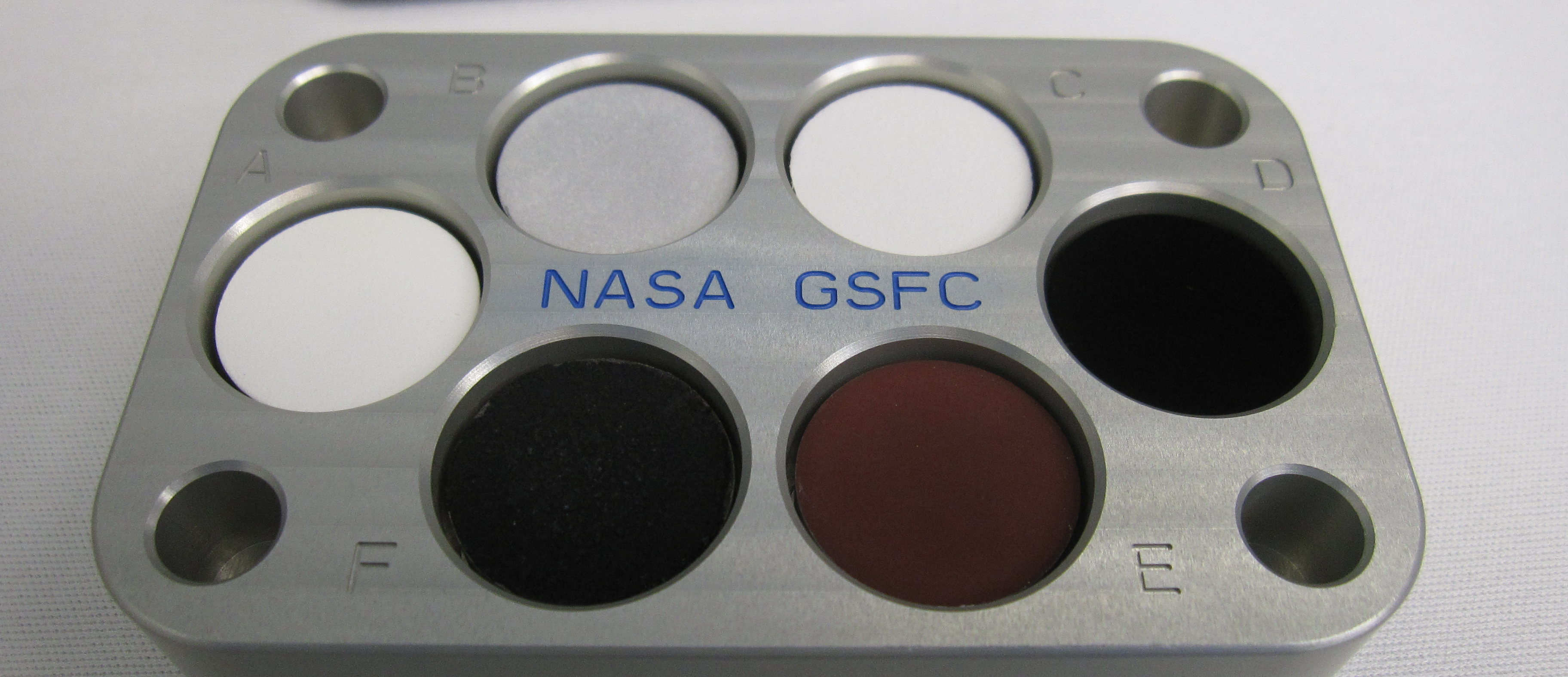
On July 29th, the the Automated Transfer Vehicle launched carrying samples of the stuff to the ISS, where it docked on August 12th. There, astronauts will conduct tests on the paint, which absorbs 99.5 percent of visible light (and 99.8 percent of longer wavelength light). (Credit: NASA, Campbell-Dollaghan)
via gizmodo
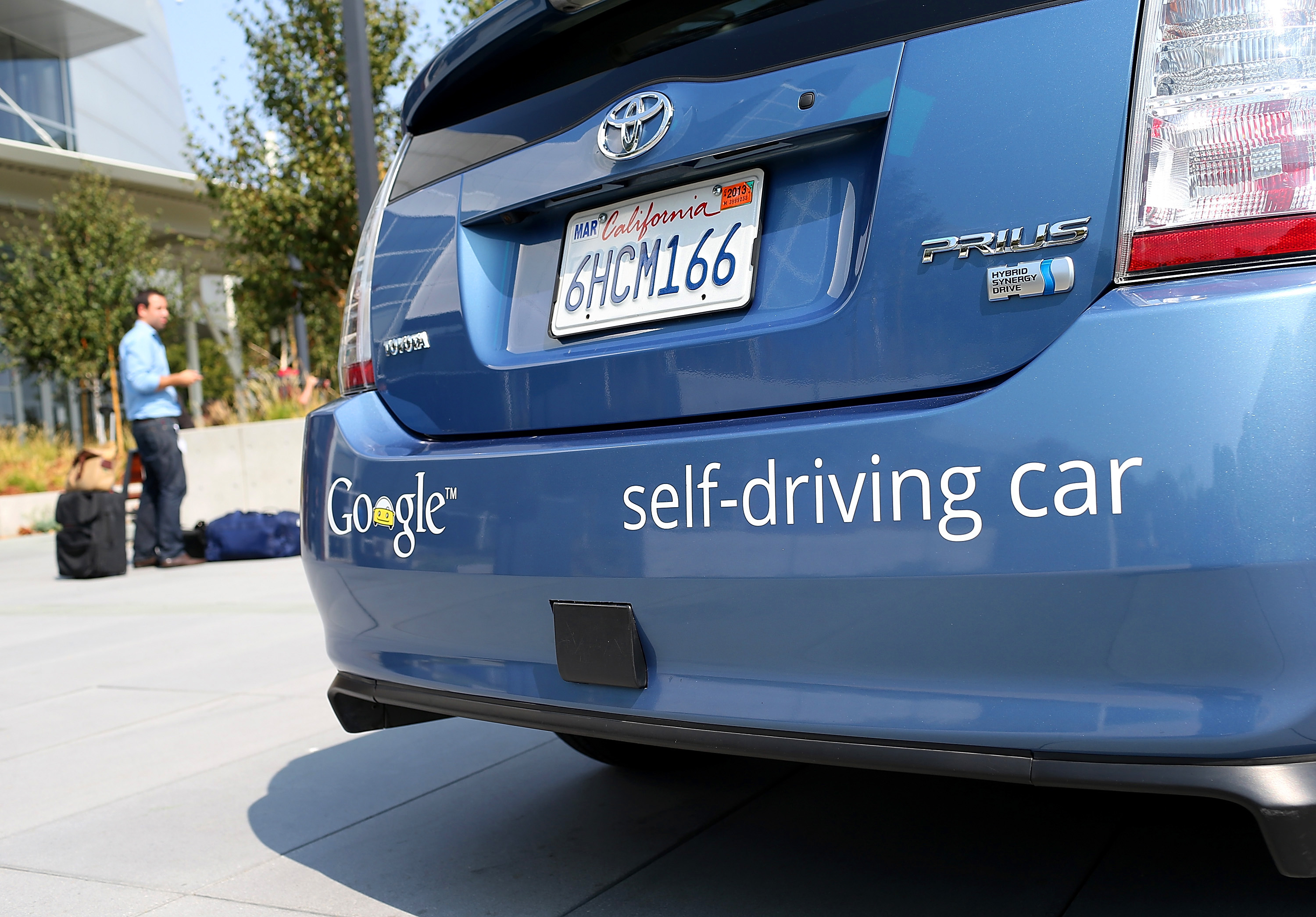
Google Inc. has conducted more than 300,000 miles of driverless car testing with vehicles. They navigate by collecting real-time sensor data and comparing it to pre-loaded maps that specify exact locations for roads and signs, while adapting to obstacles such as people and cars. (Credit: Justin Sullivan/Getty Images, Kearns)
via bloomberg
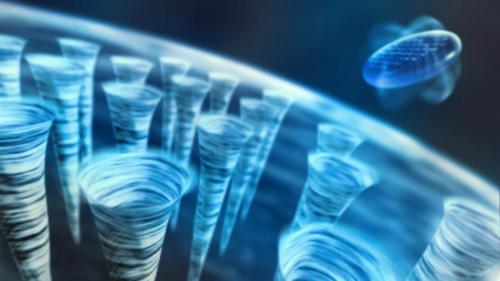
A patterned 3-D grid of tiny whirlpools, called quantum vortices, populate a nanoscale droplet of superfluid helium. Researchers found that in a micron-sized droplet, the density of vortices was 100,000 times greater than in any previous experiment on superfluids. An artistic rendering of a wheel-shaped droplet can be seen in the distance. (Credit: SLAC National Accelerator Laboratory)
via phys
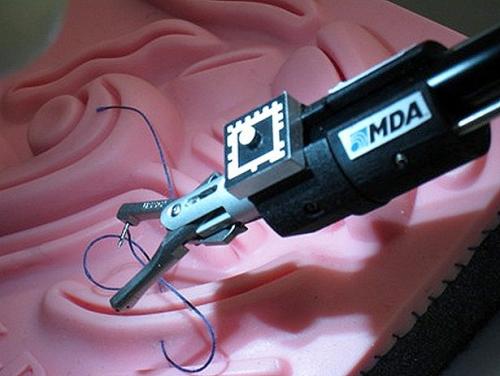
The suturing tool demonstrates image-guided anastomosis, which means the connecting of parts such as vessels. The target on the top of the tool is used to lead the tool’s tip. This is the same technology used to track the robotic systems on the space shuttle and the International Space Station. (Credit: MDA and CIGITI)
via phys
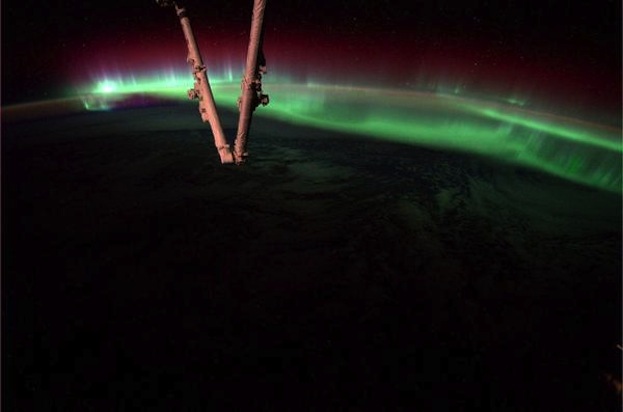
An aurora dances in the atmosphere on Aug. 20, 2014, as the International Space Station flew over North America. This image was captured by astronaut Reid Wiseman from his vantage point on the ISS. (Credit: NASA/Handout/QMI Agency)
via cbc
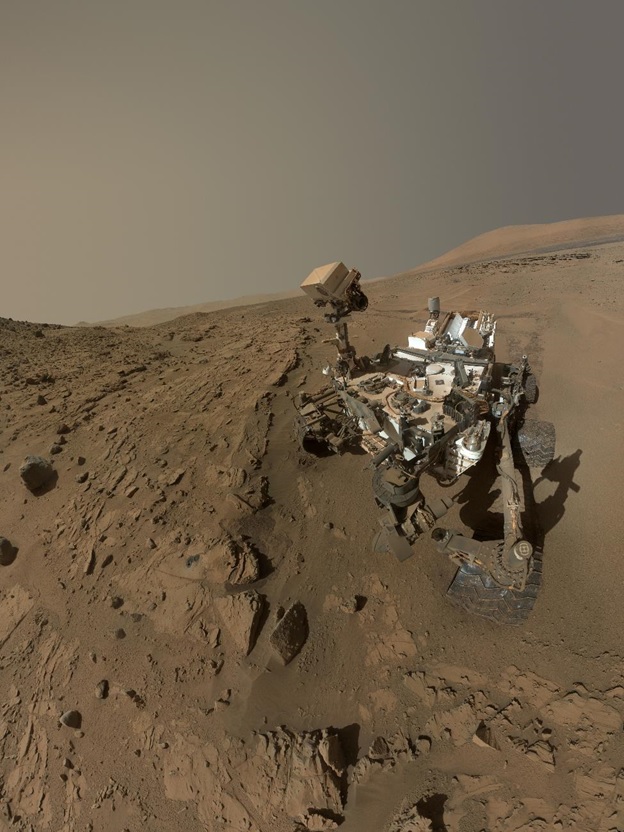
NASA’s Mars Curiosity Rover captures a selfie to mark a full Martian year — 687 Earth days — spent exploring the Red Planet. (Credit: NASA/JPL-Caltech/MSSS)
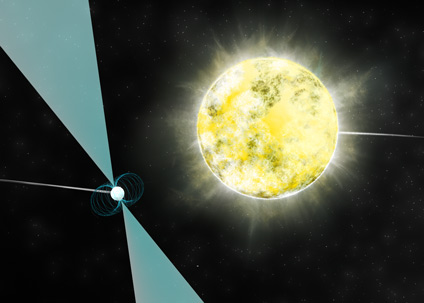
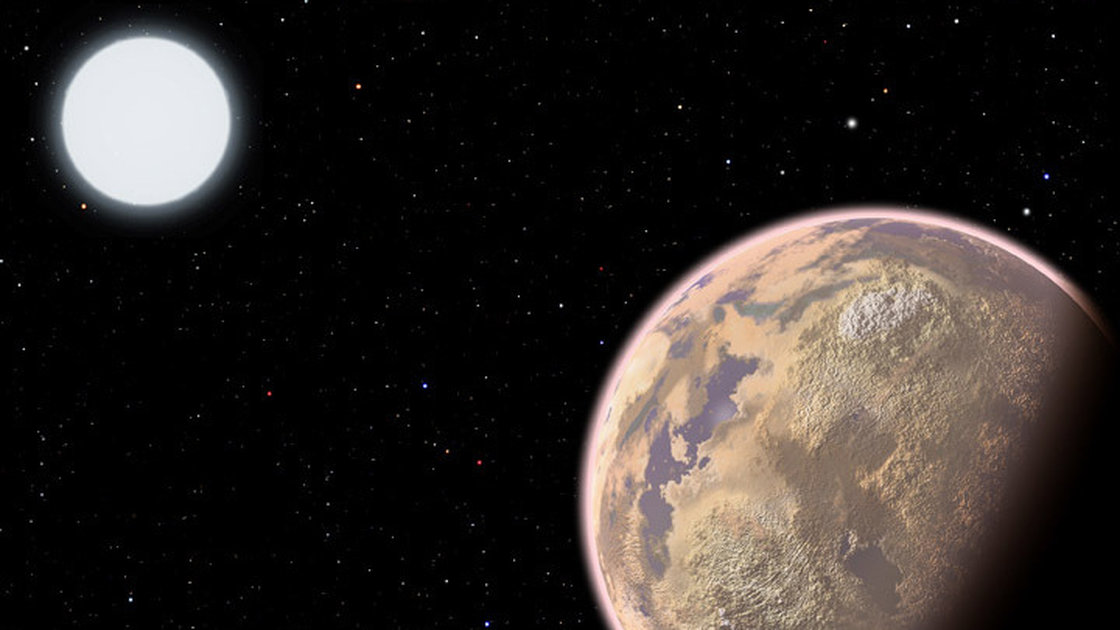
Artist impression of a white dwarf star in orbit with pulsar PSR J2222-0137. It may be the coolest and dimmest white dwarf ever identified. (Credit: B. Saxton NRAO/AUI/NSF)
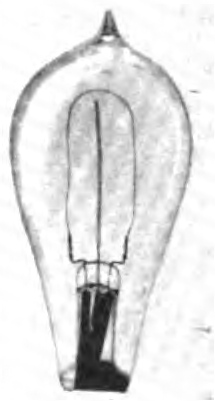
One of the bulbs Thomas Alva Edison used to discover thermionic emission (the Edison Effect) in 1884. Edison found when he connected an ammeter between the filament and the auxiliary electrode, a current would flow, passing through the evacuated space of the bulb from filament to electrode. This current was later found to consist of electrons.
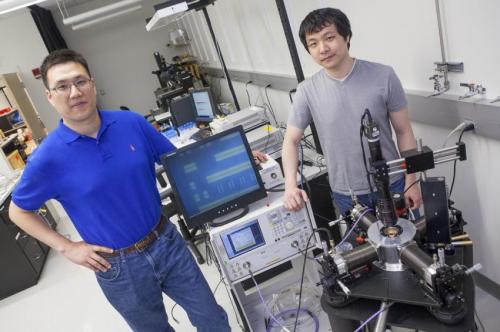
This image shows professor Donhee Ham and his student Hosang Yoon are in the laboratory at the Harvard School of Engineering and Applied Sciences. (Credit: Eliza Grinnell, Harvard SEAS.)
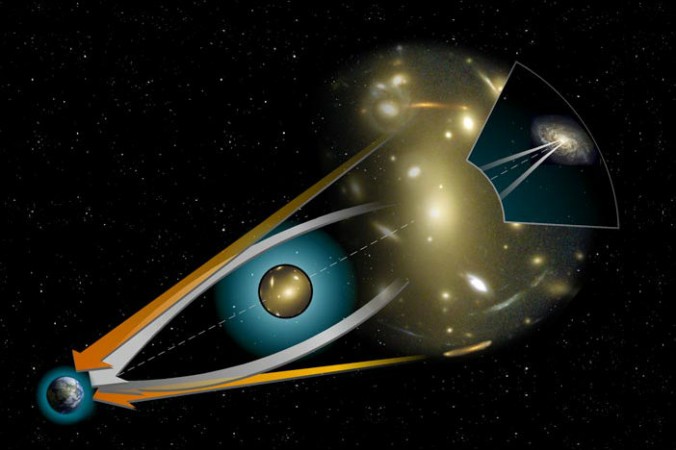
A diagram depicting gravitational lensing, a phenomenon by which light bends around some objects in space. (Credit: NASA, ESA; J. Richard, CRAL; and J.-P. Kneib, LAM)
via theepochtimes
The SpaceX Dragon capsule is making its third trip to the International Space Station, following a demonstration flight in May 2012 and the first resupply mission in October 2012 (Credit: SpaceX)
via extremetech
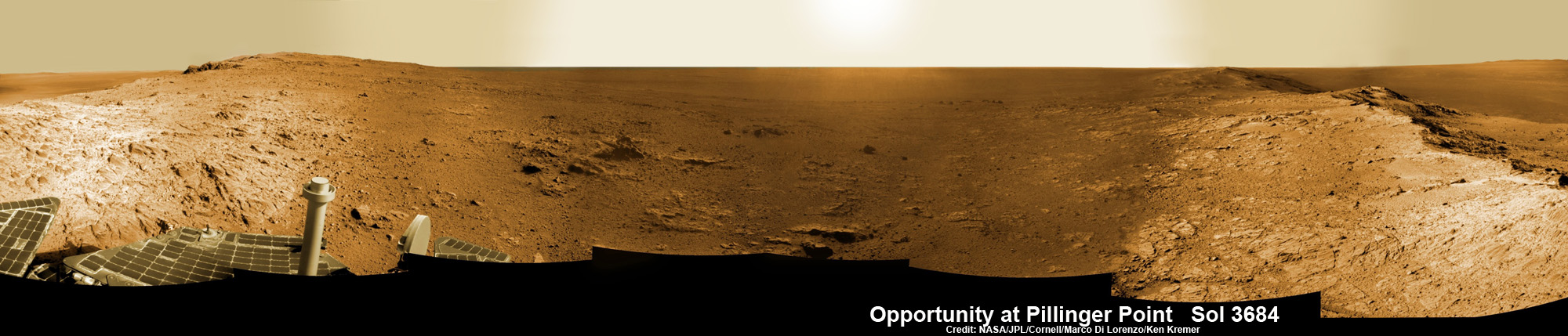
Opportunity Mars rover peers into vast Endeavour Crater from Pillinger Point mountain ridge named in honor of Colin Pillinger, the Principal Investigator for the British Beagle 2 lander built to search for life on Mars. Pillinger passed away from a brain hemorrhage on May 7, 2014. This navcam camera photo mosaic was assembled from images taken on June 5, 2014 (Credit: NASA/JPL/Cornell/Marco Di Lorenzo/Ken)
via universetoday
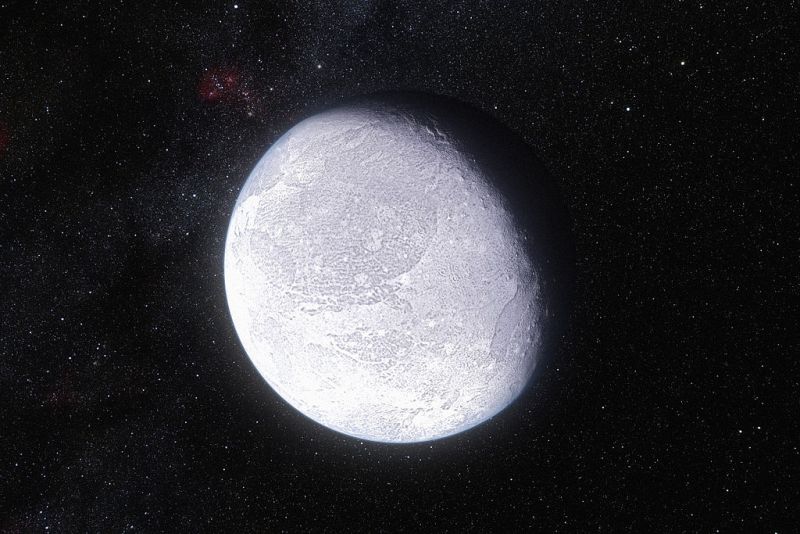
An artist’s impression of Eris, the most massive dwarf planet known to date, with an aphelion of 97 AU from the Sun. Could bigger Super-Earth-type planets be orbiting even farther out? (Credit: ESO/L. Calçada and Nick Risinger)
via americaspace
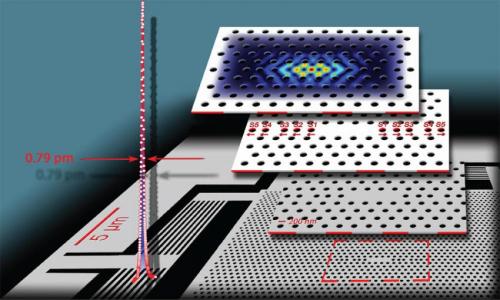
The top layer shows a simulation of the nanostructure confining the light in the tiny red regions. The second layer is the design generated by an approach that mimics evolutionary biology. The bottom two layers show electron micrographs of the realized nanostructure in silicon. The sharp peak on the left is the trace of the long trapping of light. (Credit: Fabio Badolato)
via phys.org



![Top: A typical set-up for squeezing injection in the first demonstrations of squeezing at GEO600 and LIGO, both using DC readout [36,37]. Proposed design for future detectors. This design features an in-vacuum OPO. The remainder of the squeezed light source remains outside of vacuum. (Credit: E. Oelker, L. Barsotti, S. Dwyer, D. Sigg, and N. Mavalvala)](https://timeincosmology.org/wp-content/uploads/2014/08/screen-shot-2014-08-24-at-10-39-30-am.png)