Physics in the News

Monday, August 4, 2014

Elon Musk calls Artificial Intelligence ‘potentially more dangerous than nukes’

Above: Tesla CEO Elon Musk. (Credit: SXSW Livestream)
Tesla CEO Elon Musk. (Credit: SXSW Livestream)
via businessinsider

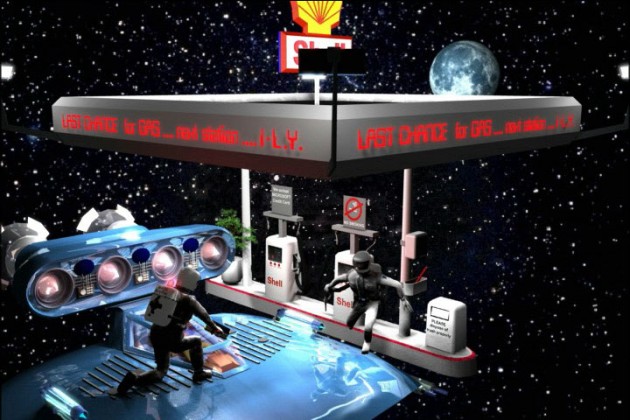
NASA wants to build gas stations in space
NASA hopes to add precious years of functional life to satellites and expand options for operators who face unexpected emergencies, tougher economic demand and aging fleets. (Credit: Bob Granath, Kt-Imaging)
via technobuffalo

Milky Way galaxy is just half as massive as Andromeda
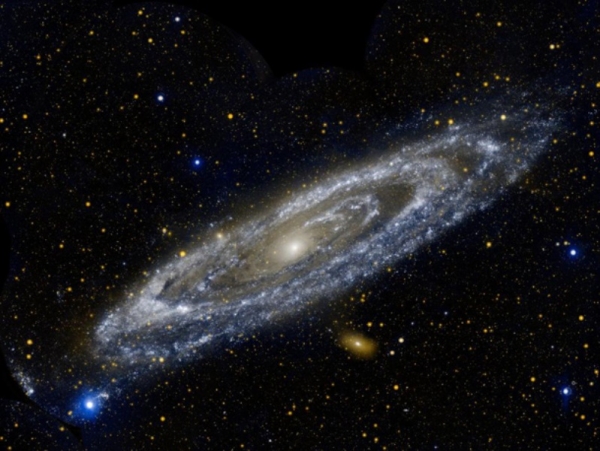
Andromeda is twice as massive as the Milky Way. Scientists say that Andromeda has twice the mass, made of dark matter, than the Milky Way. (Credit: Phil Plait)
Andromeda is twice as massive as the Milky Way. Scientists say that Andromeda has twice the mass, made of dark matter, than the Milky Way.
(Credit: Phil Plait)
via techtimes

New rule restricting foreign instruments on NASA space probes stirs debate
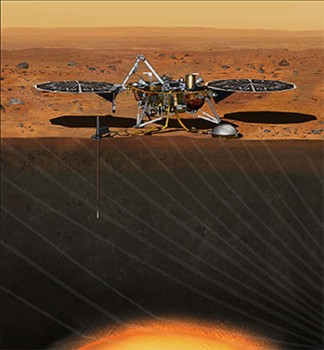
(Credit: NASA)
(Credit: NASA)
via examiner

General Relativity – Embedding light at the heart of cosmology
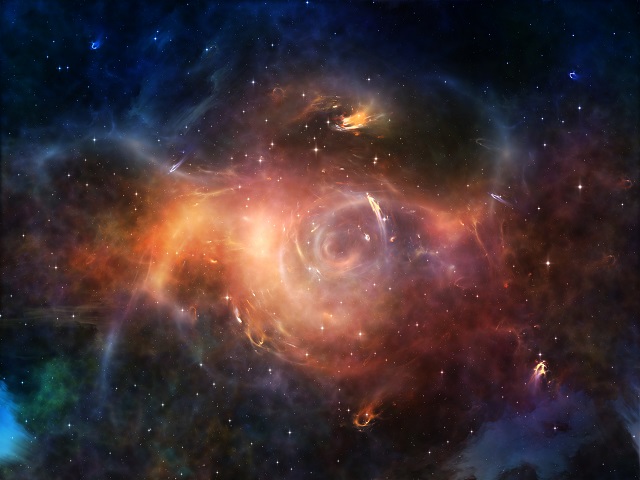
Einstein was the first person to propose that ‘empty space’, which does not contain matter or radiation, is not actually empty and in fact has a residual energy.  This empty space is also capable of creating more space from itself. (Credit: benmoat/Shutterstock)
Einstein was the first person to propose that ‘empty space’, which does not contain matter or radiation, is not actually empty and in fact has a residual energy. This empty space is also capable of creating more space from itself. (Credit: benmoat/Shutterstock)
via azooptics

Tiny flying robots are being built to pollinate crops instead of real bees
The RoboBee demonstrates a successful flight next to a quarter for scale. (Credit: Harvard University)
 via iphoneeinstein

Europe’s Rosetta probe reaches climax of its comet-chasing mission
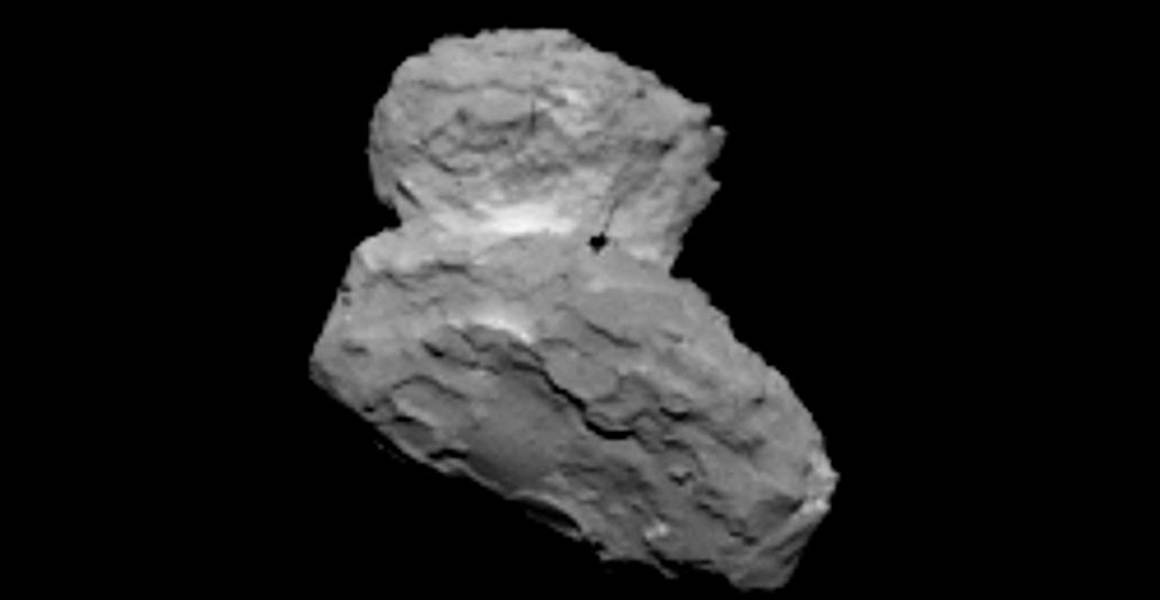
The Rosetta spacecraft is scheduled to rendezvous with Comet 67P/Churyumov-Gerasimenko on Wednesday. If all goes according to plan, Rosetta will become the first probe ever to orbit a comet — and, in November, the first to drop a lander onto the surface of one of these icy wanderers. (Credit: ESA)

via nbcnews

 Absence of Russia instrument onboard NASA Mars Rover not related to politics 
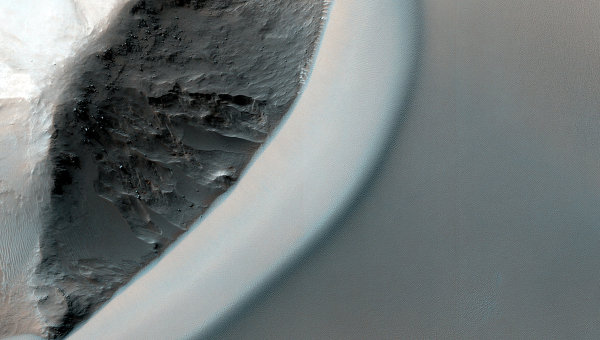
Photo of the Mars surface, Made with HiRise Camera. (Credit: NASA JPL/University of Arizona)
via ria

The holographic augmented reality future has arrived (Again)

via physicsworld

Physics in the News

Sunday, August 3, 2014

Best evidence yet for coronal heating theory

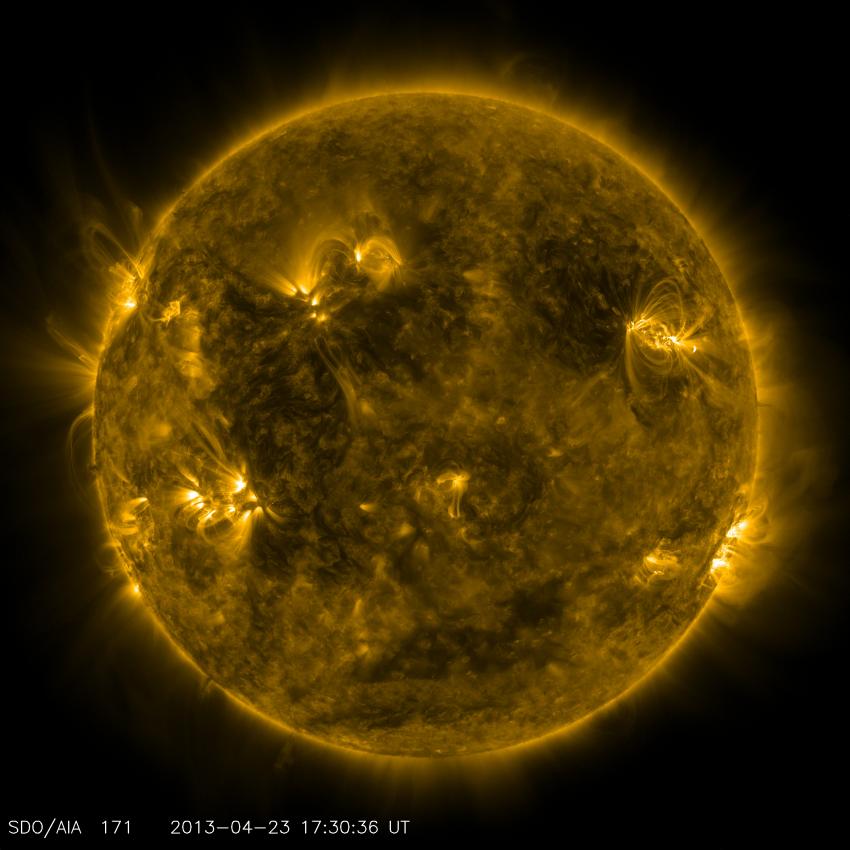
NASA's Solar Dynamics Observatory captured this image of what the sun looked like on April 23, 2013, at 1:30 p.m. EDT when the EUNIS mission launched. EUNIS focused on an active region of the sun, seen as bright loops in the upper right in this picture. (Credit: NASA/SDO)
NASA’s Solar Dynamics Observatory captured this image of what the sun looked like on April 23, 2013, at 1:30 p.m. EDT when the EUNIS mission launched. EUNIS focused on an active region of the sun, seen as bright loops in the upper right in this picture. (Credit: NASA/SDO)
via phys.org

Robot Olympics planned for 2020 powered by Japan’s ‘Robot Revolution’

via singularityhub

Moon closer to Mars, moving toward Saturn

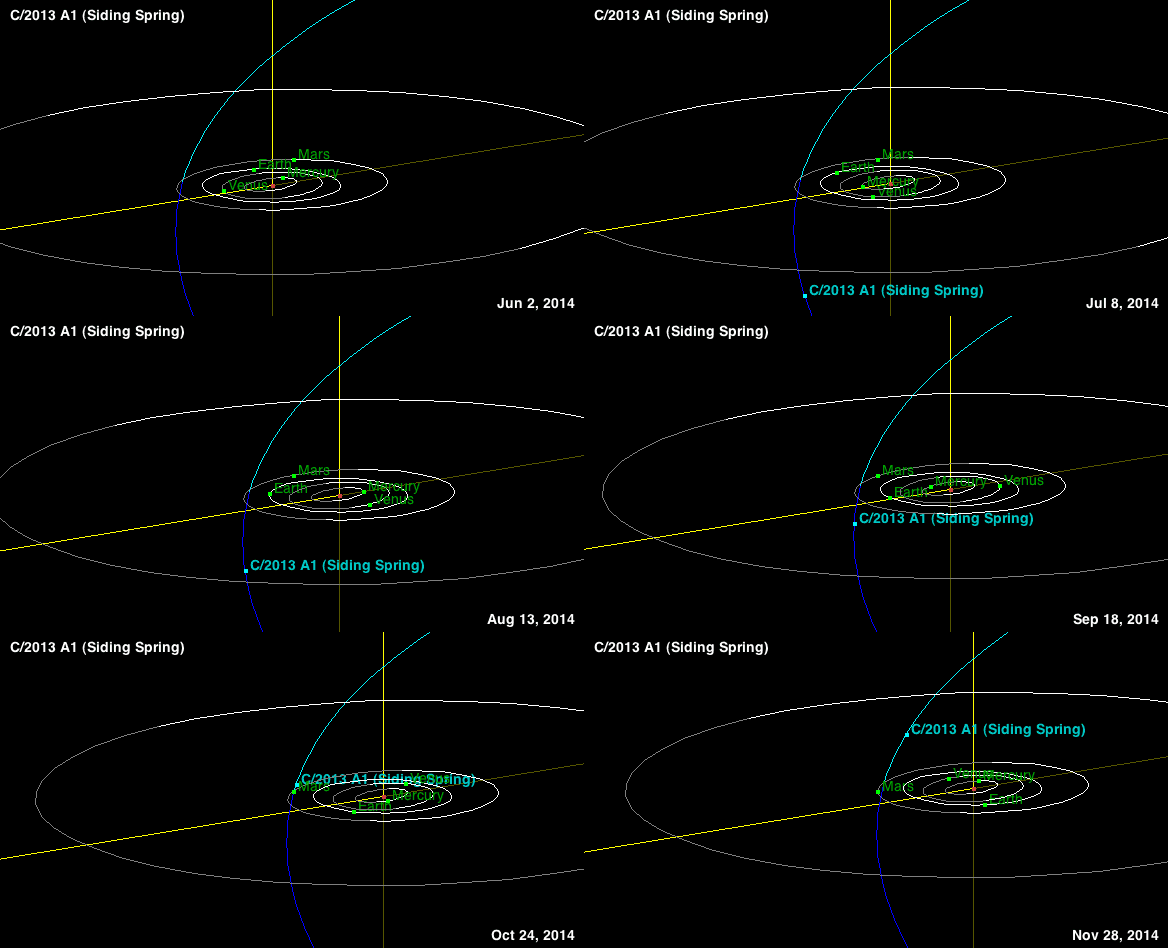
Animation of Comet C/2013 A1 Siding Spring / Mars encounter. (Credit: Near-Earth Object (NEO) office and NASA JPL)
via earthsky

Scientists separate a particle from its properties

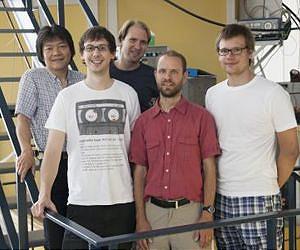
he study, carried out at the Institute Laue-Langevin (ILL) and published in Nature Communications, showed that in an interferometer a neutron's magnetic moment could be measured independently of the neutron itself, thereby marking the first experimental observation of a new quantum paradox known as the 'Cheshire Cat'. Pictured are Yuji Hasegawa, Tobias Denkmayr, Stephan Sponar, Hartmut Lemmel, and Hermann Geppert. (Credit: Vienna University of Technology.)
The study, carried out at the Institute Laue-Langevin (ILL) and published in Nature Communications, showed that in an interferometer a neutron’s magnetic moment could be measured independently of the neutron itself, thereby marking the first experimental observation of a new quantum paradox known as the ‘Cheshire Cat’. Pictured are Yuji Hasegawa, Tobias Denkmayr, Stephan Sponar, Hartmut Lemmel, and Hermann Geppert. (Credit: Vienna University of Technology.)
via spacedaily

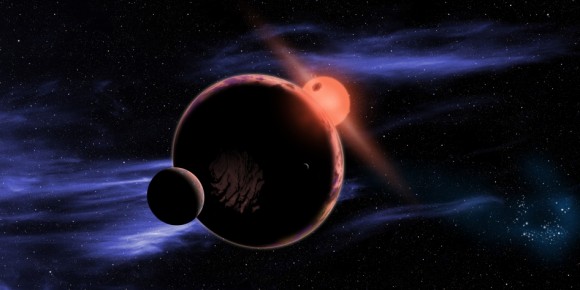
Companion planet could keep alien Earths warm in old age

An artist’s concept of a rocky world orbiting a red dwarf star. (Credit: NASA/D. Aguilar/Harvard-Smithsonian center for Astrophysics)
via universetoday

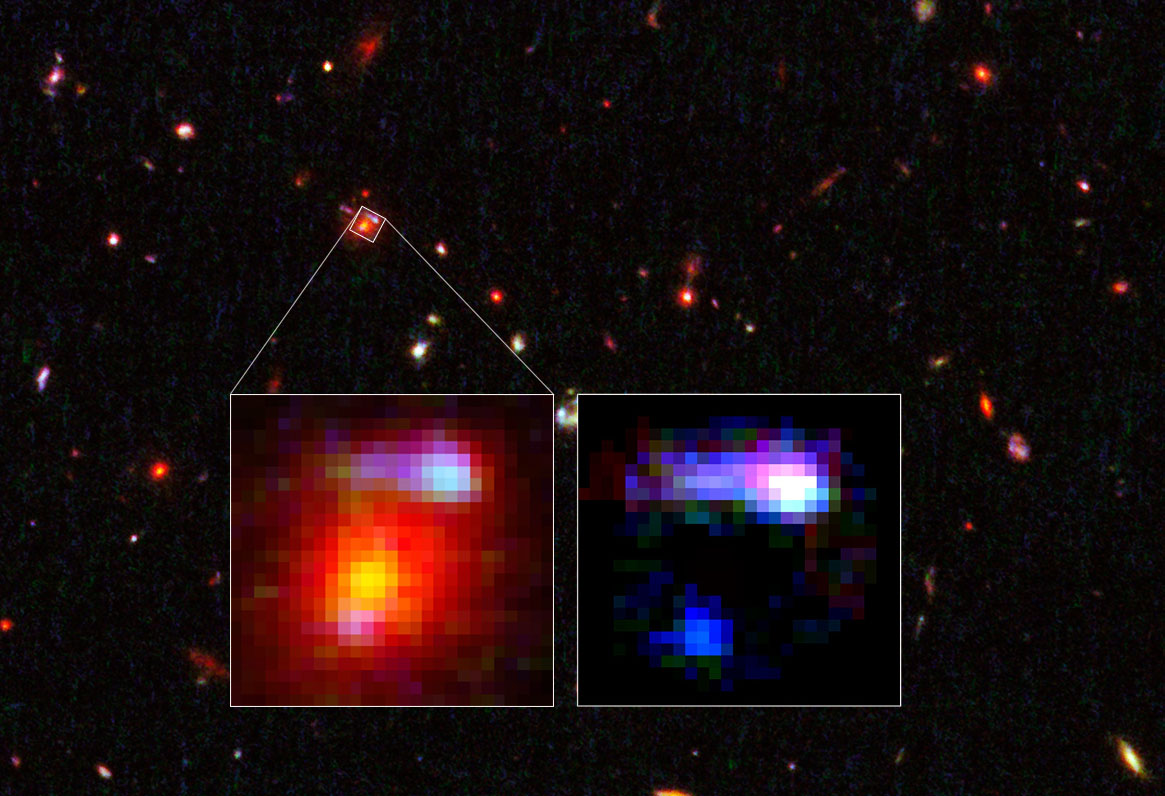
Exclusive: NASA’s Hubble finds ‘magnifying lens’ galaxy

In this image from the Hubble Space Telescope, a giant elliptical galaxy 9.6 billion light-years away appears as a red patch. The bluish dot and tadpole-shaped smear are the distorted and magnified shapes of a more distant spiral galaxy 10.7 billion light-years away. (Credit: NASA, ESA, K.-V. Tran (Texas A&M University), and K. Wong)
In this image from the Hubble Space Telescope, a giant elliptical galaxy 9.6 billion light-years away appears as a red patch. The bluish dot and tadpole-shaped smear are the distorted and magnified shapes of a more distant spiral galaxy 10.7 billion light-years away.
(Credit: NASA, ESA, K.-V. Tran (Texas A&M University), and K. Wong)
via space

Scientists in Scotland have created a working tractor beam

(Credit: iStock/360/Getty)
The Dundee tractor beam is not entirely dissimilar from those in “Star Wars” and “Star Trek,” in that it draws an object toward it without making physical contact. The device works by taking advantage of an acoustic wave’s natural push effect, called radiation pressure. (Photons also exert radiation pressure, which is part of the reason comet tails always point away from the sun.) What the Dundee team was able to demonstrate was an example of negative radiation pressure, otherwise known as pull. (Credit: iStock/360/Getty)
via thenewyorker

Giant asteroids reshaped Earth 4 billion years ago

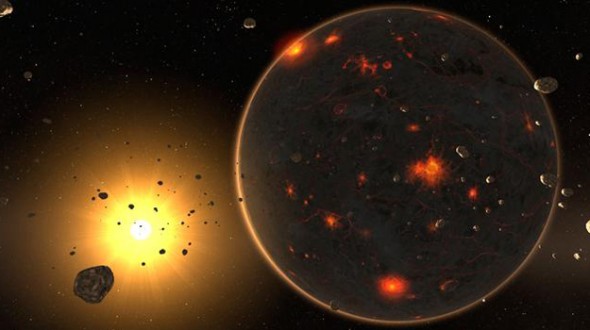
The team says that during this 500 million year period the planet likely experienced three to seven impacts by objects more than 300 miles wide. There were also as many as four impacts by titanic space rocks more than 600 miles across. If there had been any life on the Earth, a 600 mile wide monster asteroid probably would have wiped it out. Surprisingly, these impacts are compatible with the existence of liquid water on the surface as early as 4.3 billion years ago.
The team says that during this 500 million year period the planet likely experienced three to seven impacts by objects more than 300 miles wide. There were also as many as four impacts by titanic space rocks more than 600 miles across. If there had been any life on the Earth, a 600 mile wide monster asteroid probably would have wiped it out. Surprisingly, these impacts are compatible with the existence of liquid water on the surface as early as 4.3 billion years ago. (D. A. Aguilar, Harvard-Smithsonian Center for Astrophysics)
via geek

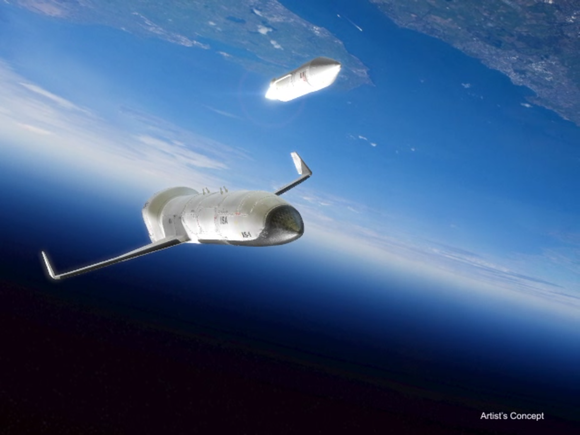
Will DARPA’s new space shuttle crush the SpaceX Grasshopper?

DARPA's hypothetical "space plane." (Credit: DARPA)
DARPA’s hypothetical “space plane.” (Credit: DARPA)
via fool

European spacecraft to attempt historic comet rendezvous this week

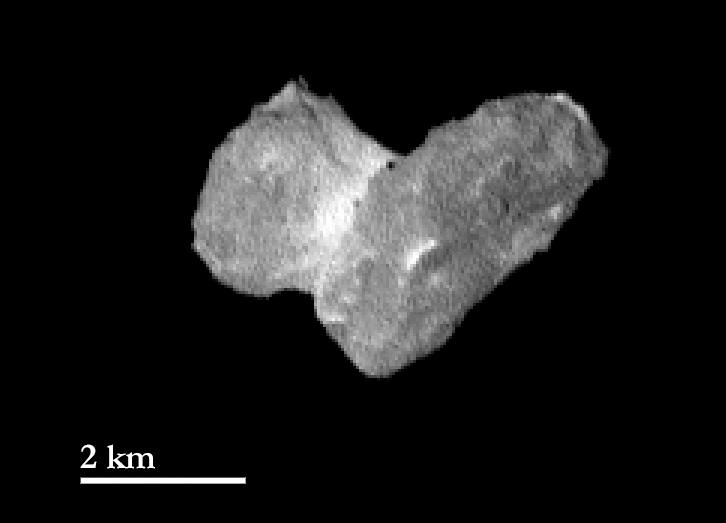
The European Space Agency's Rosetta spacecraft saw the nucleus of comet 67P/Churyumov-Gerasimernko from a distance of 1,210 miles (1,950 kilometers). Image taken July 29, 2014. (Credit: ESA/Rosetta/MPS for OSIRIS Team MPS/UPD/LAM/IAA/SSO/INTA/UPM/DASP/IDA)
The European Space Agency’s Rosetta spacecraft saw the nucleus of comet 67P/Churyumov-Gerasimernko from a distance of 1,210 miles (1,950 kilometers). Image taken July 29, 2014.
(Credit: ESA/Rosetta/MPS for OSIRIS Team MPS/UPD/LAM/IAA/SSO/INTA/UPM/DASP/IDA)
via space

Physics in the News

Wednesday July 30, 2014

Mystery of the ‘Cheshire Cat’ of quantum physics solved: Scientists manage to separate a particle from its spin

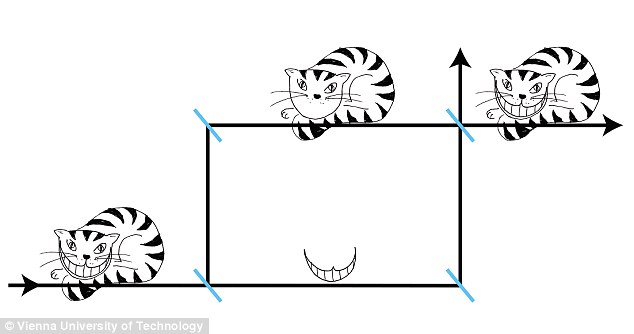
Scientists have observed for the first time a weird quantum phenomenon known as the 'Cheshire Cat' effect (illustration shown). The 'cat' in question was a subatomic neutron particle, and the ghostly 'grin' the particle’s magnetic moment, which describes the strength of its coupling to an external magnetic field. (Credit: Vienna U)
Scientists have observed for the first time a weird quantum phenomenon known as the ‘Cheshire Cat’ effect (illustration shown). The ‘cat’ in question was a subatomic neutron particle, and the ghostly ‘grin’ the particle’s magnetic moment, which describes the strength of its coupling to an external magnetic field. (Credit: Vienna U)
via livescience

Astronomers puzzle over new breed of massive stars

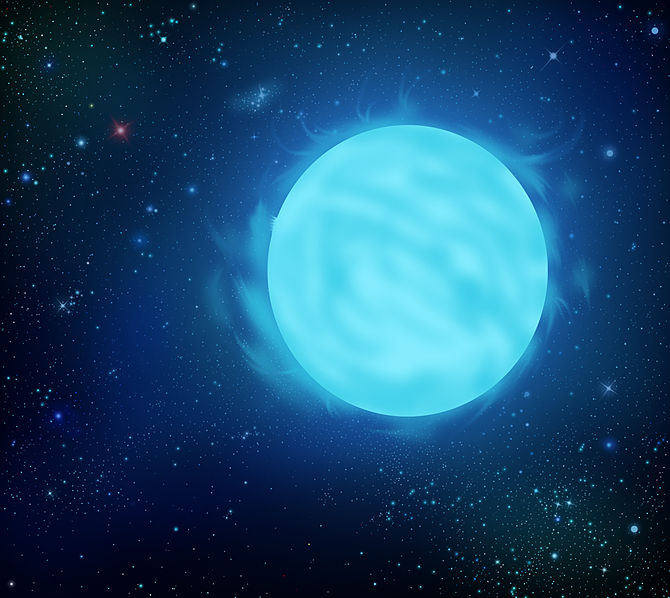
Illustration of Wolf-Rayet star R136a1, the most massive star known. (Credit: Wikipedia)
via forbes

Can you touch your nose?

(Credit: IFL)
(Credit: IFL)
via backreaction

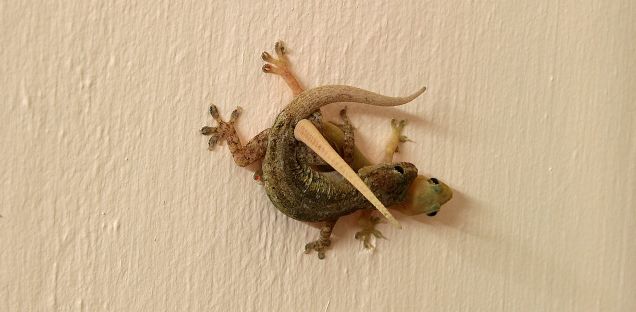
Why Russia was studying space lizard sex In the first place

NASA is studying the effects of radiation on sperm. Freeze-dried mouse sperm are spending one, 12, and 24 months on the ISS before being used to fertilize mouse eggs back home. (Credit: Wei Ming/Shutterstock)
via gizmodo

101 geysers identified on Saturn’s icy moon Enceladus

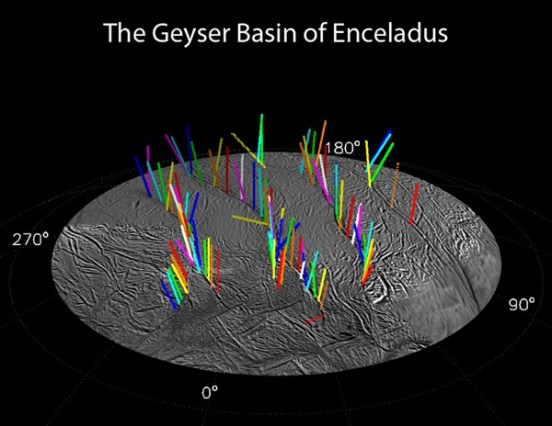
This graphic shows a 3-D model of 98 geysers whose source locations and tilts were found in a Cassini imaging survey of Enceladus' south polar terrain by the method of triangulation. While some jets are strongly tilted, it is clear the jets on average lie in four distinct "planes" that are normal to the surface at their source location. (Credit: NASA)
This graphic shows a 3-D model of 98 geysers whose source locations and tilts were found in a Cassini imaging survey of Enceladus’ south polar terrain by the method of triangulation. While some jets are strongly tilted, it is clear the jets on average lie in four distinct “planes” that are normal to the surface at their source location. (Credit: NASA)
via nasa

Electrical storm’ of thoughts deep within a zebrafish’s brain as 80,000 neurons fire off (VIDEO)

via wired

Exoskeleton gives super strength, latest facial recognition software beats the human eye

via euronews

Man-made ‘breathing’ leaf is an oxygen factory for space travel

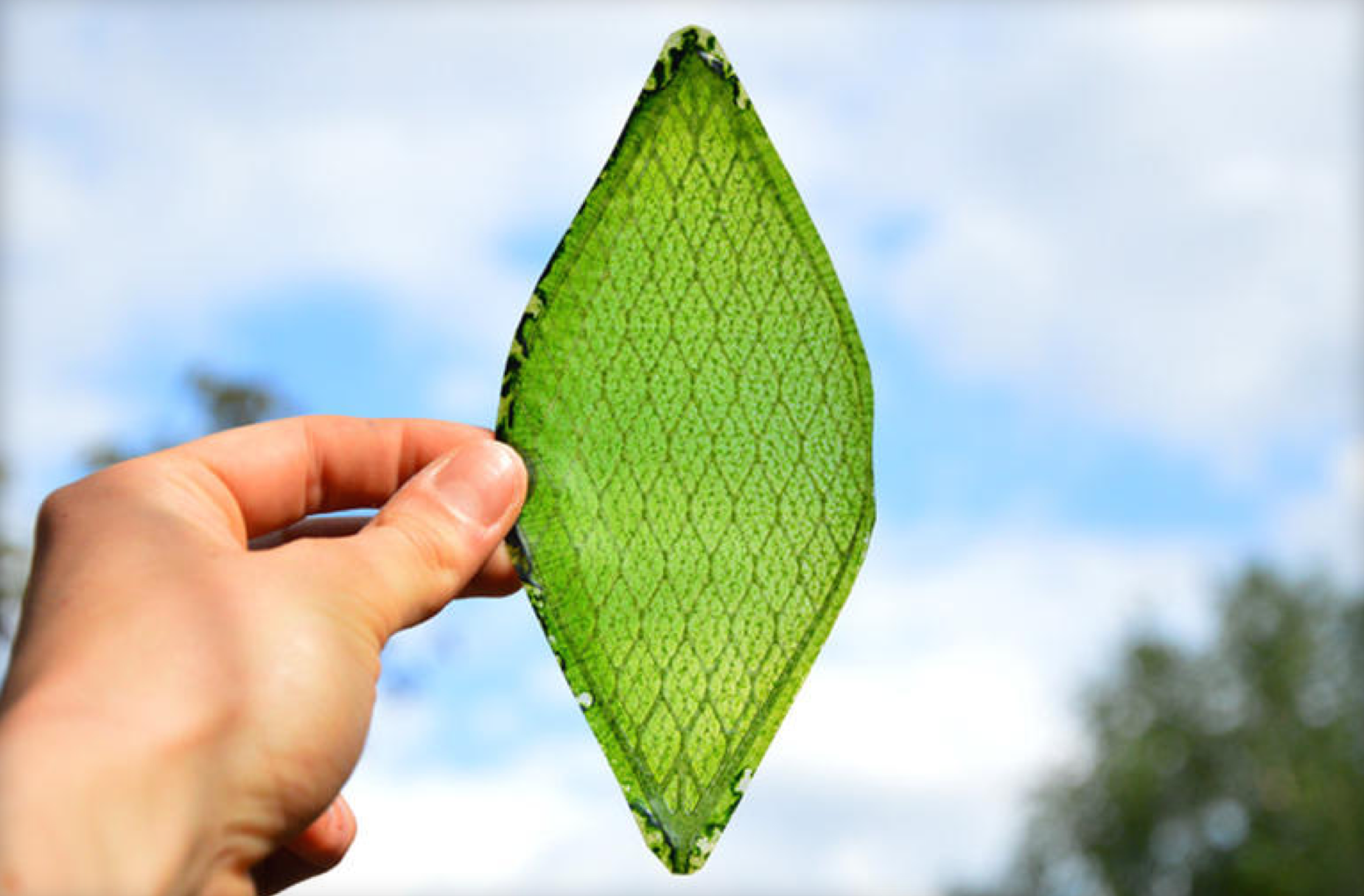
This man-made leaf could help us breathe in space. (Credit: Julian Melchiorri/Dezeen/MINI)
via cnet

Vintage NASA Probe Out of Gas, But Still Alive, Private Team Says

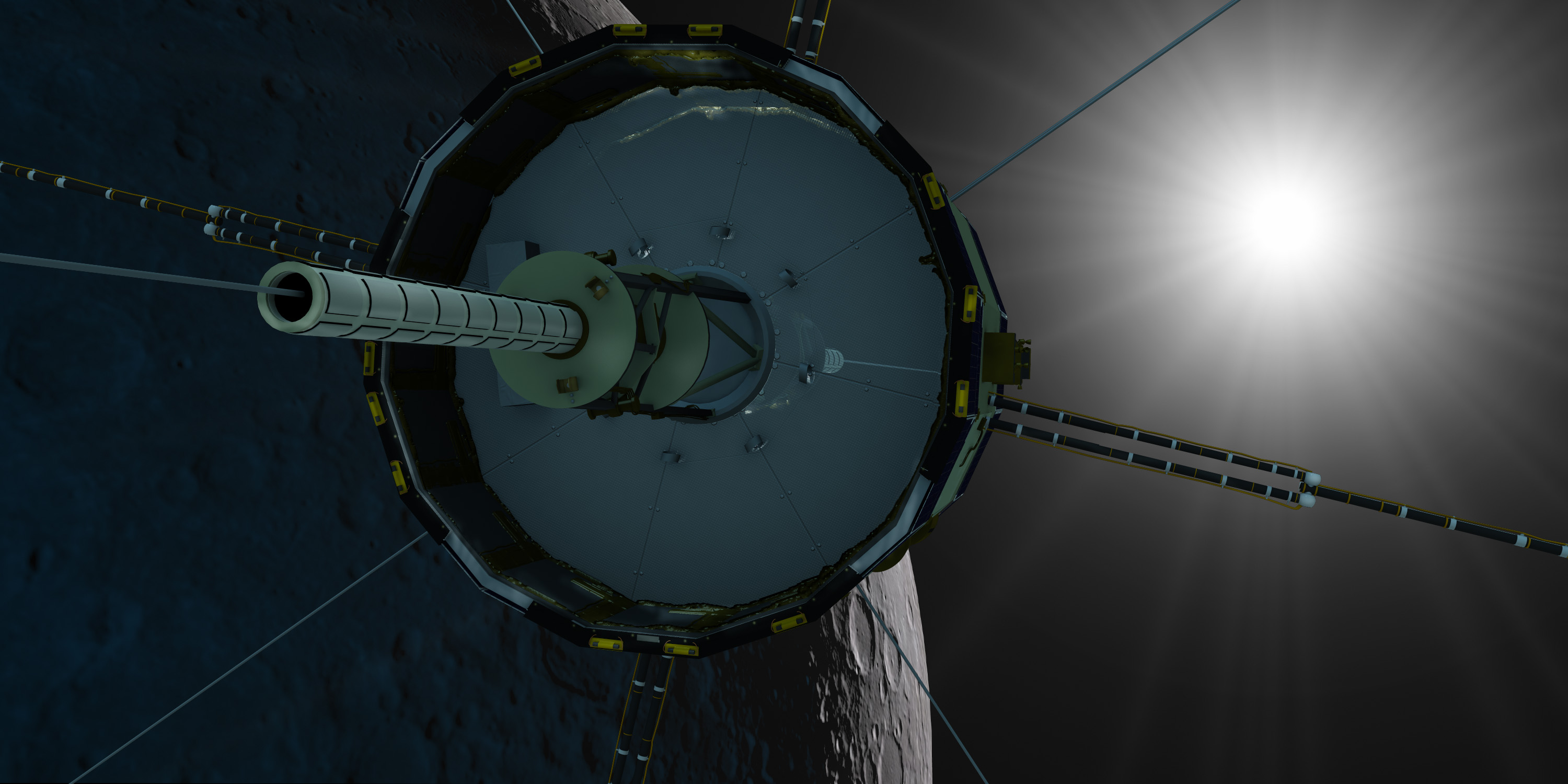
An artist's depiction of NASA's International Sun-Earth Explorer 3 spacecraft as it flies through space. The volunteer ISEE-3 Reboot Project, which hoped to move the probe closer to Earth, now says the spacecraft is out of gas. (Credit: NASA)
An artist’s depiction of NASA’s International Sun-Earth Explorer 3 spacecraft as it flies through space. The volunteer ISEE-3 Reboot Project, which hoped to move the probe closer to Earth, now says the spacecraft is out of gas. (Credit: NASA)
via space


Physics in the News

Wednesday, July 23, 2014

Scientists set new record by discovering the two most distant stars ever found in the milky way

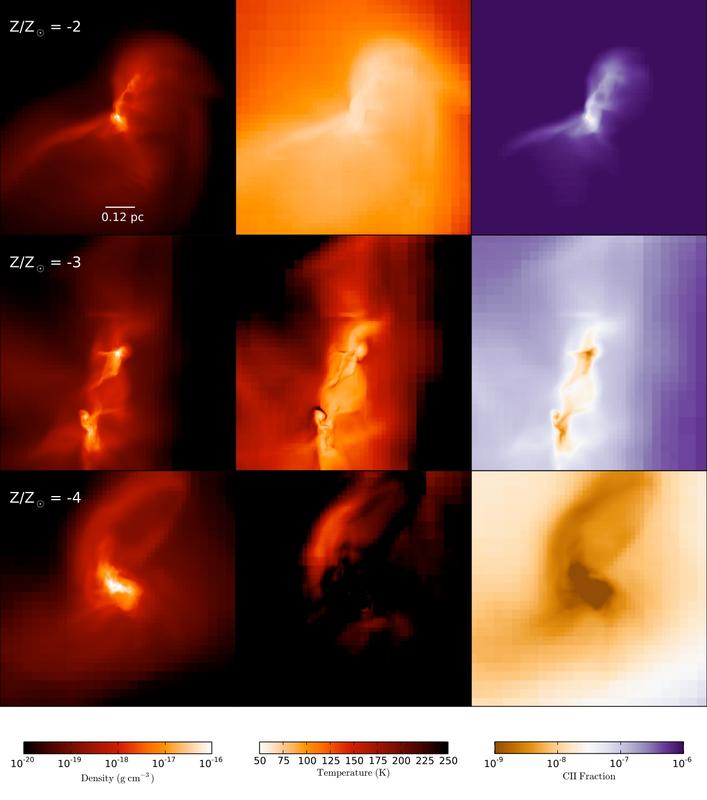
Density, temperature, and CII projections along the y-axis at a scale of 1 pc, for three different metallicities. (Credit: University of Göttingen)
via inquisitr

Optical fibres from thin air

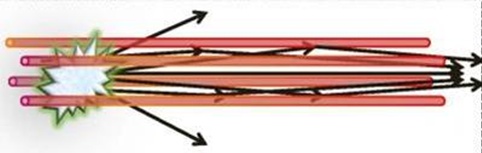
An “air waveguide” has been used to enhance light signals collected from distant sources. A single waveguide could be used to send out a laser and collect a signal. (Credit: Howard Milchberg)
via theengineer

Hubble traces the halo of a galaxy more accurately than ever before

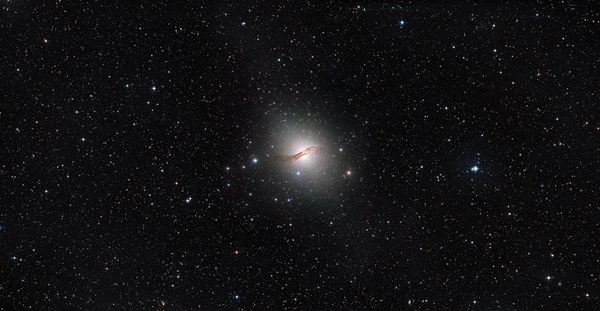
This image shows the stunning elliptical galaxy Centaurus A. Recently, astronomers have used the NASA/ESA Hubble Space Telescope to probe the outskirts of this galaxy to learn more about its dim halo of stars. (Credit: ESA/Hubble)/NASA/Digitized Sky Survey/MPG/ESO
via astronomy

Proton spin mystery gains a new clue

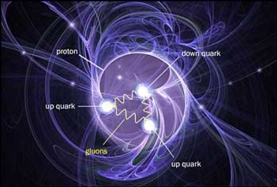
Physicists long assumed a proton’s spin came from its three constituent quarks. New measurements suggest particles called gluons make a significant contribution (Credit: Brookhaven National Laboratory)
via scientificamerican

‘Transformer’ pulsar is more than meets the eye

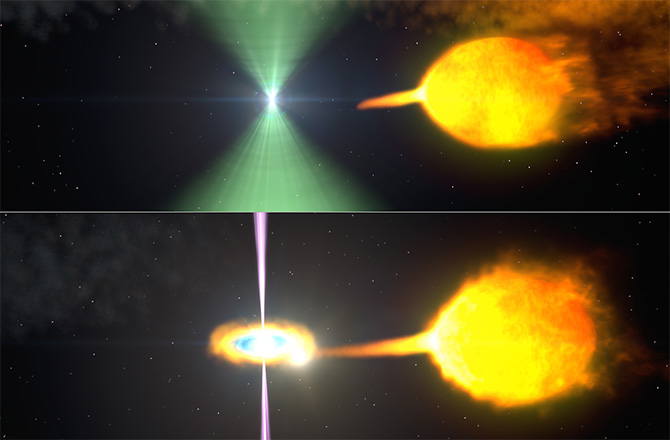
These artist's renderings show one model of pulsar J1023 before (top) and after (bottom) its radio beacon (green) vanished. Normally, the pulsar's wind staves off the companion's gas stream. When the stream surges, an accretion disk forms and gamma-ray particle jets (magenta) obscure the radio beam. NASA's Goddard Space Flight Center
These artist’s renderings show one model of pulsar J1023 before (top) and after (bottom) its radio beacon (green) vanished. Normally, the pulsar’s wind staves off the companion’s gas stream. When the stream surges, an accretion disk forms and gamma-ray particle jets (magenta) obscure the radio beam.
(Credit: NASA’s Goddard Space Flight Center)
via discovery

Massive neutrinos and new standard cosmological model: No concordance yet

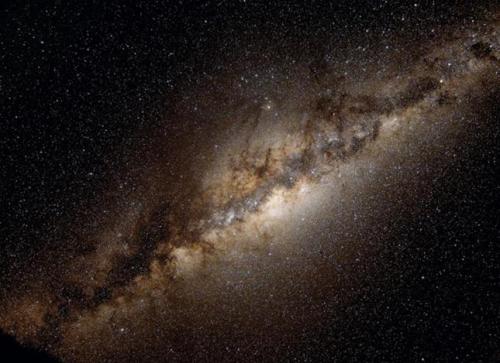
 The research group demonstrates that adding such massive neutrinos to the standard model does not really explain all datasets. Credit: The Milky Way, NASA. Read more at: http://phys.org/news/2014-07-massive-neutrinos-standard-cosmological-concordance.html#jCp
The research group demonstrates that adding such massive neutrinos to the standard model does not really explain all datasets. (Credit: The Milky Way, NASA.)
via phys.org

What is gravity really (VIDEO)?

via nasa

Advanced dark matter experiment coming to SNOL

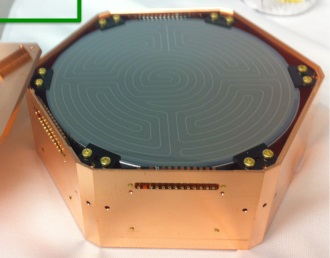
The Super Cryogenic Dark Matter Search is an international, multimillion dollar dark matter experiment currently based in Minnesota with plans to progress the project by building a more sensitive detector at SNOLAB.
The Super Cryogenic Dark Matter Search is an international, multimillion dollar dark matter experiment currently based in Minnesota with plans to progress the project by building a more sensitive detector at SNOLAB. (Credit: SNOLAB)
via queensu

Update: Einstein is still full of surprises

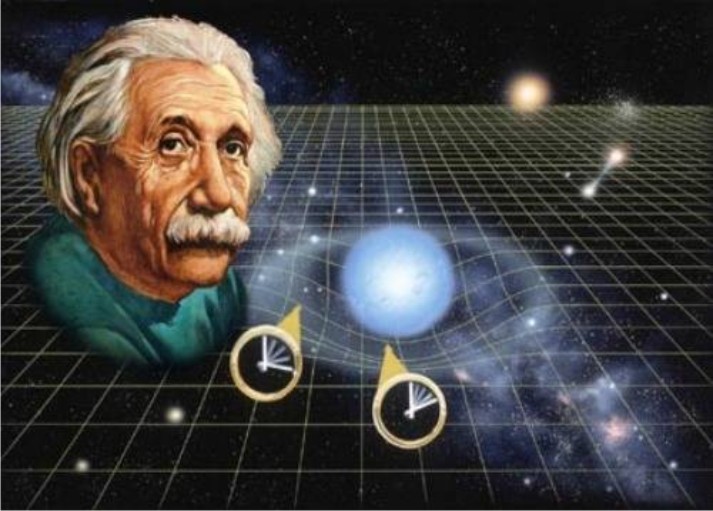
What is the view of time that Albert Einstein presents to us in special relativity? Einstein tells us that there is no separate ‘time’ or ‘space.’ ‘Time’ and ‘space’ cannot be separated; they are a united whole.
via davidreneke

Physics in the News

Saturday, July 19, 2014

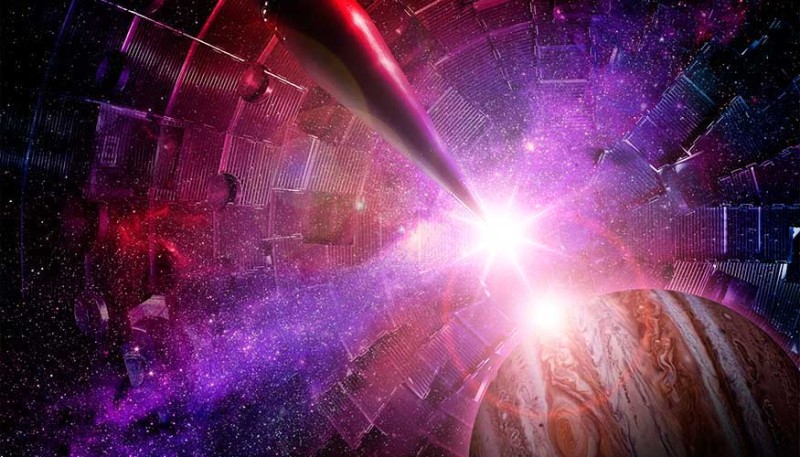
Scientists use world’s largest laser to recreate Jupiter’s core

The interior of the target chamber at the National Ignition Facility at Lawrence Livermore National Laboratory. The object entering from the left is the target positioner, on which a millimeter-scale target is mounted. Researchers recently used NIF to study the interior state of giant planets. (Credit: Image by Damien Jemison/LLNL)
via sciencedaily

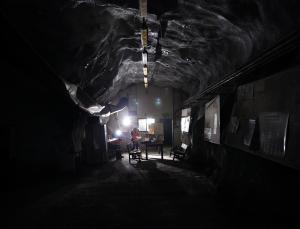
Panning for dark matter in an Australian gold mine

Michael Slezak goes deep under the outback to find a home for the southern hemisphere's first WIMP detector, which could confirm our best direct signal yet(Credit: Michael Slezak)
Michael Slezak goes deep under the outback to find a home for the southern hemisphere’s first WIMP detector, which could confirm our best direct signal yet(Credit: Michael Slezak)
via newscientist

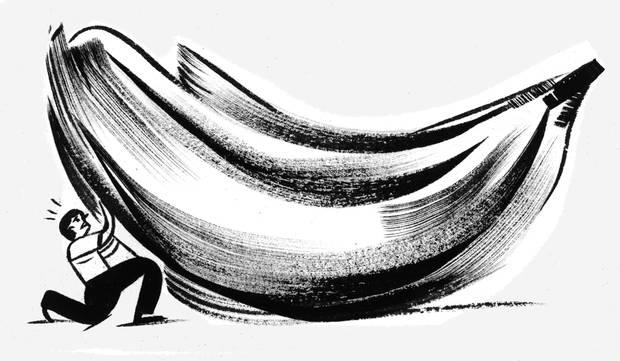
Let me ask you this: ‘Are bananas radioactive and is it true that eating too many can kill you?’

Yes, you will certainly die from radiation poisoning if you are able to eat 10,000,000 bananas at once. You may also witness chronic symptoms if you eat 274 bananas a day for seven years.
Yes, you will certainly die from radiation poisoning if you are able to eat 10,000,000 bananas at once. You may also witness chronic symptoms if you eat 274 bananas a day for seven years. (Credit: Ping Zhu)
via independent

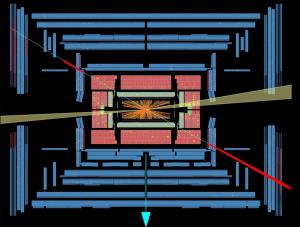
Higgs boson glimpsed at work for first time

Fresh from the ATLAS detector at the Large Hadron Collider (Credit: CERN)
via newscientist

Scattered neutrons could mimic DAMA-LIBRA’s ‘dark matter’ modulation

On a high: do muons and neutrinos mimic DAMA's signal? (Credit: DAMA/LIMA)
On a high: do muons and neutrinos mimic DAMA’s signal? (Credit: DAMA/LIMA)
via physicsworld

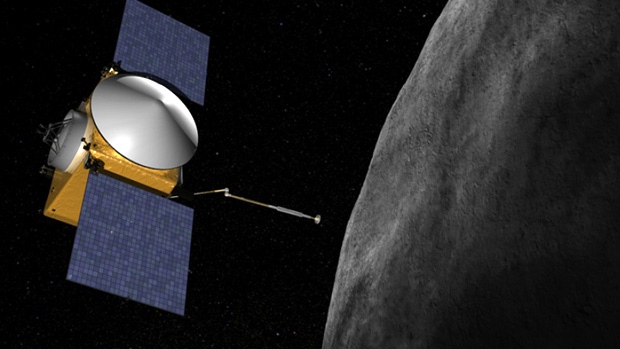
OSIRIS-REx asteroid mission will use Canadian 3D technology

Canada is about to build technology that will be used to map an asteroid in 3D using lasers on an upcoming space mission.
Canada is about to build technology that will be used to map an asteroid in 3D using lasers on an upcoming space mission. (Credit CSA)
via cbc