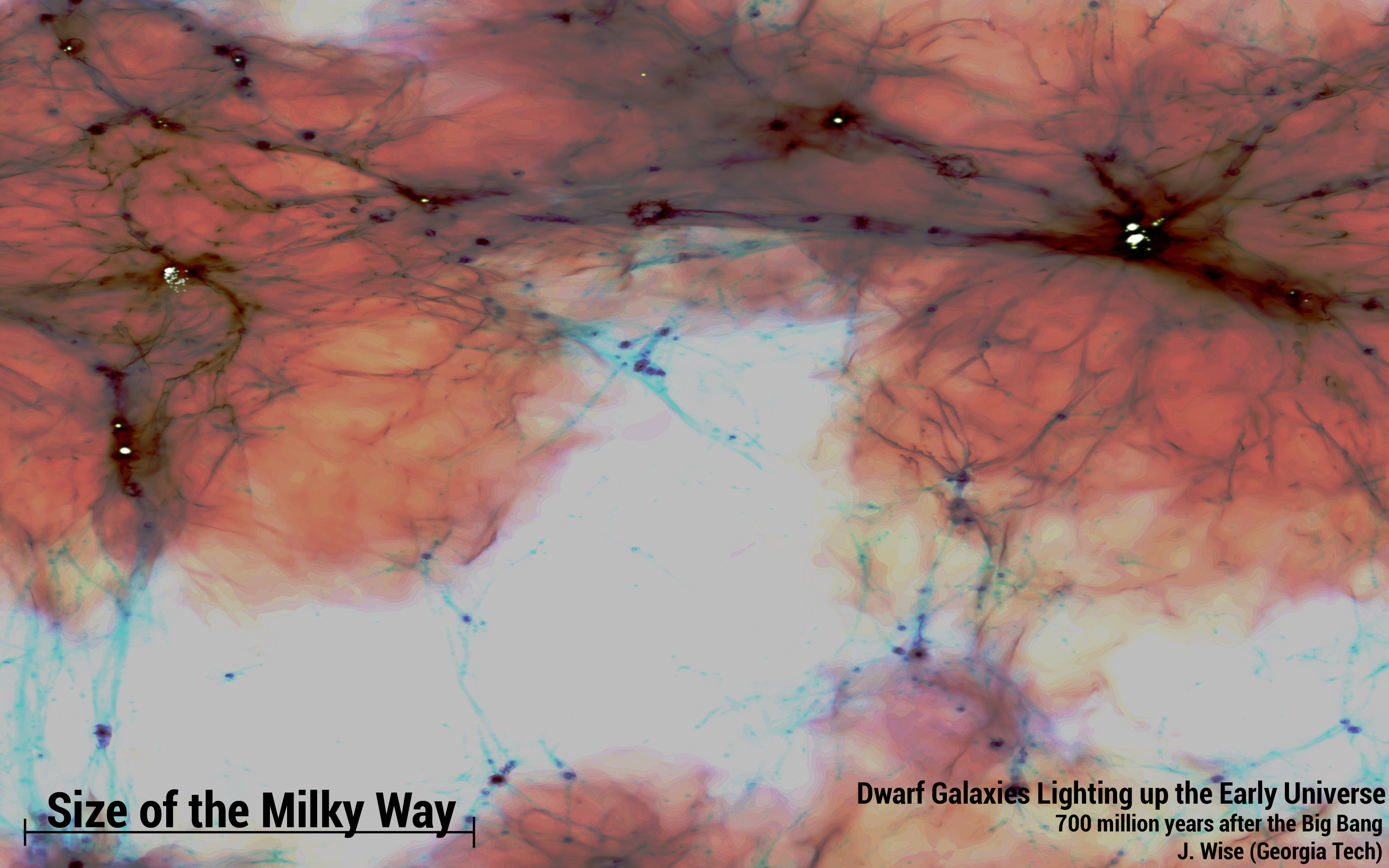
A view of the entire simulation volume showing the large scale structure of the gas, which is distributed in filaments and clumps. The red regions are heated by UV light coming from the galaxies, highlighted in white. These galaxies are over 1000 times less massive than the Milky Way and contributed nearly one-third of the UV light during re-ionisation. The field of view of this image is 400,000 light years across, when the universe was only 700 million years old. (Credit: John Wise)
via phys.org
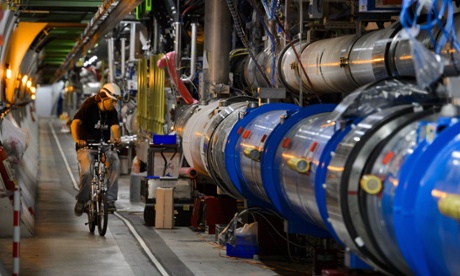
A worker rides on his bicycle in the CERN’s Large Hadron Collider (LHC) tunnel during maintenance works. (Credit: AFP / FABRICE COFFRINIFABRICE COFFRINI/AFP/Getty Images)
via theguardian
David Spergel, a theoretical astrophysicist at Princeton University who was a theorist on NASA’s Wilkinson Microwave Anisotropy Probe mission. (Credit: Princeton)
via simonsfoundation
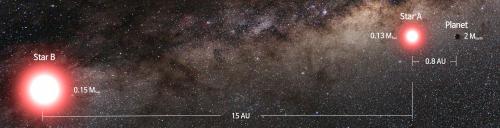
This artist’s rendering shows a newly discovered planet (far right) orbiting one star (right) of a binary star system. The discovery, made by a collaboration of international research teams and led by researchers at The Ohio State University, expands astronomers’ notions of where to look for planets in our galaxy. (Credit: Cheongho Han, Chungbuk National University, Republic of Korea.)
via phys.org
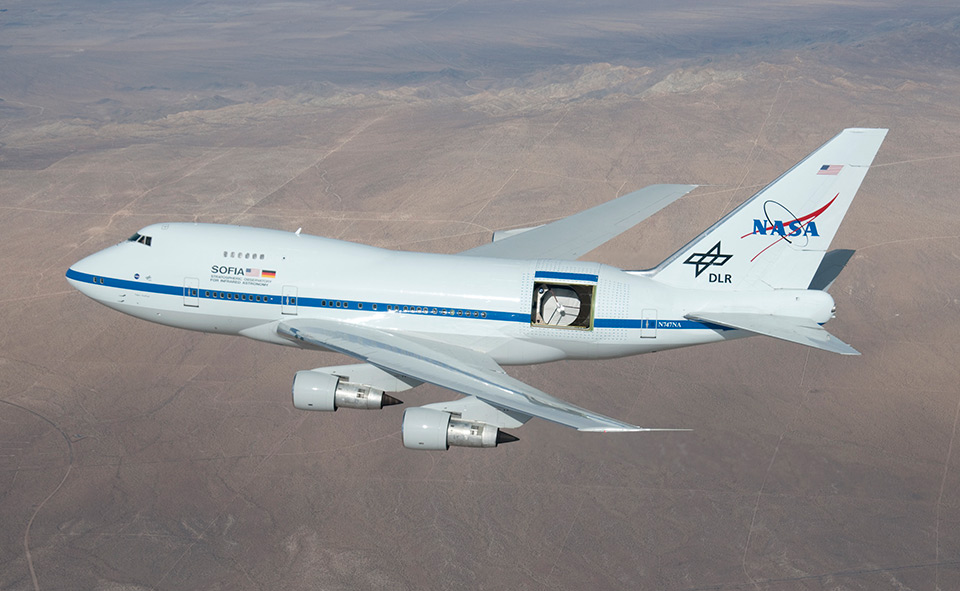
By sticking a 17-ton telescope into a Boeing 747, you can launch it up to 45,000 feet and get past 99 percent of our atmosphere’s water vapor. (Credit: NASA)
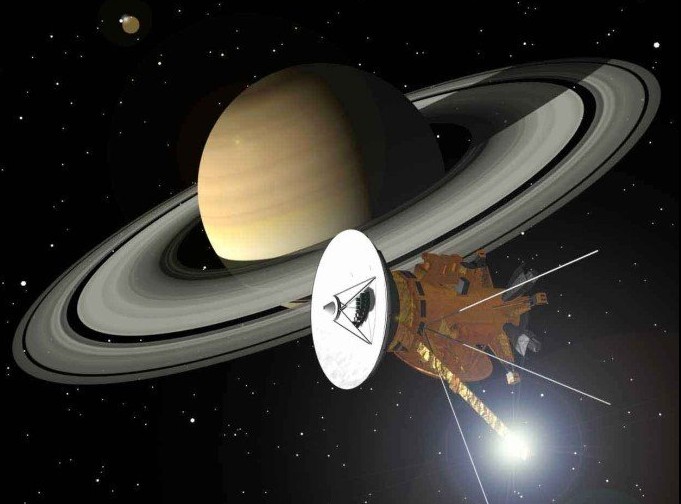
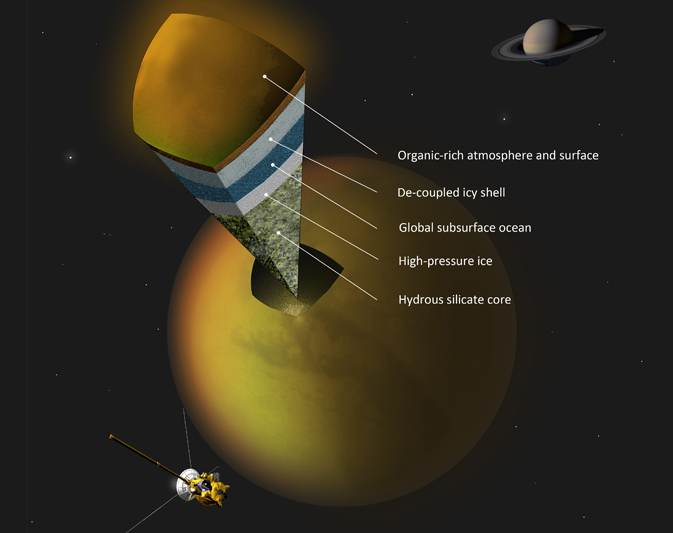
Cassini has uncovered a trove of exciting scientific information by discovering new moons of Saturn, exploring the jetting geysers of Enceladus, and studying the bizarre polar hexagon at Saturn’s north pole. (Credit: NASA)
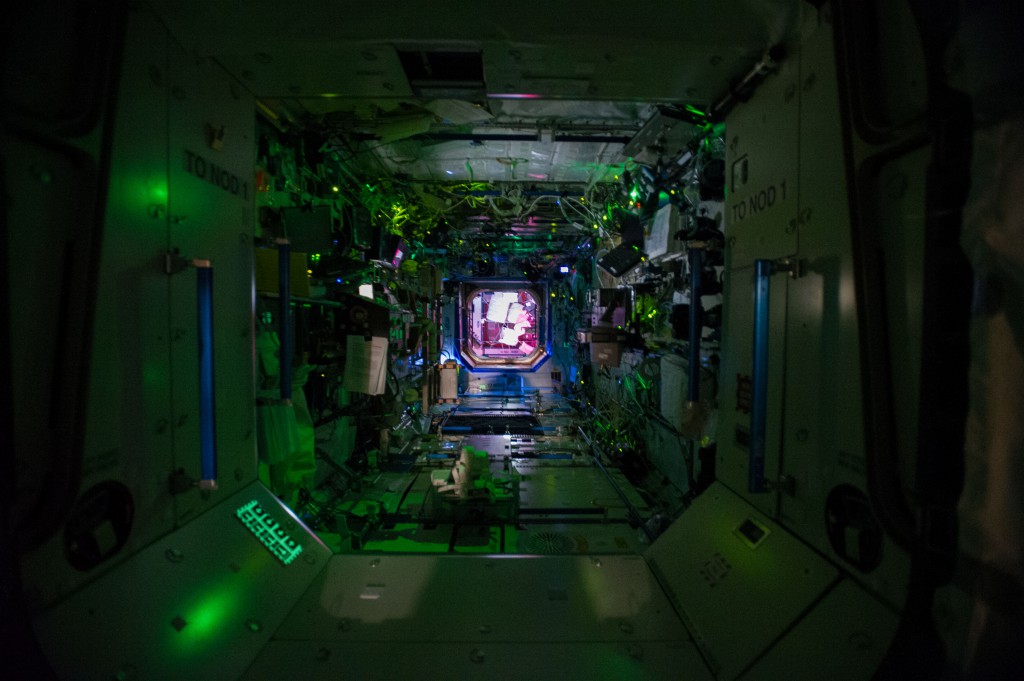
This view is looking into the Destiny Laboratory from Node 1 (Unity) with Node 2 (Harmony) in the background. Destiny is the primary research laboratory for U.S. payloads, supporting a wide range of experiments and studies. (Credit NASA)
This ad should have a huge asterisk somewhere explaining that Koreshanity was a cult started by a guy who shocked himself and woke up thinking he was Jesus.(Credit: Wired)
via wired
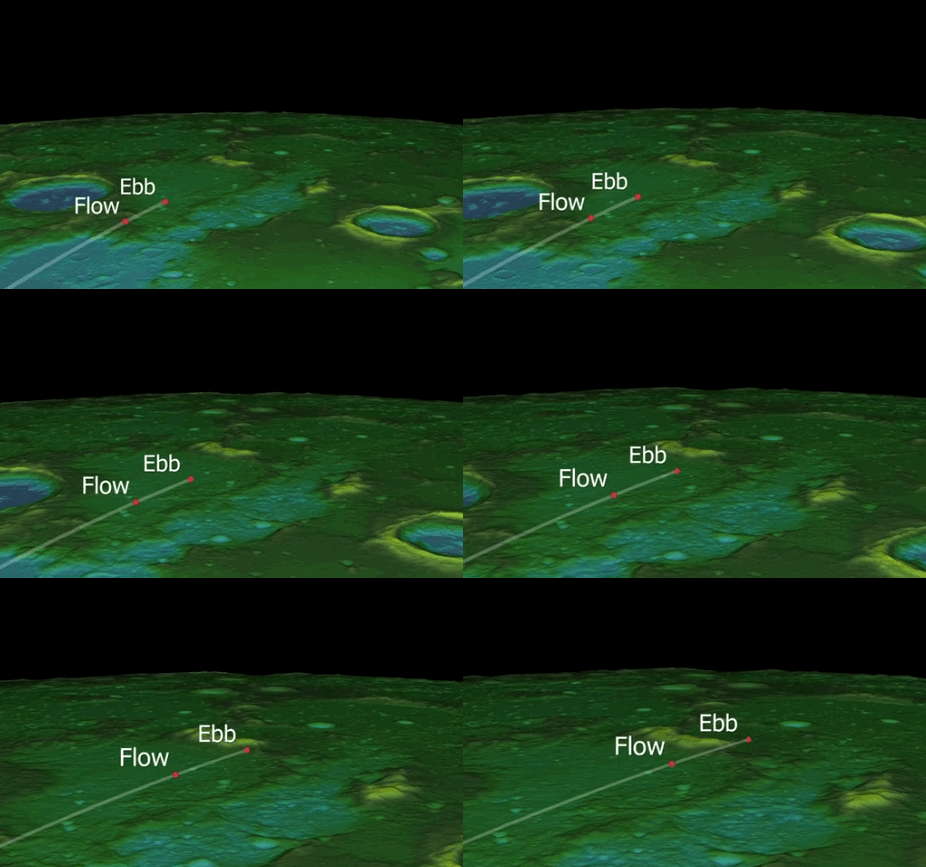
Twin spacecraft, named Ebb and Flow — about the size of washing machines — chased each other around the moon for three months. (Credit: NASA)via businessinsider
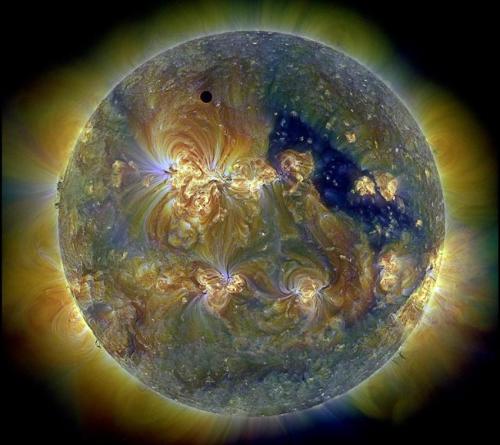
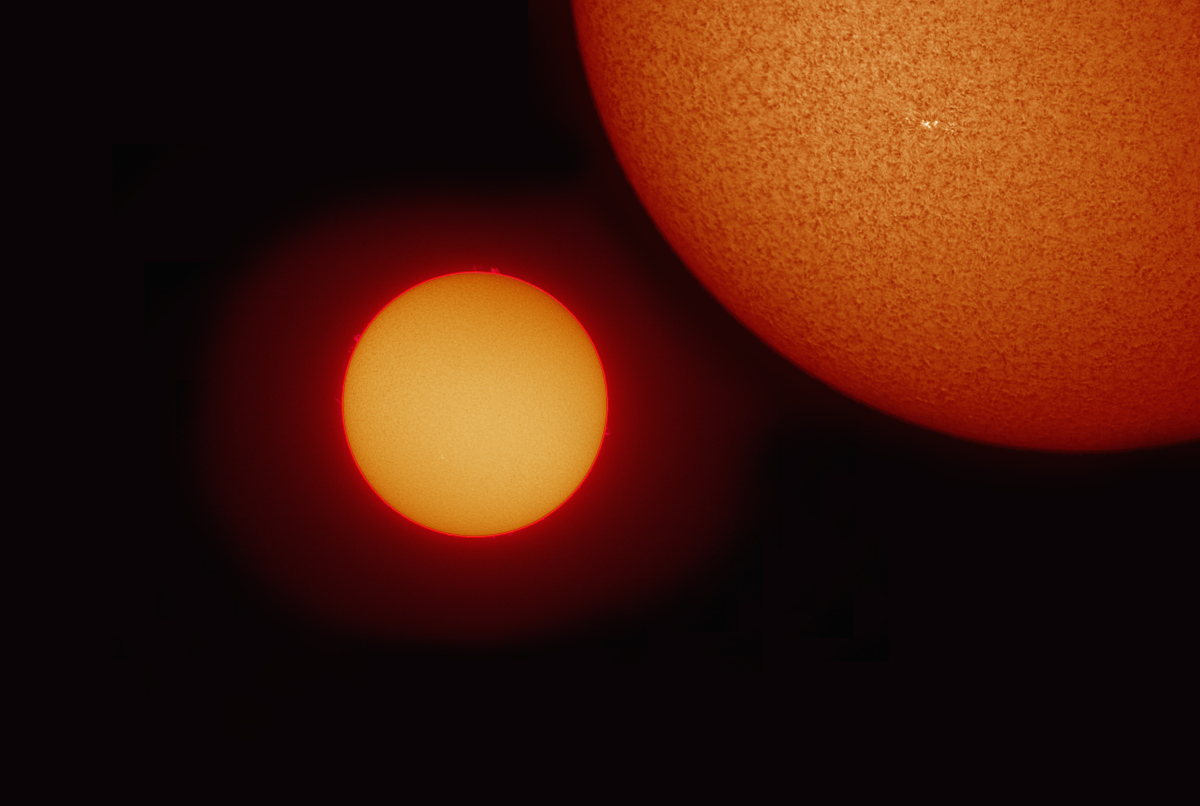
Venus can be seen as a black dot eclipsing the Sun in this image from 2012. Venus orbits too close to the Sun to the planet to be habitable for life as we know it. Venus experiences a runaway greenhouse and the average surface temperatures are thought to be around 864ºF. (Credit: NASA/SDO & the AIA, EVE, and HMI teams; Digital Composition: Peter L. Dove)
via phys.org
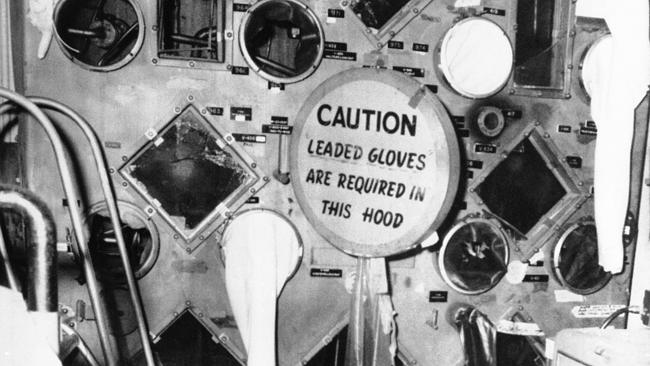
The room that exposed a laboratory technician to a massive dose of radiation, which led to him being known as the “Atomic Man”, is to be entered for the first time since the incident in 1976. (Credit: AP)
via news.com.au
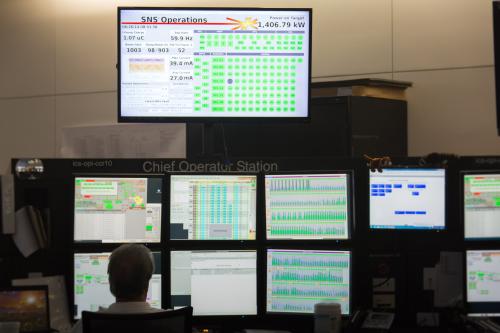
The accelerator-based pulse neutron source at ORNL’s Spallation Neutron Source operated steadily for users at the maximum design power of 1.4 megawatts June 26. (Credit: Genevieve Martin/ORNL)
via phys.org
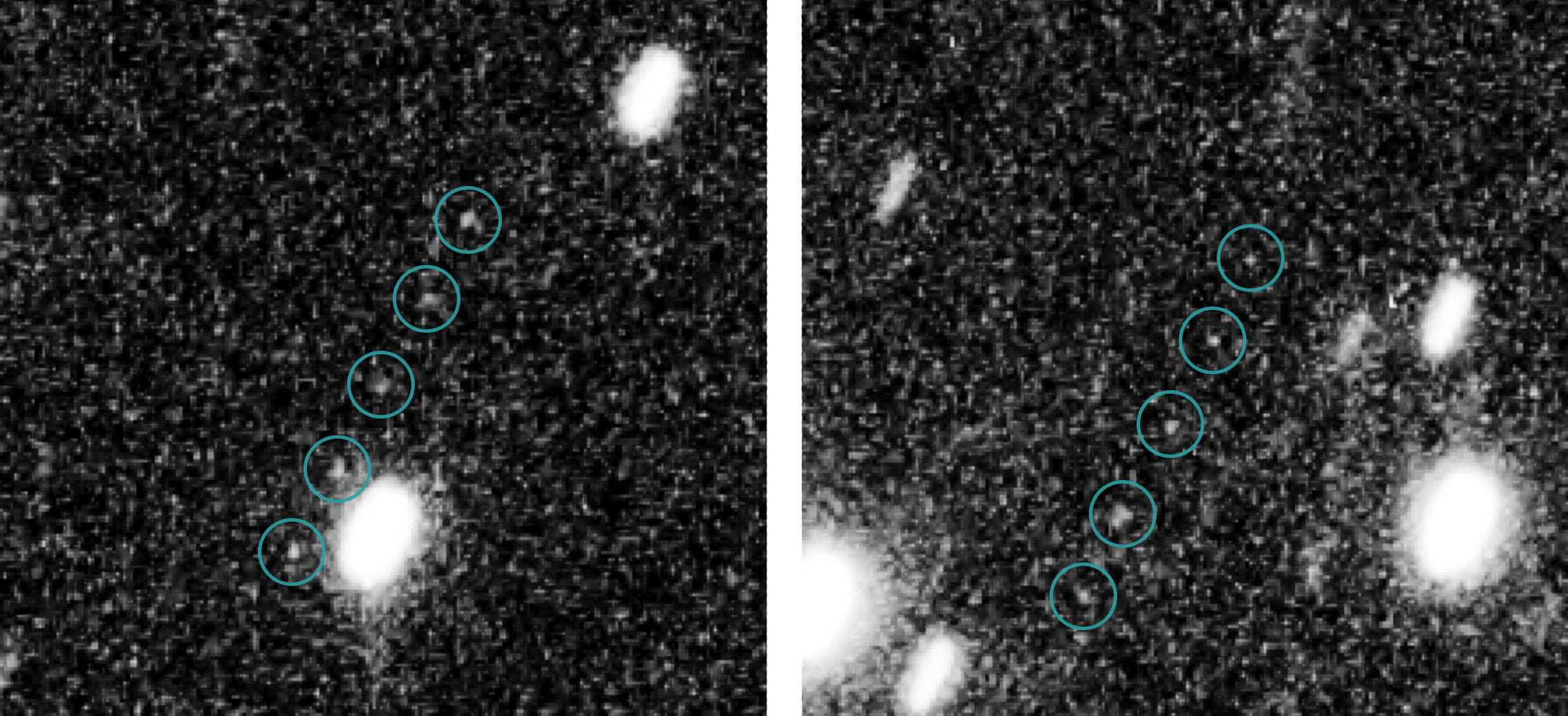
Two multiple-exposure images from NASA’s Hubble Space Telescope showing Kuiper Belt objects, or KBOs, against a background of stars in the constellation Sagittarius. The two KBOs are roughly 4 billion miles from Earth. (Credit: NASA, ESA, SwRI, JHU/APL, New Horizons KBO Search Team)
via motherboard.vice.com