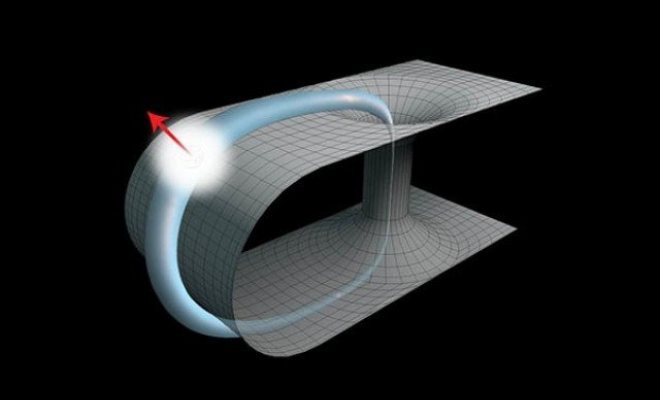
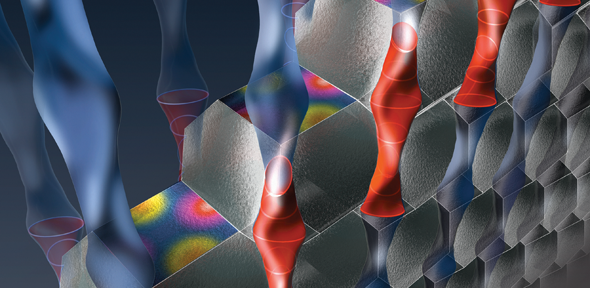
Space-time structure exhibiting closed paths in space (horizontal) and time (vertical). A quantum particle travels through a wormhole back in time and returns to the same location in space and time. Credit: Martin Ringbauer
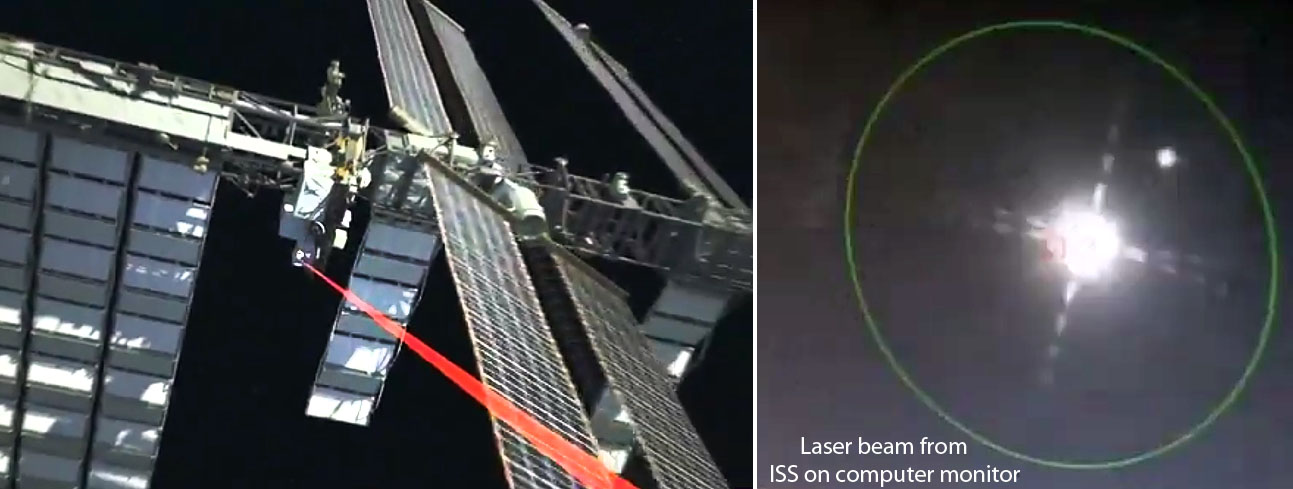
At left: Illustration showing the 2.5 watt OPALS laser beaming video to Earth. At right, the laser beam arrives from the ISS as seen on the computer monitor at Table Mountain Observatory. (Credit: NASA)
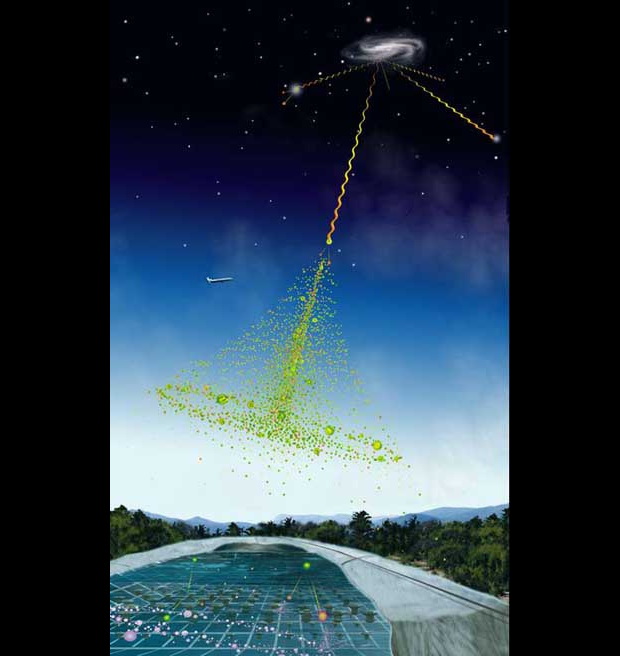
As cosmic-ray particles are accelerated by a black hole in this artist’s interpretation, they stream toward Earth as very-high-energy gamma-rays. Upon hitting the atmosphere, they produce a shower of particles that rain down on Earth. Most of these particles run out of energy before they hit sea level. (Credit: Aurore Simonnet, Sonoma State University)
via space.com
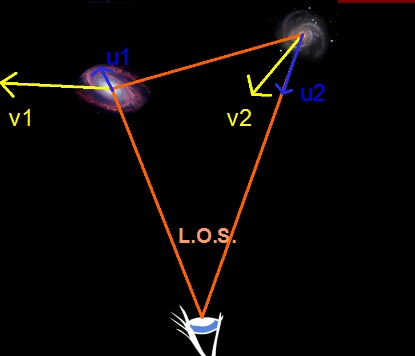
A schematic picture of how researchers can observe galaxy peculiar velocities, “a cosmic dance of galaxies.” (Credit: Wojciech A. Hellwing)
via phys.org
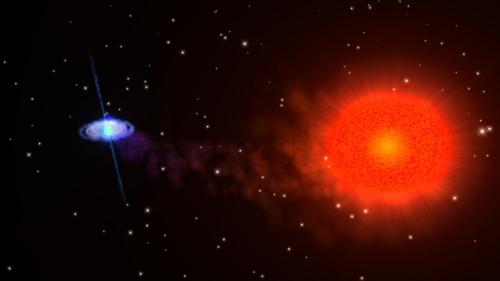
An artist’s impression of an x-ray binary system. The matter that a neutron star (blue) sucks from a regular star (red) leads to the emission of intense x-ray beams. (Credit: NASA)
via phys.org
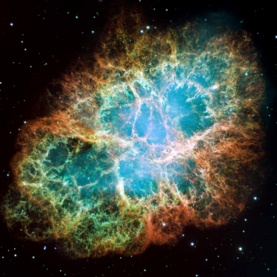
Light from the Crab Nebula (shown here in a Hubble Space Telescope photo) limits the possibilities for fluid spacetime. (Credit:NASA/ESA/ASU/J. Hester)
via scientificamerican
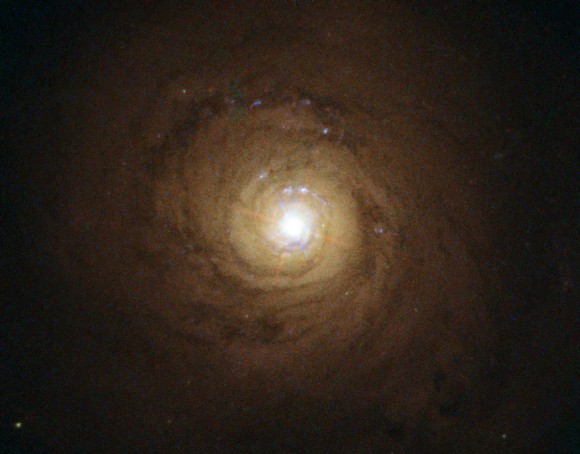
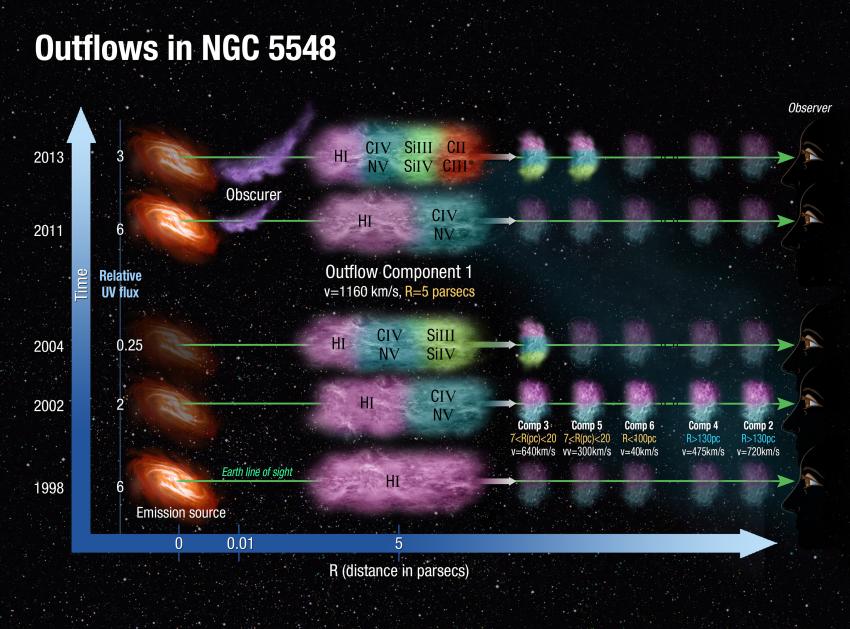
This is an illustration of the physical, spatial and temporal picture for the outflows emanating from the vicinity of the super massive black hole in the galaxy NGC 5548. The behavior of the emission source in five epochs is shown along the time axis. The obscurer is situated at roughly 0.03 light years (0.01 parsecs) from the emission source and is only seen in 2011 and 2013 (it is much stronger in 2013). Outflow component 1 shows the most dramatic changes in its absorption troughs. Different observed ionic species are represented as colored zones within the absorbers. Credit: Ann Feild/Space Telescope Science Institute
via hubblesite
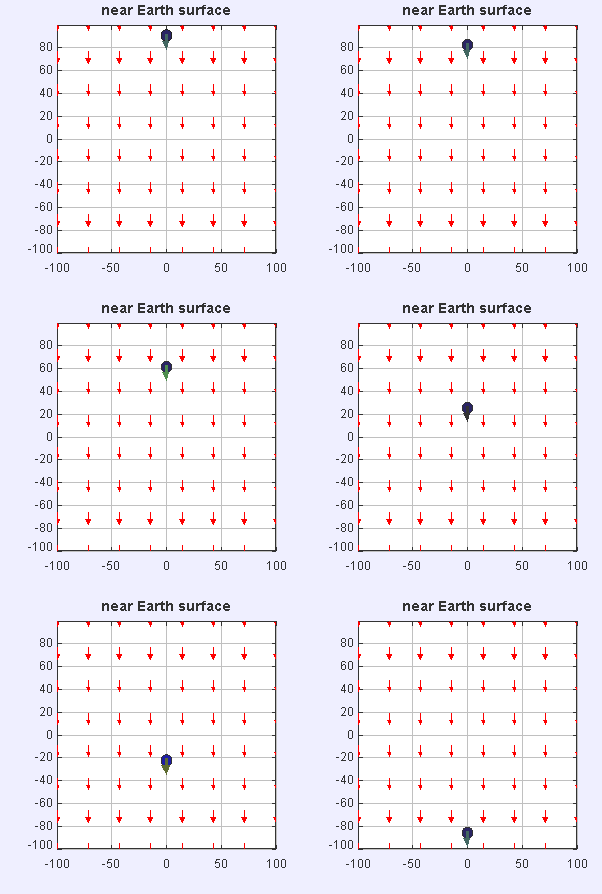
Gravity field near earth at 1,2 and A the curvature of the Earth is negligible at this scale, and the gravity force lines can be approximated as being parallel and pointing straight down to the center of the Earth. (Credit: SA 3.0)
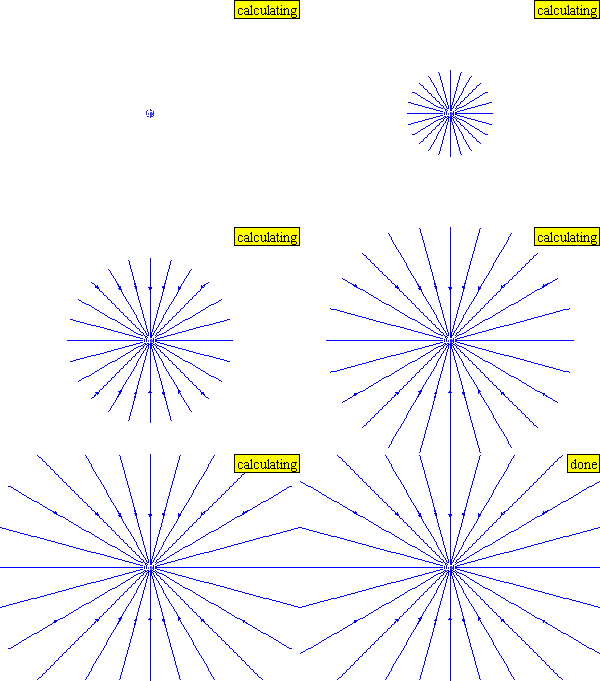
Field lines drawn for a point mass using 24 field lines. The gravitational field can be represented using field lines. These run in the direction that a mass would be accelerated in initially. The object will not necessarily fall along the field lines, but the acceleration will always be in the direction of the field lines. The closer the field lines are together, the denser the gravitational field.(credit: SA 3.0)
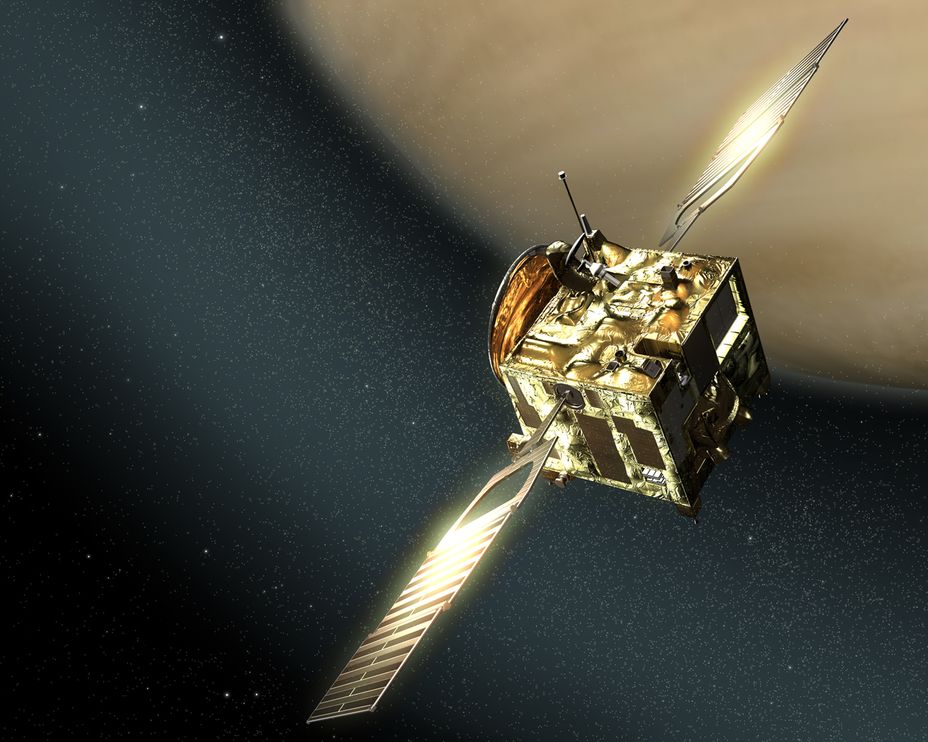
This illustration of Venus Express shows it amid charged particles of solar wind in the upper layers of the Venusian atmosphere. (Credit: ESA, AOES Medialab)
via nationalgeographic
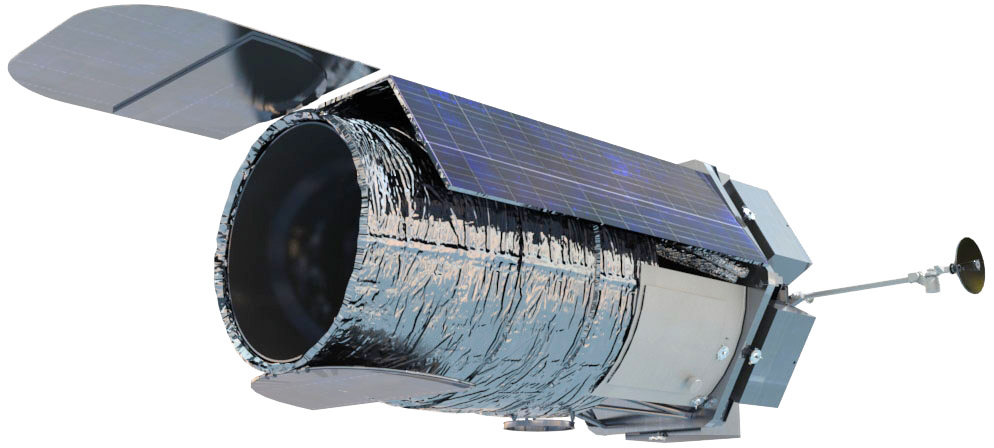
An artist’s rendition of the proposed WFIRST-AFTA mission, which will study dark energy, extrasolar planets and objects in the near-infrared. (Credit: NASA)
via space.com
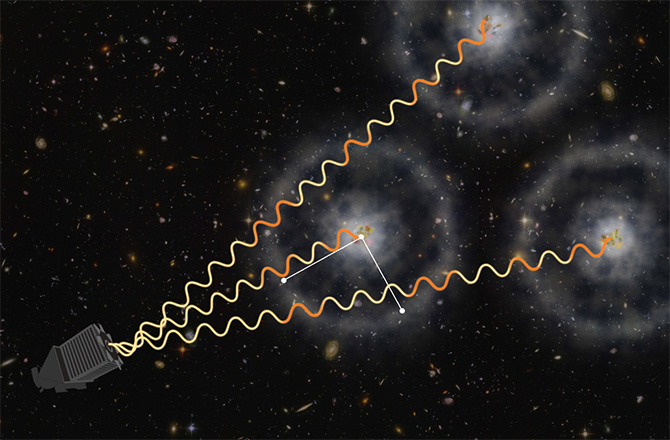
An artist’s view of how quasars and BOAs work together to measure the expansion of the universe. Light from distant quasars is absorbed by gas, which is imprinted with a pattern of BOAs from the early universe. Zosia Rostomian, Lawrence Berkeley National Laboratory, and Andreu Font-Ribera, BOSS Lyman-alpha team, Berkeley Lab
via discovery.com
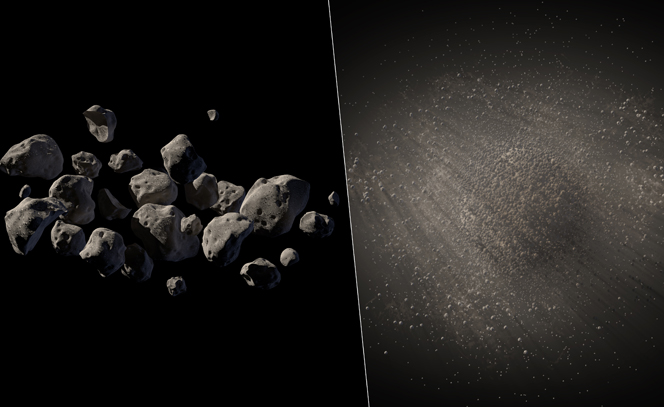
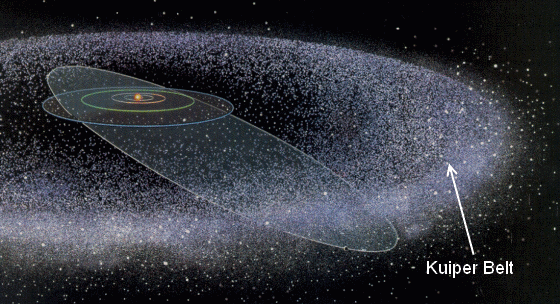
The Kuiper belt is a region beyond Neptune that is full of comets, asteroids and other debris. It circles the solar system and has always been a little bit of a mystery as it is so far away and hard to explore.(Credit: Chris Dann)
via theregister
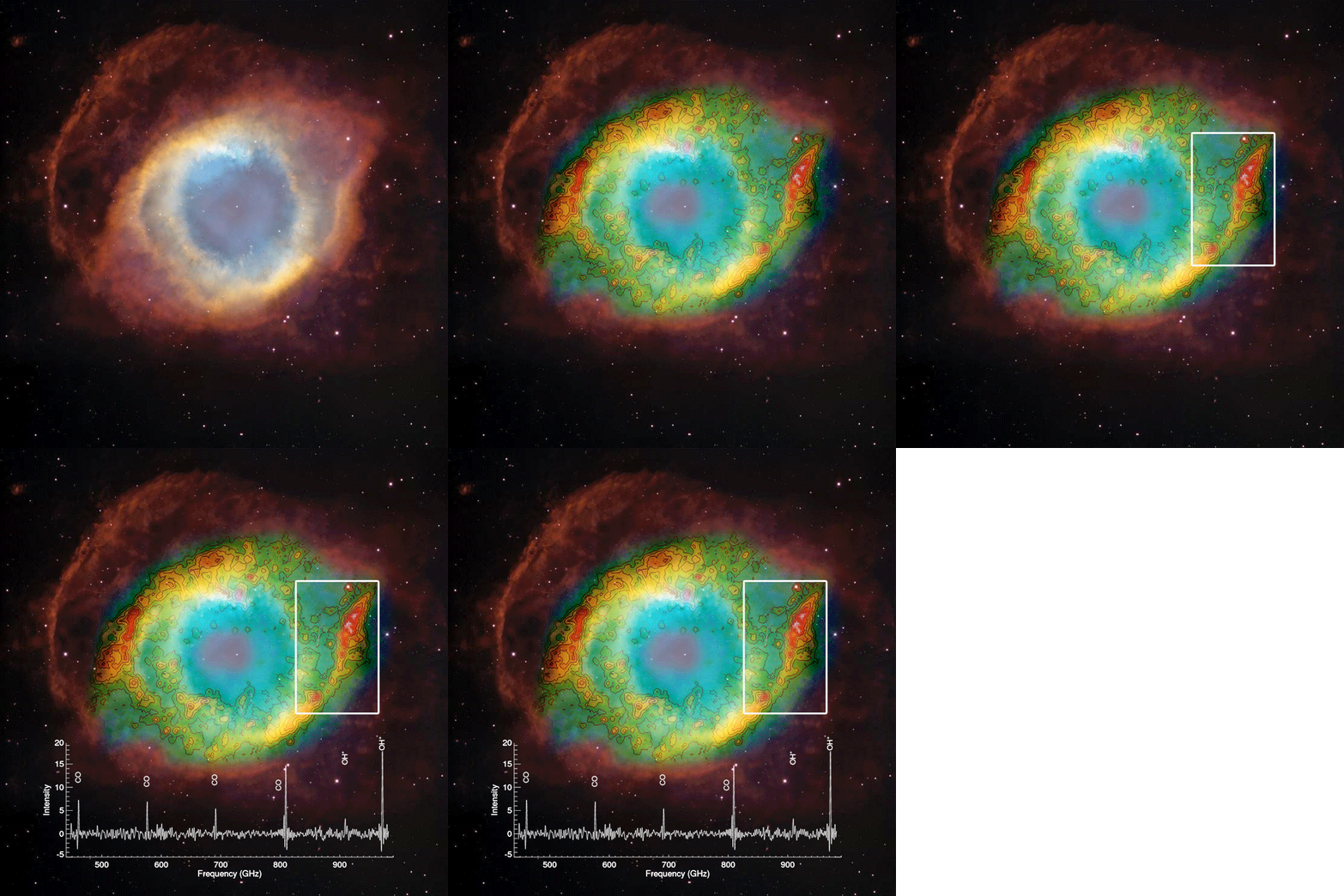
Herschel image of the Helix Nebula using the SPIRE instrument at wavelengths around 250 micrometres, superimposed on Hubble image of the nebula. The spectrum corresponds to the outer region of the Helix Nebula outlined on the SPIRE image. It identifies the OH+ molecular ion, which is needed for the formation of water. ESA’s Herschel space observatory is the first to detect this molecule in planetary nebulas – the product of dying Sun-like stars. Credit: Hubble image: NASA/ESA/C.R. O’Dell (Vanderbilt University), M. Meixner & P. McCullough (STScI); Herschel image: ESA/Herschel/SPIRE/MESS Consortium/M. Etxaluze et al.
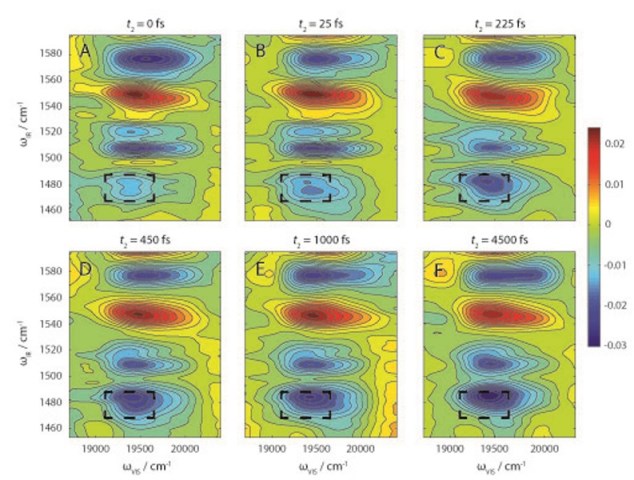
2-D-EV spectral data tells researchers how photoexcitation of a molecular system affects the coupling of electronic and vibrational degrees of freedom that is essential to understanding how all molecules, molecular systems and nanomaterials function. Credit: Fleming group
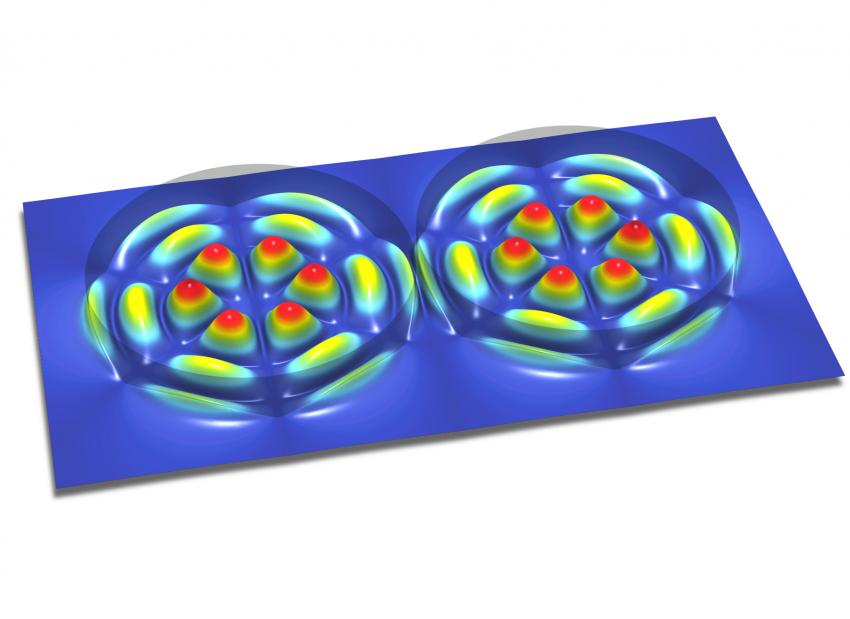
Manipulating minute areas of gain and loss within individual lasers (shown as peaks and valleys in the image), researchers were able to create paradoxical interactions between two nearby lasers. Credit: Vienna University of Technology
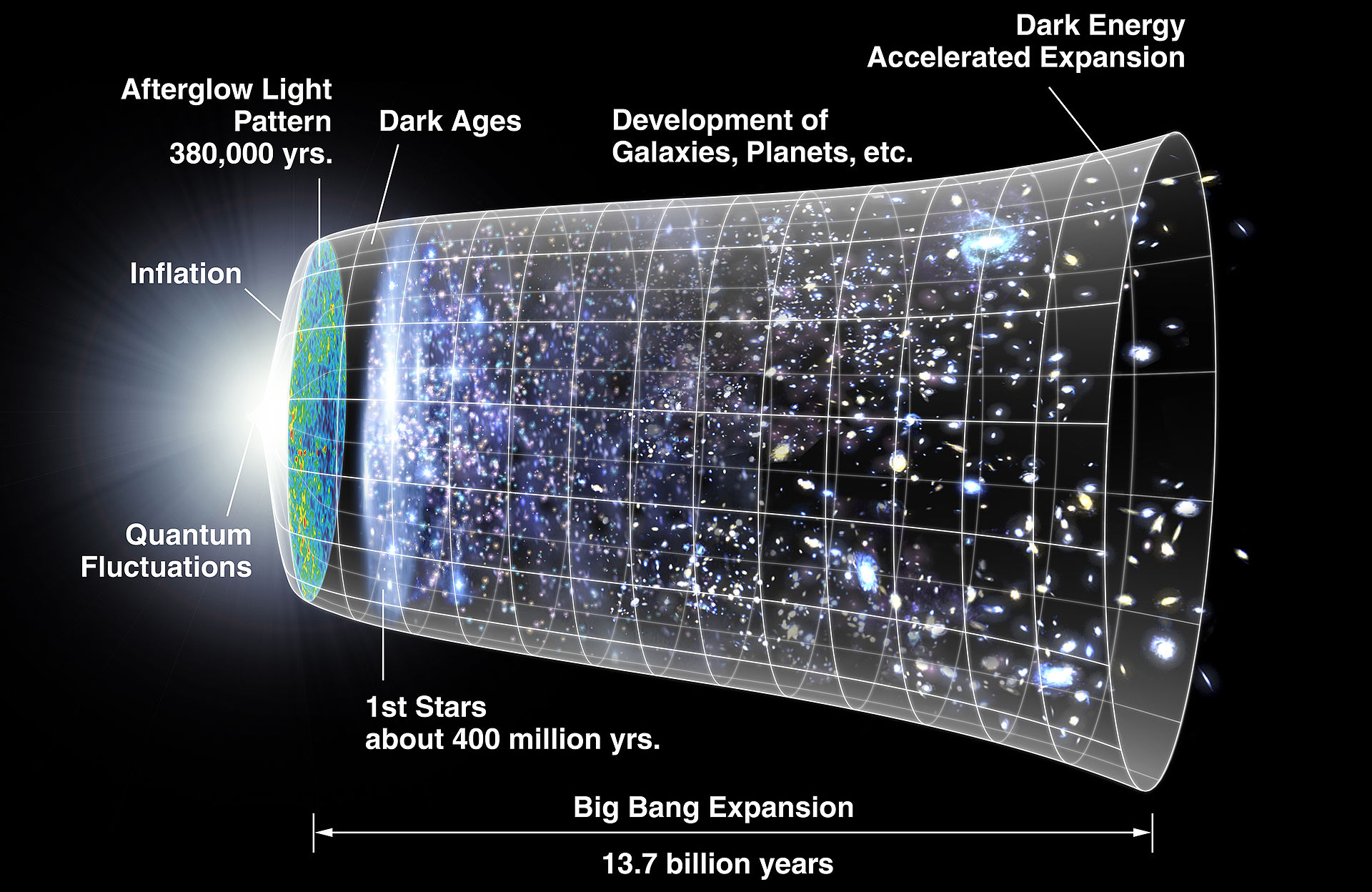
This is an artist’s concept of the metric expansion of space, where space (including hypothetical non-observable portions of the universe) is represented at each time by the circular sections. Note on the left the dramatic expansion (not to scale) occurring in the inflationary epoch, and at the center the expansion acceleration
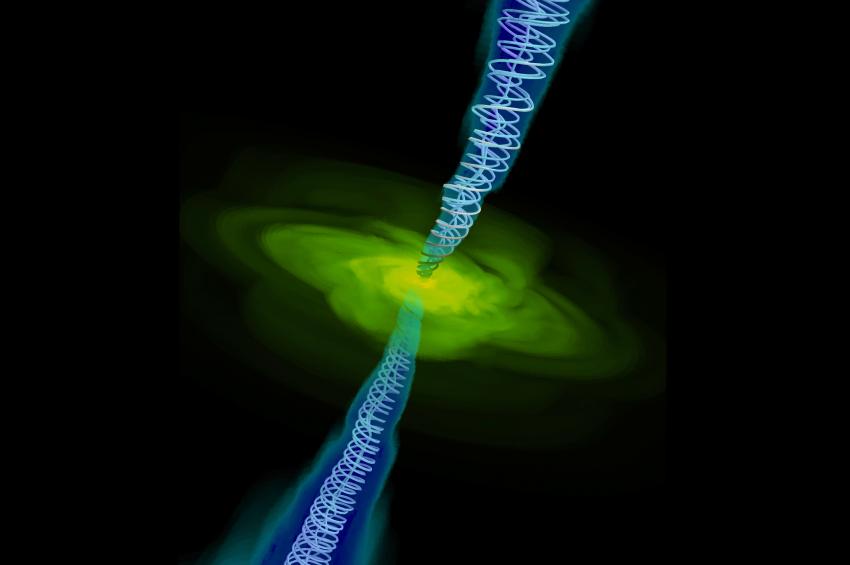
This is a computer simulation of gas (in yellow) falling into a black hole (too small to be seen). Twin jets are also shown with magnetic field lines. Credit: Alexander Tchekhovskoy, Berkeley Lab