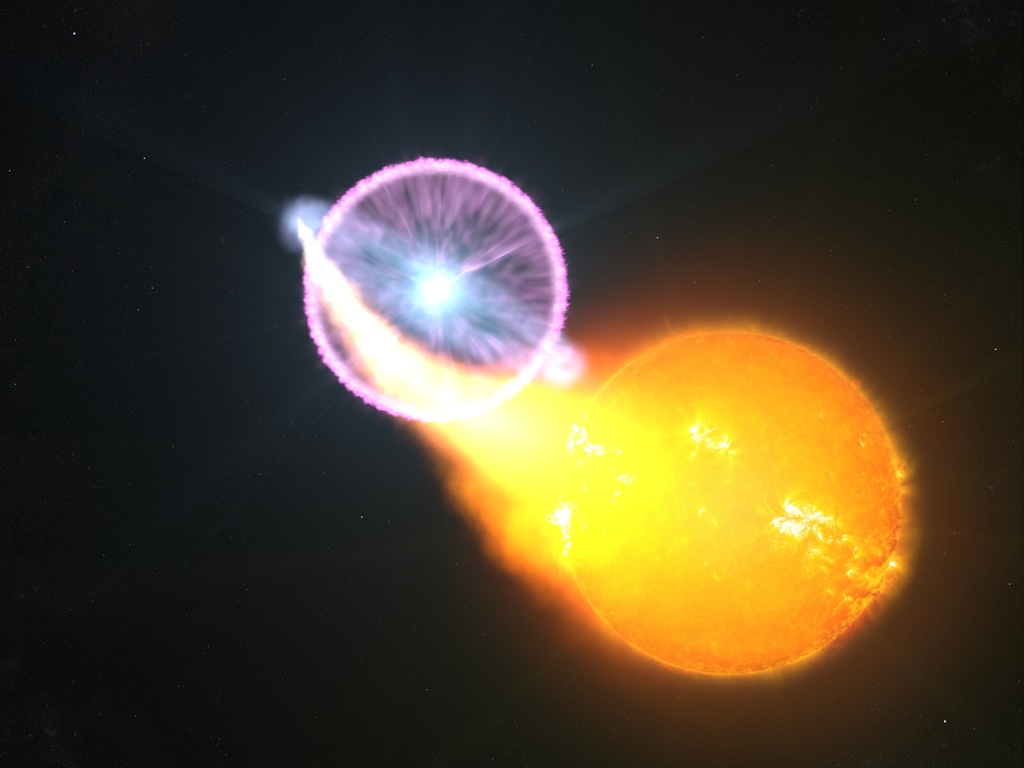
Novae typically originate in binary systems containing Sun-like stars, as shown in this artist’s rendering. NASA’s Fermi Space Telescope discovered that a nova in a system like this likely produces gamma rays (magenta) through collisions among multiple shock waves in the rapidly expanding shell of debris. (Credit: NASA’s Goddard Space Flight Center/S. Wiessinger)
via americaspace
Beam out: elongated “Landau” states – Instead of rotating uniformly at a particular frequency, an international team of researchers has found that electrons in a magnetic field are capable of rotating at three different frequencies, depending on their quantum properties.
via physicsworld
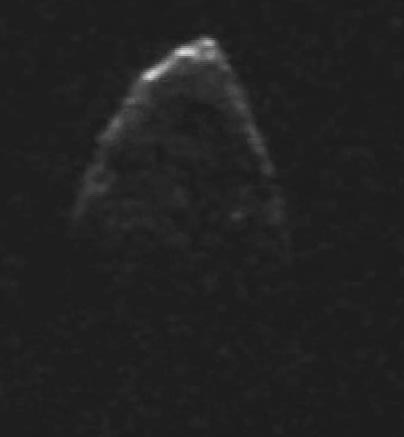
Asteroid 1950 DA. “Following the February 2013 asteroid impact in Chelyabinsk, Russia, there is renewed interest in figuring out how to deal with the potential hazard of an asteroid impact,” said Rozitis. “Understanding what holds these asteroids together can inform strategies to guard against future impacts.” (Credit: NASA)
via tntoday
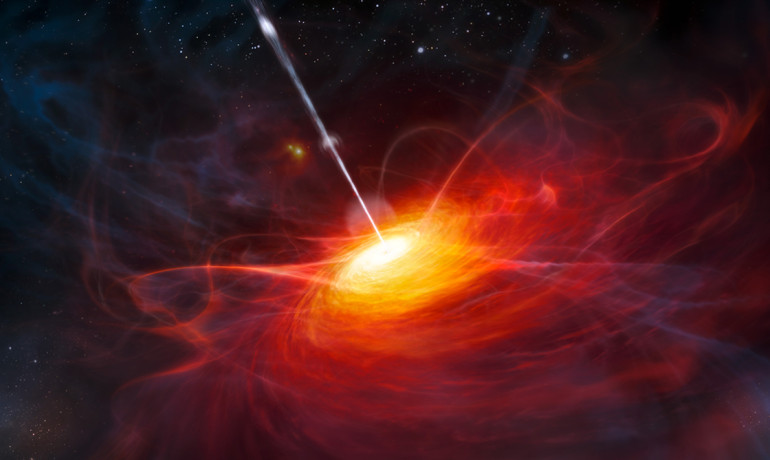
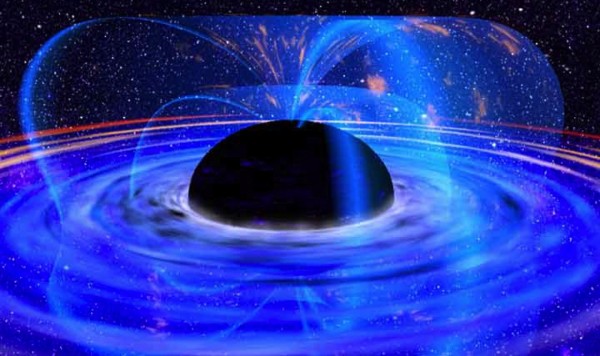
“The puzzle has been how these ‘seed’ black holes grew into the monsters that we now see within the time available, a few billion years at best,” says Priyamvada Natarajan, who proposes that early quasars took in a “super boost,” feasting from large reservoirs of gas that were part of early star clusters. (Credit: Lollito Larkham/Flickr)
via futurity
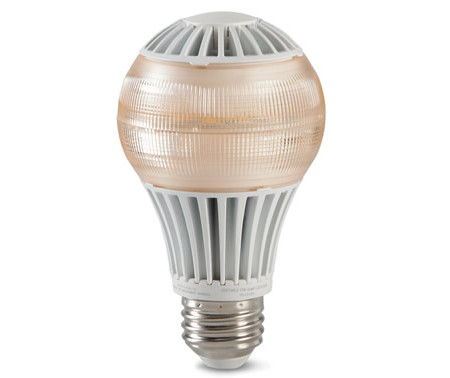
Lighting Science created special lightbulbs for the ISS. There are daylight bulbs with bluer light to encourage energy and activity during what would be daytime hours, and then there are lightbulbs that dial back on the blue to boost astronauts’ production of melatonin for a good night’s sleep. (Credit: Lightning Science)
via cnet
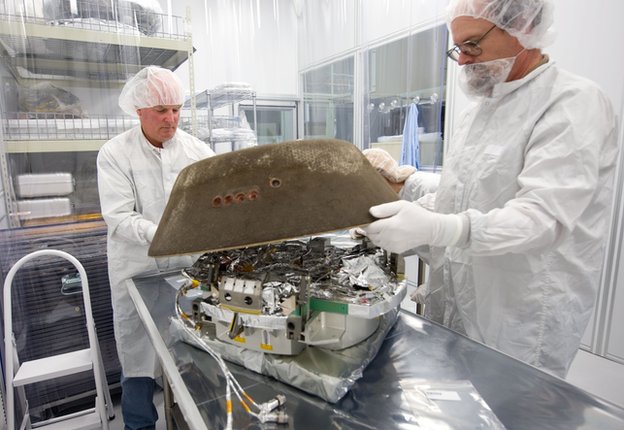
Scientists may have identified the first known dust particles from outside our Solar System, in samples returned to Earth by a Nasa space mission. (Credit: NASA)
via bbc
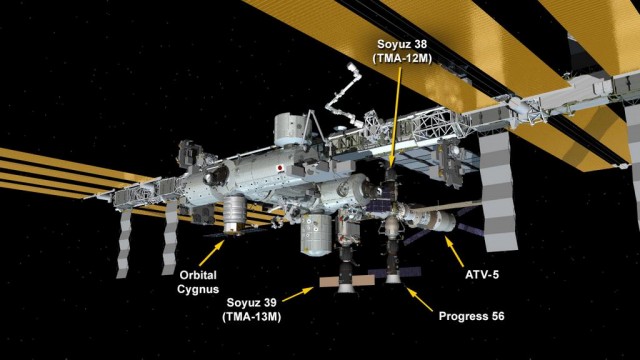
Here’s an awesome photo to start your day: The International Space Station currently has five spacecraft docked to it — the most that can be currently attached. If any of the world’s space agencies, or private companies like SpaceX were to send up another spacecraft today, they’d need to circle until another parking space becomes available. (Credit: NASA)
via extremetech
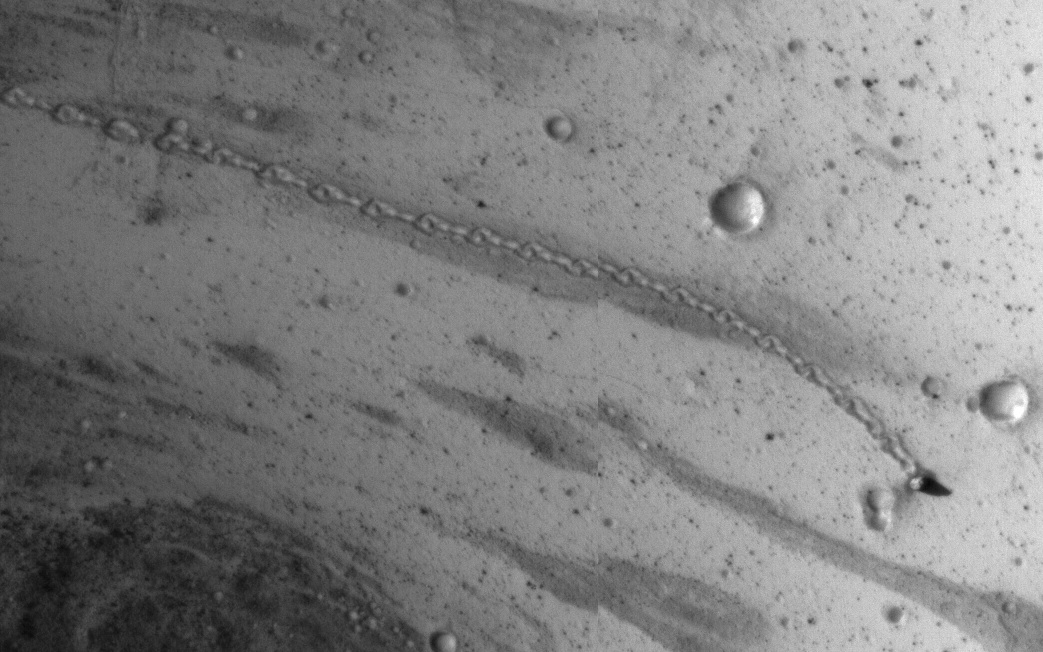
NASA’s Mars Reconnaissance Orbiter spotted the trail from an oblong boulder that rolled down a slope on the Red Planet. The image was taken on July 3, 2014. (Credit: NASA)
via space
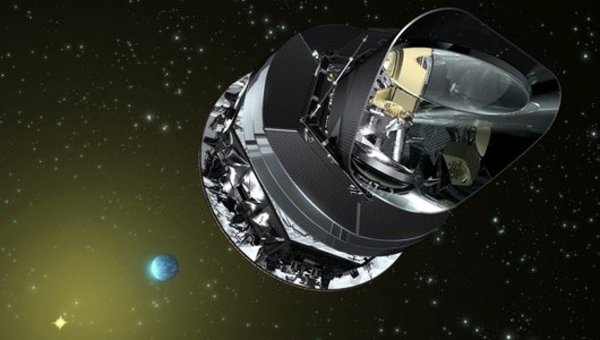
“This piece of information, that has always been a dream, and never was thought of as being within human grasp. But here in the year 2014 on finds that perhaps this mission is going to be telling us how the universe started,” said Harwit, who is an expert in infrared astronomy and works as a member of the ESA’s Submillimeter Wave Astronomical Satellite, as well as on the Herschel Telescope. (Credit: East News/ Science Photo Library)
via en.ria
Plot of CPU transistor counts against dates of introduction. Note the logarithmic vertical scale; the line corresponds to exponential growth with transistor count doubling every two years. The curve shows Moore’s law – the doubling of transistor counts every two years. The y-axis is logarithmic, so the line corresponds to exponential growth. (Credit: Wgsimon)
via arstechnica
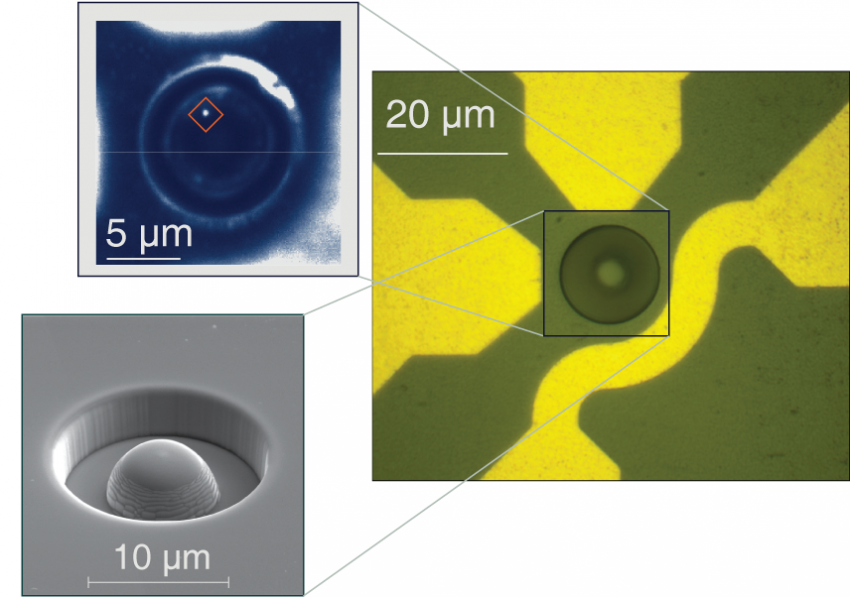
These images show a diamond sample with a hemispherical lens (right and lower left), and the location of a single electron spin/quantum state visible through its light emission (upper left). The scale bar on the image at upper left measures five microns, the approximate diameter of a red blood cell. (Credit: Courtesy of Awschalom Lab/University of Chicago)
via phys
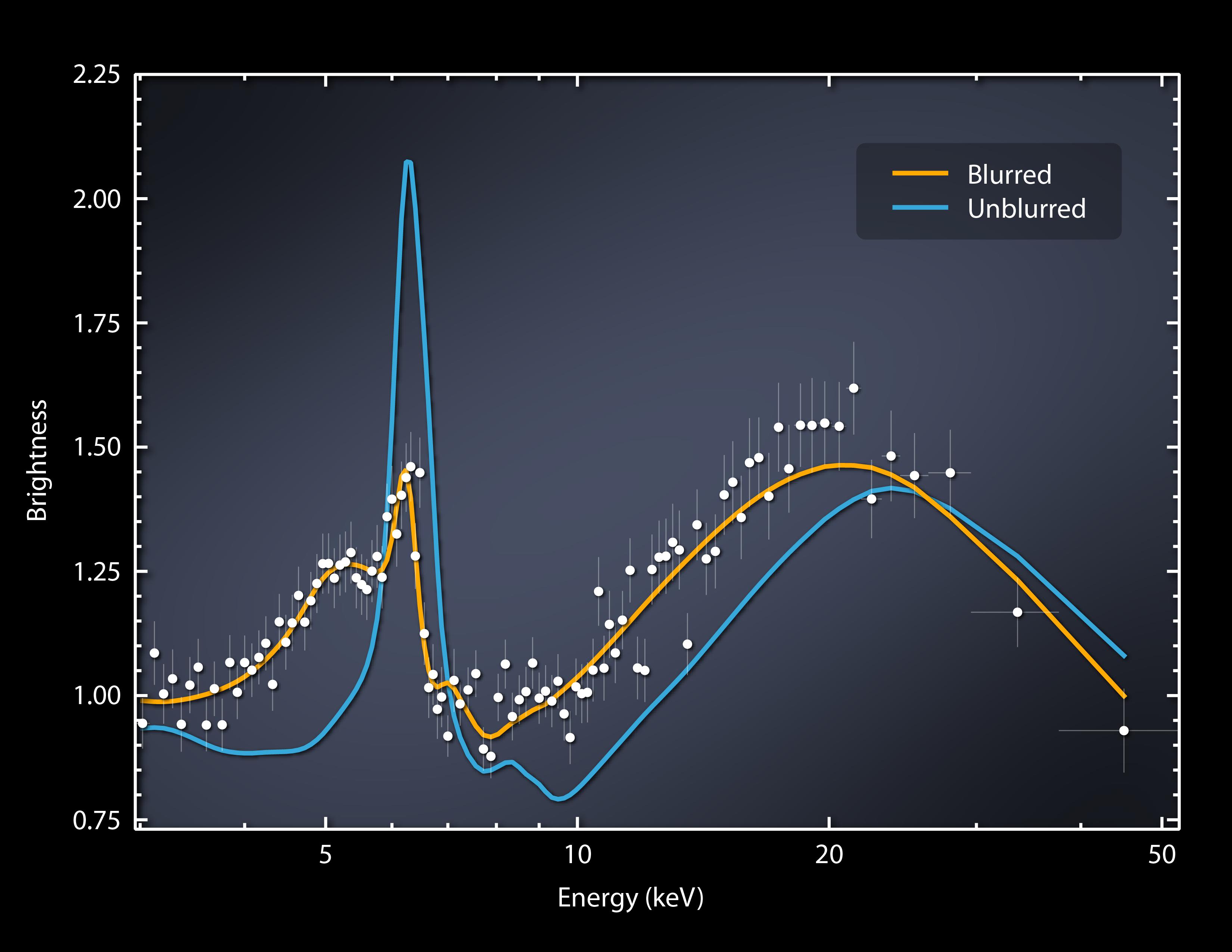
This plot of data captured by NASA’s Nuclear Spectroscopic Telescope Array, or NuSTAR, shows X-ray light streaming from regions near a supermassive black hole known as Markarian 335. (Credit: NASA)
via universetoday
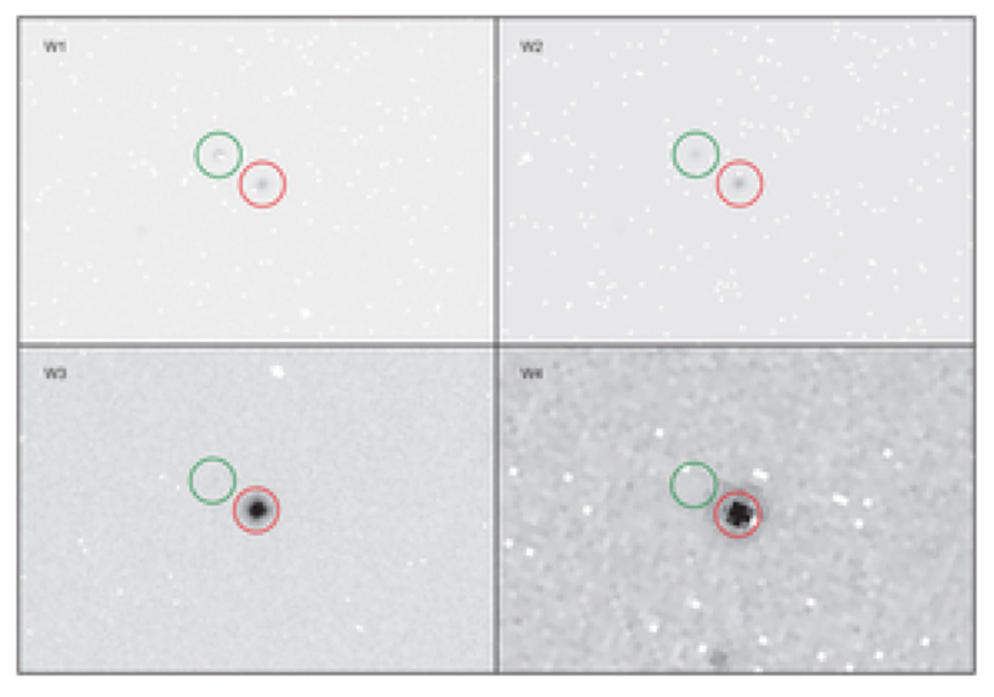
WISE thermal-infrared images of (29075) 1950 DA. The image scale is 2.75 arcsec per pixel for the W1, W2 and W3 bands and 5.53 arcsec per pixel for the W4 band. White pixels are ‘bad’ pixels that do not contain data. The object seen in the red circle is (29075) 1950 DA. (Credit: Rozitis, MacLennan, Emery)
via techtimes
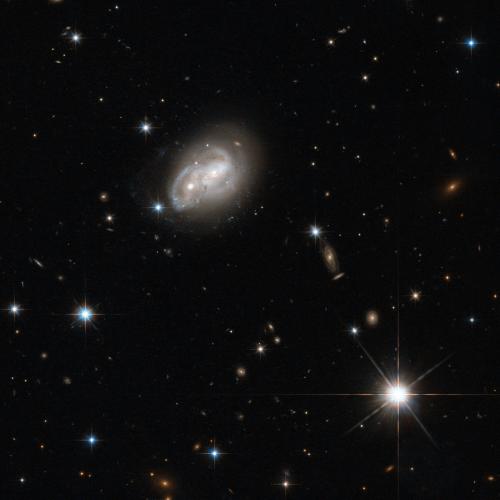
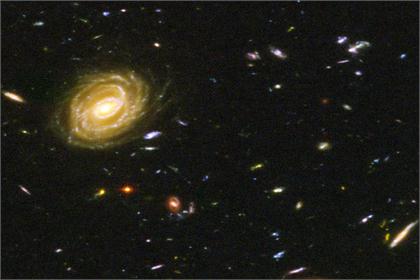
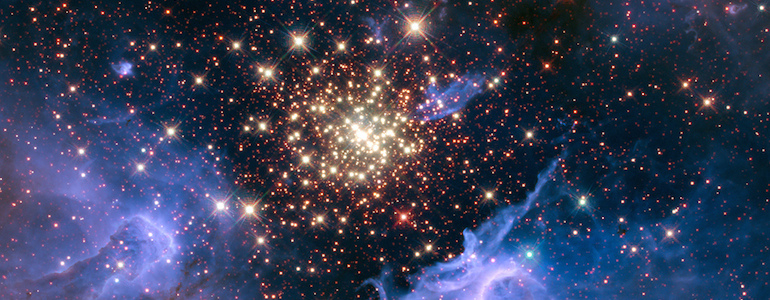
From objects as small as Newton’s apple to those as large as a galaxy, no physical body is free from the stern bonds of gravity, as evidenced in this stunning picture captured by the Wide Field Camera 3 and Advanced Camera for Surveys onboard the NASA/ESA Hubble Space Telescope. (Credit: ESA/Hubble & NASA, Acknowledgement: Luca Limatola)
via phys
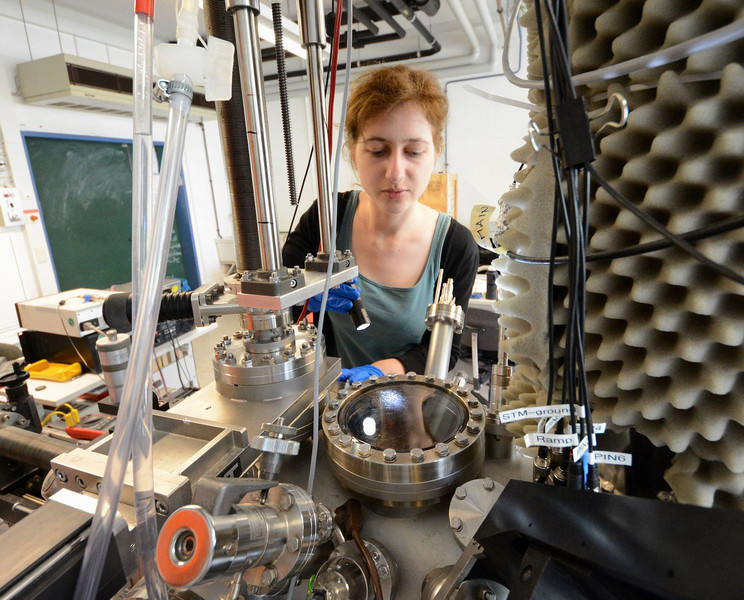
Alissa Wiengarten, PhD student at the TUM Department of Physics, heats a porphine powder in a vacuum chamber. (Credit: Thorsten Naeser/Munich-Centre for Advanced Photonics)
via azonano
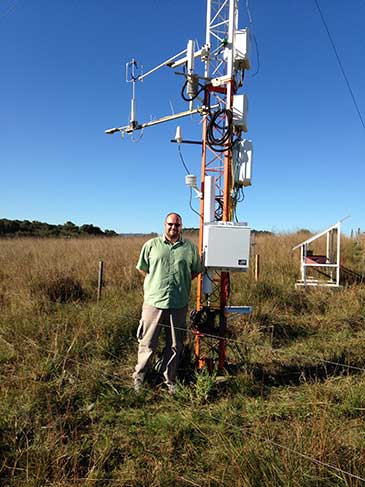
Dr Rosolem with the cosmic-ray soil moisture sensor installed at the the Federal University of Santa Maria SulFlux site in Brazil. (Credit: Univ Bristol)
via bristol
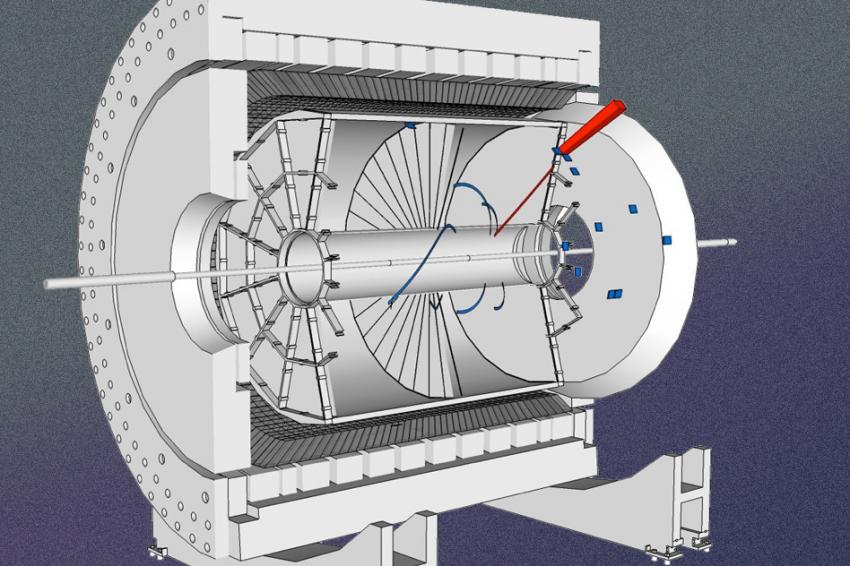
The STAR detector, used in the researchers’ experiment, measures the energy and angle of the electron from the W boson decay produced in the proton collision. (Credit: STAR Collaboration)
via phys
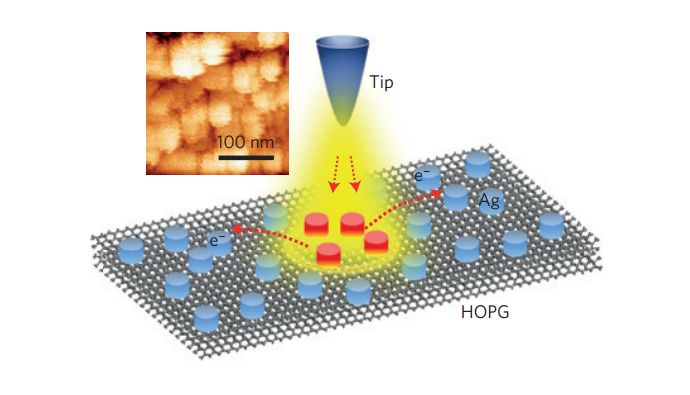
Experimental arrangement. A tip is approached to a distance of micrometres from a grounded highly ordered pyrolytic graphene (HOPG) surface carrying Ag nanostructures (illustrated in the inset). Electrons are field-emitted from the tip when a negative tip voltage Vt of hundreds of volts is applied, and the surface plasmon resonance (SPR) of the Ag nanostructures is excited by the field-emitted electrons under a strong electric field introduced by the tip–sample bias. The backscattered electrons are collected and analysed by the TEEA. (Credit: Nature Physics (2014) doi:10.1038/nphys3051)
via asianscientist
Because of that alacrity, and the fact that they had repeat observations at roughly a decade’s detach, the Russian scientists were able to single out stars that dimmed by at least tenfold. They’ve been named 1RXS J114727.1 + 494302, 1RXS J130547.2 + 641252, and 1RXS J235424.5-102053. (Credit: Davies, NASA)
via slashgear
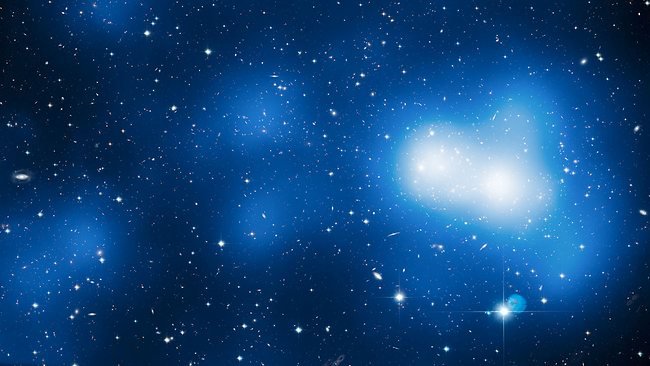
Could a mystery signal that has been detected be proof of dark matter? While searching through the fundamental structures of various galaxy clusters, astrophysicists located at Harvard University found a bizarre discharge line they are having trouble in identifying. (Credit: Kimberly Ruble)
via guardianlv
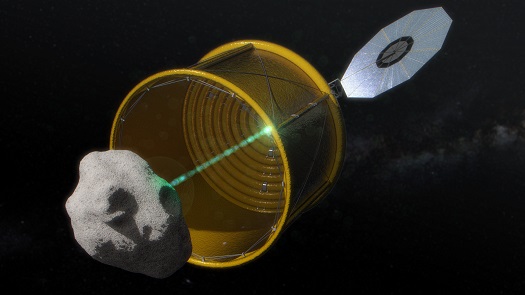
In this concept image, the robotic vehicle deploys an inflatable bag to envelop a free-flying small asteroid before redirecting it to a distant retrograde lunar orbit. (Credit: NASA)
via sciencenews
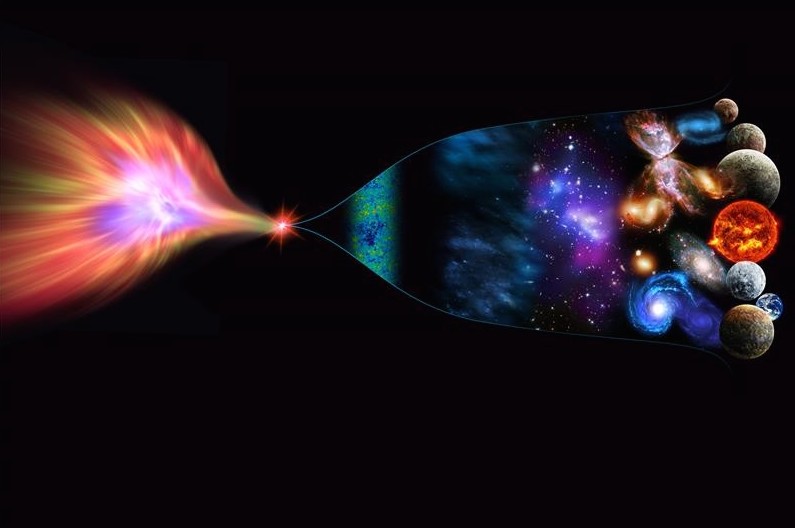
Researchers from Three Perimeter Institute have a new idea, and have claimed that what is perceived as the big bang, could be the three-dimensional ‘mirage’ of a collapsing star in a universe profoundly different than our own. (Credit: NASA, ANI)
via aninews
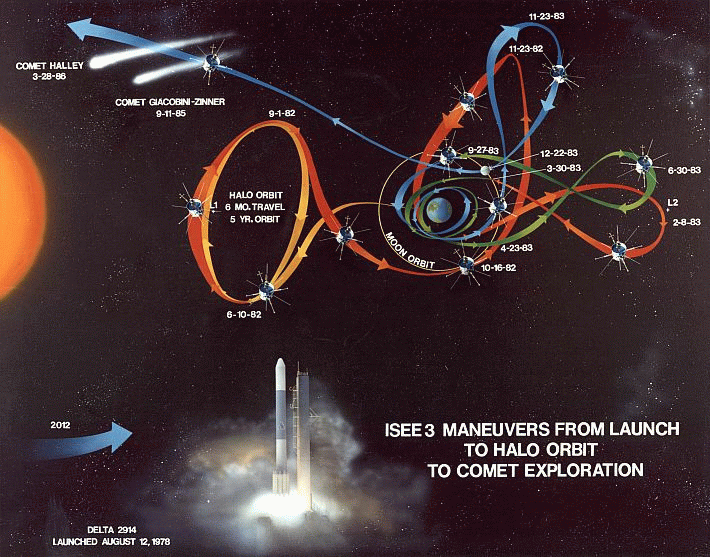
The International Sun-Earth Explorer 3 (ISEE-3) will have the closest view of the moon at 11:16 a.m. PDT. Members of the rebooted mission partnered with Google to create a website, where they will host a video hangout beginning at 10:30 a.m. PDT. (Credit: ISEE3, NASA)
via arstechnica
our known universe could be the three-dimensional “wrapping” around a four-dimensional black hole’s event horizon. In this scenario, our universe burst into being when a star in a four-dimensional universe collapsed into a black hole. (Credit: Perimeter Institute)
via dailygalaxy
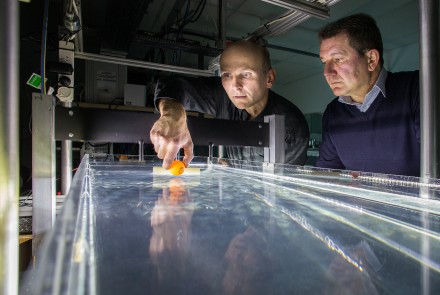
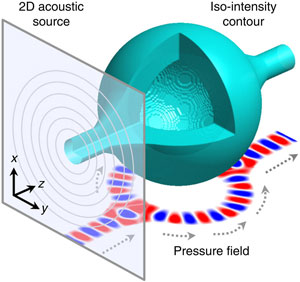
Scientists have developed a method to bend sound waves as they travel through open air, and can even create an acoustic “bottle” that can trap and hold tiny particles. (Credit: Xiang Zhang Group)
via spectrum
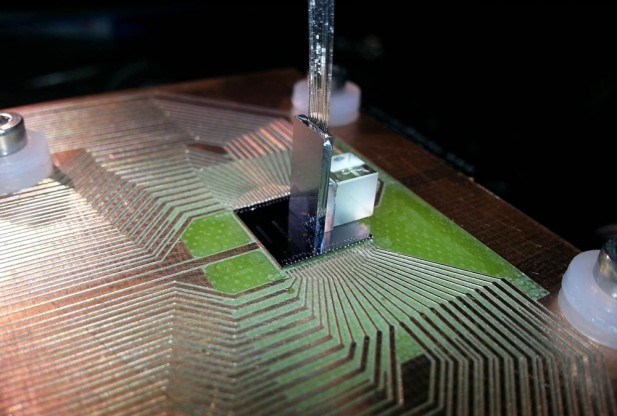
At the Vienna University of Technology (TU Wien), experiments with nitrogen atoms in diamonds are already being carried out. (Credit: TU Wien)
via redorbit
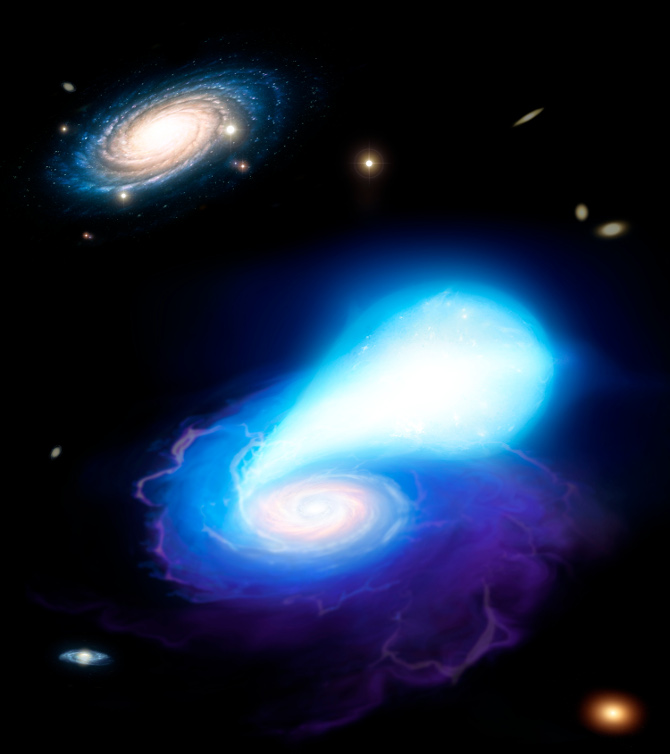
University of Warwick researchers explain mystery of the loneliest supernovas. Compact binary star systems that have been thrown far from their host galaxy when one star of that pair became a neutron star, go through a second trauma when the remaining white dwarf star is eventually pulled onto the neutron star. (Credit: Mark A. Garlick / space-art.co.uk / University of Warwick)
via forbes
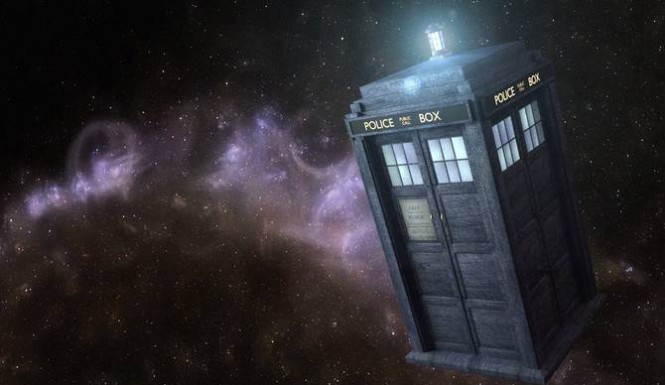
While time travel may be theoretically possible, there are unfortunately several drawbacks to the researchers’ TARDIS concept. In order to function, it requires the use of exotic matter, which has yet to be shown to exist in our universe. Time travel would also have to violate classical mechanics, and in order to move in anything other than a circular direction in both time and space, more than one TARDIS curve would need to be constructed, raising the possibility of exiting the time vortex into a universe of anti-matter. (Credit: Bitbillions)
via inquisitr
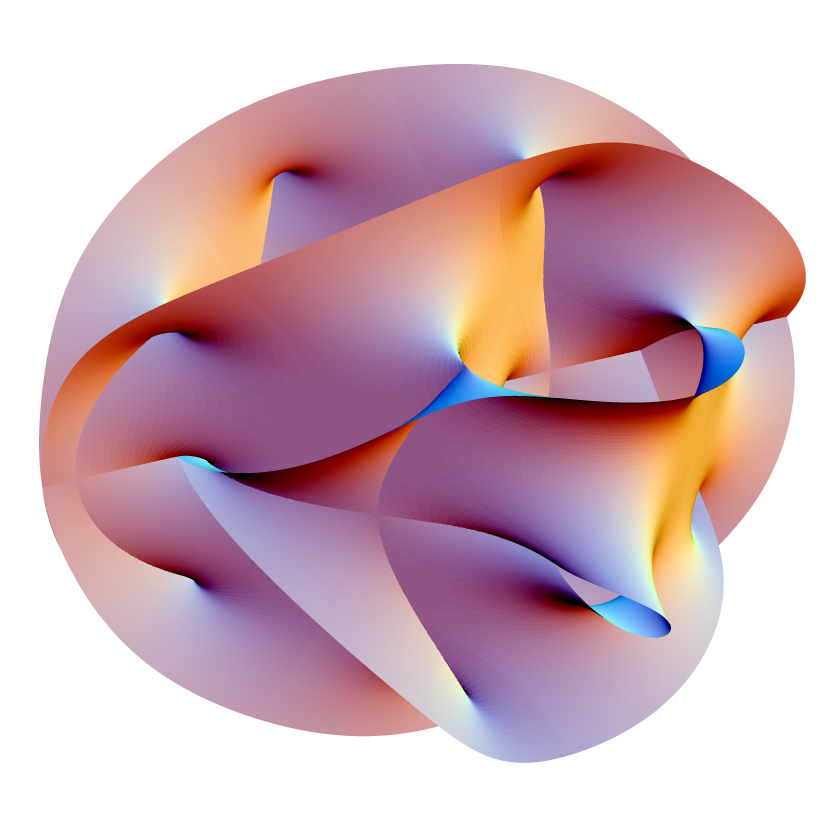
A construction for computer visualization of certain complex curves. Science journalist, Tom Siegfried, has been one of the most vociferous proponents of string theory for many, many years, but even his faith seems like it might be failing as the decades roll on. (Credit: CC BY-SA 2.5)
via columbia
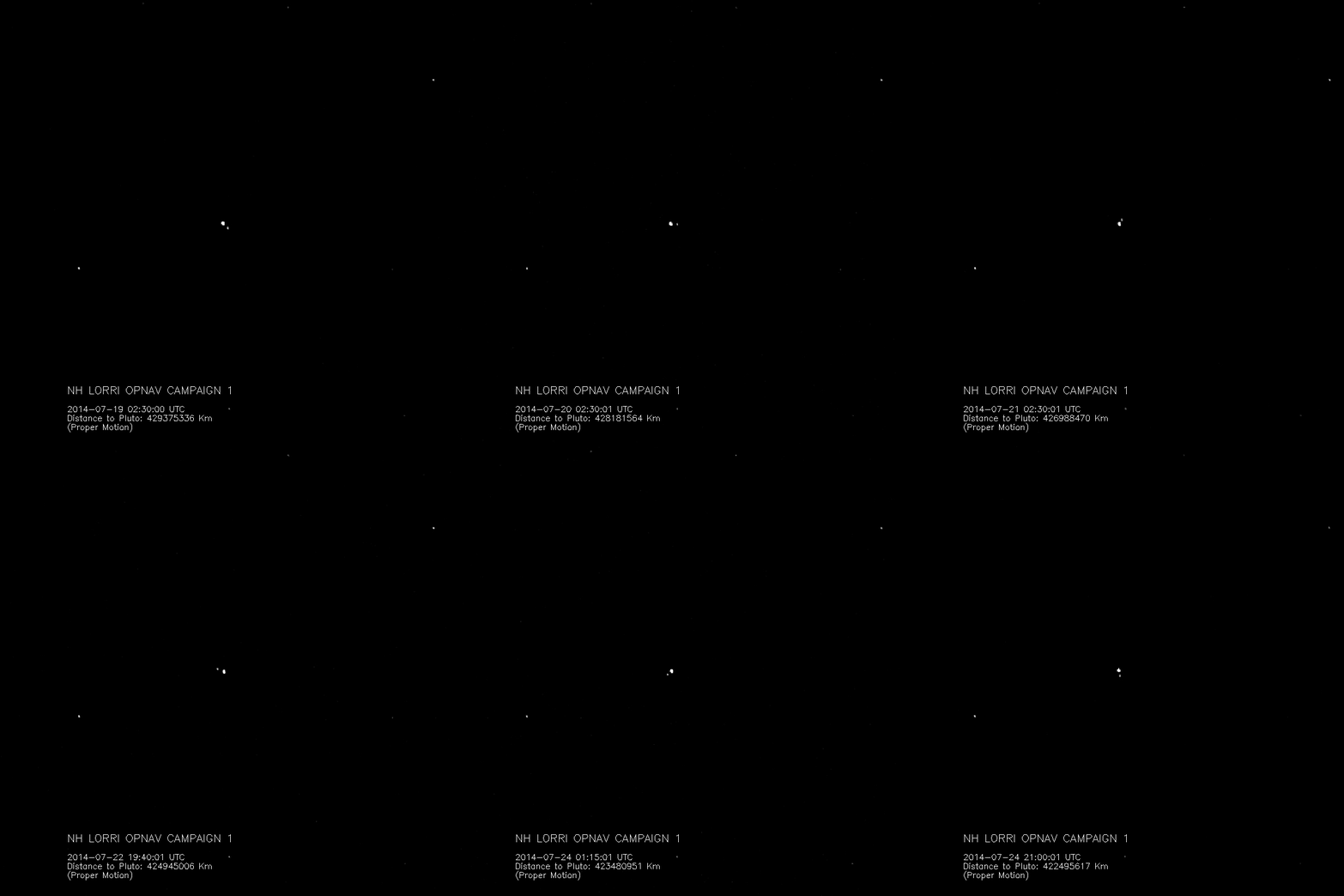
Animation of Pluto and Charon showing nearly a full rotation (Credit: NASA/Johns Hopkins University Applied Physics Laboratory/Southwest Research Institute)
via universetoday
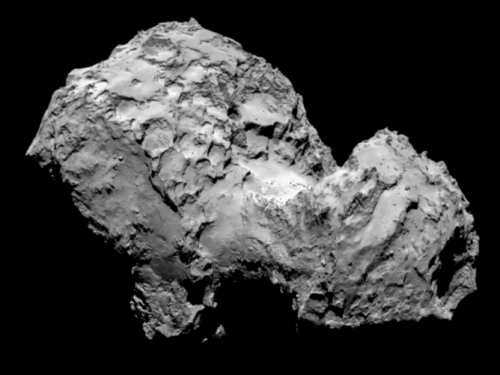
Do you see a duck? On August 6, millions of miles away from Earth, the firing of a rocket thruster signalled the end of a decade-long journey by a European spacecraft to reach its ultimate target – the ‘duck’ comet. (Credit: ESA/Rosetta/MPS)
via phys
A typical magnifying glass works by bending light (i.e. refraction) to a focus point, in this case your eye. In a similar way, gravitational lensing also works by bending light, but in this case it is mass from another galaxy bending the light. This galaxy that extends far into space causes light rays passing near and through its gravitational field to bend and again refocus onto a particular location. The more massive and dense the matter, the more bending and refracting. (Credit: Flickr, Hubble Heritage)
via united-academics
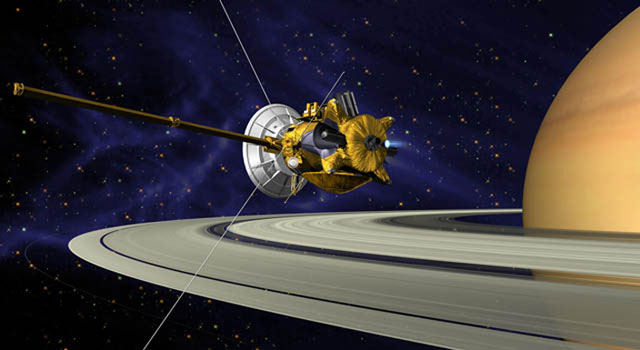
This is an artists concept of Cassini during the Saturn Orbit Insertion (SOI) maneuver, just after the main engine has begun firing. (Credit: NASA/JPL)
via phys