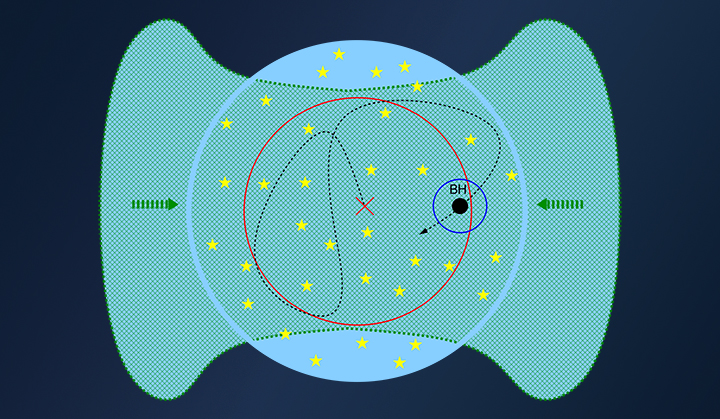
This graphic shows the center of a newly formed star cluster (stars are in yellow), within which the seed black hole gets its super boost of gas (shown in blue).
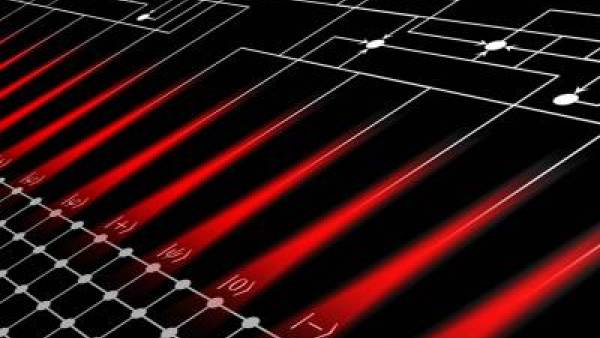
A team of researchers from TU Wien (Vienna) the National Institute for Informatics (Tokyo) and NTT Basic Research Labs in Japan has now proposed a new architecture for quantum computing, based on microscopic defects in diamond. (Credit: TU Wien (Vienna) and Japan. (National Institute of Informatics and NTT Basic Research Labs)
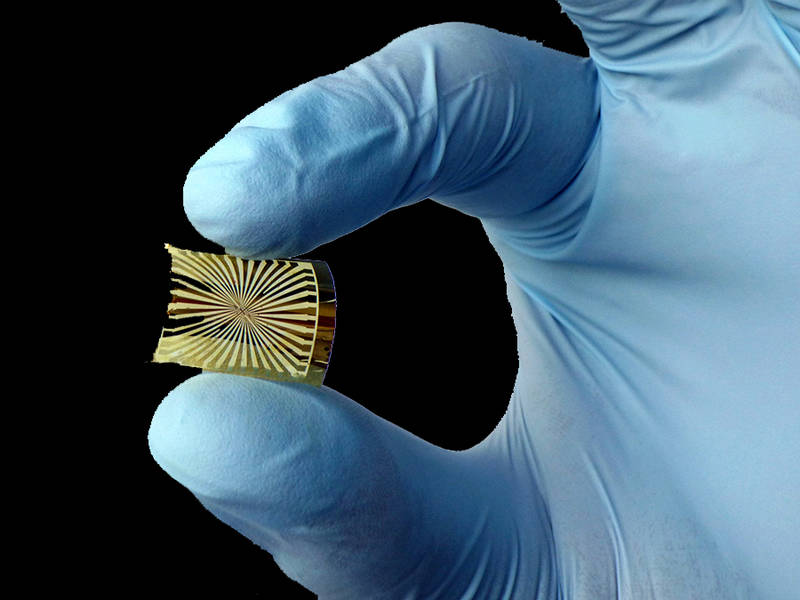
Graphene electronics can be prepared on flexible substrates. Only the gold metal leads are visible in the transparent graphene sensor. (Credit: Natalia Hutanu / TUM)
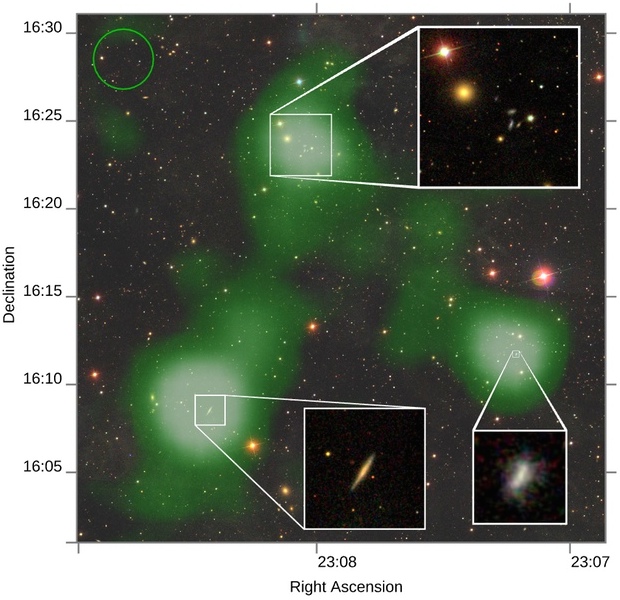
The bridge of gas (shown in green) stretches from the large galaxy at the bottom left to the group of galaxies at the top. A third nearby galaxy to the right also has a shorter stream of gas attached to it. (Credit: Rhys Taylor / Arecibo Galaxy Environment Survey / The Sloan Digital Sky Survey Collaboration.)
via motherboard
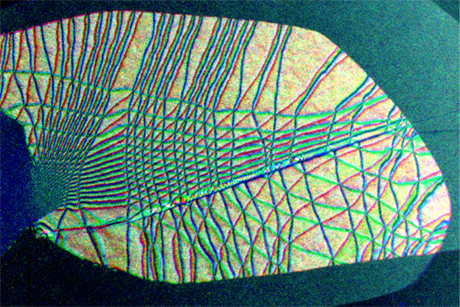
Three dark field-transmission electron microscopy images of bilayer graphene are overlaid with colors to show diffraction angles. The lines are soliton boundaries. (Credit: Muller lab)
via newscientist
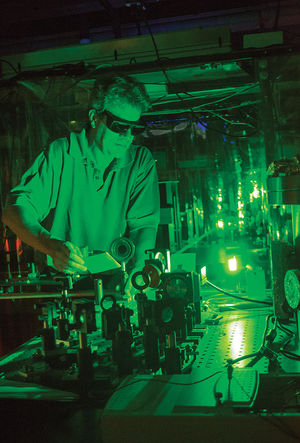
Professor Howard Milchberg. University physicists working in the Intense Laser Matter Interactions group have made two breakthroughs in recent months: One allows them to send high-powered lasers through atmosphere, and another uses this technology to collect weak signals from a distance. (Credit: Samantha Medney/For The Diamondback)
via diamondbackonline
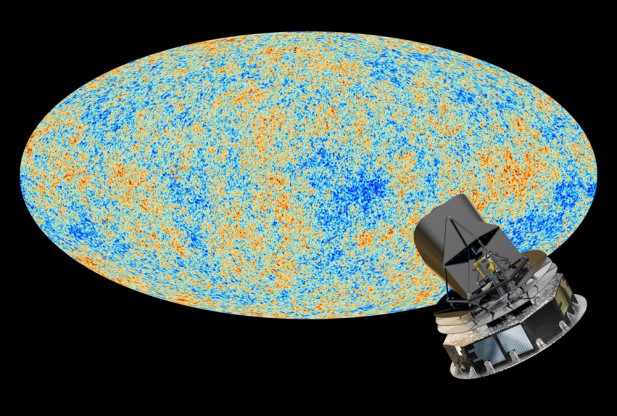
The anisotropies of the Cosmic microwave background (CMB) as observed by Planck. The CMB is a snapshot of the oldest light in our Universe, imprinted on the sky when the Universe was just 380 000 years old. It shows tiny temperature fluctuations that correspond to regions of slightly different densities, representing the seeds of all future structure: the stars and galaxies of today. (Credit: ESA and the Planck Collaboration – D. Ducros)
via redorbit
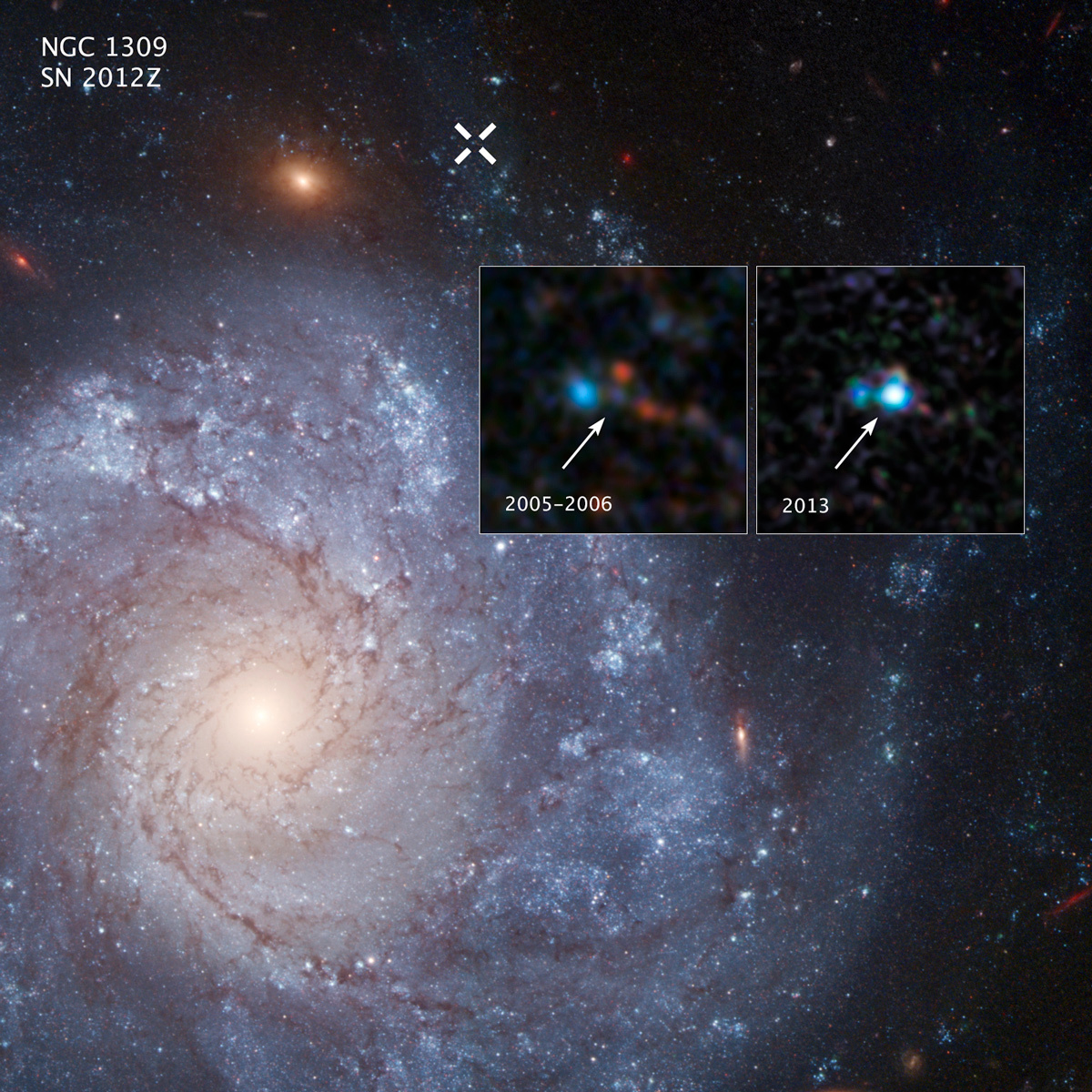
The two inset images show before-and-after images captured by NASA’s Hubble Space Telescope of Supernova 2012Z in the spiral galaxy NGC 1309. The white X at the top of the main image marks the location of the supernova in the galaxy. (Credit: NASA)
via time
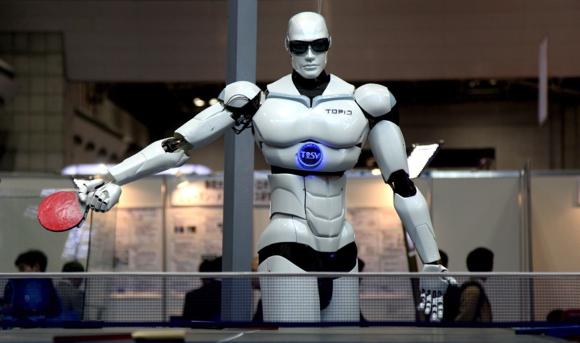
Nearly half of the respondents (48%) predicted that robots and AI will displace more jobs than they create over the coming decade. While that left a slim majority believing the impact of technology on employment will be neutral or positive. (Credit: Humanrobo/Wikimedia Commons)
via forbes
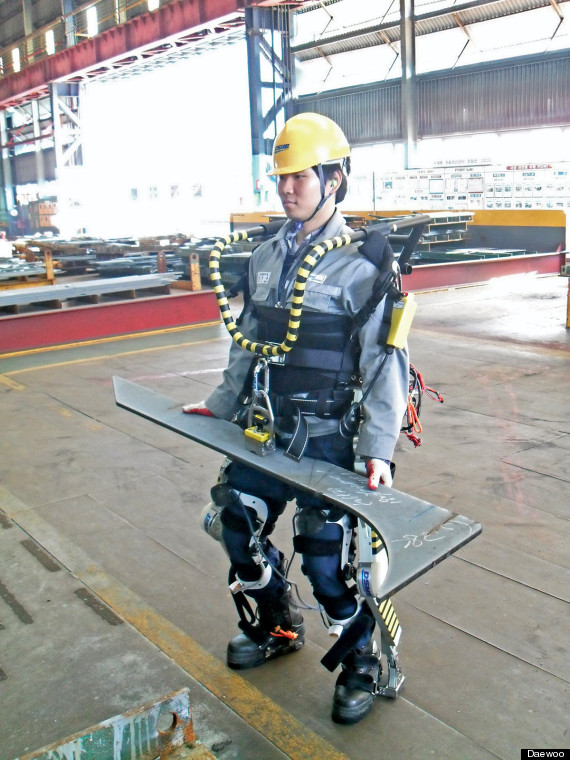
Chu says worker feedback from the trial has been mostly positive. Testers were pleased that the exoskeleton let them lift heavy objects repeatedly without strain, but everyone also wanted it to move faster and be able to cope with heavier loads. (Credit: Daewoo)
via cnet
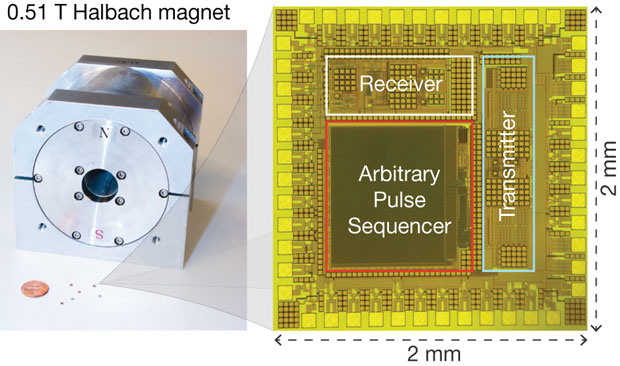
Harvard electrical engineering and applied physics professor Donhee Ham and his colleagues have drastically shrunk the size of the electronics even further, fitting the RF receiver, transmitter and other components on a tiny seed-sized chip. (Credit: Dongwan Ha/Harvard SEAS)
via ieee
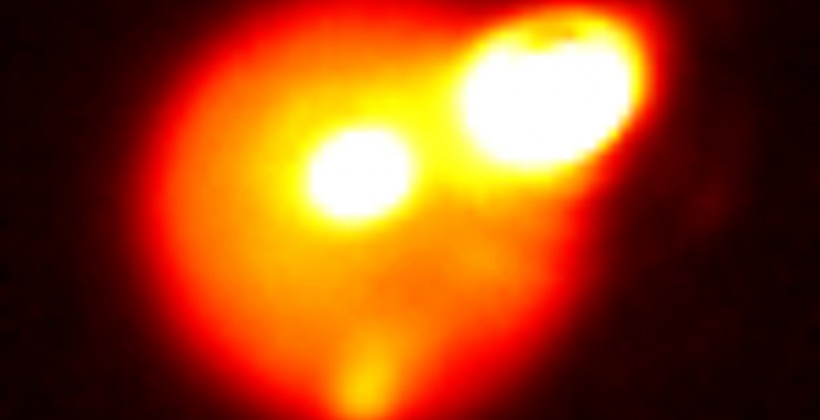
Footage from the Venus Express orbiter confirmed sightings of hot spots on the surface of the planet, in accordance with volcanoes still simmering. (Credit: NASA)
via slashgear
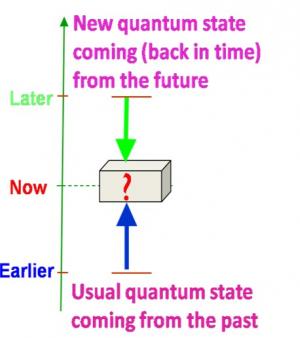
At the present moment another measurement is performed which is influenced both by what happened earlier and what happened later. (Credit: Jeff Tollaksen)
via phys
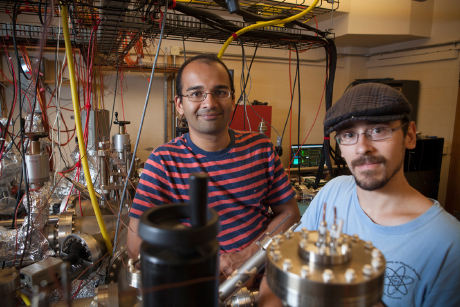
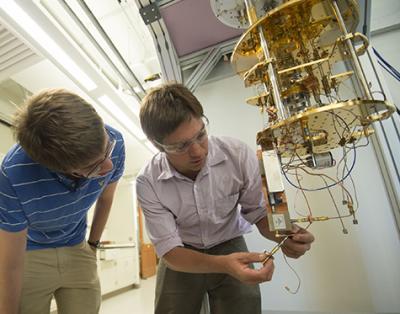
Kater Murch (right), assistant professor of physics at Washington University in St. Louis, and junior Chris Munley work with the equipment that can map a quantum device’s trajectory between two points in quantum state space, a feat until recently considered impossible. (Credit: Joe Angeles/WUSTL Photos)
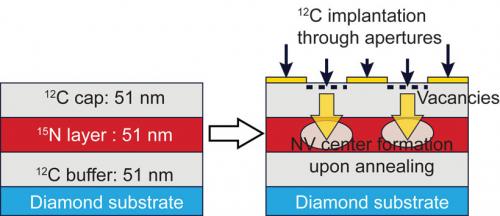
This is a schematic of the process to localize NV centers in 3-D. The researchers blasted carbon ions through holes to create vacancies and heated the diamond to make the vacancies mobile within the crystal. NV centers could form in the nitrogen-doped layer below where the holes were placed. (Credit: F.J. Heremans and D. Awschalom/U. Chicago and K. Ohno/UCSB)
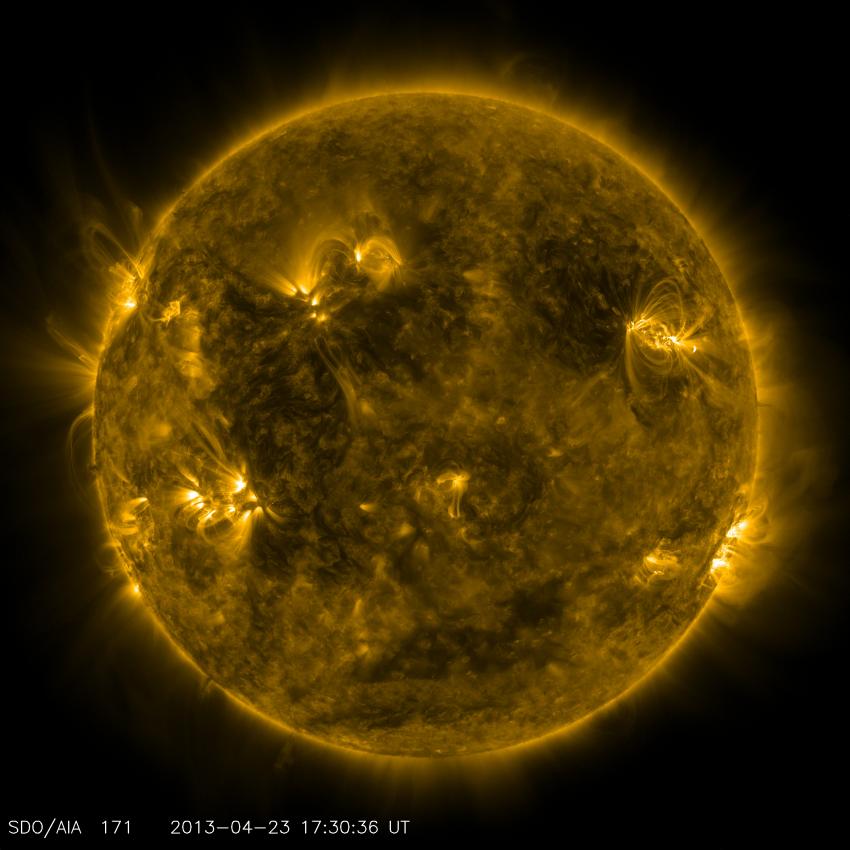
NASA’s Solar Dynamics Observatory captured this image of what the sun looked like on April 23, 2013, at 1:30 p.m. EDT when the EUNIS mission launched. EUNIS focused on an active region of the sun, seen as bright loops in the upper right in this picture. (Credit: NASA/SDO)
via phys.org
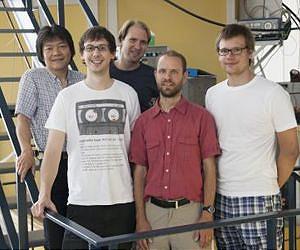
The study, carried out at the Institute Laue-Langevin (ILL) and published in Nature Communications, showed that in an interferometer a neutron’s magnetic moment could be measured independently of the neutron itself, thereby marking the first experimental observation of a new quantum paradox known as the ‘Cheshire Cat’. Pictured are Yuji Hasegawa, Tobias Denkmayr, Stephan Sponar, Hartmut Lemmel, and Hermann Geppert. (Credit: Vienna University of Technology.)
via spacedaily
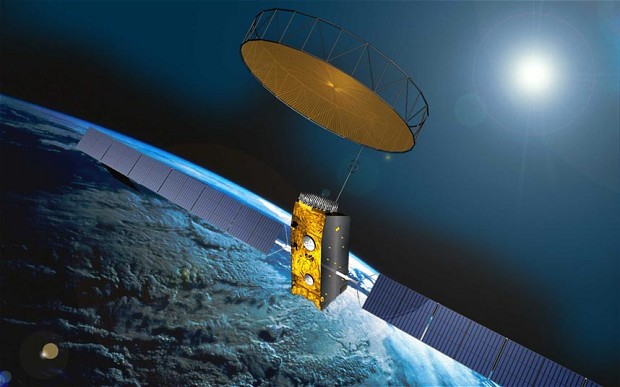
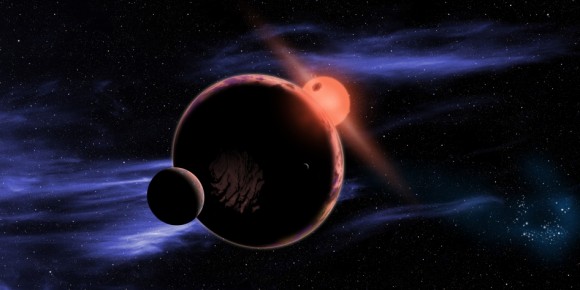
An artist’s concept of a rocky world orbiting a red dwarf star. (Credit: NASA/D. Aguilar/Harvard-Smithsonian center for Astrophysics)
via universetoday
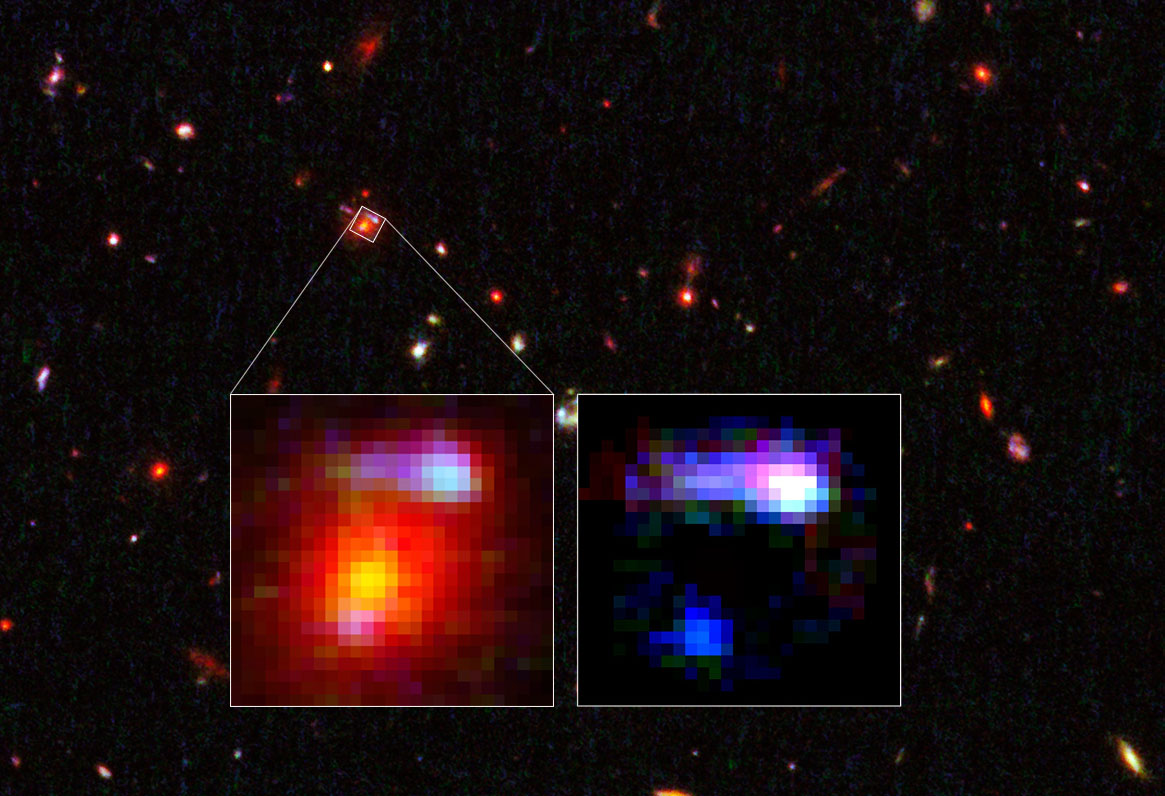
In this image from the Hubble Space Telescope, a giant elliptical galaxy 9.6 billion light-years away appears as a red patch. The bluish dot and tadpole-shaped smear are the distorted and magnified shapes of a more distant spiral galaxy 10.7 billion light-years away. (Credit: NASA, ESA, K.-V. Tran (Texas A&M University), and K. Wong)
via space
The Dundee tractor beam is not entirely dissimilar from those in “Star Wars” and “Star Trek,” in that it draws an object toward it without making physical contact. The device works by taking advantage of an acoustic wave’s natural push effect, called radiation pressure. (Photons also exert radiation pressure, which is part of the reason comet tails always point away from the sun.) What the Dundee team was able to demonstrate was an example of negative radiation pressure, otherwise known as pull. (Credit: iStock/360/Getty)
via thenewyorker
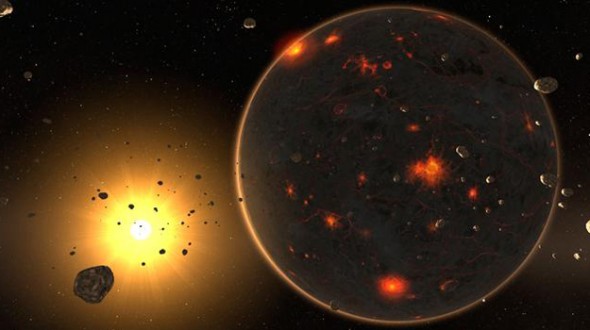
The team says that during this 500 million year period the planet likely experienced three to seven impacts by objects more than 300 miles wide. There were also as many as four impacts by titanic space rocks more than 600 miles across. If there had been any life on the Earth, a 600 mile wide monster asteroid probably would have wiped it out. Surprisingly, these impacts are compatible with the existence of liquid water on the surface as early as 4.3 billion years ago. (D. A. Aguilar, Harvard-Smithsonian Center for Astrophysics)
via geek
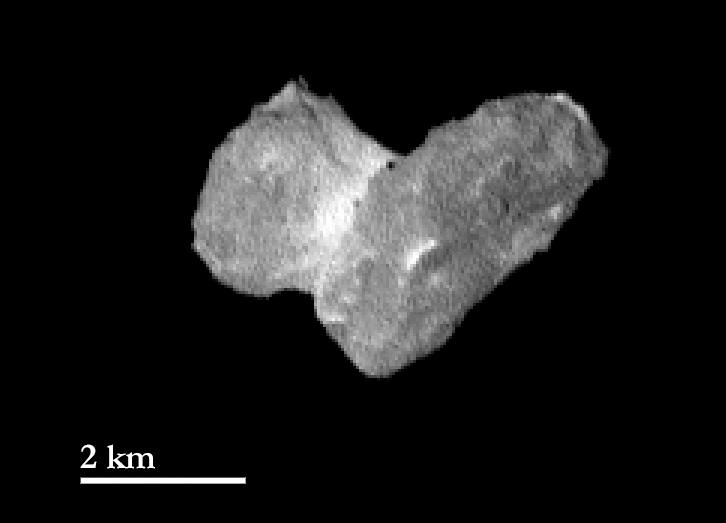
The European Space Agency’s Rosetta spacecraft saw the nucleus of comet 67P/Churyumov-Gerasimernko from a distance of 1,210 miles (1,950 kilometers). Image taken July 29, 2014. (Credit: ESA/Rosetta/MPS for OSIRIS Team MPS/UPD/LAM/IAA/SSO/INTA/UPM/DASP/IDA)
via space
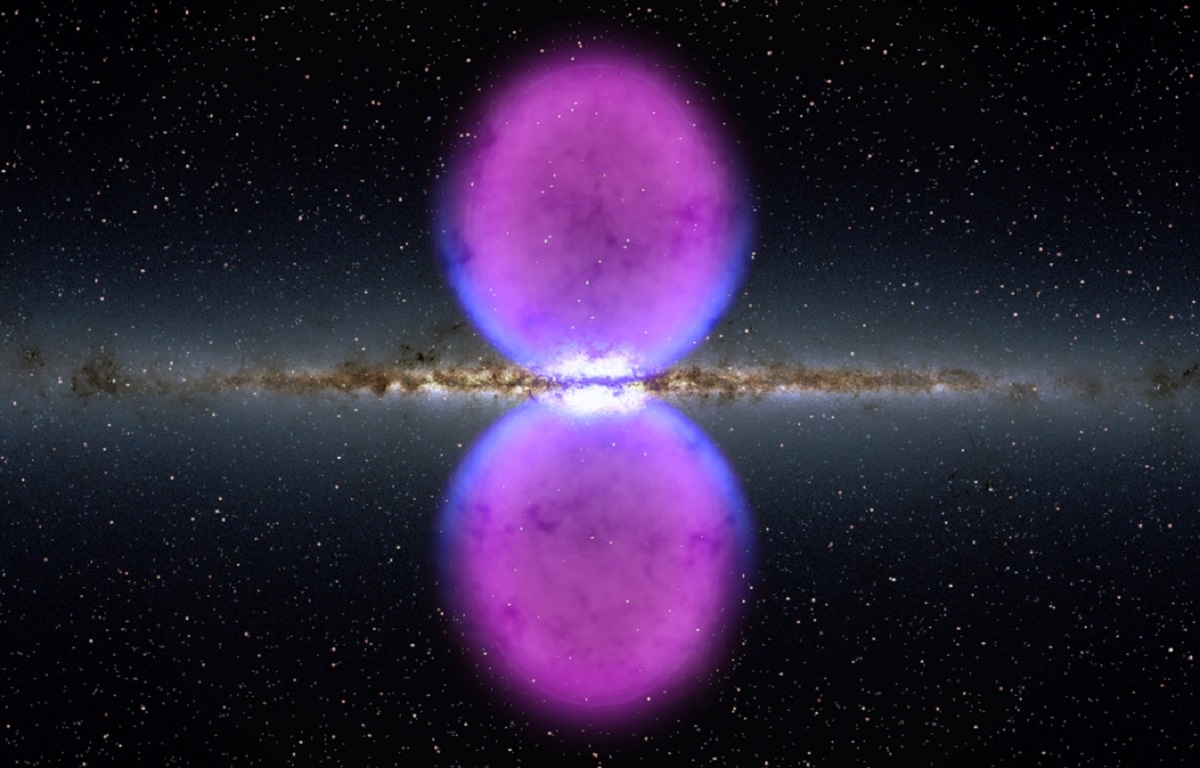
This artist’s representation shows the Fermi bubbles towering above and below the galaxy. Credit: NASA’s Goddard Space Flight Center. (Credit: NASA)
via phys.org
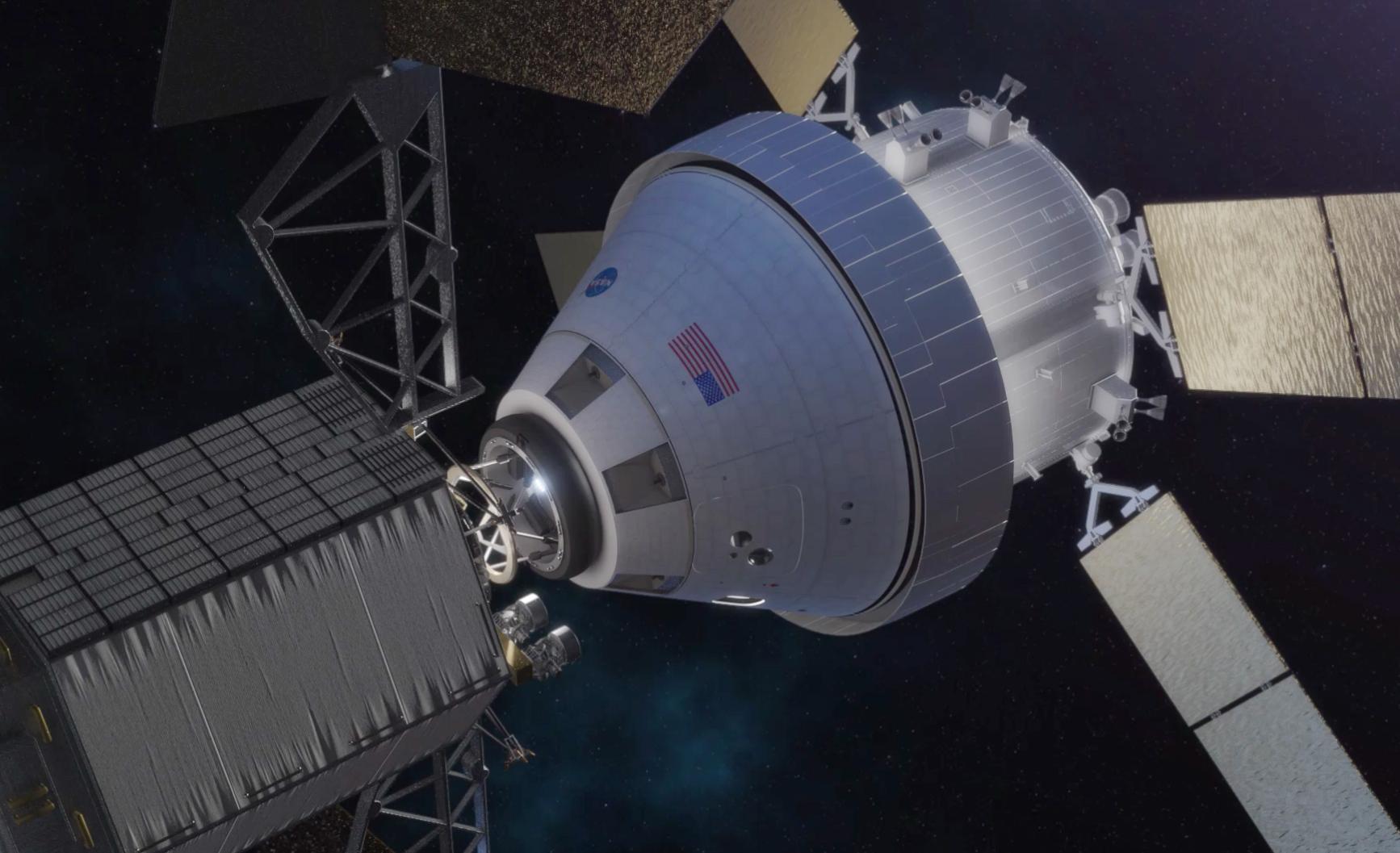
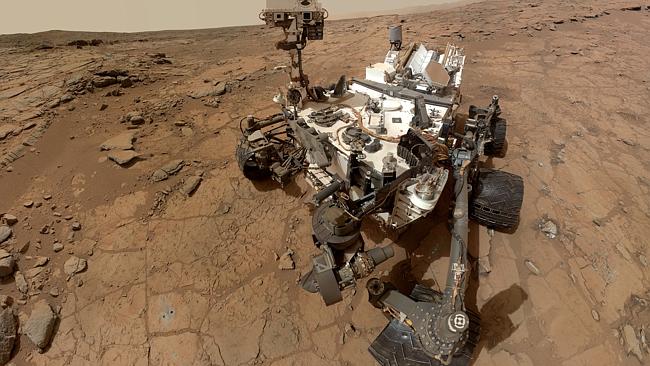
Space agency officials unveiled seven instruments they plan to put on a Martian rover that would launch in 2020, including two devices aimed at bigger Mars missions in the future. (Credit: NASA)
via news.com
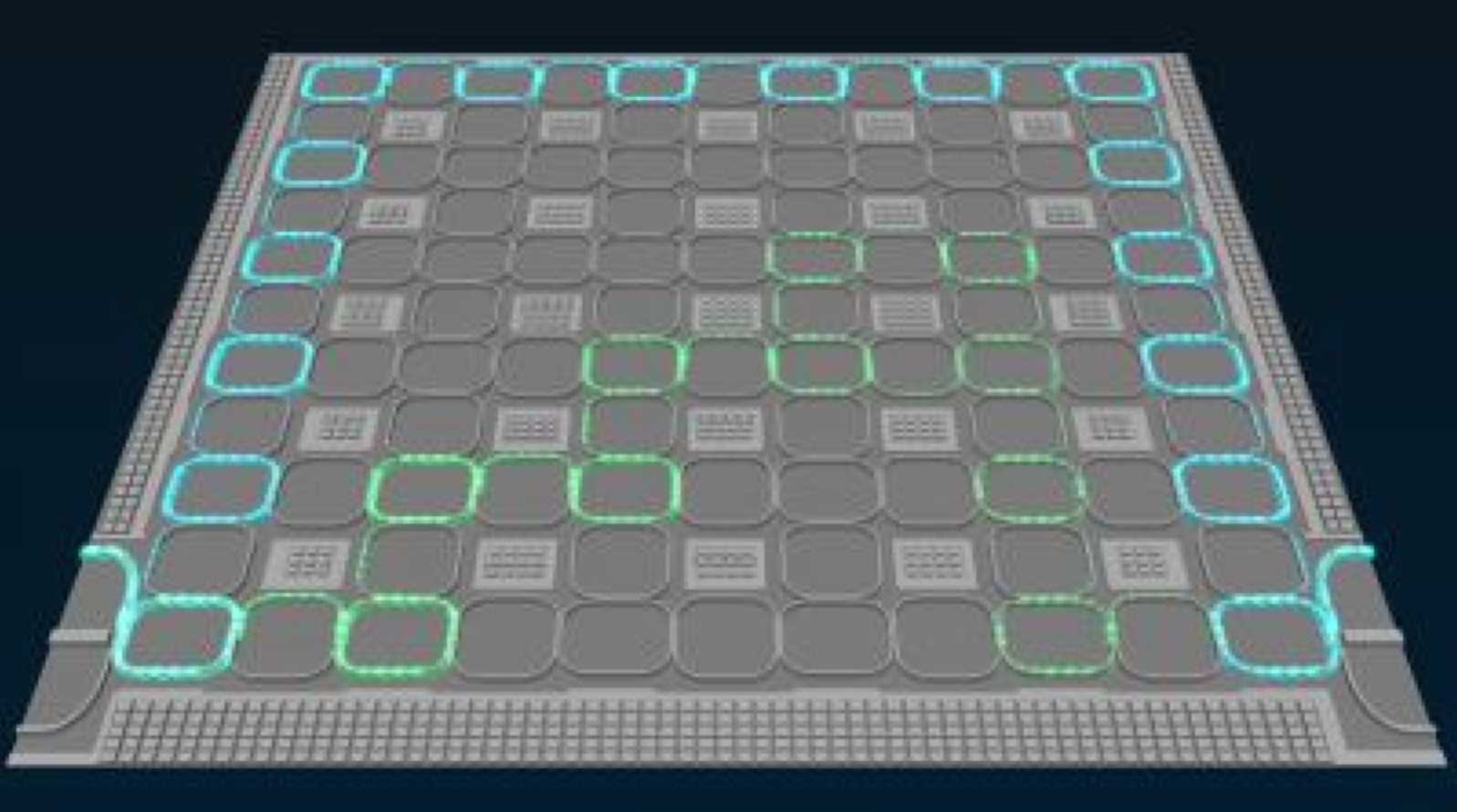
Light enters a two-dimensional ring-resonator array from the lower left and exits at the lower right. Light that follows the edge of the array (blue) does not suffer energy loss and exits after a consistent amount of delay. Light travels into the interior of the array (green) suffers energy loss. (Credit: Sean Kelley/JQI)
via esciencenews
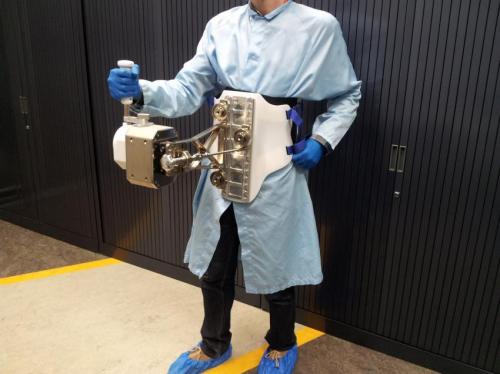
ESA’s Haptics-1 body-mounted astronaut joystick will be used to investigate telerobotics for space aboard the International Space Station. (Credit: European Space Agency)
via phys.org
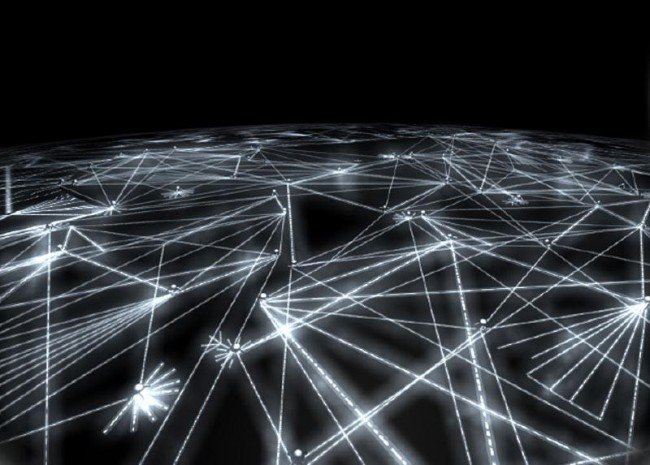
CERN’s website was the first to be hosted on the World Wide Web, at info.cern.ch. It was a simple page that contained a lot of links, which was essentially what the WWW was for at that time. It was dedicated to the Internet itself, describing the basic features of the web, accessing documents and setting up servers. (Credit: Beth A. Balen)
via guardianlv
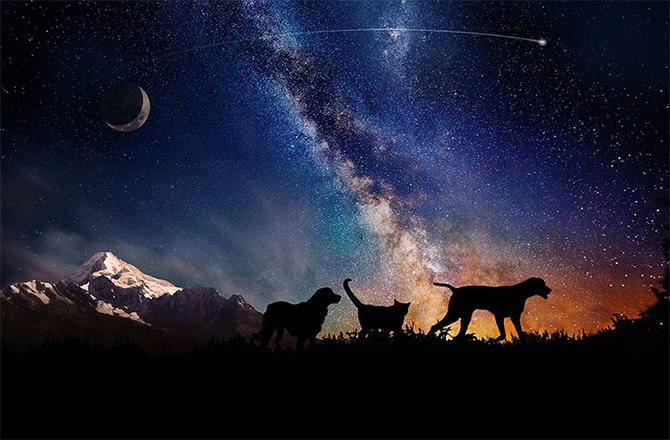
Celestis has expanded their services to include animals, called Celestis Pets. And now you can even send your family pet in Armstrong’s and Aldrin’s footsteps by launching them to the moon. (Credit: Celestis Pets)
via discovery