Physics in the News

Saturday, July 19, 2014

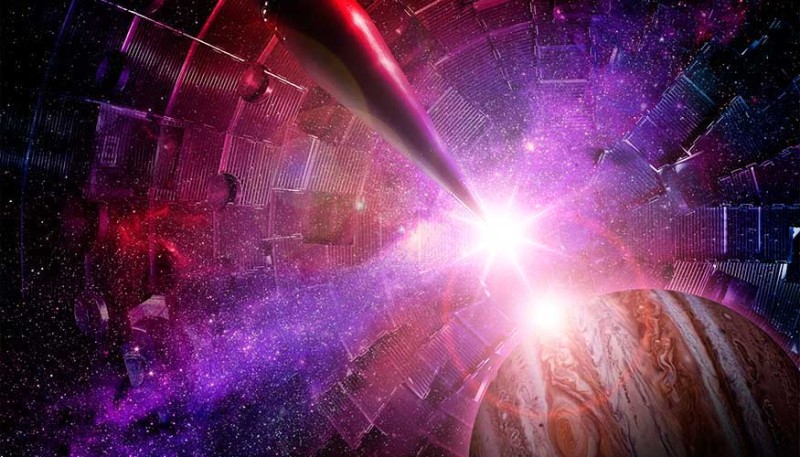
Scientists use world’s largest laser to recreate Jupiter’s core
The interior of the target chamber at the National Ignition Facility at Lawrence Livermore National Laboratory. The object entering from the left is the target positioner, on which a millimeter-scale target is mounted. Researchers recently used NIF to study the interior state of giant planets. (Credit: Image by Damien Jemison/LLNL)
via sciencedaily

Panning for dark matter in an Australian gold mine
Michael Slezak goes deep under the outback to find a home for the southern hemisphere's first WIMP detector, which could confirm our best direct signal yet(Credit: Michael Slezak)
Michael Slezak goes deep under the outback to find a home for the southern hemisphere’s first WIMP detector, which could confirm our best direct signal yet(Credit: Michael Slezak)
via newscientist

Let me ask you this: ‘Are bananas radioactive and is it true that eating too many can kill you?’
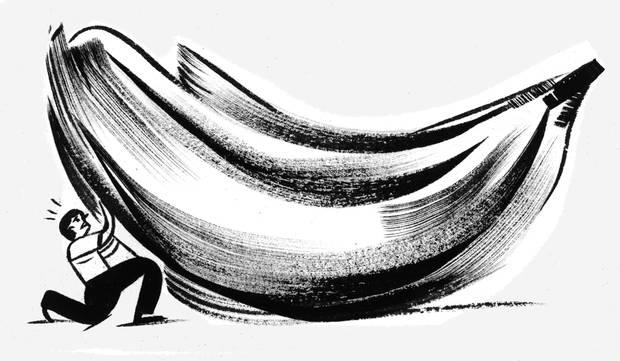
Yes, you will certainly die from radiation poisoning if you are able to eat 10,000,000 bananas at once. You may also witness chronic symptoms if you eat 274 bananas a day for seven years.
Yes, you will certainly die from radiation poisoning if you are able to eat 10,000,000 bananas at once. You may also witness chronic symptoms if you eat 274 bananas a day for seven years. (Credit: Ping Zhu)
via independent

Higgs boson glimpsed at work for first time
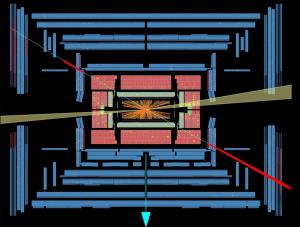
Fresh from the ATLAS detector at the Large Hadron Collider (Credit: CERN)
via newscientist

Scattered neutrons could mimic DAMA-LIBRA’s ‘dark matter’ modulation
On a high: do muons and neutrinos mimic DAMA's signal? (Credit: DAMA/LIMA)
On a high: do muons and neutrinos mimic DAMA’s signal? (Credit: DAMA/LIMA)
via physicsworld

OSIRIS-REx asteroid mission will use Canadian 3D technology
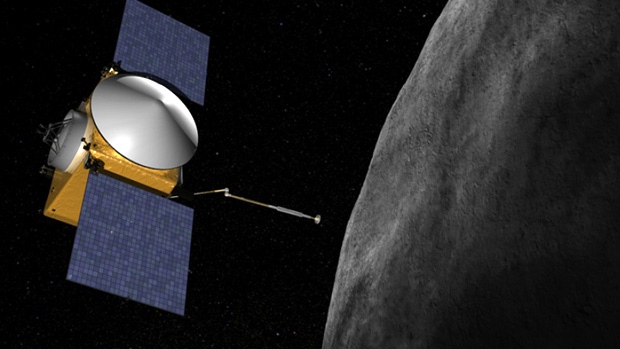
Canada is about to build technology that will be used to map an asteroid in 3D using lasers on an upcoming space mission.
Canada is about to build technology that will be used to map an asteroid in 3D using lasers on an upcoming space mission. (Credit CSA)
via cbc

Physics in the News

Monday, July 14, 2014

Confirmed: Magnetic waves cannot accelerate solar wind(VIDEO)

via thewatchers

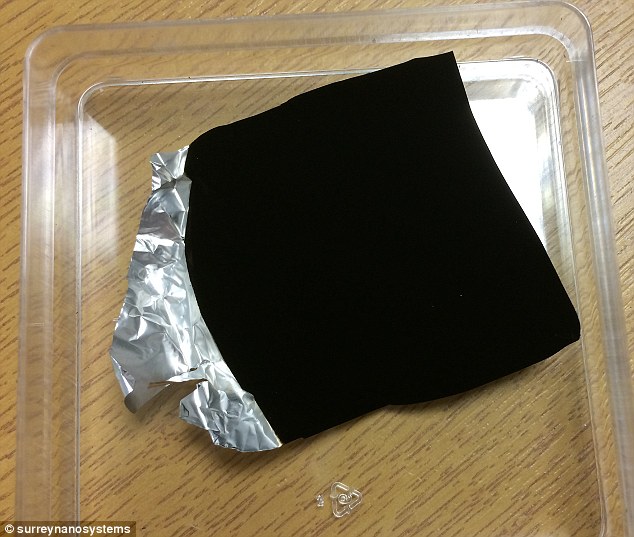
British researchers devise material so dark it looks like a black hole

British scientists have created a material which absorbs all but 0.035 per cent of light, a new world record, and is so dark the human eye struggles to discern what it is that it is seeing, giving the appearance of a black hole. (Credit: Surrey Nano Systems)
via independent

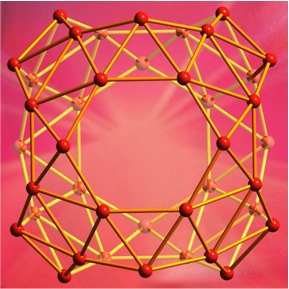
Boron ‘buckyball’ discovered

Researchers have shown that clusters of 40 boron atoms form a molecular cage similar to the carbon buckyball. This is the first experimental evidence that such a boron cage structure exists. (Credit: Wang lab / Brown University)
via .phys.org

How To Measure A Sun-Like Star’s Age

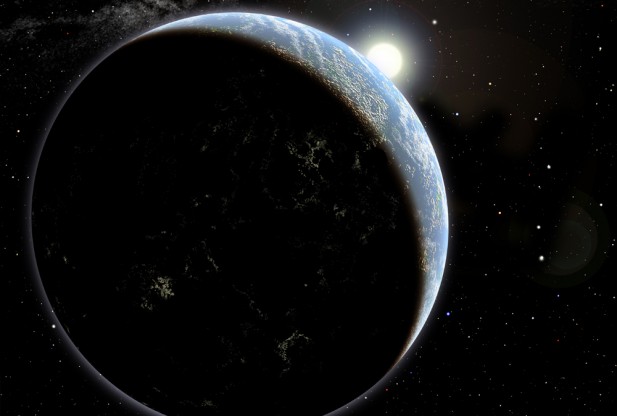
Image Caption: Artist's conception of a hypothetical exoplanet orbiting a yellow, Sun-like star. Astronomers have measured the ages of 22 Sun-like stars using their spins, in a method called gyrochronology. Before now, only two Sun-like stars had measured spins and ages. (Credit: David A. Aguilar (CfA))
Artist’s conception of a hypothetical exoplanet orbiting a yellow, Sun-like star. Astronomers have measured the ages of 22 Sun-like stars using their spins, in a method called gyrochronology. Before now, only two Sun-like stars had measured spins and ages. (Credit: David A. Aguilar (CfA))
via redorbit

Keeping an eye on passing asteroids

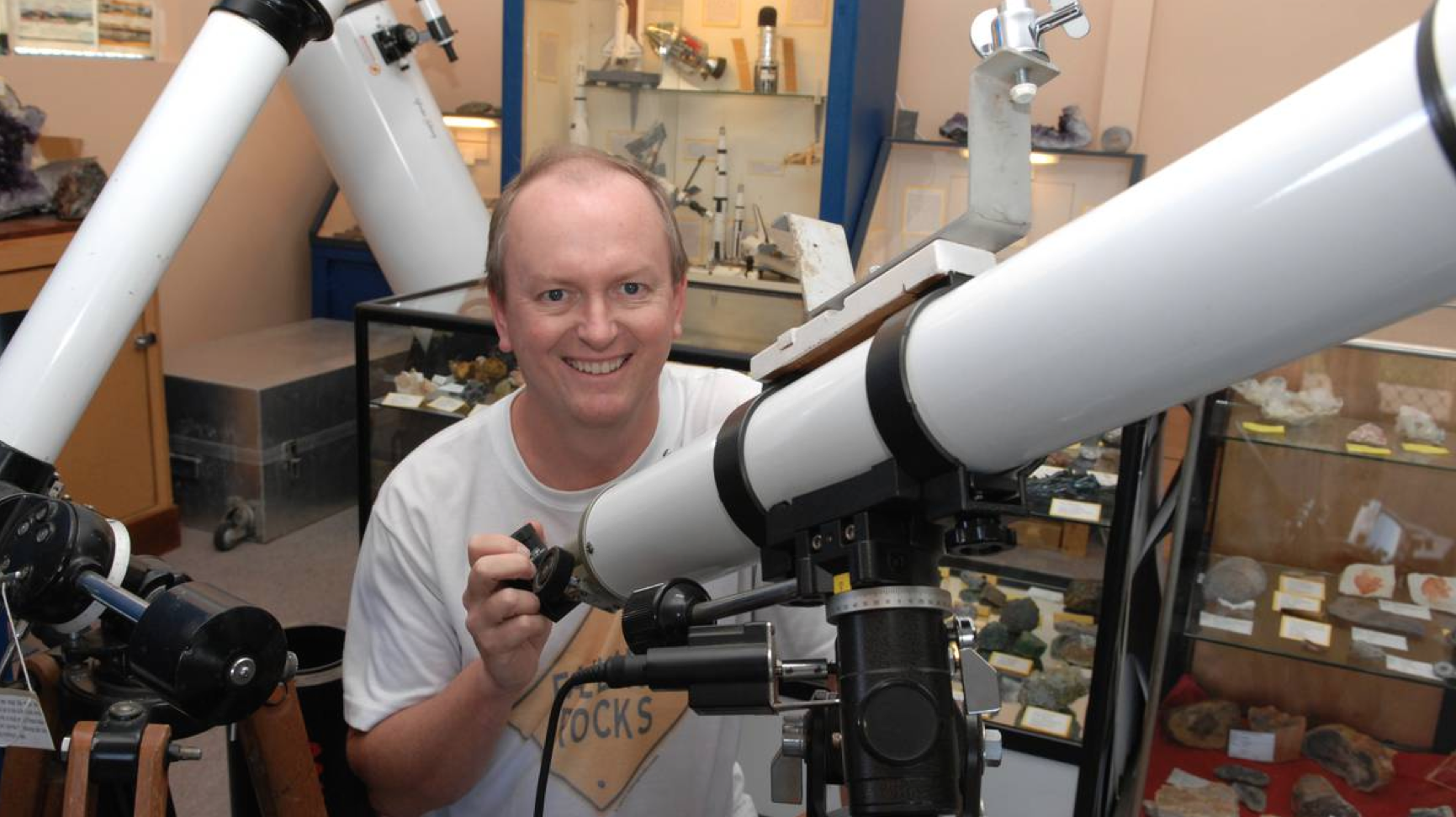
Bathurst Observatory Research Facility manager Ray Pickard said work will begin on the Bathurst Asteroid Research Telescope next week. (Credit: ZENIO LAPKA)
via westernadvocate

D-Wave Systems Secures $30M (CAD) Funding to Accelerate Quantum Computing

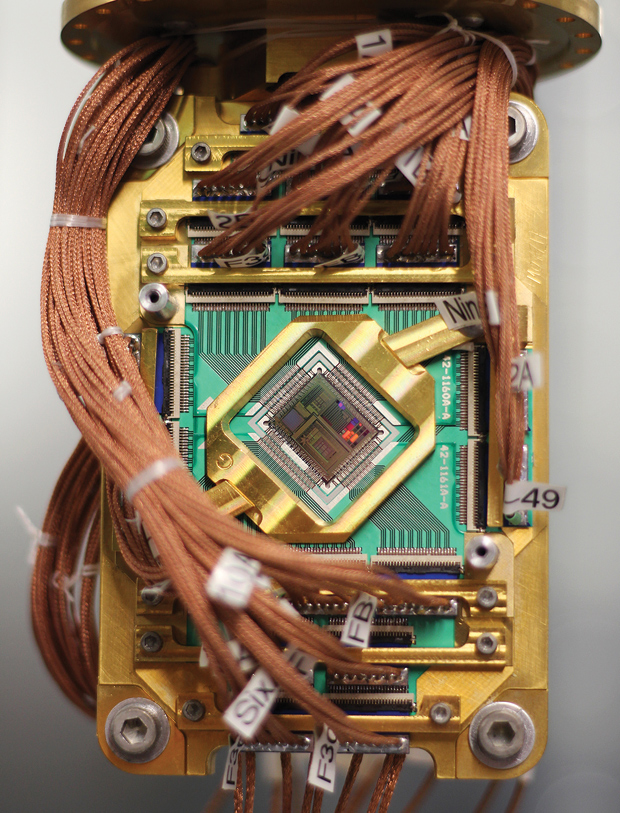
What’s going on inside the D-Wave Two is still a matter of debate. (Credit D-Wave Systems)
via marketwatch

A light bending exercise… in space!

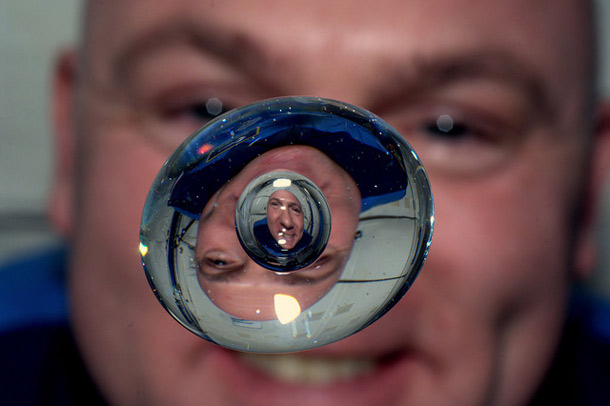
An air bubble was blown into the water droplet to create this effect. (Credit: Imgur)
On Board the International Space Station, ESA astronaut Andre Kuipers blows an air bubble into a water droplet to create this effect. (Credit: ESA/NASA)
via discover

Physics in the News

Saturday, July 12, 2014

NASA Curiosity Rover is starting to explore dangerous new territory

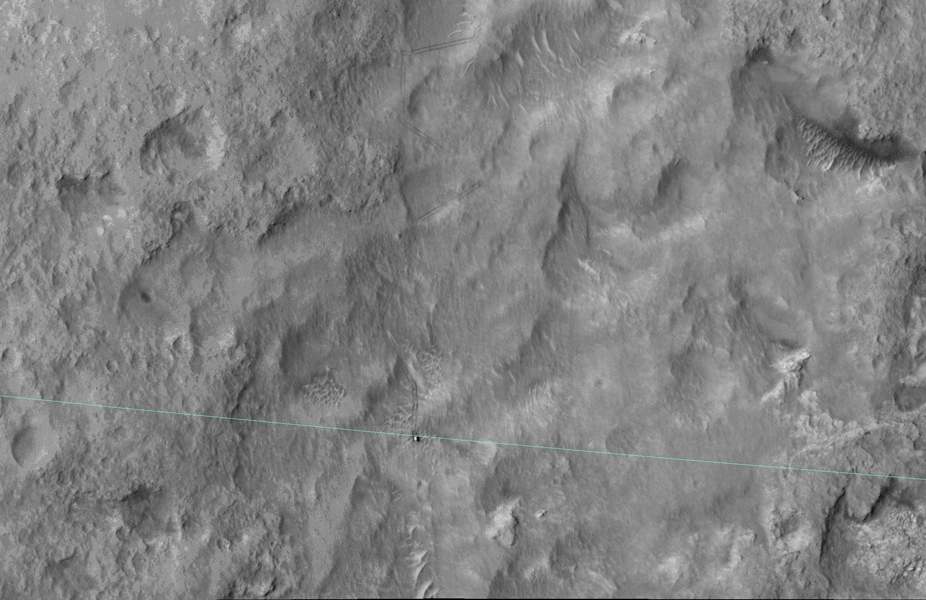
The blue line added to this June 27, 2014, image from the High Resolution Imaging Science Experiment (HiRISE) camera on NASA's Mars Reconnaissance Orbiter is the edge of the ellipse that was charted as safe terrain for the rover's August 2012 landing. Curiosity is visible right on the ellipse line in the lower center of the image. This 3-sigma landing ellipse is about 4 miles long and 12 miles wide (7 kilometers by 20 kilometers). Curiosity reached the edge of it for the first time with a drive of about 269 feet (82 meters) earlier that day. (Credit: NASA)
The blue line added to this June 27, 2014, image from the High Resolution Imaging Science Experiment (HiRISE) camera on NASA’s Mars Reconnaissance Orbiter is the edge of the ellipse that was charted as safe terrain for the rover’s August 2012 landing. Curiosity is visible right on the ellipse line in the lower center of the image. This 3-sigma landing ellipse is about 4 miles long and 12 miles wide (7 kilometers by 20 kilometers). Curiosity reached the edge of it for the first time with a drive of about 269 feet (82 meters) earlier that day. (Credit: NASA)
via technobuffalo

Space geeks’ resurrected NASA sun probe ISEE-3 now on collision course with the moon

An old McDonalds serves as ISEE-3 mission control (Credit: ISEE-3)
via theregister

Richard Feynman, sexism and changing perceptions of a scientific icon

via scientificamerican

Scientists ‘have no handle on’ radio bursts coming from deep space

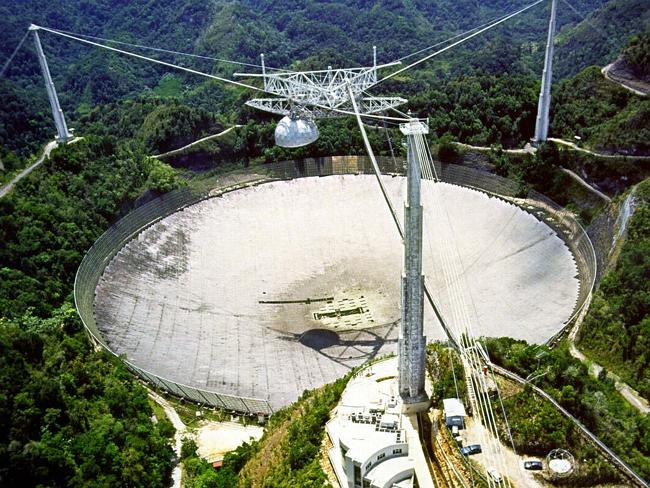
The Arecibo Observatory in Puerto Rico is the largest single-dish radio telescope in the world. (Credit: David Parker)
via news.com

NASA spacecraft observes more evidence of dry ice gullies on Mars

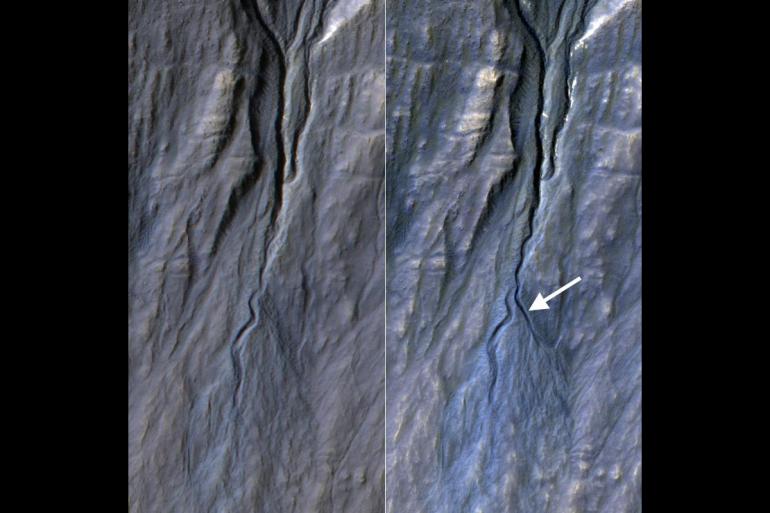
This pair of before (left) and after (right) images captured by the HiRise camera on NASA’s MRO documents the formation of a new channel on a Martian slope between 2010 and 2013. (Credit: NASA/JPL-Caltech/University of Arizona)
via ibtimes

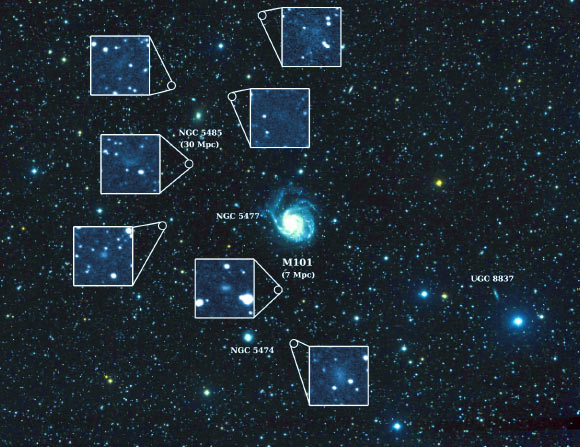
Dragonfly telephoto array discovers seven dwarf galaxies around Messier 101

This image shows the nearby spiral galaxy Messier 101 and the seven newly discovered dwarf galaxies. (Credit: Allison Merritt et al.)
via sci-news

Microsoft and Niels Bohr Institute QDev partner to realize Quantum Information

The base for the research collaboration between Microsoft and the Center for Quantum Devices, called Station Q–Copenhagen, aims to realise quantum information (Credit: ku.dk)
The base for the research collaboration between Microsoft and the Center for Quantum Devices, called Station Q–Copenhagen, aims to realise quantum information  (Credit: ku.dk)
via azoquantum

Physics in the News

Monday, June 23, 2014

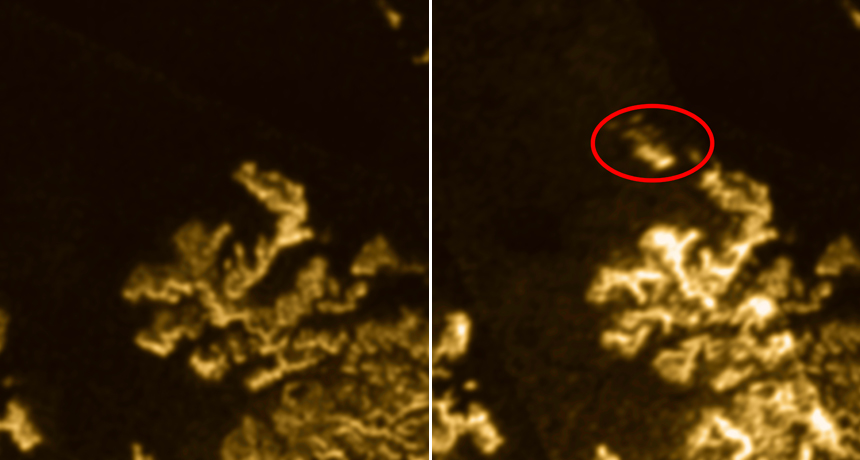
Mystery patch found floating on Titan’s seas

A bright patch (right, circled) on one of Titan’s northern methane seas, shown as dark areas, appeared in a Cassini spacecraft image taken on July 10, 2013. The patch disappeared by July 16, 2013 and was not visible in earlier images (left).
via sciencenews.org


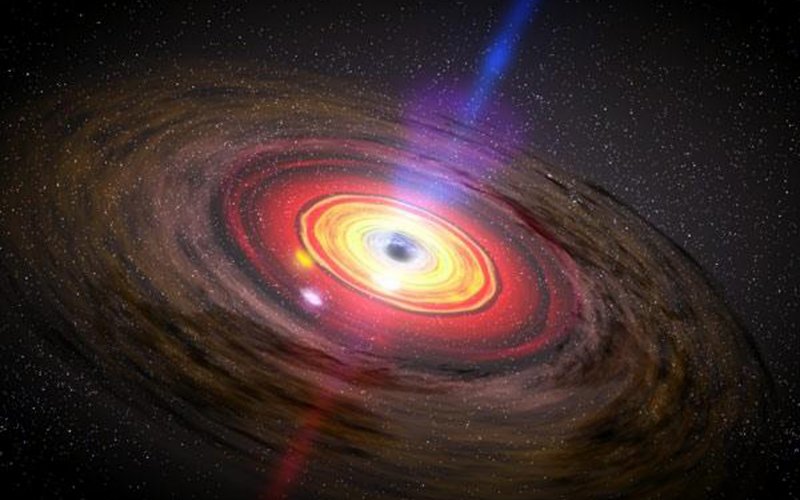
The Supermassive Black Hole Smokescreen

(Credit: NASA)
(Credit: NASA)
via thedailybeast


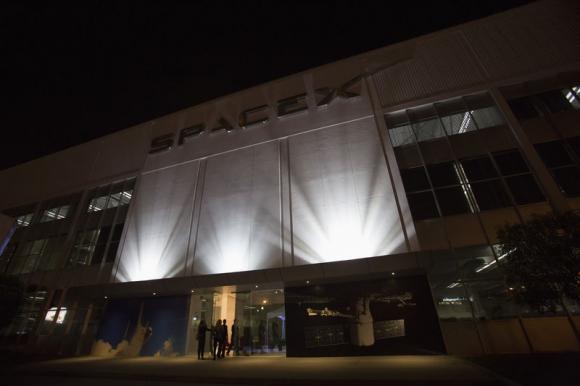
SpaceX satellite launch postponed for third time, until Tuesday

 An exterior of the SpaceX headquarters in Hawthorne, California May 29, 2014. (Credit: Reuters/Mario Anzuoni)
An exterior of the SpaceX headquarters in Hawthorne, California May 29, 2014. (Credit: Reuters/Mario Anzuoni)
via reuters


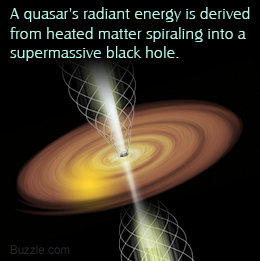
Interesting Facts About Quasars

604042-1620-49
via buzzle


Sending astronauts one million miles into space to build world’s most-powerful telescope in hunt for alien life

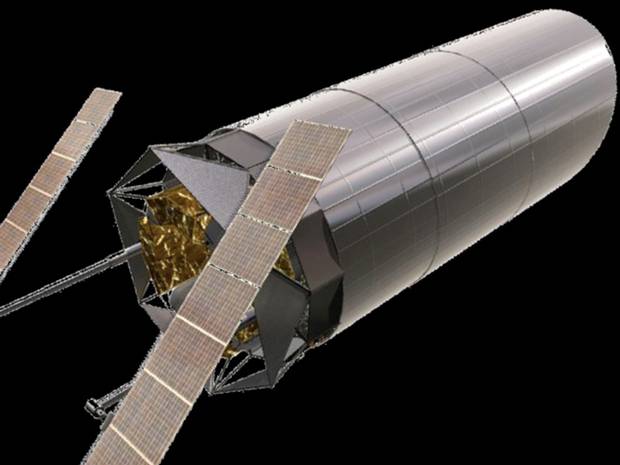
The Atlast telescope will be the most powerful telescope ever made and up to four times larger than the Hubble Telescope
via independent

Physics in the News

Friday, June 20, 2014

Classic space science: UD physicist’s findings about space plasma become ‘classics’

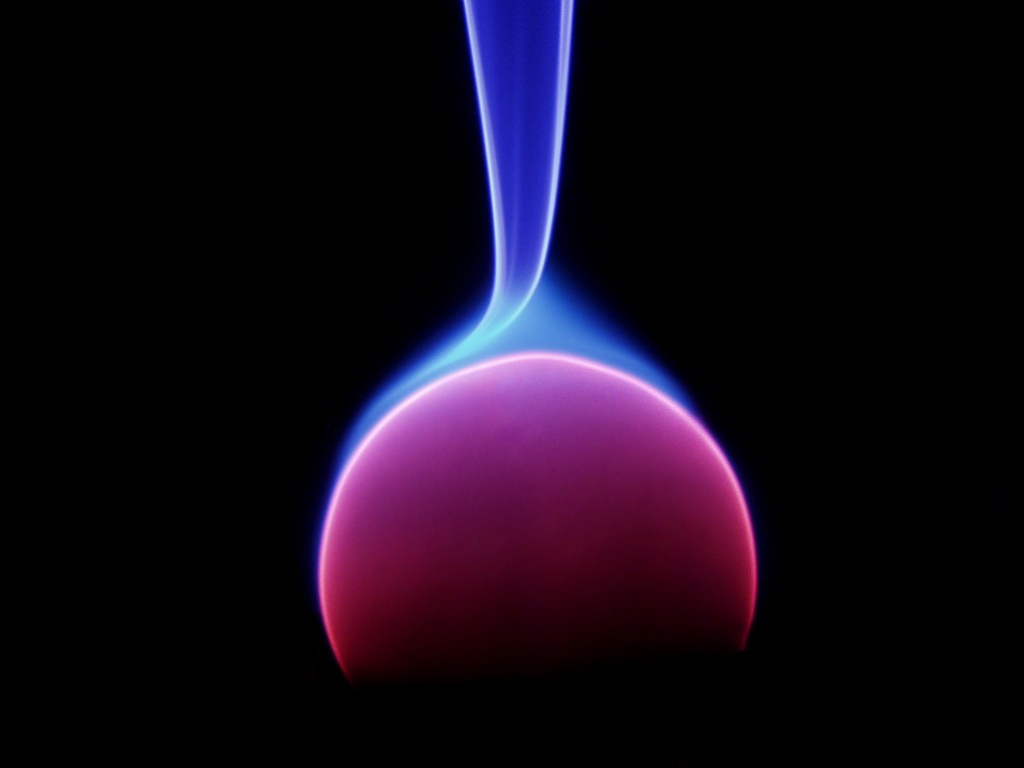
Energy Arc, central electrode of a Plasma Lamp.
via udel

New Observatory Takes Highest-Energy Particle Research to New Heights

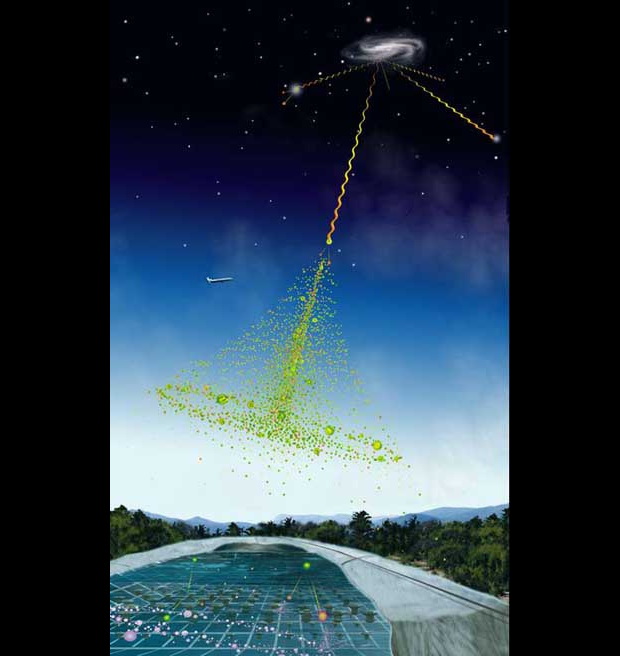
As cosmic-ray particles are accelerated by a black hole in this artist's interpretation, they stream toward Earth as very-high-energy gamma-rays. Upon hitting the atmosphere, they produce a shower of particles that rain down on Earth. Most of these particles run out of energy before they hit sea level. Credit: Aurore Simonnet, Sonoma State University
As cosmic-ray particles are accelerated by a black hole in this artist’s interpretation, they stream toward Earth as very-high-energy gamma-rays. Upon hitting the atmosphere, they produce a shower of particles that rain down on Earth. Most of these particles run out of energy before they hit sea level. (Credit: Aurore Simonnet, Sonoma State University)
via space.com

New test may provide ‘smoking gun’ for modified gravity

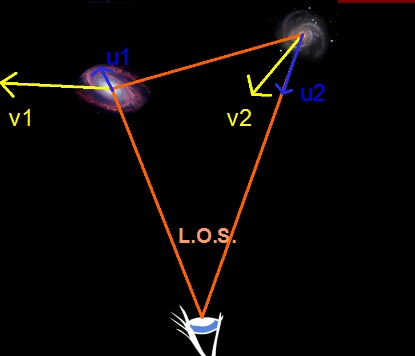
A schematic picture of how researchers can observe galaxy peculiar velocities, “a cosmic dance of galaxies.” (Credit: Wojciech A. Hellwing)
via phys.org

Supermassive Black Hole Shows Strange Gas Movements

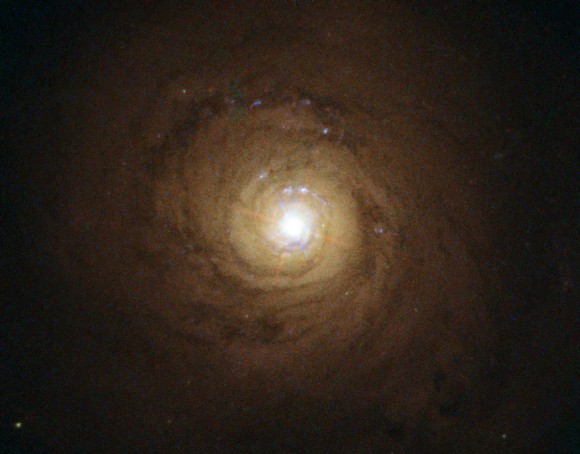
A Hubble Space Telescope image of NGC 5548. (Credit: ESA/Hubble and NASA. Davide de Martin)
via universetoday

Slowly rotating neutron star paired with a red-giant star reveals properties that conflict with existing theory

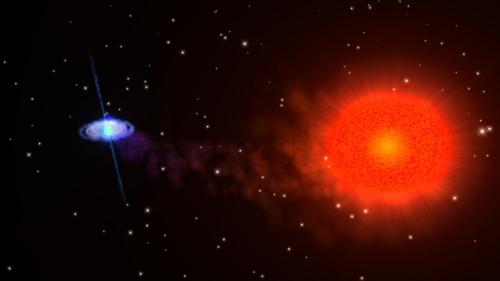
An artist’s impression of an x-ray binary system. The matter that a neutron star (blue) sucks from a regular star (red) leads to the emission of intense x-ray beams. (Credit: NASA)
via phys.org
Slowly rotating neutron star paired with a red-giant star reveals properties that conflict with existing theoryRead more at: http://phys.org/news/2014-06-slowly-rotating-neutron-star-paired.html#jCp