Physics in the News

Wednesday,  June 18, 2014

New molecules around old stars

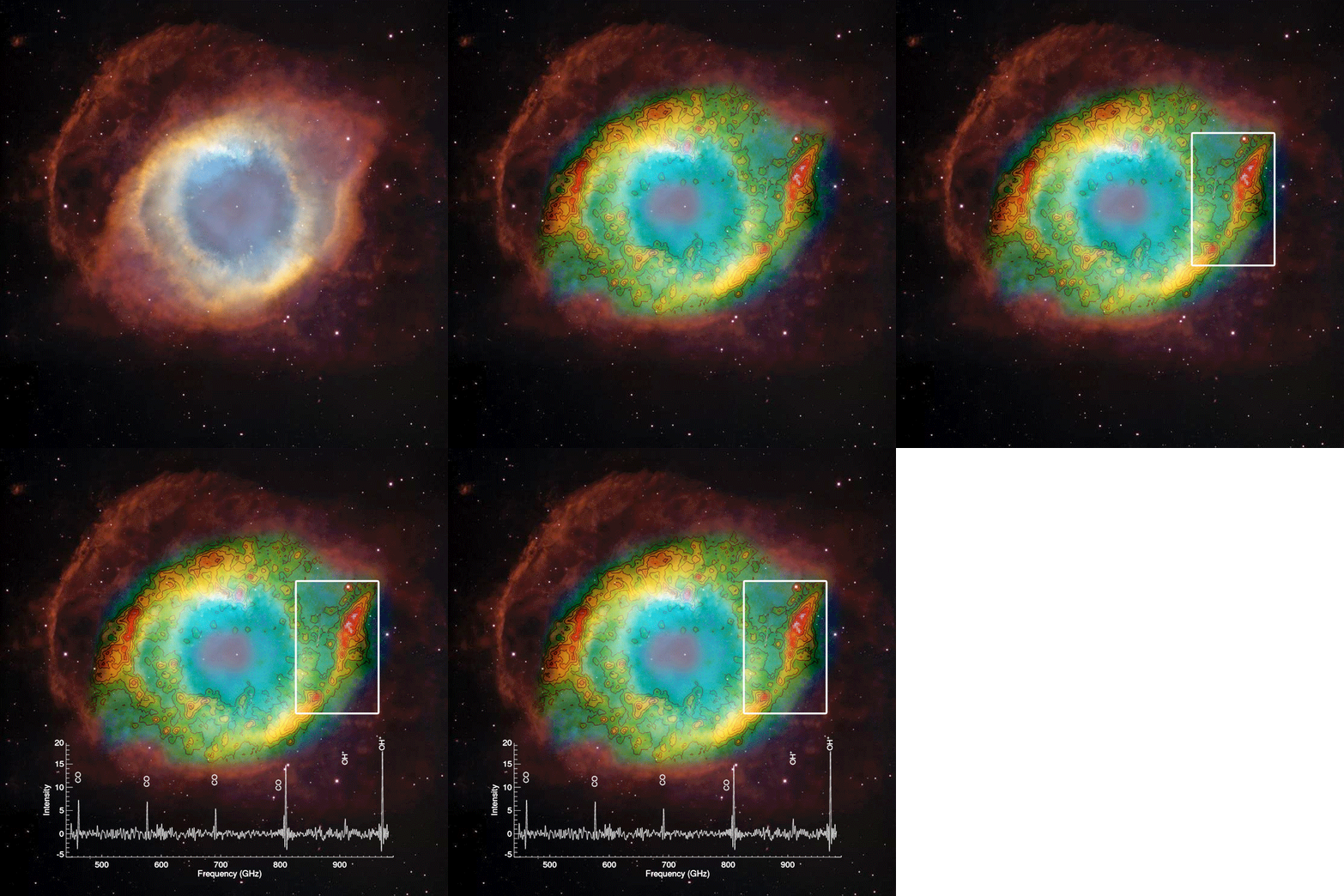
Herschel image of the Helix Nebula using the SPIRE instrument at wavelengths around 250 micrometres, superimposed on Hubble image of the nebula. The spectrum corresponds to the outer region of the Helix Nebula outlined on the SPIRE image. It identifies the OH+ molecular ion, which is needed for the formation of water. ESA’s Herschel space observatory is the first to detect this molecule in planetary nebulas – the product of dying Sun-like stars. Credit: Hubble image: NASA/ESA/C.R. O’Dell (Vanderbilt University), M. Meixner & P. McCullough (STScI); Herschel image: ESA/Herschel/SPIRE/MESS Consortium/M. Etxaluze et al.

via esa.int


2D electronic-vibrational spectroscopy technique provides unprecedented look into photochemical reactions

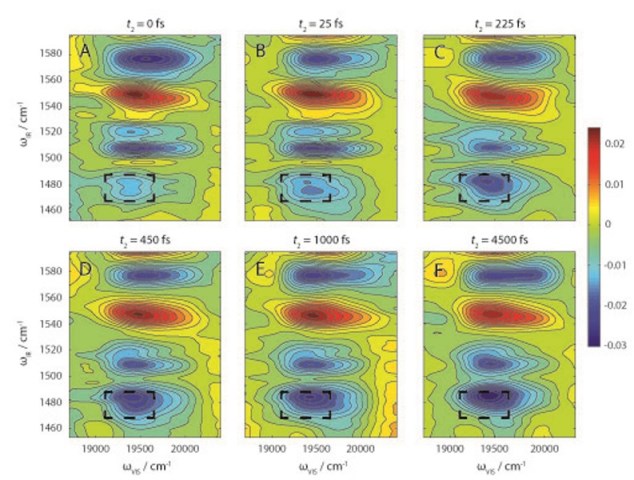
2-D-EV spectral data tells researchers how photoexcitation of a molecular system affects the coupling of electronic and vibrational degrees of freedom that is essential to understanding how all molecules, molecular systems and nanomaterials function. Credit: Fleming group

via phys.org

 

Strange physics turns off laser

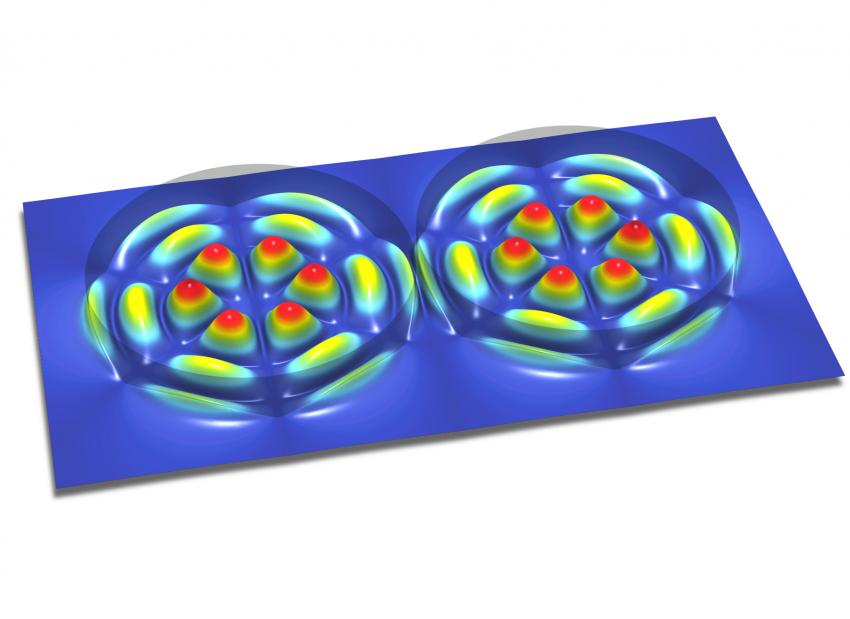
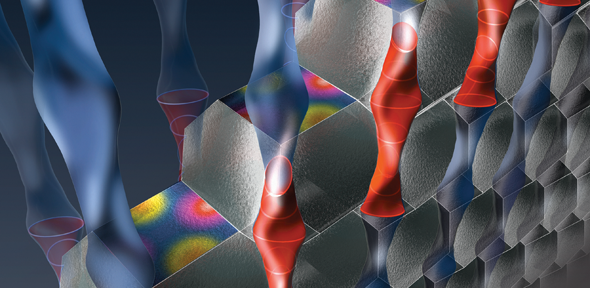
Manipulating minute areas of gain and loss within individual lasers (shown as peaks and valleys in the image), researchers were able to create paradoxical interactions between two nearby lasers. Credit: Vienna University of Technology

via technobahn


Big Bang theory breakthrough under scrutiny

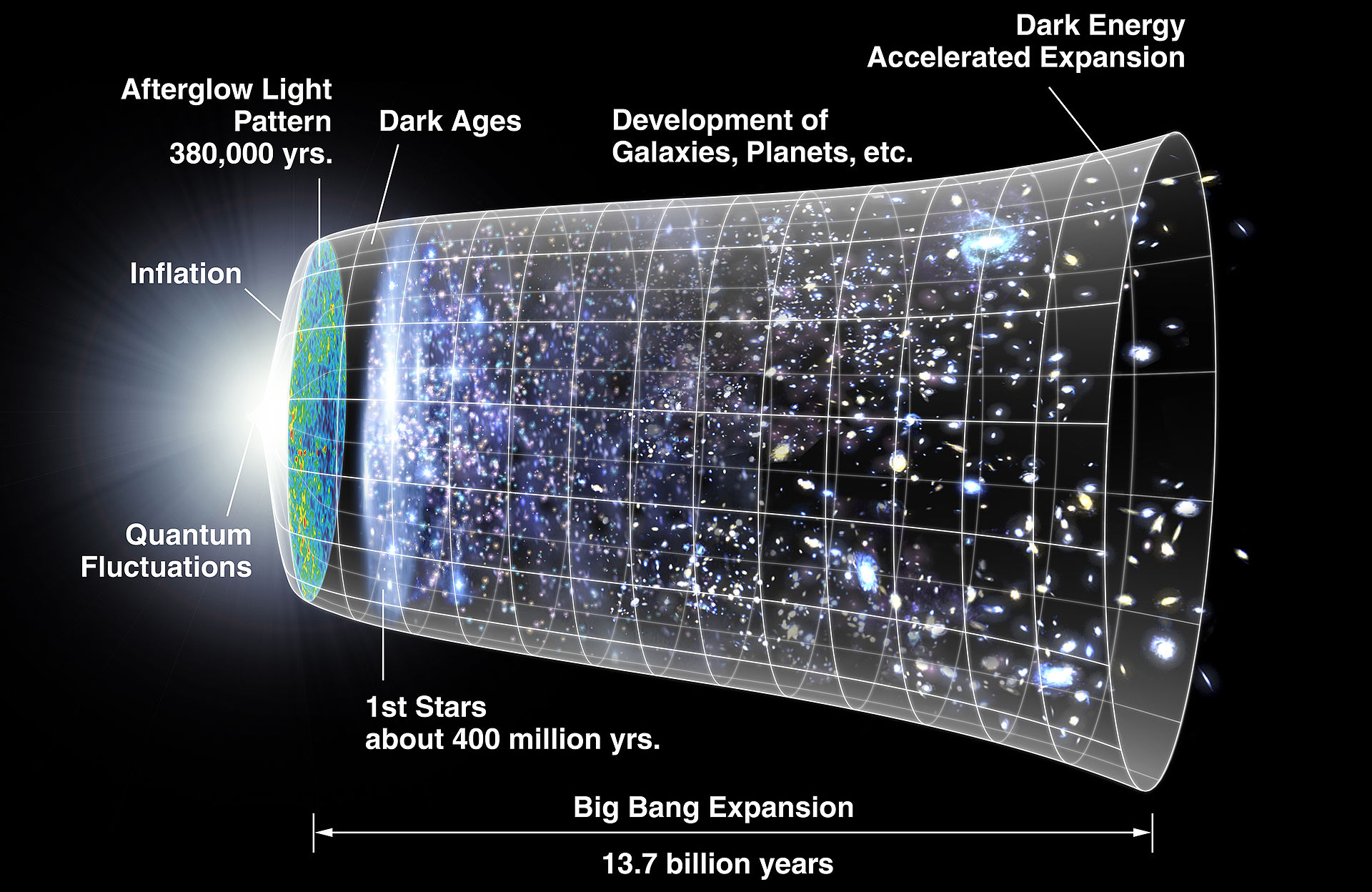
This is an artist's concept of the metric expansion of space, where space (including hypothetical non-observable portions of the universe) is represented at each time by the circular sections.
This is an artist’s concept of the metric expansion of space, where space (including hypothetical non-observable portions of the universe) is represented at each time by the circular sections. Note on the left the dramatic expansion (not to scale) occurring in the inflationary epoch, and at the center the expansion acceleration

via inquisitr


Superconducting secrets solved after 30 years

 Map of superconducting copper oxide structure. Credit: Nicolle R Fuller

Map of superconducting copper oxide structure. Credit: Nicolle R Fuller

via cam.ac.uk

Superconducting secrets solved after 30 years


Superconducting secrets solved after 30 years

Surprisingly strong magnetic fields challenge black holes’ pull

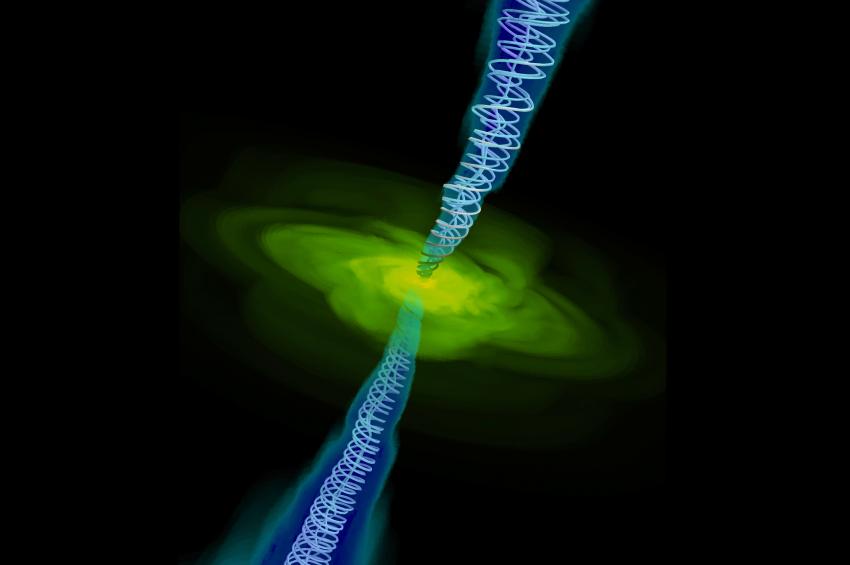
This is a computer simulation of gas (in yellow) falling into a black hole (too small to be seen). Twin jets are also shown with magnetic field lines. Credit: Alexander Tchekhovskoy, Berkeley Lab
This is a computer simulation of gas (in yellow) falling into a black hole (too small to be seen). Twin jets are also shown with magnetic field lines. Credit: Alexander Tchekhovskoy, Berkeley LabRead more at: http://phys.org/news/2014-06-surprisingly-strong-magnetic-fields-black.html#jCp

via phys.org

Physics in the News

Sunday, June 15, 2014

NASA identifies the smells of Saturn’s ‘aromatic’ moon

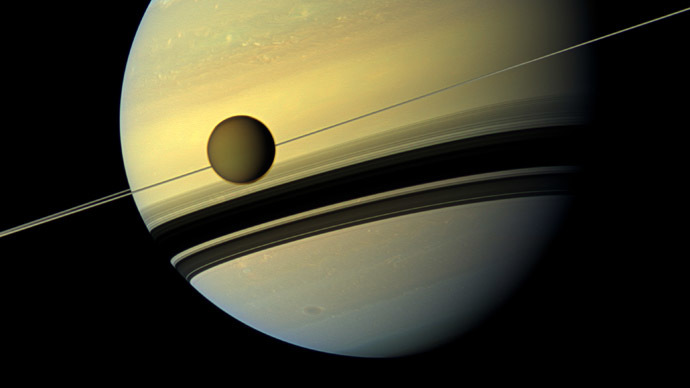
Titan, Saturn's largest moon appears before the planet as it undergoes seasonal changes in this natural color view from NASA's Cassini spacecraft in this handout released by NASA August 29, 2012. (Reuters/NASA)
Titan, Saturn’s largest moon appears before the planet as it undergoes seasonal changes in this natural color view from NASA’s Cassini spacecraft in this handout released by NASA August 29, 2012. (Credit: Reuters/NASA)
via rt.com

Hubble hubba: Stars are being born around a Black Hole in galaxy’s center

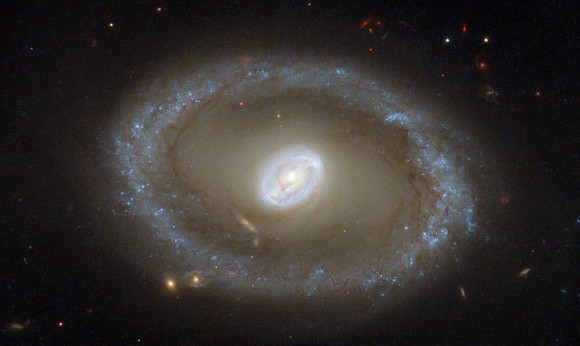
Hubble Space Telescope picture of galaxy NGC 3081. Credit: ESA/Hubble & NASA; acknowledgement: R. Buta (University of Alabama)
Hubble Space Telescope picture of galaxy NGC 3081. Credit: ESA/Hubble & NASA; acknowledgement: R. Buta (Credit: University of Alabama)
via universetoday

“Is spacetime a fluid?” Leading physicists query

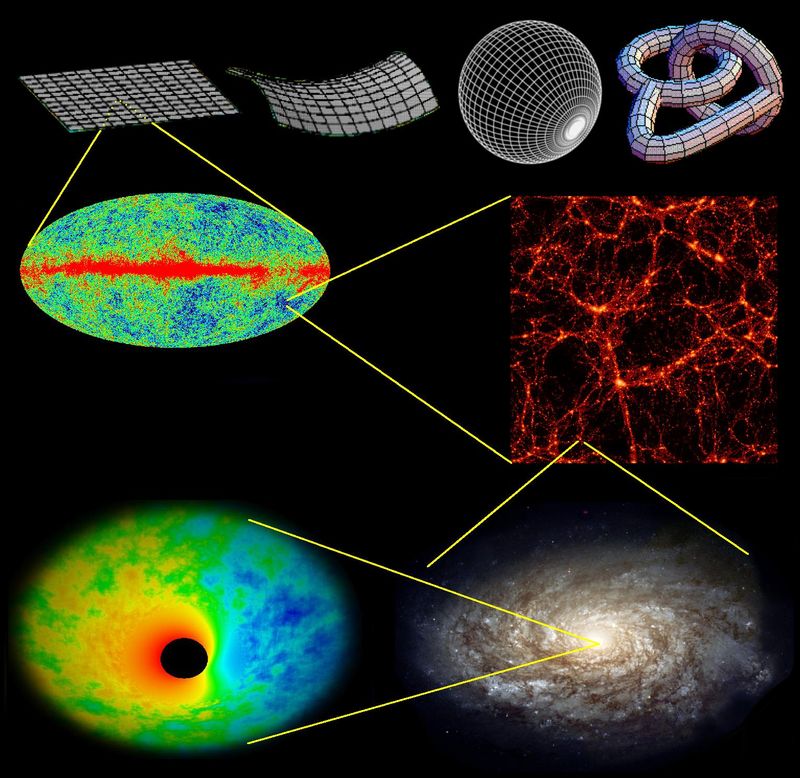
Summary of the spacetime issues discussed in this article. One can use photons and astronomical objects as test particles to measure spacetime over 22 orders of magnitude in scale, ranging from the cosmic horizon (probing the global topology of and curvature of space - top) to distant supernovae (giving evidence of dark energy) down to galaxies (giving evidence for dark matter), galactic nuclei and binary stellar systems (giving evidence for black holes)
Summary of the spacetime issues discussed in this article. One can use photons and astronomical objects as test particles to measure spacetime over 22 orders of magnitude in scale, ranging from the cosmic horizon (probing the global topology of and curvature of space – top) to distant supernovae (giving evidence of dark energy) down to galaxies (giving evidence for dark matter), galactic nuclei and binary stellar systems (giving evidence for black holes) (Credit: Max Tegmark)
via dailygalaxy

Rob Sheldon: Dark matter, dark energy, … what is the role of evidence now?

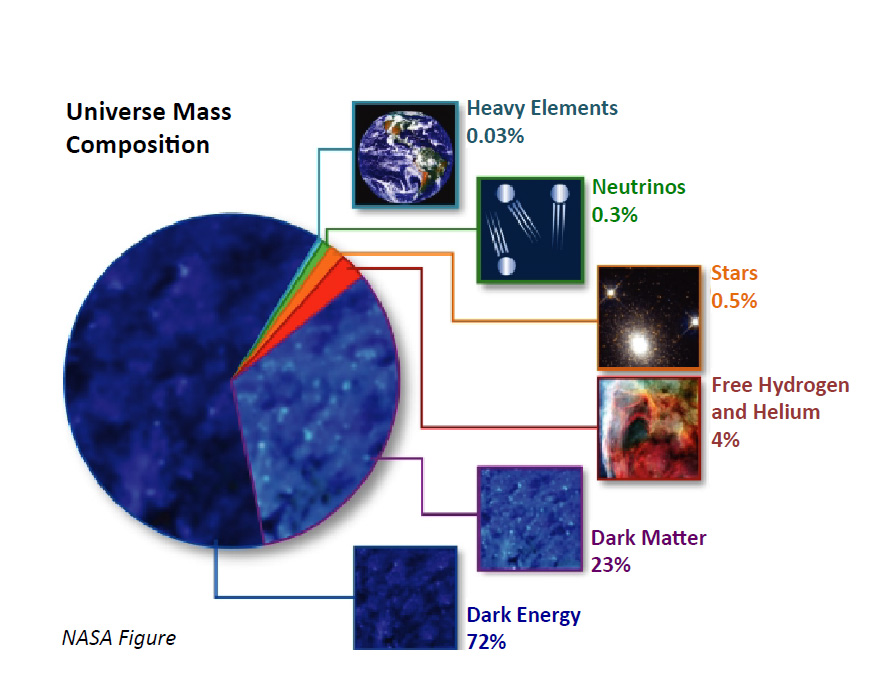
(Credit: NASA)
via uncommondescent

Astronomers discover nearly 200 previously unknown ‘red’ galaxies

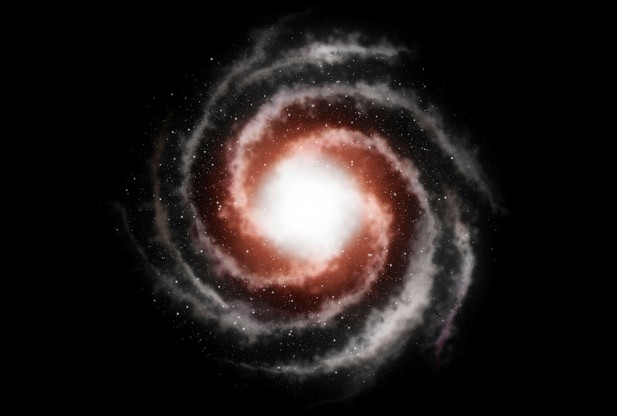
Image Credit: atilla445/Thinkstock.com
(Credit: atilla445/Thinkstock.com)
via redorbit

Physics in the News

Saturday, June 14, 2014

An Ocean On Pluto’s Moon? Hopeful Scientists Will Keep An Eye Out For Cracks

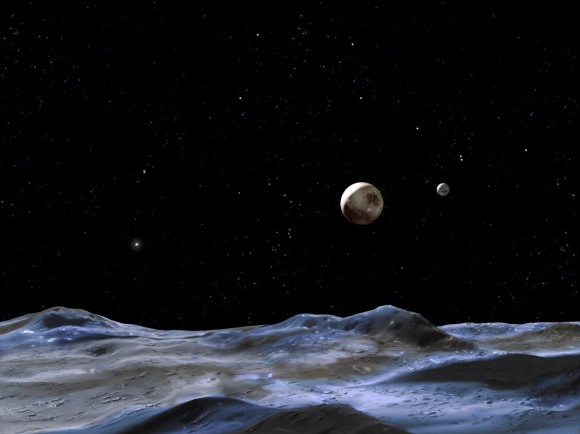
Artist impression of Pluto and Charon (NASA)
via universetoday

A Puzzling Cosmic Ring

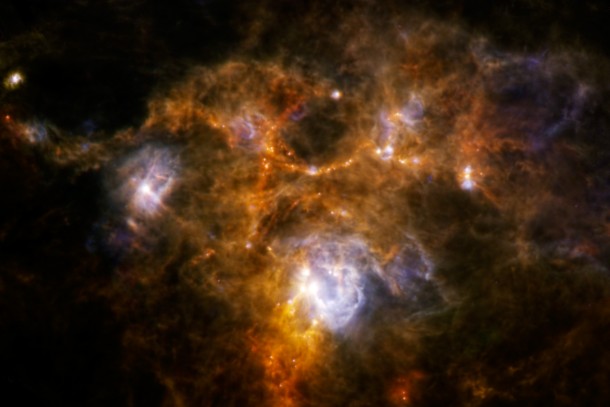
The Herschel Space Observatory has uncovered a weird ring of dusty material while obtaining one of the sharpest scans to date of a huge cloud of gas and dust, called NGC 7538. (Credit: ESA/NASA/JPL-Caltech/Whitman College)
via spacefellowship

‘Dark’ and Powerful Space Explosions May Be Cloaked by Cosmic Dust

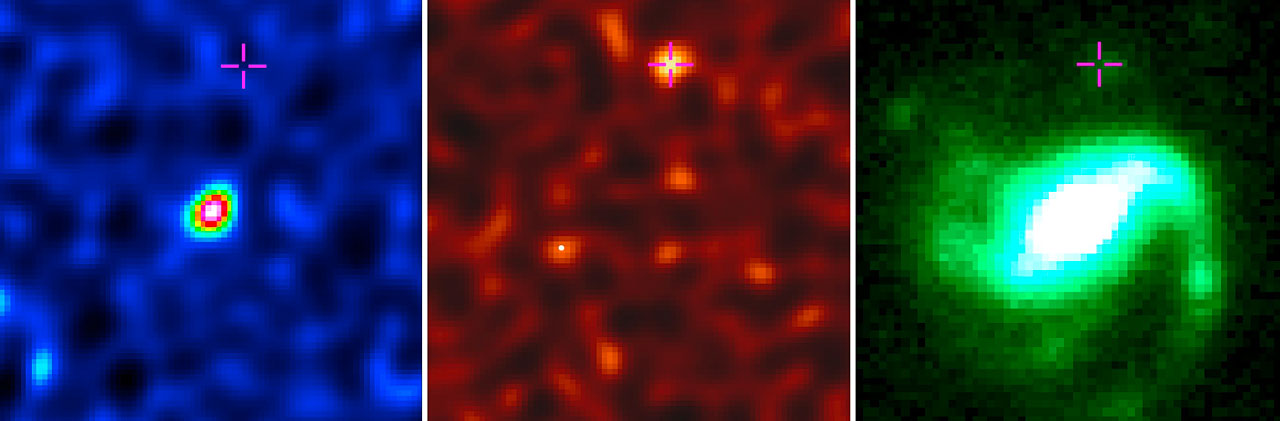
Observations of galaxy GRB 020819B of molecular gas (left) and dust (middle) done by the Atacama Large Millimeter/submillimeter Array (ALMA). At right is a visible-light image from the Frederick C. Gillett Gemini North Telescope. The cross indicates the site of a gamma-ray burst in the region. Credit: Bunyo Hatsukade(NAOJ), ALMA (ESO/NAOJ/NRAO)
Observations of galaxy GRB 020819B of molecular gas (left) and dust (middle) done by the Atacama Large Millimeter/submillimeter Array (ALMA). At right is a visible-light image from the Frederick C. Gillett Gemini North Telescope. The cross indicates the site of a gamma-ray burst in the region.  Credit: Bunyo Hatsukade(NAOJ), ALMA (ESO/NAOJ/NRAO)
via space.com

Two Giant Planets Hiding Beyond Pluto

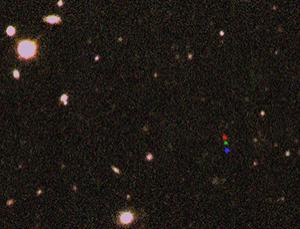
Three images, showing dwarf planet 2012 VP113 in red, then green, then blue, were combined to reveal its path across the night sky (Image: Scott S. Sheppard, Carnegie Institution for Science)
via newscientist

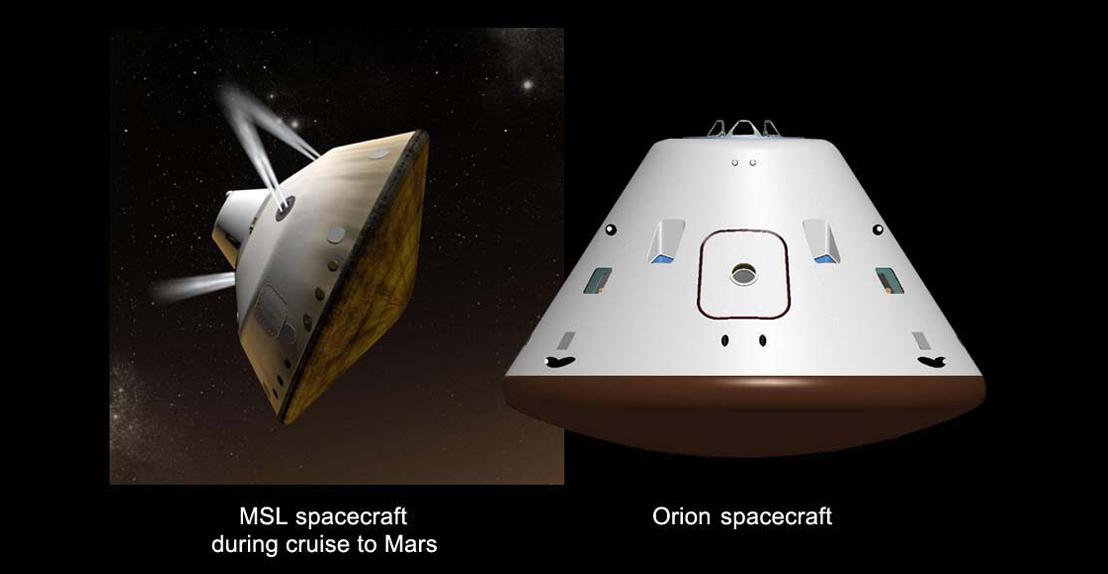
NASA’s Orion spacecraft nearly ready for its mission to Mars

Credit: NASA
Credit: NASA
via asianlite

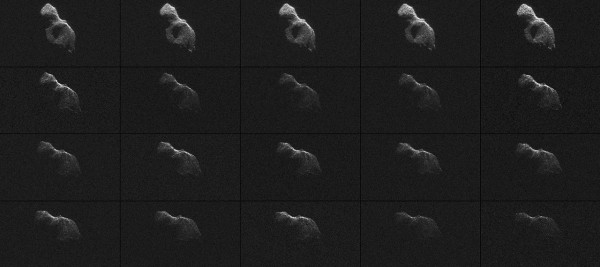
Images of “The Beast” asteroid blazing past earth

NASA scientists used Earth-based radar to produce these sharp views of the HQ124 asteroid on June 8, 2014. Courtesy of NASA/JPL-Caltech/Arecibo Observatory/USRA/NSF
via nationalgeographic

Physics in the News

Wednesday, June 11, 2014

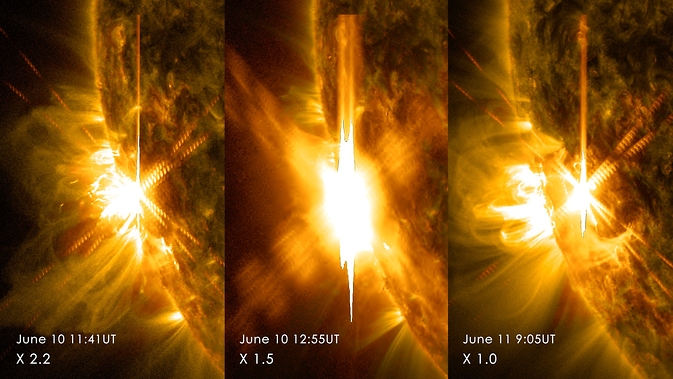
Sun Emits 3 X-class Flares in 2 Days

Three X-class flares erupted from the left side of the sun June 10-11, 2014. These images are from NASA's Solar Dynamics Observatory and show light in a blend of two ultraviolet wavelengths: 171 and 131 angstroms. The former is colorized in yellow; the latter, in red. Image Credit: NASA/SDO
Three X-class flares erupted from the left side of the sun June 10-11, 2014. These images are from NASA’s Solar Dynamics Observatory and show light in a blend of two ultraviolet wavelengths: 171 and 131 angstroms. The former is colorized in yellow; the latter, in red.
Image Credit: NASA/SDO
via nasa.gov


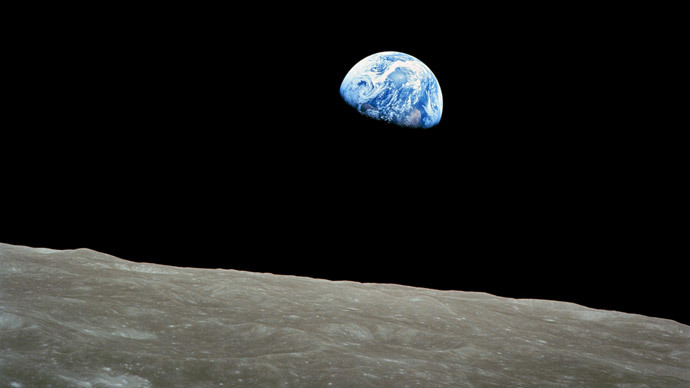
Earth & moon 60 million years older than previously thought

AFP Photo/NASA
AFP Photo/NASA
via rt.com


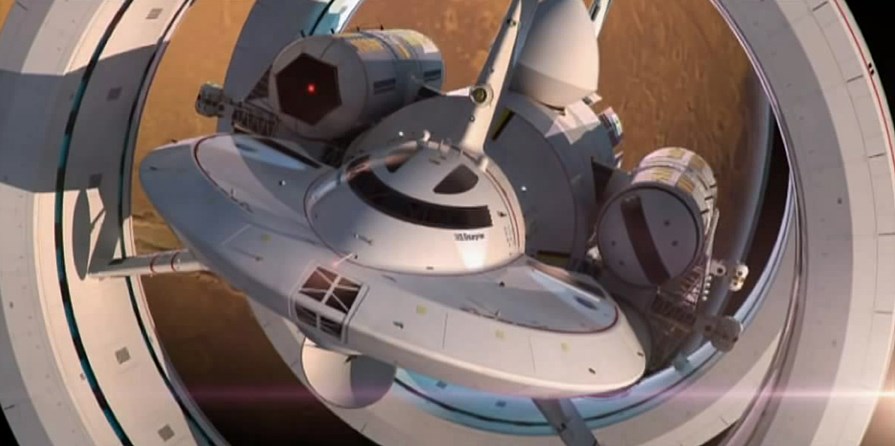
NASA unveils its futuristic warp drive starship – called Enterprise, of course

Image by Mark Rademaker
via extremetech
 

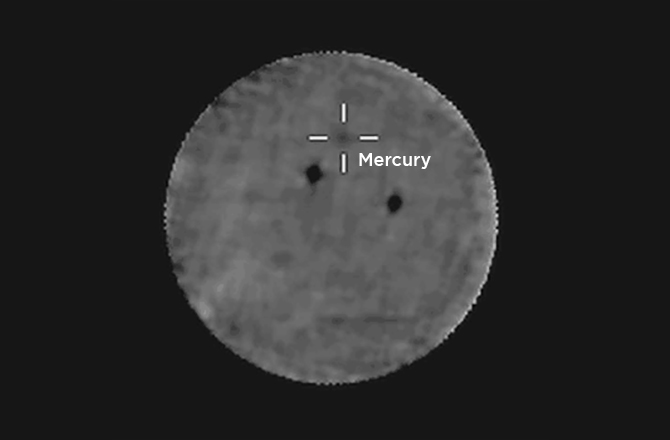
Mars Rover Curiosity Watches Mercury Transit the Sun

NASA/JPL-Caltech/MSSS/Texas A&M
via discovery.com
 

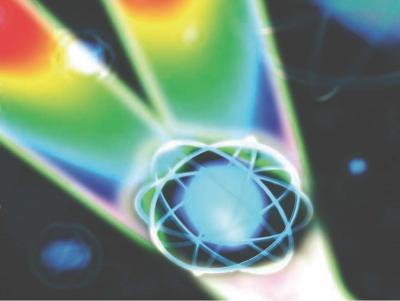
Viewing deeper into the quantum world

Photo Credit: ICFO
Photo Credit: ICFO
via sciencecodex
 

Astronauts’ well-kept secret: ‘Space has a smell’

Tweet from @NASA
Tweet from @NASA

via washingtonpost.com

Physics in the News

Tuesday, June 10, 2014

The Simple Problem Einstein Couldn’t Solve … At First

Einstein fell for this teaser
via farnamstreetblog
 

Black hole? Or wormhole in disguise?

Wormholes-infographic

via cosmonline
 

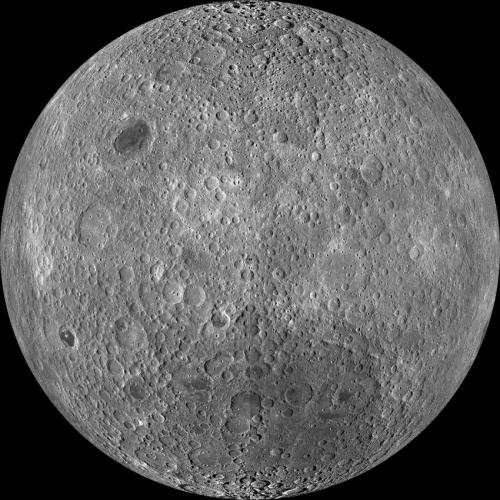
55-year old dark side of the Moon mystery solved

This is a composite image of the lunar farside taken by the Lunar Reconnaissance Orbiter in June 2009, note the absence of dark areas. Credit: NASA
via phys.org
 

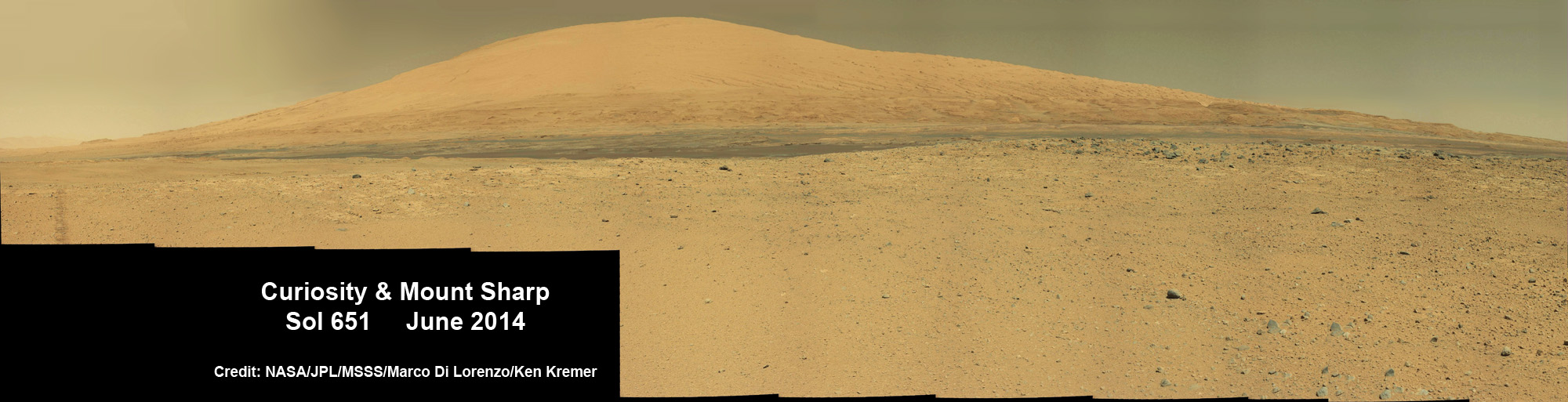
Curiosity captures stunning new Mount Sharp panorama ‘on the go’

Curiosity rover panorama of Mount Sharp captured on June 6, 2014 (Sol 651) during traverse inside Gale Crater. Note rover wheel tracks at left. She will eventually ascend the mountain at the ‘Murray Buttes’ at right later this year. Assembled from Mastcam color camera raw images and stitched by Marco Di Lorenzo and Ken Kremer. Credit: NASA/JPL/MSSS/Marco Di Lorenzo
via phys.org