Physics in the News

Tuesday, July 22, 2014

Researchers reveal why giant black hole’s ‘galactic fireworks’ were a flop(VIDEO)

via nature

Physicist George Ellis knocks physicists for knocking philosophy, falsification, and free will

"You cannot do physics or cosmology without an assumed philosophical basis," says George Ellis. (Credit: David Monniaux)
“You cannot do physics or cosmology without an assumed philosophical basis,” says George Ellis. (Credit: David Monniaux)

via scientificamerican

Boosting the force of empty space

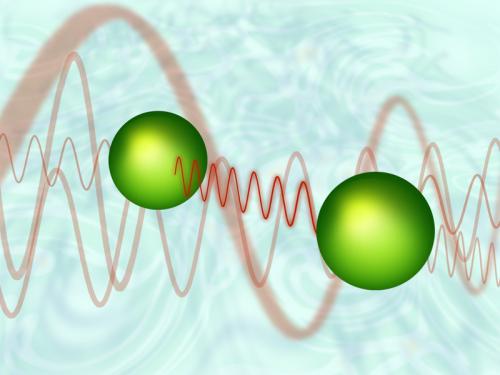
Two atoms exchanging a virtual photon. Empty space around them is not as empty as one might think. (Credit: Vienna University of Technology, TU Vienna)
via phys.org

Beyond energy, matter, time and space
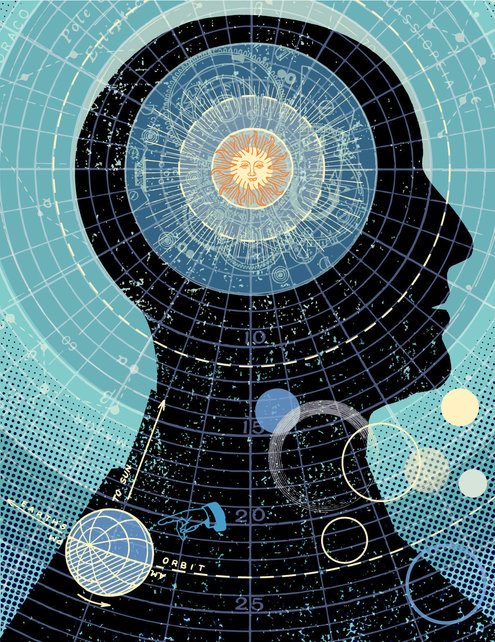
New particles may yet be discovered, and even new laws. But it is almost taken for granted that everything from physics to biology, including the mind, ultimately comes down to four fundamental concepts: matter and energy interacting in an arena of space and time. (Credit: Carl Wiens)
via nytimes

‘Quantum Bounce’ theory claims black holes explode
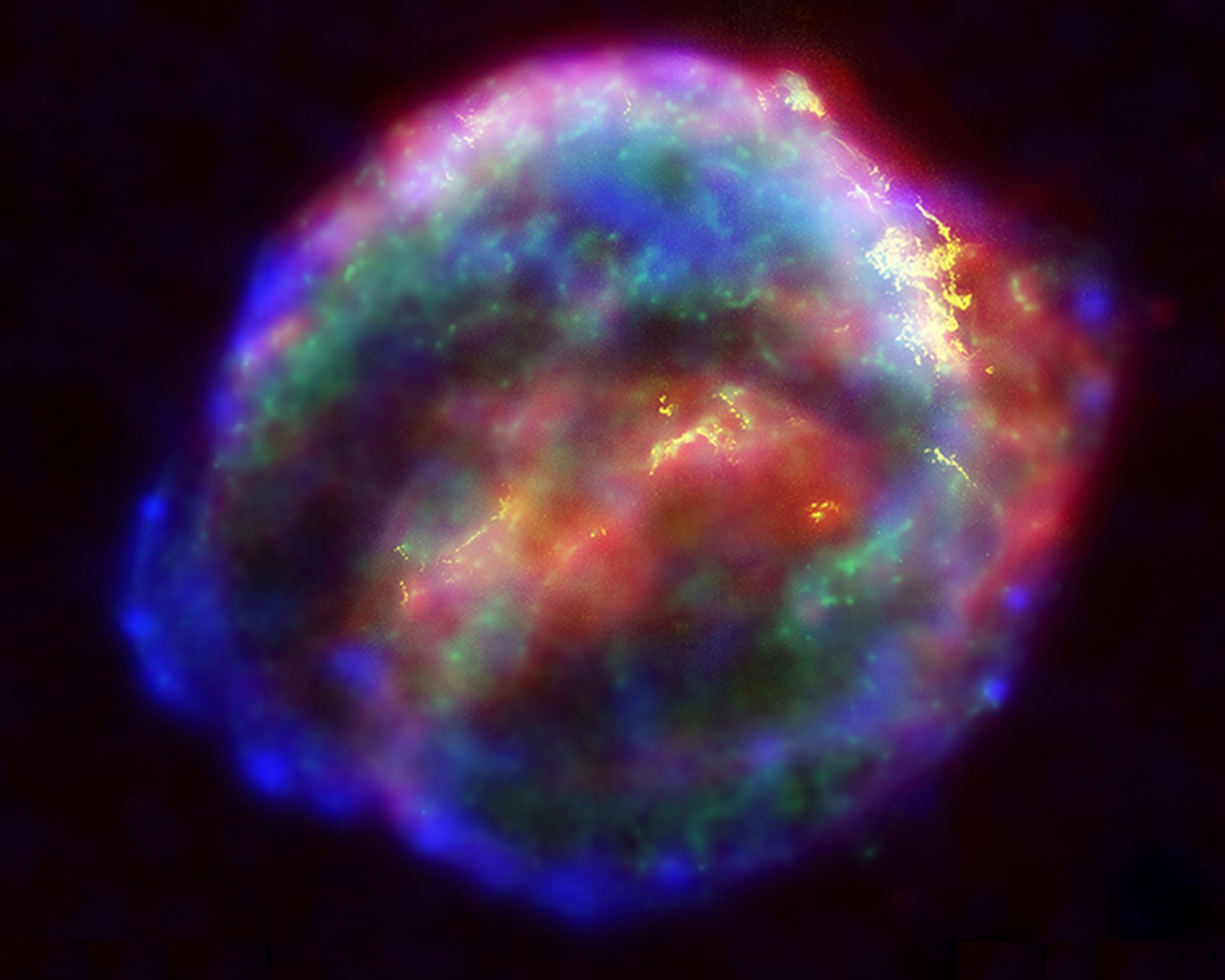
Kepler's Supernova Remnant "On October 9, 1604, sky watchers -- including astronomer Johannes Kepler, spotted a "new star" in the western sky, rivaling the brilliance of nearby planets. "Kepler's supernova" was the last exploding supernova seen in our Milky Way galaxy. (Credit: NASA/ESA/JHU/R.Sankrit & W.Blair)
Kepler’s Supernova Remnant “On October 9, 1604, sky watchers — including astronomer Johannes Kepler, spotted a “new star” in the western sky, rivaling the brilliance of nearby planets. “Kepler’s supernova” was the last exploding supernova seen in our Milky Way galaxy. (Credit: NASA/ESA/JHU/R.Sankrit & W.Blair)
via nature

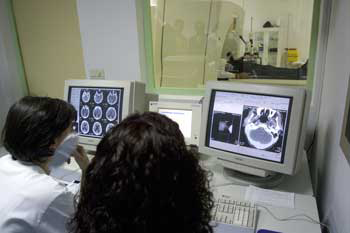
We only use 10% of our brains? That’s a myth
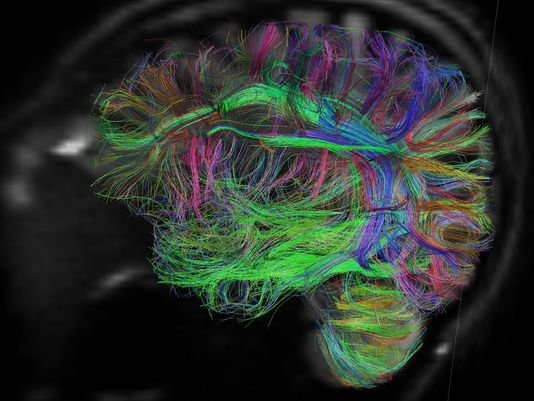
A Diffusion Spectrum MRI (DSI) of the human brain obtained with the MGH-UCLA Human ?Connectom? Scanner. The fiber tracks are color-coded by direction: red=left-right, green  =anterior-posterior, blue=through brain stem. (Credit: National Institutes of Biomedical Imaging and Bioengineering and National Institutes of Health)
A Diffusion Spectrum MRI (DSI) of the human brain obtained with the MGH-UCLA Human ‘Connectom’ Scanner. The fiber tracks are color-coded by direction:  red=left-right, green=anterior-posterior, blue=through brain stem. (Credit: National Institutes of Biomedical Imaging and Bioengineering and National Institutes of Health)
via theatlantic

Physics in the News

Monday, July 14, 2014

Confirmed: Magnetic waves cannot accelerate solar wind(VIDEO)

via thewatchers

British researchers devise material so dark it looks like a black hole

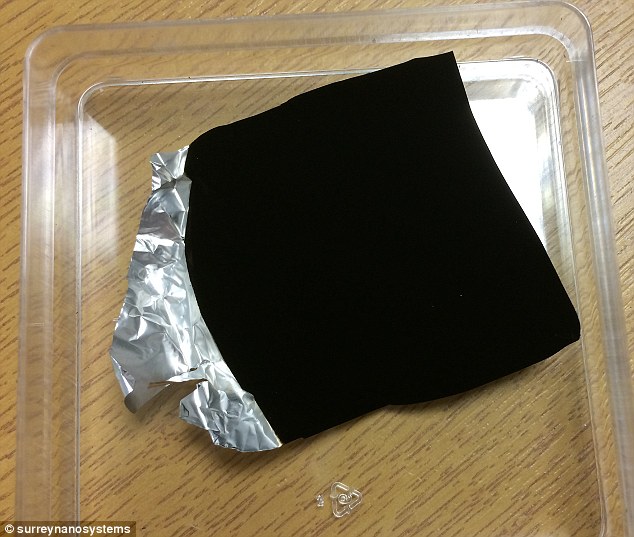
British scientists have created a material which absorbs all but 0.035 per cent of light, a new world record, and is so dark the human eye struggles to discern what it is that it is seeing, giving the appearance of a black hole. (Credit: Surrey Nano Systems)
via independent

Boron ‘buckyball’ discovered

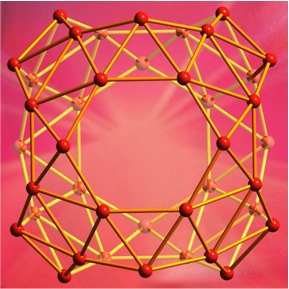
Researchers have shown that clusters of 40 boron atoms form a molecular cage similar to the carbon buckyball. This is the first experimental evidence that such a boron cage structure exists. (Credit: Wang lab / Brown University)
via .phys.org

How To Measure A Sun-Like Star’s Age

Image Caption: Artist's conception of a hypothetical exoplanet orbiting a yellow, Sun-like star. Astronomers have measured the ages of 22 Sun-like stars using their spins, in a method called gyrochronology. Before now, only two Sun-like stars had measured spins and ages. (Credit: David A. Aguilar (CfA))
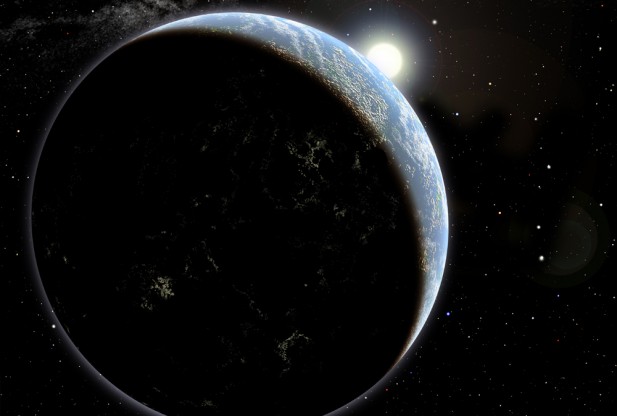
Artist’s conception of a hypothetical exoplanet orbiting a yellow, Sun-like star. Astronomers have measured the ages of 22 Sun-like stars using their spins, in a method called gyrochronology. Before now, only two Sun-like stars had measured spins and ages. (Credit: David A. Aguilar (CfA))
via redorbit

Keeping an eye on passing asteroids

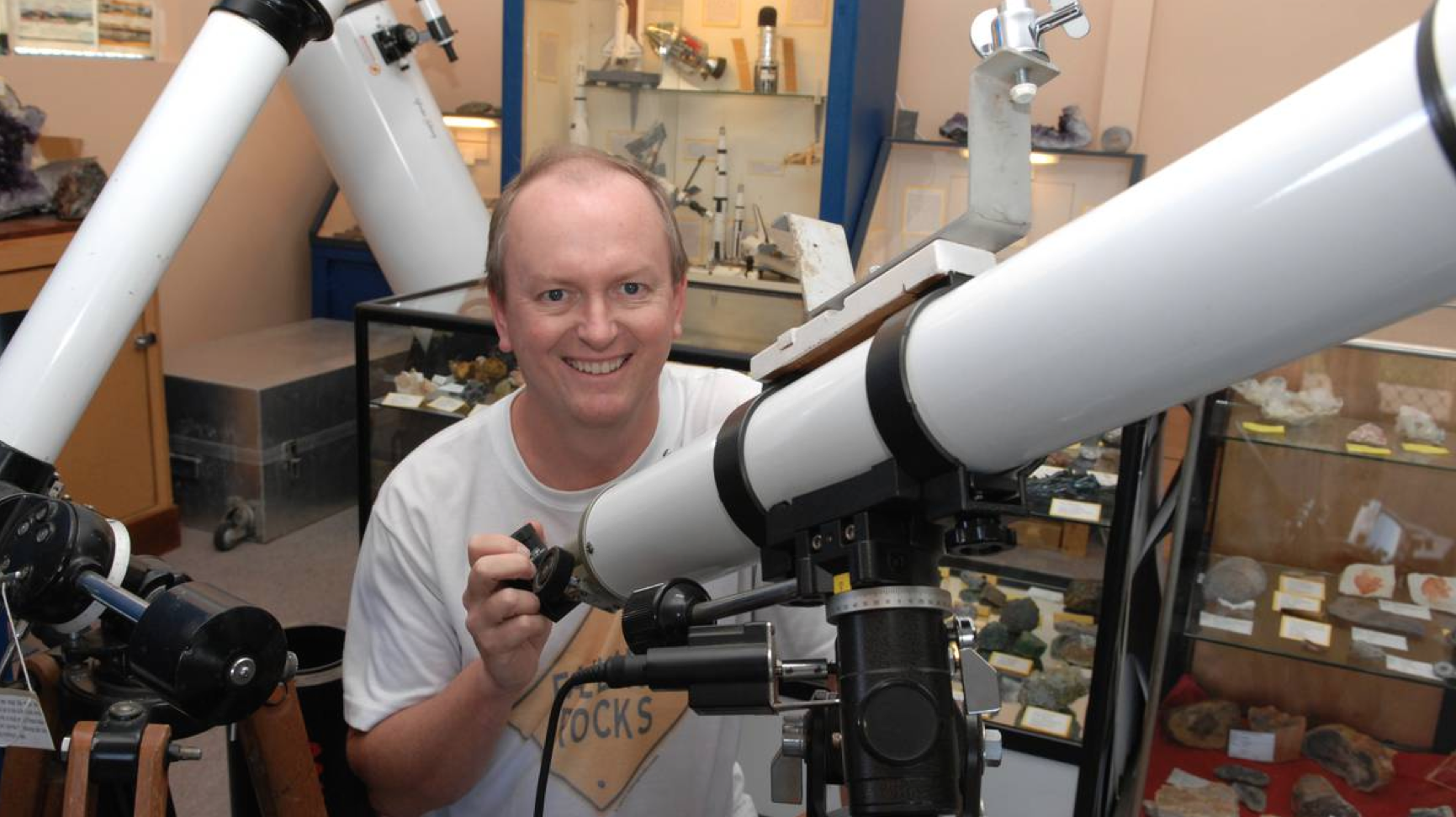
Bathurst Observatory Research Facility manager Ray Pickard said work will begin on the Bathurst Asteroid Research Telescope next week. (Credit: ZENIO LAPKA)
via westernadvocate

D-Wave Systems Secures $30M (CAD) Funding to Accelerate Quantum Computing

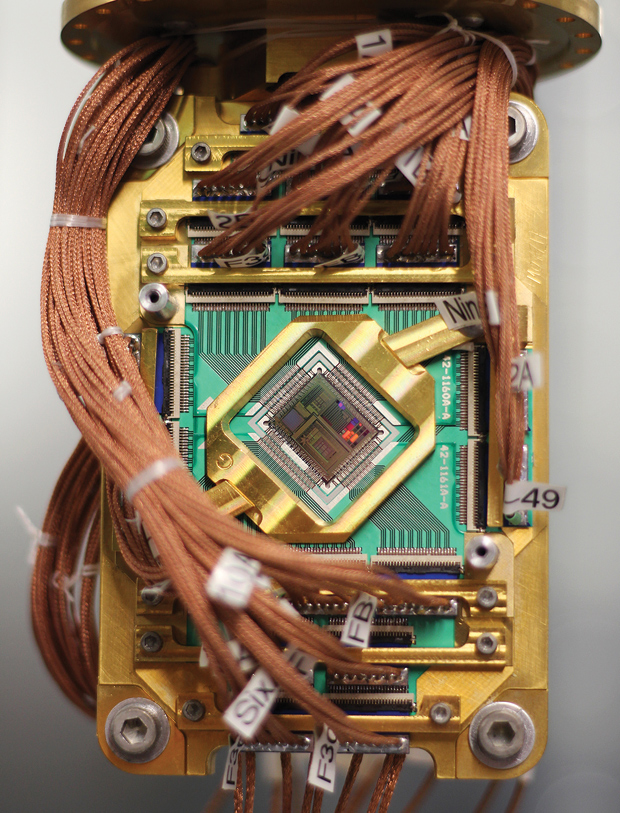
What’s going on inside the D-Wave Two is still a matter of debate. (Credit D-Wave Systems)
via marketwatch

A light bending exercise… in space!

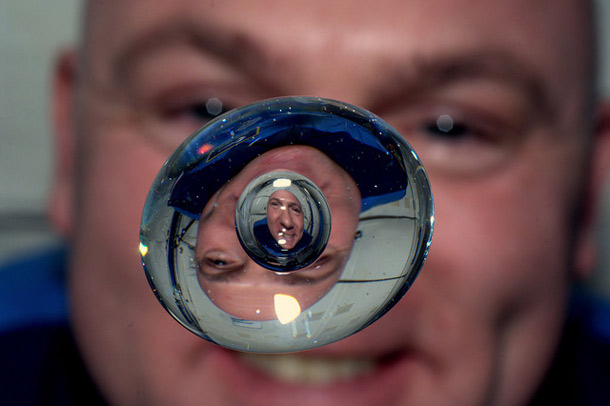
An air bubble was blown into the water droplet to create this effect. (Credit: Imgur)
On Board the International Space Station, ESA astronaut Andre Kuipers blows an air bubble into a water droplet to create this effect. (Credit: ESA/NASA)
via discover

Physics in the News

Tuesday, July 7, 2014

Europe targets black holes with next big space mission

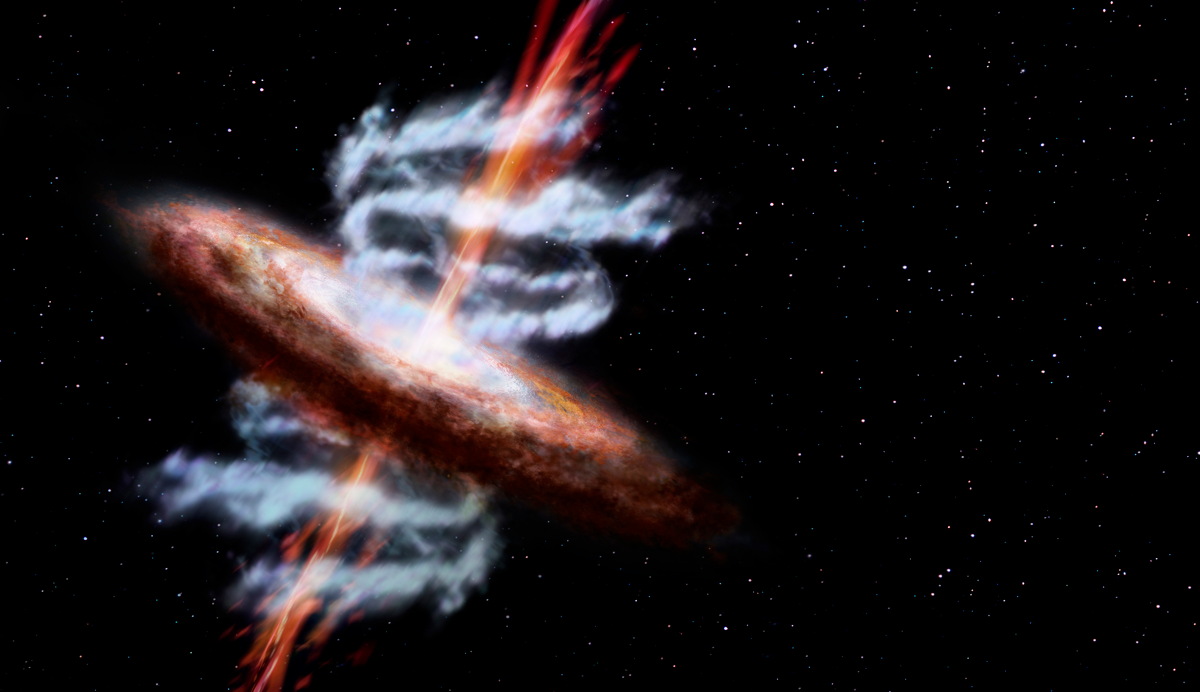
This artist’s impression shows a galaxy releasing material via two strong jets (shown here in red/orange), as well as through wide-angle outflows (shown in gray/blue). The black hole at the galaxy’s center drives both jets and outflows. (Credit: ESA/AOES Medialab)
via space.com

Era of astronomical discovery: MIT professor helps detect gravitational waves

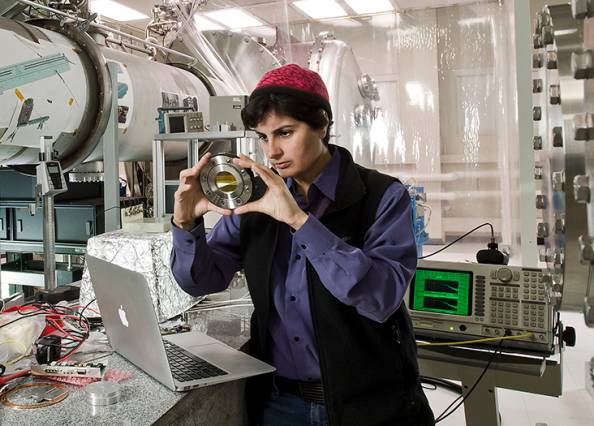
Nergis Mavalvala (pictured) aims to detect elusive gravitational waves. (Credit: Len Rubenstein)
via MIT

Reinterpreting dark matter

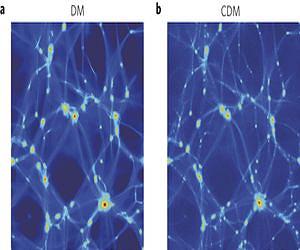
This figure shows that a comparison of the distribution of matter is very similar on a large scale between wave dark matter, the focus of this research, and the usual dark matter particle. (Credit: UPV/EHU)
via spacedaily

Droplets and pilot waves vs quantum mechanics

The story is that Bush et al. at MIT did some playful experiments with droplets and the conclusion is supposed to be that this strengthens the case for de Broglie’s pilot wave theory. (Credit: Motl)

via motls

Don’t Blame Einstein!

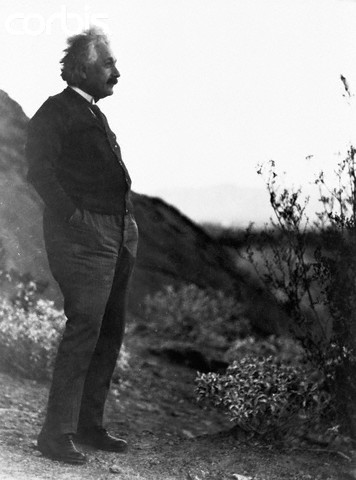
Albert Einstein Standing Alone in Palm Springs Desert
via mysteriousuniverse

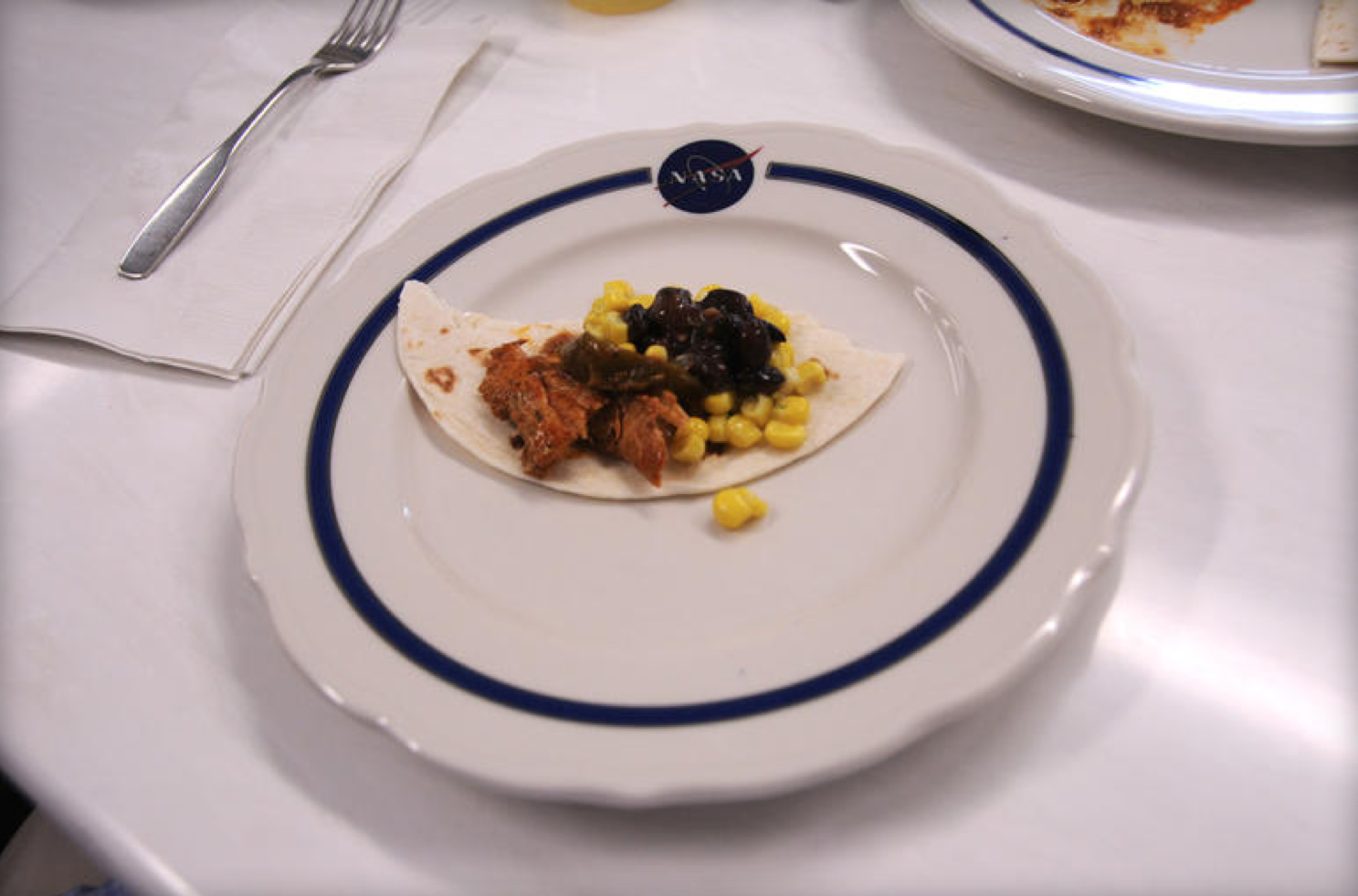
How NASA reinvented the tortilla, and other tales of food in space

A sample meal demonstrates what NASA astronauts might eat aboard the International Space Station. (Credit: Daniel Terdiman/CNET)


via cnet.com

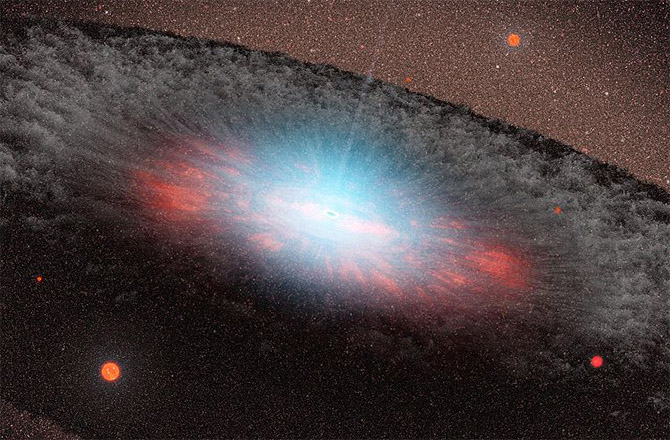
Supermassive Black Hole Jet Mystery Solved

One of the most enduring mysteries behind the dynamics of supermassive black holes, and their impacts on galactic evolution, has been uncovered by an international team of astrophysicists. (Credit: NASA)


via discovery

Physics in the News

Saturday, June 28, 2014

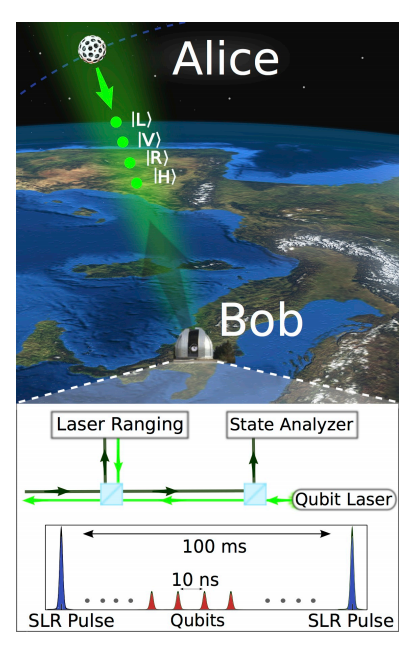
The Space-Based Quantum Cryptography Race

via technologyreview

Space football fever: NASA astronauts lose hair in World Cup bet (VIDEO)

via rt.com

STEREO probes operations will be curtailed for more than a year

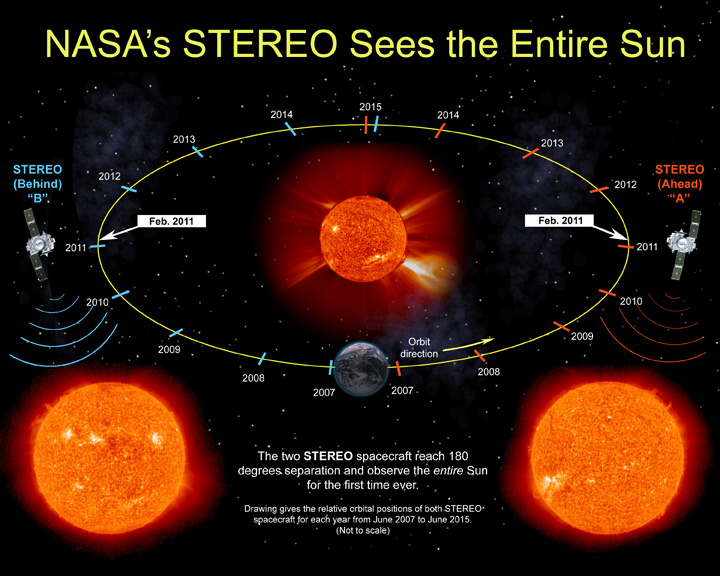
Illustration of the positions of the two STEREO spacecraft show that they attain 180 degrees of separation in Feb. 2011, thus allowing the world to see the entire Sun for the first time. (Credit: NASA/STEREO/SSC)
via thewatchers

Oppenheimer’s Folly: On black holes, fundamental laws and pure and applied science

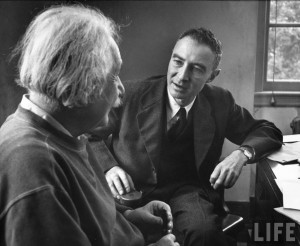
Einstein and Oppenheimer: Both men in their later years dismissed black holes as anomalies, unaware that they contained some of the deepest mysteries of physics (Image: Alfred Eisenstaedt, LIFE magazine)
via scientificamerican

Physicists Think They Can Solve the Mysteries of Quantum Mechanics, Cosmology, and Black Holes in One Go

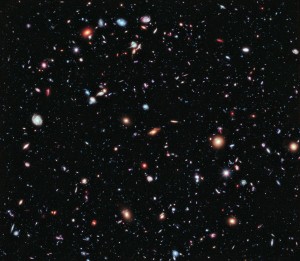
Hubble Space Telescope image. (Credit: NASA, ESA, G. Illingworth, D. Magee, and P. Oesch (University of California, Santa Cruz), R. Bouwens (Leiden University), and the HUDF09 Team)
via scientificamerican

The Smallest Black Hole in the Universe (Synopsis)

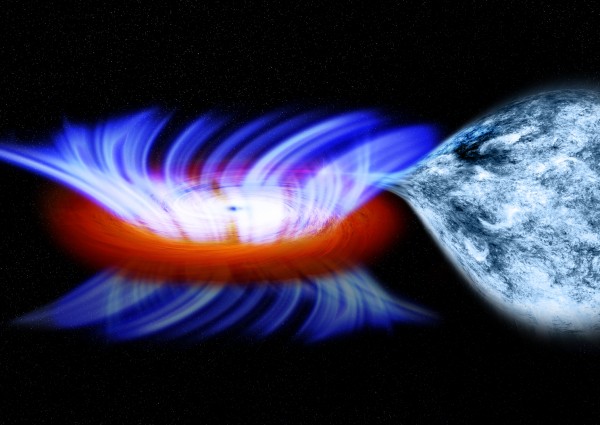
A binary system containing a stellar-mass black hole called IGR J17091. The strong gravity of the black hole, on the left, is pulling gas away from a companion star on the right. This gas forms a disk of hot gas around the black hole, and the wind is driven off this disk(Credit: NASA/CXC/M.Weiss)
via scienceblogs.com

Physicists’ findings improve advanced material

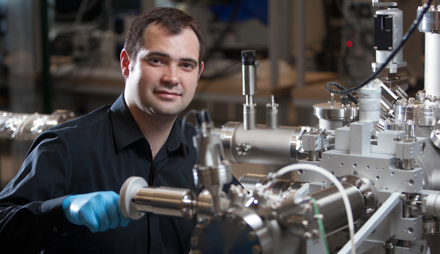
A new technique developed by a Binghamton University physicist and his colleagues will improve the quality of flexible, conductive, transparent glass.
A new technique developed by a Binghamton University physicist and his colleagues will improve the quality of flexible, conductive, transparent glass. (Credit: NASA)
via phys.org

Physics in the News

Thursday, June 26, 2014

Confirmed: That Was Definitely the Higgs Boson Found at LHC

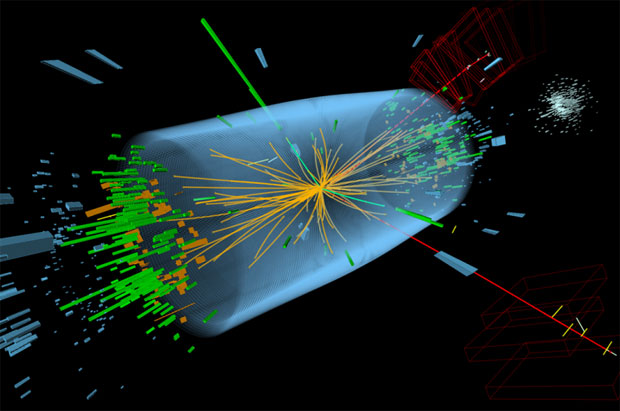
Candidate Higgs boson events from collisions between protons in the LHC. The top event in the CMS experiment shows a decay into two photons (dashed yellow lines and green towers). The lower event in the ATLAS experiment shows a decay into 4 muons (red tracks).[
Candidate Higgs boson events from collisions between protons in the LHC. The top event in the CMS experiment shows a decay into two photons (dashed yellow lines and green towers). The lower event in the ATLAS experiment shows a decay into 4 muons (red tracks).(Credit: NASA)
via discovermagazine

Einsteins biggest blunder? The 25-year-old supernova that could change the speed of light forever

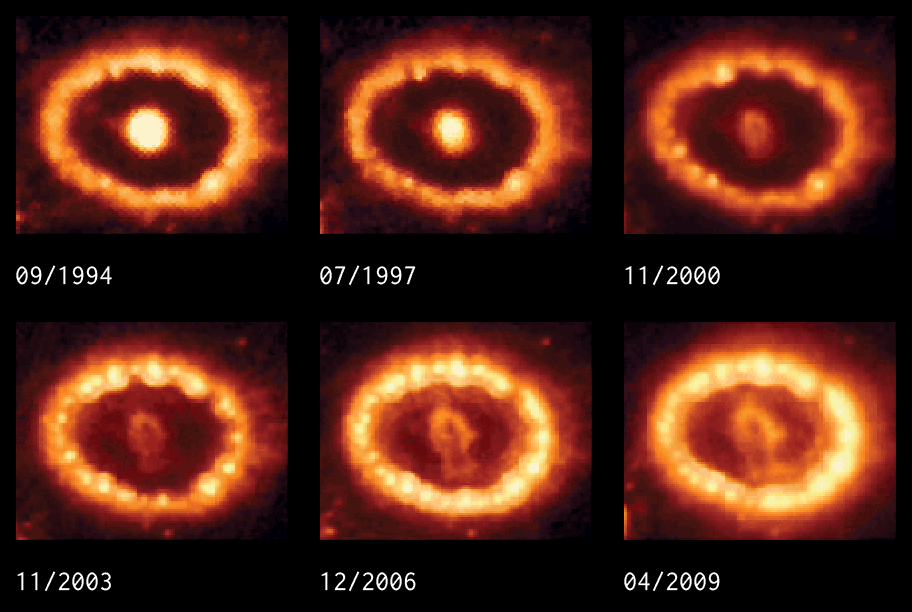
A time sequence of Hubble Space Telescope images, taken in the 15 years from 1994 to 2009, showing the collision of the expanding supernova remnant with a ring of dense material ejected by the progenitor star 20,000 years before the supernova. (Credit: NASA)
 via extremetech
 

New Math Technique Improves Atomic Property Predictions to Historic Accuracy

Computational techniques developed by a team from NIST and IU could enable precise computation of atomic properties that are important for nuclear medicine, as well as astrophysics and other fields of atomic research. Image: Paco Ayala (Fotolia)
via sciencenewsline


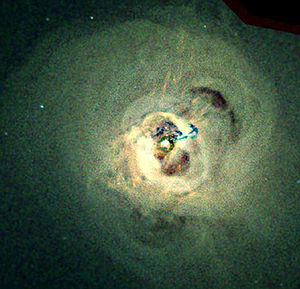
We may have just glimpsed dark matter, about 240 million light years away

The Perseus galaxy cluster.
The Perseus galaxy cluster is one of the most massive objects in the universe, containing thousands of galaxies immersed in a vast cloud of multimillion degree gas. (Credit: NASA)
via geek.com

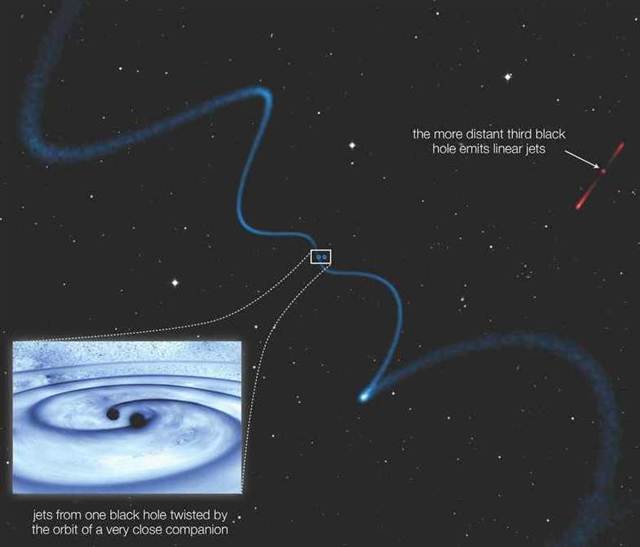
Supermassive black hole trio discovered

Two closely orbiting black holes in a galaxy about 4.2 billion light-years from Earth emit wavy jets, seen as a bluish spiral, while the third black hole in the trio is more distant, emitting linear jets off to the right.
via abc.net

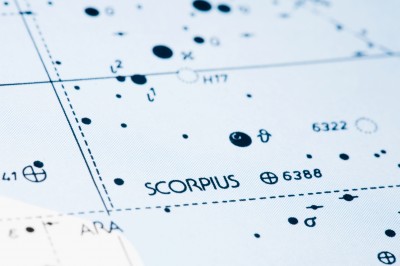
Catching A Gravitational Wave

Monash and Warwick astronomers are searching for gravitational waves emitted by Scorpius X-1.
via phys.org

Clumped galaxies give General Relativity its toughest test yet

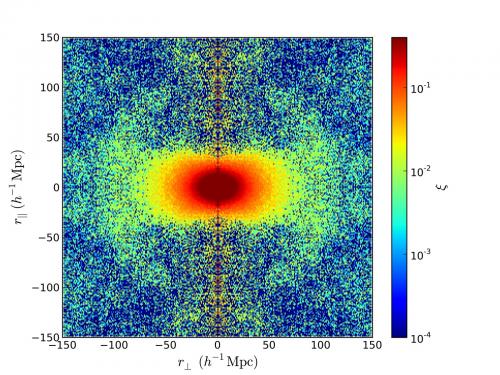
More than 600 000 galaxies from the BOSS survey were utilized to measure the strength of gravitational interactions of galaxies extremely far away from each other. This is a visual representation of that measurement; the amount that the circles are distorted, or squashed from perfect concentric rings, indicates the velocity that galaxies are falling towards each other and hence the strength of the gravitational interactions. Credit: BOSS/U. Portsmouth
More than 600 000 galaxies from the BOSS survey were utilized to measure the strength of gravitational interactions of galaxies extremely far away from each other. This is a visual representation of that measurement; the amount that the circles are distorted, or squashed from perfect concentric rings, indicates the velocity that galaxies are falling towards each other and hence the strength of the gravitational interactions. (Credit: BOSS/U. Portsmouth)
via phys.org