Physics in the News

Wednesday July 30, 2014

Mystery of the ‘Cheshire Cat’ of quantum physics solved: Scientists manage to separate a particle from its spin
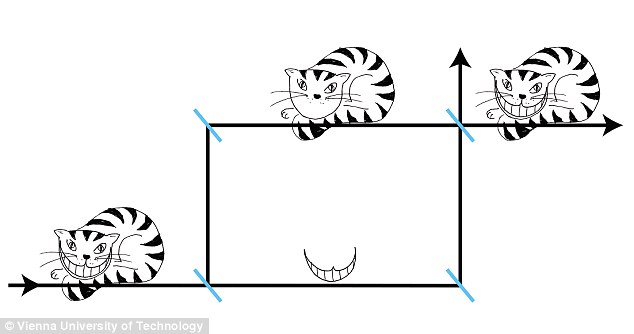
Scientists have observed for the first time a weird quantum phenomenon known as the 'Cheshire Cat' effect (illustration shown). The 'cat' in question was a subatomic neutron particle, and the ghostly 'grin' the particle’s magnetic moment, which describes the strength of its coupling to an external magnetic field. (Credit: Vienna U)
Scientists have observed for the first time a weird quantum phenomenon known as the ‘Cheshire Cat’ effect (illustration shown). The ‘cat’ in question was a subatomic neutron particle, and the ghostly ‘grin’ the particle’s magnetic moment, which describes the strength of its coupling to an external magnetic field. (Credit: Vienna U)
via livescience

Astronomers puzzle over new breed of massive stars
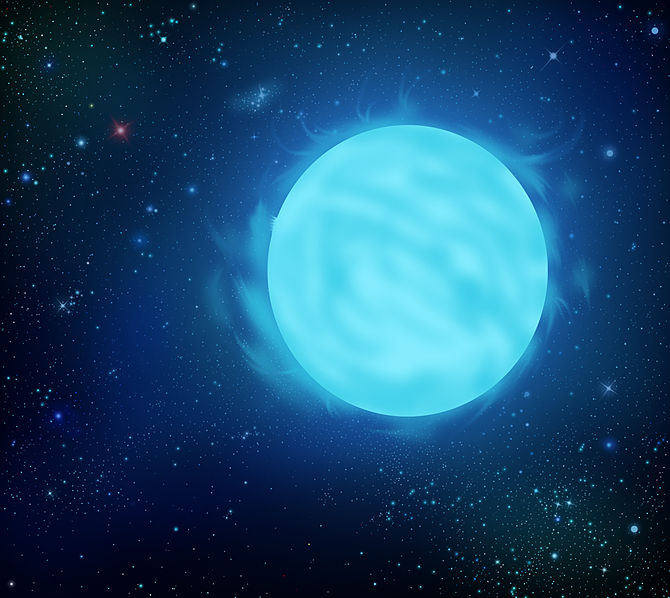
Illustration of Wolf-Rayet star R136a1, the most massive star known. (Credit: Wikipedia)
via forbes

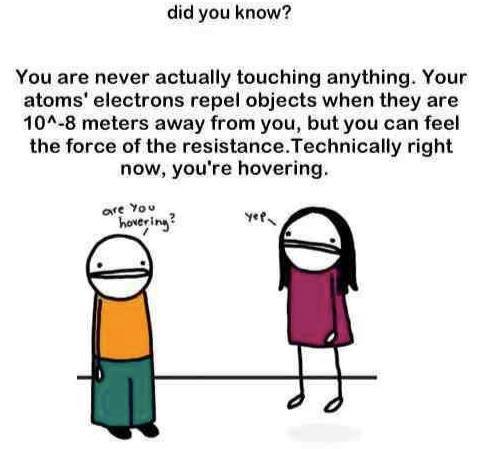
Can you touch your nose?

(Credit: IFL)
(Credit: IFL)
via backreaction

Why Russia was studying space lizard sex In the first place
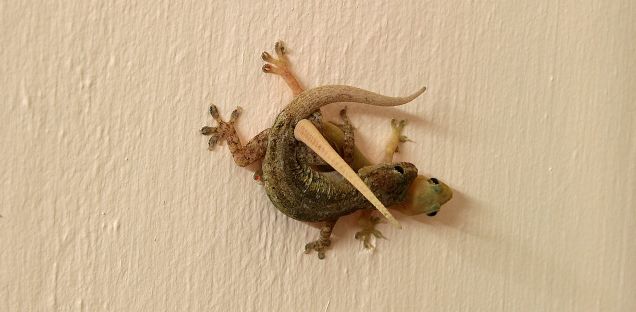
NASA is studying the effects of radiation on sperm. Freeze-dried mouse sperm are spending one, 12, and 24 months on the ISS before being used to fertilize mouse eggs back home. (Credit: Wei Ming/Shutterstock)
via gizmodo

101 geysers identified on Saturn’s icy moon Enceladus
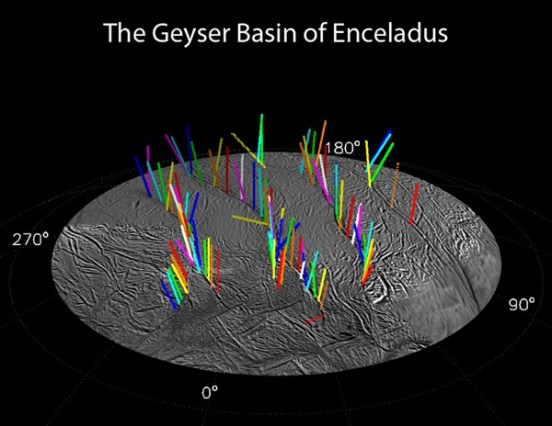
This graphic shows a 3-D model of 98 geysers whose source locations and tilts were found in a Cassini imaging survey of Enceladus' south polar terrain by the method of triangulation. While some jets are strongly tilted, it is clear the jets on average lie in four distinct "planes" that are normal to the surface at their source location. (Credit: NASA)
This graphic shows a 3-D model of 98 geysers whose source locations and tilts were found in a Cassini imaging survey of Enceladus’ south polar terrain by the method of triangulation. While some jets are strongly tilted, it is clear the jets on average lie in four distinct “planes” that are normal to the surface at their source location. (Credit: NASA)
via nasa

Electrical storm’ of thoughts deep within a zebrafish’s brain as 80,000 neurons fire off (VIDEO)

via wired

Exoskeleton gives super strength, latest facial recognition software beats the human eye

via euronews

Man-made ‘breathing’ leaf is an oxygen factory for space travel
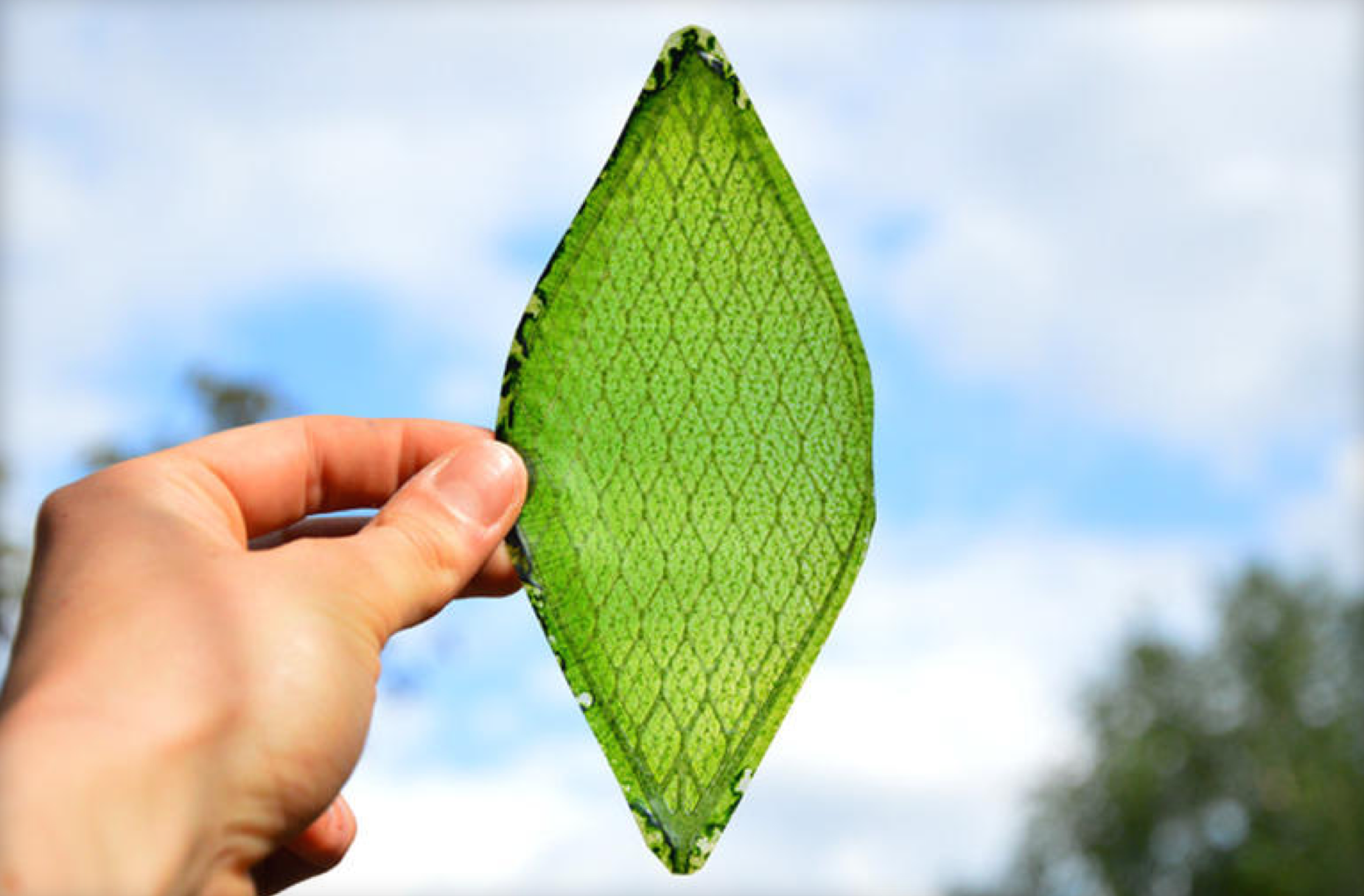
This man-made leaf could help us breathe in space. (Credit: Julian Melchiorri/Dezeen/MINI)
via cnet

Vintage NASA Probe Out of Gas, But Still Alive, Private Team Says
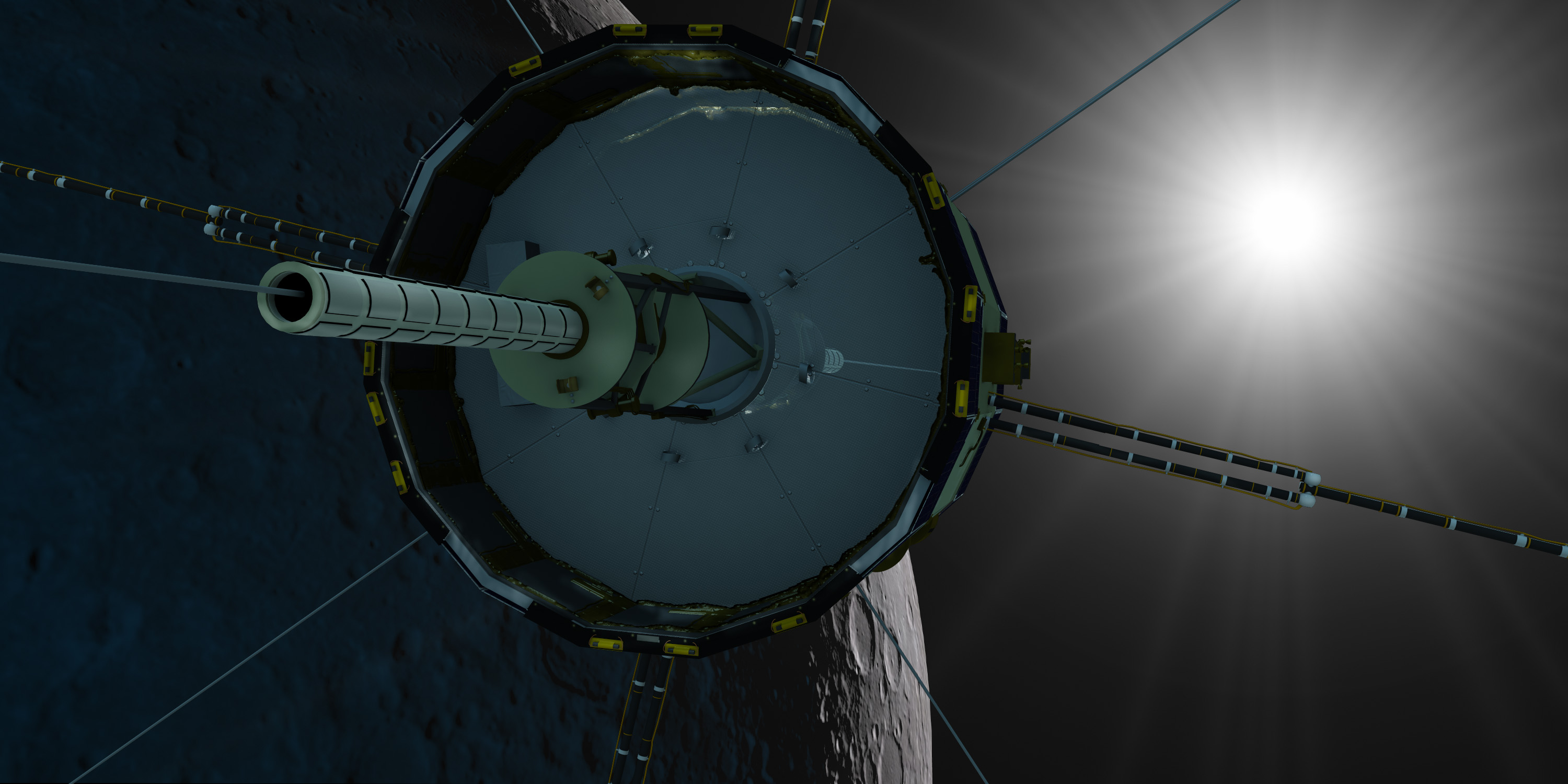
An artist's depiction of NASA's International Sun-Earth Explorer 3 spacecraft as it flies through space. The volunteer ISEE-3 Reboot Project, which hoped to move the probe closer to Earth, now says the spacecraft is out of gas. (Credit: NASA)
An artist’s depiction of NASA’s International Sun-Earth Explorer 3 spacecraft as it flies through space. The volunteer ISEE-3 Reboot Project, which hoped to move the probe closer to Earth, now says the spacecraft is out of gas. (Credit: NASA)
via space


Physics in the News

Tuesday, July 29, 2014

First glimpse of Higgs Bosons at work revealed

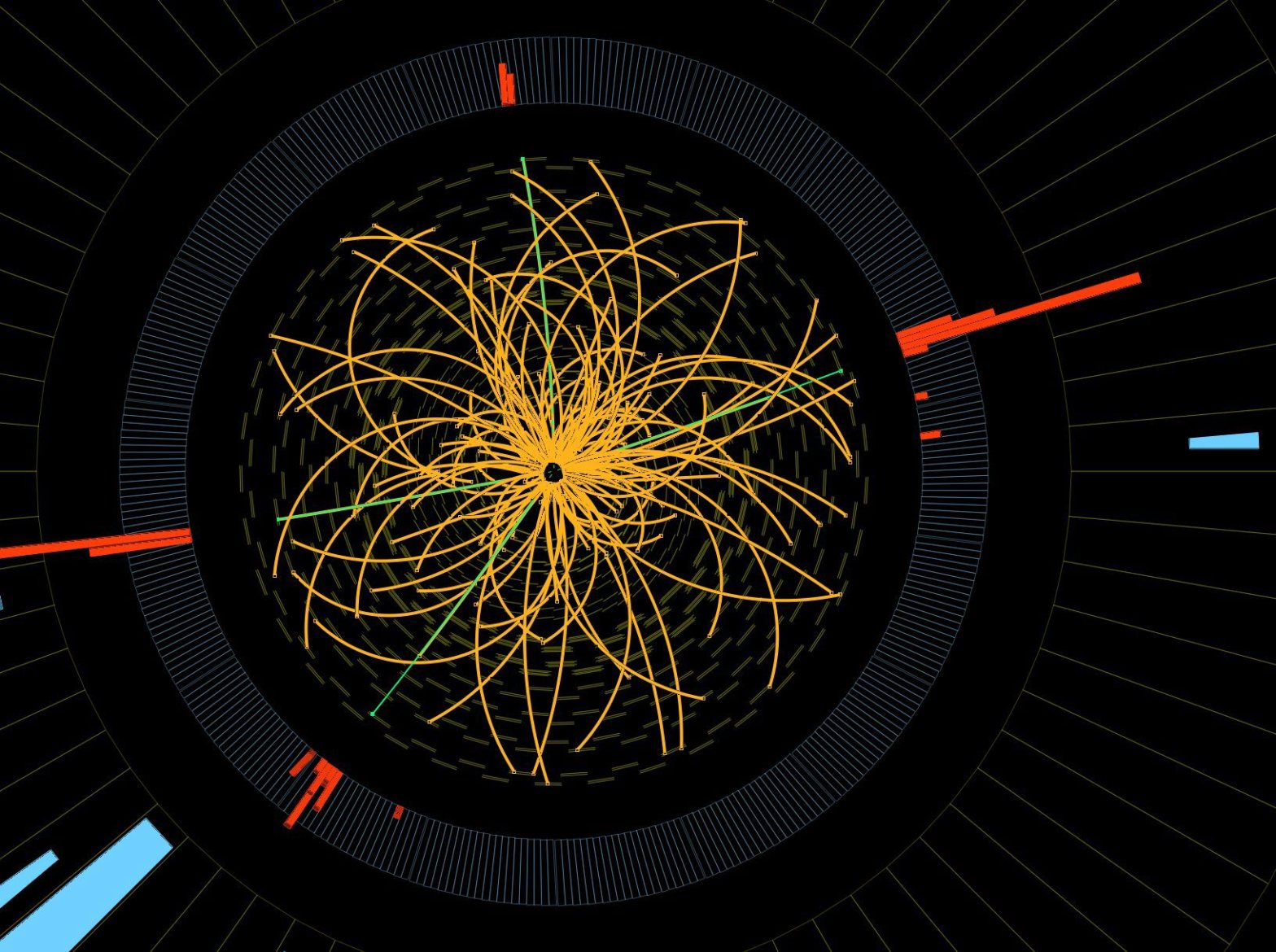
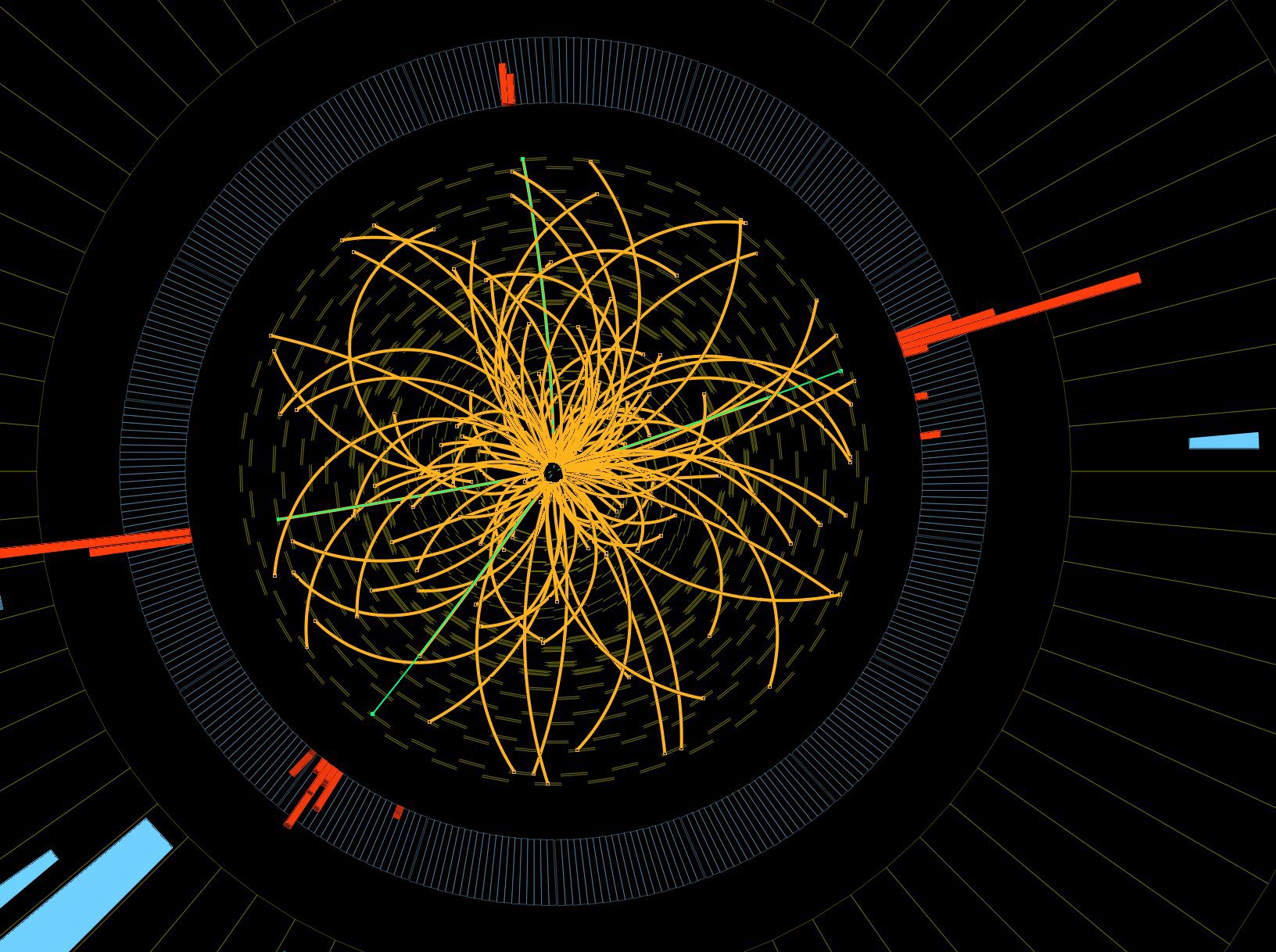
his 2011 image provide by CERN, shows a real CMS proton-proton collision in which 4 high energy electrons (green lines and red towers) are observed in a 2011 event. The event shows characteristics expected from the decay of a Higgs boson but is also consistent with background Standard Model physics processes.  To cheers and standing ovations, scientists at the world's biggest atom smasher claimed the discovery of a new subatomic particle Wednesday July 4, 2012, calling it "consistent" with the long-sought Higgs boson — popularly known as the "God particle" — that helps explain what gives all matter in the universe size and shape.  (Credit: AP Photo/CERN)
CMS proton-proton collision in which 4 high energy electrons (green lines and red towers) are observed in a 2011 event. The event shows characteristics expected from the decay of a Higgs boson but is also consistent with background Standard Model physics processes. (Credit: AP Photo/CERN)
via yahoo

Drone fly-by at Seattle’s Space Needle (VIDEO)

via adafruit

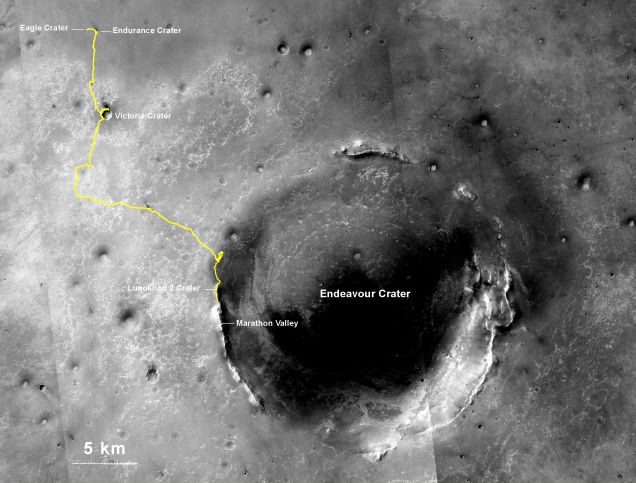
Opportunity Rover’s record-breaking Mars drive, mapped

NASA reports that the Mars Rover has clocked up 25.01 miles of driving on the Red Planet—setting a record for the longest distance a vehicle has driven outside Earth. (Credit: NASA)
via gizmodo

New correction to speed of light could explain SN1987 neutrino burst

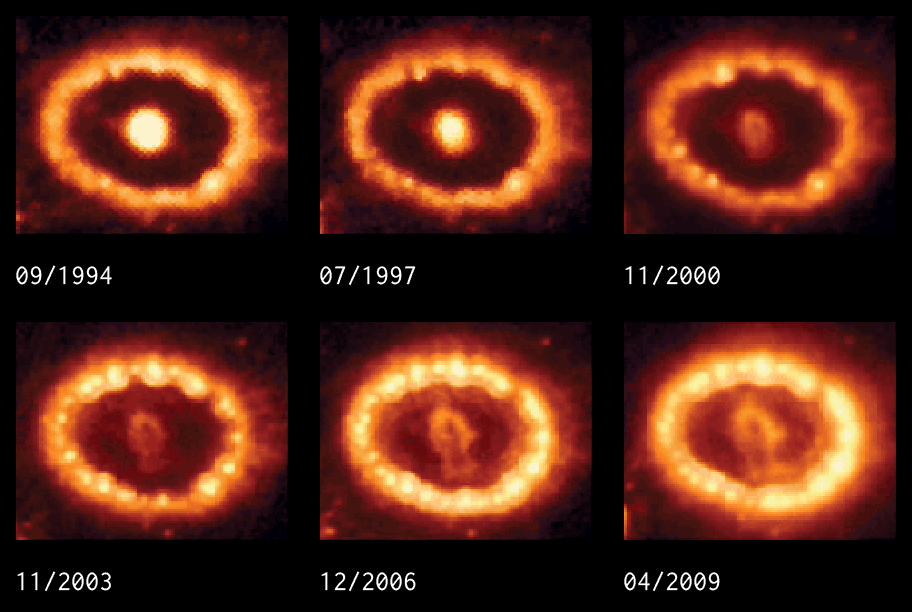
A time sequence of Hubble Space Telescope images, taken in the 15 years from 1994 to 2009, showing the collision of the expanding supernova remnant with a ring of dense material ejected by the progenitor star 20,000 years before the supernova
A time sequence of SN 1987A, taken in the 15 years from 1994 to 2009, showing the collision of the expanding supernova remnant with a ring of dense material ejected by the progenitor star 20,000 years before the supernova.
via physicsworld

A robot that grows

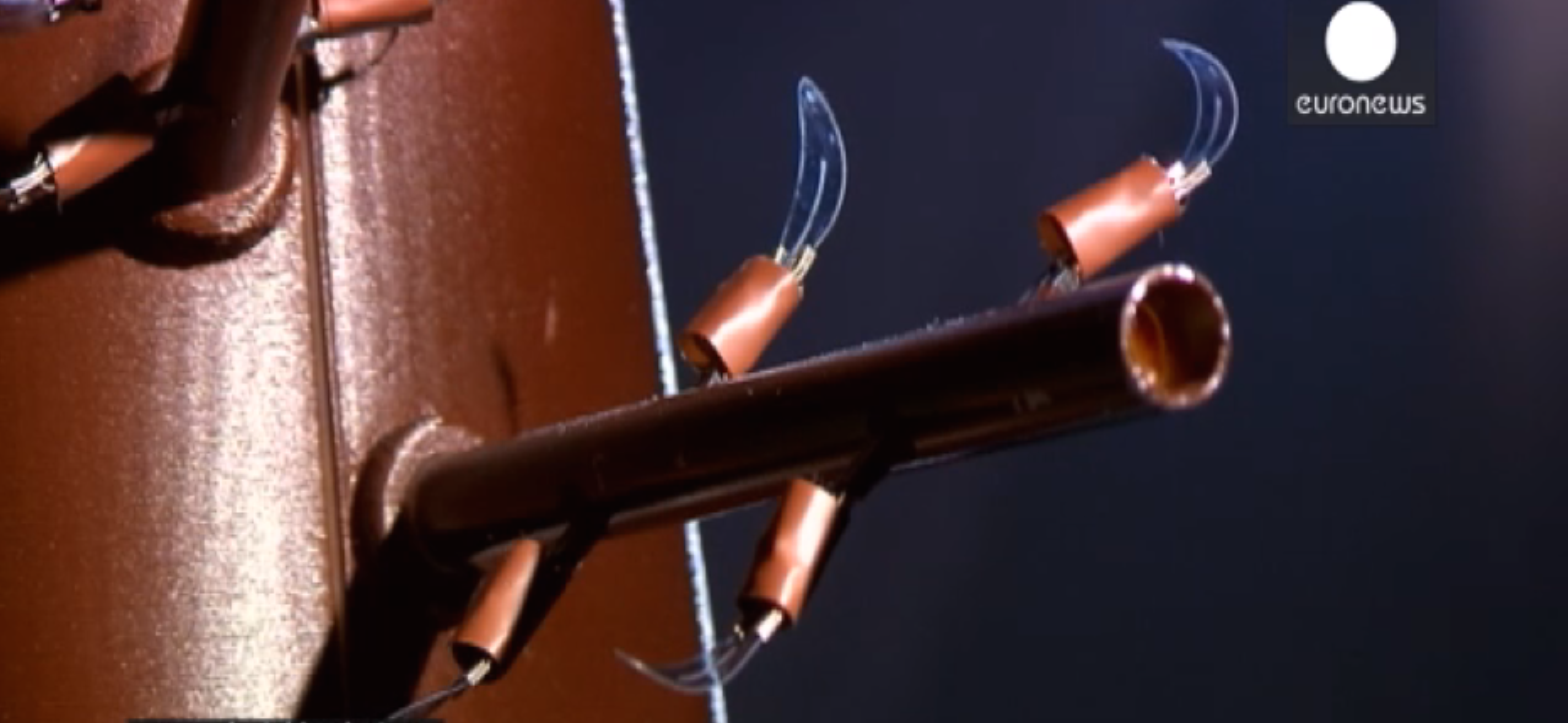
Scientists in Italy are working on creating robots that mimic the properties of plant roots, including the capacity for growth. (Credit: Euronews)
via euronews

The Moon could be littered with fossils from Earth

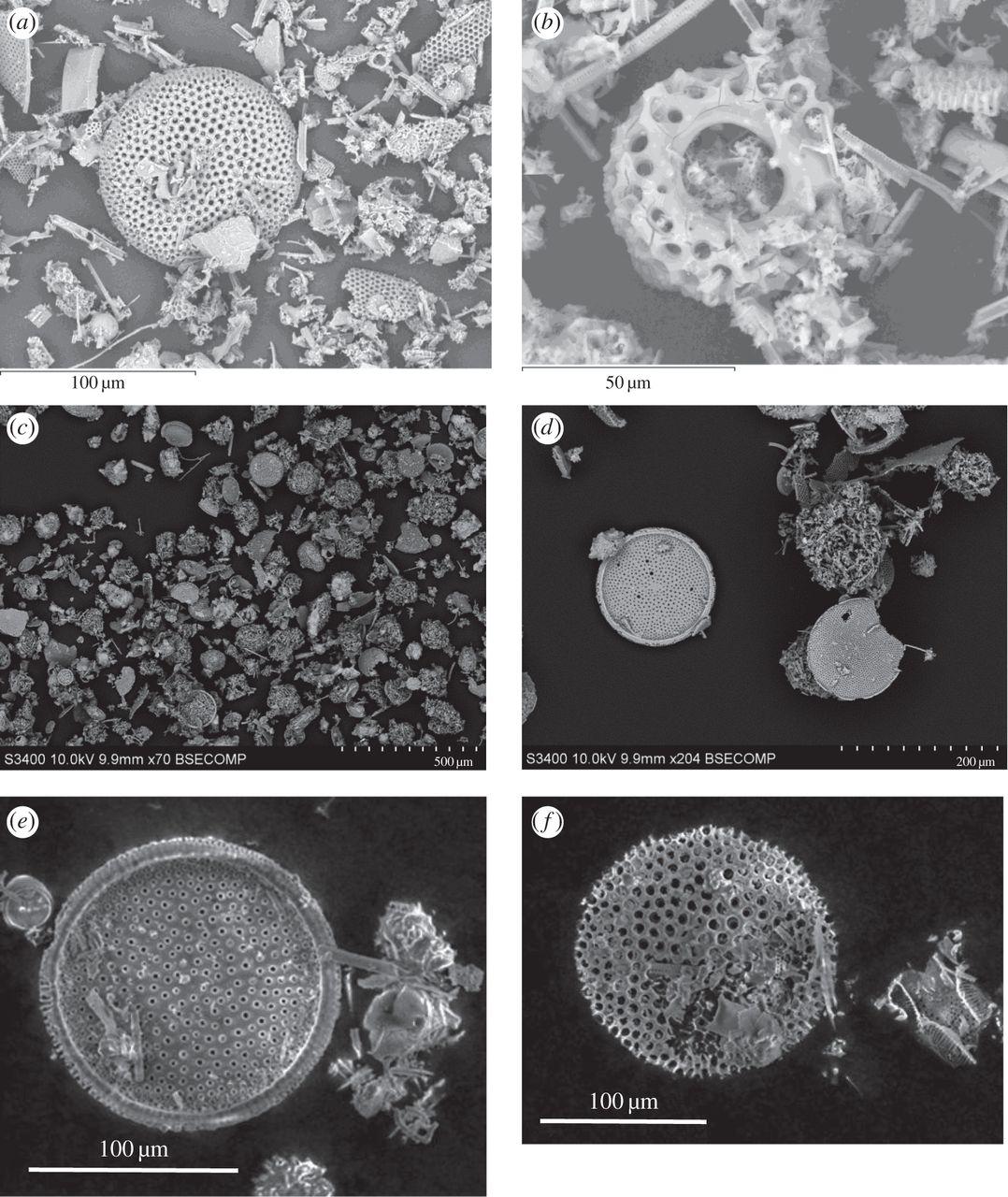
 Diatoms. Images a and b are raw diatoms; c and d are fossilized, and e and f are fossilized diatoms that were frozen but not shot. (Credit: Mark Burchell et al., Philosophical Transactions of the Royal Society)
Images a and b are raw diatoms; c and d are fossilized, and e and f are fossilized diatoms that were frozen but not shot.
(Credit: Mark Burchell et al., Philosophical Transactions of the Royal Society)
via popsci

 Best time to see 2014 meteor showers? Right about … now!

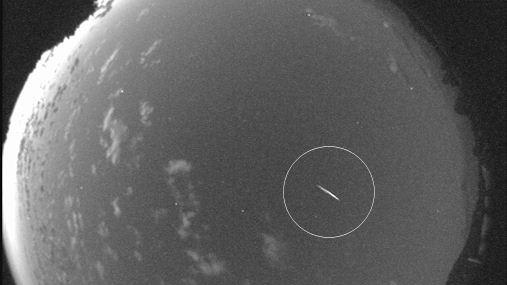
Look up, sky watchers! NASA cameras caught this streak over the New Mexico skies on Sunday, as the Perseid meteor shower heats up. (Credit: NASA)
via latimes

 Teleportation is closer than you think

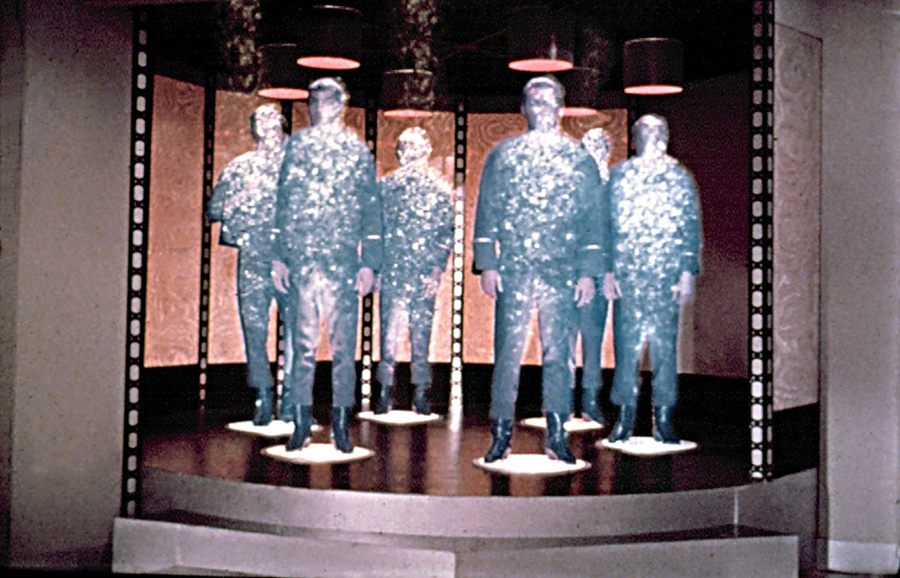
Recent advances in theoretical physics are making Star Trek style transporters a reality. (Credit: Paramount/Everett Collection)
via mysteriousuniverse

Physics in the News

Monday July 28, 2014

Measuring gravitational waves with eLISA

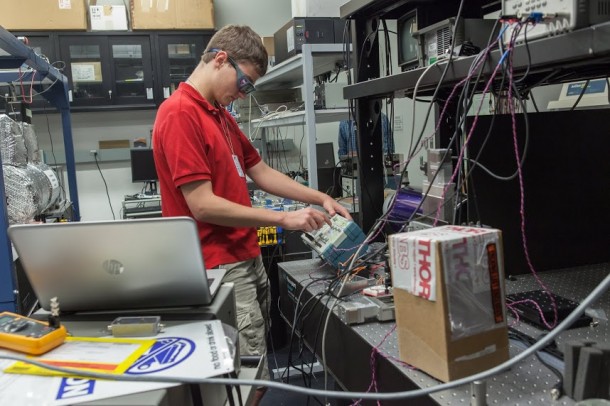
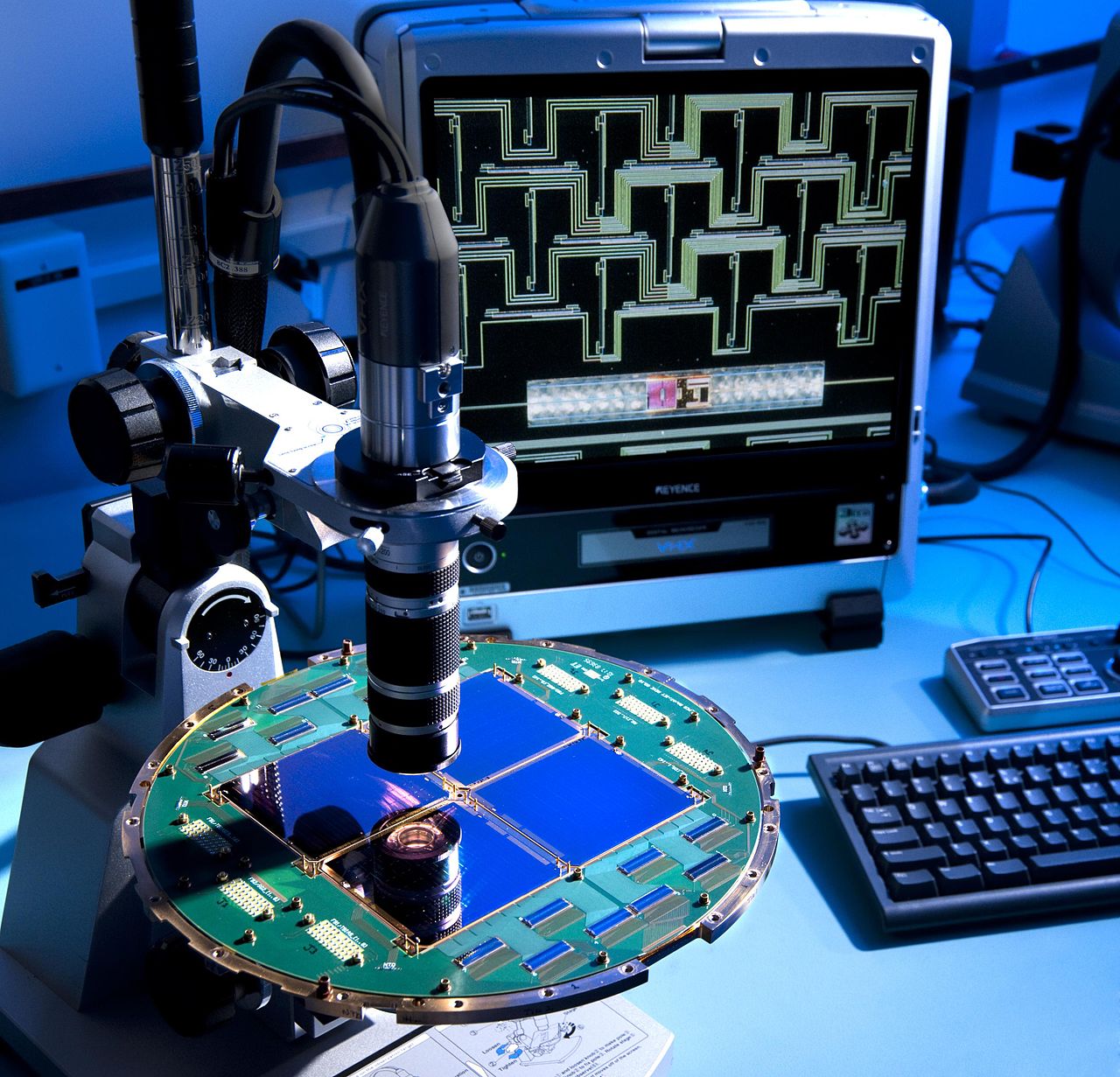
NASA Goddard intern Robert Buttles adjusts equipment used for the eLISA mission, which will test for vibrations that could reveal subtle changes in gravity. Image (Credit: NASA Goddard/Kristen Basham)
via spacefellowship

Computer model shows moon’s core surrounded by liquid and it’s caused by Earth’s gravity

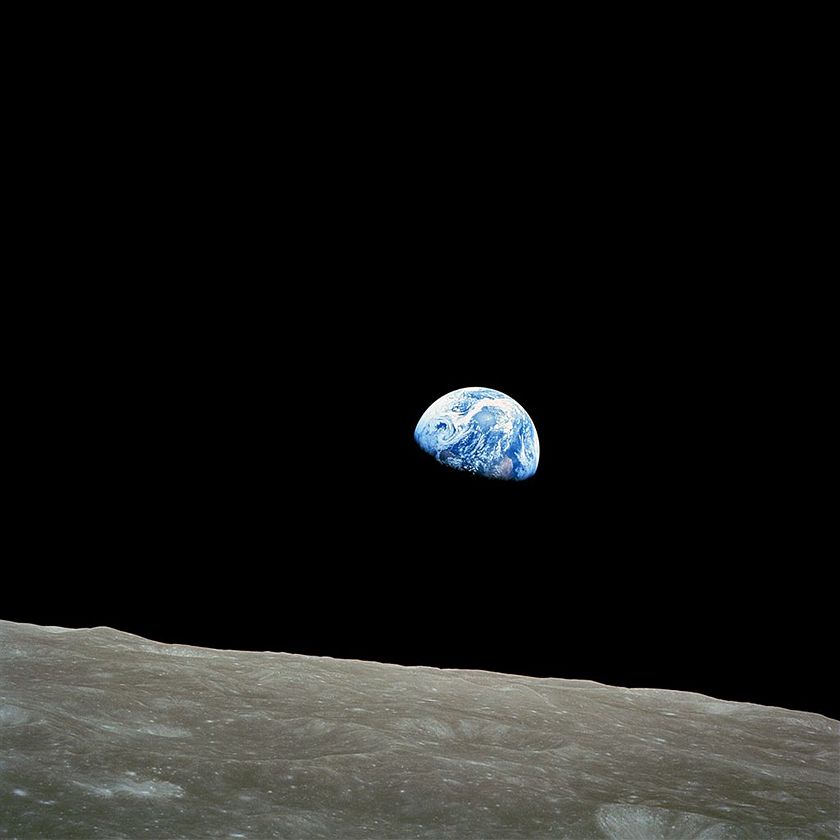
Gravitational tidal heating from the Earth acts on the lower mantle of the moon (Credit: NASA/Apollo 8)
via abc

Measuring the smallest magnets: Physicists measured magnetic interactions between single electrons

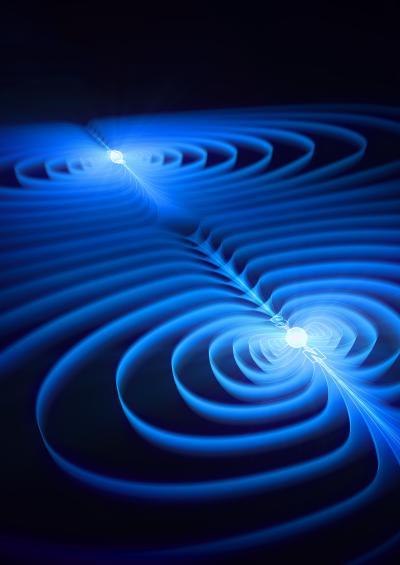
This is an illustration showing the magnetic field lines of two electrons, arranged so that their spins point in opposite directions. The image comes from the lab of Dr. Roee Ozeri. (Photo Credit: Weizmann Institute of Science)
via sciencecodex

NASA spacecraft is now buzzing Mercury 62 miles above the surface

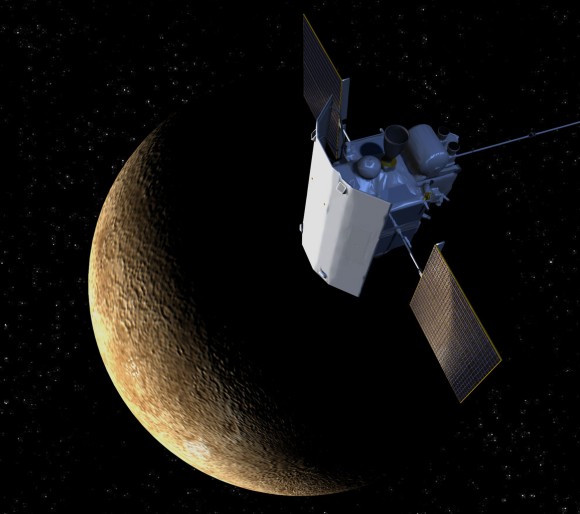
Artist’s conception of NASA’s MESSENGER spacecraft above Mercury. (Credit: JHUAPL)
via universetoday

NASA’s James Webb Space Telescope will use SPF 1,000,000 to stay protected

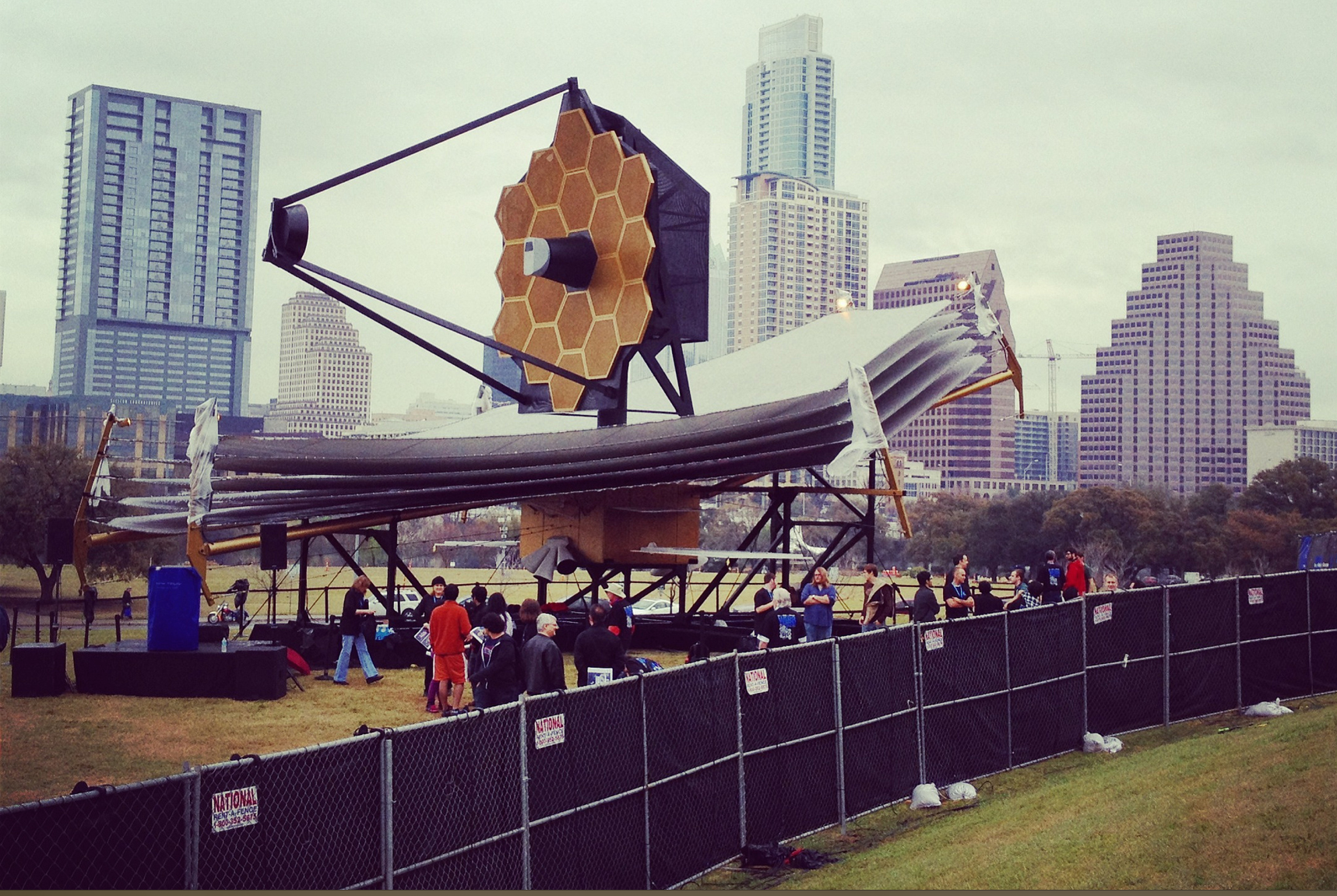
The full-scale James Webb Space Telescope model at South by Southwest in Austin. (Credit: NASA/Chris Gunn)
via adafruit

A nation duped? UK govt. paves way for GM babies

Britain’s government has allegedly misled the public with respect to a new IVF technique experts claim will herald an era of genetically modified babies.(Reuters / United Photos)

via rt

Physics in the News

Sunday, July 27, 2014

A cosmic two-step: The universal dance of the Dwarf Galaxies

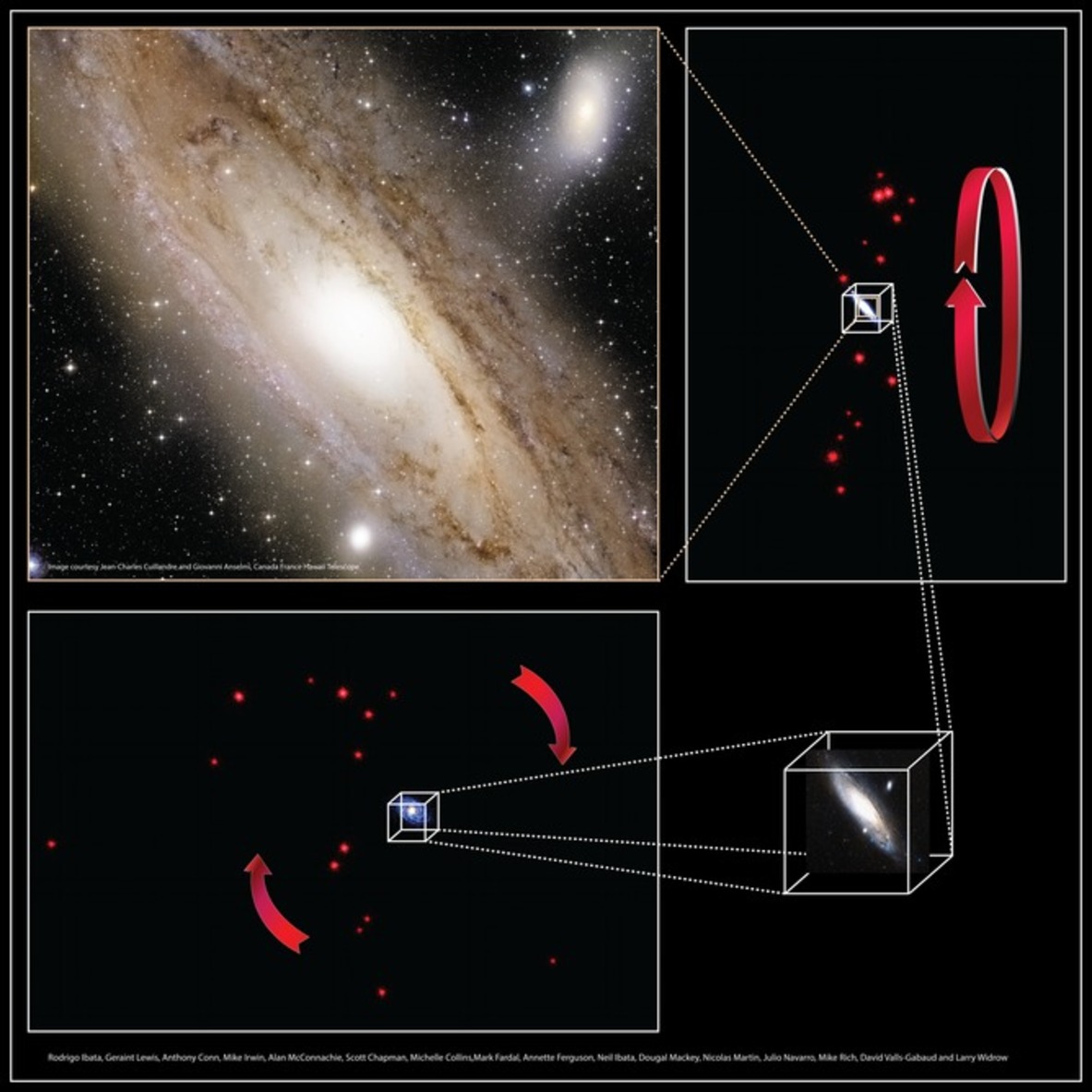
The coherent dance of dwarf orbits around the Andromeda Galaxy. (Credit: R. Ibata/Nature)
via theepochtimes

Webb Sunshield Stacks Up to Test!

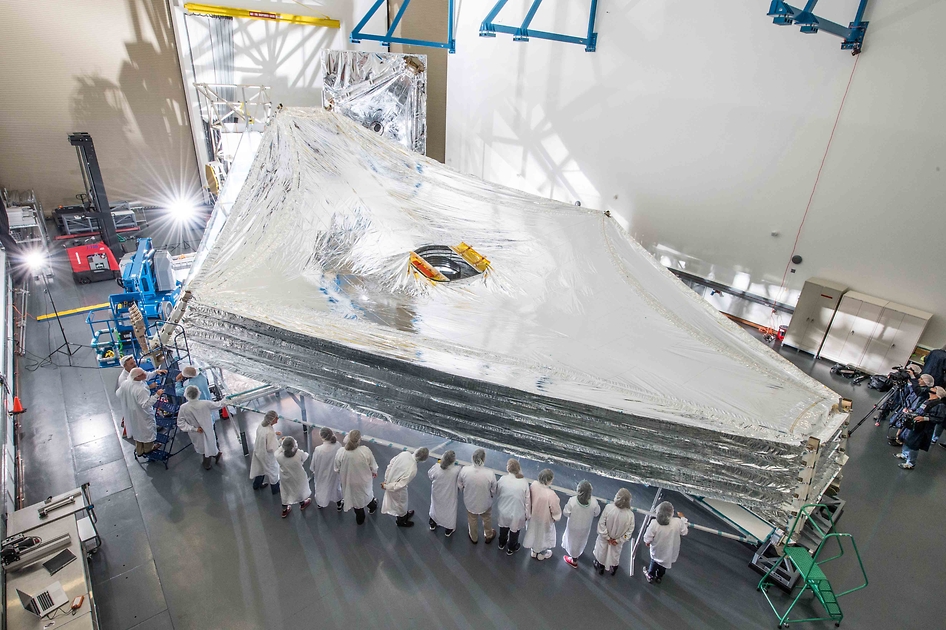
The James Webb Space Telescope (sometimes called JWST) is an orbiting infrared observatory that will complement and extend the discoveries of the Hubble Space Telescope, with longer wavelength coverage and greatly improved sensitivity.(Credit: NASA/Chris Gunn)
via nasa

NASA Preps for nail-biting comet flyby of Mars

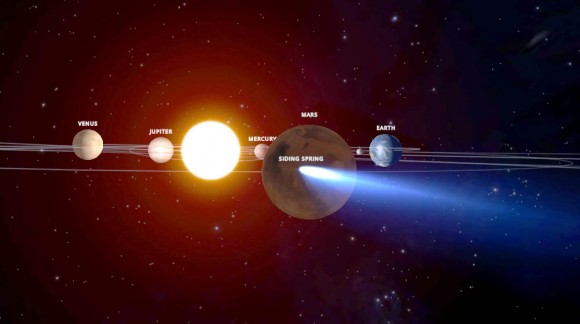
Simulation depicts comet C/2013 A1 Siding Spring during its close Mars flyby on Oct. 19. Its nucleus will miss Mars by about 82,000 miles (132,000 kilometers). The comet’s trail of dust particles shed by the nucleus might be wide enough to reach the planet. Click to see the interactive, animated view. (Credit: Solarsystemscope.com)
via universetoday

Princeton man drawing attention to outer space

Justin Dowd, a Princeton man who won a contest and will be traveling into outer space next year, sits next to an illustration used in the opening scene of his educational video. (Credit: T&G Staff/STEVE LANAVA)

via telegram

Sometimes a typo means you need to blow up your own spacecraft

via vice

Listening in on cosmic messages

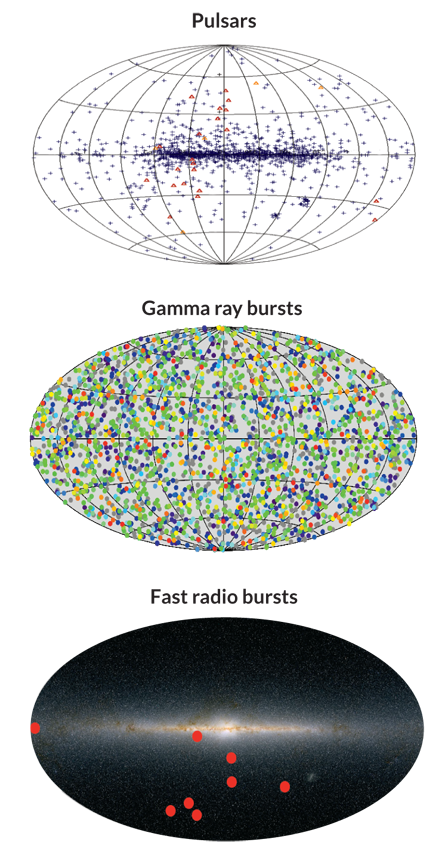
Mapping signals on the sky can offer clues about where the signals originate. Pulsars (top) concentrate in the Milky Way, because most of the ones we see sit in our galaxy. Gamma bursts (middle) come from everywhere, which means they’re parked in other galaxies. Fast radio bursts (bottom) seem to mostly avoid our galgaxy, a hint that they may come from very far away.(Credits: Green Bank Telescope, West Virginia Univ; G. Fishman et al/BATSE, CGRO, NASA.; J. Carpenter, T.H. Jarrett/2MASS, R. Hurt, C. Crockett)
via sciencenews

Physicist thinks lack of evidence for inflation, multiverse a cosmic “deal-breaker”

Evidence of gravitational waves in the infant universe may have been uncovered by the BICEP2 radio telescope. (Credit: NASA/JPL-Caltech)
via uncommondescent

Mars Mission advocated to a packed room at Comic-Con

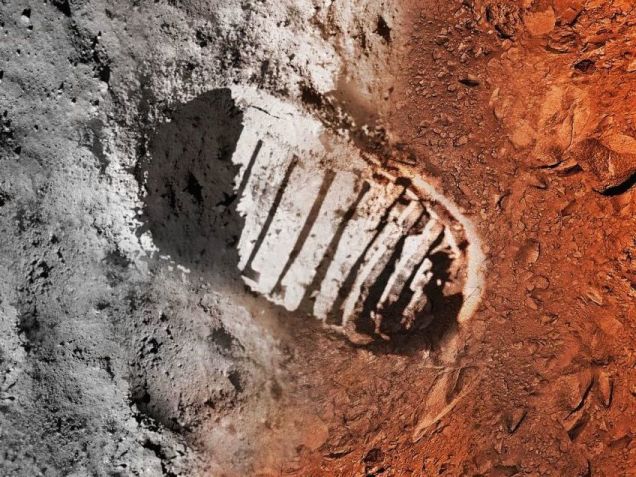
The first Giant Leap was Apollo 11 landing astronauts on the moon. The next Giant Leap could be Apollo 45 landing humans on Mars. (Credit: NASA)
via io9

Physics in the News

Saturday, July 26, 2014

NASA just made it possible to 3D-print your own asteroid

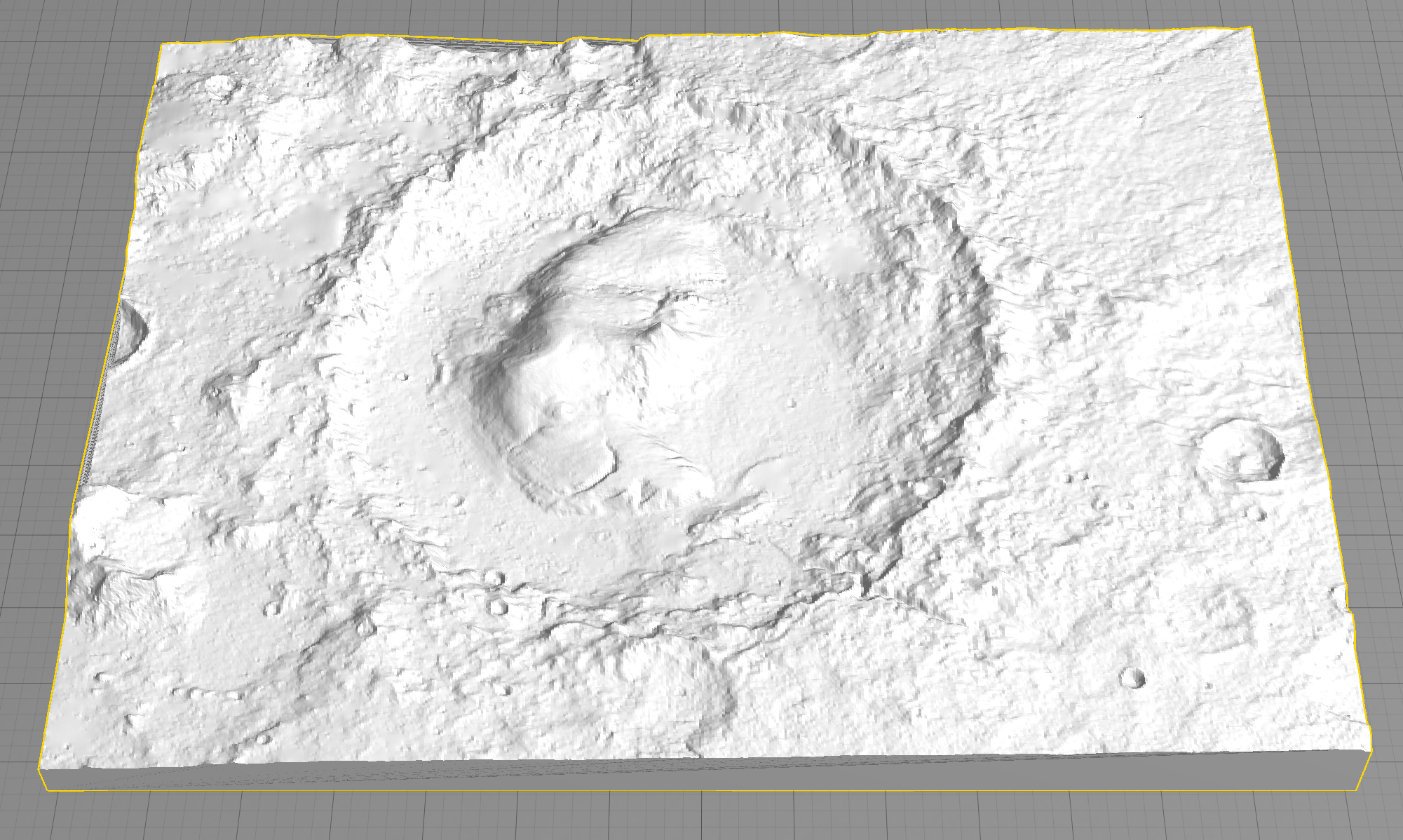
Model of Mars' Gale crater.  NASA has released STL files so you can 3D print your own scale models of space probes, asteroids and the surface of the moon. (Credit: NASA)
Model of Mars’ Gale crater. NASA has released STL files so you can 3D print your own scale models of space probes, asteroids and the surface of the moon. (Credit: NASA)

via cnet

Voyager scientists disagree on whether craft has reached interstellar space

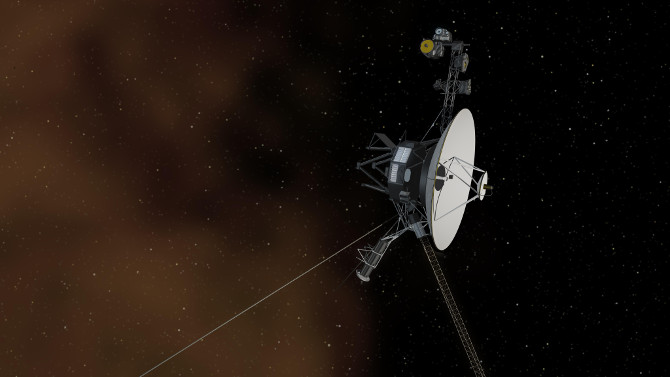
This artist’s concept shows the Voyager 1 spacecraft entering the space between stars. Interstellar space is dominated by plasma, ionized gas (illustrated here as brownish haze), that was thrown off by giant stars millions of years ago. (Credit: NASA/JPL-Caltech)
via forbes

Earth survived near-miss from 2012 solar storm: NASA

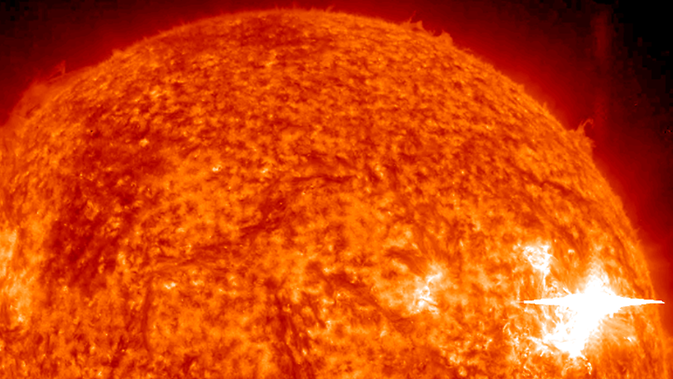
A solar flare erupted on the far side of the sun on June 4, 2011, and sent solar neutrons out into space. Solar neutrons don't make it to all the way to Earth, but NASA's MESSENGER, orbiting Mercury, found strong evidence for the neutrons, offering a new technique to study these giant explosions. (Credit:  NASA/STEREO/Helioviewer)
A solar flare erupted on the far side of the sun on June 4, 2011, and sent solar neutrons out into space. Solar neutrons don’t make it to all the way to Earth, but NASA’s MESSENGER, orbiting Mercury, found strong evidence for the neutrons, offering a new technique to study these giant explosions. (Credit:
NASA/STEREO/Helioviewer)

via phys.org

Physicists discuss quantum pigeonhole principle

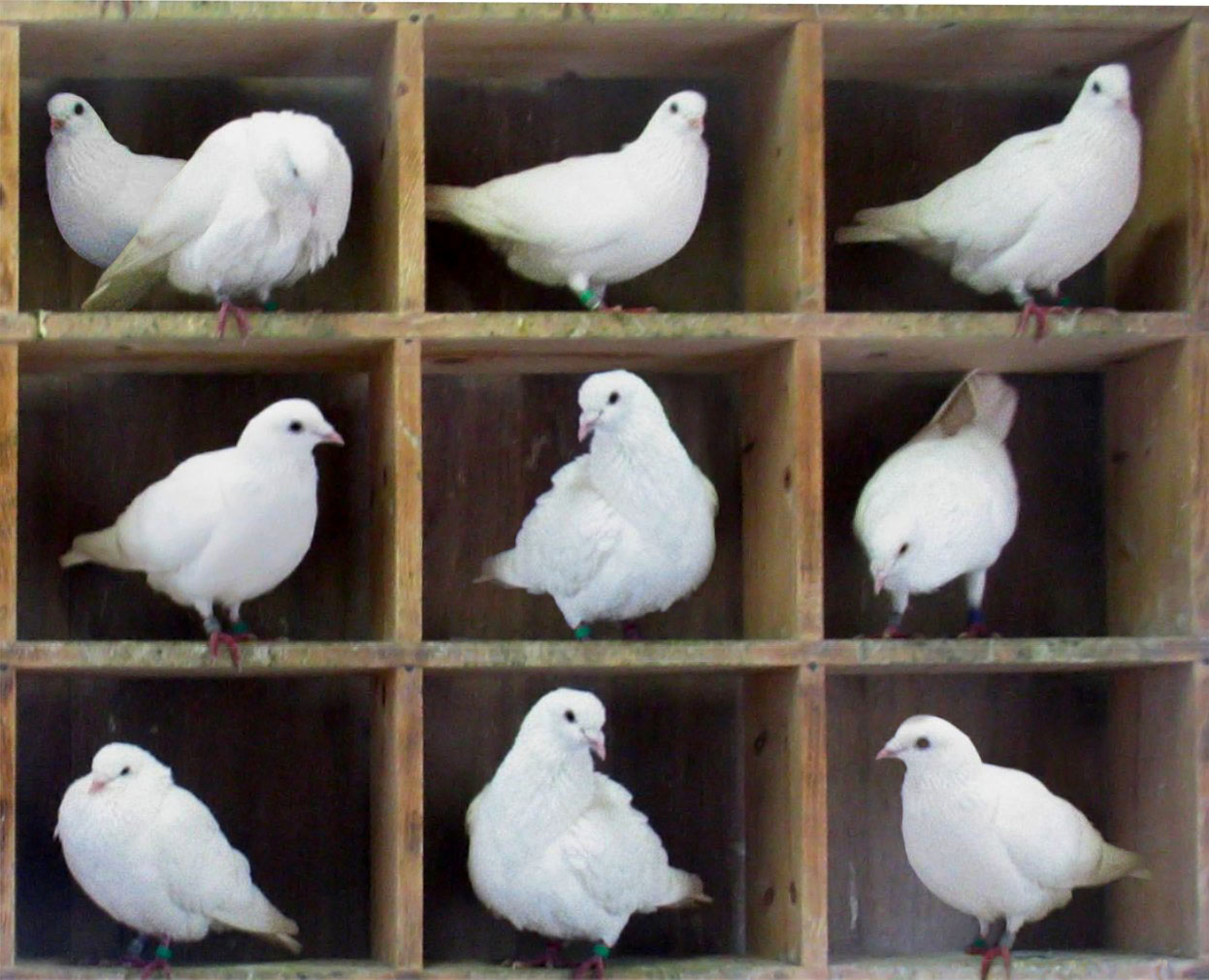
An image of pigeons in holes. Here there are n = 10 pigeons in m = 9 holes. Since 10 is greater than 9, the pigeonhole principle says that at least one hole has more than one pigeon. (Credit: SA 3.0, McKay)

via phys.org

Quantum computing and the value of storytelling in science(VIDEO)

via readwrite

The internet of things & MindMeld

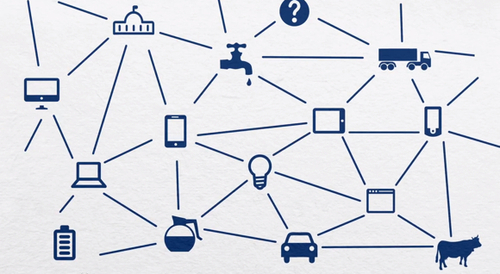
The Internet of Things, recently nicknamed the Internet of Everything, describes a future where all objects are linked together.
The Internet of Things, recently nicknamed the Internet of Everything, describes a future where all objects are linked together. (Credit: CISCO)

via expectlabs

Robotics, research and resupply round out week for station crew

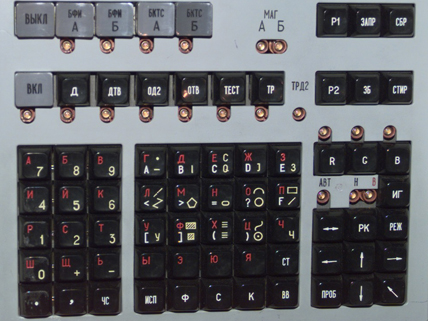
Images of panels from the International Space Station. (Credit: NASA Ames Research Center)
via spacefellowship

The war in Gaza as seen from space: Astronaut shares wrenching photo

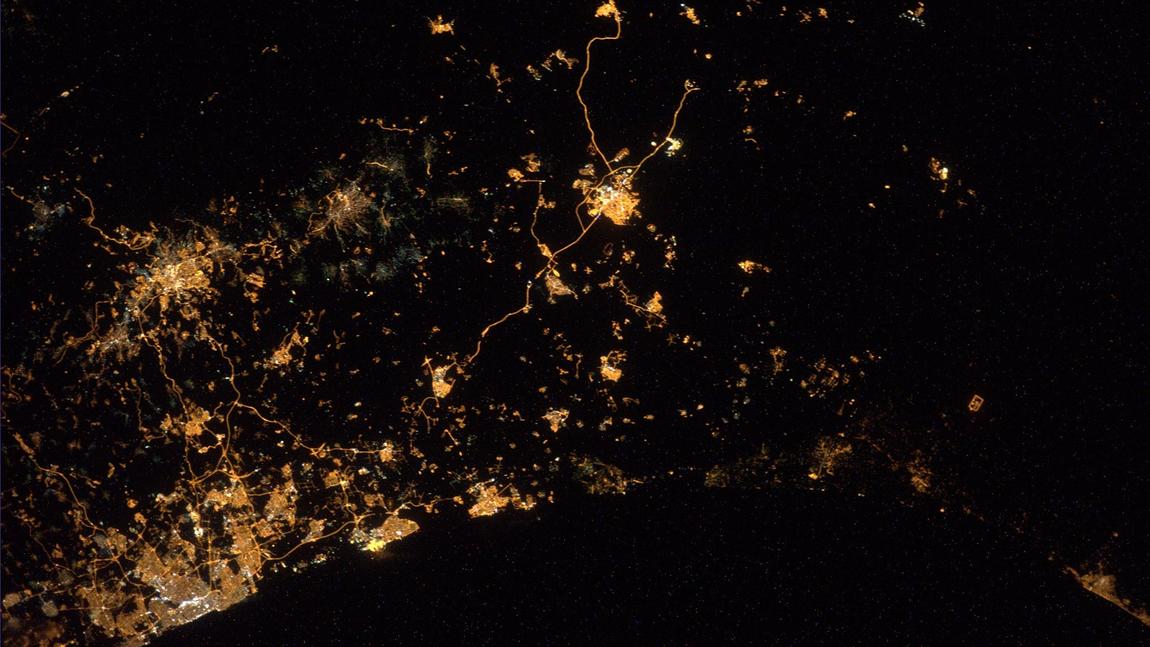
"If we ever will be visited by another species from somewhere in the universe, how would we explain to them what they might see as the very first thing when they look at our planet? How would we explain to them the way we humans treat not only each other but also our fragile blue planet, the only home we have?" Astronaut Alexander Gerst (Credit: (Alexander Gerst / European Space Agency)
“If we ever will be visited by another species from somewhere in the universe, how would we explain to them what they might see as the very first thing when they look at our planet? How would we explain to them the way we humans treat not only each other but also our fragile blue planet, the only home we have?” Astronaut Alexander Gerst (Credit: (Alexander Gerst / European Space Agency)

via latimes