Physics in the News

Friday, July 25, 2014

Lust in space: Russians lose control of gecko sex satellite

Progress is busily working to re-establish a connection with the operating system — currently on autopilot — before all hope is lost. (Credit: Tim Vickers )
via aljazeera

Hot Jupiter measurements throw water on planet formation theory
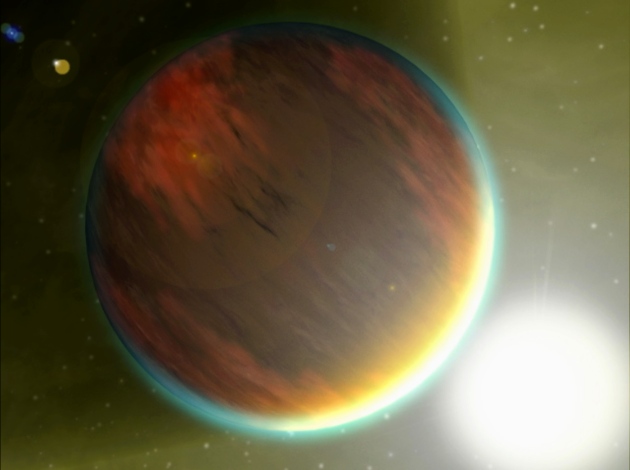
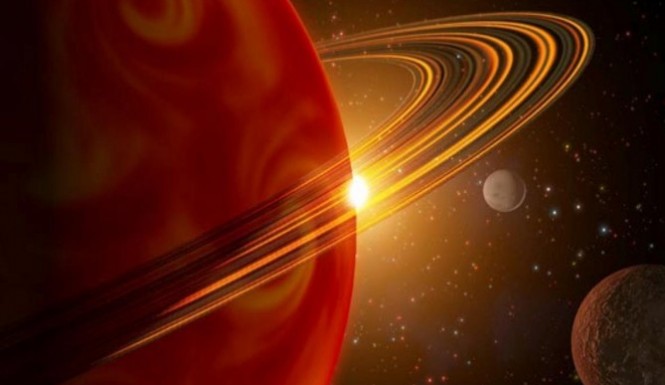
The exoplanet 209458b, a gas giant, is located 150 light-years from Earth.  Dry atmospheres of three exoplanets challenge ideas of how planets form. (Credit: NASA/JPL-Caltech)
The exoplanet 209458b, a gas giant, is located 150 light-years from Earth. Dry atmospheres of three exoplanets challenge ideas of how planets form. (Credit: NASA/JPL-Caltech)
via nature

Mysterious black holes may be exploding into ‘white holes’
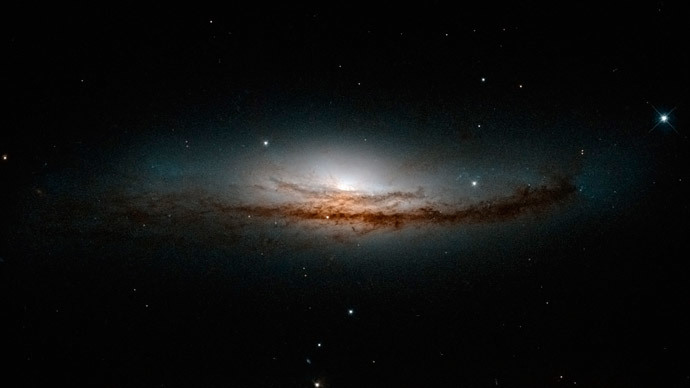
A new scientific theory suggests that when black holes reach the end of their lifespan, they explode into “white holes” and release all of their matter into space. (Credit: Reuters / NASA)
via rt

CERN accelerators come alive for LHC restart
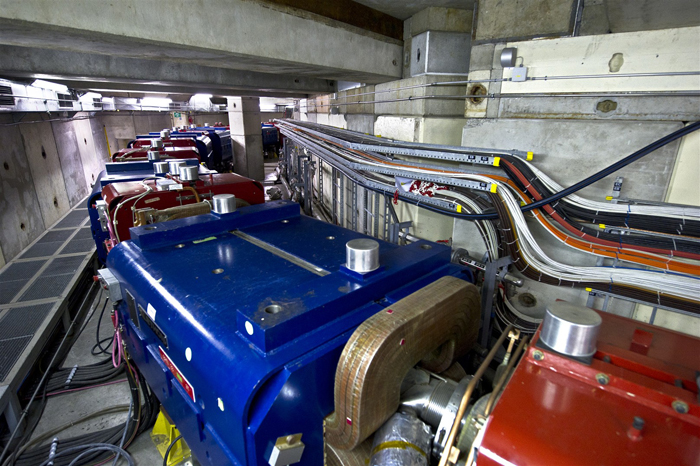
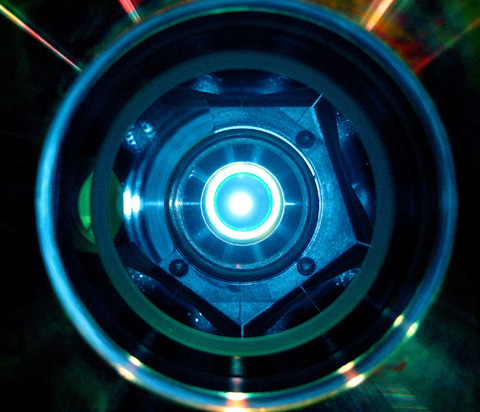
Powering up: CERN's Antiproton Decelerator will be running next week (Credit: CERN/Maximilien Brice)
Powering up: CERN’s Antiproton Decelerator will be running next week (Credit: CERN/Maximilien Brice)
via physicsworld

Breakthrough laser experiment reveals liquid-like motion of atoms in an ultra-cold cluster
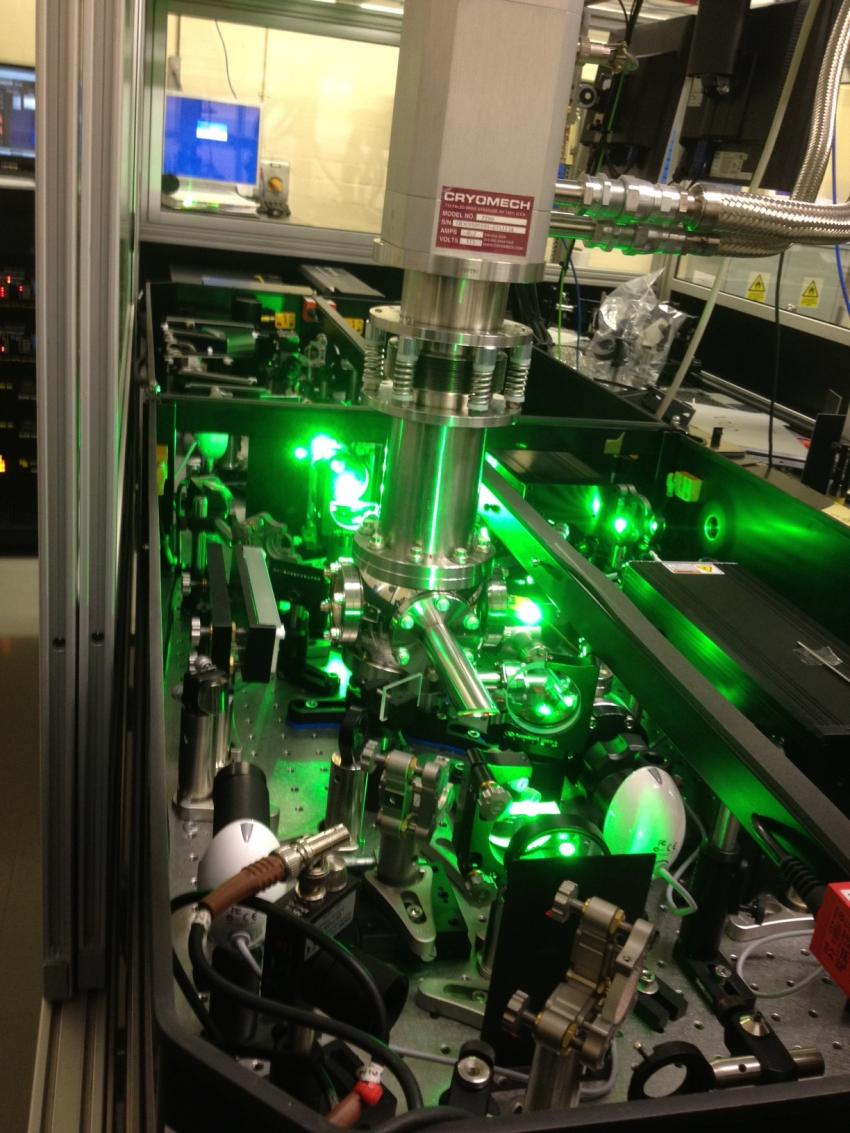
he experiment was undertaken at Rutherford Appleton Laboratories in the Artemis laser facility using an advanced femtosecond laser system to resolve rotations of complexes. The picture shows a section of the laser system used during the experiments. (Credit: Gediminas Galinis, University of Leicester.)
The experiment was undertaken at Rutherford Appleton Laboratories in the Artemis laser facility using an advanced femtosecond laser system to resolve rotations of complexes. The picture shows a section of the laser system used during the experiments. (Credit: Gediminas Galinis, University of Leicester.)
via phys

The first supercomputer simulations of ‘spin–orbit’ forces between neutrons and protons in an atomic nucleus
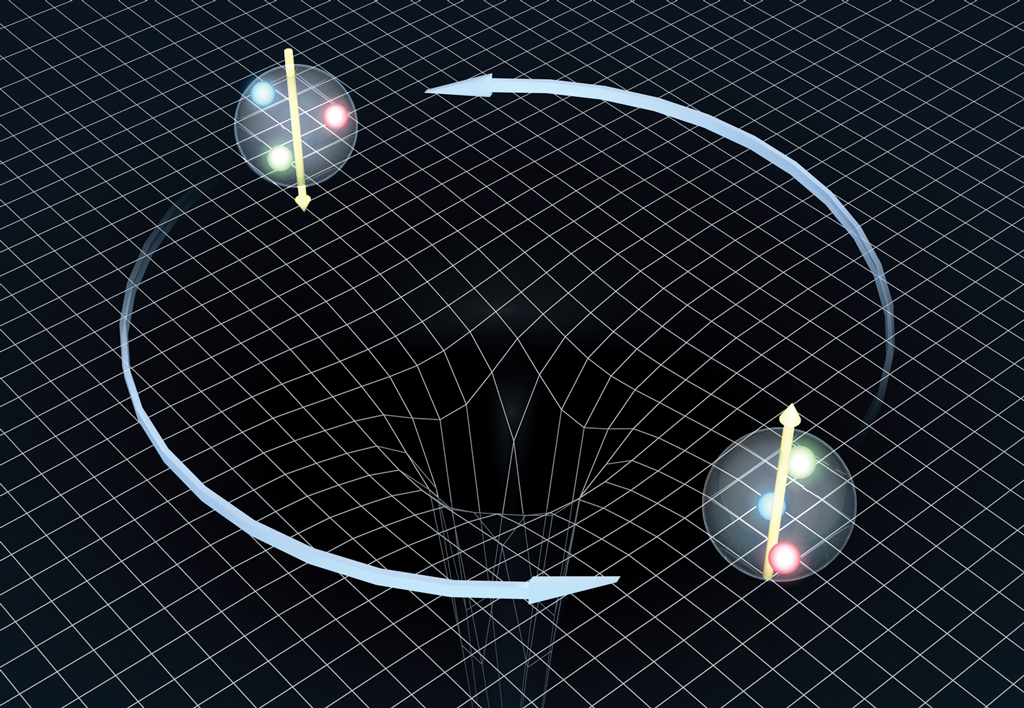
Figure 1: Nucleons (protons and neutrons) are made up of quarks (colored spheres) and have an orientation called spin (indicated by up and down arrows). The spin–orbit force is the interaction between two orbiting nucleons, resulting in a potential well (center) that holds them together. (Credit: Keiko Murano, RIKEN Nishina Center for Accelerator-Based Science)
via phys.org

Watch the Falcon 9 rocket booster descend into the ocean for its “soft” landing(VIDEO)

via extremetech

NASA says it’s too poor to fly
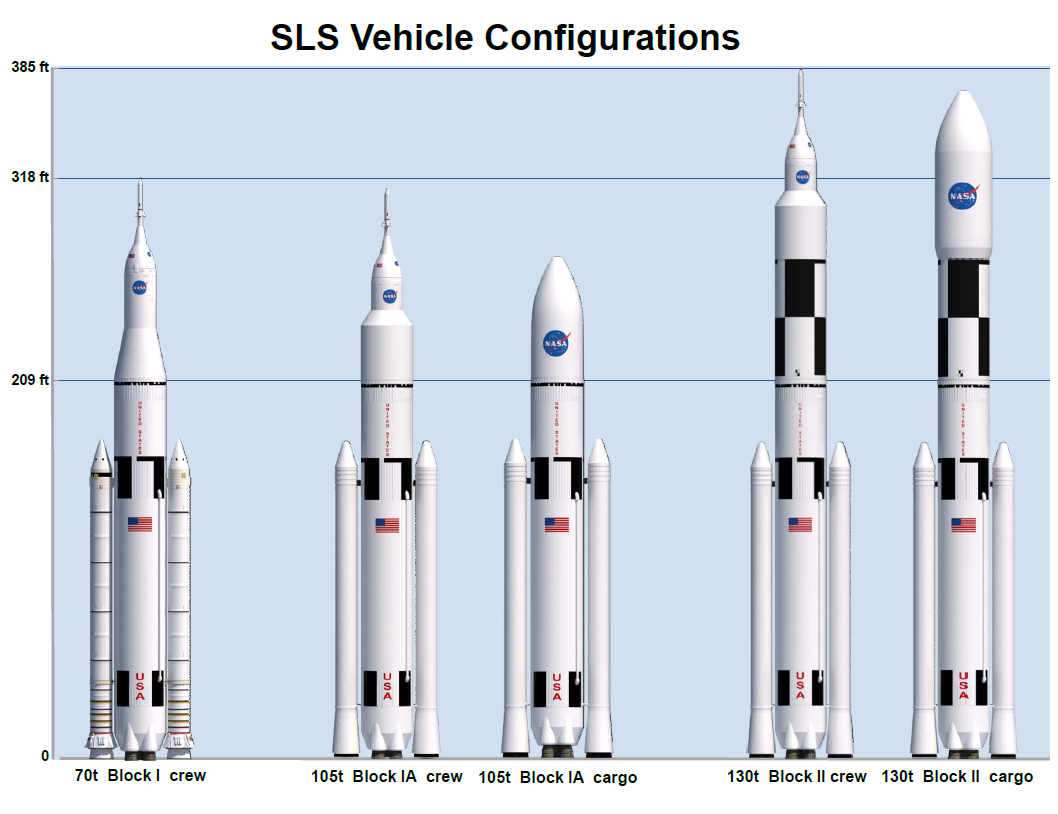
Space Launch System's planned variant vehicle configurations. (Credit: NASA)
Space Launch System’s planned variant vehicle configurations. The agency’s current funding plan for SLS may be $US400 million short of what the program needs to launch by 2017 (Credit: NASA)
via theregister

Physics in the News

Thursday, July 24, 2014

The future of ultrashort laser pulses

View of a thin-disc laser. Its geometry ensures more stable operation at higher powers than is possible with conventional solid-state lasers. (Credit: Thomas Metzger)
via phys.org

Searching for water in the Milky Way, drier than first thought

The Hubble Space Telescope finished another step in a important mission, looking for water in the milky way. The results so far are a bit surprising, with three exoplanets (planets outside the solar system) coming up short in their water supplies. (Credit: Greg Bacon)
via inquisitr

Neck of Rosetta’s ‘rubby duckie’ comet shows a bright ring

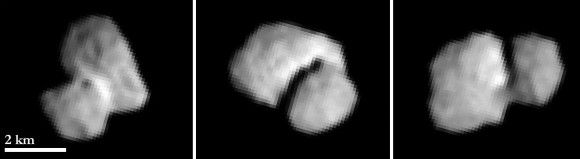
Rosetta imaged its target comet, Comet 67P/Churyumov-Gerasimenko, from about 3,417 miles (5,500 kilometers) away. The “neck” of the comet appears to be brighter than the rest of the nucleus. (Credit: ESA/Rosetta/MPS for OSIRIS Team MPS/UPD/LAM/IAA/SSO/INTA/UPM/DASP/IDA)
via universetoday

Calling for a debate over Pluto’s nature

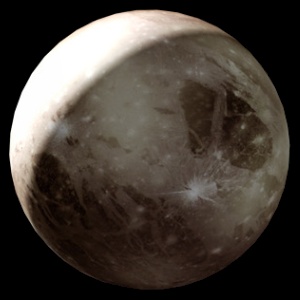
Artist's concept of Pluto (Credit: NASA, ESA and G. Bacon (STScI))
Artist’s concept of Pluto (Credit: NASA, ESA and G. Bacon (STScI))
via huffingtonpost

The birth of topological spintronics

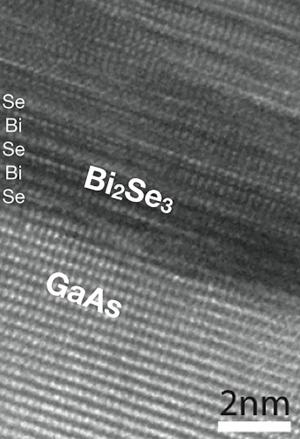
The atomic layers of the topological insulator bismuth selenide are visible in this high-resolution electron microscope image. (Credit: Samarth lab, Penn State University)
via phys.org

China Plans Supercollider

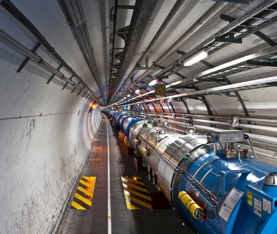
Proposals for two particle accelerators could see the country aim to become the collider capital of the world. View of the LHC tunnel sector 3-4. (Credit: Maximilien Brice (CERN))
via scientificamerican

Higgs and top: a new window on dark matter

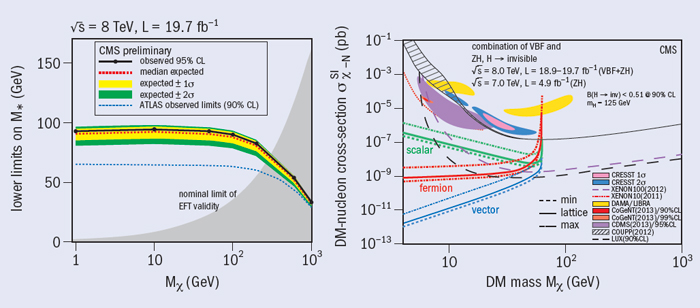
Fig. 1. Left: Limits on the dark-matter particle mass as a function of the effective interaction scale from the associated production of the particle with a top-quark pair. Fig. 2. Right: The limits set on the dark-matter particle mass from the search for invisible Higgs-boson decays compared with those from direct-detection experiments.
Fig. 1. Left: Limits on the dark-matter particle mass as a function of the effective interaction scale from the associated production of the particle with a top-quark pair. Fig. 2. Right: The limits set on the dark-matter particle mass from the search for invisible Higgs-boson decays compared with those from direct-detection experiments. (Credit: CMS)
via cerncourier

Unleashing the power of quantum dot triplets

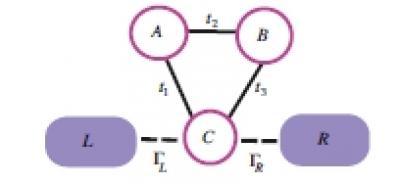
 One approach of making computers faster relies on quantum dots, a kind of artificial atom, easily controlled by applying an electric field. A new study demonstrates that changing the coupling of three coherently coupled quantum dots with electrical impulses can help better control them. (Credit: Tooski, S. B. et al.)

One approach of making computers faster relies on quantum dots, a kind of artificial atom, easily controlled by applying an electric field. A new study demonstrates that changing the coupling of three coherently coupled quantum dots with electrical impulses can help better control them. (Credit: Tooski, S. B. et al.)
via sciencecodex

 Still confused about quantum computing? This may help

There’s nothing like a Star Trek reference (yay Tribbles!) to help explain complex stuff like quantum computing. (Credit: Microsoft, Michael-Freedman)
via gigaom

Physics in the News

Wednesday, July 23, 2014

Scientists set new record by discovering the two most distant stars ever found in the milky way

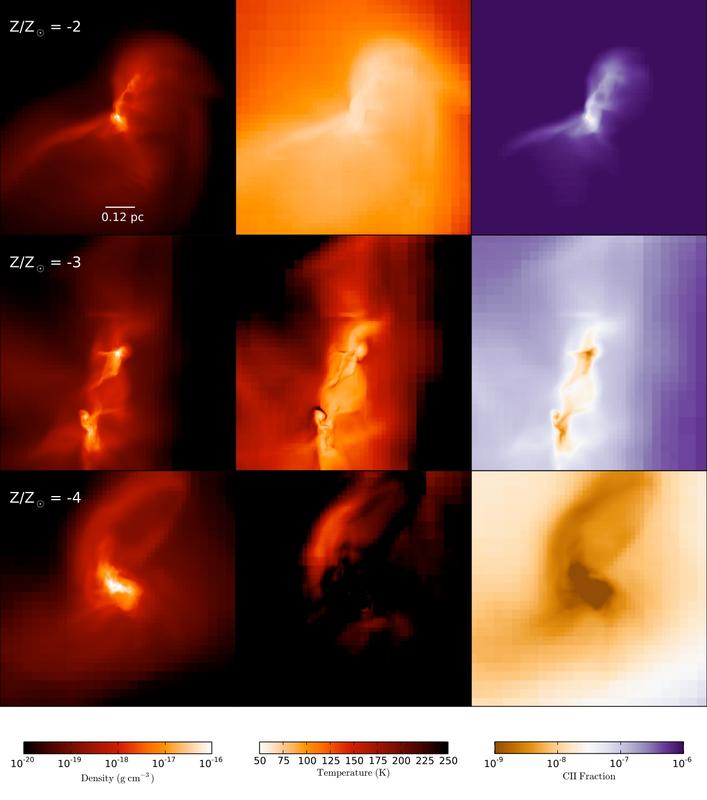
Density, temperature, and CII projections along the y-axis at a scale of 1 pc, for three different metallicities. (Credit: University of Göttingen)
via inquisitr

Optical fibres from thin air

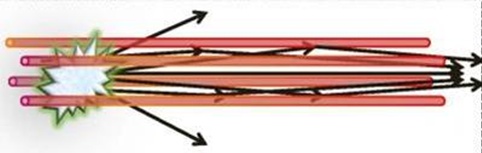
An “air waveguide” has been used to enhance light signals collected from distant sources. A single waveguide could be used to send out a laser and collect a signal. (Credit: Howard Milchberg)
via theengineer

Hubble traces the halo of a galaxy more accurately than ever before

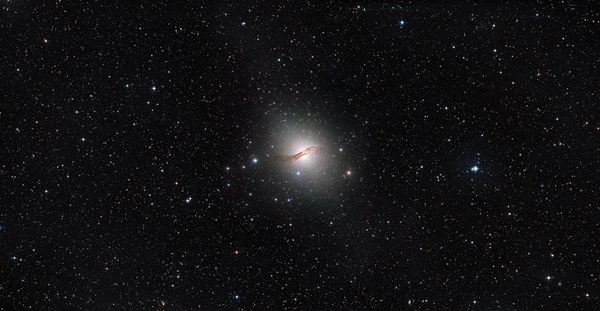
This image shows the stunning elliptical galaxy Centaurus A. Recently, astronomers have used the NASA/ESA Hubble Space Telescope to probe the outskirts of this galaxy to learn more about its dim halo of stars. (Credit: ESA/Hubble)/NASA/Digitized Sky Survey/MPG/ESO
via astronomy

Proton spin mystery gains a new clue

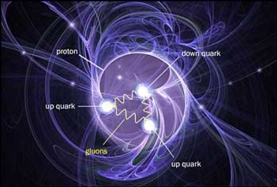
Physicists long assumed a proton’s spin came from its three constituent quarks. New measurements suggest particles called gluons make a significant contribution (Credit: Brookhaven National Laboratory)
via scientificamerican

‘Transformer’ pulsar is more than meets the eye

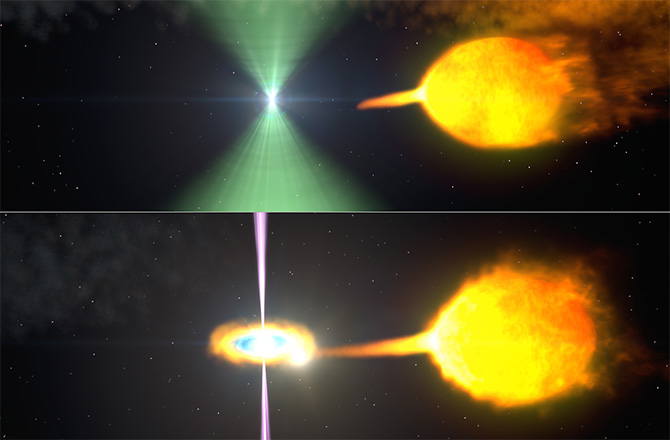
These artist's renderings show one model of pulsar J1023 before (top) and after (bottom) its radio beacon (green) vanished. Normally, the pulsar's wind staves off the companion's gas stream. When the stream surges, an accretion disk forms and gamma-ray particle jets (magenta) obscure the radio beam. NASA's Goddard Space Flight Center
These artist’s renderings show one model of pulsar J1023 before (top) and after (bottom) its radio beacon (green) vanished. Normally, the pulsar’s wind staves off the companion’s gas stream. When the stream surges, an accretion disk forms and gamma-ray particle jets (magenta) obscure the radio beam.
(Credit: NASA’s Goddard Space Flight Center)
via discovery

Massive neutrinos and new standard cosmological model: No concordance yet

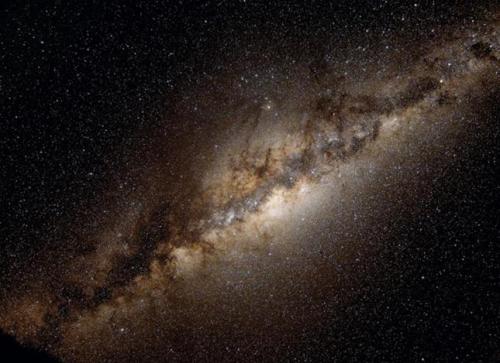
 The research group demonstrates that adding such massive neutrinos to the standard model does not really explain all datasets. Credit: The Milky Way, NASA. Read more at: http://phys.org/news/2014-07-massive-neutrinos-standard-cosmological-concordance.html#jCp
The research group demonstrates that adding such massive neutrinos to the standard model does not really explain all datasets. (Credit: The Milky Way, NASA.)
via phys.org

What is gravity really (VIDEO)?

via nasa

Advanced dark matter experiment coming to SNOL

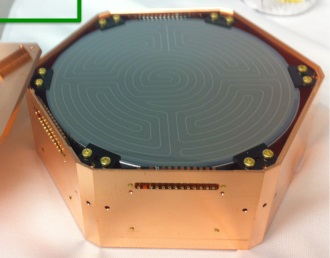
The Super Cryogenic Dark Matter Search is an international, multimillion dollar dark matter experiment currently based in Minnesota with plans to progress the project by building a more sensitive detector at SNOLAB.
The Super Cryogenic Dark Matter Search is an international, multimillion dollar dark matter experiment currently based in Minnesota with plans to progress the project by building a more sensitive detector at SNOLAB. (Credit: SNOLAB)
via queensu

Update: Einstein is still full of surprises

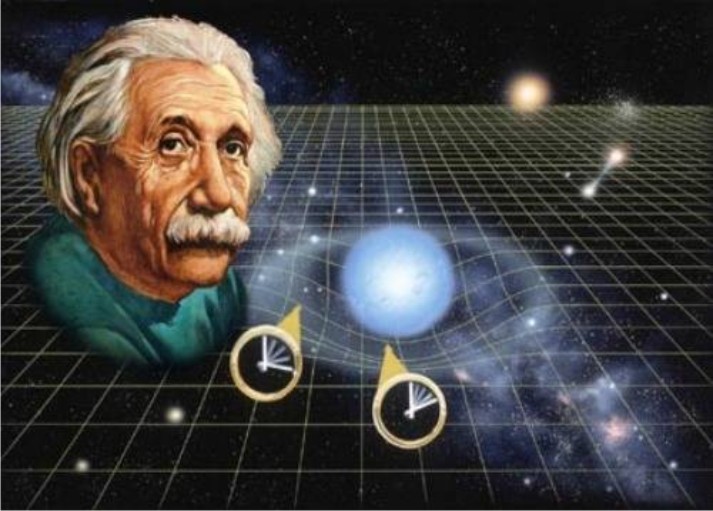
What is the view of time that Albert Einstein presents to us in special relativity? Einstein tells us that there is no separate ‘time’ or ‘space.’ ‘Time’ and ‘space’ cannot be separated; they are a united whole.
via davidreneke

Physics in the News

Tuesday, July 22, 2014

Researchers reveal why giant black hole’s ‘galactic fireworks’ were a flop(VIDEO)

via nature

Physicist George Ellis knocks physicists for knocking philosophy, falsification, and free will

"You cannot do physics or cosmology without an assumed philosophical basis," says George Ellis. (Credit: David Monniaux)
“You cannot do physics or cosmology without an assumed philosophical basis,” says George Ellis. (Credit: David Monniaux)

via scientificamerican

Boosting the force of empty space

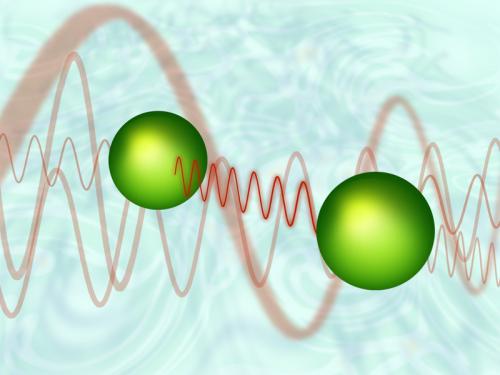
Two atoms exchanging a virtual photon. Empty space around them is not as empty as one might think. (Credit: Vienna University of Technology, TU Vienna)
via phys.org

Beyond energy, matter, time and space

New particles may yet be discovered, and even new laws. But it is almost taken for granted that everything from physics to biology, including the mind, ultimately comes down to four fundamental concepts: matter and energy interacting in an arena of space and time. (Credit: Carl Wiens)
via nytimes

‘Quantum Bounce’ theory claims black holes explode

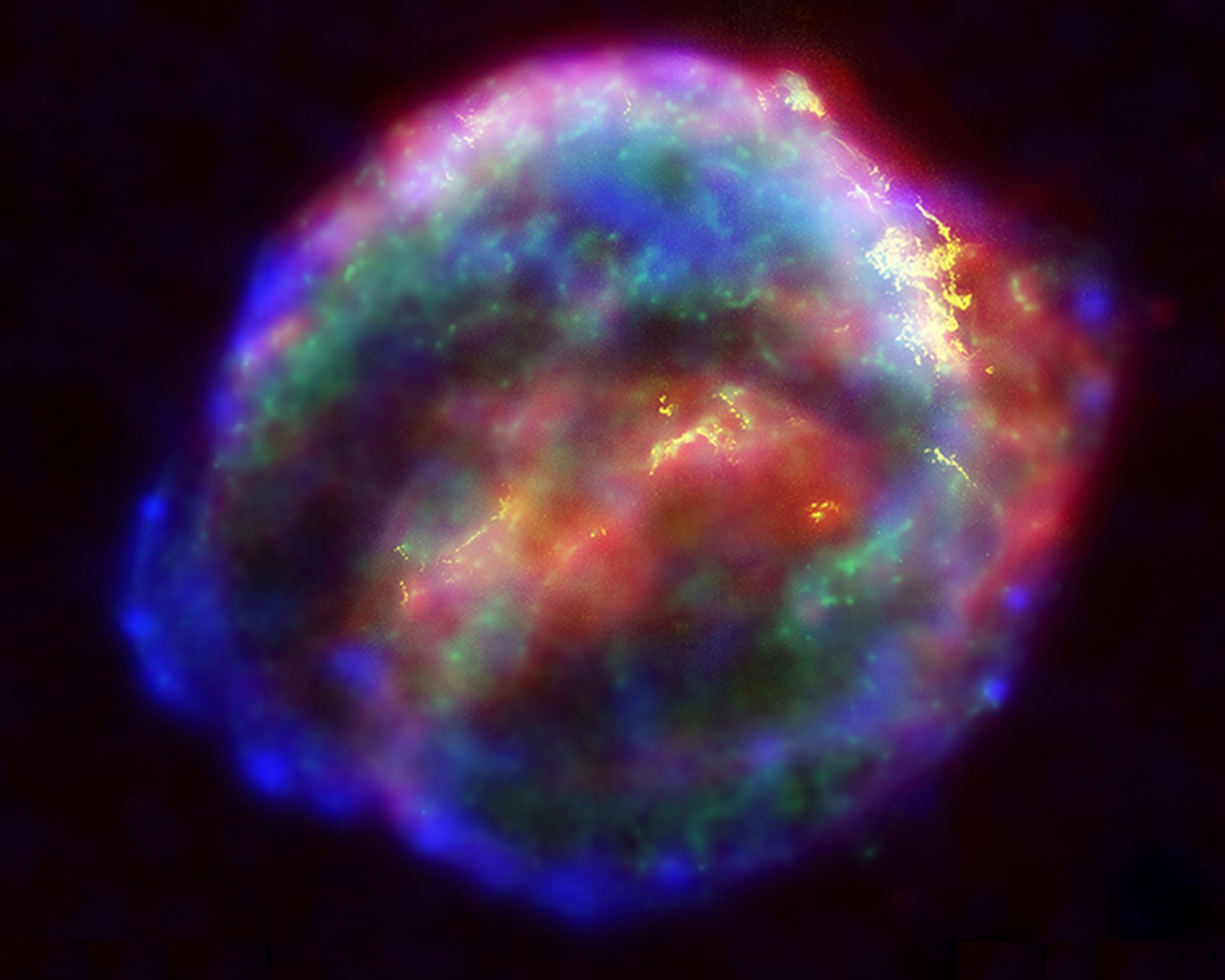
Kepler's Supernova Remnant "On October 9, 1604, sky watchers -- including astronomer Johannes Kepler, spotted a "new star" in the western sky, rivaling the brilliance of nearby planets. "Kepler's supernova" was the last exploding supernova seen in our Milky Way galaxy. (Credit: NASA/ESA/JHU/R.Sankrit & W.Blair)
Kepler’s Supernova Remnant “On October 9, 1604, sky watchers — including astronomer Johannes Kepler, spotted a “new star” in the western sky, rivaling the brilliance of nearby planets. “Kepler’s supernova” was the last exploding supernova seen in our Milky Way galaxy. (Credit: NASA/ESA/JHU/R.Sankrit & W.Blair)
via nature

We only use 10% of our brains? That’s a myth

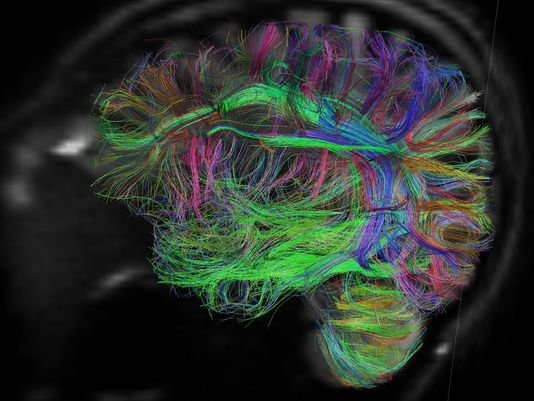
A Diffusion Spectrum MRI (DSI) of the human brain obtained with the MGH-UCLA Human ?Connectom? Scanner. The fiber tracks are color-coded by direction: red=left-right, green  =anterior-posterior, blue=through brain stem. (Credit: National Institutes of Biomedical Imaging and Bioengineering and National Institutes of Health)
A Diffusion Spectrum MRI (DSI) of the human brain obtained with the MGH-UCLA Human ‘Connectom’ Scanner. The fiber tracks are color-coded by direction:  red=left-right, green=anterior-posterior, blue=through brain stem. (Credit: National Institutes of Biomedical Imaging and Bioengineering and National Institutes of Health)
via theatlantic

Physics in the News

Monday, July 21, 2014

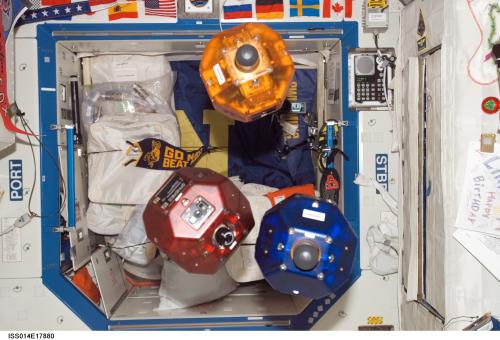
Astronauts testing free-flying “housekeeper” robots

Three satellites fly in formation as part of the Synchronized Position Hold, Engage, Reorient, Experimental Satellites (SPHERES) investigation. This image was taken during Expedition 14 in the Destiny laboratory module. (Credit: NASA)
via phys.org

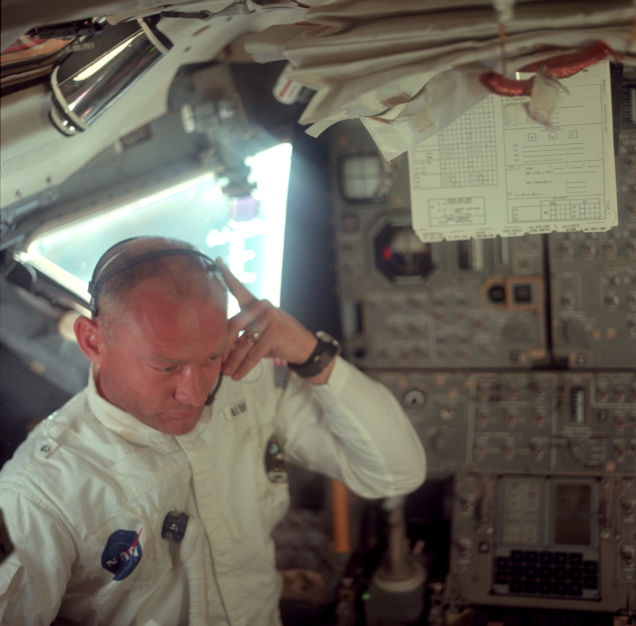
Rare photos reveal fascinating views of the Apollo 11 moon landing

Buzz Aldrin listening to mission control transmission during translunar coast NASA/Project Apollo Archive
Buzz Aldrin listening to mission control transmission during translunar coast. (Credit: NASA/Project Apollo Archive)
via gizmodo

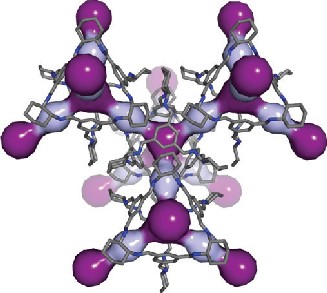
New noble gas cage for extracting radioactive elements from air and water

In this computer simulation, light and dark purple highlight the cavities within the 3D pore structure of CC3. (Credit: Nature Materials 2014)
via news.liv

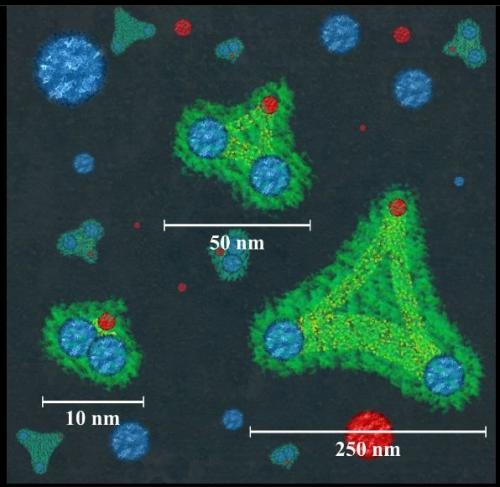
Physicists succeed in revealing the scaling behaviour of exotic giant molecules

According to Efimov's prediction, bound states of three atoms can be universally described under certain conditions. The scientist found that infinitely many quantum mechanical bound states for the "ménage à trois" exist, even if two of the atoms cannot bind together. (Credit:  Heidelberg Uni.)
According to Efimov’s prediction, bound states of three atoms can be universally described under certain conditions. The scientist found that infinitely many quantum mechanical bound states for the “ménage à trois” exist, even if two of the atoms cannot bind together. (Credit: Heidelberg Uni.)
via phys.org

Vast rock arches sculpt themselves out of sand

Delicate Arch and many other gigantic arches in the US are made of the stuff. It is a "locked sand", whose angular grains can catch on each other.(Credit: Brad Goldpaint/Aurora Open/Corbis)
Delicate Arch and many other gigantic arches in the US are made of the stuff. It is a “locked sand”, whose angular grains can catch on each other.(Credit: Brad Goldpaint/Aurora Open/Corbis)
via newscientist

Researchers watched electrons jumping between fragments of exploding molecules

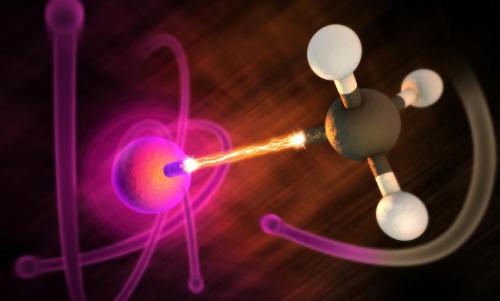
An artistic view of the electron transfer inside an iodomethane molecule. After the interaction with an ultrafast X-ray laser, the electrons from the methyl group, on the right, jump to the iodine atom, on the left. (Credit: SLAC National Accelerator Laboratory)
An artistic view of the electron transfer inside an iodomethane molecule. After the interaction with an ultra fast X-ray laser, the electrons from the methyl group, on the right, jump to the iodine atom, on the left. (Credit: SLAC National Accelerator Laboratory)
via azoquantum