Physics in the News

Saturday, June 28, 2014

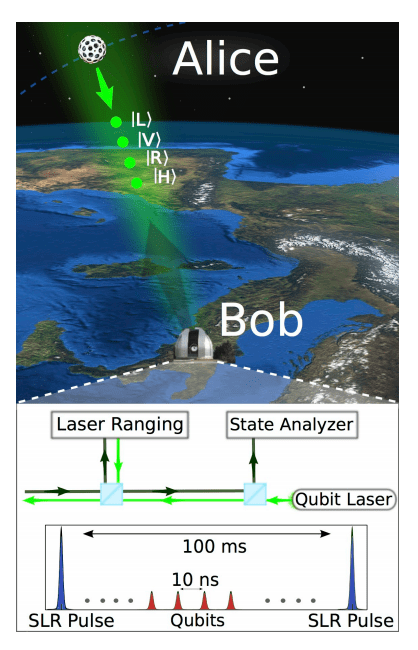
The Space-Based Quantum Cryptography Race
via technologyreview

Space football fever: NASA astronauts lose hair in World Cup bet (VIDEO)

via rt.com

STEREO probes operations will be curtailed for more than a year
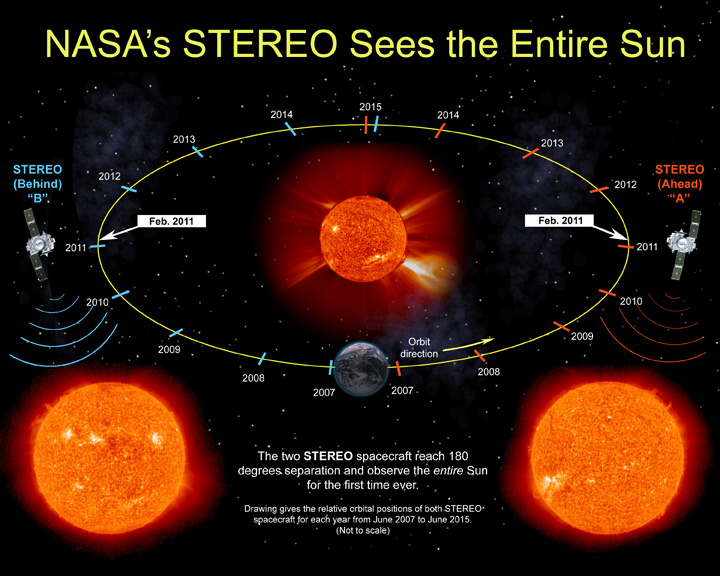
Illustration of the positions of the two STEREO spacecraft show that they attain 180 degrees of separation in Feb. 2011, thus allowing the world to see the entire Sun for the first time. (Credit: NASA/STEREO/SSC)
via thewatchers

Oppenheimer’s Folly: On black holes, fundamental laws and pure and applied science
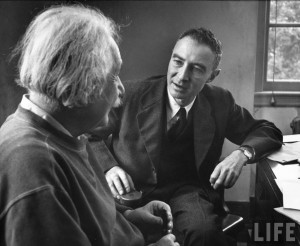
Einstein and Oppenheimer: Both men in their later years dismissed black holes as anomalies, unaware that they contained some of the deepest mysteries of physics (Image: Alfred Eisenstaedt, LIFE magazine)
via scientificamerican

Physicists Think They Can Solve the Mysteries of Quantum Mechanics, Cosmology, and Black Holes in One Go
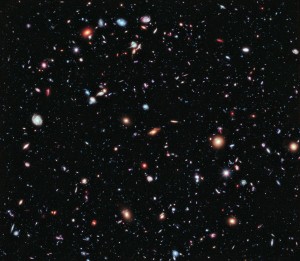
Hubble Space Telescope image. (Credit: NASA, ESA, G. Illingworth, D. Magee, and P. Oesch (University of California, Santa Cruz), R. Bouwens (Leiden University), and the HUDF09 Team)
via scientificamerican

The Smallest Black Hole in the Universe (Synopsis)
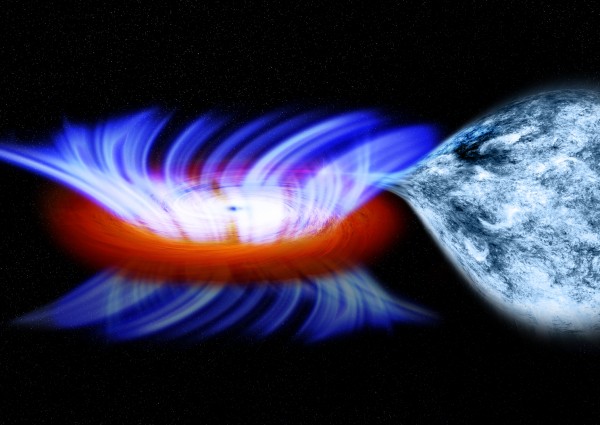
A binary system containing a stellar-mass black hole called IGR J17091. The strong gravity of the black hole, on the left, is pulling gas away from a companion star on the right. This gas forms a disk of hot gas around the black hole, and the wind is driven off this disk(Credit: NASA/CXC/M.Weiss)
via scienceblogs.com

Physicists’ findings improve advanced material
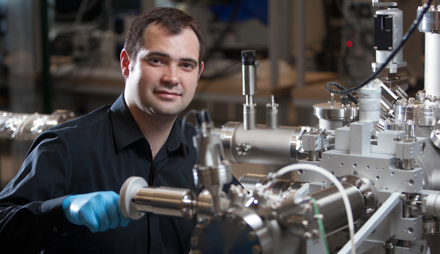
A new technique developed by a Binghamton University physicist and his colleagues will improve the quality of flexible, conductive, transparent glass.
A new technique developed by a Binghamton University physicist and his colleagues will improve the quality of flexible, conductive, transparent glass. (Credit: NASA)
via phys.org

Physics in the News

Thursday, June 26, 2014

Confirmed: That Was Definitely the Higgs Boson Found at LHC

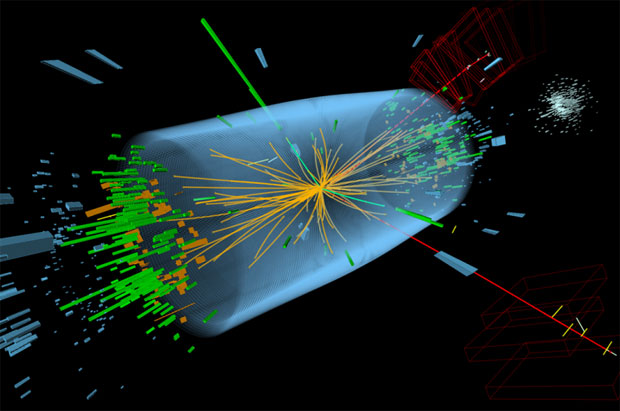
Candidate Higgs boson events from collisions between protons in the LHC. The top event in the CMS experiment shows a decay into two photons (dashed yellow lines and green towers). The lower event in the ATLAS experiment shows a decay into 4 muons (red tracks).[
Candidate Higgs boson events from collisions between protons in the LHC. The top event in the CMS experiment shows a decay into two photons (dashed yellow lines and green towers). The lower event in the ATLAS experiment shows a decay into 4 muons (red tracks).(Credit: NASA)
via discovermagazine

Einsteins biggest blunder? The 25-year-old supernova that could change the speed of light forever

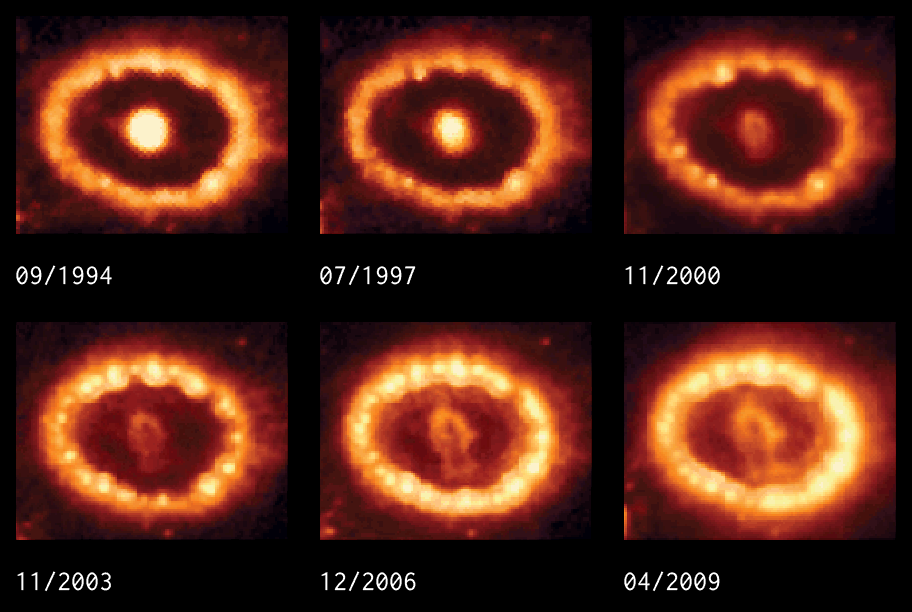
A time sequence of Hubble Space Telescope images, taken in the 15 years from 1994 to 2009, showing the collision of the expanding supernova remnant with a ring of dense material ejected by the progenitor star 20,000 years before the supernova. (Credit: NASA)
 via extremetech
 

New Math Technique Improves Atomic Property Predictions to Historic Accuracy

Computational techniques developed by a team from NIST and IU could enable precise computation of atomic properties that are important for nuclear medicine, as well as astrophysics and other fields of atomic research. Image: Paco Ayala (Fotolia)
via sciencenewsline


We may have just glimpsed dark matter, about 240 million light years away

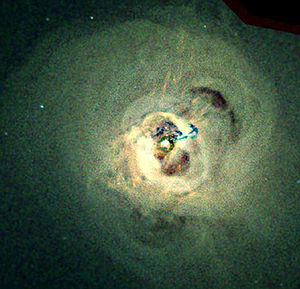
The Perseus galaxy cluster.
The Perseus galaxy cluster is one of the most massive objects in the universe, containing thousands of galaxies immersed in a vast cloud of multimillion degree gas. (Credit: NASA)
via geek.com

Supermassive black hole trio discovered

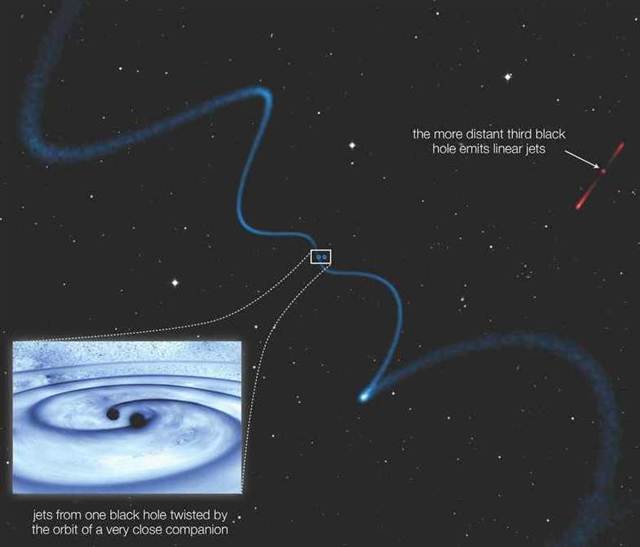
Two closely orbiting black holes in a galaxy about 4.2 billion light-years from Earth emit wavy jets, seen as a bluish spiral, while the third black hole in the trio is more distant, emitting linear jets off to the right.
via abc.net

Catching A Gravitational Wave

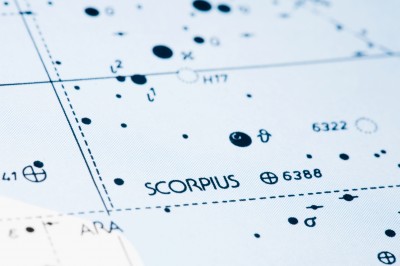
Monash and Warwick astronomers are searching for gravitational waves emitted by Scorpius X-1.
via phys.org

Clumped galaxies give General Relativity its toughest test yet

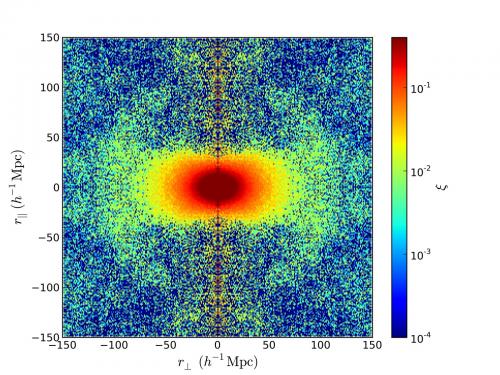
More than 600 000 galaxies from the BOSS survey were utilized to measure the strength of gravitational interactions of galaxies extremely far away from each other. This is a visual representation of that measurement; the amount that the circles are distorted, or squashed from perfect concentric rings, indicates the velocity that galaxies are falling towards each other and hence the strength of the gravitational interactions. Credit: BOSS/U. Portsmouth
More than 600 000 galaxies from the BOSS survey were utilized to measure the strength of gravitational interactions of galaxies extremely far away from each other. This is a visual representation of that measurement; the amount that the circles are distorted, or squashed from perfect concentric rings, indicates the velocity that galaxies are falling towards each other and hence the strength of the gravitational interactions. (Credit: BOSS/U. Portsmouth)
via phys.org

Physics in the News

Wednesday June 25, 2014

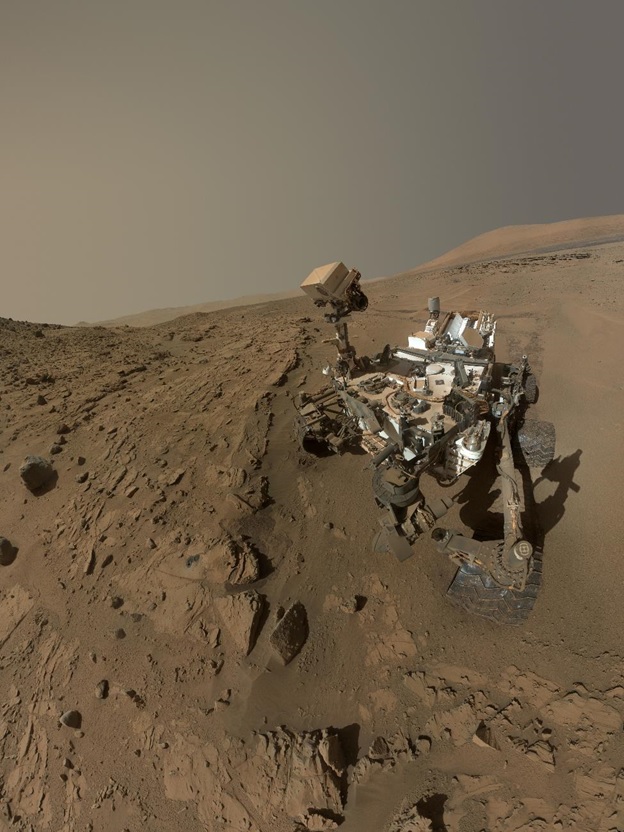
The Curiosity rover has been on Mars for one Martian year. It celebrated by taking a selfie.

NASA’s Mars Curiosity Rover captures a selfie to mark a full Martian year — 687 Earth days — spent exploring the Red Planet. (NASA/JPL-Caltech/MSSS)
NASA’s Mars Curiosity Rover captures a selfie to mark a full Martian year — 687 Earth days — spent exploring the Red Planet. (Credit: NASA/JPL-Caltech/MSSS)

via washingtonpost


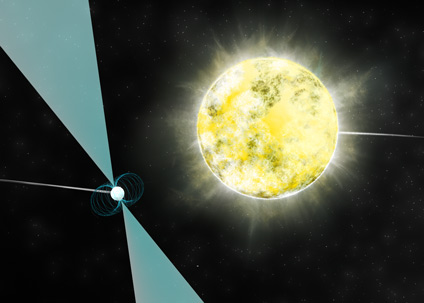
Cold white dwarf star is ‘Earth-size diamond in space’

Artist impression of a white dwarf star in orbit with pulsar PSR J2222-0137. It may be the coolest and dimmest white dwarf ever identified. (Credit: B. Saxton NRAO/AUI/NSF)

via public.nrao.edu


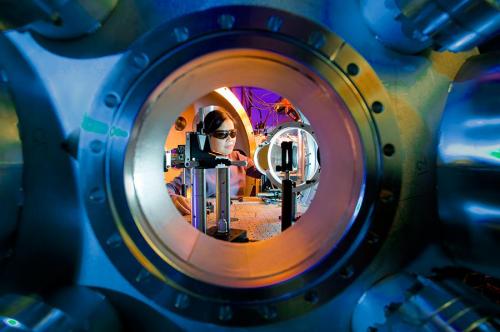
LLNL researchers define boundaries for petawatt laser absorption

 Lawrence Livermore physicist Hui Chen sets up targets for an experiment using petawatt laser technology at the Jupiter Laser Facility.
Lawrence Livermore physicist Hui Chen sets up targets for an experiment using petawatt laser technology at the Jupiter Laser Facility.

via phys.org


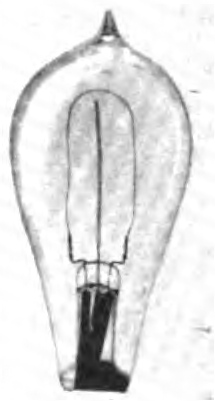
How the Aged Vacuum Tube Could Save Moore’s Law

One of the bulbs Thomas Alva Edison used to discover thermionic emission (the Edison Effect) in 1884. Edison found when he connected an ammeter between the filament and the auxiliary electrode, a current would flow, passing through the evacuated space of the bulb from filament to electrode. This current was later found to consist of electrons.

via gizmodo


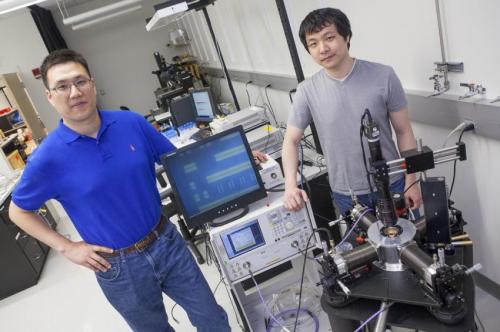
Measuring the mass of ‘massless’ electrons

This image shows professor Donhee Ham and his student Hosang Yoon are in the laboratory at the Harvard School of Engineering and Applied Sciences. (Credit: Eliza Grinnell, Harvard SEAS.)

via phys.org


Philosophy begins where physics ends, and physics begins where philosophy ends

Richard Feynman - Philosopher (Image: Washington University)
Richard Feynman – Physicist, Philosopher (Image: Washington University)

via scientificamerican

Physics in the News

Friday, June 20, 2014

Classic space science: UD physicist’s findings about space plasma become ‘classics’

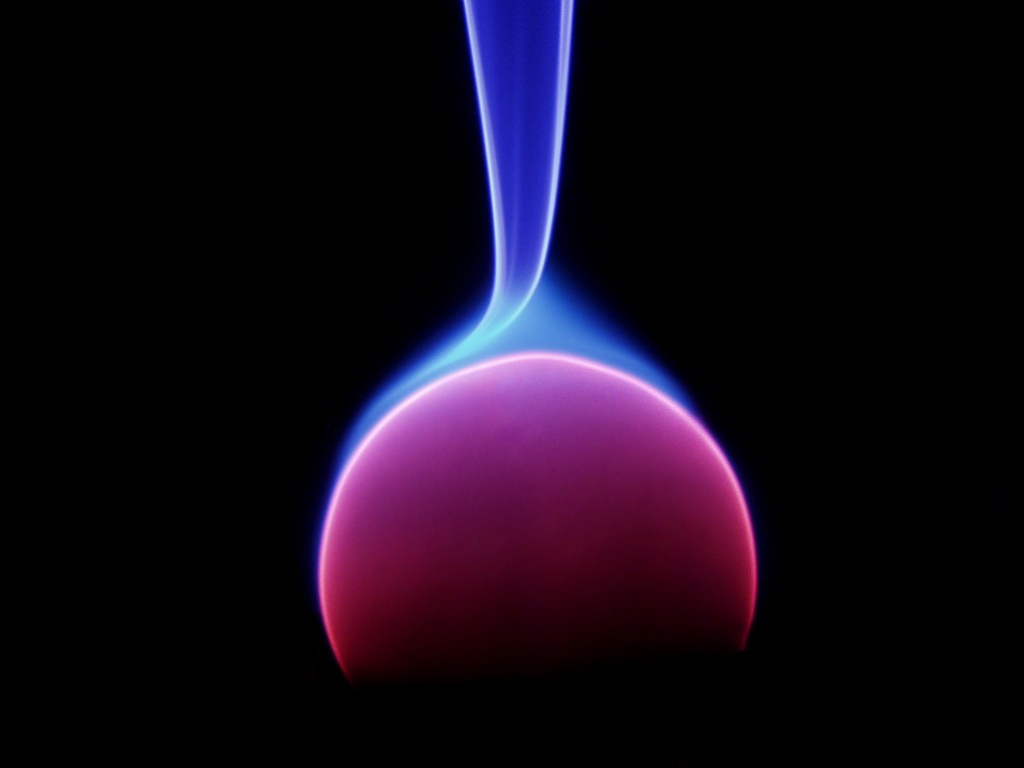
Energy Arc, central electrode of a Plasma Lamp.
via udel

New Observatory Takes Highest-Energy Particle Research to New Heights

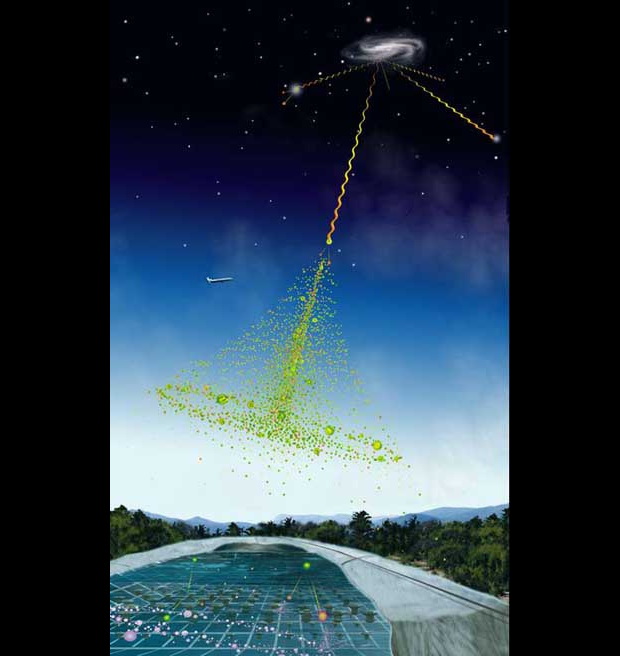
As cosmic-ray particles are accelerated by a black hole in this artist's interpretation, they stream toward Earth as very-high-energy gamma-rays. Upon hitting the atmosphere, they produce a shower of particles that rain down on Earth. Most of these particles run out of energy before they hit sea level. Credit: Aurore Simonnet, Sonoma State University
As cosmic-ray particles are accelerated by a black hole in this artist’s interpretation, they stream toward Earth as very-high-energy gamma-rays. Upon hitting the atmosphere, they produce a shower of particles that rain down on Earth. Most of these particles run out of energy before they hit sea level. (Credit: Aurore Simonnet, Sonoma State University)
via space.com

New test may provide ‘smoking gun’ for modified gravity

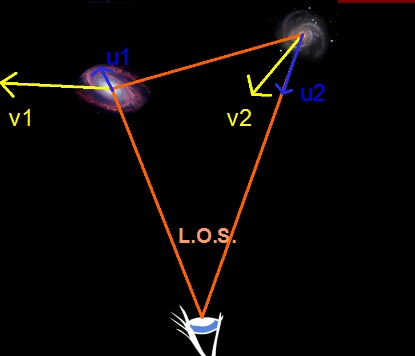
A schematic picture of how researchers can observe galaxy peculiar velocities, “a cosmic dance of galaxies.” (Credit: Wojciech A. Hellwing)
via phys.org

Supermassive Black Hole Shows Strange Gas Movements

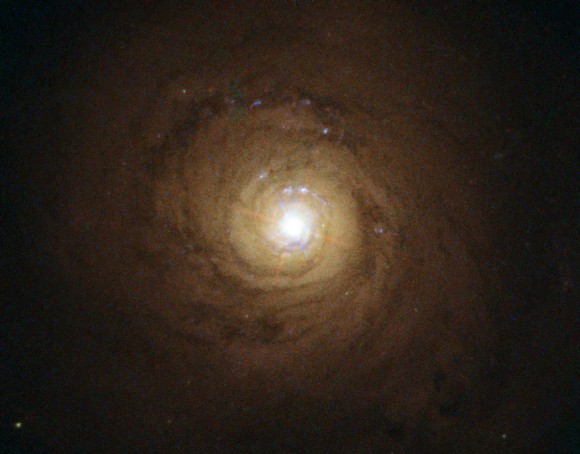
A Hubble Space Telescope image of NGC 5548. (Credit: ESA/Hubble and NASA. Davide de Martin)
via universetoday

Slowly rotating neutron star paired with a red-giant star reveals properties that conflict with existing theory

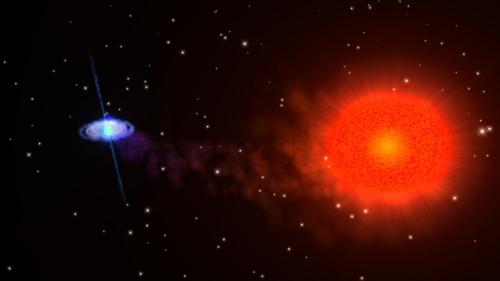
An artist’s impression of an x-ray binary system. The matter that a neutron star (blue) sucks from a regular star (red) leads to the emission of intense x-ray beams. (Credit: NASA)
via phys.org
Slowly rotating neutron star paired with a red-giant star reveals properties that conflict with existing theoryRead more at: http://phys.org/news/2014-06-slowly-rotating-neutron-star-paired.html#jCp

Physics in the News

Tuesday, June 17, 2014

Decontamination system turns space station into life science laboratory

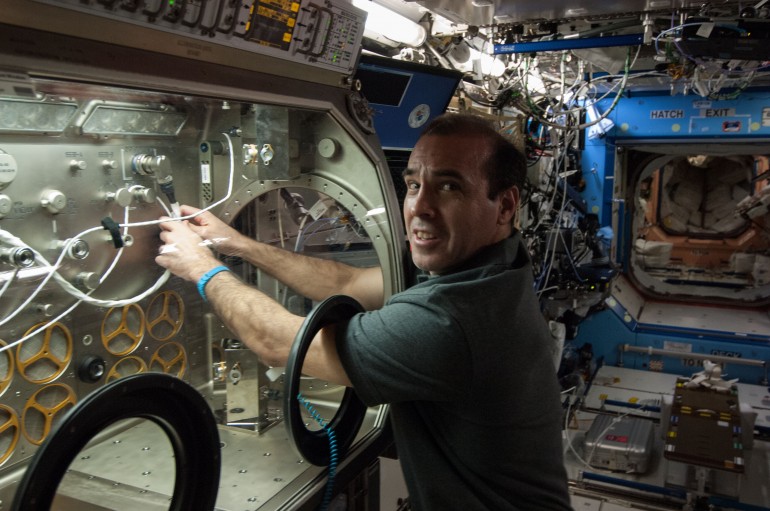
NASA astronaut Rick Mastracchio prepares to test the ultraviolet light decontamination hardware (Image: NASA)
NASA astronaut Rick Mastracchio prepares to test the ultraviolet light decontamination hardware (Credit: NASA)
via gizmag

Hubble telescope on the lookout for Kuiper belt as it pasts Pluto

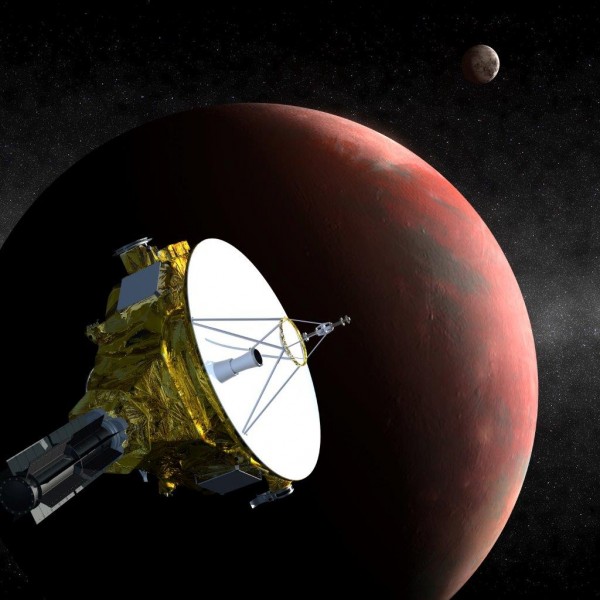
The New Horizons spacecraft approaches Pluto in this artist's conception. (JHUAPL/SWRI)
The New Horizons spacecraft approaches Pluto in this artist’s conception. (Credit: JHUAPL/SWRI)
via news.sciencemag

Former NASA Physicist Disputes Einstein’s Relativity Theory

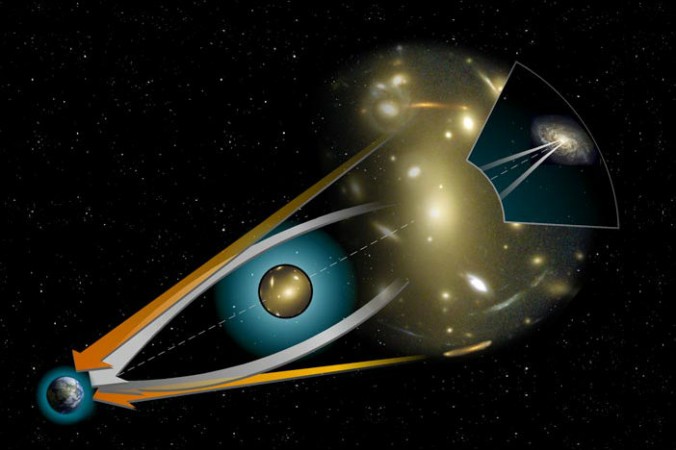
A diagram depicting gravitational lensing, a phenomenon by which light bends around some objects in space. (NASA, ESA; J. Richard, CRAL; and J.-P. Kneib, LAM)
A diagram depicting gravitational lensing, a phenomenon by which light bends around some objects in space. (Credit: NASA, ESA; J. Richard, CRAL; and J.-P. Kneib, LAM)
via theepochtimes

We owe our lives to instability

rt_yc12_7000
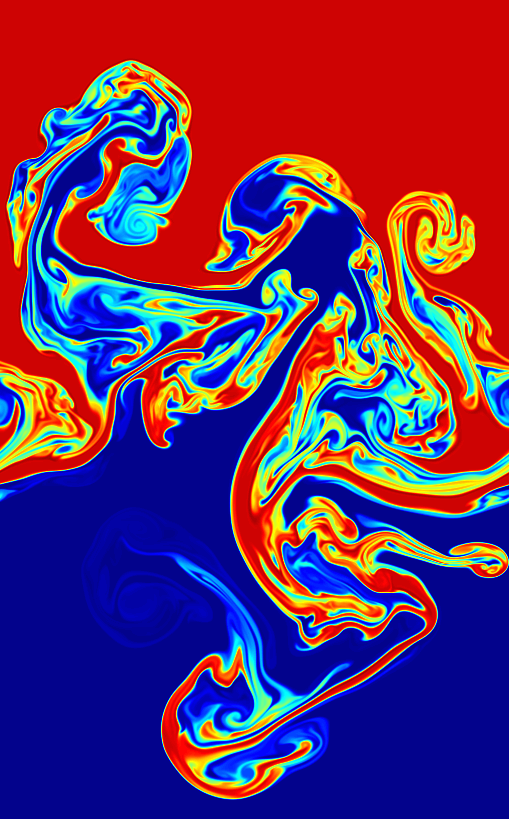
Rayleigh Taylor Instability: carbon mass fraction ρ=107 gm/cm3 12C→24Mg nuclear flame. Gravity 109 cm/s2 (Credit: Wiki Commons)
via santafenewmexican

Space giants join forces to battle SpaceX: This is how cheap space travel begins

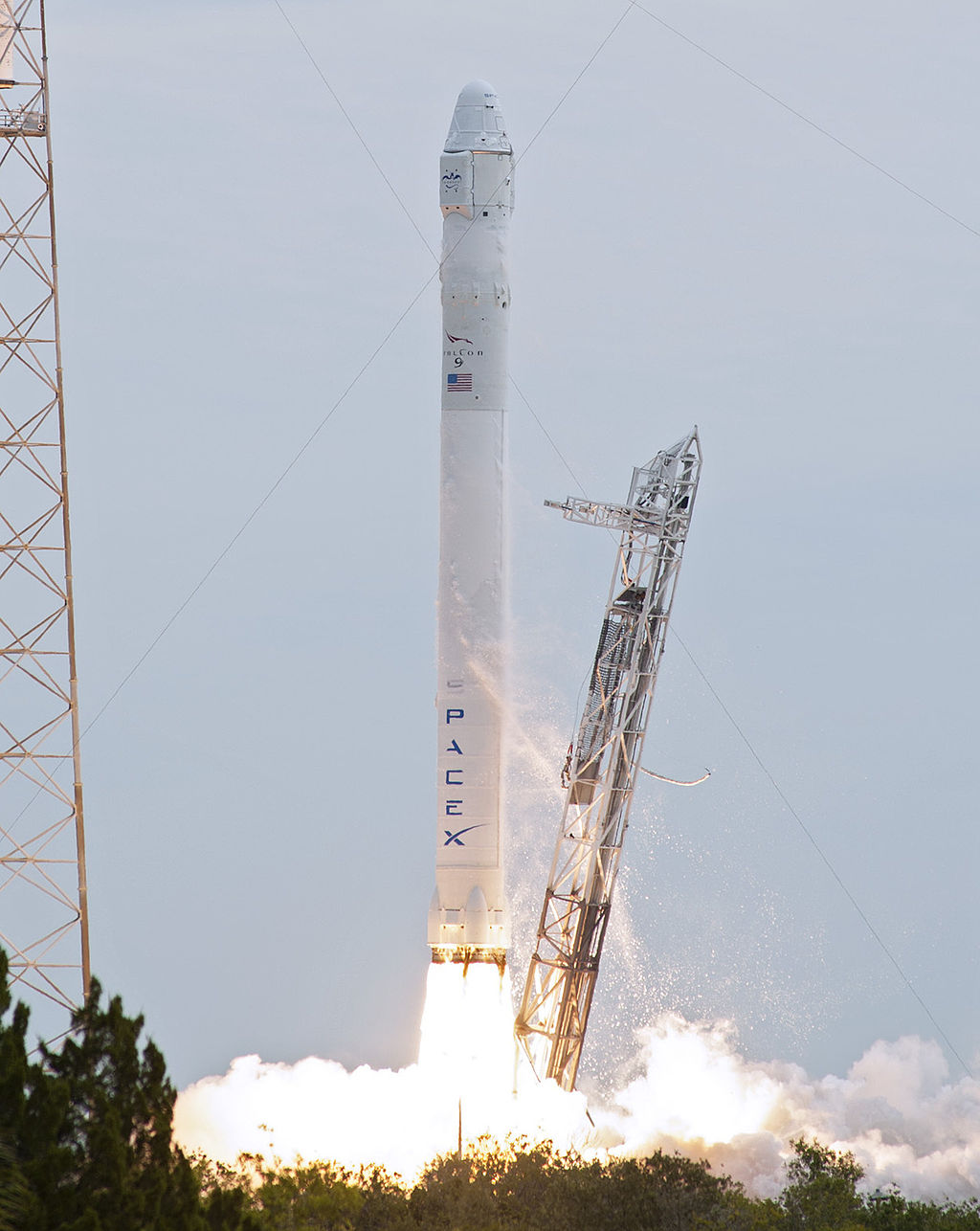
The SpaceX Dragon capsule is making its third trip to the International Space Station, following a demonstration flight in May 2012 and the first resupply mission in October 2012
The SpaceX Dragon capsule is making its third trip to the International Space Station, following a demonstration flight in May 2012 and the first resupply mission in October 2012 (Credit: SpaceX)
via extremetech

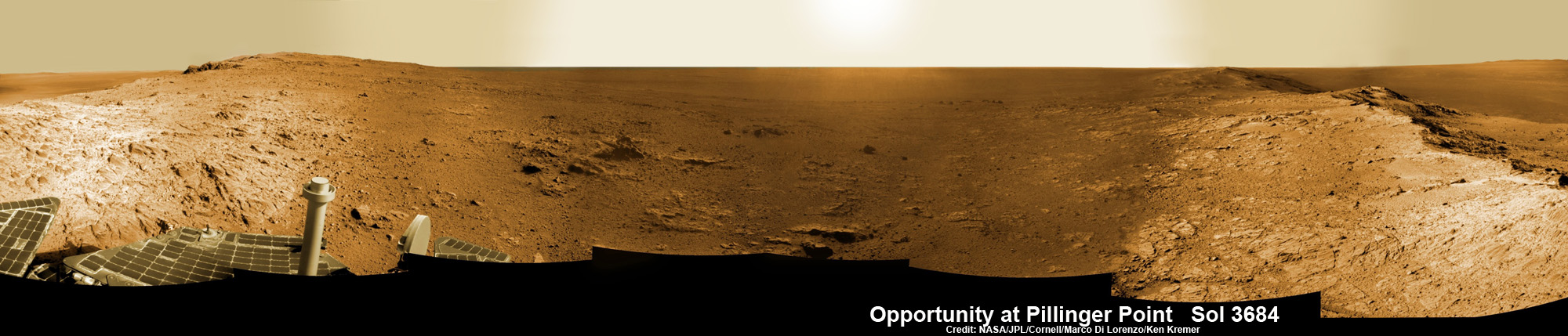
Opportunity peers out from ‘Pillinger Point’ – Honoring British Beagle 2 Mars scientist

Opportunity Mars rover peers into vast Endeavour Crater from Pillinger Point mountain ridge named in honor of Colin Pillinger, the Principal Investigator for the British Beagle 2 lander built to search for life on Mars. Pillinger passed away from a brain hemorrhage on May 7, 2014. This navcam camera photo mosaic was assembled from images taken on June 5, 2014 (Sol 3684) and colorized. Credit: NASA/JPL/Cornell/Marco Di Lorenzo/Ken Kremer-kenkremer.com Read more: http://www.universetoday.com/112606/opportunity-peers-out-from-pillinger-point-honoring-british-beagle-2-mars-scientist-where-ancient-water-flowed/#ixzz34sFwIO7M
Opportunity Mars rover peers into vast Endeavour Crater from Pillinger Point mountain ridge named in honor of Colin Pillinger, the Principal Investigator for the British Beagle 2 lander built to search for life on Mars. Pillinger passed away from a brain hemorrhage on May 7, 2014. This navcam camera photo mosaic was assembled from images taken on June 5, 2014 (Credit: NASA/JPL/Cornell/Marco Di Lorenzo/Ken)
via universetoday

The Continuing Saga of Planet X: Could More Massive Planets Hide Beyond Pluto?

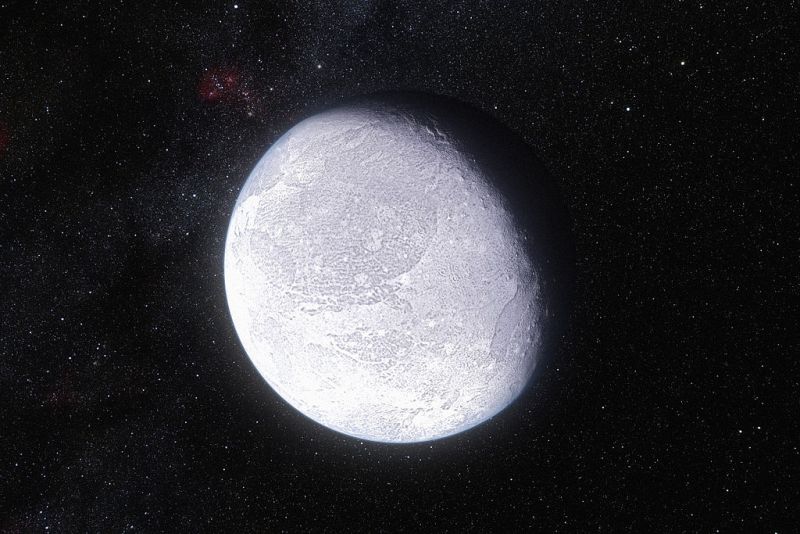
An artist’s impression of Eris, the most massive dwarf planet known to date, with an aphelion of 97 AU from the Sun. Could bigger Super-Earth-type planets be orbiting even farther out? Image Credit: ESO/L. Calçada and Nick Risinger
An artist’s impression of Eris, the most massive dwarf planet known to date, with an aphelion of 97 AU from the Sun. Could bigger Super-Earth-type planets be orbiting even farther out? (Credit: ESO/L. Calçada and Nick Risinger)
via americaspace

Trapping light: A long lifetime in a very small place

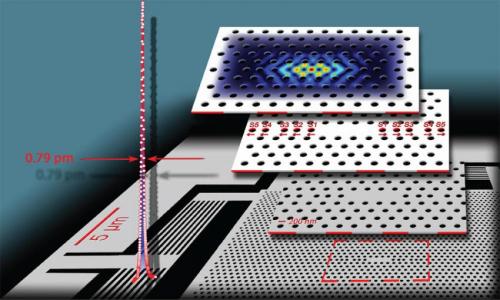
The top layer shows a simulation of the nanostructure confining the light in the tiny red regions. The second layer is the design generated by an approach that mimics evolutionary biology. The bottom two layers show electron micrographs of the realized nanostructure in silicon. The sharp peak on the left is the trace of the long trapping of light. Credit: Fabio Badolato
The top layer shows a simulation of the nanostructure confining the light in the tiny red regions. The second layer is the design generated by an approach that mimics evolutionary biology. The bottom two layers show electron micrographs of the realized nanostructure in silicon. The sharp peak on the left is the trace of the long trapping of light. (Credit: Fabio Badolato)
via phys.org