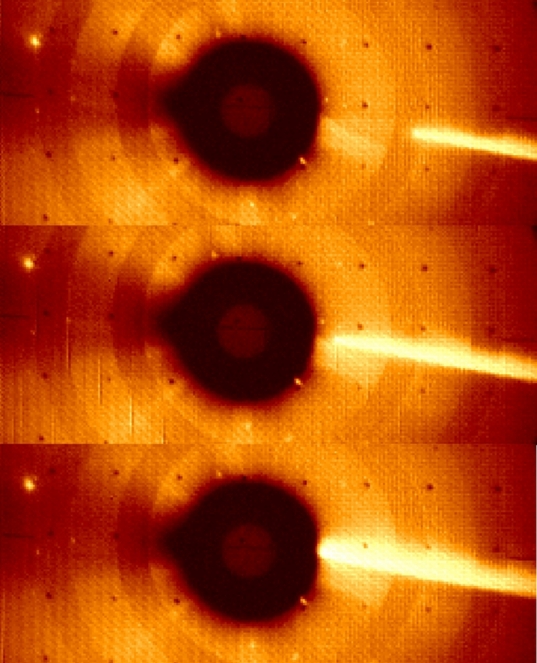
Three consecutive images of comet C/1979 Q1 plunging into the solar atmosphere on August 30, 1979. In these SOLWIND coronagraph images, the Sun is masked behind the solid disk in the center of the image. (Credit: NRL)
via planetary
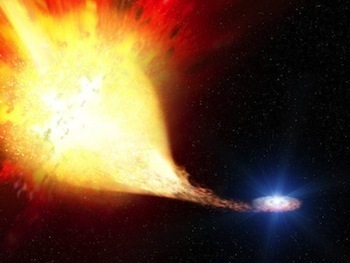
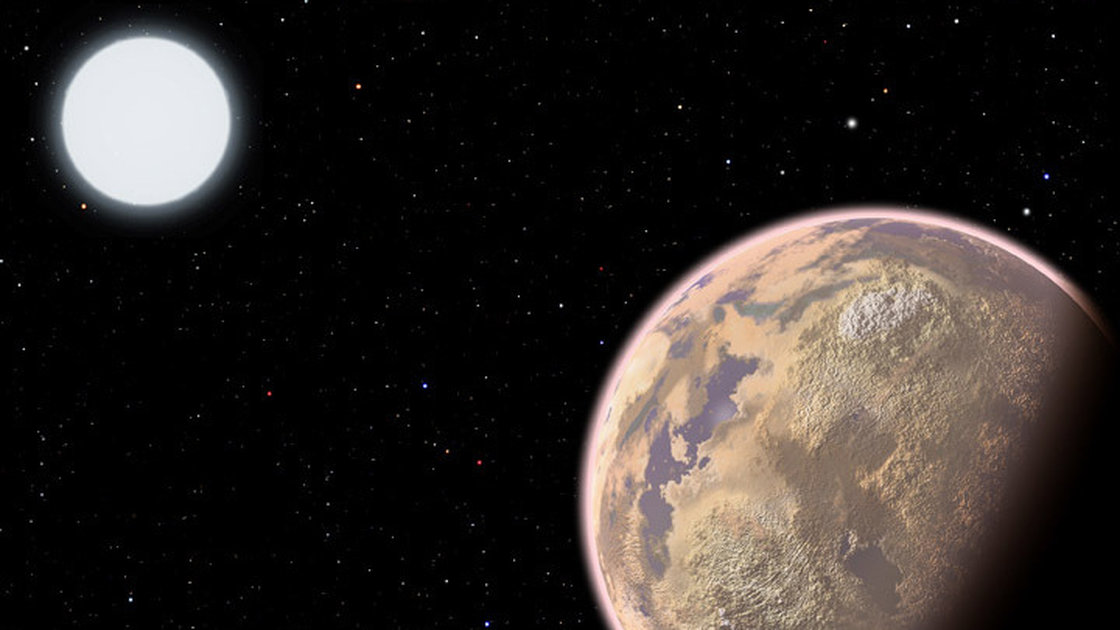
Before the big explosion: The artist’s impression shows a binary star system where mass is transferred from a companion to a white dwarf. As soon as sufficient matter has collected on the surface of the dwarf star, this can trigger a nuclear explosion which in turn ignites the catastrophic nuclear burning and destroys the white dwarf – a type Ia supernova flares up. (Credit: ESA, Justyn R. Maund)
via newscientist
Director of distilling, Bill Lumsden. Ardbeg Scottish whisky was sent into space three years ago in an experiment looking at the impact of gravity on how it matures. It will return to Earth September 12th. (Credit: Paul Dodds/Ardbeg/PA)
via theguardian
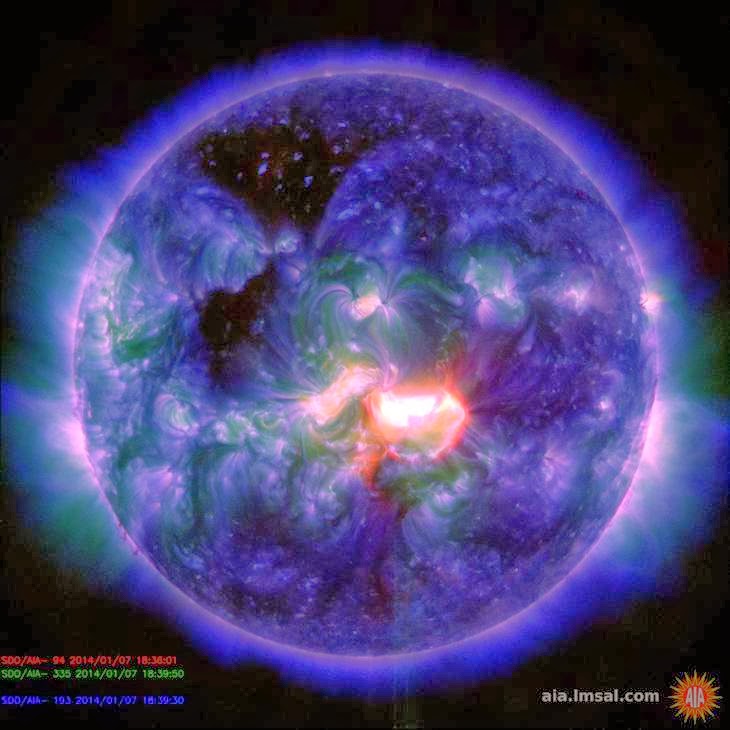
NASA has warned that a new sunspot spewing powerful X-class flares is beginning to rotate to a position directly in line with Earth. (Credit: NASA)
via austriantribune
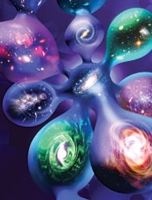
In the past decade an extraordinary claim has captivated cosmologists: that the expanding universe we see around us is not the only one; that billions of other universes are out there, too. (Credit: Slim Films, Ellis)
via scientificamerican
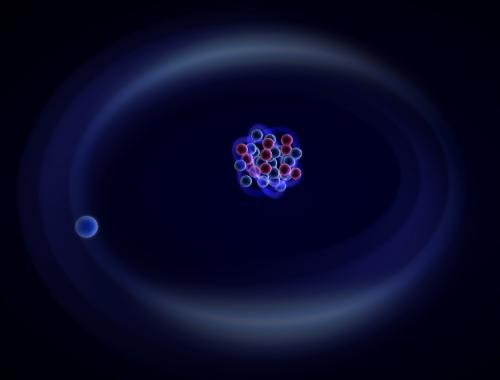
Neutron-rich magnesium nuclei have a neutron halo that extends beyond the tightly packed core of the nucleus. (Credit: K. Yoneda, RIKEN Nishina Center for Accelerator-Based Science)
via phys.org
On August 30th, 1984, the space shuttle Discovery launched on its first voyage to space. It wasn’t the first, but over the next 27 years it became the undeniable king of NASA’s shuttle program. (Credit: NASA)
via gizmodo
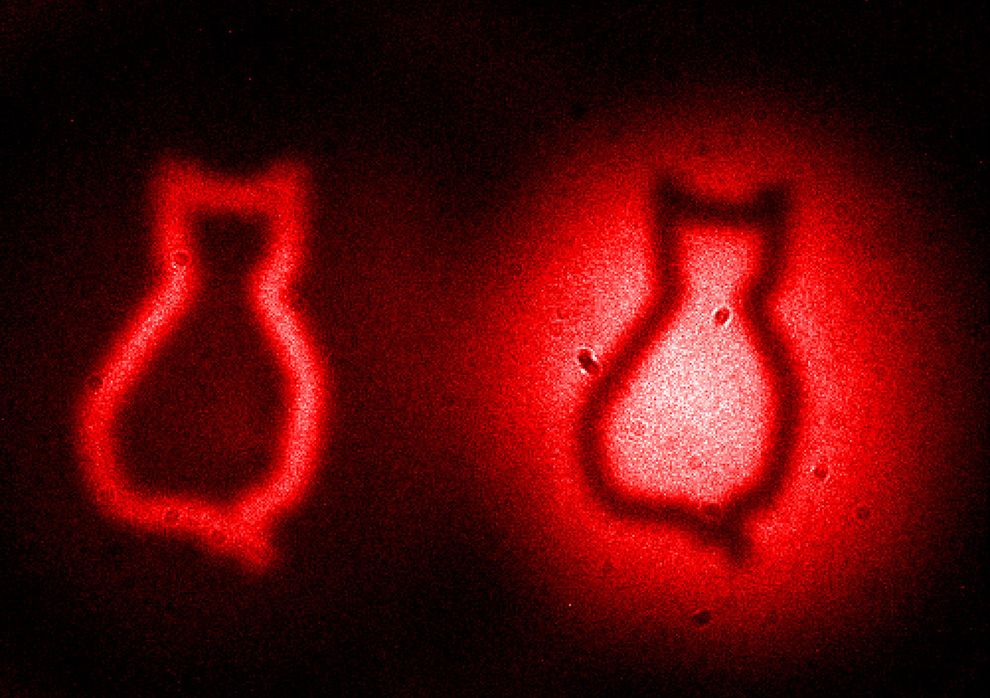
“This is a long-standing, really neat experimental idea,” says Paul Lett, of the National Institute of Standards and Technology in GaithersburgLett, “Now we have to see whether or not it will lead to something practical, or will remain just a clever demonstration of quantum mechanics.”(CreditBarreto-Lemos, Vergano)
via nationalgeographic
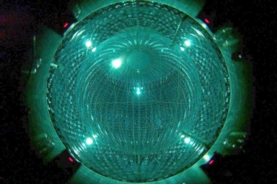
The Borexino neutrino detector uses a sphere filled with liquid scintillator that emits light when excited. This inner vessel is surrounded by layers of shielding and by about 2,000 photomultiplier tubes to detect the light flashes.(Credit: Borexino Collaboration)
via scientificamerican
MOLECULAR MODEL In the molecular model, quark-antiquark pairs form two color-neutral mesons that become weakly linked as a molecule.DIQUARK MODEL The particles form quark-quark and antiquark-antiquark pairs, which are forced to combine to balance their color charges.
via simonsfoundation
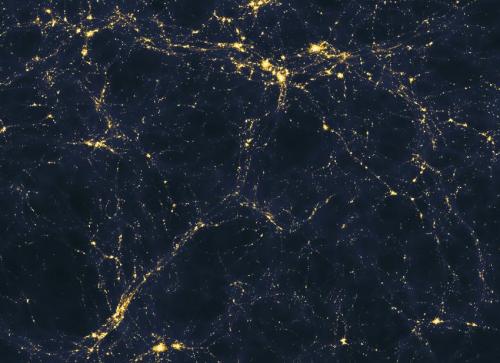
A computer model shows one scenario for how light is spread through the early universe on vast scales (more than 50 million light years across). Astronomers will soon know whether or not these kinds of computer models give an accurate portrayal of light in the real cosmos. (Credit: Andrew Pontzen/Fabio Governato)
via phys
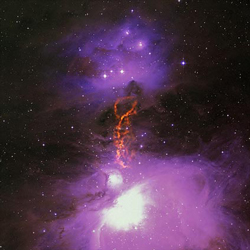
Radio/optical composite of the Orion Molecular Cloud Complex showing the OMC-2/3 star-forming filament. GBT data is shown in orange. Uncommonly large dust grains there may kick-start planet formation. (Credit: S. Schnee, et al.; B. Saxton, B. Kent (NRAO/AUI/NSF)
via rdmag
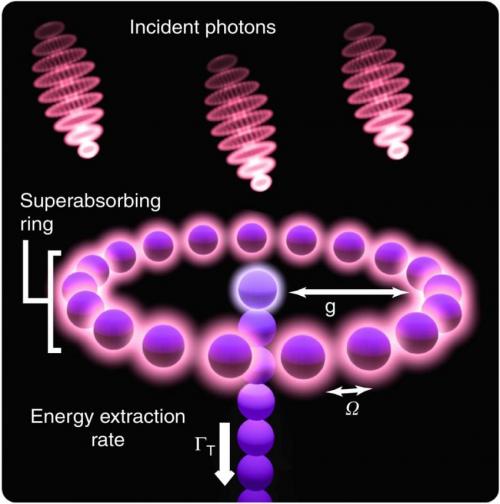
In one potential method to realize superabsorption, a superabsorbing ring absorbs incident photons, giving rise to excitons. (Credit: Higgins, et al.)
via phys.org
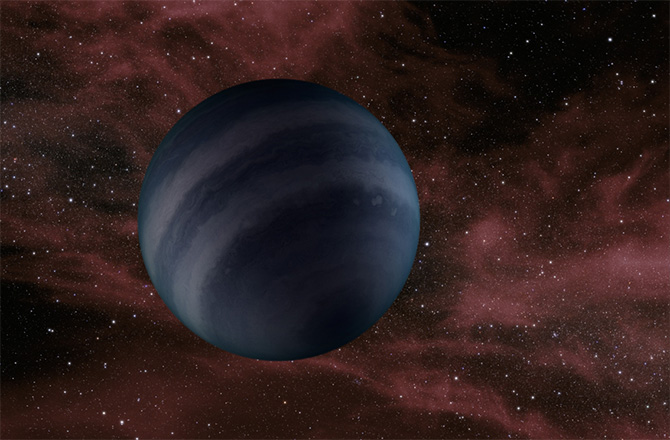
Finding clouds of water floating in the atmosphere of an alien world is a significant find. Now, astronomers have reported preliminary findings that water clouds have been detected in the atmosphere of a brown dwarf, a mere 7.3 light-years from Earth. (Credit: NASA, JPL-Caltech, O’neil)
via discovery
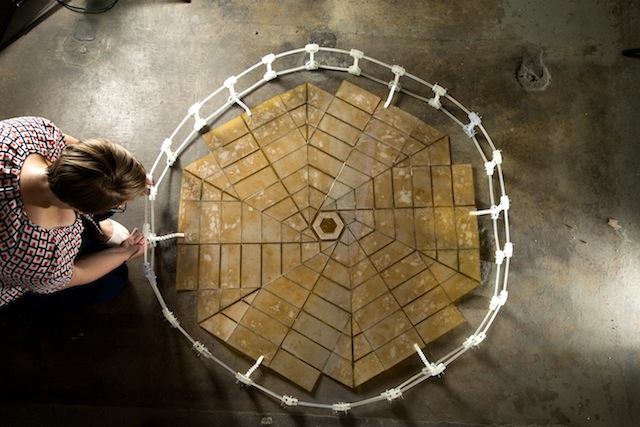
NASA mechanical engineer, Brian Trease, worked with Brigham Young University doctoral student Shannon Zirbel, and collaborated with origami expert Robert Lang, who has long been active in promoting it in science, and BYU professor Larry Howel, to combine different traditional folds for an 82-foot solar array that whirls down to 8.9 feet. (Credit: BYU, Meier)
via hyperallergic
“If we find a noise we can’t get rid of, we might be detecting something fundamental about nature – a noise that is intrinsic to space-time,” said Physicist Aaron Choi, the holometer project’s lead scientist. (Credit: NASA, ESA)
via interactions
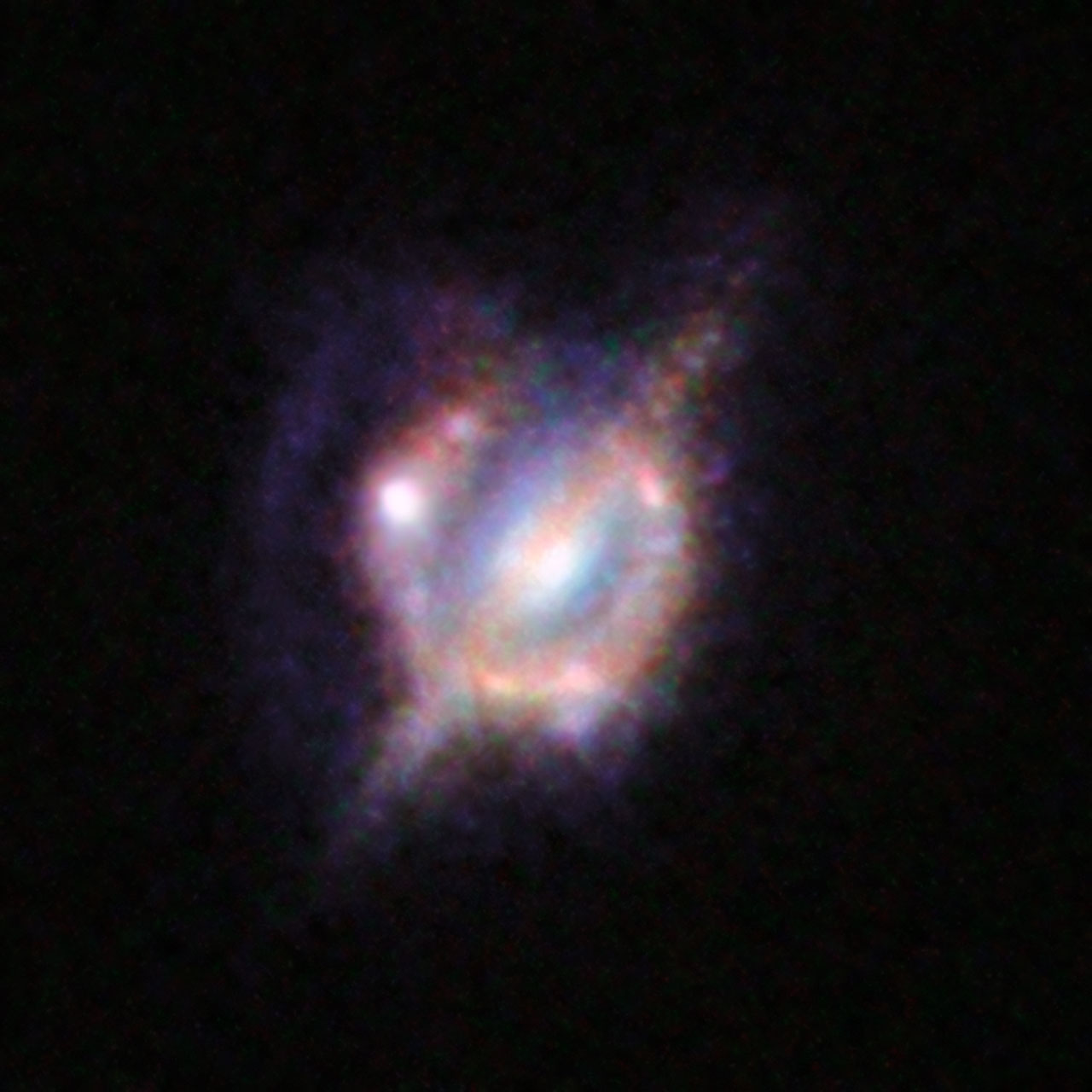
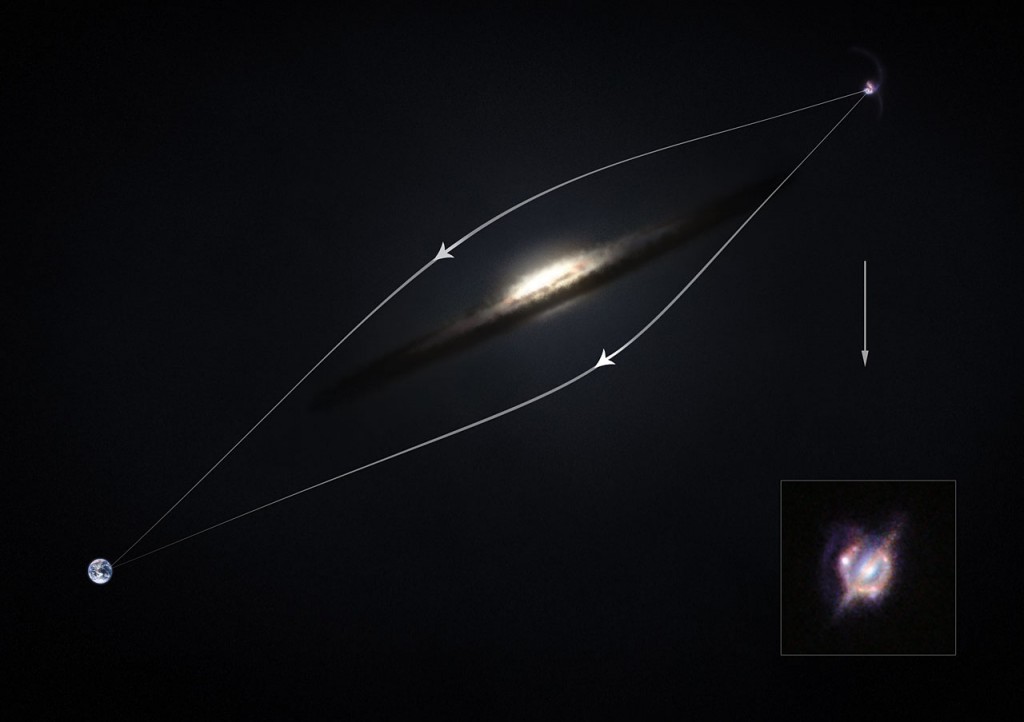
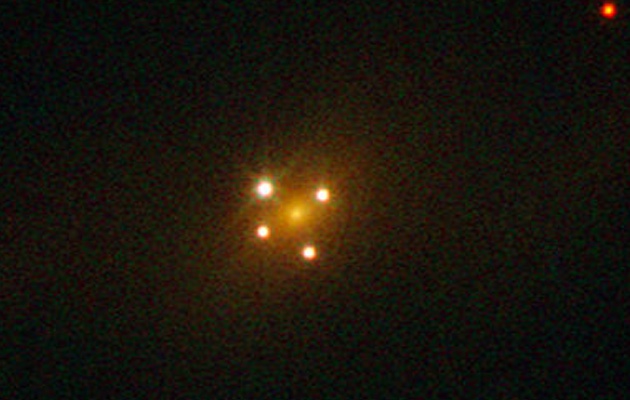
In this picture, which combines views from Hubble and the Keck-II telescope on Hawaii (using adaptive optics), you can see a foreground galaxy that is acting as the gravitational lens. The galaxy resembles how our home galaxy, the Milky Way, would appear if seen edge-on. But around this galaxy there is an almost complete ring — the smeared out image of a star-forming galaxy merger far beyond. (Credit: NASA, ESA)
via spacetelescope
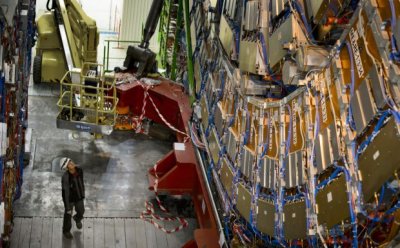
With a circumference of 52km, the “Higgs Factory” would be almost twice the size of Europe’s equivalent, and significantly more powerful. The Chinese said it is due to be completed by 2028. Image above is the Large Hadron Collider. (Credit: Getty)
via cityam
This diagram shows how the effect of gravitational lensing around a normal galaxy focuses the light coming from a very distant star-forming galaxy merger to created a distorted, but brighter view. (Credit: ESA/ESO/M. Kornmesser)
via washingtonpost
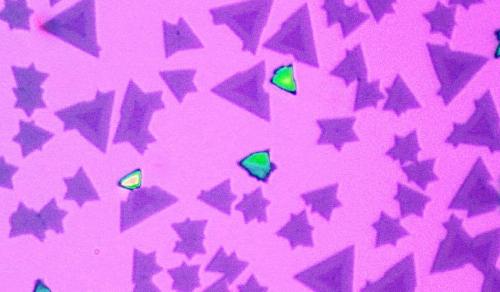
As seen under an optical microscope, the heterostructures have a triangular shape. The two different monolayer semiconductors can be recognized through their different colors. (Credit: U of Washington)
via phys.org
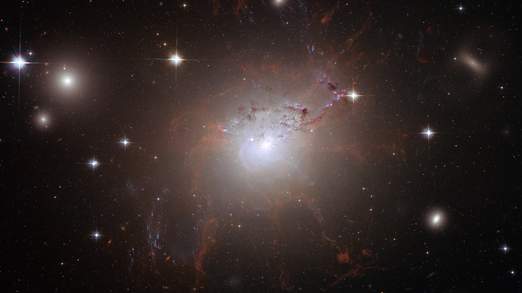
“It’s the most distant object for which the spin has been directly measured. The universe is about 13.7 billion years old, so this is going significantly back towards when the epoch of furious galaxy formation was happening,” says, Astrophysicist, Mark Reynolds.
via motherboard
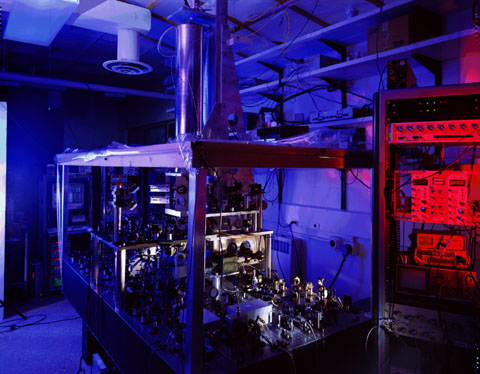
NIST-F1 contributes to the international group of atomic clocks that define Coordinated Universal Time (UTC), the official world time. Because NIST-F1 is among the most accurate clocks in the world, it makes UTC more accurate than ever before. (Credit: Time and Frequency Division of NIST’s PML)
via guardianlv
Artist’s conception of the atmosphere of an Earth-like planet displaying a brownish haze as the result of widespread pollution. (Credit: Christine Pulliam/Harvard-Smithsonian Center for Astrophysics)
via npr
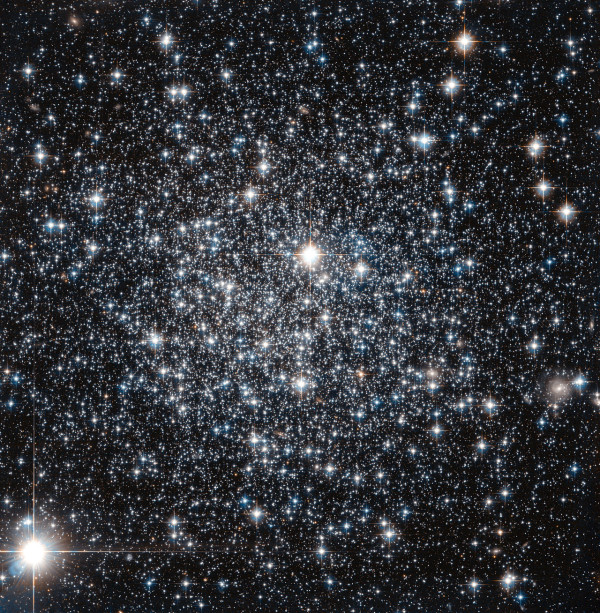
This new NASA/ESA Hubble Space Telescope image shows the globular cluster IC 4499. A cosmic archaeological dig has unfolded within a giant ball of stars some 55,000 light-years away. (Credit: NASA)
via nationalgeographic
Top: A typical set-up for squeezing injection in the first demonstrations of squeezing at GEO600 and LIGO, both using DC readout [36,37]. Bottom: Proposed design for future detectors. This design features an in-vacuum OPO. The remainder of the squeezed light source remains outside of vacuum. (Credit: E. Oelker, L. Barsotti, S. Dwyer, D. Sigg, and N. Mavalvala)
via opticsinfobase
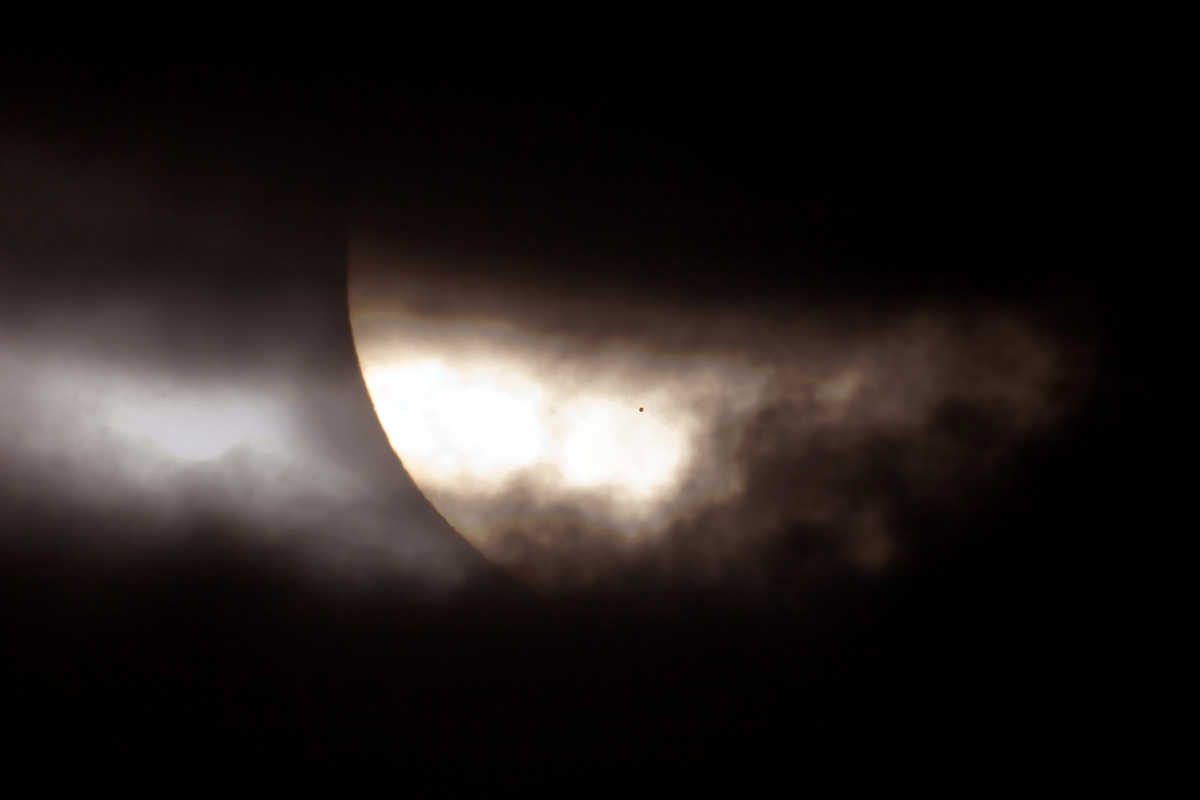
What’s that dot on the Sun? If you look closely, it is almost perfectly round. The dot is the result of an unusual type of solar eclipse that occurred in 2006. Usually it is the Earth’s Moon that eclipses the Sun. This time, the planet Mercury took a turn. (Credit: D. Cortner, NASA, K. Schmidt)
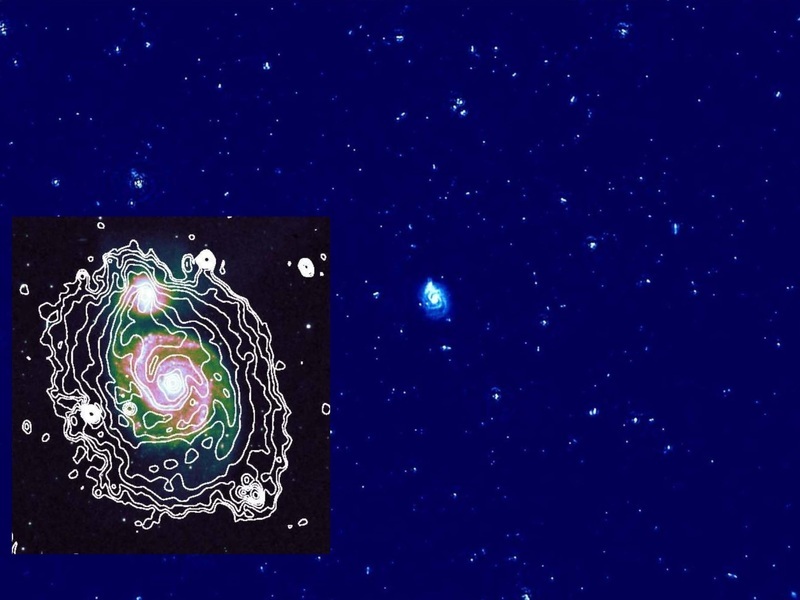
“Maybe we will see how galaxies are magnetically connected to intergalactic space. This is a key experiment in preparation for the planned Square Kilometre Array (SKA) that should tell us how cosmic magnetic fields are generated,” says Rainer Beck, lead astronomer with the Max Planck Institute.
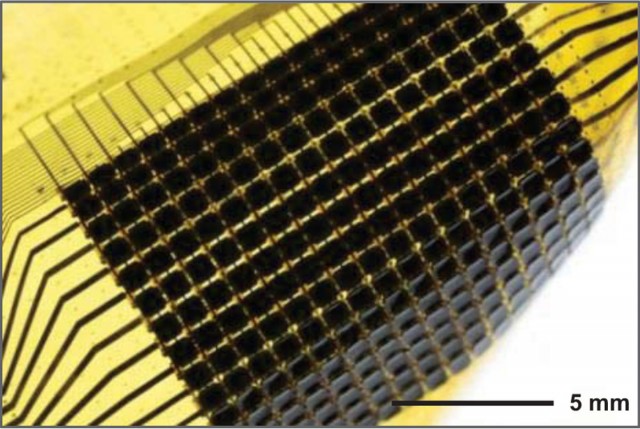
Researchers have developed a flexible structure that can sense ambient conditions and adjust its color to match them. At the moment, it only works in black and white. (Credit: PNAS, Timmer)
via arstechnica
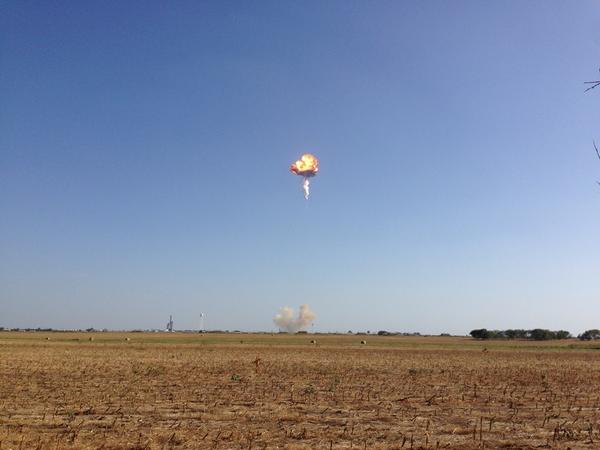
In a conversation with Mashable via Twitter, McGregor resident @EthansMommy17, who tweeted the above image of the explosion, claimed cows had been killed by debris from the explosion. She was unable to provide images or other confirmation of the affected livestock, however. (Credit: @EthansMommy17)
via mashable
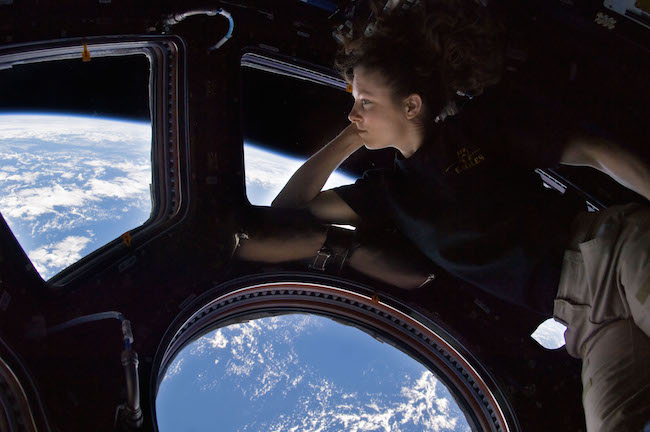
The space specialist said that the ISS surface was polluted very strongly due to operation of space engines and other factors. “We are conducting special works to polish somehow and put illuminators in order. This is particularly needed during long space flights,” Solovyev added. (Credit: Tracy Caldwell Dyson)
via forbes
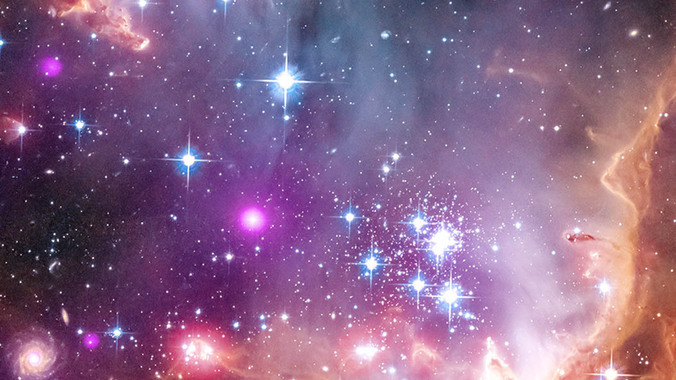
Although they are gigantic, ranging from one to a few hundred lightyears in size, the physical process that causes these nebulae to emit their own light (rather than merely reflect light from nearby stars) occurs at the atomic level. It is the same process that makes familiar florescent lights shine here on Earth. (Credit: NASA, Prozesky)
via mg
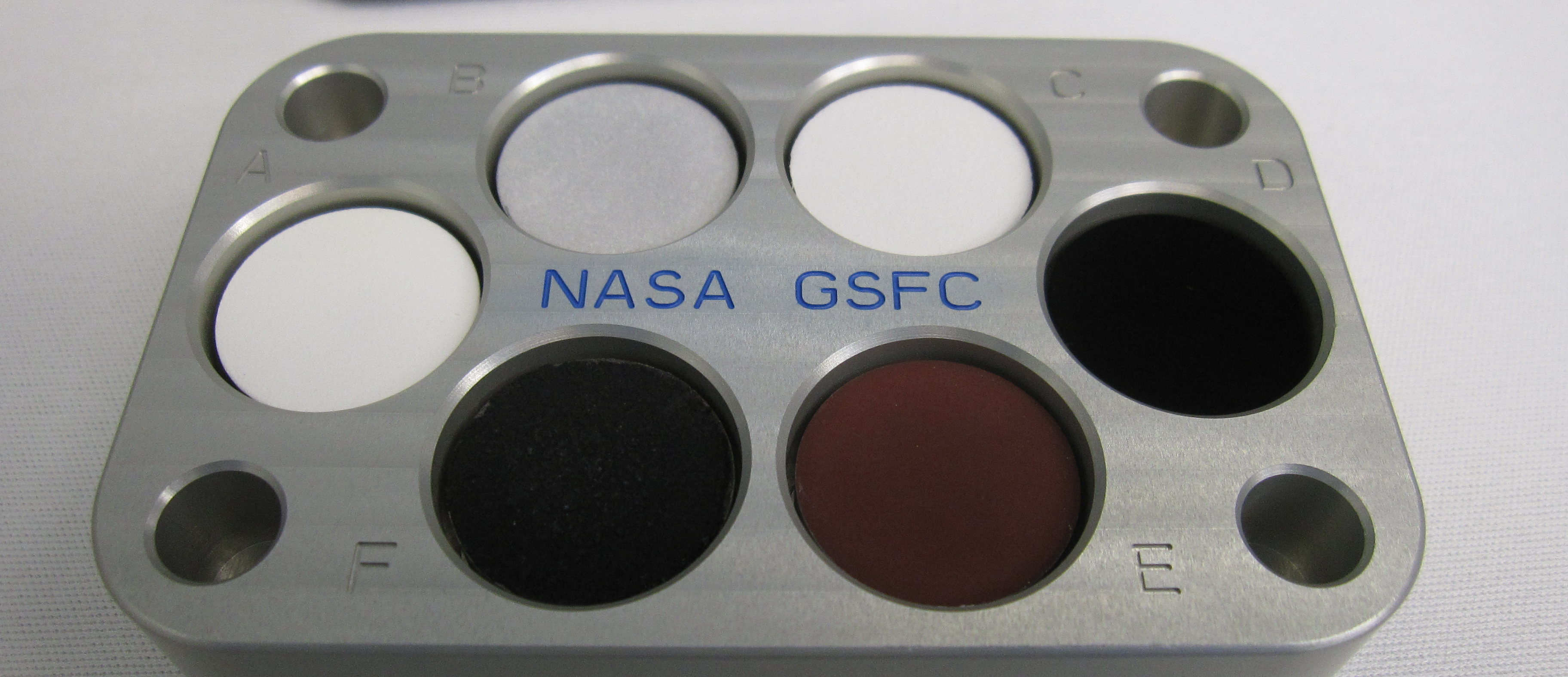
On July 29th, the the Automated Transfer Vehicle launched carrying samples of the stuff to the ISS, where it docked on August 12th. There, astronauts will conduct tests on the paint, which absorbs 99.5 percent of visible light (and 99.8 percent of longer wavelength light). (Credit: NASA, Campbell-Dollaghan)
via gizmodo
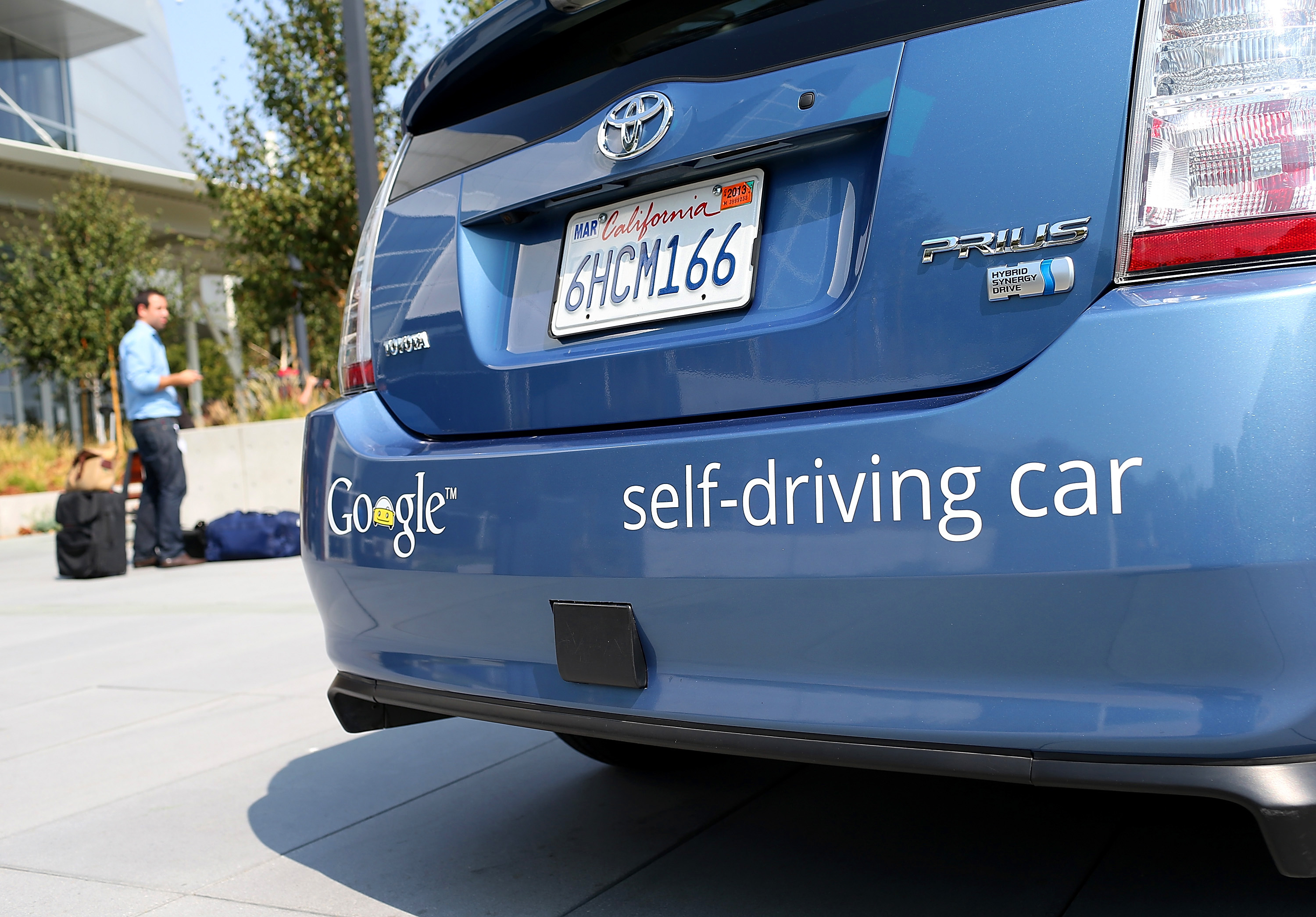
Google Inc. has conducted more than 300,000 miles of driverless car testing with vehicles. They navigate by collecting real-time sensor data and comparing it to pre-loaded maps that specify exact locations for roads and signs, while adapting to obstacles such as people and cars. (Credit: Justin Sullivan/Getty Images, Kearns)
via bloomberg
A patterned 3-D grid of tiny whirlpools, called quantum vortices, populate a nanoscale droplet of superfluid helium. Researchers found that in a micron-sized droplet, the density of vortices was 100,000 times greater than in any previous experiment on superfluids. An artistic rendering of a wheel-shaped droplet can be seen in the distance. (Credit: SLAC National Accelerator Laboratory)
via phys
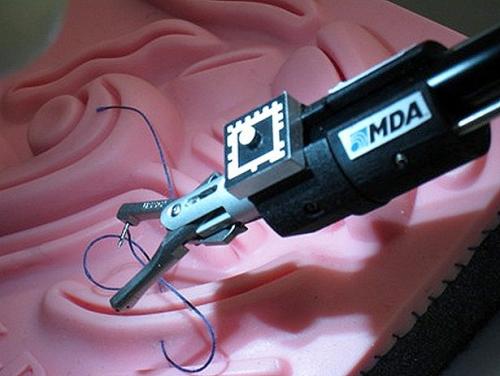
The suturing tool demonstrates image-guided anastomosis, which means the connecting of parts such as vessels. The target on the top of the tool is used to lead the tool’s tip. This is the same technology used to track the robotic systems on the space shuttle and the International Space Station. (Credit: MDA and CIGITI)
via phys
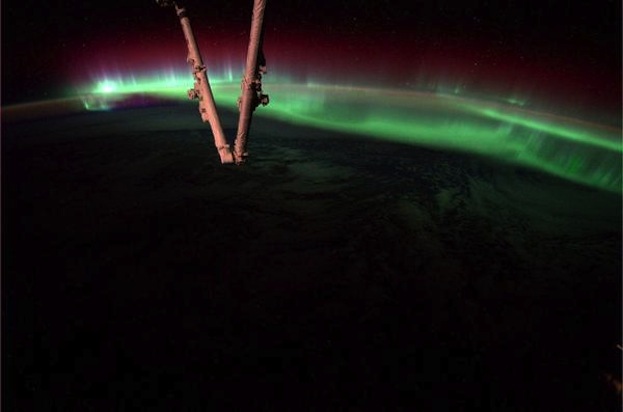
An aurora dances in the atmosphere on Aug. 20, 2014, as the International Space Station flew over North America. This image was captured by astronaut Reid Wiseman from his vantage point on the ISS. (Credit: NASA/Handout/QMI Agency)
via cbc







![Top: A typical set-up for squeezing injection in the first demonstrations of squeezing at GEO600 and LIGO, both using DC readout [36,37]. Proposed design for future detectors. This design features an in-vacuum OPO. The remainder of the squeezed light source remains outside of vacuum. (Credit: E. Oelker, L. Barsotti, S. Dwyer, D. Sigg, and N. Mavalvala)](https://timeincosmology.org/wp-content/uploads/2014/08/screen-shot-2014-08-24-at-10-39-30-am.png)