Physics in the News

Tuesday, August 12, 2014

The smallest possible scale in the universe

Every once in a while I think that there maybe is no fundamentally smallest unit of length; that all these arguments for its existence are wrong. I like to think that we can look infinitely close into structures and will never find a final theory, turtles upon turtles, or that structures are ultimately self-similar and repeat.(Credit: Sabine Hossenfelder)
Every once in a while I think that there maybe is no fundamentally smallest unit of length; that all these arguments for its existence are wrong. I like to think that we can look infinitely close into structures and will never find a final theory, turtles upon turtles, or that structures are ultimately self-similar and repeat.(Credit: Sabine Hossenfelder, Sanghyuk Moon)
via medium

Cosmologist Laura Mersini-Houghton claims black holes do not exist(VIDEO)

via thewatchers

Europe’s last cargo ship reaches space station
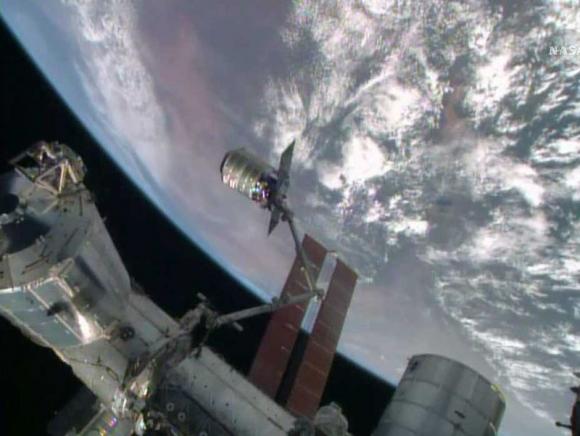
The International Space Station's robotic arm, Canadarm2, grapples the Orbital Sciences' Cygnus cargo craft, as seen in this still image taken from NASA TV July 16, 2014.  (Credit: Reuters/NASA TV/Handout via Reuters)
The International Space Station’s robotic arm, Canadarm2, grapples the Orbital Sciences’ Cygnus cargo craft, as seen in this still image taken from NASA TV July 16, 2014. (Credit: Reuters/NASA TV/Handout via Reuters)

via reuters

Follow the radio waves to exomoons, astrophysicists say
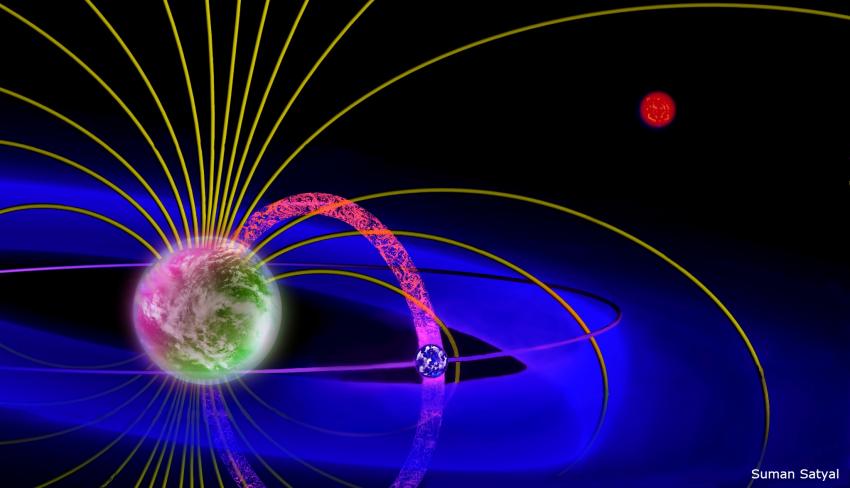
This is a schematic of a plasma torus around an exoplanet, which is created by the ions injected from an exomoon's ionosphere into the planet's magnetosphere. (Credit: UT Arlington)
This is a schematic of a plasma torus around an exoplanet, which is created by the ions injected from an exomoon’s ionosphere into the planet’s magnetosphere. (Credit: UT Arlington)

via phys

NASA is contest-sourcing solutions to its deepest problems
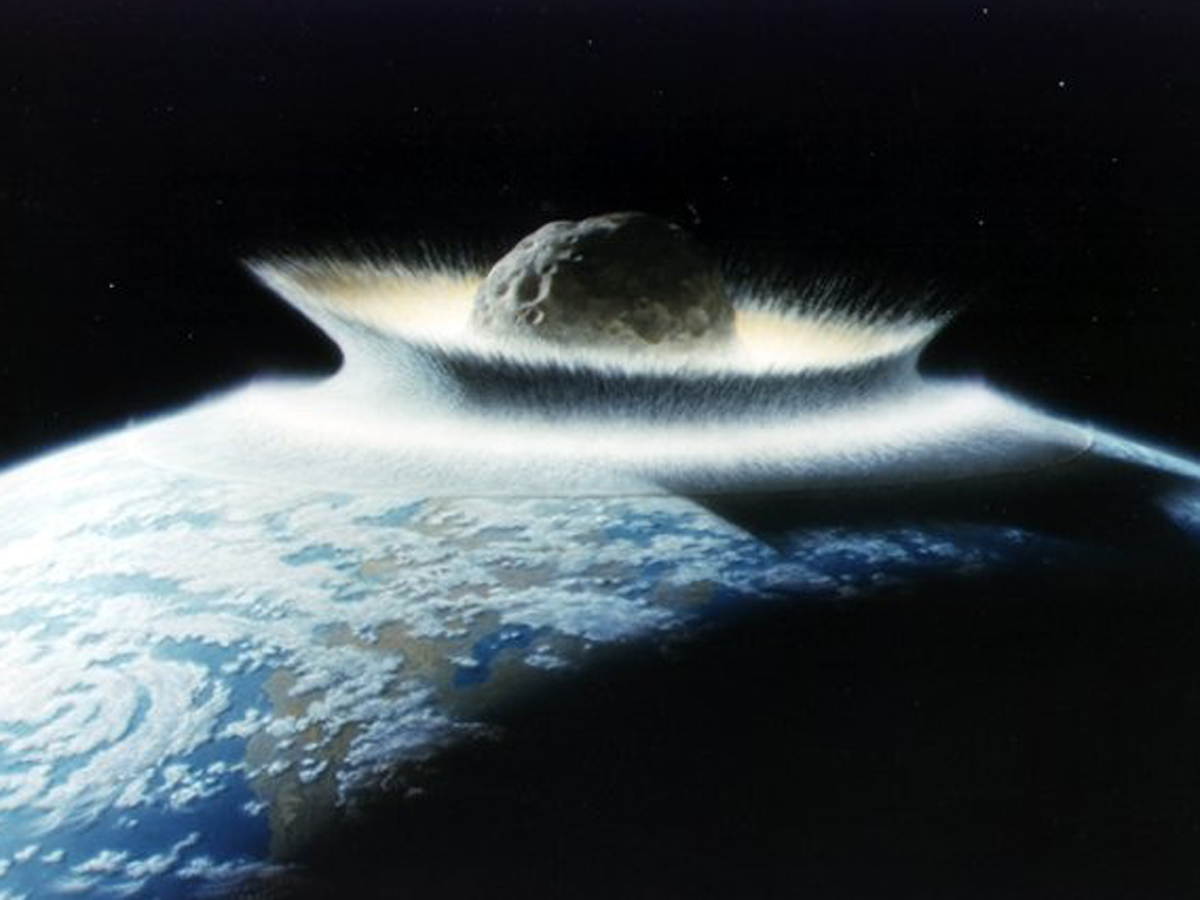
(Credit: NASA/Don Davis)
“As NASA continues to push the boundaries of human imagination and innovation, we have seen the value in utilizing a citizen-based professional crowd to complement our internal efforts and solve complex real-world challenges,” Jason Crusan, director of NASA’s Tournament Lab. (Credit: NASA/Don Davis)
via motherboard

Schrödinger’s cat explained on physicist’s 127th birthday(VIDEO)

via cbc

Beyond six nines: Ultra-enriched silicon paves the road to quantum computing
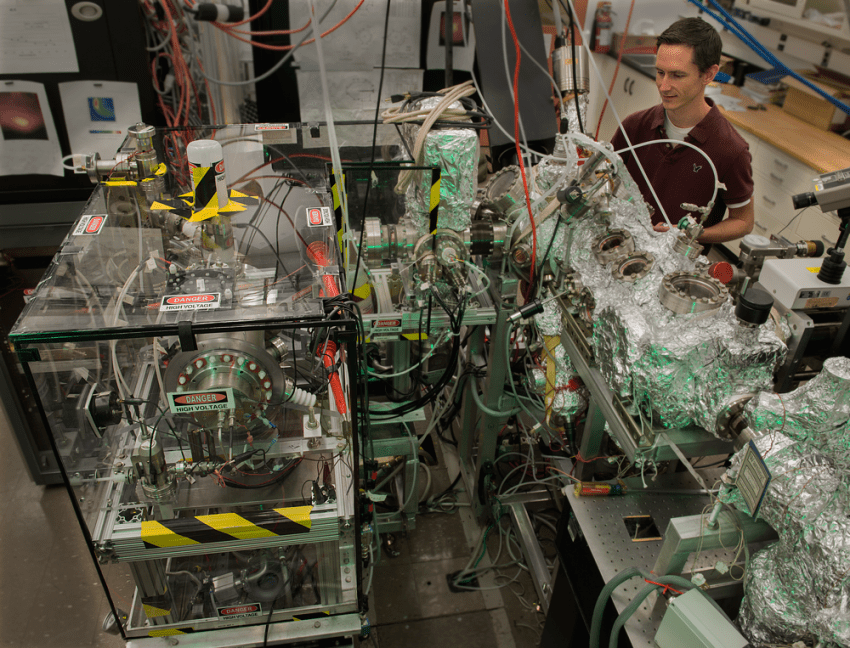
NIST researcher Kevin Dwyer with the silicon enrichment apparatus. The process begins at the left, where natural-abundance silicon in the form of silane gas (SiH4) is ionized. The ions pass through a magnetic field (top left), which causes their paths to curve to different degrees based on their mass. The silicon-28 ions, now separated from the other silicon isotopes, are decelerated through an ultra-high vacuum chamber (top center) and into the deposition chamber (top right) (Credit: Pomeroy, NIST, Dwyer)
via phys

NASA’s NuSTAR sees rare blurring of black hole light
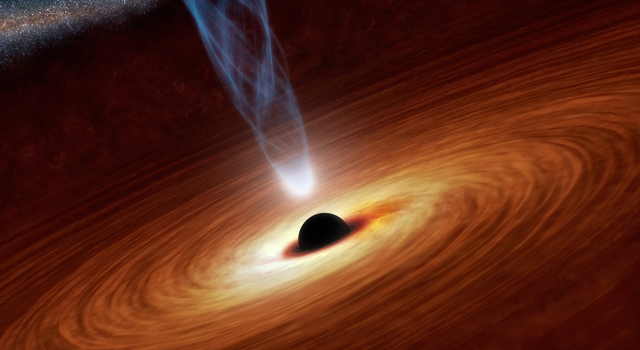
This artist’s concept illustrates a supermassive black hole with millions to billions times the mass of our sun. Supermassive black holes are enormously dense objects buried at the hearts of galaxies. (Credit: NASA/JPL-Caltech)
via pasadenanow

 From eons to seconds, proteins exploit the same forces
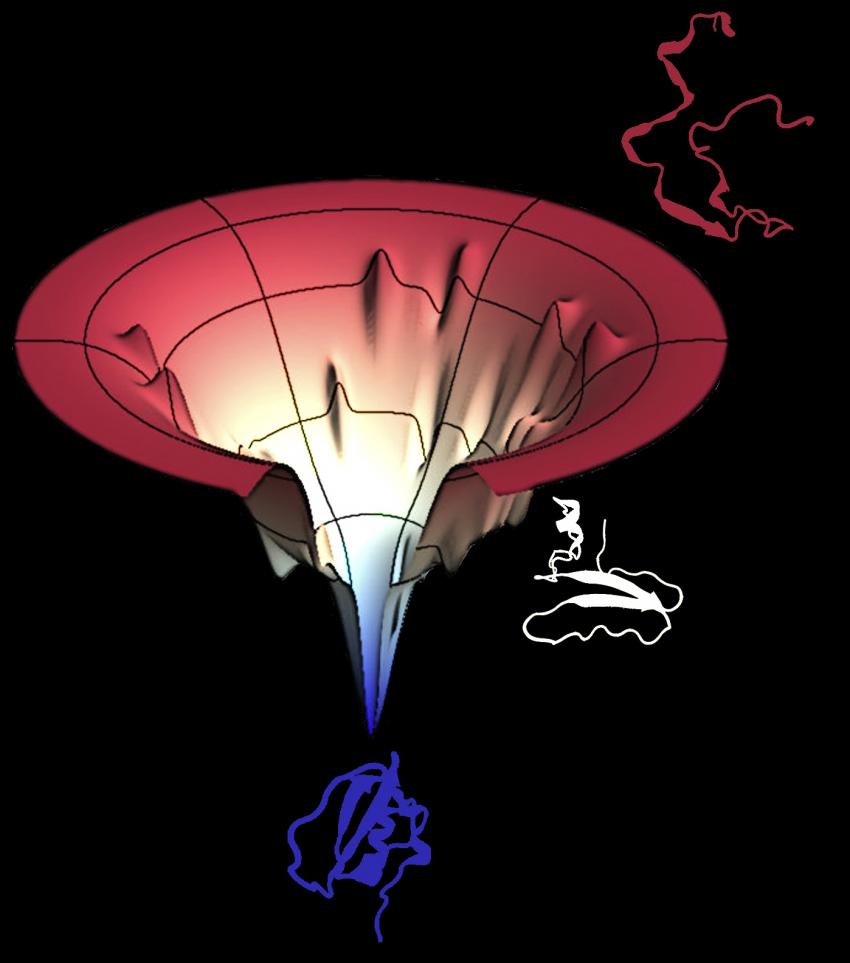
A protein folding funnel, the product of algorithms created by Rice’s Center for Theoretical Biological Physics, is a graphic representation of the energy landscape a protein navigates as it goes from its initial floppy state to a folded, functional unit. The funnel shows smooth slopes as well as outcroppings where parts of a protein may pause while others catch up, and also traps that could cause a protein to misfold. New Rice research shows how the interplay between evolution and physics developed the skills necessary to conserve useful proteins. (Credit: Center for Theoretical Biological Physics/Rice University)
via phys

Physics in the News

Monday, August 11, 2014

Physicists create water tractor beam

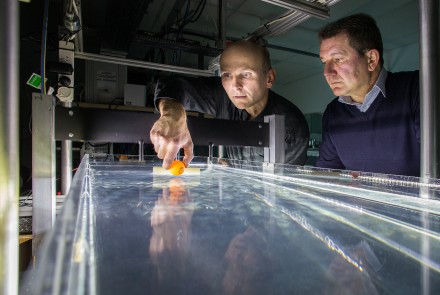
Dr Horst Punzmann (left) and Professor Michael Shats test their wave-generated tractor beam. (Credit: Stuart Hay)
via anu

Amazing HD footage of ‘Flying Saucer’

via sky

The craziest NASA mission ever proposed

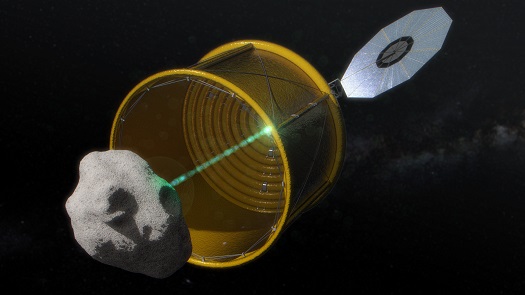
In this concept image, the robotic vehicle deploys an inflatable bag to envelop a free-flying small asteroid before redirecting it to a distant retrograde lunar orbit. (Credit: NASA)
via sciencenews

Scientists unravel mystery of universe’s existence

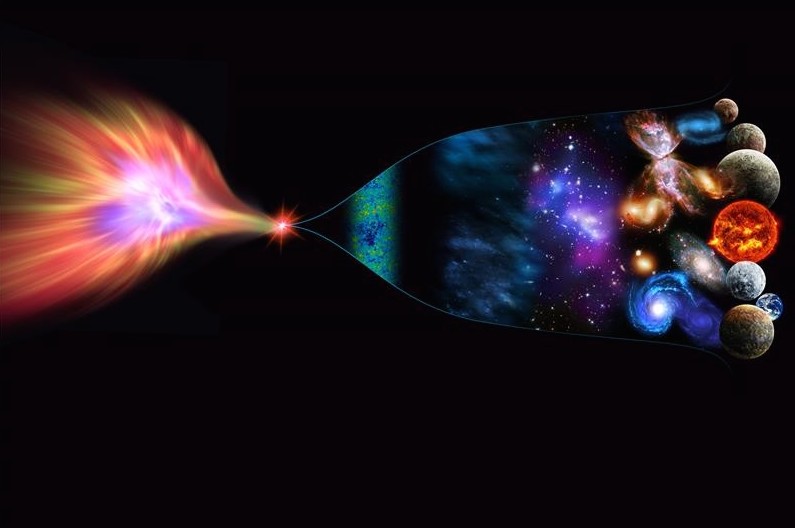
Researchers from Three Perimeter Institute have a new idea, and have claimed that what is perceived as the big bang, could be the three-dimensional 'mirage' of a collapsing star in a universe profoundly different than our own. (Credit: NASA, ANI)
Researchers from Three Perimeter Institute have a new idea, and have claimed that what is perceived as the big bang, could be the three-dimensional ‘mirage’ of a collapsing star in a universe profoundly different than our own. (Credit: NASA, ANI)
via aninews

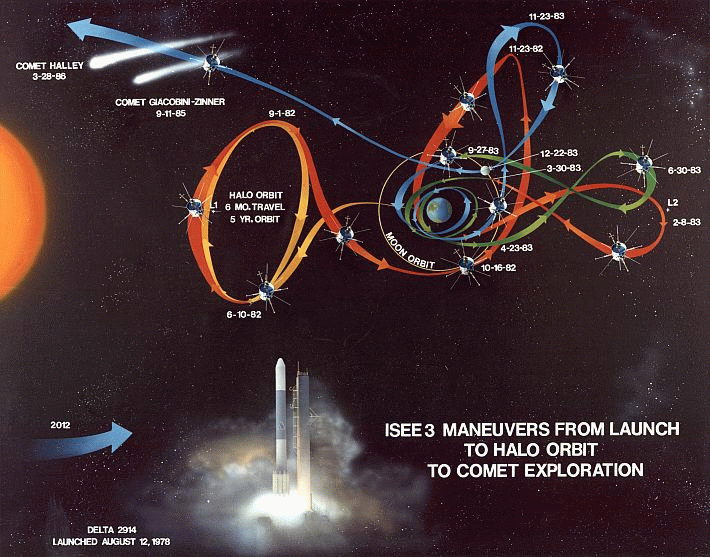
Crowd-funded ISEE-3 reboot mission to begin Sunday after lunar flyby

The International Sun-Earth Explorer 3 (ISEE-3) will have the closest view of the moon at 11:16 a.m. PDT. Members of the rebooted mission partnered with Google to create a website, where they will host a video hangout beginning at 10:30 a.m. PDT. (Credit: ISEE3, NASA)
via arstechnica

The black hole at the beginning of time –“We may have emerged from a black hole in a higher-dimensional universe”

our known universe could be the three-dimensional “wrapping” around a four-dimensional black hole’s event horizon. In this scenario, our universe burst into being when a star in a four-dimensional universe collapsed into a black hole. (Credit: Perimeter Institute)
via dailygalaxy

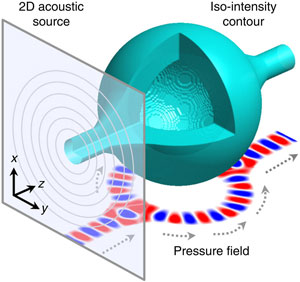
Bendable sound waves can skirt objects and trap particles

Scientists have developed a method to bend sound waves as they travel through open air, and can even create an acoustic “bottle” that can trap and hold tiny particles. (Credit: Xiang Zhang Group)
via spectrum

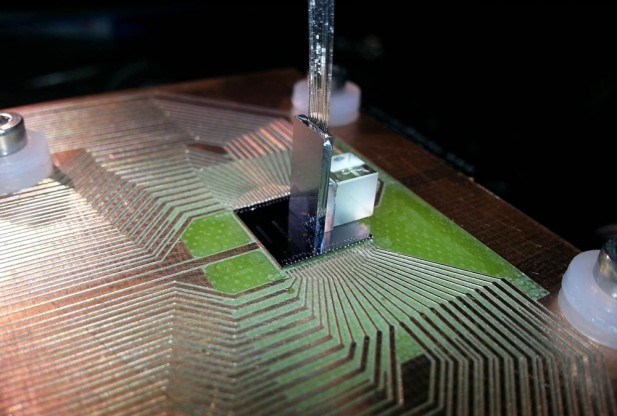
Researchers propose new architecture for quantum computing based on microscopic defects in diamonds

At the Vienna University of Technology (TU Wien), experiments with nitrogen atoms in diamonds are already being carried out. (Credit: TU Wien)
via redorbit

Physics in the News

Friday, July 25, 2014

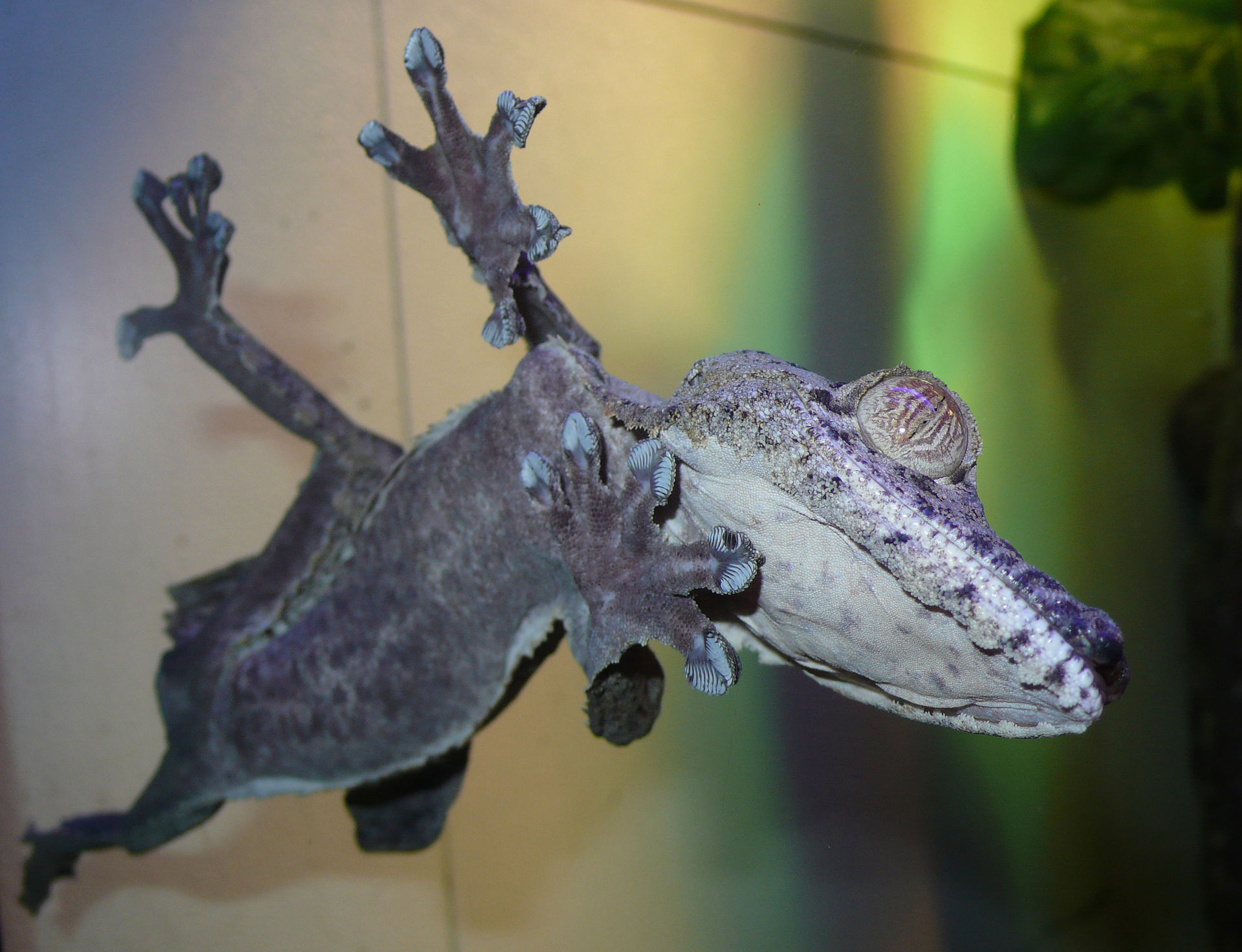
Lust in space: Russians lose control of gecko sex satellite

Progress is busily working to re-establish a connection with the operating system — currently on autopilot — before all hope is lost. (Credit: Tim Vickers )
via aljazeera

Hot Jupiter measurements throw water on planet formation theory

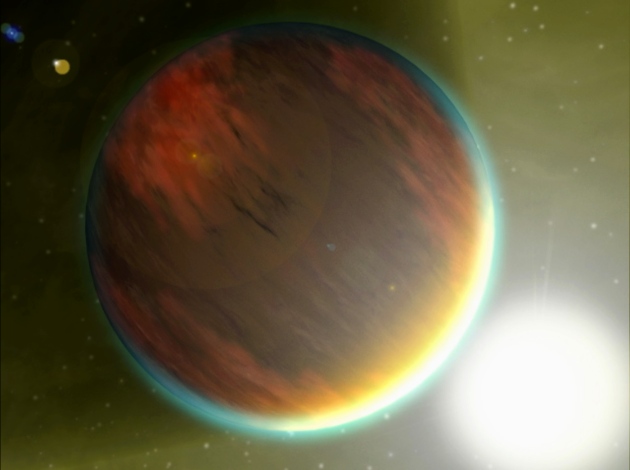
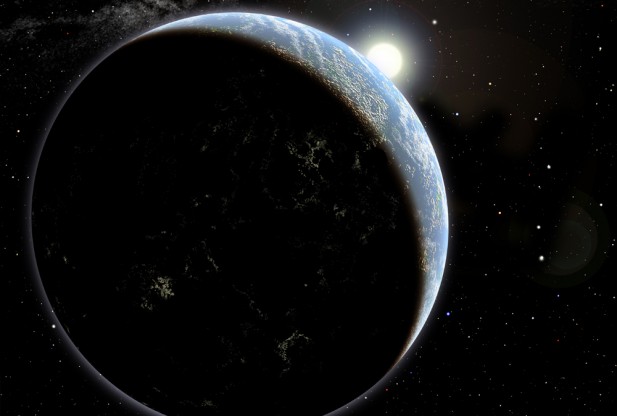
The exoplanet 209458b, a gas giant, is located 150 light-years from Earth.  Dry atmospheres of three exoplanets challenge ideas of how planets form. (Credit: NASA/JPL-Caltech)
The exoplanet 209458b, a gas giant, is located 150 light-years from Earth. Dry atmospheres of three exoplanets challenge ideas of how planets form. (Credit: NASA/JPL-Caltech)
via nature

Mysterious black holes may be exploding into ‘white holes’

A new scientific theory suggests that when black holes reach the end of their lifespan, they explode into “white holes” and release all of their matter into space. (Credit: Reuters / NASA)
via rt

CERN accelerators come alive for LHC restart

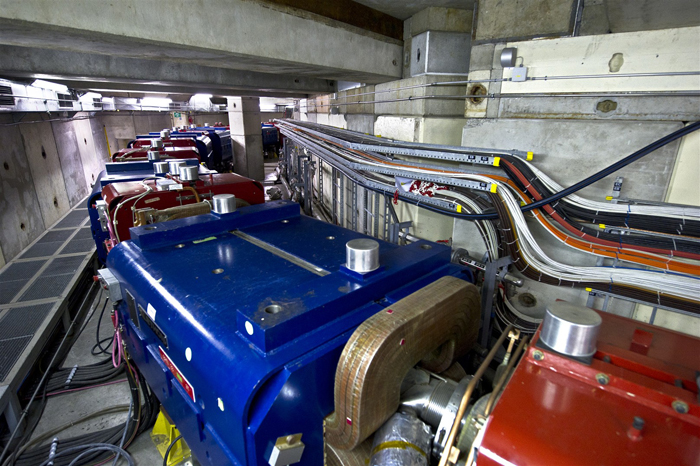
Powering up: CERN's Antiproton Decelerator will be running next week (Credit: CERN/Maximilien Brice)
Powering up: CERN’s Antiproton Decelerator will be running next week (Credit: CERN/Maximilien Brice)
via physicsworld

Breakthrough laser experiment reveals liquid-like motion of atoms in an ultra-cold cluster

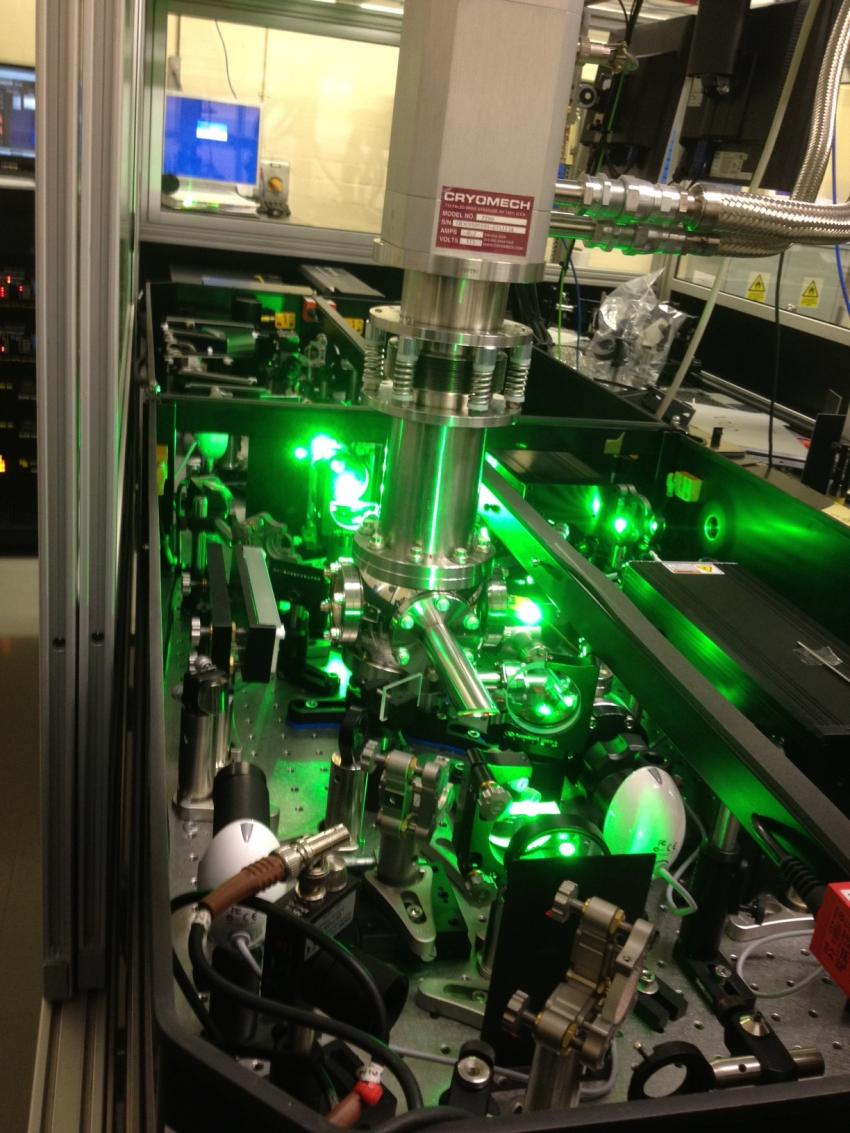
he experiment was undertaken at Rutherford Appleton Laboratories in the Artemis laser facility using an advanced femtosecond laser system to resolve rotations of complexes. The picture shows a section of the laser system used during the experiments. (Credit: Gediminas Galinis, University of Leicester.)
The experiment was undertaken at Rutherford Appleton Laboratories in the Artemis laser facility using an advanced femtosecond laser system to resolve rotations of complexes. The picture shows a section of the laser system used during the experiments. (Credit: Gediminas Galinis, University of Leicester.)
via phys

The first supercomputer simulations of ‘spin–orbit’ forces between neutrons and protons in an atomic nucleus
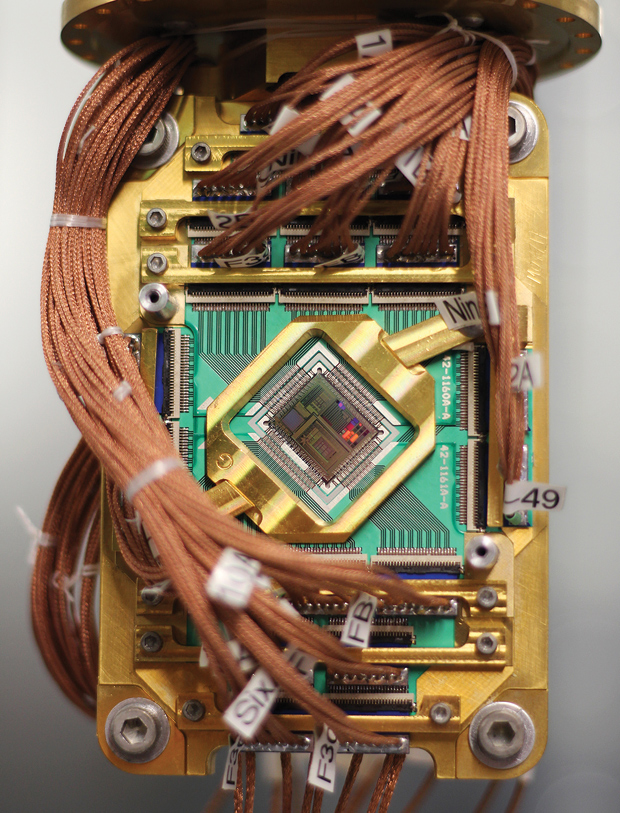
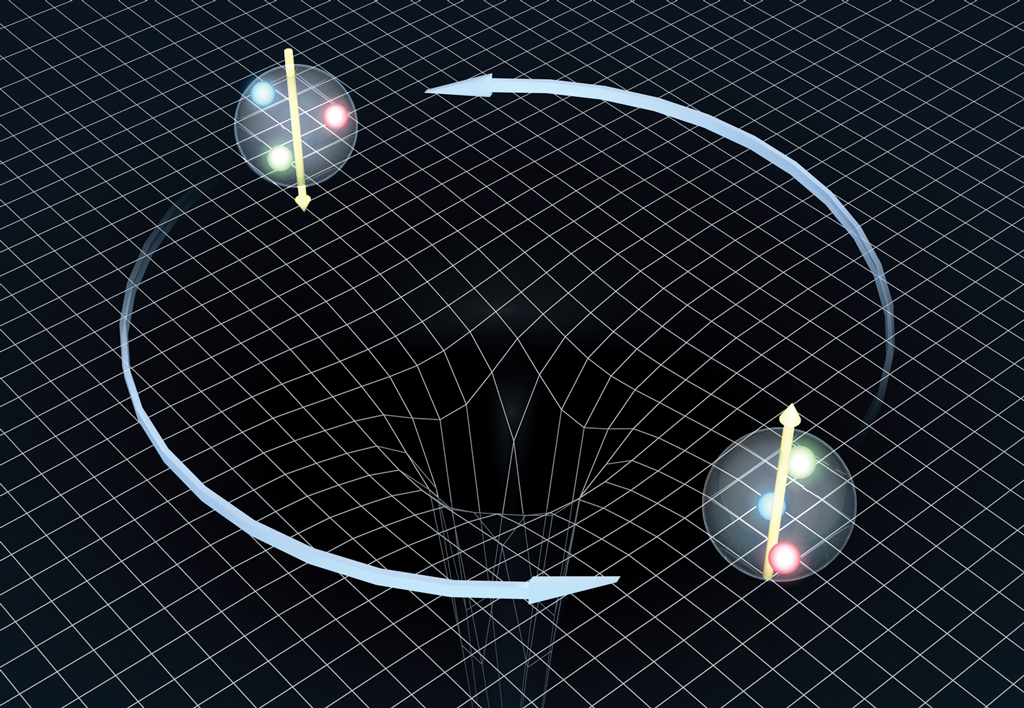
Figure 1: Nucleons (protons and neutrons) are made up of quarks (colored spheres) and have an orientation called spin (indicated by up and down arrows). The spin–orbit force is the interaction between two orbiting nucleons, resulting in a potential well (center) that holds them together. (Credit: Keiko Murano, RIKEN Nishina Center for Accelerator-Based Science)
via phys.org

Watch the Falcon 9 rocket booster descend into the ocean for its “soft” landing(VIDEO)

via extremetech

NASA says it’s too poor to fly

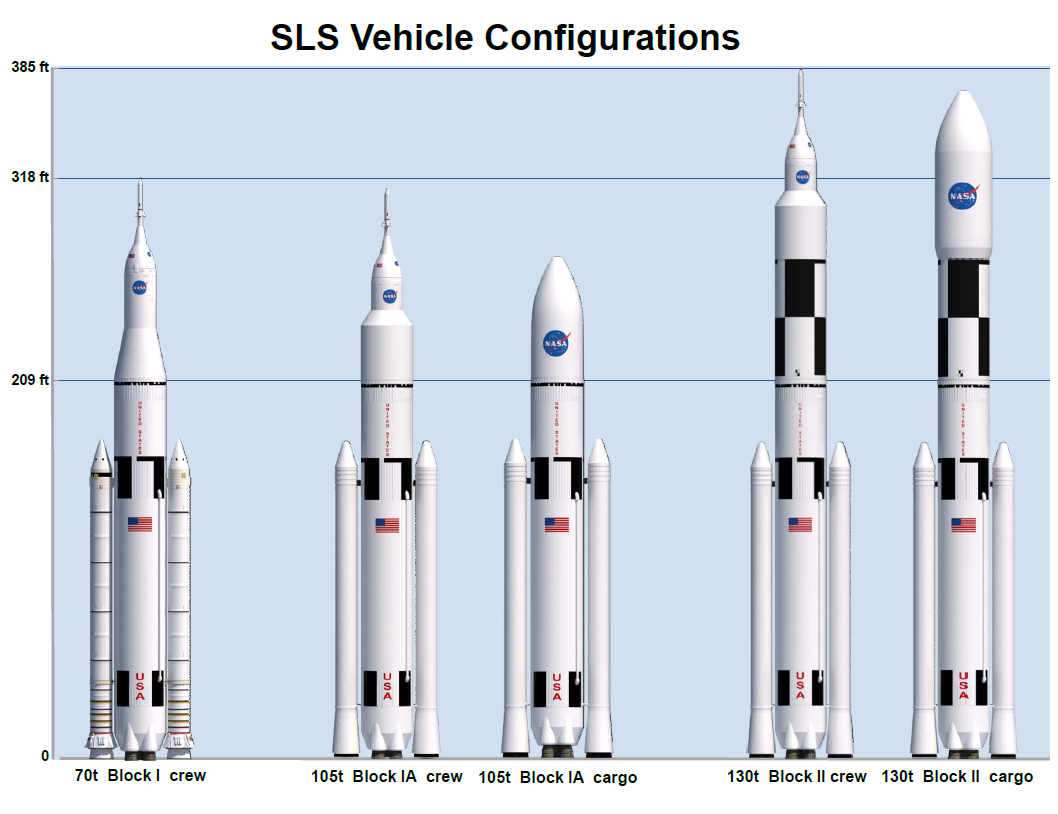
Space Launch System's planned variant vehicle configurations. (Credit: NASA)
Space Launch System’s planned variant vehicle configurations. The agency’s current funding plan for SLS may be $US400 million short of what the program needs to launch by 2017 (Credit: NASA)
via theregister

Physics in the News

Tuesday, July 22, 2014

Researchers reveal why giant black hole’s ‘galactic fireworks’ were a flop(VIDEO)

via nature

Physicist George Ellis knocks physicists for knocking philosophy, falsification, and free will

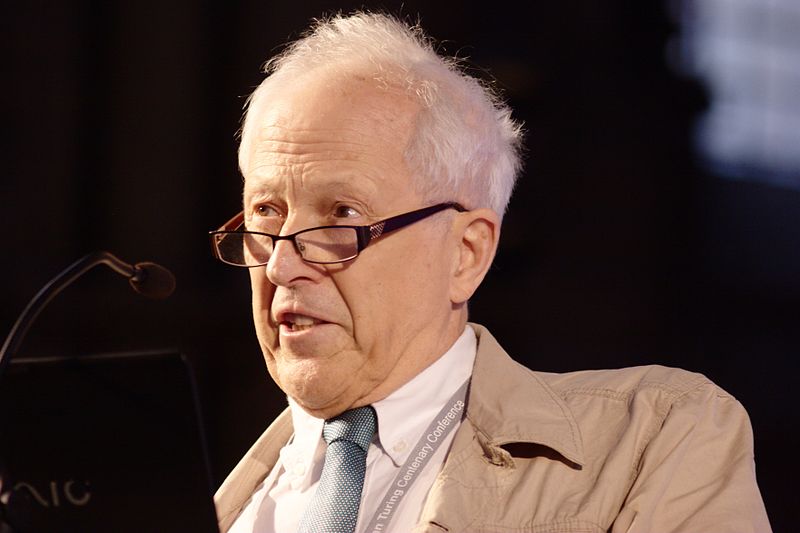
"You cannot do physics or cosmology without an assumed philosophical basis," says George Ellis. (Credit: David Monniaux)
“You cannot do physics or cosmology without an assumed philosophical basis,” says George Ellis. (Credit: David Monniaux)

via scientificamerican

Boosting the force of empty space

Two atoms exchanging a virtual photon. Empty space around them is not as empty as one might think. (Credit: Vienna University of Technology, TU Vienna)
via phys.org

Beyond energy, matter, time and space

New particles may yet be discovered, and even new laws. But it is almost taken for granted that everything from physics to biology, including the mind, ultimately comes down to four fundamental concepts: matter and energy interacting in an arena of space and time. (Credit: Carl Wiens)
via nytimes

‘Quantum Bounce’ theory claims black holes explode

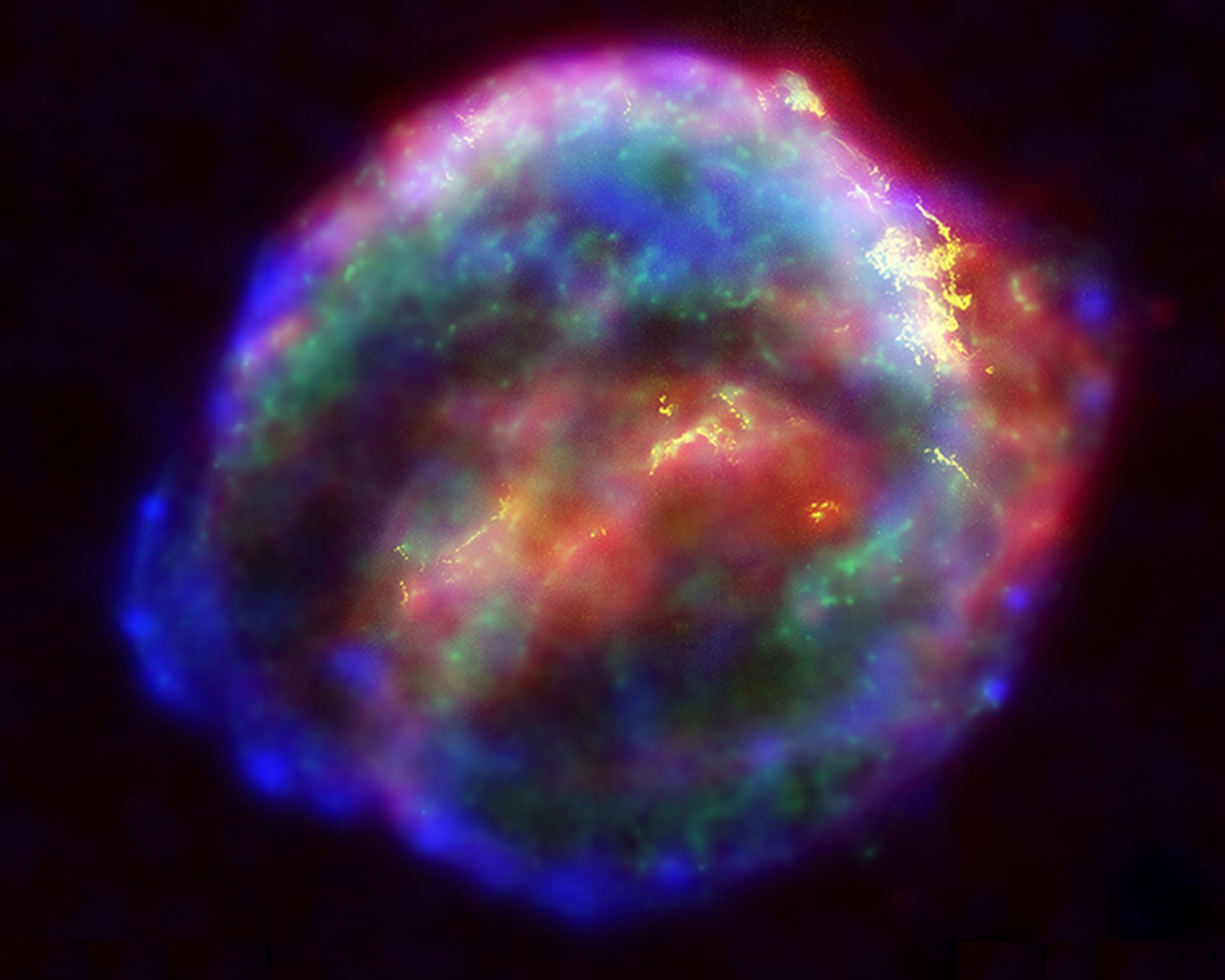
Kepler's Supernova Remnant "On October 9, 1604, sky watchers -- including astronomer Johannes Kepler, spotted a "new star" in the western sky, rivaling the brilliance of nearby planets. "Kepler's supernova" was the last exploding supernova seen in our Milky Way galaxy. (Credit: NASA/ESA/JHU/R.Sankrit & W.Blair)
Kepler’s Supernova Remnant “On October 9, 1604, sky watchers — including astronomer Johannes Kepler, spotted a “new star” in the western sky, rivaling the brilliance of nearby planets. “Kepler’s supernova” was the last exploding supernova seen in our Milky Way galaxy. (Credit: NASA/ESA/JHU/R.Sankrit & W.Blair)
via nature

We only use 10% of our brains? That’s a myth

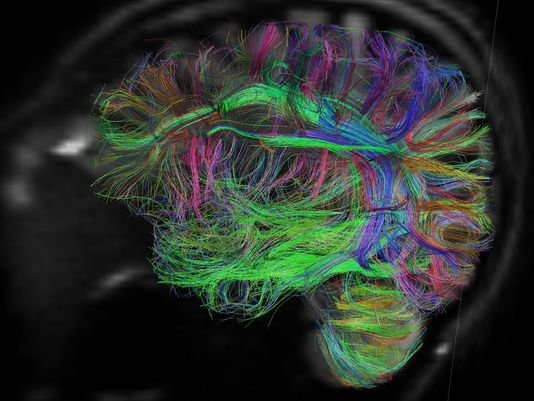
A Diffusion Spectrum MRI (DSI) of the human brain obtained with the MGH-UCLA Human ?Connectom? Scanner. The fiber tracks are color-coded by direction: red=left-right, green  =anterior-posterior, blue=through brain stem. (Credit: National Institutes of Biomedical Imaging and Bioengineering and National Institutes of Health)
A Diffusion Spectrum MRI (DSI) of the human brain obtained with the MGH-UCLA Human ‘Connectom’ Scanner. The fiber tracks are color-coded by direction:  red=left-right, green=anterior-posterior, blue=through brain stem. (Credit: National Institutes of Biomedical Imaging and Bioengineering and National Institutes of Health)
via theatlantic

Physics in the News

Monday, July 14, 2014

Confirmed: Magnetic waves cannot accelerate solar wind(VIDEO)

via thewatchers

British researchers devise material so dark it looks like a black hole

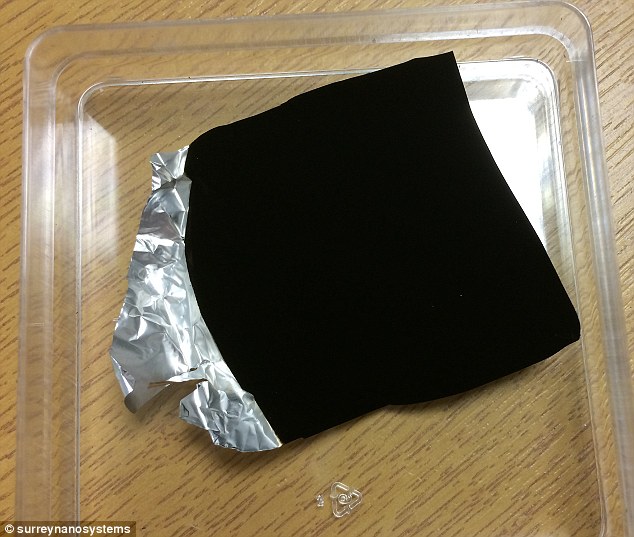
British scientists have created a material which absorbs all but 0.035 per cent of light, a new world record, and is so dark the human eye struggles to discern what it is that it is seeing, giving the appearance of a black hole. (Credit: Surrey Nano Systems)
via independent

Boron ‘buckyball’ discovered

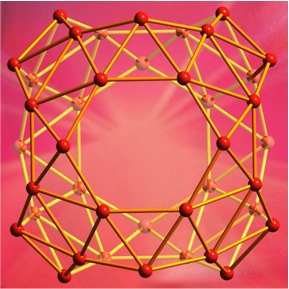
Researchers have shown that clusters of 40 boron atoms form a molecular cage similar to the carbon buckyball. This is the first experimental evidence that such a boron cage structure exists. (Credit: Wang lab / Brown University)
via .phys.org

How To Measure A Sun-Like Star’s Age

Image Caption: Artist's conception of a hypothetical exoplanet orbiting a yellow, Sun-like star. Astronomers have measured the ages of 22 Sun-like stars using their spins, in a method called gyrochronology. Before now, only two Sun-like stars had measured spins and ages. (Credit: David A. Aguilar (CfA))
Artist’s conception of a hypothetical exoplanet orbiting a yellow, Sun-like star. Astronomers have measured the ages of 22 Sun-like stars using their spins, in a method called gyrochronology. Before now, only two Sun-like stars had measured spins and ages. (Credit: David A. Aguilar (CfA))
via redorbit

Keeping an eye on passing asteroids

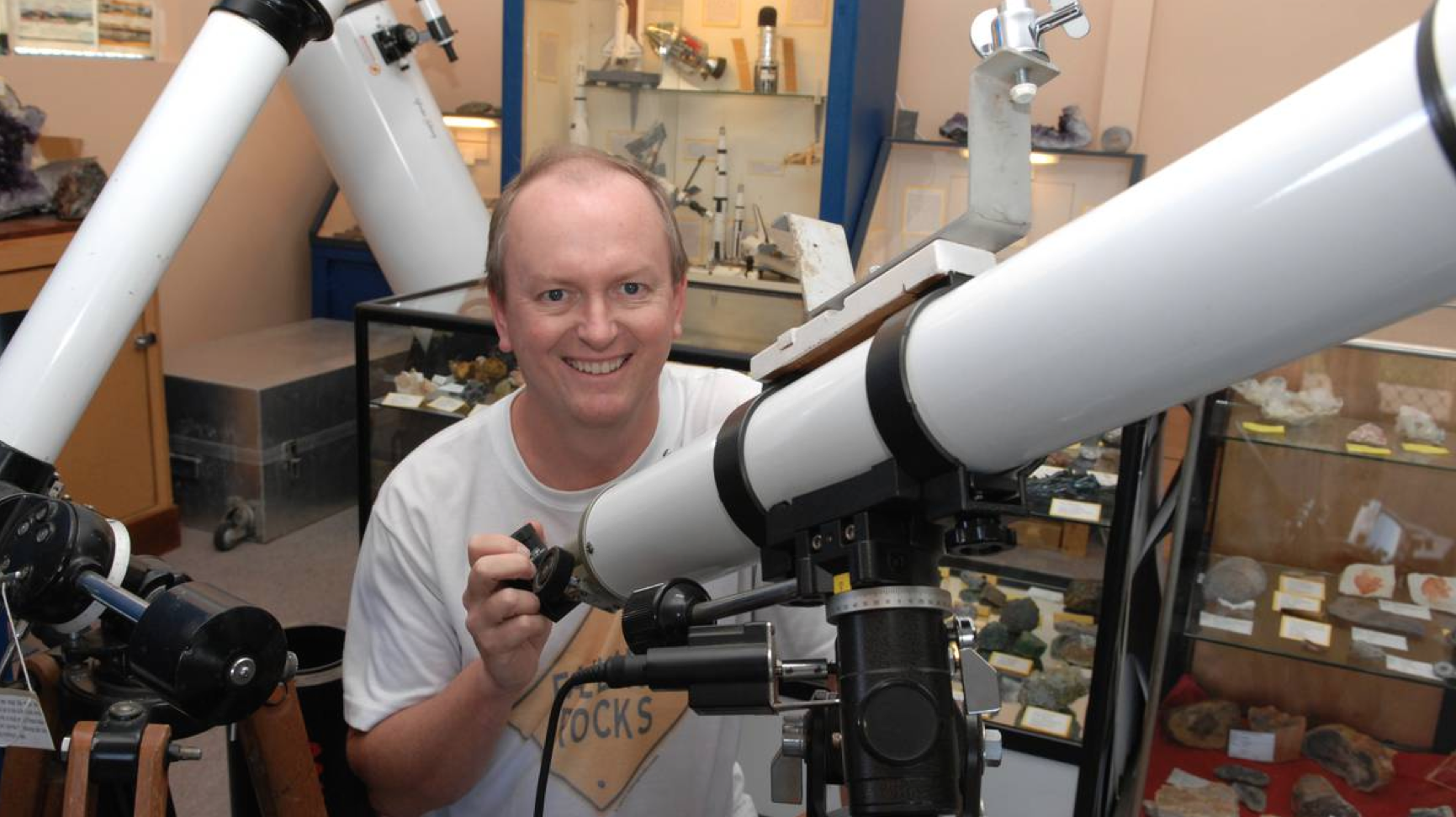
Bathurst Observatory Research Facility manager Ray Pickard said work will begin on the Bathurst Asteroid Research Telescope next week. (Credit: ZENIO LAPKA)
via westernadvocate

D-Wave Systems Secures $30M (CAD) Funding to Accelerate Quantum Computing

What’s going on inside the D-Wave Two is still a matter of debate. (Credit D-Wave Systems)
via marketwatch

A light bending exercise… in space!

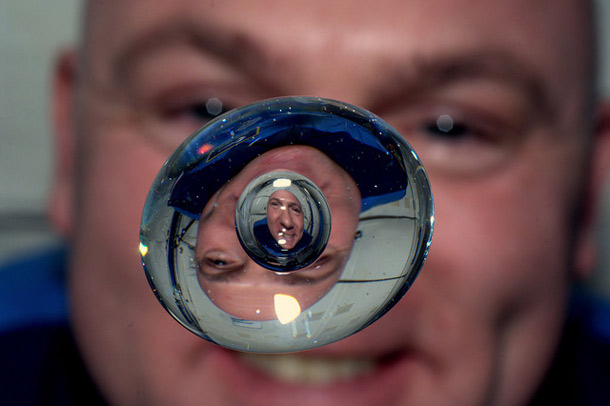
An air bubble was blown into the water droplet to create this effect. (Credit: Imgur)
On Board the International Space Station, ESA astronaut Andre Kuipers blows an air bubble into a water droplet to create this effect. (Credit: ESA/NASA)
via discover