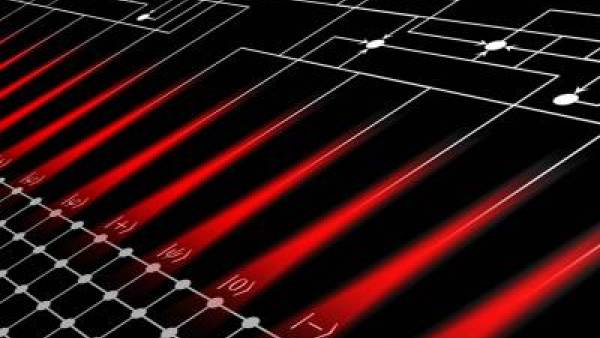
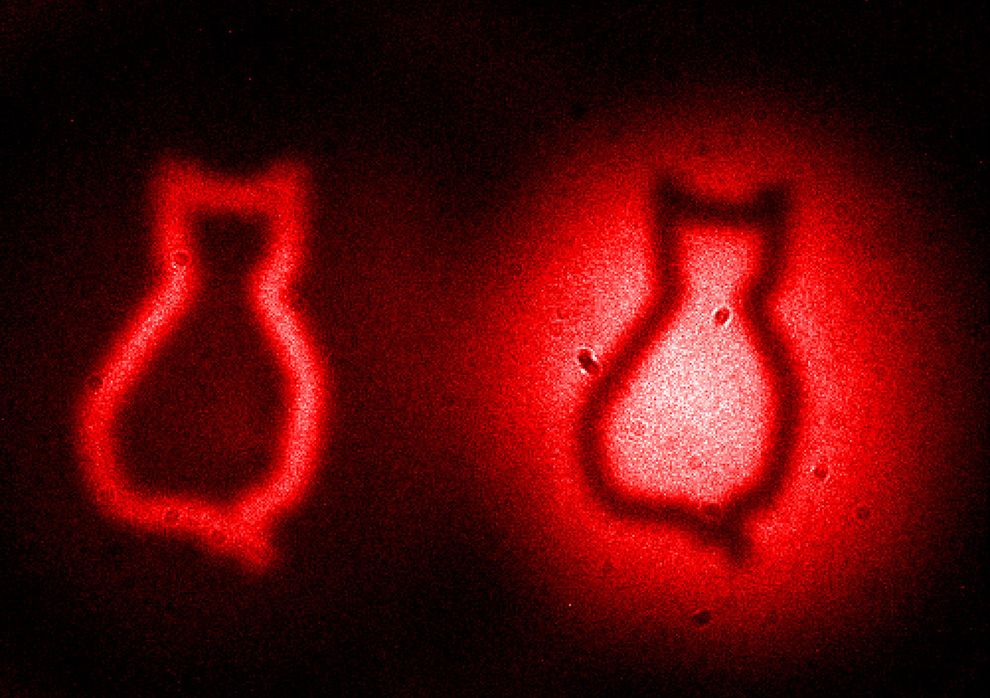
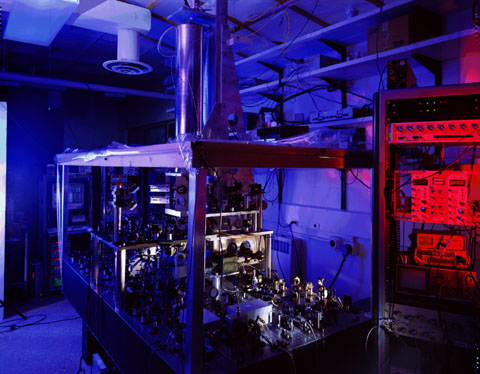
“This is a long-standing, really neat experimental idea,” says Paul Lett, of the National Institute of Standards and Technology in GaithersburgLett, “Now we have to see whether or not it will lead to something practical, or will remain just a clever demonstration of quantum mechanics.”(CreditBarreto-Lemos, Vergano)
via nationalgeographic
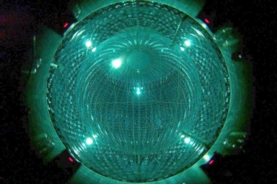
The Borexino neutrino detector uses a sphere filled with liquid scintillator that emits light when excited. This inner vessel is surrounded by layers of shielding and by about 2,000 photomultiplier tubes to detect the light flashes.(Credit: Borexino Collaboration)
via scientificamerican
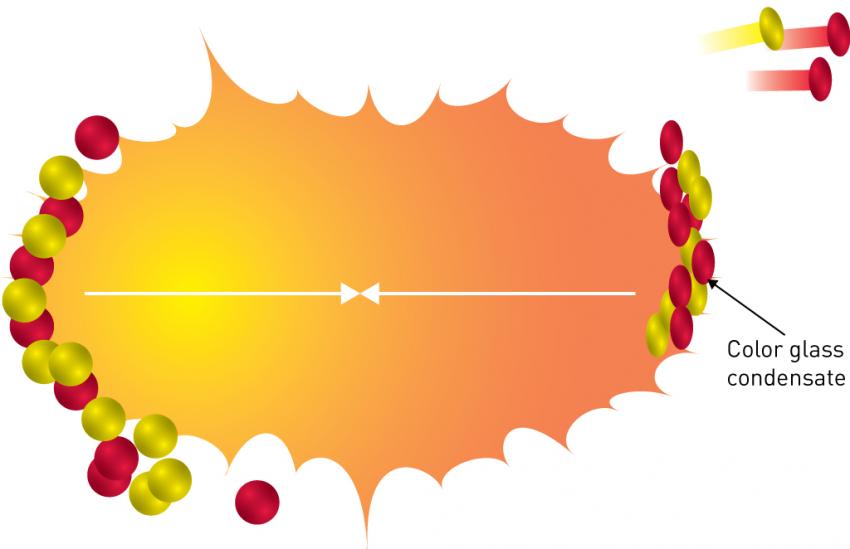
MOLECULAR MODEL In the molecular model, quark-antiquark pairs form two color-neutral mesons that become weakly linked as a molecule.DIQUARK MODEL The particles form quark-quark and antiquark-antiquark pairs, which are forced to combine to balance their color charges.
via simonsfoundation
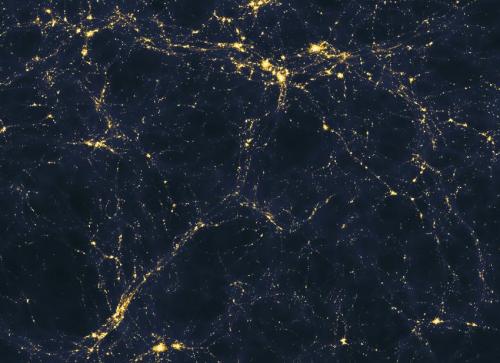
A computer model shows one scenario for how light is spread through the early universe on vast scales (more than 50 million light years across). Astronomers will soon know whether or not these kinds of computer models give an accurate portrayal of light in the real cosmos. (Credit: Andrew Pontzen/Fabio Governato)
via phys
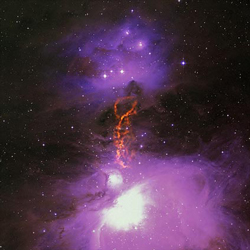
Radio/optical composite of the Orion Molecular Cloud Complex showing the OMC-2/3 star-forming filament. GBT data is shown in orange. Uncommonly large dust grains there may kick-start planet formation. (Credit: S. Schnee, et al.; B. Saxton, B. Kent (NRAO/AUI/NSF)
via rdmag
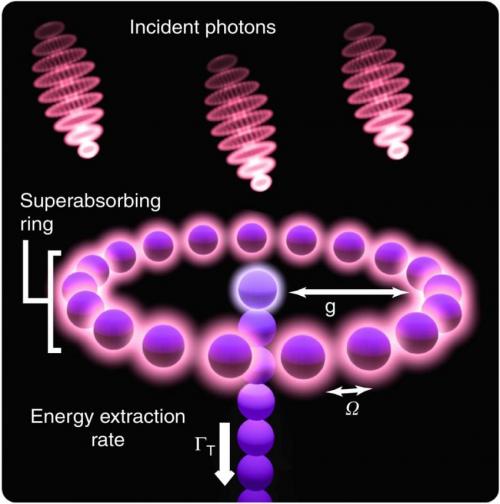
In one potential method to realize superabsorption, a superabsorbing ring absorbs incident photons, giving rise to excitons. (Credit: Higgins, et al.)
via phys.org
NIST-F1 contributes to the international group of atomic clocks that define Coordinated Universal Time (UTC), the official world time. Because NIST-F1 is among the most accurate clocks in the world, it makes UTC more accurate than ever before. (Credit: Time and Frequency Division of NIST’s PML)
via guardianlv
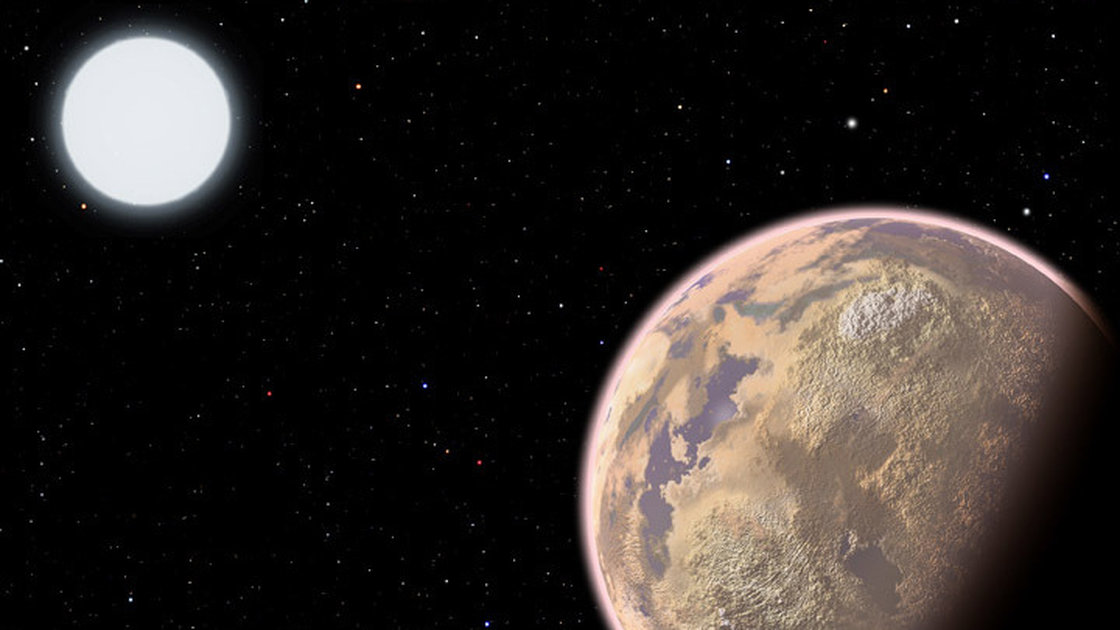
Artist’s conception of the atmosphere of an Earth-like planet displaying a brownish haze as the result of widespread pollution. (Credit: Christine Pulliam/Harvard-Smithsonian Center for Astrophysics)
via npr
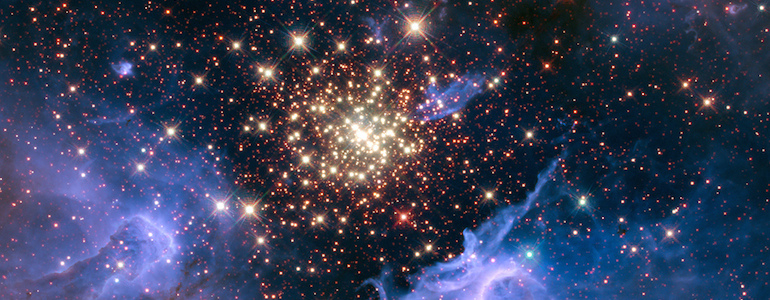
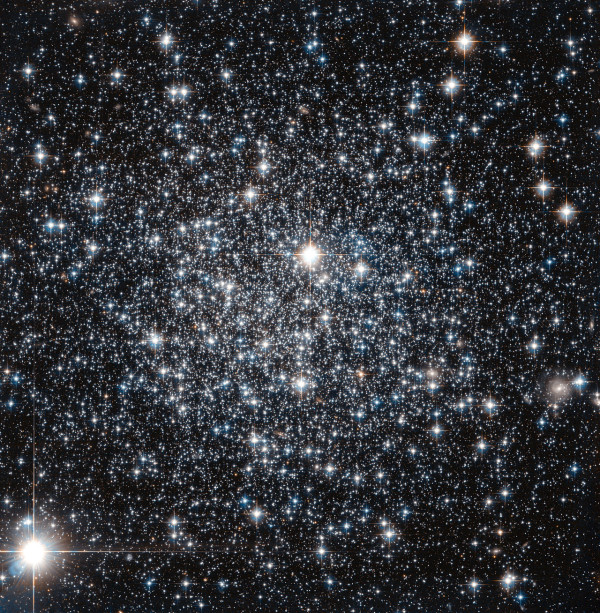
This new NASA/ESA Hubble Space Telescope image shows the globular cluster IC 4499. A cosmic archaeological dig has unfolded within a giant ball of stars some 55,000 light-years away. (Credit: NASA)
via nationalgeographic
Top: A typical set-up for squeezing injection in the first demonstrations of squeezing at GEO600 and LIGO, both using DC readout [36,37]. Bottom: Proposed design for future detectors. This design features an in-vacuum OPO. The remainder of the squeezed light source remains outside of vacuum. (Credit: E. Oelker, L. Barsotti, S. Dwyer, D. Sigg, and N. Mavalvala)
via opticsinfobase
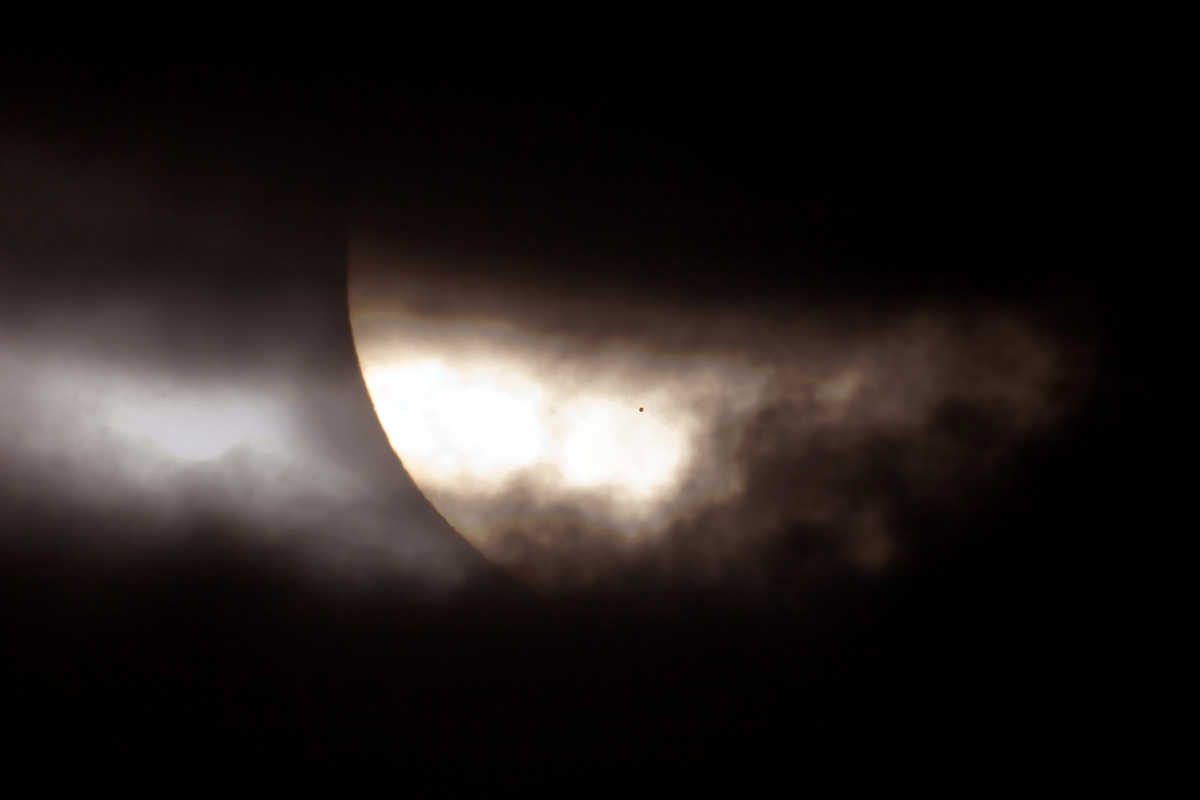
What’s that dot on the Sun? If you look closely, it is almost perfectly round. The dot is the result of an unusual type of solar eclipse that occurred in 2006. Usually it is the Earth’s Moon that eclipses the Sun. This time, the planet Mercury took a turn. (Credit: D. Cortner, NASA, K. Schmidt)
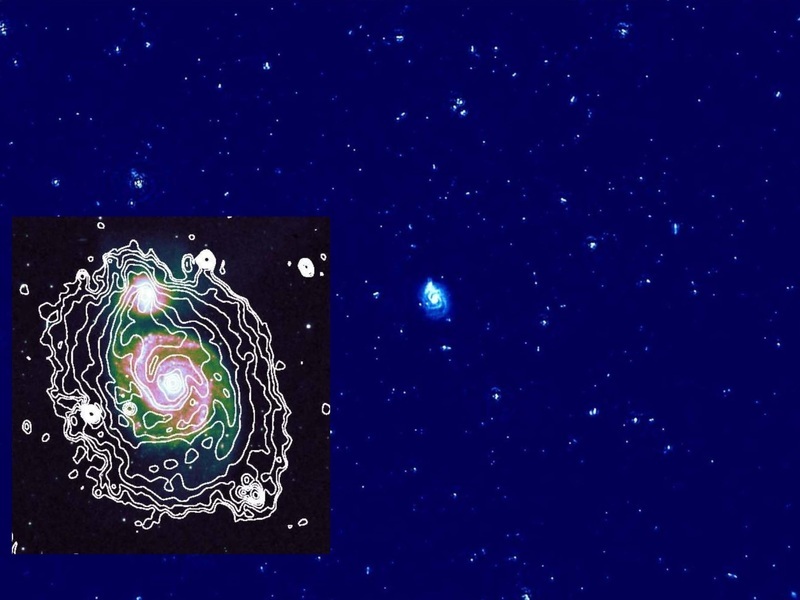
“Maybe we will see how galaxies are magnetically connected to intergalactic space. This is a key experiment in preparation for the planned Square Kilometre Array (SKA) that should tell us how cosmic magnetic fields are generated,” says Rainer Beck, lead astronomer with the Max Planck Institute.
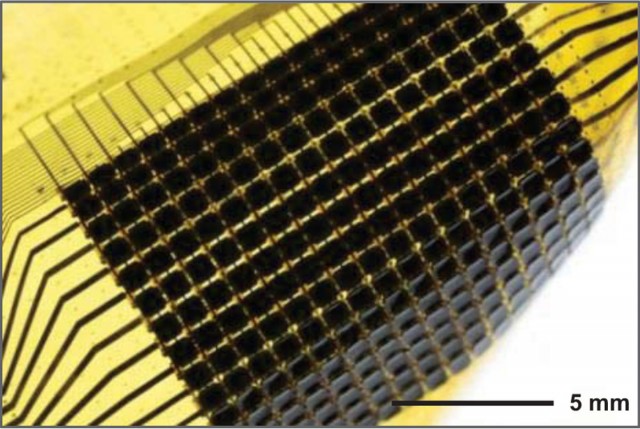
Researchers have developed a flexible structure that can sense ambient conditions and adjust its color to match them. At the moment, it only works in black and white. (Credit: PNAS, Timmer)
via arstechnica
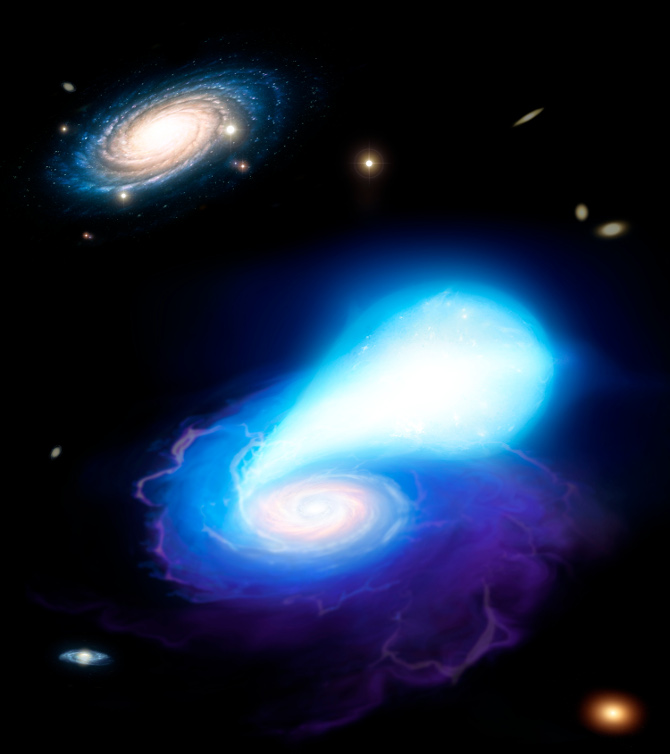
University of Warwick researchers explain mystery of the loneliest supernovas. Compact binary star systems that have been thrown far from their host galaxy when one star of that pair became a neutron star, go through a second trauma when the remaining white dwarf star is eventually pulled onto the neutron star. (Credit: Mark A. Garlick / space-art.co.uk / University of Warwick)
via forbes
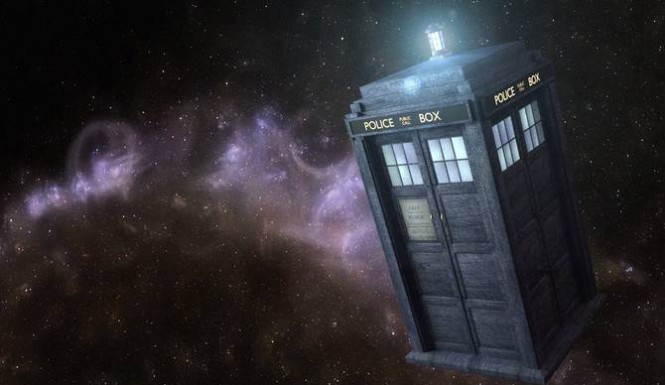
While time travel may be theoretically possible, there are unfortunately several drawbacks to the researchers’ TARDIS concept. In order to function, it requires the use of exotic matter, which has yet to be shown to exist in our universe. Time travel would also have to violate classical mechanics, and in order to move in anything other than a circular direction in both time and space, more than one TARDIS curve would need to be constructed, raising the possibility of exiting the time vortex into a universe of anti-matter. (Credit: Bitbillions)
via inquisitr
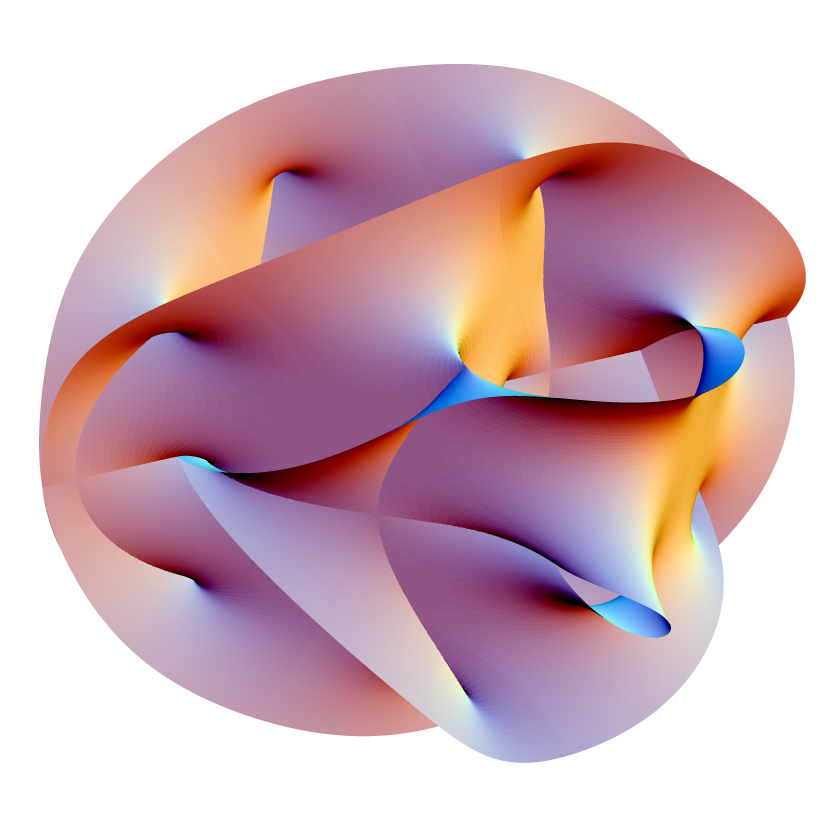
A construction for computer visualization of certain complex curves. Science journalist, Tom Siegfried, has been one of the most vociferous proponents of string theory for many, many years, but even his faith seems like it might be failing as the decades roll on. (Credit: CC BY-SA 2.5)
via columbia
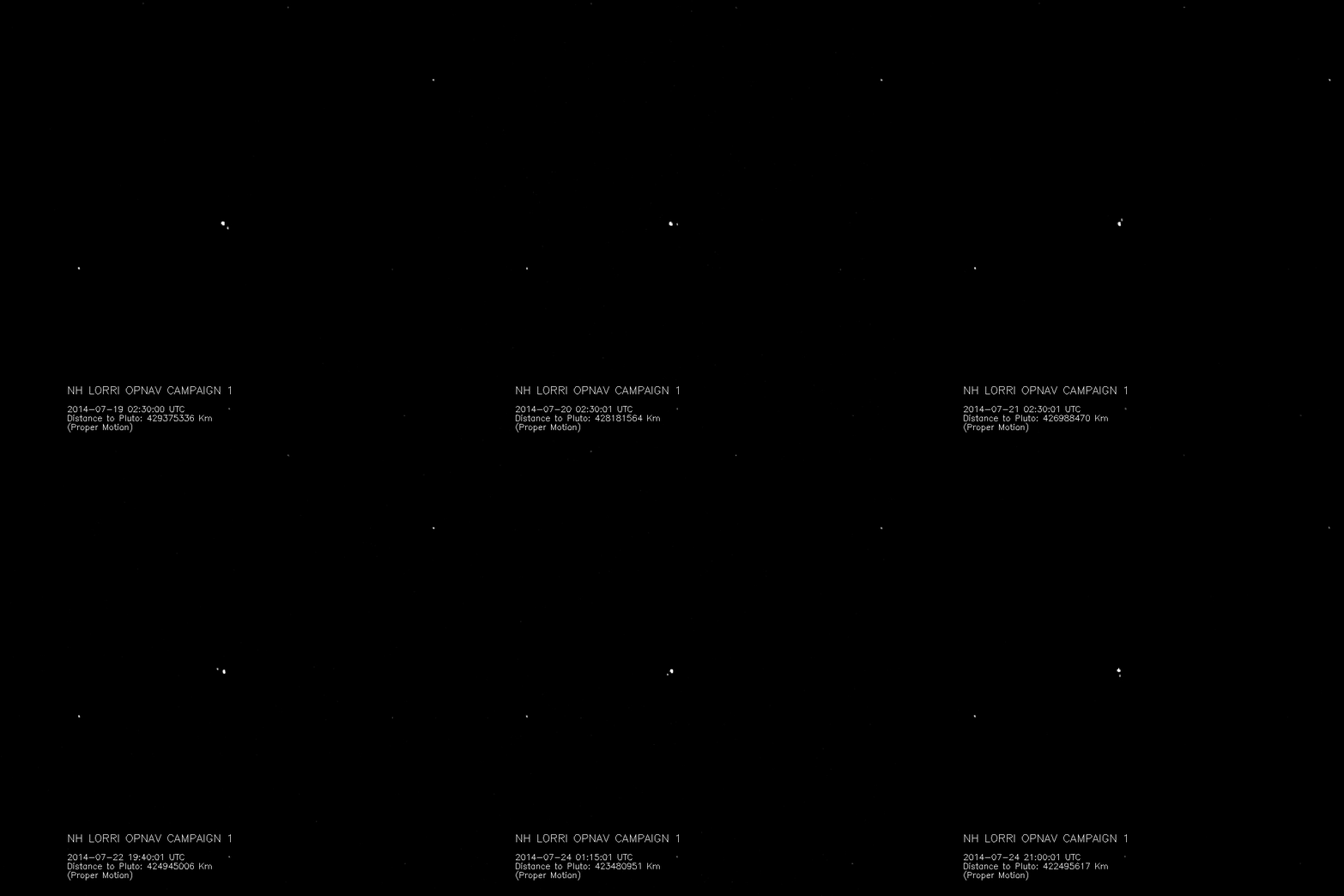
Animation of Pluto and Charon showing nearly a full rotation (Credit: NASA/Johns Hopkins University Applied Physics Laboratory/Southwest Research Institute)
via universetoday
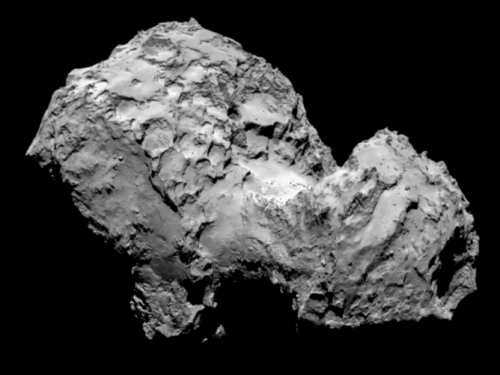
Do you see a duck? On August 6, millions of miles away from Earth, the firing of a rocket thruster signalled the end of a decade-long journey by a European spacecraft to reach its ultimate target – the ‘duck’ comet. (Credit: ESA/Rosetta/MPS)
via phys
A typical magnifying glass works by bending light (i.e. refraction) to a focus point, in this case your eye. In a similar way, gravitational lensing also works by bending light, but in this case it is mass from another galaxy bending the light. This galaxy that extends far into space causes light rays passing near and through its gravitational field to bend and again refocus onto a particular location. The more massive and dense the matter, the more bending and refracting. (Credit: Flickr, Hubble Heritage)
via united-academics
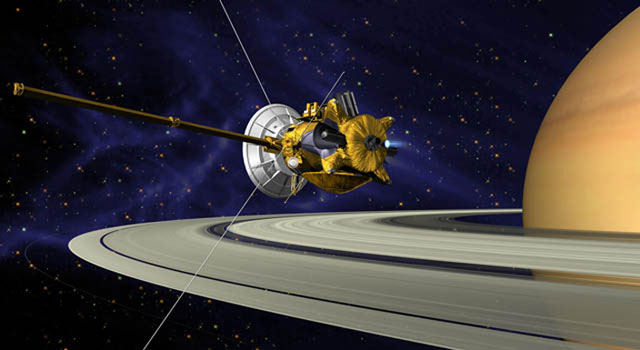
This is an artists concept of Cassini during the Saturn Orbit Insertion (SOI) maneuver, just after the main engine has begun firing. (Credit: NASA/JPL)
via phys
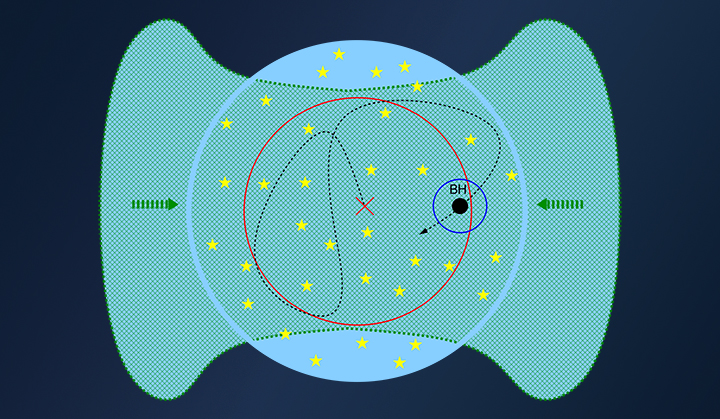
This graphic shows the center of a newly formed star cluster (stars are in yellow), within which the seed black hole gets its super boost of gas (shown in blue).
A team of researchers from TU Wien (Vienna) the National Institute for Informatics (Tokyo) and NTT Basic Research Labs in Japan has now proposed a new architecture for quantum computing, based on microscopic defects in diamond. (Credit: TU Wien (Vienna) and Japan. (National Institute of Informatics and NTT Basic Research Labs)
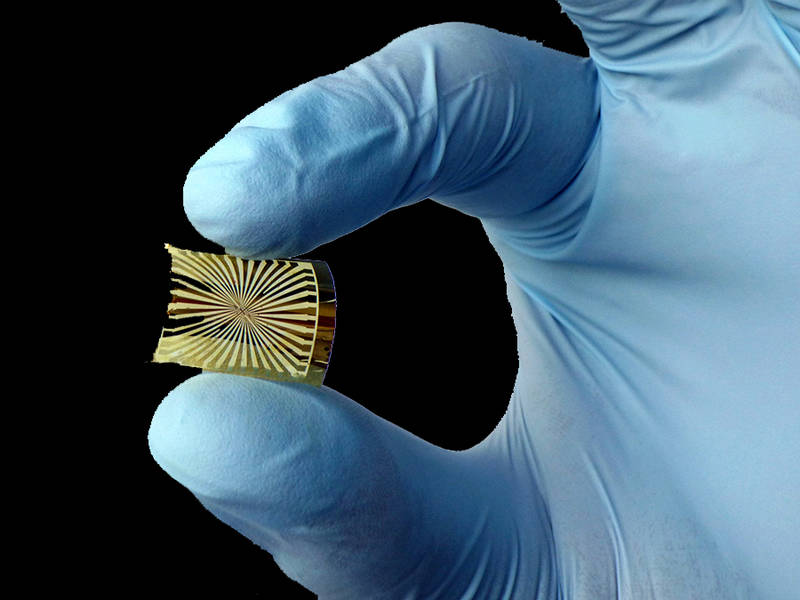
Graphene electronics can be prepared on flexible substrates. Only the gold metal leads are visible in the transparent graphene sensor. (Credit: Natalia Hutanu / TUM)
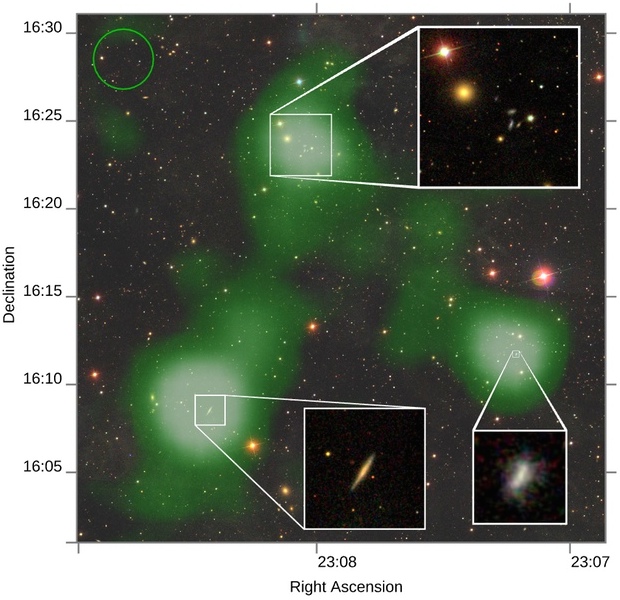
The bridge of gas (shown in green) stretches from the large galaxy at the bottom left to the group of galaxies at the top. A third nearby galaxy to the right also has a shorter stream of gas attached to it. (Credit: Rhys Taylor / Arecibo Galaxy Environment Survey / The Sloan Digital Sky Survey Collaboration.)
via motherboard
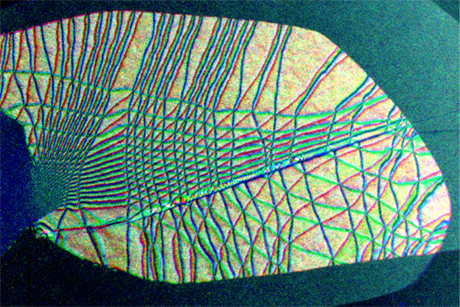
Three dark field-transmission electron microscopy images of bilayer graphene are overlaid with colors to show diffraction angles. The lines are soliton boundaries. (Credit: Muller lab)
via newscientist
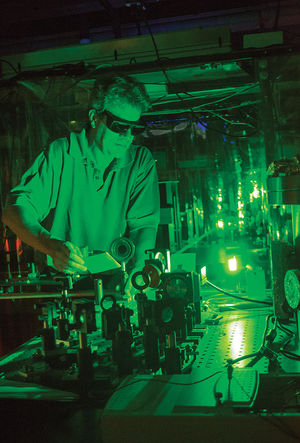
Professor Howard Milchberg. University physicists working in the Intense Laser Matter Interactions group have made two breakthroughs in recent months: One allows them to send high-powered lasers through atmosphere, and another uses this technology to collect weak signals from a distance. (Credit: Samantha Medney/For The Diamondback)
via diamondbackonline
Progress is busily working to re-establish a connection with the operating system — currently on autopilot — before all hope is lost. (Credit: Tim Vickers )
via aljazeera
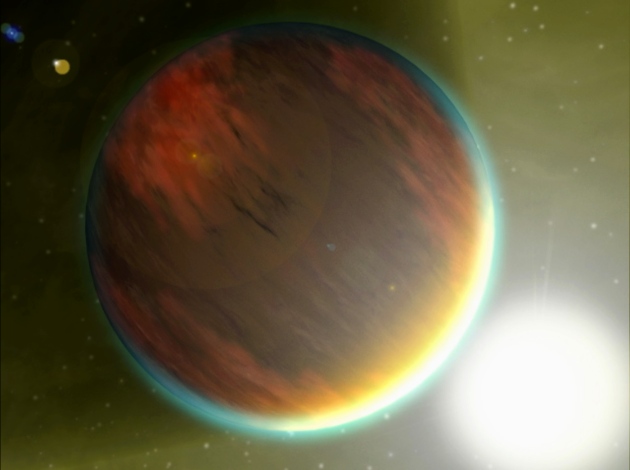
The exoplanet 209458b, a gas giant, is located 150 light-years from Earth. Dry atmospheres of three exoplanets challenge ideas of how planets form. (Credit: NASA/JPL-Caltech)
via nature
A new scientific theory suggests that when black holes reach the end of their lifespan, they explode into “white holes” and release all of their matter into space. (Credit: Reuters / NASA)
via rt
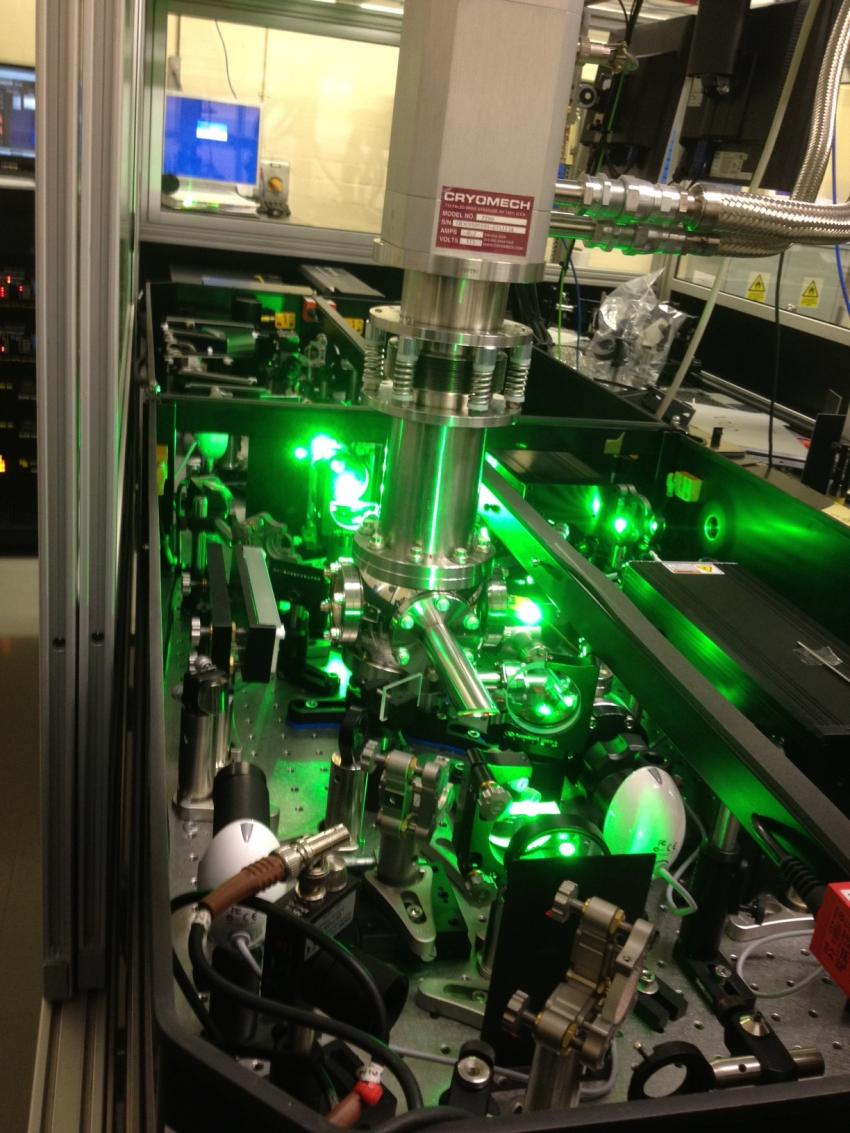
The experiment was undertaken at Rutherford Appleton Laboratories in the Artemis laser facility using an advanced femtosecond laser system to resolve rotations of complexes. The picture shows a section of the laser system used during the experiments. (Credit: Gediminas Galinis, University of Leicester.)
via phys
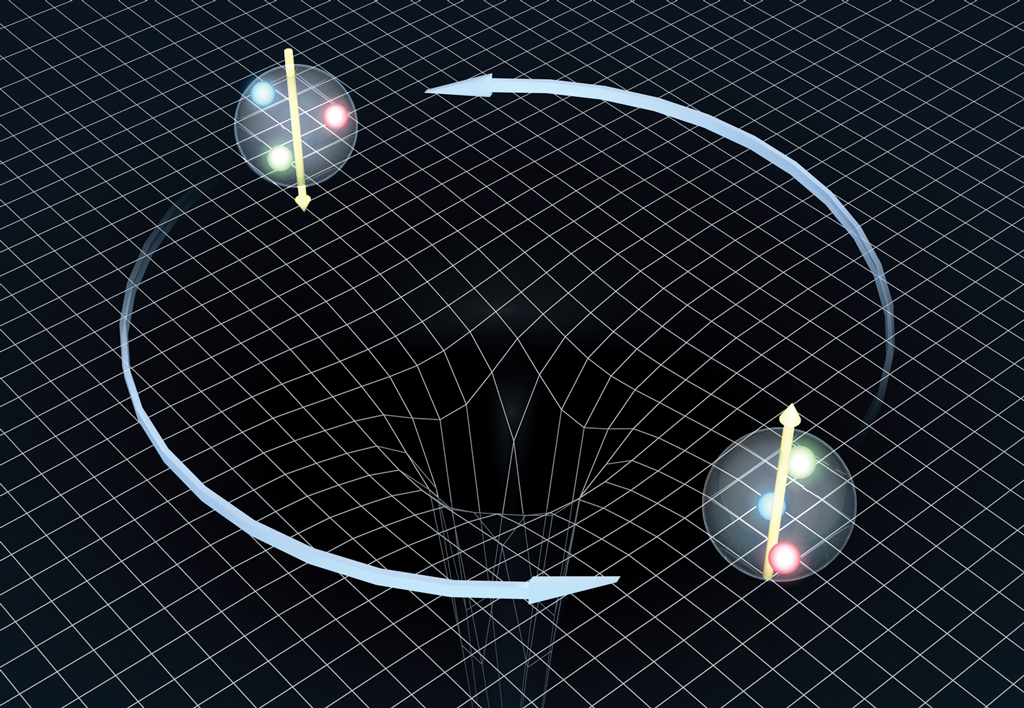
Figure 1: Nucleons (protons and neutrons) are made up of quarks (colored spheres) and have an orientation called spin (indicated by up and down arrows). The spin–orbit force is the interaction between two orbiting nucleons, resulting in a potential well (center) that holds them together. (Credit: Keiko Murano, RIKEN Nishina Center for Accelerator-Based Science)
via phys.org
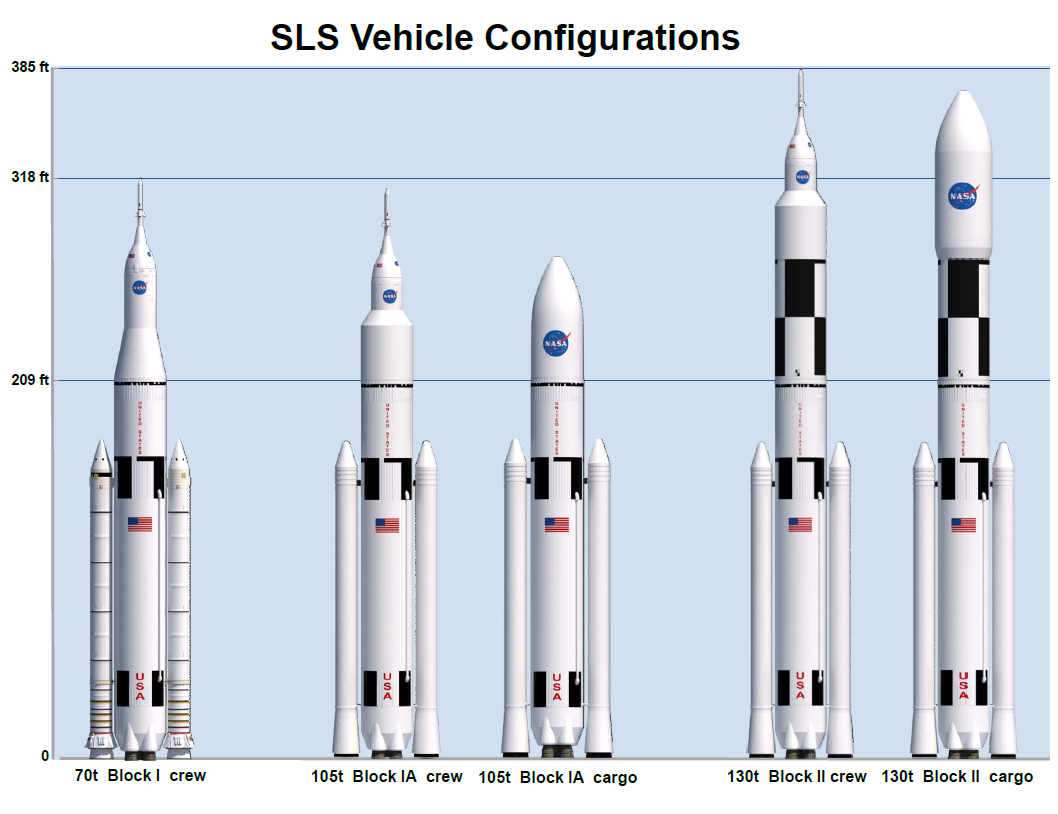
Space Launch System’s planned variant vehicle configurations. The agency’s current funding plan for SLS may be $US400 million short of what the program needs to launch by 2017 (Credit: NASA)
via theregister



![Top: A typical set-up for squeezing injection in the first demonstrations of squeezing at GEO600 and LIGO, both using DC readout [36,37]. Proposed design for future detectors. This design features an in-vacuum OPO. The remainder of the squeezed light source remains outside of vacuum. (Credit: E. Oelker, L. Barsotti, S. Dwyer, D. Sigg, and N. Mavalvala)](https://timeincosmology.org/wp-content/uploads/2014/08/screen-shot-2014-08-24-at-10-39-30-am.png)