Physics in the News

Thursday, July 24, 2014

The future of ultrashort laser pulses
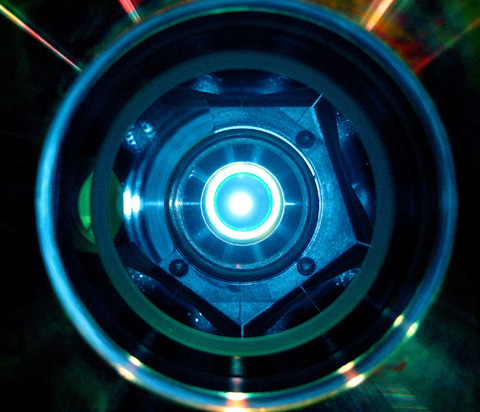
View of a thin-disc laser. Its geometry ensures more stable operation at higher powers than is possible with conventional solid-state lasers. (Credit: Thomas Metzger)
via phys.org

Searching for water in the Milky Way, drier than first thought
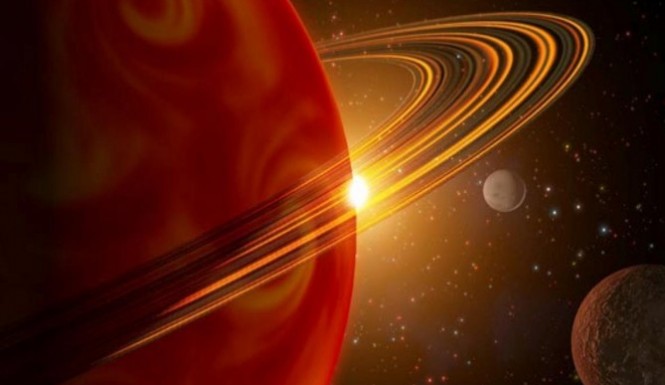
The Hubble Space Telescope finished another step in a important mission, looking for water in the milky way. The results so far are a bit surprising, with three exoplanets (planets outside the solar system) coming up short in their water supplies. (Credit: Greg Bacon)
via inquisitr

Neck of Rosetta’s ‘rubby duckie’ comet shows a bright ring
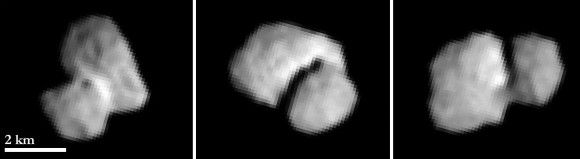
Rosetta imaged its target comet, Comet 67P/Churyumov-Gerasimenko, from about 3,417 miles (5,500 kilometers) away. The “neck” of the comet appears to be brighter than the rest of the nucleus. (Credit: ESA/Rosetta/MPS for OSIRIS Team MPS/UPD/LAM/IAA/SSO/INTA/UPM/DASP/IDA)
via universetoday

Calling for a debate over Pluto’s nature
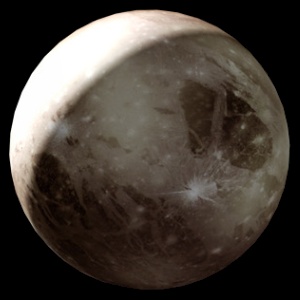
Artist's concept of Pluto (Credit: NASA, ESA and G. Bacon (STScI))
Artist’s concept of Pluto (Credit: NASA, ESA and G. Bacon (STScI))
via huffingtonpost

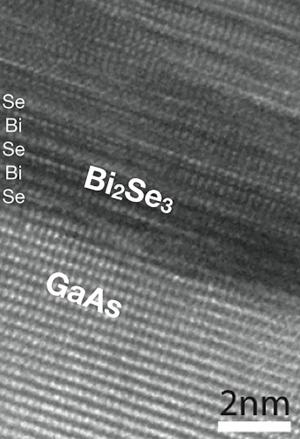
The birth of topological spintronics

The atomic layers of the topological insulator bismuth selenide are visible in this high-resolution electron microscope image. (Credit: Samarth lab, Penn State University)
via phys.org

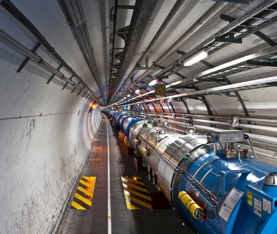
China Plans Supercollider

Proposals for two particle accelerators could see the country aim to become the collider capital of the world. View of the LHC tunnel sector 3-4. (Credit: Maximilien Brice (CERN))
via scientificamerican

Higgs and top: a new window on dark matter
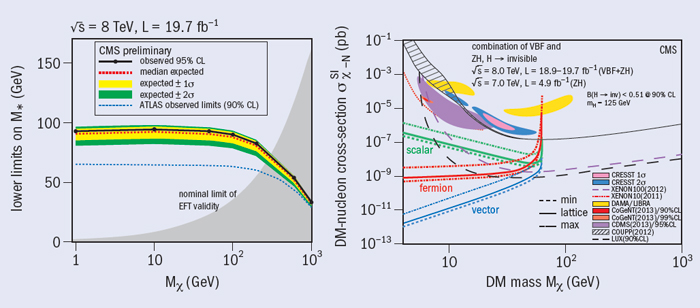
Fig. 1. Left: Limits on the dark-matter particle mass as a function of the effective interaction scale from the associated production of the particle with a top-quark pair. Fig. 2. Right: The limits set on the dark-matter particle mass from the search for invisible Higgs-boson decays compared with those from direct-detection experiments.
Fig. 1. Left: Limits on the dark-matter particle mass as a function of the effective interaction scale from the associated production of the particle with a top-quark pair. Fig. 2. Right: The limits set on the dark-matter particle mass from the search for invisible Higgs-boson decays compared with those from direct-detection experiments. (Credit: CMS)
via cerncourier

Unleashing the power of quantum dot triplets
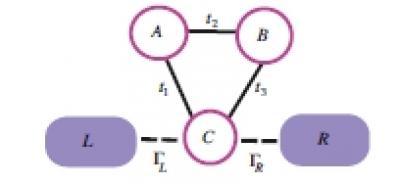
 One approach of making computers faster relies on quantum dots, a kind of artificial atom, easily controlled by applying an electric field. A new study demonstrates that changing the coupling of three coherently coupled quantum dots with electrical impulses can help better control them. (Credit: Tooski, S. B. et al.)

One approach of making computers faster relies on quantum dots, a kind of artificial atom, easily controlled by applying an electric field. A new study demonstrates that changing the coupling of three coherently coupled quantum dots with electrical impulses can help better control them. (Credit: Tooski, S. B. et al.)
via sciencecodex

 Still confused about quantum computing? This may help
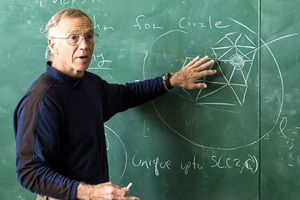
There’s nothing like a Star Trek reference (yay Tribbles!) to help explain complex stuff like quantum computing. (Credit: Microsoft, Michael-Freedman)
via gigaom

Physics in the News

Wednesday, July 9, 2014

The Theory of Supersymmetry, Visualized by CERN’s Artist-in-Residence(VIDEO)

via motherboard

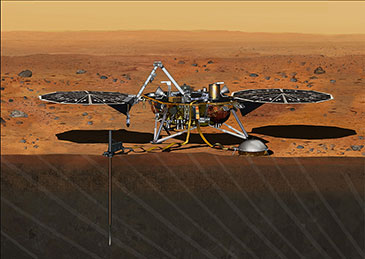
NASA finds quietest place in the UK to test Mars mission equipment

Artist’s impression of the InSight Mars lander. The SEIS will be deployed onto the surface using a robot arm, where it will then record signals from marsquakes and meteorite impacts in order to probe the planet’s interior. (Credit: NASA/JPL-Caltech)
via phys.org

In Less Than a Decade Your Computer Could Be Just One Atom Wide(VIDEO)

via motherboard

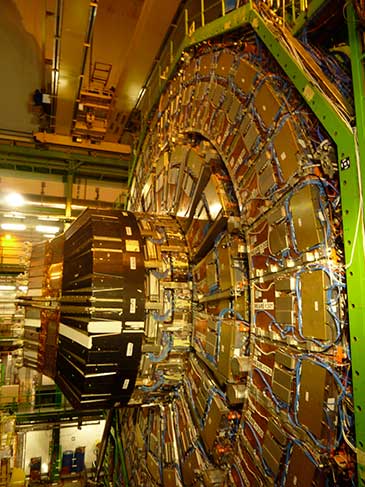
Upgrading the Large Hadron Collider

The CMS (Compact Muon Solenoid) experiment aims to discover new particles and study their properties. (Credit: NASA)
via phys.org

Physics in the News

Monday, July 7, 2014

Fluids Flowing at the Nanoscale (VIDEO)

via theepochtimes

Solved: Signals Thought Originating from Habitable-Zone Planets (VIDEO)

via dailygalaxy

NASA OK’s spending on a new rocket built for deep space exploration

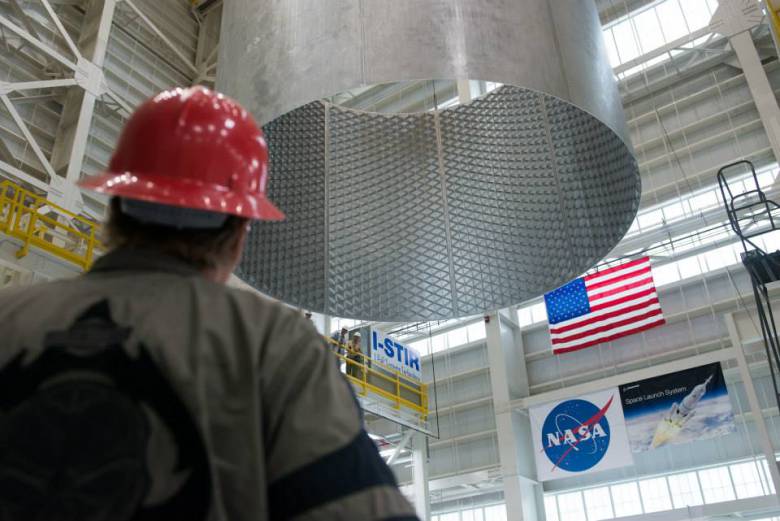
NASA plans to spend $6.8 billion of its funding for the SLS project. (Credit: NASA)
via venturebeat

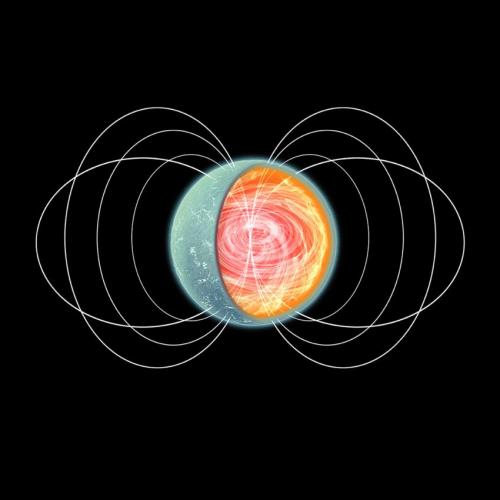
Satellite X-ray observations reveal neutron star with donut-shaped magnetic field and axial wobble

An artist's impression of a magnetar with an intense torroidal magnetic field in its core. (Credit: NASA/CXC/M.Weiss)
An artist’s impression of a magnetar with an intense torroidal magnetic field in its core. (Credit: NASA/CXC/M.Weiss)
via phys.org

Small, but plentiful: How the faintest galaxies illuminated the early universe

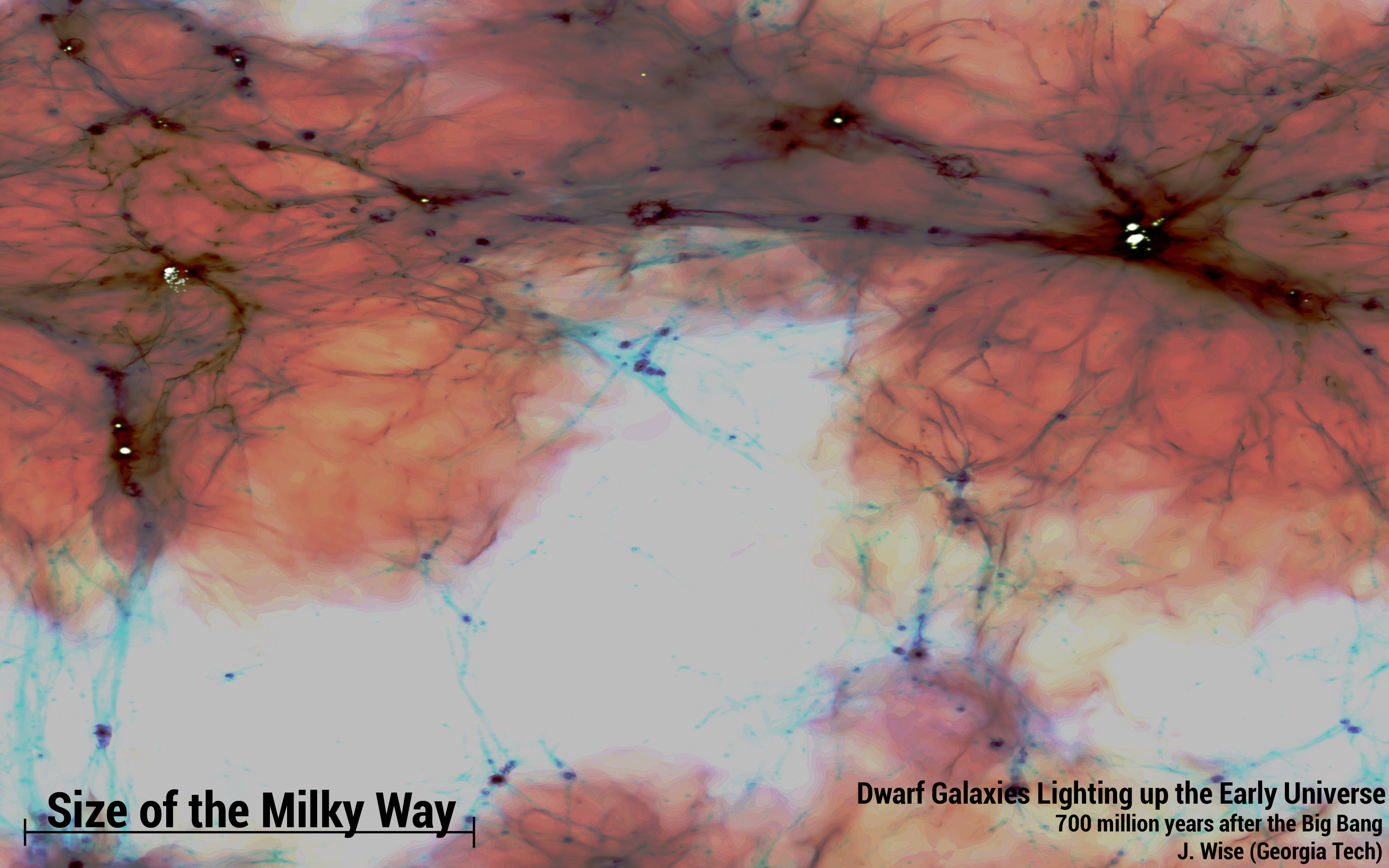
A view of the entire simulation volume showing the large scale structure of the gas, which is distributed in filaments and clumps. The red regions are heated by UV light coming from the galaxies, highlighted in white. These galaxies are over 1000 times less massive than the Milky Way and contributed nearly one-third of the UV light during re-ionisation. The field of view of this image is 400,000 light years across, when the universe was only 700 million years old. (Credit: John Wise)
via phys.org

Two years ago the discovery of the Higgs boson was announced. What’s new?

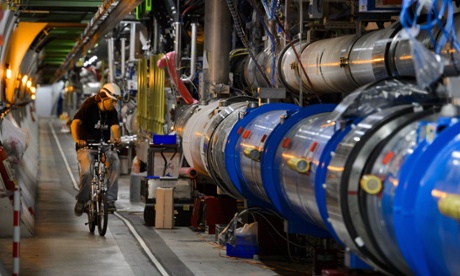
A worker rides on his bicycle in the CERN's Large Hadron Collider (LHC) tunnel during maintenance works. (Credit:  AFP  / FABRICE COFFRINIFABRICE COFFRINI/AFP/Getty Images)
A worker rides on his bicycle in the CERN’s Large Hadron Collider (LHC) tunnel during maintenance works. (Credit: AFP / FABRICE COFFRINIFABRICE COFFRINI/AFP/Getty Images)
via theguardian

Physics in the News

Tuesday, June 10, 2014

The Simple Problem Einstein Couldn’t Solve … At First

Einstein fell for this teaser
via farnamstreetblog
 

Black hole? Or wormhole in disguise?

Wormholes-infographic

via cosmonline
 

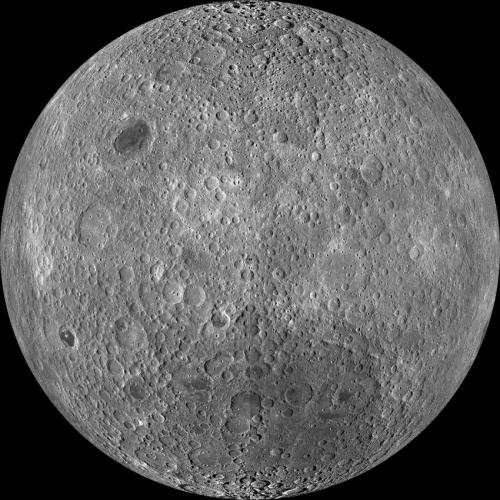
55-year old dark side of the Moon mystery solved

This is a composite image of the lunar farside taken by the Lunar Reconnaissance Orbiter in June 2009, note the absence of dark areas. Credit: NASA
via phys.org
 

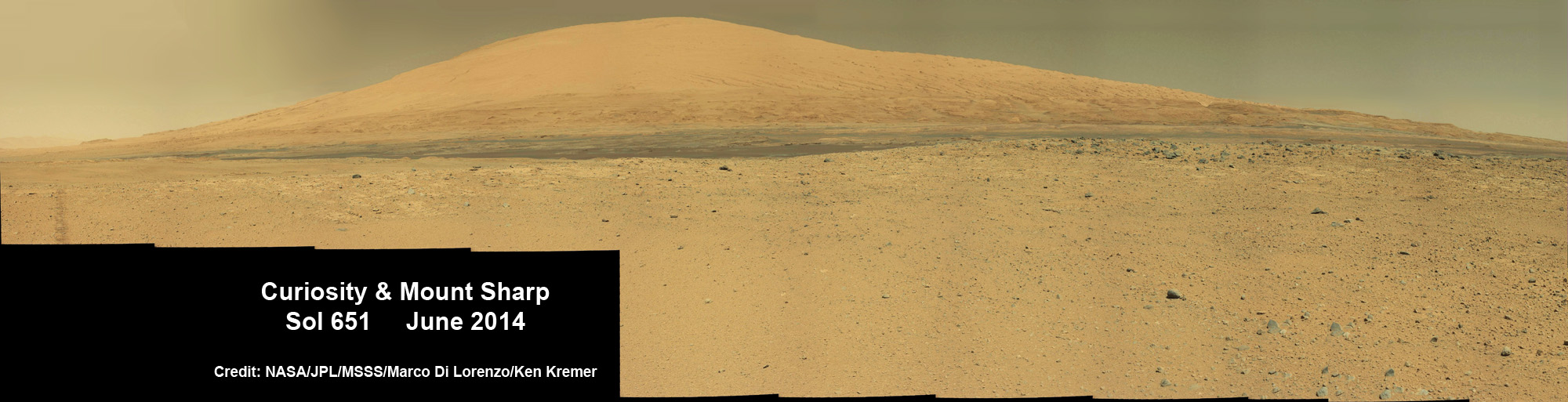
Curiosity captures stunning new Mount Sharp panorama ‘on the go’

Curiosity rover panorama of Mount Sharp captured on June 6, 2014 (Sol 651) during traverse inside Gale Crater. Note rover wheel tracks at left. She will eventually ascend the mountain at the ‘Murray Buttes’ at right later this year. Assembled from Mastcam color camera raw images and stitched by Marco Di Lorenzo and Ken Kremer. Credit: NASA/JPL/MSSS/Marco Di Lorenzo
via phys.org

Physics in the News

Updated Monday, June 9, 2014

The Very First Vine From Space Captures A Sun That Never Sets

via io9


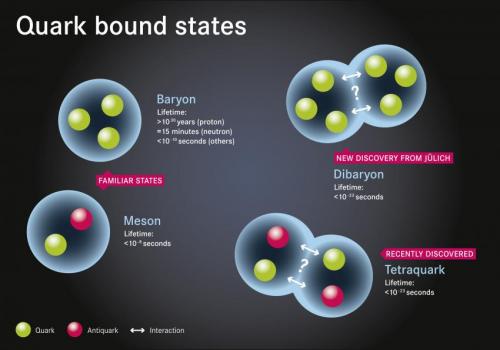
Quarks in six-packs: Exotic Particle Confirmed

For a long time, physicists were only able to reliably verify two different classes of hadrons: baryons and mesons. Experiments performed at Jülich’s accelerator COSY have now shown that, in fact, another class of exotic particles made up of six quarks exists. Credit: Forschungszentrum Jülich/SeitenPlan CC BY 4.0 Read more at: http://phys.org/news/2014-06-quarks-six-packs-exotic-particle.html#jCp
For a long time, physicists were only able to reliably verify two different classes of hadrons: baryons and mesons. Experiments performed at Jülich’s accelerator COSY have now shown that, in fact, another class of exotic particles made up of six quarks exists. Credit: Forschungszentrum Jülich/SeitenPlan CC BY 4.0

via phys.org


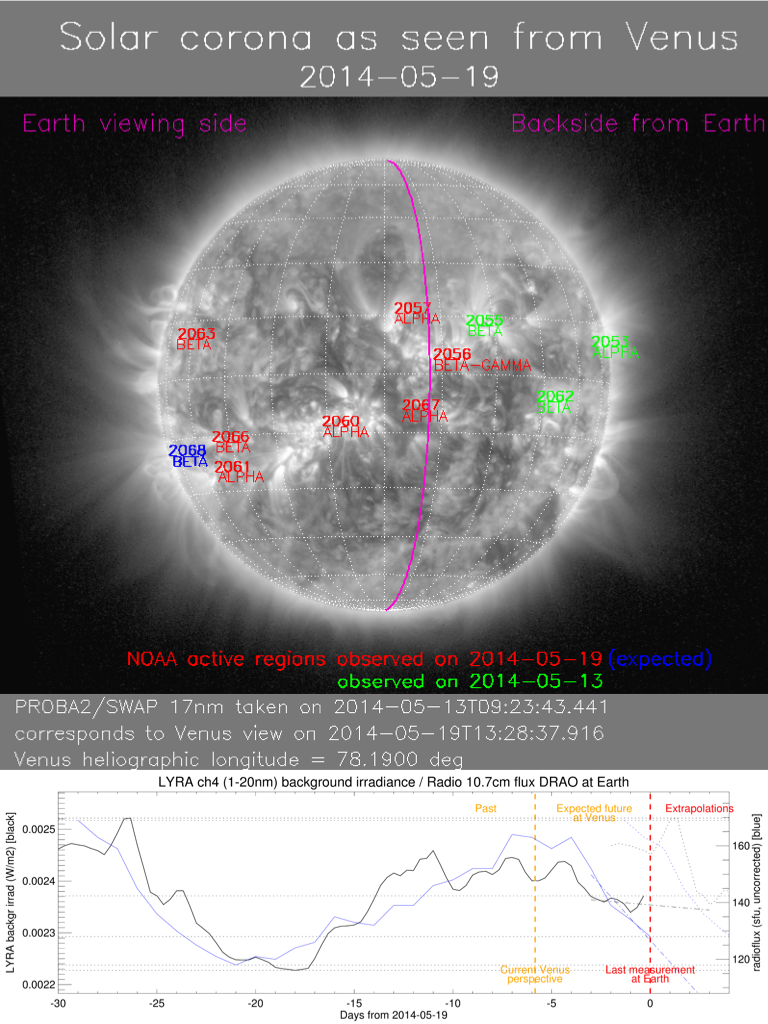
Space Weather Report for an Alien World

Space weather report for Venus
via esa.int


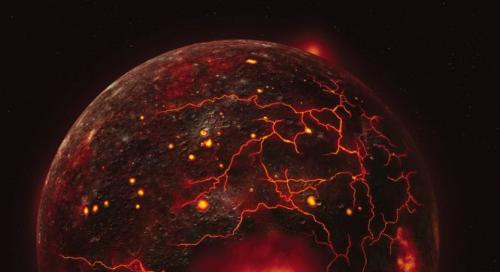
Researchers find evidence of speedy core formation in solar system planetesimals

Planetary core formation. Credit: Speed metal, Science 6 June 2014.
via phys.org


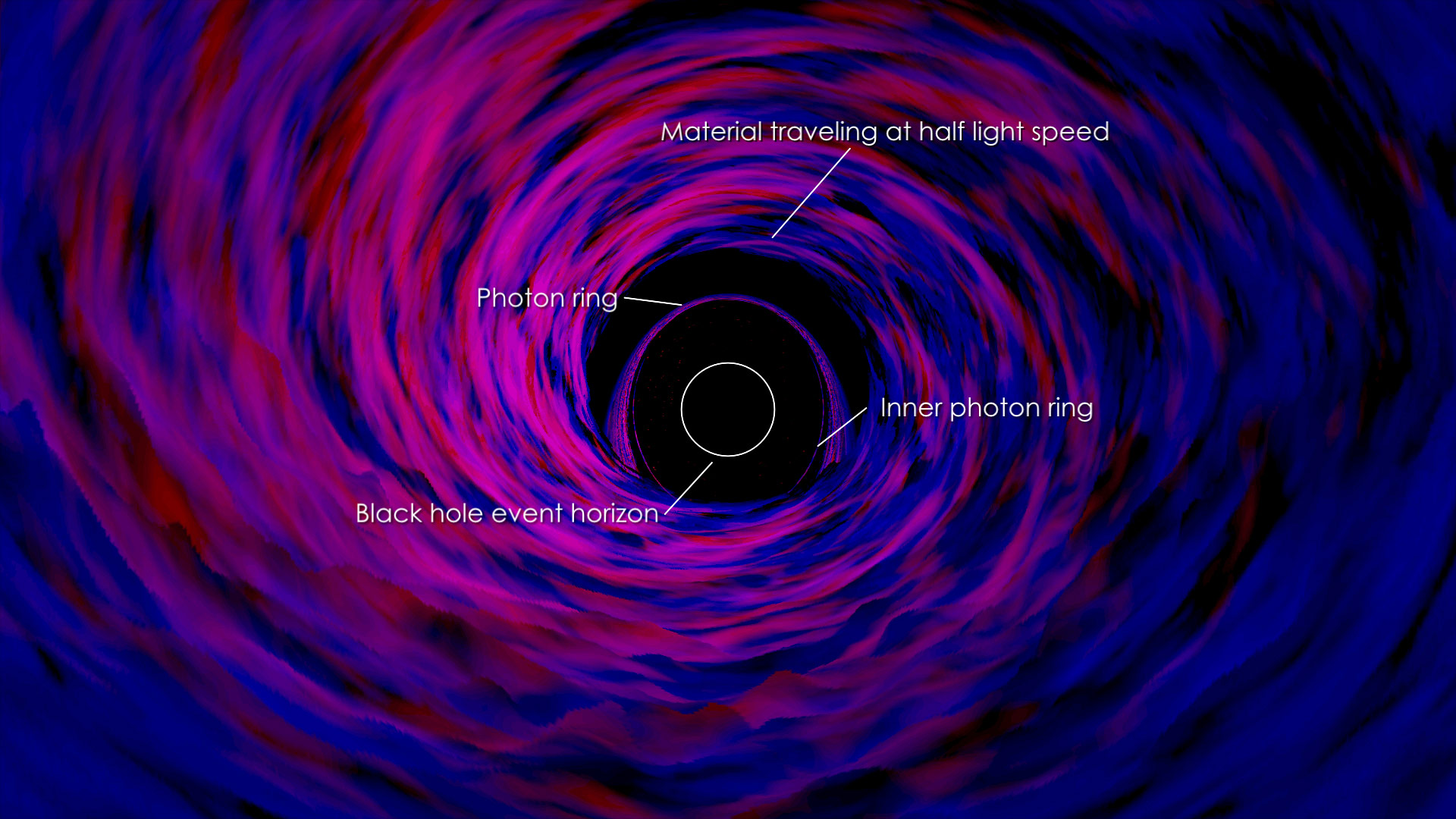
Quantum black holes at the LHC: production and decay mechanisms of non-thermal microscopic black holes in particle collisions

This annotated image labels several features in the simulation, including the event horizon of the black hole. NASA’s Goddard Space Flight Center
via sussex.ac.uk