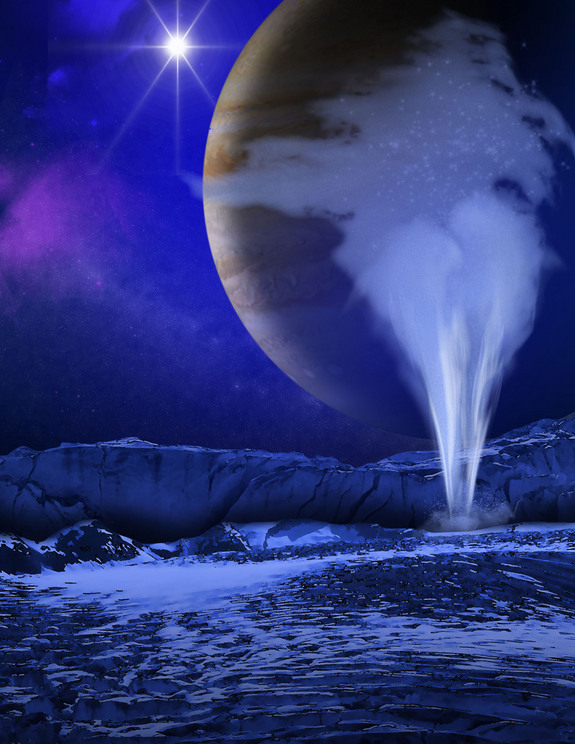
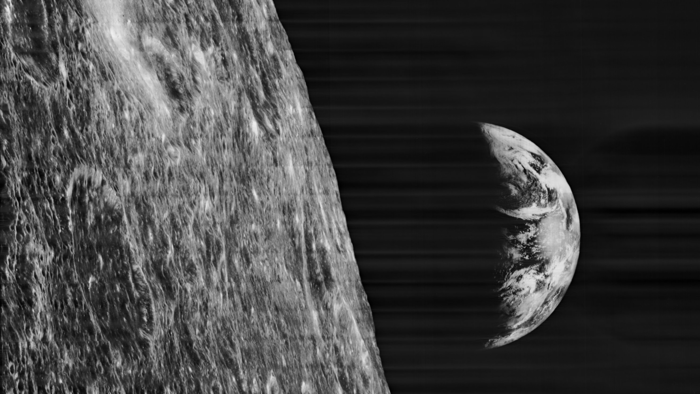
In 2013, huge active plumes containing water vapour being released from the surface of Jupiter’s moon Europa were discovered. This sensational find was made using the NASA/ESA Hubble Space Telescope. Europa has been a focus of extraterrestrial research for some time now, as there were clear indications that it harbors a liquid ocean beneath its icy crust. Now, it appears, the geysers have vanished. (Credit: K. Retherford, Southwest Research Institute, NASA/ESA/K.)
via dailygalaxy
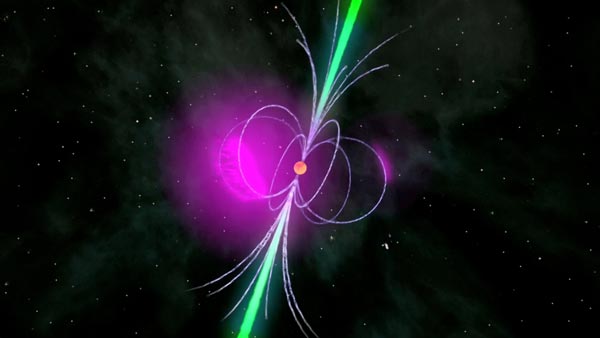
A pulsar is the rapidly spinning and highly magnetized core left behind when a massive star explodes. Because only rotation powers their intense gamma-ray, radio and particle emissions, pulsars gradually slow as they age, and eventually cease their characteristic emissions. (Credit: F. Reddy of Goddard Space Flight Center, NASA)
via onislam
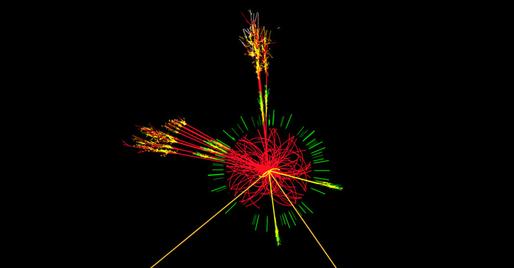
A weird theoretical cousin of the Higgs boson, one that inspired the decades-long hunt for the elusive particle, has been properly observed for the first time. The discovery bookends one of the most exciting eras in modern physics. The above is a simulation of the production and dec (Credit: Slezak)
via newscientist
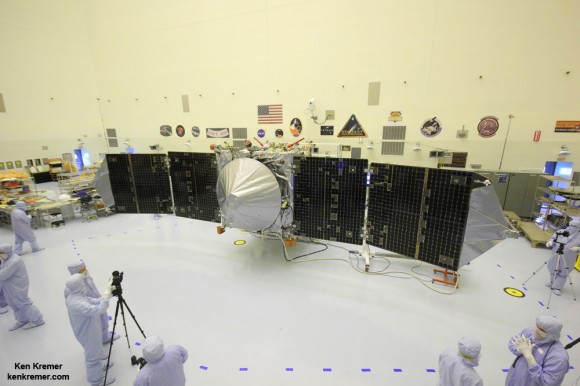
MAVEN is NASA’s next Mars orbiter and launched on Nov. 18, 2014 from Cape Canaveral, Florida. It will study the evolution of the Red Planet’s atmosphere and climate. Universe Today visited MAVEN inside the clean room at the Kennedy Space Center. With solar panels unfurled, this is exactly how MAVEN looks when flying through space and circling Mars and observing Comet Siding Spring. (Credit: Ken Kremer)
via universetoday
“This is a time of very rapid advances in the field. You don’t know on any given day what new discovery you’re going to see posted that night on arXiv,” said Liam McAllister, associate professor of physics and a specialist in string theory. (Credit: Glaser)
via cornell
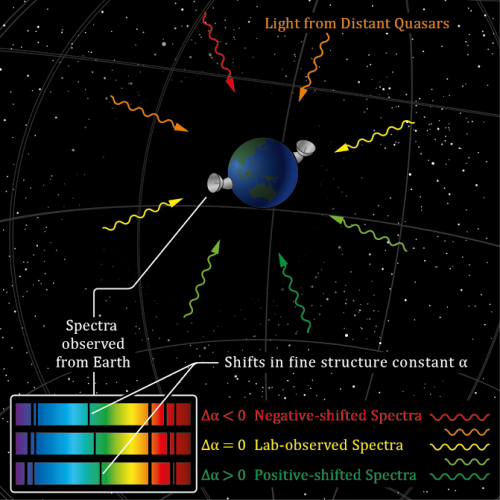
Diagram illustrating quasar observations. In 2010, a research team looked at light from distant quasars that had passed through large intergalactic clouds of gas. They found evidence of some slight variation of alpha depending on the direction we looked in the sky, which would imply a spatial variation of the physical constants. This made lots of news in the press, but the findings were not strong enough to be conclusive. (Credit: J. C. Berengut, Koberlein)
via phys
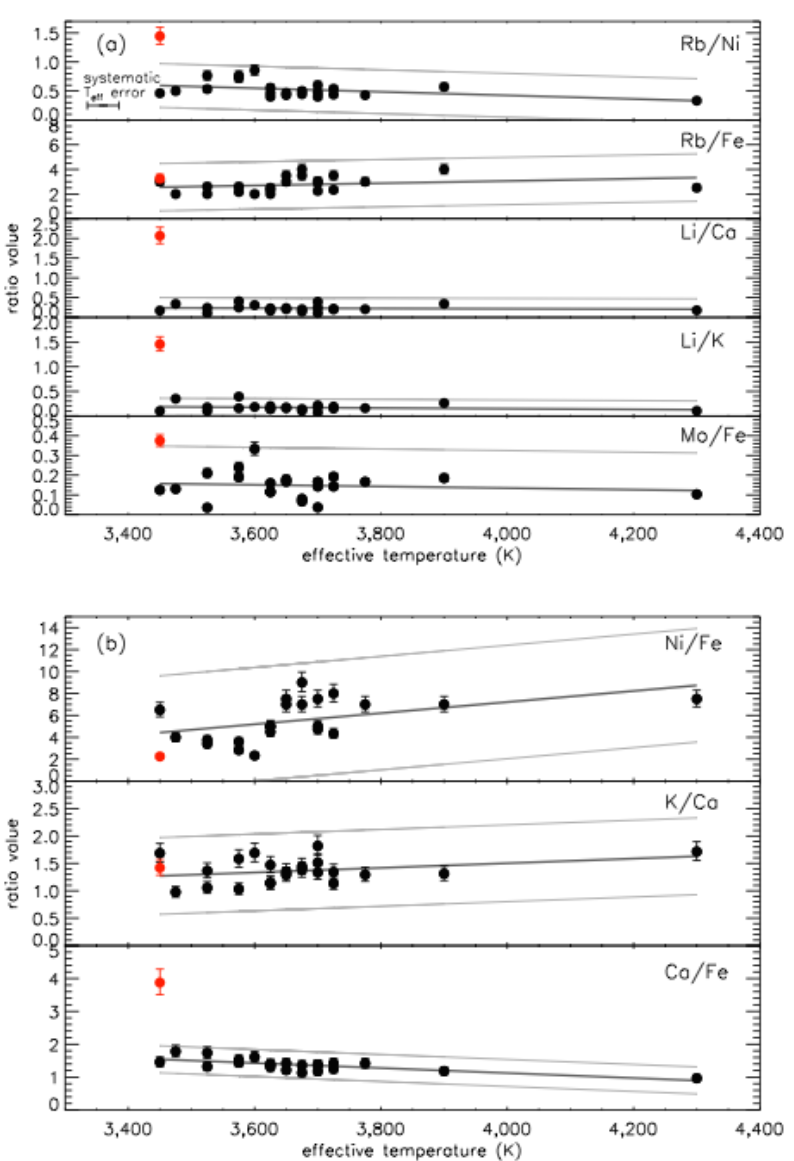
The ratios of various elements found in the sample of RSGs, where the dark gray line is the theoretical model for a RSG, the lighter grey shows a three sigma deviation from normal, and the black points show the observed ratios for the sampled stars. The red, however, are the ratios observed in the TZO candidate HV 2112- indicating some elements are present at ratios far from expected. (Credit: E.Levesque et al.)
via astrobites
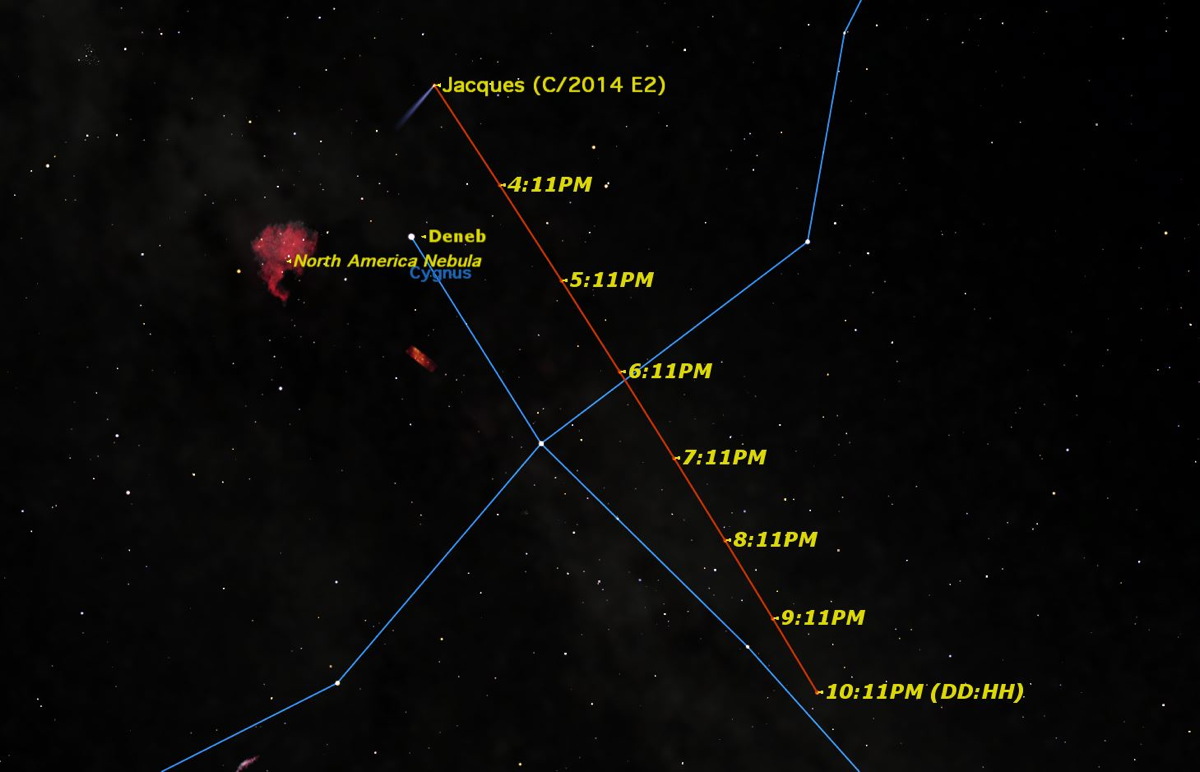
Once every year or two, a comet appears in the sky that is bright enough to be seen with a small telescope or binoculars. Right now, observers anywhere in the Northern Hemisphere can see such a comet. (Credit: Starry Night Software)
via space
Sofie Carsten Nielsen, Danish science minister, and Swedish education minister Jan Björklund break ground for the €1.84bn European Spallation Source in Lund, Sweden. (Credit: ESS)
via physicsworld
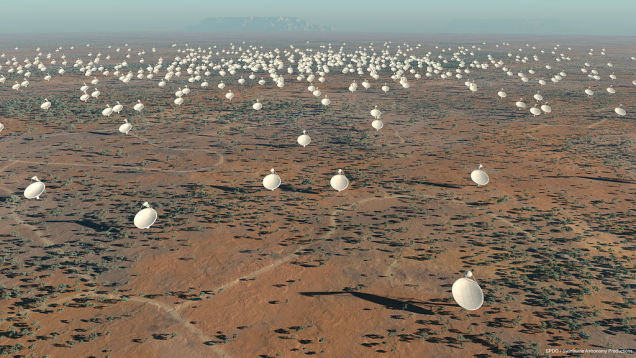
Artist impression of the Square Kilometer Array. If all goes according to plan in the next decade, we could see these small perturbations on the moon—and begin to solve some of the mysteries of space. (Credit: SKA)
via gizmodo
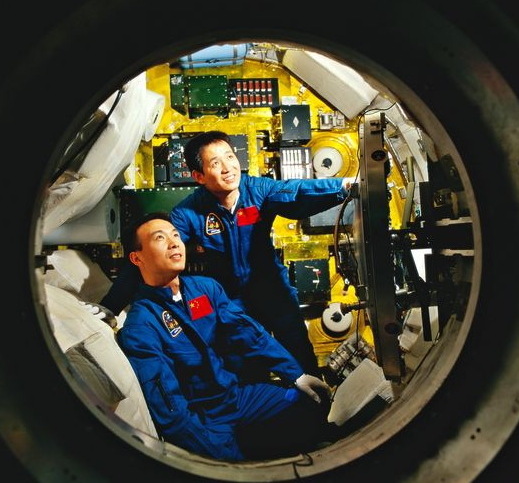
Space travelers from around the world are headed to China this month for an international Planetary Congress, which will explore the possibilities for expanding human spaceflight cooperation among different countries. Pictured above is China’s first astronaut, Yang Liwei, is now vice director of the China Manned Space Engineering Office. (Credit: CMS)
via space
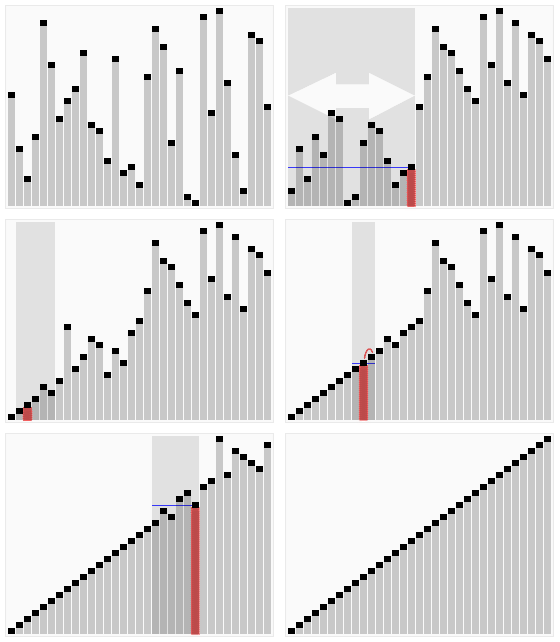
An animation of the quicksort algorithm sorting an array of randomized values. The red bars mark the pivot element; at the start of the animation, the element farthest to the right hand side is chosen as the pivot. (Credit: RonaldH)
via wired
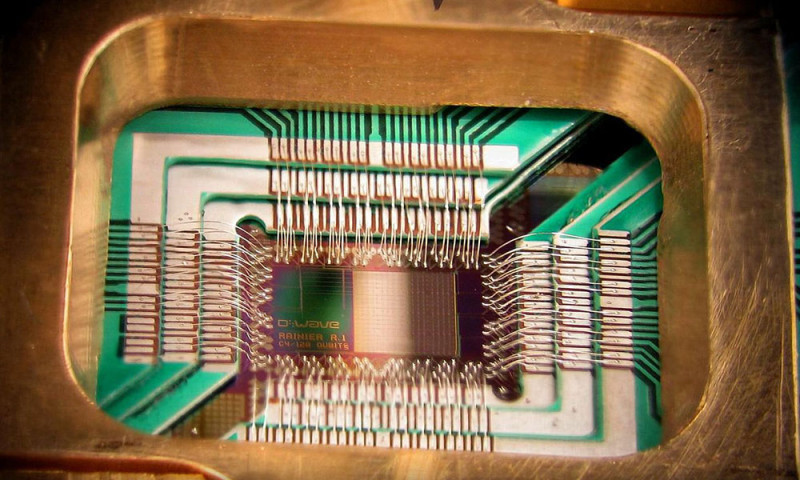
Rather than keeping all its eggs in D-Wave’s basket, Google’s “Quantum A.I. Lab” announced that it is starting a collaboration with an academic quantum computing researcher, John Martinis of the University of California-Santa Barbara. (Credit: Wiki, Timmer)
via arstechnica
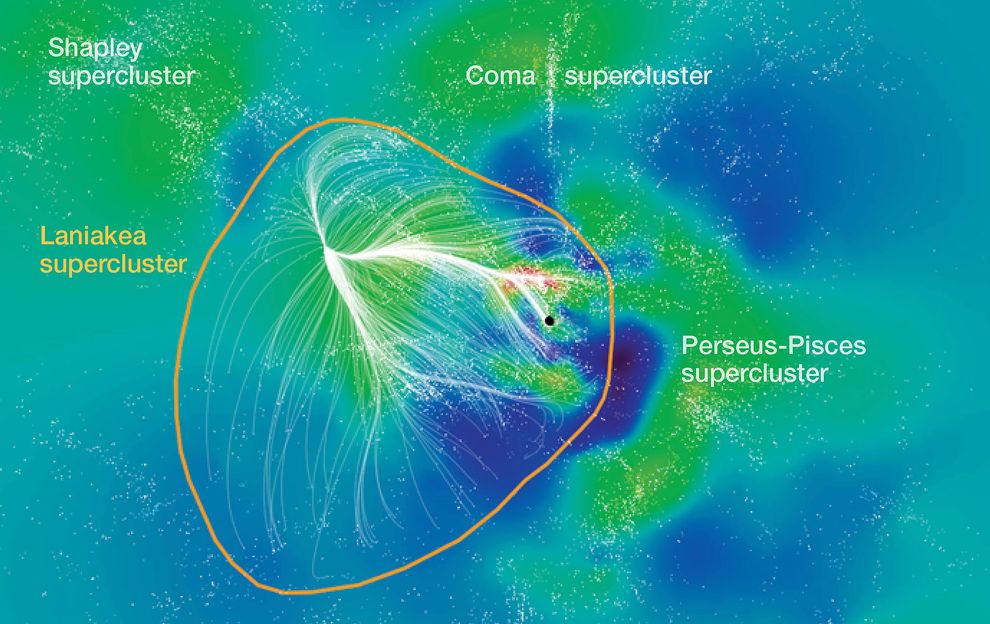
A new map places the Milky Way (black dot) within a large supercluster of galaxies (white dots) by tracing the gravitational pull of galaxies toward one another. White filaments reveal the paths of galaxies moving toward a gravitational center in the new supercluster, dubbed “Laniakea.” (Blue, low galaxy density; green, intermediate; red, high.) (Credit: DP at CEA/Saclay, France)
via nationalgeographic
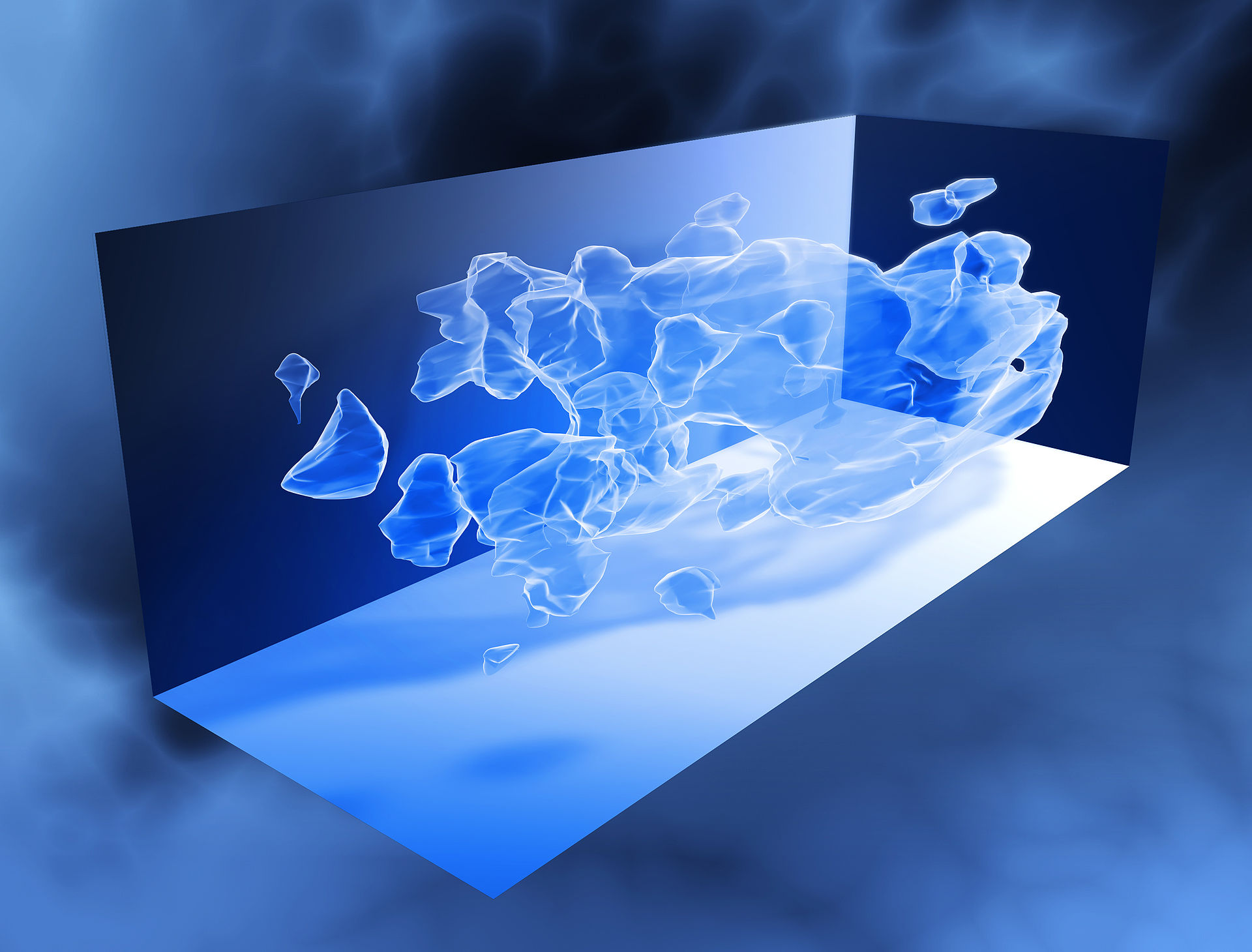
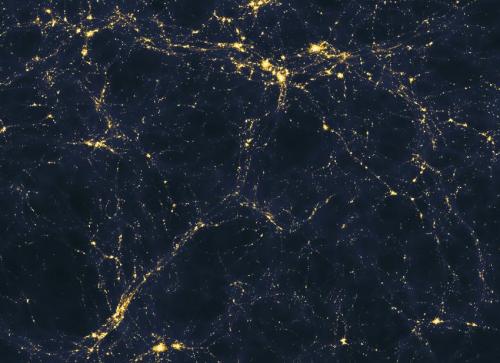
This three-dimensional map offers a first look at the web-like large-scale distribution of dark matter, an invisible form of matter that accounts for most of the Universe’s imaginary mass. The map reveals a loose network of dark matter filaments, gradually collapsing under the relentless pull of gravity, and growing clumpier over time. The three axes of the box correspond to sky position, and distance from the Earth increasing from left to right. Note how the clumping of the dark matter becomes more pronounced, moving right to left across the volume map, from the early Universe to the more recent Universe. (Credit: NASA/ESA/Richard Massey)
via ku.edu
Cosmologists have revealed intruiging new ways to probe the mystery of whether dark energy exists and how it might be accelerating the universe’s growth. (Credit: Picturegarden/Getty)
via newscientist
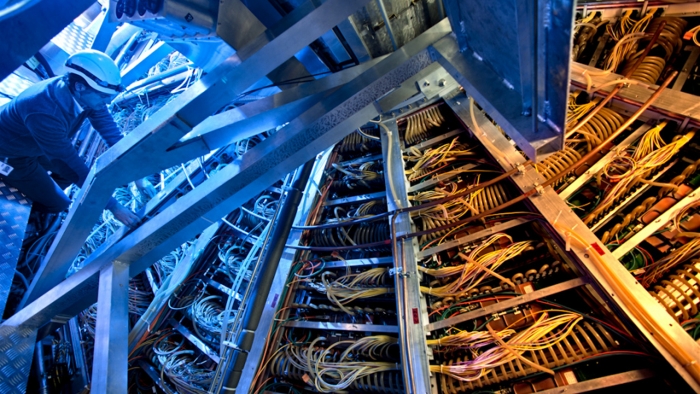
As time ticks down to the restart of the Large Hadron Collider, scientists are making sure their detectors run like clockwork. (Credit: Antonio Saba, CERN)
via symmetrymagazine
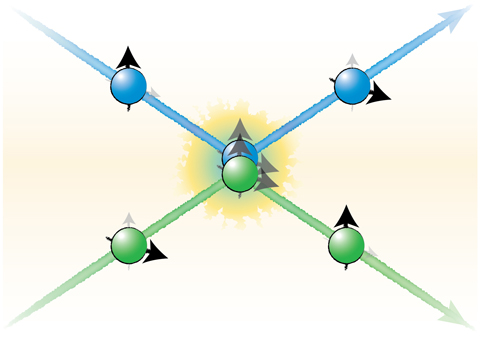
Schematic representation of a spin-exchanging collision. Two atoms in different orbitals (blue and green) and different spin orientations (black arrows) collide. The two atoms exiting the collision have swapped their spins after interacting. Crucially, the process is independent of the two specific initial spin states. (Credit: LMU-München / MPQ, Quantum Many Body Systems Division)
via phys.org
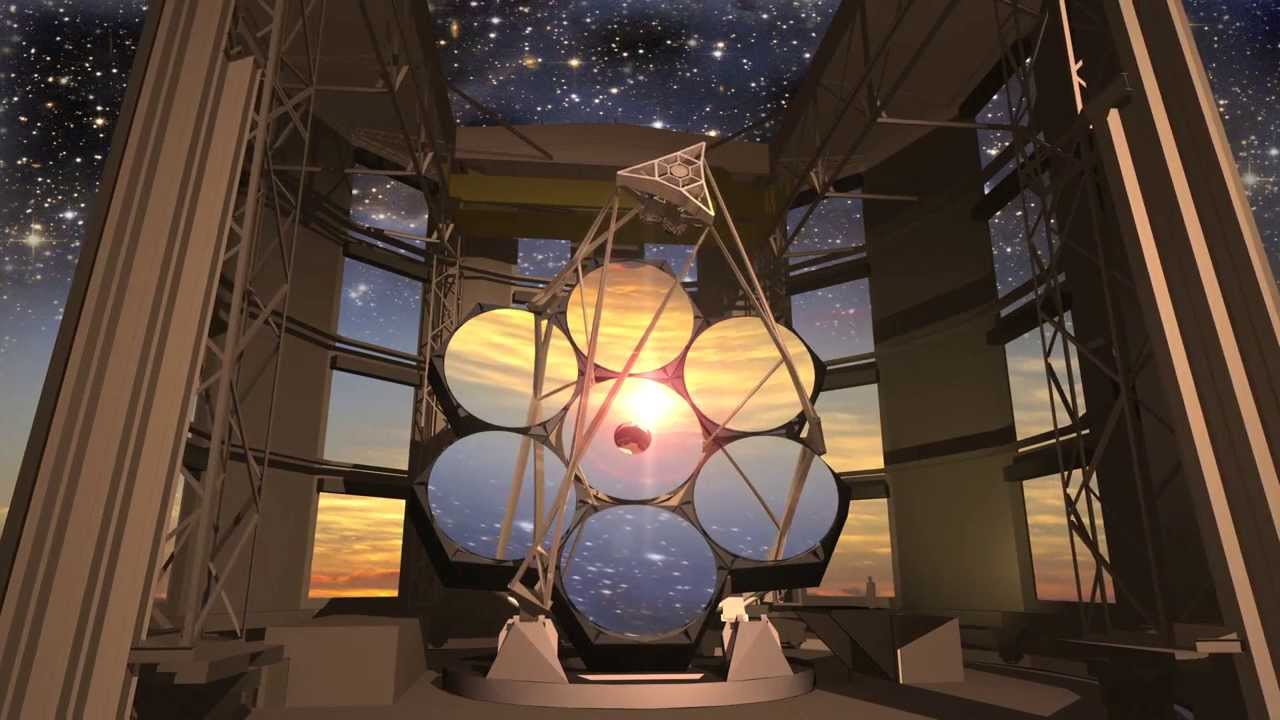
The Giant Magellan Telescope (GMT) is a ground-based extremely large telescope planned for completion in 2020.[5] It will consist of seven 8.4 m (27.6 ft) diameter primary segments,[6] with the resolving power of a 24.5 m (80.4 ft) primary mirror and collecting area equivalent to a 22.0 m (72.2 ft) one,[7] (which is about 368 square meters) (Credit: wiki, Tarantola)
via gizmodo
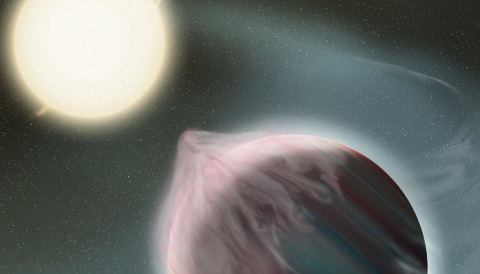
A new analysis suggests that hot super-Earths might be the skeletal remnants of hot Jupiters stripped of their atmospheres. The above image is an artist’s depiction of an early stage in the destruction of a hot Jupiter by its star. (Credit: NASA / GSFC / Reddy, S. Hall)
via skyandtelescope
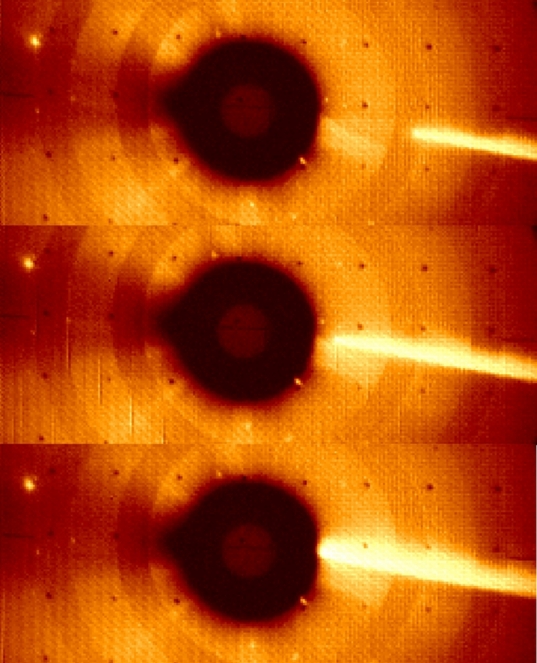
Three consecutive images of comet C/1979 Q1 plunging into the solar atmosphere on August 30, 1979. In these SOLWIND coronagraph images, the Sun is masked behind the solid disk in the center of the image. (Credit: NRL)
via planetary
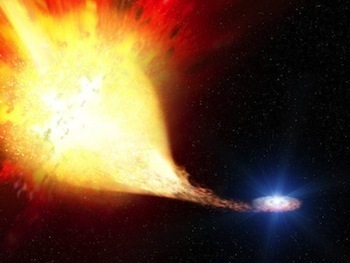
Before the big explosion: The artist’s impression shows a binary star system where mass is transferred from a companion to a white dwarf. As soon as sufficient matter has collected on the surface of the dwarf star, this can trigger a nuclear explosion which in turn ignites the catastrophic nuclear burning and destroys the white dwarf – a type Ia supernova flares up. (Credit: ESA, Justyn R. Maund)
via newscientist
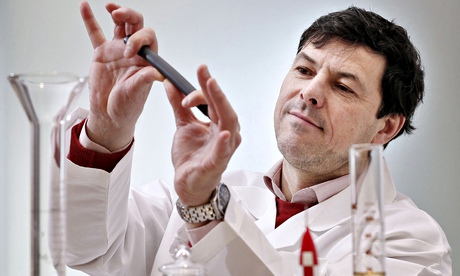
Director of distilling, Bill Lumsden. Ardbeg Scottish whisky was sent into space three years ago in an experiment looking at the impact of gravity on how it matures. It will return to Earth September 12th. (Credit: Paul Dodds/Ardbeg/PA)
via theguardian
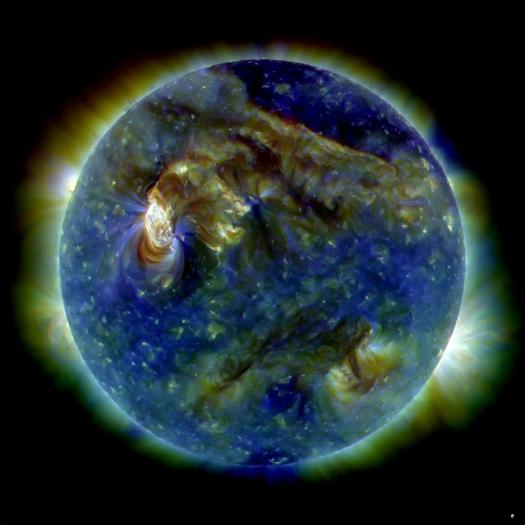
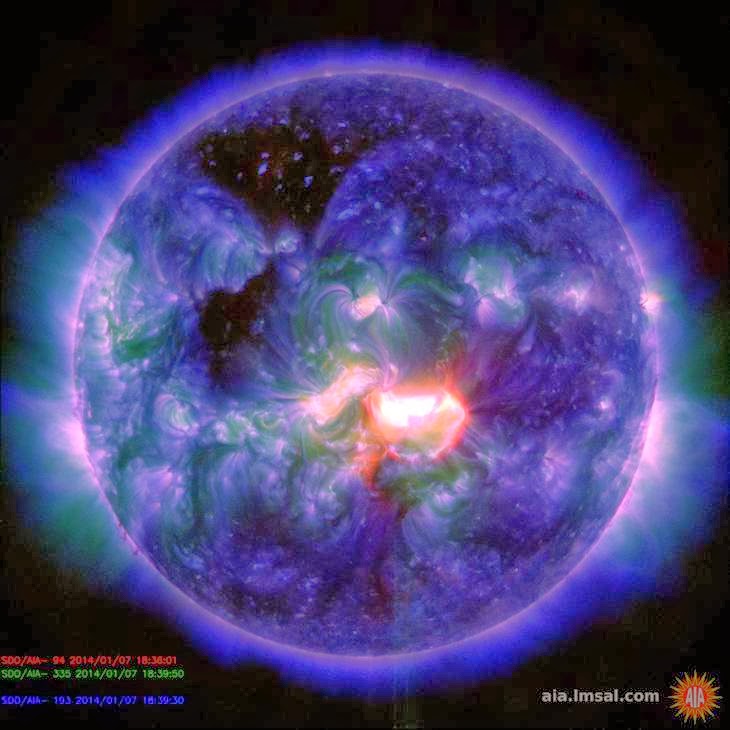
NASA has warned that a new sunspot spewing powerful X-class flares is beginning to rotate to a position directly in line with Earth. (Credit: NASA)
via austriantribune
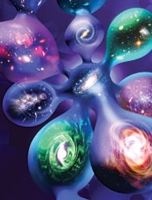
In the past decade an extraordinary claim has captivated cosmologists: that the expanding universe we see around us is not the only one; that billions of other universes are out there, too. (Credit: Slim Films, Ellis)
via scientificamerican
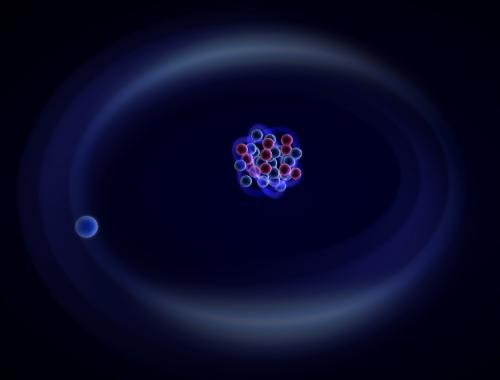
Neutron-rich magnesium nuclei have a neutron halo that extends beyond the tightly packed core of the nucleus. (Credit: K. Yoneda, RIKEN Nishina Center for Accelerator-Based Science)
via phys.org
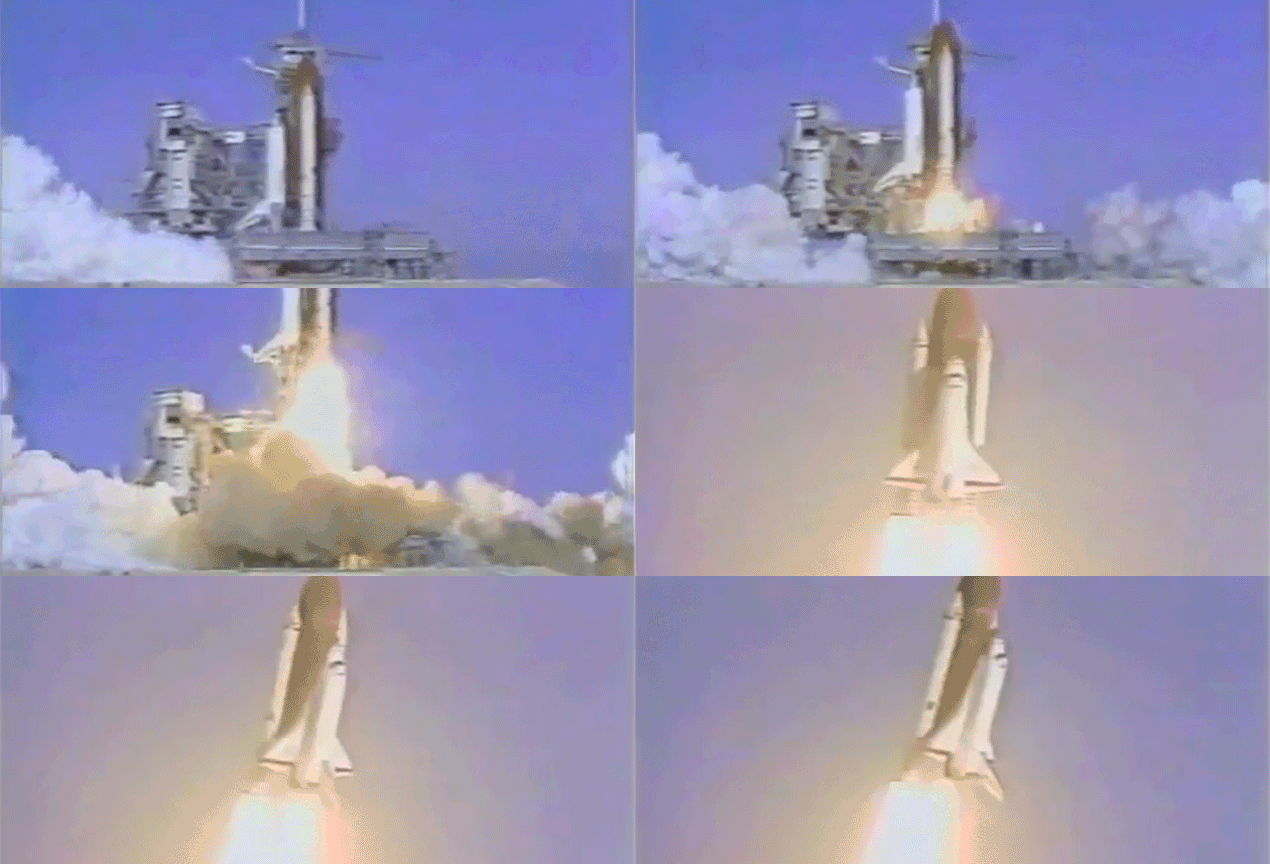
On August 30th, 1984, the space shuttle Discovery launched on its first voyage to space. It wasn’t the first, but over the next 27 years it became the undeniable king of NASA’s shuttle program. (Credit: NASA)
via gizmodo
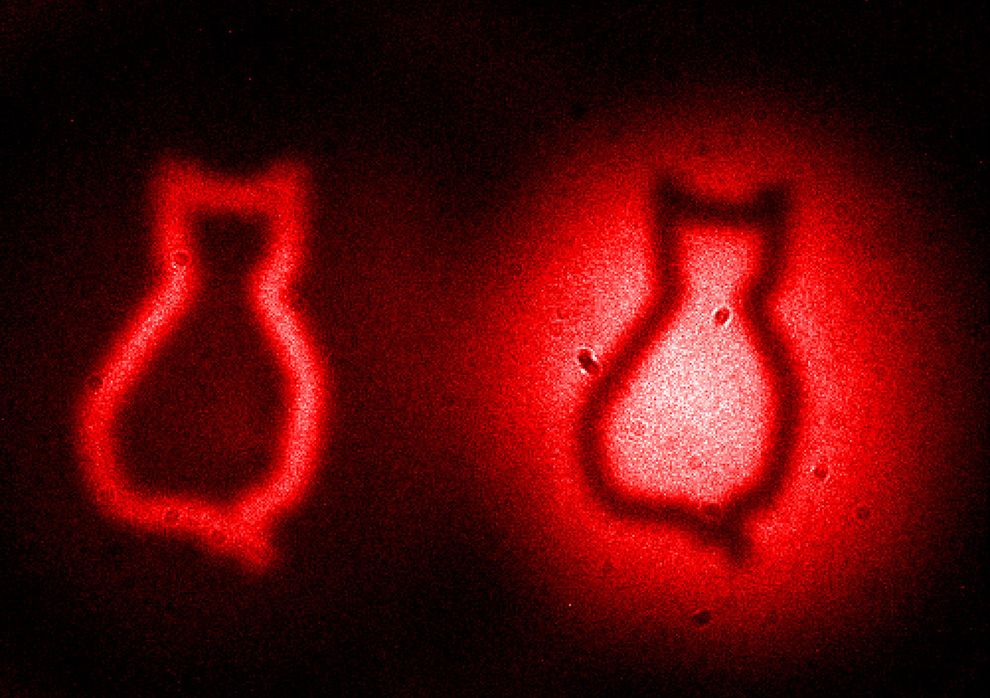
“This is a long-standing, really neat experimental idea,” says Paul Lett, of the National Institute of Standards and Technology in GaithersburgLett, “Now we have to see whether or not it will lead to something practical, or will remain just a clever demonstration of quantum mechanics.”(CreditBarreto-Lemos, Vergano)
via nationalgeographic
The Borexino neutrino detector uses a sphere filled with liquid scintillator that emits light when excited. This inner vessel is surrounded by layers of shielding and by about 2,000 photomultiplier tubes to detect the light flashes.(Credit: Borexino Collaboration)
via scientificamerican
MOLECULAR MODEL In the molecular model, quark-antiquark pairs form two color-neutral mesons that become weakly linked as a molecule.DIQUARK MODEL The particles form quark-quark and antiquark-antiquark pairs, which are forced to combine to balance their color charges.
via simonsfoundation
A computer model shows one scenario for how light is spread through the early universe on vast scales (more than 50 million light years across). Astronomers will soon know whether or not these kinds of computer models give an accurate portrayal of light in the real cosmos. (Credit: Andrew Pontzen/Fabio Governato)
via phys
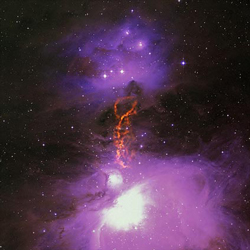
Radio/optical composite of the Orion Molecular Cloud Complex showing the OMC-2/3 star-forming filament. GBT data is shown in orange. Uncommonly large dust grains there may kick-start planet formation. (Credit: S. Schnee, et al.; B. Saxton, B. Kent (NRAO/AUI/NSF)
via rdmag
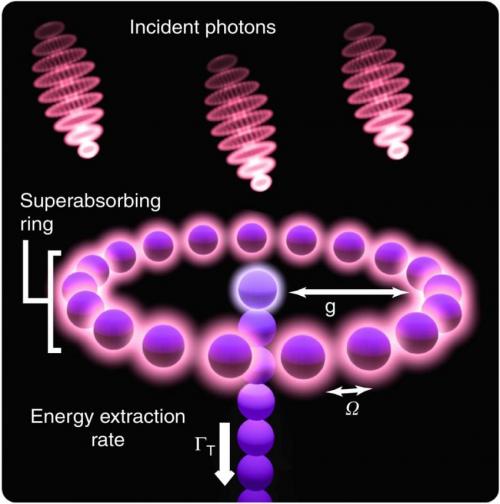
In one potential method to realize superabsorption, a superabsorbing ring absorbs incident photons, giving rise to excitons. (Credit: Higgins, et al.)
via phys.org