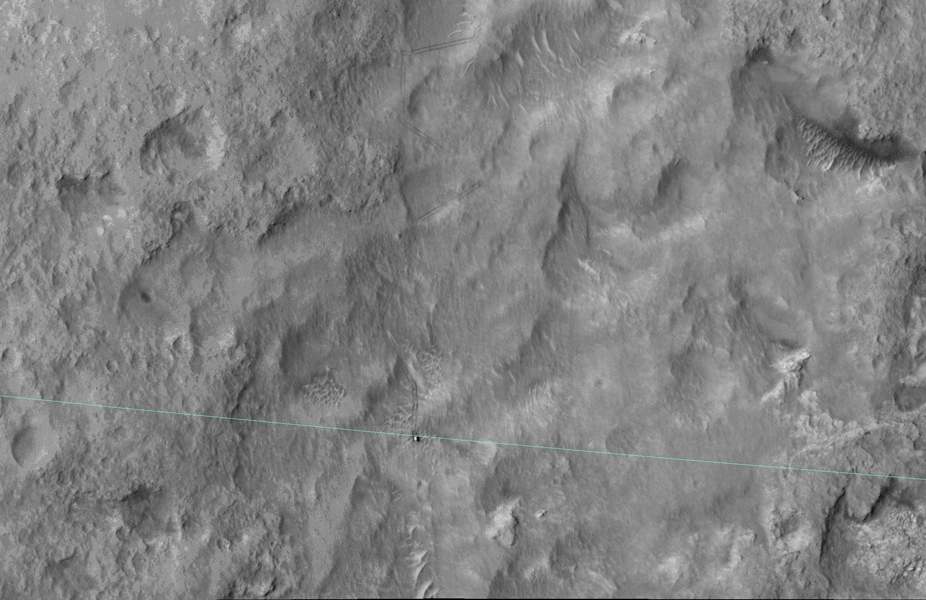
The blue line added to this June 27, 2014, image from the High Resolution Imaging Science Experiment (HiRISE) camera on NASA’s Mars Reconnaissance Orbiter is the edge of the ellipse that was charted as safe terrain for the rover’s August 2012 landing. Curiosity is visible right on the ellipse line in the lower center of the image. This 3-sigma landing ellipse is about 4 miles long and 12 miles wide (7 kilometers by 20 kilometers). Curiosity reached the edge of it for the first time with a drive of about 269 feet (82 meters) earlier that day. (Credit: NASA)
via technobuffalo
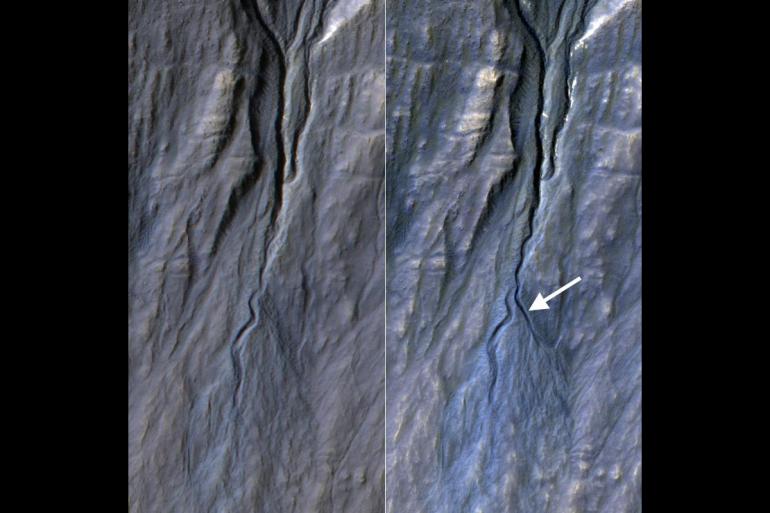
This pair of before (left) and after (right) images captured by the HiRise camera on NASA’s MRO documents the formation of a new channel on a Martian slope between 2010 and 2013. (Credit: NASA/JPL-Caltech/University of Arizona)
via ibtimes
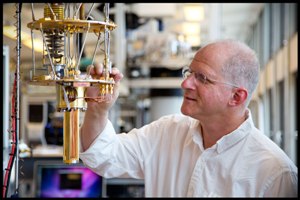
The base for the research collaboration between Microsoft and the Center for Quantum Devices, called Station Q–Copenhagen, aims to realise quantum information (Credit: ku.dk)
via azoquantum
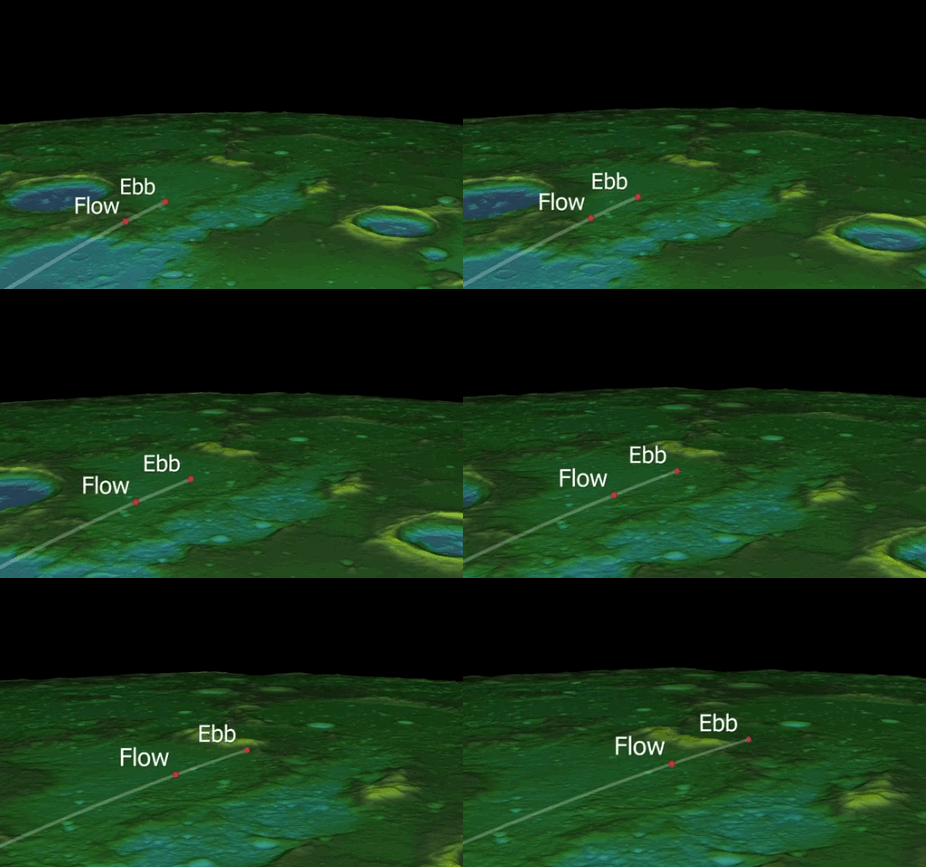
Twin spacecraft, named Ebb and Flow — about the size of washing machines — chased each other around the moon for three months. (Credit: NASA)via businessinsider
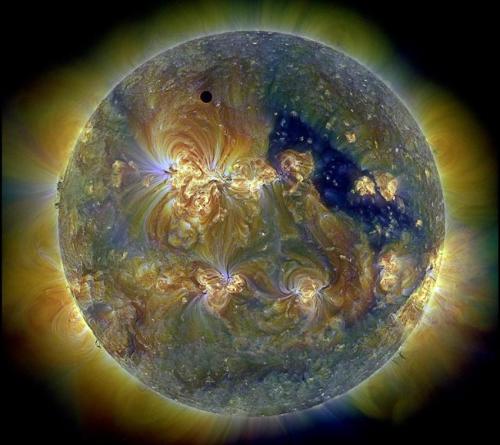
Venus can be seen as a black dot eclipsing the Sun in this image from 2012. Venus orbits too close to the Sun to the planet to be habitable for life as we know it. Venus experiences a runaway greenhouse and the average surface temperatures are thought to be around 864ºF. (Credit: NASA/SDO & the AIA, EVE, and HMI teams; Digital Composition: Peter L. Dove)
via phys.org
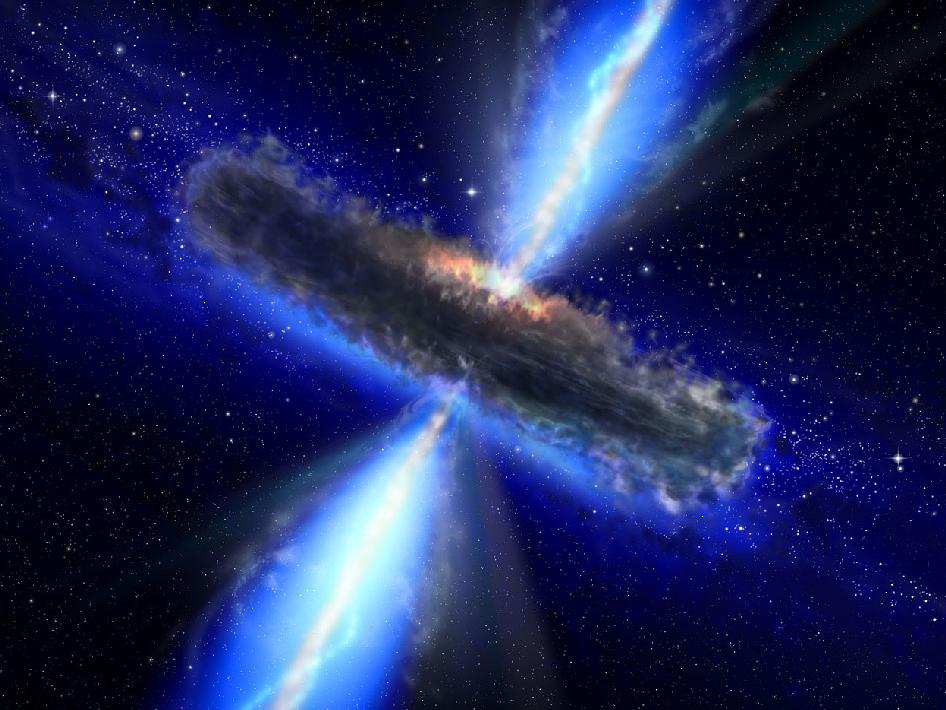
An artist’s concept illustration shows a quasar, or feeding black hole, similar to APM 08279+5255, where astronomers discovered huge amounts of water vapor. (NASA/ESA)
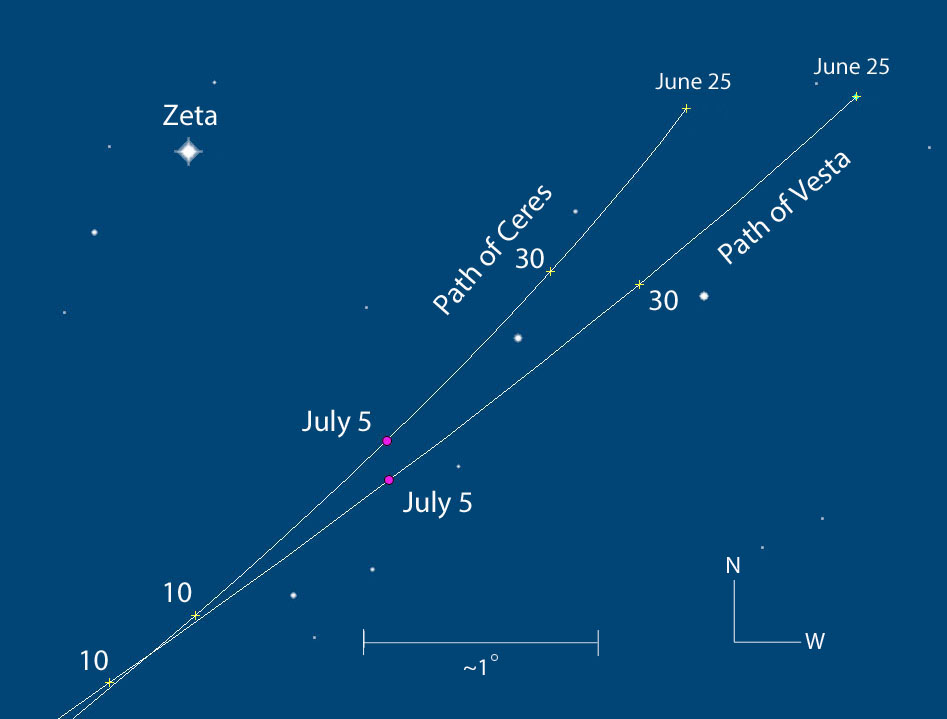
Map showing Ceres and Vesta as they approach each other closely this coming week. Both asteroids are near the easy-to-find star Zeta in Virgo not far from bright Mars. Although the asteroids appear very close together in the sky, they’re really about 51 million miles apart with Vesta in the foreground. (Credit: Chris Marriott’s SkyMap)
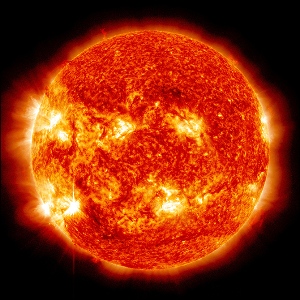
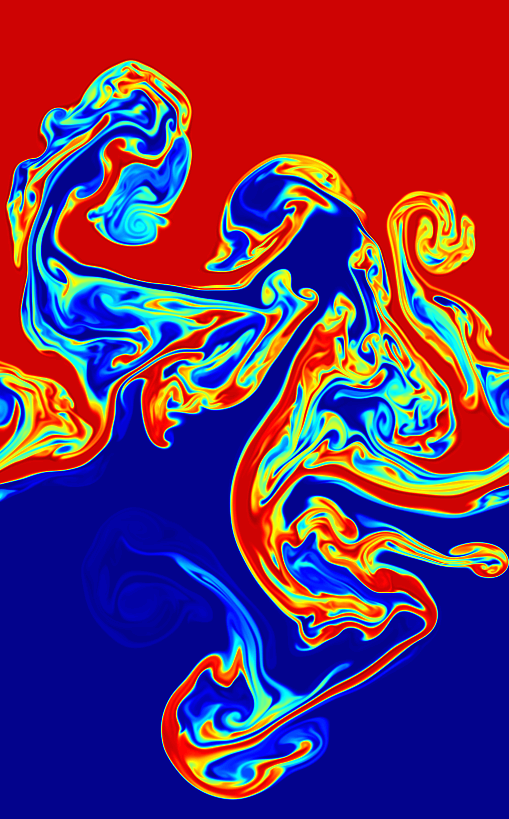
By filtering light from the sun, CQT researchers have made a strong detection of a quantum effect known as ‘photon bunching’ in its light. This is a hallmark of the sun radiating like a black body. (Credit: NASA/SDO)
via azoquantum
Mechanical oscillators translate an applied force into measurable mechanical motion. The Standard Quantum Limit is imposed by the Heisenberg uncertainty principle, in which the measurement itself perturbs the motion of the oscillator, a phenomenon known as “quantum back-action.” (Credit: Kevin Gutowski)
via newscenter
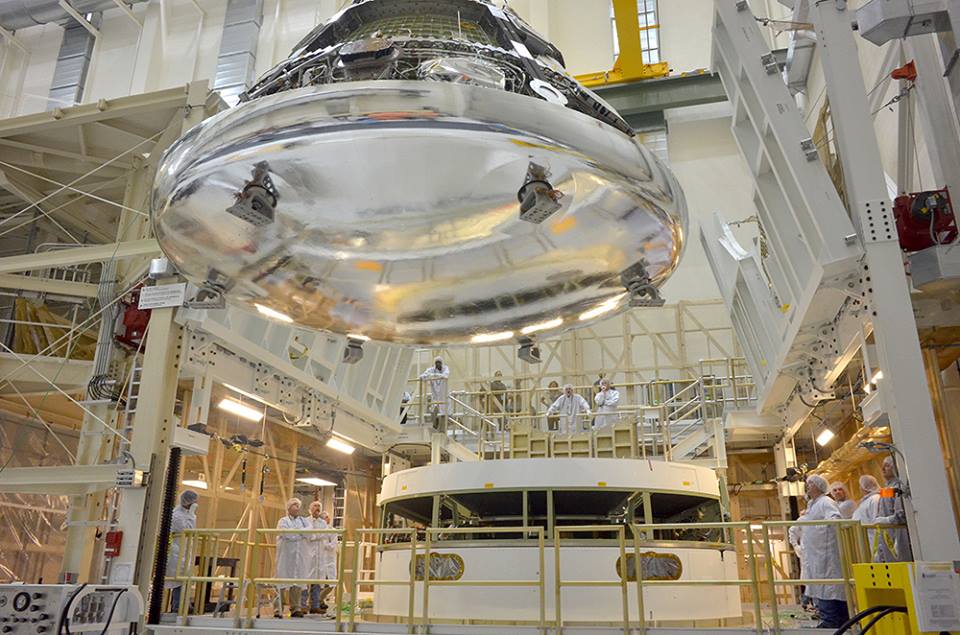
Orion, seen here with its heat shield installed, being maneuvered for stacking on the spacecraft’s service module at KSC earlier this month. (Credit: NASA)
via americaspace
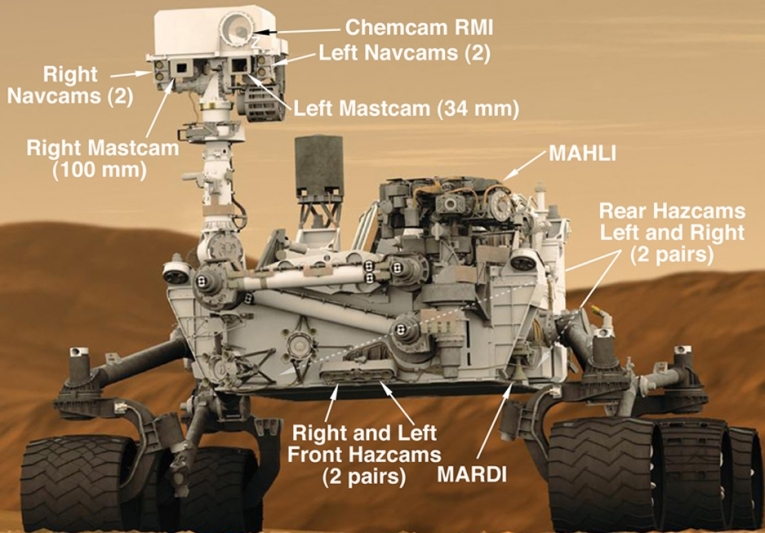
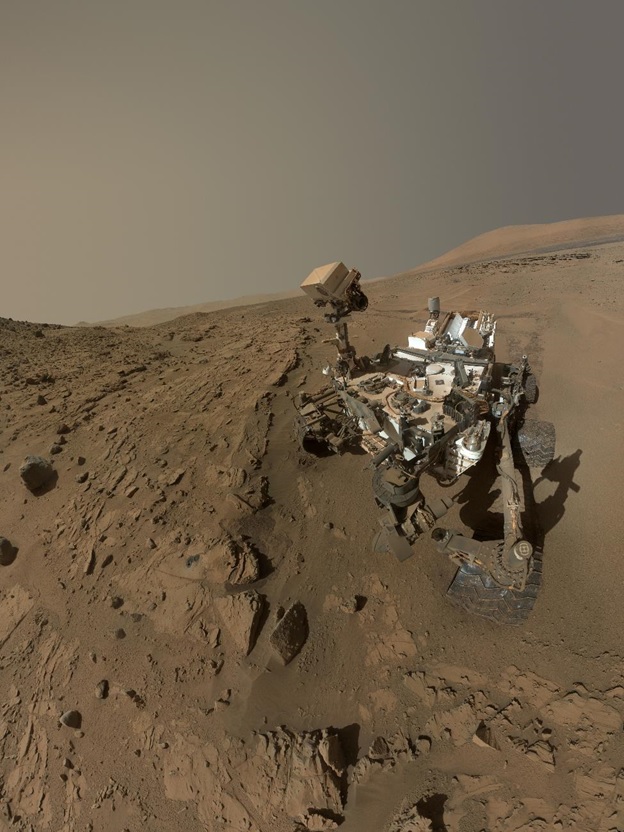
NASA’s Mars Curiosity Rover captures a selfie to mark a full Martian year — 687 Earth days — spent exploring the Red Planet. (Credit: NASA/JPL-Caltech/MSSS)
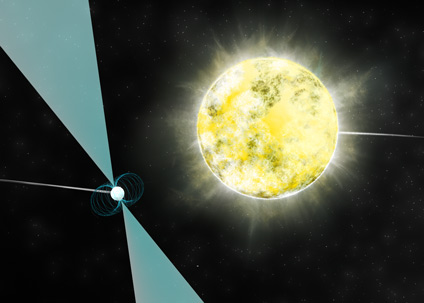
Artist impression of a white dwarf star in orbit with pulsar PSR J2222-0137. It may be the coolest and dimmest white dwarf ever identified. (Credit: B. Saxton NRAO/AUI/NSF)
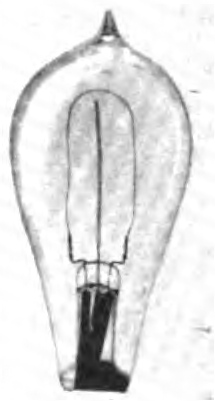
One of the bulbs Thomas Alva Edison used to discover thermionic emission (the Edison Effect) in 1884. Edison found when he connected an ammeter between the filament and the auxiliary electrode, a current would flow, passing through the evacuated space of the bulb from filament to electrode. This current was later found to consist of electrons.
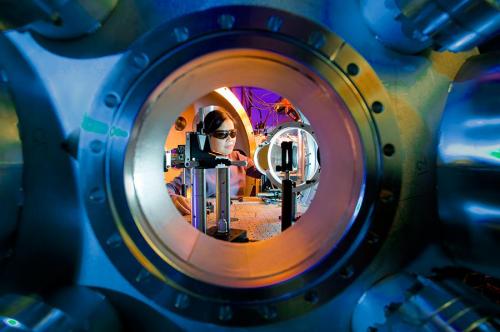
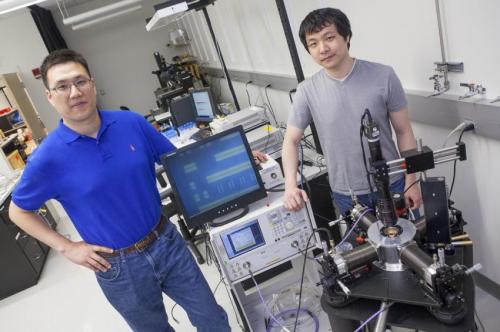
This image shows professor Donhee Ham and his student Hosang Yoon are in the laboratory at the Harvard School of Engineering and Applied Sciences. (Credit: Eliza Grinnell, Harvard SEAS.)
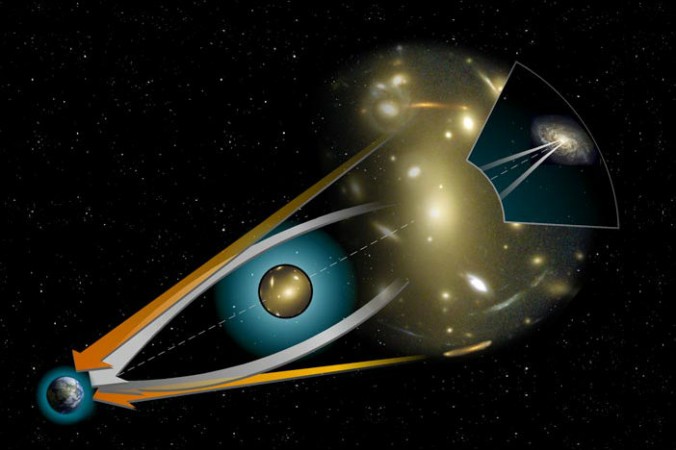
A diagram depicting gravitational lensing, a phenomenon by which light bends around some objects in space. (Credit: NASA, ESA; J. Richard, CRAL; and J.-P. Kneib, LAM)
via theepochtimes
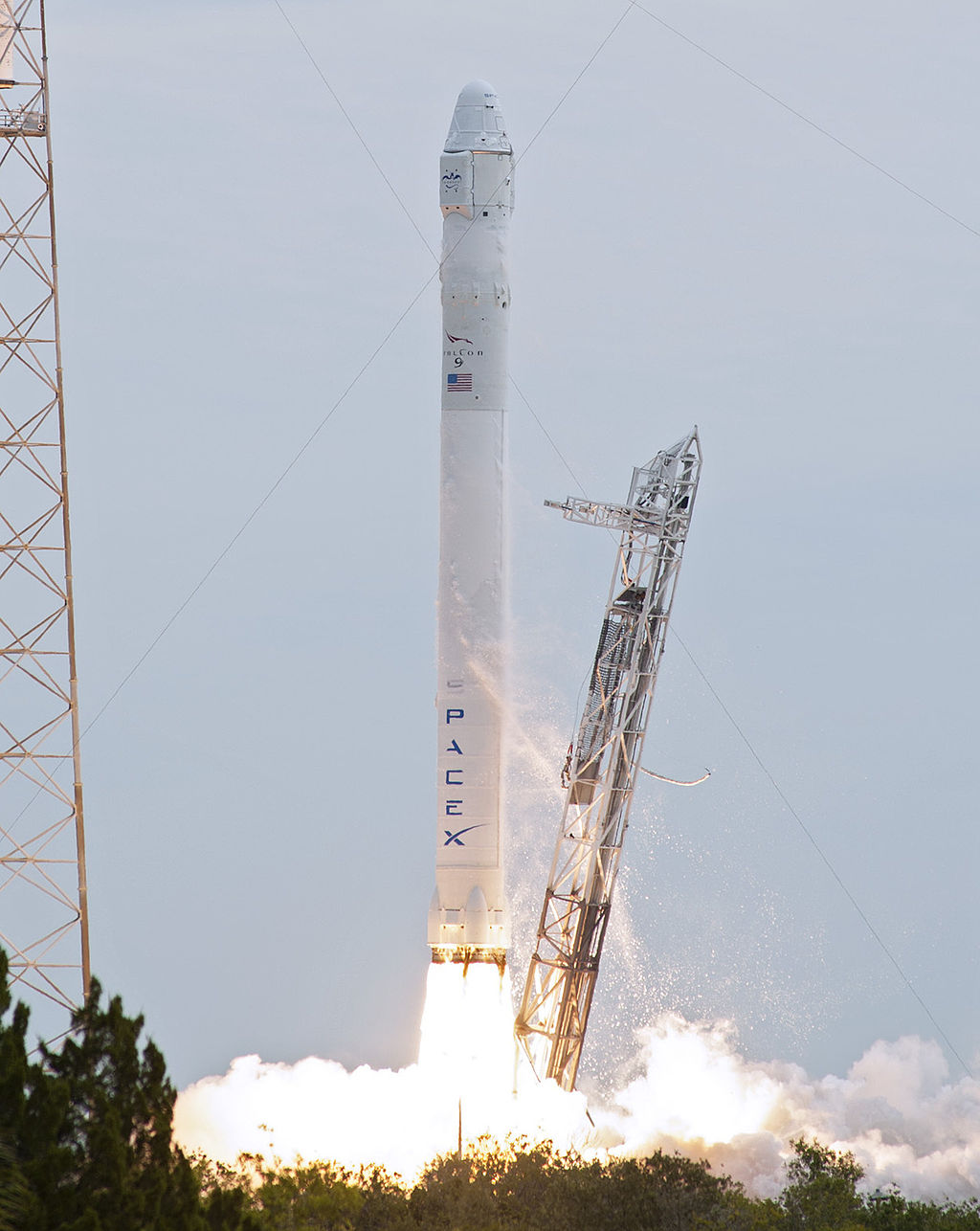
The SpaceX Dragon capsule is making its third trip to the International Space Station, following a demonstration flight in May 2012 and the first resupply mission in October 2012 (Credit: SpaceX)
via extremetech
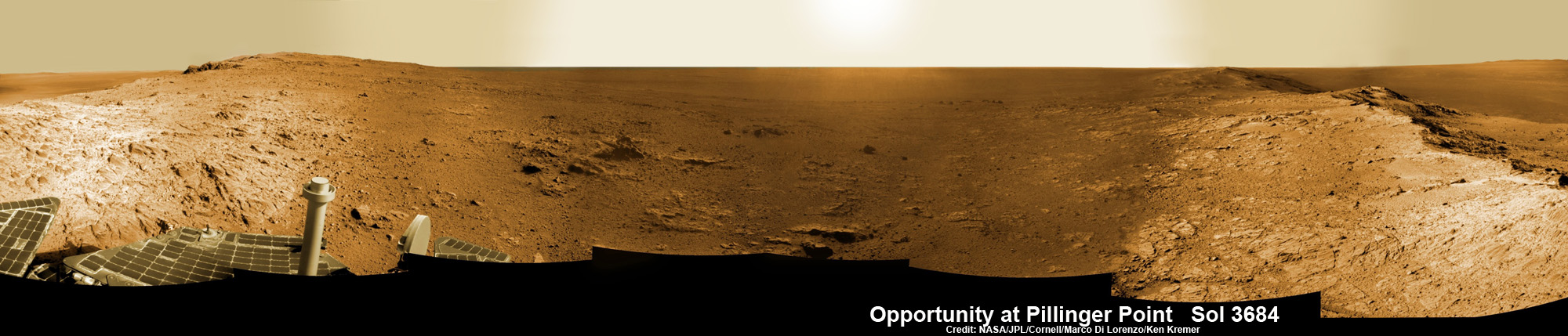
Opportunity Mars rover peers into vast Endeavour Crater from Pillinger Point mountain ridge named in honor of Colin Pillinger, the Principal Investigator for the British Beagle 2 lander built to search for life on Mars. Pillinger passed away from a brain hemorrhage on May 7, 2014. This navcam camera photo mosaic was assembled from images taken on June 5, 2014 (Credit: NASA/JPL/Cornell/Marco Di Lorenzo/Ken)
via universetoday
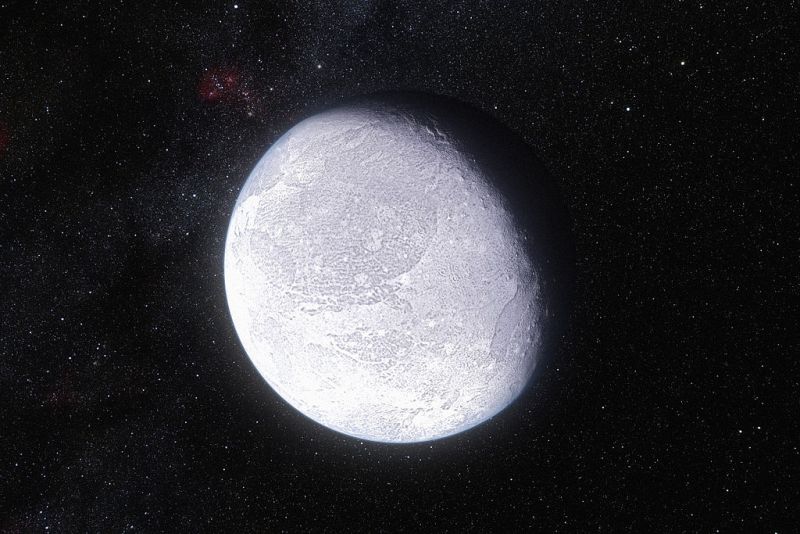
An artist’s impression of Eris, the most massive dwarf planet known to date, with an aphelion of 97 AU from the Sun. Could bigger Super-Earth-type planets be orbiting even farther out? (Credit: ESO/L. Calçada and Nick Risinger)
via americaspace
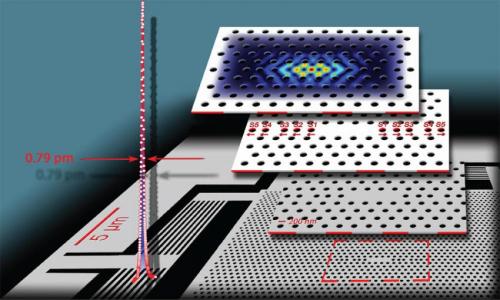
The top layer shows a simulation of the nanostructure confining the light in the tiny red regions. The second layer is the design generated by an approach that mimics evolutionary biology. The bottom two layers show electron micrographs of the realized nanostructure in silicon. The sharp peak on the left is the trace of the long trapping of light. (Credit: Fabio Badolato)
via phys.org