Physics in the News

Sunday, August 10, 2014

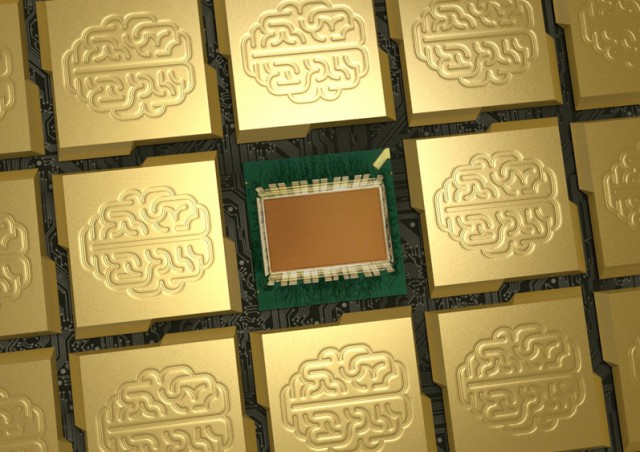
IBM cracks open a new era of computing with brain-like chip: 4096 cores, 1 million neurons, 5.4 billion transistors

IBM's new TrueNorth chip. (Credit: IBM)
IBM’s new TrueNorth chip. (Credit: IBM)
via extremetech

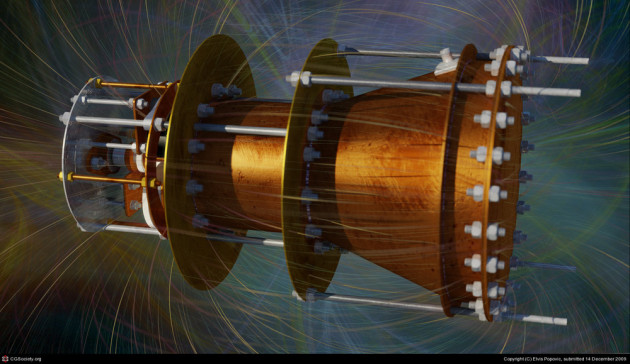
NASA’s “Impossible” engine actually worked

While the separate tests confirm such an engine might be possible, they could be wrong. Still, the mere thought of something that was once considering impossible is now possible should get a lot of people excited. (Credit: NASA)
via technobuffalo

Disney conquers physics, uses 3D printing to create impossible spinning tops

via techcrunch

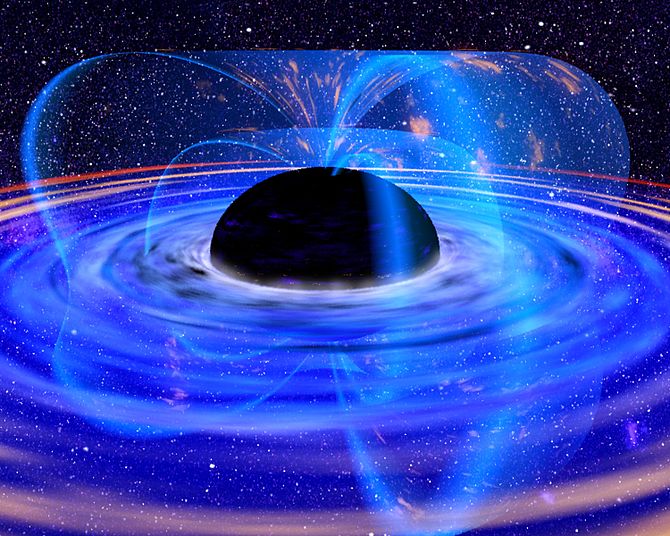
What if the big bang was a 4D black hole instead?

We could be living in the 3D event horizon of a 4D black hole (Credit: Wikipedia)
via forbes

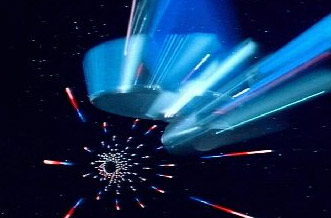
Watch NASA’s new saucer fly to near space in this awesome video

via boingboing

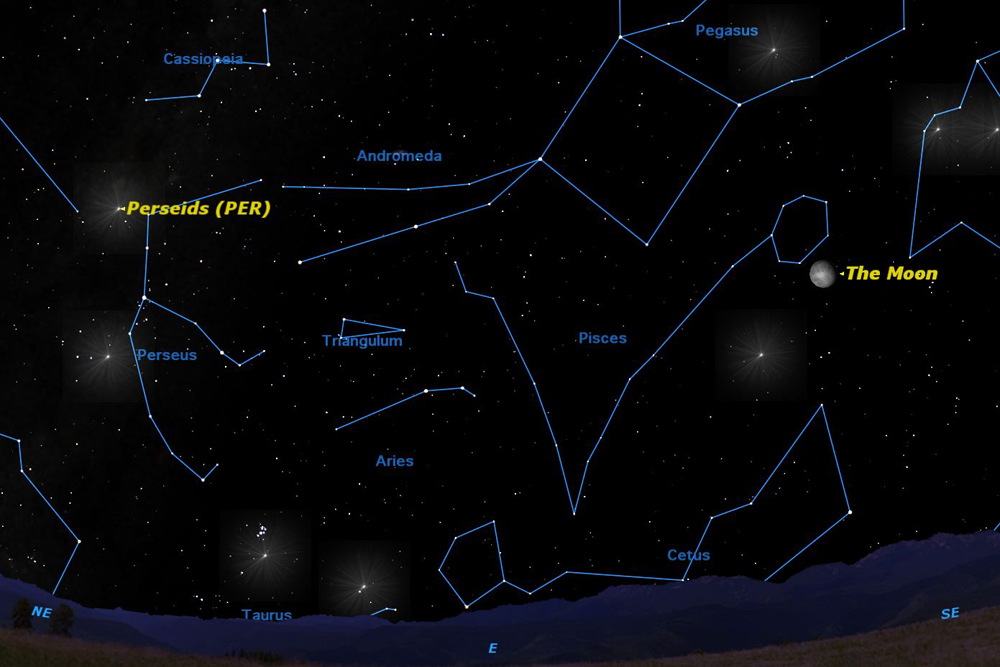
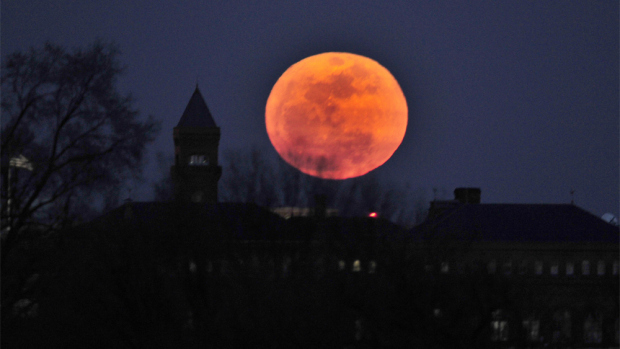
Spot perseid meteors before ‘Supermoon’ rises this weekend

A particularly large bright Moon will interfere with viewing the Perseid meteor shower this year. (Credit: Starry Night)
A particularly large bright Moon will interfere with viewing the Perseid meteor shower this year.
(Credit: Starry Night)
via space

NASA postpones US spacewalks from space station over battery issue

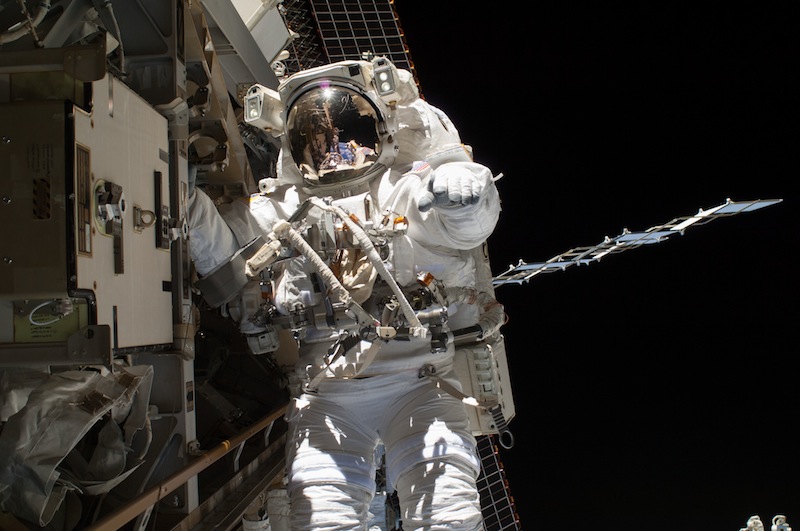
NASA astronaut Steve Swanson on a spacewalk outside International Space Station on April 22, 2014. (Credit: NASA)
via space

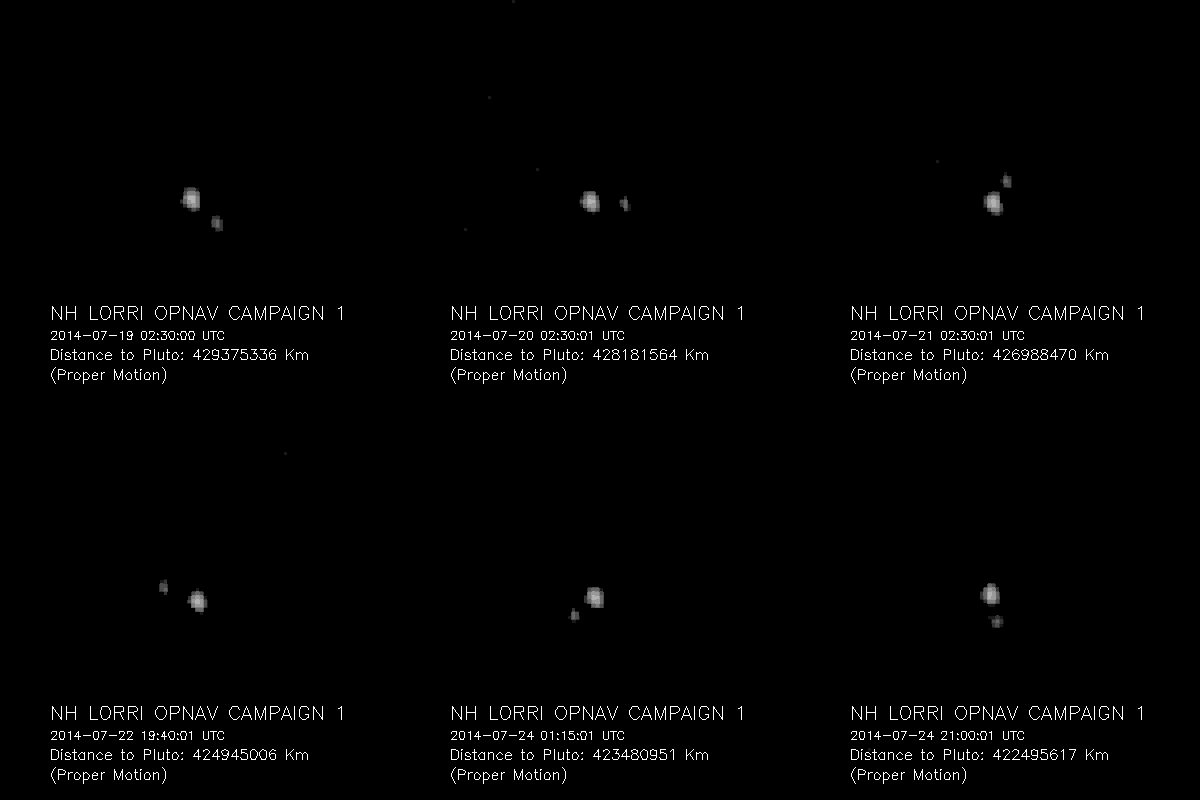
Can we call Pluto and Charon a ‘binary planet’ yet?

 This gif of Pluto and its largest moon, Charon, was taken by NASA's New Horizons spacecraft as it raced toward Pluto in July 2014. (Credit: NASA)
This gif of Pluto and its largest moon, Charon, was taken by NASA’s New Horizons spacecraft as it raced toward Pluto in July 2014. (Credit: NASA)
via discovery

Status Of The Higgs Challenge

via science2.0

Physics in the News

Thursday, August 7, 2014

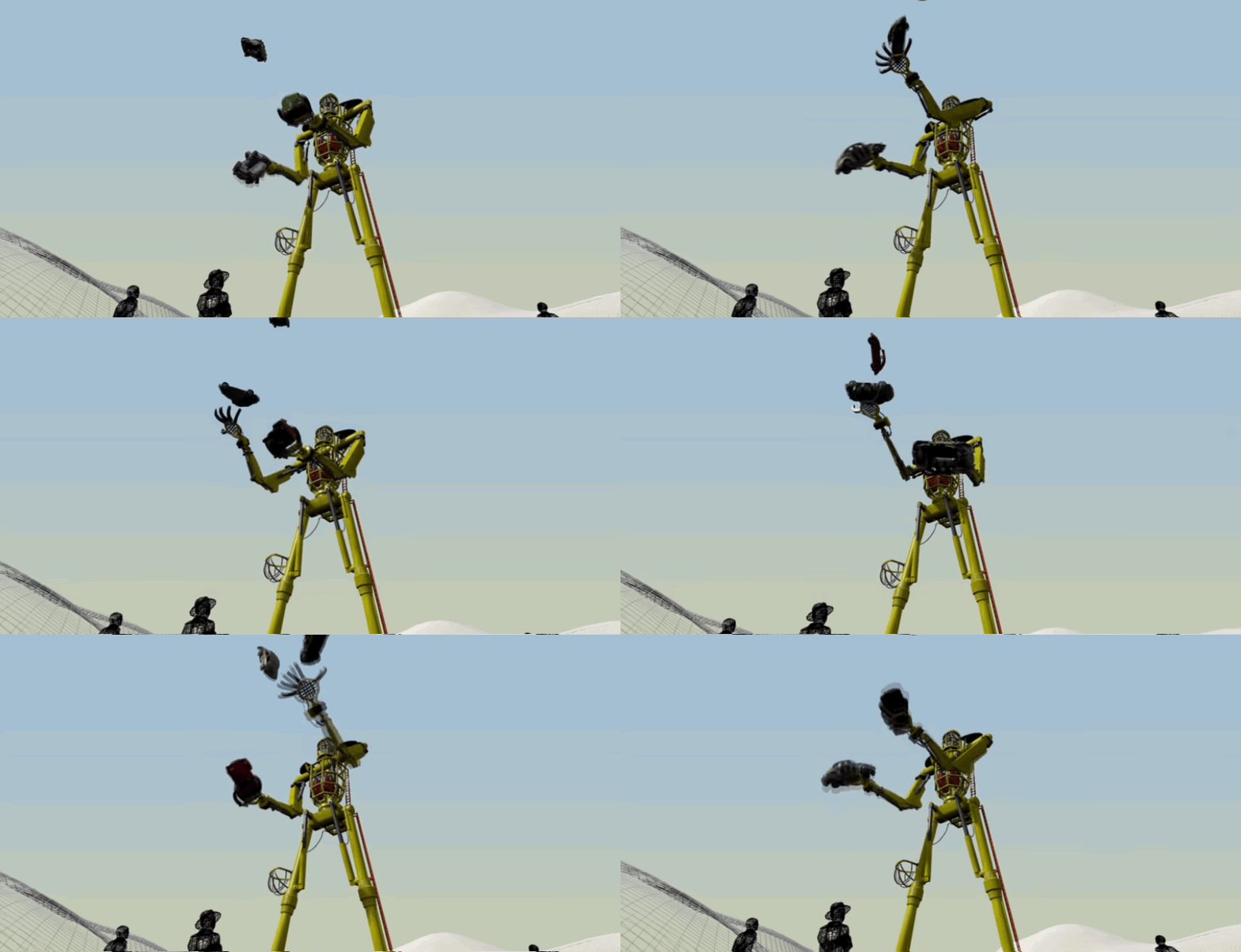
Meet the former NASA engineer who wants to build a giant robot that can juggle cars(VIDEO)


via businessinsider

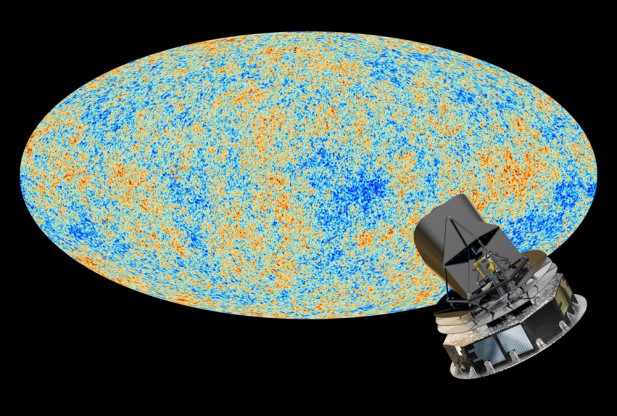
Baby universe picture brought closer to theory

 The anisotropies of the Cosmic microwave background (CMB) as observed by Planck. The CMB is a snapshot of the oldest light in our Universe, imprinted on the sky when the Universe was just 380 000 years old. It shows tiny temperature fluctuations that correspond to regions of slightly different densities, representing the seeds of all future structure: the stars and galaxies of today. (Credit: ESA and the Planck Collaboration - D. Ducros)
The anisotropies of the Cosmic microwave background (CMB) as observed by Planck. The CMB is a snapshot of the oldest light in our Universe, imprinted on the sky when the Universe was just 380 000 years old. It shows tiny temperature fluctuations that correspond to regions of slightly different densities, representing the seeds of all future structure: the stars and galaxies of today. (Credit: ESA and the Planck Collaboration – D. Ducros)
via redorbit

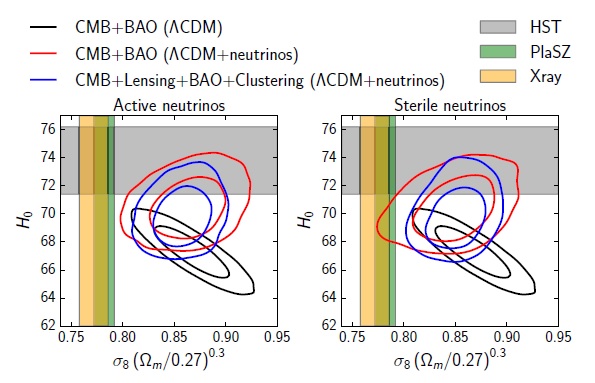
Massive neutrinos may not bring about cosmological concordance after all

Scientists have found that tension among different data sets persists even after accounting for massive sterile neutrinos, possibly indicating systematic biases in the measurements. (Credit: Leistedt, et al. ©2014 American Physical Society)
via phys

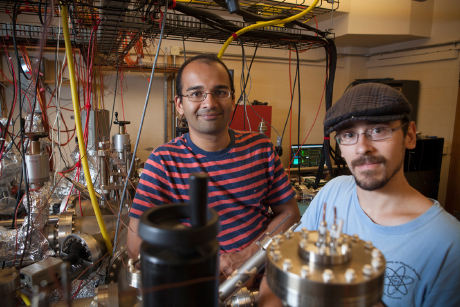
Grad student aims to improve particle accelerators

Siddharth Karkare, left, and Laurent Boulet '14 in the Newman Hall photocathode research lab. (Credit: Lindsay France/University)
Siddharth Karkare, left, and Laurent Boulet ’14 in the Newman Hall photocathode research lab. (Credit: Lindsay France/University)
via cornell

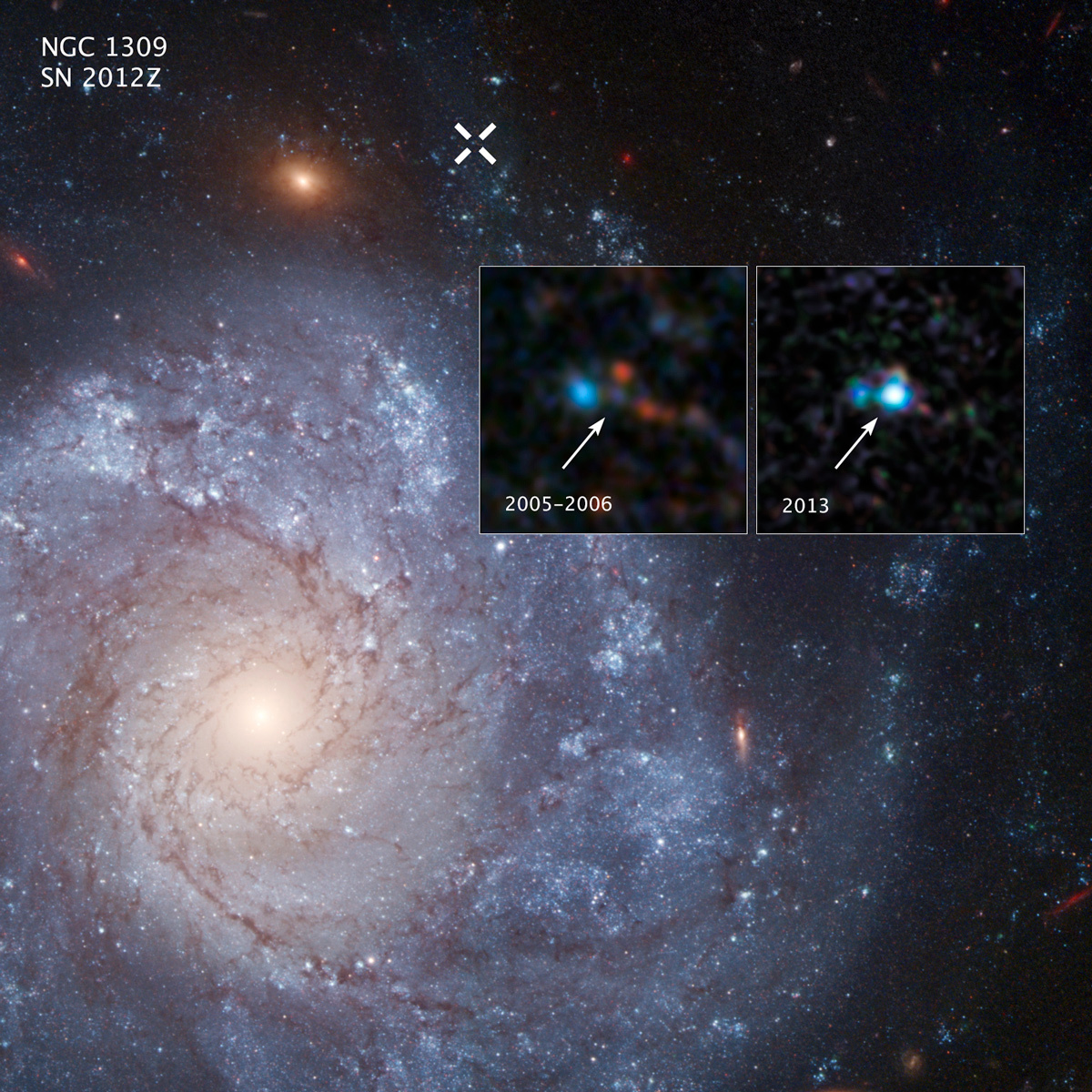
Hubble finds supernova star system linked to potential ‘zombie star’

(Credit: NASA)
The two inset images show before-and-after images captured by NASA’s Hubble Space Telescope of Supernova 2012Z in the spiral galaxy NGC 1309. The white X at the top of the main image marks the location of the supernova in the galaxy. (Credit: NASA)
via time

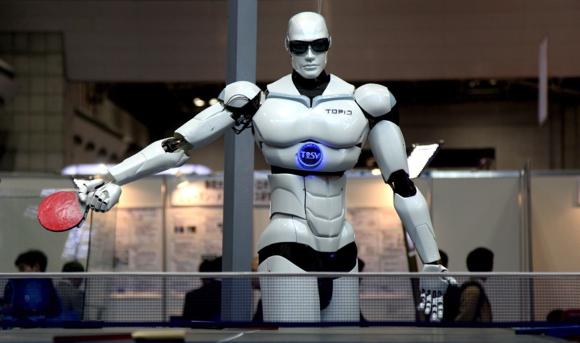
Pew Finds Experts Divided On Whether Robots Will Be Good For Society

Nearly half of the respondents (48%) predicted that robots and AI will displace more jobs than they create over the coming decade. While that left a slim majority believing the impact of technology on employment will be neutral or positive. (Credit: Humanrobo/Wikimedia Commons)
via forbes

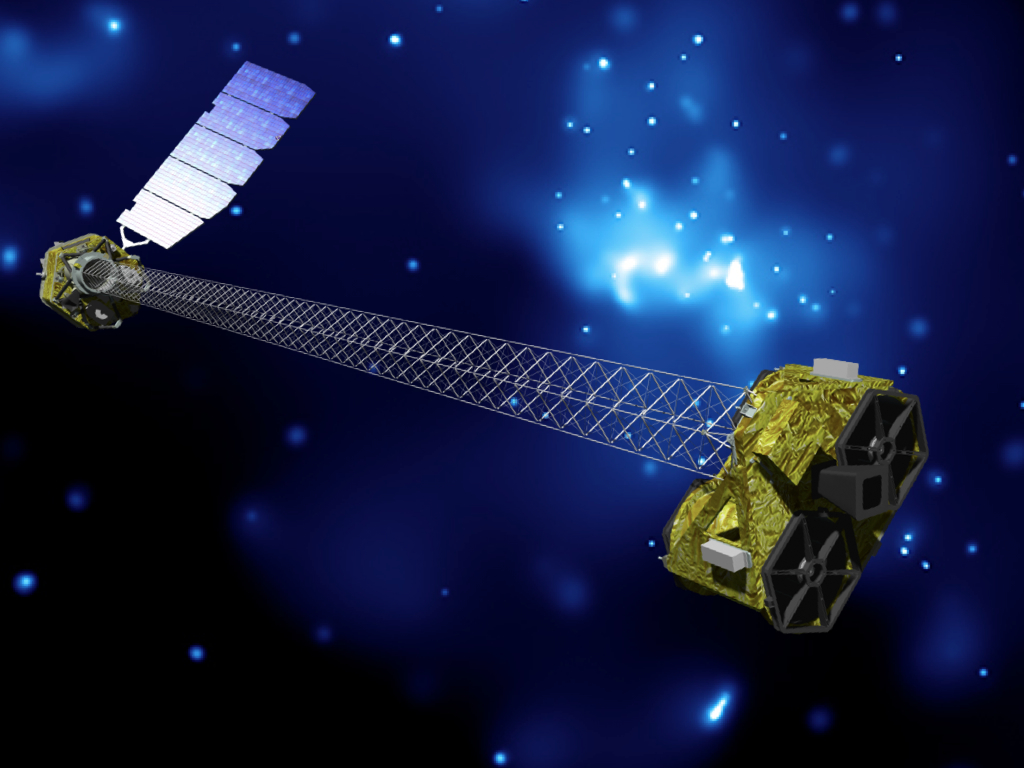
NASA’s Nuclear Spectroscopic Telescope Array Moves onto Two-Year Extension

Credit: NASA/JPL/Caltech)
NASA’s Nuclear Spectroscopic Telescope Array Moves onto Two-Year Extension. (Credit: NASA/JPL/Caltech)
via azoquantum

Physics in the News

Wednesday, August 6, 2014

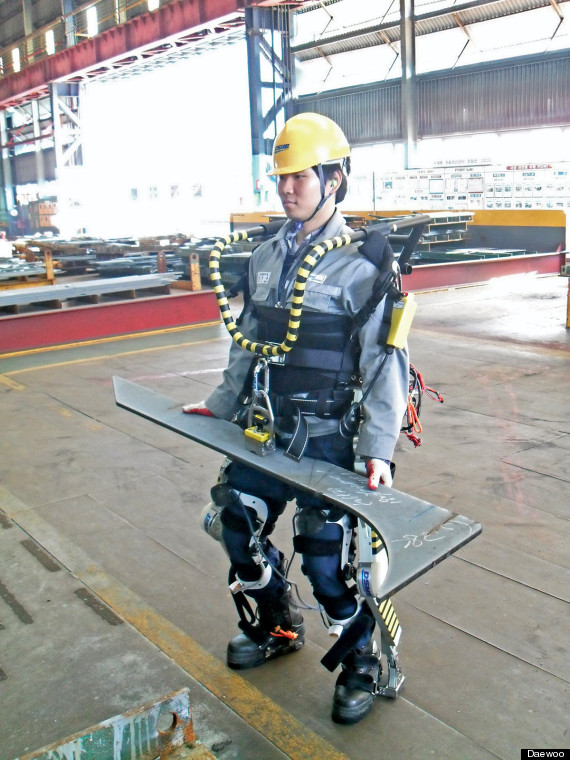
Shipyard workers test out robot suits in South Korea

Chu says worker feedback from the trial has been mostly positive. Testers were pleased that the exoskeleton let them lift heavy objects repeatedly without strain, but everyone also wanted it to move faster and be able to cope with heavier loads. (Credit: Daewoo)
via cnet

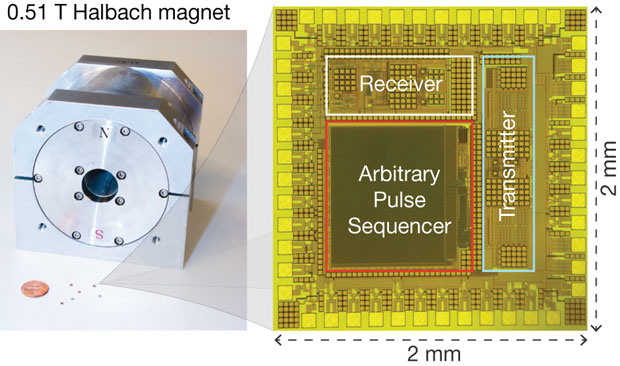
An NMR Chip The Size of a Seed

Harvard electrical engineering and applied physics professor Donhee Ham and his colleagues have drastically shrunk the size of the electronics even further, fitting the RF receiver, transmitter and other components on a tiny seed-sized chip. (Credit: Dongwan Ha/Harvard SEAS)
via ieee

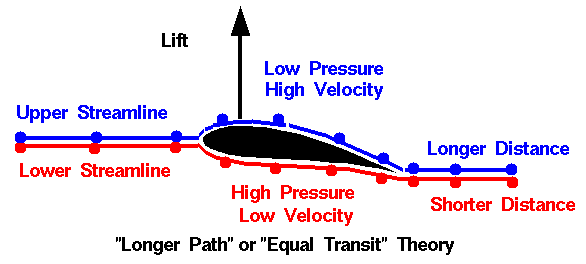
The never-ending conundrums of classical physics

The incorrect “equal transit time” explanation for lift. (Credit: )

via  archtechnia

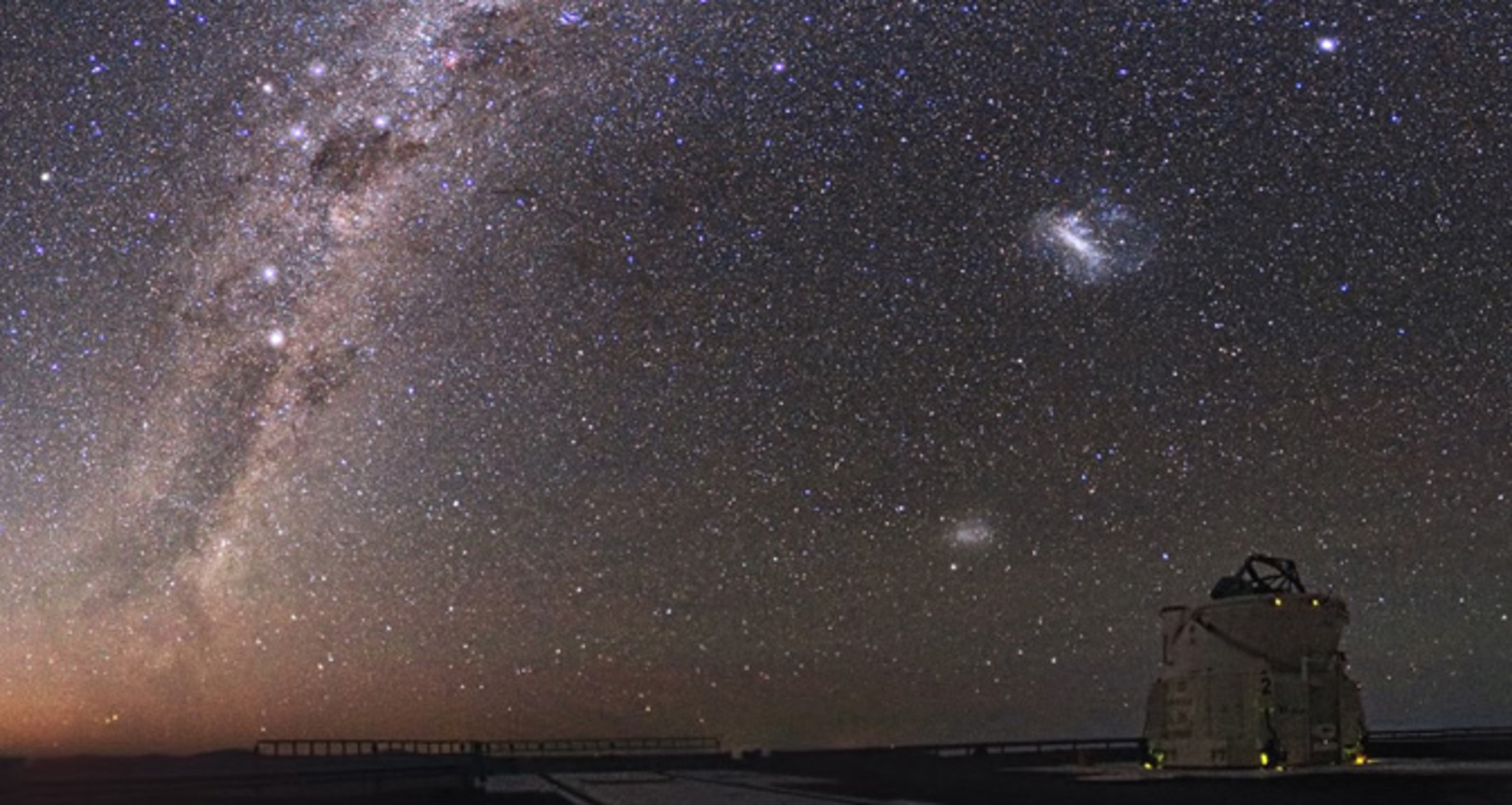
Is cosmic radiation the dawn of new physics or statistical slip-up?

The Milky Way is bit of a barrier between us the extra-galactic universe. (Credit: NASA, CC BY)

via theconversation

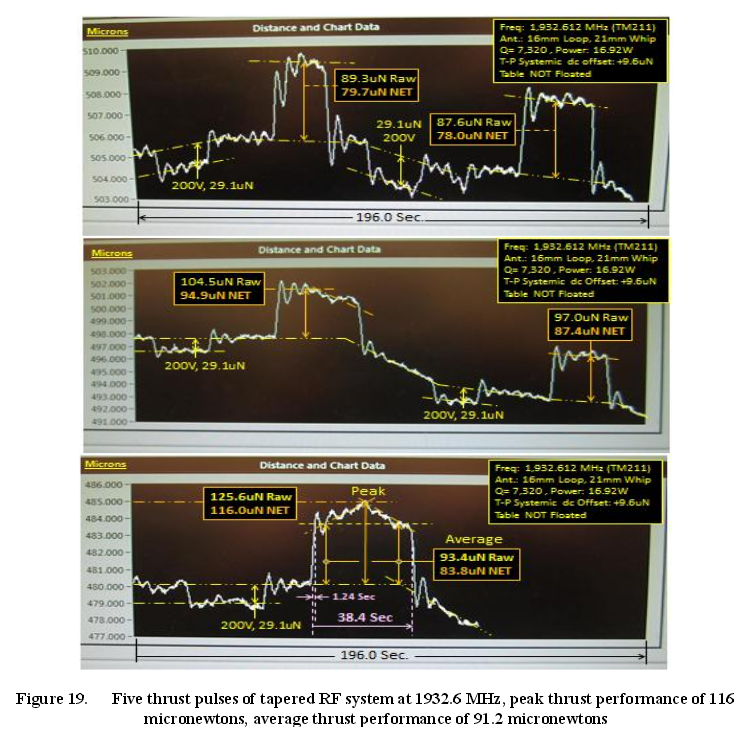
Full NASA Cannae Drive and EMdrive Test paper shows that there is anomolous thrust and the null test article criticism is wrong

nasatestemdrive4
via nextbigfuture

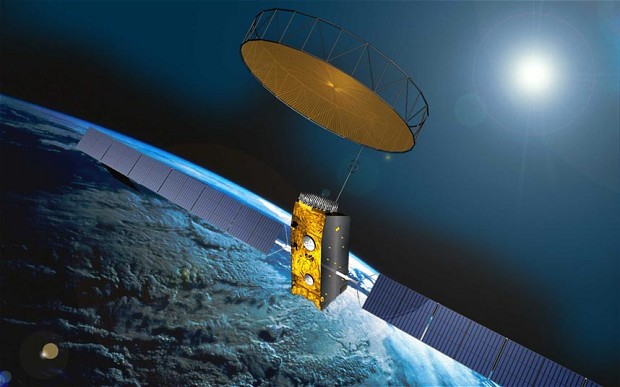
Inmarsat warns over delays from failed rocket launch

Inmarsat used its satellite network to name search areas for the missing Malaysia Airlines flight

via telegraph

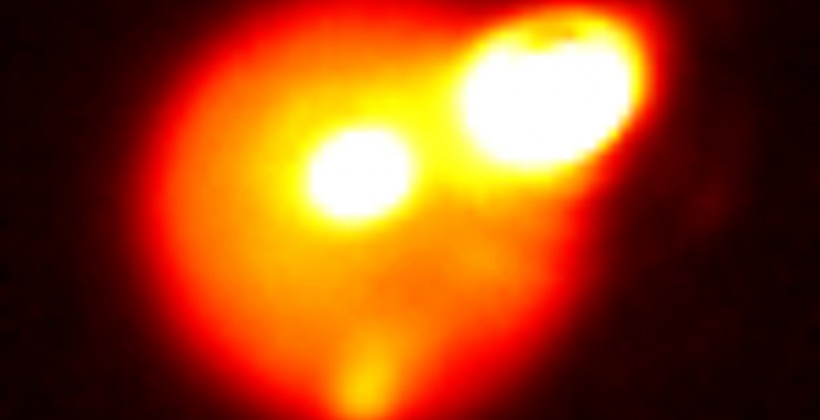
Jupiter’s volcanic moon spews “curtains of fire”

Footage from the Venus Express orbiter confirmed sightings of hot spots on the surface of the planet, in accordance with volcanoes still simmering. (Credit: NASA)
via slashgear

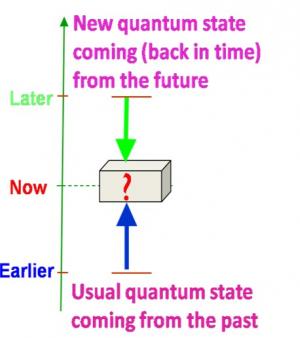
Physicists introduce another quantum animal: The Quantum Pigeon

At the present moment another measurement is performed which is influenced both by what happened earlier and what happened later. (Credit: Jeff Tollaksen)
via phys

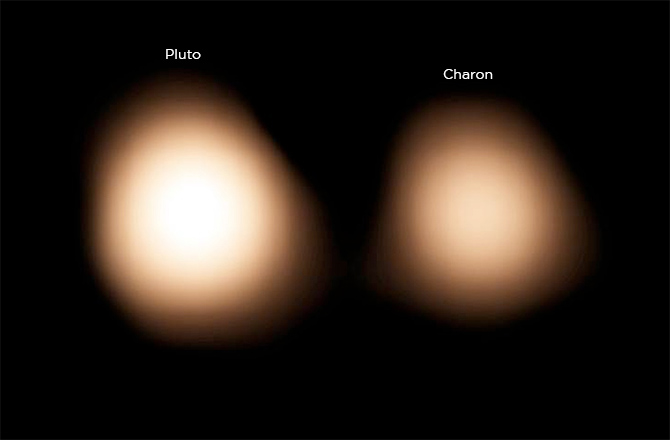
Radio telescope pinpoints Pluto for spacecraft buddy

The cold surface of Pluto and its largest moon Charon as seen with ALMA on July 15, 2014. (Credit: /AUI/NSF)
via discovery

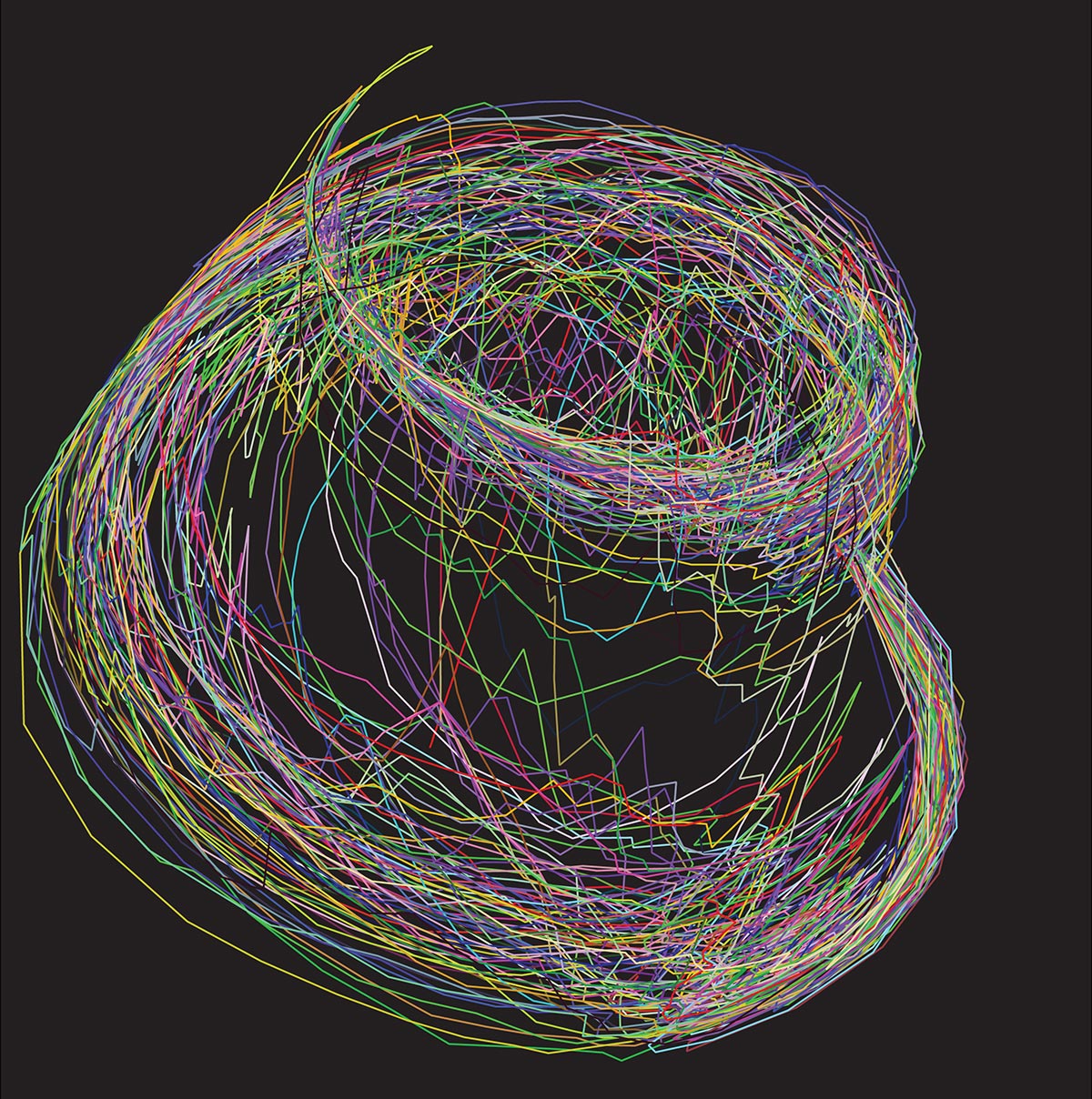
Social trails go off the beaten path: quantum lines of desire happen in physics also

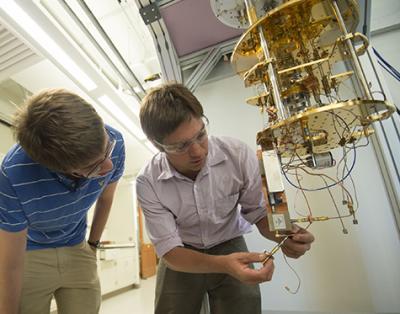
 Kater Murch (right), assistant professor of physics at Washington University in St. Louis, and junior Chris Munley work with the equipment that can map a quantum device's trajectory between two points in quantum state space, a feat until recently considered impossible. (Credit: Joe Angeles/WUSTL Photos)

Kater Murch (right), assistant professor of physics at Washington University in St. Louis, and junior Chris Munley work with the equipment that can map a quantum device’s trajectory between two points in quantum state space, a feat until recently considered impossible. (Credit: Joe Angeles/WUSTL Photos)

via sciencecodex

Planting imperfections at specific spots within diamond lattice could advance quantum computing

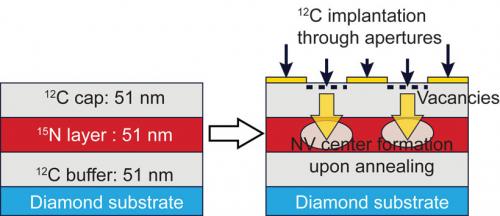
This is a schematic of the process to localize NV centers in 3-D. The researchers blasted carbon ions through holes to create vacancies and heated the diamond to make the vacancies mobile within the crystal. NV centers could form in the nitrogen-doped layer below where the holes were placed. (Credit: F.J. Heremans and D. Awschalom/U. Chicago and K. Ohno/UCSB)

via phys

Physics in the News

Tuesday, August 5, 2014

Extracting audio from visual information(VIDEO)

via mit

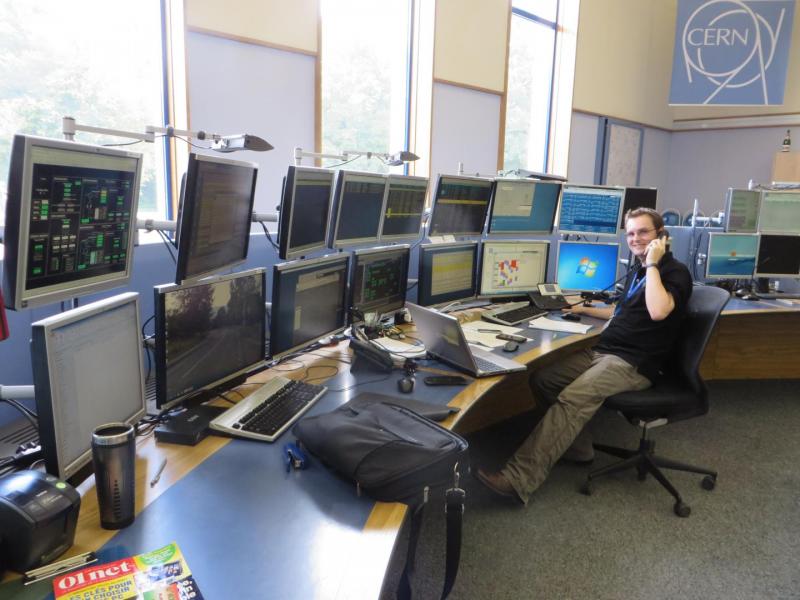
Technical troubleshooting at the CERN Control Centre

Chris Wetton of CERN's Technical Infrastructure Operation group keeps a keen eye on the monitors at the CERN Control Centre (Image: Stephanie Hills)
Chris Wetton of CERN’s Technical Infrastructure Operation group keeps a keen eye on the monitors at the CERN Control Centre (Credit: Stephanie Hills)
 via cern

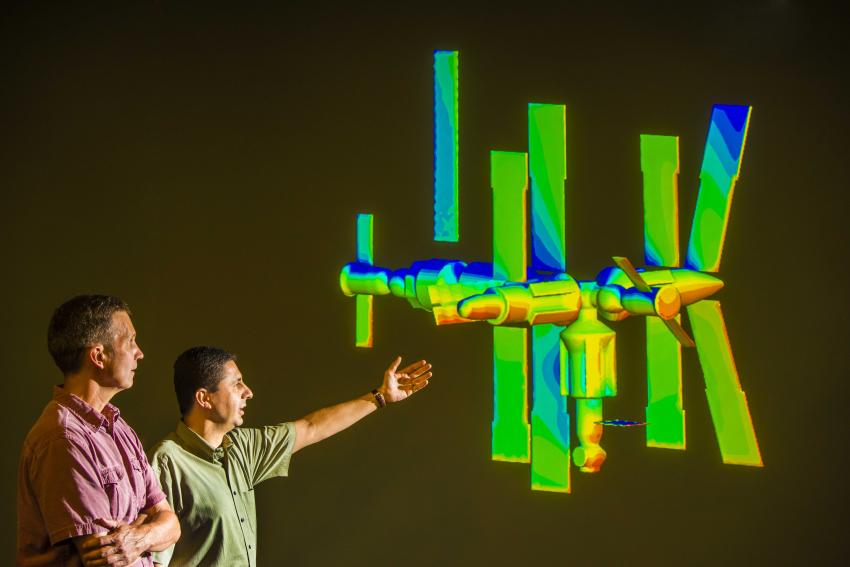
3-D codes yield unprecedented physics, engineering insights

Sandia National Laboratories researchers Steve Plimpton, left, and Michael Gallis look at a projection of a model of the Russian MIR space station, which fell out of orbit several years ago and disintegrated, with the remains ending up at the bottom of the Indian Ocean. Using Sandia’s 3-D code SPARTA, the calculation is simulating an instance of the process of de-orbiting. (Credit: Randy Montoya)
 via phys

Funds awarded to begin construction of Large Synoptic Survey Telescope

The 8.4-meter LSST will use a special three-mirror design, creating an exceptionally wide field of view. (LSST/rendering)
The 8.4-meter LSST will use a special three-mirror design, creating an exceptionally wide field of view. (Credit: LSST/rendering)
via ucdavis

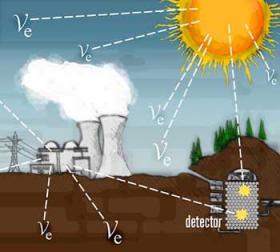
Neutrinos could monitor Iranian nuclear plant

Japanese scientists recently published a paper that showed they could monitor neutrinos by putting a detector in the back of a van and parking it outside the reactor.
via wvtf

NASA’s quantum drive: Cool your jets

Photo by Paramount Pictures
Of course science has overturned earlier notions of how the Universe works. But sometimes, those rules are shown to be true so much and so often that when you come up with an idea that overthrows all of it, you’d better have iron-clad evidence of it. (Credit: Phil Plait, Paramount Pictures)
via slate

The changing state of a qubit over time

The work verifies theoretical models of the most likely way in which a quantum system will collapse, proving that the probable path can be predicted. This paves the way to actively controlling a quantum system in the future by steering it towards a certain outcome.(Credit: Irfan Siddiqi, UC Berkeley)
via newscientist

The summer’s second Supermoon to return Sunday afternoon

A perigee moon rises in Washington, DC, on March 19, 2011. A perigee moon is visible when the moon's orbit position is at its closest point to Earth during a full moon phase. The full moon coincided with its closest approach to the Earth, 221,565 miles (356,575 km), making the so-called "super moon" look slightly larger than average. AFP PHOTO / Jewel Samad (Photo credit should read JEWEL SAMAD/AFP/Getty Images)
A perigee moon rises in Washington, DC, on March 19, 2011. A perigee moon is visible when the moon’s orbit position is at its closest point to Earth during a full moon phase. The full moon coincided with its closest approach to the Earth, 221,565 miles (356,575 km), making the so-called “super moon” look slightly larger than average. (Credit: JEWEL SAMAD/AFP/Getty Images)
via cbs

Comet-chasing Euro-probe could make history Wednesday

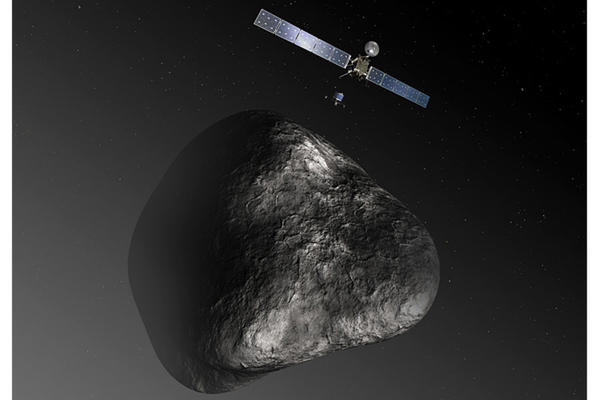
An artist's impression shows what the Rosetta orbiter will look like when it deploys the Philae lander to a comet later this year. (Credit: ESA)
An artist’s impression shows what the Rosetta orbiter will look like when it deploys the Philae lander to a comet later this year. (Credit: ESA)
via csmonitor

Physics in the News

Monday, August 4, 2014

Elon Musk calls Artificial Intelligence ‘potentially more dangerous than nukes’

Above: Tesla CEO Elon Musk. (Credit: SXSW Livestream)
Tesla CEO Elon Musk. (Credit: SXSW Livestream)
via businessinsider

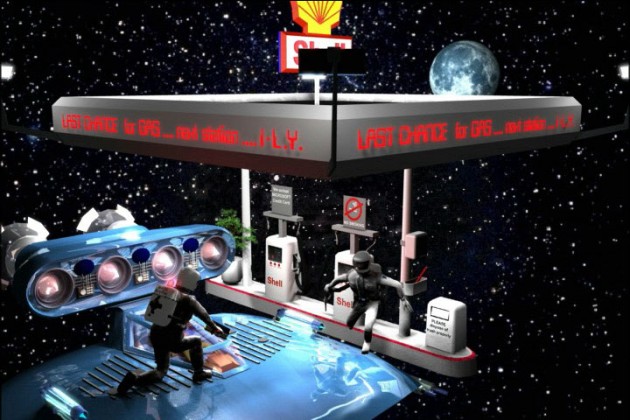
NASA wants to build gas stations in space

NASA hopes to add precious years of functional life to satellites and expand options for operators who face unexpected emergencies, tougher economic demand and aging fleets. (Credit: Bob Granath, Kt-Imaging)
via technobuffalo

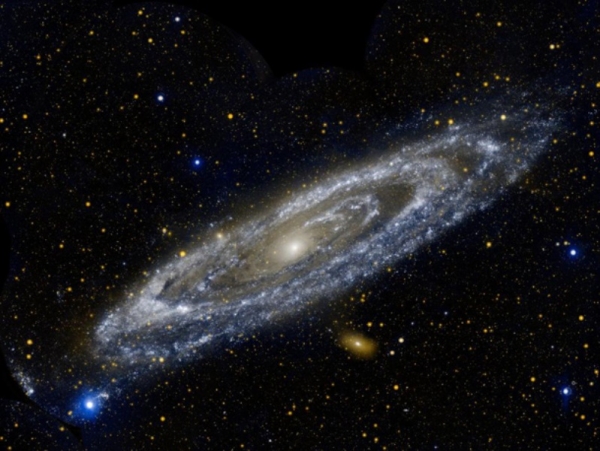
Milky Way galaxy is just half as massive as Andromeda

Andromeda is twice as massive as the Milky Way. Scientists say that Andromeda has twice the mass, made of dark matter, than the Milky Way. (Credit: Phil Plait)
Andromeda is twice as massive as the Milky Way. Scientists say that Andromeda has twice the mass, made of dark matter, than the Milky Way.
(Credit: Phil Plait)
via techtimes

New rule restricting foreign instruments on NASA space probes stirs debate

(Credit: NASA)
(Credit: NASA)
via examiner

General Relativity – Embedding light at the heart of cosmology

Einstein was the first person to propose that ‘empty space’, which does not contain matter or radiation, is not actually empty and in fact has a residual energy.  This empty space is also capable of creating more space from itself. (Credit: benmoat/Shutterstock)
Einstein was the first person to propose that ‘empty space’, which does not contain matter or radiation, is not actually empty and in fact has a residual energy. This empty space is also capable of creating more space from itself. (Credit: benmoat/Shutterstock)
via azooptics

Tiny flying robots are being built to pollinate crops instead of real bees

The RoboBee demonstrates a successful flight next to a quarter for scale. (Credit: Harvard University)
 via iphoneeinstein

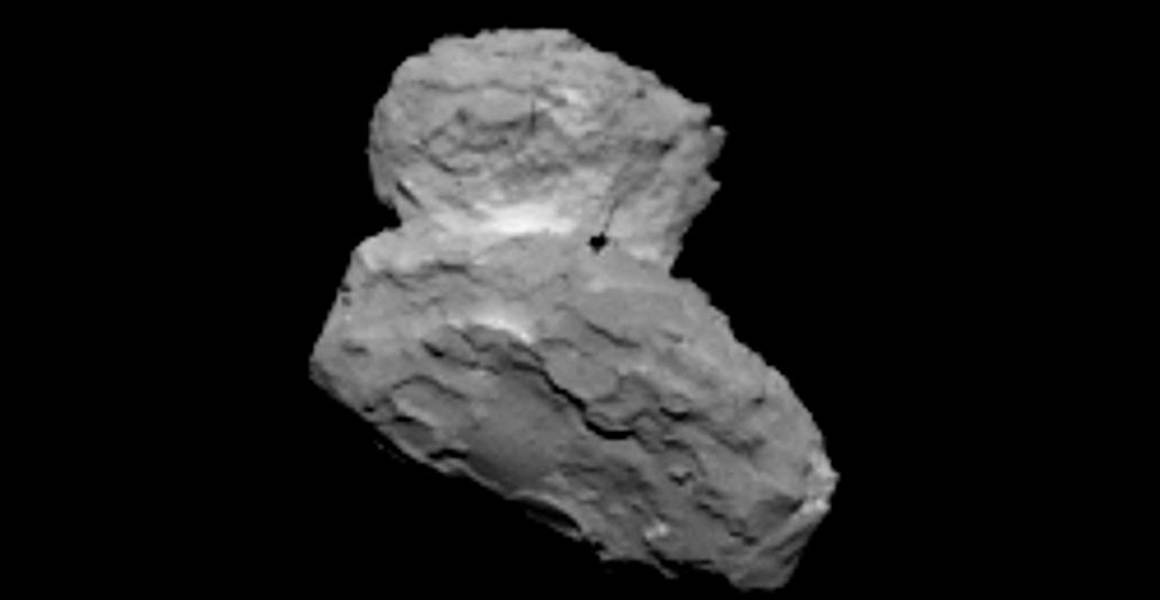
Europe’s Rosetta probe reaches climax of its comet-chasing mission

The Rosetta spacecraft is scheduled to rendezvous with Comet 67P/Churyumov-Gerasimenko on Wednesday. If all goes according to plan, Rosetta will become the first probe ever to orbit a comet — and, in November, the first to drop a lander onto the surface of one of these icy wanderers. (Credit: ESA)

via nbcnews

 Absence of Russia instrument onboard NASA Mars Rover not related to politics 

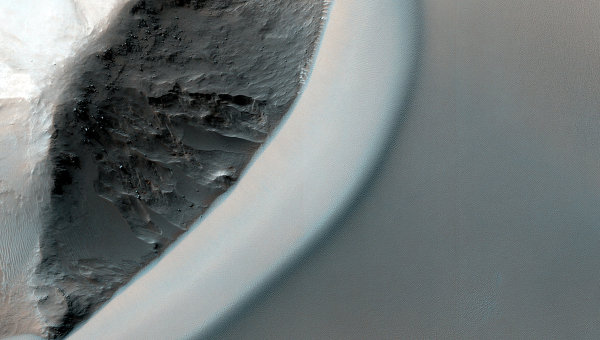
Photo of the Mars surface, Made with HiRise Camera. (Credit: NASA JPL/University of Arizona)
via ria

The holographic augmented reality future has arrived (Again)

via physicsworld