Physics in the News

Sunday, August 3, 2014

Best evidence yet for coronal heating theory
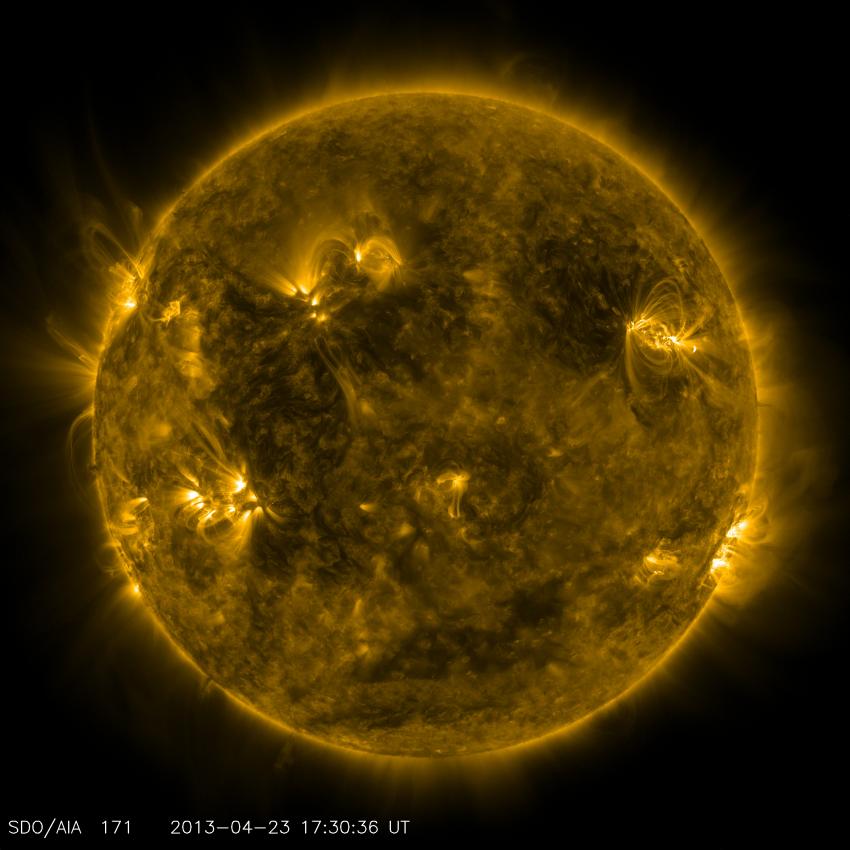
NASA's Solar Dynamics Observatory captured this image of what the sun looked like on April 23, 2013, at 1:30 p.m. EDT when the EUNIS mission launched. EUNIS focused on an active region of the sun, seen as bright loops in the upper right in this picture. (Credit: NASA/SDO)
NASA’s Solar Dynamics Observatory captured this image of what the sun looked like on April 23, 2013, at 1:30 p.m. EDT when the EUNIS mission launched. EUNIS focused on an active region of the sun, seen as bright loops in the upper right in this picture. (Credit: NASA/SDO)
via phys.org

Robot Olympics planned for 2020 powered by Japan’s ‘Robot Revolution’

via singularityhub

Moon closer to Mars, moving toward Saturn
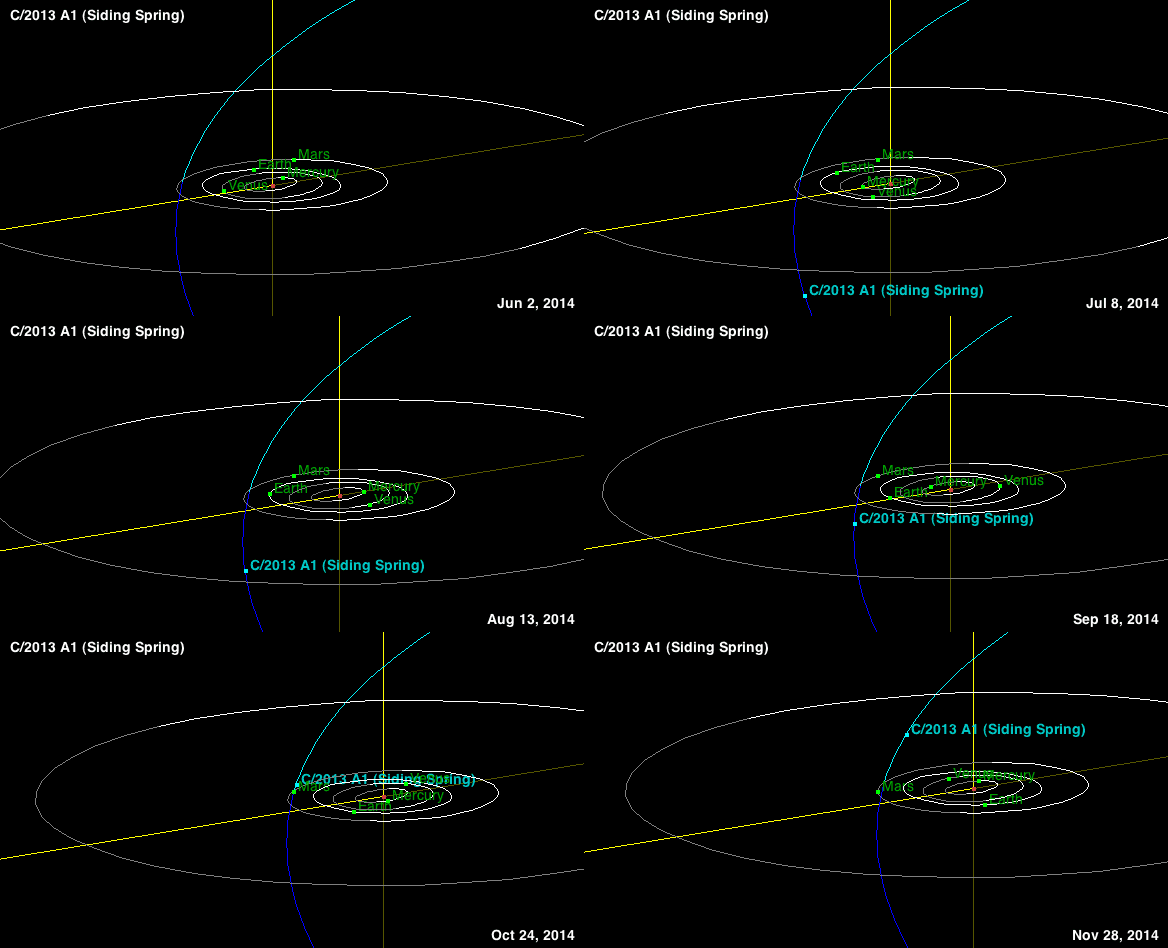
Animation of Comet C/2013 A1 Siding Spring / Mars encounter. (Credit: Near-Earth Object (NEO) office and NASA JPL)
via earthsky

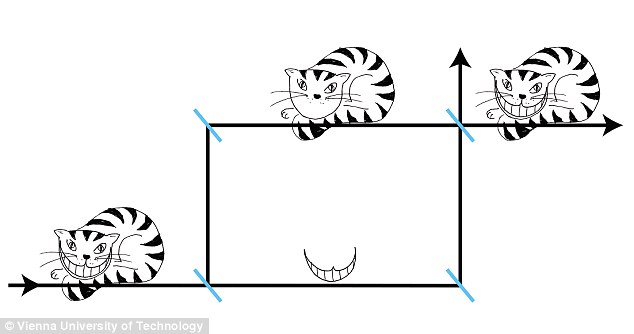
Scientists separate a particle from its properties
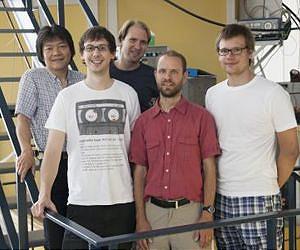
he study, carried out at the Institute Laue-Langevin (ILL) and published in Nature Communications, showed that in an interferometer a neutron's magnetic moment could be measured independently of the neutron itself, thereby marking the first experimental observation of a new quantum paradox known as the 'Cheshire Cat'. Pictured are Yuji Hasegawa, Tobias Denkmayr, Stephan Sponar, Hartmut Lemmel, and Hermann Geppert. (Credit: Vienna University of Technology.)
The study, carried out at the Institute Laue-Langevin (ILL) and published in Nature Communications, showed that in an interferometer a neutron’s magnetic moment could be measured independently of the neutron itself, thereby marking the first experimental observation of a new quantum paradox known as the ‘Cheshire Cat’. Pictured are Yuji Hasegawa, Tobias Denkmayr, Stephan Sponar, Hartmut Lemmel, and Hermann Geppert. (Credit: Vienna University of Technology.)
via spacedaily

Companion planet could keep alien Earths warm in old age
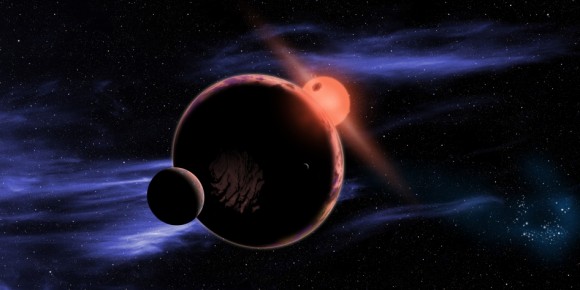
An artist’s concept of a rocky world orbiting a red dwarf star. (Credit: NASA/D. Aguilar/Harvard-Smithsonian center for Astrophysics)
via universetoday

Exclusive: NASA’s Hubble finds ‘magnifying lens’ galaxy
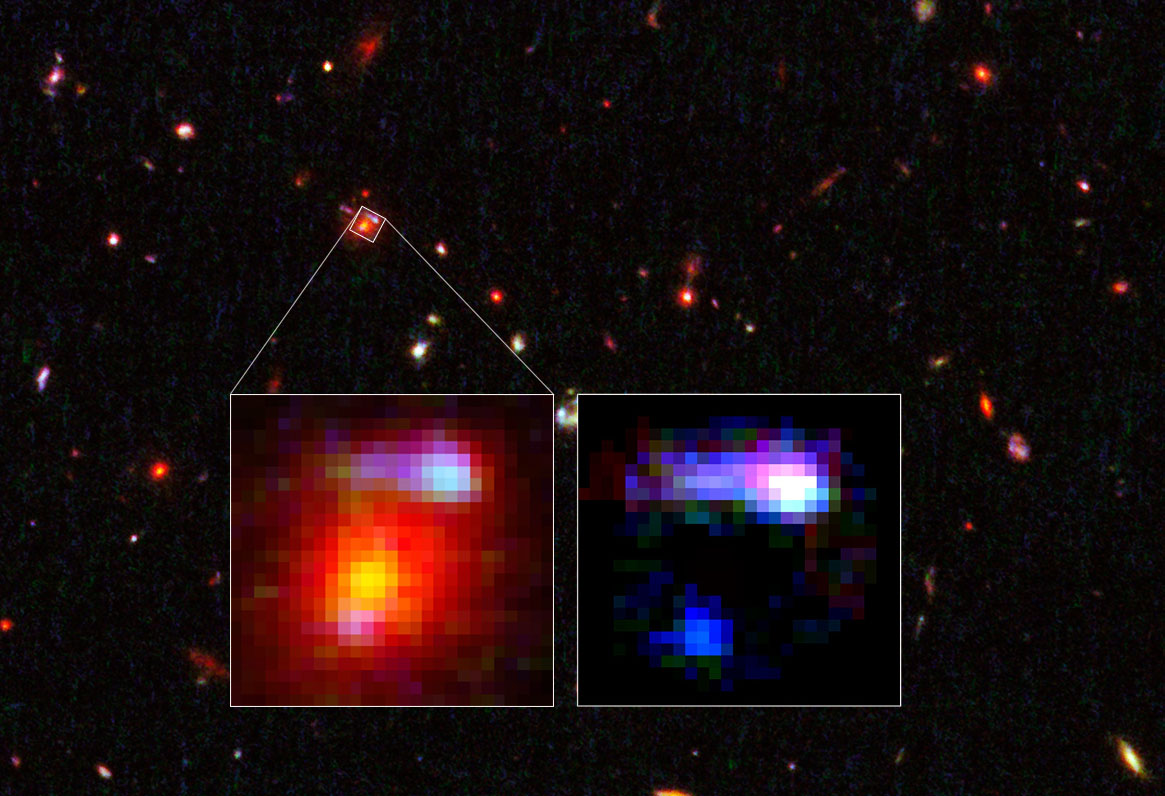
In this image from the Hubble Space Telescope, a giant elliptical galaxy 9.6 billion light-years away appears as a red patch. The bluish dot and tadpole-shaped smear are the distorted and magnified shapes of a more distant spiral galaxy 10.7 billion light-years away. (Credit: NASA, ESA, K.-V. Tran (Texas A&M University), and K. Wong)
In this image from the Hubble Space Telescope, a giant elliptical galaxy 9.6 billion light-years away appears as a red patch. The bluish dot and tadpole-shaped smear are the distorted and magnified shapes of a more distant spiral galaxy 10.7 billion light-years away.
(Credit: NASA, ESA, K.-V. Tran (Texas A&M University), and K. Wong)
via space

Scientists in Scotland have created a working tractor beam

(Credit: iStock/360/Getty)
The Dundee tractor beam is not entirely dissimilar from those in “Star Wars” and “Star Trek,” in that it draws an object toward it without making physical contact. The device works by taking advantage of an acoustic wave’s natural push effect, called radiation pressure. (Photons also exert radiation pressure, which is part of the reason comet tails always point away from the sun.) What the Dundee team was able to demonstrate was an example of negative radiation pressure, otherwise known as pull. (Credit: iStock/360/Getty)
via thenewyorker

Giant asteroids reshaped Earth 4 billion years ago
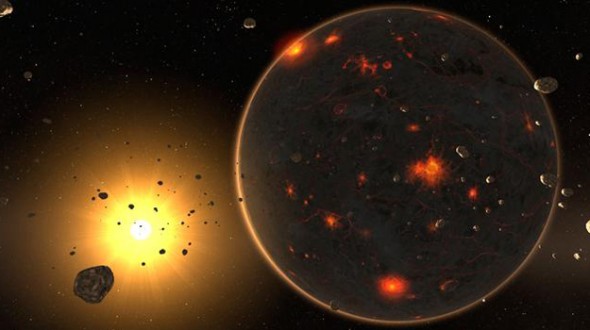
The team says that during this 500 million year period the planet likely experienced three to seven impacts by objects more than 300 miles wide. There were also as many as four impacts by titanic space rocks more than 600 miles across. If there had been any life on the Earth, a 600 mile wide monster asteroid probably would have wiped it out. Surprisingly, these impacts are compatible with the existence of liquid water on the surface as early as 4.3 billion years ago.
The team says that during this 500 million year period the planet likely experienced three to seven impacts by objects more than 300 miles wide. There were also as many as four impacts by titanic space rocks more than 600 miles across. If there had been any life on the Earth, a 600 mile wide monster asteroid probably would have wiped it out. Surprisingly, these impacts are compatible with the existence of liquid water on the surface as early as 4.3 billion years ago. (D. A. Aguilar, Harvard-Smithsonian Center for Astrophysics)
via geek

Will DARPA’s new space shuttle crush the SpaceX Grasshopper?
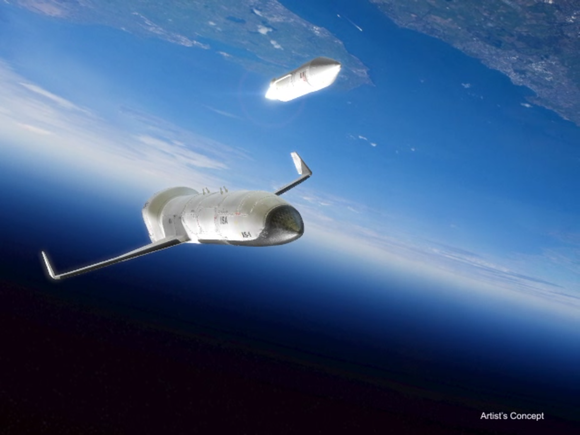
DARPA's hypothetical "space plane." (Credit: DARPA)
DARPA’s hypothetical “space plane.” (Credit: DARPA)
via fool

European spacecraft to attempt historic comet rendezvous this week
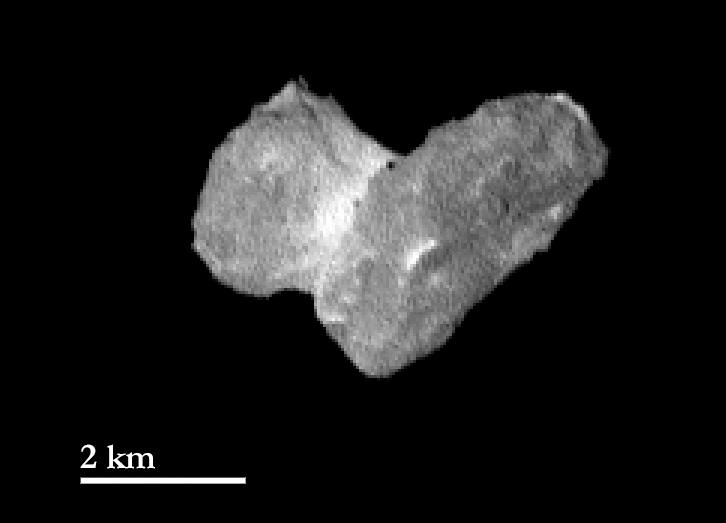
The European Space Agency's Rosetta spacecraft saw the nucleus of comet 67P/Churyumov-Gerasimernko from a distance of 1,210 miles (1,950 kilometers). Image taken July 29, 2014. (Credit: ESA/Rosetta/MPS for OSIRIS Team MPS/UPD/LAM/IAA/SSO/INTA/UPM/DASP/IDA)
The European Space Agency’s Rosetta spacecraft saw the nucleus of comet 67P/Churyumov-Gerasimernko from a distance of 1,210 miles (1,950 kilometers). Image taken July 29, 2014.
(Credit: ESA/Rosetta/MPS for OSIRIS Team MPS/UPD/LAM/IAA/SSO/INTA/UPM/DASP/IDA)
via space

Physics in the News

Saturday, August 2, 2014

Despite extensive analysis, Fermi bubbles defy explanation

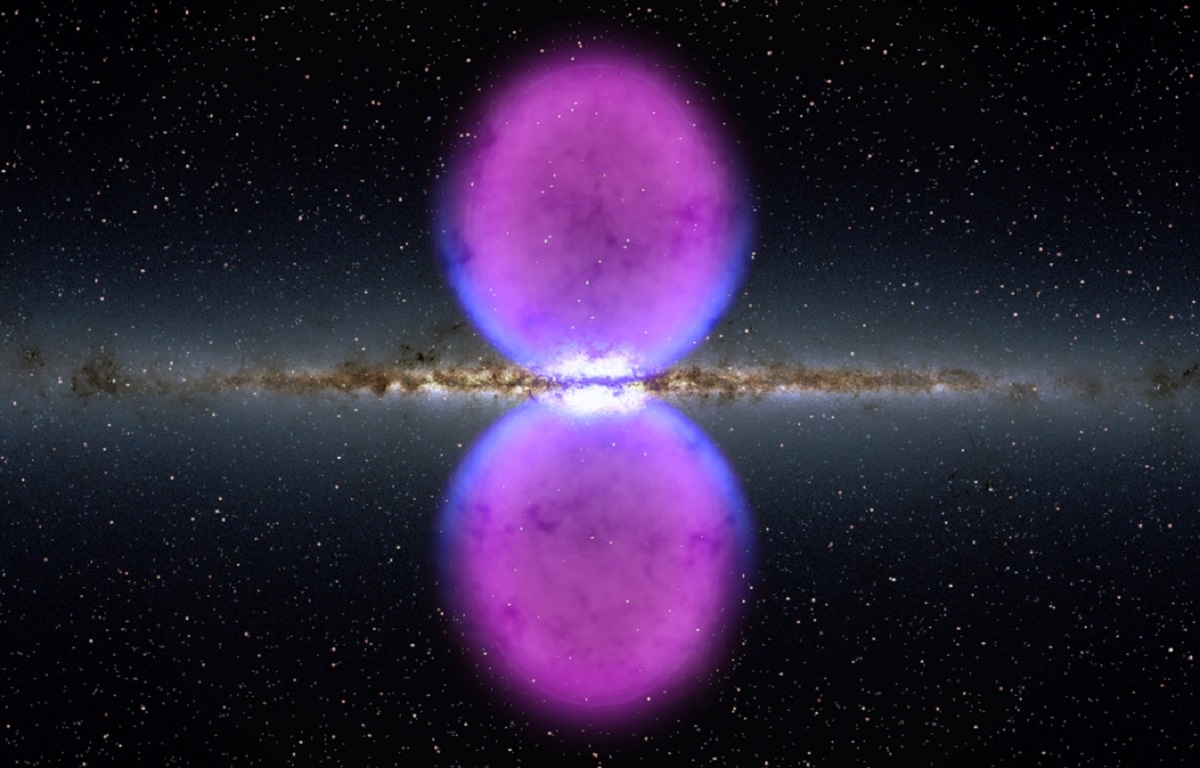
This artist's representation shows the Fermi bubbles towering above and below the galaxy. Credit: NASA's Goddard Space Flight Center. (Credit: NASA)
This artist’s representation shows the Fermi bubbles towering above and below the galaxy. Credit: NASA’s Goddard Space Flight Center. (Credit: NASA)
via phys.org

NASA ‘to make oxygen on Mars early next decade’

Space agency officials unveiled seven instruments they plan to put on a Martian rover that would launch in 2020, including two devices aimed at bigger Mars missions in the future. (Credit: NASA)
via news.com

On-chip topological light: First measurements of transmission and delay

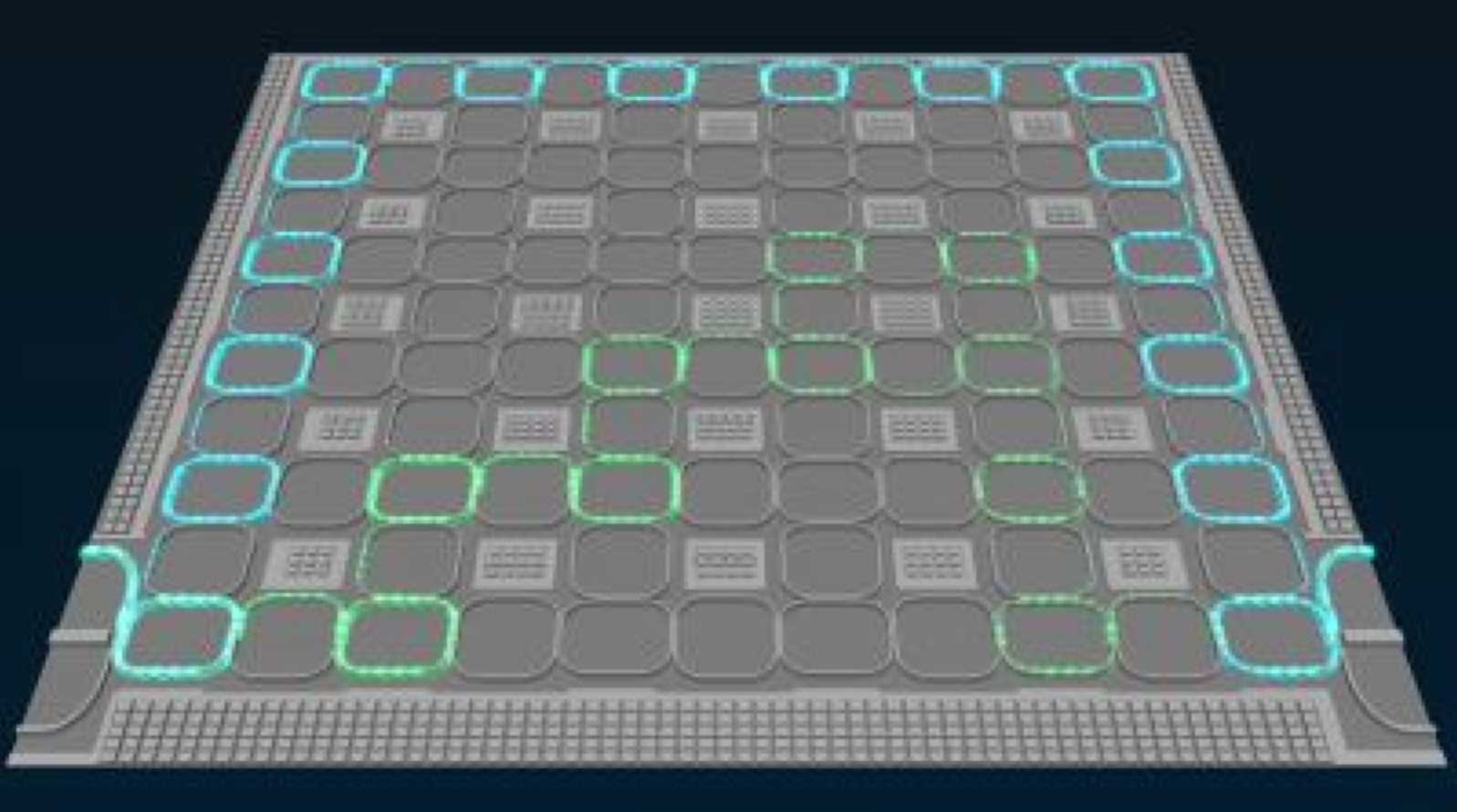
Light enters a two-dimensional ring-resonator array from the lower left and exits at the lower right.  Light that follows the edge of the array (blue) does not suffer energy loss and exits after a consistent amount of delay. Light travels into the interior of the array (green) suffers energy loss. (Credit: Sean Kelley/JQI)
Light enters a two-dimensional ring-resonator array from the lower left and exits at the lower right. Light that follows the edge of the array (blue) does not suffer energy loss and exits after a consistent amount of delay. Light travels into the interior of the array (green) suffers energy loss. (Credit: Sean Kelley/JQI)
via esciencenews

Particle fever makes me feel like a physicist

via gizmodo

Final flight of European space vehicle to Space Station goes out with a ‘Big Bang’

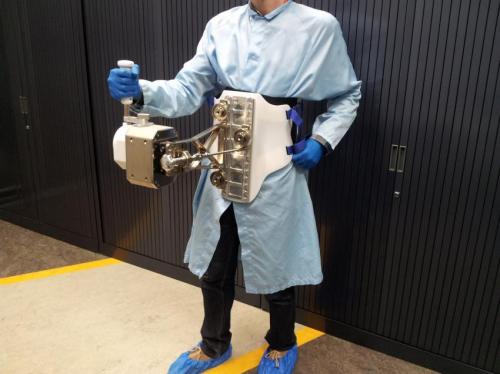
ESA's Haptics-1 body-mounted astronaut joystick will be used to investigate telerobotics for space aboard the International Space Station. (Credit: European Space Agency)
ESA’s Haptics-1 body-mounted astronaut joystick will be used to investigate telerobotics for space aboard the International Space Station. (Credit: European Space Agency)
via phys.org

World Wide Web day today: Celebrate the web browser invention and surf

CERN’s website was the first to be hosted on the World Wide Web, at info.cern.ch. It was a simple page that contained a lot of links, which was essentially what the WWW was for at that time. It was dedicated to the Internet itself, describing the basic features of the web, accessing documents and setting up servers. (Credit: Beth A. Balen)
via guardianlv 

One Small Step for Your Dead Pet

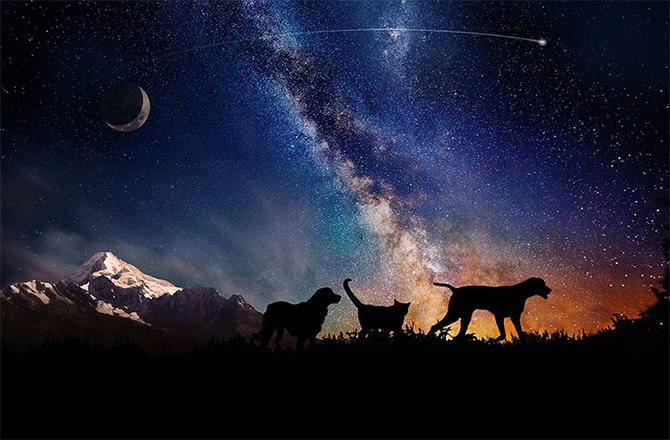
Celestis has expanded their services to include animals, called Celestis Pets. And now you can even send your family pet in Armstrong’s and Aldrin’s footsteps by launching them to the moon. (Credit: Celestis Pets)
via discovery

Physics in the News

Thursday, July 31, 2014

Weirdly wonky binary star system discovered

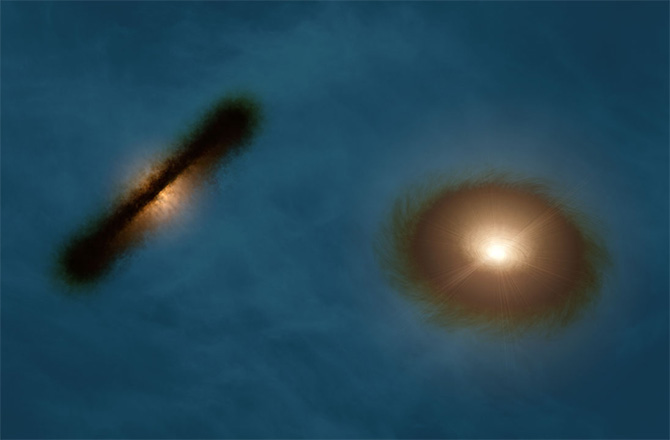
Artist’s impression of the discs around the young stars HK Tauri A and B (Credit: R. Hurt (NASA/JPL-Caltech/IPAC)
via discovery

NASA’s asteroid mission takes a beating

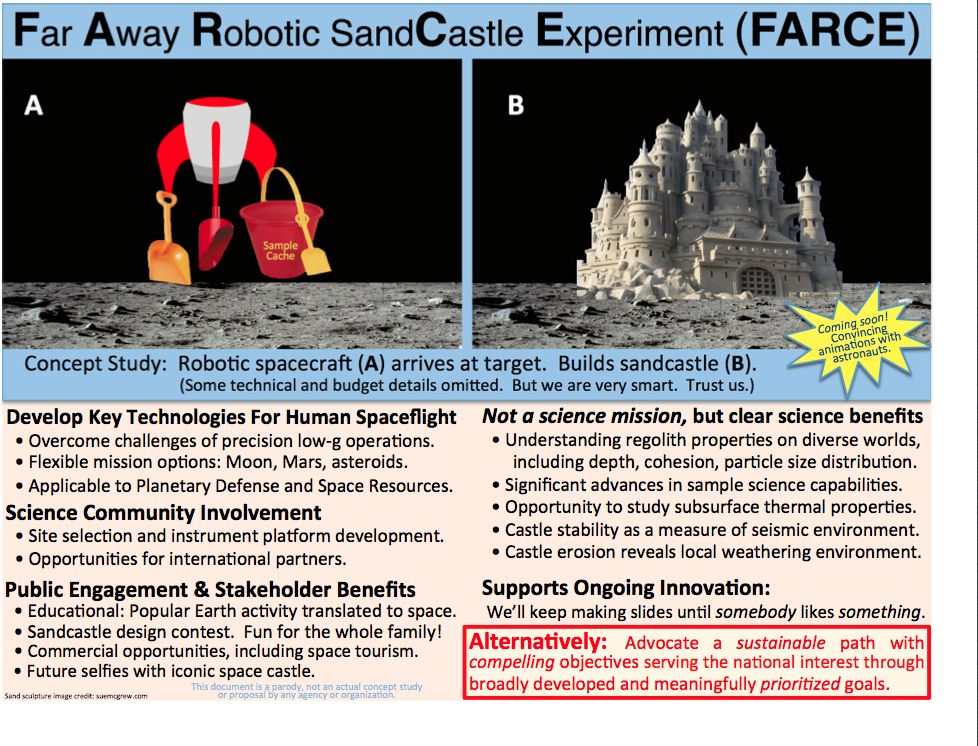
This Document is a Parody (Credit: Richard Binzel)
via chron

The tiniest propeller ever can sneak between cells

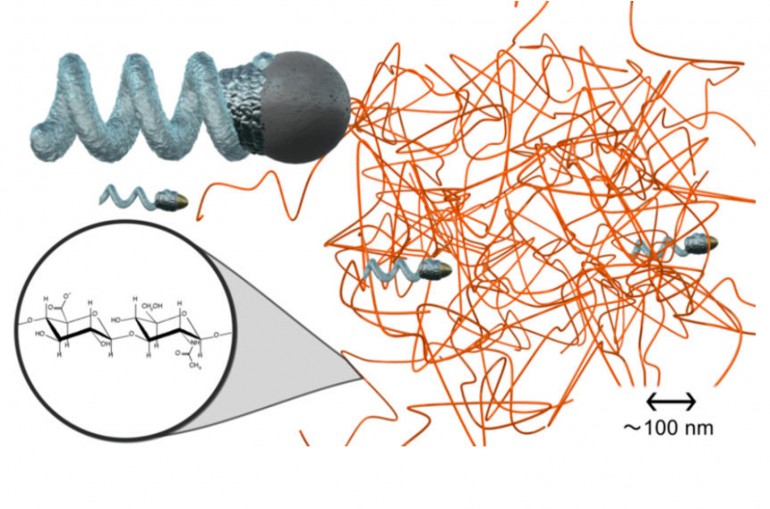
The nanoprop is able to easily pass between polymer chains, like those present in bodily fluids. (Credit:
via gizmag

Incredible GIF shows early Earth being pummeled by asteroids

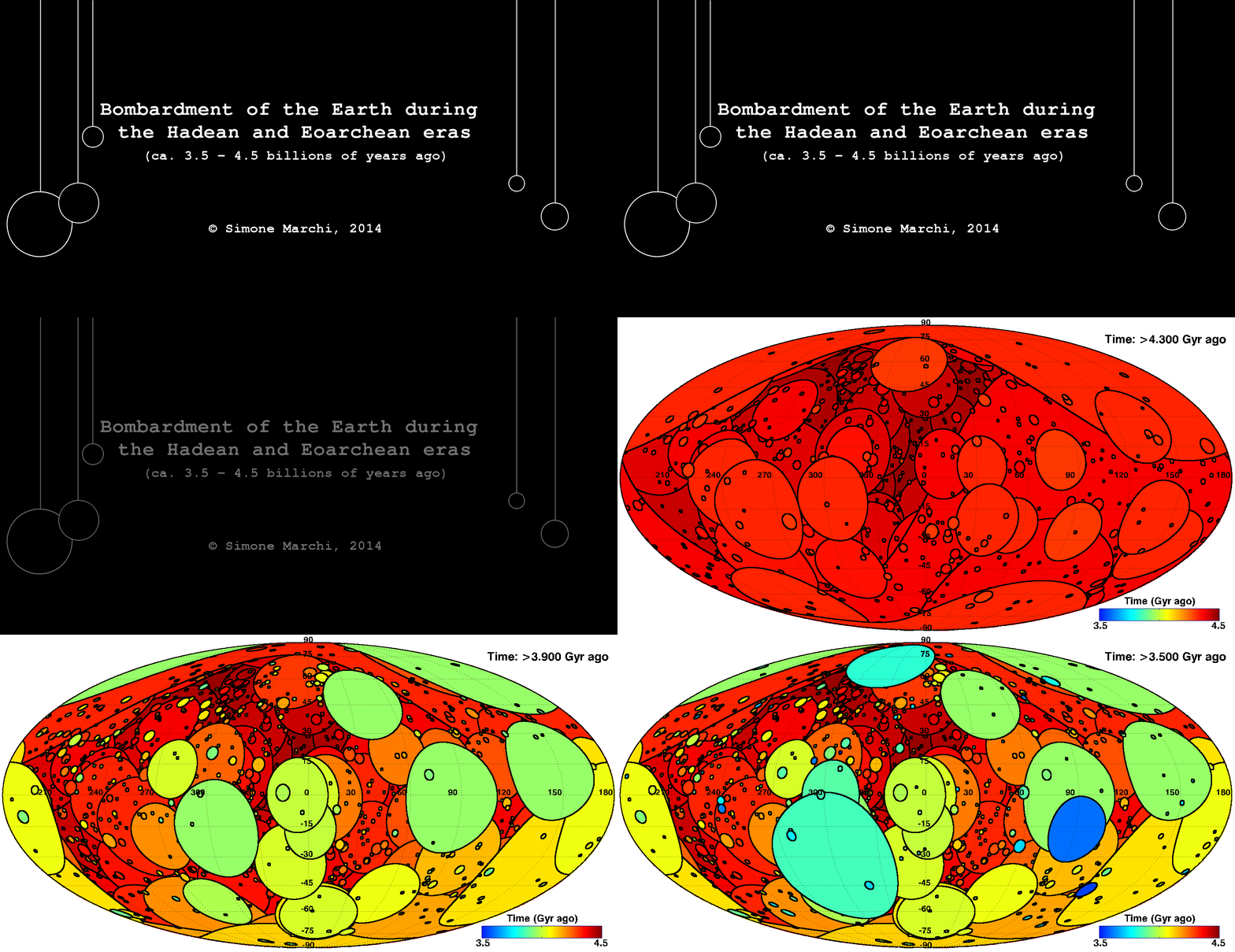
The GIF below shows the impacts the model suggests happened. They go forward in time from red to blue (4.5 billion years ago to 3.5 billion years ago). (Credit: Simone Marchi)
via businessinsider

Scientists have recreated the core of Jupiter on Earth

The GIF below shows the impacts the model suggests happened. They go forward in time from red to blue (4.5 billion years ago to 3.5 billion years ago). (Credit: Collins et al)
via businessinsider

50-foot-wide Muon g-2 electromagnet installed at Fermilab

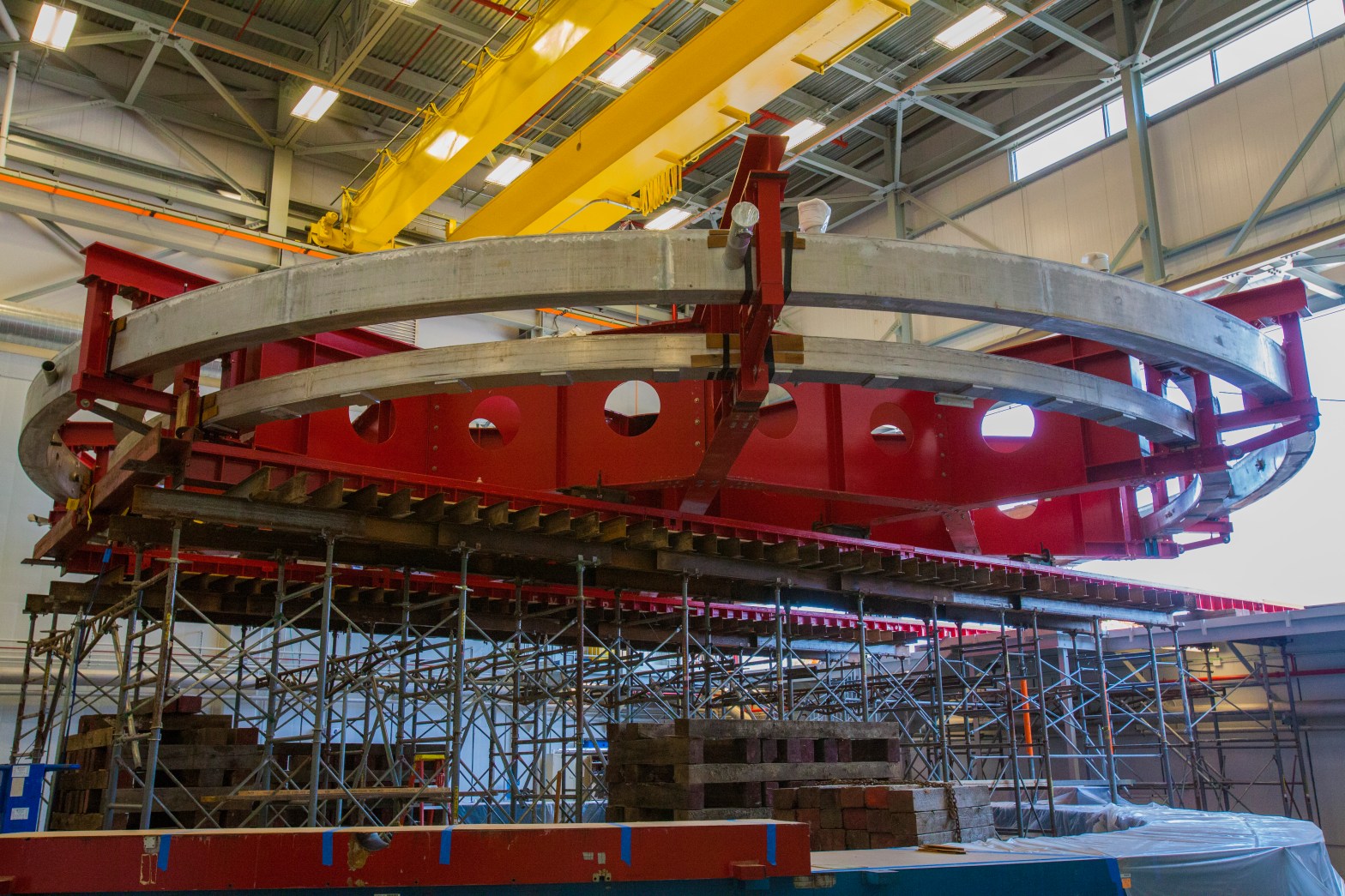
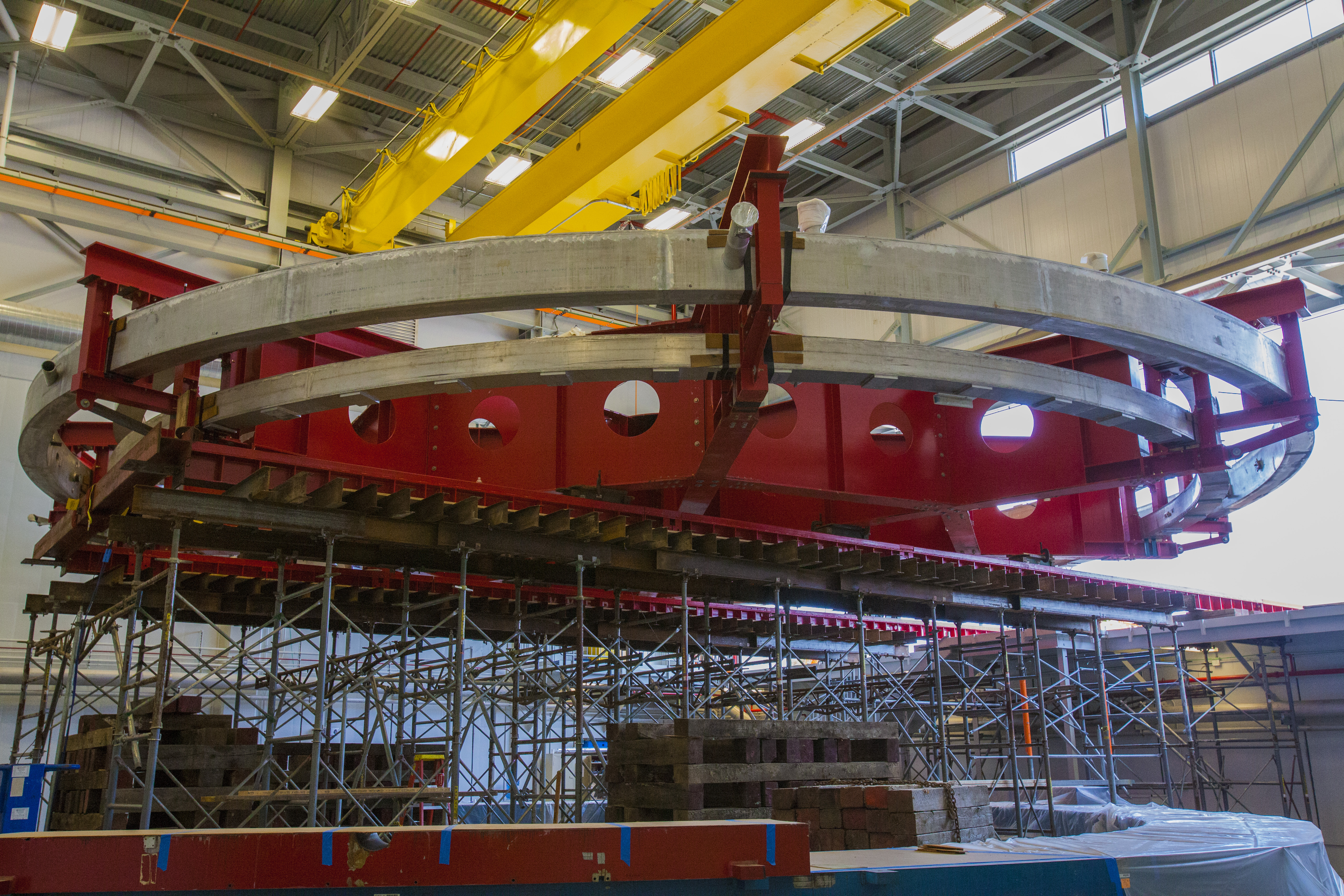
The 50-foot-wide Muon g-2 electromagnet at rest inside the Fermilab building that will house the experiment. The magnet was moved into the new building on Wednesday, July 30, 2014. The magnet will allow scientists to precisely probe the properties of subatomic particles called muons. (Credit: Fermilab.)
via phys.org

The Gaia Satellite will map one billion of the Milky Way’s stars (VIDEO)

via motherboard

Scientists explain mystery of our ‘lemon Moon’

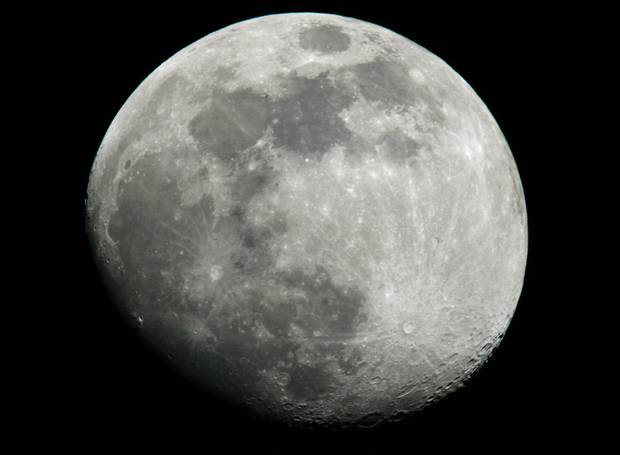
A new accurate map of the Moon has shown that it bulges slightly at one side and is flattened at the top and bottom - but how did it get this way? (Credit: NASA)
A new accurate map of the Moon has shown that it bulges slightly at one side and is flattened at the top and bottom – but how did it get this way? (Credit: NASA)

via independent

Physics in the News

Wednesday July 30, 2014

Mystery of the ‘Cheshire Cat’ of quantum physics solved: Scientists manage to separate a particle from its spin

Scientists have observed for the first time a weird quantum phenomenon known as the 'Cheshire Cat' effect (illustration shown). The 'cat' in question was a subatomic neutron particle, and the ghostly 'grin' the particle’s magnetic moment, which describes the strength of its coupling to an external magnetic field. (Credit: Vienna U)
Scientists have observed for the first time a weird quantum phenomenon known as the ‘Cheshire Cat’ effect (illustration shown). The ‘cat’ in question was a subatomic neutron particle, and the ghostly ‘grin’ the particle’s magnetic moment, which describes the strength of its coupling to an external magnetic field. (Credit: Vienna U)
via livescience

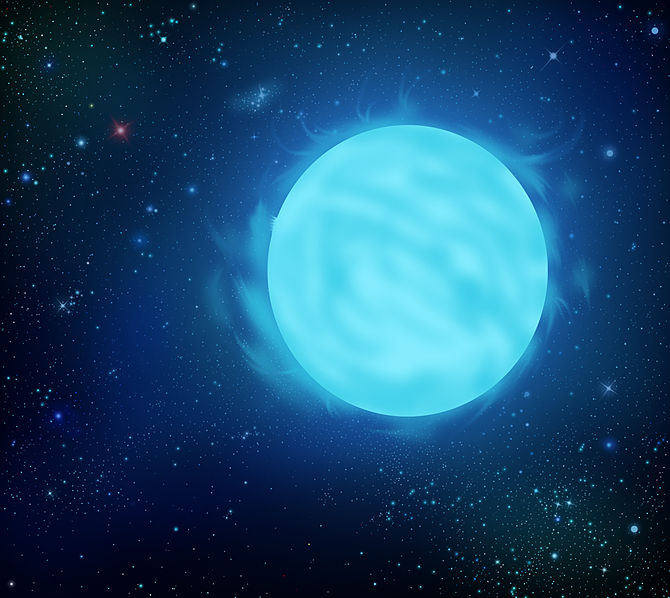
Astronomers puzzle over new breed of massive stars

Illustration of Wolf-Rayet star R136a1, the most massive star known. (Credit: Wikipedia)
via forbes

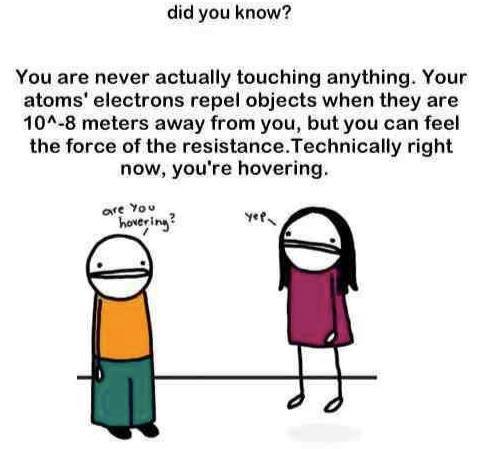
Can you touch your nose?

(Credit: IFL)
(Credit: IFL)
via backreaction

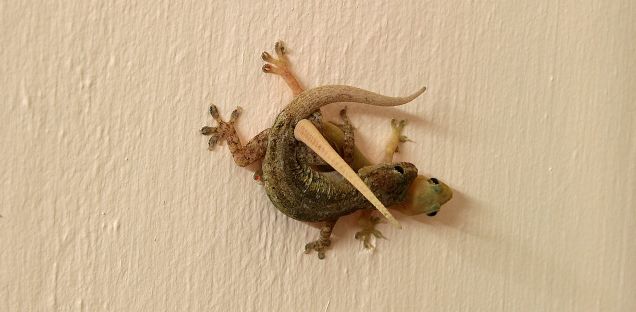
Why Russia was studying space lizard sex In the first place

NASA is studying the effects of radiation on sperm. Freeze-dried mouse sperm are spending one, 12, and 24 months on the ISS before being used to fertilize mouse eggs back home. (Credit: Wei Ming/Shutterstock)
via gizmodo

101 geysers identified on Saturn’s icy moon Enceladus

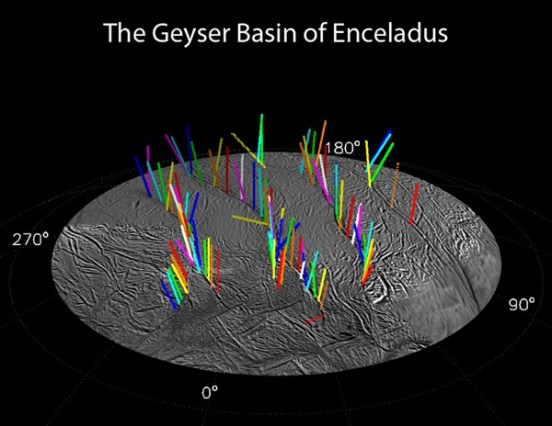
This graphic shows a 3-D model of 98 geysers whose source locations and tilts were found in a Cassini imaging survey of Enceladus' south polar terrain by the method of triangulation. While some jets are strongly tilted, it is clear the jets on average lie in four distinct "planes" that are normal to the surface at their source location. (Credit: NASA)
This graphic shows a 3-D model of 98 geysers whose source locations and tilts were found in a Cassini imaging survey of Enceladus’ south polar terrain by the method of triangulation. While some jets are strongly tilted, it is clear the jets on average lie in four distinct “planes” that are normal to the surface at their source location. (Credit: NASA)
via nasa

Electrical storm’ of thoughts deep within a zebrafish’s brain as 80,000 neurons fire off (VIDEO)

via wired

Exoskeleton gives super strength, latest facial recognition software beats the human eye

via euronews

Man-made ‘breathing’ leaf is an oxygen factory for space travel

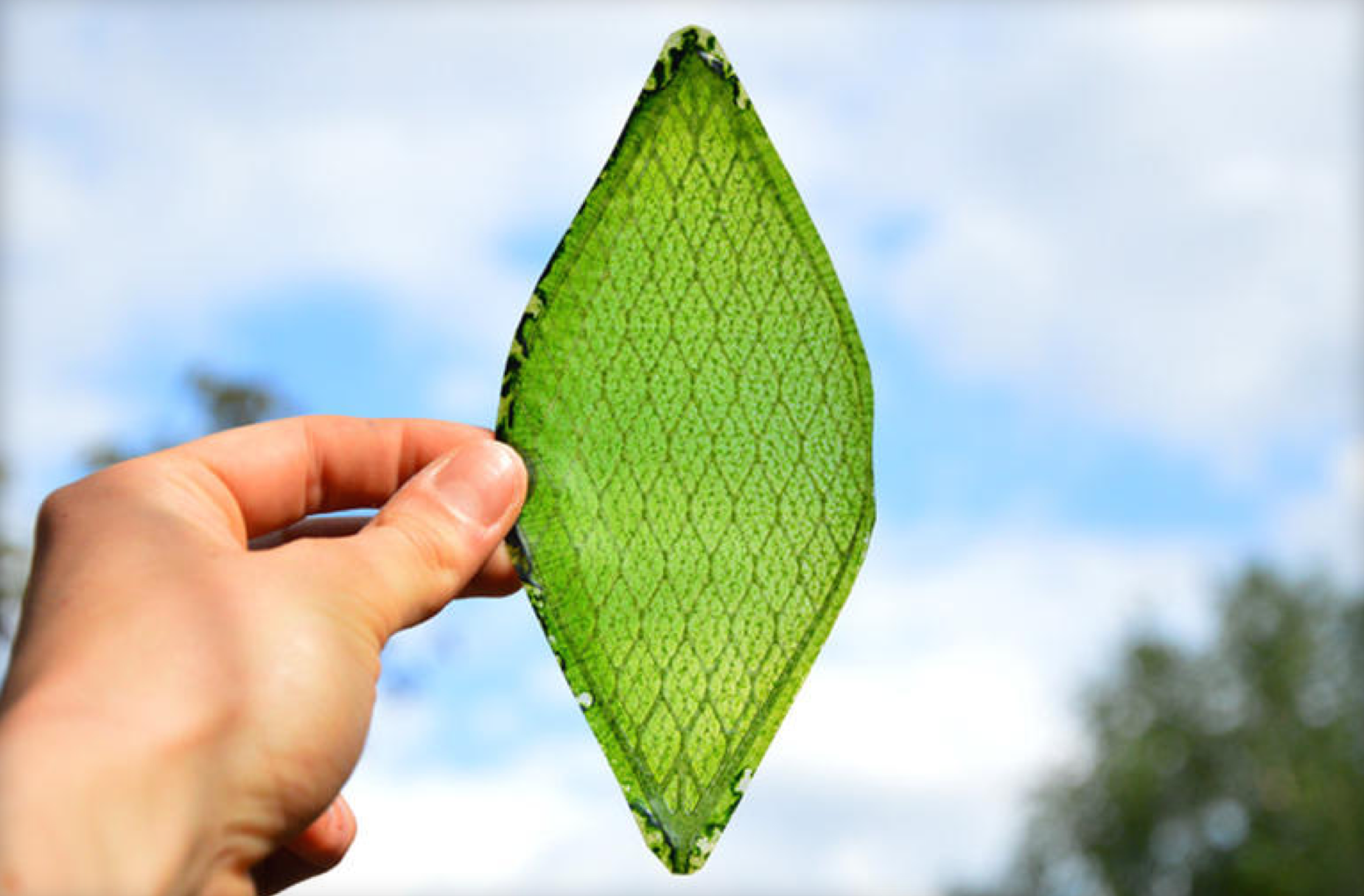
This man-made leaf could help us breathe in space. (Credit: Julian Melchiorri/Dezeen/MINI)
via cnet

Vintage NASA Probe Out of Gas, But Still Alive, Private Team Says

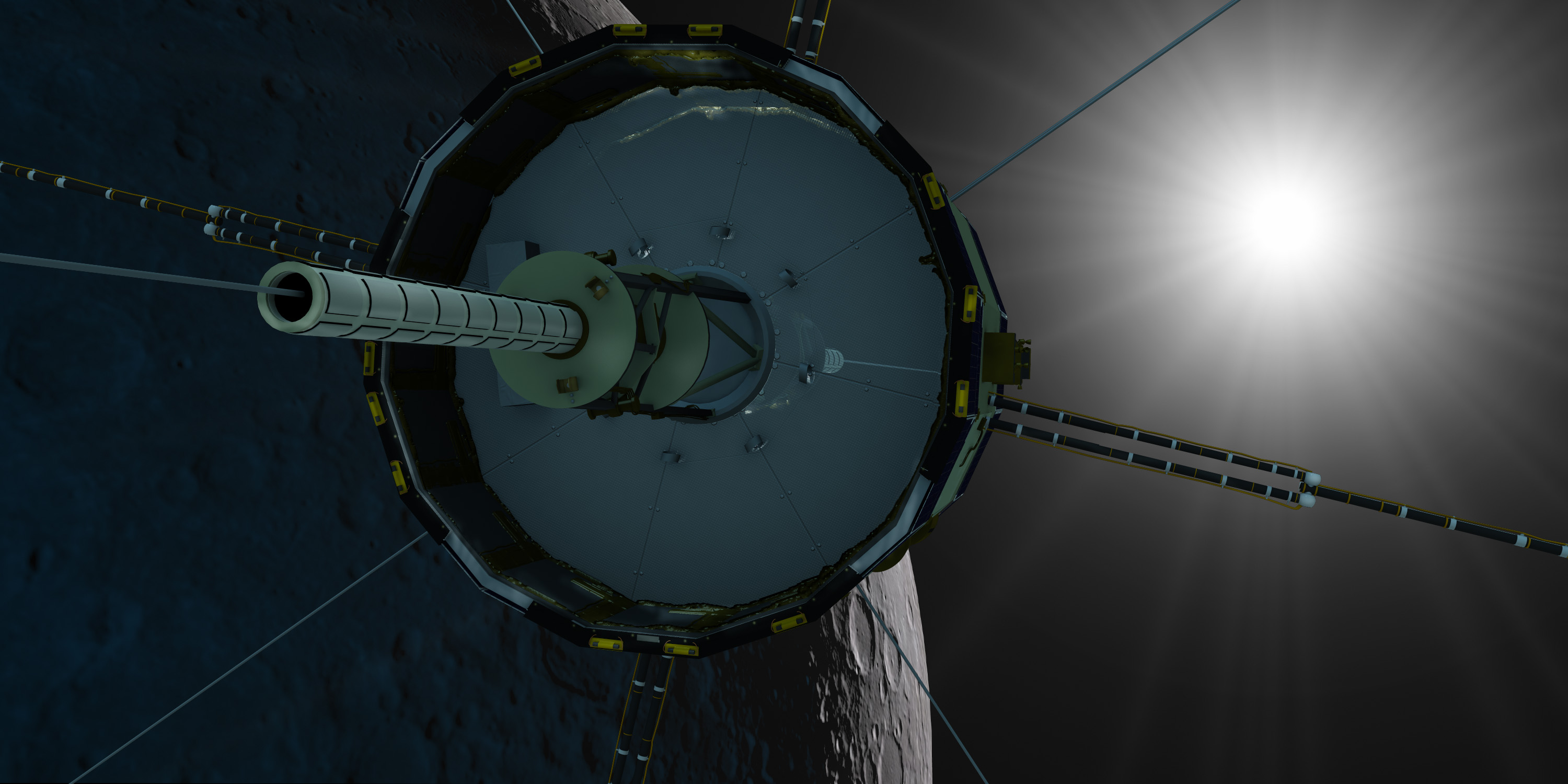
An artist's depiction of NASA's International Sun-Earth Explorer 3 spacecraft as it flies through space. The volunteer ISEE-3 Reboot Project, which hoped to move the probe closer to Earth, now says the spacecraft is out of gas. (Credit: NASA)
An artist’s depiction of NASA’s International Sun-Earth Explorer 3 spacecraft as it flies through space. The volunteer ISEE-3 Reboot Project, which hoped to move the probe closer to Earth, now says the spacecraft is out of gas. (Credit: NASA)
via space


Physics in the News

Tuesday, July 29, 2014

First glimpse of Higgs Bosons at work revealed

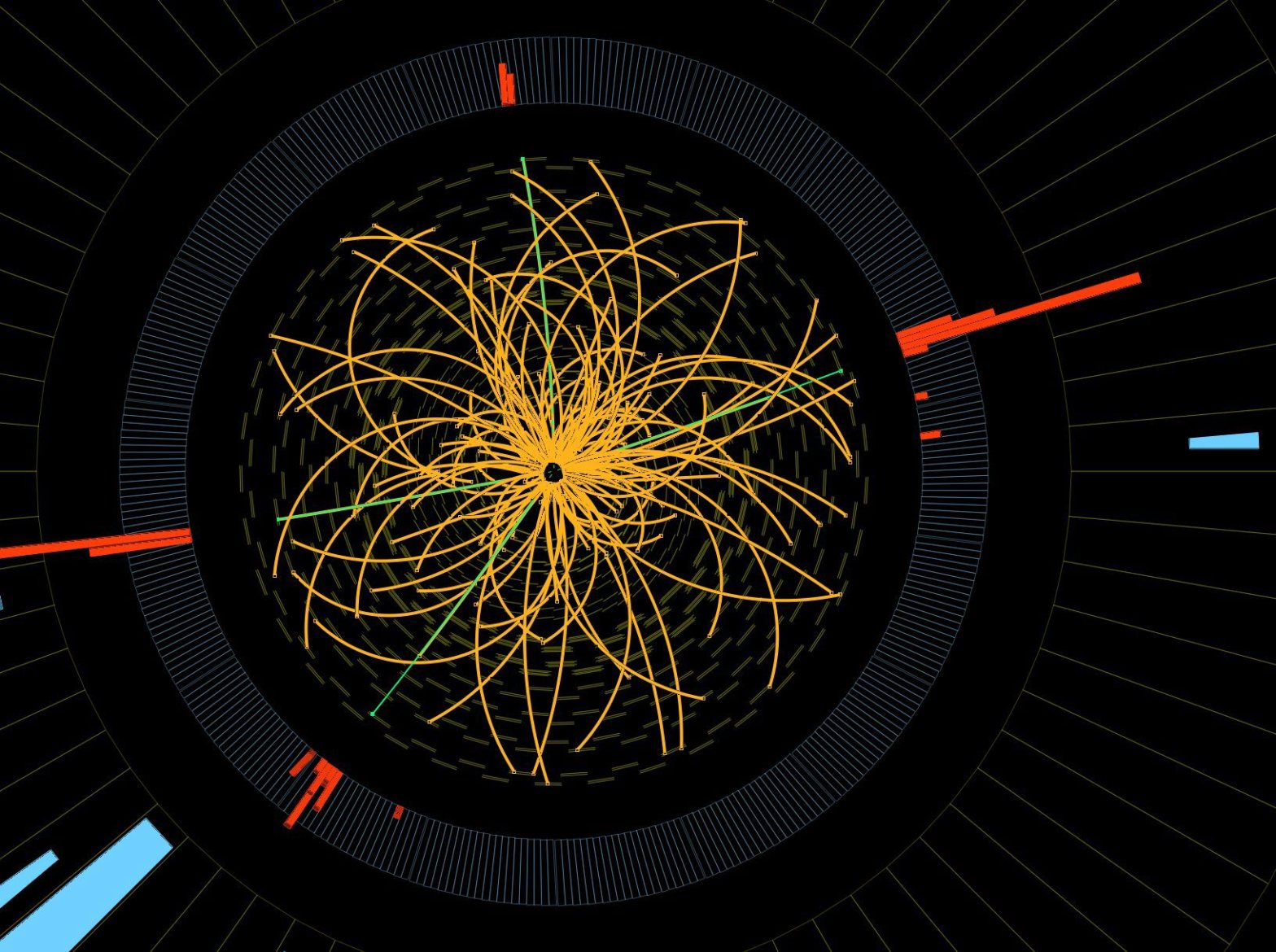
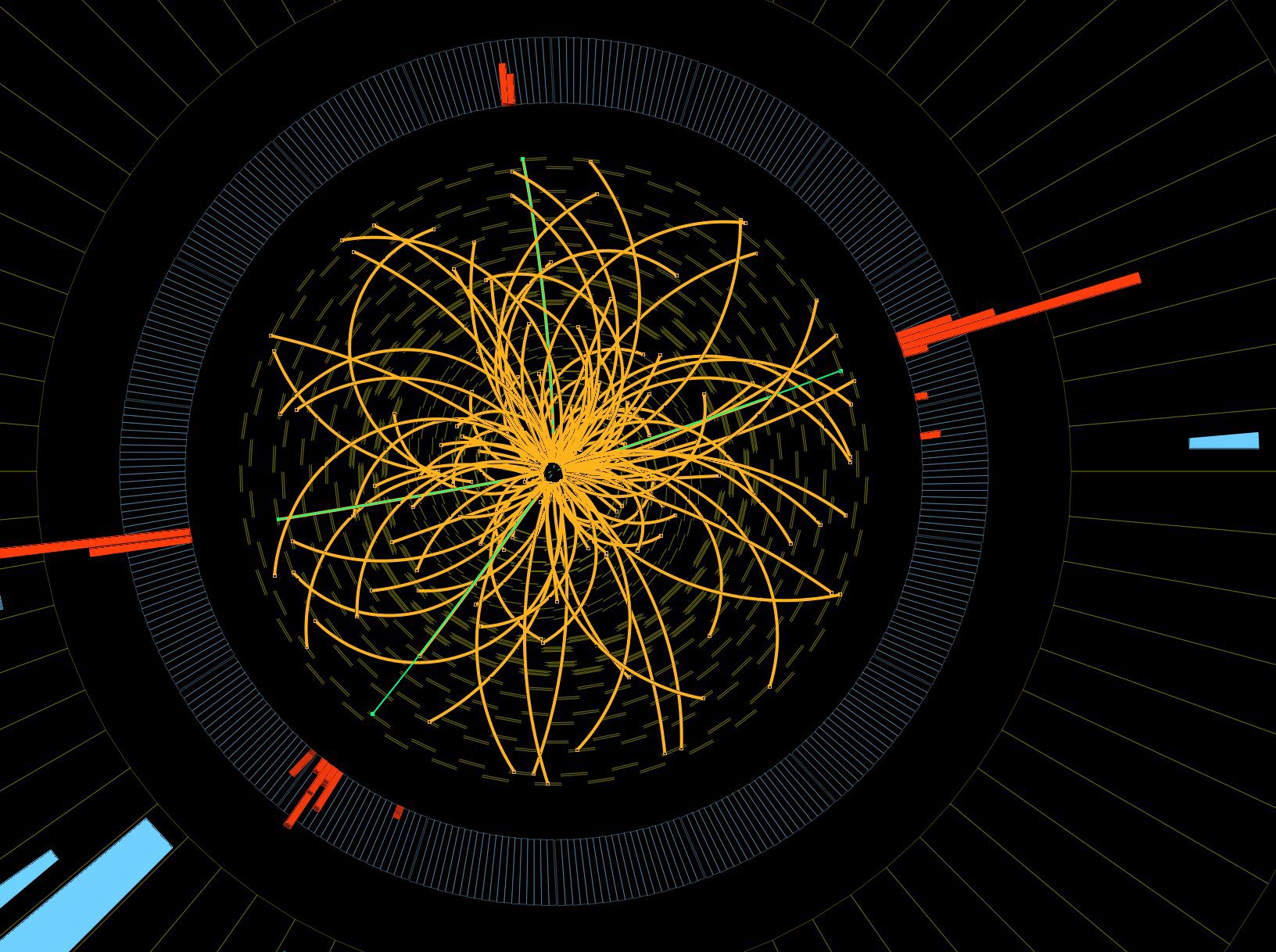
his 2011 image provide by CERN, shows a real CMS proton-proton collision in which 4 high energy electrons (green lines and red towers) are observed in a 2011 event. The event shows characteristics expected from the decay of a Higgs boson but is also consistent with background Standard Model physics processes.  To cheers and standing ovations, scientists at the world's biggest atom smasher claimed the discovery of a new subatomic particle Wednesday July 4, 2012, calling it "consistent" with the long-sought Higgs boson — popularly known as the "God particle" — that helps explain what gives all matter in the universe size and shape.  (Credit: AP Photo/CERN)
CMS proton-proton collision in which 4 high energy electrons (green lines and red towers) are observed in a 2011 event. The event shows characteristics expected from the decay of a Higgs boson but is also consistent with background Standard Model physics processes. (Credit: AP Photo/CERN)
via yahoo

Drone fly-by at Seattle’s Space Needle (VIDEO)

via adafruit

Opportunity Rover’s record-breaking Mars drive, mapped

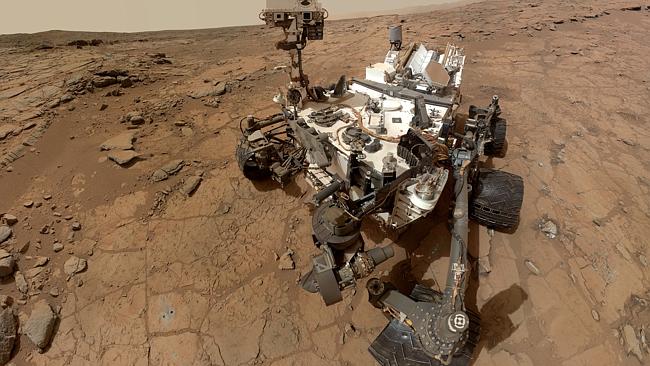
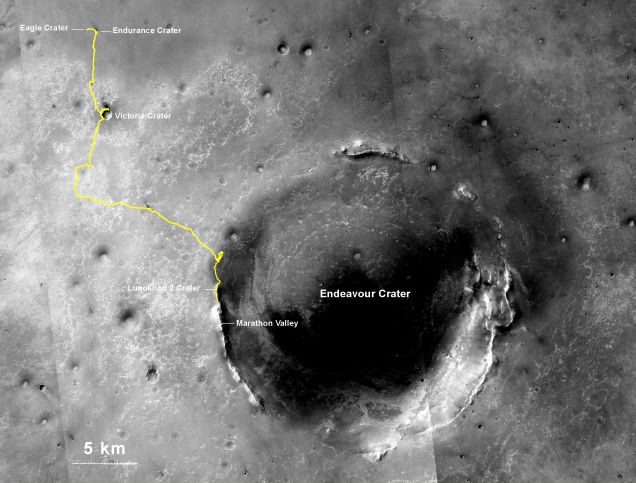
NASA reports that the Mars Rover has clocked up 25.01 miles of driving on the Red Planet—setting a record for the longest distance a vehicle has driven outside Earth. (Credit: NASA)
via gizmodo

New correction to speed of light could explain SN1987 neutrino burst

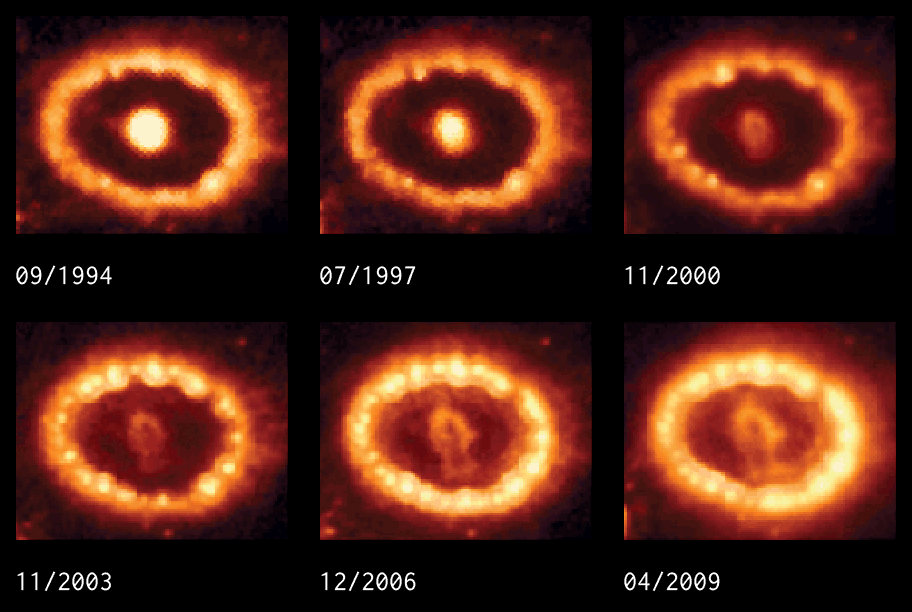
A time sequence of Hubble Space Telescope images, taken in the 15 years from 1994 to 2009, showing the collision of the expanding supernova remnant with a ring of dense material ejected by the progenitor star 20,000 years before the supernova
A time sequence of SN 1987A, taken in the 15 years from 1994 to 2009, showing the collision of the expanding supernova remnant with a ring of dense material ejected by the progenitor star 20,000 years before the supernova.
via physicsworld

A robot that grows

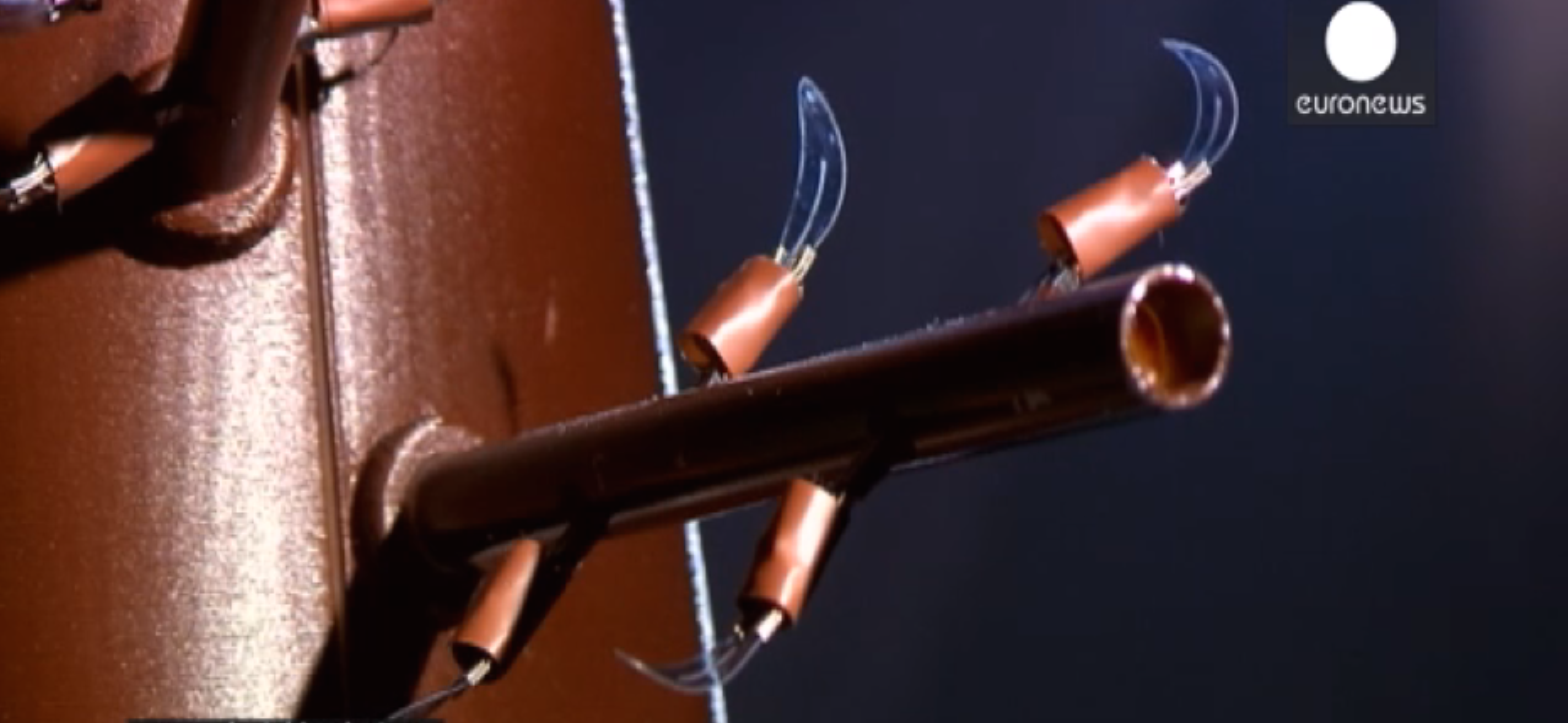
Scientists in Italy are working on creating robots that mimic the properties of plant roots, including the capacity for growth. (Credit: Euronews)
via euronews

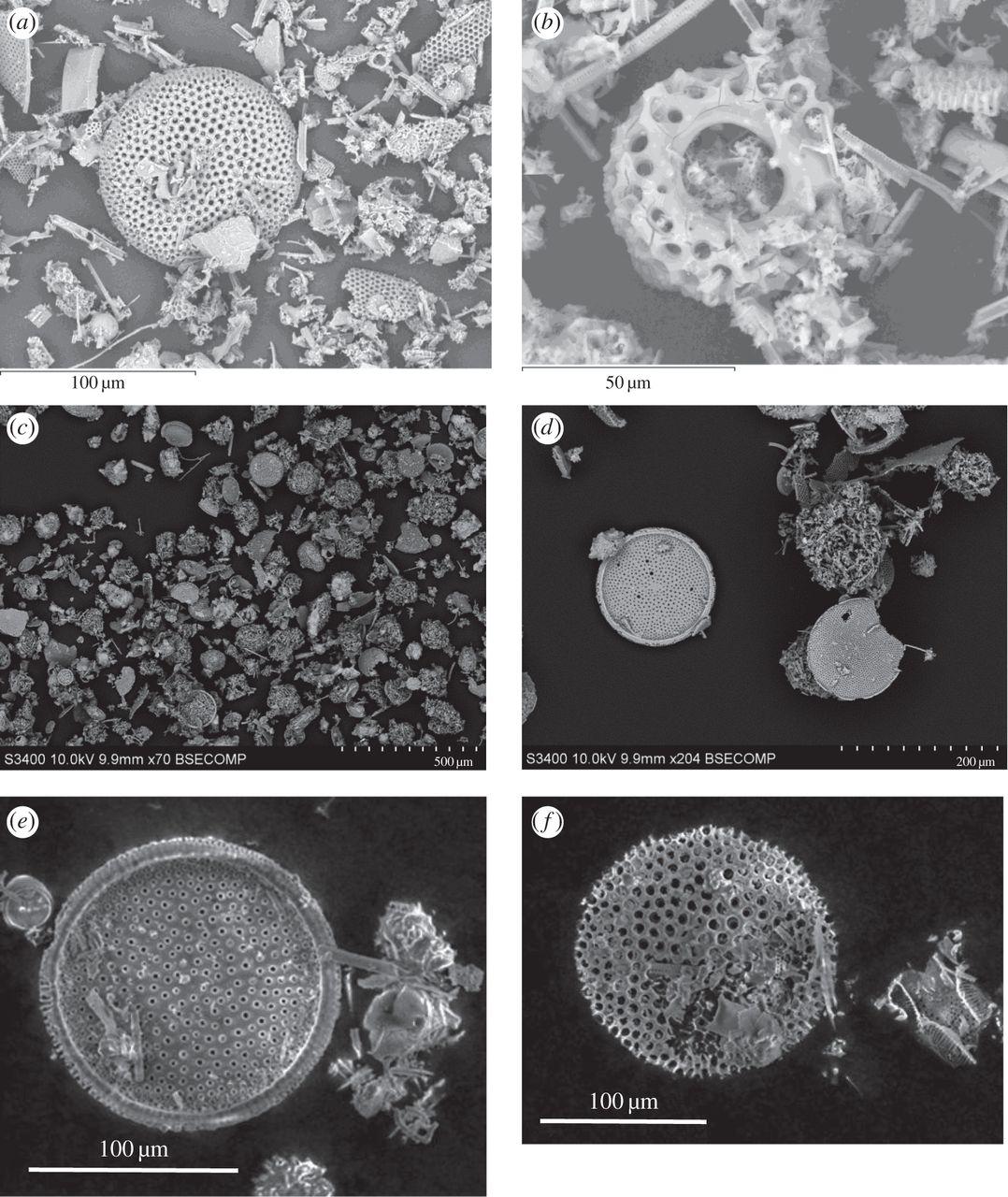
The Moon could be littered with fossils from Earth

 Diatoms. Images a and b are raw diatoms; c and d are fossilized, and e and f are fossilized diatoms that were frozen but not shot. (Credit: Mark Burchell et al., Philosophical Transactions of the Royal Society)
Images a and b are raw diatoms; c and d are fossilized, and e and f are fossilized diatoms that were frozen but not shot.
(Credit: Mark Burchell et al., Philosophical Transactions of the Royal Society)
via popsci

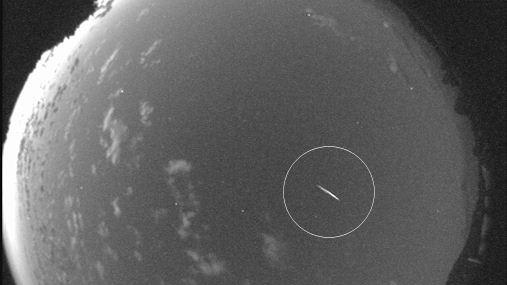
 Best time to see 2014 meteor showers? Right about … now!

Look up, sky watchers! NASA cameras caught this streak over the New Mexico skies on Sunday, as the Perseid meteor shower heats up. (Credit: NASA)
via latimes

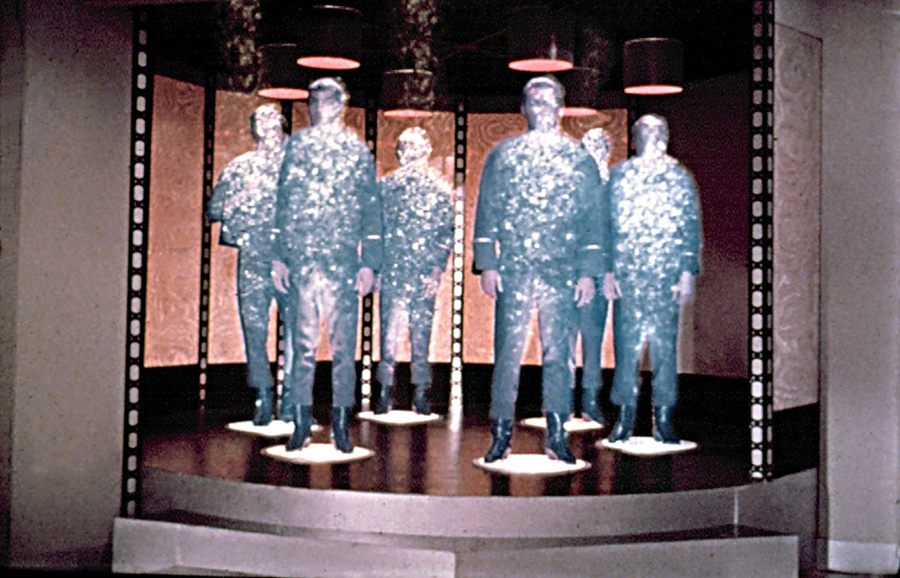
 Teleportation is closer than you think

Recent advances in theoretical physics are making Star Trek style transporters a reality. (Credit: Paramount/Everett Collection)
via mysteriousuniverse