Physics in the News

Wednesday, July 9, 2014

The Theory of Supersymmetry, Visualized by CERN’s Artist-in-Residence(VIDEO)

via motherboard

NASA finds quietest place in the UK to test Mars mission equipment
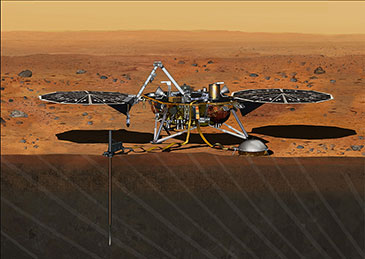
Artist’s impression of the InSight Mars lander. The SEIS will be deployed onto the surface using a robot arm, where it will then record signals from marsquakes and meteorite impacts in order to probe the planet’s interior. (Credit: NASA/JPL-Caltech)
via phys.org

In Less Than a Decade Your Computer Could Be Just One Atom Wide(VIDEO)

via motherboard

Upgrading the Large Hadron Collider
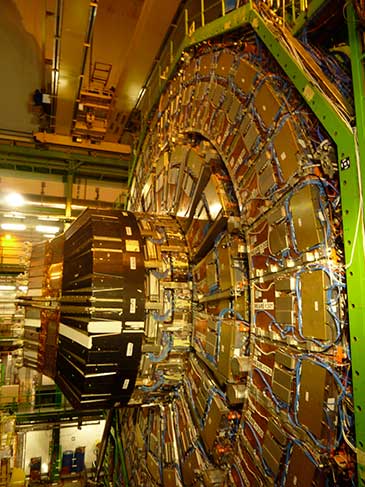
The CMS (Compact Muon Solenoid) experiment aims to discover new particles and study their properties. (Credit: NASA)
via phys.org

Physics in the News

Tuesday, July 7, 2014

Europe targets black holes with next big space mission

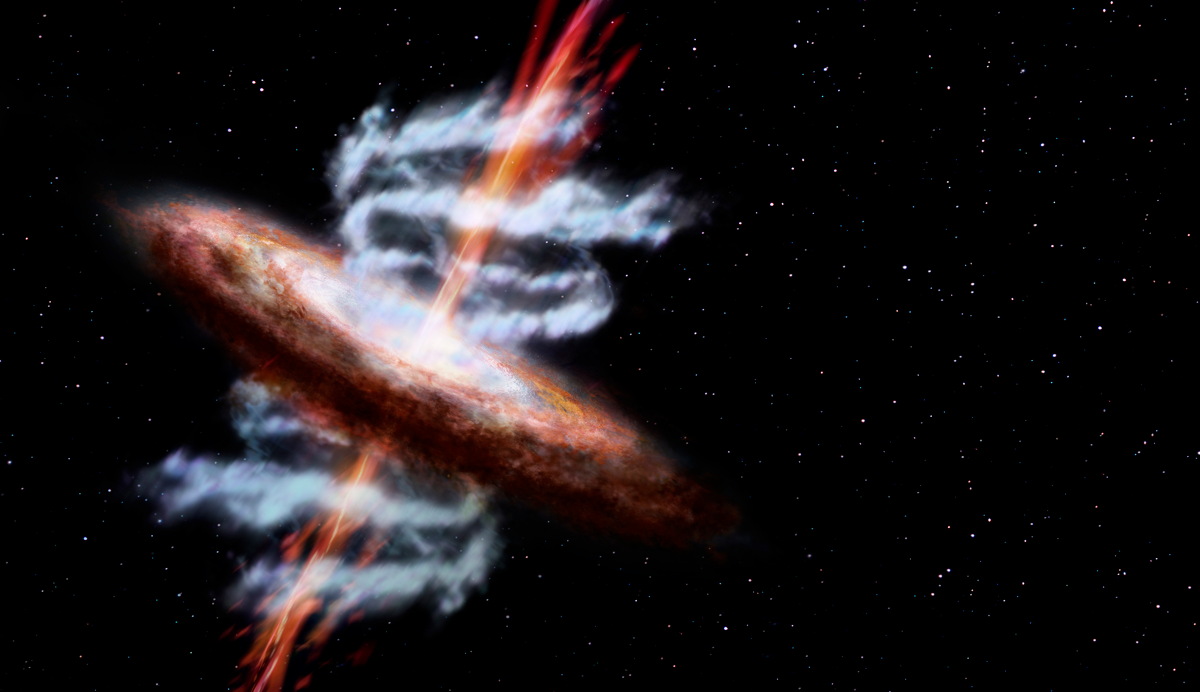
This artist’s impression shows a galaxy releasing material via two strong jets (shown here in red/orange), as well as through wide-angle outflows (shown in gray/blue). The black hole at the galaxy’s center drives both jets and outflows. (Credit: ESA/AOES Medialab)
via space.com

Era of astronomical discovery: MIT professor helps detect gravitational waves

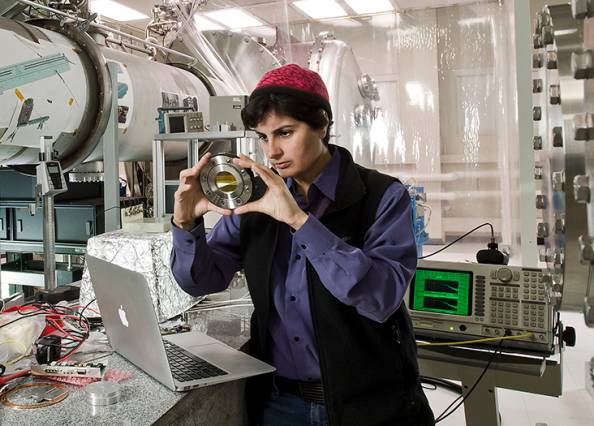
Nergis Mavalvala (pictured) aims to detect elusive gravitational waves. (Credit: Len Rubenstein)
via MIT

Reinterpreting dark matter

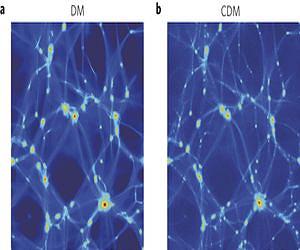
This figure shows that a comparison of the distribution of matter is very similar on a large scale between wave dark matter, the focus of this research, and the usual dark matter particle. (Credit: UPV/EHU)
via spacedaily

Droplets and pilot waves vs quantum mechanics

The story is that Bush et al. at MIT did some playful experiments with droplets and the conclusion is supposed to be that this strengthens the case for de Broglie’s pilot wave theory. (Credit: Motl)

via motls

Don’t Blame Einstein!

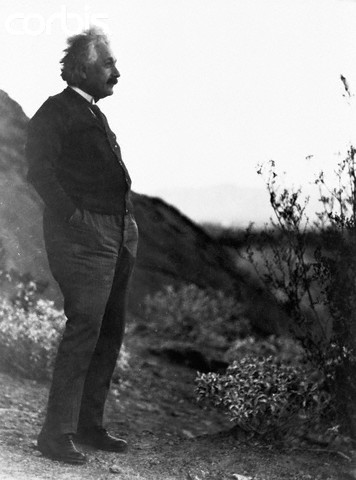
Albert Einstein Standing Alone in Palm Springs Desert
via mysteriousuniverse

How NASA reinvented the tortilla, and other tales of food in space

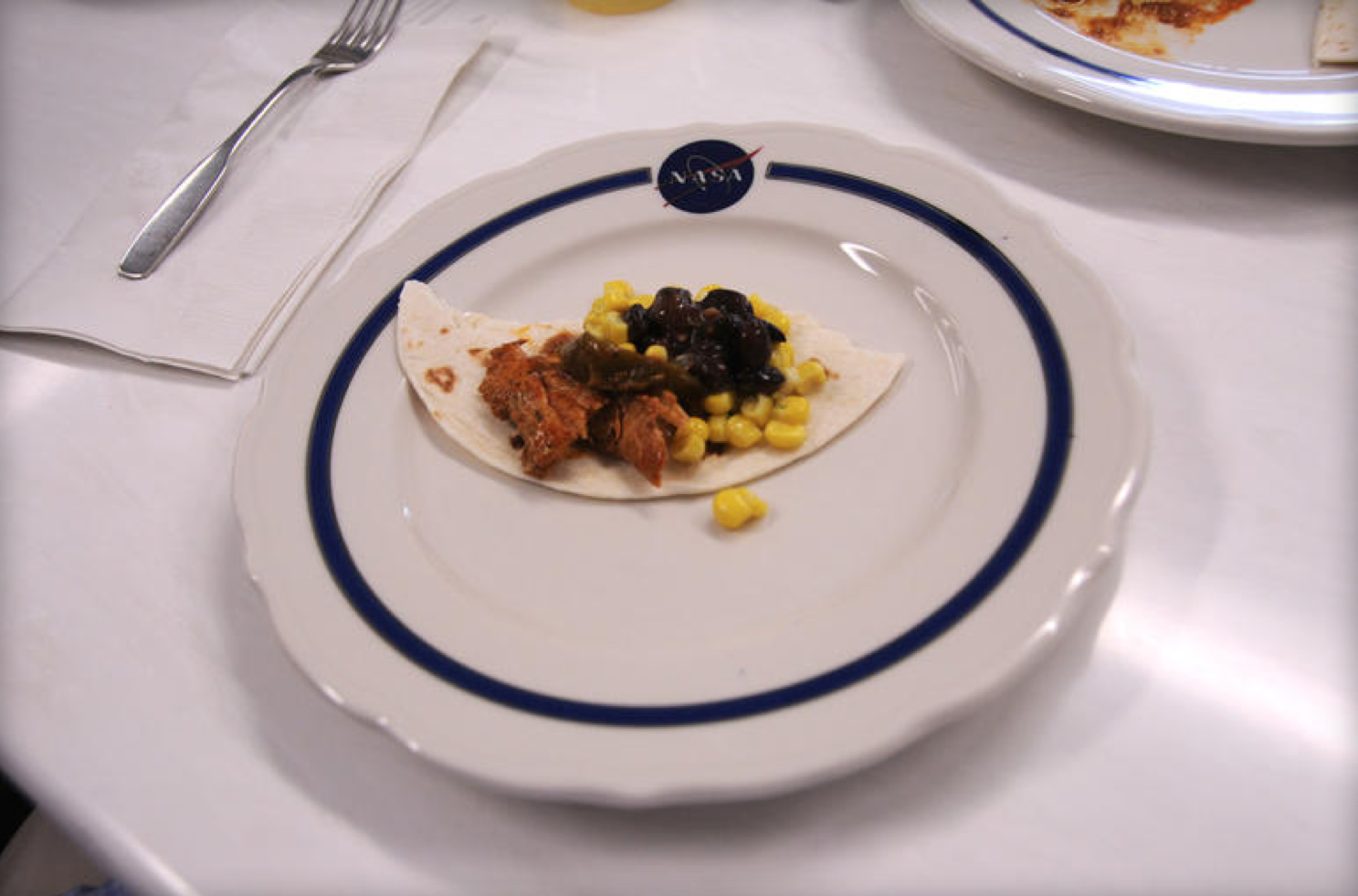
A sample meal demonstrates what NASA astronauts might eat aboard the International Space Station. (Credit: Daniel Terdiman/CNET)


via cnet.com

Supermassive Black Hole Jet Mystery Solved

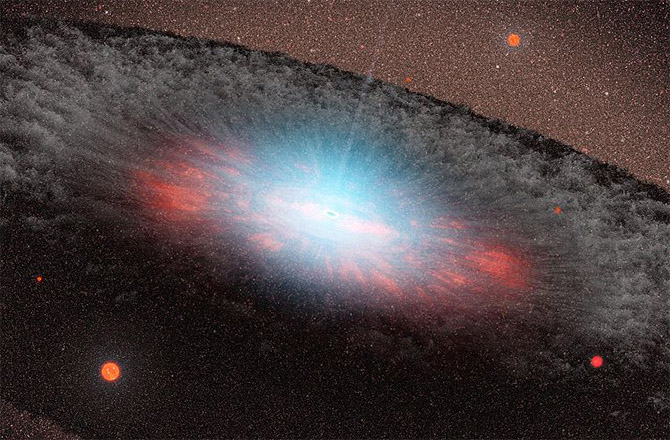
One of the most enduring mysteries behind the dynamics of supermassive black holes, and their impacts on galactic evolution, has been uncovered by an international team of astrophysicists. (Credit: NASA)


via discovery

Physics in the News

Monday, July 7, 2014

Fluids Flowing at the Nanoscale (VIDEO)

via theepochtimes

Solved: Signals Thought Originating from Habitable-Zone Planets (VIDEO)

via dailygalaxy

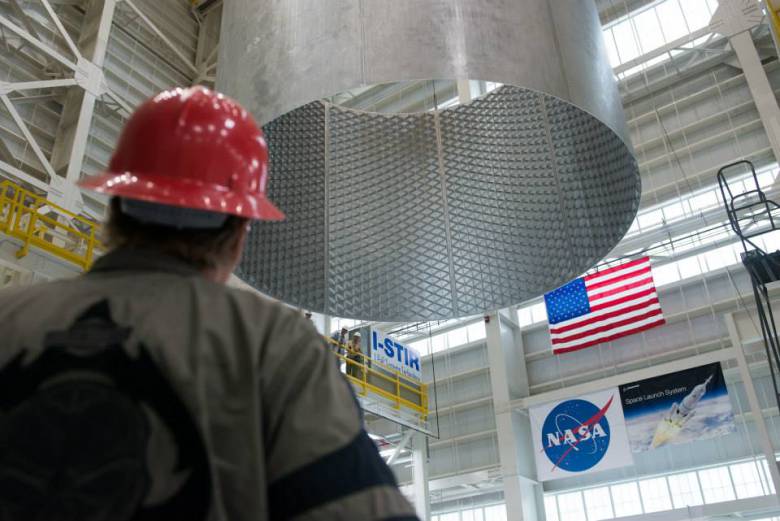
NASA OK’s spending on a new rocket built for deep space exploration

NASA plans to spend $6.8 billion of its funding for the SLS project. (Credit: NASA)
via venturebeat

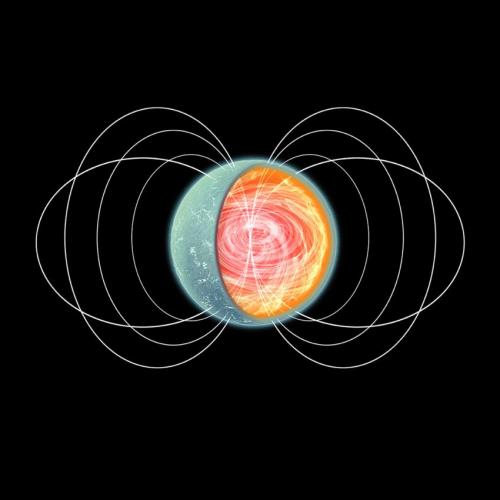
Satellite X-ray observations reveal neutron star with donut-shaped magnetic field and axial wobble

An artist's impression of a magnetar with an intense torroidal magnetic field in its core. (Credit: NASA/CXC/M.Weiss)
An artist’s impression of a magnetar with an intense torroidal magnetic field in its core. (Credit: NASA/CXC/M.Weiss)
via phys.org

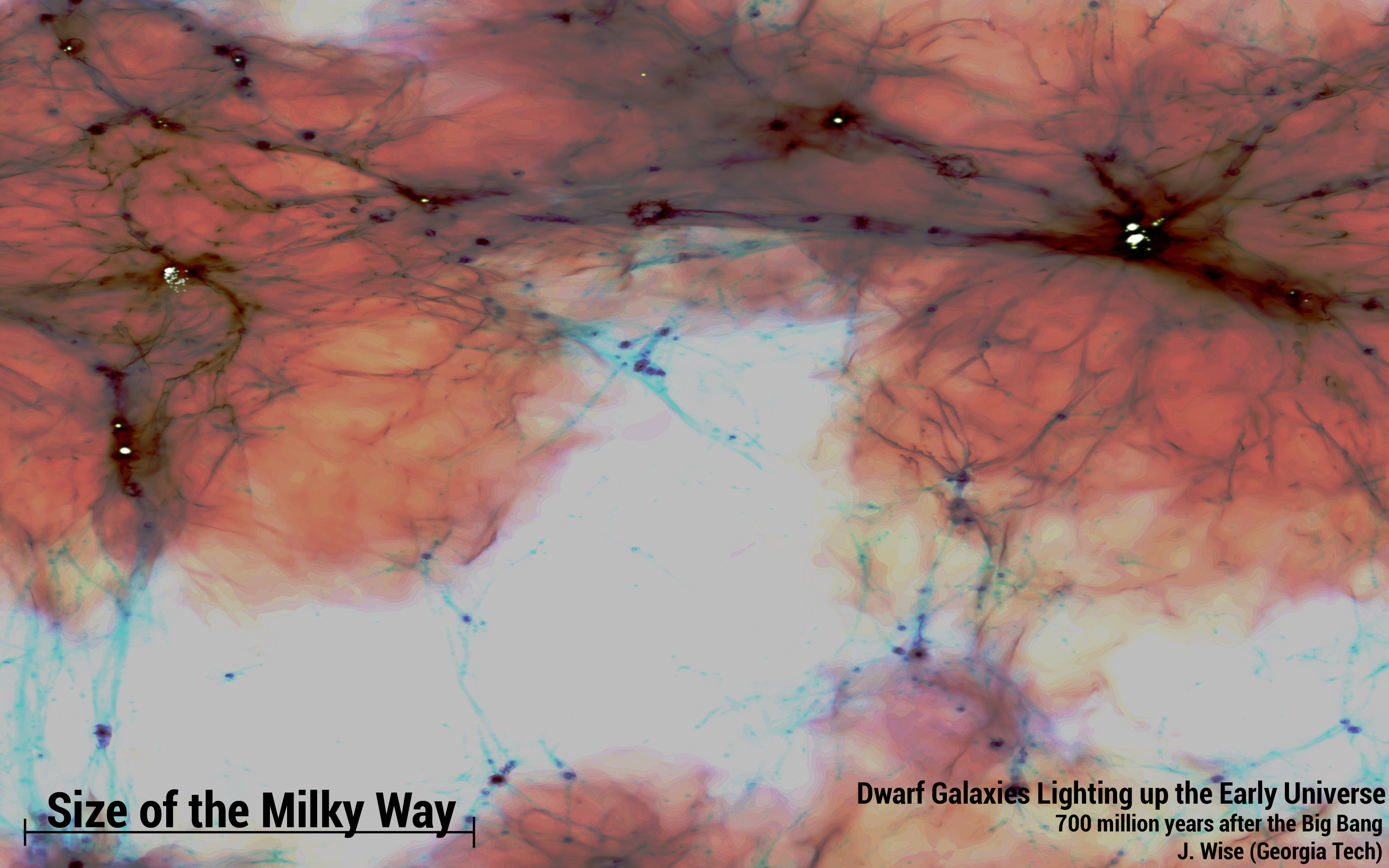
Small, but plentiful: How the faintest galaxies illuminated the early universe

A view of the entire simulation volume showing the large scale structure of the gas, which is distributed in filaments and clumps. The red regions are heated by UV light coming from the galaxies, highlighted in white. These galaxies are over 1000 times less massive than the Milky Way and contributed nearly one-third of the UV light during re-ionisation. The field of view of this image is 400,000 light years across, when the universe was only 700 million years old. (Credit: John Wise)
via phys.org

Two years ago the discovery of the Higgs boson was announced. What’s new?

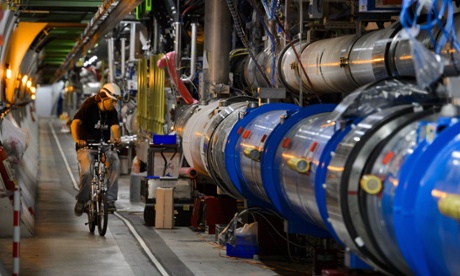
A worker rides on his bicycle in the CERN's Large Hadron Collider (LHC) tunnel during maintenance works. (Credit:  AFP  / FABRICE COFFRINIFABRICE COFFRINI/AFP/Getty Images)
A worker rides on his bicycle in the CERN’s Large Hadron Collider (LHC) tunnel during maintenance works. (Credit: AFP / FABRICE COFFRINIFABRICE COFFRINI/AFP/Getty Images)
via theguardian

Physics in the News

Saturday, July 5, 2014

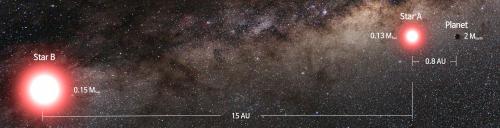
Searching for Earth-like planets: Newly spotted frozen world orbits in a binary star system

This artist's rendering shows a newly discovered planet (far right) orbiting one star (right) of a binary star system. The discovery, made by a collaboration of international research teams and led by researchers at The Ohio State University, expands astronomers' notions of where to look for planets in our galaxy. (Credit: Cheongho Han, Chungbuk National University, Republic of Korea.)
This artist’s rendering shows a newly discovered planet (far right) orbiting one star (right) of a binary star system. The discovery, made by a collaboration of international research teams and led by researchers at The Ohio State University, expands astronomers’ notions of where to look for planets in our galaxy. (Credit: Cheongho Han, Chungbuk National University, Republic of Korea.)
via phys.org

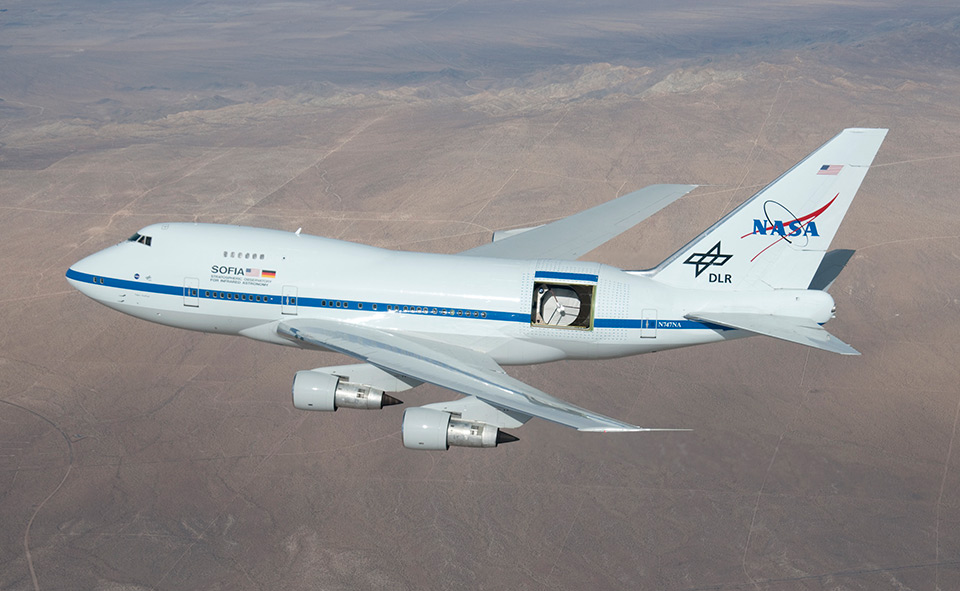
The Big Picture: NASA flies massive SOFIA telescope to the stratosphere

By sticking a 17-ton telescope into a Boeing 747, you can launch it up to 45,000 feet and get past 99 percent of our atmosphere's water vapor
By sticking a 17-ton telescope into a Boeing 747, you can launch it up to 45,000 feet and get past 99 percent of our atmosphere’s water vapor. (Credit: NASA)

via engadget

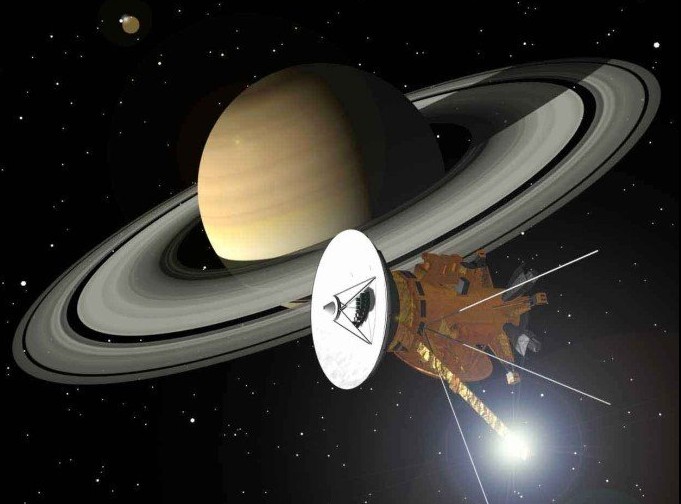
NASA’s Cassini Spacecraft To Go Out With A Bang

Cassini has uncovered a trove of exciting scientific information by discovering new moons of Saturn, exploring the jetting geysers of Enceladus, and studying the bizarre polar hexagon at Saturn’s north pole. (Credit: NASA)

via davidreneke


Saturday Space Sight: Inside the ISS Destiny Laboratory

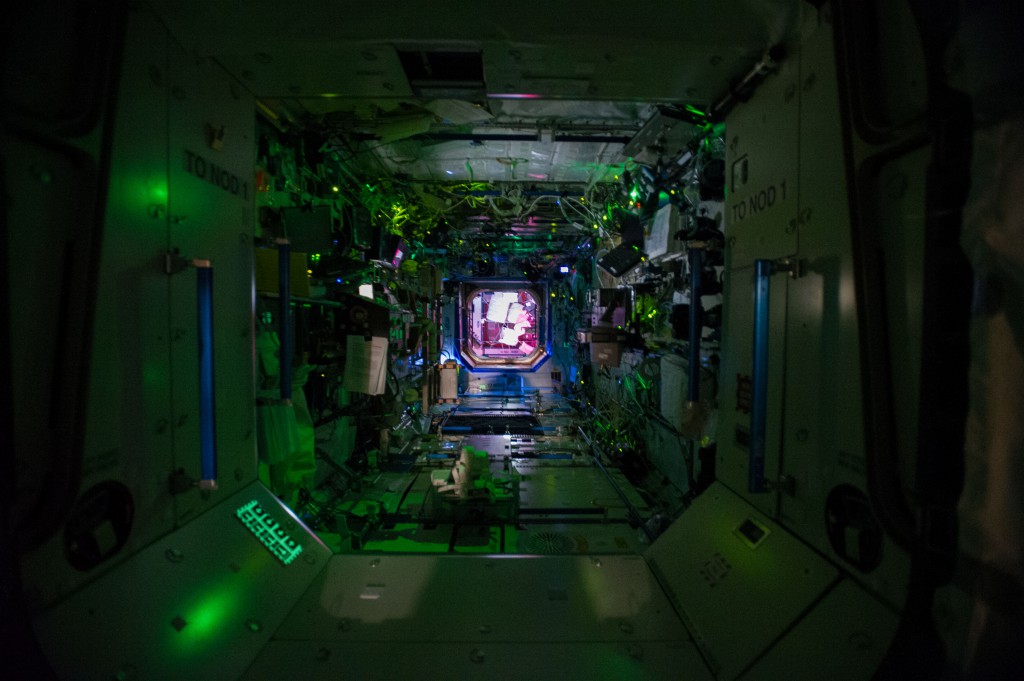
This view is looking into the Destiny Laboratory from Node 1 (Unity) with Node 2 (Harmony) in the background. Destiny is the primary research laboratory for U.S. payloads, supporting a wide range of experiments and studies. (Credit NASA)

via science.dodlive

New satellite data like an ultrasound for baby stars(VIDEO)

via phys.org

Fantastically Wrong: The Legendary Scientist Who Swore Our Planet Is Hollow

This ad should have a huge asterisk somewhere explaining that Koreshanity was a cult started by a guy who shocked himself and woke up thinking he was Jesus.
This ad should have a huge asterisk somewhere explaining that Koreshanity was a cult started by a guy who shocked himself and woke up thinking he was Jesus.(Credit: Wired)
via wired

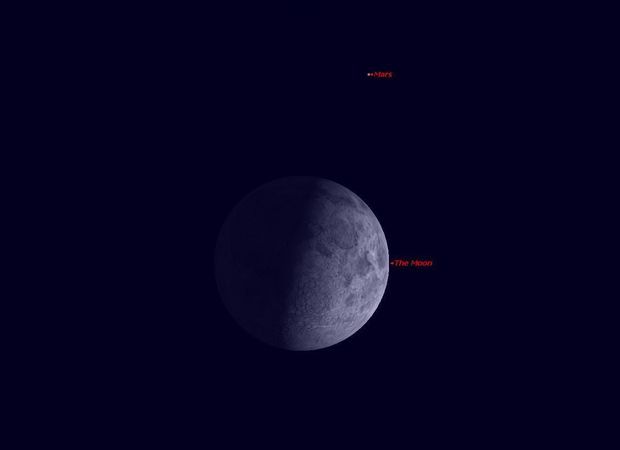
NJ Night Sky: Moon cruises past Mars and Saturn; plus a new Super-Earth?

The Moon is near Mars tonight. (Credit:Starrynight.com)
via nj.com

Physics in the News

Friday, July 4, 2014

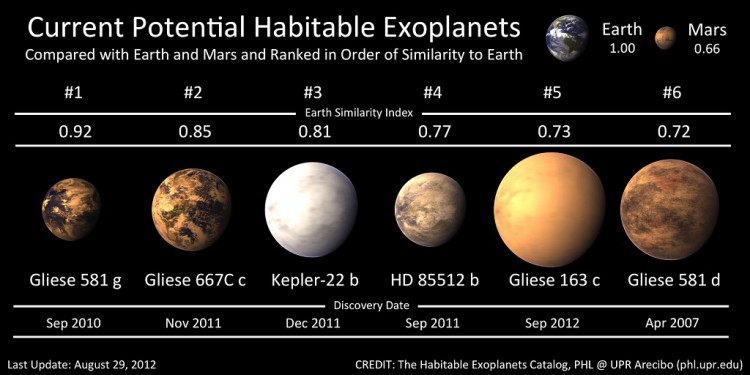
Earth like planet doesn’t exist!

Potential Habitable Exoplanets (Credit: The habitable exoplanet catalog)
via sciencealert

Rosetta enters 67P’s neighborhood as the comet starts taking shape

Animation of Comet 67P/Churyumov-Gerasimenko rotating as seen by Rosetta on June 27-28, 2014 (Credit: NASA)
via universetoday

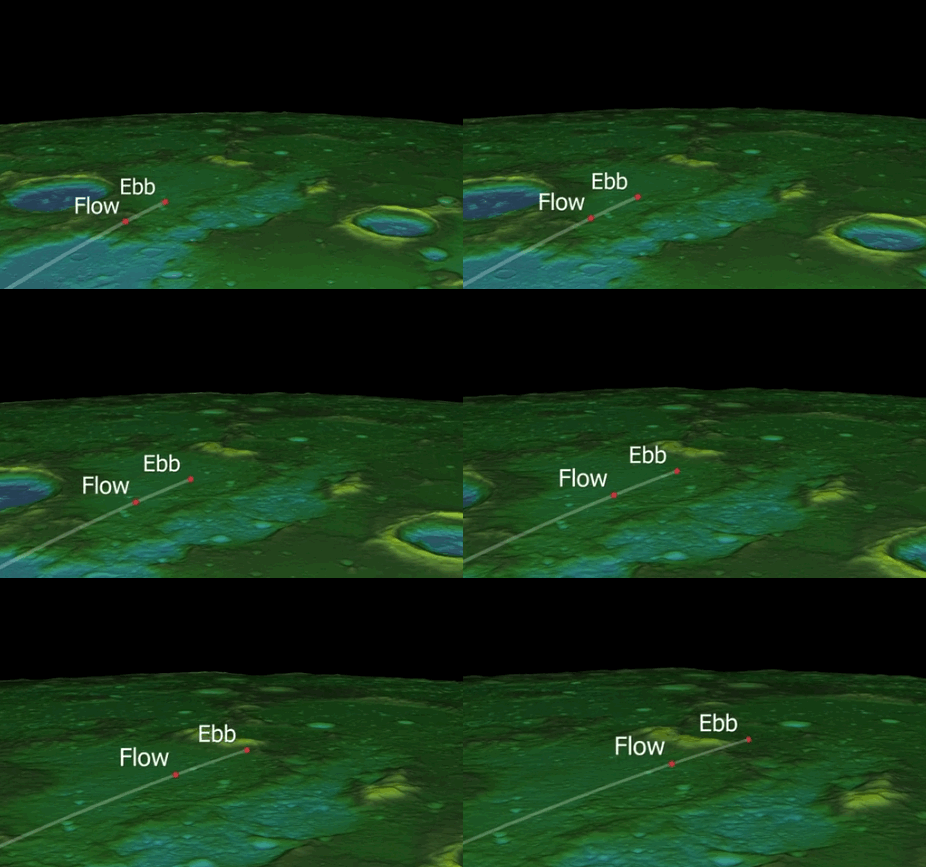
These New Gravity Maps Give Us An Entirely New Understanding Of The Moon

Twin spacecraft, named Ebb and Flow — about the size of washing machines — chased each other around the moon for three months. (Credit: NASA)
via businessinsider

Aldrich’s job is to sniff everything that goes into space

via news.com

Under the bright lights of an aging sun

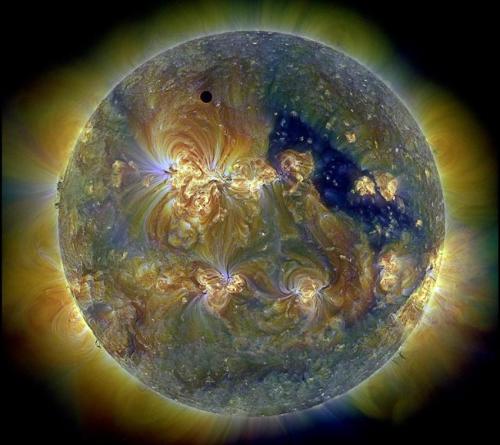
Venus can be seen as a black dot eclipsing the Sun in this image from 2012. Venus orbits too close to the Sun to the planet to be habitable for life as we know it. Venus experiences a runaway greenhouse and the average surface temperatures are thought to be around 864ºF. (Credit: NASA/SDO & the AIA, EVE, and HMI teams; Digital Composition: Peter L. Dove)
via phys.org

Saturn’s Moon Titan Has Surprisingly Salty Oceans Lurking Under Its Surface

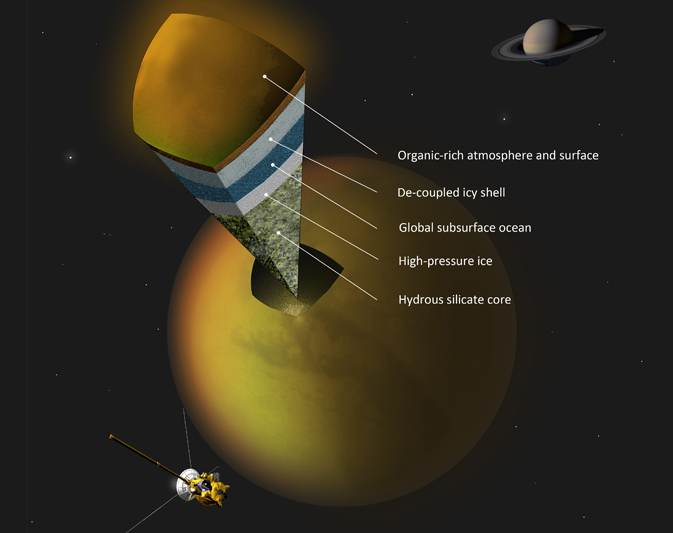
Artist's concept showing potential internal structure of Titan. (Credit: A. Tavani/NASA)
Artist’s concept showing potential internal structure of Titan. (Credit: A. Tavani/NASA)
via motherboard.vice

Rude Planet Ignores Parent

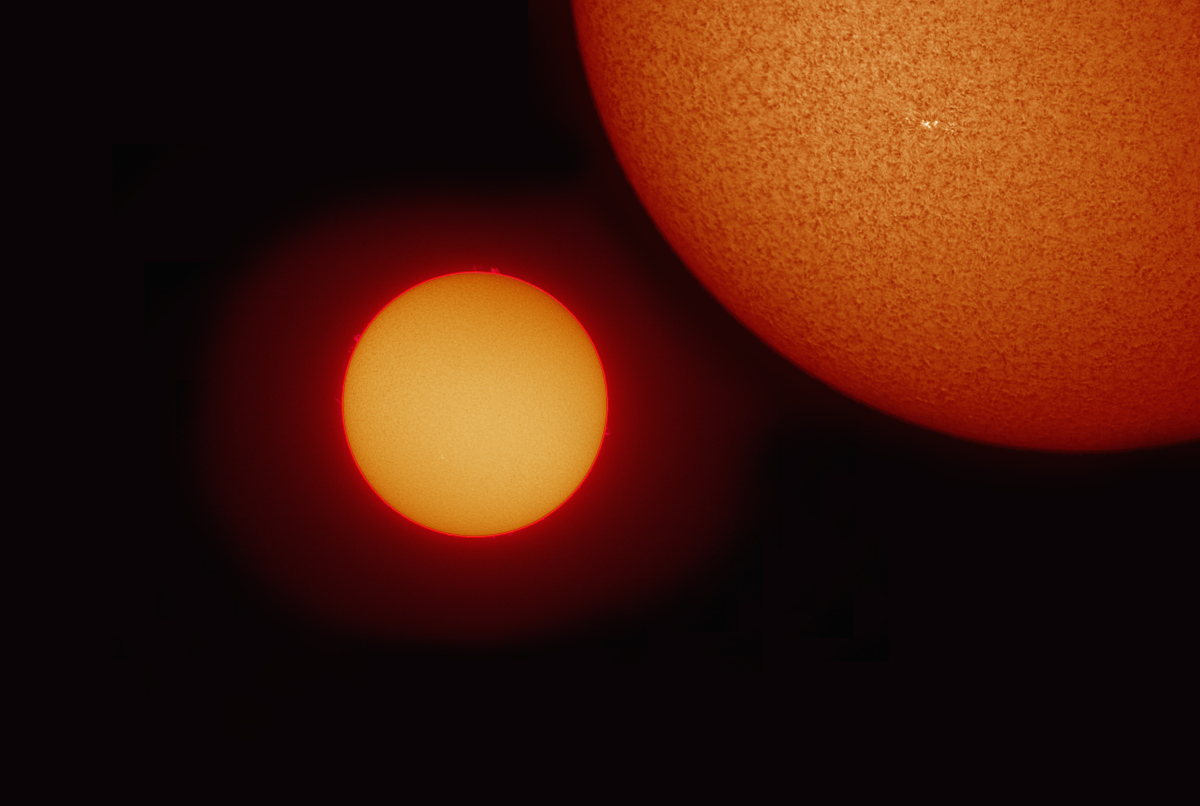
 Simulation of a binary star system. (Impolite offspring not pictured.)  (Credit: Malcolm Park; Getty Images)
Simulation of a binary star system. (Impolite offspring not pictured.) (Credit: Malcolm Park; Getty Images)
via time