Physics in the News

Saturday, June 28, 2014

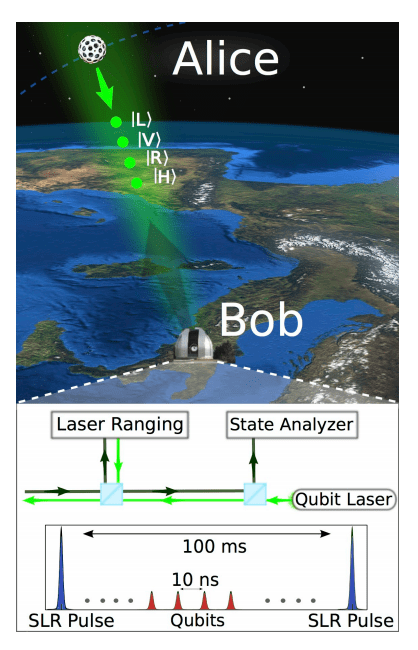
The Space-Based Quantum Cryptography Race
via technologyreview

Space football fever: NASA astronauts lose hair in World Cup bet (VIDEO)

via rt.com

STEREO probes operations will be curtailed for more than a year
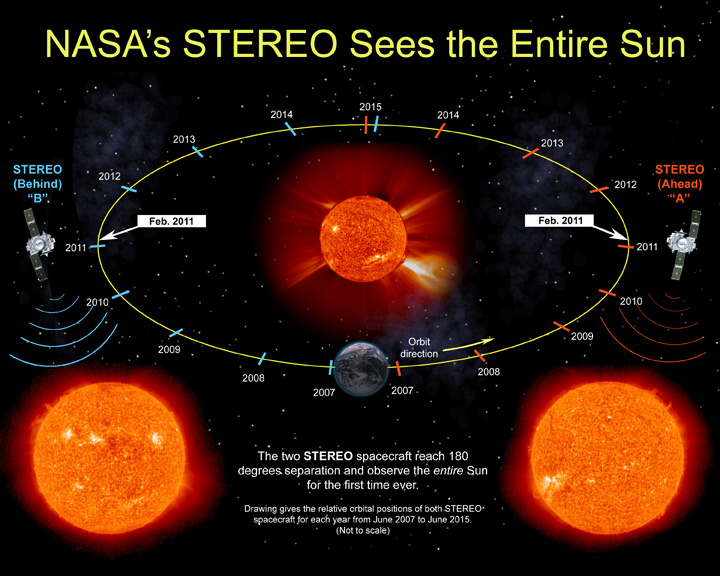
Illustration of the positions of the two STEREO spacecraft show that they attain 180 degrees of separation in Feb. 2011, thus allowing the world to see the entire Sun for the first time. (Credit: NASA/STEREO/SSC)
via thewatchers

Oppenheimer’s Folly: On black holes, fundamental laws and pure and applied science
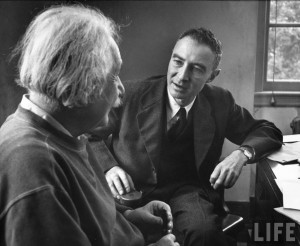
Einstein and Oppenheimer: Both men in their later years dismissed black holes as anomalies, unaware that they contained some of the deepest mysteries of physics (Image: Alfred Eisenstaedt, LIFE magazine)
via scientificamerican

Physicists Think They Can Solve the Mysteries of Quantum Mechanics, Cosmology, and Black Holes in One Go
Hubble Space Telescope image. (Credit: NASA, ESA, G. Illingworth, D. Magee, and P. Oesch (University of California, Santa Cruz), R. Bouwens (Leiden University), and the HUDF09 Team)
via scientificamerican

The Smallest Black Hole in the Universe (Synopsis)
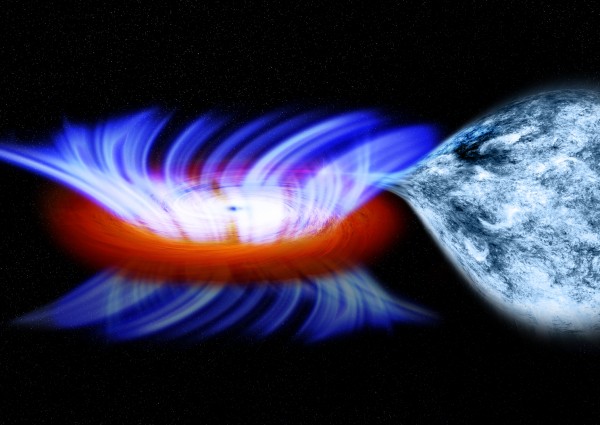
A binary system containing a stellar-mass black hole called IGR J17091. The strong gravity of the black hole, on the left, is pulling gas away from a companion star on the right. This gas forms a disk of hot gas around the black hole, and the wind is driven off this disk(Credit: NASA/CXC/M.Weiss)
via scienceblogs.com

Physicists’ findings improve advanced material
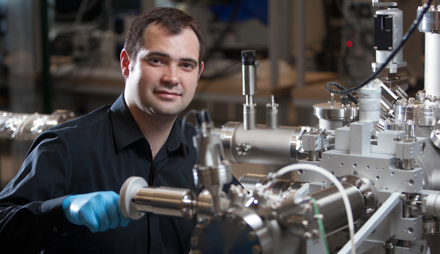
A new technique developed by a Binghamton University physicist and his colleagues will improve the quality of flexible, conductive, transparent glass.
A new technique developed by a Binghamton University physicist and his colleagues will improve the quality of flexible, conductive, transparent glass. (Credit: NASA)
via phys.org

Physics in the News

Friday, January 27, 2014

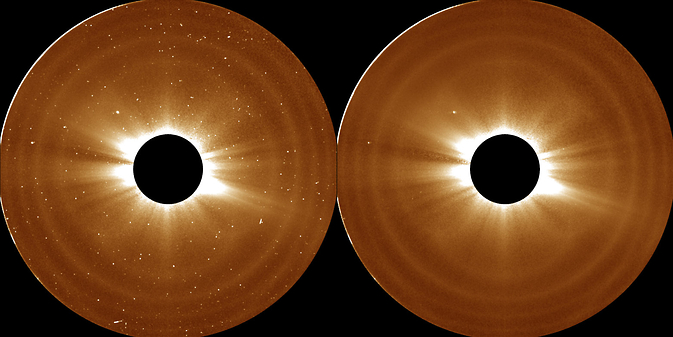
NASA: Sun’s corona much larger than previously thought

Scientists used these observations of the sun's atmosphere (the bright light of the sun itself is blocked by the black circle at the middle) from NASA's Solar Terrestrial Relations Observatory on Aug. 5, 2007, to define the outer limits of the solar atmosphere, the corona. (Credit: NASA/STEREO)
Scientists used these observations of the sun’s atmosphere (the bright light of the sun itself is blocked by the black circle at the middle) from NASA’s Solar Terrestrial Relations Observatory on Aug. 5, 2007, to define the outer limits of the solar atmosphere, the corona. (Credit: NASA/STEREO)
via NASA
 

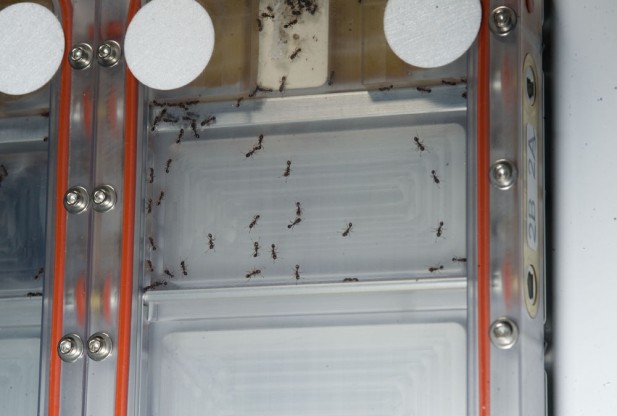
“Ant-stronauts” Aboard The International Space Station

mage Caption: The Ants In Space CSI-06 investigation looks at how an ant colony responds to the extreme environment of microgravity aboard the International Space Station to solve their collective need for resources. Data gathered from this study may help with algorithms for robotics on Earth. (Credit: NASA)
The Ants In Space CSI-06 investigation looks at how an ant colony responds to the extreme environment of microgravity aboard the International Space Station to solve their collective need for resources. Data gathered from this study may help with algorithms for robotics on Earth. (Credit: NASA)
via NASA


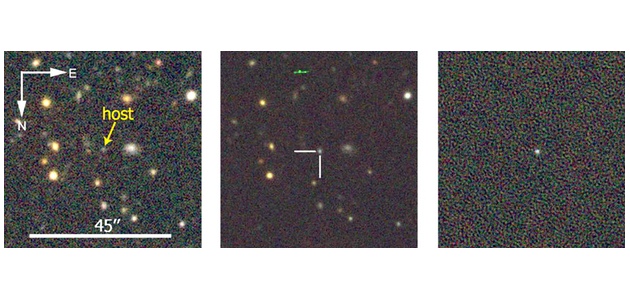
This Superluminous Supernova Does Not Care About the Laws of Physics

Before (left) and after (center) images of the region where DES13S2cmm was discovered. On the right is the supernova. (Credit: Dark Energy Survey)
via motherboard.vice.com


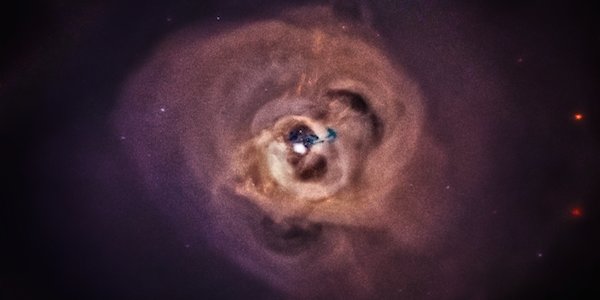
NASA Just Detected Mysterious Signal 240 Million Light Years Away From Earth

This composite image of the Perseus Cluster combines data equivalent to more than 17 days of observation time over a decade. (Credit: X-ray: NASA, CXC, SAO, E.Bulbul, et al.)
via NASA


Nearby Alien Planet May Be Capable of Supporting Life

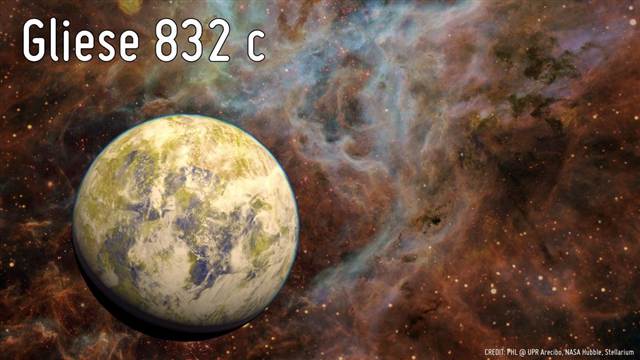
Potentially habitable Super-Earth Gliese 832 c appears in an artist's conception against a background of a stellar nebula.
Potentially habitable Super-Earth Gliese 832 c appears in an artist’s conception against a background of a stellar nebula.
via nbcnews


Cosmic own goal’ another clue in hunt for dark matter

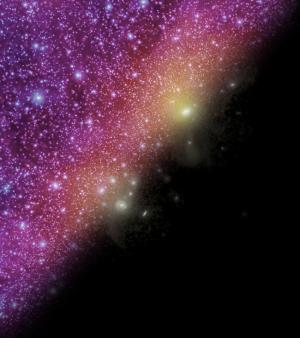
The visible galaxies in the Local Group simulation, shown in the lower right, only trace a tiny fraction of the vast number of dark matter halos, revealed in the upper left. Credit: John Helly, Till Sawala, James Trayford, Durham University
The visible galaxies in the Local Group simulation, shown in the lower right, only trace a tiny fraction of the vast number of dark matter halos, revealed in the upper left. (Credit: John Helly, Till Sawala, James Trayford, Durham University)
via phys.org

Physics in the News

Tuesday, June 24, 2014

Science and spacewalks on Space Station

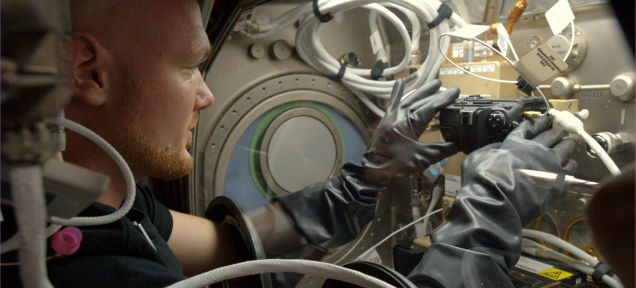
This might look like a routine scientific experiment, but you’re actually looking at European Space Agency astronaut Alexander Gerst as he sets fire to samples of various solids aboard the International Space Station to see how they burn. This man truly has a wonderful job. (Credit: ESA)

via phys.org


Universe Shouldn’t Be Here, According to Higgs Physics

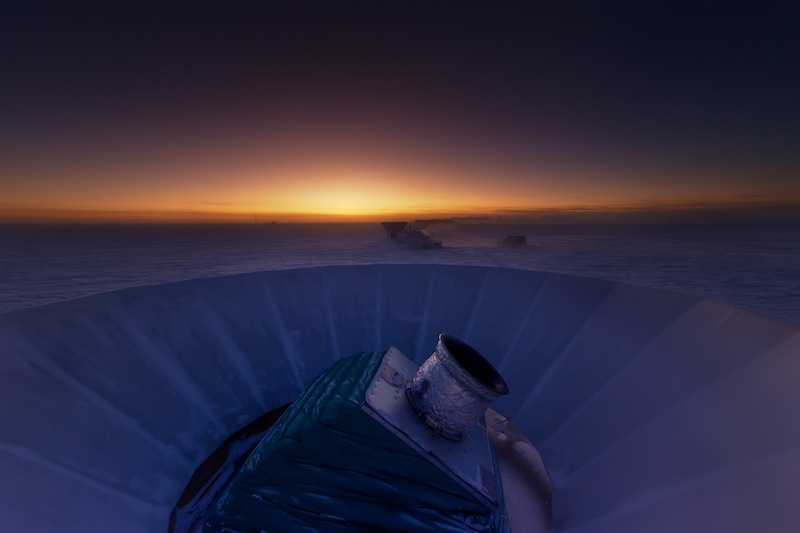
The BICEP2 telescope at twilight, which occurs only twice a year at the South Pole. The MAPO observatory (home of the Keck Array telescope) and the South Pole station can be seen in the background.
via livescience


SpaceX puts Falcon 9 rocket launch on hold until July

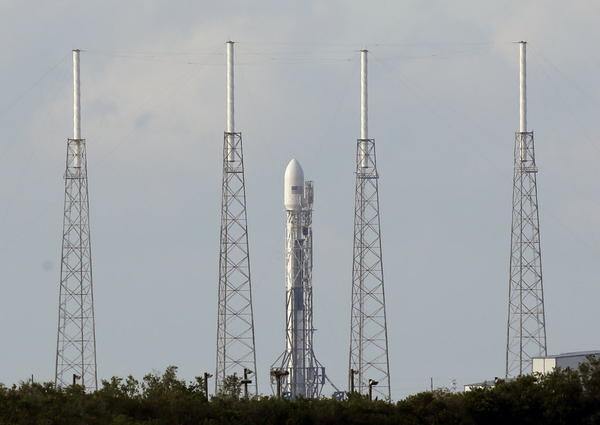
A SpaceX Falcon 9 rocket carrying a payload of Orbcomm communications satellites is seen at launch complex 40 after an attempted launch was scrubbed due to technical issues at the Cape Canaveral Air Force Station in Cape Canaveral, Fla.
via csmonitor


Satellite Swarm Spots North Pole Drift

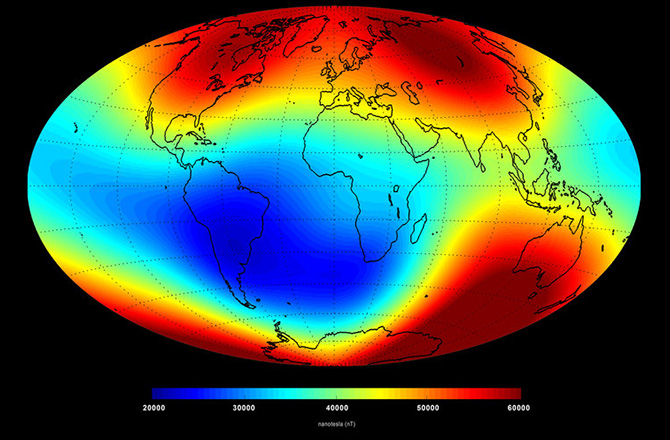
Swarm measurements of Earth’s magnetic field from June 2014. Blue areas show where it has weakened. (Credit ESA/DTU Space)
via discovery


Greetings from Earth! NASA Spacecraft to Carry Message for Aliens

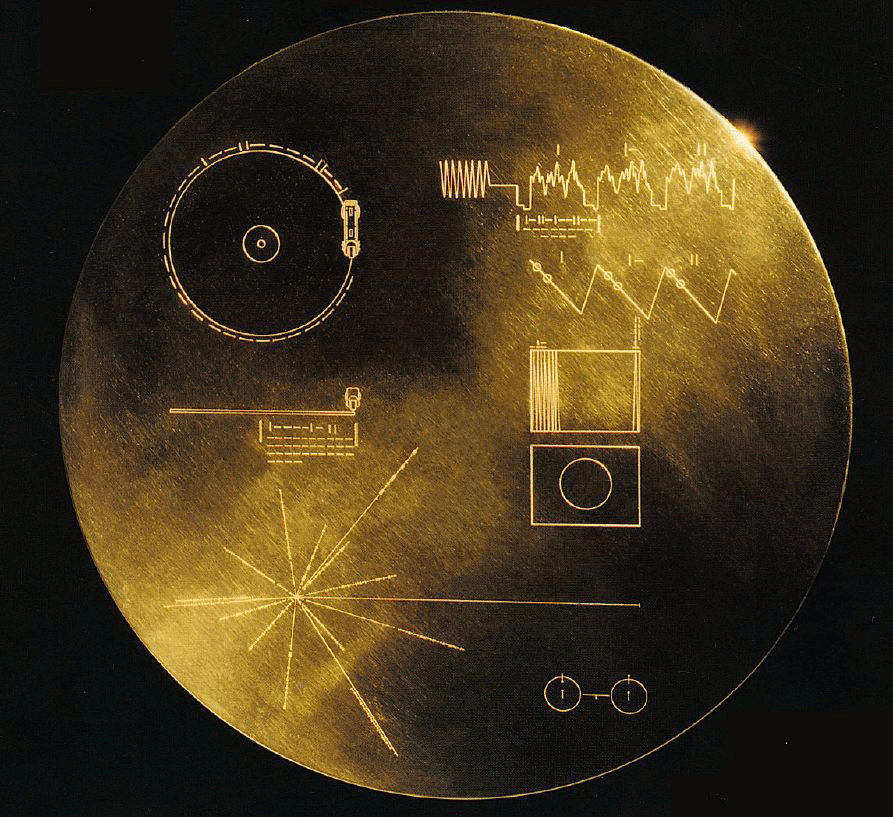
The Golden Record carried a message from Earth on board NASA's Voyager 1 and Voyager 2 missions. (Credit: NASA)
The Golden Record carried a message from Earth on board NASA’s Voyager 1 and Voyager 2 missions.
(Credit: NASA)

via SPACE.com

Physics in the News

Friday, June 20, 2014

Classic space science: UD physicist’s findings about space plasma become ‘classics’

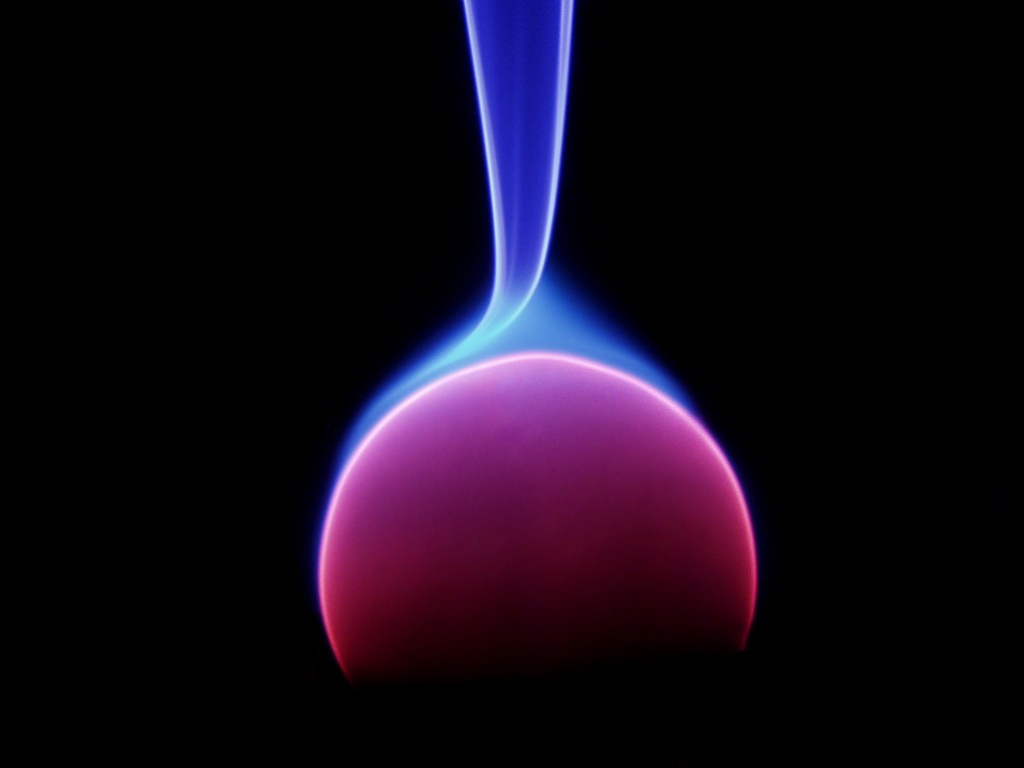
Energy Arc, central electrode of a Plasma Lamp.
via udel

New Observatory Takes Highest-Energy Particle Research to New Heights

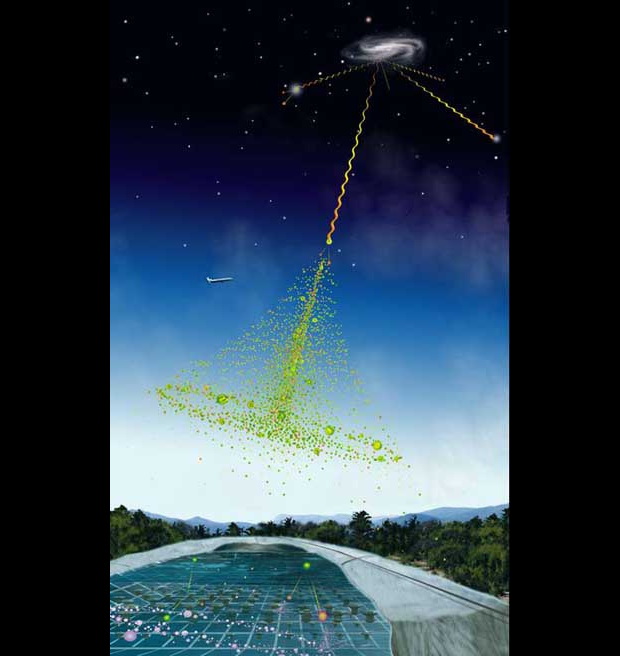
As cosmic-ray particles are accelerated by a black hole in this artist's interpretation, they stream toward Earth as very-high-energy gamma-rays. Upon hitting the atmosphere, they produce a shower of particles that rain down on Earth. Most of these particles run out of energy before they hit sea level. Credit: Aurore Simonnet, Sonoma State University
As cosmic-ray particles are accelerated by a black hole in this artist’s interpretation, they stream toward Earth as very-high-energy gamma-rays. Upon hitting the atmosphere, they produce a shower of particles that rain down on Earth. Most of these particles run out of energy before they hit sea level. (Credit: Aurore Simonnet, Sonoma State University)
via space.com

New test may provide ‘smoking gun’ for modified gravity

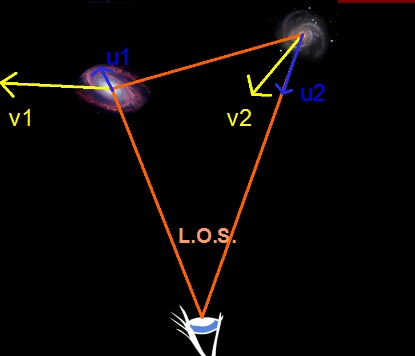
A schematic picture of how researchers can observe galaxy peculiar velocities, “a cosmic dance of galaxies.” (Credit: Wojciech A. Hellwing)
via phys.org

Supermassive Black Hole Shows Strange Gas Movements

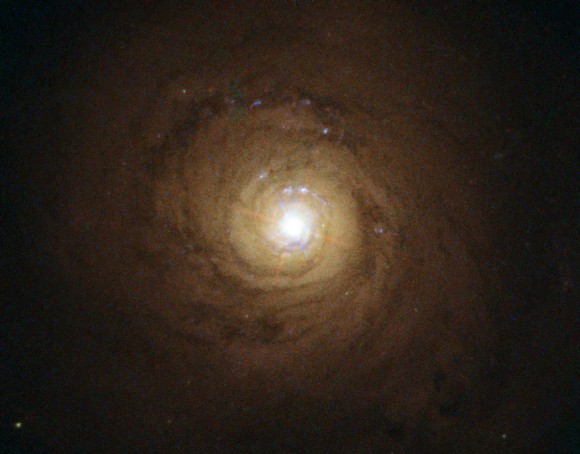
A Hubble Space Telescope image of NGC 5548. (Credit: ESA/Hubble and NASA. Davide de Martin)
via universetoday

Slowly rotating neutron star paired with a red-giant star reveals properties that conflict with existing theory

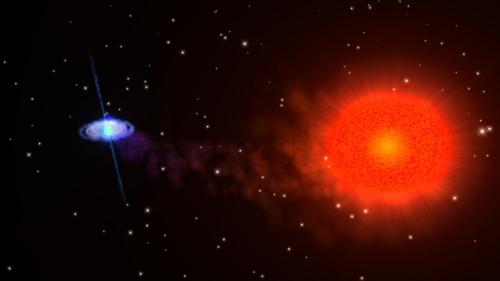
An artist’s impression of an x-ray binary system. The matter that a neutron star (blue) sucks from a regular star (red) leads to the emission of intense x-ray beams. (Credit: NASA)
via phys.org
Slowly rotating neutron star paired with a red-giant star reveals properties that conflict with existing theoryRead more at: http://phys.org/news/2014-06-slowly-rotating-neutron-star-paired.html#jCp

Physics in the News

Friday, June 20, 2014

Nasa Picks Out Prime Targets For Asteroid Grab

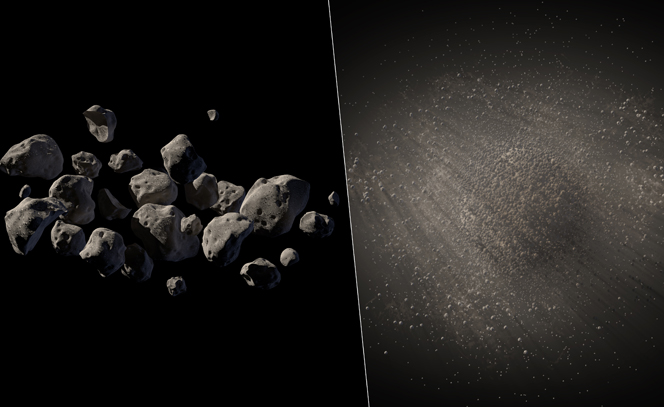
An artist's conception of two possible views of asteroid 2011 MD. (Image courtesy NASA Jet Propulsion Laboratory)
An artist’s conception of two possible views of asteroid 2011 MD. (Image courtesy NASA Jet Propulsion Laboratory)
via nau


Some Highly Scientific Data 🙂 Physics Invents the Emoticon

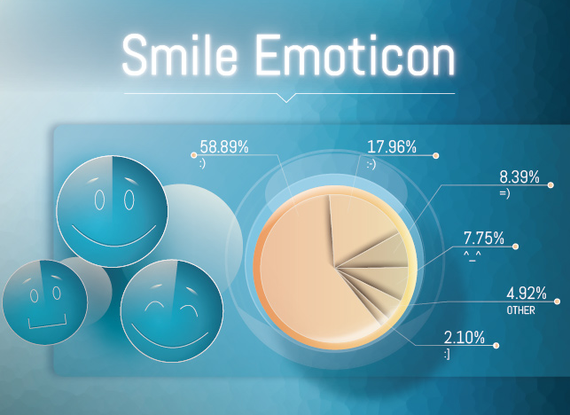
The end of an era: Just 18 percent of survey respondents report using the full-faced emoticon.
The end of an era: Just 18 percent of survey respondents report using the full-faced emoticon. (Credit
via theatlantic


If Spacetime Were a Superfluid, Would It Unify Physics—or Is the Theory All Wet?

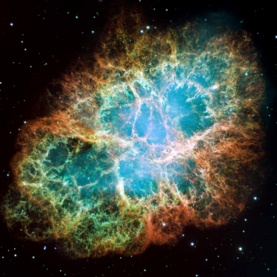
Light from the Crab Nebula (shown here in a Hubble Space Telescope photo) limits the possibilities for fluid spacetime. NASA/ESA/ASU/J. Hester
Light from the Crab Nebula (shown here in a Hubble Space Telescope photo) limits the possibilities for fluid spacetime. (Credit:NASA/ESA/ASU/J. Hester)
via scientificamerican
 

Swiftly Moving Gas Streamer Eclipses Supermassive Black Hole

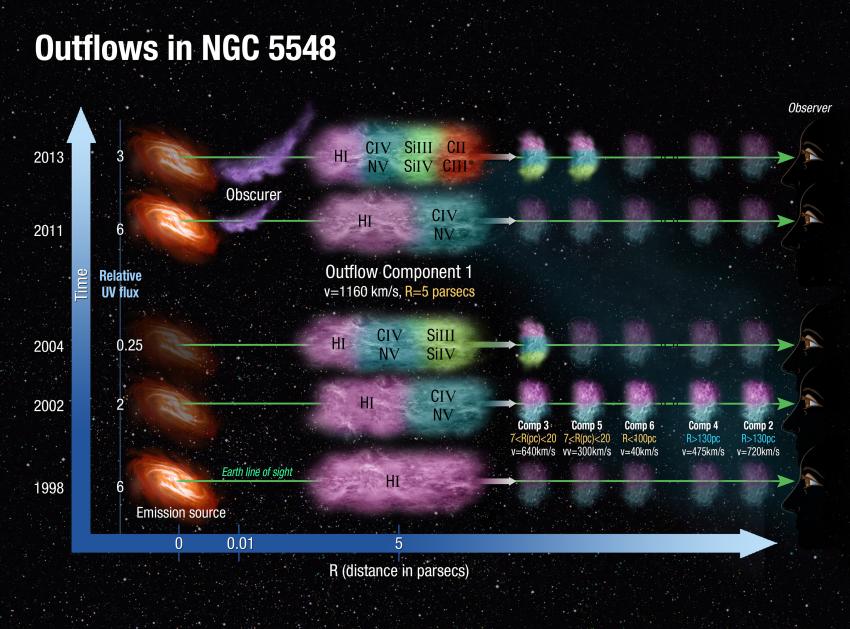
This is an illustration of the physical, spatial and temporal picture for the outflows emanating from the vicinity of the super massive black hole in the galaxy NGC 5548. The behavior of the emission source in five epochs is shown along the time axis. The obscurer is situated at roughly 0.03 light years (0.01 parsecs) from the emission source and is only seen in 2011 and 2013 (it is much stronger in 2013). Outflow component 1 shows the most dramatic changes in its absorption troughs. Different observed ionic species are represented as colored zones within the absorbers. Credit: Ann Feild/Space Telescope Science Institute
via hubblesite
 

Dr. Ed Dowdye: Solar gravitation and solar plasma wave propagation on interaction – EU 2014

via thewatchers


Confirmed, finally: D-Wave quantum computer is sluggish

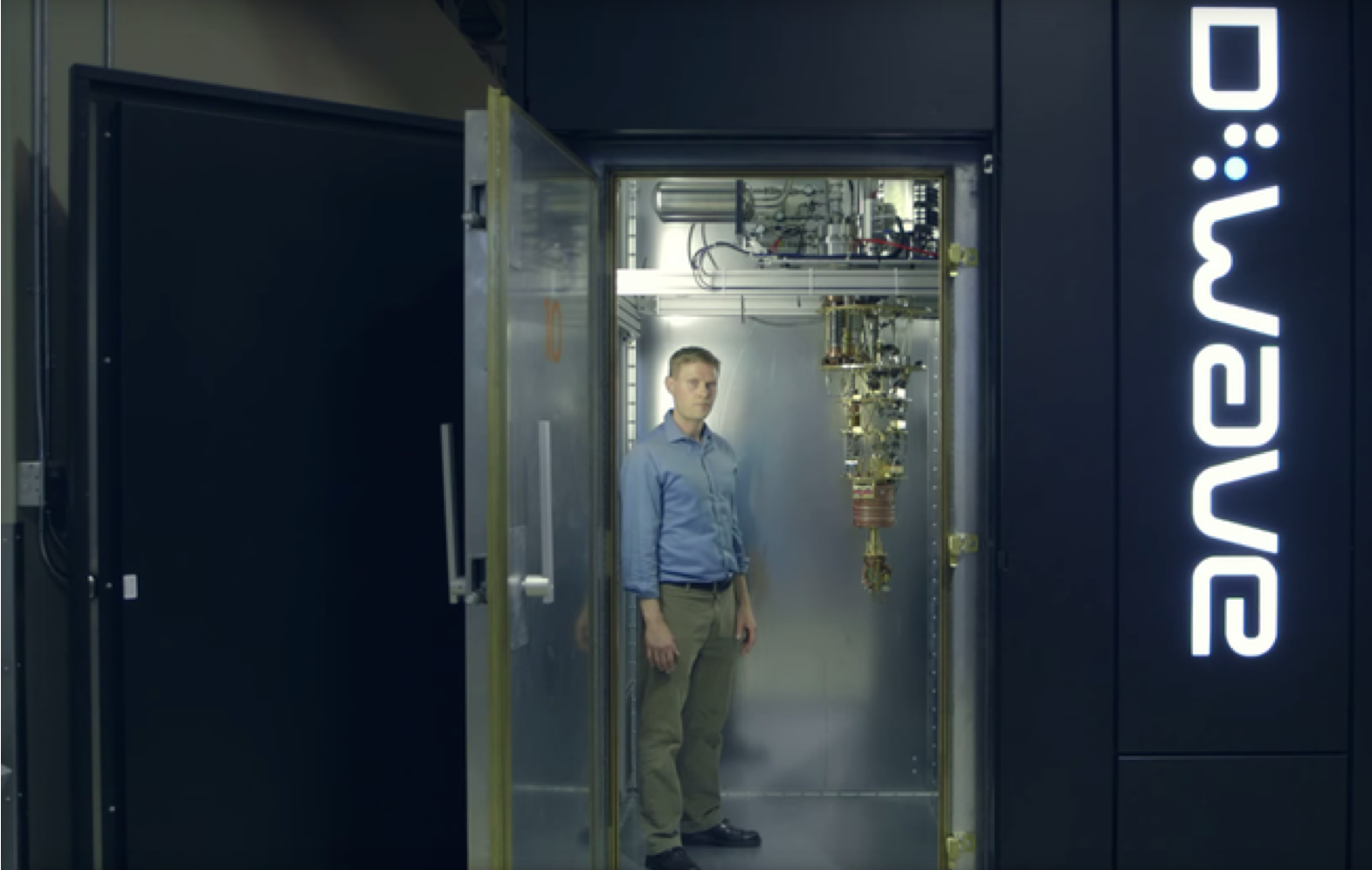
Jeremy Hilton, D-Wave's vice president of processor development, with one of the company's quantum computers. Screenshot by Nick Statt/CNET
Jeremy Hilton, D-Wave’s vice president of processor development, with one of the company’s quantum computers. Screenshot by Nick Statt/CNET
via cnet