Physics in the News

Sunday, June 29, 2014

Gravity is Driving Growth of the Universe
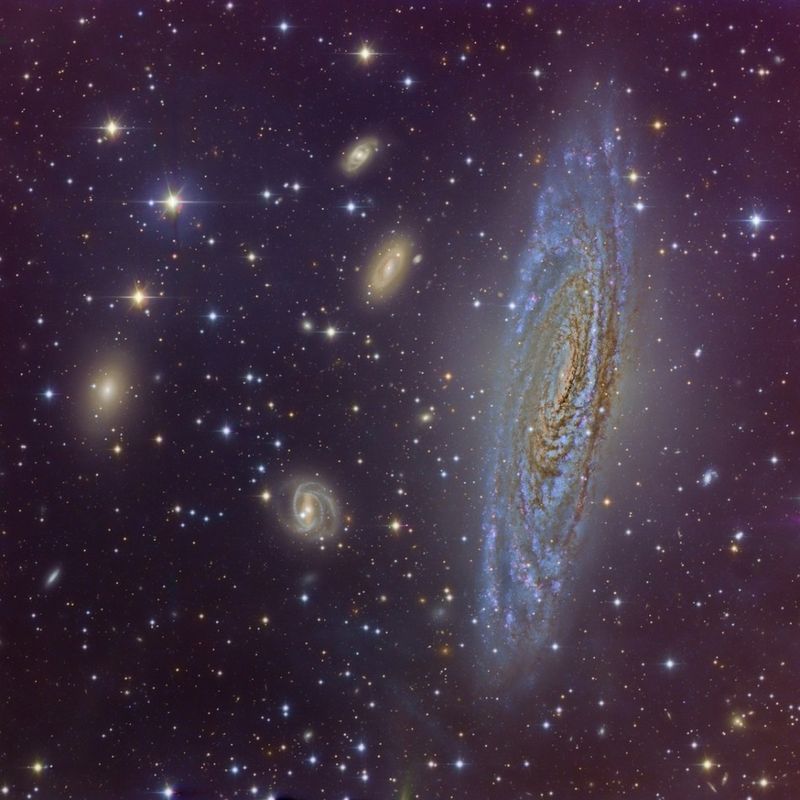
Astronomers Confirm from 600,000 Galaxies

via dailygalaxy


The Grandfather Paradox
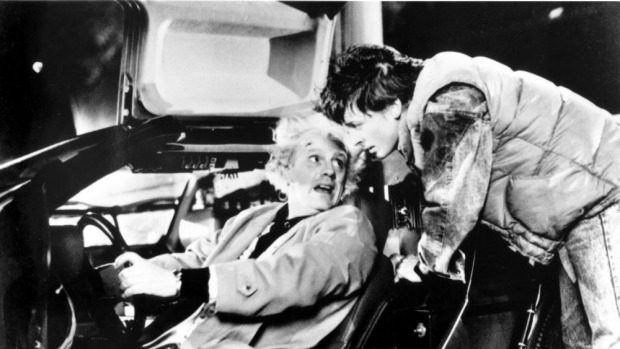
The "grandfather paradox": Time travel raises the spectrum of possibly changing life events. Photo: Universal Studios
The “grandfather paradox”: Time travel raises the spectrum of possibly changing life events. Photo: Universal Studios
via smh.com
 

NASA ‘flying saucer’ Success: A better way to land on Mars?

via theguardian


NASA’s Robot Astronaut Inspiring Tech Advances Here on Earth
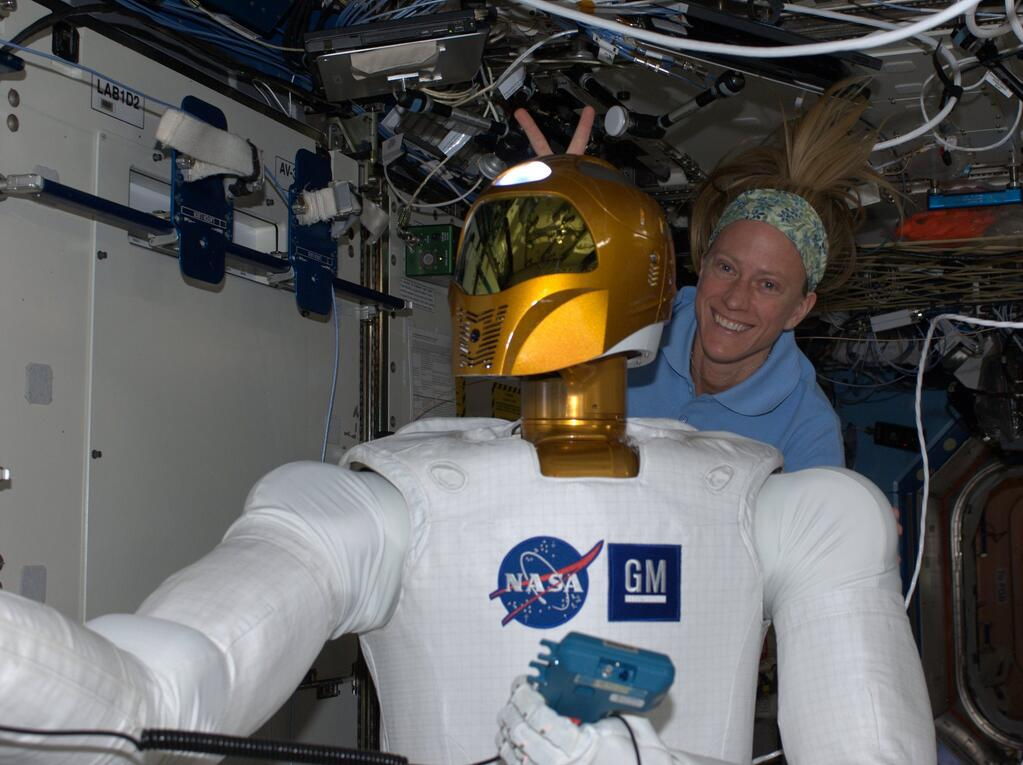
Aboard the International Space Station, astronaut Karen Nyberg indulges in a moment of levity with Robonaut 2. Image tweeted on June 28, 2013.

via .space.com


The Most Mathematically Perfect Day of the Year
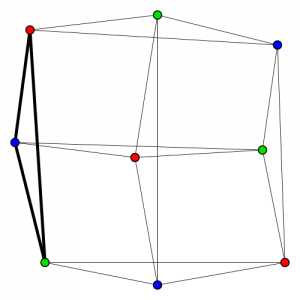
The Paley graph of order 9 is a perfect graph, making it an appropriate object of veneration and study on June 28, a perfect day. Image: David Eppstein. (Credit: Wikimedia)
via scientificamerican
 

Delving into Dark Matter
Theory says there may be disk of it at center of galaxy. (Credit: Shutterstock)
Theory says there may be disk of it at center of galaxy.
via theepochtimes

Physics in the News

Saturday, June 28, 2014

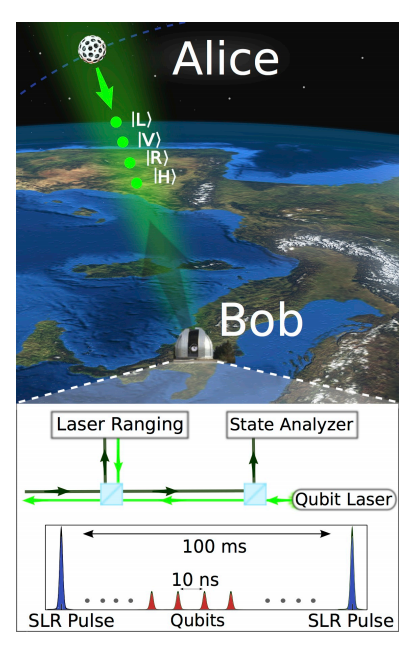
The Space-Based Quantum Cryptography Race

via technologyreview

Space football fever: NASA astronauts lose hair in World Cup bet (VIDEO)

via rt.com

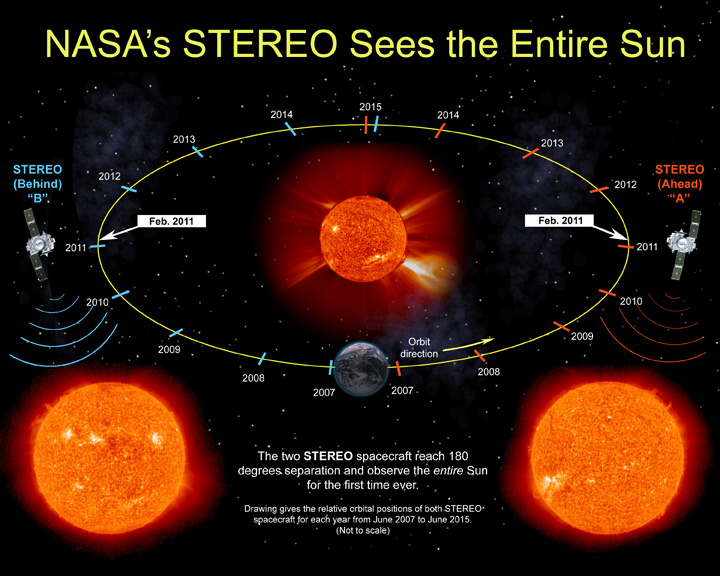
STEREO probes operations will be curtailed for more than a year

Illustration of the positions of the two STEREO spacecraft show that they attain 180 degrees of separation in Feb. 2011, thus allowing the world to see the entire Sun for the first time. (Credit: NASA/STEREO/SSC)
via thewatchers

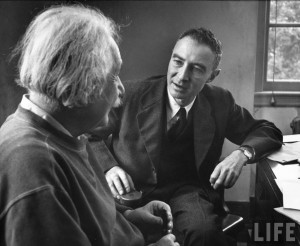
Oppenheimer’s Folly: On black holes, fundamental laws and pure and applied science

Einstein and Oppenheimer: Both men in their later years dismissed black holes as anomalies, unaware that they contained some of the deepest mysteries of physics (Image: Alfred Eisenstaedt, LIFE magazine)
via scientificamerican

Physicists Think They Can Solve the Mysteries of Quantum Mechanics, Cosmology, and Black Holes in One Go

Hubble Space Telescope image. (Credit: NASA, ESA, G. Illingworth, D. Magee, and P. Oesch (University of California, Santa Cruz), R. Bouwens (Leiden University), and the HUDF09 Team)
via scientificamerican

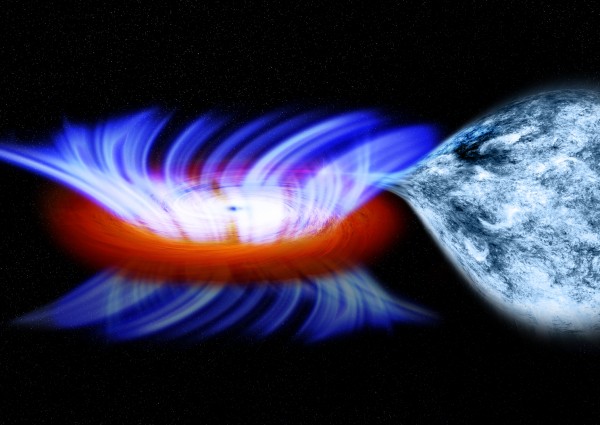
The Smallest Black Hole in the Universe (Synopsis)

A binary system containing a stellar-mass black hole called IGR J17091. The strong gravity of the black hole, on the left, is pulling gas away from a companion star on the right. This gas forms a disk of hot gas around the black hole, and the wind is driven off this disk(Credit: NASA/CXC/M.Weiss)
via scienceblogs.com

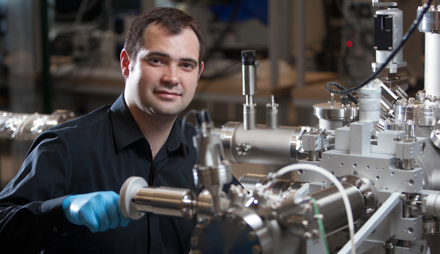
Physicists’ findings improve advanced material

A new technique developed by a Binghamton University physicist and his colleagues will improve the quality of flexible, conductive, transparent glass.
A new technique developed by a Binghamton University physicist and his colleagues will improve the quality of flexible, conductive, transparent glass. (Credit: NASA)
via phys.org

Physics in the News

Wednesday June 25, 2014

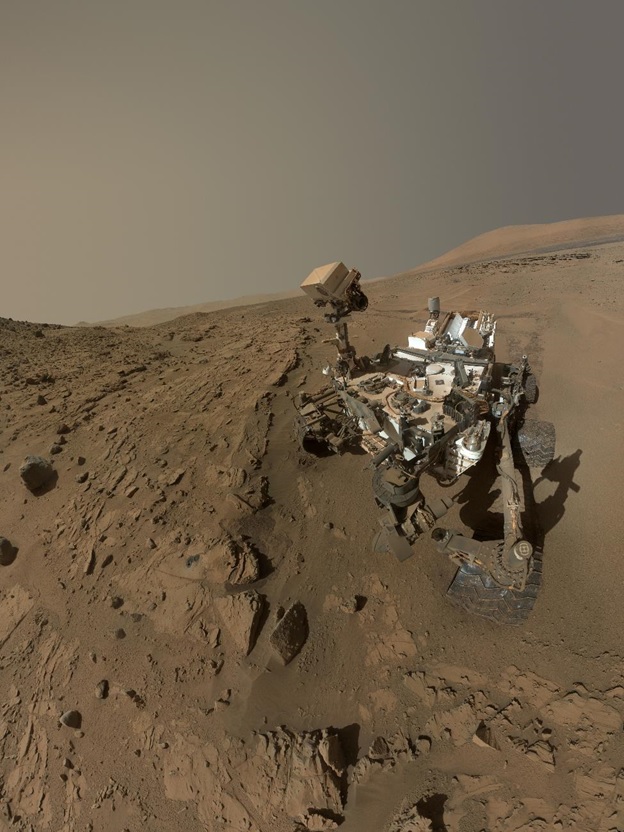
The Curiosity rover has been on Mars for one Martian year. It celebrated by taking a selfie.

NASA’s Mars Curiosity Rover captures a selfie to mark a full Martian year — 687 Earth days — spent exploring the Red Planet. (NASA/JPL-Caltech/MSSS)
NASA’s Mars Curiosity Rover captures a selfie to mark a full Martian year — 687 Earth days — spent exploring the Red Planet. (Credit: NASA/JPL-Caltech/MSSS)

via washingtonpost


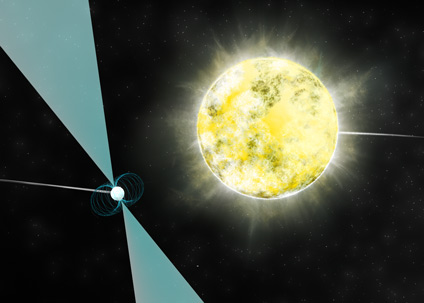
Cold white dwarf star is ‘Earth-size diamond in space’

Artist impression of a white dwarf star in orbit with pulsar PSR J2222-0137. It may be the coolest and dimmest white dwarf ever identified. (Credit: B. Saxton NRAO/AUI/NSF)

via public.nrao.edu


LLNL researchers define boundaries for petawatt laser absorption

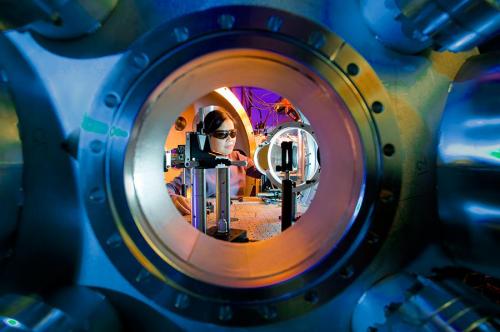
 Lawrence Livermore physicist Hui Chen sets up targets for an experiment using petawatt laser technology at the Jupiter Laser Facility.
Lawrence Livermore physicist Hui Chen sets up targets for an experiment using petawatt laser technology at the Jupiter Laser Facility.

via phys.org


How the Aged Vacuum Tube Could Save Moore’s Law

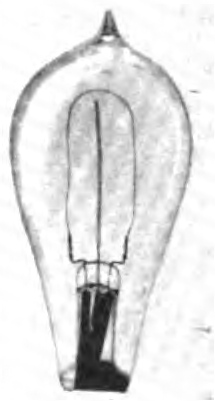
One of the bulbs Thomas Alva Edison used to discover thermionic emission (the Edison Effect) in 1884. Edison found when he connected an ammeter between the filament and the auxiliary electrode, a current would flow, passing through the evacuated space of the bulb from filament to electrode. This current was later found to consist of electrons.

via gizmodo


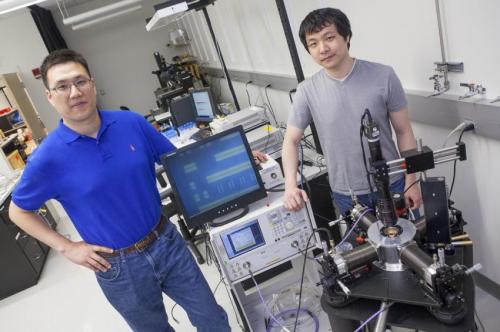
Measuring the mass of ‘massless’ electrons

This image shows professor Donhee Ham and his student Hosang Yoon are in the laboratory at the Harvard School of Engineering and Applied Sciences. (Credit: Eliza Grinnell, Harvard SEAS.)

via phys.org


Philosophy begins where physics ends, and physics begins where philosophy ends

Richard Feynman - Philosopher (Image: Washington University)
Richard Feynman – Physicist, Philosopher (Image: Washington University)

via scientificamerican

Physics in the News

Tuesday, June 24, 2014

Science and spacewalks on Space Station

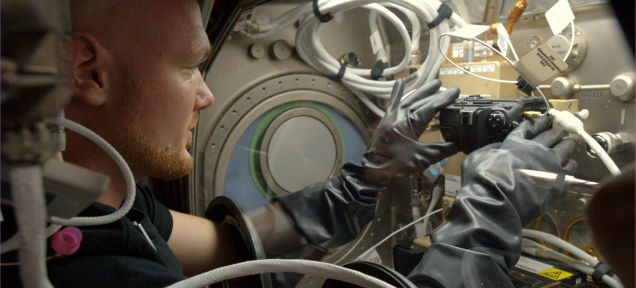
This might look like a routine scientific experiment, but you’re actually looking at European Space Agency astronaut Alexander Gerst as he sets fire to samples of various solids aboard the International Space Station to see how they burn. This man truly has a wonderful job. (Credit: ESA)

via phys.org


Universe Shouldn’t Be Here, According to Higgs Physics

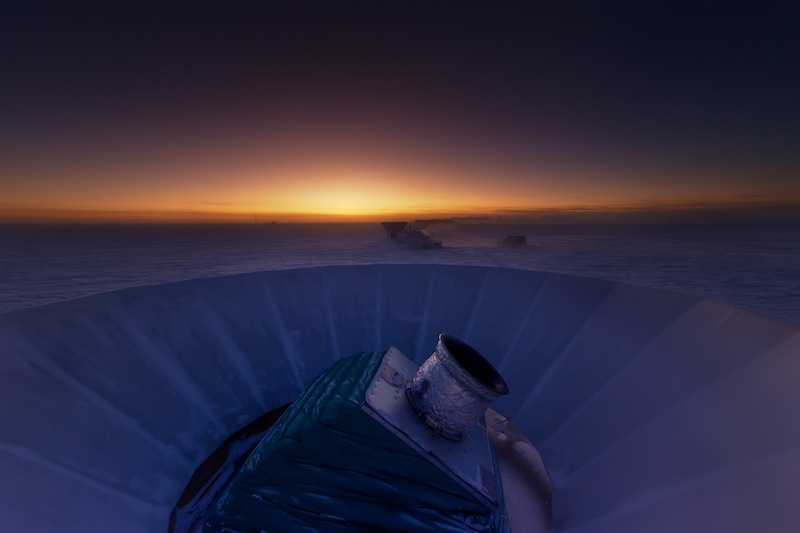
The BICEP2 telescope at twilight, which occurs only twice a year at the South Pole. The MAPO observatory (home of the Keck Array telescope) and the South Pole station can be seen in the background.
via livescience


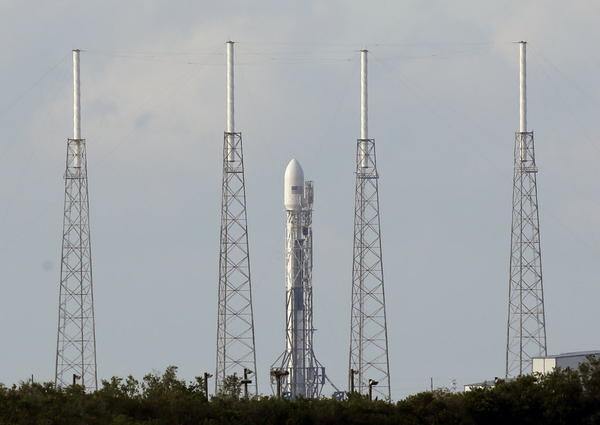
SpaceX puts Falcon 9 rocket launch on hold until July

A SpaceX Falcon 9 rocket carrying a payload of Orbcomm communications satellites is seen at launch complex 40 after an attempted launch was scrubbed due to technical issues at the Cape Canaveral Air Force Station in Cape Canaveral, Fla.
via csmonitor


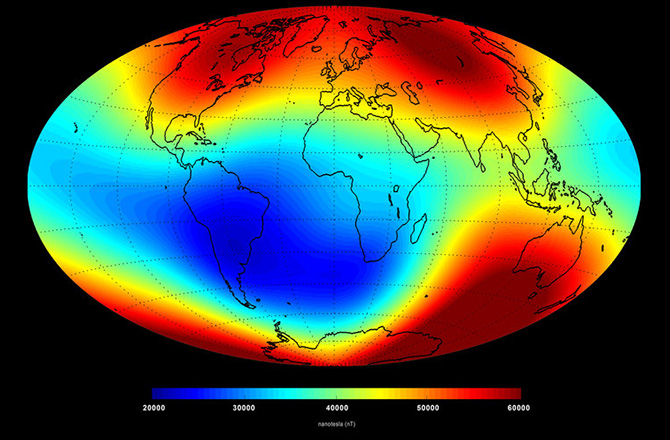
Satellite Swarm Spots North Pole Drift

Swarm measurements of Earth’s magnetic field from June 2014. Blue areas show where it has weakened. (Credit ESA/DTU Space)
via discovery


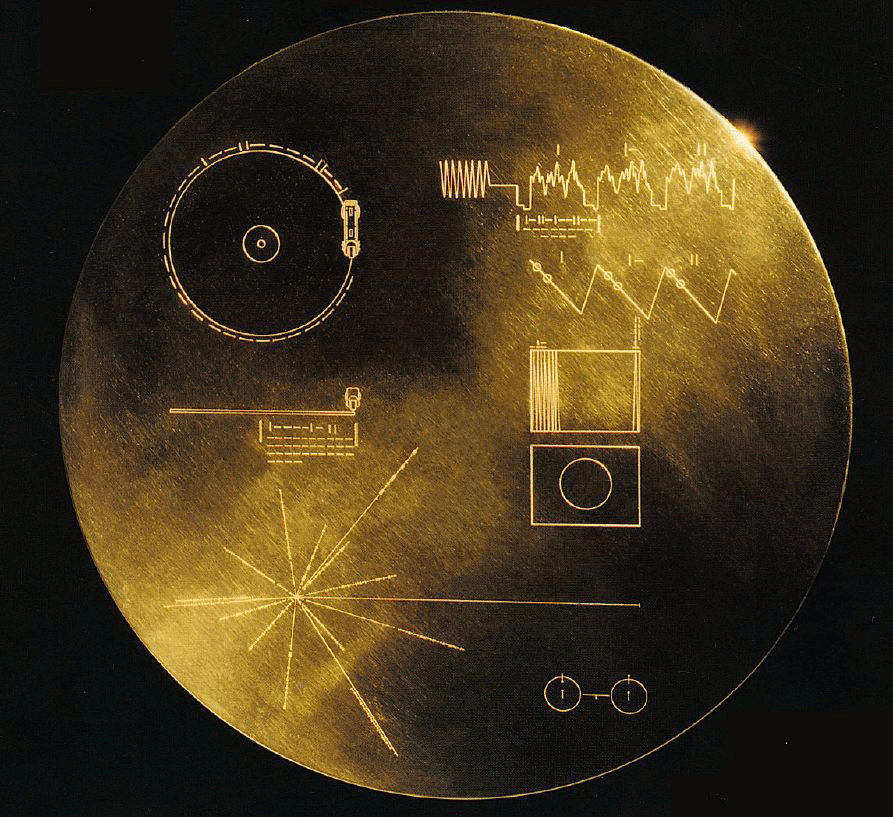
Greetings from Earth! NASA Spacecraft to Carry Message for Aliens

The Golden Record carried a message from Earth on board NASA's Voyager 1 and Voyager 2 missions. (Credit: NASA)
The Golden Record carried a message from Earth on board NASA’s Voyager 1 and Voyager 2 missions.
(Credit: NASA)

via SPACE.com

Physics in the News

Monday, June 23, 2014

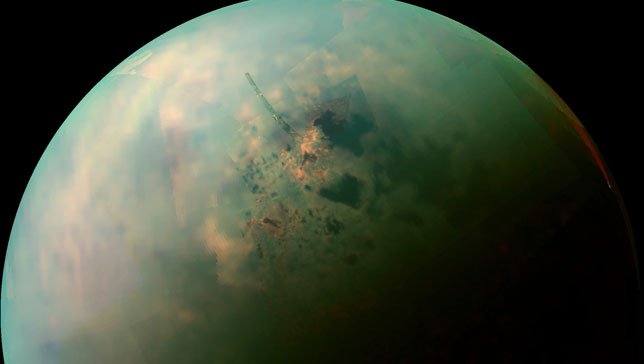
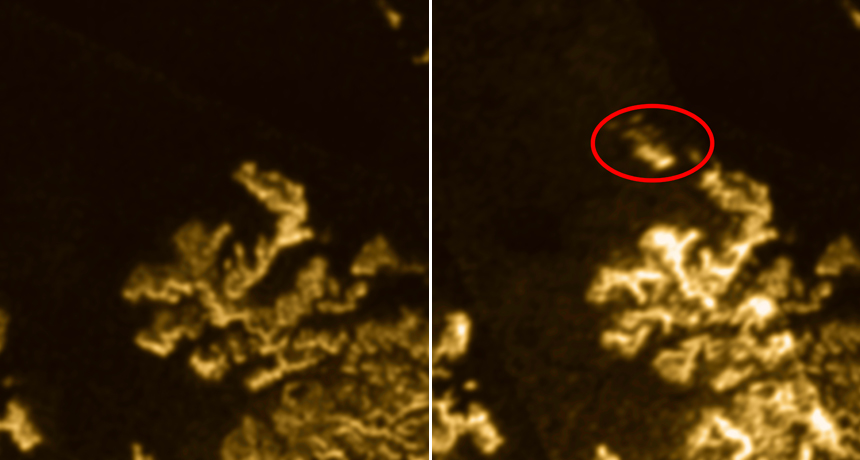
Mystery patch found floating on Titan’s seas

A bright patch (right, circled) on one of Titan’s northern methane seas, shown as dark areas, appeared in a Cassini spacecraft image taken on July 10, 2013. The patch disappeared by July 16, 2013 and was not visible in earlier images (left).
via sciencenews.org


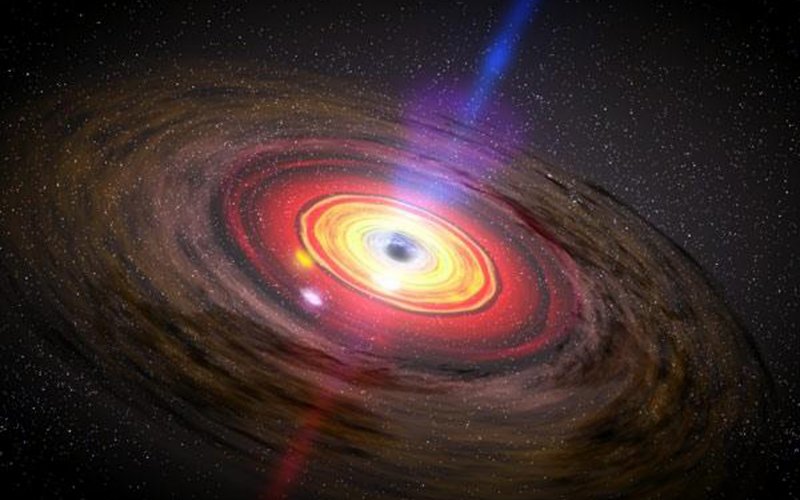
The Supermassive Black Hole Smokescreen

(Credit: NASA)
(Credit: NASA)
via thedailybeast


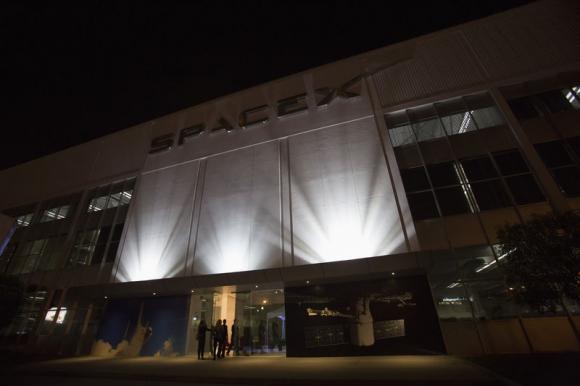
SpaceX satellite launch postponed for third time, until Tuesday

 An exterior of the SpaceX headquarters in Hawthorne, California May 29, 2014. (Credit: Reuters/Mario Anzuoni)
An exterior of the SpaceX headquarters in Hawthorne, California May 29, 2014. (Credit: Reuters/Mario Anzuoni)
via reuters


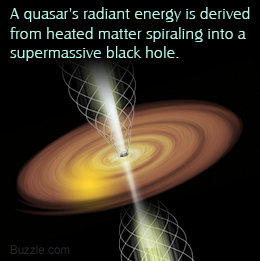
Interesting Facts About Quasars

604042-1620-49
via buzzle


Sending astronauts one million miles into space to build world’s most-powerful telescope in hunt for alien life

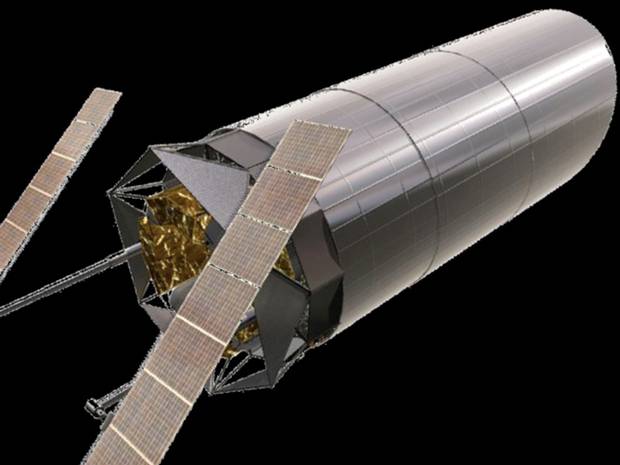
The Atlast telescope will be the most powerful telescope ever made and up to four times larger than the Hubble Telescope
via independent