Physics in the News

Friday, June 20, 2014

Nasa Picks Out Prime Targets For Asteroid Grab
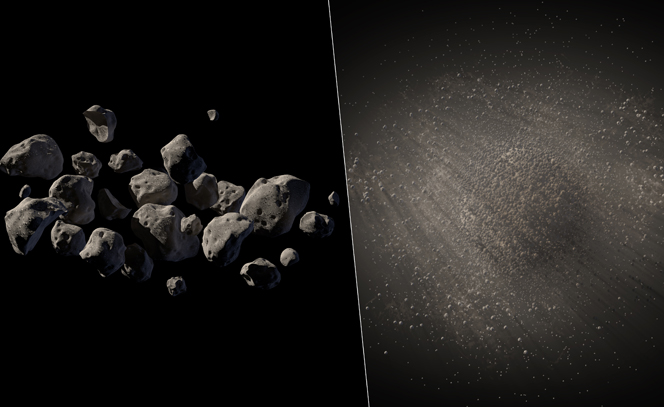
An artist's conception of two possible views of asteroid 2011 MD. (Image courtesy NASA Jet Propulsion Laboratory)
An artist’s conception of two possible views of asteroid 2011 MD. (Image courtesy NASA Jet Propulsion Laboratory)
via nau


Some Highly Scientific Data 🙂 Physics Invents the Emoticon

The end of an era: Just 18 percent of survey respondents report using the full-faced emoticon.
The end of an era: Just 18 percent of survey respondents report using the full-faced emoticon. (Credit
via theatlantic


If Spacetime Were a Superfluid, Would It Unify Physics—or Is the Theory All Wet?
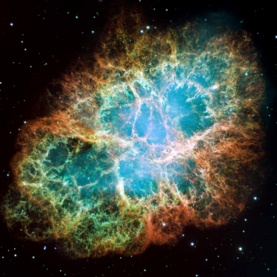
Light from the Crab Nebula (shown here in a Hubble Space Telescope photo) limits the possibilities for fluid spacetime. NASA/ESA/ASU/J. Hester
Light from the Crab Nebula (shown here in a Hubble Space Telescope photo) limits the possibilities for fluid spacetime. (Credit:NASA/ESA/ASU/J. Hester)
via scientificamerican
 

Swiftly Moving Gas Streamer Eclipses Supermassive Black Hole
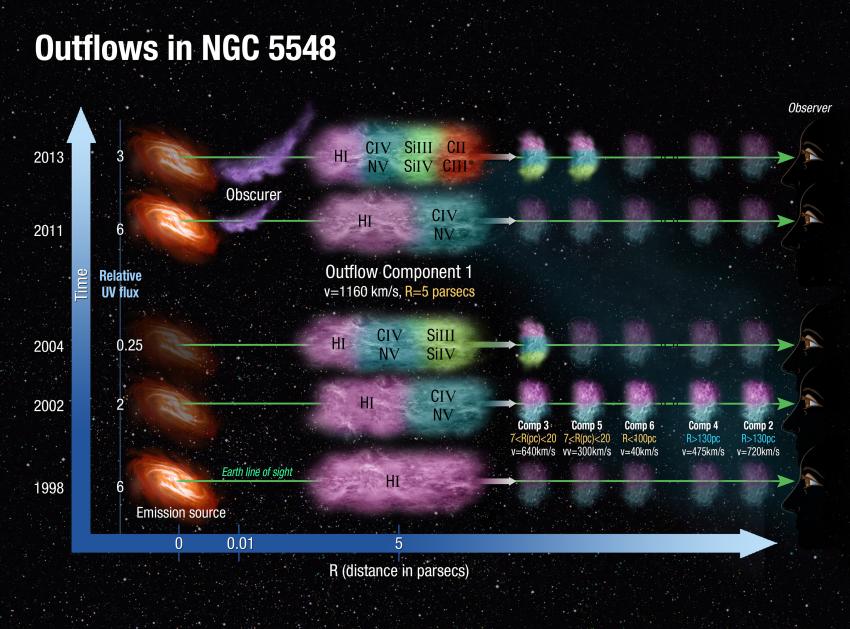
This is an illustration of the physical, spatial and temporal picture for the outflows emanating from the vicinity of the super massive black hole in the galaxy NGC 5548. The behavior of the emission source in five epochs is shown along the time axis. The obscurer is situated at roughly 0.03 light years (0.01 parsecs) from the emission source and is only seen in 2011 and 2013 (it is much stronger in 2013). Outflow component 1 shows the most dramatic changes in its absorption troughs. Different observed ionic species are represented as colored zones within the absorbers. Credit: Ann Feild/Space Telescope Science Institute
via hubblesite
 

Dr. Ed Dowdye: Solar gravitation and solar plasma wave propagation on interaction – EU 2014

via thewatchers


Confirmed, finally: D-Wave quantum computer is sluggish
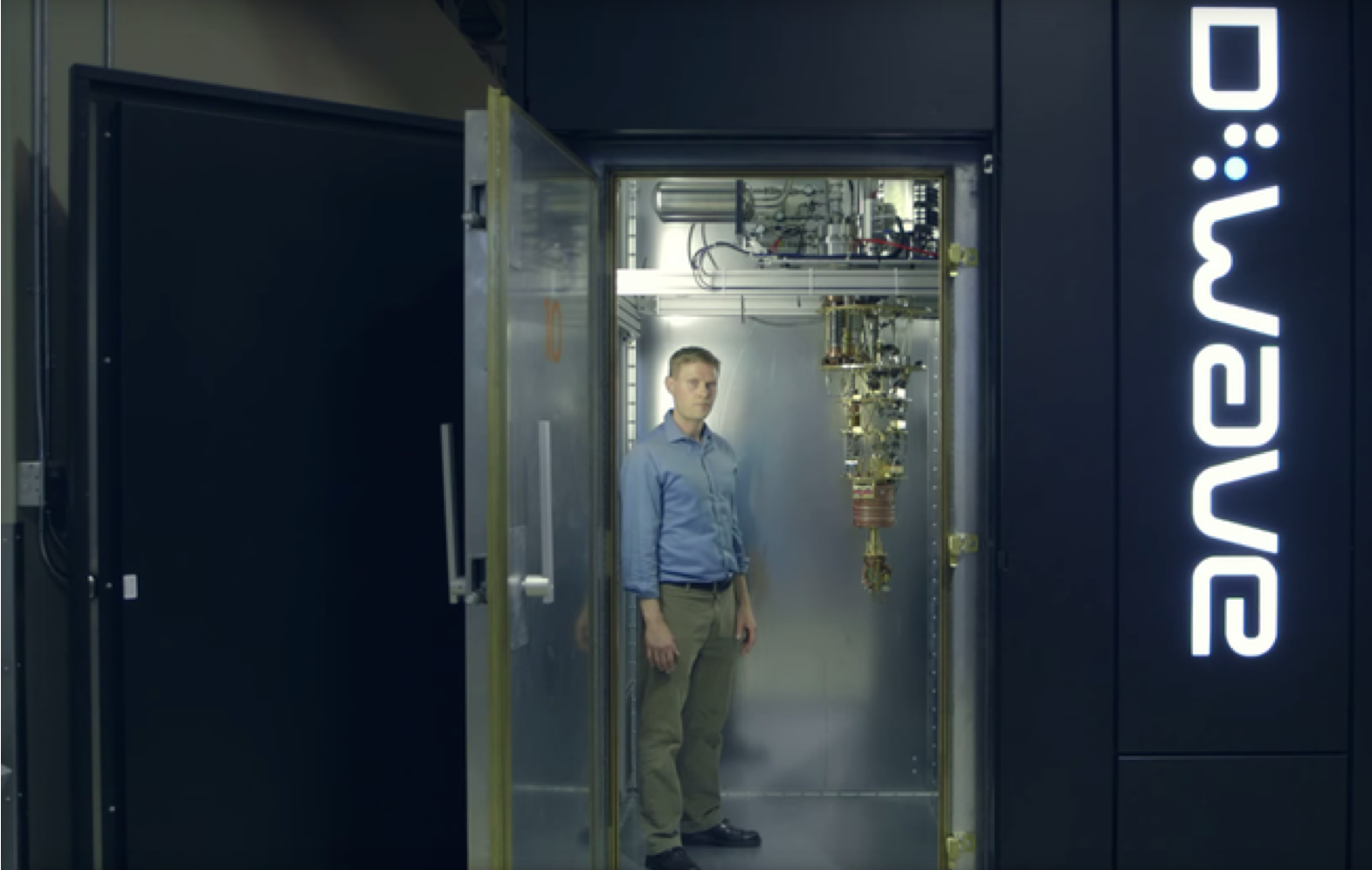
Jeremy Hilton, D-Wave's vice president of processor development, with one of the company's quantum computers. Screenshot by Nick Statt/CNET
Jeremy Hilton, D-Wave’s vice president of processor development, with one of the company’s quantum computers. Screenshot by Nick Statt/CNET
via cnet

Physics in the News

Thursday, June 19, 2014

This Shape-Shifter Could Tell Us Why Matter Exists

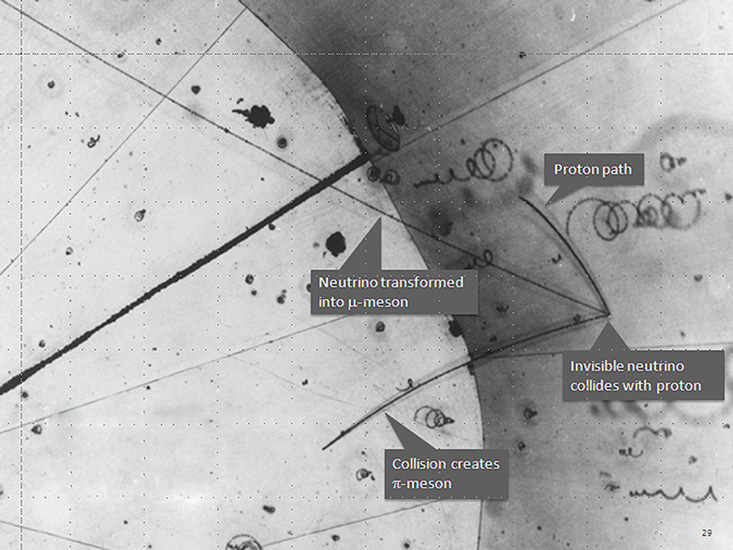
 An invisible neutrino entering a hydrogen bubble chamber from the right collides with a proton, leaving three visible particle pathways.
An invisible neutrino entering a hydrogen bubble chamber from the right collides with a proton, leaving three visible particle pathways.
via nautil.us


Gravity’s strength still an open question after latest measurement

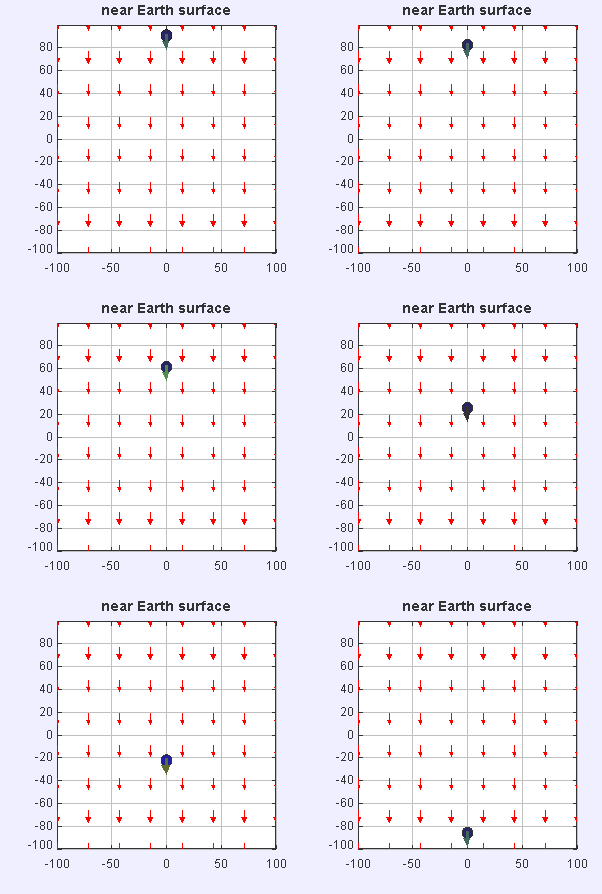
Gravity field near earth at 1,2 and A the curvature of the Earth is negligible at this scale, and the gravity force lines can be approximated as being parallel and pointing straight down to the center of the Earth. (Credit: SA 3.0)


Field lines drawn for a point mass using 24 field lines The gravitational field can be represented using field lines. These run in the direction that a mass would be accelerated in initially. The object will not necessarily fall along the field lines, but the acceleration will always be in the direction of the field lines. The closer the field lines are together, the denser the gravitational field. (credit: CC BY-SA 3.0)
Field lines drawn for a point mass using 24 field lines. The gravitational field can be represented using field lines. These run in the direction that a mass would be accelerated in initially. The object will not necessarily fall along the field lines, but the acceleration will always be in the direction of the field lines. The closer the field lines are together, the denser the gravitational field.(credit: SA 3.0)


Will Venus Express Spacecraft Crash Or Keep Decoding Planet’s Secrets

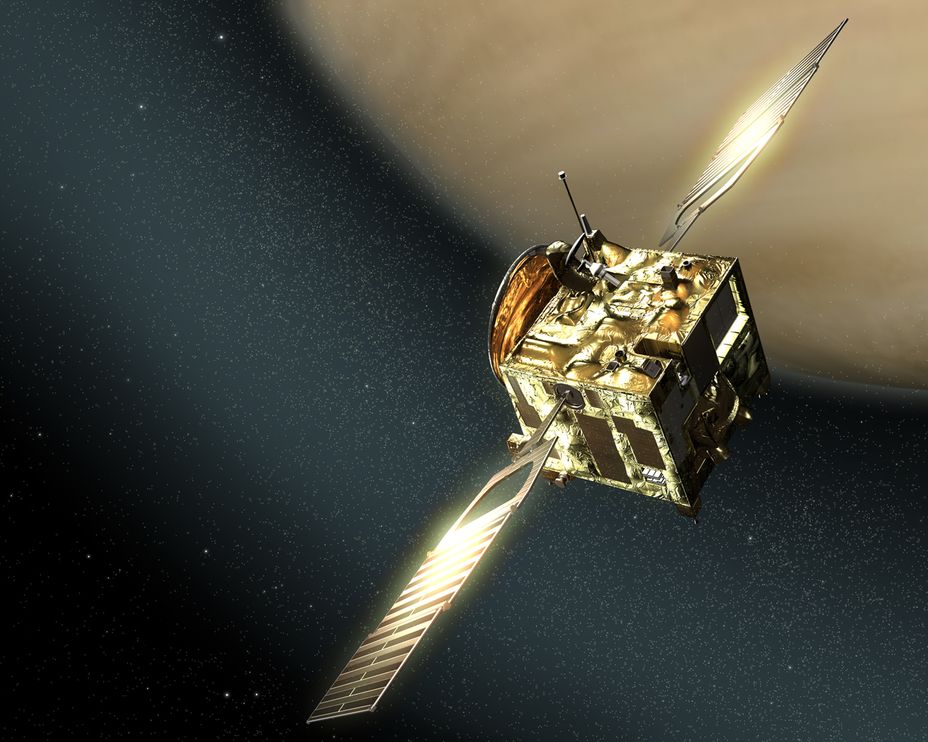
This illustration of Venus Express shows it amid charged particles of solar wind in the upper layers of the Venusian atmosphere. (credit: ESA, AOES Medialab)
This illustration of Venus Express shows it amid charged particles of solar wind in the upper layers of the Venusian atmosphere. (Credit: ESA, AOES Medialab)
via nationalgeographic
 

NASA Dark-Energy Mission Could Spot 3,000 New Alien Planets

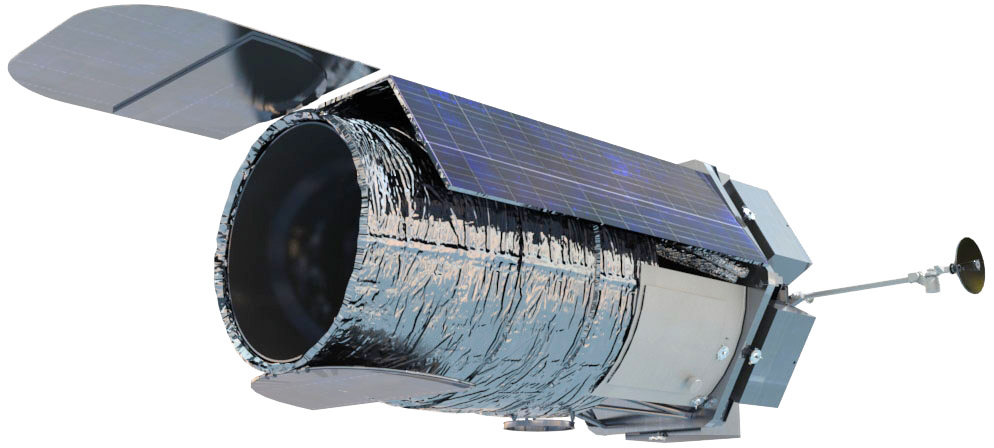
An artist's rendition of the proposed WFIRST-AFTA mission, which will study dark energy, extrasolar planets and objects in the near-infrared. (Credit: NASA)
An artist’s rendition of the proposed WFIRST-AFTA mission, which will study dark energy, extrasolar planets and objects in the near-infrared. (Credit: NASA)
via space.com


Universe’s Expansion Measured to Extreme Precision

An artist's view of how quasars and BOAs work together to measure the expansion of the universe. Light from distant quasars is absorbed by gas, which is imprinted with a pattern of BOAs from the early universe. Zosia Rostomian, Lawrence Berkeley National Laboratory, and Andreu Font-Ribera, BOSS Lyman-alpha team, Berkeley Lab
An artist’s view of how quasars and BOAs work together to measure the expansion of the universe. Light from distant quasars is absorbed by gas, which is imprinted with a pattern of BOAs from the early universe. Zosia Rostomian, Lawrence Berkeley National Laboratory, and Andreu Font-Ribera, BOSS Lyman-alpha team, Berkeley Lab
via discovery.com


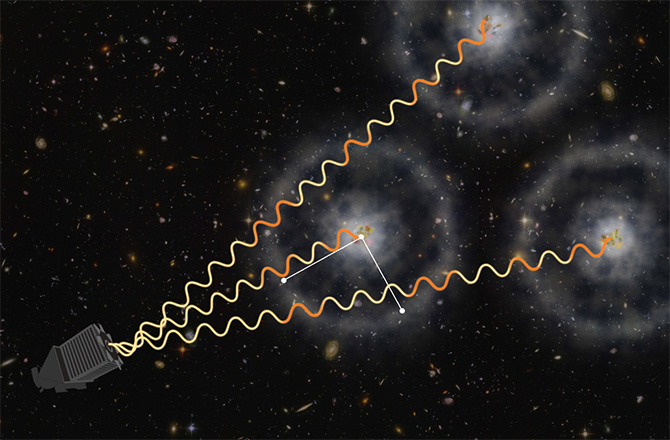
To test the effect of gravity on quantum entanglement, we need to go to space

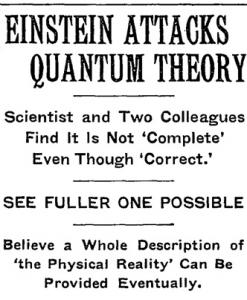
May 4, 1935 New York Times article headline regarding the imminent EPR paper.
via theconversation


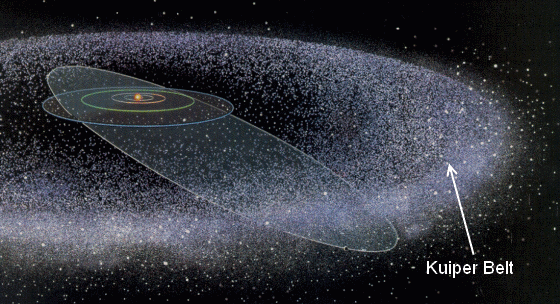
Hubble Telescope loosens Kuiper belt to reveal ICY BODY for NASA boffins’ PROBE

The Kuiper belt is a region beyond Neptune that is full of comets, asteroids and other debris. It circles the solar system and has always been a little bit of a mystery as it is so far away and hard to explore.(Credit: Chris Dann)
via theregister

Physics in the News

Tuesday, June 17, 2014

Decontamination system turns space station into life science laboratory

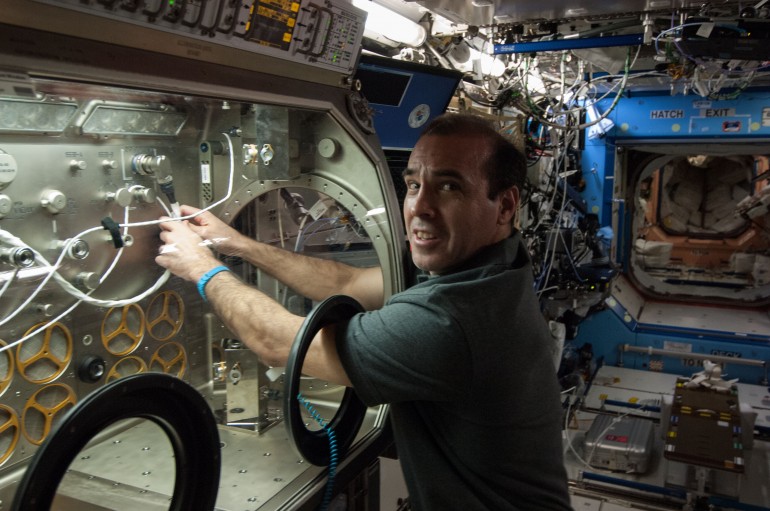
NASA astronaut Rick Mastracchio prepares to test the ultraviolet light decontamination hardware (Image: NASA)
NASA astronaut Rick Mastracchio prepares to test the ultraviolet light decontamination hardware (Credit: NASA)
via gizmag

Hubble telescope on the lookout for Kuiper belt as it pasts Pluto

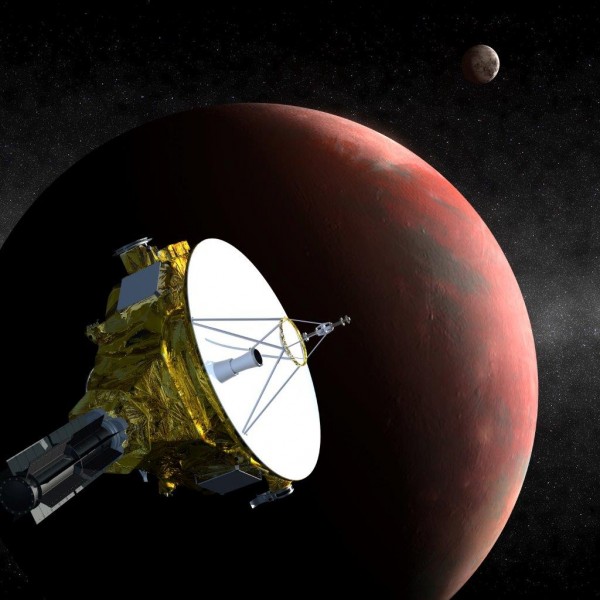
The New Horizons spacecraft approaches Pluto in this artist's conception. (JHUAPL/SWRI)
The New Horizons spacecraft approaches Pluto in this artist’s conception. (Credit: JHUAPL/SWRI)
via news.sciencemag

Former NASA Physicist Disputes Einstein’s Relativity Theory

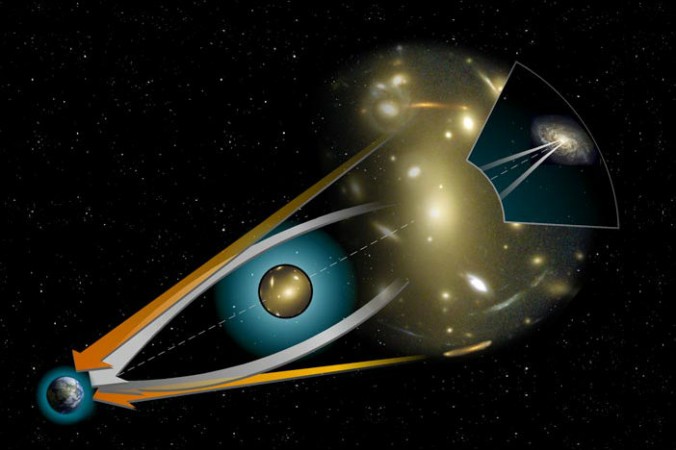
A diagram depicting gravitational lensing, a phenomenon by which light bends around some objects in space. (NASA, ESA; J. Richard, CRAL; and J.-P. Kneib, LAM)
A diagram depicting gravitational lensing, a phenomenon by which light bends around some objects in space. (Credit: NASA, ESA; J. Richard, CRAL; and J.-P. Kneib, LAM)
via theepochtimes

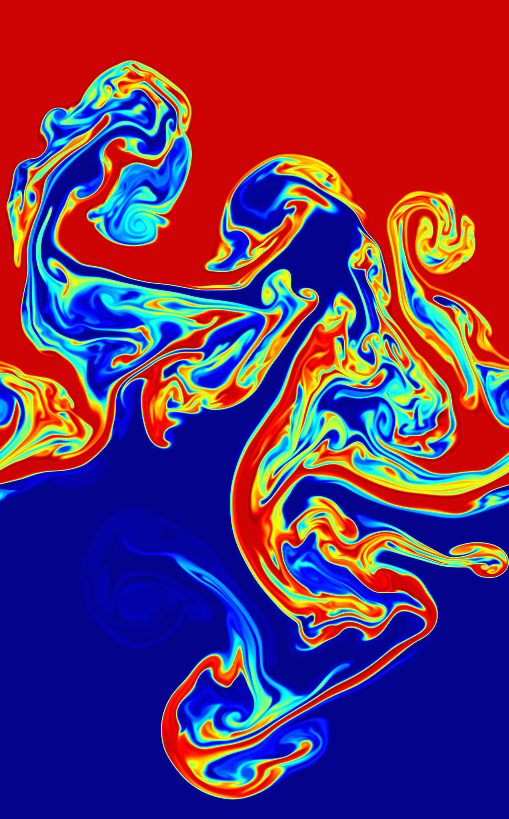
We owe our lives to instability

rt_yc12_7000
Rayleigh Taylor Instability: carbon mass fraction ρ=107 gm/cm3 12C→24Mg nuclear flame. Gravity 109 cm/s2 (Credit: Wiki Commons)
via santafenewmexican

Space giants join forces to battle SpaceX: This is how cheap space travel begins

The SpaceX Dragon capsule is making its third trip to the International Space Station, following a demonstration flight in May 2012 and the first resupply mission in October 2012
The SpaceX Dragon capsule is making its third trip to the International Space Station, following a demonstration flight in May 2012 and the first resupply mission in October 2012 (Credit: SpaceX)
via extremetech

Opportunity peers out from ‘Pillinger Point’ – Honoring British Beagle 2 Mars scientist

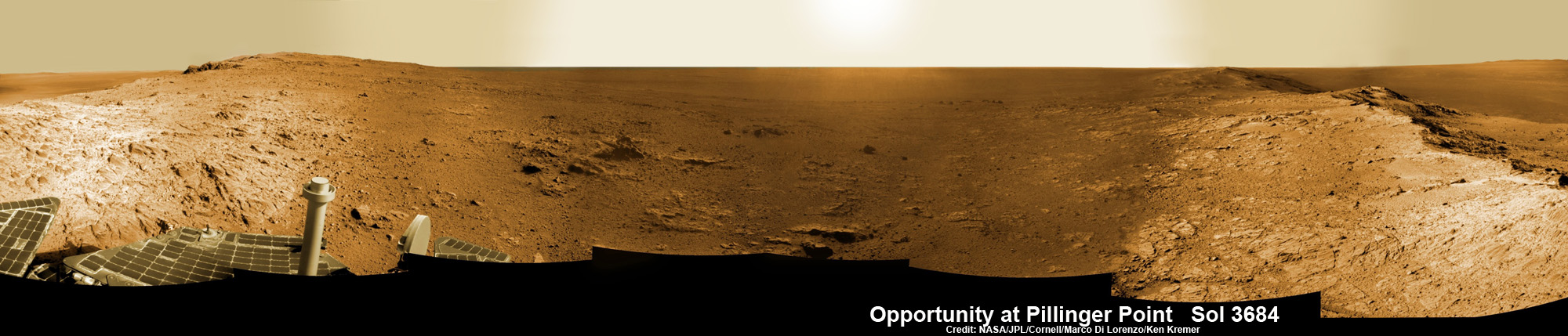
Opportunity Mars rover peers into vast Endeavour Crater from Pillinger Point mountain ridge named in honor of Colin Pillinger, the Principal Investigator for the British Beagle 2 lander built to search for life on Mars. Pillinger passed away from a brain hemorrhage on May 7, 2014. This navcam camera photo mosaic was assembled from images taken on June 5, 2014 (Sol 3684) and colorized. Credit: NASA/JPL/Cornell/Marco Di Lorenzo/Ken Kremer-kenkremer.com Read more: http://www.universetoday.com/112606/opportunity-peers-out-from-pillinger-point-honoring-british-beagle-2-mars-scientist-where-ancient-water-flowed/#ixzz34sFwIO7M
Opportunity Mars rover peers into vast Endeavour Crater from Pillinger Point mountain ridge named in honor of Colin Pillinger, the Principal Investigator for the British Beagle 2 lander built to search for life on Mars. Pillinger passed away from a brain hemorrhage on May 7, 2014. This navcam camera photo mosaic was assembled from images taken on June 5, 2014 (Credit: NASA/JPL/Cornell/Marco Di Lorenzo/Ken)
via universetoday

The Continuing Saga of Planet X: Could More Massive Planets Hide Beyond Pluto?

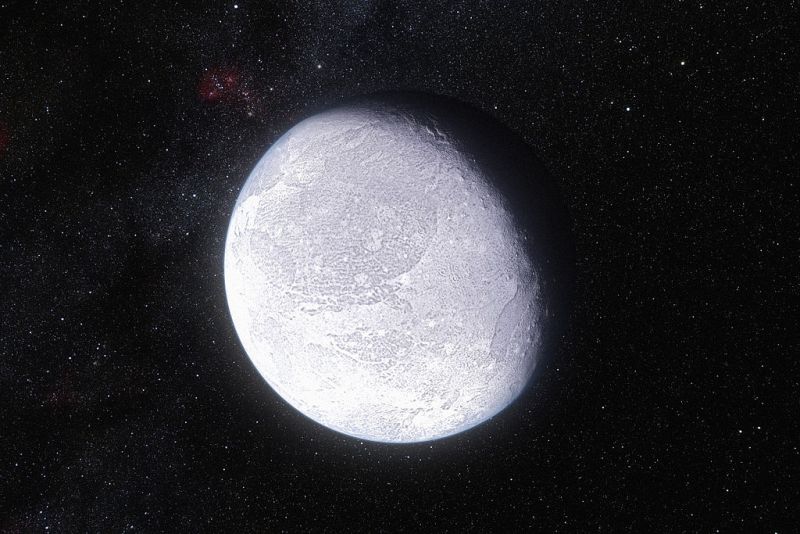
An artist’s impression of Eris, the most massive dwarf planet known to date, with an aphelion of 97 AU from the Sun. Could bigger Super-Earth-type planets be orbiting even farther out? Image Credit: ESO/L. Calçada and Nick Risinger
An artist’s impression of Eris, the most massive dwarf planet known to date, with an aphelion of 97 AU from the Sun. Could bigger Super-Earth-type planets be orbiting even farther out? (Credit: ESO/L. Calçada and Nick Risinger)
via americaspace

Trapping light: A long lifetime in a very small place

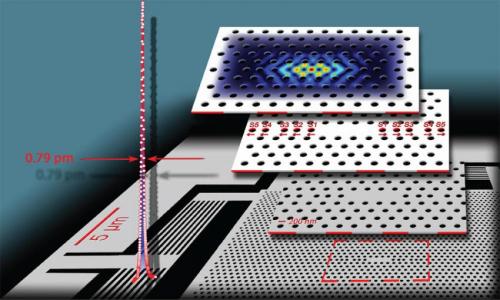
The top layer shows a simulation of the nanostructure confining the light in the tiny red regions. The second layer is the design generated by an approach that mimics evolutionary biology. The bottom two layers show electron micrographs of the realized nanostructure in silicon. The sharp peak on the left is the trace of the long trapping of light. Credit: Fabio Badolato
The top layer shows a simulation of the nanostructure confining the light in the tiny red regions. The second layer is the design generated by an approach that mimics evolutionary biology. The bottom two layers show electron micrographs of the realized nanostructure in silicon. The sharp peak on the left is the trace of the long trapping of light. (Credit: Fabio Badolato)
via phys.org

Physics in the News

Sunday, June 15, 2014

NASA identifies the smells of Saturn’s ‘aromatic’ moon

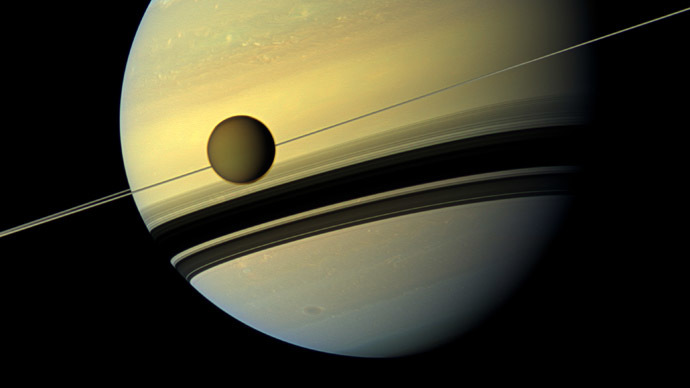
Titan, Saturn's largest moon appears before the planet as it undergoes seasonal changes in this natural color view from NASA's Cassini spacecraft in this handout released by NASA August 29, 2012. (Reuters/NASA)
Titan, Saturn’s largest moon appears before the planet as it undergoes seasonal changes in this natural color view from NASA’s Cassini spacecraft in this handout released by NASA August 29, 2012. (Credit: Reuters/NASA)
via rt.com

Hubble hubba: Stars are being born around a Black Hole in galaxy’s center

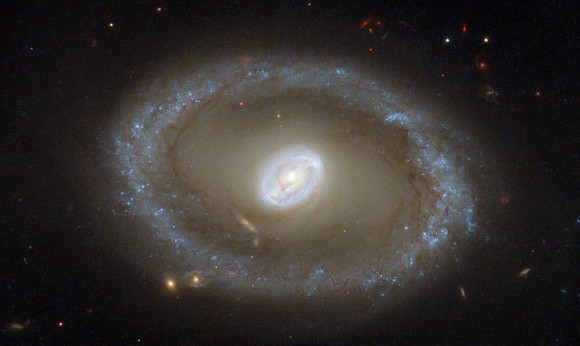
Hubble Space Telescope picture of galaxy NGC 3081. Credit: ESA/Hubble & NASA; acknowledgement: R. Buta (University of Alabama)
Hubble Space Telescope picture of galaxy NGC 3081. Credit: ESA/Hubble & NASA; acknowledgement: R. Buta (Credit: University of Alabama)
via universetoday

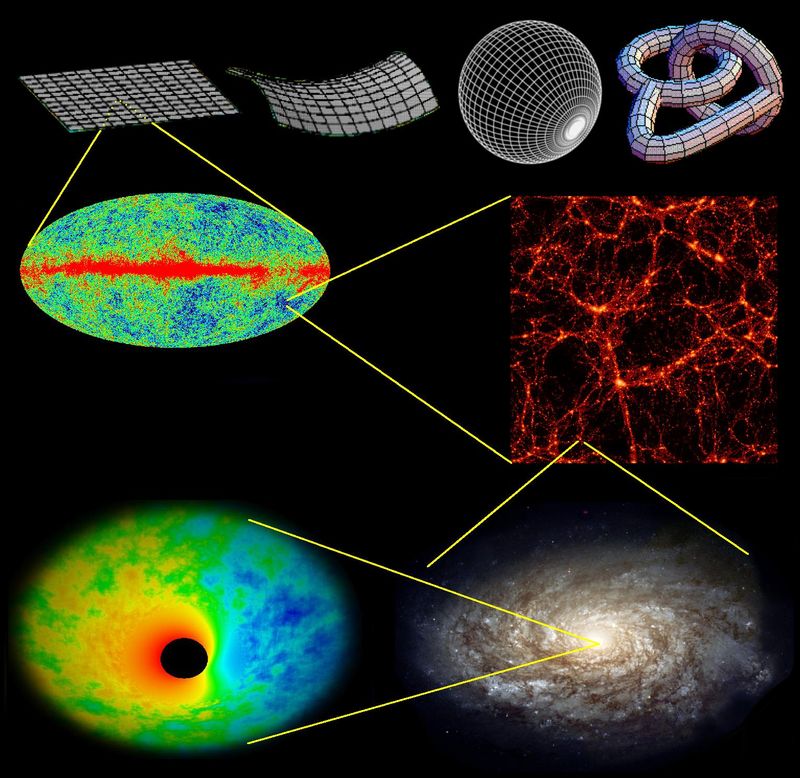
“Is spacetime a fluid?” Leading physicists query

Summary of the spacetime issues discussed in this article. One can use photons and astronomical objects as test particles to measure spacetime over 22 orders of magnitude in scale, ranging from the cosmic horizon (probing the global topology of and curvature of space - top) to distant supernovae (giving evidence of dark energy) down to galaxies (giving evidence for dark matter), galactic nuclei and binary stellar systems (giving evidence for black holes)
Summary of the spacetime issues discussed in this article. One can use photons and astronomical objects as test particles to measure spacetime over 22 orders of magnitude in scale, ranging from the cosmic horizon (probing the global topology of and curvature of space – top) to distant supernovae (giving evidence of dark energy) down to galaxies (giving evidence for dark matter), galactic nuclei and binary stellar systems (giving evidence for black holes) (Credit: Max Tegmark)
via dailygalaxy

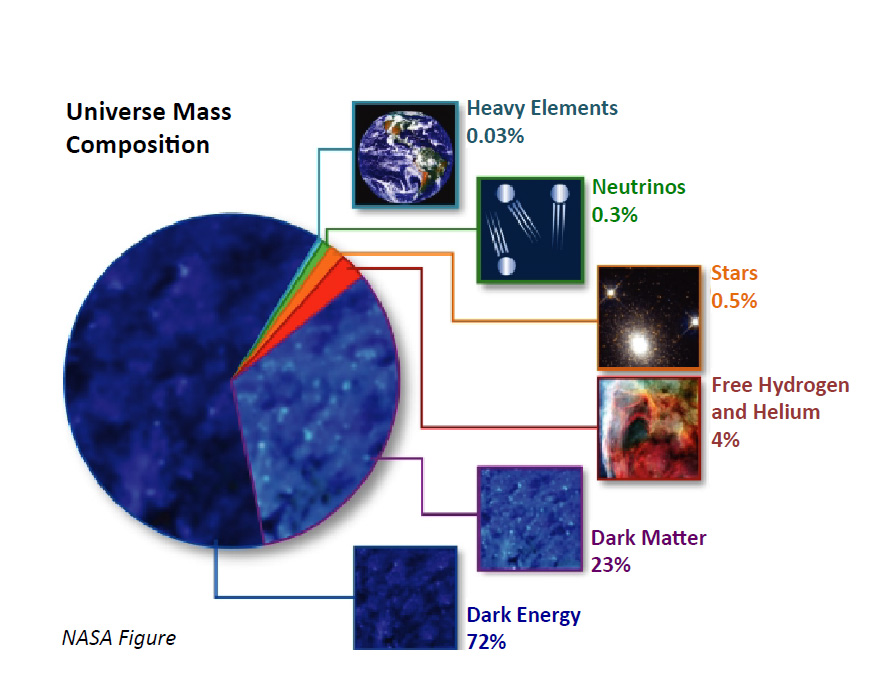
Rob Sheldon: Dark matter, dark energy, … what is the role of evidence now?

(Credit: NASA)
via uncommondescent

Astronomers discover nearly 200 previously unknown ‘red’ galaxies

Image Credit: atilla445/Thinkstock.com
(Credit: atilla445/Thinkstock.com)
via redorbit

Physics in the News

Saturday, June 14, 2014

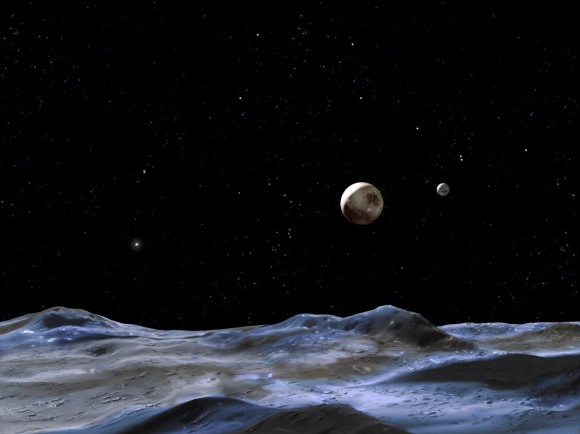
An Ocean On Pluto’s Moon? Hopeful Scientists Will Keep An Eye Out For Cracks

Artist impression of Pluto and Charon (NASA)
via universetoday

A Puzzling Cosmic Ring

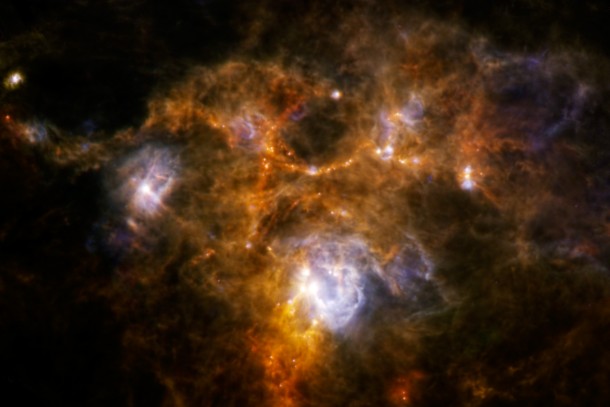
The Herschel Space Observatory has uncovered a weird ring of dusty material while obtaining one of the sharpest scans to date of a huge cloud of gas and dust, called NGC 7538. (Credit: ESA/NASA/JPL-Caltech/Whitman College)
via spacefellowship

‘Dark’ and Powerful Space Explosions May Be Cloaked by Cosmic Dust

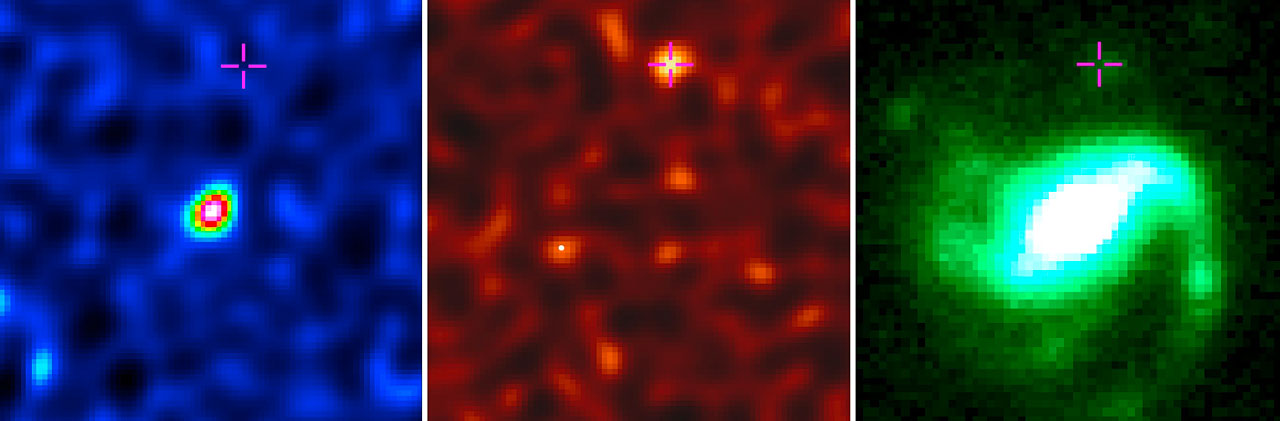
Observations of galaxy GRB 020819B of molecular gas (left) and dust (middle) done by the Atacama Large Millimeter/submillimeter Array (ALMA). At right is a visible-light image from the Frederick C. Gillett Gemini North Telescope. The cross indicates the site of a gamma-ray burst in the region. Credit: Bunyo Hatsukade(NAOJ), ALMA (ESO/NAOJ/NRAO)
Observations of galaxy GRB 020819B of molecular gas (left) and dust (middle) done by the Atacama Large Millimeter/submillimeter Array (ALMA). At right is a visible-light image from the Frederick C. Gillett Gemini North Telescope. The cross indicates the site of a gamma-ray burst in the region.  Credit: Bunyo Hatsukade(NAOJ), ALMA (ESO/NAOJ/NRAO)
via space.com

Two Giant Planets Hiding Beyond Pluto

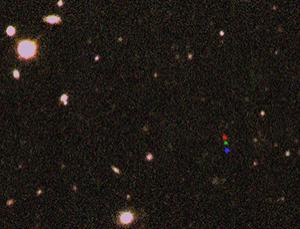
Three images, showing dwarf planet 2012 VP113 in red, then green, then blue, were combined to reveal its path across the night sky (Image: Scott S. Sheppard, Carnegie Institution for Science)
via newscientist

NASA’s Orion spacecraft nearly ready for its mission to Mars

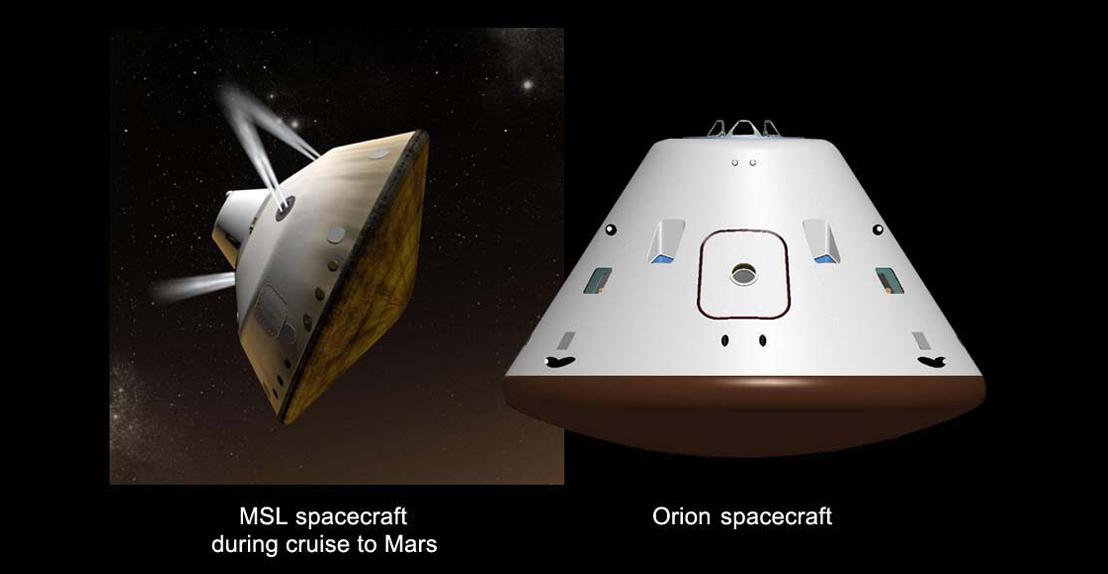
Credit: NASA
Credit: NASA
via asianlite

Images of “The Beast” asteroid blazing past earth

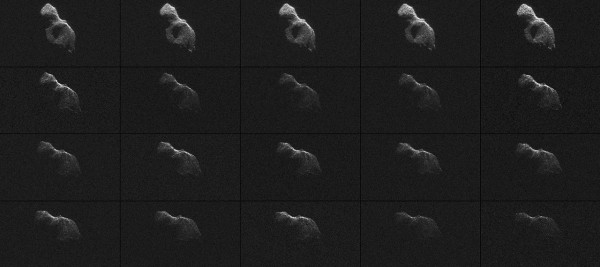
NASA scientists used Earth-based radar to produce these sharp views of the HQ124 asteroid on June 8, 2014. Courtesy of NASA/JPL-Caltech/Arecibo Observatory/USRA/NSF
via nationalgeographic