Physics in the News

Wednesday, August 6, 2014

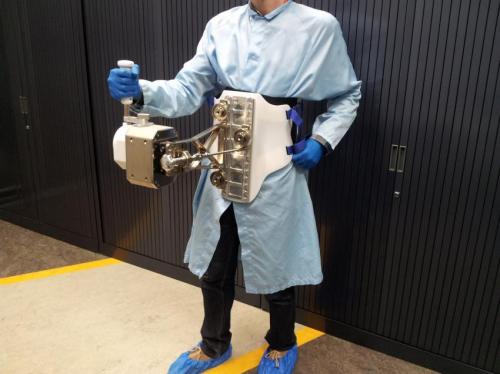
Shipyard workers test out robot suits in South Korea
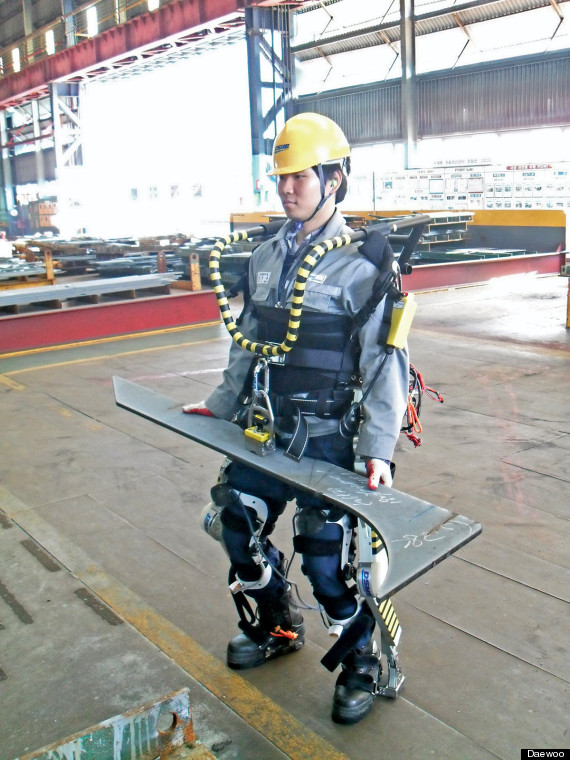
Chu says worker feedback from the trial has been mostly positive. Testers were pleased that the exoskeleton let them lift heavy objects repeatedly without strain, but everyone also wanted it to move faster and be able to cope with heavier loads. (Credit: Daewoo)
via cnet

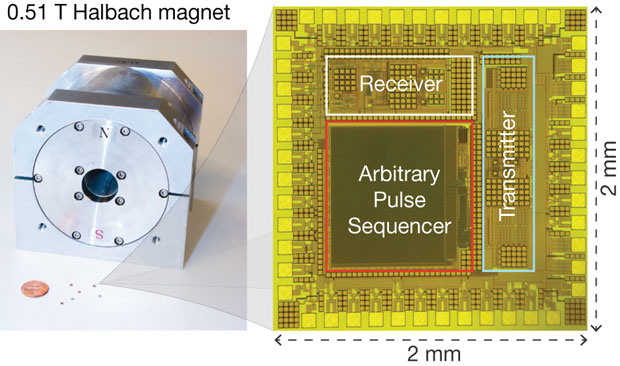
An NMR Chip The Size of a Seed

Harvard electrical engineering and applied physics professor Donhee Ham and his colleagues have drastically shrunk the size of the electronics even further, fitting the RF receiver, transmitter and other components on a tiny seed-sized chip. (Credit: Dongwan Ha/Harvard SEAS)
via ieee

The never-ending conundrums of classical physics
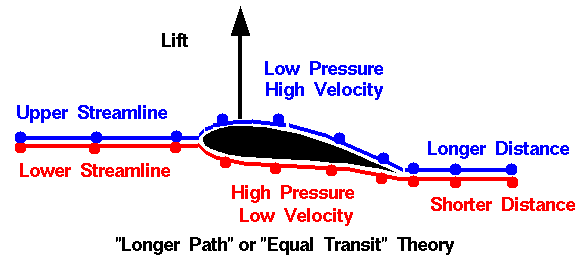
The incorrect “equal transit time” explanation for lift. (Credit: )

via  archtechnia

Is cosmic radiation the dawn of new physics or statistical slip-up?
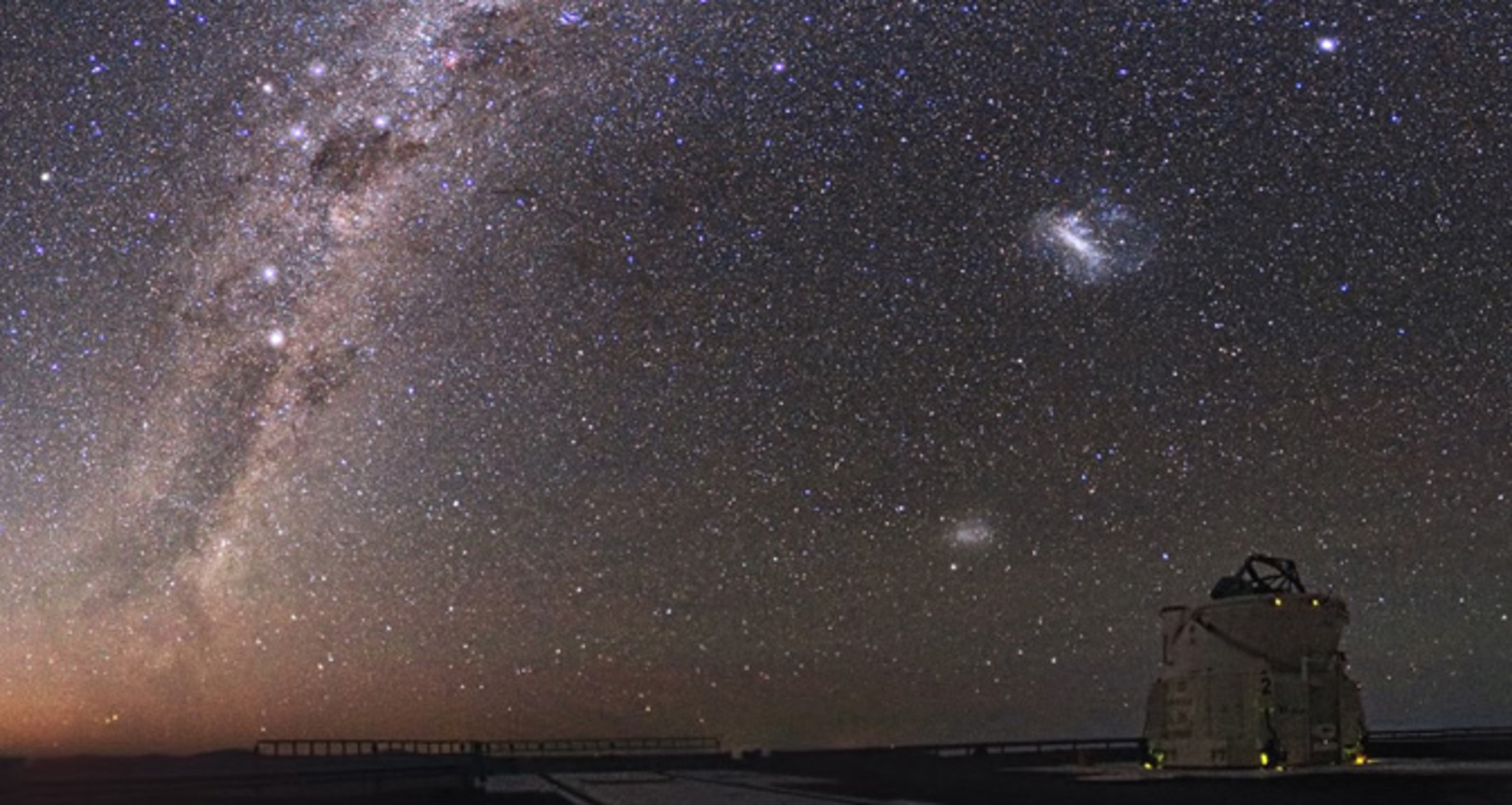
The Milky Way is bit of a barrier between us the extra-galactic universe. (Credit: NASA, CC BY)

via theconversation

Full NASA Cannae Drive and EMdrive Test paper shows that there is anomolous thrust and the null test article criticism is wrong
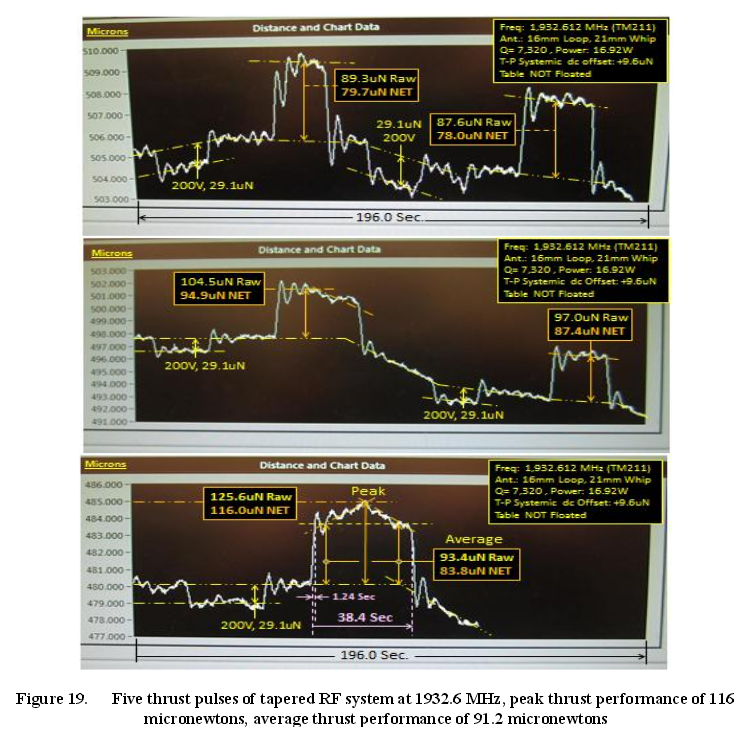
nasatestemdrive4
via nextbigfuture

Inmarsat warns over delays from failed rocket launch
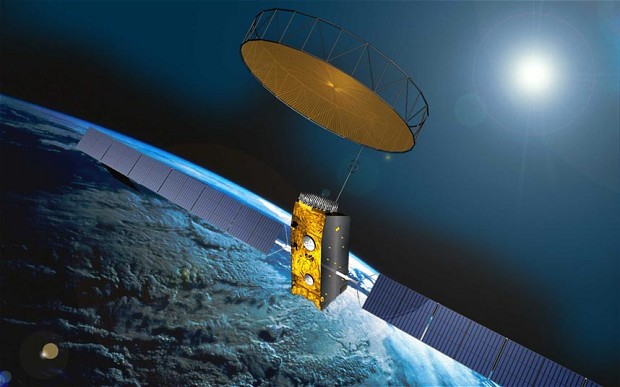
Inmarsat used its satellite network to name search areas for the missing Malaysia Airlines flight

via telegraph

Jupiter’s volcanic moon spews “curtains of fire”
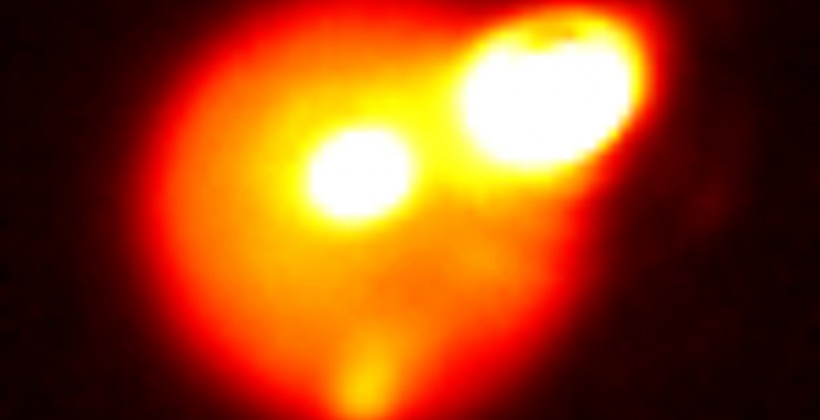
Footage from the Venus Express orbiter confirmed sightings of hot spots on the surface of the planet, in accordance with volcanoes still simmering. (Credit: NASA)
via slashgear

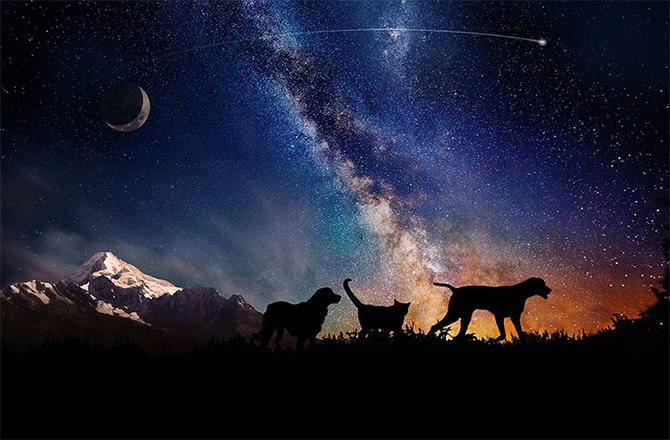
Physicists introduce another quantum animal: The Quantum Pigeon
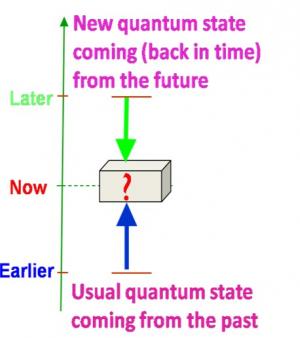
At the present moment another measurement is performed which is influenced both by what happened earlier and what happened later. (Credit: Jeff Tollaksen)
via phys

Radio telescope pinpoints Pluto for spacecraft buddy
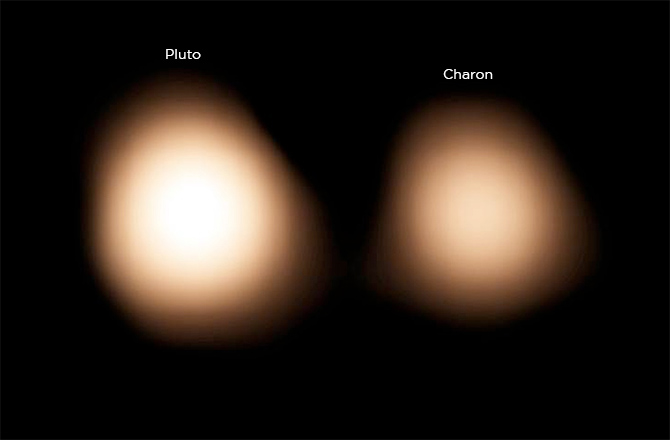
The cold surface of Pluto and its largest moon Charon as seen with ALMA on July 15, 2014. (Credit: /AUI/NSF)
via discovery

Social trails go off the beaten path: quantum lines of desire happen in physics also
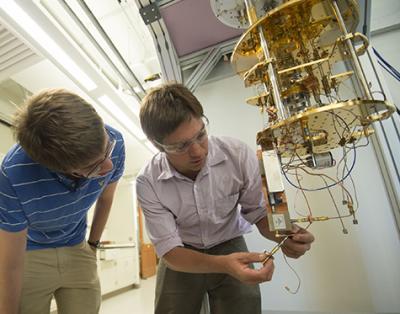
 Kater Murch (right), assistant professor of physics at Washington University in St. Louis, and junior Chris Munley work with the equipment that can map a quantum device's trajectory between two points in quantum state space, a feat until recently considered impossible. (Credit: Joe Angeles/WUSTL Photos)

Kater Murch (right), assistant professor of physics at Washington University in St. Louis, and junior Chris Munley work with the equipment that can map a quantum device’s trajectory between two points in quantum state space, a feat until recently considered impossible. (Credit: Joe Angeles/WUSTL Photos)

via sciencecodex

Planting imperfections at specific spots within diamond lattice could advance quantum computing
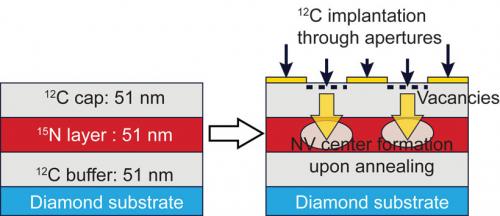
This is a schematic of the process to localize NV centers in 3-D. The researchers blasted carbon ions through holes to create vacancies and heated the diamond to make the vacancies mobile within the crystal. NV centers could form in the nitrogen-doped layer below where the holes were placed. (Credit: F.J. Heremans and D. Awschalom/U. Chicago and K. Ohno/UCSB)

via phys

Physics in the News

Tuesday, August 5, 2014

Extracting audio from visual information(VIDEO)

via mit

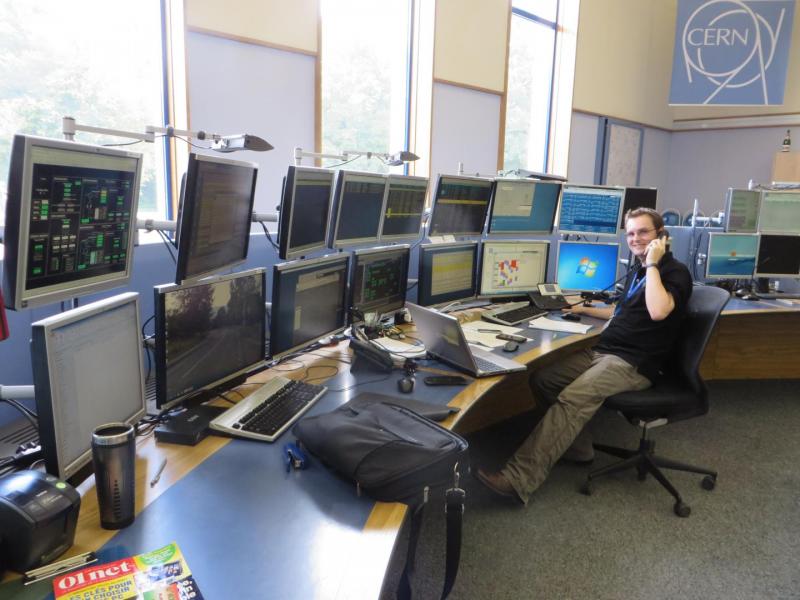
Technical troubleshooting at the CERN Control Centre

Chris Wetton of CERN's Technical Infrastructure Operation group keeps a keen eye on the monitors at the CERN Control Centre (Image: Stephanie Hills)
Chris Wetton of CERN’s Technical Infrastructure Operation group keeps a keen eye on the monitors at the CERN Control Centre (Credit: Stephanie Hills)
 via cern

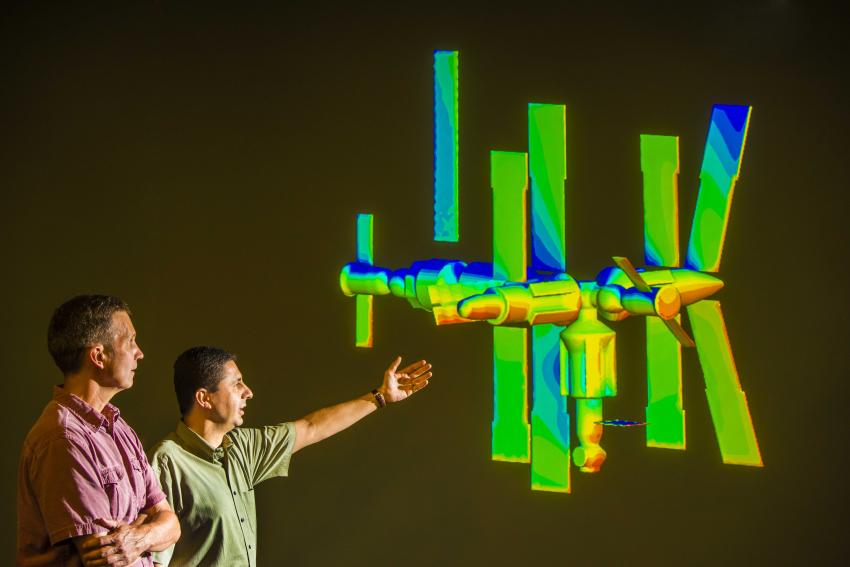
3-D codes yield unprecedented physics, engineering insights

Sandia National Laboratories researchers Steve Plimpton, left, and Michael Gallis look at a projection of a model of the Russian MIR space station, which fell out of orbit several years ago and disintegrated, with the remains ending up at the bottom of the Indian Ocean. Using Sandia’s 3-D code SPARTA, the calculation is simulating an instance of the process of de-orbiting. (Credit: Randy Montoya)
 via phys
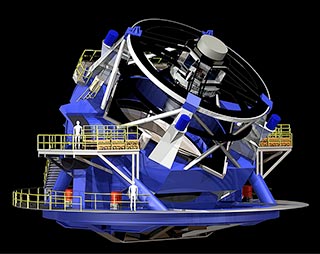
Funds awarded to begin construction of Large Synoptic Survey Telescope

The 8.4-meter LSST will use a special three-mirror design, creating an exceptionally wide field of view. (LSST/rendering)
The 8.4-meter LSST will use a special three-mirror design, creating an exceptionally wide field of view. (Credit: LSST/rendering)
via ucdavis

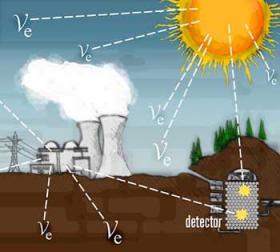
Neutrinos could monitor Iranian nuclear plant

Japanese scientists recently published a paper that showed they could monitor neutrinos by putting a detector in the back of a van and parking it outside the reactor.
via wvtf

NASA’s quantum drive: Cool your jets

Photo by Paramount Pictures
Of course science has overturned earlier notions of how the Universe works. But sometimes, those rules are shown to be true so much and so often that when you come up with an idea that overthrows all of it, you’d better have iron-clad evidence of it. (Credit: Phil Plait, Paramount Pictures)
via slate

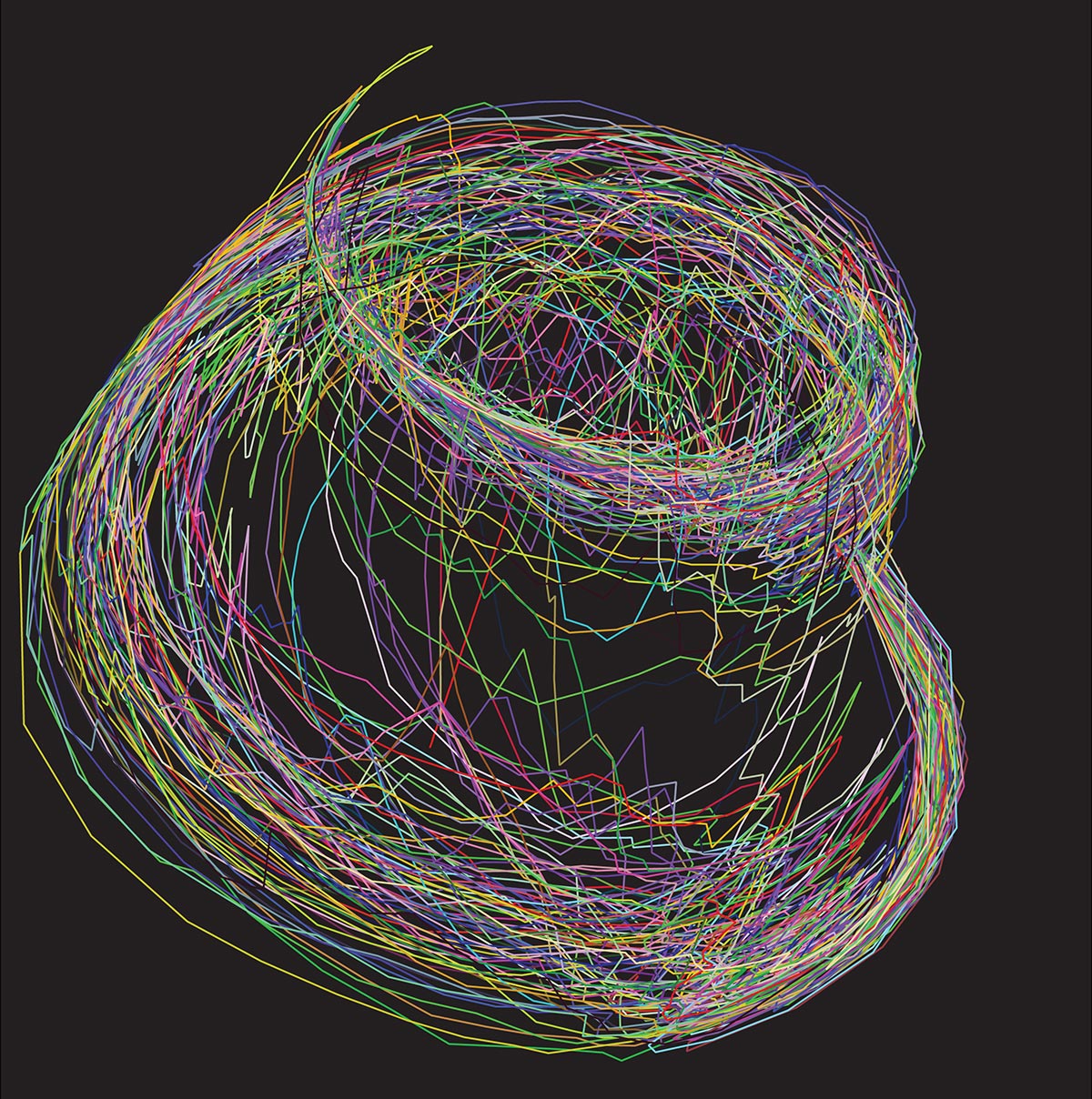
The changing state of a qubit over time

The work verifies theoretical models of the most likely way in which a quantum system will collapse, proving that the probable path can be predicted. This paves the way to actively controlling a quantum system in the future by steering it towards a certain outcome.(Credit: Irfan Siddiqi, UC Berkeley)
via newscientist

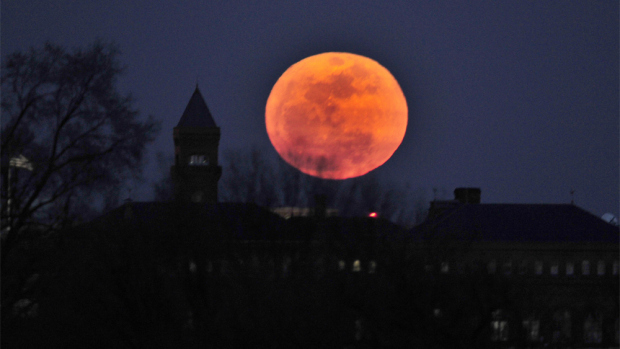
The summer’s second Supermoon to return Sunday afternoon

A perigee moon rises in Washington, DC, on March 19, 2011. A perigee moon is visible when the moon's orbit position is at its closest point to Earth during a full moon phase. The full moon coincided with its closest approach to the Earth, 221,565 miles (356,575 km), making the so-called "super moon" look slightly larger than average. AFP PHOTO / Jewel Samad (Photo credit should read JEWEL SAMAD/AFP/Getty Images)
A perigee moon rises in Washington, DC, on March 19, 2011. A perigee moon is visible when the moon’s orbit position is at its closest point to Earth during a full moon phase. The full moon coincided with its closest approach to the Earth, 221,565 miles (356,575 km), making the so-called “super moon” look slightly larger than average. (Credit: JEWEL SAMAD/AFP/Getty Images)
via cbs

Comet-chasing Euro-probe could make history Wednesday

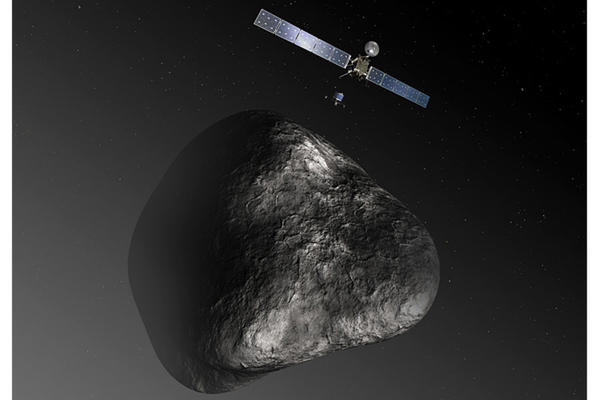
An artist's impression shows what the Rosetta orbiter will look like when it deploys the Philae lander to a comet later this year. (Credit: ESA)
An artist’s impression shows what the Rosetta orbiter will look like when it deploys the Philae lander to a comet later this year. (Credit: ESA)
via csmonitor

Physics in the News

Sunday, August 3, 2014

Best evidence yet for coronal heating theory

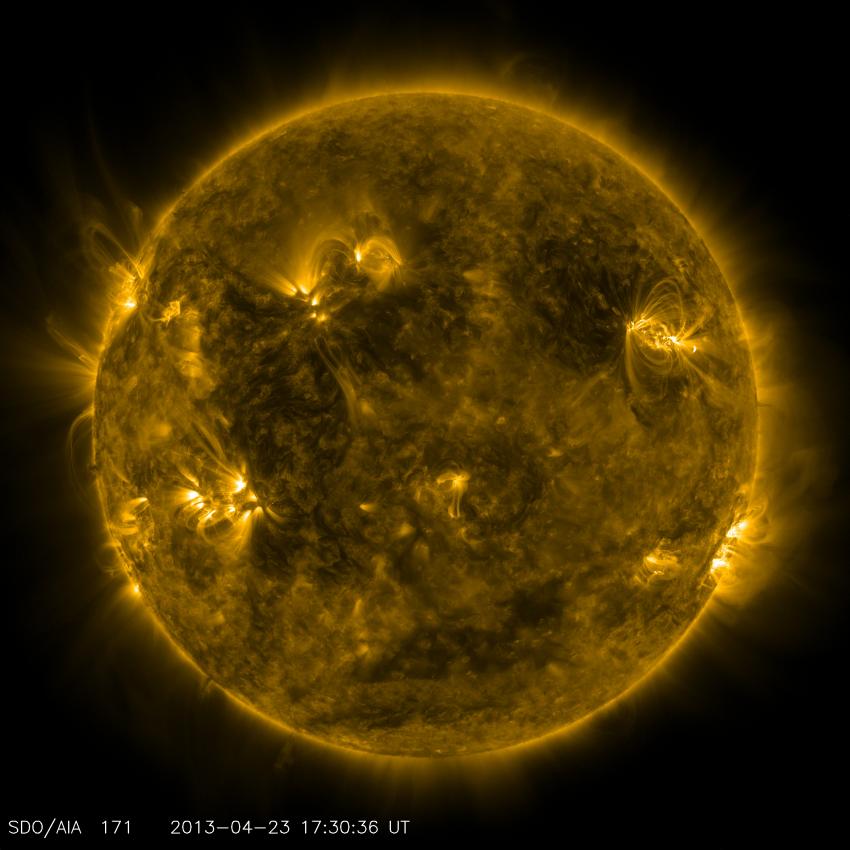
NASA's Solar Dynamics Observatory captured this image of what the sun looked like on April 23, 2013, at 1:30 p.m. EDT when the EUNIS mission launched. EUNIS focused on an active region of the sun, seen as bright loops in the upper right in this picture. (Credit: NASA/SDO)
NASA’s Solar Dynamics Observatory captured this image of what the sun looked like on April 23, 2013, at 1:30 p.m. EDT when the EUNIS mission launched. EUNIS focused on an active region of the sun, seen as bright loops in the upper right in this picture. (Credit: NASA/SDO)
via phys.org

Robot Olympics planned for 2020 powered by Japan’s ‘Robot Revolution’

via singularityhub

Moon closer to Mars, moving toward Saturn

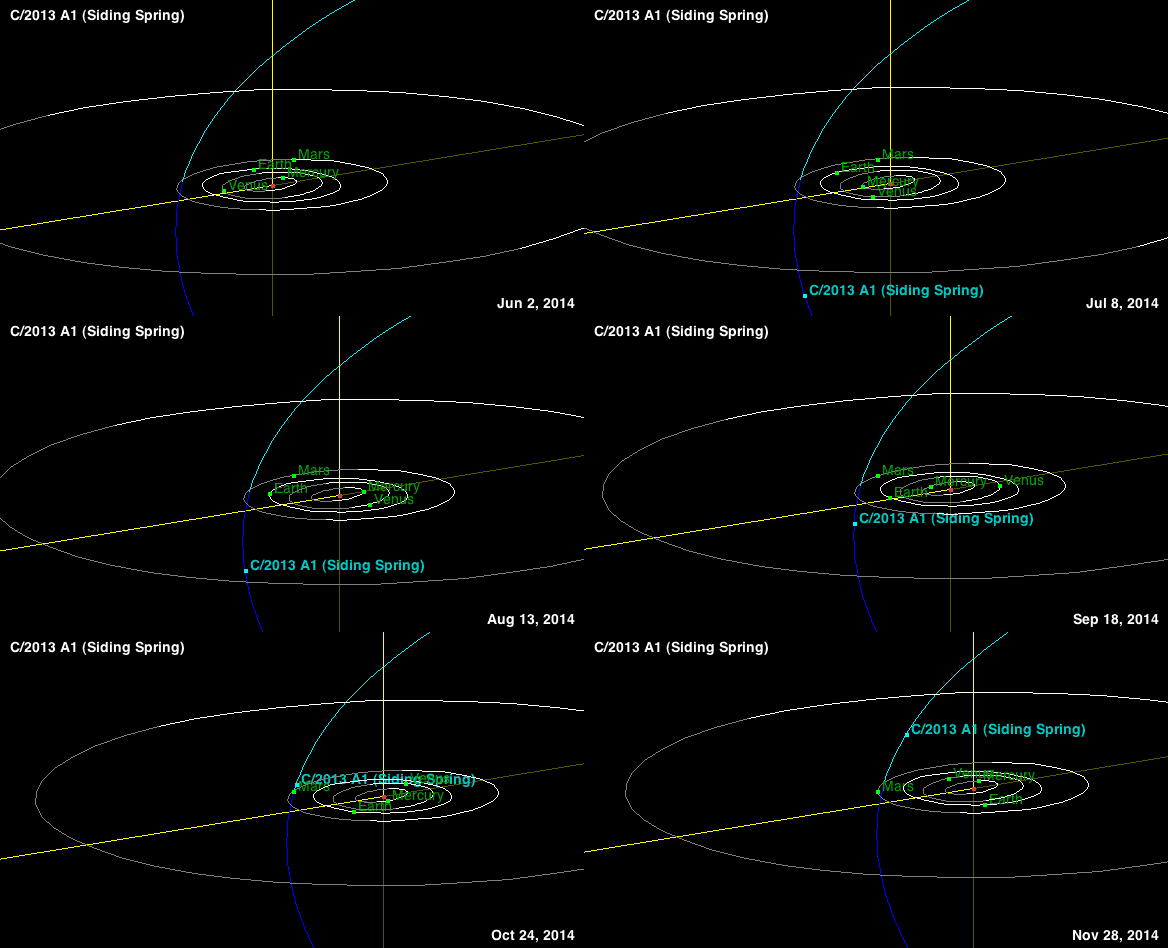
Animation of Comet C/2013 A1 Siding Spring / Mars encounter. (Credit: Near-Earth Object (NEO) office and NASA JPL)
via earthsky

Scientists separate a particle from its properties

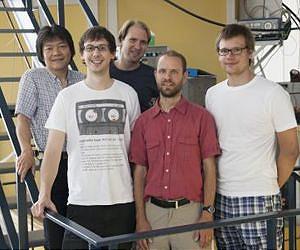
he study, carried out at the Institute Laue-Langevin (ILL) and published in Nature Communications, showed that in an interferometer a neutron's magnetic moment could be measured independently of the neutron itself, thereby marking the first experimental observation of a new quantum paradox known as the 'Cheshire Cat'. Pictured are Yuji Hasegawa, Tobias Denkmayr, Stephan Sponar, Hartmut Lemmel, and Hermann Geppert. (Credit: Vienna University of Technology.)
The study, carried out at the Institute Laue-Langevin (ILL) and published in Nature Communications, showed that in an interferometer a neutron’s magnetic moment could be measured independently of the neutron itself, thereby marking the first experimental observation of a new quantum paradox known as the ‘Cheshire Cat’. Pictured are Yuji Hasegawa, Tobias Denkmayr, Stephan Sponar, Hartmut Lemmel, and Hermann Geppert. (Credit: Vienna University of Technology.)
via spacedaily

Companion planet could keep alien Earths warm in old age

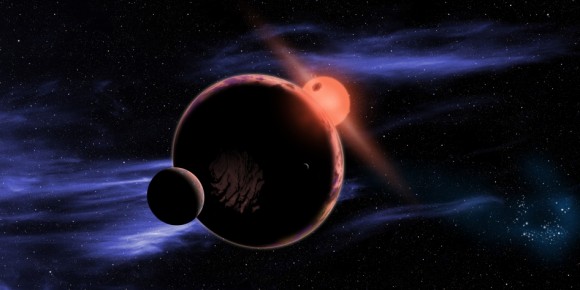
An artist’s concept of a rocky world orbiting a red dwarf star. (Credit: NASA/D. Aguilar/Harvard-Smithsonian center for Astrophysics)
via universetoday

Exclusive: NASA’s Hubble finds ‘magnifying lens’ galaxy

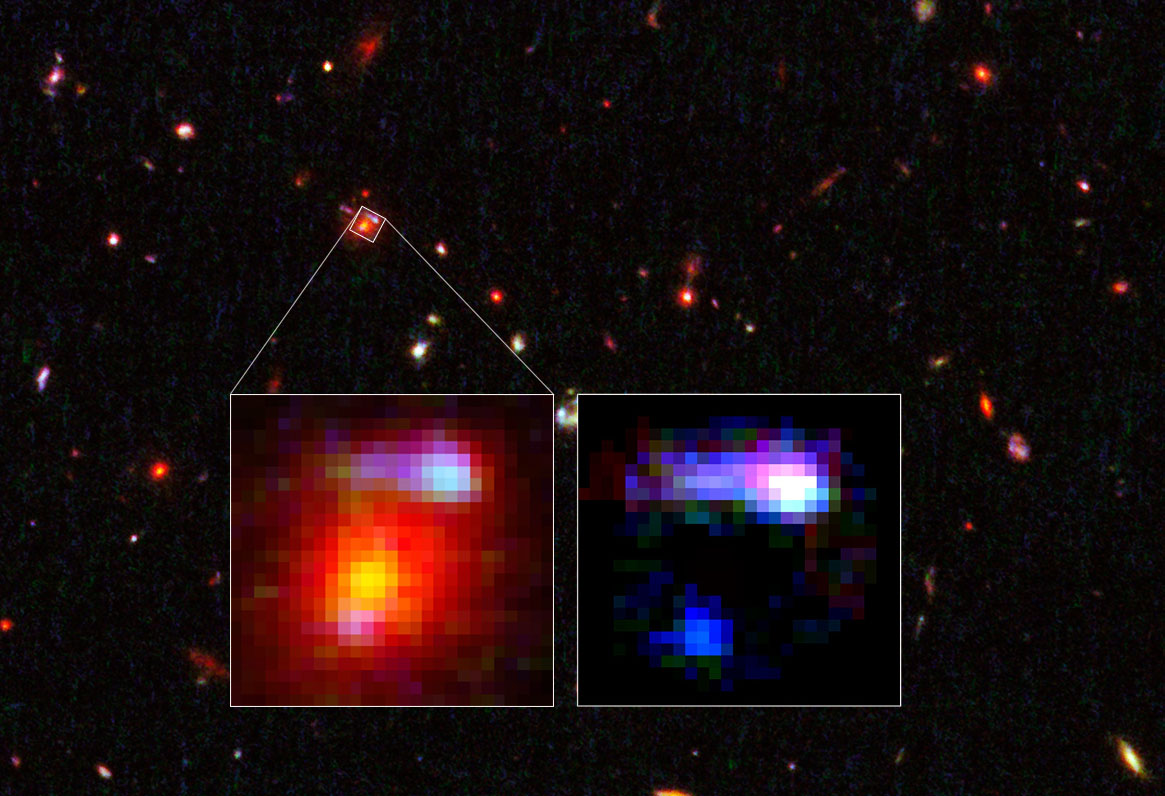
In this image from the Hubble Space Telescope, a giant elliptical galaxy 9.6 billion light-years away appears as a red patch. The bluish dot and tadpole-shaped smear are the distorted and magnified shapes of a more distant spiral galaxy 10.7 billion light-years away. (Credit: NASA, ESA, K.-V. Tran (Texas A&M University), and K. Wong)
In this image from the Hubble Space Telescope, a giant elliptical galaxy 9.6 billion light-years away appears as a red patch. The bluish dot and tadpole-shaped smear are the distorted and magnified shapes of a more distant spiral galaxy 10.7 billion light-years away.
(Credit: NASA, ESA, K.-V. Tran (Texas A&M University), and K. Wong)
via space

Scientists in Scotland have created a working tractor beam

(Credit: iStock/360/Getty)
The Dundee tractor beam is not entirely dissimilar from those in “Star Wars” and “Star Trek,” in that it draws an object toward it without making physical contact. The device works by taking advantage of an acoustic wave’s natural push effect, called radiation pressure. (Photons also exert radiation pressure, which is part of the reason comet tails always point away from the sun.) What the Dundee team was able to demonstrate was an example of negative radiation pressure, otherwise known as pull. (Credit: iStock/360/Getty)
via thenewyorker

Giant asteroids reshaped Earth 4 billion years ago

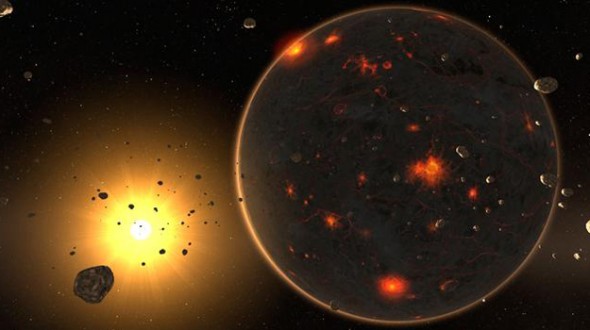
The team says that during this 500 million year period the planet likely experienced three to seven impacts by objects more than 300 miles wide. There were also as many as four impacts by titanic space rocks more than 600 miles across. If there had been any life on the Earth, a 600 mile wide monster asteroid probably would have wiped it out. Surprisingly, these impacts are compatible with the existence of liquid water on the surface as early as 4.3 billion years ago.
The team says that during this 500 million year period the planet likely experienced three to seven impacts by objects more than 300 miles wide. There were also as many as four impacts by titanic space rocks more than 600 miles across. If there had been any life on the Earth, a 600 mile wide monster asteroid probably would have wiped it out. Surprisingly, these impacts are compatible with the existence of liquid water on the surface as early as 4.3 billion years ago. (D. A. Aguilar, Harvard-Smithsonian Center for Astrophysics)
via geek

Will DARPA’s new space shuttle crush the SpaceX Grasshopper?

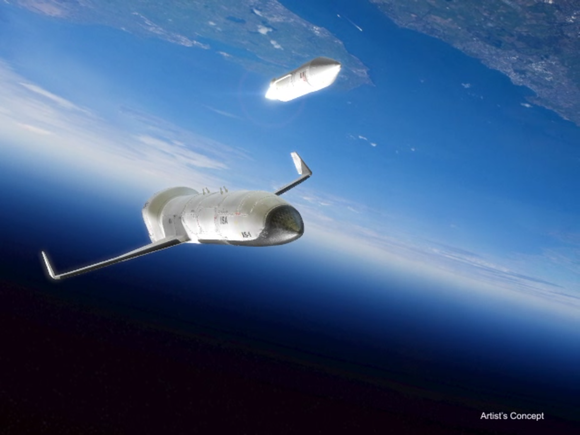
DARPA's hypothetical "space plane." (Credit: DARPA)
DARPA’s hypothetical “space plane.” (Credit: DARPA)
via fool

European spacecraft to attempt historic comet rendezvous this week

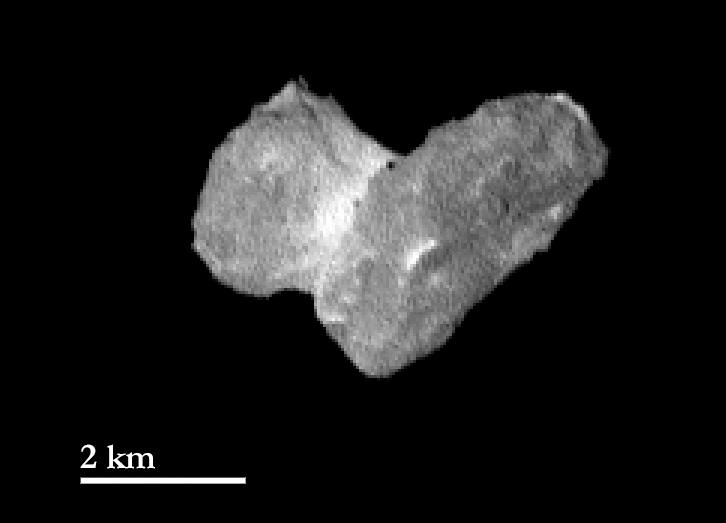
The European Space Agency's Rosetta spacecraft saw the nucleus of comet 67P/Churyumov-Gerasimernko from a distance of 1,210 miles (1,950 kilometers). Image taken July 29, 2014. (Credit: ESA/Rosetta/MPS for OSIRIS Team MPS/UPD/LAM/IAA/SSO/INTA/UPM/DASP/IDA)
The European Space Agency’s Rosetta spacecraft saw the nucleus of comet 67P/Churyumov-Gerasimernko from a distance of 1,210 miles (1,950 kilometers). Image taken July 29, 2014.
(Credit: ESA/Rosetta/MPS for OSIRIS Team MPS/UPD/LAM/IAA/SSO/INTA/UPM/DASP/IDA)
via space

Physics in the News

Saturday, August 2, 2014

Despite extensive analysis, Fermi bubbles defy explanation

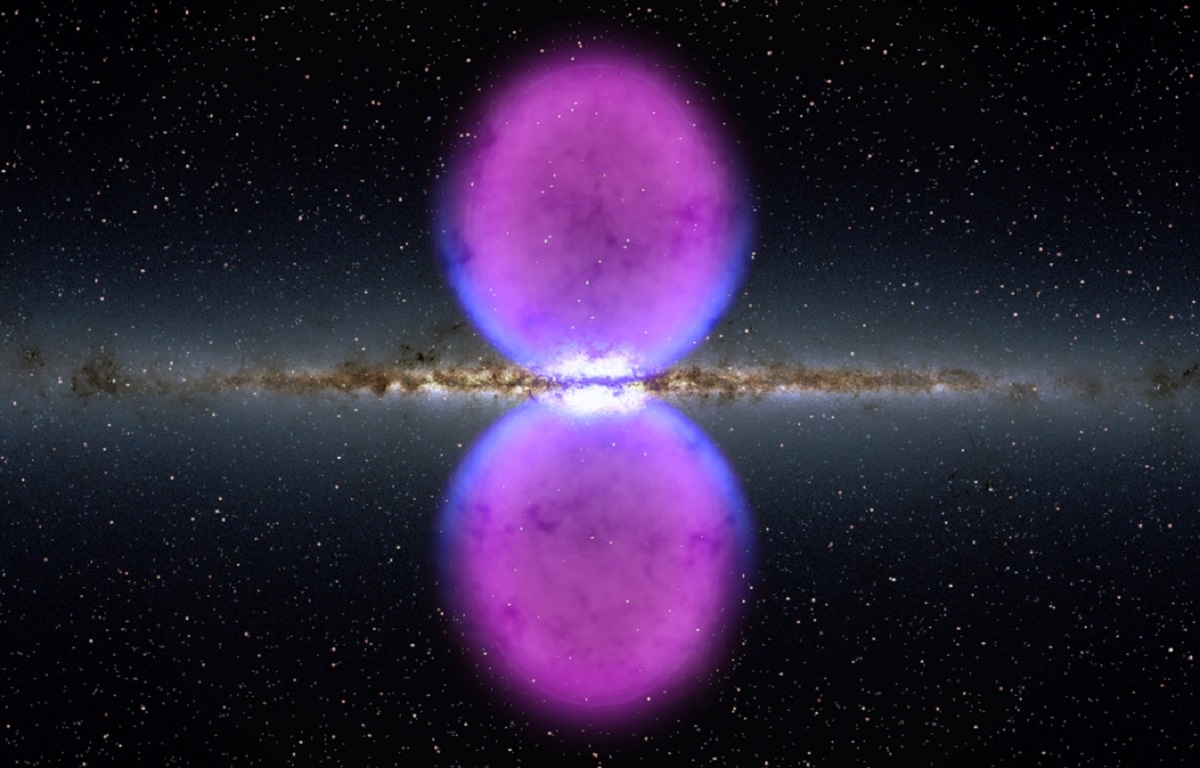
This artist's representation shows the Fermi bubbles towering above and below the galaxy. Credit: NASA's Goddard Space Flight Center. (Credit: NASA)
This artist’s representation shows the Fermi bubbles towering above and below the galaxy. Credit: NASA’s Goddard Space Flight Center. (Credit: NASA)
via phys.org

NASA ‘to make oxygen on Mars early next decade’

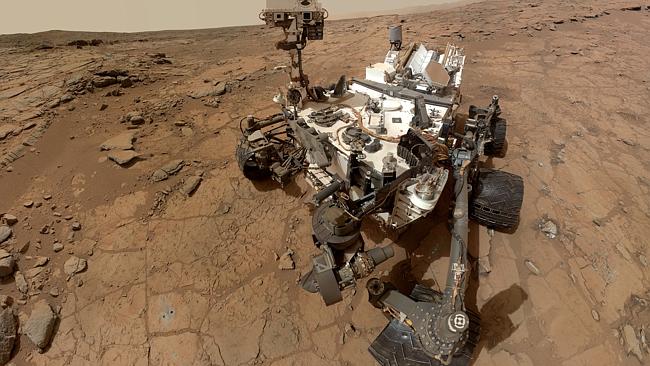
Space agency officials unveiled seven instruments they plan to put on a Martian rover that would launch in 2020, including two devices aimed at bigger Mars missions in the future. (Credit: NASA)
via news.com

On-chip topological light: First measurements of transmission and delay

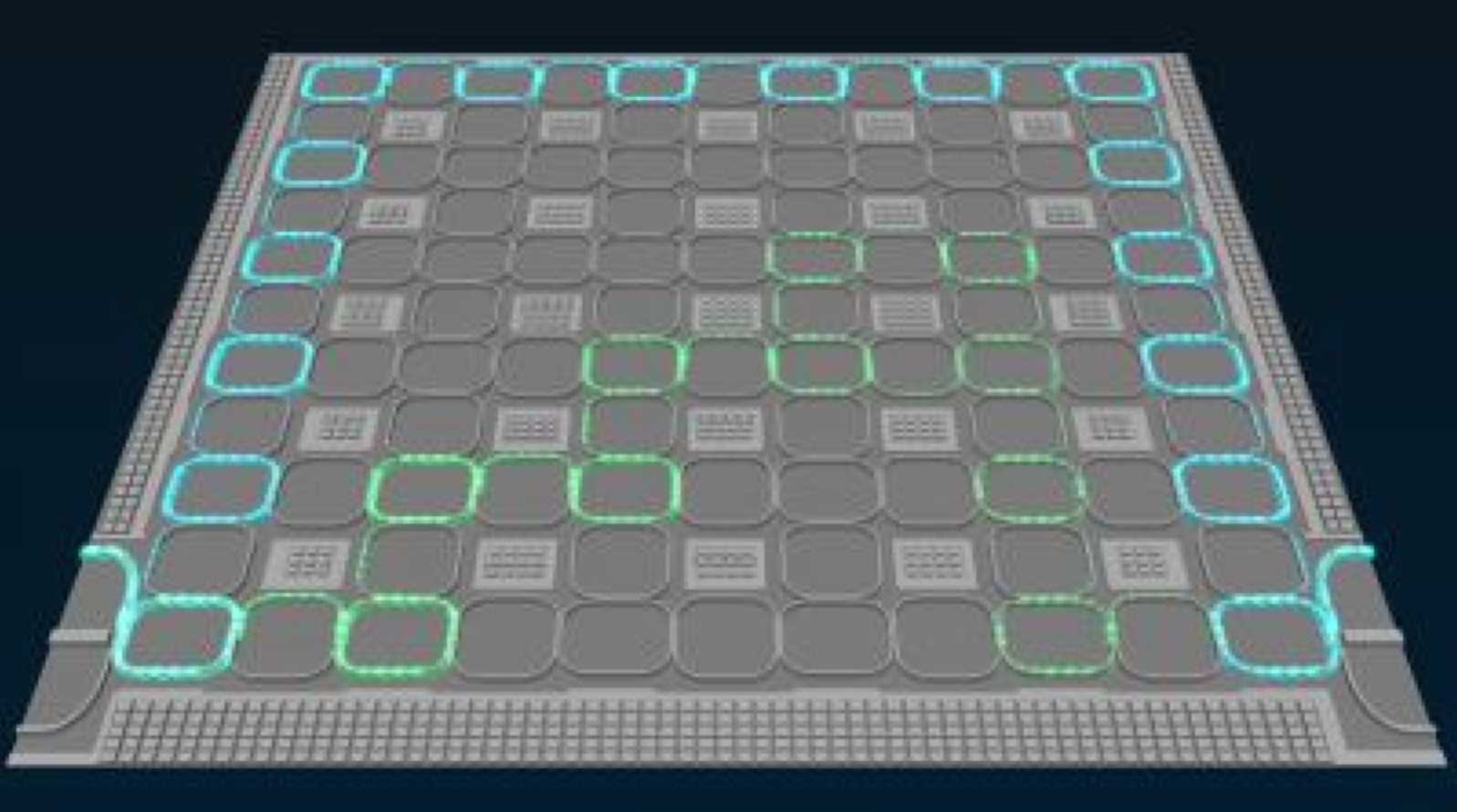
Light enters a two-dimensional ring-resonator array from the lower left and exits at the lower right.  Light that follows the edge of the array (blue) does not suffer energy loss and exits after a consistent amount of delay. Light travels into the interior of the array (green) suffers energy loss. (Credit: Sean Kelley/JQI)
Light enters a two-dimensional ring-resonator array from the lower left and exits at the lower right. Light that follows the edge of the array (blue) does not suffer energy loss and exits after a consistent amount of delay. Light travels into the interior of the array (green) suffers energy loss. (Credit: Sean Kelley/JQI)
via esciencenews

Particle fever makes me feel like a physicist

via gizmodo

Final flight of European space vehicle to Space Station goes out with a ‘Big Bang’

ESA's Haptics-1 body-mounted astronaut joystick will be used to investigate telerobotics for space aboard the International Space Station. (Credit: European Space Agency)
ESA’s Haptics-1 body-mounted astronaut joystick will be used to investigate telerobotics for space aboard the International Space Station. (Credit: European Space Agency)
via phys.org

World Wide Web day today: Celebrate the web browser invention and surf

CERN’s website was the first to be hosted on the World Wide Web, at info.cern.ch. It was a simple page that contained a lot of links, which was essentially what the WWW was for at that time. It was dedicated to the Internet itself, describing the basic features of the web, accessing documents and setting up servers. (Credit: Beth A. Balen)
via guardianlv 

One Small Step for Your Dead Pet

Celestis has expanded their services to include animals, called Celestis Pets. And now you can even send your family pet in Armstrong’s and Aldrin’s footsteps by launching them to the moon. (Credit: Celestis Pets)
via discovery

Physics in the News

Friday, August 1, 2014

Physics-defying space drive confirmed by NASA, may revolutionize spaceflight

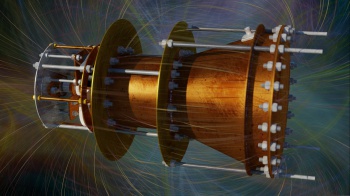
NASA has conducted experiments on a revolutionary space drive that seems to defy the laws of conservation of momentum and confirmed that it works. (Credit: EmDrive 3D render by Elvis Popovic)
via escapistmagazine

Why we’re five years overdue for a damaging solar super-storm (VIDEO)

via physicsworld

SpaceX launches 3D-printed engine chamber for crewed spaceflight (VIDEO)

via spacex

New holographic waveguide augments reality (VIDEO)

via physicsworld

Weird supernova may blow away star explosion theories

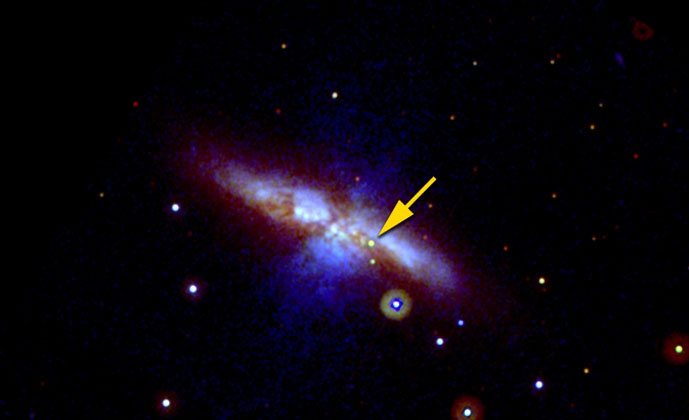
This image from NASA's Swift space telescope, taken on Jan. 22, 2014, shows the supernova SN 2014J as seen in three different exposures by the space observatory. Scientists suspect the weird supernova's progenitor star may have had a helium belt. (Credit: NASA/Swift/P. Brown, TAMU)
This image from NASA’s Swift space telescope, taken on Jan. 22, 2014, shows the supernova SN 2014J as seen in three different exposures by the space observatory. Scientists suspect the weird supernova’s progenitor star may have had a helium belt.
(Credit: NASA/Swift/P. Brown, TAMU)
via space

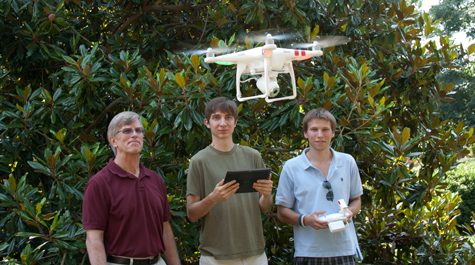
It’s not a drone: It’s a Creative Adaptation

Reed Beverstock (right) pilots the physics department quadcopter while Daniel Duane (center) monitors the video feed on a computer tablet while Professor of Physics Bill Cooke looks on. They’re using the device to create video tutorials as part of a Creative Adaptation initiative. (Credit: Joseph McClain)
via wm.edu

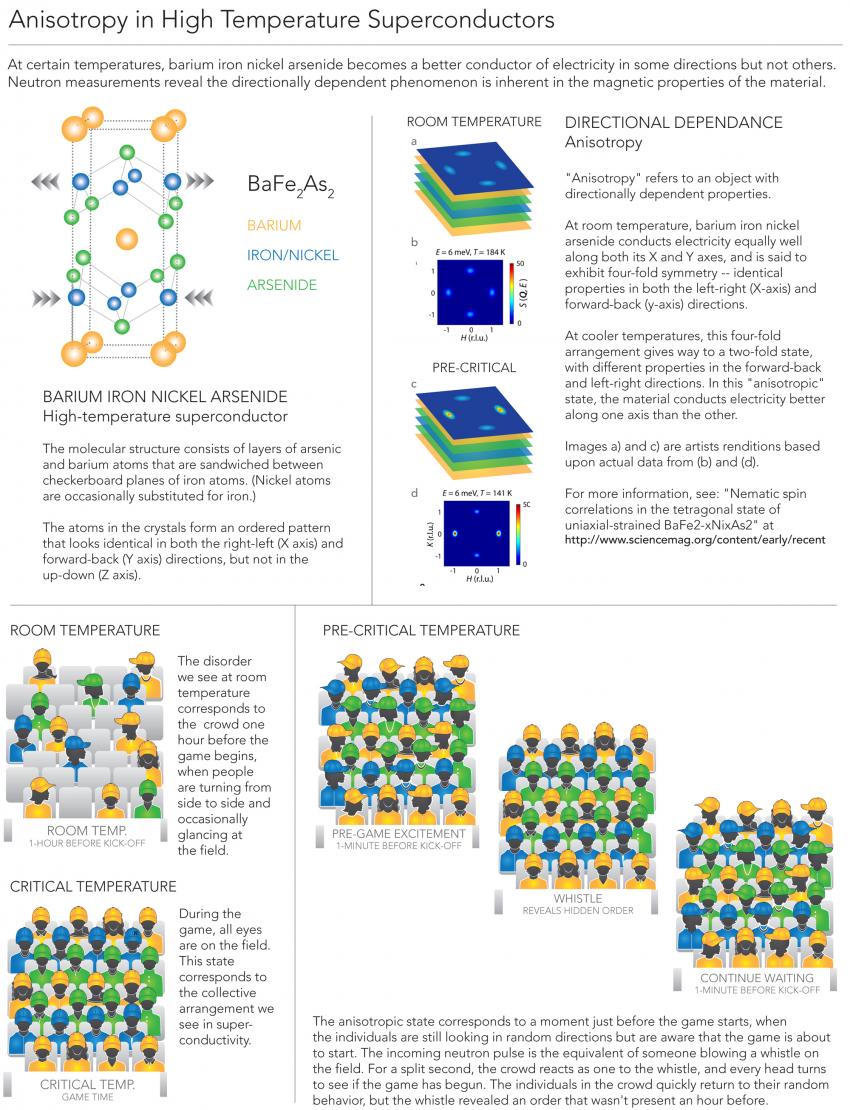
Study finds physical link to strange electronic behavior

Inelastic neutron scattering experiments revealed a temporary, collective anisotropic order prior to the onset of magnetism in a temperature interval where anisotropic resistance had previously been measured. (Credit: Tanyia Johnson/Rice University)
via phys.org

The talented Mr Levinson

Mark Levinson : He's got a Physics Phd in particle theory and has been a key crew-member for the likes of David Fincher and Anthony Minghella. As his new documentary Particle Fever prepares to screen to sell out audiences. (Credit: Mark Levinson)
Mark Levinson : He’s got a Physics Phd in particle theory and has been a key crew-member for the likes of David Fincher and Anthony Minghella. As his new documentary Particle Fever prepares to screen to sell out audiences. (Credit: Mark Levinson)
via stuff

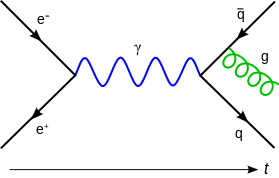
‘Quantum Glue’ is Step Toward Energy Superhighway

A Feynman diagram showing the radiation of a gluon when an electron and positron are annihilated. (Credit: Joel Holdswort CC by 2.5)
via laboratoryequipment
In 2013, Rutgers astronomer Rachel Somerville received the Dannie Heineman Prize in Astrophysics from the American Astronomical Society and the American Institute of Physics. The prize recognizes exceptional work by mid-career astronomers, citing her for providing fundamental insights into galaxy formation and evolution using modeling, simulations, and observations.