Physics in the News

Tuesday, August 19, 2014

First indirect evidence of undetected strange Baryons
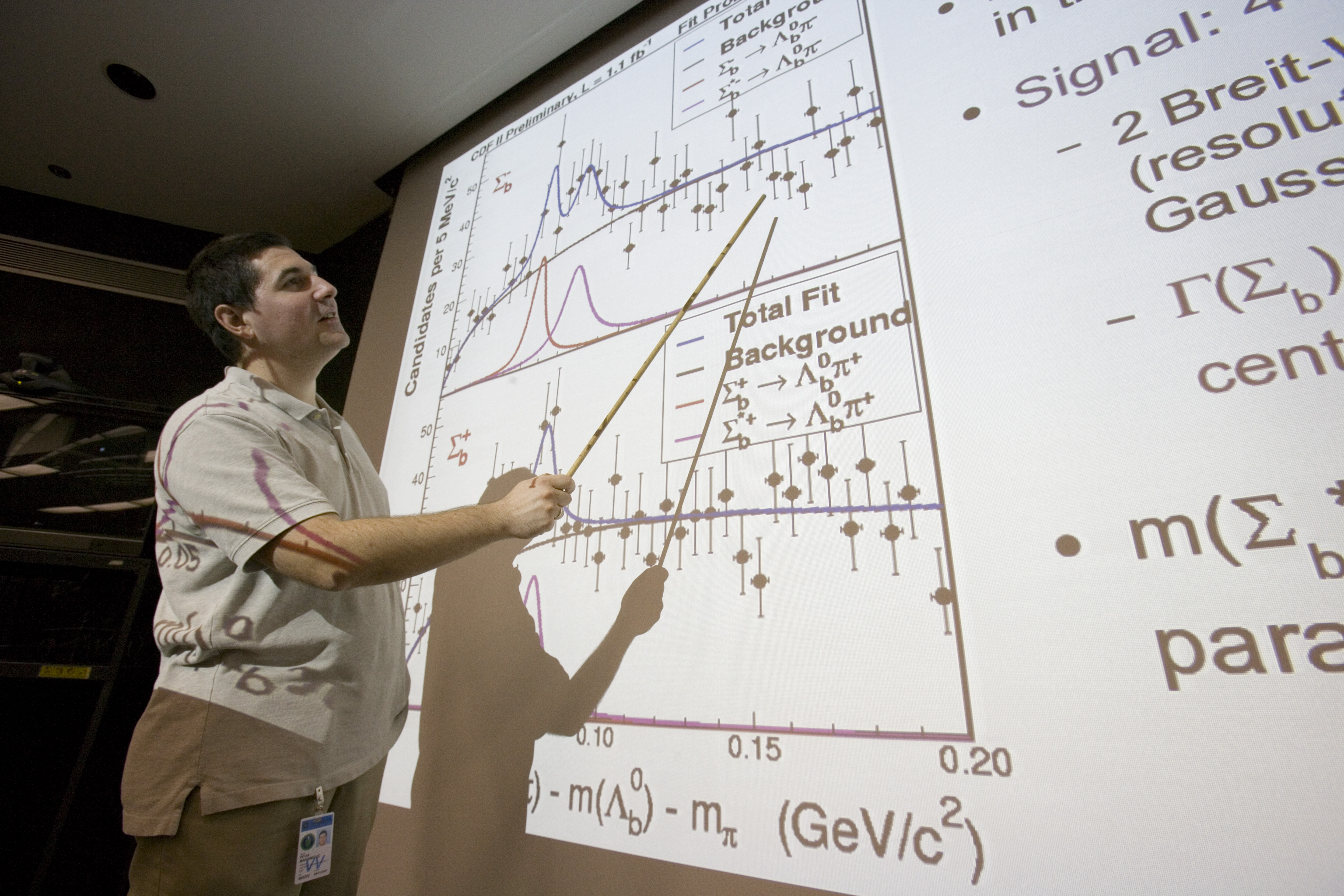
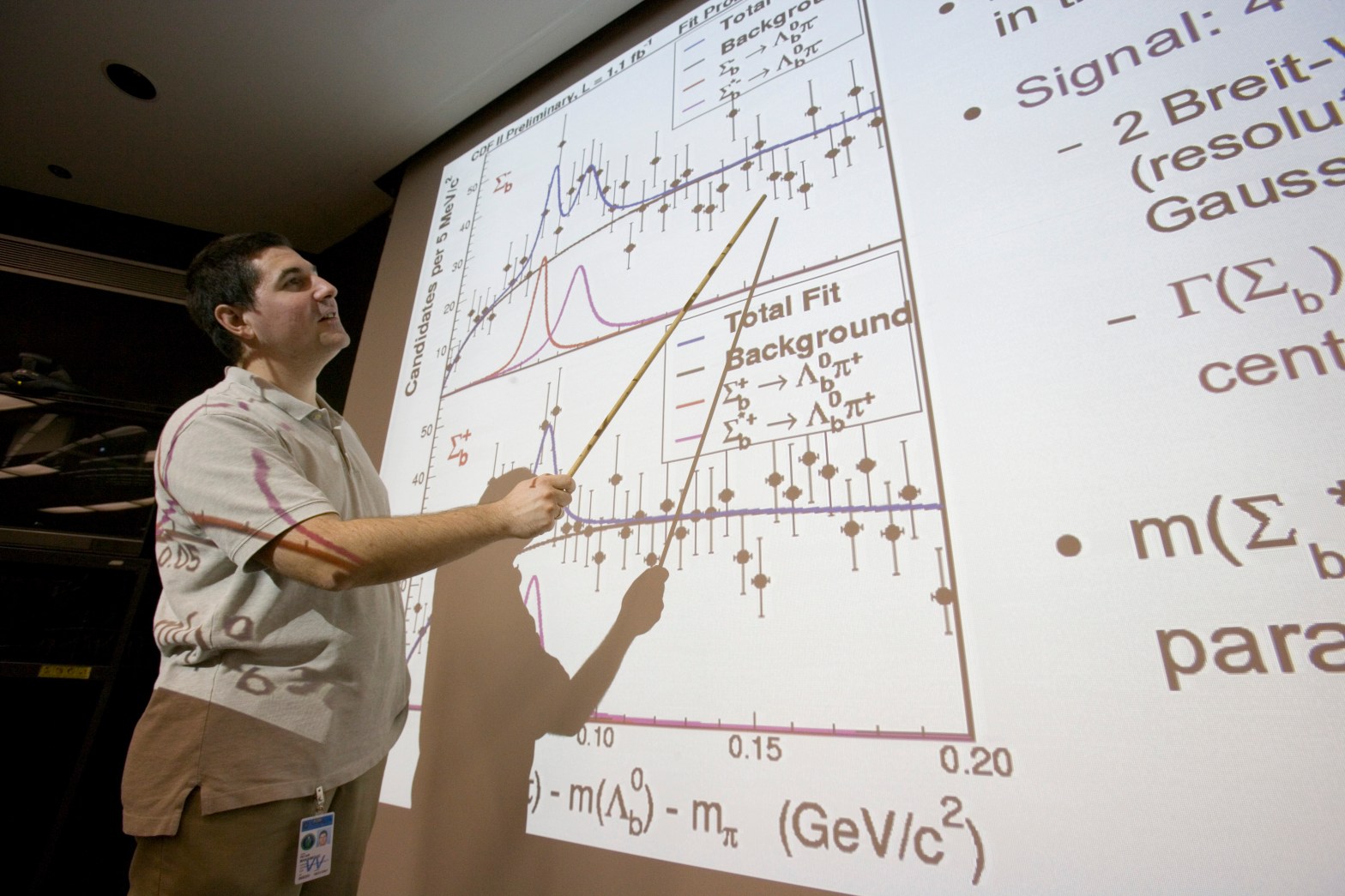
CDF physicist Petar Maksimovic, professor at Johns Hopkins University, presented the discovery to the particle physics community at Fermilab. He explained that the two types of Sigma-sub-b particles are produced in two different spin combinations, J=1/2 and J=3/2, representing a ground state and an excited state, as predicted by theory. (Credit: Fermilab)
via newswise

Curiosity Rover on Mars Stalled by ‘Hidden Valley’ Sand Trap
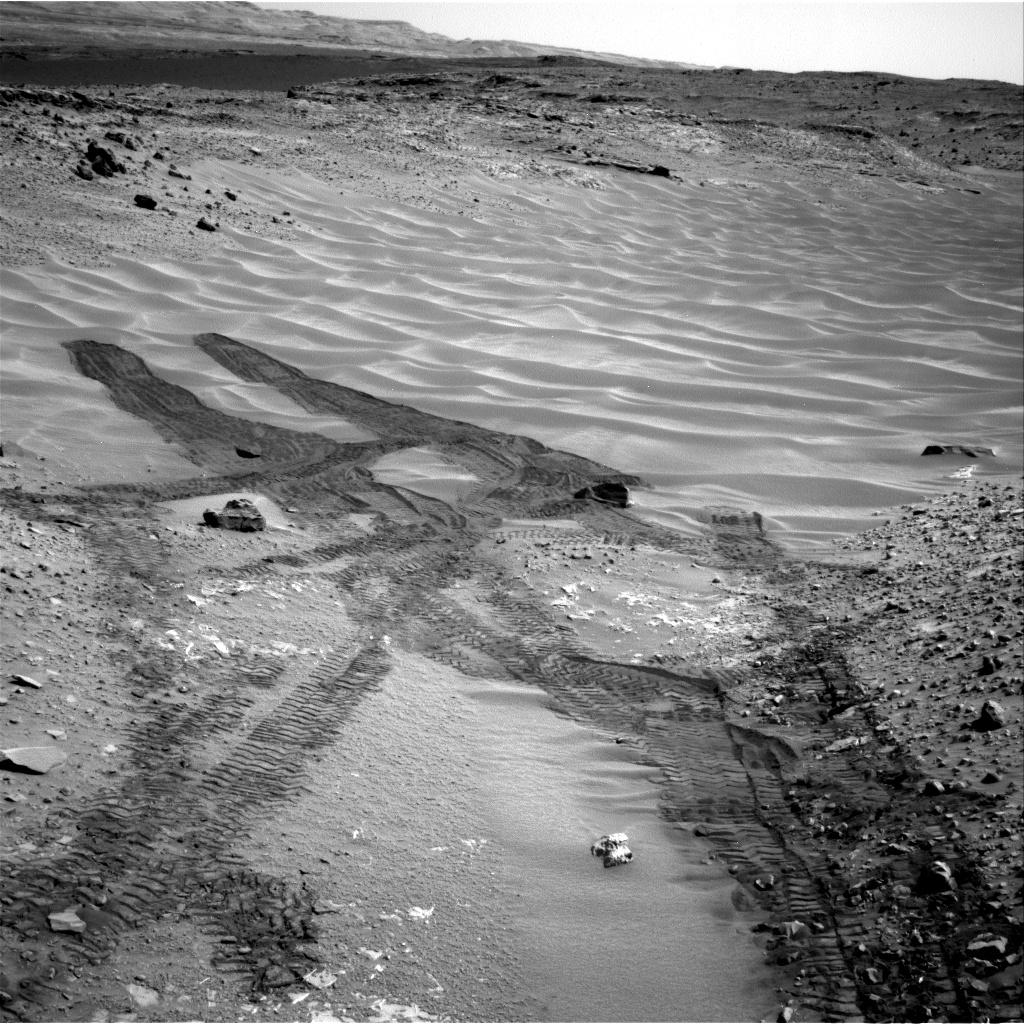
This image, taken by NASA's Mars rover Curiosity in August 2014, looks across the northeastern end of sandy "Hidden Valley" to the lower slopes of Mount Sharp on the horizon. (Credit: NASA/JPL-Caltech)
This image, taken by NASA’s Mars rover Curiosity in August 2014, looks across the northeastern end of sandy “Hidden Valley” to the lower slopes of Mount Sharp on the horizon.
(Credit: NASA/JPL-Caltech)
via space.com

Сalculations with nanoscale smart particles

Nanoparcticles producing logical calculations. (Credit: Maxim Nikitin)
via phys

Scientific error delayed the search for alien life
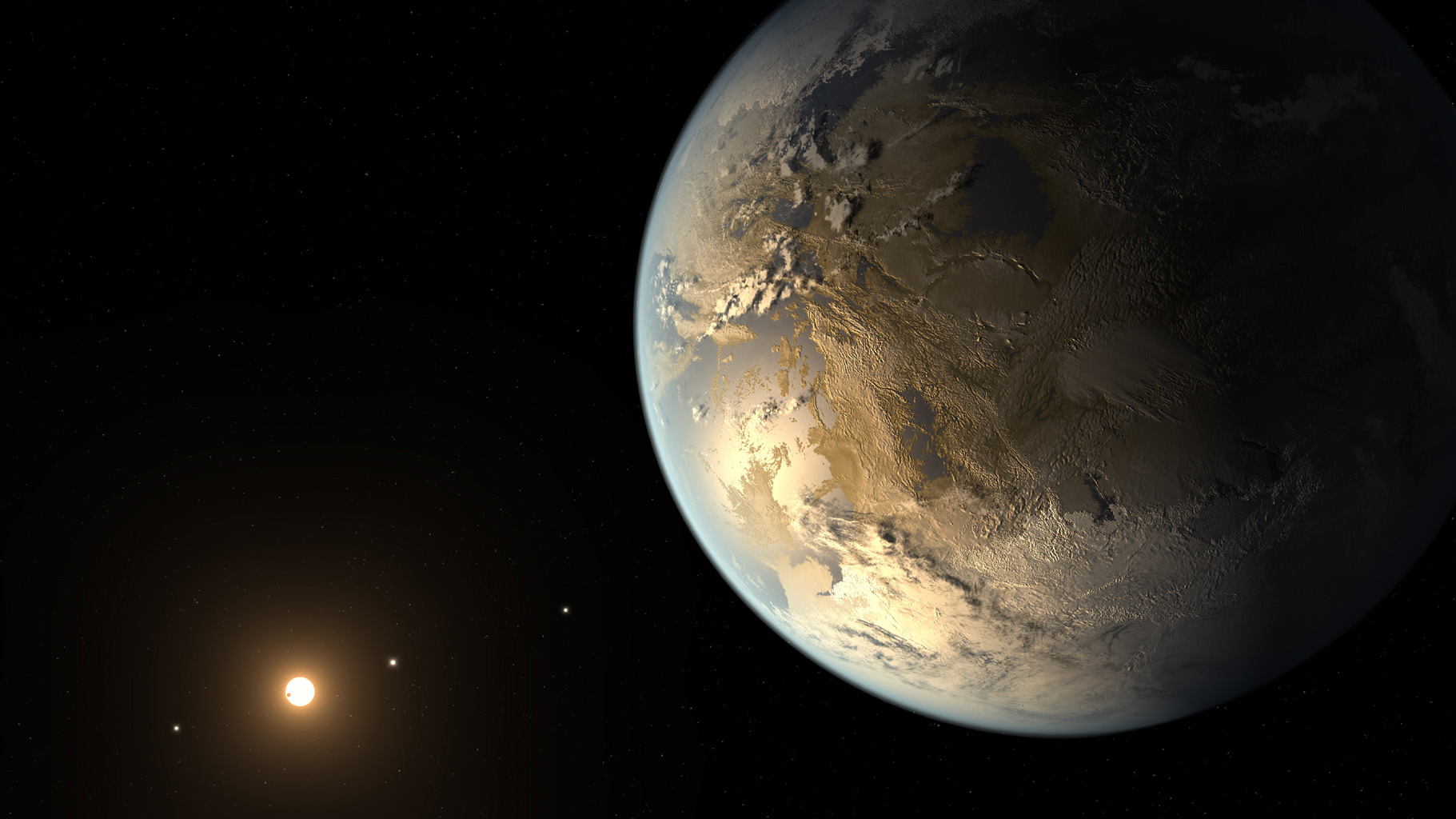
Scientists of the early 20th century argued that tidal forces had caused the sun to spit out the planets when a rogue star passed too close. It was a kind of drive-by shooting theory of planetary formation known as the "Planetesimal Hypothesis." (Credit: NASA, M. Strauss)
Scientists of the early 20th century argued that tidal forces had caused the sun to spit out the planets when a rogue star passed too close. It was a kind of drive-by shooting theory of planetary formation known as the “Planetesimal Hypothesis.” (Credit: NASA, M. Strauss)
via io9

SpaceX releases video of reusable rocket’s soft splashdown(VIDEO)

via valuewalk

Scientists unveil new technology to better understand small clusters of atoms
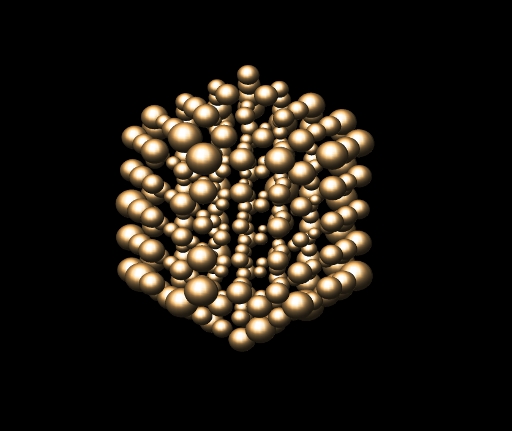
An illustration of the extent to which the atoms, in a small cluster of atoms, vibrate. The spheres represent the range of motion of the atoms, rather than the atoms themselves – the spheres have been exaggerated in size by 45 times in order to ease visualisation. The atoms on the surface have larger ranges of motion than those in the middle of the cluster. (Credit: University of York)
via york
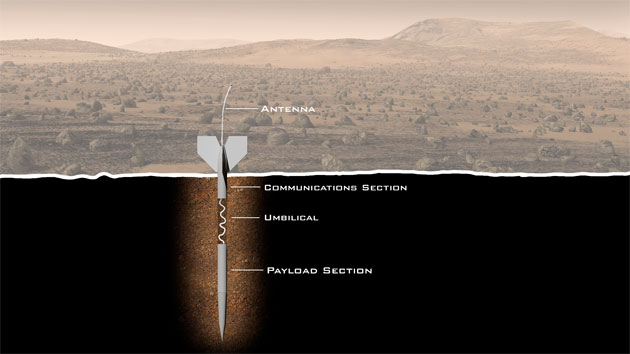
 The ExoLance Concept. "Arrows" fall from a spacecraft, penetrate the ground, and expose the life-detecting equipment inside. (Credit: Explore Mars Inc.)
The ExoLance Concept: “Arrows” fall from a spacecraft, penetrate the ground, and expose the life-detecting equipment inside. (Credit: Explore Mars Inc.)
via popsci

NASA will basically play SimAnt with new “Swarmies” robots
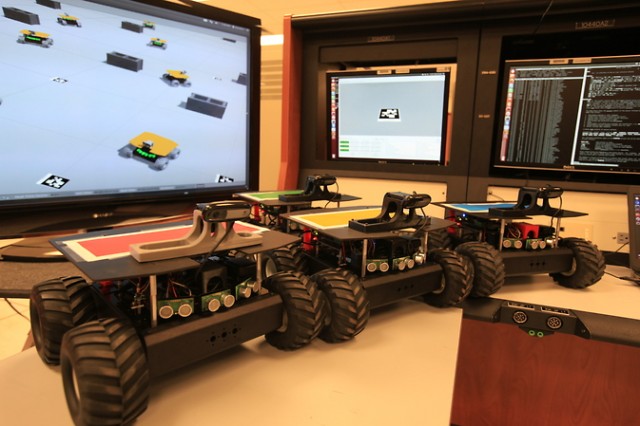
NASA engineers have built four robots nicknamed “Swarmies” to test whether a group of robots can autonomously and effectively scout an area for resources, and they’ve model the software design after how ants do the same thing. (Credit:  NASA/D. Gerondidakis, G. Tickle)
NASA engineers have built four robots nicknamed “Swarmies” to test whether a group of robots can autonomously and effectively scout an area for resources, and they’ve model the software design after how ants do the same thing. (Credit: NASA/D. Gerondidakis, G. Tickle)
via themarysue

New research improves quantum coherence time using cavity protection effect
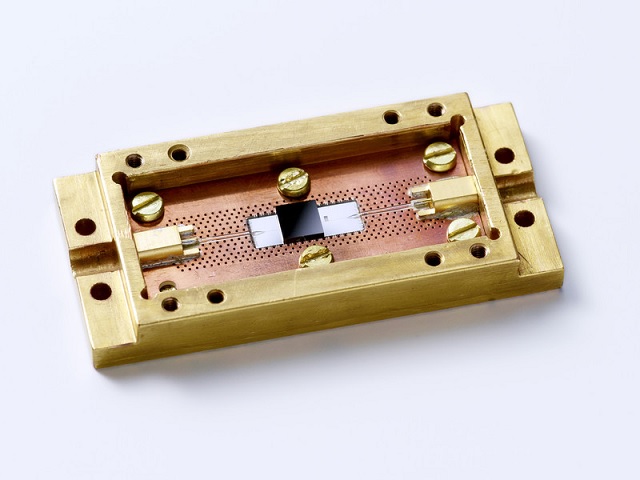
The quantum system studied at TU Wien (Vienna): a black diamond (center) contains nitrogen atoms, which are coupled to a microwave resonator. (Credit: TU Wien)
via azoquantum

Recycling old batteries into solar cells
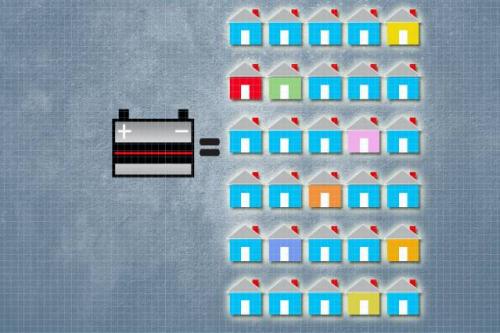
This could be a classic win-win solution: A system proposed by researchers at MIT recycles materials from discarded car batteries—a potential source of lead pollution—into new, long-lasting solar panels that provide emissions-free power. (Credit: Christine Daniloff/MIT)
via phys.org

The machine that tried to scan the brain – in 1882
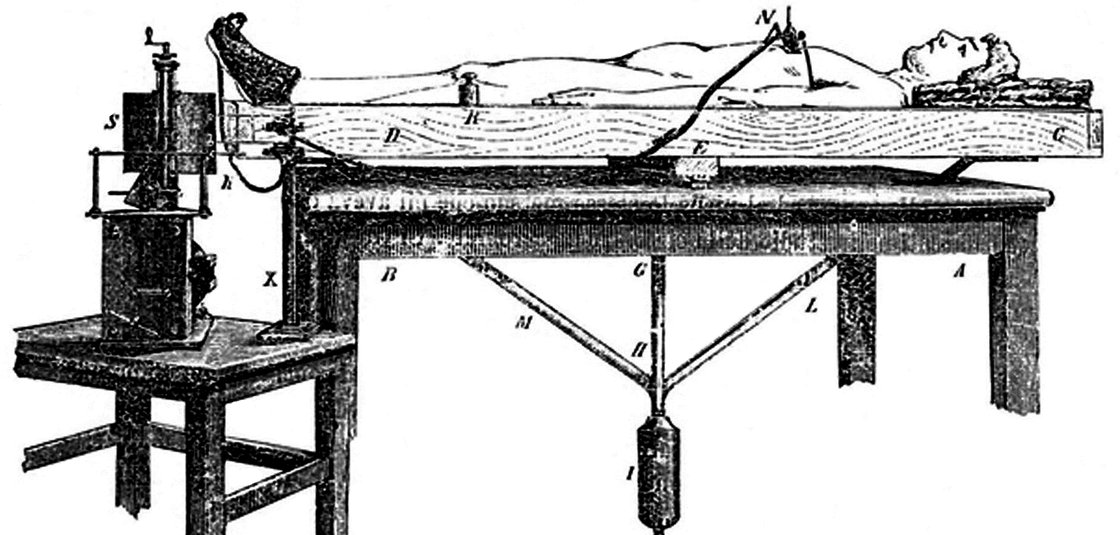
 Angelo Mosso's "human circulation balance" machine worked like a seesaw to measure blood flow changes to the brain. (Credit: Stefano Sandrone et al.)

Angelo Mosso’s “human circulation balance” machine worked like a seesaw to measure blood flow changes to the brain. (Credit: Stefano Sandrone et al.)
via npr

Space X Falcon 9 night time launch planned

via examiner

 Which came last—The supernova or the red giant?
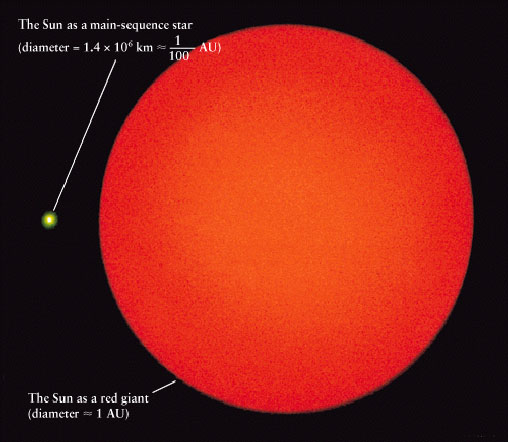
 A red giant star really is quite gigantic compared to our Sun. (Credit: NASA)
A red giant star really is quite gigantic compared to our Sun. (Credit: NASA)

via arstechnica

Physics in the News

Monday August 18, 2014

Rubbish explodes in space

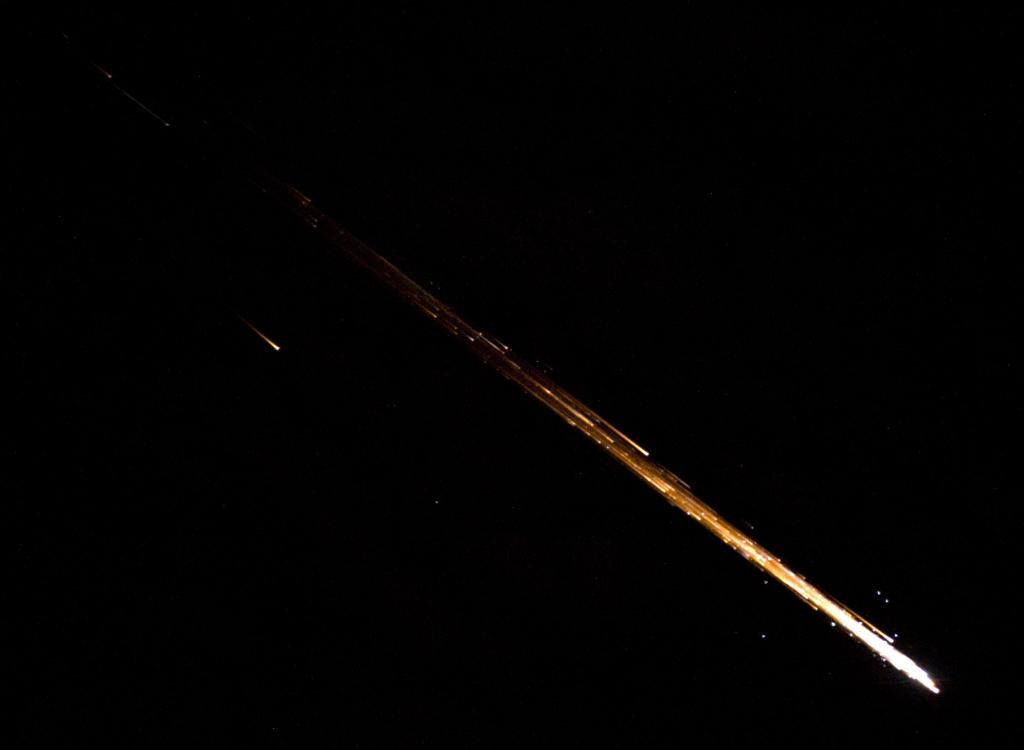
Astronaut Alexander Gerst captured the moment from his home aboard the ISS. (Credit: Alexander Gerst)
via theregister

Spacewalking cosmonaut tosses tiny satellite into space for Peru

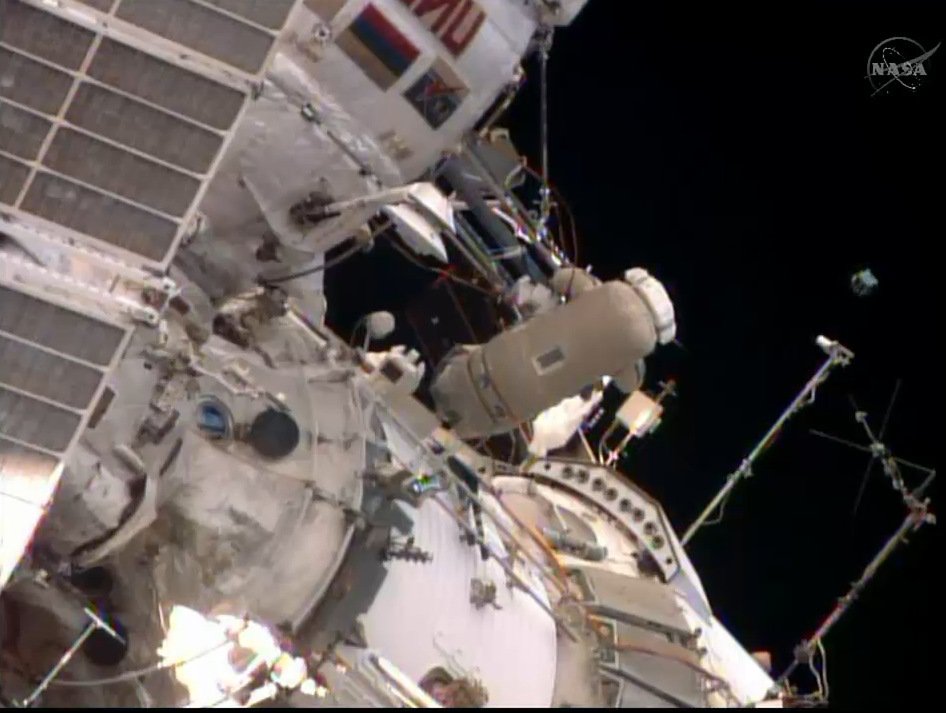
Cosmonaut Oleg Artemyev looks on after he released a small Peruvian satellite into space during a spacewalk outside the International Space Station on Aug. 18, 2014. (Credit: NASA TV)
Cosmonaut Oleg Artemyev looks on after he released a small Peruvian satellite into space during a spacewalk outside the International Space Station on Aug. 18, 2014.
(Credit: NASA TV)
via space

Novel technique to record quantum mechanical behavior of an electron within a nanoscale defect

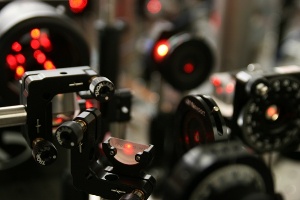
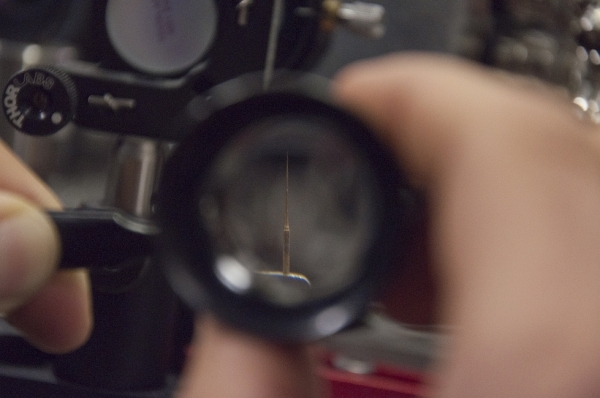
Part of the optical apparatus used to direct pulses of light to control the quantum state of a single electronic spin in diamond. (Credit:  UPenn)
Part of the optical apparatus used to direct pulses of light to control the quantum state of a single electronic spin in diamond. (Credit: UPenn)
via azoquantum

Image overload:  NASA requests help to sort it all out

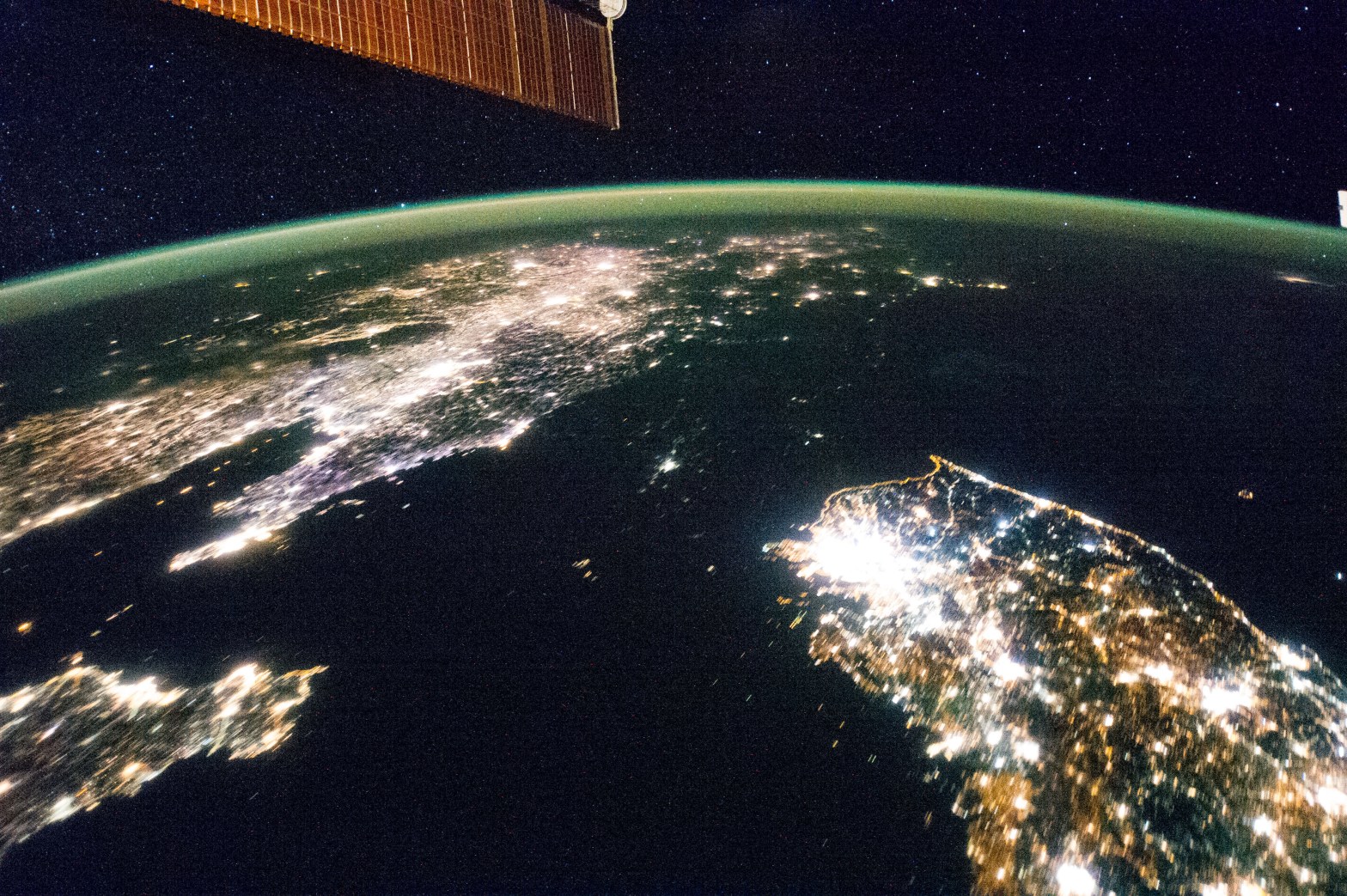
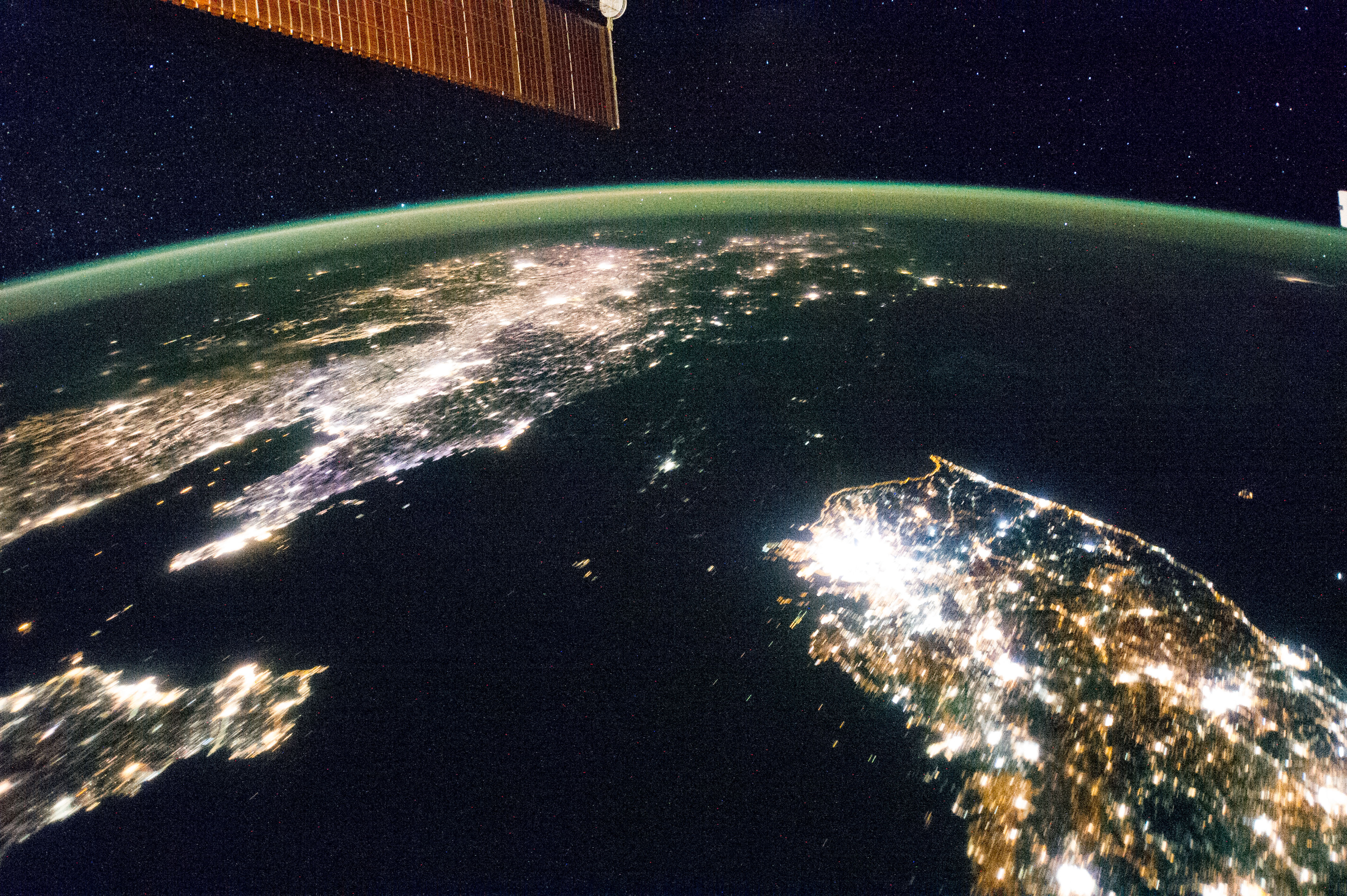
North Korea is barely lit when juxtaposed with neighboring South Korea and China. (Credit NASA)
via cnn

Set your alarm: Venus and Jupiter will light up the pre-dawn sky

A panoramic view of the Venus Jupiter Conjunction on August 17, 2014, taken from the Cairns Esplanade in Queensland Australia. (Credit: Joseph Brimacombe.)
A panoramic view of the Venus Jupiter Conjunction on August 17, 2014, taken from the Cairns Esplanade in Queensland Australia. (Credit: Joseph Brimacombe)
via bbc

Black Holes? I’ll take a medium, please

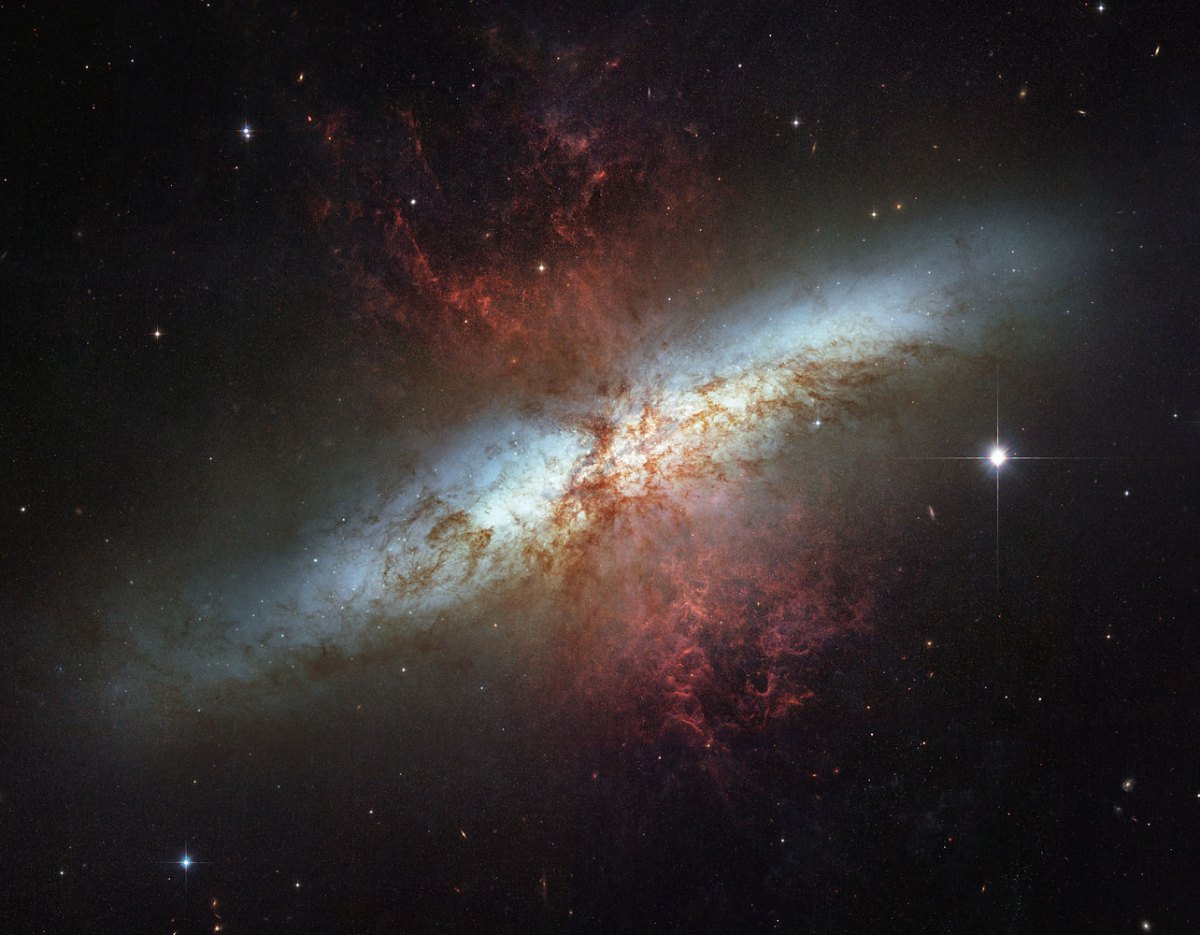
To celebrate the NASA-ESA Hubble Space Telescopes 16 years of success, NASA and the European Space Agency are releasing this mosaic image of the starburst galaxy, Messier 82 (M82),  made in March 2006. It is the sharpest wide-angle view ever obtained of M82, a galaxy remarkable for its webs of shredded clouds and flame-like plumes of glowing hydrogen blasting out from its central regions. Located 12 million light-years away, it is also called the "Cigar Galaxy" because of the elongated elliptical shape produced by the tilt of its starry disk relative to our line of sight. (AP Photo/NASA-ESA)
To celebrate the NASA-ESA Hubble Space Telescopes 16 years of success, NASA and the European Space Agency are releasing this mosaic image of the starburst galaxy, Messier 82 (M82), made in March 2006. It is the sharpest wide-angle view ever obtained of M82, a galaxy remarkable for its webs of shredded clouds and flame-like plumes of glowing hydrogen blasting out from its central regions. Located 12 million light-years away, it is also called the “Cigar Galaxy” because of the elongated elliptical shape produced by the tilt of its starry disk relative to our line of sight. (AP Photo/NASA-ESA)
via time

Quantum computing methodology a gigantic leap for next gen development

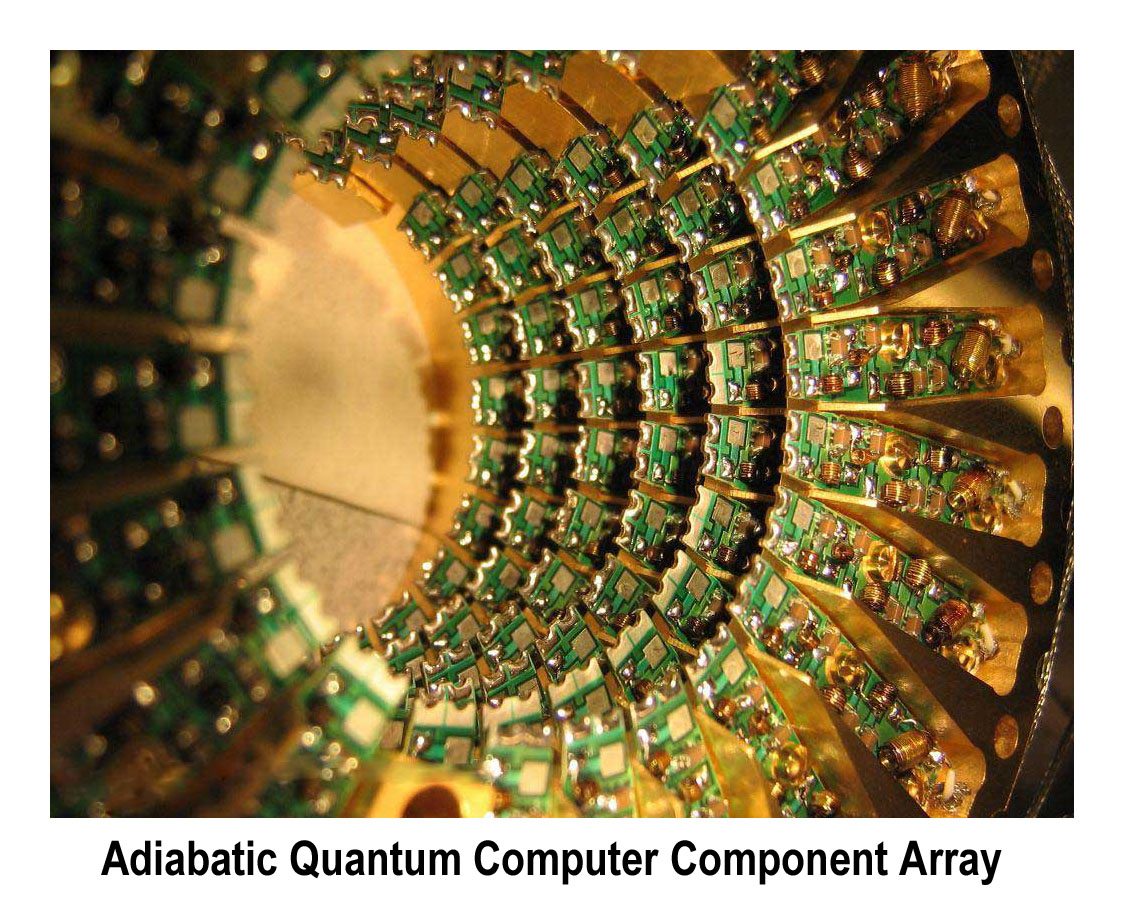
Quantum computing Adiabatic quantum computer component array: methodology is certainly going to be a gigantic leap for next gen development.

via nvonews

Fascinating rhythm: Light pulses illuminate a rare black hole

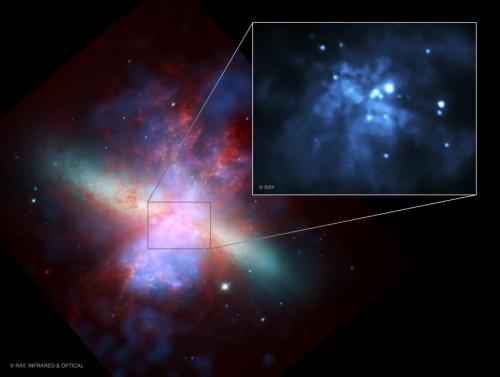
This image of the galaxy Messier 82 is a composite of data from the Chandra X-Ray Observatory, the Hubble Space Telescope and the Spitzer Space Telescope. The intermediate-mass black hole M82 X-1 is the brightest object in the inset, at approximately 2 o'clock near the galaxy's center. (Credit: NASA/H. Feng et al.)
This image of the galaxy Messier 82 is a composite of data from the Chandra X-Ray Observatory, the Hubble Space Telescope and the Spitzer Space Telescope. The intermediate-mass black hole M82 X-1 is the brightest object in the inset, at approximately 2 o’clock near the galaxy’s center. (Credit: NASA/H. Feng et al.)
via phys

Physics in the News

Sunday, August 17, 2014

Dust in the interstellar wind: Seven particles of possible interstellar origin identified in samples returned by NASA’s stardust spacecraft

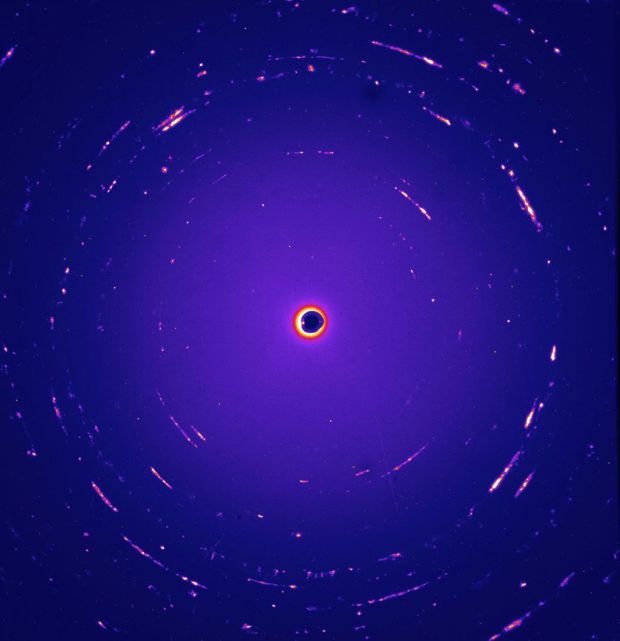
A team of researchers has identified seven dust particles that were returned to Earth in 2006 by NASA’s Stardust spacecraft, which might have originated in the interstellar medium. This false-color image shows a diffraction pattern created by one of these particles, named Orion. Image (Credit: Zack Gainsforth)
via americaspace

NASA’s Chandra observatory searches for trigger of nearby supernova

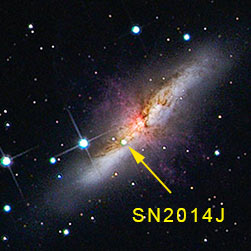
“While it may sound a bit odd, we actually learned a great deal about this supernova by detecting absolutely nothing,” said Raffaella Margutti of the Harvard-Smithsonian Center for Astrophysics (CfA) in Cambridge, Massachusetts, who led the study. “Now we can essentially rule out that the explosion was caused by a white dwarf continuously pulling material from a companion star.” (Credit: NASA)
via marketwatch

RNA exchange by vampire-like plant strangleweed inspires scientists

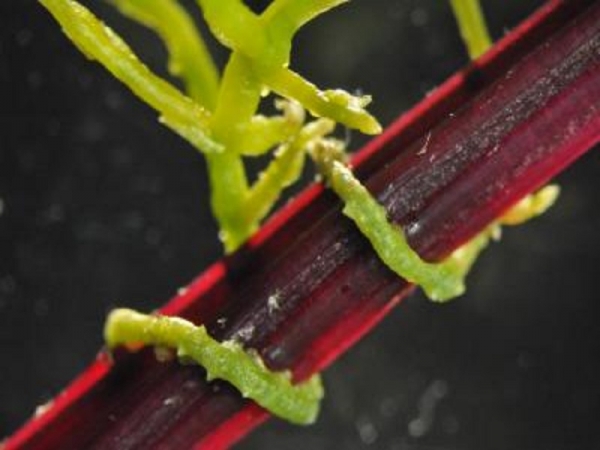
When parasitic plants such as dodder attack plants like the sugar beet shown here, there is a vast exchange of genetic information between the plants, a Virginia Tech researcher has discovered. (Photo : Virginia Tech College of Agriculture and Life Sceinces)
When parasitic plants such as dodder attack plants like the sugar beet shown here, there is a vast exchange of genetic information between the plants, a Virginia Tech researcher has discovered. (Credit: Virginia Tech College of Agriculture and Life Sceinces)
via techtimes

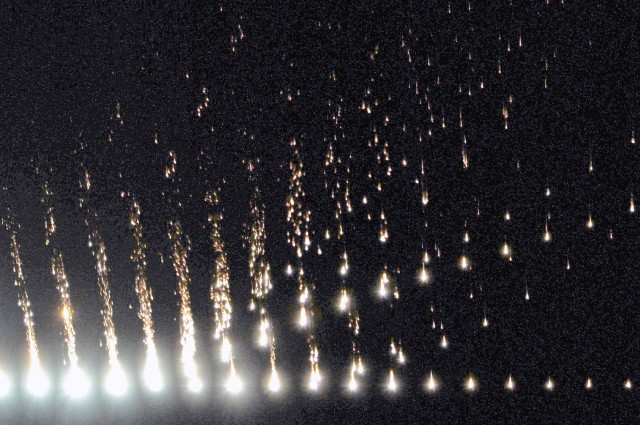
The violent past of a space rock that fell to Earth in Novato

The fragmentation of the Novato meteorite on Oct. 17, 2012, as depicted in a horizontally mirrored image to show the progression of the event (from left to right). (Robert P. Moreno Jr., Jim Albers and Peter Jenniskens/NASA-SETI)
via kqed

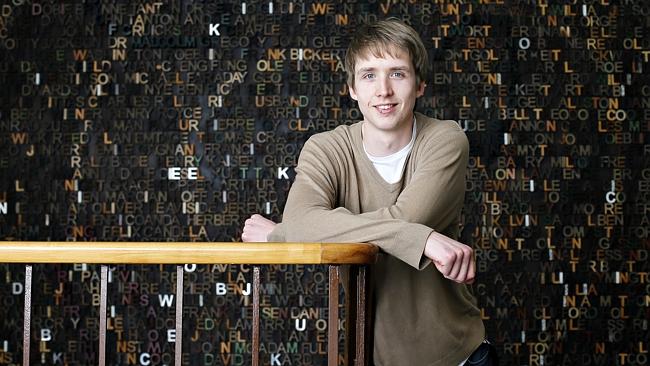
Young Hobart engineer Willem Olding maps out a revolutionary future in artificial intelligence

 Engineering PhD student Willem Olding aims to take out the tedium in creating mapping systems to free-up time for more important work. (Credit: Richard Jupe)
Engineering PhD student Willem Olding aims to take out the tedium in creating mapping systems to free-up time for more important work. (Credit: Richard Jupe)
via themercury

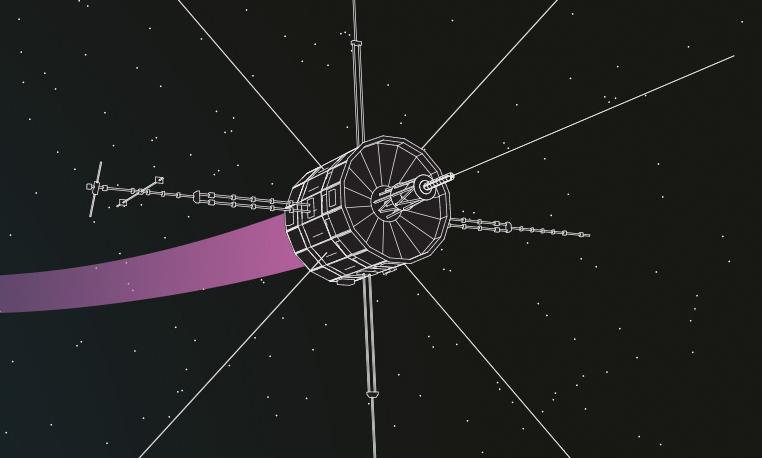
ISEE-3 Reboot Team Unable to Change Spacecraft’s Trajectory

NASA's International Sun-Earth Explorer 3 spacecraft, which launched in 1978, will fly by the moon on Aug. 10, 2014. Credit: SpacecraftforAll.
NASA’s International Sun-Earth Explorer 3 spacecraft, which launched in 1978, flew by the moon on Aug. 10, 2014 and is heading toward the sun. (Credit: SpacecraftforAll.com)
via tvtechnology

Atomic force microscope sensitivity increases 20 times, thanks to laser cooling

Lasers can be used to super-cool microscopes, making them 20 times more sensitive than ever before. (Photo : Quantum Optics Group, ANU
Lasers can be used to super-cool microscopes, making them 20 times more sensitive than ever before. (Credit: Quantum Optics Group, ANU)
via techtimes

Higgs boson could also explain the earliest expansion of the Universe

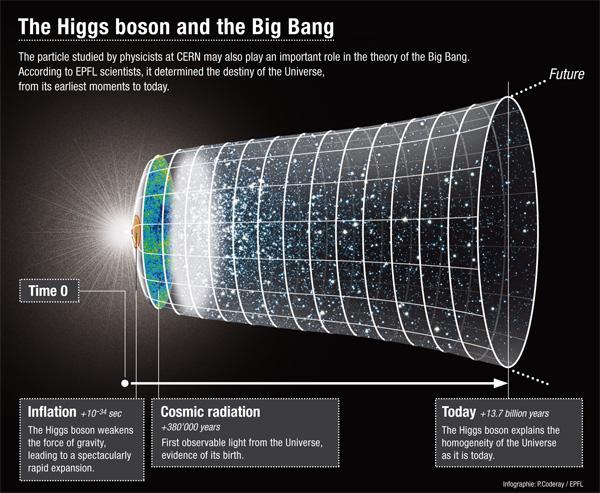
The influence of the Higgs boson and its field (inset) on cosmological inflation could manifest in the observation of gravitational waves by the BICEP2 telescope (background). (Credit: EPFL)
via phys.org

Focus: Fast bit-switching in a thermal memory

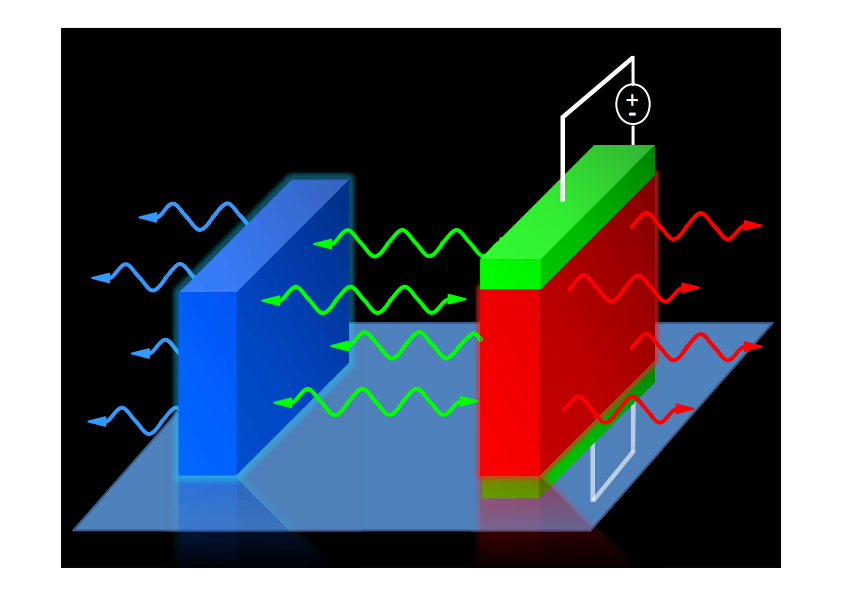
A bit of heat. Two parallel, thin plates that exchange heat via thermal radiation can form a thermal “bit” that changes rapidly between “one” and “zero.” One of them is made of a material like VO2 that switches between two states with different thermal properties, depending on its temperature. (Credit: P. Ben-Abdallah/Univ. of Paris-Sud)
via physics.aps

Cygnus commercial cargo ship ‘Janice Voss’ finishes resupply mission and departs space station

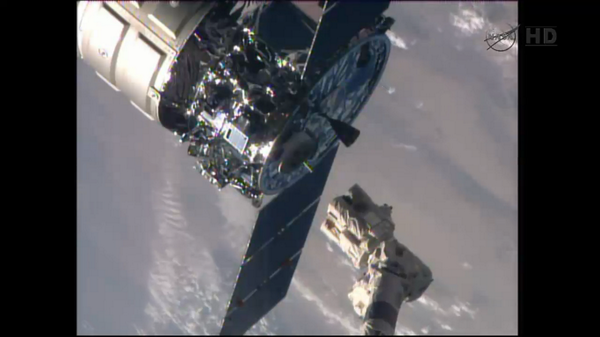
Cygnus Orb-2 spacecraft ‘Janice Voss’ bids farewell to the ISS at 6:40 a.m. EDT, Friday, Aug. 15, 2014. It’s set to reenter the atmosphere on Aug. 17. (Credit: NASA TV)
via universetoday

Physics in the News

Saturday, August 16, 2014

NASA develops origami style solar panels to be used in space(VIDEO)

via designboom

The improbable case of the high-energy novae: NASA’s Fermi space telescope detects new gamma ray sources

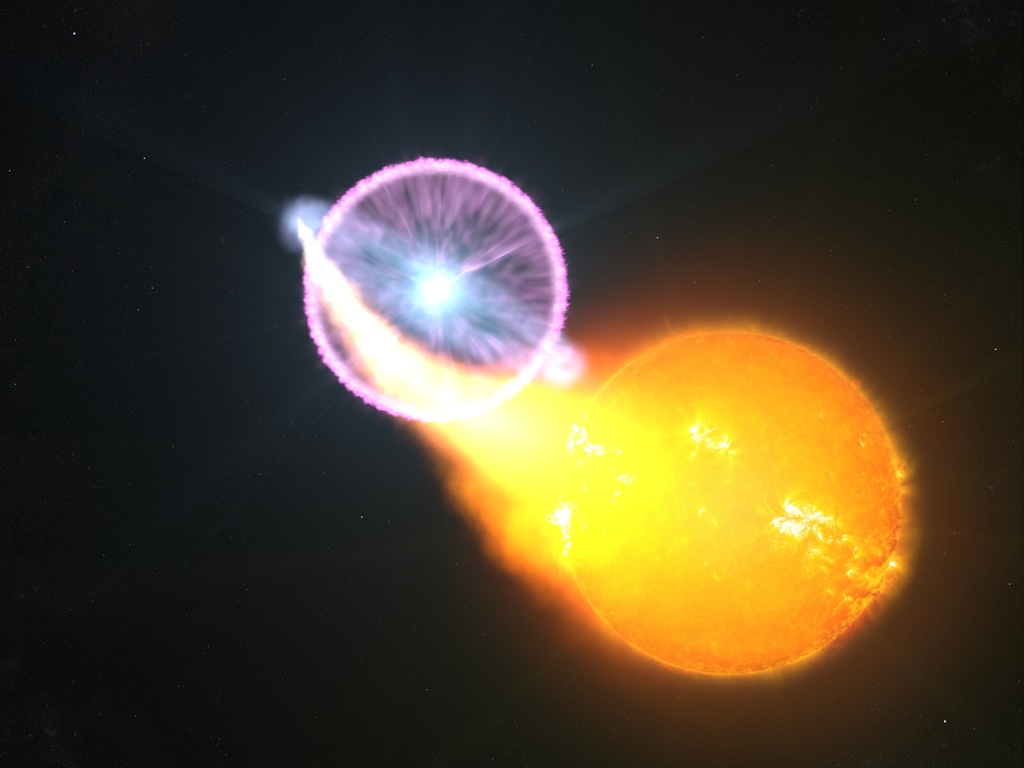
Novae typically originate in binary systems containing Sun-like stars, as shown in this artist’s rendering. NASA’s Fermi Space Telescope discovered that a nova in a system like this likely produces gamma rays (magenta) through collisions among multiple shock waves in the rapidly expanding shell of debris. (Credit: NASA’s Goddard Space Flight Center/S. Wiessinger)
via americaspace

Electrons in magnetic field reveal surprises

Beam out: elongated "Landau" states - Instead of rotating uniformly at a particular frequency, an international team of researchers has found that electrons in a magnetic field are capable of rotating at three different frequencies, depending on their quantum properties.
Beam out: elongated “Landau” states – Instead of rotating uniformly at a particular frequency, an international team of researchers has found that electrons in a magnetic field are capable of rotating at three different frequencies, depending on their quantum properties.
via physicsworld

How can we clean up that space junk(VIDEO)?

via universetoday

Weird blurred light near giant black hole(VIDEO)

via space

UT research uncovers forces that hold gravity defying near earth asteroid together

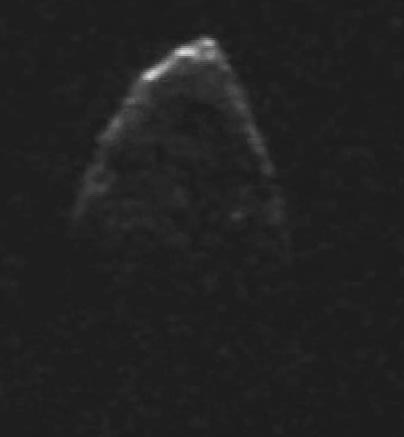
Asteroid 1950 DA. “Following the February 2013 asteroid impact in Chelyabinsk, Russia, there is renewed interest in figuring out how to deal with the potential hazard of an asteroid impact,” said Rozitis. “Understanding what holds these asteroids together can inform strategies to guard against future impacts.” (Credit: NASA)
via tntoday

‘Monster’ quasars got that way by gorging on gas

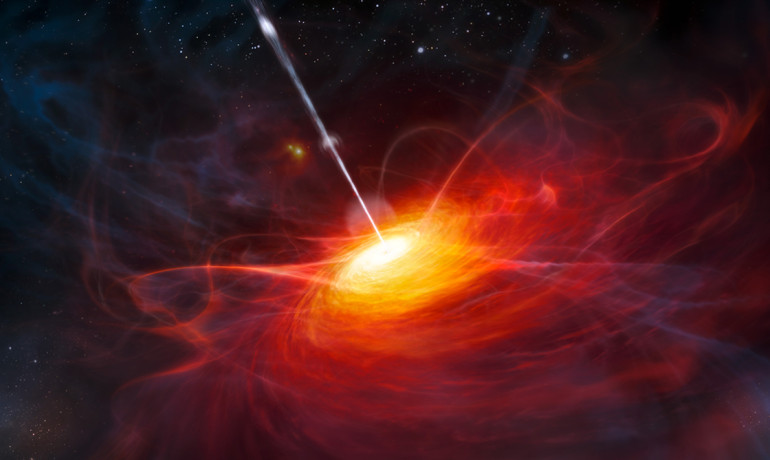
"The puzzle has been how these 'seed' black holes grew into the monsters that we now see within the time available, a few billion years at best," says Priyamvada Natarajan, who proposes that early quasars took in a "super boost," feasting from large reservoirs of gas that were part of early star clusters. (Credit: Lollito Larkham/Flickr)
“The puzzle has been how these ‘seed’ black holes grew into the monsters that we now see within the time available, a few billion years at best,” says Priyamvada Natarajan, who proposes that early quasars took in a “super boost,” feasting from large reservoirs of gas that were part of early star clusters. (Credit: Lollito Larkham/Flickr)
via futurity

LHC research, presented in tangible tidbits

via symmetrymagazine

NASA sleep promoting light bulb hopes to send you to snoozeland, ASAP!

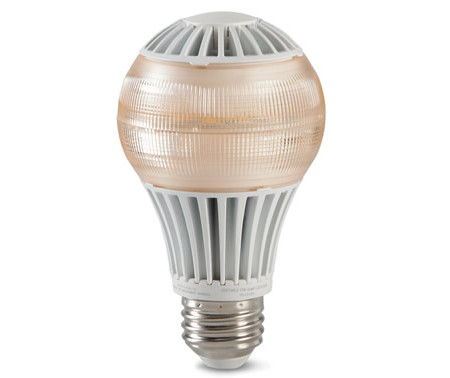
Lighting Science created special lightbulbs for the ISS. There are daylight bulbs with bluer light to encourage energy and activity during what would be daytime hours, and then there are lightbulbs that dial back on the blue to boost astronauts’ production of melatonin for a good night’s sleep. (Credit: Lightning Science)
via cnet

NASA funds robotic tumbling cubes for space exploration

via spectrum

Physics in the News

Wednesday, August 13, 2014

First robotic telescope captures clear images of exoplanet stars

via spectrum

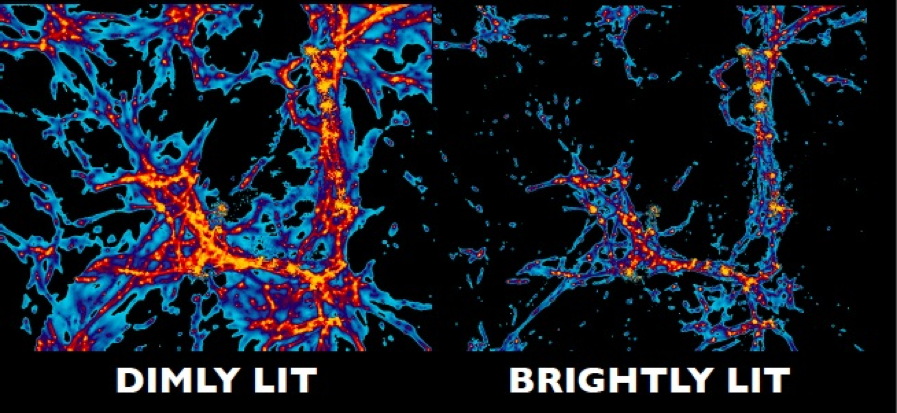
What?! The universe appears to be missing some light

New data from the Hubble Space Telescope and computer simulations have revealed that the universe has much less ultraviolet light than previously thought. (Credit: Ben Oppenheimer and Juna Kollmeie)
New data from the Hubble Space Telescope and computer simulations have revealed that the universe has much less ultraviolet light than previously thought.
(Credit: Ben Oppenheimer and Juna Kollmeie)
via space

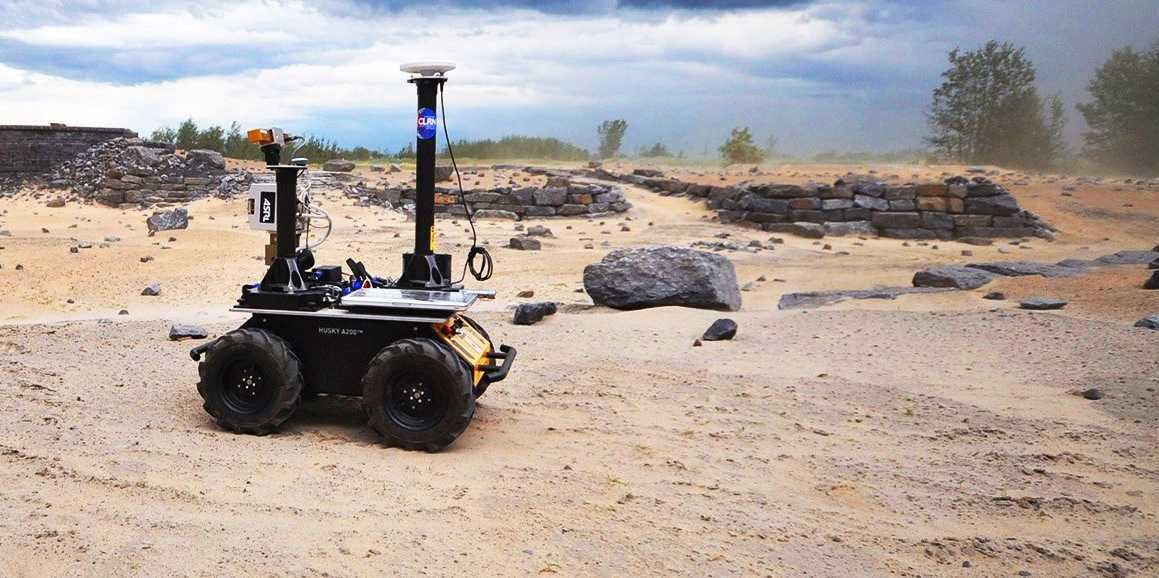
Here’s the world’s first robotics company to pledge not to make ‘killer robots’

Clearpath Robotics "Husky," an autonomous vehicle. (Credit: Clearpath Robotics)
“Husky,” an autonomous vehicle. (Credit: Clearpath Robotics)

via businessinsider

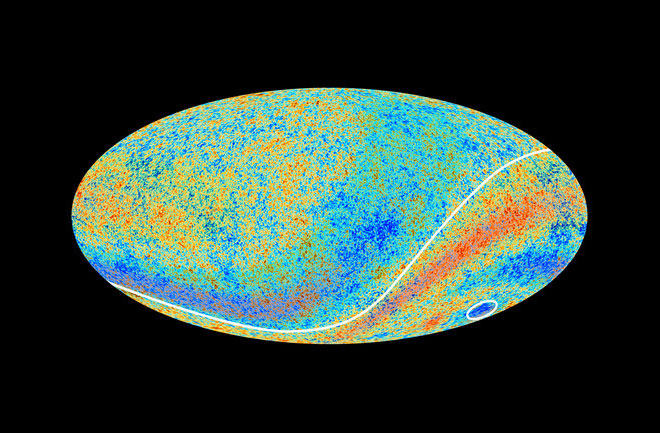
Planck’s mystery cosmic ‘cold spot’ may be an error

The European Space Agency's Planck space telescope mapped the cosmic microwave background. (Credit: ESA and the Planck Collaboration)
The European Space Agency’s Planck space telescope mapped the cosmic microwave background. (Credit: ESA and the Planck Collaboration)
via space

Proof confirmed of 400-year-old fruit-stacking problem

Now, a mathematician has announced the completion of an epic quest to formally prove the so-called Kepler conjecture. “An enormous burden has been lifted from my shoulders,” says Thomas Hales of the University of Pittsburgh, Pennsylvania, who led the work. “I suddenly feel ten years younger!” (Credit: Ray Tang/Rex)
via newscientist

Introducing this year’s underground astronauts

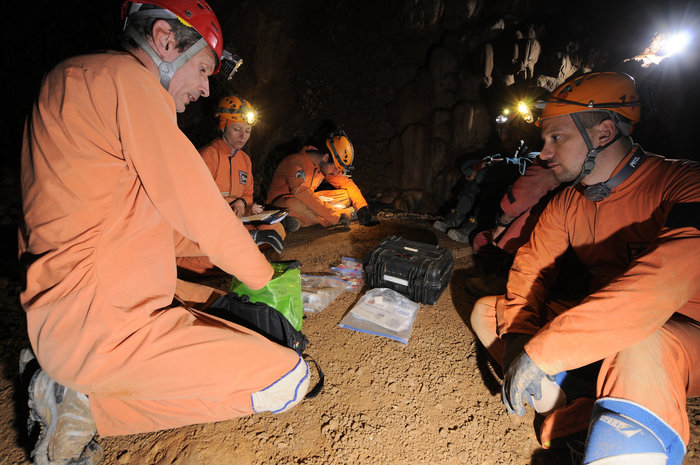
Astronauts will be working together, deep underground. (Credit: ESA—A. Romeo)
via phys

How to build a supermassive black hole in less than a billion years

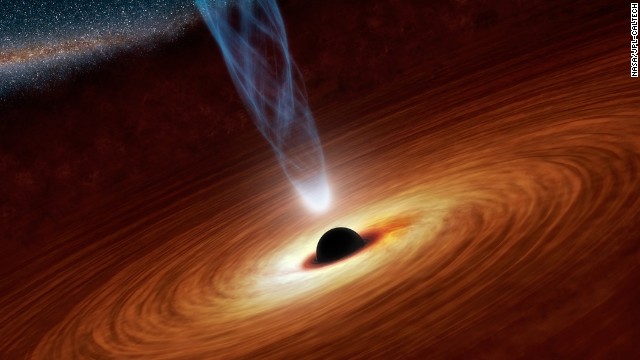
This artist's rendering shows one possible configuration for a corona, but that its true shape is unknown. (Credit: NASA/JPL-Caltech)

via arstechnica