Physics in the News

Tuesday, July 7, 2014

Europe targets black holes with next big space mission
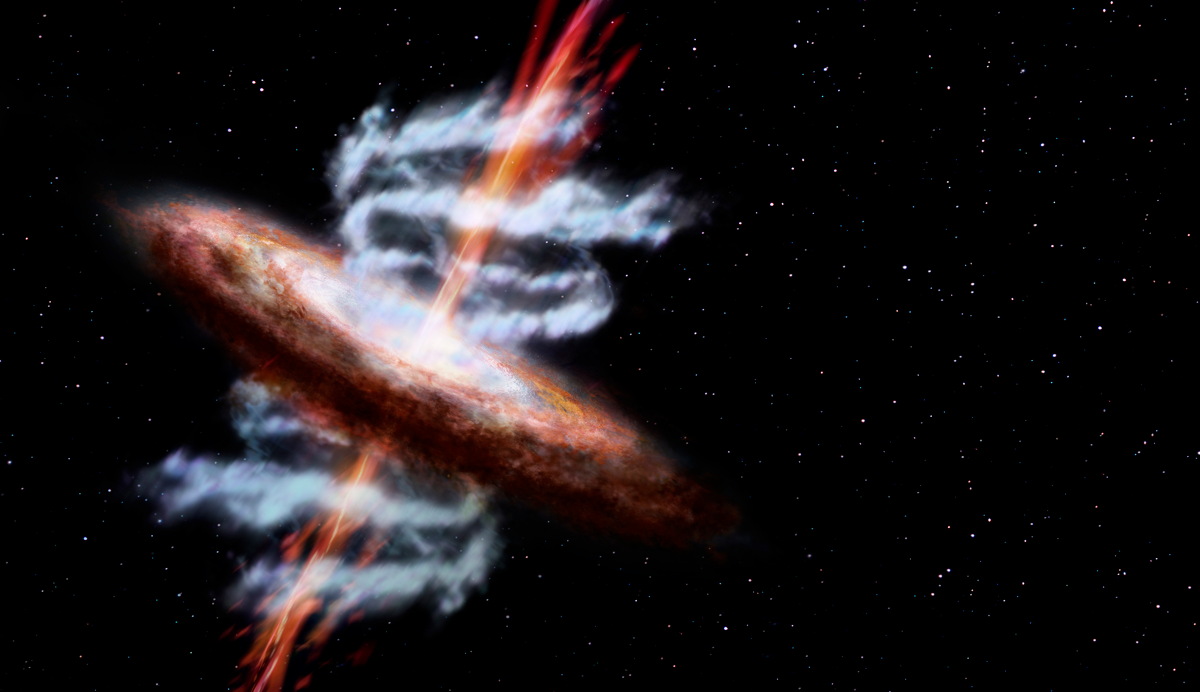
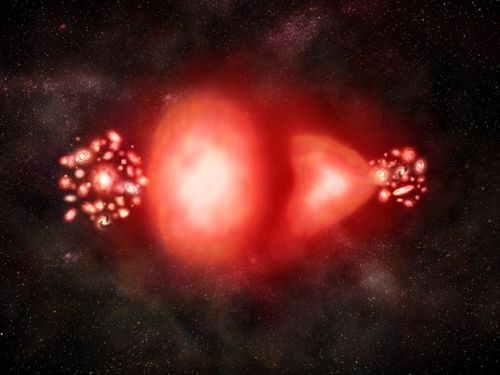
This artist’s impression shows a galaxy releasing material via two strong jets (shown here in red/orange), as well as through wide-angle outflows (shown in gray/blue). The black hole at the galaxy’s center drives both jets and outflows. (Credit: ESA/AOES Medialab)
via space.com

Era of astronomical discovery: MIT professor helps detect gravitational waves
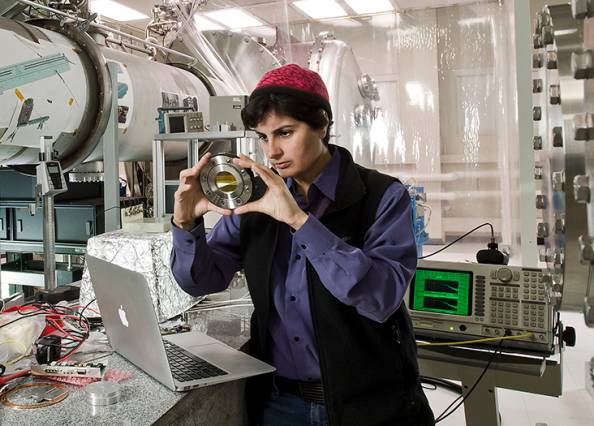
Nergis Mavalvala (pictured) aims to detect elusive gravitational waves. (Credit: Len Rubenstein)
via MIT

Reinterpreting dark matter

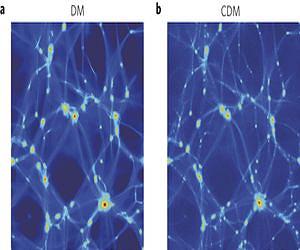
This figure shows that a comparison of the distribution of matter is very similar on a large scale between wave dark matter, the focus of this research, and the usual dark matter particle. (Credit: UPV/EHU)
via spacedaily

Droplets and pilot waves vs quantum mechanics
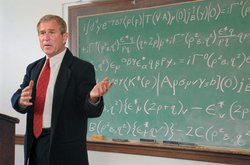
The story is that Bush et al. at MIT did some playful experiments with droplets and the conclusion is supposed to be that this strengthens the case for de Broglie’s pilot wave theory. (Credit: Motl)

via motls

Don’t Blame Einstein!

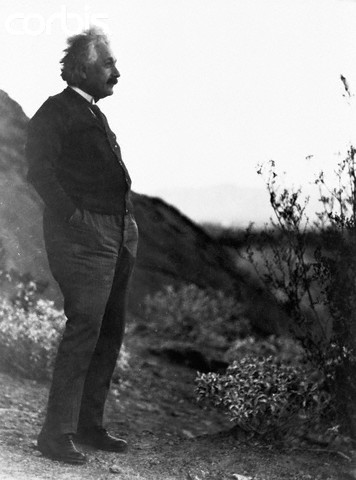
Albert Einstein Standing Alone in Palm Springs Desert
via mysteriousuniverse

How NASA reinvented the tortilla, and other tales of food in space
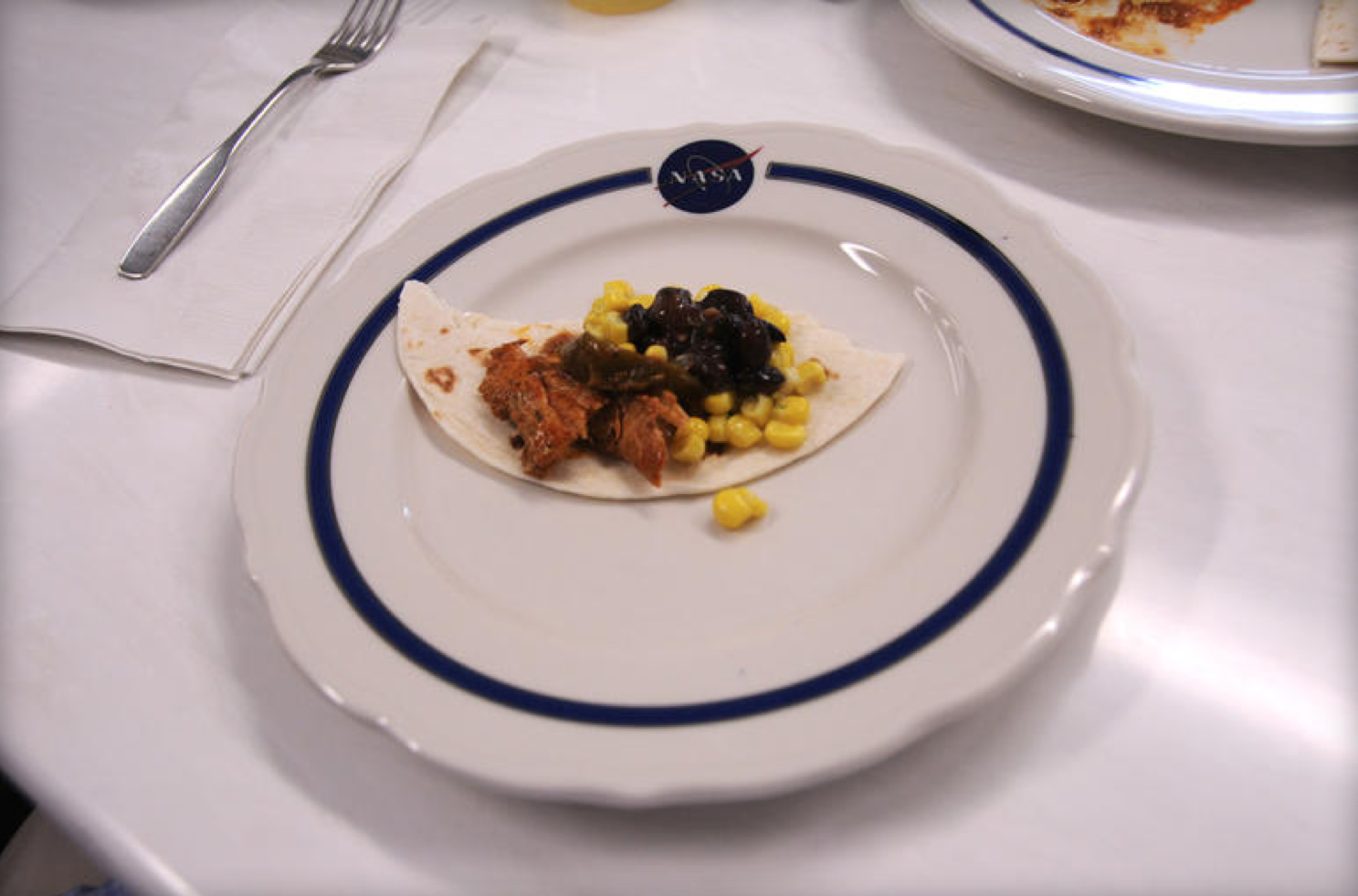
A sample meal demonstrates what NASA astronauts might eat aboard the International Space Station. (Credit: Daniel Terdiman/CNET)


via cnet.com

Supermassive Black Hole Jet Mystery Solved
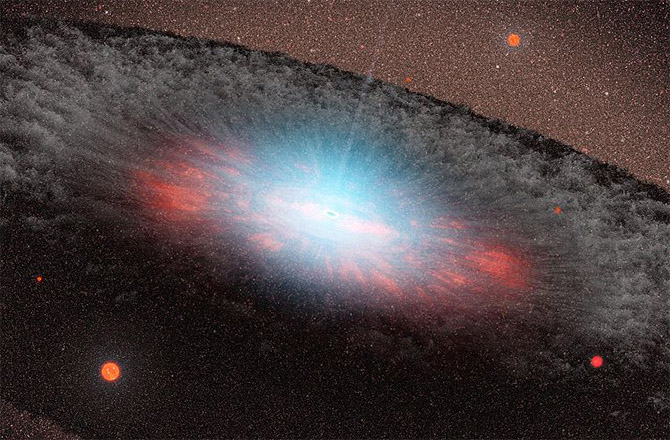
One of the most enduring mysteries behind the dynamics of supermassive black holes, and their impacts on galactic evolution, has been uncovered by an international team of astrophysicists. (Credit: NASA)


via discovery
Physics in the News

Monday, July 7, 2014

Fluids Flowing at the Nanoscale (VIDEO)

via theepochtimes

Solved: Signals Thought Originating from Habitable-Zone Planets (VIDEO)

via dailygalaxy

NASA OK’s spending on a new rocket built for deep space exploration

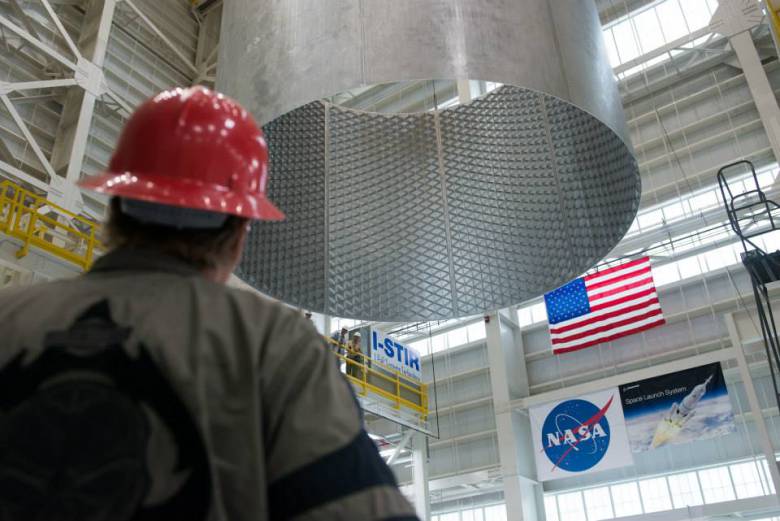
NASA plans to spend $6.8 billion of its funding for the SLS project. (Credit: NASA)
via venturebeat

Satellite X-ray observations reveal neutron star with donut-shaped magnetic field and axial wobble

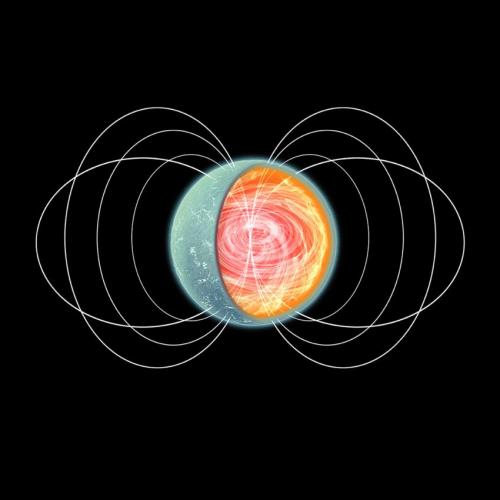
An artist's impression of a magnetar with an intense torroidal magnetic field in its core. (Credit: NASA/CXC/M.Weiss)
An artist’s impression of a magnetar with an intense torroidal magnetic field in its core. (Credit: NASA/CXC/M.Weiss)
via phys.org

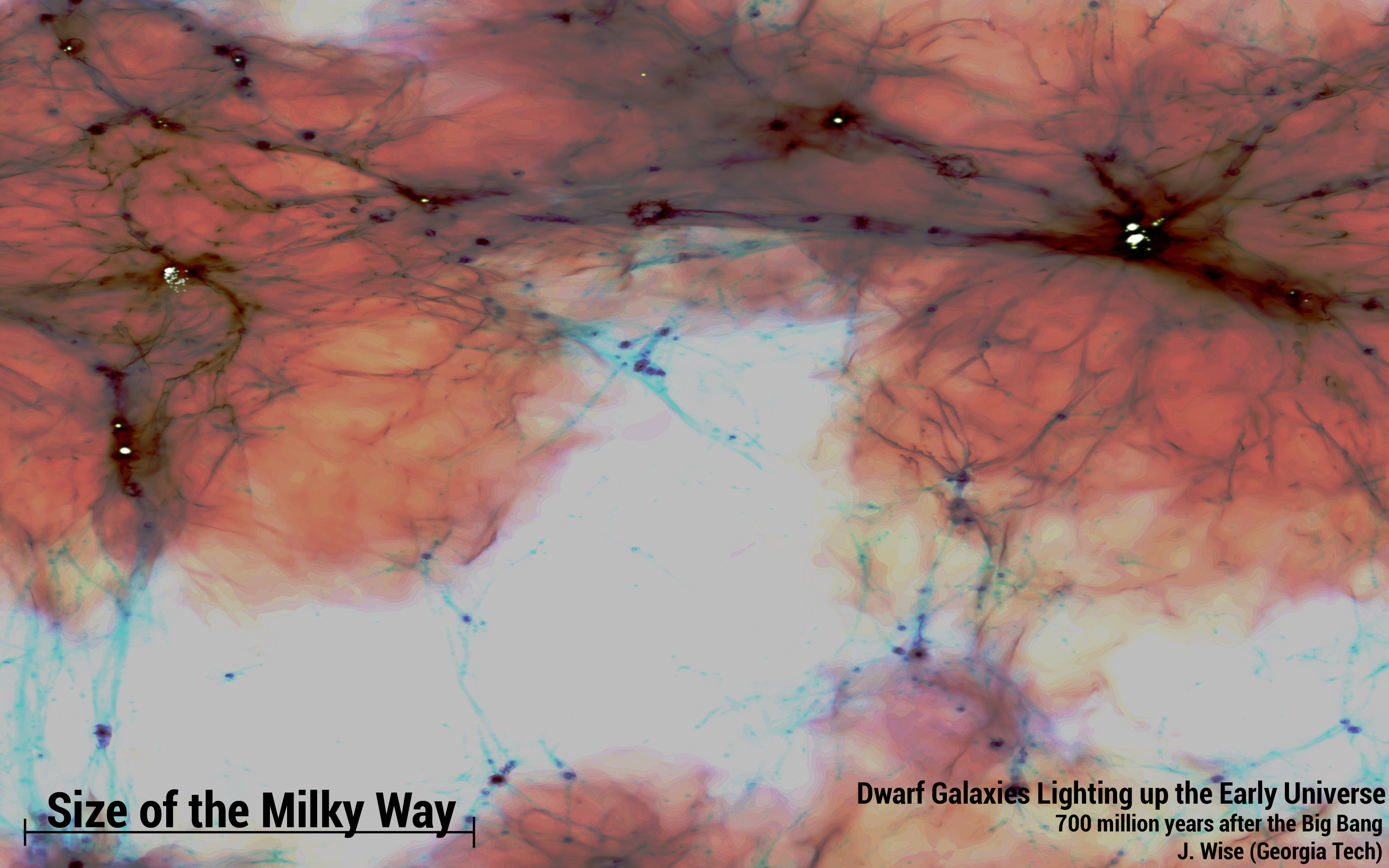
Small, but plentiful: How the faintest galaxies illuminated the early universe

A view of the entire simulation volume showing the large scale structure of the gas, which is distributed in filaments and clumps. The red regions are heated by UV light coming from the galaxies, highlighted in white. These galaxies are over 1000 times less massive than the Milky Way and contributed nearly one-third of the UV light during re-ionisation. The field of view of this image is 400,000 light years across, when the universe was only 700 million years old. (Credit: John Wise)
via phys.org

Two years ago the discovery of the Higgs boson was announced. What’s new?

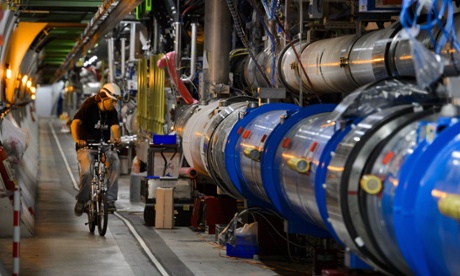
A worker rides on his bicycle in the CERN's Large Hadron Collider (LHC) tunnel during maintenance works. (Credit:  AFP  / FABRICE COFFRINIFABRICE COFFRINI/AFP/Getty Images)
A worker rides on his bicycle in the CERN’s Large Hadron Collider (LHC) tunnel during maintenance works. (Credit: AFP / FABRICE COFFRINIFABRICE COFFRINI/AFP/Getty Images)
via theguardian

Physics in the News

Wednesday, July 2, 2014

Muscle powered Bio-bots walk on command(VIDEO)

via phys.org

‘Deep learning’ makes search for exotic particles easier

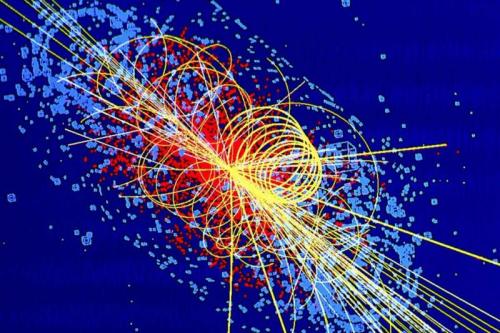
Simulation of a particle collision in which a Higgs boson is produced. (Credit: Lucas Taylor/CMS)
via phys.org

360 degree night sky time-lapse proves that Earth is beautiful

via mashable

Unknown Force May Alter Gravity at Cosmologically LargeScales

"The dark matter seems to 'know' how the visible matter is distributed. They seem to conspire with each other such that the gravity of the visible matter at the characteristic radius of the dark halo is always the same," said Dr. Benoit Famaey (Universities of Bonn and Strasbourg).
“The dark matter seems to ‘know’ how the visible matter is distributed. They seem to conspire with each other such that the gravity of the visible matter at the characteristic radius of the dark halo is always the same,” said Dr. Benoit Famaey (Universities of Bonn and Strasbourg).
via dailygalaxy

Would Earth look like a habitable planet from afar?

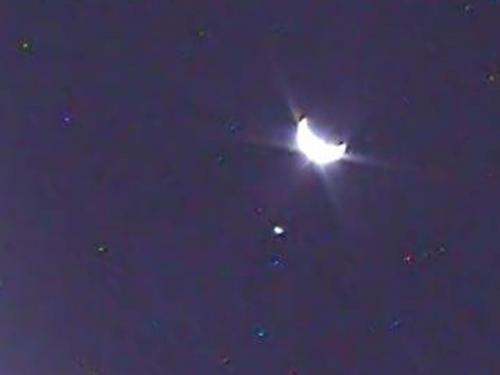
A zoomed-in image of Earth from the perspective of NASA’s Lunar Crater Observation and Sensing Satellite (LCROSS). The small dot below it is the moon. Credit: NASA Ames
via phys.org

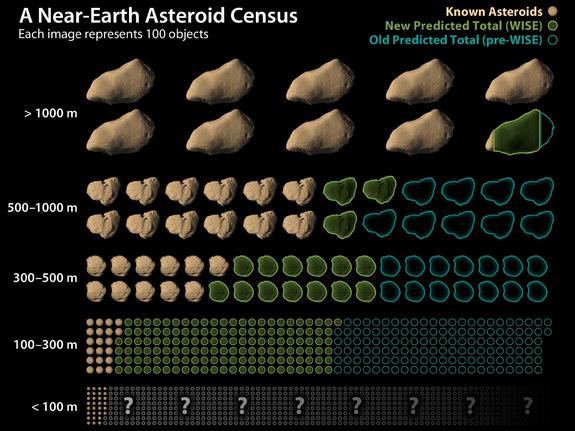
Near-Earth Asteroids key to Solar System’s earliest history

This chart illustrates how infrared is used to more accurately determine an asteroid’s size. (Credit: NASA/JPL-Caltech)
via forbes

Physics in the News

Saturday, June 28, 2014

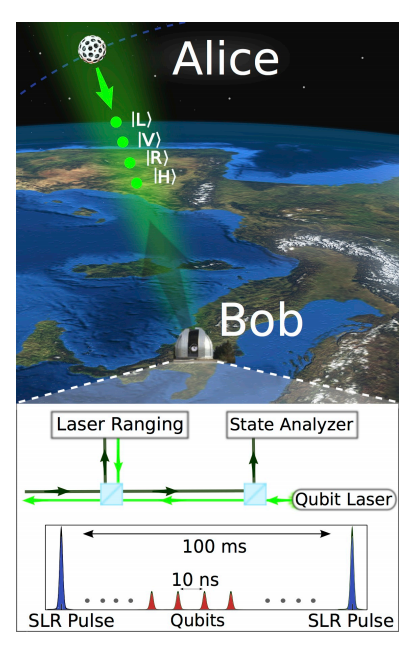
The Space-Based Quantum Cryptography Race

via technologyreview

Space football fever: NASA astronauts lose hair in World Cup bet (VIDEO)

via rt.com

STEREO probes operations will be curtailed for more than a year

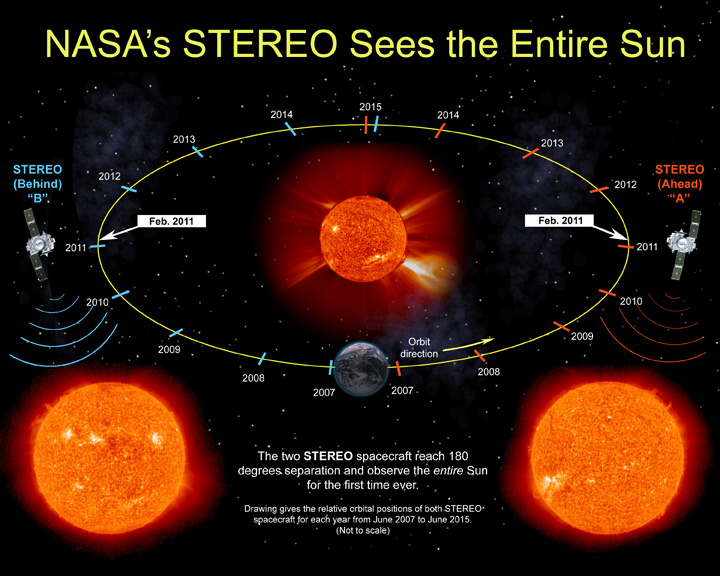
Illustration of the positions of the two STEREO spacecraft show that they attain 180 degrees of separation in Feb. 2011, thus allowing the world to see the entire Sun for the first time. (Credit: NASA/STEREO/SSC)
via thewatchers

Oppenheimer’s Folly: On black holes, fundamental laws and pure and applied science

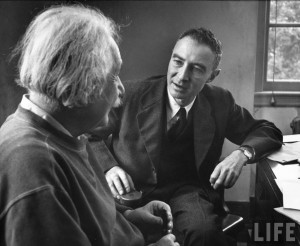
Einstein and Oppenheimer: Both men in their later years dismissed black holes as anomalies, unaware that they contained some of the deepest mysteries of physics (Image: Alfred Eisenstaedt, LIFE magazine)
via scientificamerican

Physicists Think They Can Solve the Mysteries of Quantum Mechanics, Cosmology, and Black Holes in One Go

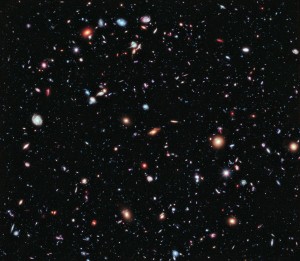
Hubble Space Telescope image. (Credit: NASA, ESA, G. Illingworth, D. Magee, and P. Oesch (University of California, Santa Cruz), R. Bouwens (Leiden University), and the HUDF09 Team)
via scientificamerican

The Smallest Black Hole in the Universe (Synopsis)

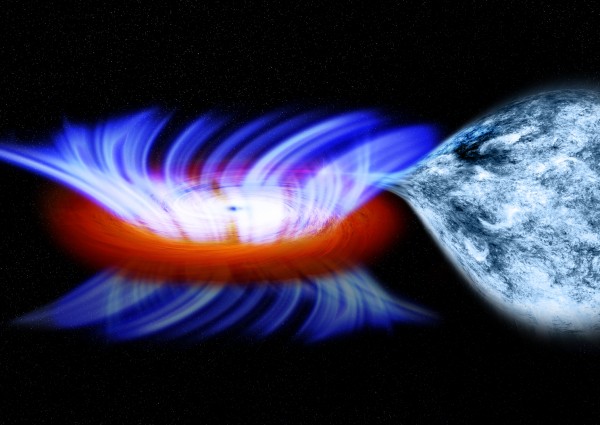
A binary system containing a stellar-mass black hole called IGR J17091. The strong gravity of the black hole, on the left, is pulling gas away from a companion star on the right. This gas forms a disk of hot gas around the black hole, and the wind is driven off this disk(Credit: NASA/CXC/M.Weiss)
via scienceblogs.com

Physicists’ findings improve advanced material

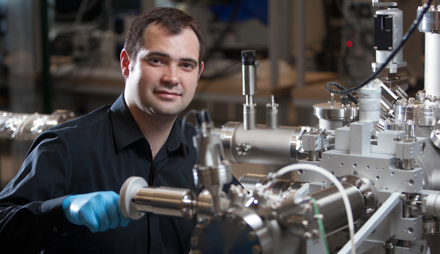
A new technique developed by a Binghamton University physicist and his colleagues will improve the quality of flexible, conductive, transparent glass.
A new technique developed by a Binghamton University physicist and his colleagues will improve the quality of flexible, conductive, transparent glass. (Credit: NASA)
via phys.org

Physics in the News

Tuesday, June 24, 2014

Science and spacewalks on Space Station

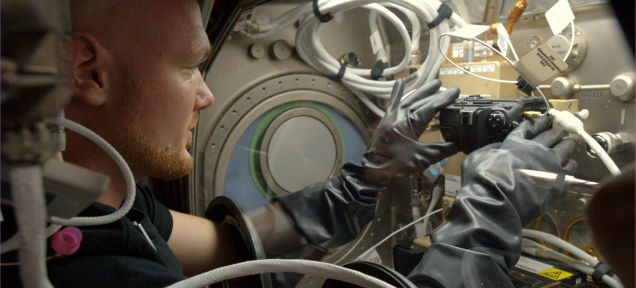
This might look like a routine scientific experiment, but you’re actually looking at European Space Agency astronaut Alexander Gerst as he sets fire to samples of various solids aboard the International Space Station to see how they burn. This man truly has a wonderful job. (Credit: ESA)

via phys.org


Universe Shouldn’t Be Here, According to Higgs Physics

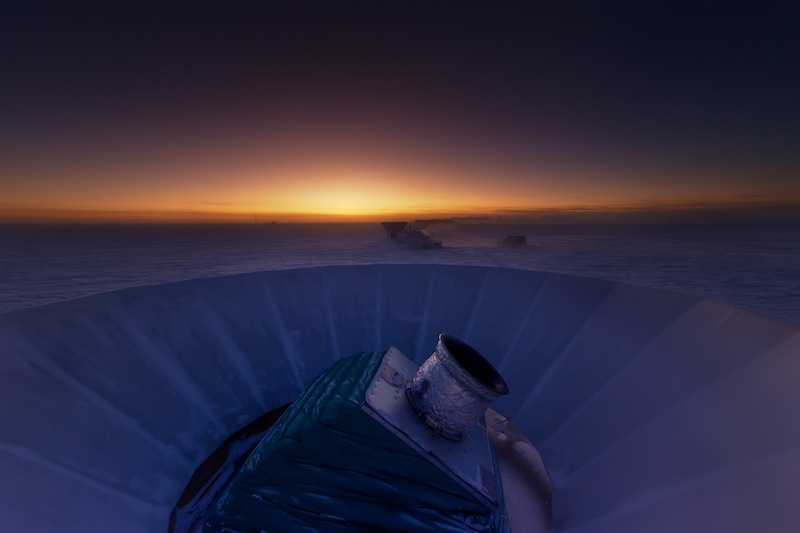
The BICEP2 telescope at twilight, which occurs only twice a year at the South Pole. The MAPO observatory (home of the Keck Array telescope) and the South Pole station can be seen in the background.
via livescience


SpaceX puts Falcon 9 rocket launch on hold until July

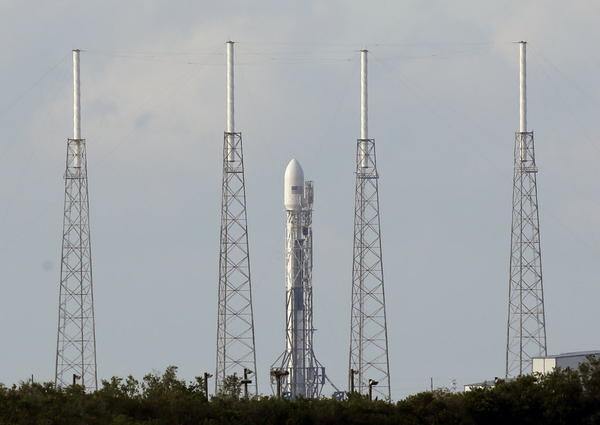
A SpaceX Falcon 9 rocket carrying a payload of Orbcomm communications satellites is seen at launch complex 40 after an attempted launch was scrubbed due to technical issues at the Cape Canaveral Air Force Station in Cape Canaveral, Fla.
via csmonitor


Satellite Swarm Spots North Pole Drift

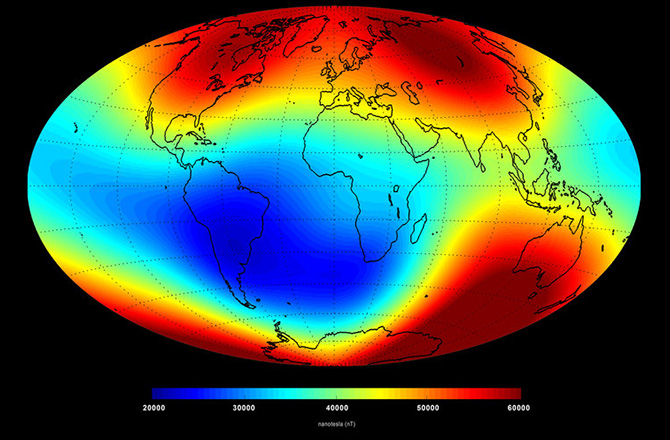
Swarm measurements of Earth’s magnetic field from June 2014. Blue areas show where it has weakened. (Credit ESA/DTU Space)
via discovery
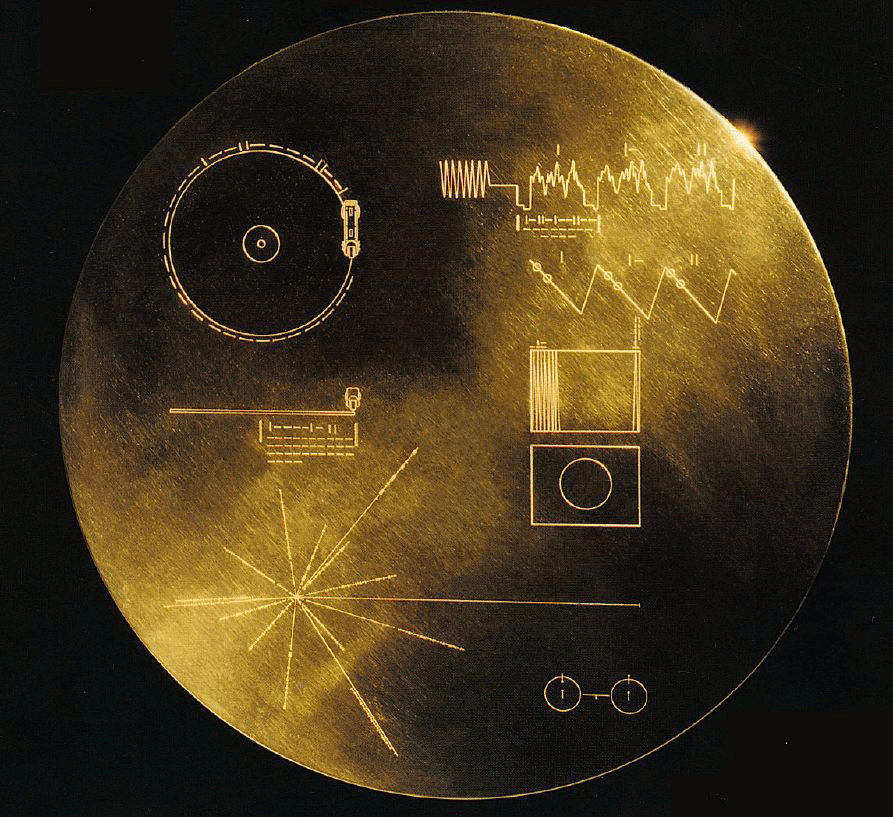
 

Greetings from Earth! NASA Spacecraft to Carry Message for Aliens

The Golden Record carried a message from Earth on board NASA's Voyager 1 and Voyager 2 missions. (Credit: NASA)
The Golden Record carried a message from Earth on board NASA’s Voyager 1 and Voyager 2 missions.
(Credit: NASA)

via SPACE.com