Physics in the News

Friday, January 27, 2014

NASA: Sun’s corona much larger than previously thought
Scientists used these observations of the sun's atmosphere (the bright light of the sun itself is blocked by the black circle at the middle) from NASA's Solar Terrestrial Relations Observatory on Aug. 5, 2007, to define the outer limits of the solar atmosphere, the corona. (Credit: NASA/STEREO)
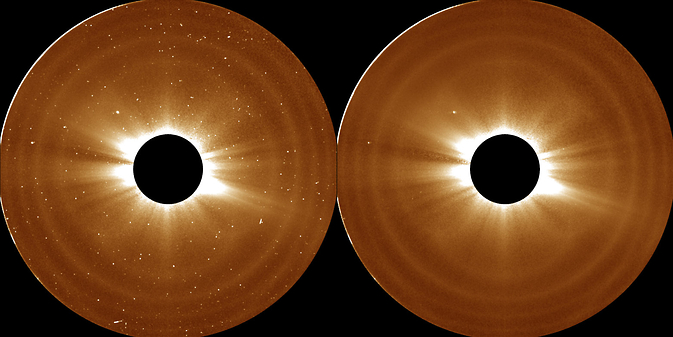
Scientists used these observations of the sun’s atmosphere (the bright light of the sun itself is blocked by the black circle at the middle) from NASA’s Solar Terrestrial Relations Observatory on Aug. 5, 2007, to define the outer limits of the solar atmosphere, the corona. (Credit: NASA/STEREO)
via NASA
 

“Ant-stronauts” Aboard The International Space Station
mage Caption: The Ants In Space CSI-06 investigation looks at how an ant colony responds to the extreme environment of microgravity aboard the International Space Station to solve their collective need for resources. Data gathered from this study may help with algorithms for robotics on Earth. (Credit: NASA)
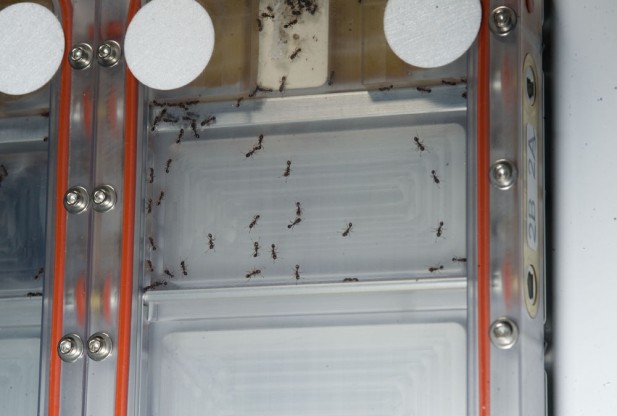
The Ants In Space CSI-06 investigation looks at how an ant colony responds to the extreme environment of microgravity aboard the International Space Station to solve their collective need for resources. Data gathered from this study may help with algorithms for robotics on Earth. (Credit: NASA)
via NASA


This Superluminous Supernova Does Not Care About the Laws of Physics
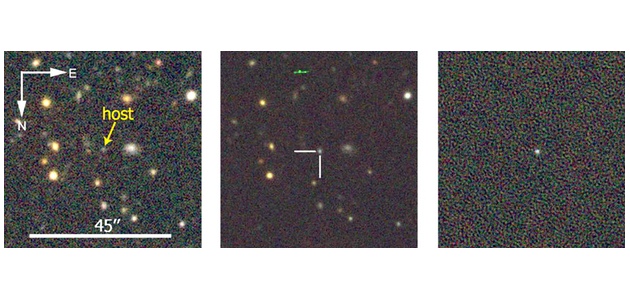
Before (left) and after (center) images of the region where DES13S2cmm was discovered. On the right is the supernova. (Credit: Dark Energy Survey)
via motherboard.vice.com


NASA Just Detected Mysterious Signal 240 Million Light Years Away From Earth
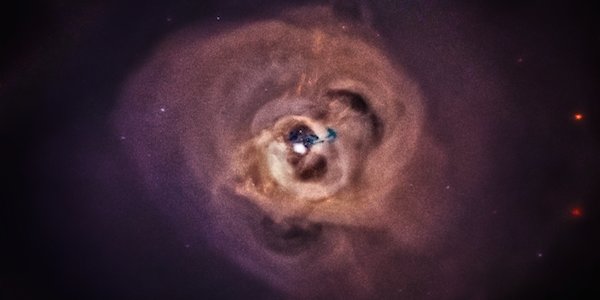
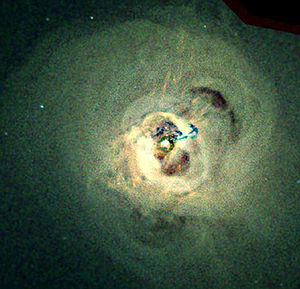
This composite image of the Perseus Cluster combines data equivalent to more than 17 days of observation time over a decade. (Credit: X-ray: NASA, CXC, SAO, E.Bulbul, et al.)
via NASA


Nearby Alien Planet May Be Capable of Supporting Life
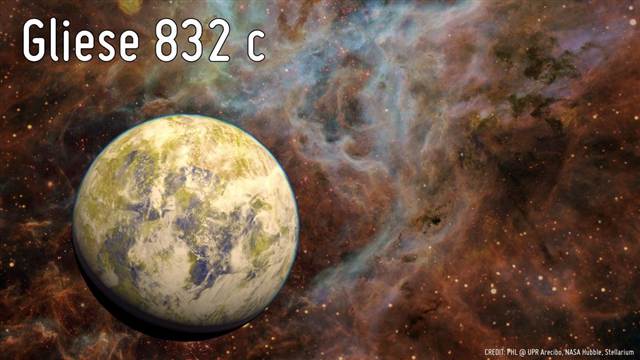
Potentially habitable Super-Earth Gliese 832 c appears in an artist's conception against a background of a stellar nebula.
Potentially habitable Super-Earth Gliese 832 c appears in an artist’s conception against a background of a stellar nebula.
via nbcnews


Cosmic own goal’ another clue in hunt for dark matter
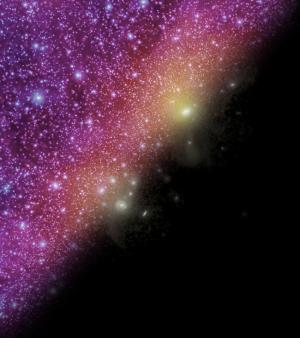
The visible galaxies in the Local Group simulation, shown in the lower right, only trace a tiny fraction of the vast number of dark matter halos, revealed in the upper left. Credit: John Helly, Till Sawala, James Trayford, Durham University
The visible galaxies in the Local Group simulation, shown in the lower right, only trace a tiny fraction of the vast number of dark matter halos, revealed in the upper left. (Credit: John Helly, Till Sawala, James Trayford, Durham University)
via phys.org

Physics in the News

Thursday, June 26, 2014

Confirmed: That Was Definitely the Higgs Boson Found at LHC

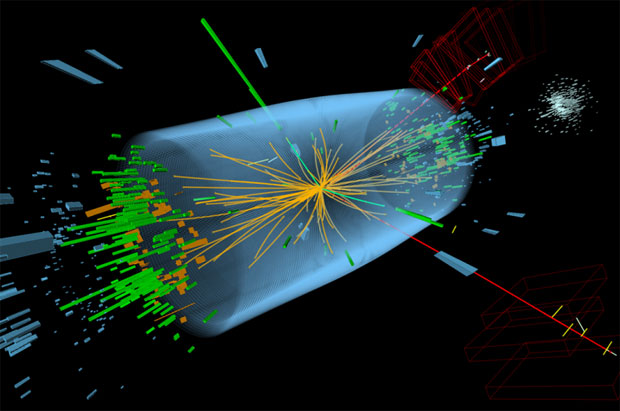
Candidate Higgs boson events from collisions between protons in the LHC. The top event in the CMS experiment shows a decay into two photons (dashed yellow lines and green towers). The lower event in the ATLAS experiment shows a decay into 4 muons (red tracks).[
Candidate Higgs boson events from collisions between protons in the LHC. The top event in the CMS experiment shows a decay into two photons (dashed yellow lines and green towers). The lower event in the ATLAS experiment shows a decay into 4 muons (red tracks).(Credit: NASA)
via discovermagazine

Einsteins biggest blunder? The 25-year-old supernova that could change the speed of light forever

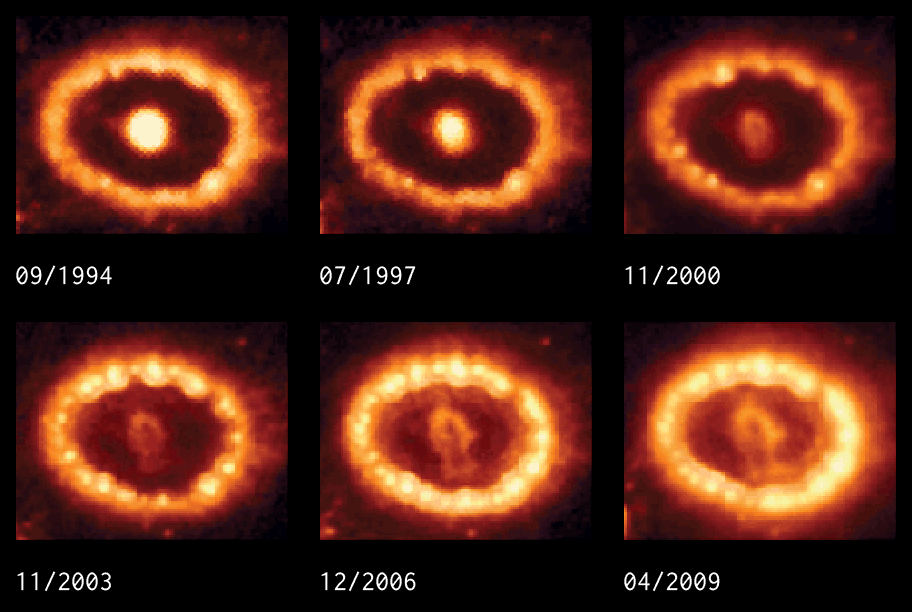
A time sequence of Hubble Space Telescope images, taken in the 15 years from 1994 to 2009, showing the collision of the expanding supernova remnant with a ring of dense material ejected by the progenitor star 20,000 years before the supernova. (Credit: NASA)
 via extremetech
 

New Math Technique Improves Atomic Property Predictions to Historic Accuracy

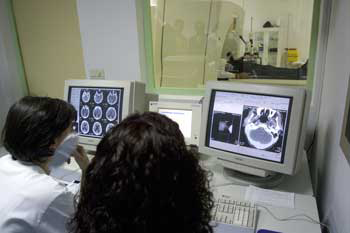
Computational techniques developed by a team from NIST and IU could enable precise computation of atomic properties that are important for nuclear medicine, as well as astrophysics and other fields of atomic research. Image: Paco Ayala (Fotolia)
via sciencenewsline


We may have just glimpsed dark matter, about 240 million light years away

The Perseus galaxy cluster.
The Perseus galaxy cluster is one of the most massive objects in the universe, containing thousands of galaxies immersed in a vast cloud of multimillion degree gas. (Credit: NASA)
via geek.com

Supermassive black hole trio discovered

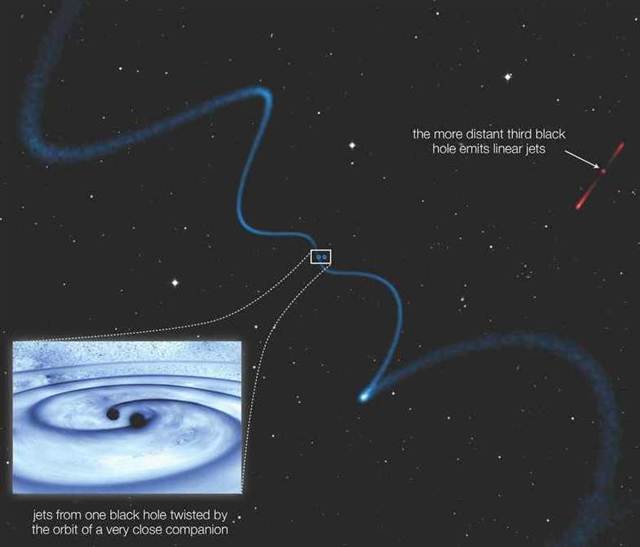
Two closely orbiting black holes in a galaxy about 4.2 billion light-years from Earth emit wavy jets, seen as a bluish spiral, while the third black hole in the trio is more distant, emitting linear jets off to the right.
via abc.net

Catching A Gravitational Wave

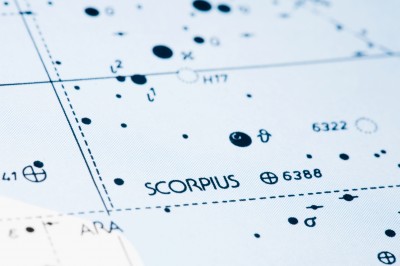
Monash and Warwick astronomers are searching for gravitational waves emitted by Scorpius X-1.
via phys.org

Clumped galaxies give General Relativity its toughest test yet

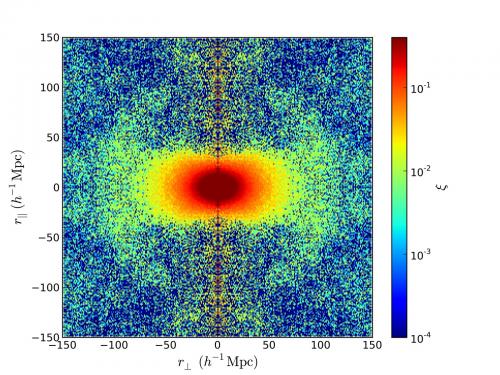
More than 600 000 galaxies from the BOSS survey were utilized to measure the strength of gravitational interactions of galaxies extremely far away from each other. This is a visual representation of that measurement; the amount that the circles are distorted, or squashed from perfect concentric rings, indicates the velocity that galaxies are falling towards each other and hence the strength of the gravitational interactions. Credit: BOSS/U. Portsmouth
More than 600 000 galaxies from the BOSS survey were utilized to measure the strength of gravitational interactions of galaxies extremely far away from each other. This is a visual representation of that measurement; the amount that the circles are distorted, or squashed from perfect concentric rings, indicates the velocity that galaxies are falling towards each other and hence the strength of the gravitational interactions. (Credit: BOSS/U. Portsmouth)
via phys.org

Physics in the News

Monday, June 23, 2014

Mystery patch found floating on Titan’s seas

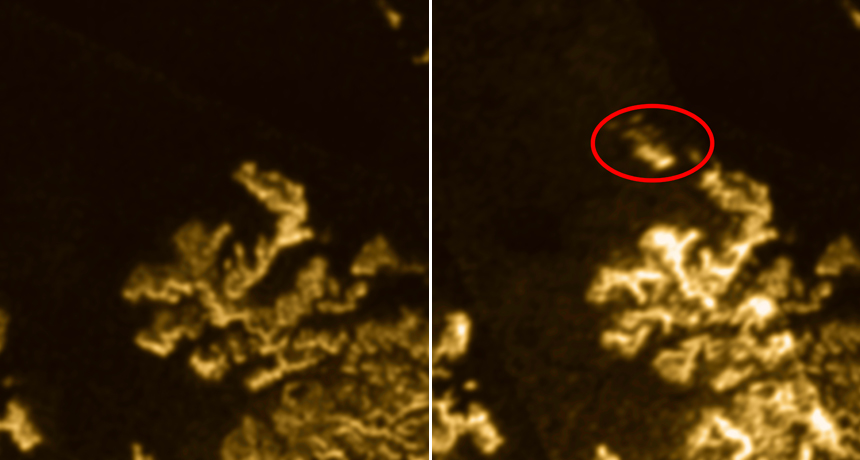
A bright patch (right, circled) on one of Titan’s northern methane seas, shown as dark areas, appeared in a Cassini spacecraft image taken on July 10, 2013. The patch disappeared by July 16, 2013 and was not visible in earlier images (left).
via sciencenews.org


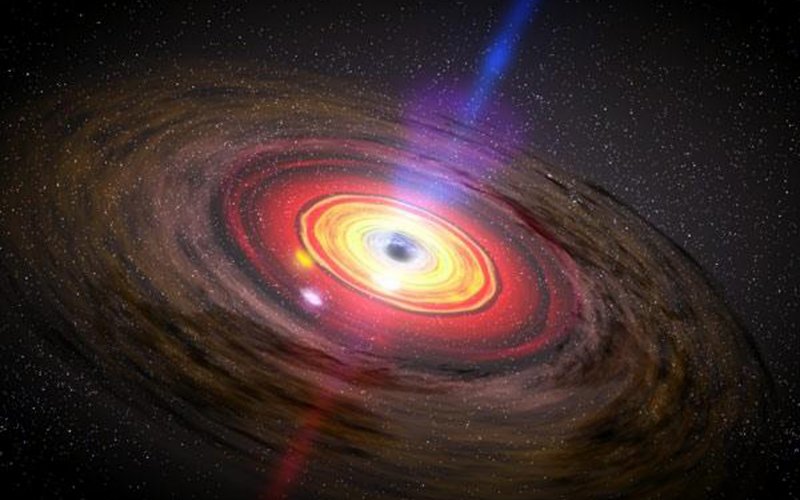
The Supermassive Black Hole Smokescreen

(Credit: NASA)
(Credit: NASA)
via thedailybeast


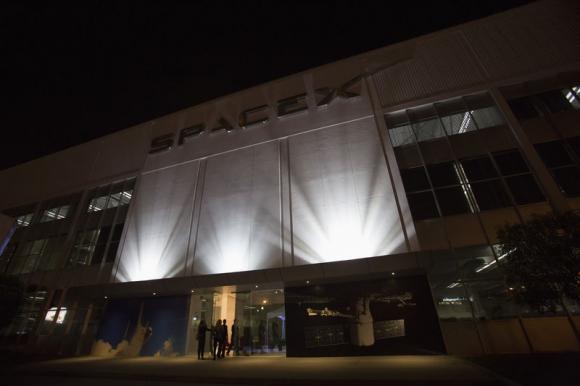
SpaceX satellite launch postponed for third time, until Tuesday

 An exterior of the SpaceX headquarters in Hawthorne, California May 29, 2014. (Credit: Reuters/Mario Anzuoni)
An exterior of the SpaceX headquarters in Hawthorne, California May 29, 2014. (Credit: Reuters/Mario Anzuoni)
via reuters


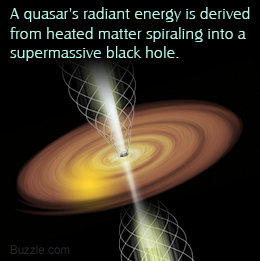
Interesting Facts About Quasars

604042-1620-49
via buzzle


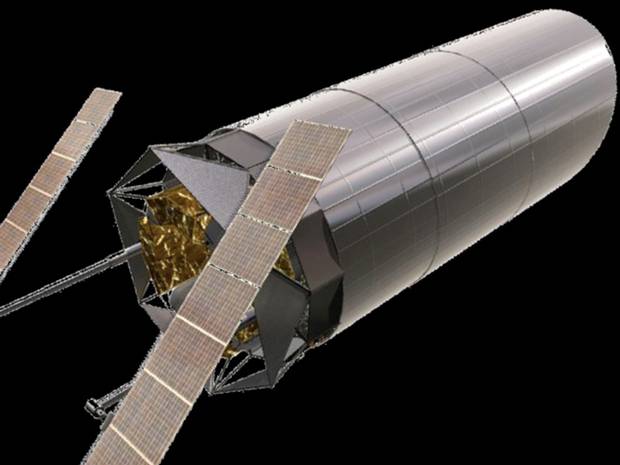
Sending astronauts one million miles into space to build world’s most-powerful telescope in hunt for alien life

The Atlast telescope will be the most powerful telescope ever made and up to four times larger than the Hubble Telescope
via independent

Physics in the News

Friday, June 20, 2014

Classic space science: UD physicist’s findings about space plasma become ‘classics’

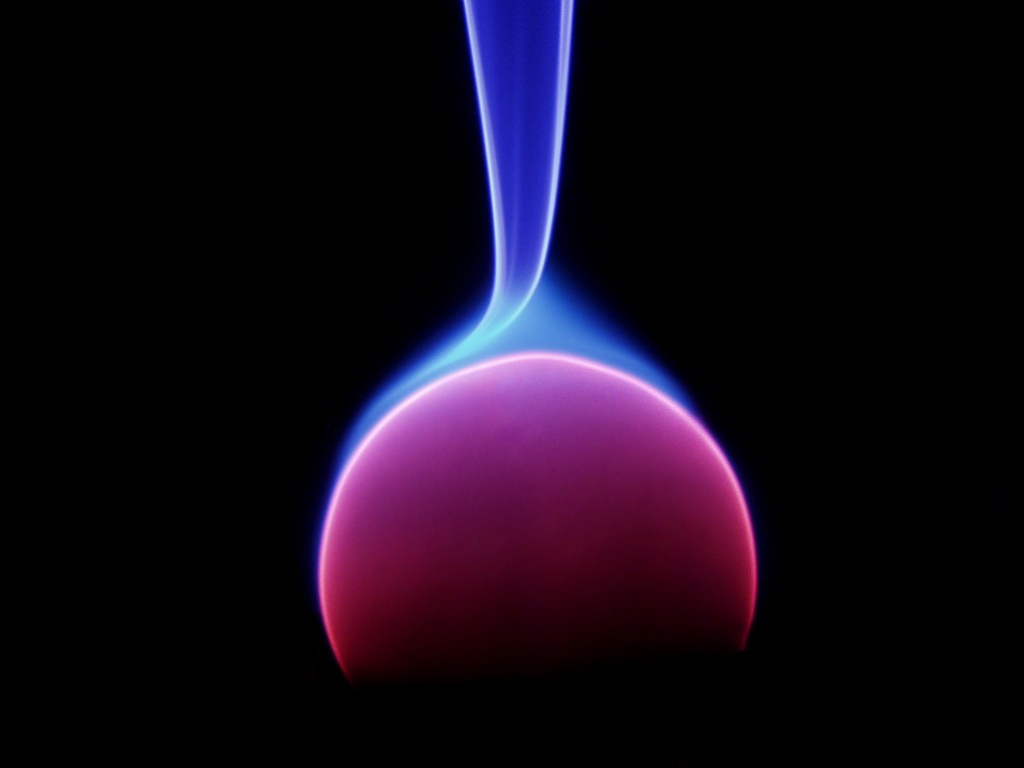
Energy Arc, central electrode of a Plasma Lamp.
via udel

New Observatory Takes Highest-Energy Particle Research to New Heights

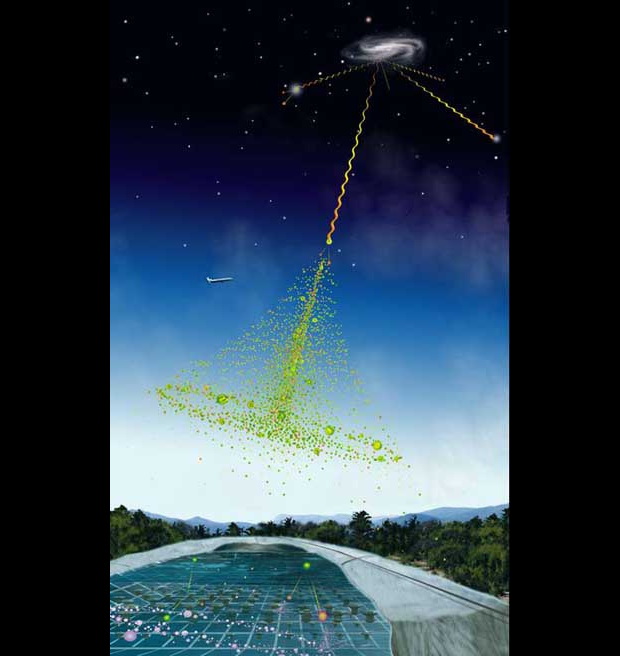
As cosmic-ray particles are accelerated by a black hole in this artist's interpretation, they stream toward Earth as very-high-energy gamma-rays. Upon hitting the atmosphere, they produce a shower of particles that rain down on Earth. Most of these particles run out of energy before they hit sea level. Credit: Aurore Simonnet, Sonoma State University
As cosmic-ray particles are accelerated by a black hole in this artist’s interpretation, they stream toward Earth as very-high-energy gamma-rays. Upon hitting the atmosphere, they produce a shower of particles that rain down on Earth. Most of these particles run out of energy before they hit sea level. (Credit: Aurore Simonnet, Sonoma State University)
via space.com

New test may provide ‘smoking gun’ for modified gravity

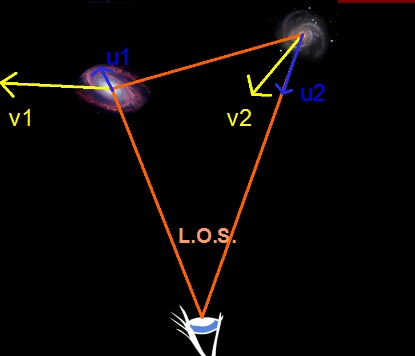
A schematic picture of how researchers can observe galaxy peculiar velocities, “a cosmic dance of galaxies.” (Credit: Wojciech A. Hellwing)
via phys.org

Supermassive Black Hole Shows Strange Gas Movements

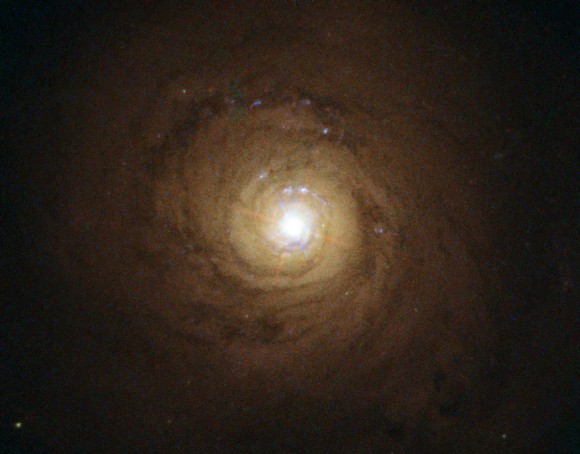
A Hubble Space Telescope image of NGC 5548. (Credit: ESA/Hubble and NASA. Davide de Martin)
via universetoday

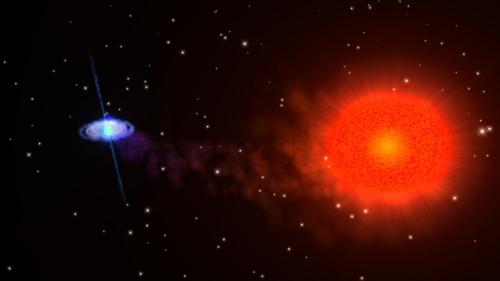
Slowly rotating neutron star paired with a red-giant star reveals properties that conflict with existing theory

An artist’s impression of an x-ray binary system. The matter that a neutron star (blue) sucks from a regular star (red) leads to the emission of intense x-ray beams. (Credit: NASA)
via phys.org
Slowly rotating neutron star paired with a red-giant star reveals properties that conflict with existing theoryRead more at: http://phys.org/news/2014-06-slowly-rotating-neutron-star-paired.html#jCp

Physics in the News

Friday, June 20, 2014

Nasa Picks Out Prime Targets For Asteroid Grab

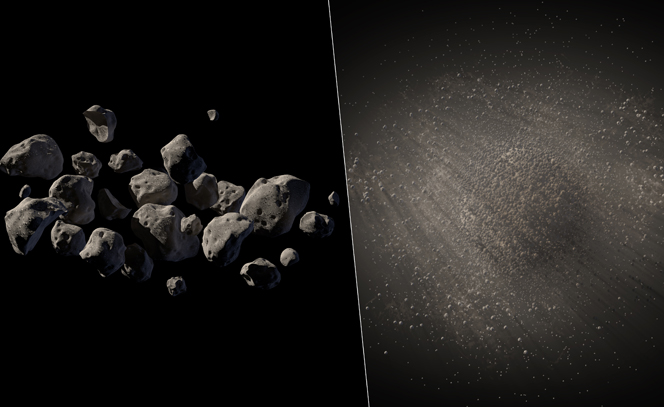
An artist's conception of two possible views of asteroid 2011 MD. (Image courtesy NASA Jet Propulsion Laboratory)
An artist’s conception of two possible views of asteroid 2011 MD. (Image courtesy NASA Jet Propulsion Laboratory)
via nau


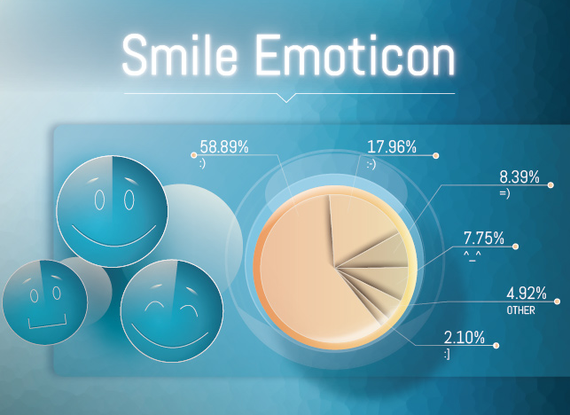
Some Highly Scientific Data 🙂 Physics Invents the Emoticon

The end of an era: Just 18 percent of survey respondents report using the full-faced emoticon.
The end of an era: Just 18 percent of survey respondents report using the full-faced emoticon. (Credit
via theatlantic


If Spacetime Were a Superfluid, Would It Unify Physics—or Is the Theory All Wet?

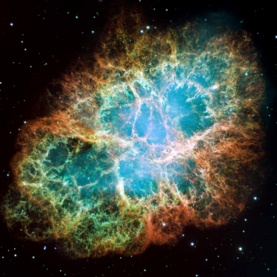
Light from the Crab Nebula (shown here in a Hubble Space Telescope photo) limits the possibilities for fluid spacetime. NASA/ESA/ASU/J. Hester
Light from the Crab Nebula (shown here in a Hubble Space Telescope photo) limits the possibilities for fluid spacetime. (Credit:NASA/ESA/ASU/J. Hester)
via scientificamerican
 

Swiftly Moving Gas Streamer Eclipses Supermassive Black Hole

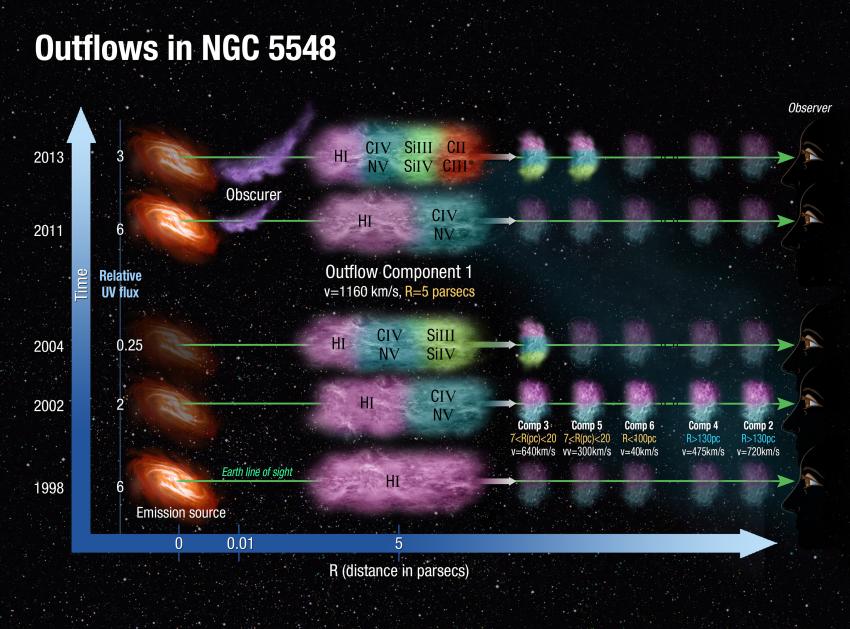
This is an illustration of the physical, spatial and temporal picture for the outflows emanating from the vicinity of the super massive black hole in the galaxy NGC 5548. The behavior of the emission source in five epochs is shown along the time axis. The obscurer is situated at roughly 0.03 light years (0.01 parsecs) from the emission source and is only seen in 2011 and 2013 (it is much stronger in 2013). Outflow component 1 shows the most dramatic changes in its absorption troughs. Different observed ionic species are represented as colored zones within the absorbers. Credit: Ann Feild/Space Telescope Science Institute
via hubblesite
 

Dr. Ed Dowdye: Solar gravitation and solar plasma wave propagation on interaction – EU 2014

via thewatchers


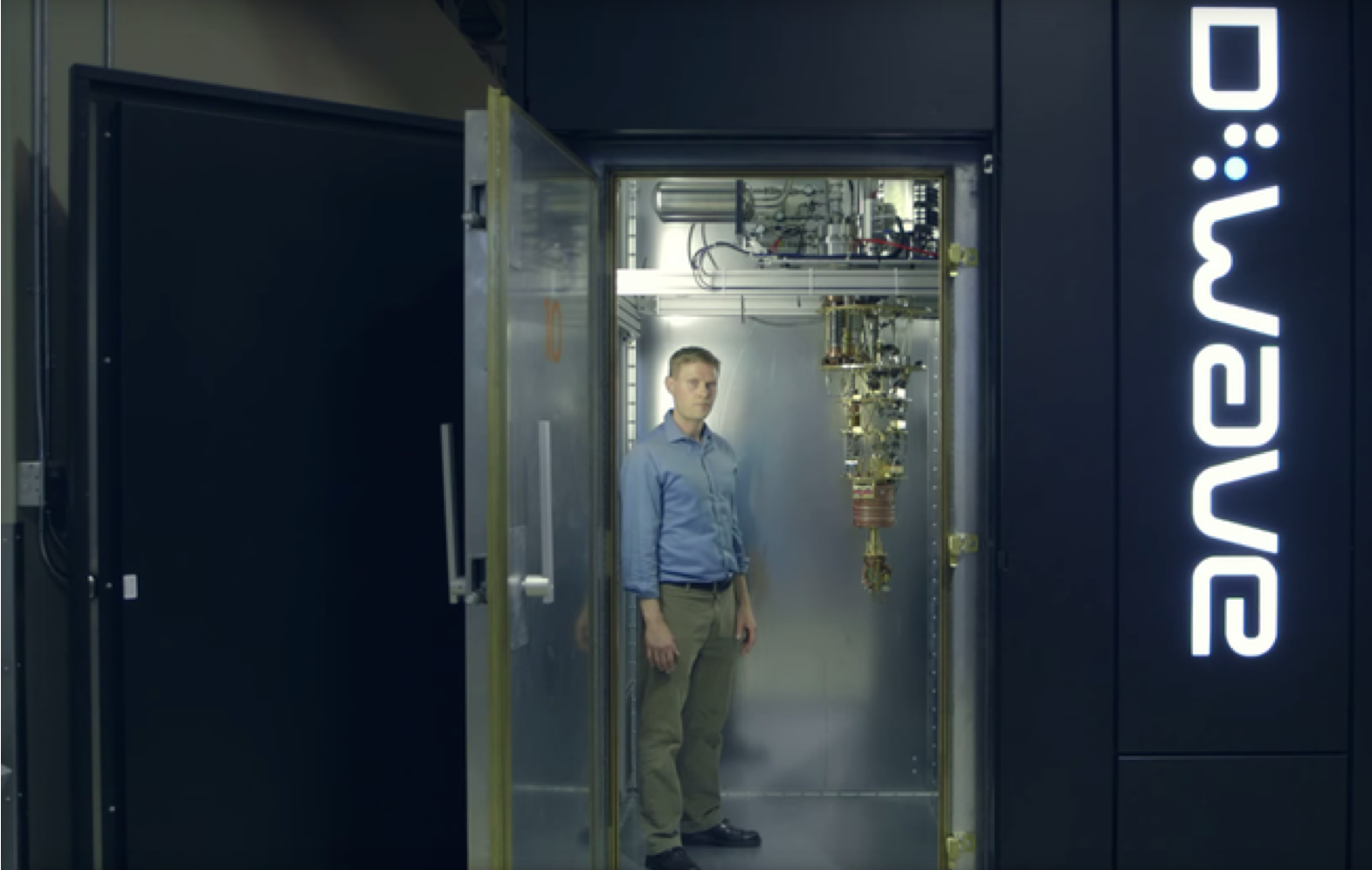
Confirmed, finally: D-Wave quantum computer is sluggish

Jeremy Hilton, D-Wave's vice president of processor development, with one of the company's quantum computers. Screenshot by Nick Statt/CNET
Jeremy Hilton, D-Wave’s vice president of processor development, with one of the company’s quantum computers. Screenshot by Nick Statt/CNET
via cnet