Physics in the News

Sunday, July 13, 2014

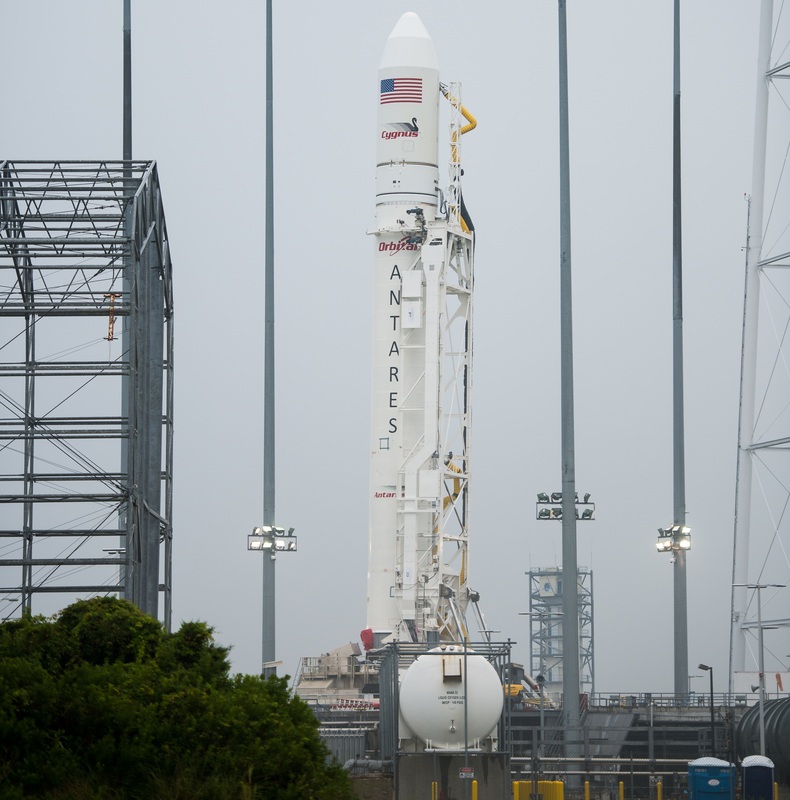
Orb2 launches today at 12:52p ET.(LIVE STREAM)

via spacecoastdaily

What happened to the light? 80% of Universe’s light “missing”(VIDEO)

via libertariannews

Growth of structure tells us how normal and dark matter scatter
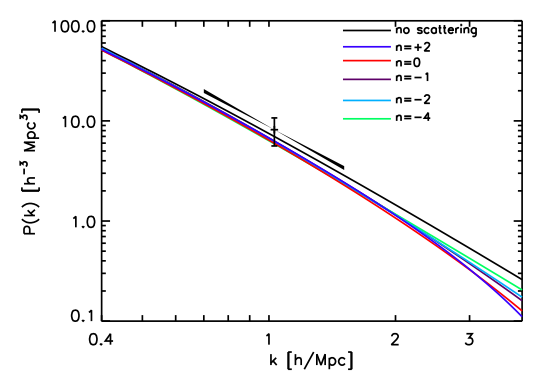
The colored curves describe different velocity dependencies of the scattering strength; it is scaling as v to the nth power. The horizontal axis, k, is a measure of how separated two points in space might be; larger k corresponds to smaller physical separation. The vertical axis (technically known as a “power spectrum”) describes how correlated two points separated by a scale 1/k are; higher number mean more correlation. The one point with error bars shows that most of the models the authors consider are not very favored by the data. (Credit: C. Dvorkin, K. Blum, and M. Kamionkowski)
via astrobites

Venus Express rises again

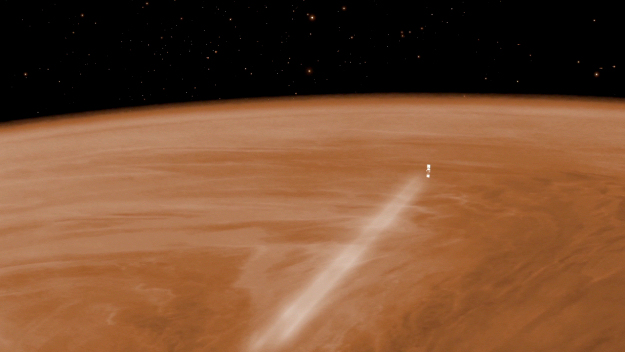
After a month surfing in and out of the atmosphere of Venus down to just 130 km from the planet’s surface, ESA’s Venus Express is about to embark on a 15 day climb up to the lofty heights of 460 km. (Credit: ESA – C. Carreau)
via esa

Privately funded solar spacecraft to launch in 2016
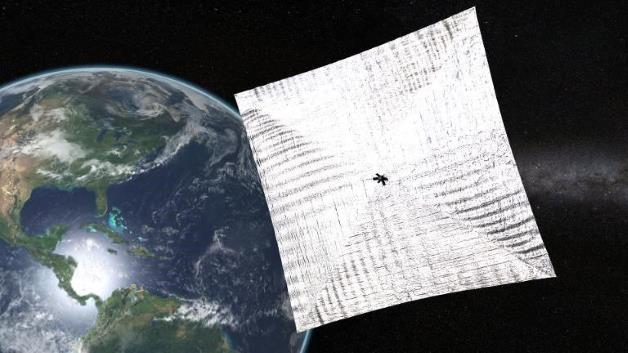
An illustration of The Planetary Society's LightSail spacecraft. (Credit: SpaceX)
An illustration of The Planetary Society’s LightSail spacecraft. (Credit: Plenary Society)

via msn

Early Universe explorer looks for answers
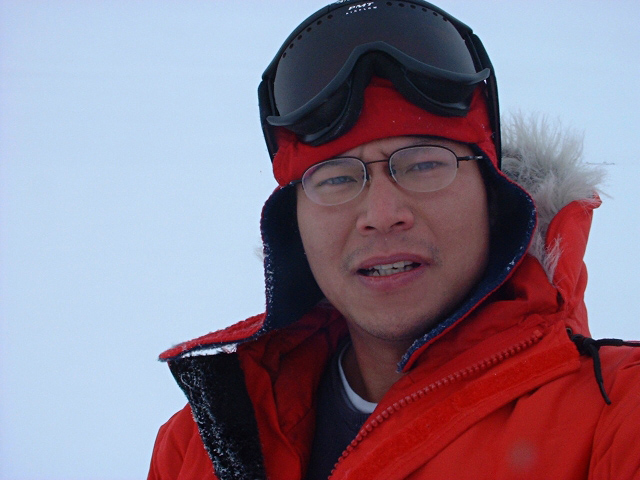
Chao-Lin Kuo, who helped design the BICEP2 experiment, isn’t bothered by criticism that cosmic dust may account for his results. He just wants to know the truth. (Credit: Chao-Lin Kuo)
via scientificamerican

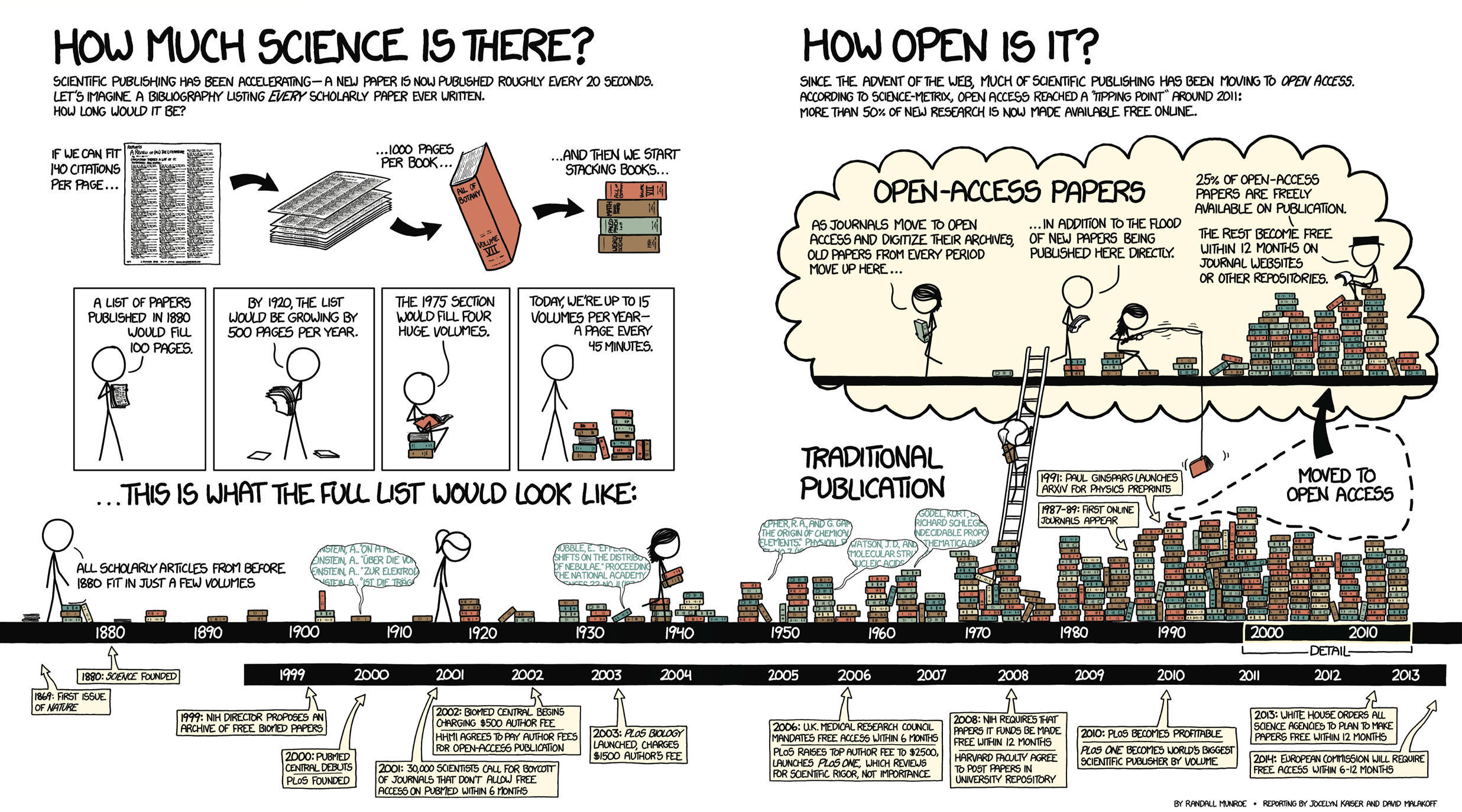
The 1% of scientific publishing

(Credit: sciencemag.org)
via sciencemag

Ask Ethan #45: How deep does the Multiverse go?
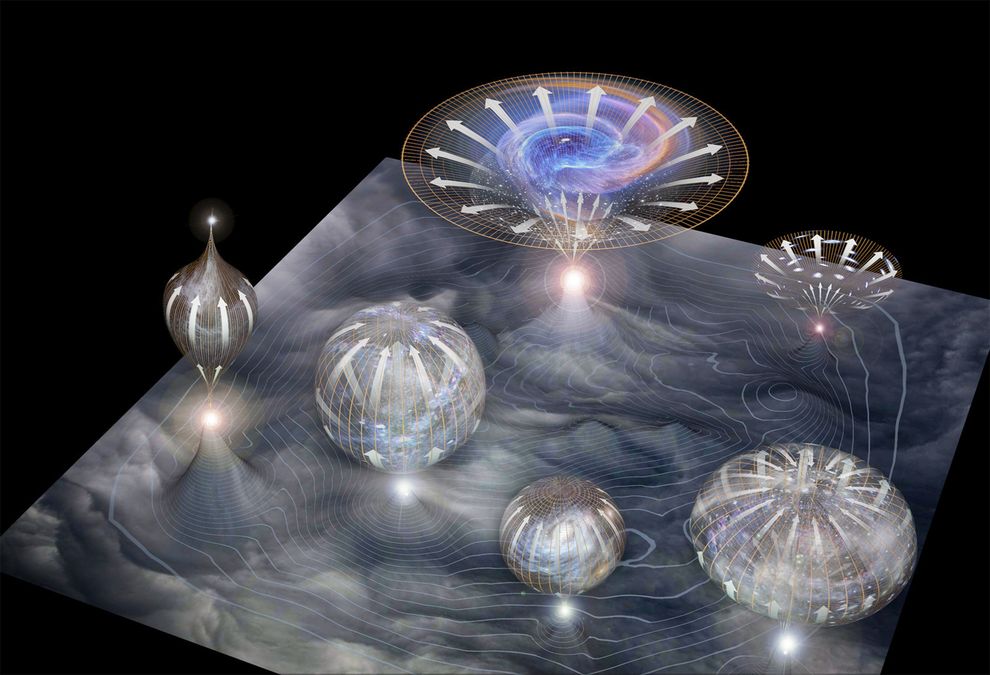
This illustration depicts a main membrane out of which individual universes arise; they then expand in size through time. (Credit: Moonrunner Design)
via scienceblogs

Physics in the News

Saturday, July 12, 2014

NASA Curiosity Rover is starting to explore dangerous new territory

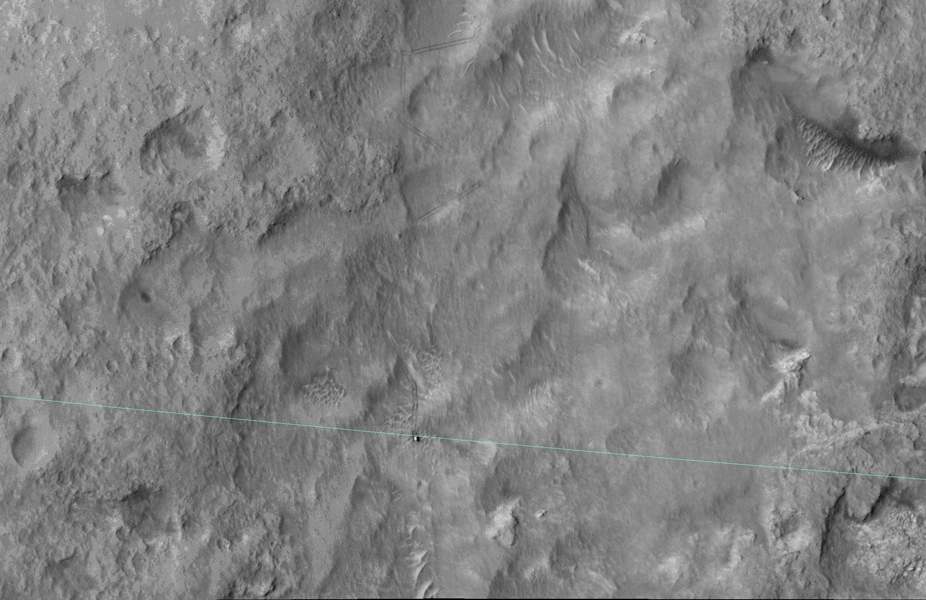
The blue line added to this June 27, 2014, image from the High Resolution Imaging Science Experiment (HiRISE) camera on NASA's Mars Reconnaissance Orbiter is the edge of the ellipse that was charted as safe terrain for the rover's August 2012 landing. Curiosity is visible right on the ellipse line in the lower center of the image. This 3-sigma landing ellipse is about 4 miles long and 12 miles wide (7 kilometers by 20 kilometers). Curiosity reached the edge of it for the first time with a drive of about 269 feet (82 meters) earlier that day. (Credit: NASA)
The blue line added to this June 27, 2014, image from the High Resolution Imaging Science Experiment (HiRISE) camera on NASA’s Mars Reconnaissance Orbiter is the edge of the ellipse that was charted as safe terrain for the rover’s August 2012 landing. Curiosity is visible right on the ellipse line in the lower center of the image. This 3-sigma landing ellipse is about 4 miles long and 12 miles wide (7 kilometers by 20 kilometers). Curiosity reached the edge of it for the first time with a drive of about 269 feet (82 meters) earlier that day. (Credit: NASA)
via technobuffalo

Space geeks’ resurrected NASA sun probe ISEE-3 now on collision course with the moon

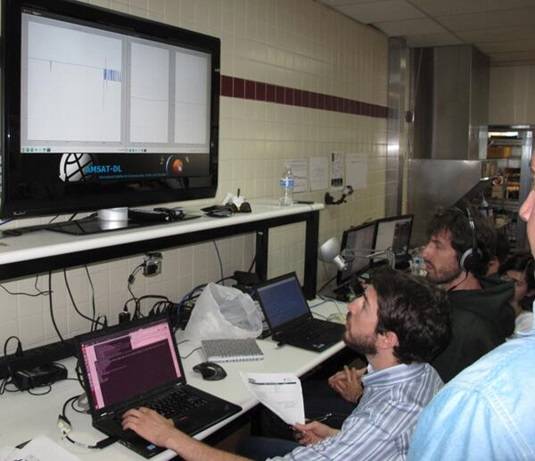
An old McDonalds serves as ISEE-3 mission control (Credit: ISEE-3)
via theregister

Richard Feynman, sexism and changing perceptions of a scientific icon

via scientificamerican

Scientists ‘have no handle on’ radio bursts coming from deep space

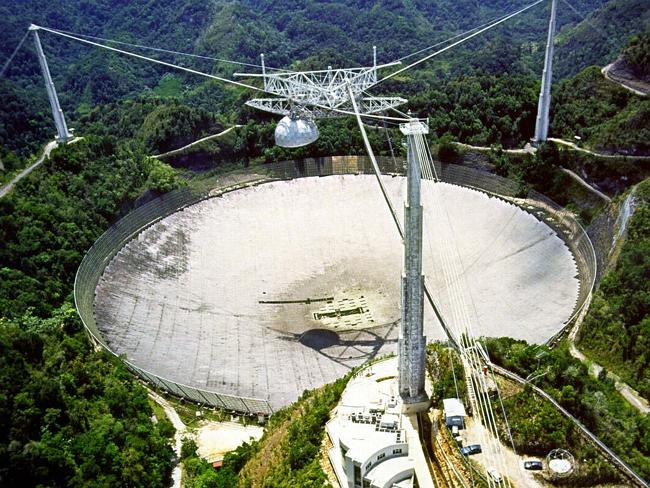
The Arecibo Observatory in Puerto Rico is the largest single-dish radio telescope in the world. (Credit: David Parker)
via news.com

NASA spacecraft observes more evidence of dry ice gullies on Mars

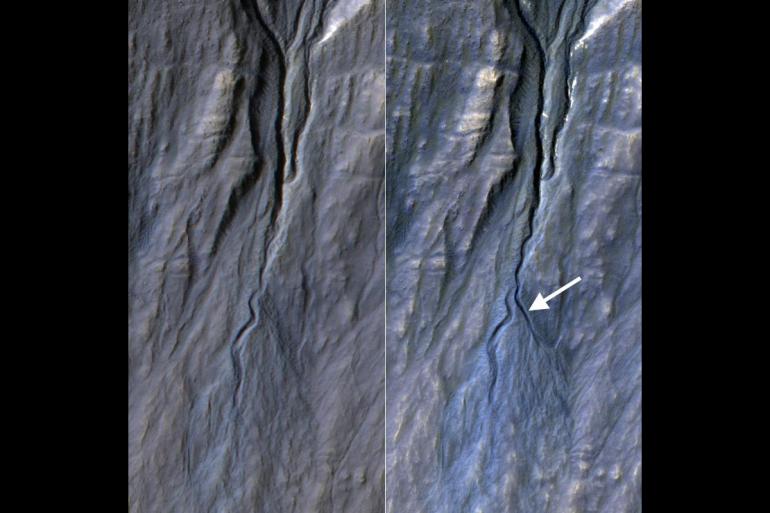
This pair of before (left) and after (right) images captured by the HiRise camera on NASA’s MRO documents the formation of a new channel on a Martian slope between 2010 and 2013. (Credit: NASA/JPL-Caltech/University of Arizona)
via ibtimes

Dragonfly telephoto array discovers seven dwarf galaxies around Messier 101

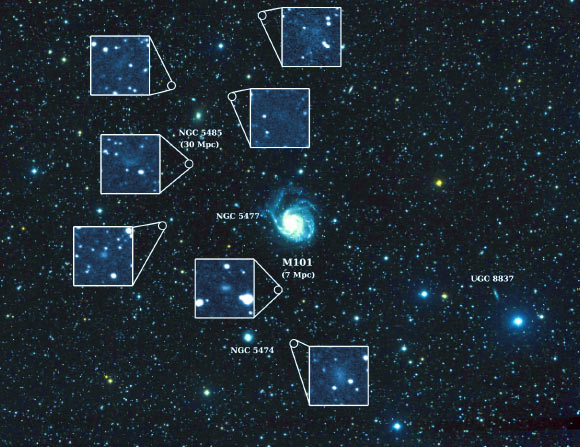
This image shows the nearby spiral galaxy Messier 101 and the seven newly discovered dwarf galaxies. (Credit: Allison Merritt et al.)
via sci-news

Microsoft and Niels Bohr Institute QDev partner to realize Quantum Information

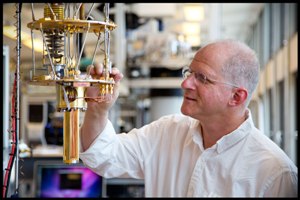
The base for the research collaboration between Microsoft and the Center for Quantum Devices, called Station Q–Copenhagen, aims to realise quantum information (Credit: ku.dk)
The base for the research collaboration between Microsoft and the Center for Quantum Devices, called Station Q–Copenhagen, aims to realise quantum information  (Credit: ku.dk)
via azoquantum

Physics in the News

Friday, July 11, 2014

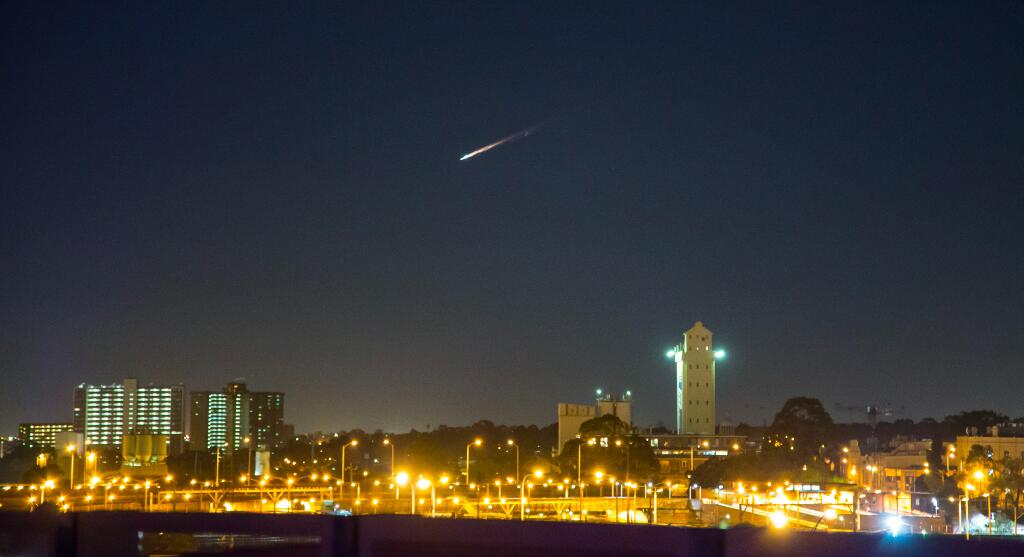
Fireball as Russian space junk ‘belly flops’ to Earth above Australia

Steven Wright saw the fireball Thursday, July 10 (Credit: Steven Wright)
via cnn

Uncertainty gives scientists new confidence in search for novel materials

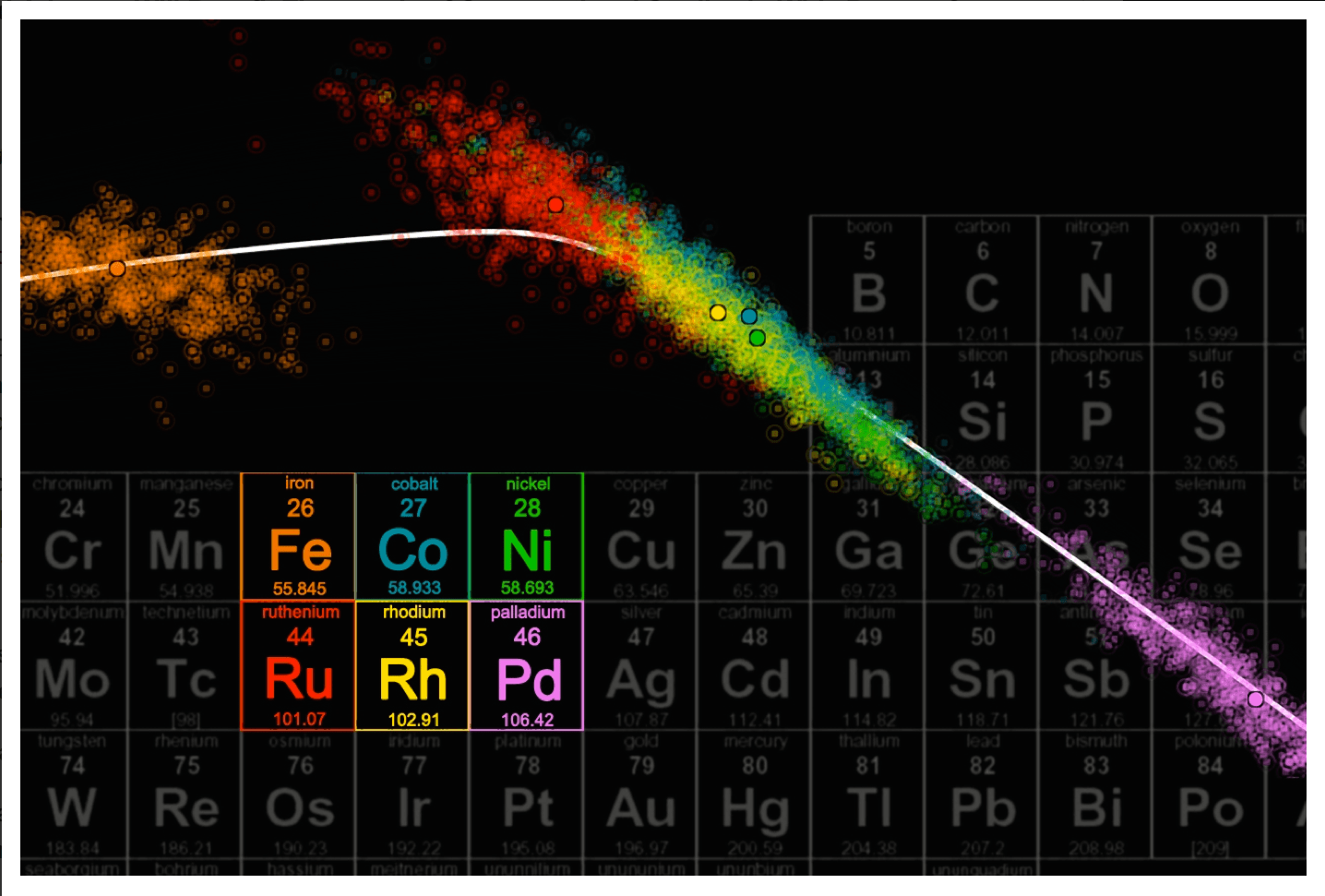
This image shows the results of calculations aimed at determining which of six chemical elements would make the best catalyst for promoting an ammonia synthesis reaction. Based on thousands of these calculations, which yielded a range of results (colored dots) that reveal the uncertainty involved, researchers estimated an 80 percent chance that ruthenium (Ru, in red) will be a better catalyst than iron (Fe, in orange.) (Credit: Andrew Medford and Aleksandra Vojvodic/SUNCAT, Callie Cullum)
via redorbit

Astronomers discover two objects in the mysterious Milky Way halo

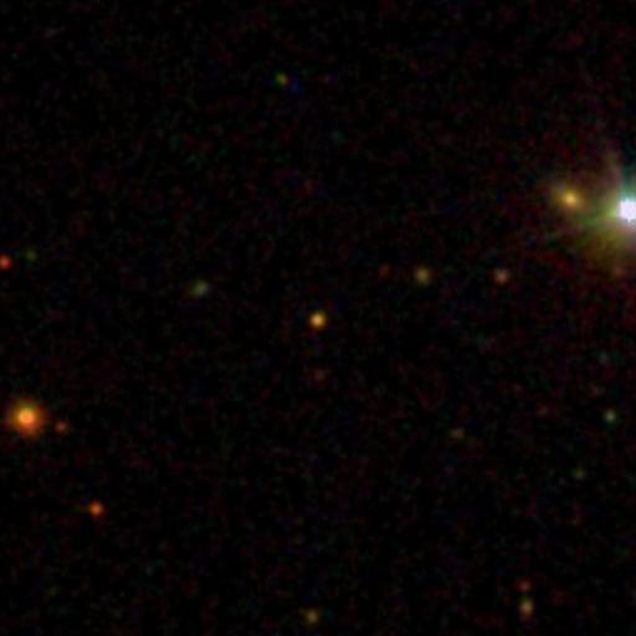
ULAS J0015+01 at the center of the photo. (Credit: NASA)
via gizmodo

19th century math tactic gets a makeover—and yields answers up to 200 times faster

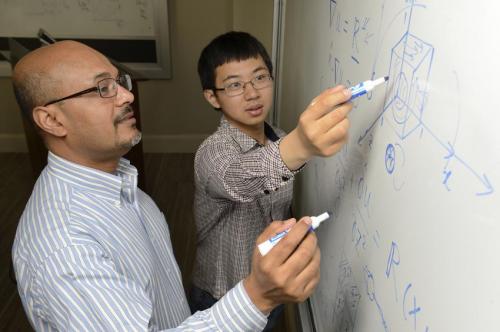
ohns Hopkins graduate student Xiang Yang, at right, teamed up with Rajat Mittal, a professor of mechanical engineering, to revamp a "useless" 169-year-old math strategy, making it work up to 200 times faster. (Credit: Will Kirk/JHU)
Johns Hopkins graduate student Xiang Yang, at right, teamed up with Rajat Mittal, a professor of mechanical engineering, to revamp a “useless” 169-year-old math strategy, making it work up to 200 times faster. (Credit: Will Kirk/JHU)
via phys.org

Artificial spacetime experiment could show tantalizing effects of gravitational waves(VIDEO)

via phys.org

Physics in the News

Monday, July 7, 2014

Fluids Flowing at the Nanoscale (VIDEO)

via theepochtimes

Solved: Signals Thought Originating from Habitable-Zone Planets (VIDEO)

via dailygalaxy

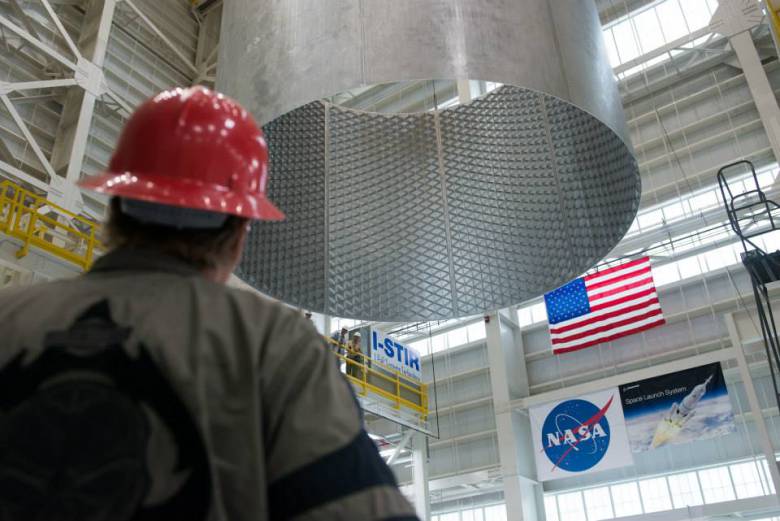
NASA OK’s spending on a new rocket built for deep space exploration

NASA plans to spend $6.8 billion of its funding for the SLS project. (Credit: NASA)
via venturebeat

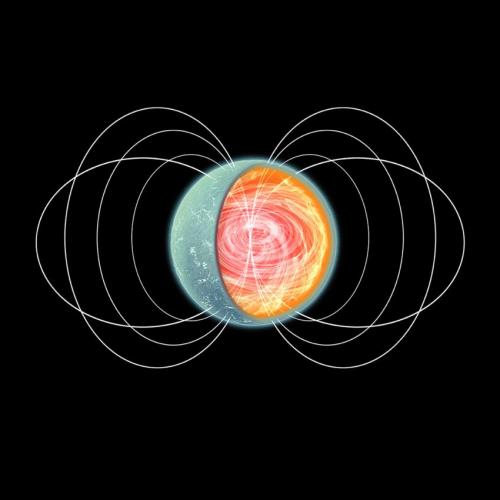
Satellite X-ray observations reveal neutron star with donut-shaped magnetic field and axial wobble

An artist's impression of a magnetar with an intense torroidal magnetic field in its core. (Credit: NASA/CXC/M.Weiss)
An artist’s impression of a magnetar with an intense torroidal magnetic field in its core. (Credit: NASA/CXC/M.Weiss)
via phys.org

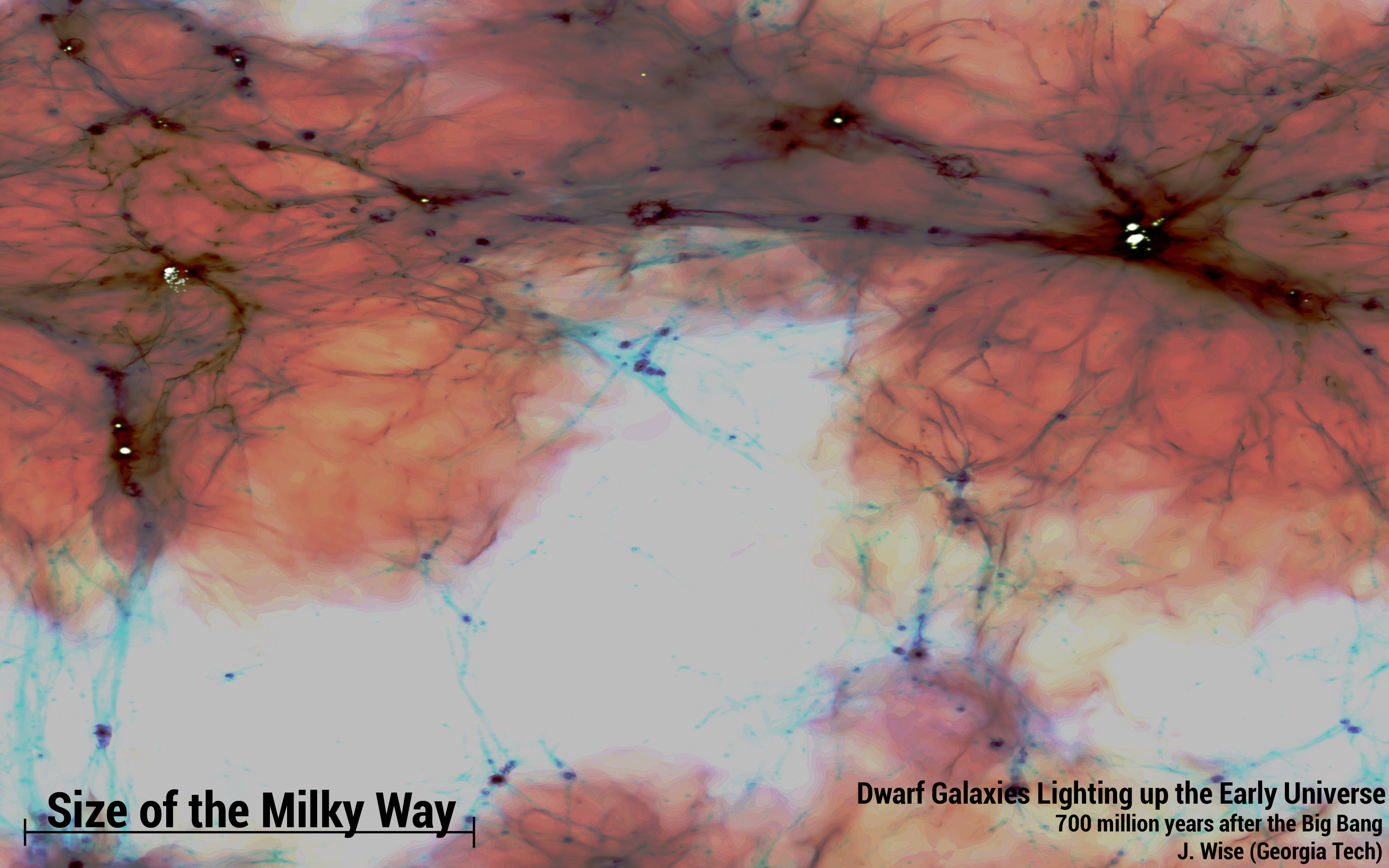
Small, but plentiful: How the faintest galaxies illuminated the early universe

A view of the entire simulation volume showing the large scale structure of the gas, which is distributed in filaments and clumps. The red regions are heated by UV light coming from the galaxies, highlighted in white. These galaxies are over 1000 times less massive than the Milky Way and contributed nearly one-third of the UV light during re-ionisation. The field of view of this image is 400,000 light years across, when the universe was only 700 million years old. (Credit: John Wise)
via phys.org

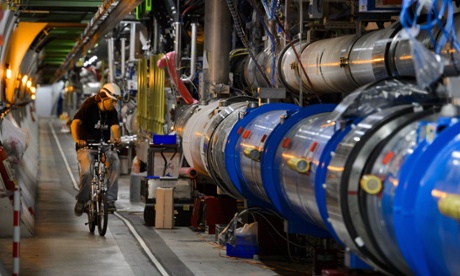
Two years ago the discovery of the Higgs boson was announced. What’s new?

A worker rides on his bicycle in the CERN's Large Hadron Collider (LHC) tunnel during maintenance works. (Credit:  AFP  / FABRICE COFFRINIFABRICE COFFRINI/AFP/Getty Images)
A worker rides on his bicycle in the CERN’s Large Hadron Collider (LHC) tunnel during maintenance works. (Credit: AFP / FABRICE COFFRINIFABRICE COFFRINI/AFP/Getty Images)
via theguardian

Physics in the News

Sunday, July 6, 2014

Not quite beam me up, but Star Trek technology’s moved beyond science fiction

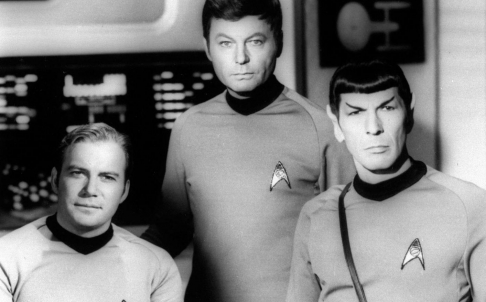
Teleportation aside, they'd feel right at home on earth. (Credit: AP)
Teleportation aside, they’d feel right at home on earth. (Credit: AP)
via scmp

A Bold Critic of the Big Bang’s ‘Smoking Gun’

David Spergel, a theoretical astrophysicist at Princeton University who was a theorist on NASA’s Wilkinson Microwave Anisotropy Probe mission. (Credit: Princeton)
via simonsfoundation

Bruno Zumino Dies at 91; Sought to Tie Together Laws of Universe

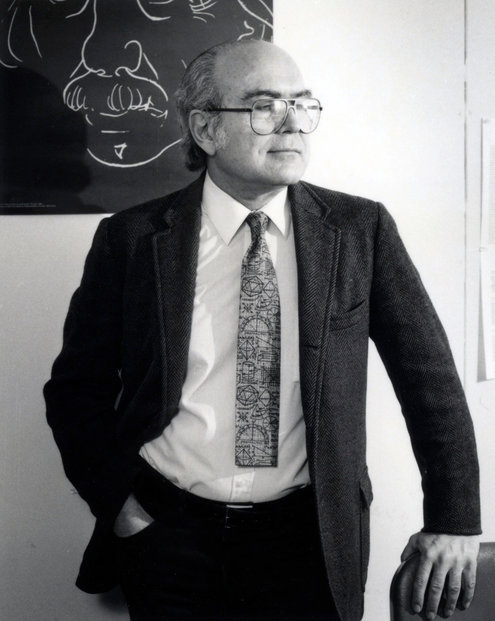
 Bruno Zumino in 1985. (Credit: Lawrence Berkeley National Laboratory)
Bruno Zumino in 1985. (Credit: Lawrence Berkeley National Laboratory)
via nytimes

Physicist Louis Del Monte believes that by 2045 machines will threaten human survival

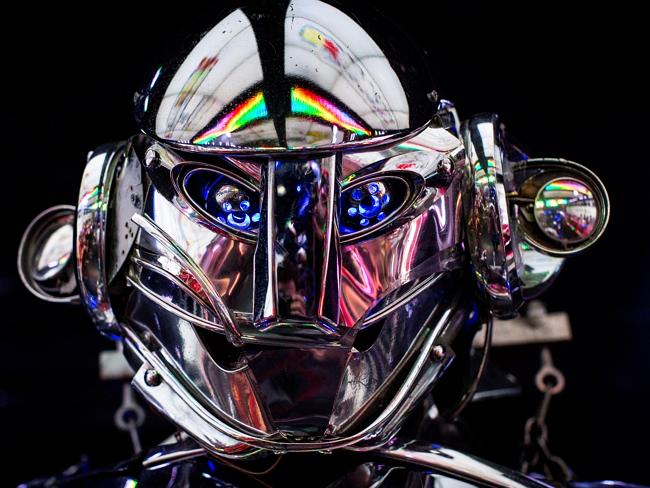
 Part human, part machine, the future of artificial intelligence. (Credit: Getty Images)
Part human, part machine, the future of artificial intelligence. (Credit: Getty Images)
via news.com

Meet the brazen scientist who’s taking over NASA’s high-powered climate lab

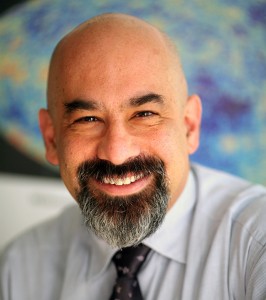
Gavin Schmidt (Credit: Christy Field)
via grist.org

Physician-Scientists: The Newest Endangered Species

Dr. J. Michael Bishop- (Credit: Christian Flemming/Lindau Nobel Laureate Meetings)

via scientificamerican