Physics in the News

Saturday, August 9, 2014

High-energy particle collisions reveal the unexpected

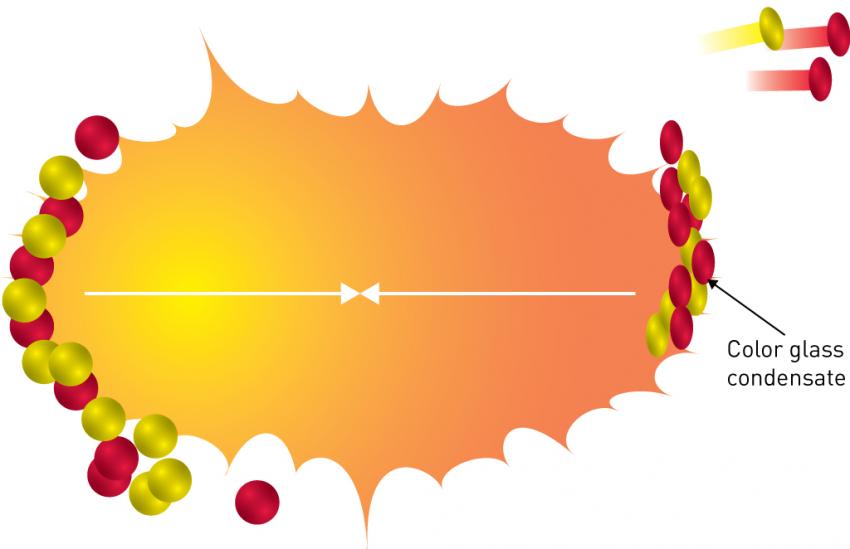
High-energy collisions between nuclei (white arrows) produce a cloud of elementary particles including quarks (red) and gluons (yellow). When gluons form an expansion front, they can produce a wall of matter called a color glass condensate, which eventually dissipates as the expansion continues. (Credit: © 2014 Larry McLerran, RIKEN–BNL Research Center)
via phys

Watch water run UP a wall: Material that allows liquid to defy gravity could spell the end of windscreen wipers(VIDEO)

via cnet

Lonely supernovae may have been kicked out of their galaxies

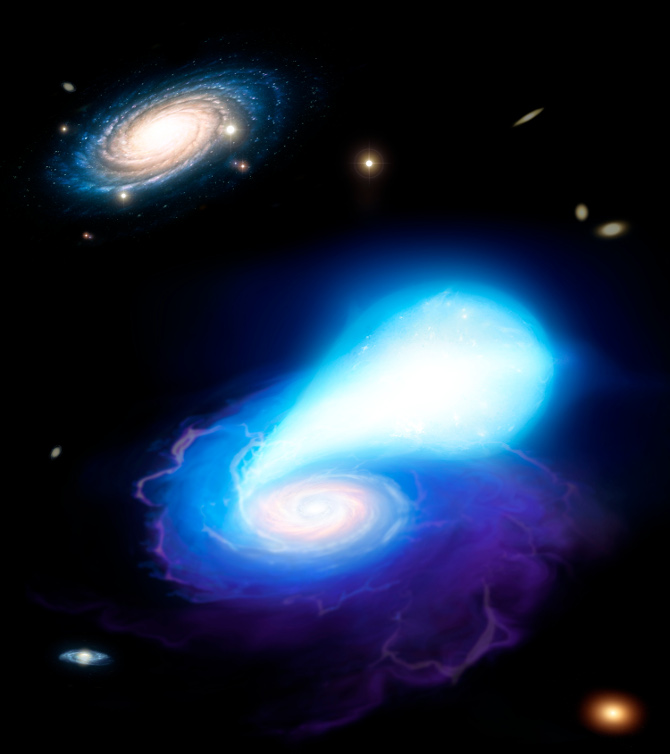
University of Warwick researchers explain mystery of the loneliest supernovas. Compact binary star systems that have been thrown far from their host galaxy when one star of that pair became a neutron star, go through a second trauma when the remaining white dwarf star is eventually pulled onto the neutron star. (Credit: Mark A. Garlick / space-art.co.uk / University of Warwick)
via forbes

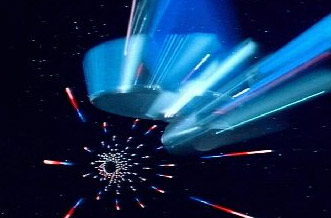
Whovian physicists claim TARDIS time travel is possible

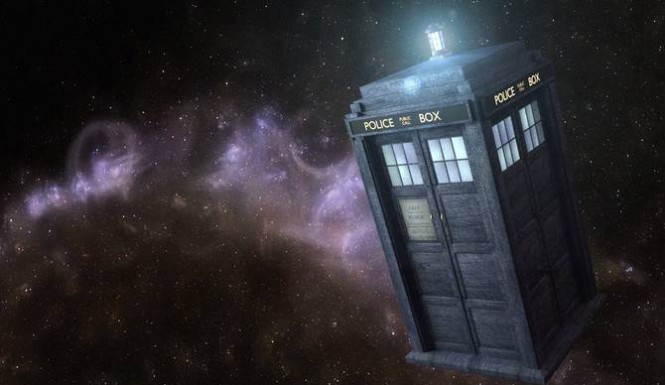
While time travel may be theoretically possible, there are unfortunately several drawbacks to the researchers’ TARDIS concept. In order to function, it requires the use of exotic matter, which has yet to be shown to exist in our universe. Time travel would also have to violate classical mechanics, and in order to move in anything other than a circular direction in both time and space, more than one TARDIS curve would need to be constructed, raising the possibility of exiting the time vortex into a universe of anti-matter. (Credit: Bitbillions)
While time travel may be theoretically possible, there are unfortunately several drawbacks to the researchers’ TARDIS concept. In order to function, it requires the use of exotic matter, which has yet to be shown to exist in our universe. Time travel would also have to violate classical mechanics, and in order to move in anything other than a circular direction in both time and space, more than one TARDIS curve would need to be constructed, raising the possibility of exiting the time vortex into a universe of anti-matter.
(Credit: Bitbillions)
via inquisitr

String theory coming unstrung even among science writers?

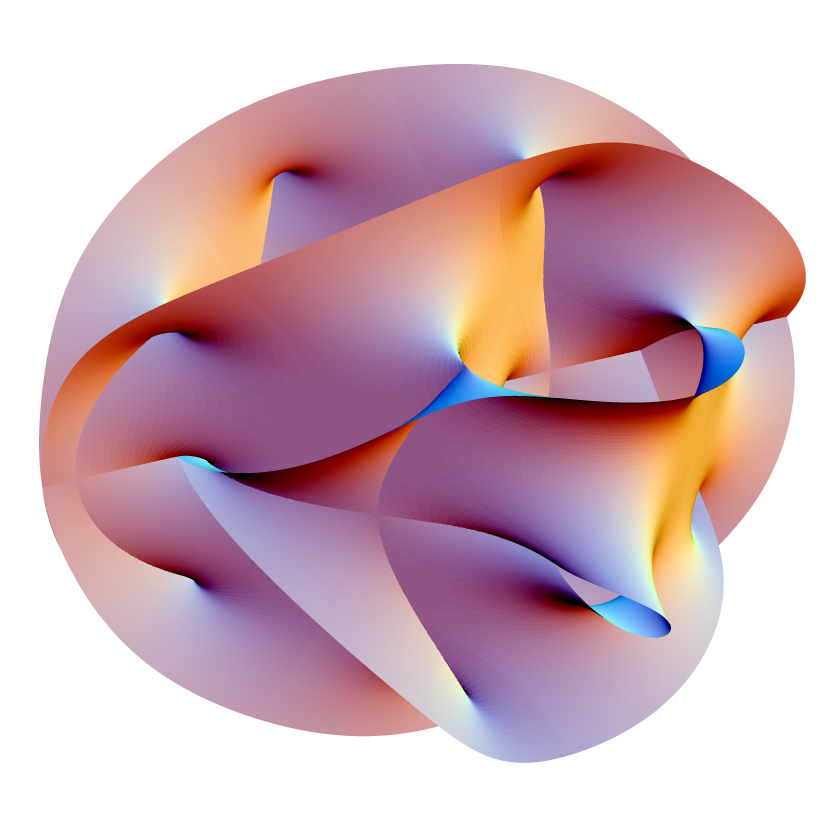
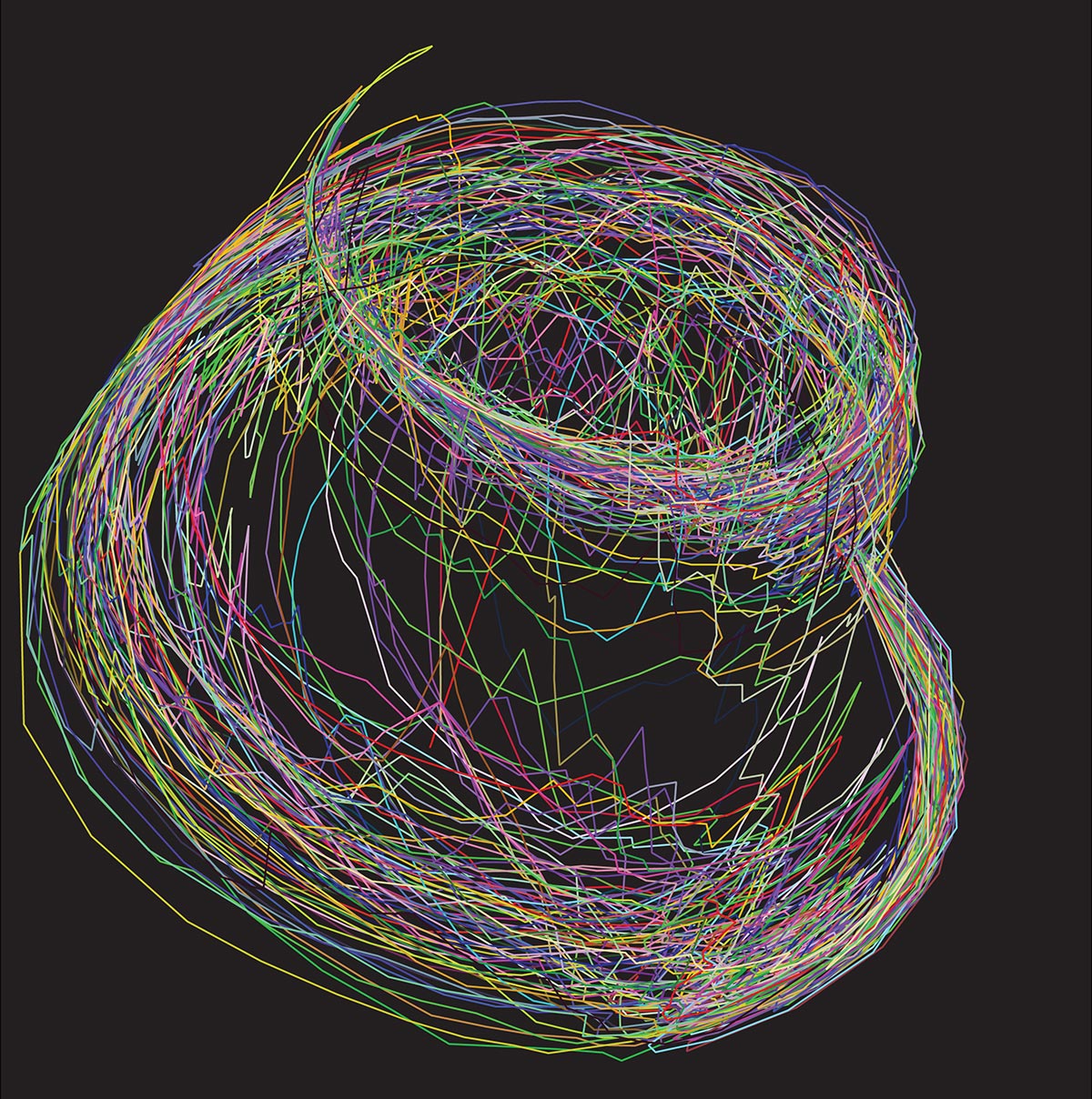
A construction for computer visualization of certain complex curves" (Credit: CC BY-SA 2.5)
A construction for computer visualization of certain complex curves. Science journalist, Tom Siegfried, has been one of the most vociferous proponents of string theory for many, many years, but even his faith seems like it might be failing as the decades roll on. (Credit: CC BY-SA 2.5)
via columbia

Watch Pluto and Charon engage in their orbital dance

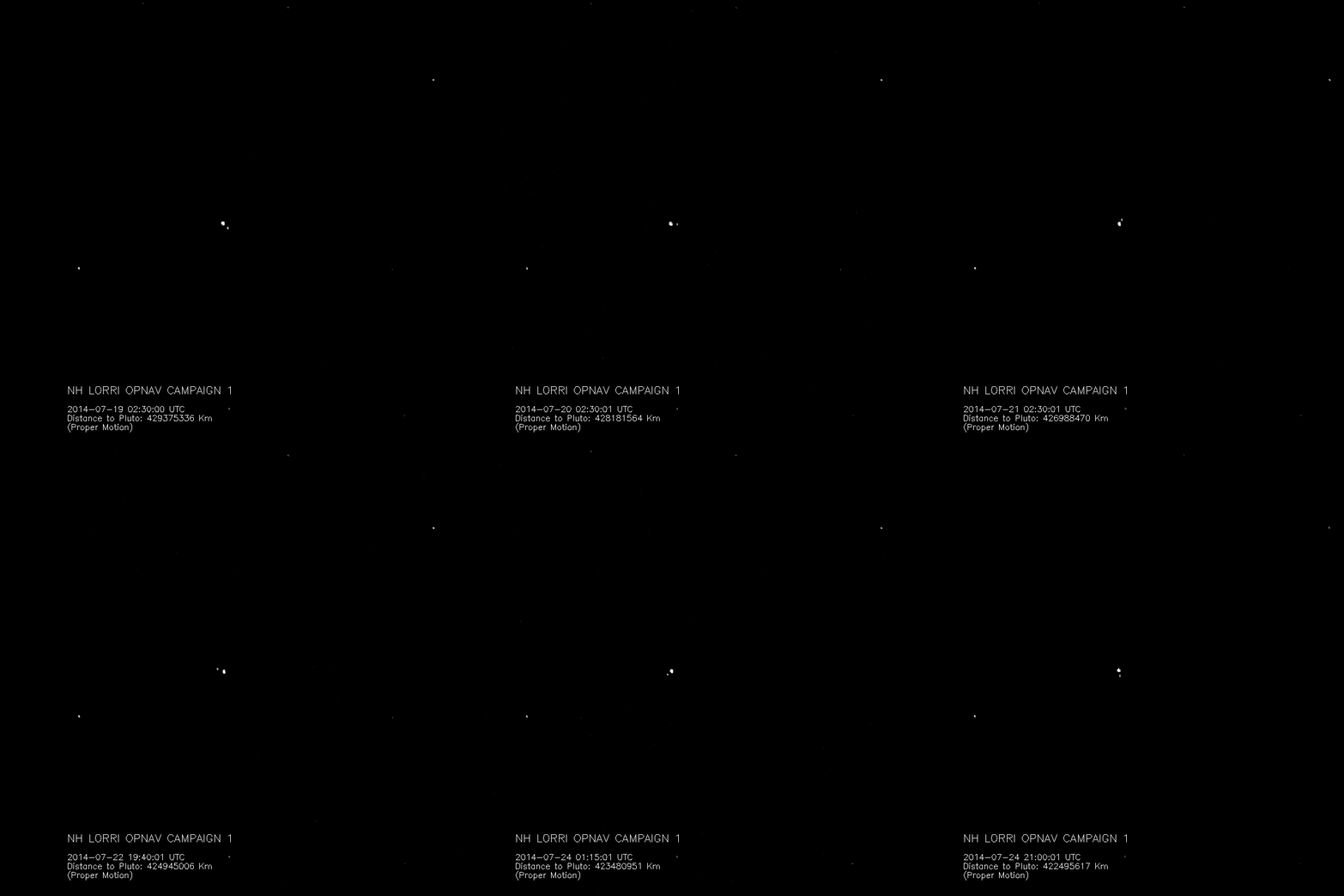
Animation of Pluto and Charon showing nearly a full rotation (Credit: NASA/Johns Hopkins University Applied Physics Laboratory/Southwest Research Institute)
via universetoday

Rosetta will teach us more about comets than we have learned in 50 years

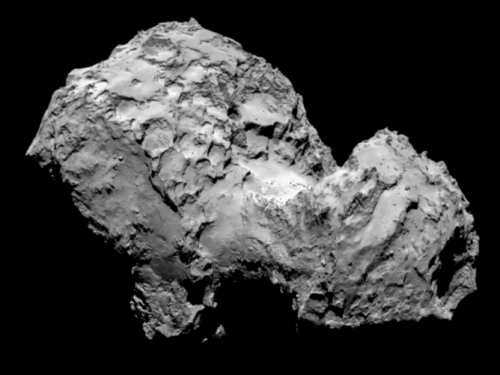
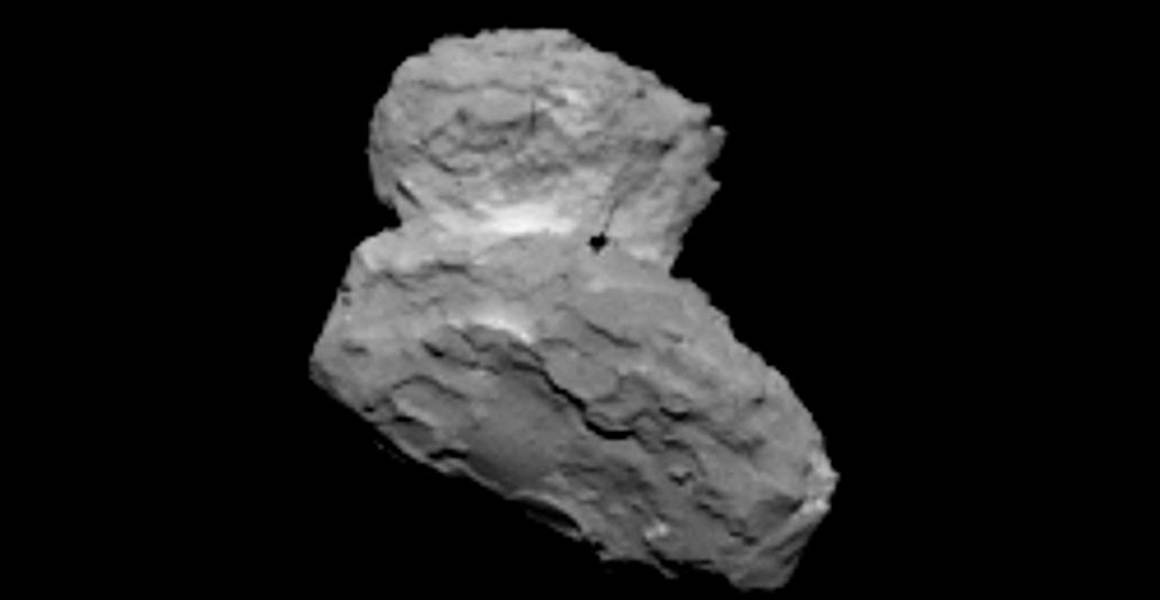
Do you see a duck?  On August 6, millions of miles away from Earth, the firing of a rocket thruster signalled the end of a decade-long journey by a European spacecraft to reach its ultimate target – the 'duck' comet. (Credit: ESA/Rosetta/MPS)
Do you see a duck? On August 6, millions of miles away from Earth, the firing of a rocket thruster signalled the end of a decade-long journey by a European spacecraft to reach its ultimate target – the ‘duck’ comet. (Credit: ESA/Rosetta/MPS)
via phys

Nature’s magnifying glass: Gravitational lensing

A typical magnifying glass works by bending light (i.e. refraction) to a focus point, in this case your eye. In a similar way, gravitational lensing also works by bending light, but in this case it is mass from another galaxy bending the light. This galaxy that extends far into space causes light rays passing near and through its gravitational field to bend and again refocus onto a particular location. The more massive and dense the matter, the more bending and refracting. (Credit: Flickr, Hubble Heritage)
via united-academics

Cassini prepares for its biggest remaining burn

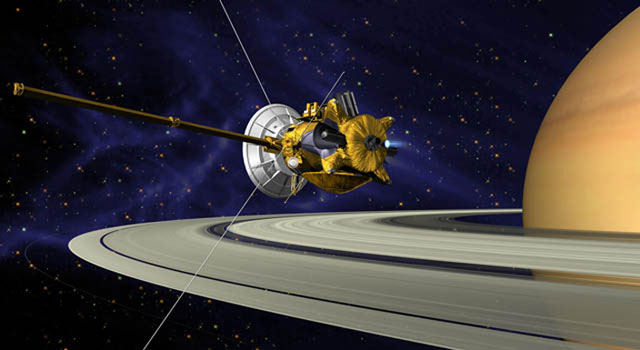
This is an artists concept of Cassini during the Saturn Orbit Insertion (SOI) maneuver, just after the main engine has begun firing. (Credit: NASA/JPL)
via phys

Physics in the News

Friday, August 8, 2014

The Black Hole at the birth of the Universe(VIDEO)

via perimeterinstitute

Everyone hates NASA’s asteroid capture program

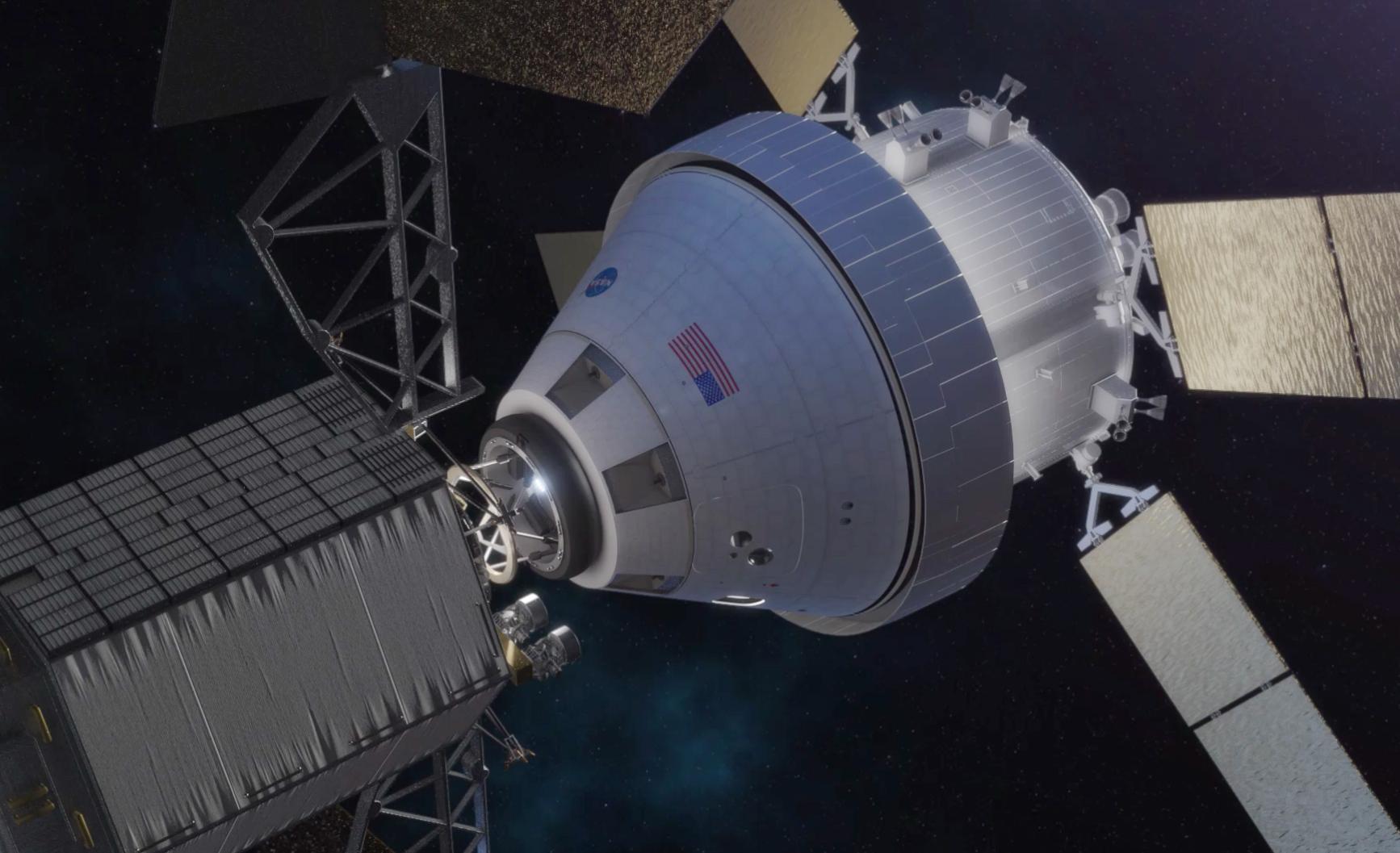
 A concept image of the Orion spacecraft docking with the robotic asteroid redirect vehicle. (Credit: NASA)
A concept image of the Orion spacecraft docking with the robotic asteroid redirect vehicle. (Credit: NASA)
via popsci

How do you feed a hungry quasar? With a ‘super boost,’ scientists say

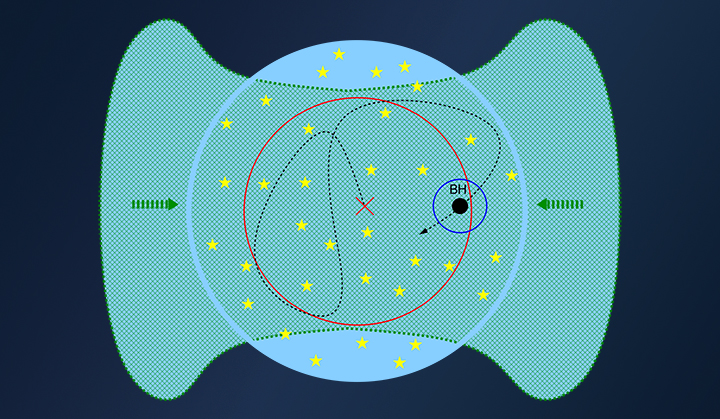
This graphic shows the center of a newly formed star cluster (stars are in yellow), within which the seed black hole gets its super boost of gas (shown in blue). (Credit: Natarajan, Alexander, Yale)
This graphic shows the center of a newly formed star cluster (stars are in yellow), within which the seed black hole gets its super boost of gas (shown in blue).
via yale

Diamonds are a quantum computer’s best friend

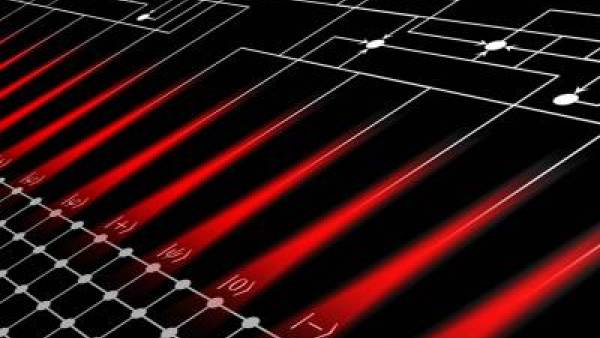
A team of researchers from TU Wien (Vienna) the National Institute for Informatics (Tokyo) and NTT Basic Research Labs in Japan has now proposed a new architecture for quantum computing, based on microscopic defects in diamond. (Credit: TU Wien (Vienna) and Japan. (National Institute of Informatics and NTT Basic Research Labs)
via sciencenewsline

Artificial retina: Physicists develop an interface to the optical nerve

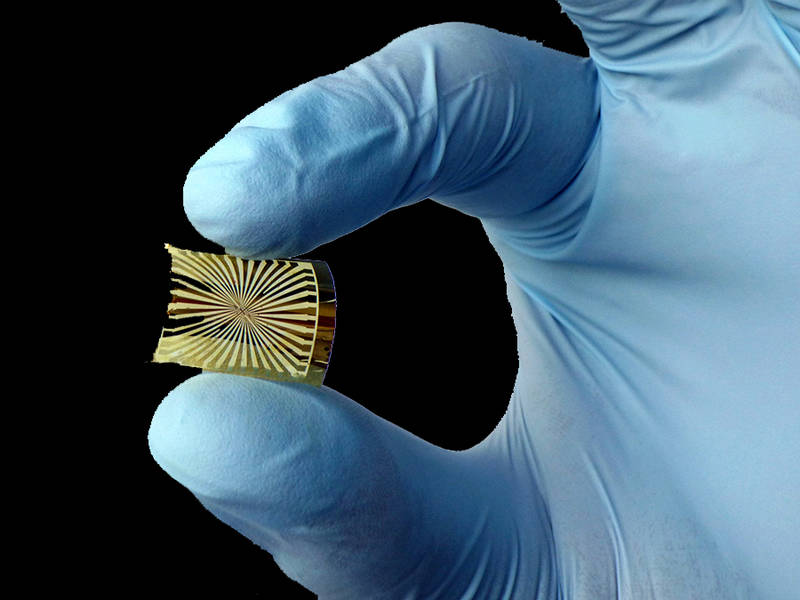
Graphene electronics can be prepared on flexible substrates. Only the gold metal leads are visible in the transparent graphene sensor. (Credit: Natalia Hutanu / TUM)
via rdmag

Rebuilding part of the Large Hadron Collider – with Legos(VIDEO)

via washington

Hunt for dark matter takes physicists deep below earth’s surface, where WIMPS can’t hide(VIDEO)

via phys

Colliding galaxies left a stream of gas 2.6 million light years long

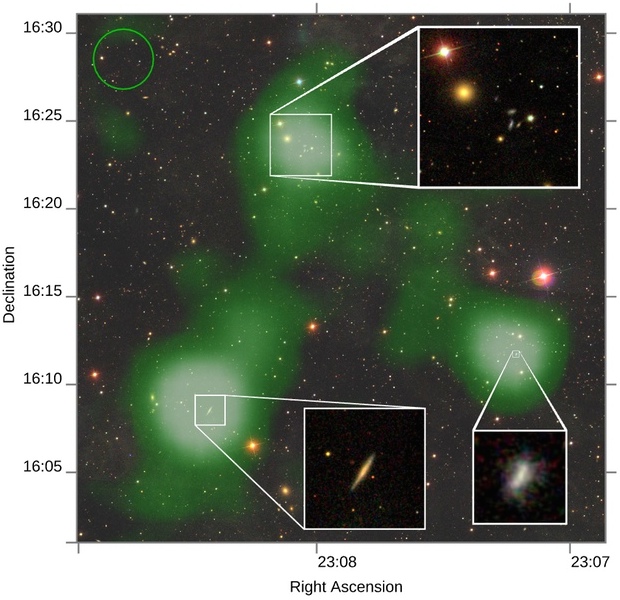
The bridge of gas (shown in green) stretches from the large galaxy at the bottom left to the group of galaxies at the top. A third nearby galaxy to the right also has a shorter stream of gas attached to it. (Credit: Rhys Taylor / Arecibo Galaxy Environment Survey / The Sloan Digital Sky Survey Collaboration.)
via motherboard

Japanese paper cuts make graphene extra stretchy

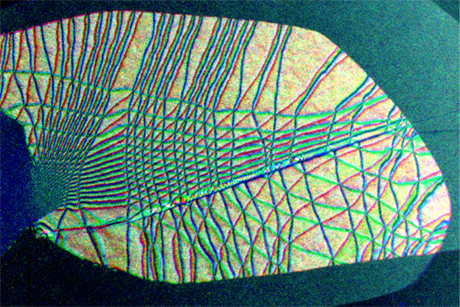
Three dark field-transmission electron microscopy images of bilayer graphene are overlaid with colors to show diffraction angles. The lines are soliton boundaries. (Credit: Muller lab)
via newscientist

Physicists use lasers to collect weak signals

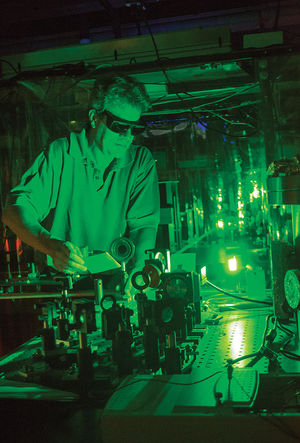
 Professor Howard Milchberg.  University physicists working in the Intense Laser Matter Interactions group have made two breakthroughs in recent months: One allows them to send high-powered lasers through atmosphere, and another uses this technology to collect weak signals from a distance. (Credit: Samantha Medney/For The Diamondback)

Professor Howard Milchberg. University physicists working in the Intense Laser Matter Interactions group have made two breakthroughs in recent months: One allows them to send high-powered lasers through atmosphere, and another uses this technology to collect weak signals from a distance. (Credit: Samantha Medney/For The Diamondback)
via diamondbackonline

Physics in the News

Wednesday, August 6, 2014

Shipyard workers test out robot suits in South Korea

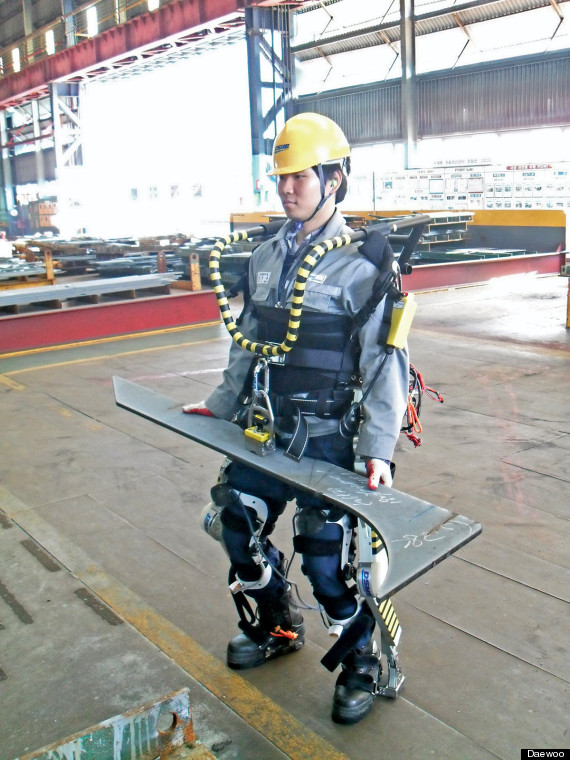
Chu says worker feedback from the trial has been mostly positive. Testers were pleased that the exoskeleton let them lift heavy objects repeatedly without strain, but everyone also wanted it to move faster and be able to cope with heavier loads. (Credit: Daewoo)
via cnet

An NMR Chip The Size of a Seed

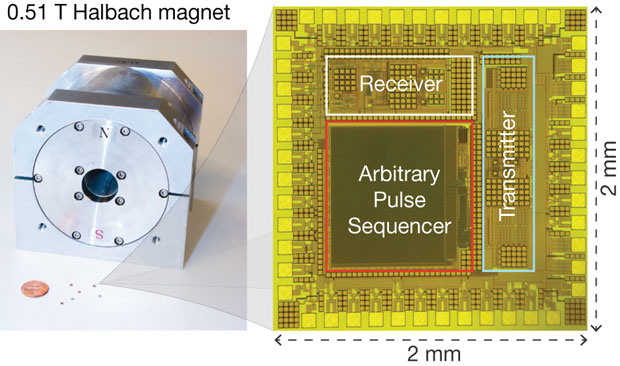
Harvard electrical engineering and applied physics professor Donhee Ham and his colleagues have drastically shrunk the size of the electronics even further, fitting the RF receiver, transmitter and other components on a tiny seed-sized chip. (Credit: Dongwan Ha/Harvard SEAS)
via ieee

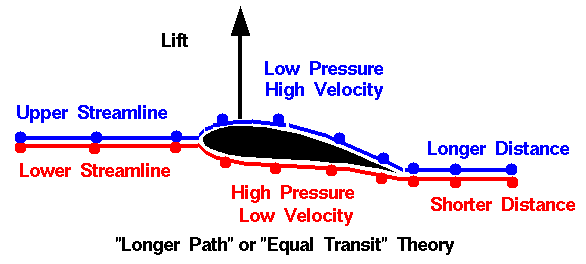
The never-ending conundrums of classical physics

The incorrect “equal transit time” explanation for lift. (Credit: )

via  archtechnia

Is cosmic radiation the dawn of new physics or statistical slip-up?

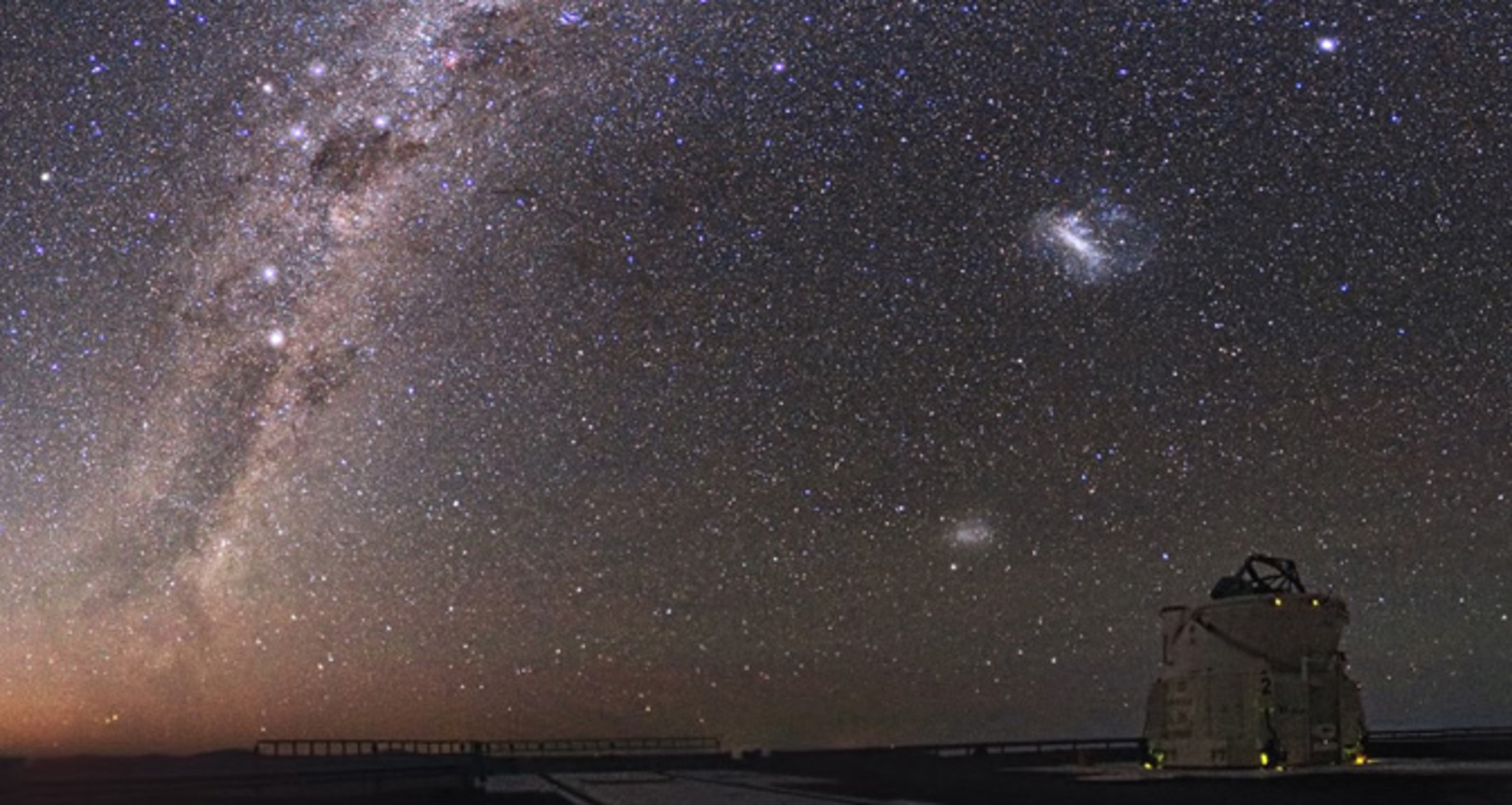
The Milky Way is bit of a barrier between us the extra-galactic universe. (Credit: NASA, CC BY)

via theconversation

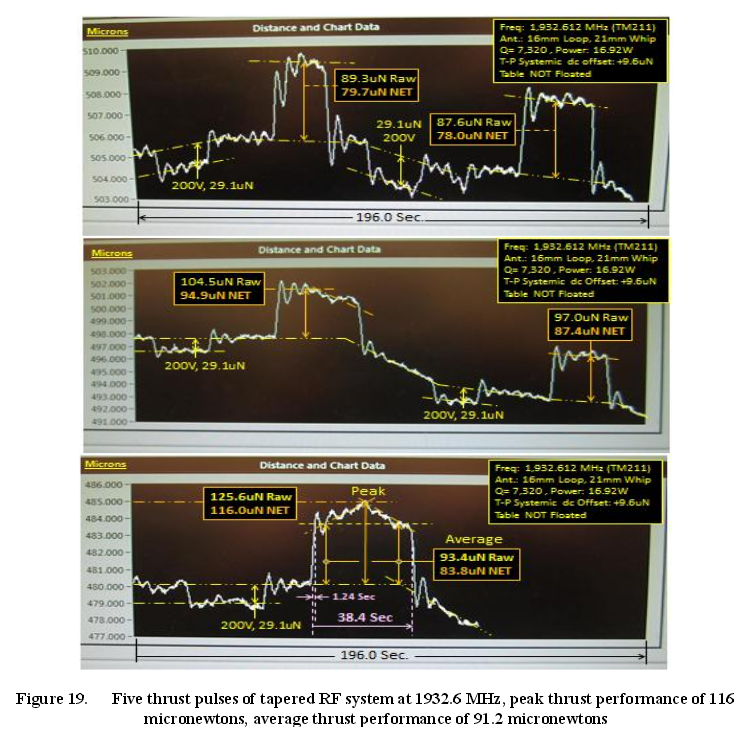
Full NASA Cannae Drive and EMdrive Test paper shows that there is anomolous thrust and the null test article criticism is wrong

nasatestemdrive4
via nextbigfuture

Inmarsat warns over delays from failed rocket launch

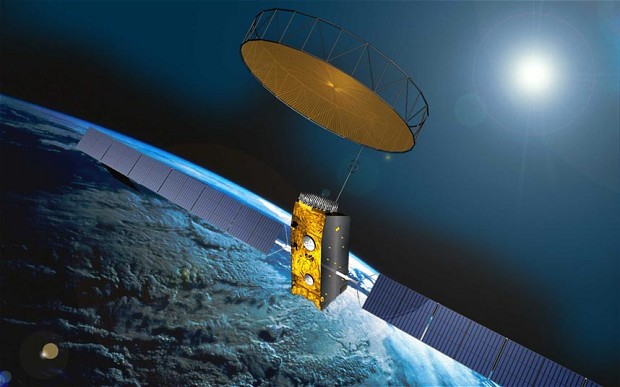
Inmarsat used its satellite network to name search areas for the missing Malaysia Airlines flight

via telegraph

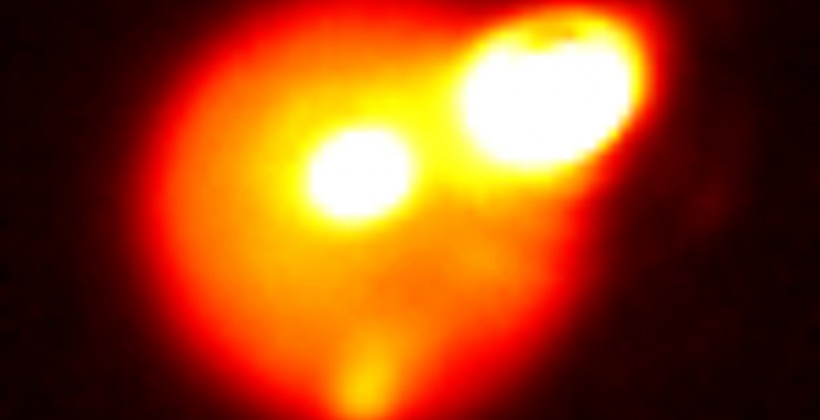
Jupiter’s volcanic moon spews “curtains of fire”

Footage from the Venus Express orbiter confirmed sightings of hot spots on the surface of the planet, in accordance with volcanoes still simmering. (Credit: NASA)
via slashgear

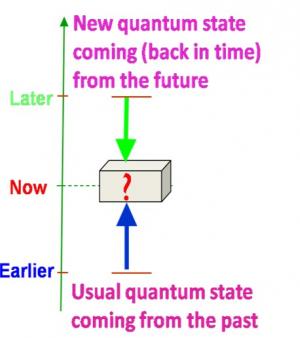
Physicists introduce another quantum animal: The Quantum Pigeon

At the present moment another measurement is performed which is influenced both by what happened earlier and what happened later. (Credit: Jeff Tollaksen)
via phys

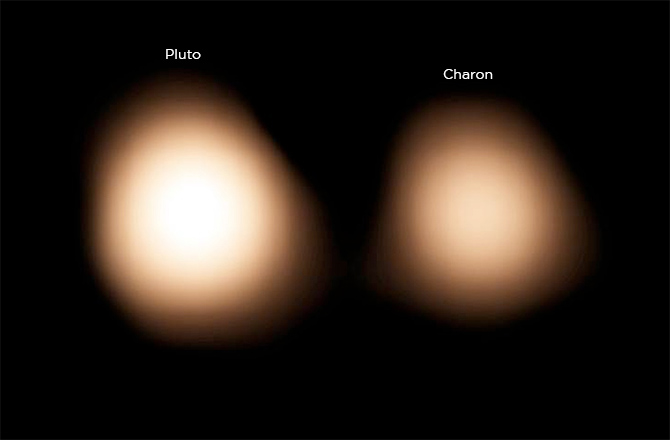
Radio telescope pinpoints Pluto for spacecraft buddy

The cold surface of Pluto and its largest moon Charon as seen with ALMA on July 15, 2014. (Credit: /AUI/NSF)
via discovery

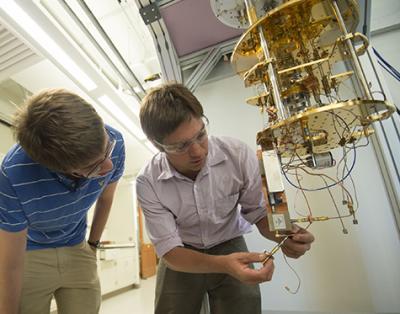
Social trails go off the beaten path: quantum lines of desire happen in physics also

 Kater Murch (right), assistant professor of physics at Washington University in St. Louis, and junior Chris Munley work with the equipment that can map a quantum device's trajectory between two points in quantum state space, a feat until recently considered impossible. (Credit: Joe Angeles/WUSTL Photos)

Kater Murch (right), assistant professor of physics at Washington University in St. Louis, and junior Chris Munley work with the equipment that can map a quantum device’s trajectory between two points in quantum state space, a feat until recently considered impossible. (Credit: Joe Angeles/WUSTL Photos)

via sciencecodex

Planting imperfections at specific spots within diamond lattice could advance quantum computing

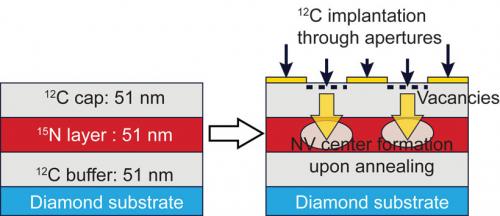
This is a schematic of the process to localize NV centers in 3-D. The researchers blasted carbon ions through holes to create vacancies and heated the diamond to make the vacancies mobile within the crystal. NV centers could form in the nitrogen-doped layer below where the holes were placed. (Credit: F.J. Heremans and D. Awschalom/U. Chicago and K. Ohno/UCSB)

via phys

Physics in the News

Tuesday, August 5, 2014

Extracting audio from visual information(VIDEO)

via mit

Technical troubleshooting at the CERN Control Centre

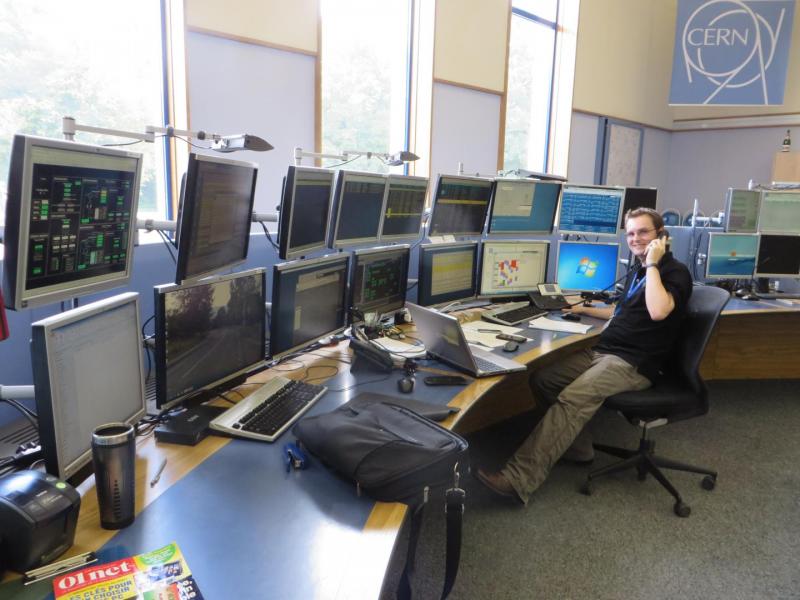
Chris Wetton of CERN's Technical Infrastructure Operation group keeps a keen eye on the monitors at the CERN Control Centre (Image: Stephanie Hills)
Chris Wetton of CERN’s Technical Infrastructure Operation group keeps a keen eye on the monitors at the CERN Control Centre (Credit: Stephanie Hills)
 via cern

3-D codes yield unprecedented physics, engineering insights

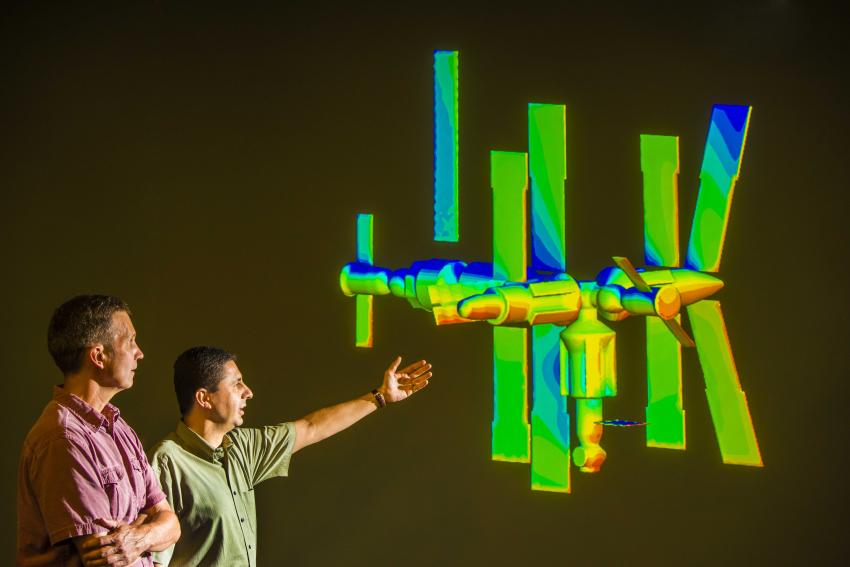
Sandia National Laboratories researchers Steve Plimpton, left, and Michael Gallis look at a projection of a model of the Russian MIR space station, which fell out of orbit several years ago and disintegrated, with the remains ending up at the bottom of the Indian Ocean. Using Sandia’s 3-D code SPARTA, the calculation is simulating an instance of the process of de-orbiting. (Credit: Randy Montoya)
 via phys

Funds awarded to begin construction of Large Synoptic Survey Telescope

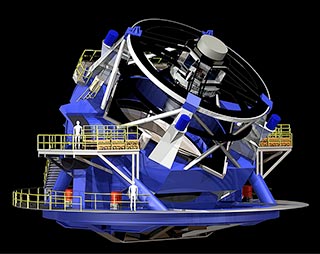
The 8.4-meter LSST will use a special three-mirror design, creating an exceptionally wide field of view. (LSST/rendering)
The 8.4-meter LSST will use a special three-mirror design, creating an exceptionally wide field of view. (Credit: LSST/rendering)
via ucdavis

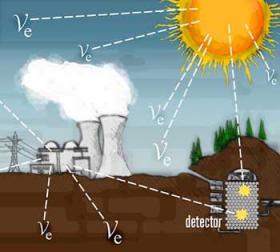
Neutrinos could monitor Iranian nuclear plant

Japanese scientists recently published a paper that showed they could monitor neutrinos by putting a detector in the back of a van and parking it outside the reactor.
via wvtf

NASA’s quantum drive: Cool your jets

Photo by Paramount Pictures
Of course science has overturned earlier notions of how the Universe works. But sometimes, those rules are shown to be true so much and so often that when you come up with an idea that overthrows all of it, you’d better have iron-clad evidence of it. (Credit: Phil Plait, Paramount Pictures)
via slate

The changing state of a qubit over time

The work verifies theoretical models of the most likely way in which a quantum system will collapse, proving that the probable path can be predicted. This paves the way to actively controlling a quantum system in the future by steering it towards a certain outcome.(Credit: Irfan Siddiqi, UC Berkeley)
via newscientist

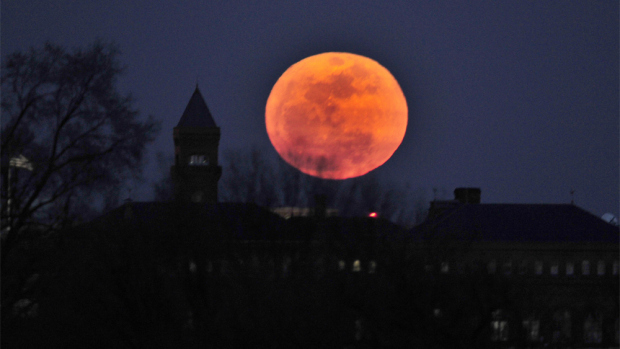
The summer’s second Supermoon to return Sunday afternoon

A perigee moon rises in Washington, DC, on March 19, 2011. A perigee moon is visible when the moon's orbit position is at its closest point to Earth during a full moon phase. The full moon coincided with its closest approach to the Earth, 221,565 miles (356,575 km), making the so-called "super moon" look slightly larger than average. AFP PHOTO / Jewel Samad (Photo credit should read JEWEL SAMAD/AFP/Getty Images)
A perigee moon rises in Washington, DC, on March 19, 2011. A perigee moon is visible when the moon’s orbit position is at its closest point to Earth during a full moon phase. The full moon coincided with its closest approach to the Earth, 221,565 miles (356,575 km), making the so-called “super moon” look slightly larger than average. (Credit: JEWEL SAMAD/AFP/Getty Images)
via cbs

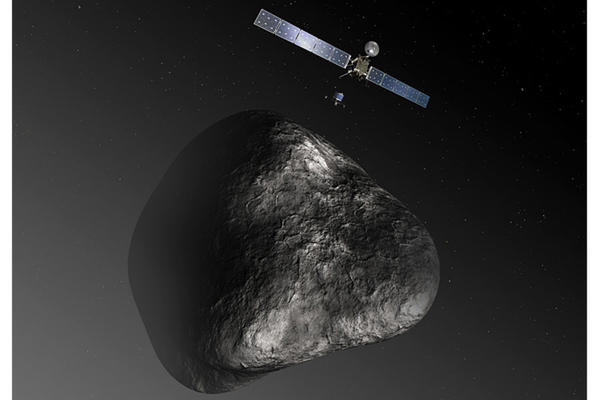
Comet-chasing Euro-probe could make history Wednesday

An artist's impression shows what the Rosetta orbiter will look like when it deploys the Philae lander to a comet later this year. (Credit: ESA)
An artist’s impression shows what the Rosetta orbiter will look like when it deploys the Philae lander to a comet later this year. (Credit: ESA)
via csmonitor

Physics in the News

Monday, August 4, 2014

Elon Musk calls Artificial Intelligence ‘potentially more dangerous than nukes’

Above: Tesla CEO Elon Musk. (Credit: SXSW Livestream)
Tesla CEO Elon Musk. (Credit: SXSW Livestream)
via businessinsider

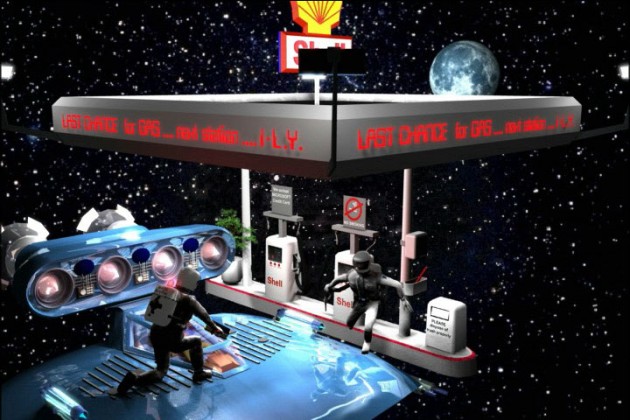
NASA wants to build gas stations in space

NASA hopes to add precious years of functional life to satellites and expand options for operators who face unexpected emergencies, tougher economic demand and aging fleets. (Credit: Bob Granath, Kt-Imaging)
via technobuffalo

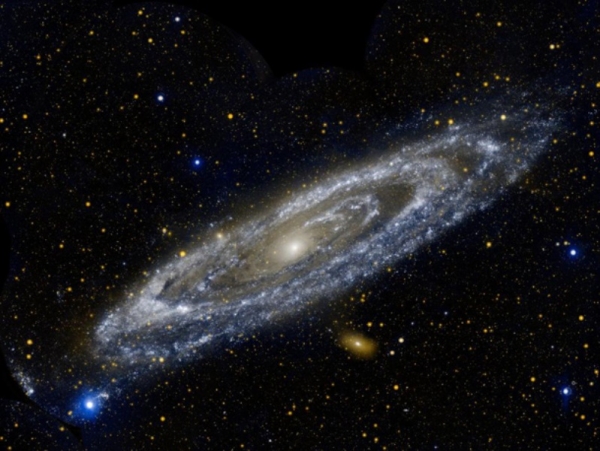
Milky Way galaxy is just half as massive as Andromeda

Andromeda is twice as massive as the Milky Way. Scientists say that Andromeda has twice the mass, made of dark matter, than the Milky Way. (Credit: Phil Plait)
Andromeda is twice as massive as the Milky Way. Scientists say that Andromeda has twice the mass, made of dark matter, than the Milky Way.
(Credit: Phil Plait)
via techtimes

New rule restricting foreign instruments on NASA space probes stirs debate

(Credit: NASA)
(Credit: NASA)
via examiner

General Relativity – Embedding light at the heart of cosmology

Einstein was the first person to propose that ‘empty space’, which does not contain matter or radiation, is not actually empty and in fact has a residual energy.  This empty space is also capable of creating more space from itself. (Credit: benmoat/Shutterstock)
Einstein was the first person to propose that ‘empty space’, which does not contain matter or radiation, is not actually empty and in fact has a residual energy. This empty space is also capable of creating more space from itself. (Credit: benmoat/Shutterstock)
via azooptics

Tiny flying robots are being built to pollinate crops instead of real bees

The RoboBee demonstrates a successful flight next to a quarter for scale. (Credit: Harvard University)
 via iphoneeinstein

Europe’s Rosetta probe reaches climax of its comet-chasing mission

The Rosetta spacecraft is scheduled to rendezvous with Comet 67P/Churyumov-Gerasimenko on Wednesday. If all goes according to plan, Rosetta will become the first probe ever to orbit a comet — and, in November, the first to drop a lander onto the surface of one of these icy wanderers. (Credit: ESA)

via nbcnews

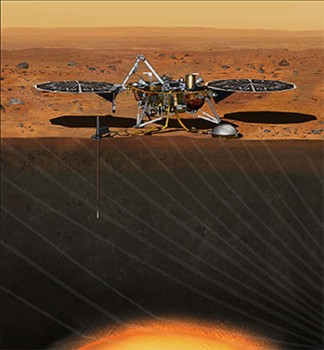
 Absence of Russia instrument onboard NASA Mars Rover not related to politics 

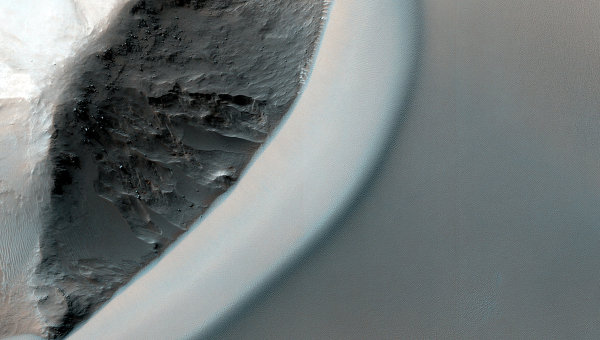
Photo of the Mars surface, Made with HiRise Camera. (Credit: NASA JPL/University of Arizona)
via ria

The holographic augmented reality future has arrived (Again)

via physicsworld