Physics in the News

Wednesday, August 20, 2014

Life in space? Sea plankton discovered attached to ISS outer hull

Creature from the deep: Bioluminescence plankton at Penmon. (Credit: Kris Williams )
via rt

Scientists discover potential signs of life on Mars

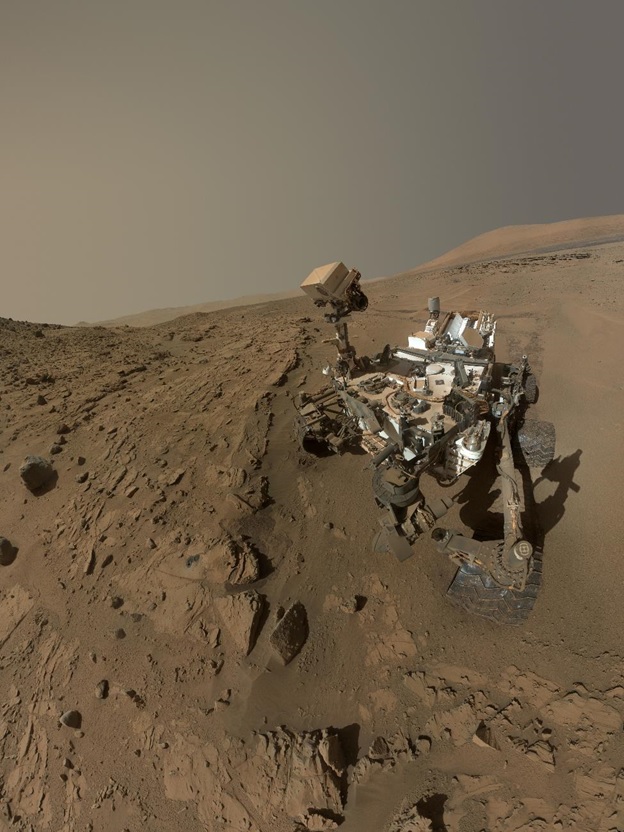
NASA’s Mars Curiosity Rover captures a selfie to mark a full Martian year — 687 Earth days — spent exploring the Red Planet. (NASA/JPL-Caltech/MSSS)
Scientists have discovered mineral-rich structure on Mars that might be the evidence of niche environment on the planet’s subsurface that could support life. (NASA/JPL-Caltech/MSSS)
via aninews

SpaceX denies report it is raising massive funding round, valued at $10B

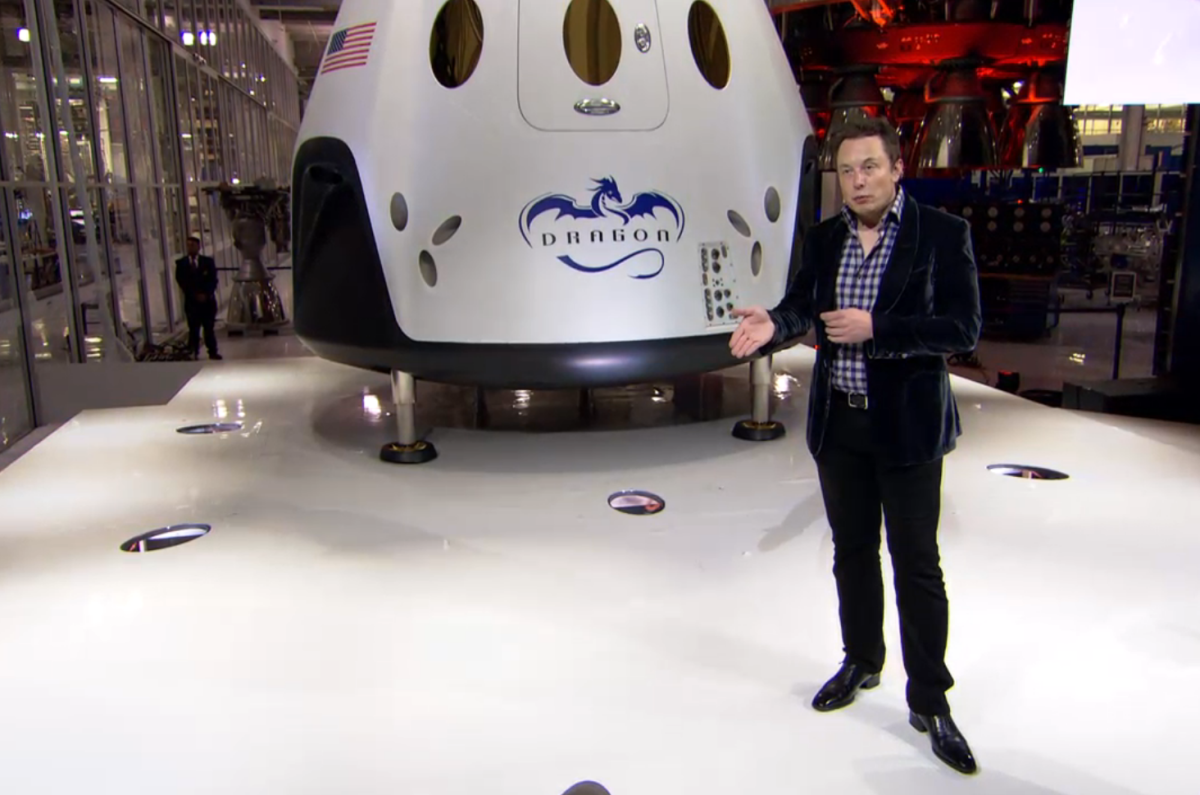
SpaceX CEO Elon Musk and the new Dragon V2, which will soon carry people to the International Space Station (Credit: SpaceX_
SpaceX CEO Elon Musk and the new Dragon V2, which will soon carry people to the International Space Station (Credit: SpaceX)
via gigaom

Why didn’t the Universe become a black hole?

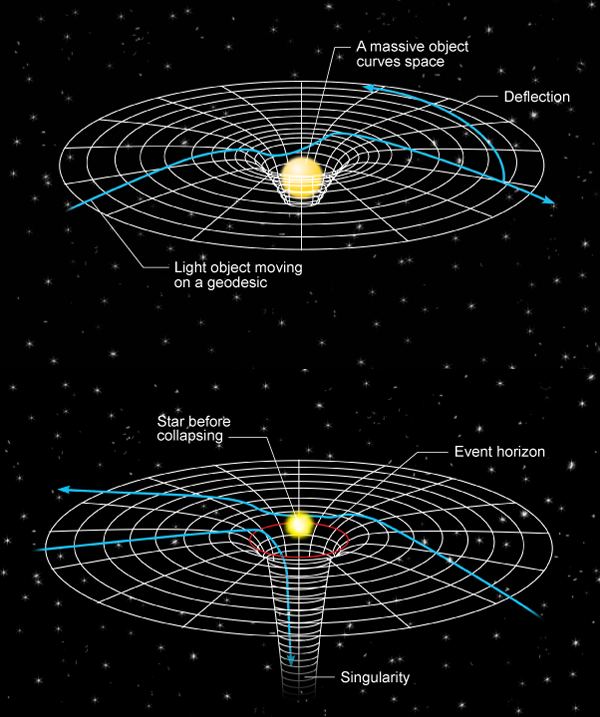
In Einstein’s general theory of relativity, gravity is nothing more than the curvature of spacetime. A massive object, such as the sun, causes a deformation of the spacetime grid, while another object such as a planet or a light beam follows the shortest path (a “geodesic”) on this grid. To an observer, this looks like a deflection of the trajectory caused by gravity. (Bottom) A collapsing star can form a black hole so dense and massive that it creates a region of infinite curvature (a “singularity”) so that—inside the event horizon—light cannot escape. Current research in gravitation is attempting to modify general relativity to account for such objects consistent with quantum theory. (Credit: Carin Cain)
via medium

Study reveals immune system is dazed and confused during spaceflight

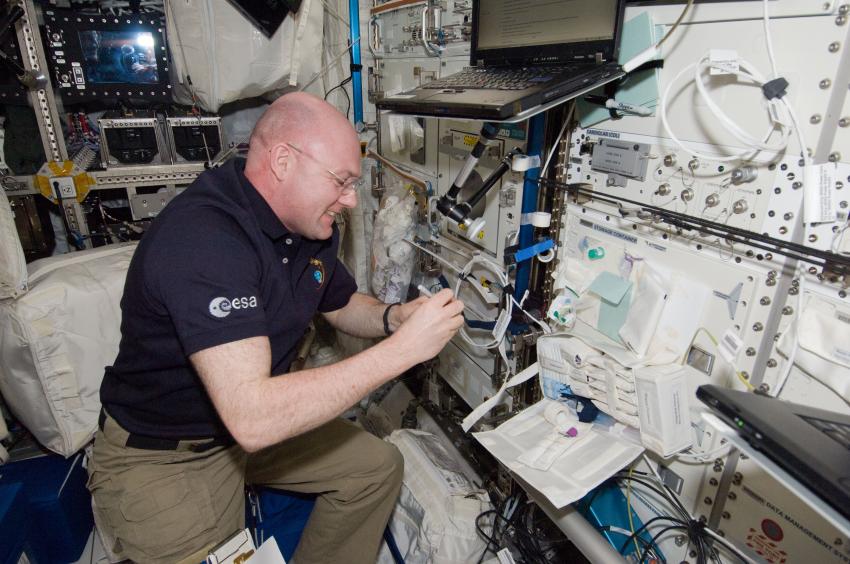
European Space Agency astronaut Andre Kuipers, Expedition 30 flight engineer, prepares vials in the Columbus laboratory of the International Space Station for venous blood sample draws during an immune system investigation. (Credit: NASA)
via phys.org

Sizing up an Exoplanet(VIDEO)

via NASA

Theoretical physics: The origins of space and time(VIDEO)

via nature

 So what exactly is a ‘killer robot’?

For as long as we’ve been able to make robots, we’ve been worried about them killing us. (Credit:  Ociacia/Shutterstock)
For as long as we’ve been able to make robots, we’ve been worried about them killing us. (Credit: Ociacia/Shutterstock)

Robots to cook and serve food in restaurant in Kunshan, China

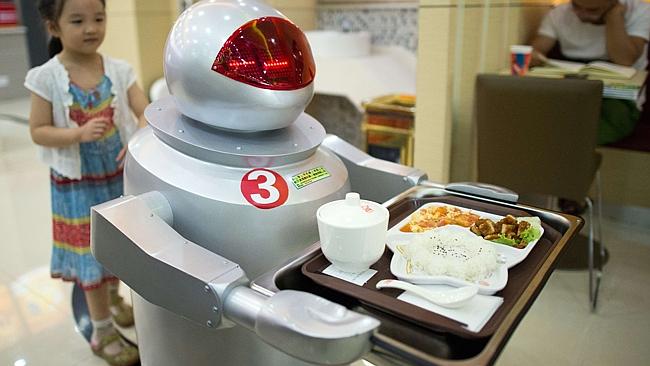
 A robot carries food to customers in a restaurant in Kunshan, China. Photo: Johannes Eisele. (Credit: AFP)
A robot carries food to customers in a restaurant in Kunshan, China. Photo: Johannes Eisele. (Credit: AFP)
via news.com

New ‘mapping nearby galaxies at Apache Point observatory’ survey launched

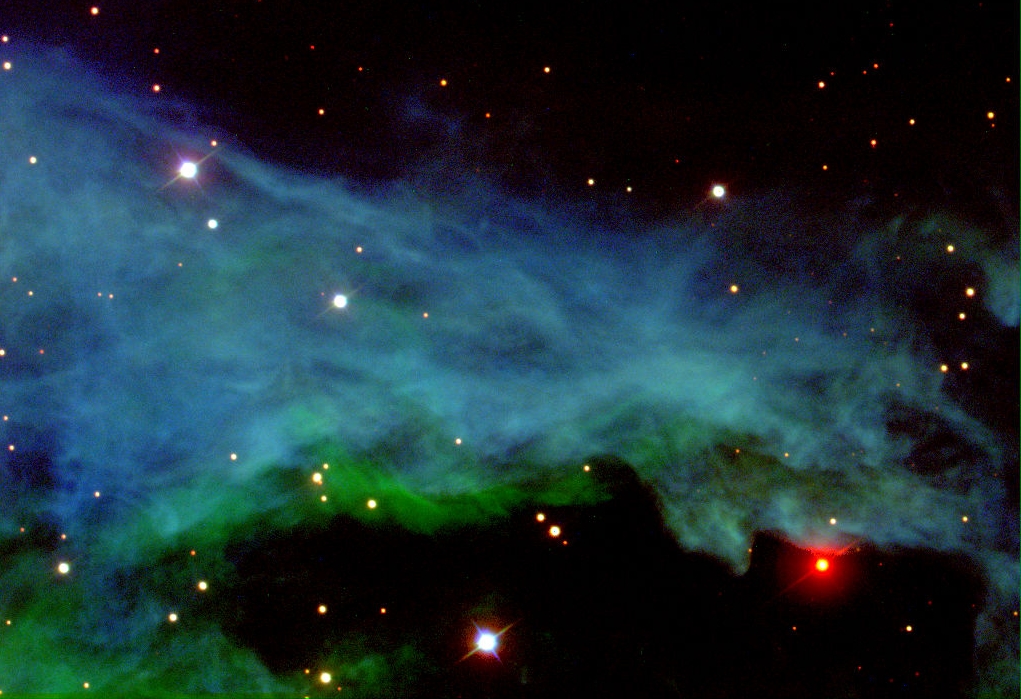
Shown above is part of one of the most imaged parts of the night sky, the Orion Nebula. Since the angular size of Orion's Nebula is so large on the sky, only a portion is shown here. Located just below "Orion's Belt" this star-forming region is dominated by four young, massive O stars (known as the Trapezium, not pictured here). The wispy blue, green gas seen above is composed mostly of hydrogen, the main element used in forming stars. The Orion Nebula is an astrophysical laboratory, providing an up-close view of the birth of stars (Credit: Sloan Digital Sky Survey)
Shown above is part of one of the most imaged parts of the night sky, the Orion Nebula. Since the angular size of Orion’s Nebula is so large on the sky, only a portion is shown here. Located just below “Orion’s Belt” this star-forming region is dominated by four young, massive O stars (known as the Trapezium, not pictured here). The wispy blue, green gas seen above is composed mostly of hydrogen, the main element used in forming stars. The Orion Nebula is an astrophysical laboratory, providing an up-close view of the birth of stars. (Credit: Sloan Digital Sky Survey)

via azoquantum

Alternative propulsion concepts power debate

Greased Lighning (GL10) project 10 engine electric prototype remote control plane. Photo taken 8/14/14 (Credit: NASA Langley/David C. Bowman)
via thespacereview

Indian nuclear team head to US

A file photograph of Adani Power's thermal power plant in the western Indian state of Gujarat.(Credit: Reuters)
A file photograph of Adani Power’s thermal power plant in the western Indian state of Gujarat.(Credit: Reuters)
via breakbulk

South Korea running out of spent nuclear fuel storage space – advisory body

The Kori nuclear power plant in Busan, southeast of Seoul, is seen in this picture released by the plant to Reuters.  South Korea needs to quickly find additional space where it can store its spent nuclear fuel because some of its temporary storage capacity will be full by 2016, (Credit: Reuters/Kori Nuclear Power Plant/Handout)
via reuters

Physics in the News

Sunday, August 17, 2014

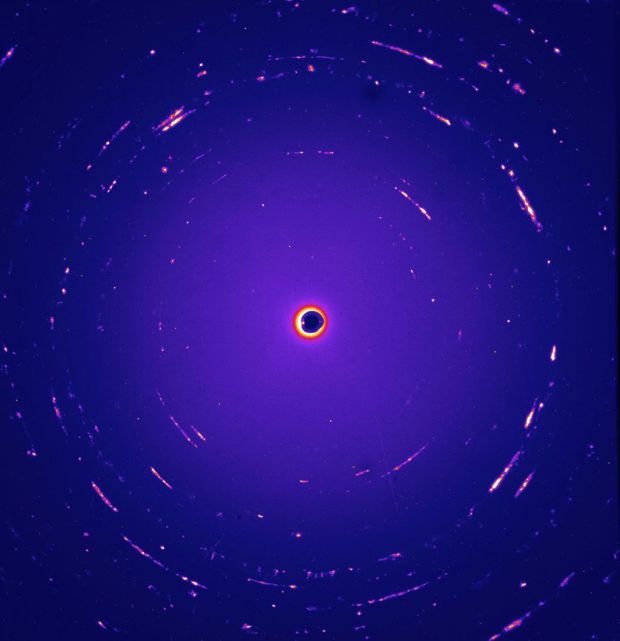
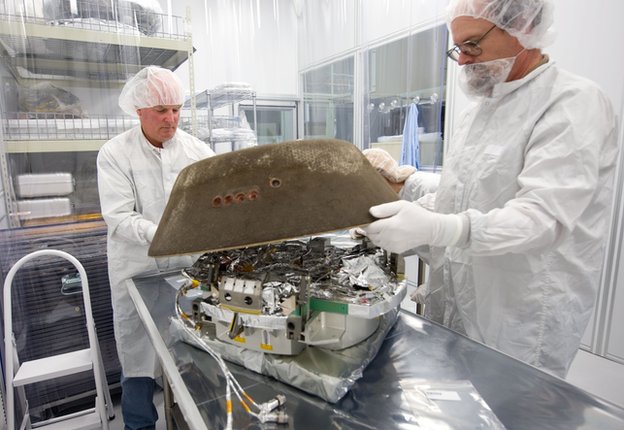
Dust in the interstellar wind: Seven particles of possible interstellar origin identified in samples returned by NASA’s stardust spacecraft

A team of researchers has identified seven dust particles that were returned to Earth in 2006 by NASA’s Stardust spacecraft, which might have originated in the interstellar medium. This false-color image shows a diffraction pattern created by one of these particles, named Orion. Image (Credit: Zack Gainsforth)
via americaspace

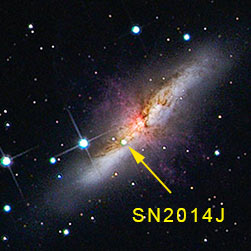
NASA’s Chandra observatory searches for trigger of nearby supernova

“While it may sound a bit odd, we actually learned a great deal about this supernova by detecting absolutely nothing,” said Raffaella Margutti of the Harvard-Smithsonian Center for Astrophysics (CfA) in Cambridge, Massachusetts, who led the study. “Now we can essentially rule out that the explosion was caused by a white dwarf continuously pulling material from a companion star.” (Credit: NASA)
via marketwatch

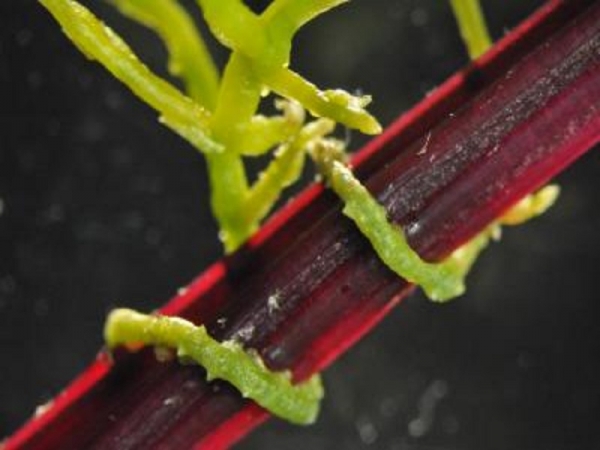
RNA exchange by vampire-like plant strangleweed inspires scientists

When parasitic plants such as dodder attack plants like the sugar beet shown here, there is a vast exchange of genetic information between the plants, a Virginia Tech researcher has discovered. (Photo : Virginia Tech College of Agriculture and Life Sceinces)
When parasitic plants such as dodder attack plants like the sugar beet shown here, there is a vast exchange of genetic information between the plants, a Virginia Tech researcher has discovered. (Credit: Virginia Tech College of Agriculture and Life Sceinces)
via techtimes

The violent past of a space rock that fell to Earth in Novato

The fragmentation of the Novato meteorite on Oct. 17, 2012, as depicted in a horizontally mirrored image to show the progression of the event (from left to right). (Robert P. Moreno Jr., Jim Albers and Peter Jenniskens/NASA-SETI)
via kqed

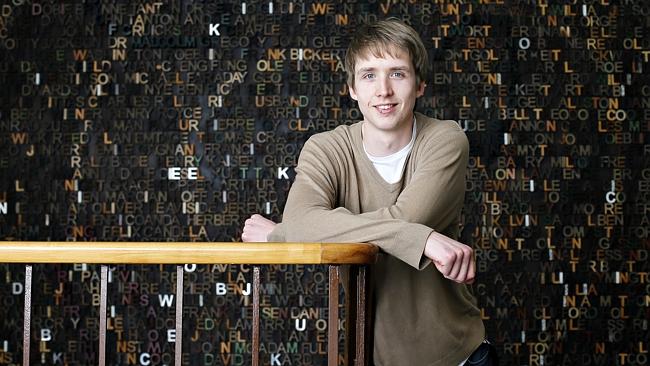
Young Hobart engineer Willem Olding maps out a revolutionary future in artificial intelligence

 Engineering PhD student Willem Olding aims to take out the tedium in creating mapping systems to free-up time for more important work. (Credit: Richard Jupe)
Engineering PhD student Willem Olding aims to take out the tedium in creating mapping systems to free-up time for more important work. (Credit: Richard Jupe)
via themercury

ISEE-3 Reboot Team Unable to Change Spacecraft’s Trajectory

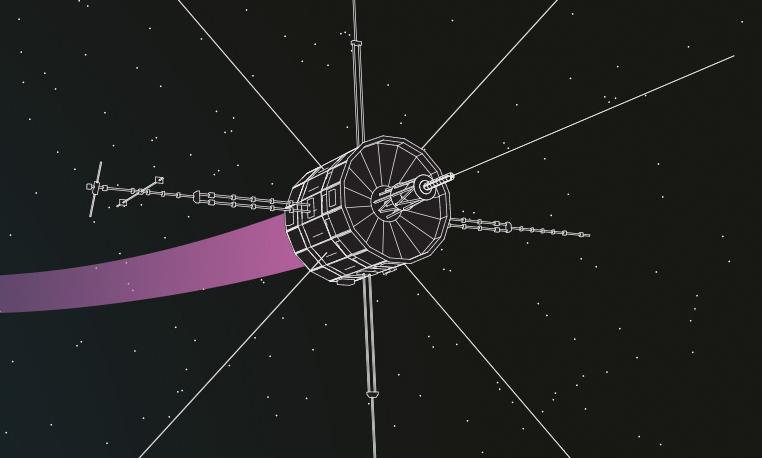
NASA's International Sun-Earth Explorer 3 spacecraft, which launched in 1978, will fly by the moon on Aug. 10, 2014. Credit: SpacecraftforAll.
NASA’s International Sun-Earth Explorer 3 spacecraft, which launched in 1978, flew by the moon on Aug. 10, 2014 and is heading toward the sun. (Credit: SpacecraftforAll.com)
via tvtechnology

Atomic force microscope sensitivity increases 20 times, thanks to laser cooling

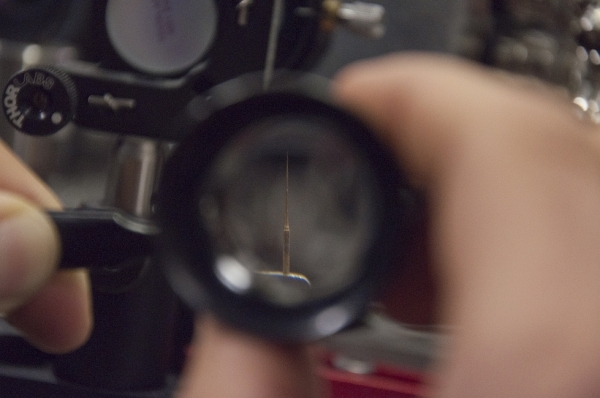
Lasers can be used to super-cool microscopes, making them 20 times more sensitive than ever before. (Photo : Quantum Optics Group, ANU
Lasers can be used to super-cool microscopes, making them 20 times more sensitive than ever before. (Credit: Quantum Optics Group, ANU)
via techtimes

Higgs boson could also explain the earliest expansion of the Universe

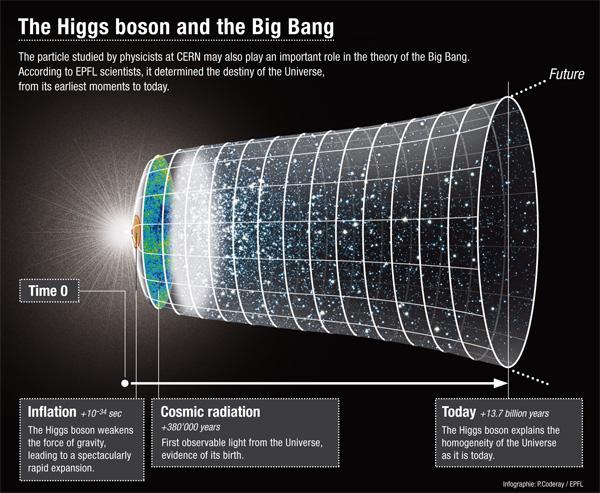
The influence of the Higgs boson and its field (inset) on cosmological inflation could manifest in the observation of gravitational waves by the BICEP2 telescope (background). (Credit: EPFL)
via phys.org

Focus: Fast bit-switching in a thermal memory

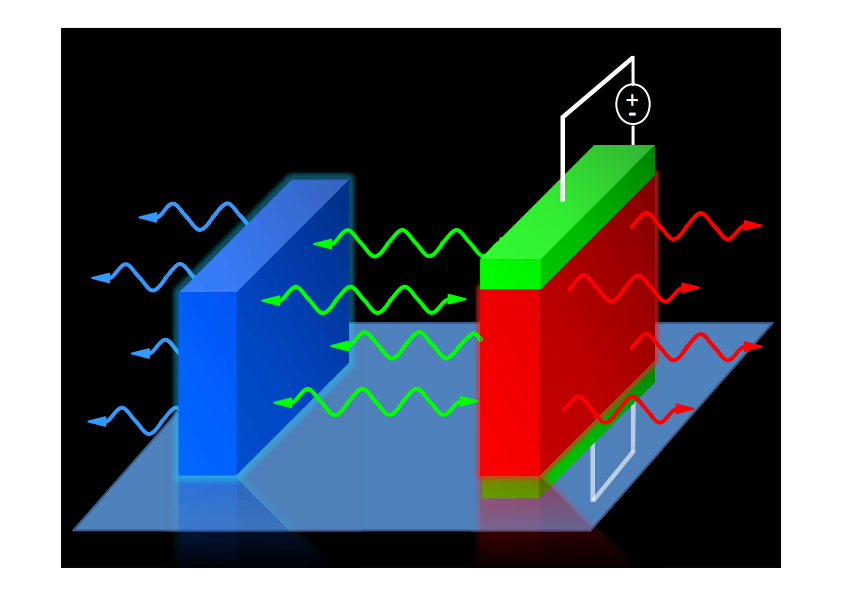
A bit of heat. Two parallel, thin plates that exchange heat via thermal radiation can form a thermal “bit” that changes rapidly between “one” and “zero.” One of them is made of a material like VO2 that switches between two states with different thermal properties, depending on its temperature. (Credit: P. Ben-Abdallah/Univ. of Paris-Sud)
via physics.aps

Cygnus commercial cargo ship ‘Janice Voss’ finishes resupply mission and departs space station

Cygnus Orb-2 spacecraft ‘Janice Voss’ bids farewell to the ISS at 6:40 a.m. EDT, Friday, Aug. 15, 2014. It’s set to reenter the atmosphere on Aug. 17. (Credit: NASA TV)
via universetoday

Physics in the News

Saturday, August 16, 2014

NASA develops origami style solar panels to be used in space(VIDEO)

via designboom

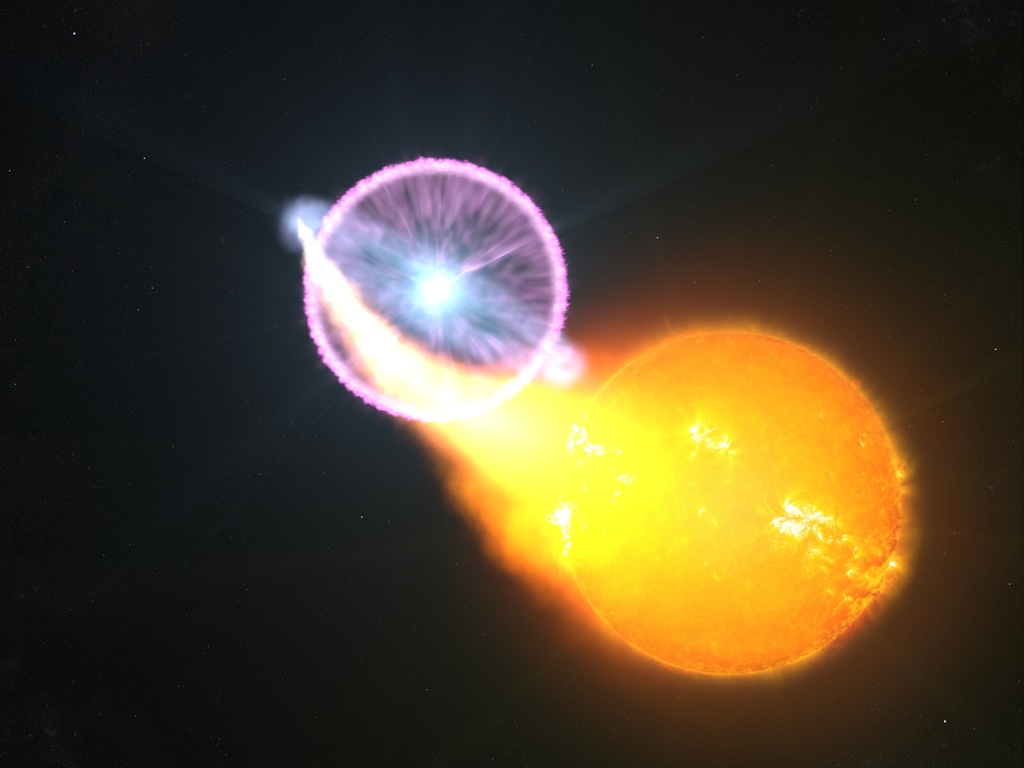
The improbable case of the high-energy novae: NASA’s Fermi space telescope detects new gamma ray sources

Novae typically originate in binary systems containing Sun-like stars, as shown in this artist’s rendering. NASA’s Fermi Space Telescope discovered that a nova in a system like this likely produces gamma rays (magenta) through collisions among multiple shock waves in the rapidly expanding shell of debris. (Credit: NASA’s Goddard Space Flight Center/S. Wiessinger)
via americaspace

Electrons in magnetic field reveal surprises

Beam out: elongated "Landau" states - Instead of rotating uniformly at a particular frequency, an international team of researchers has found that electrons in a magnetic field are capable of rotating at three different frequencies, depending on their quantum properties.
Beam out: elongated “Landau” states – Instead of rotating uniformly at a particular frequency, an international team of researchers has found that electrons in a magnetic field are capable of rotating at three different frequencies, depending on their quantum properties.
via physicsworld

How can we clean up that space junk(VIDEO)?

via universetoday

Weird blurred light near giant black hole(VIDEO)

via space

UT research uncovers forces that hold gravity defying near earth asteroid together

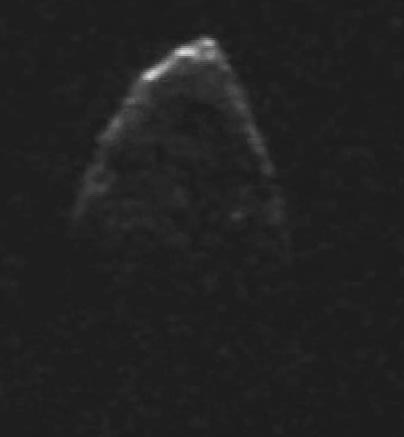
Asteroid 1950 DA. “Following the February 2013 asteroid impact in Chelyabinsk, Russia, there is renewed interest in figuring out how to deal with the potential hazard of an asteroid impact,” said Rozitis. “Understanding what holds these asteroids together can inform strategies to guard against future impacts.” (Credit: NASA)
via tntoday

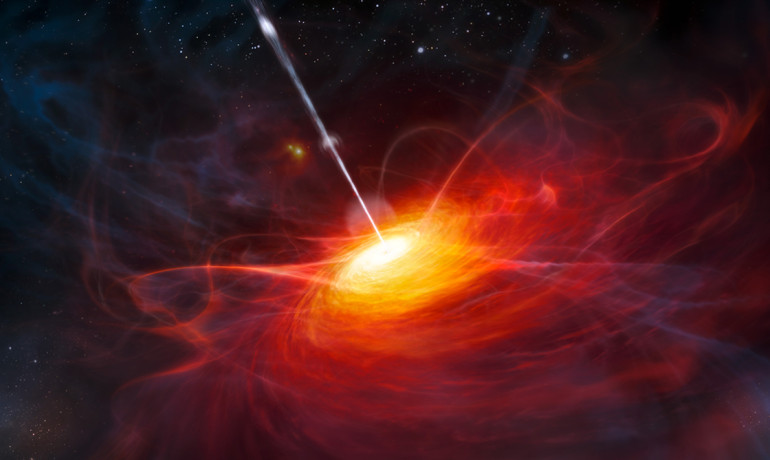
‘Monster’ quasars got that way by gorging on gas

"The puzzle has been how these 'seed' black holes grew into the monsters that we now see within the time available, a few billion years at best," says Priyamvada Natarajan, who proposes that early quasars took in a "super boost," feasting from large reservoirs of gas that were part of early star clusters. (Credit: Lollito Larkham/Flickr)
“The puzzle has been how these ‘seed’ black holes grew into the monsters that we now see within the time available, a few billion years at best,” says Priyamvada Natarajan, who proposes that early quasars took in a “super boost,” feasting from large reservoirs of gas that were part of early star clusters. (Credit: Lollito Larkham/Flickr)
via futurity

LHC research, presented in tangible tidbits

via symmetrymagazine

NASA sleep promoting light bulb hopes to send you to snoozeland, ASAP!

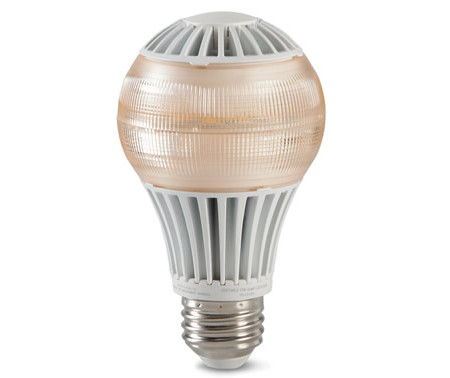
Lighting Science created special lightbulbs for the ISS. There are daylight bulbs with bluer light to encourage energy and activity during what would be daytime hours, and then there are lightbulbs that dial back on the blue to boost astronauts’ production of melatonin for a good night’s sleep. (Credit: Lightning Science)
via cnet

NASA funds robotic tumbling cubes for space exploration

via spectrum
Physics in the News

Friday, August 15, 2014

Cosmic grains pre-date Solar System

Scientists may have identified the first known dust particles from outside our Solar System, in samples returned to Earth by a Nasa space mission. (Credit: NASA)
via bbc

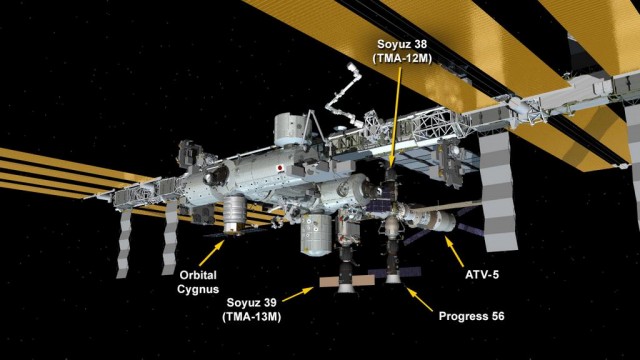
Every parking spot at the International Space Station is currently occupied

Here’s an awesome photo to start your day: The International Space Station currently has five spacecraft docked to it — the most that can be currently attached. If any of the world’s space agencies, or private companies like SpaceX were to send up another spacecraft today, they’d need to circle until another parking space becomes available. (Credit: NASA)
via extremetech

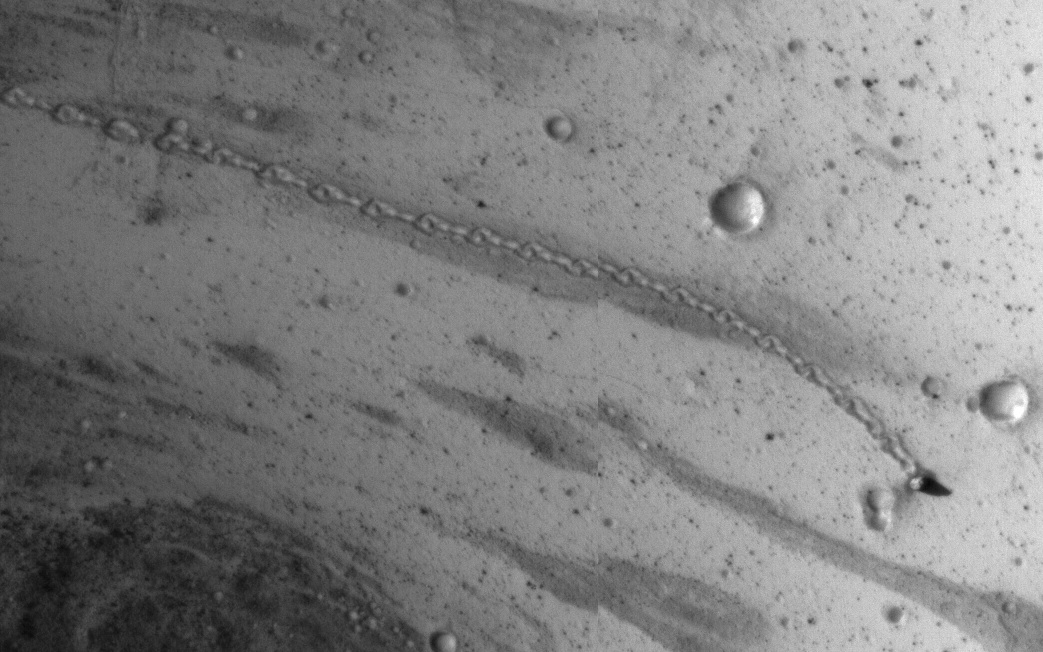
Massive trail of a boulder as it tumbles down a hill spotted by space probe above the red planet

NASA’s Mars Reconnaissance Orbiter spotted the trail from an oblong boulder that rolled down a slope on the Red Planet. The image was taken on July 3, 2014. (Credit: NASA)
via space

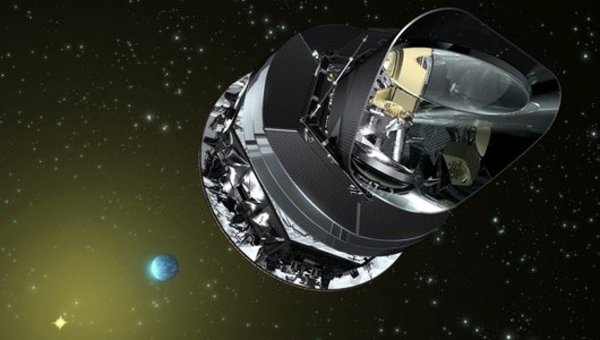
Planck’s early universe exploration ‘great landmark’ in human history

“This piece of information, that has always been a dream, and never was thought of as being within human grasp. But here in the year 2014 on finds that perhaps this mission is going to be telling us how the universe started,” said Harwit, who is an expert in infrared astronomy and works as a member of the ESA’s Submillimeter Wave Astronomical Satellite, as well as on the Herschel Telescope. (Credit: East News/ Science Photo Library)
via en.ria

Mars orbiters plan for their October encounter with comet Siding Spring(VIDEO)

via planetary

Microsoft Research turns 2D camera into depth sensor (VIDEO)

via i-programmer

Rise of the machines? Watch a 1000 Tiny robot horde swarms to form shapes (VIDEO)

via reuters

Are processors pushing up against Moore’s Law and the limits of physics?

Plot of CPU transistor counts against dates of introduction. Note the logarithmic vertical scale; the line corresponds to exponential growth with transistor count doubling every two years. Transistor counts for integrated circuits plotted against their dates of introduction. The curve shows Moore's law - the doubling of transistor counts every two years. The y-axis is logarithmic, so the line corresponds to exponential growth. (Credit: Wgsimon)
Plot of CPU transistor counts against dates of introduction. Note the logarithmic vertical scale; the line corresponds to exponential growth with transistor count doubling every two years.  The curve shows Moore’s law – the doubling of transistor counts every two years. The y-axis is logarithmic, so the line corresponds to exponential growth. (Credit: Wgsimon)
via arstechnica

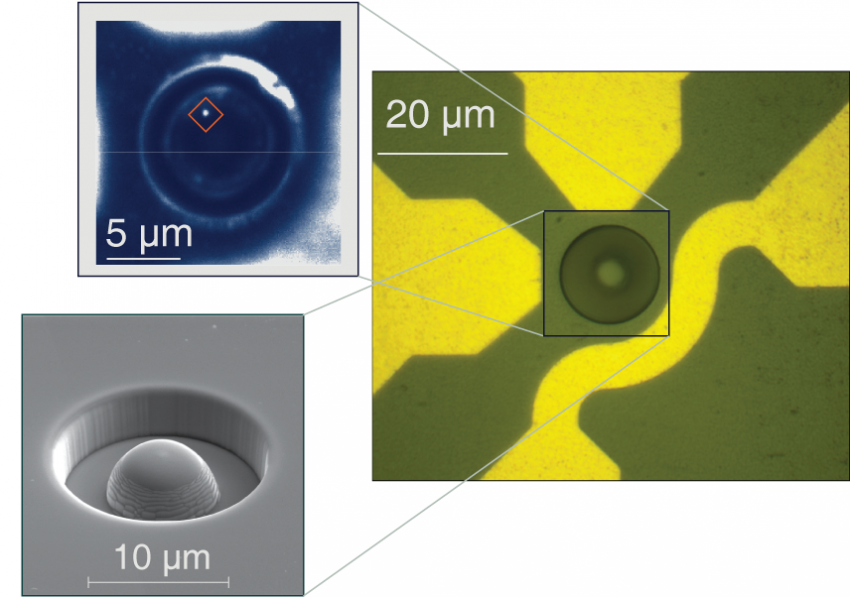
Molecular engineers record an electron’s quantum behavior
These images show a diamond sample with a hemispherical lens (right and lower left), and the location of a single electron spin/quantum state visible through its light emission (upper left). The scale bar on the image at upper left measures five microns, the approximate diameter of a red blood cell. (Credit: Courtesy of Awschalom Lab/University of Chicago)

via phys

NASA’S NuSTAR catches a black hole bending light, space, and time

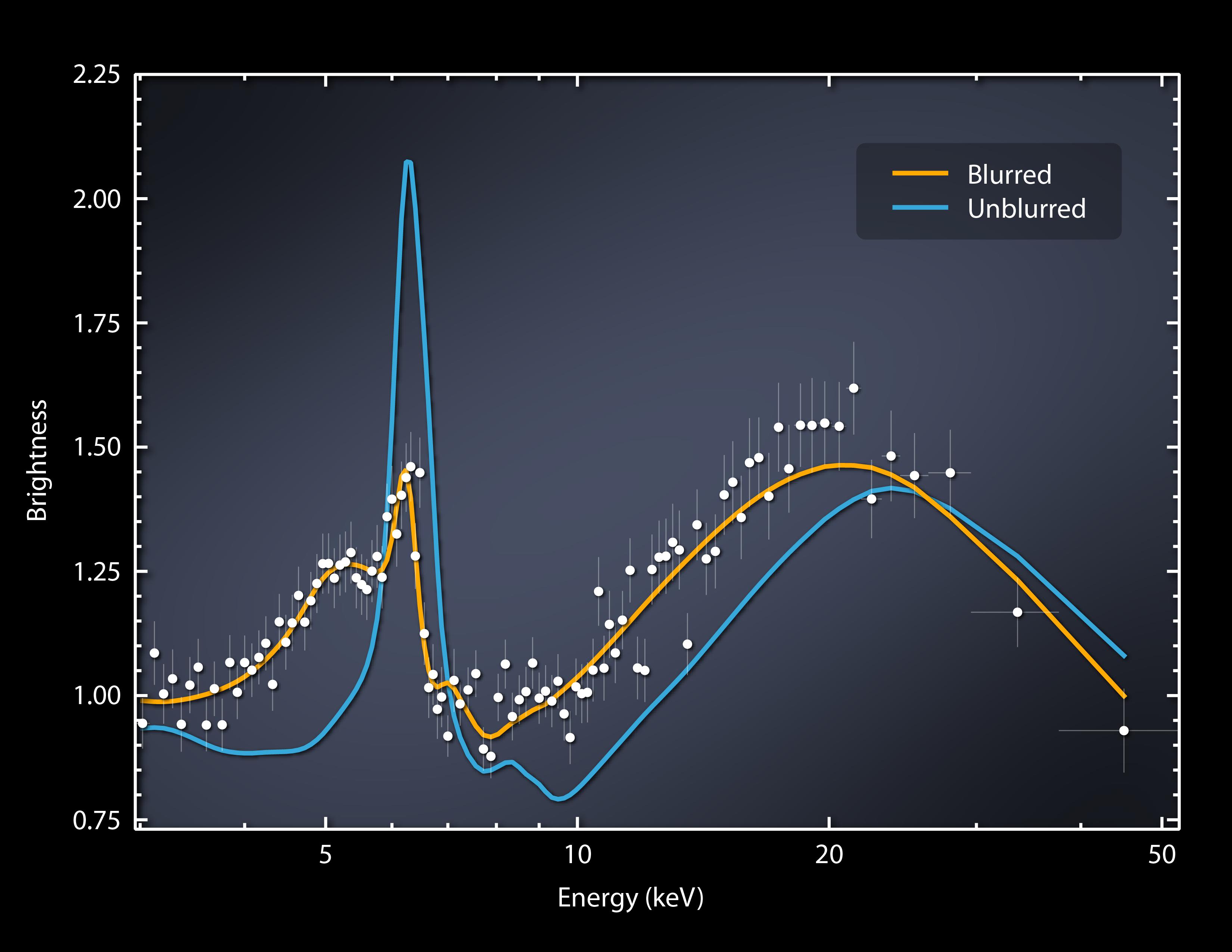
This plot of data captured by NASA’s Nuclear Spectroscopic Telescope Array, or NuSTAR, shows X-ray light streaming from regions near a supermassive black hole known as Markarian 335. (Credit: NASA)
via universetoday

Physics in the News

Thursday, July 17, 2014

Stalking the Shadow Universe(VIDEO)

via nytimes

The mathematics of quantum computing

(Credit: Ritvars Skuja)
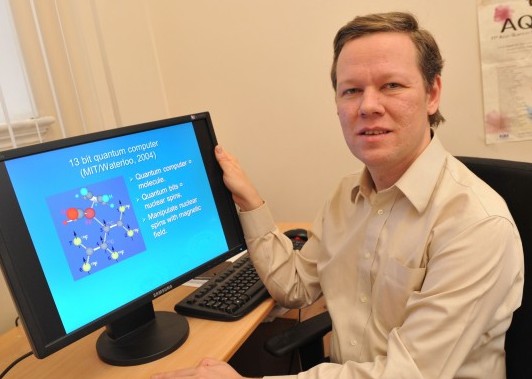
The Quantum Computer Science project was completed in August 2013. The project focused on the mathematical aspects of quantum computing. Andris Ambainis, a theoretical computer scientist at the University of Latvia in Riga, was the principal coordinator of the project. (Credit: Ritvars Skuja)
via youris

Perth’s planet hunter helps discover unusual exoplanet

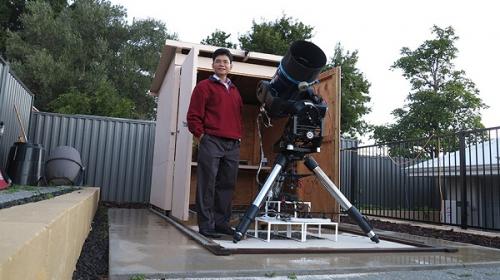
Perth engineer ‘TG’ Tan hunts planets with his backyard observatory in Mt Claremont. (Credit: TG Tan)
Perth engineer ‘TG’ Tan hunts planets with his backyard observatory in Mt Claremont.      (Credit: TG Tan)
via phys.org

Touchdown! Supply capsule arrives at International Space Station

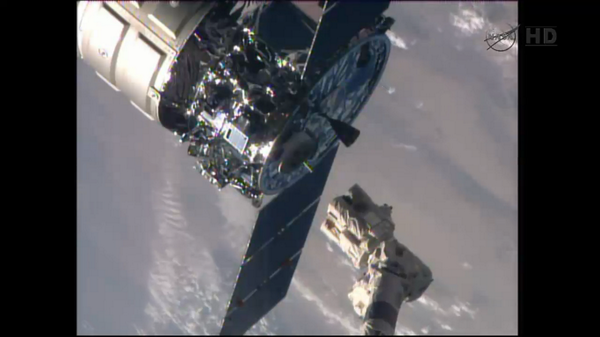
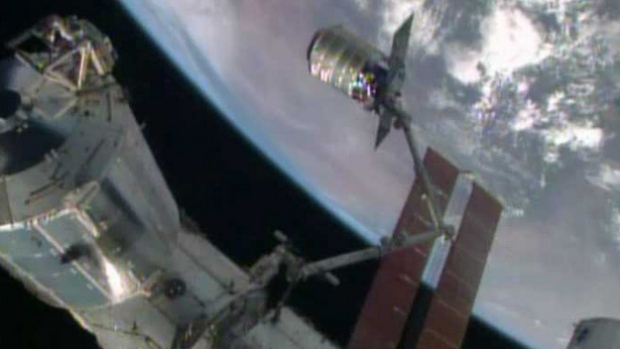
The International Space Station’s robotic arm, Canadarm2, grapples the Orbital Sciences’ Cygnus cargo craft. (Source: NASA TV)
The International Space Station’s robotic arm, Canadarm2, grapples the Orbital Sciences’ Cygnus cargo craft. (Credit NASA TV)
via cbs

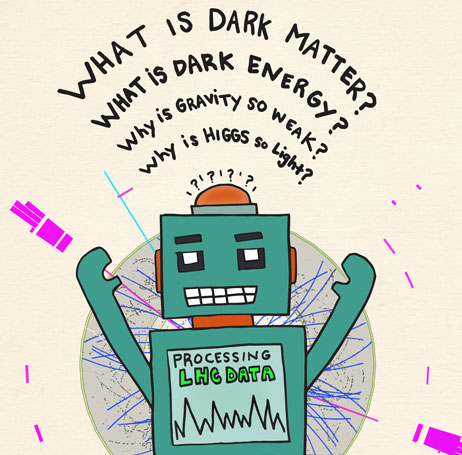
The machine learning community contest to take on the Higgs

(Credit: Sandbox Studio, Chicago)
Kaggle is currently running about 20 contests on its site. Most of them will attract between 300 and 500 teams. But the Higgs contest, which does not end until September, has already drawn almost 970. Names appear and drop off of the leader board every day. (Credit: Sandbox Studio, Chicago)
via symmetrymagazine

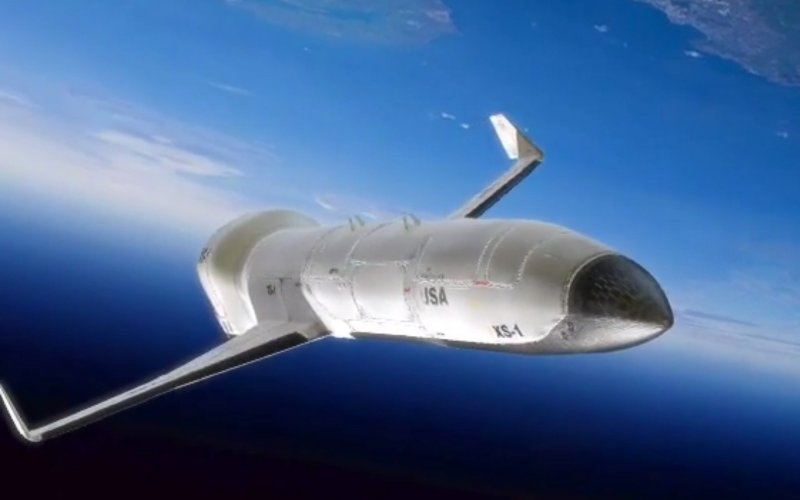
Pentagon enlists Jeff Bezos and Richard Branson to design a space plane

DARPA wants its new experimental spaceship to fly 10 times within in 10 days and it wants the contractor to show that the vessel can fly at 10 times the speed of sound or more. (Credit: DARPA)
via thedailybeast

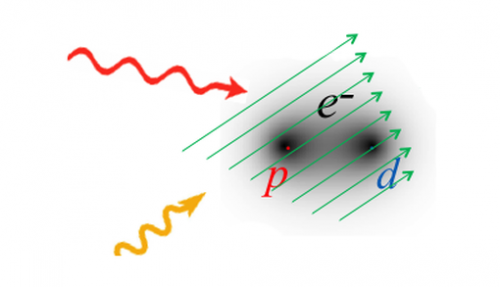
Physicists propose molecular clock to expose new physics

(Credit: S. Schiller et al., Phys. Rev. Lett (2014))
A lot of physics is based on the assumption that the mass of a proton remains constant over time—pretty much forever. But what if that’s not true? What if it grows or shrinks over time? That would mean that the ratio between them and electrons changes as well, and if that’s true, then physicists are going to have to come up with some new ideas to explain what that might mean. (Credit: S. Schiller et al., Phys. Rev. Lett (2014))
via phys.org

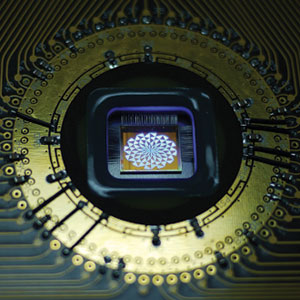
Holographic displays coming to smartphones

Quantum Photonic Imager: Ostendo’s light-field display produces 3-D images using light-emitting pixels and piles of pixel-level processing. (Credit: Ostendo Technologies)
Light-field displays for mobile devices might be only a year away. Ostendo’s light-field display produces 3-D images using light-emitting pixels and piles of pixel-level processing. (Credit: Ostendo Technologies)
via spectrum