Physics in the News

Friday, July 18, 2014

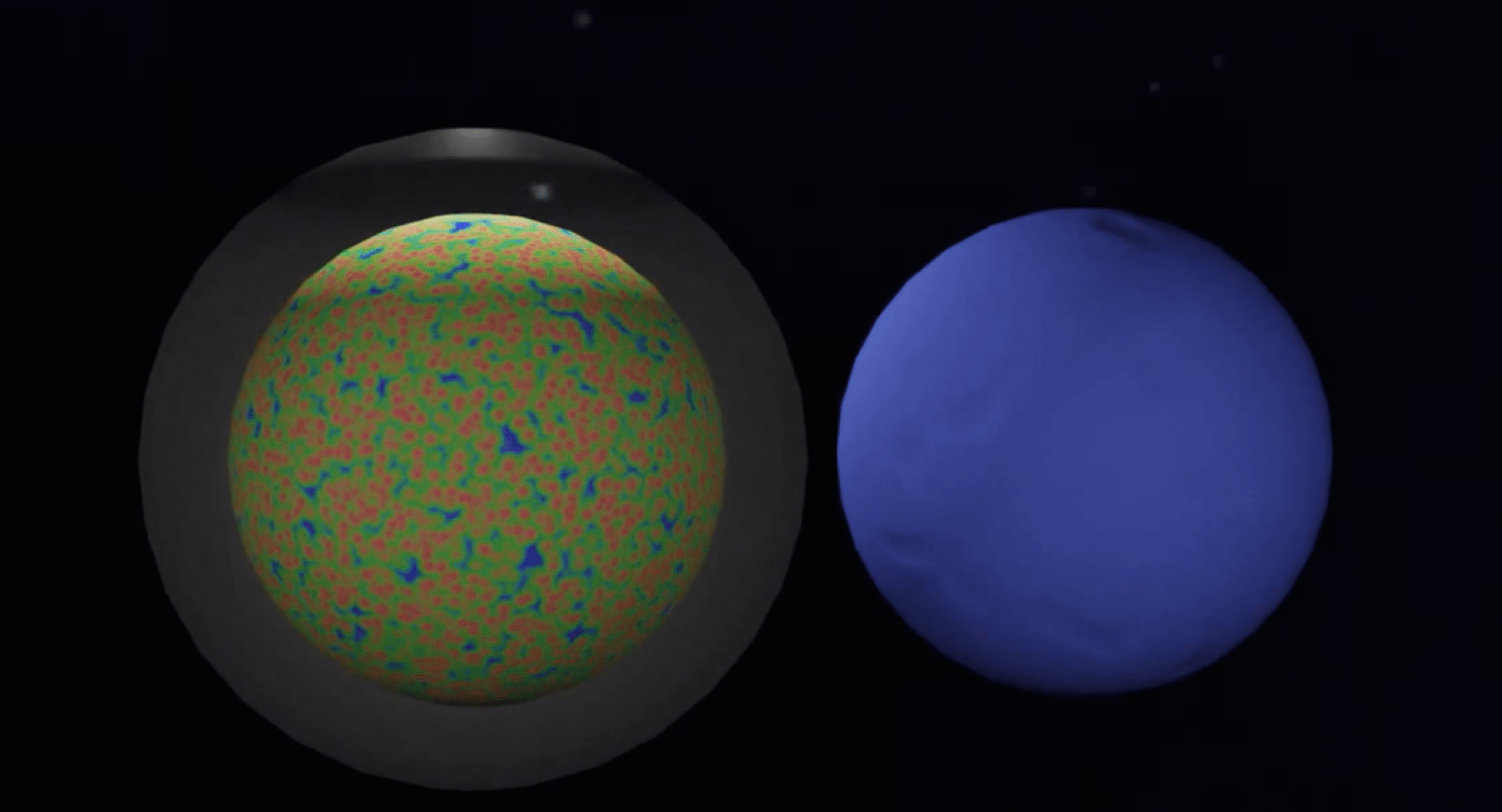
Is the universe a bubble? Let’s check(VIDEO)

via perimeterinstitute

Meet the electric life forms that live on pure energy(VIDEO)

via newscientist

Scientists crush diamond with pressure from world’s biggest laser(VIDEO)

via upi

Asteroid Vesta Has a Colorful History(VIDEO)

via nationalgeographic

NASA space station commander discusses life and work floatig in space(VIDEO)

via spaceref

Physics in the News

Thursday, July 17, 2014

Stalking the Shadow Universe(VIDEO)

via nytimes

The mathematics of quantum computing

(Credit: Ritvars Skuja)
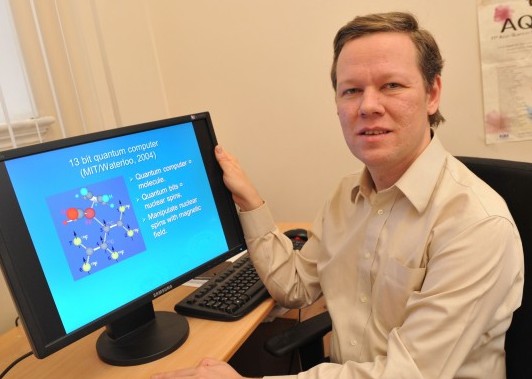
The Quantum Computer Science project was completed in August 2013. The project focused on the mathematical aspects of quantum computing. Andris Ambainis, a theoretical computer scientist at the University of Latvia in Riga, was the principal coordinator of the project. (Credit: Ritvars Skuja)
via youris

Perth’s planet hunter helps discover unusual exoplanet
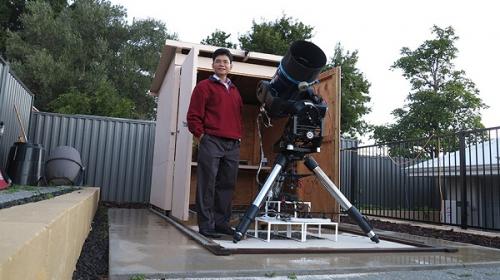
Perth engineer ‘TG’ Tan hunts planets with his backyard observatory in Mt Claremont. (Credit: TG Tan)
Perth engineer ‘TG’ Tan hunts planets with his backyard observatory in Mt Claremont.      (Credit: TG Tan)
via phys.org

Touchdown! Supply capsule arrives at International Space Station
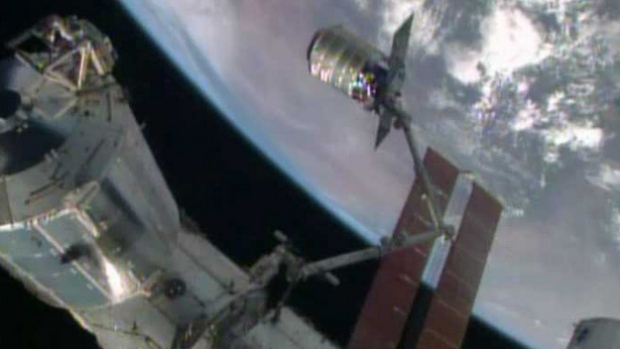
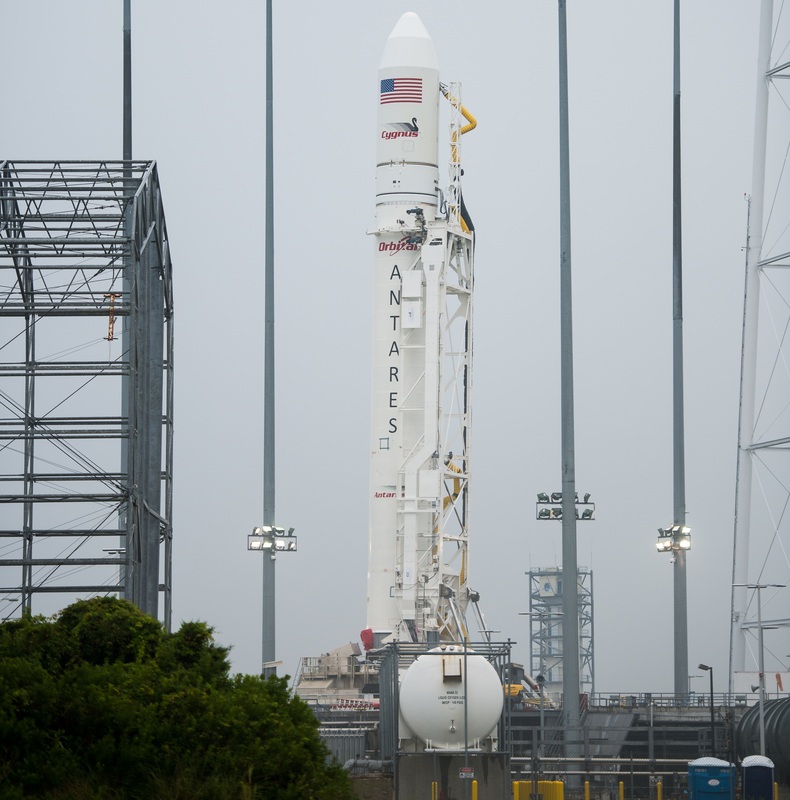
The International Space Station’s robotic arm, Canadarm2, grapples the Orbital Sciences’ Cygnus cargo craft. (Source: NASA TV)
The International Space Station’s robotic arm, Canadarm2, grapples the Orbital Sciences’ Cygnus cargo craft. (Credit NASA TV)
via cbs

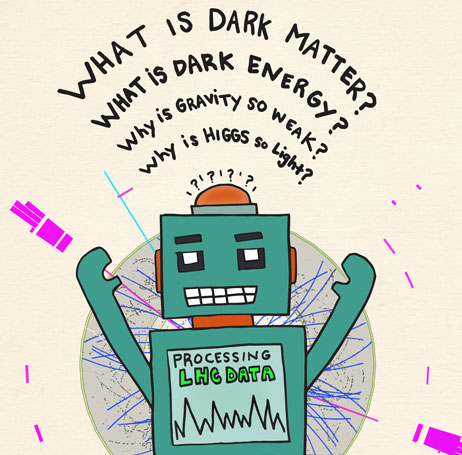
The machine learning community contest to take on the Higgs
(Credit: Sandbox Studio, Chicago)
Kaggle is currently running about 20 contests on its site. Most of them will attract between 300 and 500 teams. But the Higgs contest, which does not end until September, has already drawn almost 970. Names appear and drop off of the leader board every day. (Credit: Sandbox Studio, Chicago)
via symmetrymagazine

Pentagon enlists Jeff Bezos and Richard Branson to design a space plane
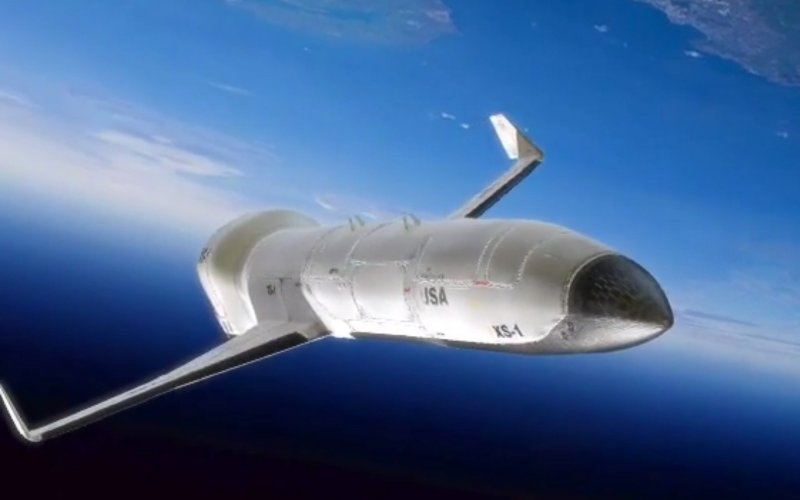
DARPA wants its new experimental spaceship to fly 10 times within in 10 days and it wants the contractor to show that the vessel can fly at 10 times the speed of sound or more. (Credit: DARPA)
via thedailybeast

Physicists propose molecular clock to expose new physics
(Credit: S. Schiller et al., Phys. Rev. Lett (2014))
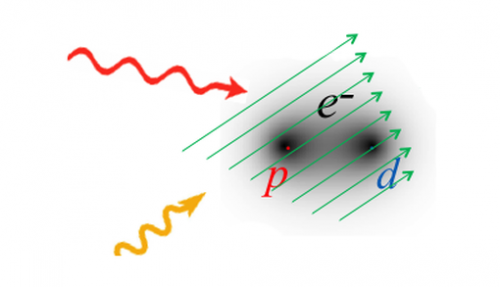
A lot of physics is based on the assumption that the mass of a proton remains constant over time—pretty much forever. But what if that’s not true? What if it grows or shrinks over time? That would mean that the ratio between them and electrons changes as well, and if that’s true, then physicists are going to have to come up with some new ideas to explain what that might mean. (Credit: S. Schiller et al., Phys. Rev. Lett (2014))
via phys.org

Holographic displays coming to smartphones
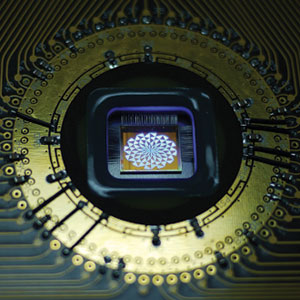
Quantum Photonic Imager: Ostendo’s light-field display produces 3-D images using light-emitting pixels and piles of pixel-level processing. (Credit: Ostendo Technologies)
Light-field displays for mobile devices might be only a year away. Ostendo’s light-field display produces 3-D images using light-emitting pixels and piles of pixel-level processing. (Credit: Ostendo Technologies)
via spectrum

Physics in the News

Wednesday, July 16, 2014

Breaking news on the ISEE-3 mission: It may not be lost – it’s those “O” rings again
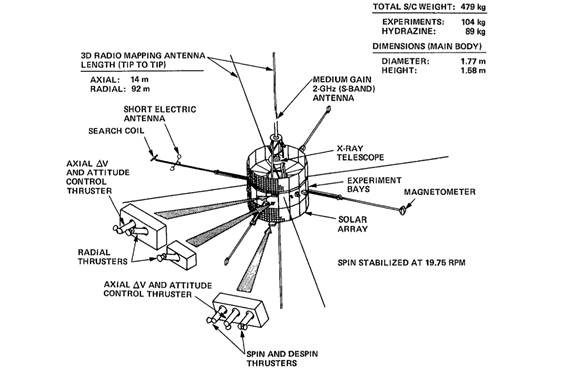
High temperatures expanding the seal material could have either impeded the flow, or have precluded the latch valve from opening even with the microswitch indicated to telemetry that the valve was open.
High temperatures expanding the seal material could have either impeded the flow, or have precluded the latch valve from opening even with the microswitch indicated to telemetry that the valve was open. (Credit: Farquhar, R, Muhonen, D, Church, L, Curtis, M.S)
via wattsupwiththat

Deep-space radio waves ‘heard’ at opposite points on Earth(VIDEO)

via mcgill

New data shows Earth’s magnetic field is weakening fast(VIDEO)

via weather.com

Happy birthday, Matt Bunting!  Dmitri hexapod creator

via robotshop


Physicists detect process even rarer than the long-sought Higgs particle
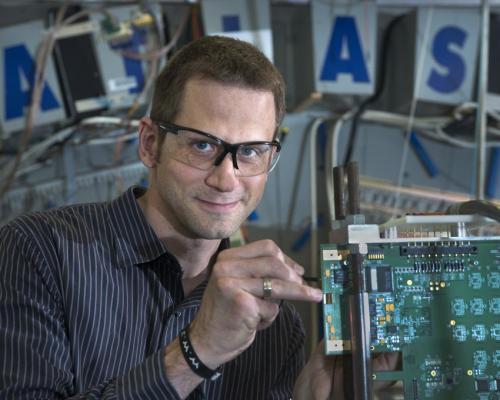
Brookhaven Lab/ATLAS physicist Marc-André Pleier adjusting detector components. (Credit: Brookhaven Lab/ATLAS)
Physicist Marc-André Pleier adjusting detector components. (Credit: Brookhaven Lab/ATLAS)
via bnl

Huge Meteorite on Mars Discovered by NASA’s Curiosity Rover
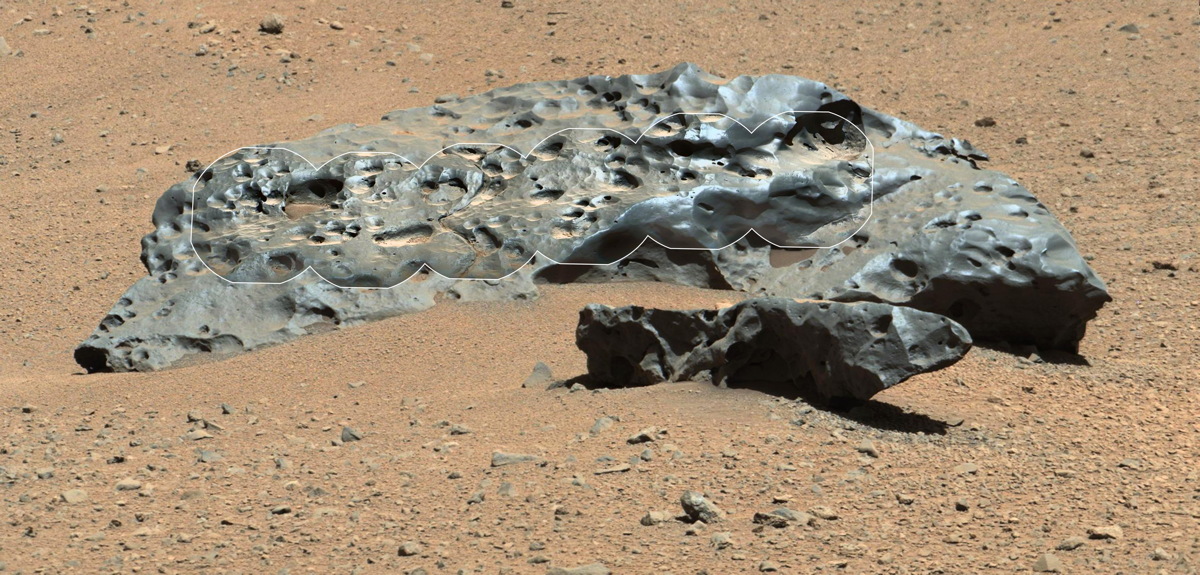
This photo by NASA's Curiosity Mars rover shows the huge iron meteorite "Lebanon" (7 feet wide) and its smaller companion "Lebanon B." The two meteorites were found by Curiosity on May 25, 2014. The circular insets are more detailed views by Curiosity's Chem-Cam instrument overlaid on an image by the rover's Remote Micro-Imager. (Credit: NASA/JPL-Caltech/LANL/CNES/IRAP/LPGNantes/CNRS/IAS/MSSS)
This photo by NASA’s Curiosity Mars rover shows the huge iron meteorite “Lebanon” (7 feet wide) and its smaller companion “Lebanon B.” The two meteorites were found by Curiosity on May 25, 2014. The circular insets are more detailed views by Curiosity’s Chem-Cam instrument overlaid on an image by the rover’s Remote Micro-Imager.
(Credit: NASA/JPL-Caltech/LANL/CNES/IRAP/LPGNantes/CNRS/IAS/MSSS)
via space.com

Single hotspot may be the source of many ultrahigh-energy cosmic rays
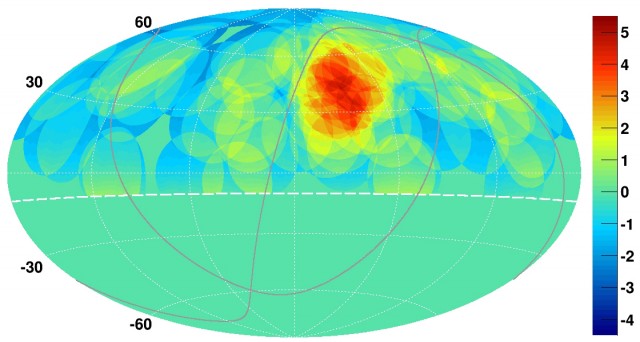
The hotspot map for ultrahigh-energy cosmic rays. (Credit: Telescope Array)
via arstechnica

Cassini spacecraft’s new look at Saturn’s colossal hexagon storm
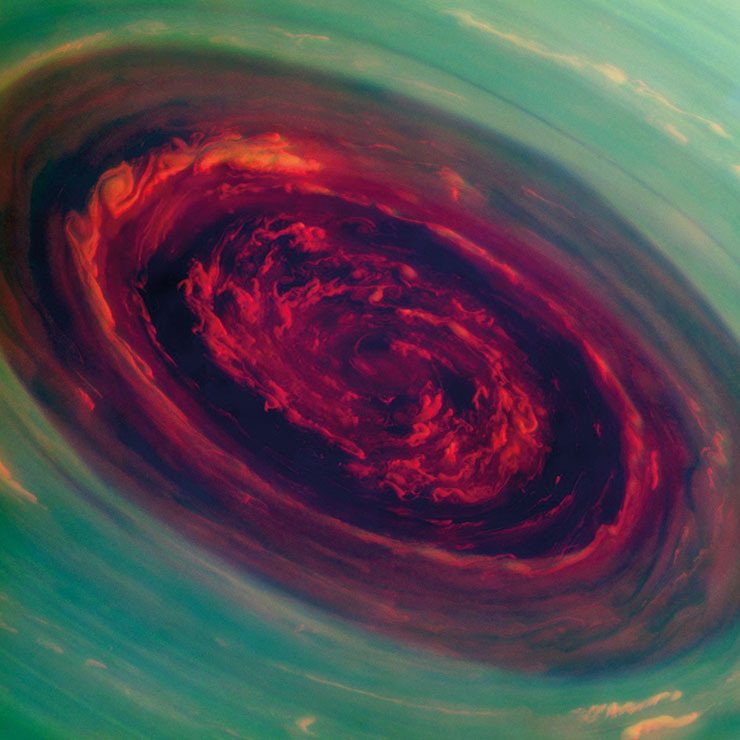
(Credit: NASA/JPL-Caltech/SSI)
The clear central eye of the storm is about 2000 km across – ten times the typical size on Earth – and clouds at the outer edge of the hurricane on Saturn are moving at more than 500 kph – rather faster than on Earth. (Credit: NASA/JPL-Caltech/SSI)
via dailygalaxy

Large number of dark matter peaks found using gravitational lensing
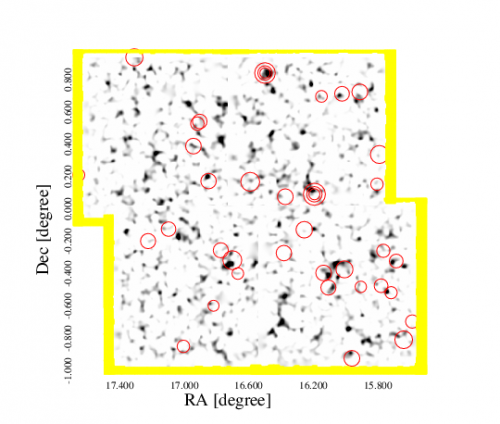
This map shows the distribution of dark matter (black) in the Universe, overlapping with optical measured clusters of galaxies (red circles). The mass peaks in the map contain significant cosmological information, will provide us with an improved understanding about the dark side of the Universe. The size of this map is about 4 square degrees corresponding to only 2.5% of the full CS82 survey footprint shown in the next figure. (Credit: CS82, SDSS)
via phys.org

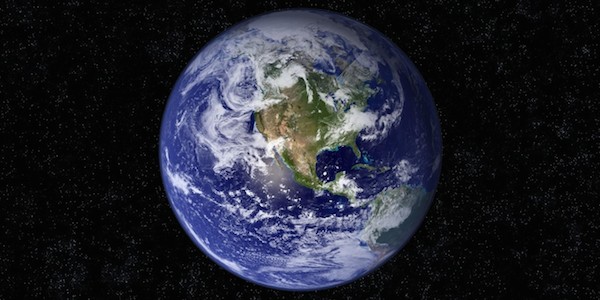
Scientists Believe There May Be An Ancient Earth Older Than The Moon Inside Earth
(Credit: NASA)
(Credit: NASA)
via elitedaily

Physics in the News

Sunday, July 13, 2014

Orb2 launches today at 12:52p ET.(LIVE STREAM)

via spacecoastdaily

What happened to the light? 80% of Universe’s light “missing”(VIDEO)

via libertariannews

Growth of structure tells us how normal and dark matter scatter
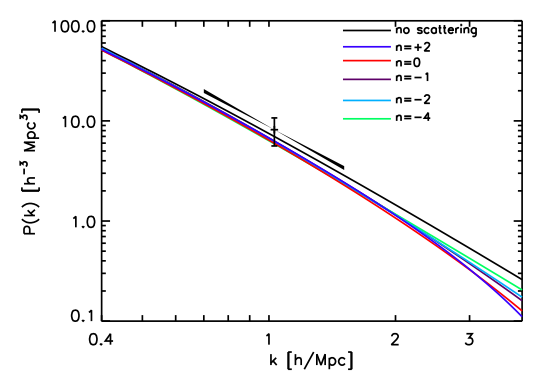
The colored curves describe different velocity dependencies of the scattering strength; it is scaling as v to the nth power. The horizontal axis, k, is a measure of how separated two points in space might be; larger k corresponds to smaller physical separation. The vertical axis (technically known as a “power spectrum”) describes how correlated two points separated by a scale 1/k are; higher number mean more correlation. The one point with error bars shows that most of the models the authors consider are not very favored by the data. (Credit: C. Dvorkin, K. Blum, and M. Kamionkowski)
via astrobites

Venus Express rises again

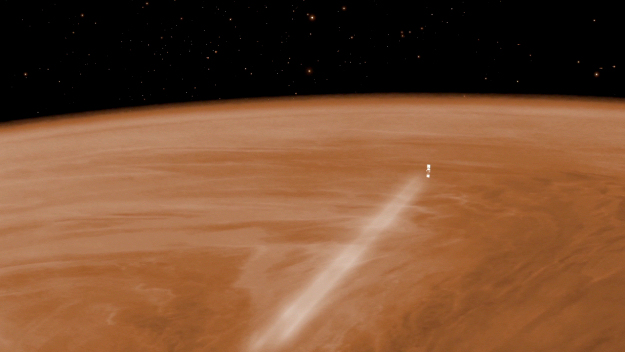
After a month surfing in and out of the atmosphere of Venus down to just 130 km from the planet’s surface, ESA’s Venus Express is about to embark on a 15 day climb up to the lofty heights of 460 km. (Credit: ESA – C. Carreau)
via esa

Privately funded solar spacecraft to launch in 2016
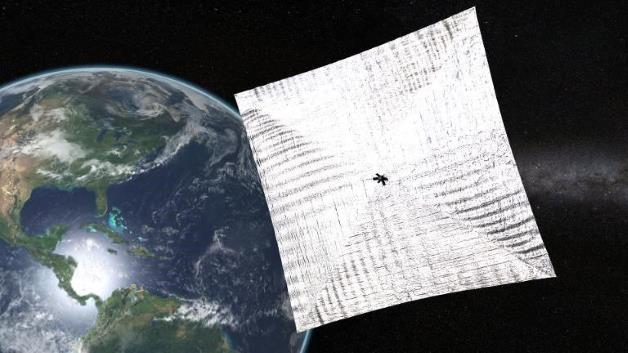
An illustration of The Planetary Society's LightSail spacecraft. (Credit: SpaceX)
An illustration of The Planetary Society’s LightSail spacecraft. (Credit: Plenary Society)

via msn

Early Universe explorer looks for answers

Chao-Lin Kuo, who helped design the BICEP2 experiment, isn’t bothered by criticism that cosmic dust may account for his results. He just wants to know the truth. (Credit: Chao-Lin Kuo)
via scientificamerican

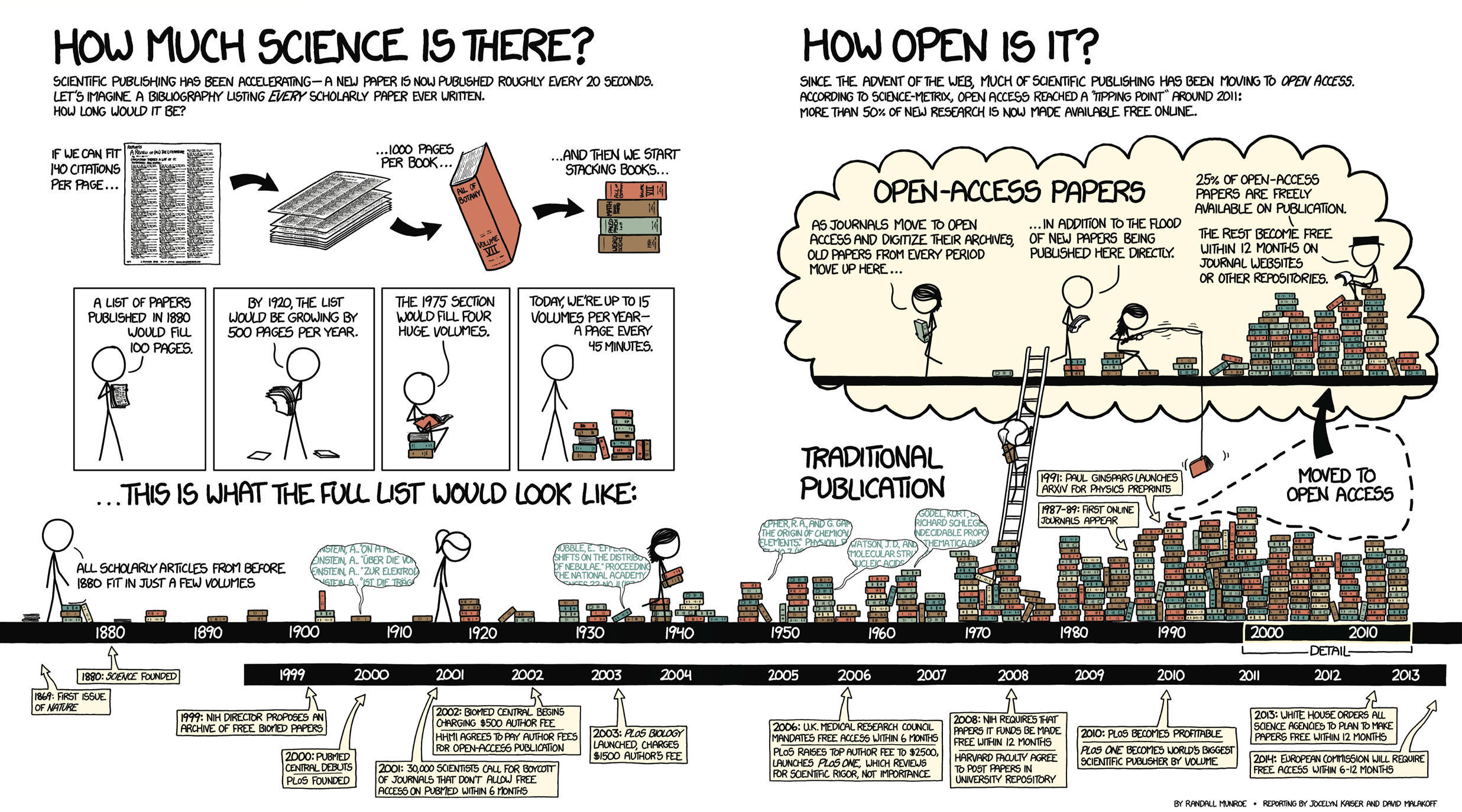
The 1% of scientific publishing

(Credit: sciencemag.org)
via sciencemag

Ask Ethan #45: How deep does the Multiverse go?
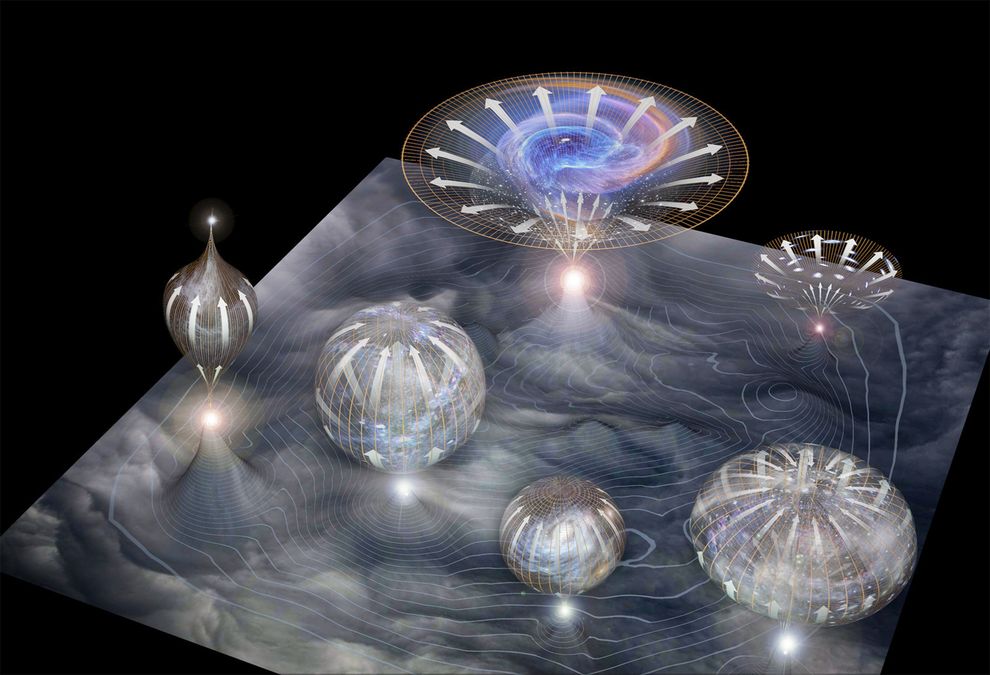
This illustration depicts a main membrane out of which individual universes arise; they then expand in size through time. (Credit: Moonrunner Design)
via scienceblogs

Physics in the News

Thursday, July 10, 2014

Comet Pan-STARRS Makes Stunning ‘Galactic Flyby'(VIDEO)

via discovery

NASA 3D prints a model of light-year-long Eta Carinae nebula
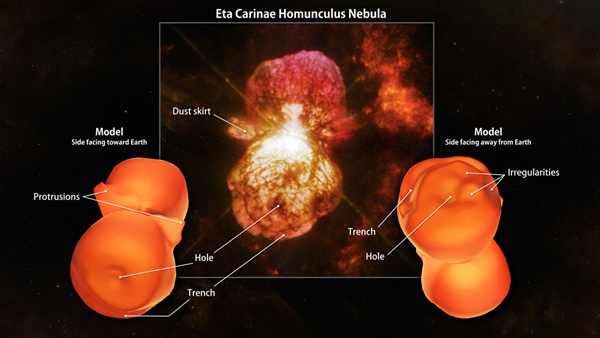
A new shape model of the Homunculus Nebula reveals protrusions, trenches, holes and irregularities in its molecular hydrogen emission. The protrusions appear near a dust skirt seen at the nebula's center in visible light (inset) but not found in this study, so they constitute different structures. (Credit: NASA Goddard, ESA, Hubble SM4 ERO Team)
A new shape model of the Homunculus Nebula reveals protrusions, trenches, holes and irregularities in its molecular hydrogen emission. The protrusions appear near a dust skirt seen at the nebula’s center in visible light (inset) but not found in this study, so they constitute different structures. (Credit: NASA Goddard, ESA, Hubble SM4 ERO Team)
via astronomy.com

Bid to ‘reboot’ aging NASA satellite is scuttled as fuel system fails
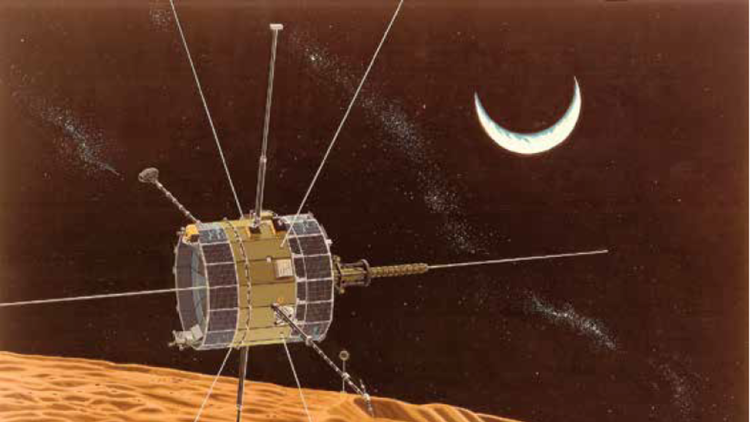
Engineers failed to resolve fuel system problems on NASA's retired ISEE-3 satellite Wednesday. An artist's rendition shows the spacecraft during a close lunar pass. (Credit: NASA)
Engineers failed to resolve fuel system problems on NASA’s retired ISEE-3 satellite Wednesday. An artist’s rendition shows the spacecraft during a close lunar pass. (Credit: NASA)

via latimes

MESSENGER and STEREO measurements open window into high-energy processes on the Sun
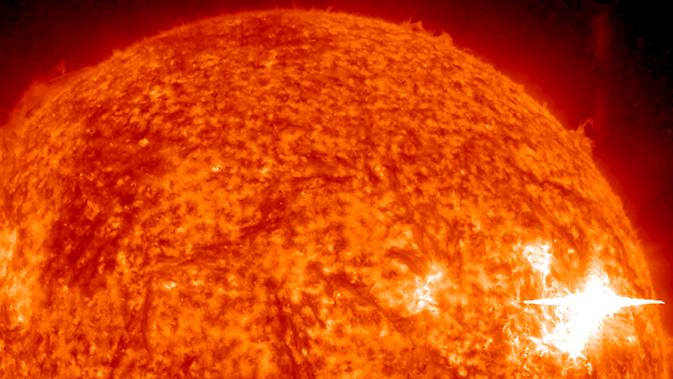
A solar flare erupted on the far side of the sun on June 4, 2011, and sent solar neutrons out into space. Solar neutrons don't make it to all the way to Earth, but NASA's MESSENGER, orbiting Mercury, found strong evidence for the neutrons, offering a new technique to study these giant explosions. (Credit: NASA/STEREO/Helioviewer)
A solar flare erupted on the far side of the sun on June 4, 2011, and sent solar neutrons out into space. Solar neutrons don’t make it to all the way to Earth, but NASA’s MESSENGER, orbiting Mercury, found strong evidence for the neutrons, offering a new technique to study these giant explosions. (Credit: NASA/STEREO/Helioviewer)
via nasa

Space Probe Might Lack Nitrogen to Push It Home
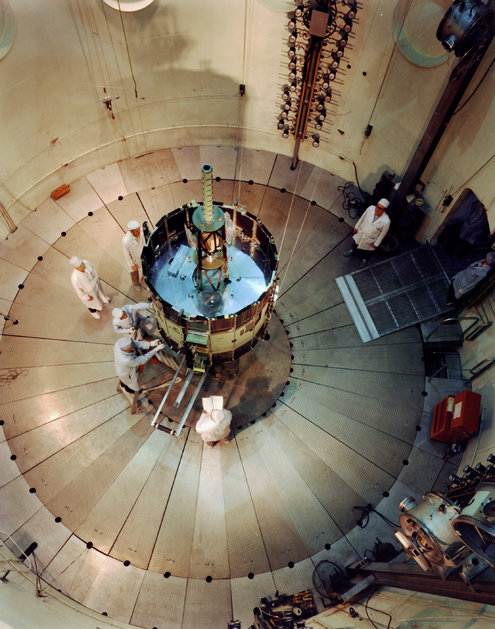
 The International Sun-Earth Explorer-3 at NASA’s Goddard Space Flight Center before its launch. (Credit NASA)
The International Sun-Earth Explorer-3 at NASA’s Goddard Space Flight Center before its launch. (Credit NASA)
via nytimes

Saturn Probe Ready for Its “Grand Finale”
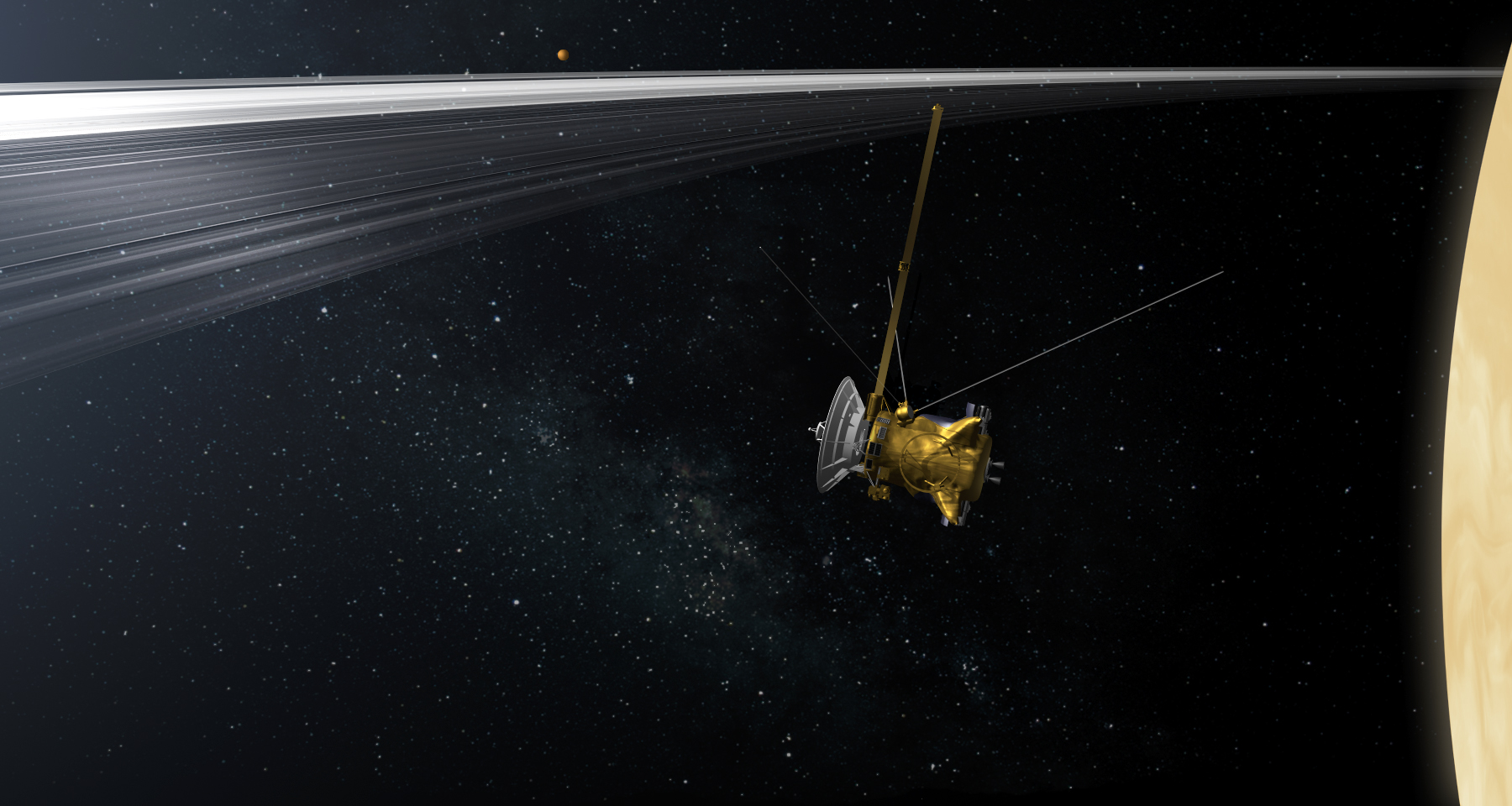
Cassini will end its historic mission with 22 breathtaking loops passing through the gap between Saturn and its innermost ring. (Credit: NASA)
via scientificamerican

Singing Solar Shockwave Confirms Voyager Is In Interstellar Space
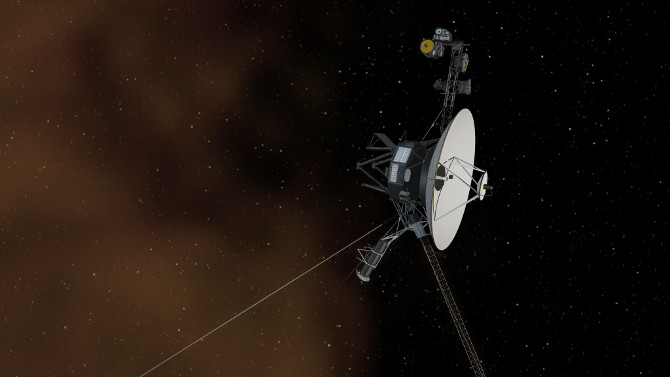
This artist’s concept shows the Voyager 1 spacecraft entering the space between stars. Interstellar space is dominated by plasma, ionized gas (illustrated here as brownish haze), that was thrown off by giant stars millions of years ago. (Credit: NASA/JPL-Caltech)
via forbes

Astronomers invite worldwide public to help name exoplanets and their stars
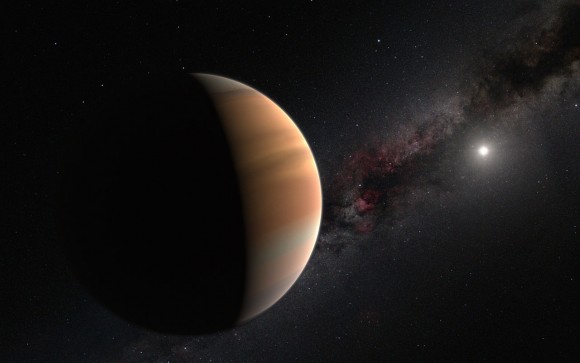
Artist’s impression of a distant exoplanet – planet beyond our solar system – orbiting its star. (Credit: IAU)
via earthsky

Universe’s missing photons baffle scientists
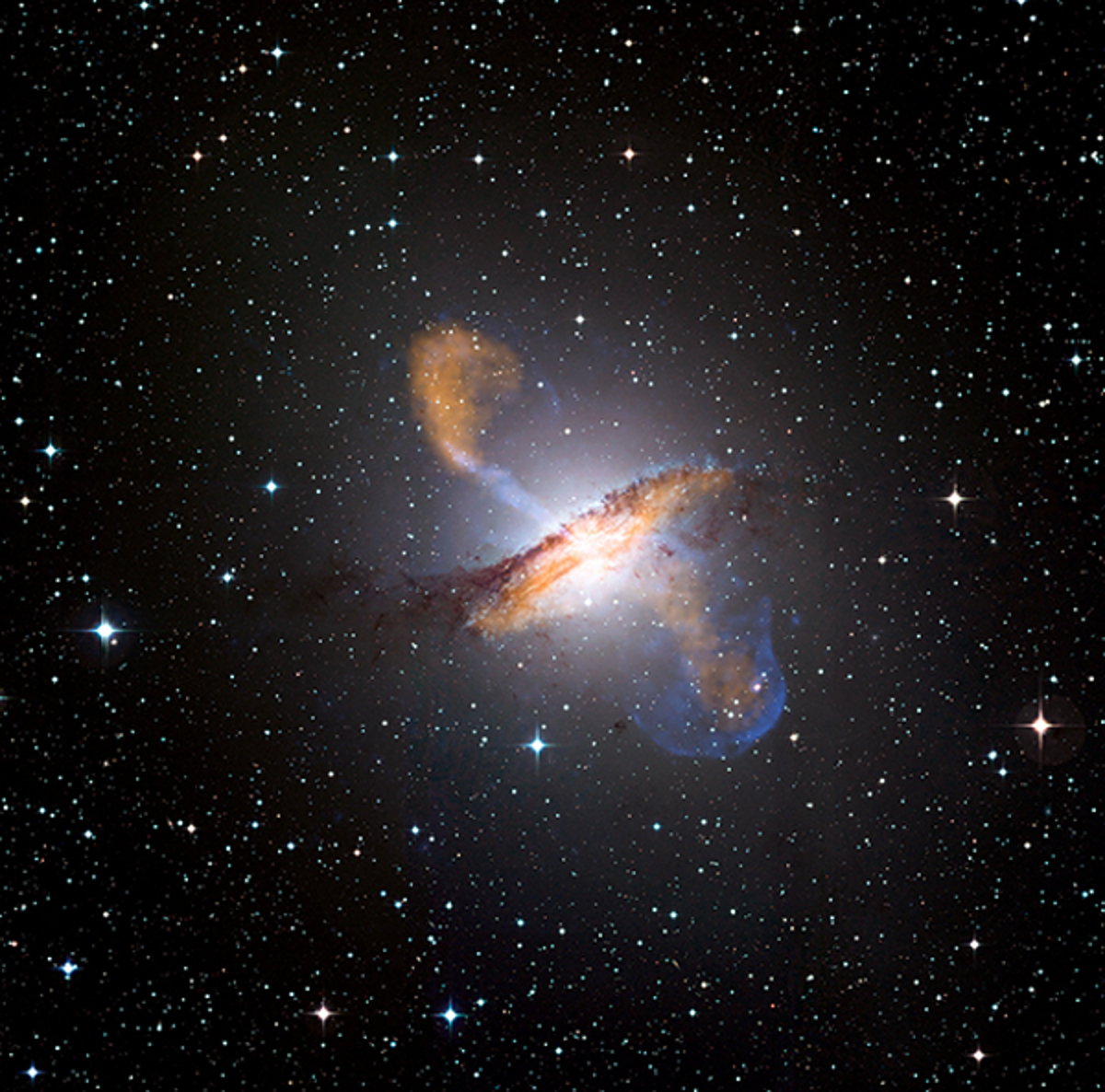
There's just not enough of them to account for interstellar light, say researchers. (Credit: NASA/ESA
There’s just not enough of them to account for interstellar light, say researchers. (Credit: NASA/ESA)
via cnet