Physics in the News

Thursday, August 21, 2014

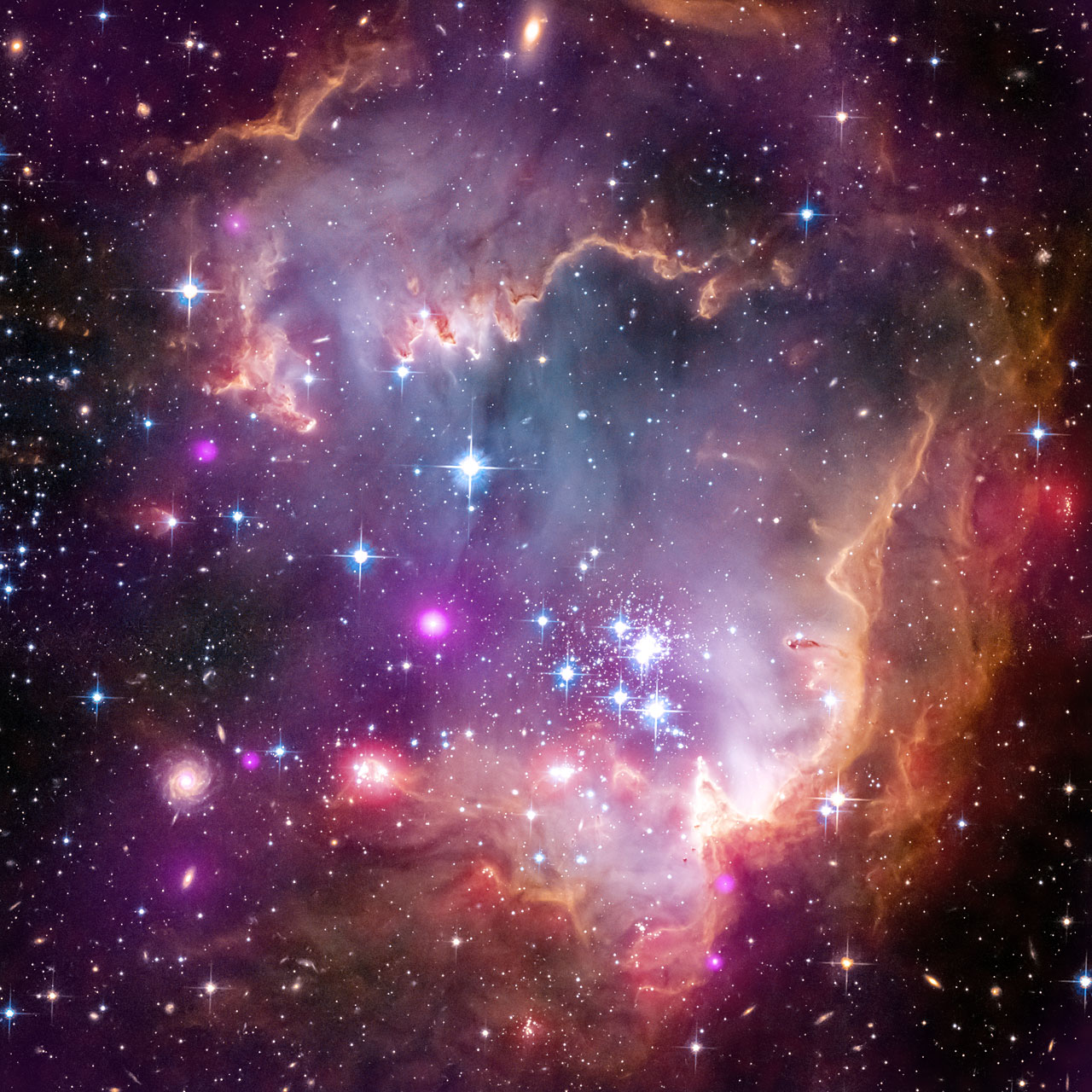
Newly released Hypatia Catalog offers glimpse into the lives of stars

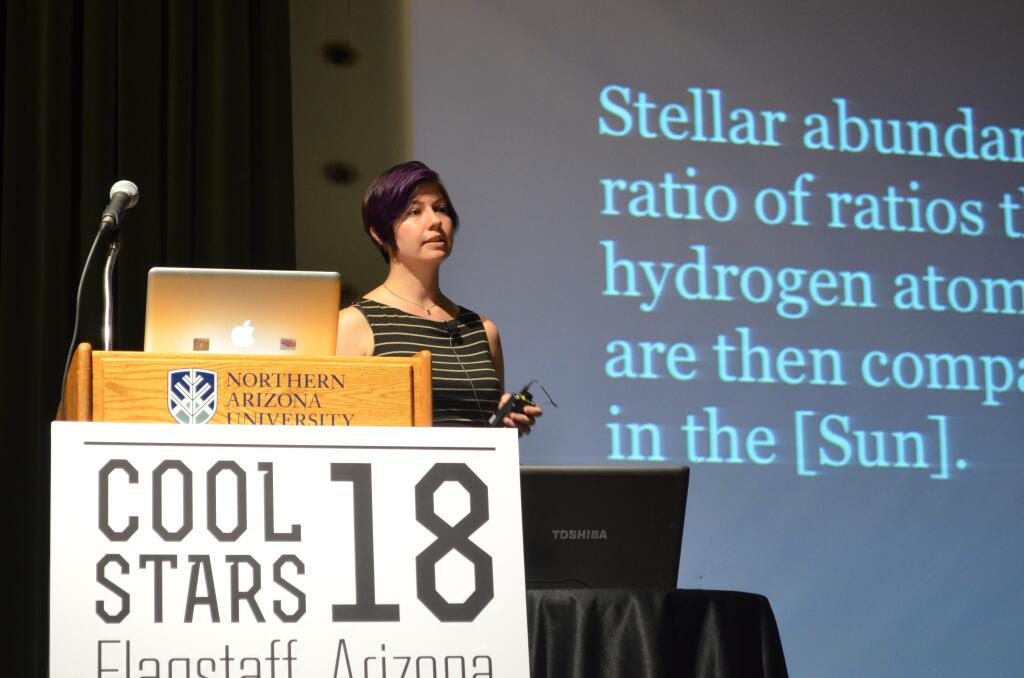
Natalie Hinkel gives a plenary talk at the Cool Stars 18 meeting in Flagstaff, Arizona, about her paper on the Hypatia Catalog. (Credit: Natalie Hinkel)
via asunews

US–Russia tensions hit scientists

The US Department of Energy has cancelled visits by Russian scientists to key US labs, including the Los Alamos National Laboratory. (Credit:NC-ND/Los Alamos National Laboratory)
via physicsworld

Unraveling new mysteries of cosmos next spring(VIDEO)

via onislam

Astrophysicists detect destruction of three stars by supermassive black holes

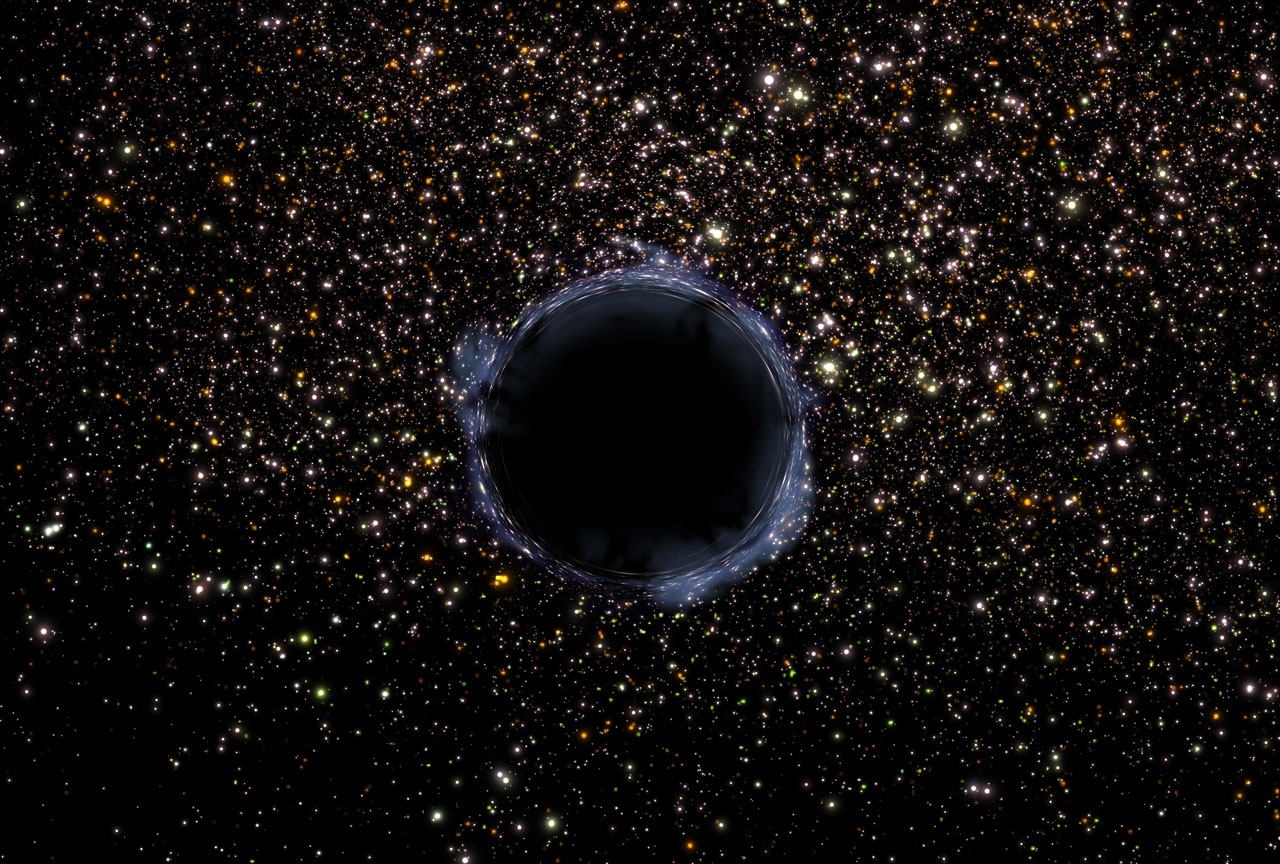
A star in a galaxy passes by a black hole closely enough to be destroyed once every 10,000 years. It is possible to detect the death of a star in a fairly distant galaxyas the destruction of a star generates a bright X-ray flare; it is only necessary to distinguish such a flare from other types of X-ray radiation. Because flares occur in a variety of astrophysical processes, the task of finding stars destroyed by black holes is quite complicated. (Credit: Sergei Sazonov)
via mipt

New clue on the formation of a black hole

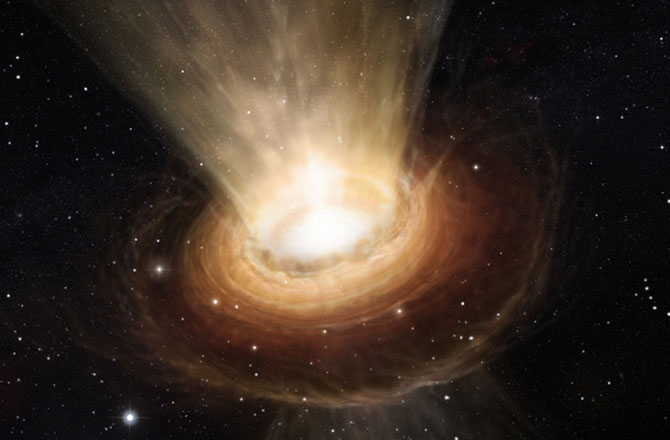
The recent finding of an intermediate-mass black hole provides evidence that could support some theories of how supermassive black holes form. (Credit: ESO/M. Kornmesser)
via discovery

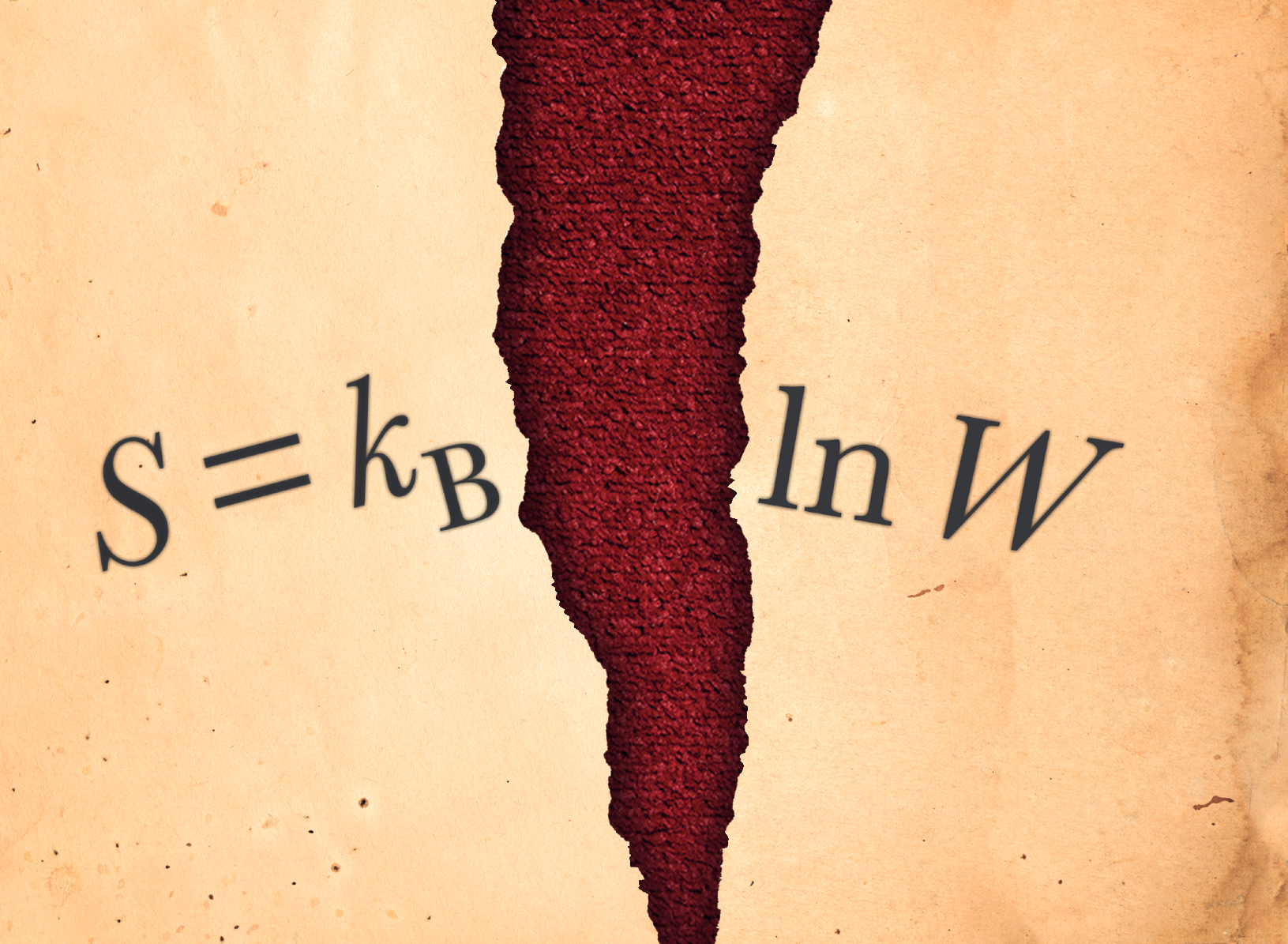
Roll over, Boltzmann

Screen Shot 2014-08-20 at 5.38.04 PM

 via cbpf

Where’s the Kaboom? Astronomers detect no x-ray emission from recent supernova explosion

via americaspace

Does gravity hold the key to proving existence of parallel worlds?

To date, perhaps some of the best evidence for parallel worlds actually arrives courtesy of an enigmatic oddity within deep-space, careening toward the Milky Way at an incredible 200,000 miles per hour. Though it’s more than 2 million light years away, the Andromeda galaxy, as observed by astronomers, appears to engage in anomalous behavior which, at times, suggests a strange gravitational phenomenon. Specifically, gravity that could be draining from another universe, as yet invisible to us, could be the impetus behind such anomalous phenomena in deep space. (Credit: Micah Hanks)
Some of the best evidence for parallel worlds actually arrives courtesy of an enigmatic oddity within deep-space, careening toward the Milky Way at an incredible 200,000 miles per hour. Though it’s more than 2 million light years away, the Andromeda galaxy, appears to engage in anomalous behavior which suggests a strange gravitational phenomenon. Specifically, gravity that could be draining from another universe, as yet invisible to us, could be the impetus behind such anomalous phenomena. (Credit: Micah Hanks)
via mysteriousuniverse

Quantum State Can Turn About a Point Like a Ballerina

Having a single point in contact with the ground lets a ballerina spin. In the same way, a quantum state is dynamic because it can turn about a point thanks to quantum uncertainty, say CQT and Oxford researchers. (Credit: Michael Garner, courtesy English National Ballet)
via quantumlah

NASA’s first green fuel spacecraft figures out eco-power

via networkworld

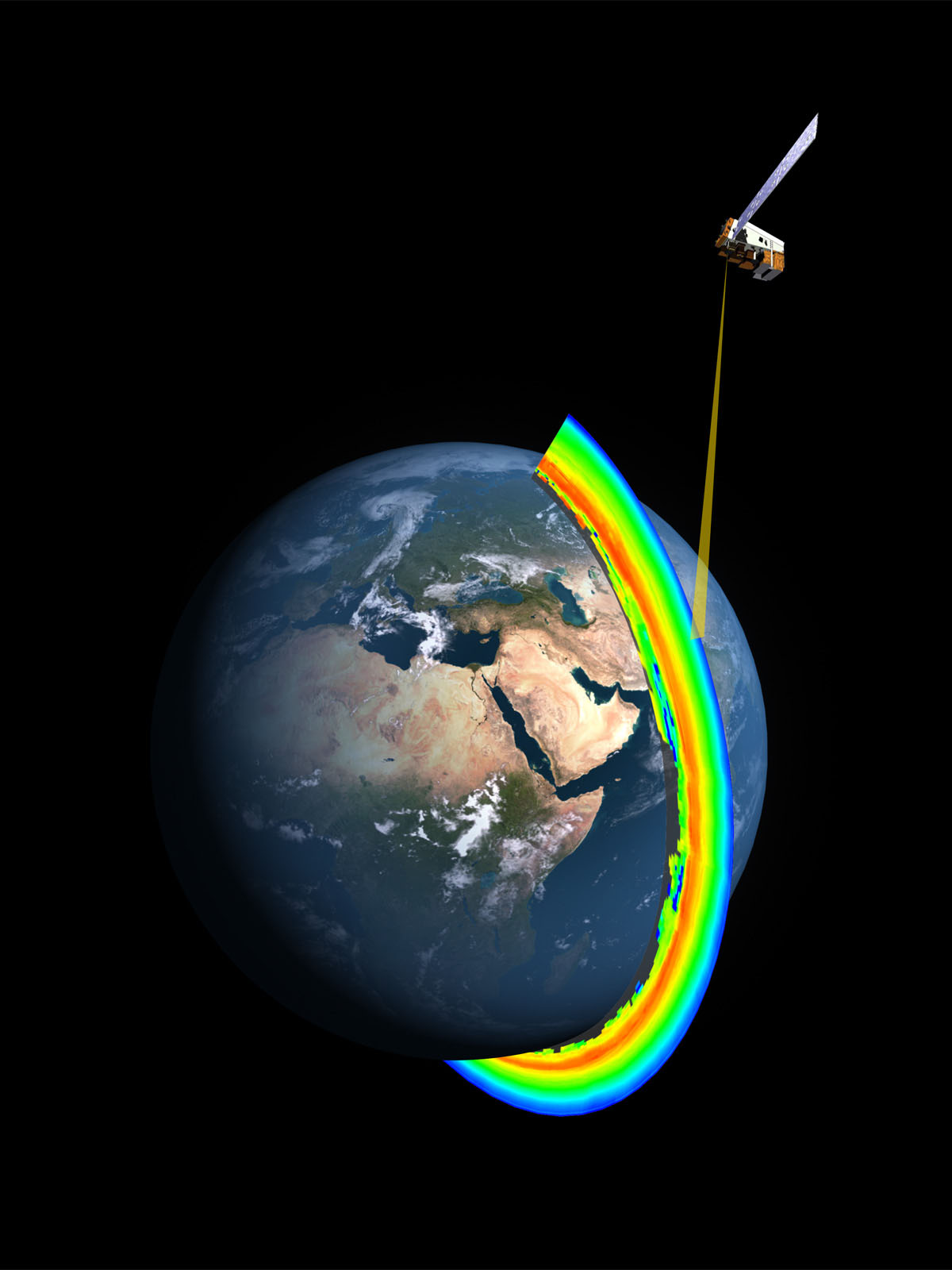
Mysterious source of ozone-depleting chemical baffles NASA

A cross-section of the Earth's ozone layer as measured by the limb profiler, part of the Ozone Mapper Profiler Suite that's aboard the Suomi NPP satellite. (Credit: NASA/NOAA)
A cross-section of the Earth’s ozone layer as measured by the limb profiler, part of the Ozone Mapper Profiler Suite that’s aboard the Suomi NPP satellite. (Credit: NASA/NOAA)
via ZeeNews

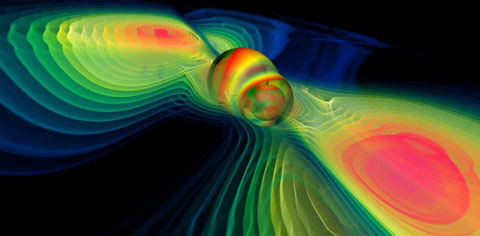
Can a plane bend upwards causing objects to be repelled?

A simulation of two colliding black holes. Colors reflect the variation of gravitational waves. (Credit: Werner Benger/NASA Blueshift)
via physicscentral

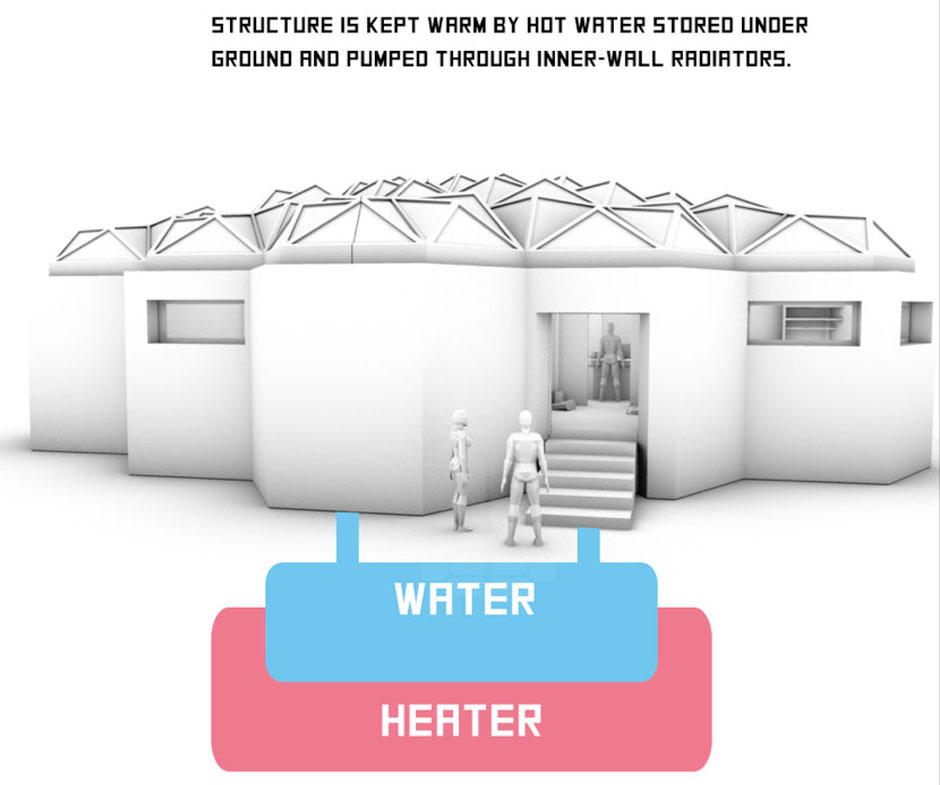
 NASA and markerbot reveal bioshielding dwelling for mars


via designboom


Physics in the News

Sunday, August 17, 2014

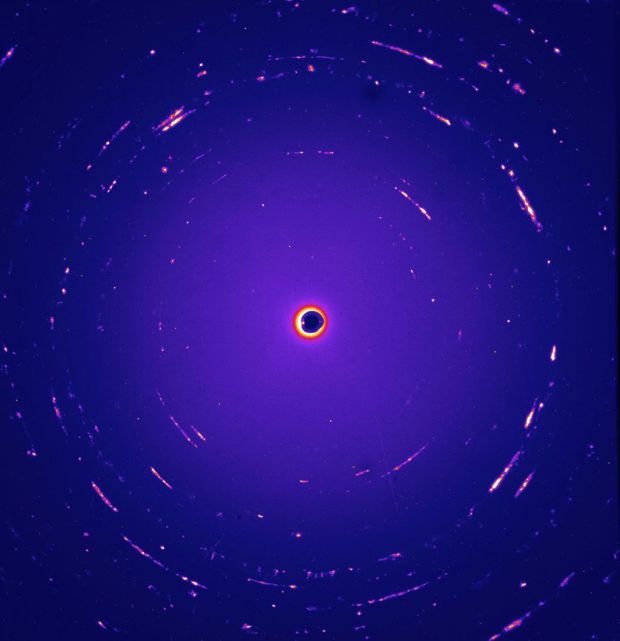
Dust in the interstellar wind: Seven particles of possible interstellar origin identified in samples returned by NASA’s stardust spacecraft

A team of researchers has identified seven dust particles that were returned to Earth in 2006 by NASA’s Stardust spacecraft, which might have originated in the interstellar medium. This false-color image shows a diffraction pattern created by one of these particles, named Orion. Image (Credit: Zack Gainsforth)
via americaspace

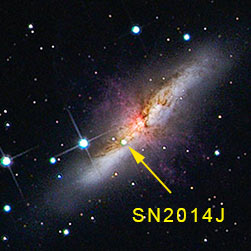
NASA’s Chandra observatory searches for trigger of nearby supernova

“While it may sound a bit odd, we actually learned a great deal about this supernova by detecting absolutely nothing,” said Raffaella Margutti of the Harvard-Smithsonian Center for Astrophysics (CfA) in Cambridge, Massachusetts, who led the study. “Now we can essentially rule out that the explosion was caused by a white dwarf continuously pulling material from a companion star.” (Credit: NASA)
via marketwatch

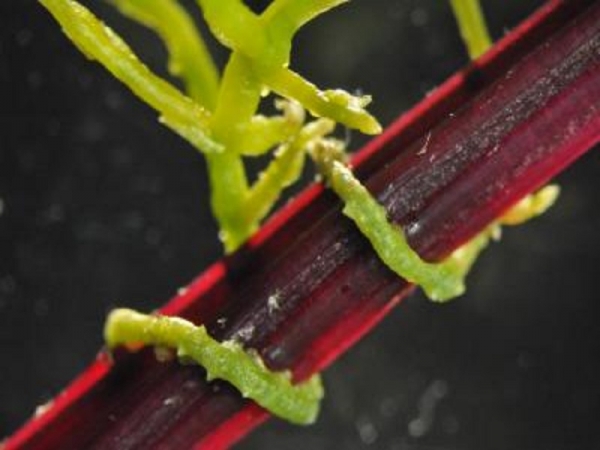
RNA exchange by vampire-like plant strangleweed inspires scientists

When parasitic plants such as dodder attack plants like the sugar beet shown here, there is a vast exchange of genetic information between the plants, a Virginia Tech researcher has discovered. (Photo : Virginia Tech College of Agriculture and Life Sceinces)
When parasitic plants such as dodder attack plants like the sugar beet shown here, there is a vast exchange of genetic information between the plants, a Virginia Tech researcher has discovered. (Credit: Virginia Tech College of Agriculture and Life Sceinces)
via techtimes

The violent past of a space rock that fell to Earth in Novato

The fragmentation of the Novato meteorite on Oct. 17, 2012, as depicted in a horizontally mirrored image to show the progression of the event (from left to right). (Robert P. Moreno Jr., Jim Albers and Peter Jenniskens/NASA-SETI)
via kqed

Young Hobart engineer Willem Olding maps out a revolutionary future in artificial intelligence

 Engineering PhD student Willem Olding aims to take out the tedium in creating mapping systems to free-up time for more important work. (Credit: Richard Jupe)
Engineering PhD student Willem Olding aims to take out the tedium in creating mapping systems to free-up time for more important work. (Credit: Richard Jupe)
via themercury

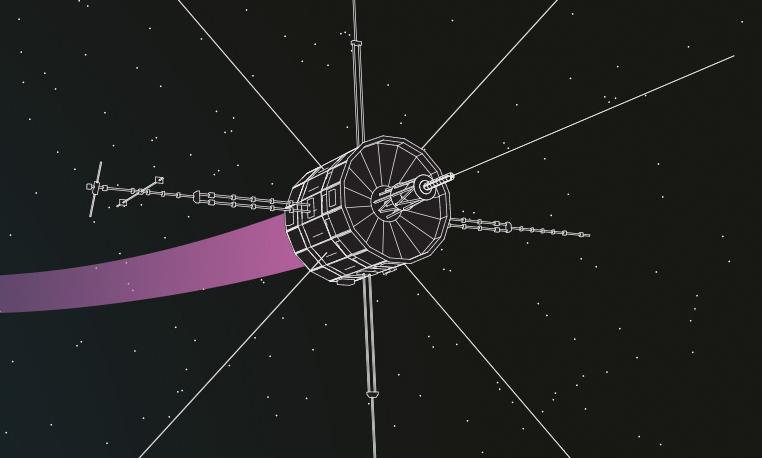
ISEE-3 Reboot Team Unable to Change Spacecraft’s Trajectory

NASA's International Sun-Earth Explorer 3 spacecraft, which launched in 1978, will fly by the moon on Aug. 10, 2014. Credit: SpacecraftforAll.
NASA’s International Sun-Earth Explorer 3 spacecraft, which launched in 1978, flew by the moon on Aug. 10, 2014 and is heading toward the sun. (Credit: SpacecraftforAll.com)
via tvtechnology

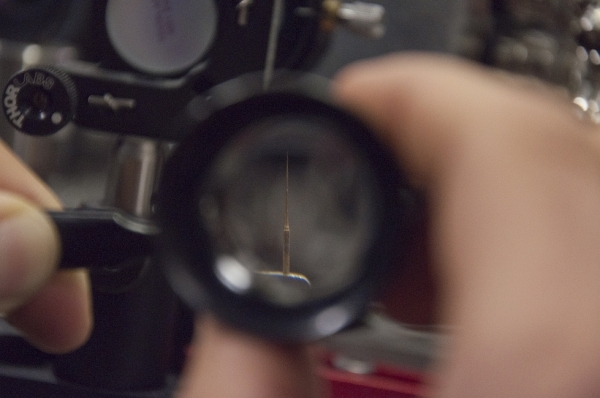
Atomic force microscope sensitivity increases 20 times, thanks to laser cooling

Lasers can be used to super-cool microscopes, making them 20 times more sensitive than ever before. (Photo : Quantum Optics Group, ANU
Lasers can be used to super-cool microscopes, making them 20 times more sensitive than ever before. (Credit: Quantum Optics Group, ANU)
via techtimes

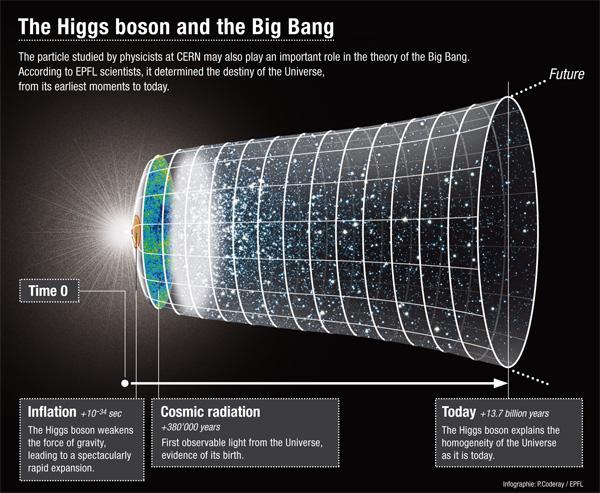
Higgs boson could also explain the earliest expansion of the Universe

The influence of the Higgs boson and its field (inset) on cosmological inflation could manifest in the observation of gravitational waves by the BICEP2 telescope (background). (Credit: EPFL)
via phys.org

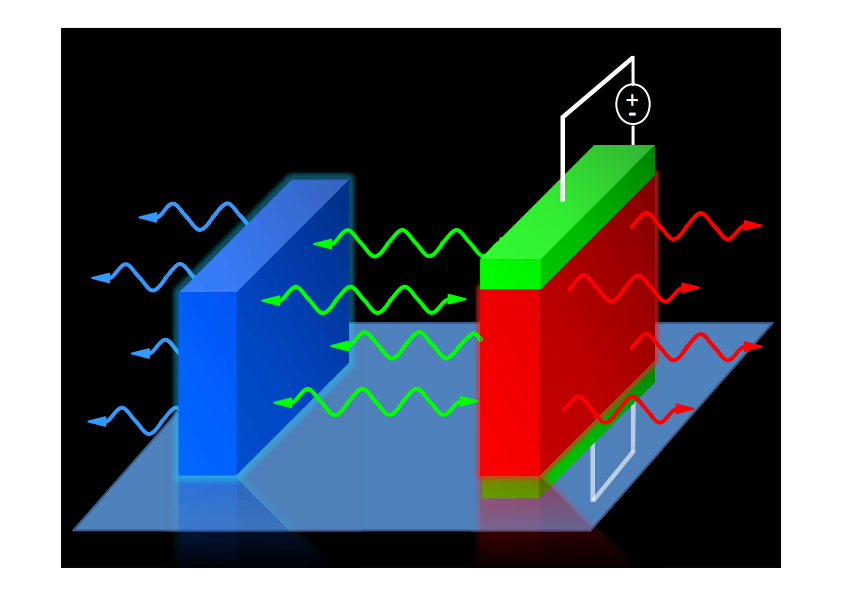
Focus: Fast bit-switching in a thermal memory

A bit of heat. Two parallel, thin plates that exchange heat via thermal radiation can form a thermal “bit” that changes rapidly between “one” and “zero.” One of them is made of a material like VO2 that switches between two states with different thermal properties, depending on its temperature. (Credit: P. Ben-Abdallah/Univ. of Paris-Sud)
via physics.aps

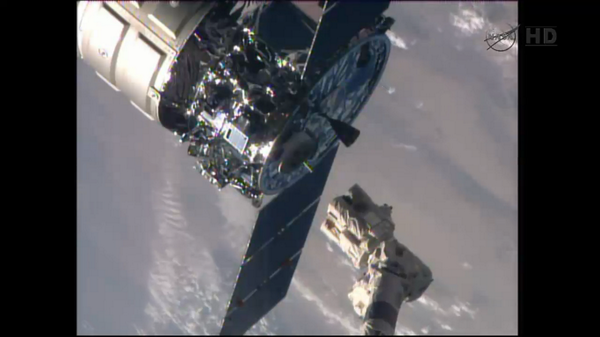
Cygnus commercial cargo ship ‘Janice Voss’ finishes resupply mission and departs space station

Cygnus Orb-2 spacecraft ‘Janice Voss’ bids farewell to the ISS at 6:40 a.m. EDT, Friday, Aug. 15, 2014. It’s set to reenter the atmosphere on Aug. 17. (Credit: NASA TV)
via universetoday

Physics in the News

Thursday, August 14, 2014

Asteroid defies laws of physics, baffles researchers

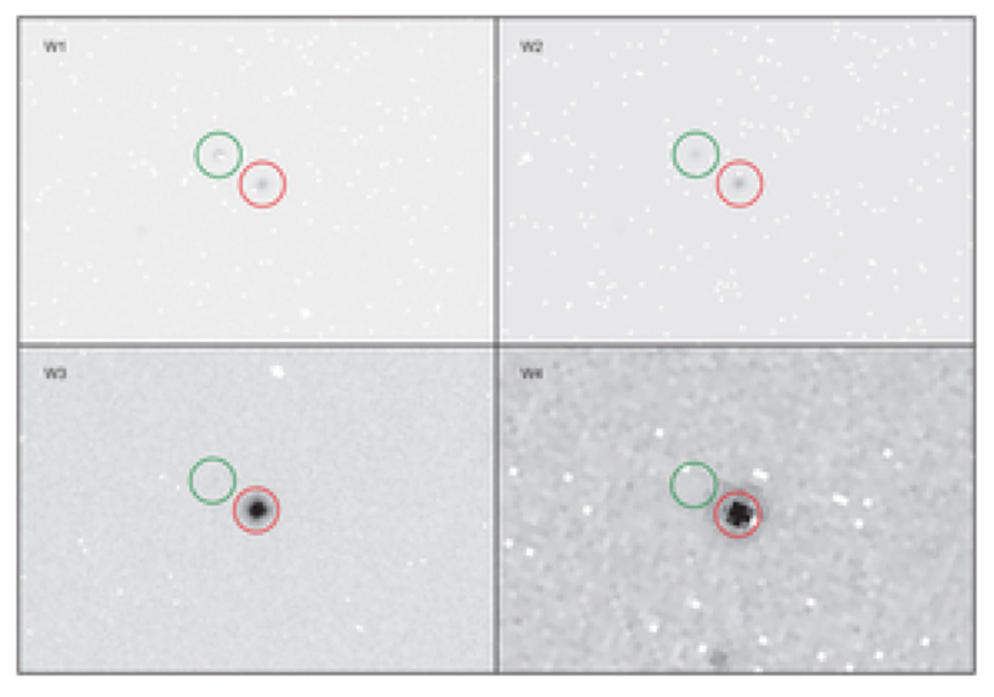
 WISE thermal-infrared images of (29075) 1950 DA. The image scale is 2.75 arcsec per pixel for the W1, W2 and W3 bands and 5.53 arcsec per pixel for the W4 band. White pixels are ‘bad’ pixels that do not contain data. The object seen to the upper left of (29075) 1950 DA (red circle) (Credit: Rozitis, MacLennan & Emery)
WISE thermal-infrared images of (29075) 1950 DA. The image scale is 2.75 arcsec per pixel for the W1, W2 and W3 bands and 5.53 arcsec per pixel for the W4 band. White pixels are ‘bad’ pixels that do not contain data. The object seen in the red circle is  (29075) 1950 DA. (Credit: Rozitis, MacLennan, Emery)
via techtimes

Hubble eyes galaxy as it gets a cosmic hair ruffling

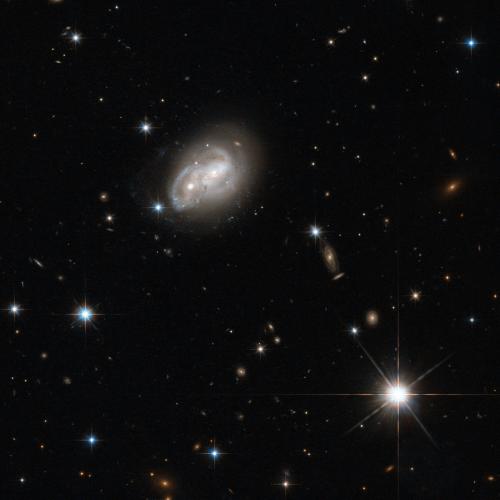
From objects as small as Newton's apple to those as large as a galaxy, no physical body is free from the stern bonds of gravity, as evidenced in this stunning picture captured by the Wide Field Camera 3 and Advanced Camera for Surveys onboard the NASA/ESA Hubble Space Telescope. (Credit: ESA/Hubble & NASA, Acknowledgement: Luca Limatola)
From objects as small as Newton’s apple to those as large as a galaxy, no physical body is free from the stern bonds of gravity, as evidenced in this stunning picture captured by the Wide Field Camera 3 and Advanced Camera for Surveys onboard the NASA/ESA Hubble Space Telescope. (Credit: ESA/Hubble & NASA, Acknowledgement: Luca Limatola)
via phys

Novel project to develop tiny flat molecule tapes

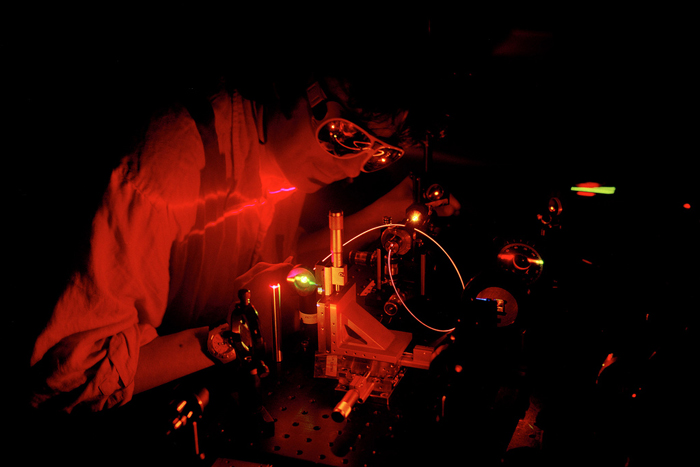
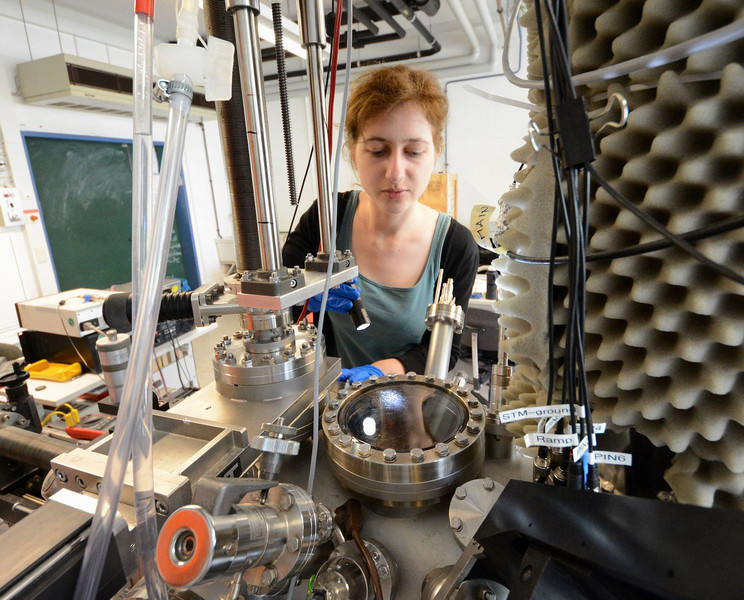
Alissa Wiengarten, PhD student at the TUM Department of Physics, heats a porphine powder in a vacuum chamber. (Credit: Thorsten Naeser/Munich-Centre for Advanced Photonics)
via azonano

Quantum-Memory imprint discovered in light emission

Semiconductor quantum-dot microring laser emits light whose emission intensity exhibits oscillations due to quantum memory between excitation and light Emission. Pressestelle der Philipps-Universität Marburg/Fachgebiet Theoretische Halbleiterphysik
Semiconductor quantum-dot microring laser emits light whose emission intensity exhibits oscillations due to quantum memory between excitation and light Emission. (Credit: Philipps-Universität Marburg/Fachgebiet Theoretische Halbleiterphysik)
via innovations-report

Investigating soil moisture dynamics using cosmic-ray technology

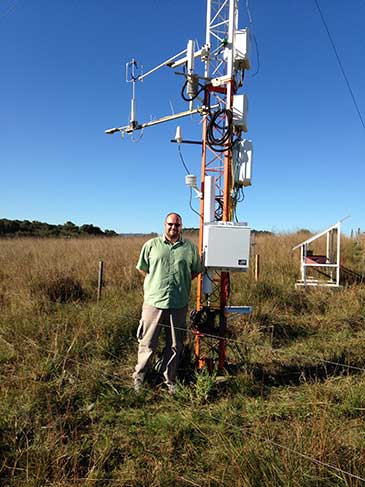
Dr Rosolem with the cosmic-ray soil moisture sensor installed at the the Federal University of Santa Maria SulFlux site in Brazil
Dr Rosolem with the cosmic-ray soil moisture sensor installed at the the Federal University of Santa Maria SulFlux site in Brazil. (Credit: Univ Bristol)
via bristol

Particle physicists measure the spin contribution of the proton’s antiquark

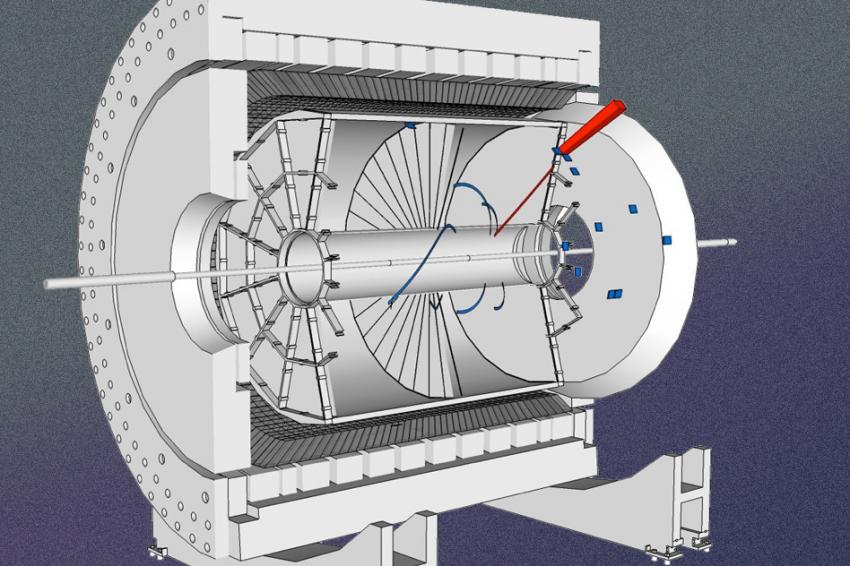
 The STAR detector, used in the researchers' experiment, measures the energy and angle of the electron from the W boson decay produced in the proton collision. (Credit: STAR Collaboration)
The STAR detector, used in the researchers’ experiment, measures the energy and angle of the electron from the W boson decay produced in the proton collision. (Credit: STAR Collaboration)
via phys

Nanosilver gives electron microscopy a boost

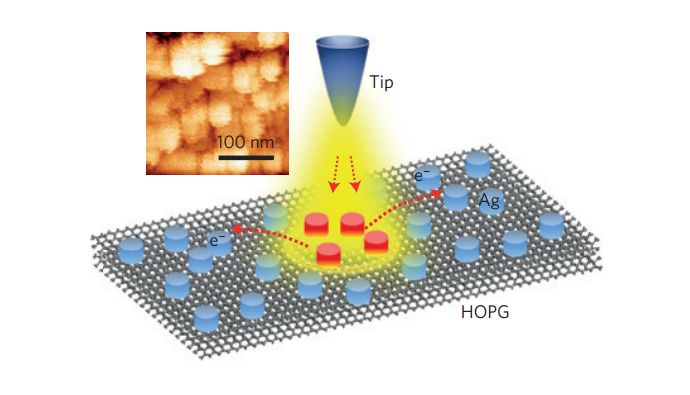
Experimental arrangement. A tip is approached to a distance of micrometres from a grounded highly ordered pyrolytic graphene (HOPG) surface carrying Ag nanostructures (illustrated in the inset). Electrons are field-emitted from the tip when a negative tip voltage Vt of hundreds of volts is applied, and the surface plasmon resonance (SPR) of the Ag nanostructures is excited by the field-emitted electrons under a strong electric field introduced by the tip–sample bias. The backscattered electrons are collected and analysed by the TEEA. (Credit: Nature Physics (2014) doi:10.1038/nphys3051)
via asianscientist

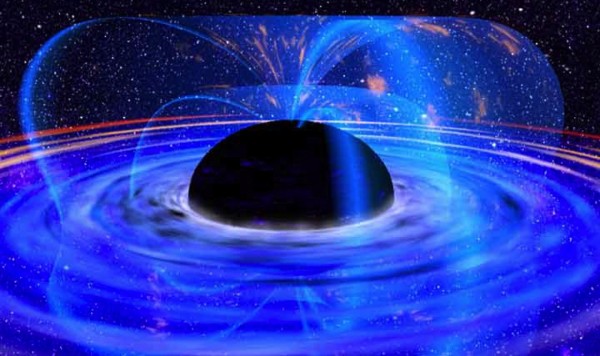
Supermassive black holes’ diets revealed: Crushed stars and X-rays

Because of that alacrity, and the fact that they had repeat observations at roughly a decade's detach, the Russian scientists were able to single out stars that dimmed by at least tenfold. They've been named 1RXS J114727.1 + 494302, 1RXS J130547.2 + 641252, and 1RXS J235424.5-102053. (Credit: Davies, NASA)
Because of that alacrity, and the fact that they had repeat observations at roughly a decade’s detach, the Russian scientists were able to single out stars that dimmed by at least tenfold. They’ve been named 1RXS J114727.1 + 494302, 1RXS J130547.2 + 641252, and 1RXS J235424.5-102053. (Credit: Davies, NASA)
via slashgear

Could Mystery Signal Detected Be Proof of Dark Matter?

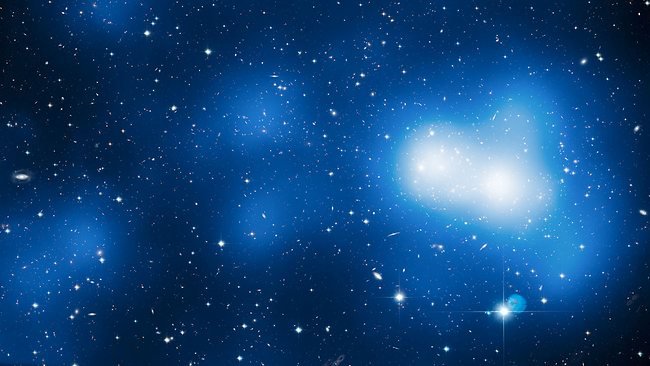
Could a mystery signal that has been detected be proof of dark matter? While searching through the fundamental structures of various galaxy clusters, astrophysicists located at Harvard University found a bizarre discharge line they are having trouble in identifying.  (Credit: Kimberly Ruble)
Could a mystery signal that has been detected be proof of dark matter? While searching through the fundamental structures of various galaxy clusters, astrophysicists located at Harvard University found a bizarre discharge line they are having trouble in identifying. (Credit: Kimberly Ruble)
via guardianlv

Physics in the News

Saturday, August 9, 2014

High-energy particle collisions reveal the unexpected

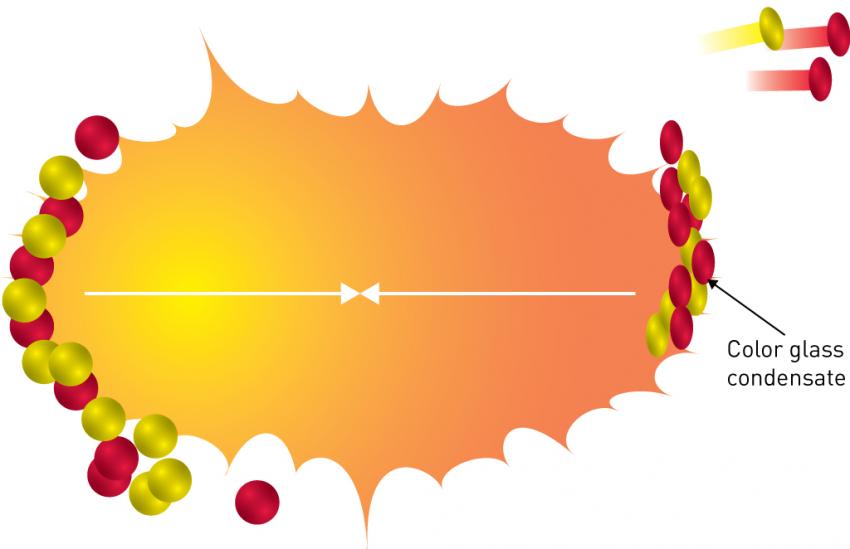
High-energy collisions between nuclei (white arrows) produce a cloud of elementary particles including quarks (red) and gluons (yellow). When gluons form an expansion front, they can produce a wall of matter called a color glass condensate, which eventually dissipates as the expansion continues. (Credit: © 2014 Larry McLerran, RIKEN–BNL Research Center)
via phys

Watch water run UP a wall: Material that allows liquid to defy gravity could spell the end of windscreen wipers(VIDEO)

via cnet

Lonely supernovae may have been kicked out of their galaxies

University of Warwick researchers explain mystery of the loneliest supernovas. Compact binary star systems that have been thrown far from their host galaxy when one star of that pair became a neutron star, go through a second trauma when the remaining white dwarf star is eventually pulled onto the neutron star. (Credit: Mark A. Garlick / space-art.co.uk / University of Warwick)
via forbes

Whovian physicists claim TARDIS time travel is possible

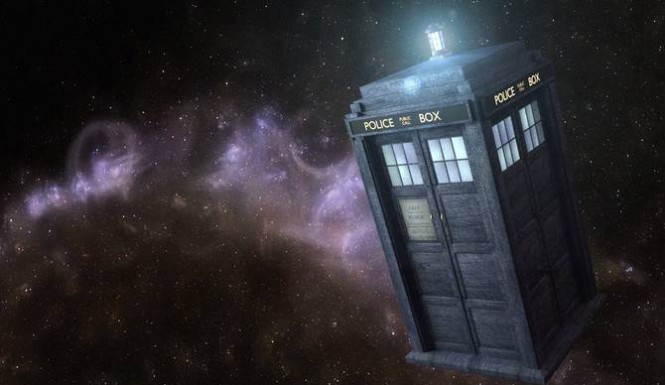
While time travel may be theoretically possible, there are unfortunately several drawbacks to the researchers’ TARDIS concept. In order to function, it requires the use of exotic matter, which has yet to be shown to exist in our universe. Time travel would also have to violate classical mechanics, and in order to move in anything other than a circular direction in both time and space, more than one TARDIS curve would need to be constructed, raising the possibility of exiting the time vortex into a universe of anti-matter. (Credit: Bitbillions)
While time travel may be theoretically possible, there are unfortunately several drawbacks to the researchers’ TARDIS concept. In order to function, it requires the use of exotic matter, which has yet to be shown to exist in our universe. Time travel would also have to violate classical mechanics, and in order to move in anything other than a circular direction in both time and space, more than one TARDIS curve would need to be constructed, raising the possibility of exiting the time vortex into a universe of anti-matter.
(Credit: Bitbillions)
via inquisitr

String theory coming unstrung even among science writers?

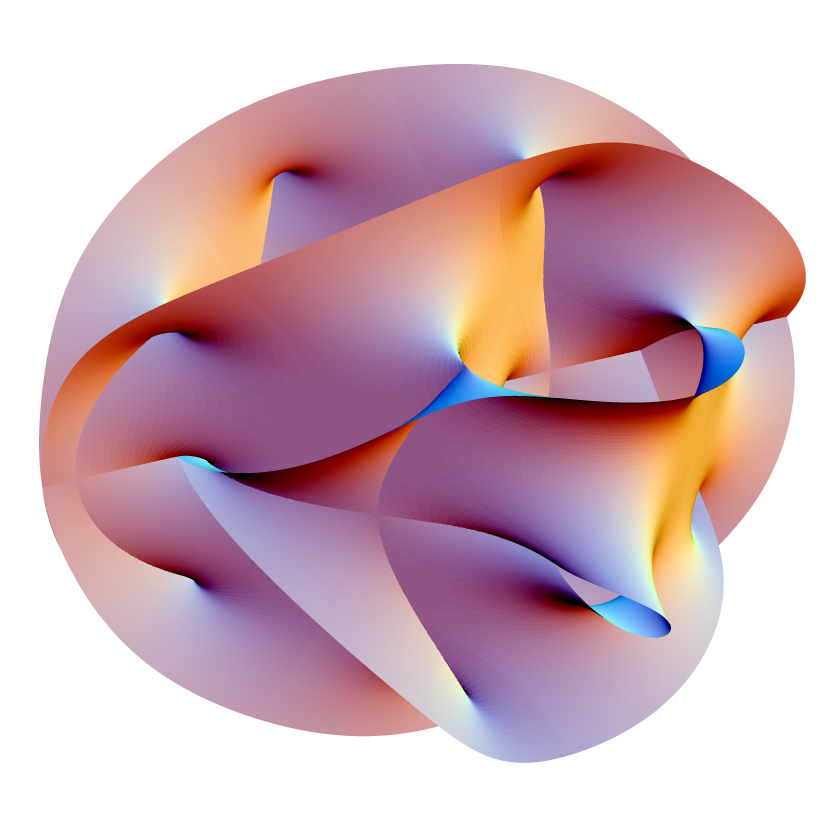
A construction for computer visualization of certain complex curves" (Credit: CC BY-SA 2.5)
A construction for computer visualization of certain complex curves. Science journalist, Tom Siegfried, has been one of the most vociferous proponents of string theory for many, many years, but even his faith seems like it might be failing as the decades roll on. (Credit: CC BY-SA 2.5)
via columbia

Watch Pluto and Charon engage in their orbital dance

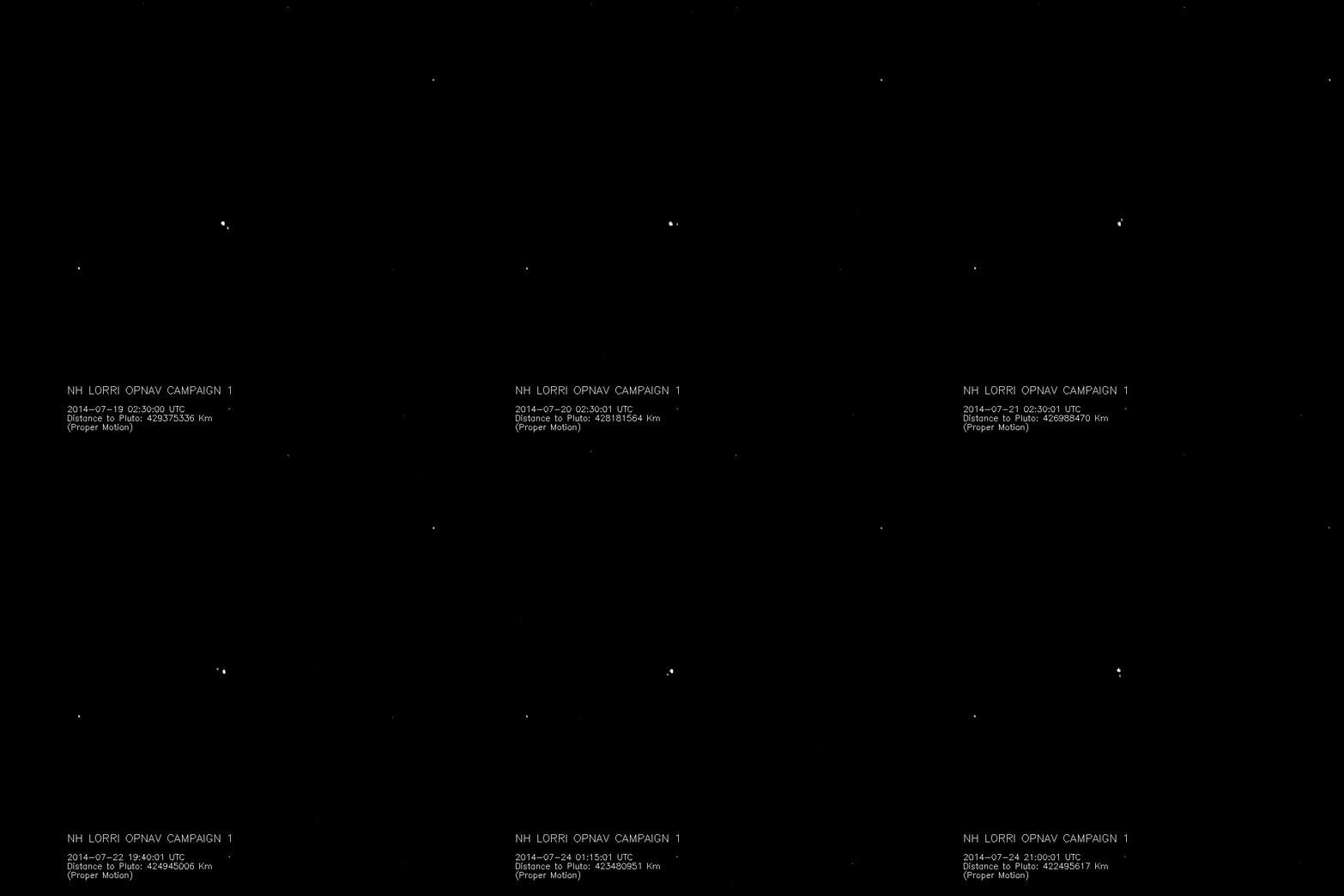
Animation of Pluto and Charon showing nearly a full rotation (Credit: NASA/Johns Hopkins University Applied Physics Laboratory/Southwest Research Institute)
via universetoday

Rosetta will teach us more about comets than we have learned in 50 years

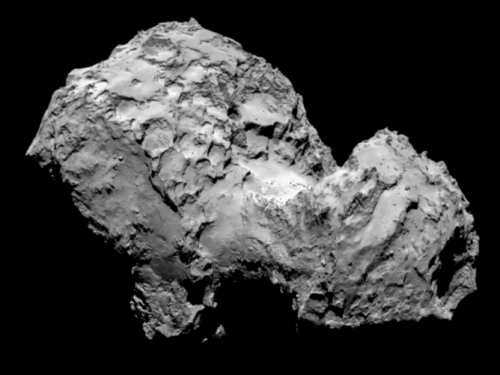
Do you see a duck?  On August 6, millions of miles away from Earth, the firing of a rocket thruster signalled the end of a decade-long journey by a European spacecraft to reach its ultimate target – the 'duck' comet. (Credit: ESA/Rosetta/MPS)
Do you see a duck? On August 6, millions of miles away from Earth, the firing of a rocket thruster signalled the end of a decade-long journey by a European spacecraft to reach its ultimate target – the ‘duck’ comet. (Credit: ESA/Rosetta/MPS)
via phys

Nature’s magnifying glass: Gravitational lensing

A typical magnifying glass works by bending light (i.e. refraction) to a focus point, in this case your eye. In a similar way, gravitational lensing also works by bending light, but in this case it is mass from another galaxy bending the light. This galaxy that extends far into space causes light rays passing near and through its gravitational field to bend and again refocus onto a particular location. The more massive and dense the matter, the more bending and refracting. (Credit: Flickr, Hubble Heritage)
via united-academics

Cassini prepares for its biggest remaining burn

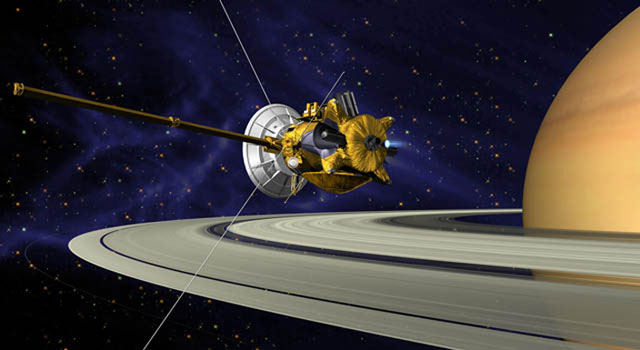
This is an artists concept of Cassini during the Saturn Orbit Insertion (SOI) maneuver, just after the main engine has begun firing. (Credit: NASA/JPL)
via phys

Physics in the News

Thursday, August 7, 2014

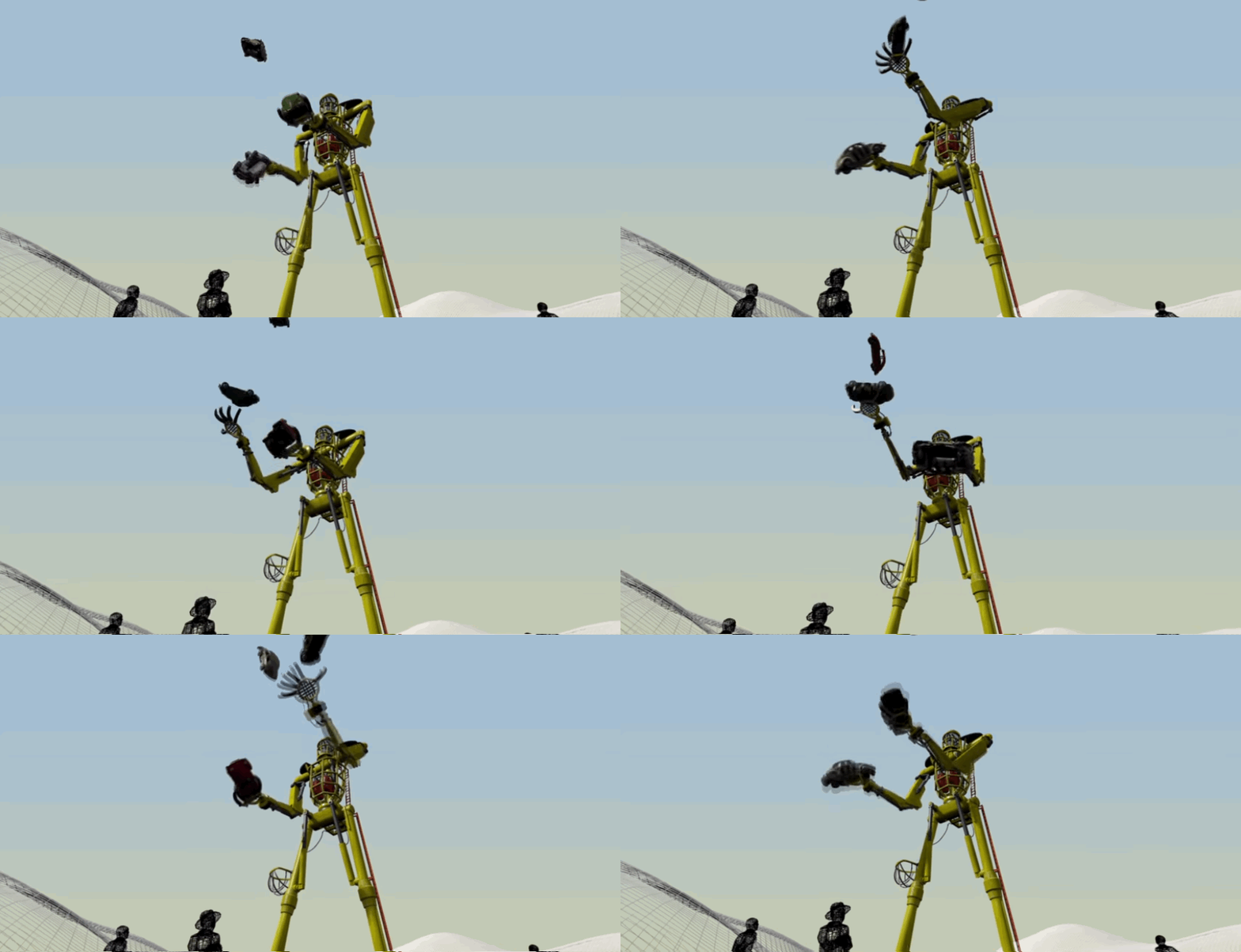
Meet the former NASA engineer who wants to build a giant robot that can juggle cars(VIDEO)


via businessinsider

Baby universe picture brought closer to theory

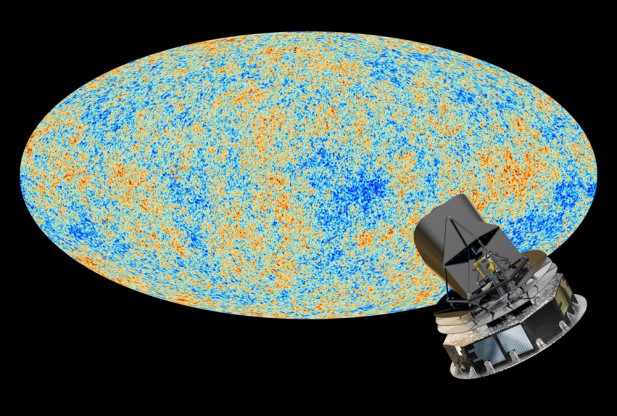
 The anisotropies of the Cosmic microwave background (CMB) as observed by Planck. The CMB is a snapshot of the oldest light in our Universe, imprinted on the sky when the Universe was just 380 000 years old. It shows tiny temperature fluctuations that correspond to regions of slightly different densities, representing the seeds of all future structure: the stars and galaxies of today. (Credit: ESA and the Planck Collaboration - D. Ducros)
The anisotropies of the Cosmic microwave background (CMB) as observed by Planck. The CMB is a snapshot of the oldest light in our Universe, imprinted on the sky when the Universe was just 380 000 years old. It shows tiny temperature fluctuations that correspond to regions of slightly different densities, representing the seeds of all future structure: the stars and galaxies of today. (Credit: ESA and the Planck Collaboration – D. Ducros)
via redorbit

Massive neutrinos may not bring about cosmological concordance after all

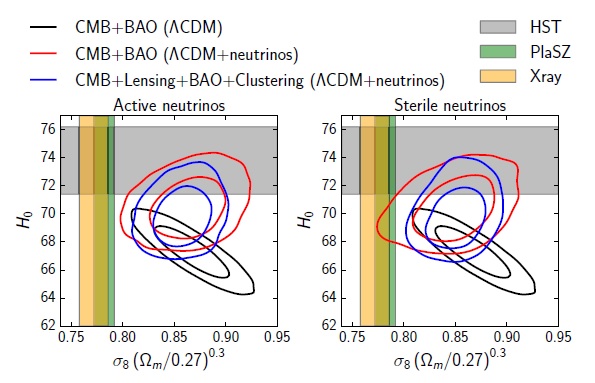
Scientists have found that tension among different data sets persists even after accounting for massive sterile neutrinos, possibly indicating systematic biases in the measurements. (Credit: Leistedt, et al. ©2014 American Physical Society)
via phys

Grad student aims to improve particle accelerators

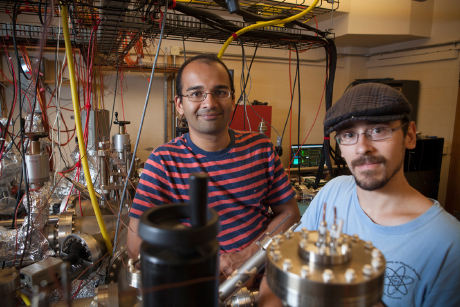
Siddharth Karkare, left, and Laurent Boulet '14 in the Newman Hall photocathode research lab. (Credit: Lindsay France/University)
Siddharth Karkare, left, and Laurent Boulet ’14 in the Newman Hall photocathode research lab. (Credit: Lindsay France/University)
via cornell

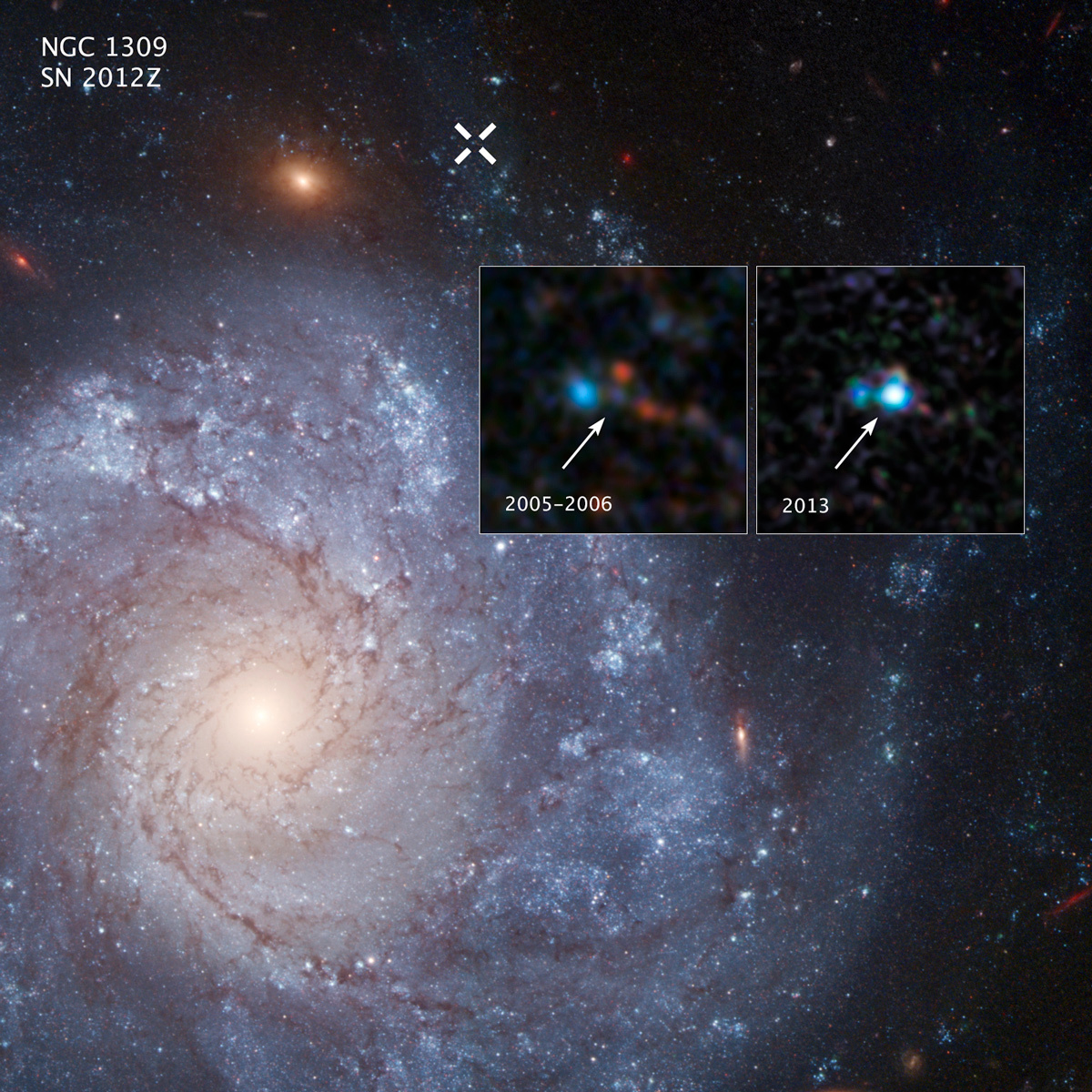
Hubble finds supernova star system linked to potential ‘zombie star’

(Credit: NASA)
The two inset images show before-and-after images captured by NASA’s Hubble Space Telescope of Supernova 2012Z in the spiral galaxy NGC 1309. The white X at the top of the main image marks the location of the supernova in the galaxy. (Credit: NASA)
via time

Pew Finds Experts Divided On Whether Robots Will Be Good For Society

Nearly half of the respondents (48%) predicted that robots and AI will displace more jobs than they create over the coming decade. While that left a slim majority believing the impact of technology on employment will be neutral or positive. (Credit: Humanrobo/Wikimedia Commons)
via forbes
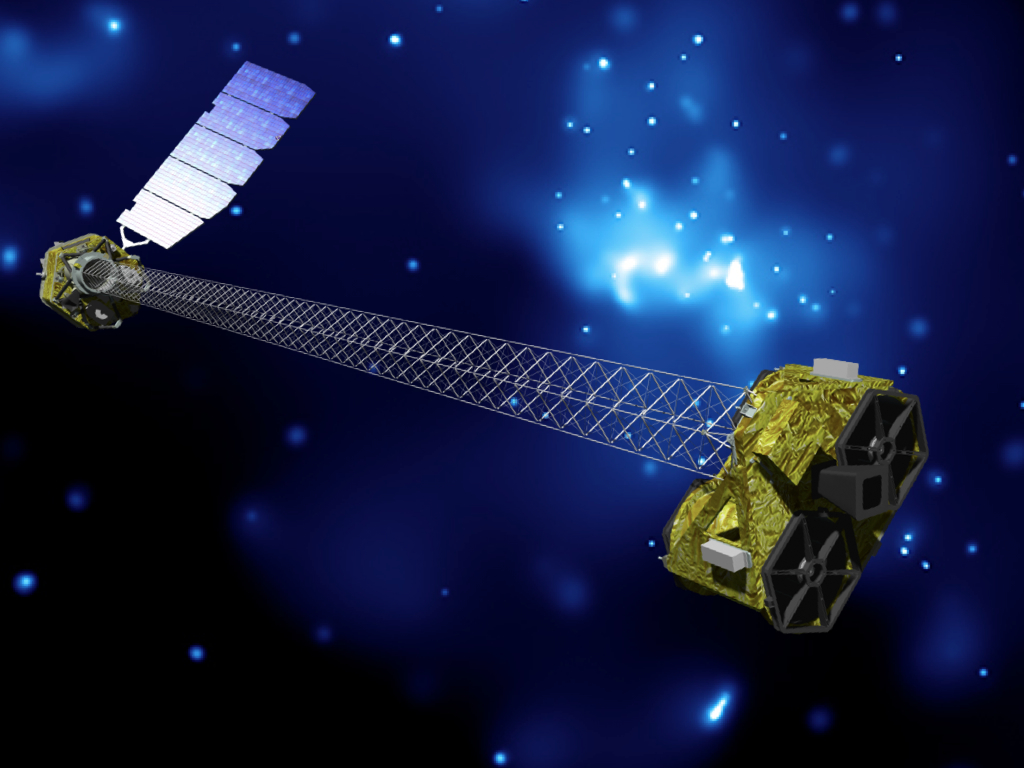
NASA’s Nuclear Spectroscopic Telescope Array Moves onto Two-Year Extension
Credit: NASA/JPL/Caltech)
NASA’s Nuclear Spectroscopic Telescope Array Moves onto Two-Year Extension. (Credit: NASA/JPL/Caltech)
via azoquantum