Physics in the News

Saturday, July 19, 2014

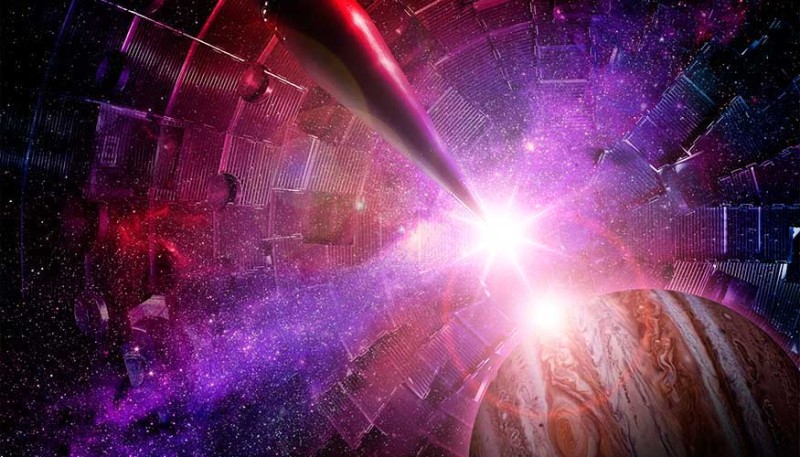
Scientists use world’s largest laser to recreate Jupiter’s core
The interior of the target chamber at the National Ignition Facility at Lawrence Livermore National Laboratory. The object entering from the left is the target positioner, on which a millimeter-scale target is mounted. Researchers recently used NIF to study the interior state of giant planets. (Credit: Image by Damien Jemison/LLNL)
via sciencedaily

Panning for dark matter in an Australian gold mine
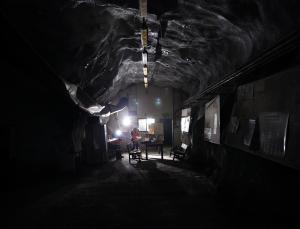
Michael Slezak goes deep under the outback to find a home for the southern hemisphere's first WIMP detector, which could confirm our best direct signal yet(Credit: Michael Slezak)
Michael Slezak goes deep under the outback to find a home for the southern hemisphere’s first WIMP detector, which could confirm our best direct signal yet(Credit: Michael Slezak)
via newscientist

Let me ask you this: ‘Are bananas radioactive and is it true that eating too many can kill you?’
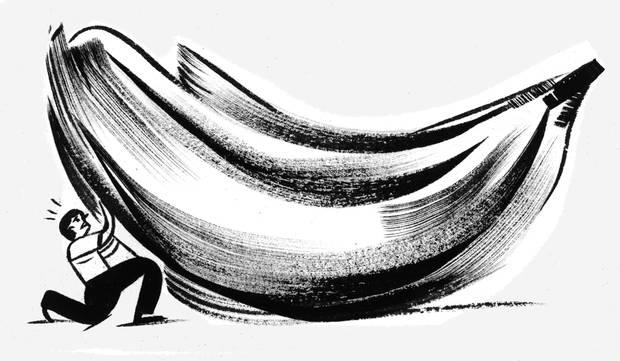
Yes, you will certainly die from radiation poisoning if you are able to eat 10,000,000 bananas at once. You may also witness chronic symptoms if you eat 274 bananas a day for seven years.
Yes, you will certainly die from radiation poisoning if you are able to eat 10,000,000 bananas at once. You may also witness chronic symptoms if you eat 274 bananas a day for seven years. (Credit: Ping Zhu)
via independent

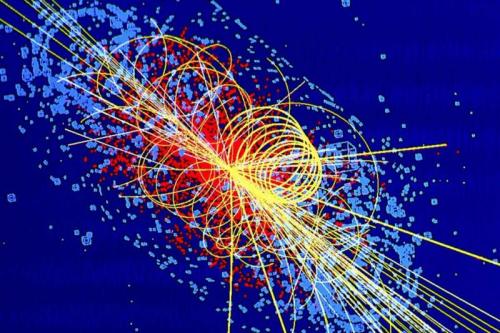
Higgs boson glimpsed at work for first time
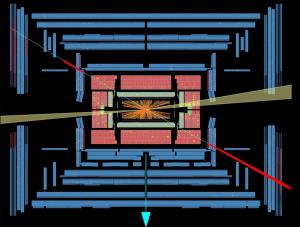
Fresh from the ATLAS detector at the Large Hadron Collider (Credit: CERN)
via newscientist

Scattered neutrons could mimic DAMA-LIBRA’s ‘dark matter’ modulation
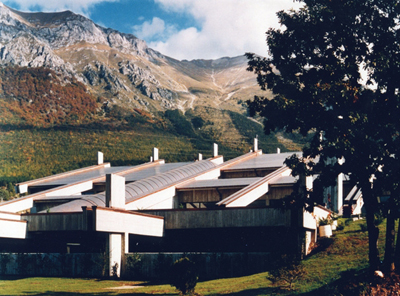
On a high: do muons and neutrinos mimic DAMA's signal? (Credit: DAMA/LIMA)
On a high: do muons and neutrinos mimic DAMA’s signal? (Credit: DAMA/LIMA)
via physicsworld

OSIRIS-REx asteroid mission will use Canadian 3D technology
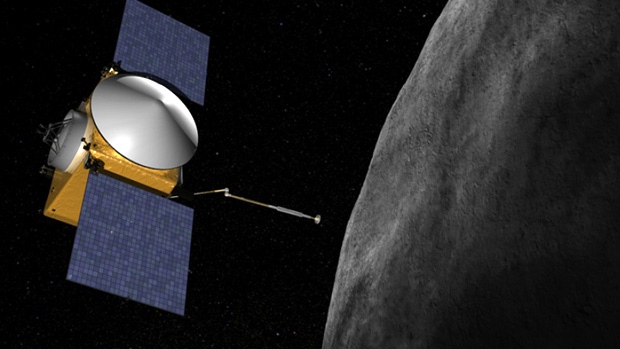
Canada is about to build technology that will be used to map an asteroid in 3D using lasers on an upcoming space mission.
Canada is about to build technology that will be used to map an asteroid in 3D using lasers on an upcoming space mission. (Credit CSA)
via cbc

Physics in the News

Friday, July 18, 2014

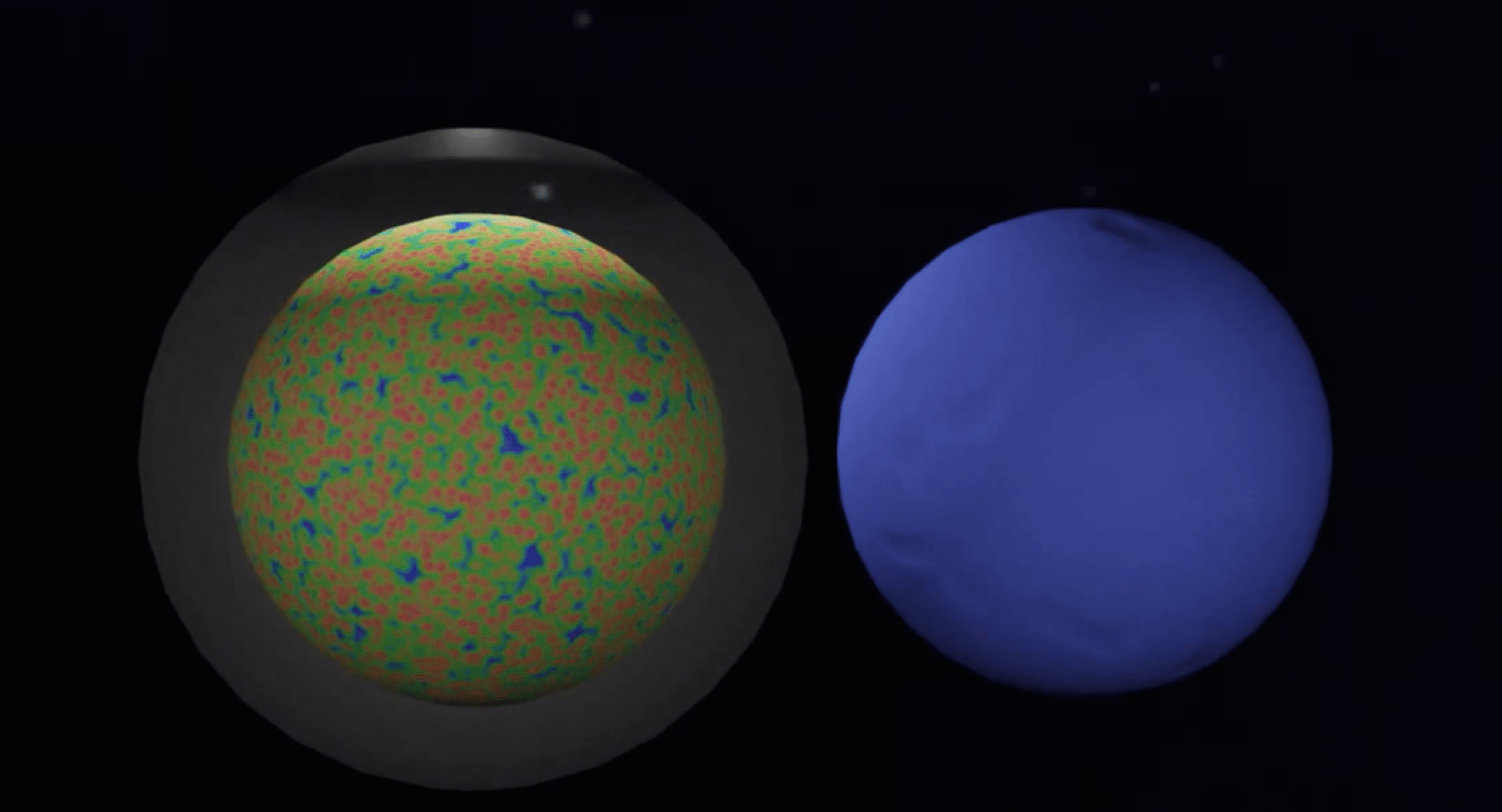
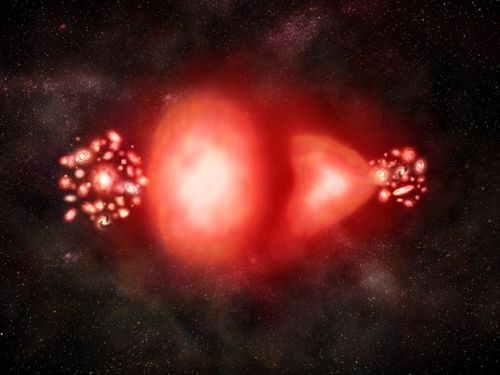
Is the universe a bubble? Let’s check(VIDEO)

via perimeterinstitute

Meet the electric life forms that live on pure energy(VIDEO)

via newscientist

Scientists crush diamond with pressure from world’s biggest laser(VIDEO)

via upi

Asteroid Vesta Has a Colorful History(VIDEO)

via nationalgeographic

NASA space station commander discusses life and work floatig in space(VIDEO)

via spaceref

Physics in the News

Monday, July 14, 2014

Confirmed: Magnetic waves cannot accelerate solar wind(VIDEO)

via thewatchers

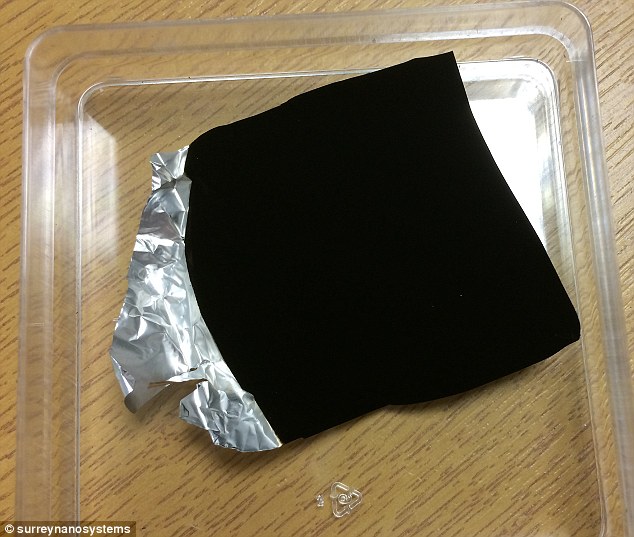
British researchers devise material so dark it looks like a black hole

British scientists have created a material which absorbs all but 0.035 per cent of light, a new world record, and is so dark the human eye struggles to discern what it is that it is seeing, giving the appearance of a black hole. (Credit: Surrey Nano Systems)
via independent

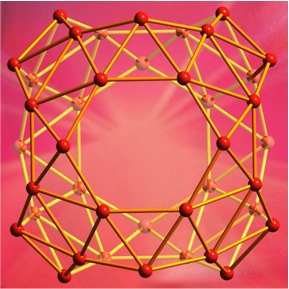
Boron ‘buckyball’ discovered

Researchers have shown that clusters of 40 boron atoms form a molecular cage similar to the carbon buckyball. This is the first experimental evidence that such a boron cage structure exists. (Credit: Wang lab / Brown University)
via .phys.org

How To Measure A Sun-Like Star’s Age

Image Caption: Artist's conception of a hypothetical exoplanet orbiting a yellow, Sun-like star. Astronomers have measured the ages of 22 Sun-like stars using their spins, in a method called gyrochronology. Before now, only two Sun-like stars had measured spins and ages. (Credit: David A. Aguilar (CfA))
Artist’s conception of a hypothetical exoplanet orbiting a yellow, Sun-like star. Astronomers have measured the ages of 22 Sun-like stars using their spins, in a method called gyrochronology. Before now, only two Sun-like stars had measured spins and ages. (Credit: David A. Aguilar (CfA))
via redorbit

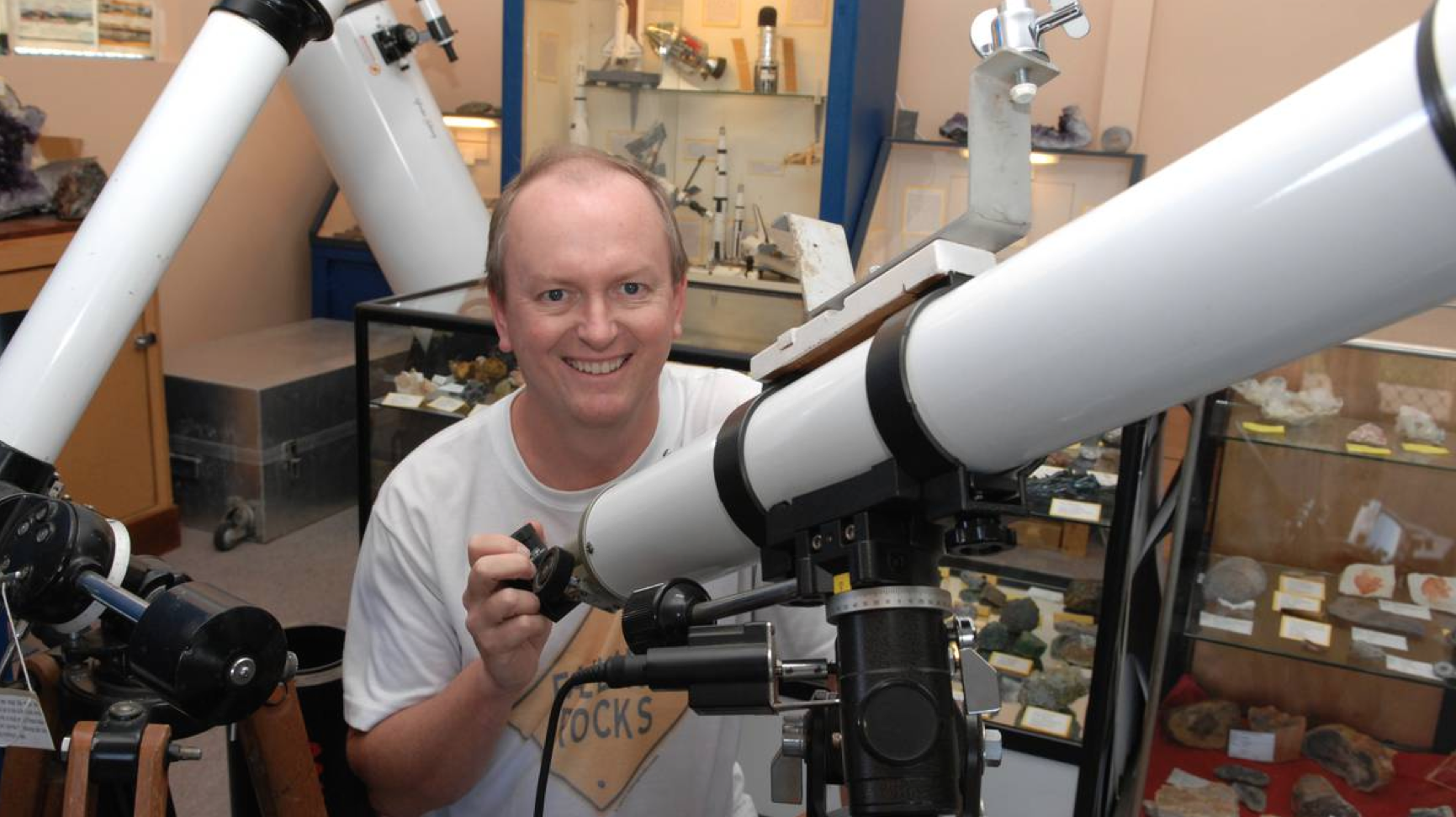
Keeping an eye on passing asteroids

Bathurst Observatory Research Facility manager Ray Pickard said work will begin on the Bathurst Asteroid Research Telescope next week. (Credit: ZENIO LAPKA)
via westernadvocate

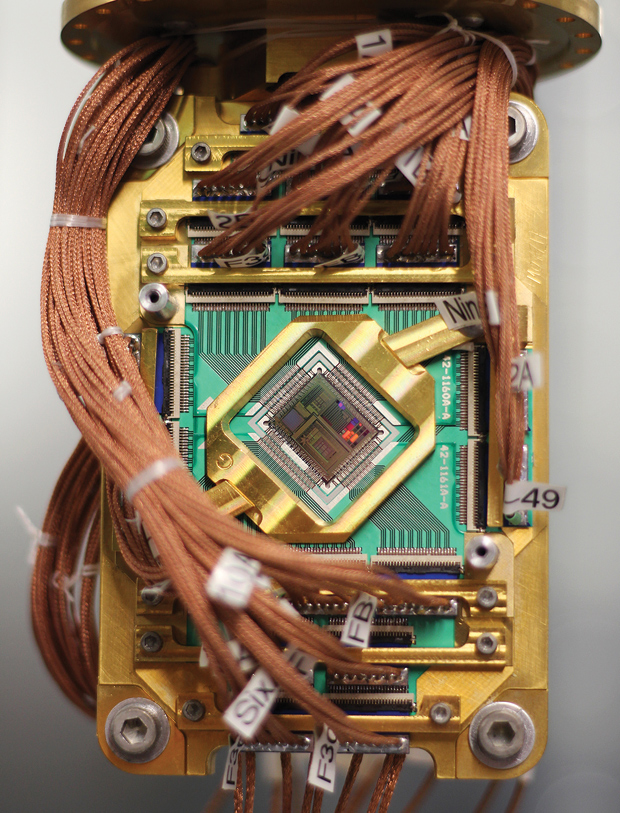
D-Wave Systems Secures $30M (CAD) Funding to Accelerate Quantum Computing

What’s going on inside the D-Wave Two is still a matter of debate. (Credit D-Wave Systems)
via marketwatch

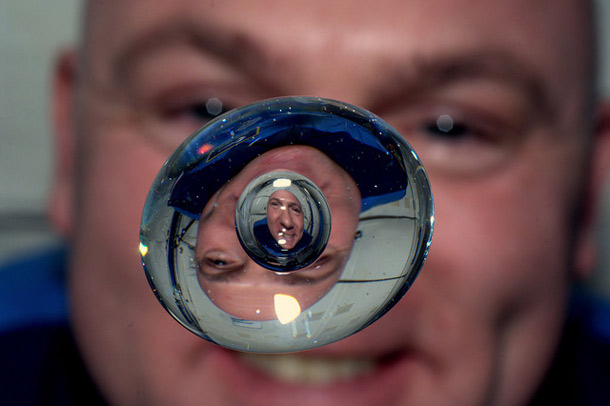
A light bending exercise… in space!

An air bubble was blown into the water droplet to create this effect. (Credit: Imgur)
On Board the International Space Station, ESA astronaut Andre Kuipers blows an air bubble into a water droplet to create this effect. (Credit: ESA/NASA)
via discover

Physics in the News

Friday, July 4, 2014

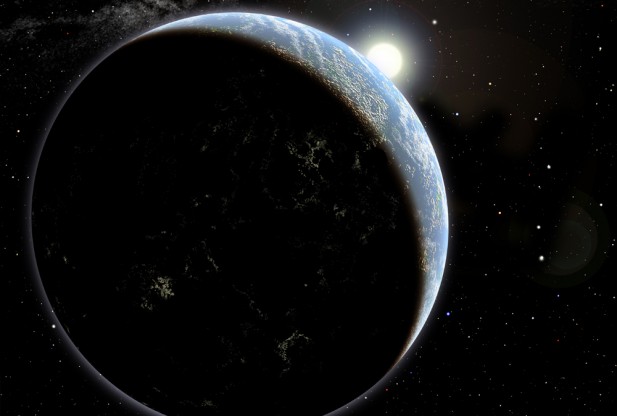
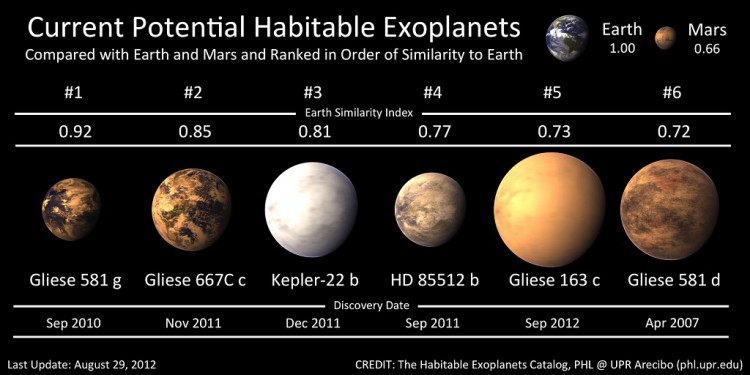
Earth like planet doesn’t exist!

Potential Habitable Exoplanets (Credit: The habitable exoplanet catalog)
via sciencealert

Rosetta enters 67P’s neighborhood as the comet starts taking shape

Animation of Comet 67P/Churyumov-Gerasimenko rotating as seen by Rosetta on June 27-28, 2014 (Credit: NASA)
via universetoday

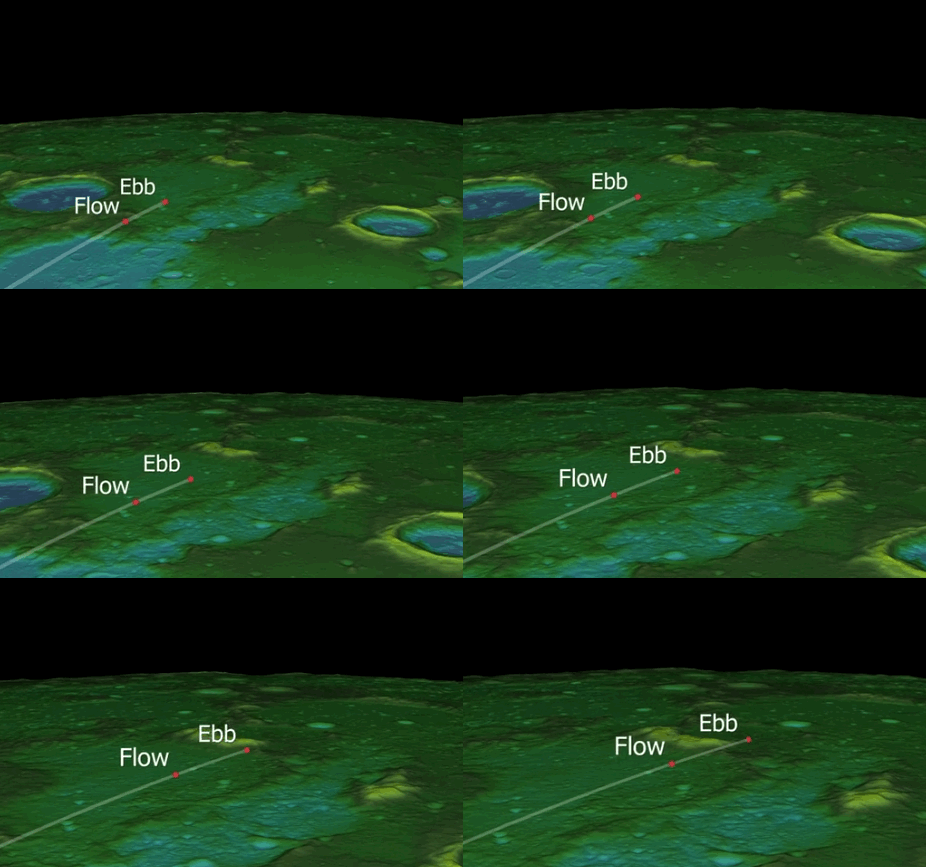
These New Gravity Maps Give Us An Entirely New Understanding Of The Moon

Twin spacecraft, named Ebb and Flow — about the size of washing machines — chased each other around the moon for three months. (Credit: NASA)
via businessinsider

Aldrich’s job is to sniff everything that goes into space

via news.com

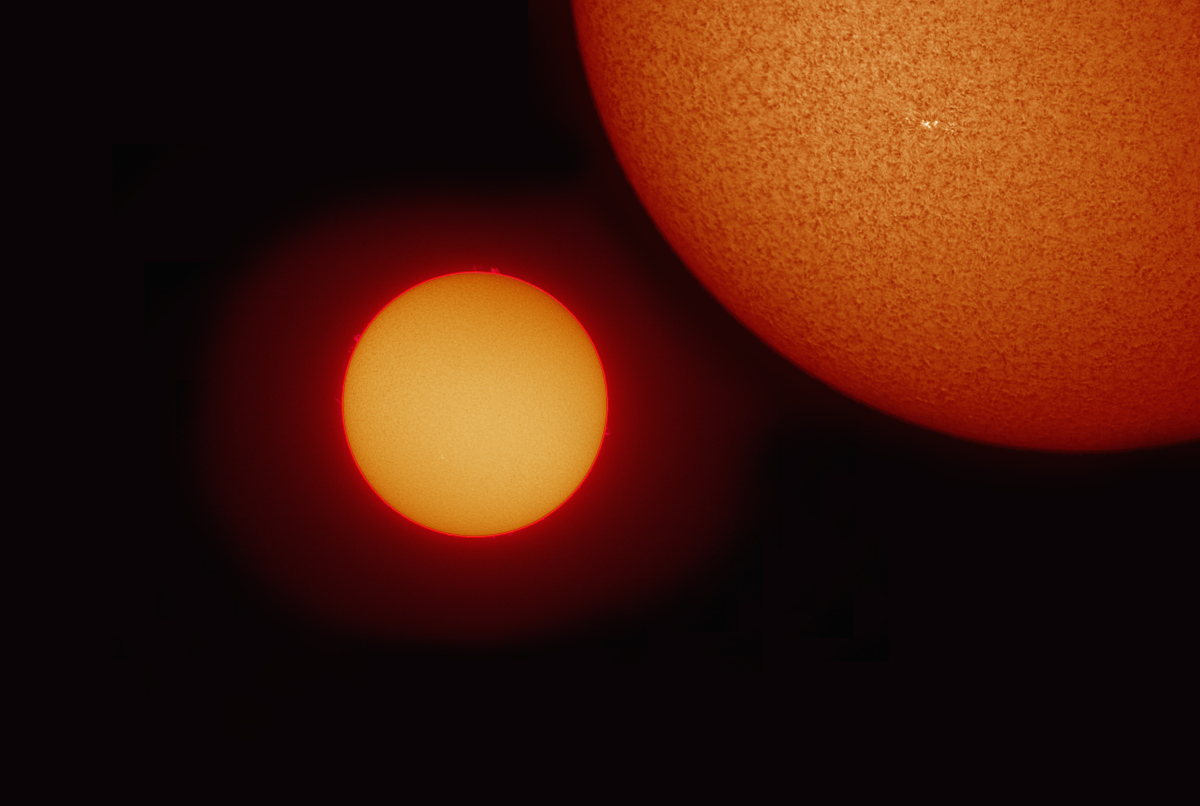
Under the bright lights of an aging sun

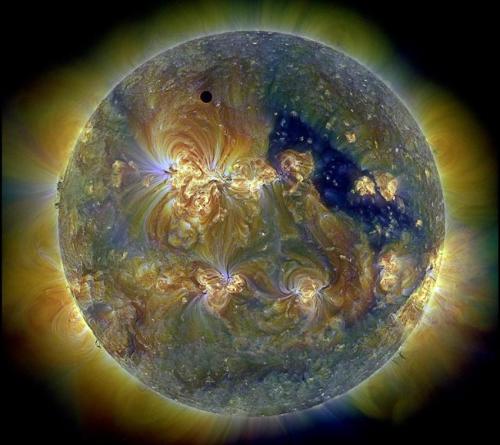
Venus can be seen as a black dot eclipsing the Sun in this image from 2012. Venus orbits too close to the Sun to the planet to be habitable for life as we know it. Venus experiences a runaway greenhouse and the average surface temperatures are thought to be around 864ºF. (Credit: NASA/SDO & the AIA, EVE, and HMI teams; Digital Composition: Peter L. Dove)
via phys.org

Saturn’s Moon Titan Has Surprisingly Salty Oceans Lurking Under Its Surface

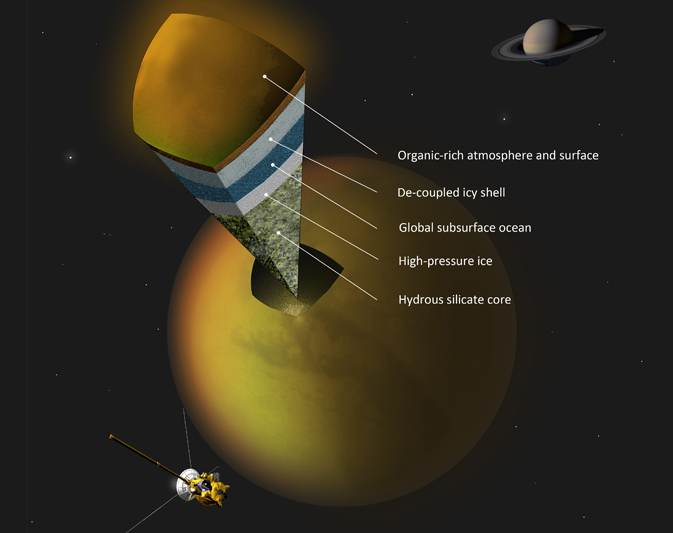
Artist's concept showing potential internal structure of Titan. (Credit: A. Tavani/NASA)
Artist’s concept showing potential internal structure of Titan. (Credit: A. Tavani/NASA)
via motherboard.vice

Rude Planet Ignores Parent

 Simulation of a binary star system. (Impolite offspring not pictured.)  (Credit: Malcolm Park; Getty Images)
Simulation of a binary star system. (Impolite offspring not pictured.) (Credit: Malcolm Park; Getty Images)
via time


Physics in the News

Wednesday, July 2, 2014

Muscle powered Bio-bots walk on command(VIDEO)

via phys.org

‘Deep learning’ makes search for exotic particles easier

Simulation of a particle collision in which a Higgs boson is produced. (Credit: Lucas Taylor/CMS)
via phys.org

360 degree night sky time-lapse proves that Earth is beautiful

via mashable

Unknown Force May Alter Gravity at Cosmologically LargeScales

"The dark matter seems to 'know' how the visible matter is distributed. They seem to conspire with each other such that the gravity of the visible matter at the characteristic radius of the dark halo is always the same," said Dr. Benoit Famaey (Universities of Bonn and Strasbourg).
“The dark matter seems to ‘know’ how the visible matter is distributed. They seem to conspire with each other such that the gravity of the visible matter at the characteristic radius of the dark halo is always the same,” said Dr. Benoit Famaey (Universities of Bonn and Strasbourg).
via dailygalaxy

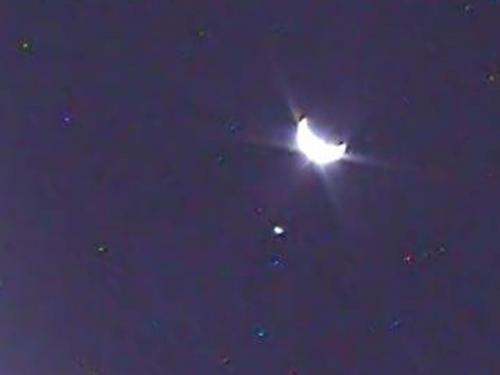
Would Earth look like a habitable planet from afar?

A zoomed-in image of Earth from the perspective of NASA’s Lunar Crater Observation and Sensing Satellite (LCROSS). The small dot below it is the moon. Credit: NASA Ames
via phys.org

Near-Earth Asteroids key to Solar System’s earliest history

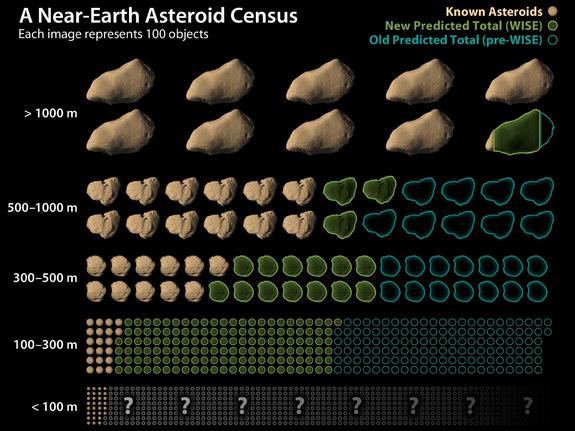
This chart illustrates how infrared is used to more accurately determine an asteroid’s size. (Credit: NASA/JPL-Caltech)
via forbes