Physics in the News

Monday, August 4, 2014

Elon Musk calls Artificial Intelligence ‘potentially more dangerous than nukes’

Above: Tesla CEO Elon Musk. (Credit: SXSW Livestream)
Tesla CEO Elon Musk. (Credit: SXSW Livestream)
via businessinsider

NASA wants to build gas stations in space
NASA hopes to add precious years of functional life to satellites and expand options for operators who face unexpected emergencies, tougher economic demand and aging fleets. (Credit: Bob Granath, Kt-Imaging)
via technobuffalo

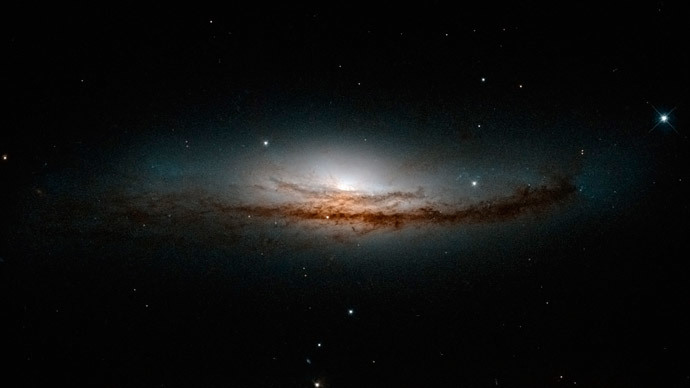
Milky Way galaxy is just half as massive as Andromeda
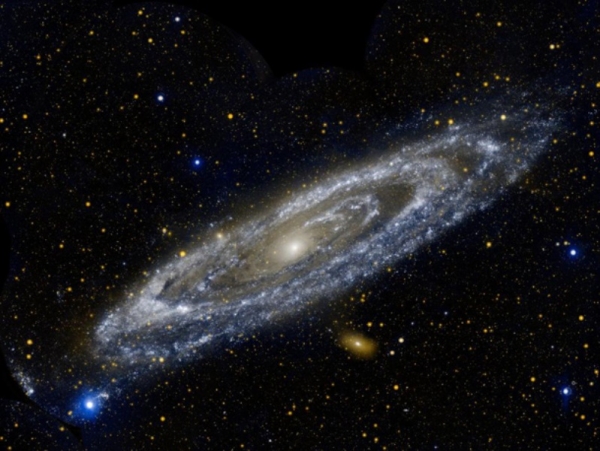
Andromeda is twice as massive as the Milky Way. Scientists say that Andromeda has twice the mass, made of dark matter, than the Milky Way. (Credit: Phil Plait)
Andromeda is twice as massive as the Milky Way. Scientists say that Andromeda has twice the mass, made of dark matter, than the Milky Way.
(Credit: Phil Plait)
via techtimes

New rule restricting foreign instruments on NASA space probes stirs debate
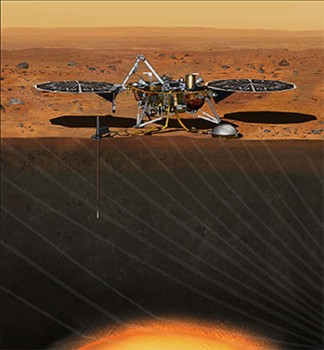
(Credit: NASA)
(Credit: NASA)
via examiner

General Relativity – Embedding light at the heart of cosmology
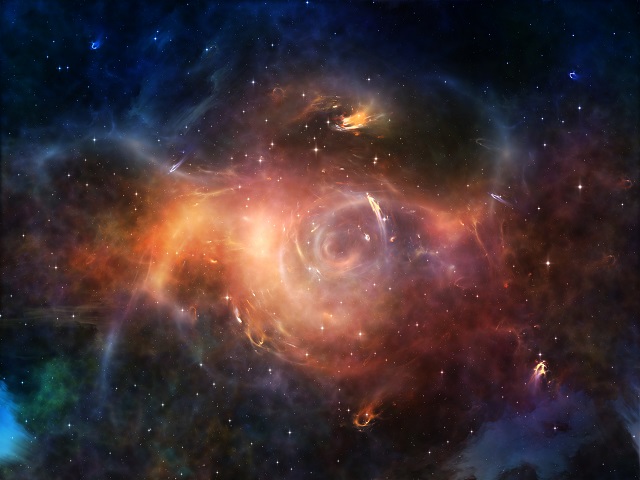
Einstein was the first person to propose that ‘empty space’, which does not contain matter or radiation, is not actually empty and in fact has a residual energy.  This empty space is also capable of creating more space from itself. (Credit: benmoat/Shutterstock)
Einstein was the first person to propose that ‘empty space’, which does not contain matter or radiation, is not actually empty and in fact has a residual energy. This empty space is also capable of creating more space from itself. (Credit: benmoat/Shutterstock)
via azooptics

Tiny flying robots are being built to pollinate crops instead of real bees
The RoboBee demonstrates a successful flight next to a quarter for scale. (Credit: Harvard University)
 via iphoneeinstein

Europe’s Rosetta probe reaches climax of its comet-chasing mission
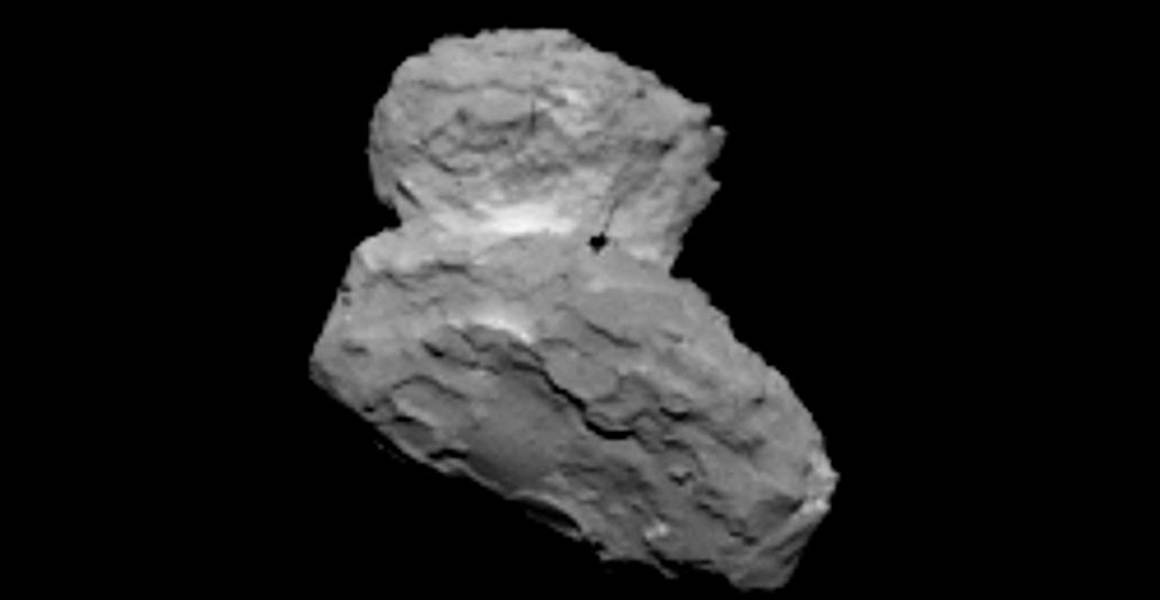
The Rosetta spacecraft is scheduled to rendezvous with Comet 67P/Churyumov-Gerasimenko on Wednesday. If all goes according to plan, Rosetta will become the first probe ever to orbit a comet — and, in November, the first to drop a lander onto the surface of one of these icy wanderers. (Credit: ESA)

via nbcnews

 Absence of Russia instrument onboard NASA Mars Rover not related to politics 
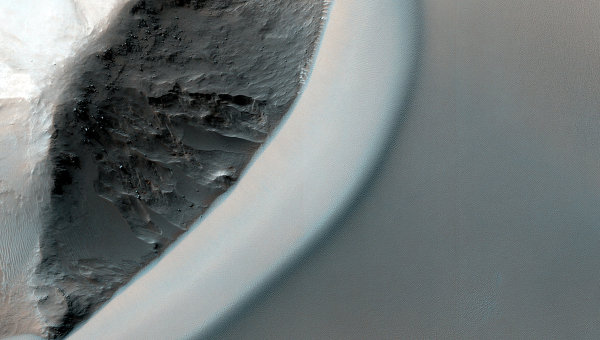
Photo of the Mars surface, Made with HiRise Camera. (Credit: NASA JPL/University of Arizona)
via ria

The holographic augmented reality future has arrived (Again)

via physicsworld

Physics in the News

Thursday, July 31, 2014

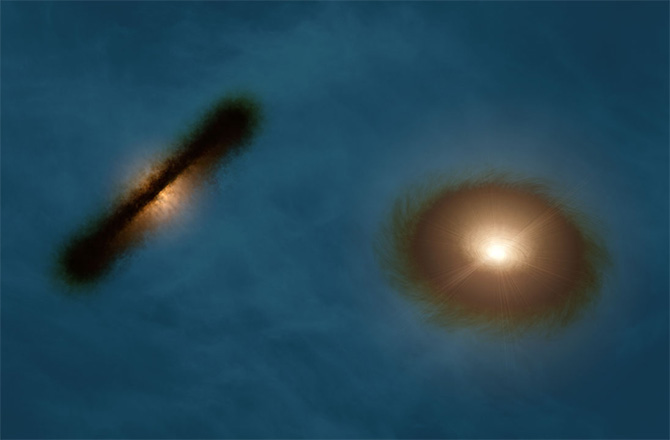
Weirdly wonky binary star system discovered

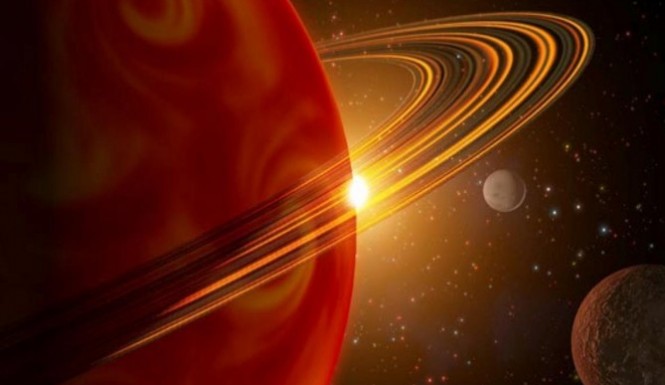
Artist’s impression of the discs around the young stars HK Tauri A and B (Credit: R. Hurt (NASA/JPL-Caltech/IPAC)
via discovery

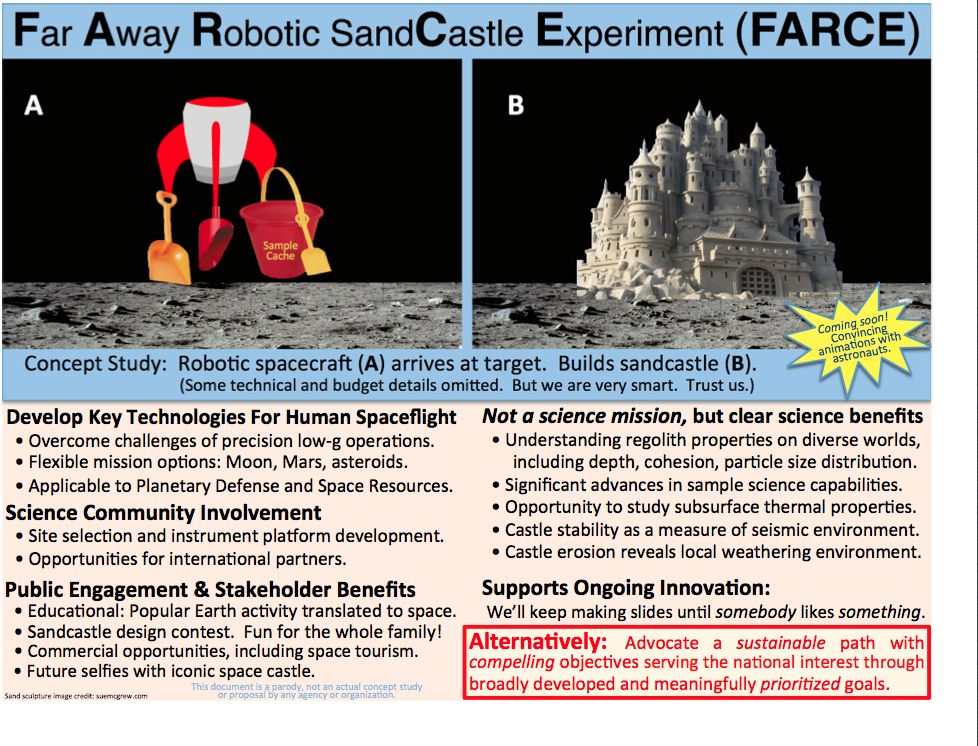
NASA’s asteroid mission takes a beating

This Document is a Parody (Credit: Richard Binzel)
via chron

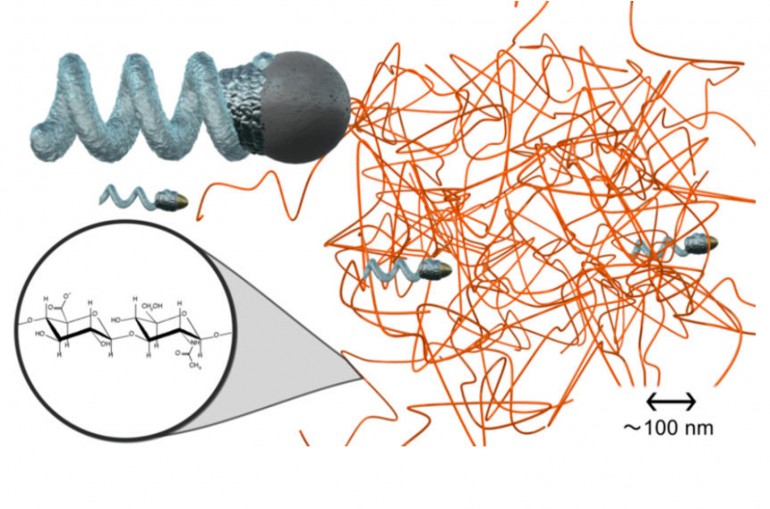
The tiniest propeller ever can sneak between cells

The nanoprop is able to easily pass between polymer chains, like those present in bodily fluids. (Credit:
via gizmag

Incredible GIF shows early Earth being pummeled by asteroids

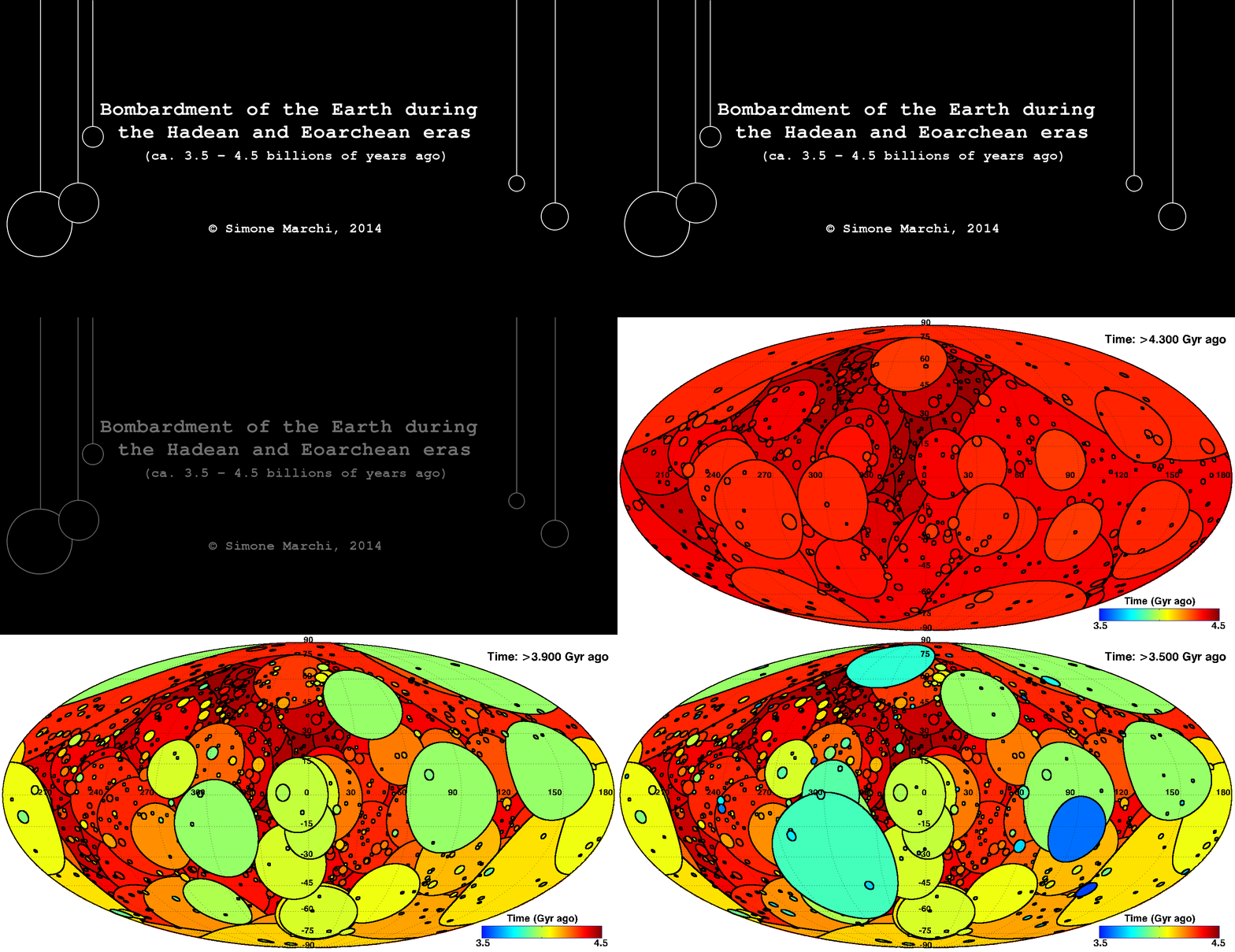
The GIF below shows the impacts the model suggests happened. They go forward in time from red to blue (4.5 billion years ago to 3.5 billion years ago). (Credit: Simone Marchi)
via businessinsider

Scientists have recreated the core of Jupiter on Earth

The GIF below shows the impacts the model suggests happened. They go forward in time from red to blue (4.5 billion years ago to 3.5 billion years ago). (Credit: Collins et al)
via businessinsider

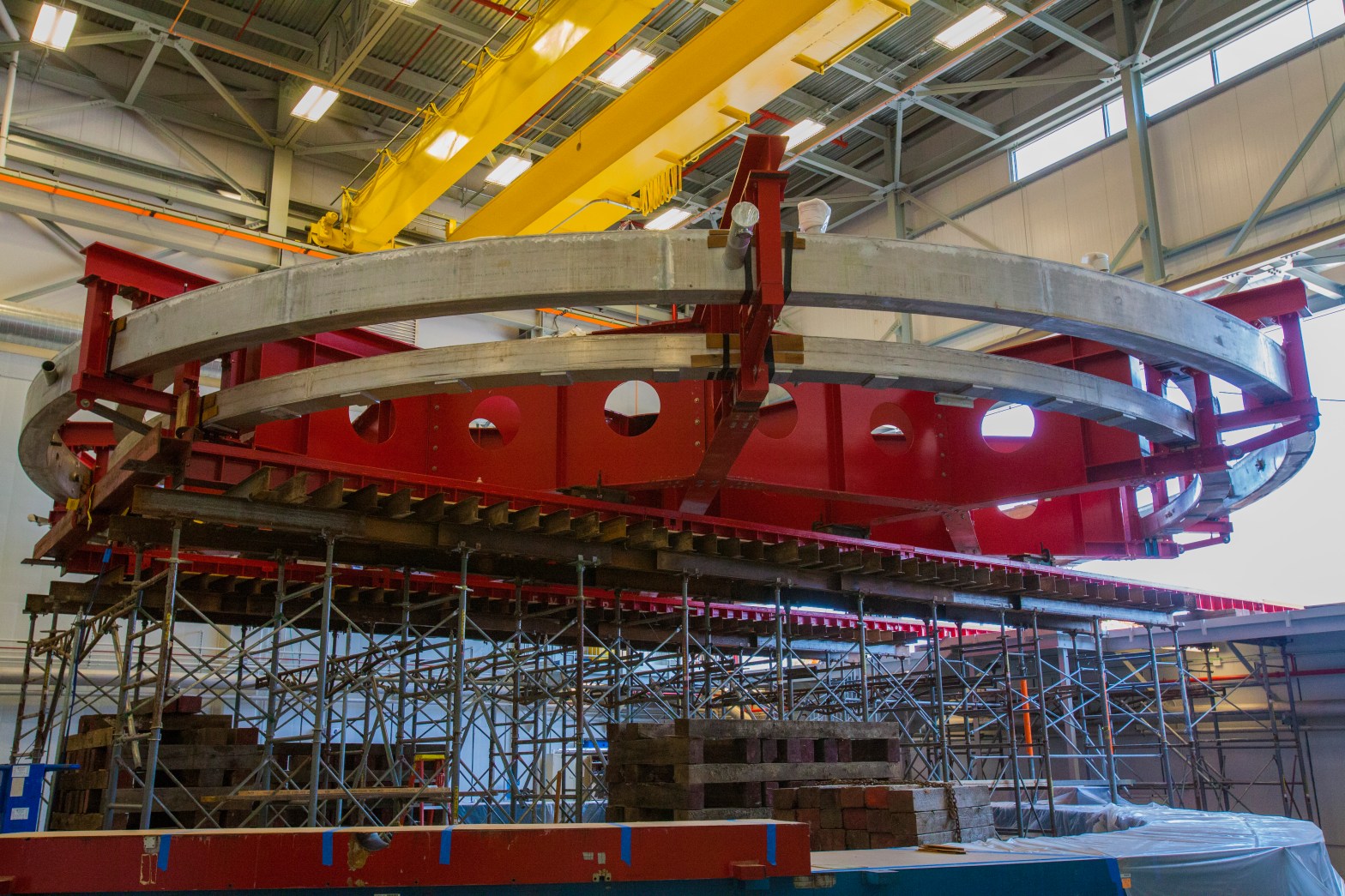
50-foot-wide Muon g-2 electromagnet installed at Fermilab

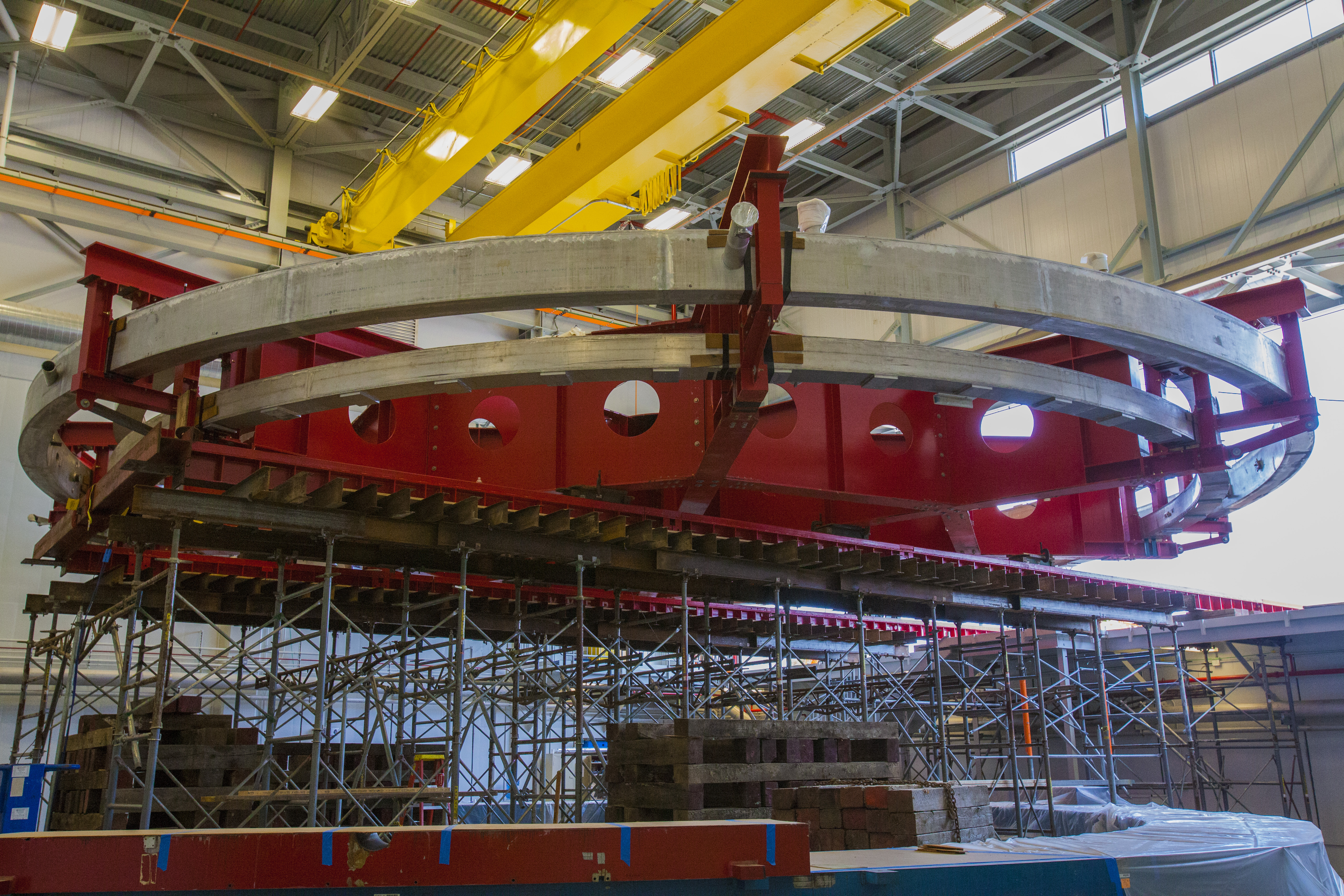
The 50-foot-wide Muon g-2 electromagnet at rest inside the Fermilab building that will house the experiment. The magnet was moved into the new building on Wednesday, July 30, 2014. The magnet will allow scientists to precisely probe the properties of subatomic particles called muons. (Credit: Fermilab.)
via phys.org

The Gaia Satellite will map one billion of the Milky Way’s stars (VIDEO)

via motherboard

Scientists explain mystery of our ‘lemon Moon’

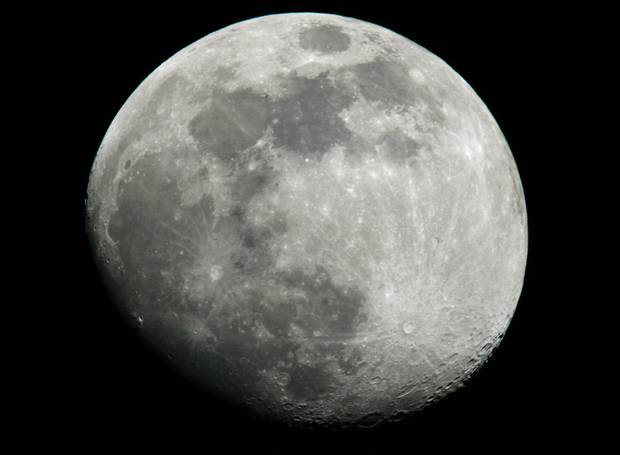
A new accurate map of the Moon has shown that it bulges slightly at one side and is flattened at the top and bottom - but how did it get this way? (Credit: NASA)
A new accurate map of the Moon has shown that it bulges slightly at one side and is flattened at the top and bottom – but how did it get this way? (Credit: NASA)

via independent

Physics in the News

Friday, July 25, 2014

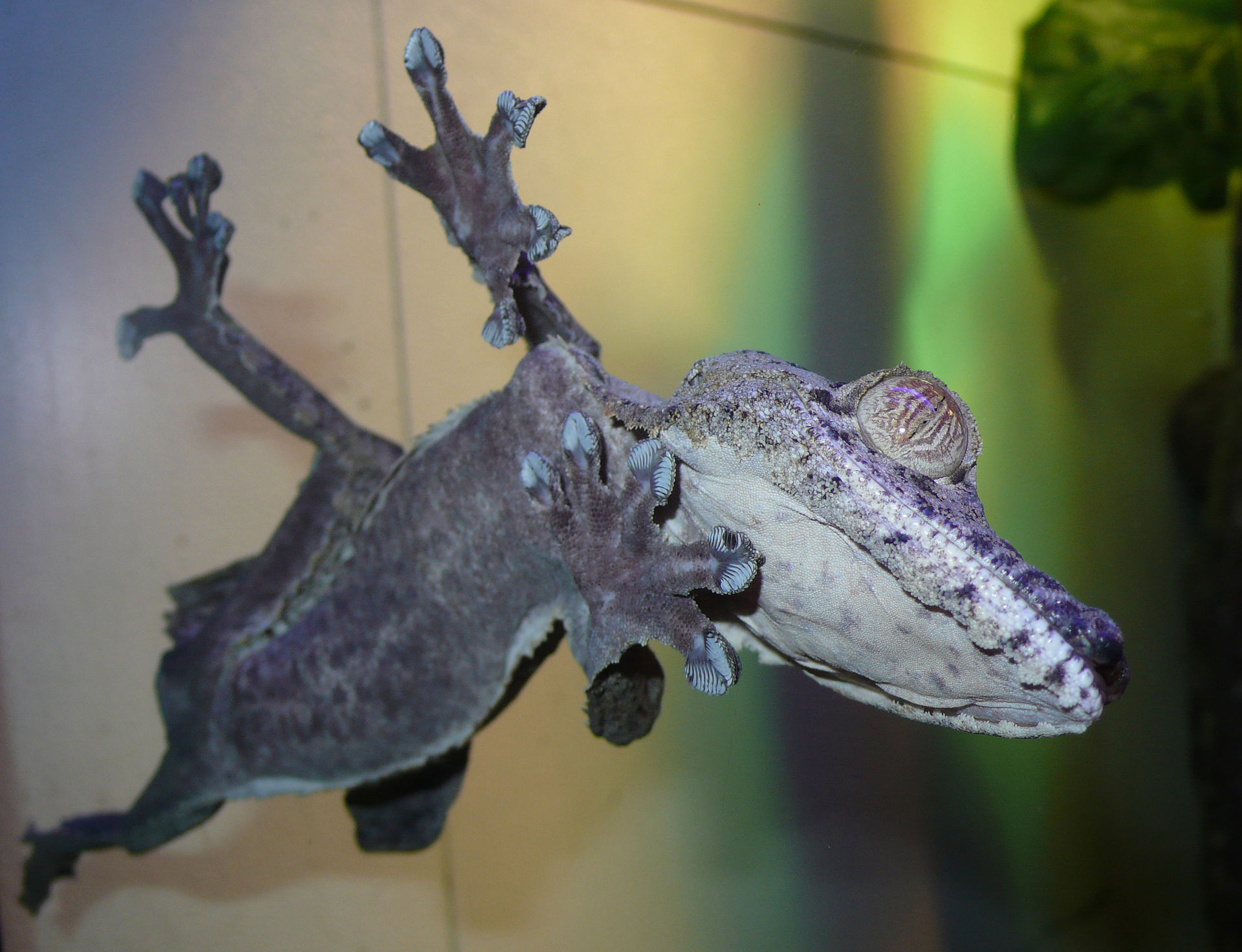
Lust in space: Russians lose control of gecko sex satellite

Progress is busily working to re-establish a connection with the operating system — currently on autopilot — before all hope is lost. (Credit: Tim Vickers )
via aljazeera

Hot Jupiter measurements throw water on planet formation theory

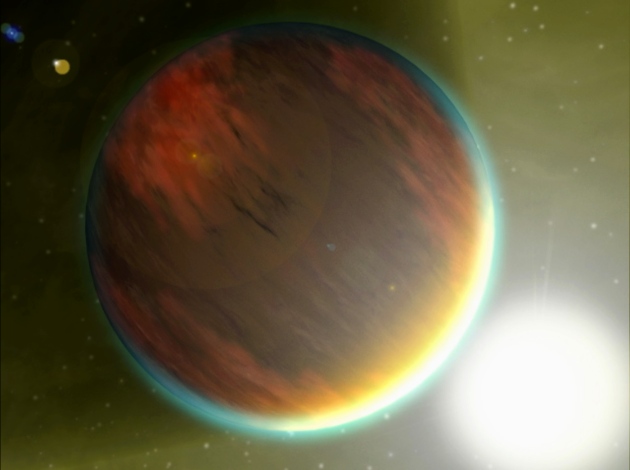
The exoplanet 209458b, a gas giant, is located 150 light-years from Earth.  Dry atmospheres of three exoplanets challenge ideas of how planets form. (Credit: NASA/JPL-Caltech)
The exoplanet 209458b, a gas giant, is located 150 light-years from Earth. Dry atmospheres of three exoplanets challenge ideas of how planets form. (Credit: NASA/JPL-Caltech)
via nature

Mysterious black holes may be exploding into ‘white holes’

A new scientific theory suggests that when black holes reach the end of their lifespan, they explode into “white holes” and release all of their matter into space. (Credit: Reuters / NASA)
via rt

CERN accelerators come alive for LHC restart

Powering up: CERN's Antiproton Decelerator will be running next week (Credit: CERN/Maximilien Brice)
Powering up: CERN’s Antiproton Decelerator will be running next week (Credit: CERN/Maximilien Brice)
via physicsworld

Breakthrough laser experiment reveals liquid-like motion of atoms in an ultra-cold cluster

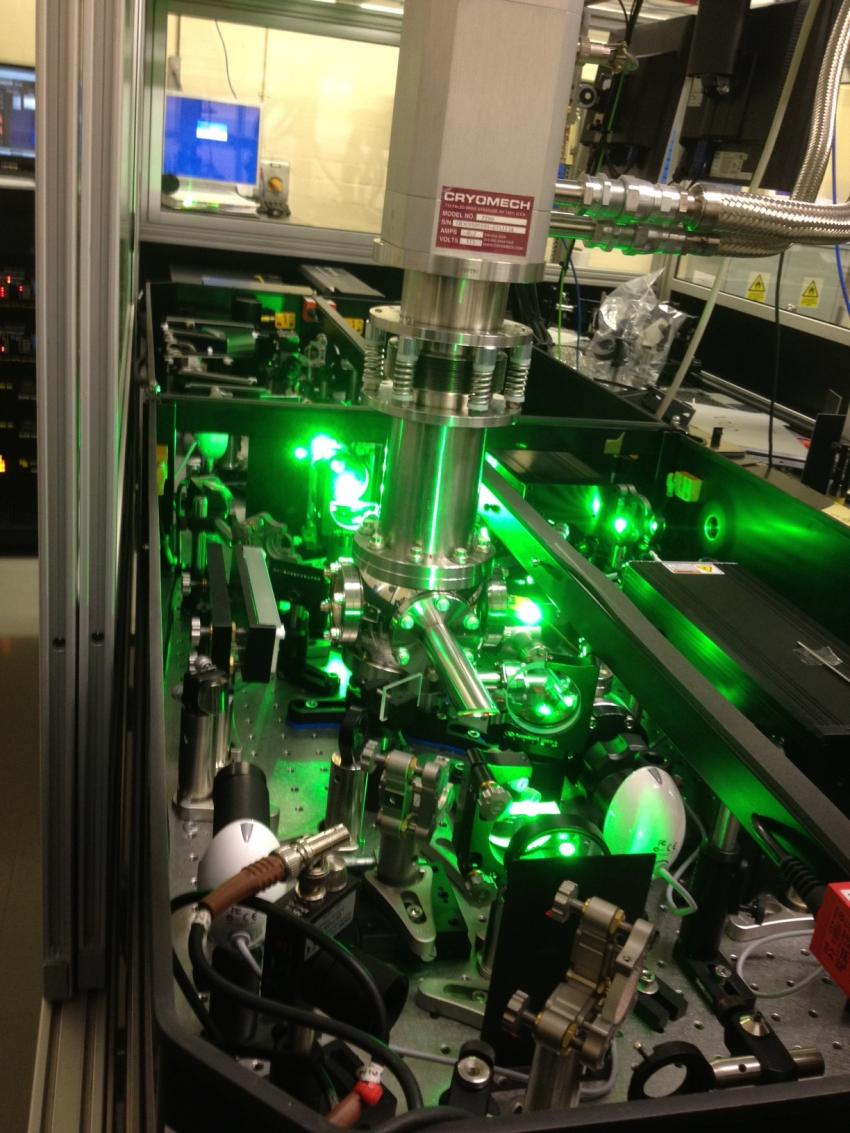
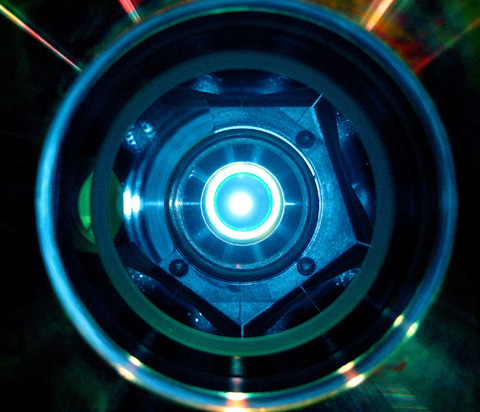
he experiment was undertaken at Rutherford Appleton Laboratories in the Artemis laser facility using an advanced femtosecond laser system to resolve rotations of complexes. The picture shows a section of the laser system used during the experiments. (Credit: Gediminas Galinis, University of Leicester.)
The experiment was undertaken at Rutherford Appleton Laboratories in the Artemis laser facility using an advanced femtosecond laser system to resolve rotations of complexes. The picture shows a section of the laser system used during the experiments. (Credit: Gediminas Galinis, University of Leicester.)
via phys

The first supercomputer simulations of ‘spin–orbit’ forces between neutrons and protons in an atomic nucleus

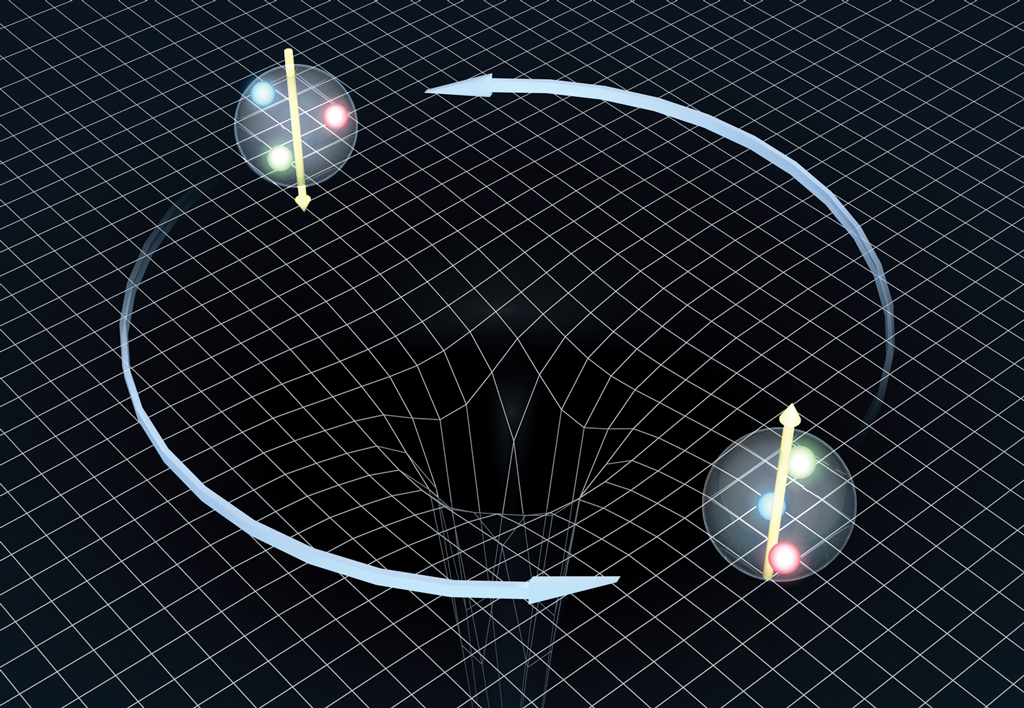
Figure 1: Nucleons (protons and neutrons) are made up of quarks (colored spheres) and have an orientation called spin (indicated by up and down arrows). The spin–orbit force is the interaction between two orbiting nucleons, resulting in a potential well (center) that holds them together. (Credit: Keiko Murano, RIKEN Nishina Center for Accelerator-Based Science)
via phys.org

Watch the Falcon 9 rocket booster descend into the ocean for its “soft” landing(VIDEO)

via extremetech

NASA says it’s too poor to fly

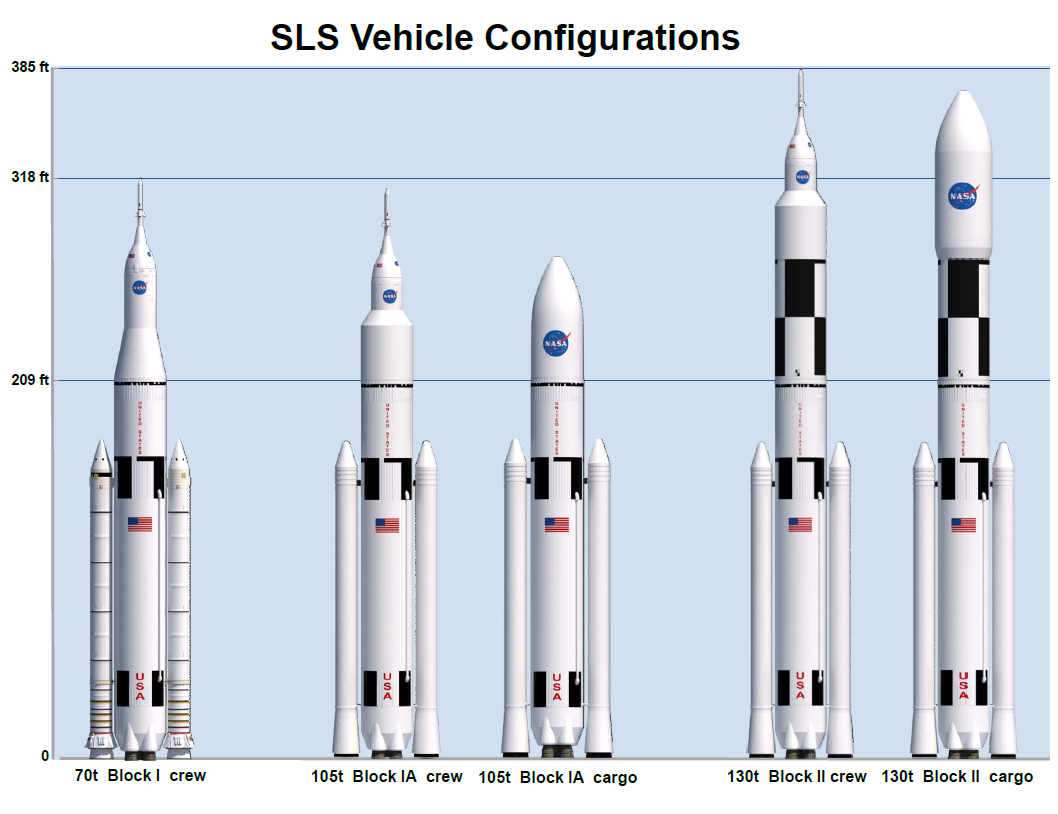
Space Launch System's planned variant vehicle configurations. (Credit: NASA)
Space Launch System’s planned variant vehicle configurations. The agency’s current funding plan for SLS may be $US400 million short of what the program needs to launch by 2017 (Credit: NASA)
via theregister

Physics in the News

Thursday, July 24, 2014

The future of ultrashort laser pulses

View of a thin-disc laser. Its geometry ensures more stable operation at higher powers than is possible with conventional solid-state lasers. (Credit: Thomas Metzger)
via phys.org

Searching for water in the Milky Way, drier than first thought

The Hubble Space Telescope finished another step in a important mission, looking for water in the milky way. The results so far are a bit surprising, with three exoplanets (planets outside the solar system) coming up short in their water supplies. (Credit: Greg Bacon)
via inquisitr

Neck of Rosetta’s ‘rubby duckie’ comet shows a bright ring

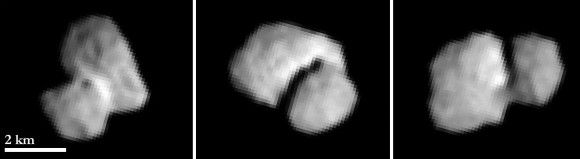
Rosetta imaged its target comet, Comet 67P/Churyumov-Gerasimenko, from about 3,417 miles (5,500 kilometers) away. The “neck” of the comet appears to be brighter than the rest of the nucleus. (Credit: ESA/Rosetta/MPS for OSIRIS Team MPS/UPD/LAM/IAA/SSO/INTA/UPM/DASP/IDA)
via universetoday

Calling for a debate over Pluto’s nature

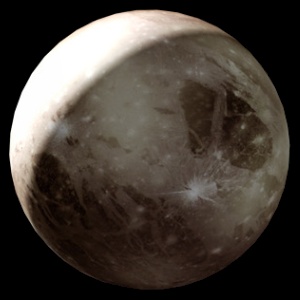
Artist's concept of Pluto (Credit: NASA, ESA and G. Bacon (STScI))
Artist’s concept of Pluto (Credit: NASA, ESA and G. Bacon (STScI))
via huffingtonpost

The birth of topological spintronics

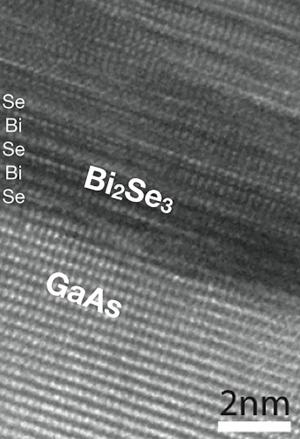
The atomic layers of the topological insulator bismuth selenide are visible in this high-resolution electron microscope image. (Credit: Samarth lab, Penn State University)
via phys.org

China Plans Supercollider

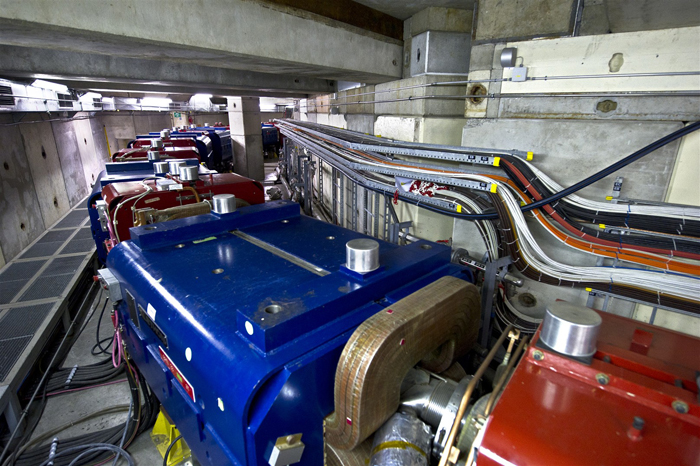
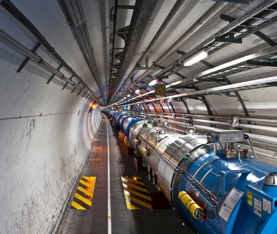
Proposals for two particle accelerators could see the country aim to become the collider capital of the world. View of the LHC tunnel sector 3-4. (Credit: Maximilien Brice (CERN))
via scientificamerican

Higgs and top: a new window on dark matter

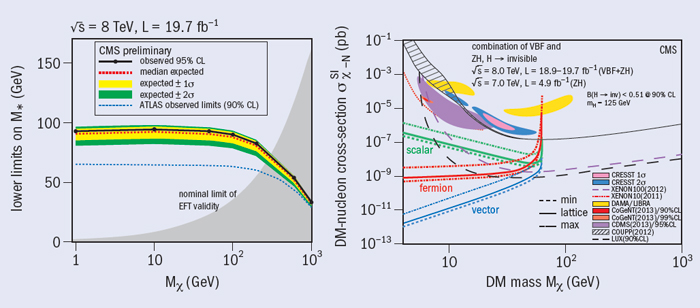
Fig. 1. Left: Limits on the dark-matter particle mass as a function of the effective interaction scale from the associated production of the particle with a top-quark pair. Fig. 2. Right: The limits set on the dark-matter particle mass from the search for invisible Higgs-boson decays compared with those from direct-detection experiments.
Fig. 1. Left: Limits on the dark-matter particle mass as a function of the effective interaction scale from the associated production of the particle with a top-quark pair. Fig. 2. Right: The limits set on the dark-matter particle mass from the search for invisible Higgs-boson decays compared with those from direct-detection experiments. (Credit: CMS)
via cerncourier

Unleashing the power of quantum dot triplets

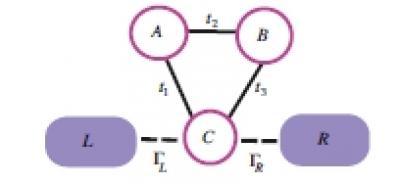
 One approach of making computers faster relies on quantum dots, a kind of artificial atom, easily controlled by applying an electric field. A new study demonstrates that changing the coupling of three coherently coupled quantum dots with electrical impulses can help better control them. (Credit: Tooski, S. B. et al.)

One approach of making computers faster relies on quantum dots, a kind of artificial atom, easily controlled by applying an electric field. A new study demonstrates that changing the coupling of three coherently coupled quantum dots with electrical impulses can help better control them. (Credit: Tooski, S. B. et al.)
via sciencecodex

 Still confused about quantum computing? This may help

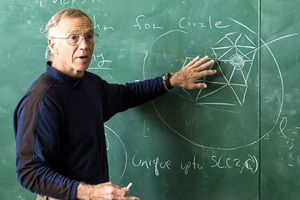
There’s nothing like a Star Trek reference (yay Tribbles!) to help explain complex stuff like quantum computing. (Credit: Microsoft, Michael-Freedman)
via gigaom

Physics in the News

Sunday, July 20, 2014

Diversity in the Robot Reporter Newsroom

(Credit: The Verge)
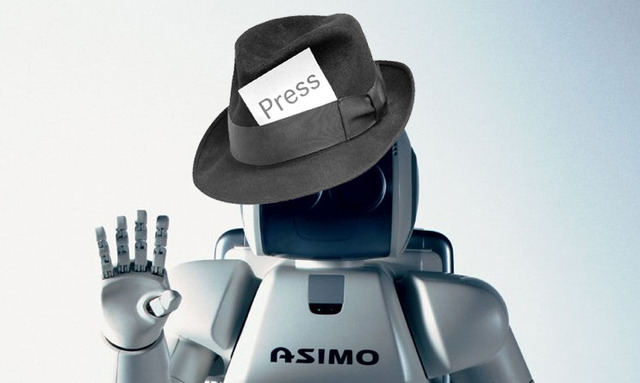
The Associated Press recently announced a big new hire: A robot reporter from Automated Insights (AI) would be employed to write up to 4,400 earnings report stories per quarter. (Credit: The Verge)
via towcenter

Bee-Inspired bots skitter and swarm at NYC’s Museum of Mathematics
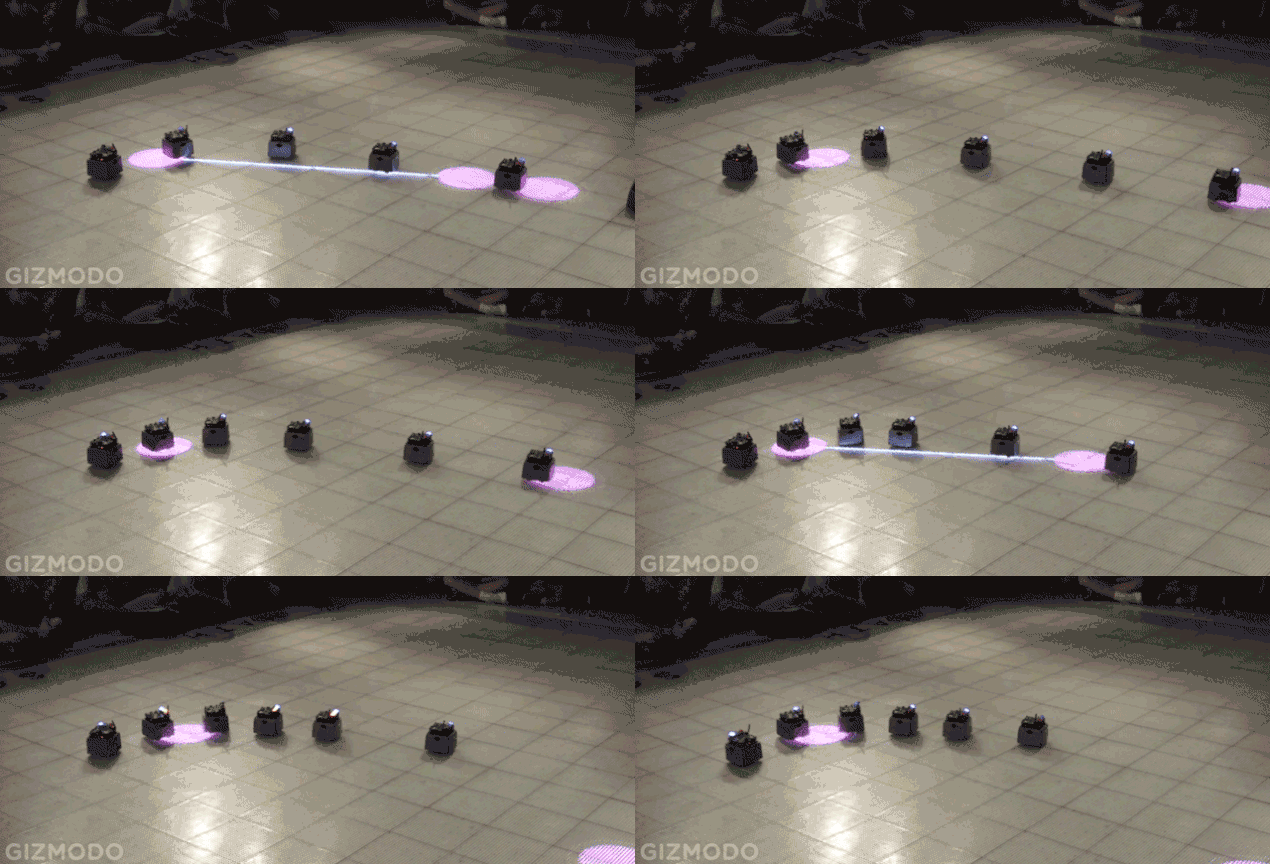
Credit: Rsorokanich
Credit: Rsorokanich
via gizmodo

Fear a terrifying killer robot revolution?

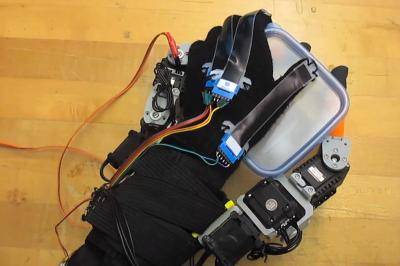
MIT's robot fingers get a grip. (Credit: Melanie Gonick/MIT)
MIT’s robot fingers get a grip. (Credit: Melanie Gonick/MIT)
via theregister

Can Our Minds Control Electronic Devices?

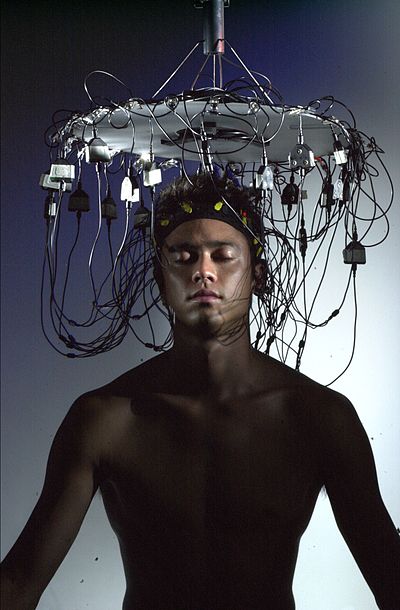
Brainwave electrodes for regenerative musical performance (Credit: BY-SA 3.0)
via theepochtimes

Does anyone outside Silicon Valley even want a smart watch?

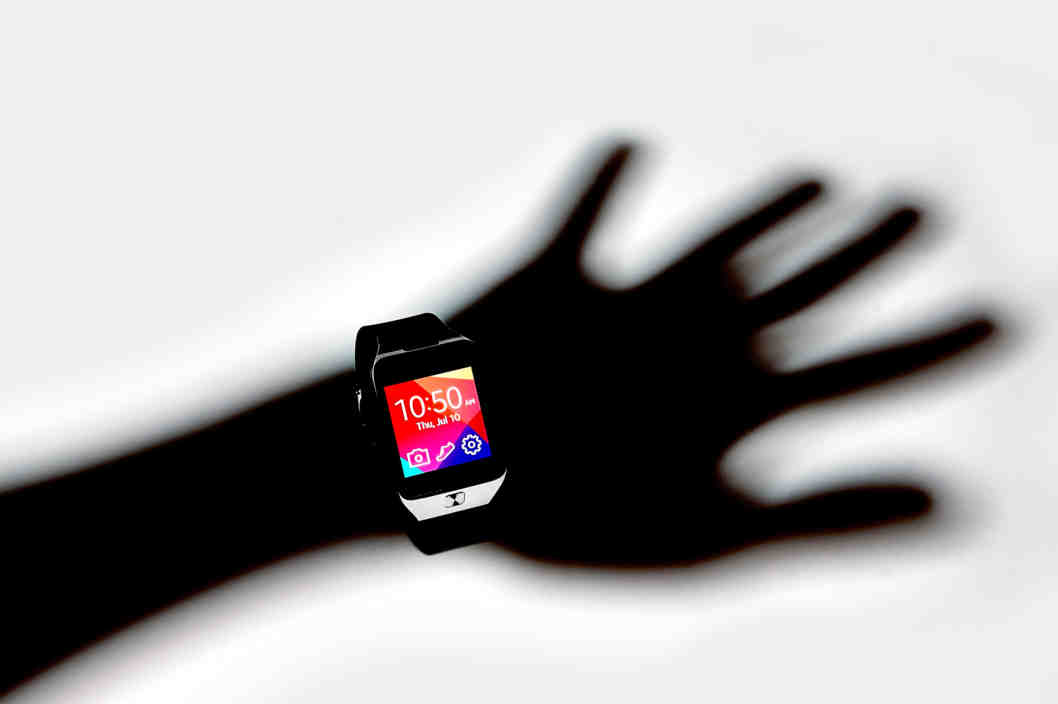
In the past week, I’ve been called “Inspector Gadget” twice, had a near-calamitous accident involving spray-on sunblock, and felt my arm vibrate so often I started treating it as a phantom limb. (Credit: Photo: Bobby Doherty/New York Magazine)
via nymag

NASA Rover’s images show laser spark martian rock(VIDEO)

via sciencedaily

US Department of Energy funds new 5-year search for ‘dark light’

 US Department of Energy is funding Dr. Peter W. Graham research effort to the tune of $750,000.
US Department of Energy is funding Dr. Peter W. Graham research effort to the tune of $750,000.
via geek.com