Physics in the News

Wednesday June 25, 2014

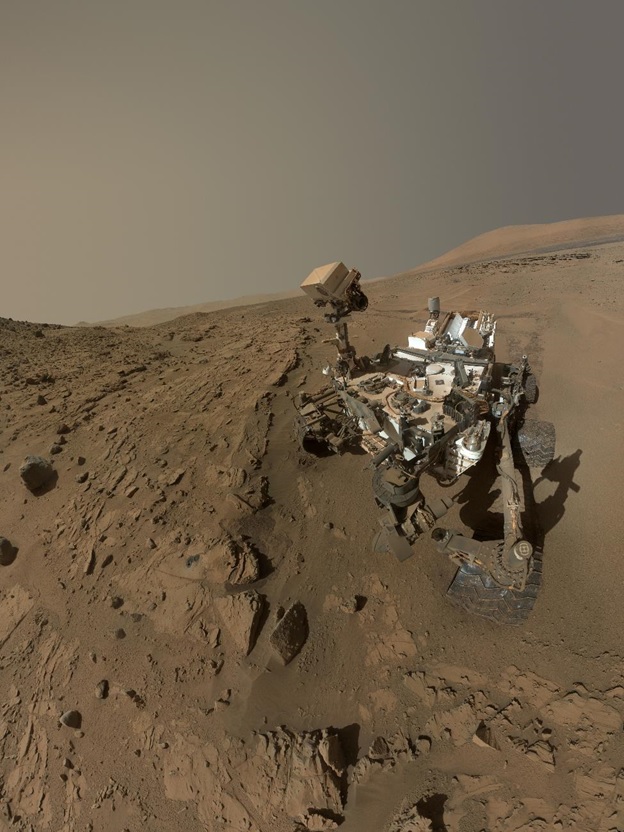
The Curiosity rover has been on Mars for one Martian year. It celebrated by taking a selfie.
NASA’s Mars Curiosity Rover captures a selfie to mark a full Martian year — 687 Earth days — spent exploring the Red Planet. (NASA/JPL-Caltech/MSSS)
NASA’s Mars Curiosity Rover captures a selfie to mark a full Martian year — 687 Earth days — spent exploring the Red Planet. (Credit: NASA/JPL-Caltech/MSSS)

via washingtonpost


Cold white dwarf star is ‘Earth-size diamond in space’
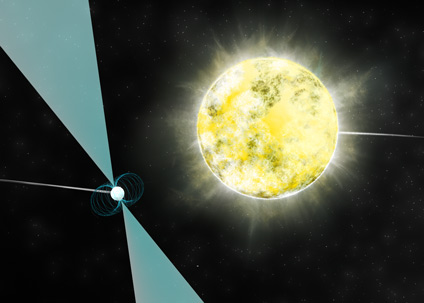
Artist impression of a white dwarf star in orbit with pulsar PSR J2222-0137. It may be the coolest and dimmest white dwarf ever identified. (Credit: B. Saxton NRAO/AUI/NSF)

via public.nrao.edu


LLNL researchers define boundaries for petawatt laser absorption
 Lawrence Livermore physicist Hui Chen sets up targets for an experiment using petawatt laser technology at the Jupiter Laser Facility.
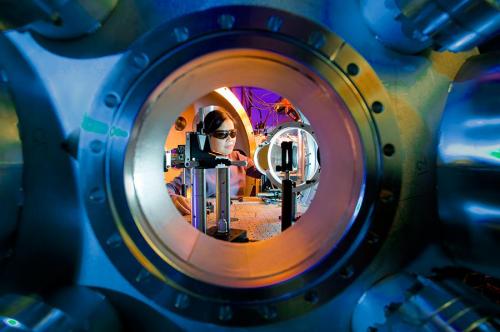
Lawrence Livermore physicist Hui Chen sets up targets for an experiment using petawatt laser technology at the Jupiter Laser Facility.

via phys.org


How the Aged Vacuum Tube Could Save Moore’s Law
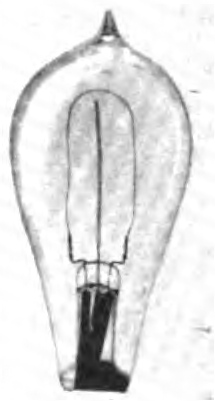
One of the bulbs Thomas Alva Edison used to discover thermionic emission (the Edison Effect) in 1884. Edison found when he connected an ammeter between the filament and the auxiliary electrode, a current would flow, passing through the evacuated space of the bulb from filament to electrode. This current was later found to consist of electrons.

via gizmodo


Measuring the mass of ‘massless’ electrons
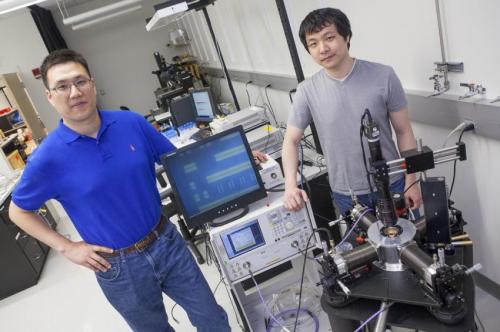
This image shows professor Donhee Ham and his student Hosang Yoon are in the laboratory at the Harvard School of Engineering and Applied Sciences. (Credit: Eliza Grinnell, Harvard SEAS.)

via phys.org


Philosophy begins where physics ends, and physics begins where philosophy ends

Richard Feynman - Philosopher (Image: Washington University)
Richard Feynman – Physicist, Philosopher (Image: Washington University)

via scientificamerican

Physics in the News

Tuesday, June 24, 2014

Science and spacewalks on Space Station

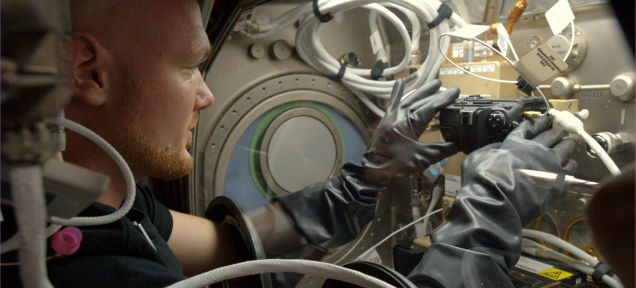
This might look like a routine scientific experiment, but you’re actually looking at European Space Agency astronaut Alexander Gerst as he sets fire to samples of various solids aboard the International Space Station to see how they burn. This man truly has a wonderful job. (Credit: ESA)

via phys.org


Universe Shouldn’t Be Here, According to Higgs Physics

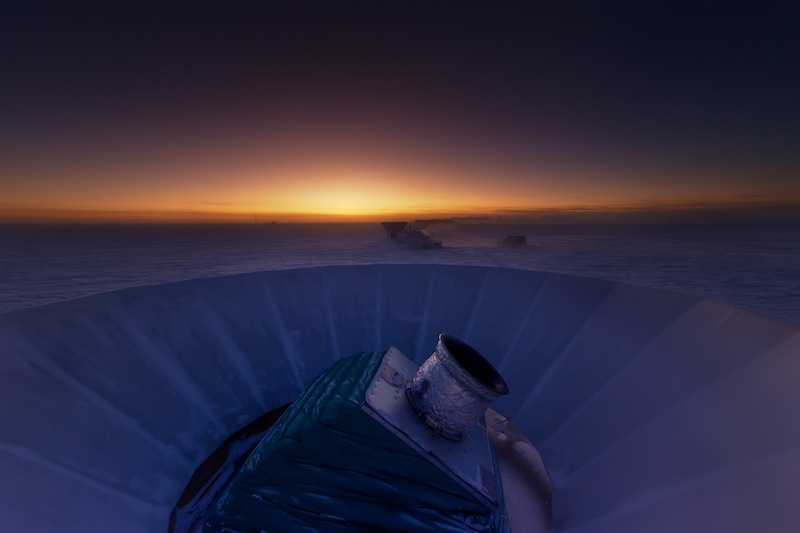
The BICEP2 telescope at twilight, which occurs only twice a year at the South Pole. The MAPO observatory (home of the Keck Array telescope) and the South Pole station can be seen in the background.
via livescience


SpaceX puts Falcon 9 rocket launch on hold until July

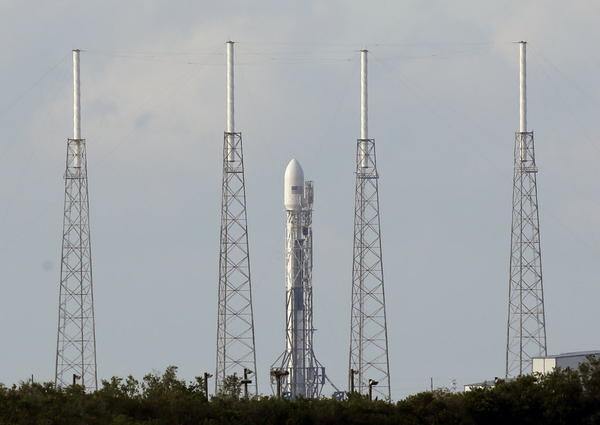
A SpaceX Falcon 9 rocket carrying a payload of Orbcomm communications satellites is seen at launch complex 40 after an attempted launch was scrubbed due to technical issues at the Cape Canaveral Air Force Station in Cape Canaveral, Fla.
via csmonitor


Satellite Swarm Spots North Pole Drift

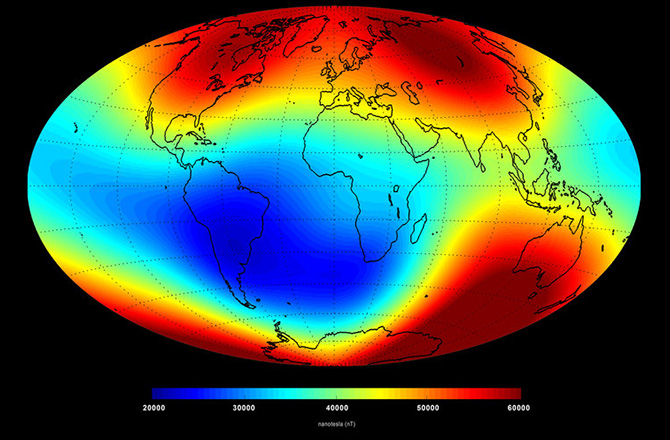
Swarm measurements of Earth’s magnetic field from June 2014. Blue areas show where it has weakened. (Credit ESA/DTU Space)
via discovery


Greetings from Earth! NASA Spacecraft to Carry Message for Aliens

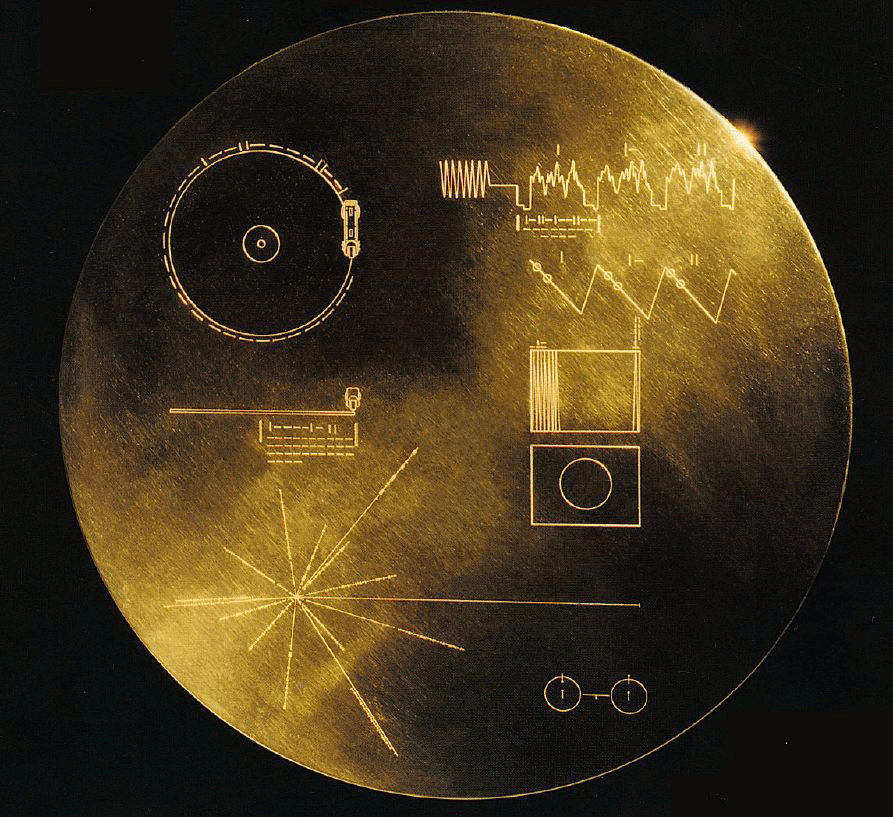
The Golden Record carried a message from Earth on board NASA's Voyager 1 and Voyager 2 missions. (Credit: NASA)
The Golden Record carried a message from Earth on board NASA’s Voyager 1 and Voyager 2 missions.
(Credit: NASA)

via SPACE.com

Physics in the News

Monday, June 23, 2014

Mystery patch found floating on Titan’s seas

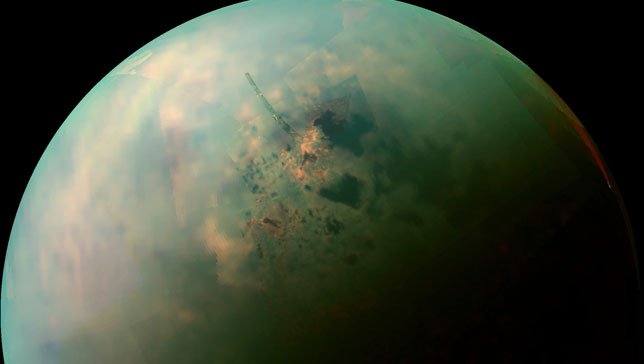
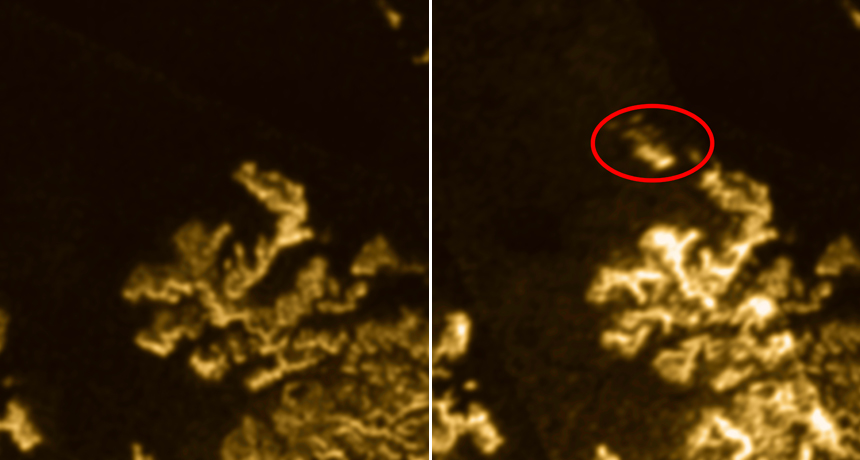
A bright patch (right, circled) on one of Titan’s northern methane seas, shown as dark areas, appeared in a Cassini spacecraft image taken on July 10, 2013. The patch disappeared by July 16, 2013 and was not visible in earlier images (left).
via sciencenews.org


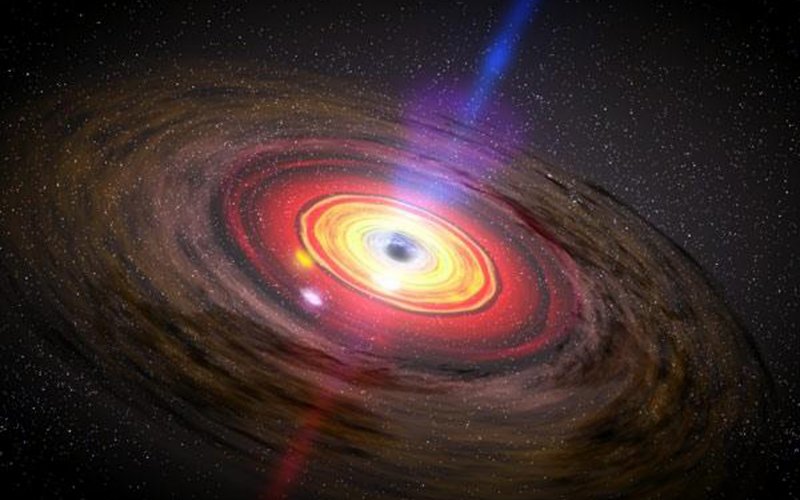
The Supermassive Black Hole Smokescreen

(Credit: NASA)
(Credit: NASA)
via thedailybeast


SpaceX satellite launch postponed for third time, until Tuesday

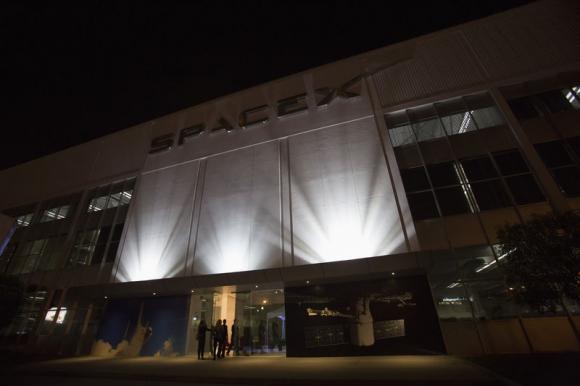
 An exterior of the SpaceX headquarters in Hawthorne, California May 29, 2014. (Credit: Reuters/Mario Anzuoni)
An exterior of the SpaceX headquarters in Hawthorne, California May 29, 2014. (Credit: Reuters/Mario Anzuoni)
via reuters


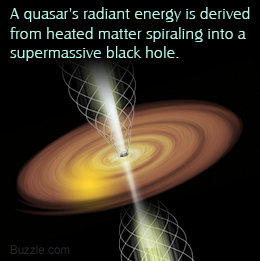
Interesting Facts About Quasars

604042-1620-49
via buzzle


Sending astronauts one million miles into space to build world’s most-powerful telescope in hunt for alien life

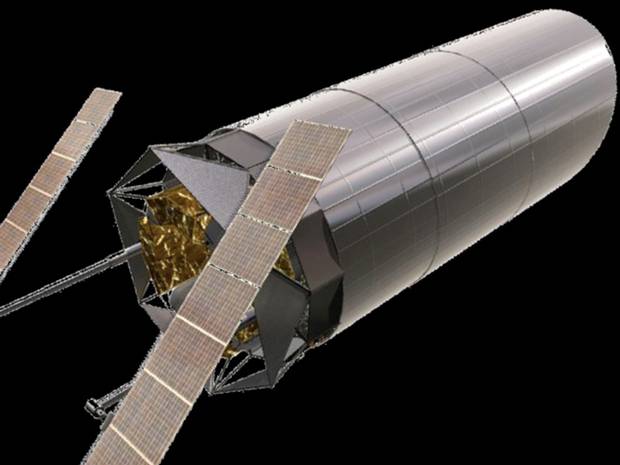
The Atlast telescope will be the most powerful telescope ever made and up to four times larger than the Hubble Telescope
via independent

Physics in the News

Friday, June 20, 2014

Classic space science: UD physicist’s findings about space plasma become ‘classics’

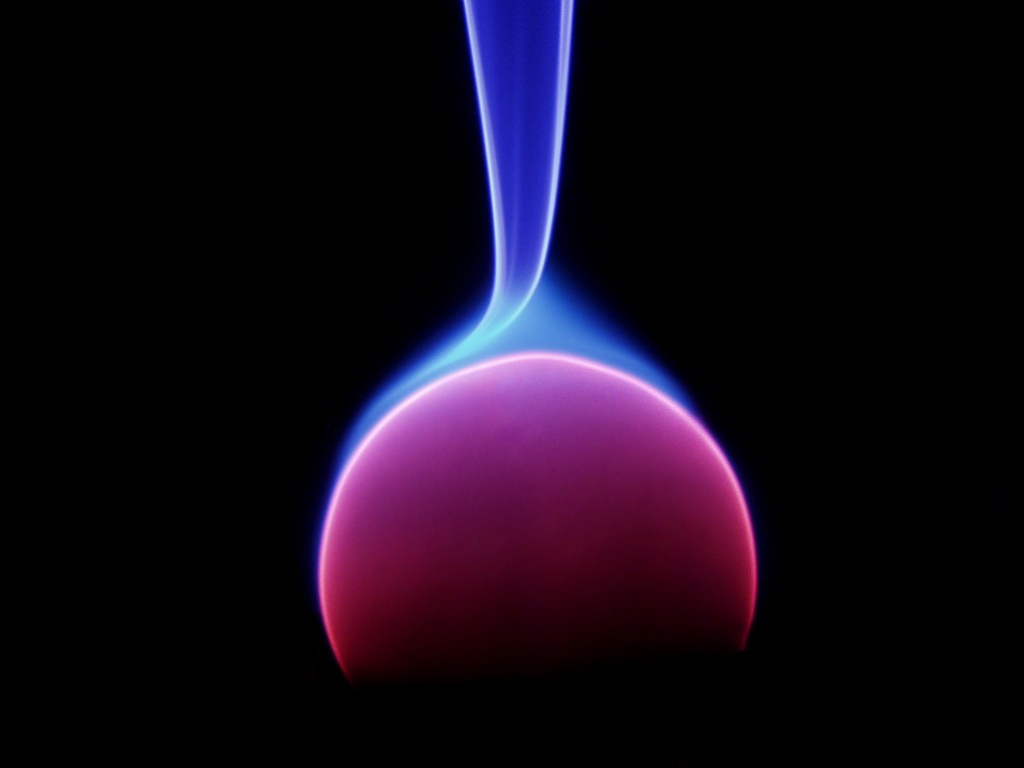
Energy Arc, central electrode of a Plasma Lamp.
via udel

New Observatory Takes Highest-Energy Particle Research to New Heights

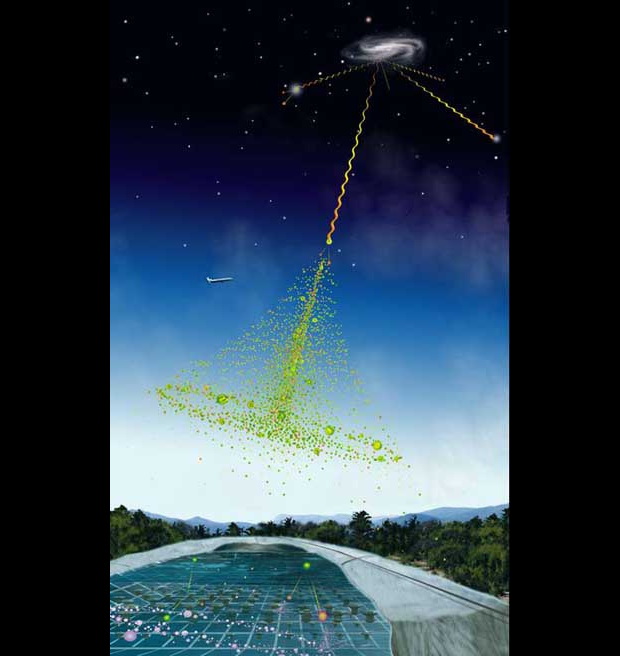
As cosmic-ray particles are accelerated by a black hole in this artist's interpretation, they stream toward Earth as very-high-energy gamma-rays. Upon hitting the atmosphere, they produce a shower of particles that rain down on Earth. Most of these particles run out of energy before they hit sea level. Credit: Aurore Simonnet, Sonoma State University
As cosmic-ray particles are accelerated by a black hole in this artist’s interpretation, they stream toward Earth as very-high-energy gamma-rays. Upon hitting the atmosphere, they produce a shower of particles that rain down on Earth. Most of these particles run out of energy before they hit sea level. (Credit: Aurore Simonnet, Sonoma State University)
via space.com

New test may provide ‘smoking gun’ for modified gravity

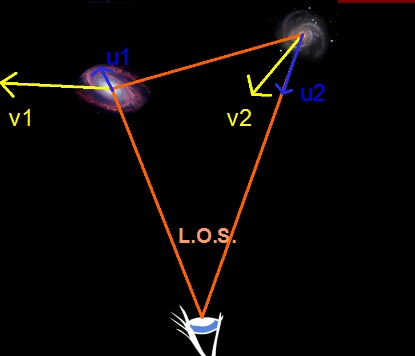
A schematic picture of how researchers can observe galaxy peculiar velocities, “a cosmic dance of galaxies.” (Credit: Wojciech A. Hellwing)
via phys.org

Supermassive Black Hole Shows Strange Gas Movements

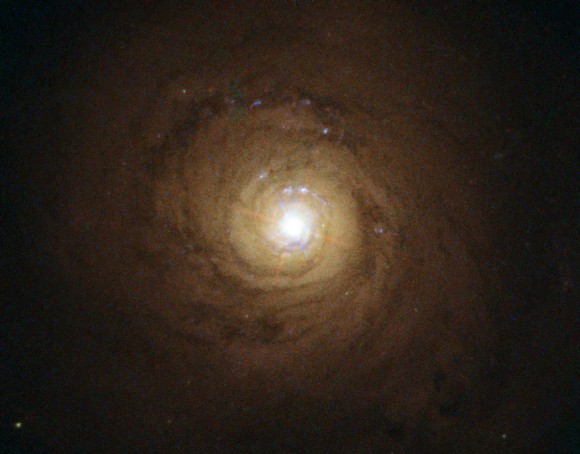
A Hubble Space Telescope image of NGC 5548. (Credit: ESA/Hubble and NASA. Davide de Martin)
via universetoday

Slowly rotating neutron star paired with a red-giant star reveals properties that conflict with existing theory

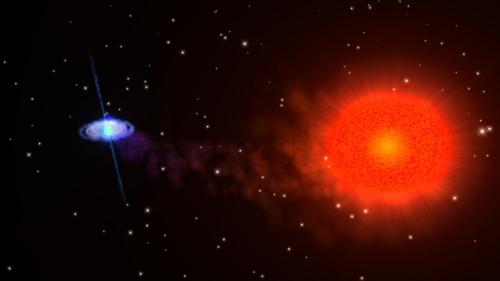
An artist’s impression of an x-ray binary system. The matter that a neutron star (blue) sucks from a regular star (red) leads to the emission of intense x-ray beams. (Credit: NASA)
via phys.org
Slowly rotating neutron star paired with a red-giant star reveals properties that conflict with existing theoryRead more at: http://phys.org/news/2014-06-slowly-rotating-neutron-star-paired.html#jCp

Physics in the News

Friday, June 20, 2014

Nasa Picks Out Prime Targets For Asteroid Grab

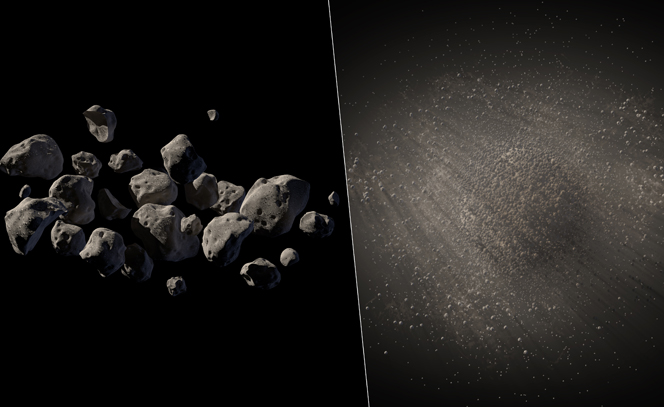
An artist's conception of two possible views of asteroid 2011 MD. (Image courtesy NASA Jet Propulsion Laboratory)
An artist’s conception of two possible views of asteroid 2011 MD. (Image courtesy NASA Jet Propulsion Laboratory)
via nau


Some Highly Scientific Data 🙂 Physics Invents the Emoticon

The end of an era: Just 18 percent of survey respondents report using the full-faced emoticon.
The end of an era: Just 18 percent of survey respondents report using the full-faced emoticon. (Credit
via theatlantic


If Spacetime Were a Superfluid, Would It Unify Physics—or Is the Theory All Wet?

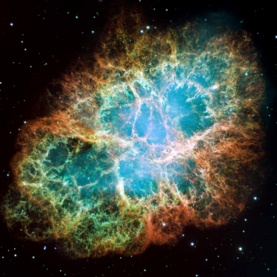
Light from the Crab Nebula (shown here in a Hubble Space Telescope photo) limits the possibilities for fluid spacetime. NASA/ESA/ASU/J. Hester
Light from the Crab Nebula (shown here in a Hubble Space Telescope photo) limits the possibilities for fluid spacetime. (Credit:NASA/ESA/ASU/J. Hester)
via scientificamerican
 

Swiftly Moving Gas Streamer Eclipses Supermassive Black Hole

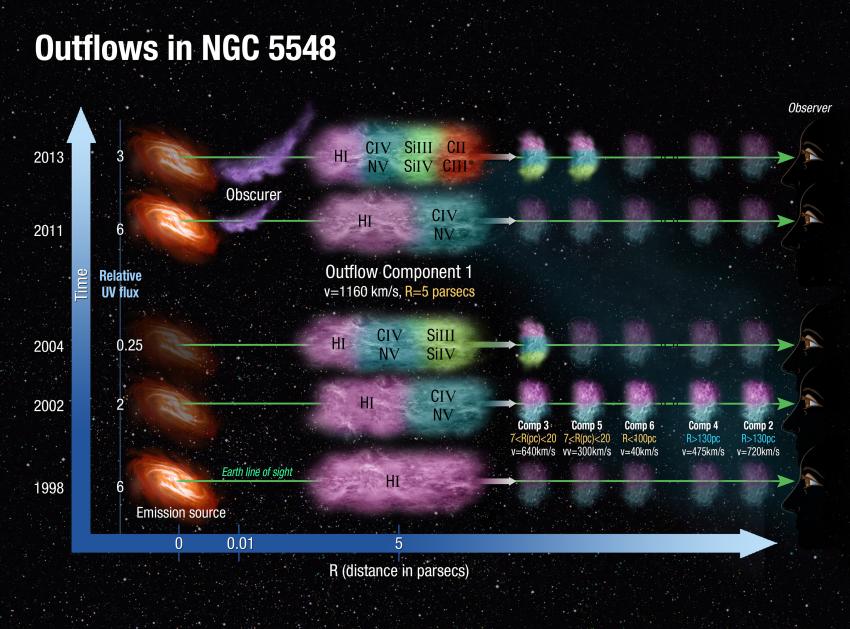
This is an illustration of the physical, spatial and temporal picture for the outflows emanating from the vicinity of the super massive black hole in the galaxy NGC 5548. The behavior of the emission source in five epochs is shown along the time axis. The obscurer is situated at roughly 0.03 light years (0.01 parsecs) from the emission source and is only seen in 2011 and 2013 (it is much stronger in 2013). Outflow component 1 shows the most dramatic changes in its absorption troughs. Different observed ionic species are represented as colored zones within the absorbers. Credit: Ann Feild/Space Telescope Science Institute
via hubblesite
 

Dr. Ed Dowdye: Solar gravitation and solar plasma wave propagation on interaction – EU 2014

via thewatchers


Confirmed, finally: D-Wave quantum computer is sluggish

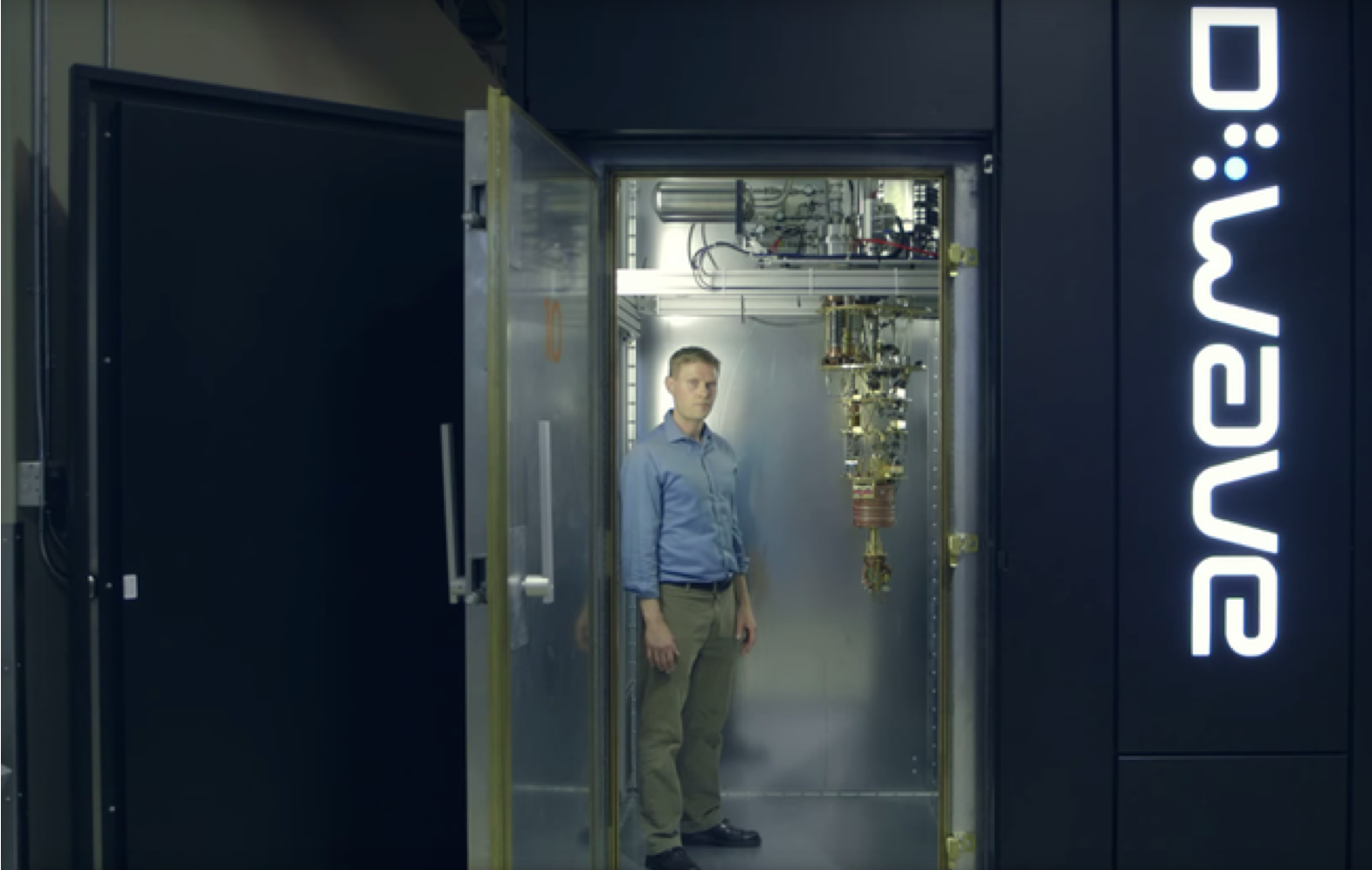
Jeremy Hilton, D-Wave's vice president of processor development, with one of the company's quantum computers. Screenshot by Nick Statt/CNET
Jeremy Hilton, D-Wave’s vice president of processor development, with one of the company’s quantum computers. Screenshot by Nick Statt/CNET
via cnet